




ט״ו סיון ה׳תשפ״ו | May 31, 2026
‘Rebbeim Items’ Auction Canceled Following Expose of Forgery
The controversial auction featuring dozens of items allegedly connected to the Rebbeim and members of Beis Harav has reportedly been removed from the Bidspirit platform, following days of mounting scrutiny and public discussion sparked in large part by reporting published on Anash.org. In the past few days, several additional findings have also come to light that further undermined confidence in the auction.
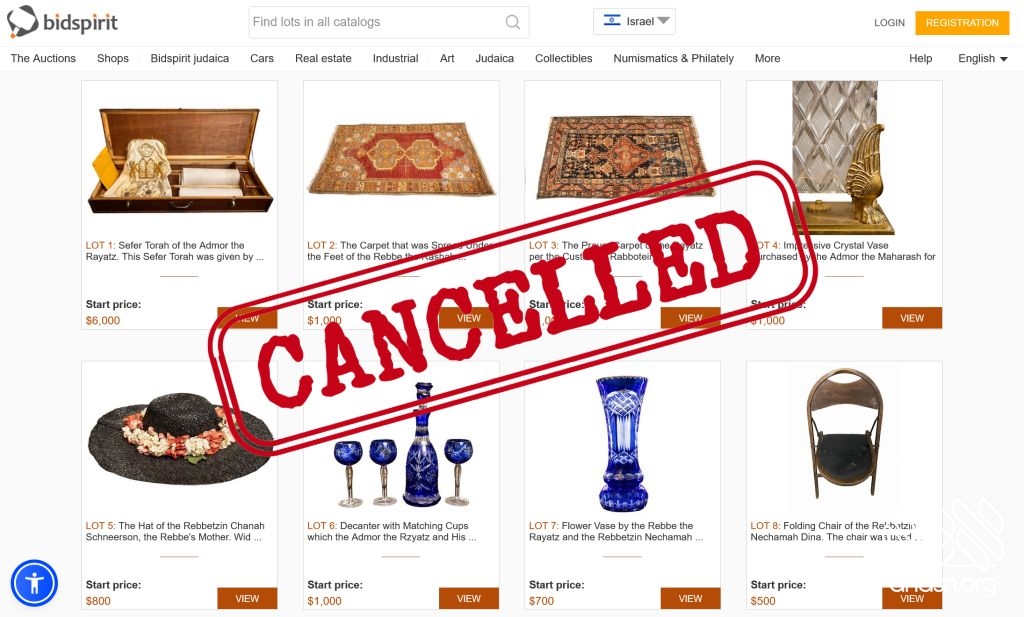
The controversial auction featuring dozens of items allegedly connected to the Rebbeim and members of Beis Harav has reportedly been removed from the Bidspirit platform, following days of mounting scrutiny and public discussion sparked by reporting published on Anash.org.
The removal comes shortly after a series of articles on Anash.org highlighted growing concerns surrounding the collection, including questions about authentication, ownership history, and the auction house’s refusal to provide detailed answers to repeated inquiries from collectors and researchers.
As reported, the auction contained a remarkable array of items attributed to the Rebbeim and their families, including a writing desk said to have been built by the Rebbe Maharash for Rebbetzin Rivkah, a serving piece allegedly belonging to the Frierdiker Rebbe, personal household items, clothing, coins and dollars allegedly distributed by the Rebbe, and numerous other artifacts.
One previous Anash.org investigation reported what it described as incontrovertible evidence that at least one authentication document connected to the collection was forged. A subsequent report published last week revealed that items matching pieces being sold in the auction had reportedly been identified in an antique store in Colorado, further fueling discussion among collectors and researchers.
In the past few days, several additional findings have come to light that further undermined confidence in the auction.
These included reports that multiple items presented as unique historical artifacts connected to the Rebbeim appeared to match pieces previously offered through the same antique store in Colorado. In addition to the writing desk and cut-glass serving bowl previously reported by Anash.org, researchers have reportedly identified two further items sold as connected to the Rebbeim.
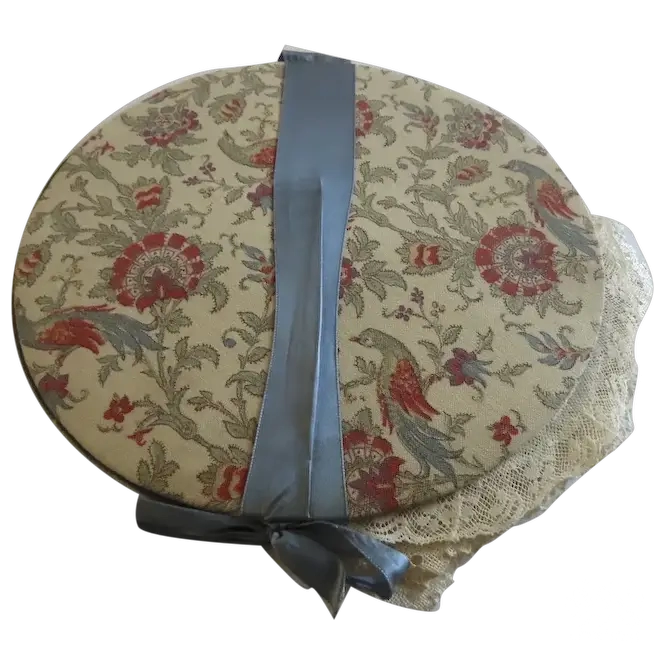
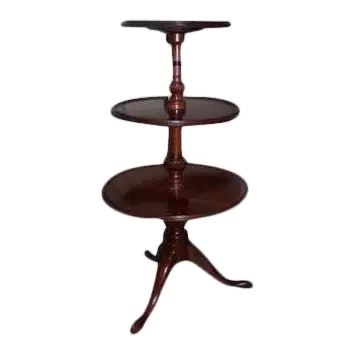
The first is a dumbwaiter, described in the auction as a significant historical item connected to Beis Harav, which reportedly matches an antique English three-tier mahogany serving stand previously offered by the Colorado dealer. Likewise, a decorative doily holder attributed in the auction to the Rebbeim’s household appears to match a vintage lace doily rack sold through the same antique shop
Furthermore, one of the items offered for sale as allegedly belonging to the Rebbeim is described as a “Magnificent Three-Tiered Wooden Food Buffet,” with the auction materials suggesting it corresponds to furniture referenced in the Frierdiker Rebbe’s childhood home narratives.
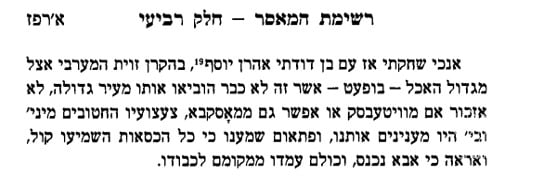
The passage being cited in support of this claim reads: “I was then playing with my cousin Aaron Yosef in the western corner near the ‘migdal haochel’ – buffet – which had recently been brought from a large city, I do not remember whether from Vitebsk or perhaps also from Moscow. Its finely crafted toys interested us, and suddenly we heard all the chairs making a sound, and I saw that Father entered, and everyone rose from their places in his honor.”
The issue, however, is that in the original text, the Russian word used is “Буфет (buffet),” which refers to a sideboard or storage cabinet for dishes and utensils, not a dining buffet or serving station. The seller appears to have confused this with the Hebrew translation “מגדל האוכל,” which is rendered as “food tower,” but in reality simply refers to a standard household storage cabinet.
It appears that the seller reviewed passages in the Frierdiker Rebbe’s Likutei Dibburim in search of references to household furniture, with the apparent intention of identifying items that could later be sourced and presented as historically connected artifacts.
His reliance, however, on a mistranslation of a basic Russian household term constitutes further evidence that many of the items being sold as allegedly belonging to the Rebbeim are in fact clear forgeries, and adds to broader concerns already raised regarding the credibility of the collection as a whole.
Anash.org also published details of a lengthy correspondence in which collectors repeatedly requested authentication records, chain of custody information, expert review details, and ownership history documentation. According to the correspondence, many of those questions remained unanswered, while some responses allegedly included threats of legal action against those raising concerns.
The reports generated extensive discussion throughout the Chabad community and among Judaica collectors, with many expressing concern over the extraordinary claims attached to the items and the lack of publicly available documentation supporting them.
On Sunday, the auction was removed from public view.
At the time of publication, no public explanation had been issued regarding the removal, and it remains unclear whether the auction has been permanently canceled, temporarily suspended, or will return in another format.
 COMMENTS


We appreciate your feedback. If you have any additional information to contribute to this article, it will be added below.