




ט״ז סיון ה׳תשפ״ו | May 31, 2026
The Rebbe’s Melamed, Underground Yeshivos, and the Great Escape
In a fascinating episode of Among Chassidim, author Nuchie Schapiro shares remarkable stories of the Rebbe’s childhood melamed, underground Tomchei Temimim yeshivos, the Great Escape from Soviet Russia, and the sixteen-year journey that became Legacy of Resilience.
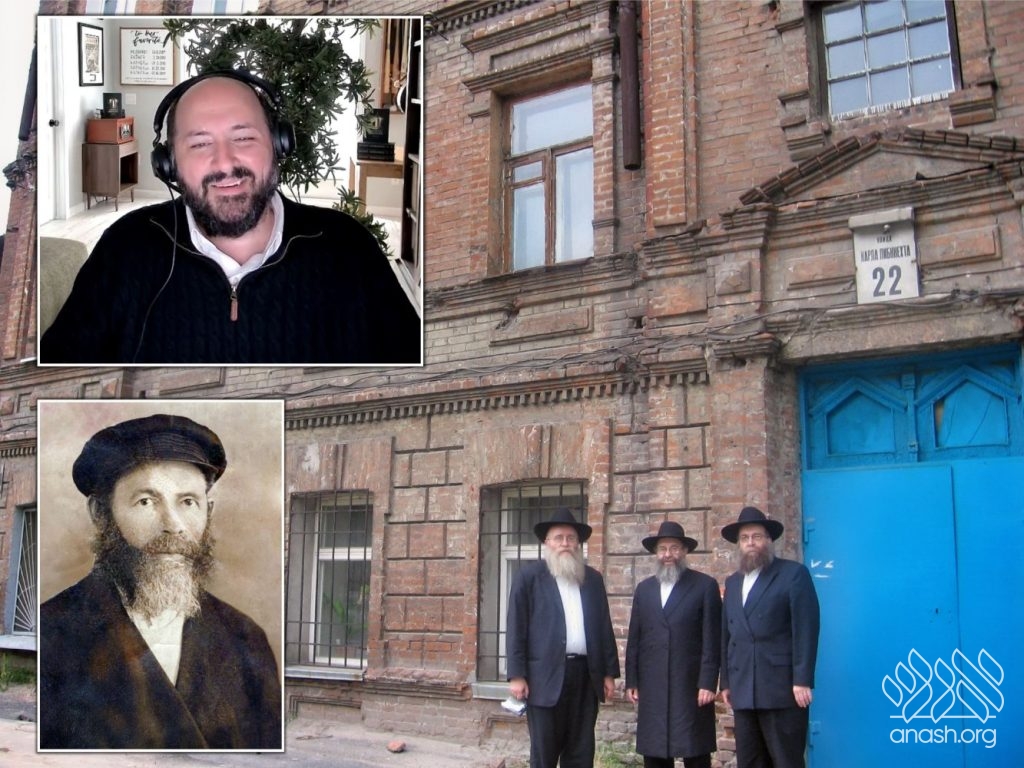
What was it like to sit in the classroom of the Rebbe’s childhood melamed?
How did bochurim learn Torah in underground yeshivos while evading the Soviet authorities?
What was life like for Lubavitcher Chassidim who endured revolution, war, Communist persecution, and displacement—yet remained steadfast in their Yiddishkeit?
These questions and many more are explored in a recent episode of Among Chassidim: A Podcast by Derher, featuring author and researcher Nuchie Schapiro.
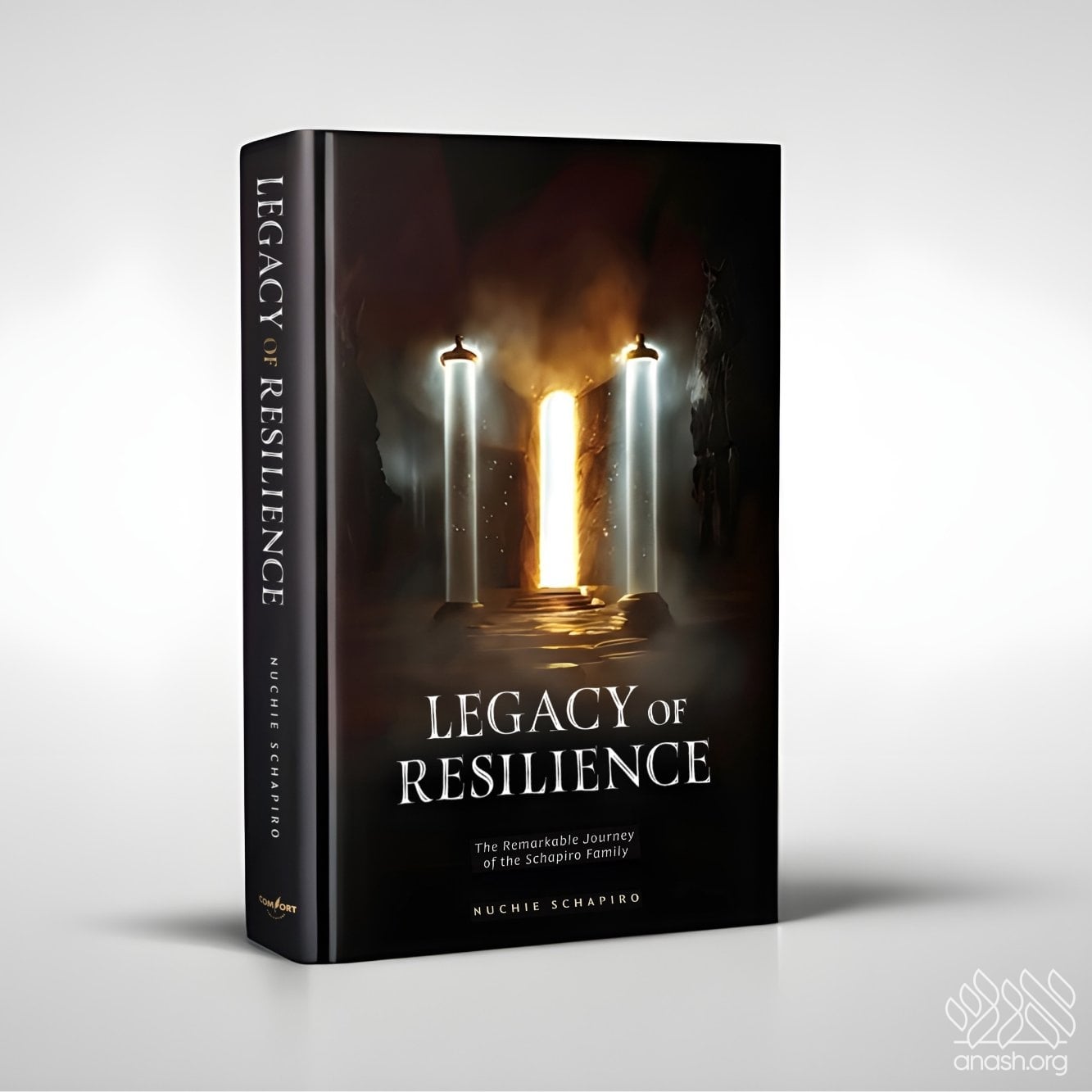
The conversation centers around Schapiro’s newly released book, Legacy of Resilience: The Remarkable Journey of the Schapiro Family, the culmination of sixteen years of research, interviews, and archival discovery. Yet listeners quickly discover that the discussion reaches far beyond the story of a single family.
Through the experiences of the Schapiros and related families, the interview opens a remarkable window into more than a century of Lubavitch history—from the era of the Rebbe Rashab and the Frierdiker Rebbe, through the years of Soviet persecution, the underground yeshivos of Communist Russia, the dramatic postwar escape from the Soviet Union, and the rebuilding of Jewish life in the years that followed.
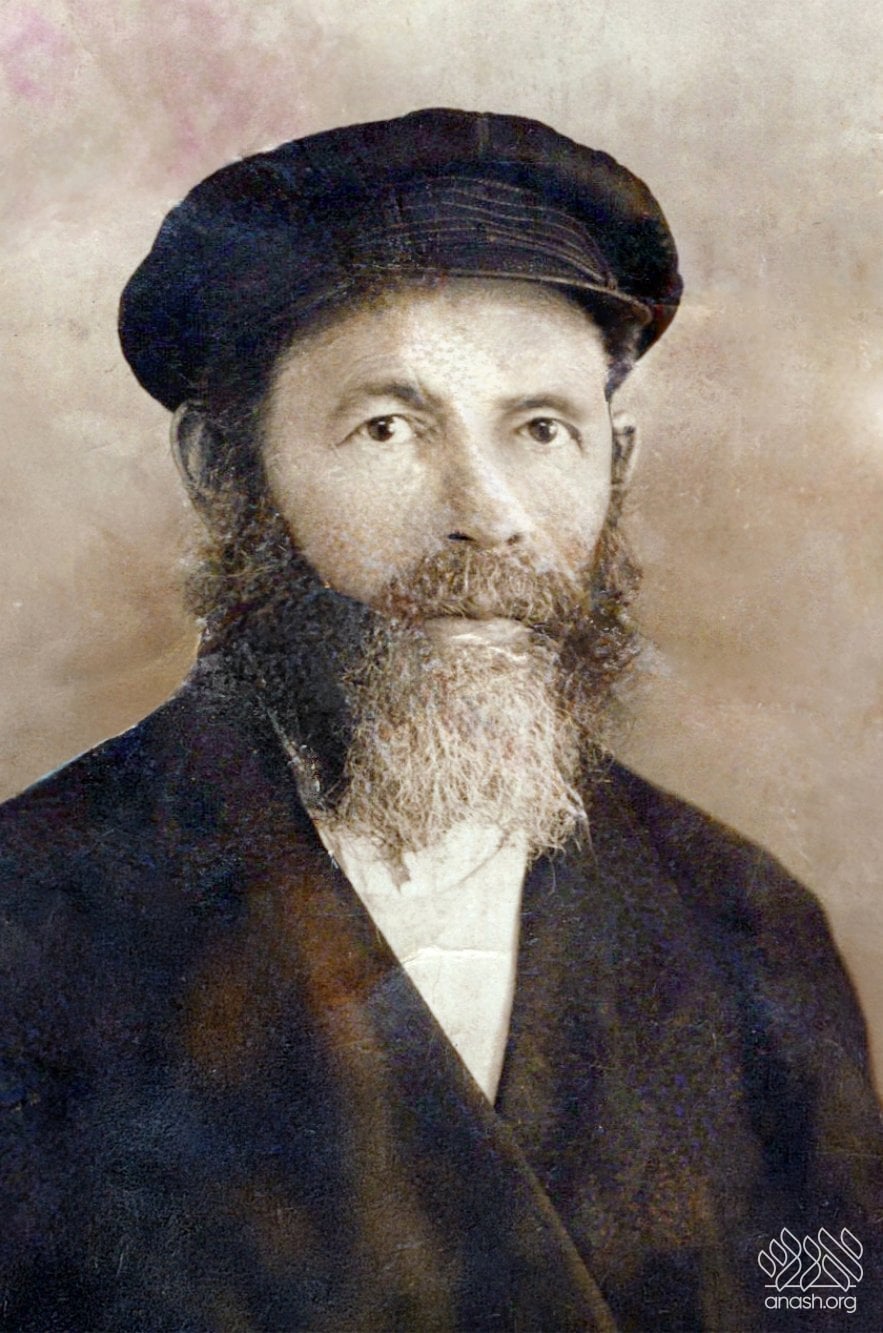
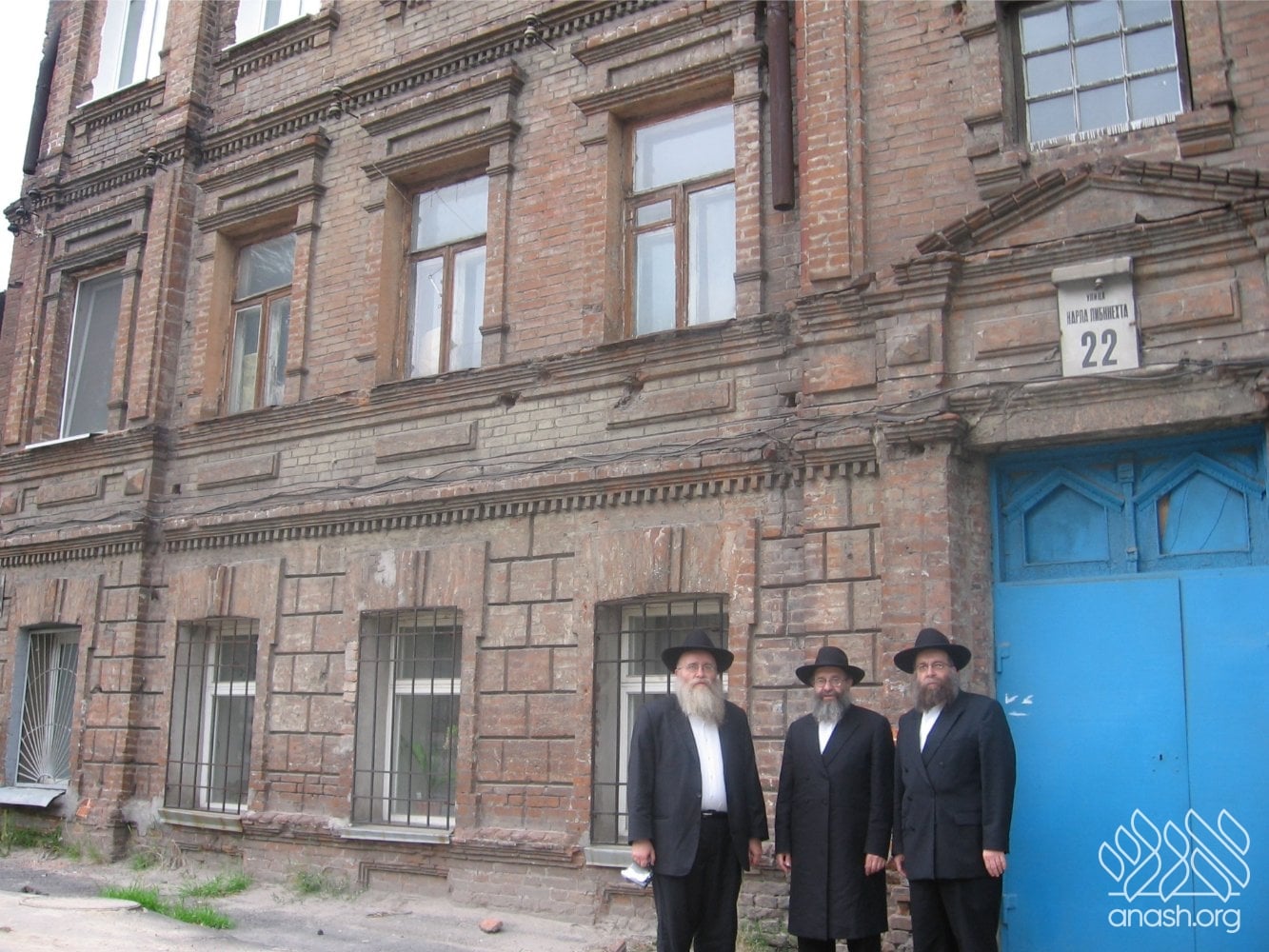
Among the many highlights discussed are the life and influence of Reb Schneur Zalman Vilenkin, the Rebbe’s childhood melamed, whose impact on the young Rebbe left an enduring impression. Drawing upon family records, firsthand testimony, and years of research, Schapiro shares vivid details about the unique educational environment in which the Rebbe was raised and the extraordinary individuals who helped shape that world.
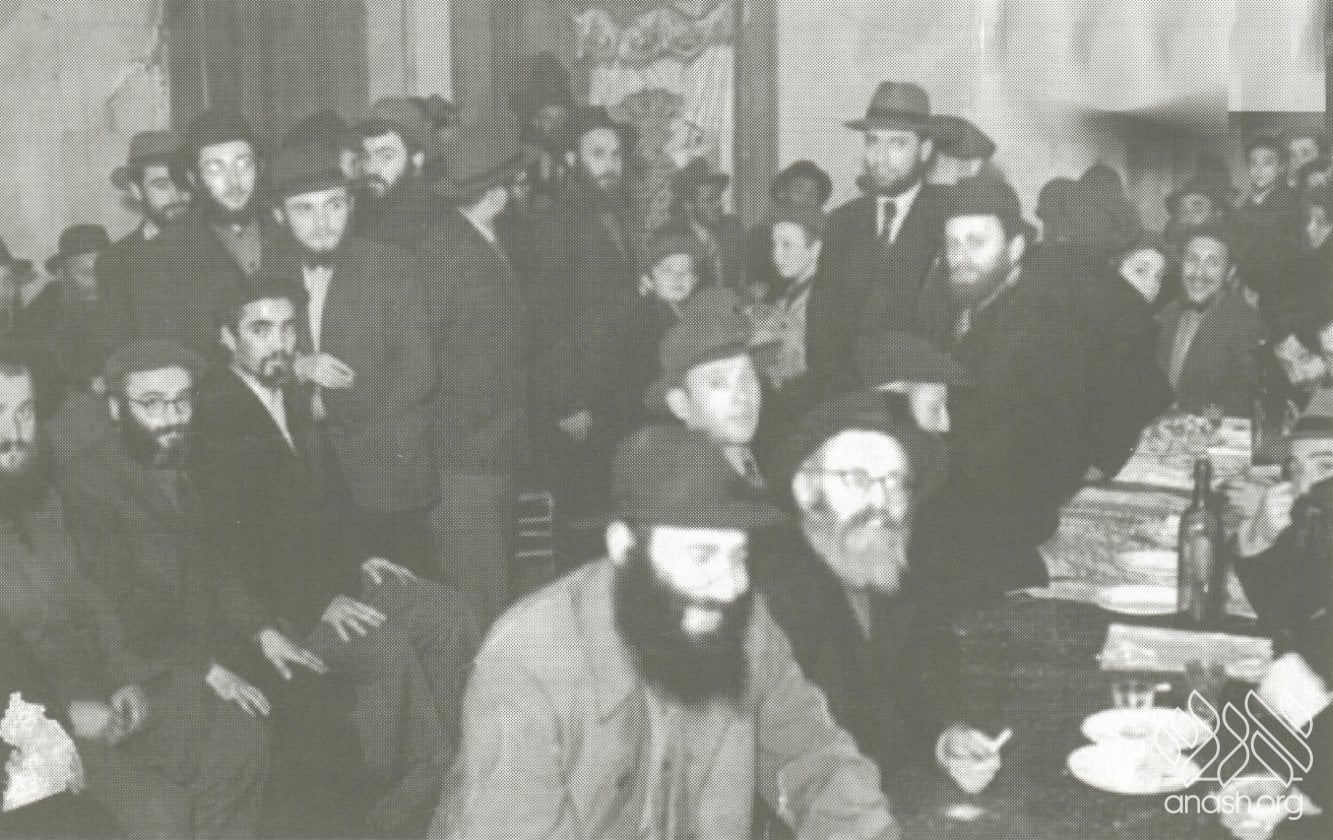
The interview also explores the realities of Torah life under Communist rule. Listeners are given a glimpse into the sacrifices made by bochurim who studied in underground Tomchei Temimim yeshivos, often moving from city to city as authorities sought to shut them down. The stories reveal not only hardship and danger, but the remarkable mesirus nefesh of a generation that refused to surrender its Yiddishkeit.
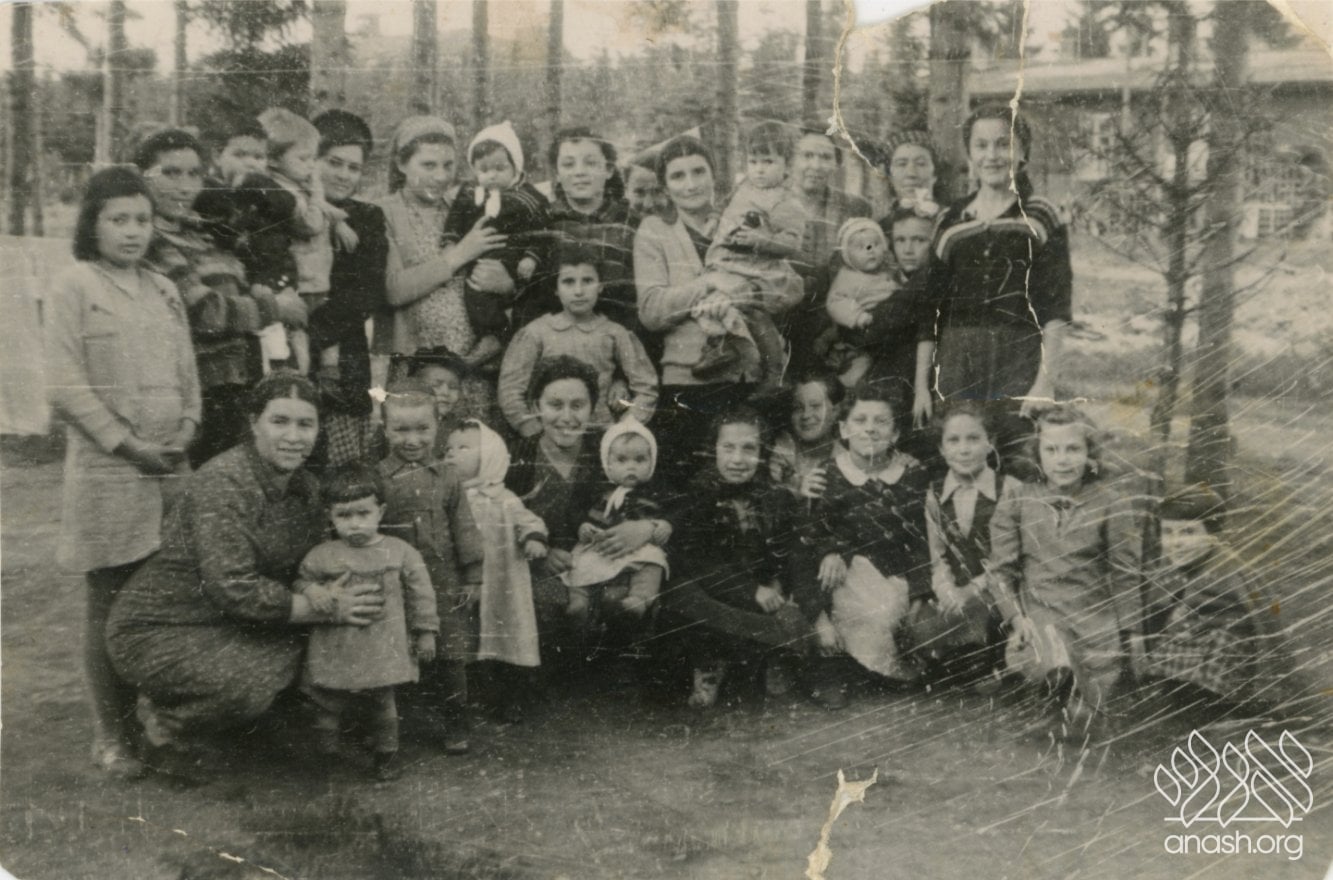
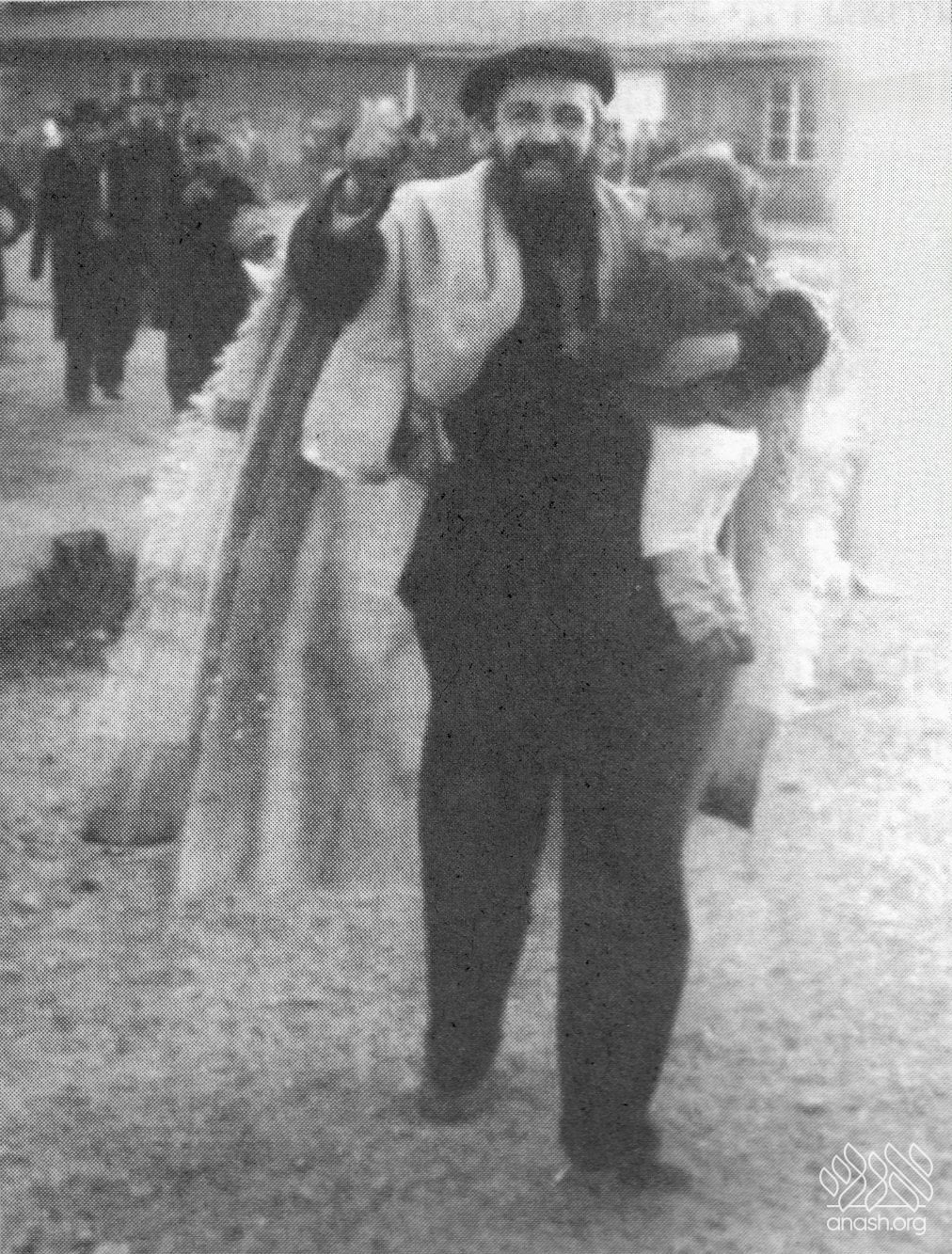
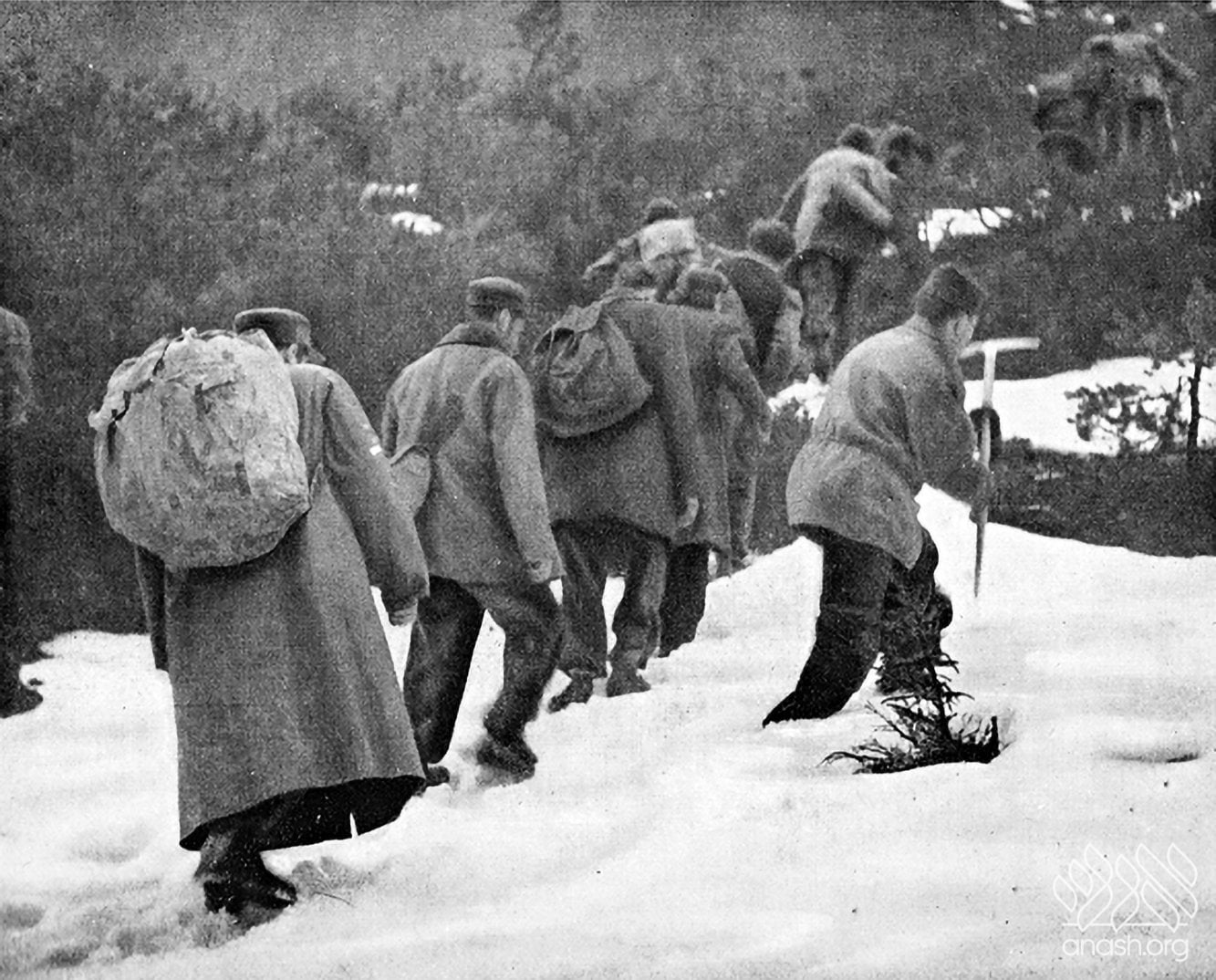
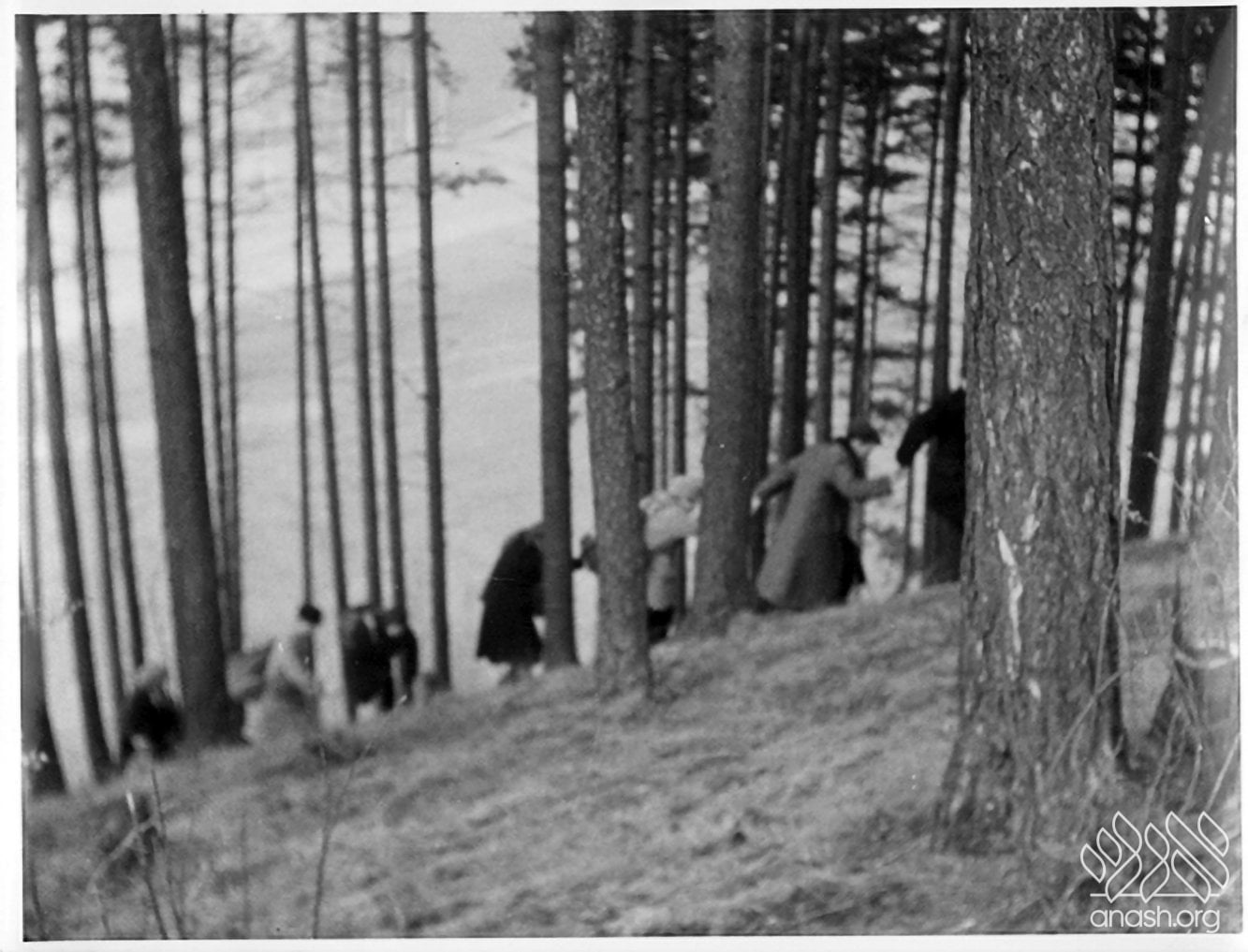
Another fascinating segment focuses on the “Great Escape” of Lubavitcher Chassidim following World War II and the vibrant community that emerged in the displaced persons camps of Europe. Drawing from hundreds of photographs, documents, letters, and firsthand accounts, Schapiro reconstructs a world that few today have seen in such detail.
Yet for many listeners, the most personal aspect of the conversation may be the story that set the entire project in motion.
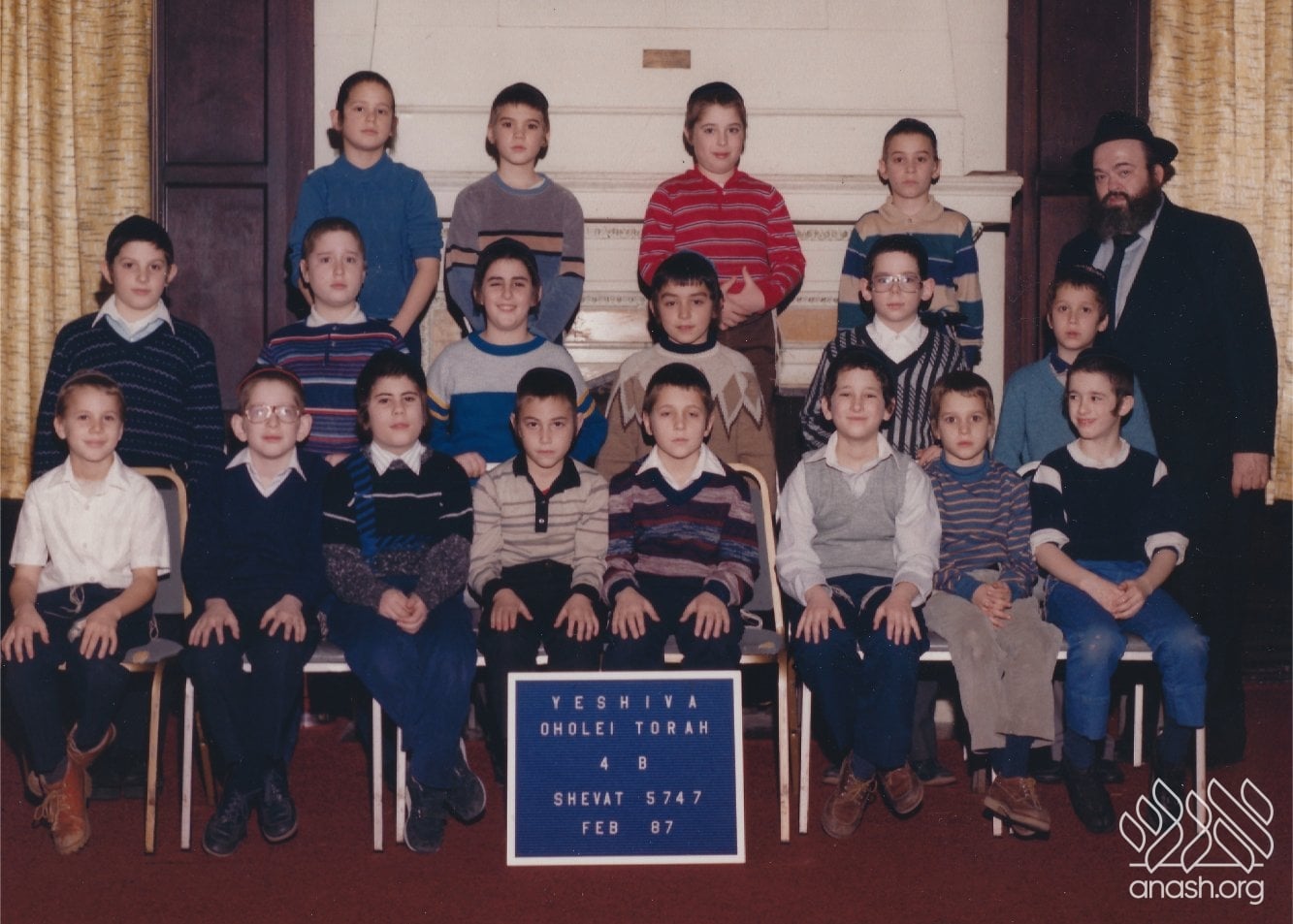
Schapiro explains that the research began as an effort to learn more about his own father, Rabbi Levi Yitzchok (“Levitche”) Schapiro, a beloved mechanech and later assistant principal of Oholei Torah. Having lost his father at the age of six, he spent years collecting stories and memories from former students, friends, and community members in an effort to better understand the man whose influence continued to be felt long after his passing.
For generations of Oholei Torah students and their families, this aspect of the interview carries special meaning. While the conversation spans Europe, Soviet Russia, and the formative years of Lubavitch history, it also offers a glimpse into a chapter of Crown Heights and Oholei Torah history that has never before been documented in book form. What began as a search for one father’s story ultimately grew into an effort to preserve the experiences, personalities, and events that helped shape both prewar and postwar Lubavitch.
Since its release, the interview has generated an enthusiastic response from listeners. Many have remarked not only on the depth of the historical material, but also on how engaging and accessible the conversation is. Others noted that they expected to listen for only a few minutes and instead found themselves captivated by stories they had never heard before—from the underground yeshivos of Soviet Russia to little-known details surrounding the escape of Chassidim after the war.
Whether one is interested in the Rebbe’s early years, the history of Lubavitch in Eastern Europe, the struggle to maintain Torah and mitzvos under Communist rule, the story of Oholei Torah and its educators, or simply a compelling account of resilience, mesirus nefesh, and continuity, this conversation offers a rare opportunity to step into a world that is rapidly passing from living memory.
Watch the full interview:

Learn more about Legacy of Resilience:
 COMMENTS


We appreciate your feedback. If you have any additional information to contribute to this article, it will be added below.