



א׳ מרחשון ה׳תשפ״ז | October 11, 2026
Rabbi Yisroel Rubin: A Life of Enjoying Torah
“How poignant that my father’s passing came as we celebrate Simchas Torah, completing the Torah and immediately beginning it anew. For my father, Torah was not simply something to study or teach. It was something to live, celebrate, and genuinely enjoy.”
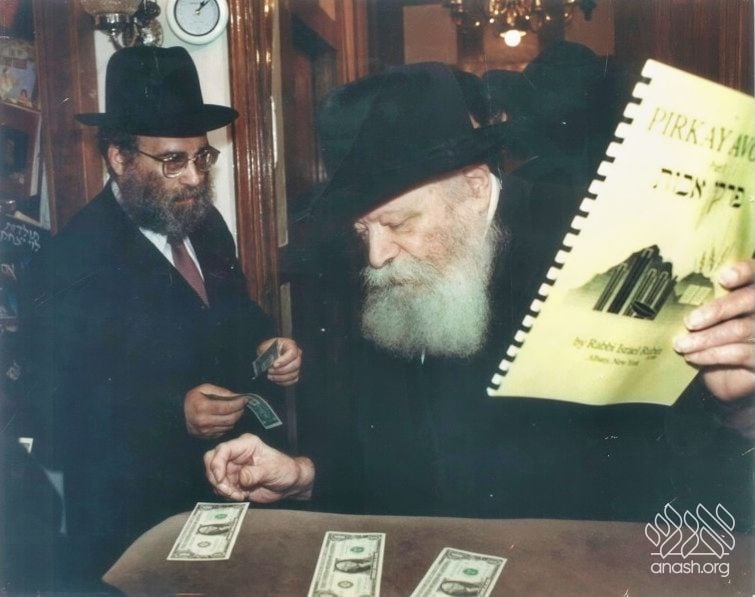
By Rabbi Yossi Rubin
My dear father, Rabbi Yisroel Rubin, passed away on the night of Shemini Atzeres, shortly after dancing at Hakafos in his beloved Shtibel, Shomray Torah, surrounded by the people he loved.
How poignant that his passing came as we celebrate Simchas Torah, completing the Torah and immediately beginning it anew. For my father, Torah was not simply something to study or teach. It was something to live, celebrate, and genuinely enjoy.
In 1965, as a young bochur, my father was at a Yud Shevat farbrengen where he heard a sicha from the Rebbe that profoundly shaped his approach to learning.
The Rebbe discussed “Akiva Nichamtanu” — עקיבא ניחמתנו, the story at the conclusion of Makkos in which the Tannaim cried upon seeing the ruins of the Beis Hamikdash, while Rabbi Akiva laughed, recognizing the promise of future redemption.
What fascinated my father was how the Rebbe explored the personalities, backgrounds, and life experiences of the Tannaim to understand their different perspectives. They saw the same scene, yet each understood it through his own unique lens.
This transformed my father’s learning. He began exploring not only the words of the Gemara, but the personalities and circumstances behind them.
This approach inspired a lifetime of creative Torah education. In 1970, while serving as learning director at Camp Gan Israel Montreal, he and Rabbi Shmuel Greisman created The Daily Chitas, a newspaper-style report. The Rebbe encouraged the project, approved the name “The Torah Times,” contributed $600 toward its first six months of printing, and it was chosen as one of the 71 mosdos.
My father became a true pioneer in Shlichus, constantly finding innovative ways to bring Torah and mitzvos to people.
At the Rebbe’s directive, he taught Gemara to women and girls, continuing this approach at Maimonides Hebrew Day School. His Open Sukkah, inspired by Rabbi Chadakov, welcomed visitors just as a realtor would at an open house. He was extraordinarily resourceful. Rabbi Chadakov was once heard telling another Shliach, “What you do with ten dollars, Reb Yisroel does with one dollar!”
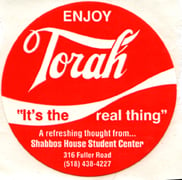
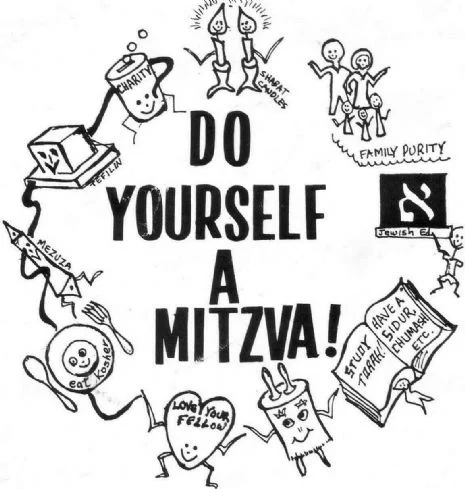
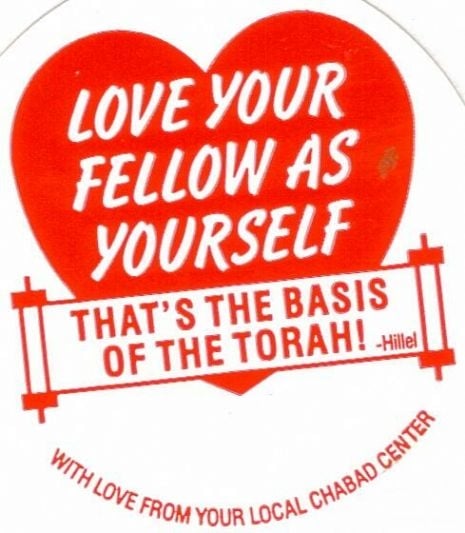
His famous stickers, including “Sefer Torah, Safer World” and “Enjoy Torah,” reflected his originality. But “Enjoy Torah” wasn’t just a clever slogan. He genuinely loved learning Torah, discovering new insights, and sharing that excitement with others.
Connecting to the final words of the Torah, לעיני כל ישראל — “Before the eyes of all Israel.”
Rashi explains that this refers to Moshe breaking the Luchos before the eyes of the Jewish people. The Rebbe explains that this seemingly tragic event actually reveals something extraordinarily positive: the infinite preciousness of every Jew. The Torah, in all its holiness, was given for the Jewish people, to guide and elevate their lives.
There is a story told of a Simchas Torah when a Sefer Torah was in danger of falling. Everyone cried, “Catch the Torah!” But the Rebbe’s concern was for the person holding it: “What about the Yid? Help the Yid!”
And the breaking of the Luchos was not the end. The second Luchos, given on Yom Kippur, represented a renewed relationship with Torah, with the revelation of Torah Shebaal Peh — the Torah that generations of Yidden would study, explain, and bring to life.
Perhaps this is the beautiful message of לעיני כל ישראל, and how we fulfill ומסיימים בטוב — concluding the Torah on a positive note.
Through the second luchos was given to us all the Midrash, Mishnah and Talmud. The Torah is now able to be seen through the eyes of the Jewish people. Through the eyes of the Avos and Imahos, whose experiences my father brought to life in Torah Times; through the eyes of the Tannaim and Amoraim, whose personalities he loved exploring; and ultimately, through our own eyes, our personalities, and our life experiences.
Every Jew is a living Torah, with a unique perspective and contribution.
And how fitting that the Torah’s final word is ישראל — Yisroel, my father’s name.
For 52 years of Shlichus, he dedicated himself to bringing Torah לעיני כל ישראל, helping every Jew discover its personal relevance, beauty, and joy.
On his final evening, he was dancing with the Torah and his fellow Yidden, celebrating the very connection he had spent his life nurturing.
Enjoy Torah. See it through your own eyes. Live it through your own life. And help every Yid discover the Torah that belongs to them.
Help Continue Rabbi Rubin’s Torah Legacy
My father left behind more than 600 pages of unpublished Torah insights in his Hirhurei Torah manuscript. One meaningful way to continue his legacy is to help bring his Sefer to print, so that his unique Torah insights can continue inspiring others.
Help Publish Rabbi Rubin′s Sefer—
May this be a lasting zechus for his neshama, and may we be reunited with him with the coming of Moshiach, speedily in our days!

 COMMENTS


We appreciate your feedback. If you have any additional information to contribute to this article, it will be added below.