



כ״ד תשרי ה׳תשפ״ז | October 5, 2026
Rabbi Yisroel Rubin, 78, AH
Rabbi Yisroel Eliezer Rubin, longtime shliach to Albany and head shliach of the Capital Region and Northeast New York State, passed away on the night of Shemini Atzeres, shortly after participating in hakafos at his shul.
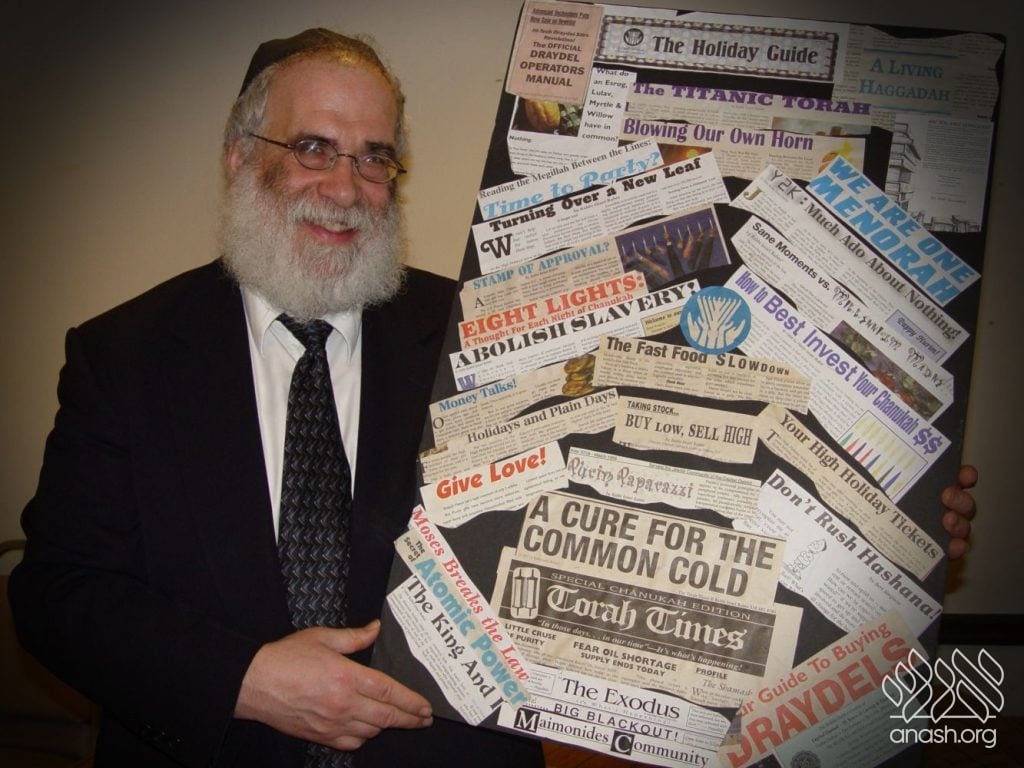
Rabbi Yisroel Eliezer Rubin, longtime shliach to Albany and head shliach of the Capital Region and Northeast New York State, passed away on the night of Shemini Atzeres, shortly after participating in hakafos at his shul.
He was 78 years old.
Rabbi Rubin was born in 1948 in Brooklyn to Rabbi Moshe and Mrs. Yocheved Miriam Rubin. His father was a respected shochet u’bodek in Montreal, where the family moved and Rabbi Rubin was raised.
He learned in Tomchei Temimim in Montreal, graduating from the yeshiva in 1967, and later continued his studies at the Central Tomchei Temimim in 770, where he received semicha in 1971. He subsequently learned in Kollel Menachem near the Rebbe’s mazkirus and taught at Yeshiva Chanoch LeNaar.
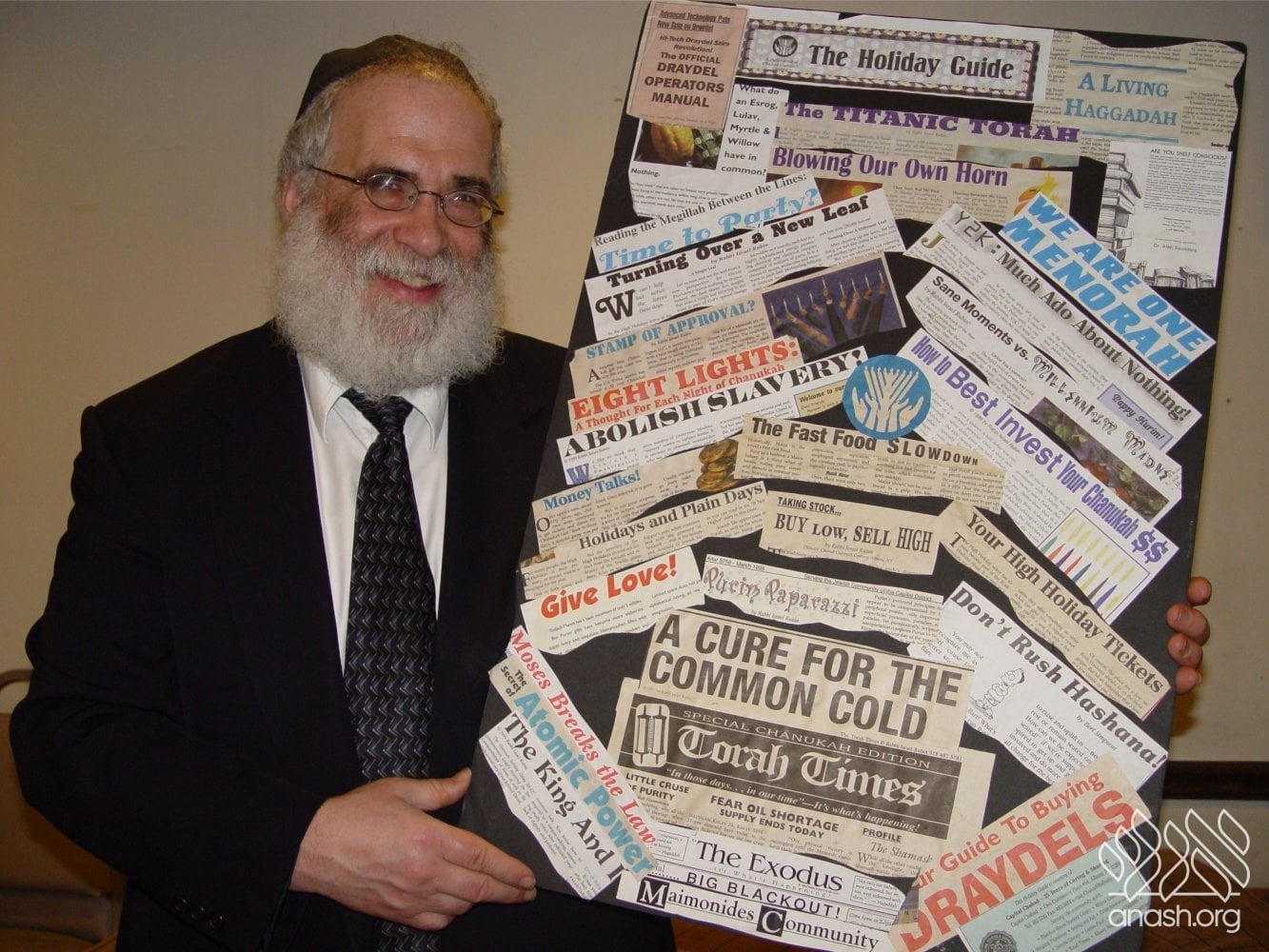
Already as a bochur, Rabbi Rubin developed the creative approach to Torah education that would remain a major part of his work. In the summer of 1970, while serving as learning director at Camp Gan Israel Montreal, he and Rabbi Shmuel Greisman produced a daily one-page publication presenting the events of the daily Chitas as newspaper reports and headlines.
At the end of the summer, some sixty mimeographed pages were bound together and sent to the Rebbe. The project continued after camp and was distributed to schools. When Rabbi Rubin wrote to the Rebbe about it, the Rebbe responded that the publication was well written but suggested that it be given a name that would be more readily understood. The name “Torah Times” was proposed and received the Rebbe’s approval, and the Rebbe contributed $600 toward the printing expenses for its first six months.
At one point, Rabbi Rubin received criticism from several educators who felt that presenting Torah stories in a humorous newspaper format was inappropriate. Nervous about one particular issue, he stopped sending the publication to the Rebbe for several weeks. When he finally submitted the accumulated issues, he deliberately omitted issue number six.
The Rebbe noticed and wrote back that number six was missing. Rabbi Rubin later related that the response showed him that the Rebbe had been following the publication closely. He also later learned that Rebbetzin Chaya Mushka read the issues, and he continued the project despite the criticism.
Rabbi Rubin said that the roots of his approach to learning went back several years earlier, to a Yud Shevat farbrengen in 1965. Then a fifteen-year-old visiting New York, he heard the Rebbe discuss the end of Makkos and the account of Rabbi Akiva laughing when the other Tannaim cried upon seeing the ruins of the Beis Hamikdash.
What impressed him was the Rebbe’s examination of Rabbi Akiva’s personal history and character as part of understanding the Gemara. Rabbi Rubin later said that the farbrengen changed the way he learned, leading him to focus not only on the words of a Torah source but also on the personalities, circumstances and relationships behind it. That approach would later form the basis for much of his teaching and writing.
On Gimmel Tammuz 5731, Rabbi Rubin married Mrs. Rochel Rubin, daughter of Rabbi Yechiel Michel Piekarski. In 1974, the young couple moved to Albany on the Rebbe’s shlichus, beginning more than five decades of work in New York’s Capital Region.
Their early years in Albany included a wide range of projects aimed at reaching Jews throughout the area. Chabad operated a downtown Kosher-Kart and later Kosher Pizza, opened the Shabbos House for students at the University at Albany, organized public holiday programs and classes, and produced numerous publications and mitzvah campaigns.
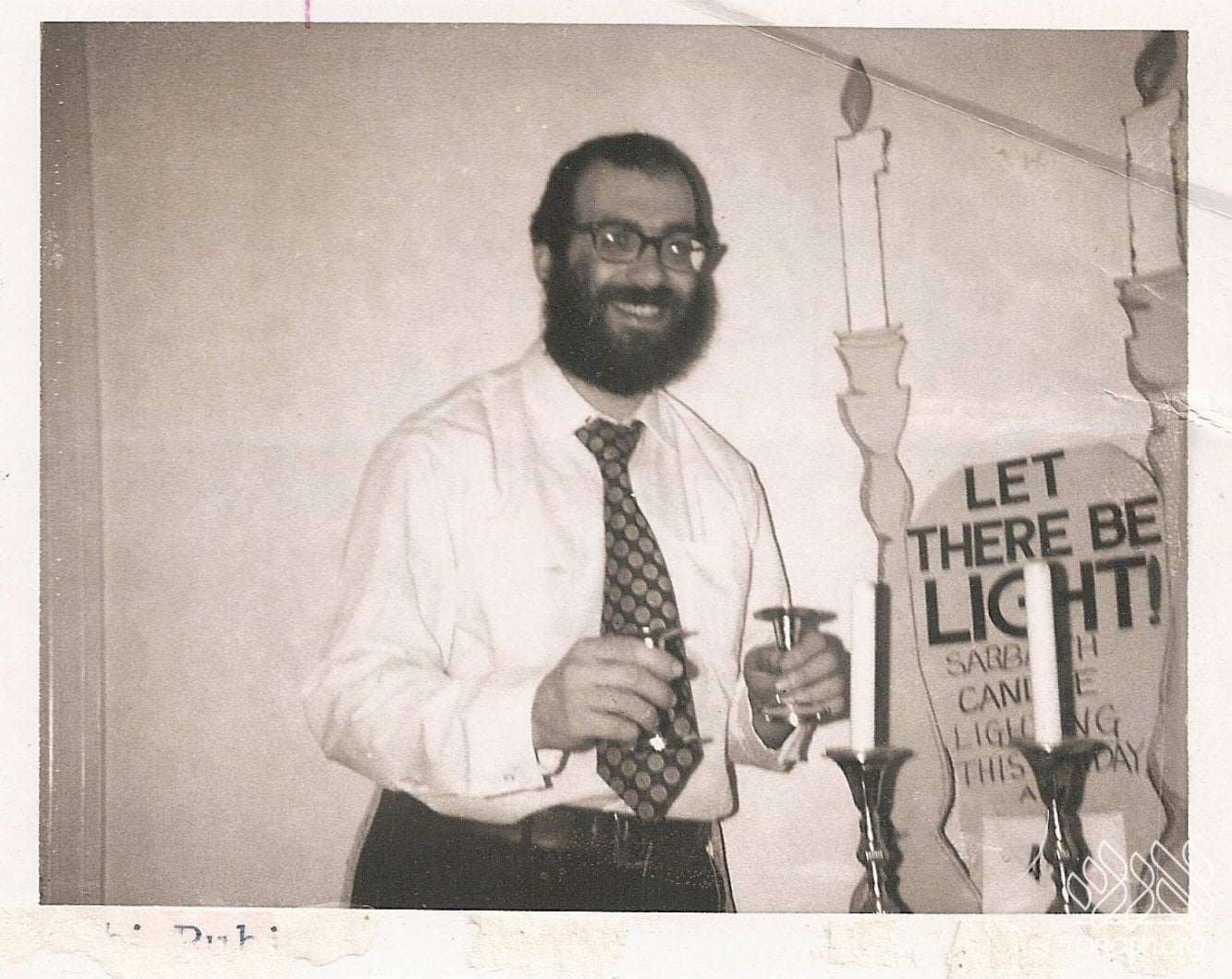
One of Rabbi Rubin’s early projects was a Shabbos candle-lighting matchbook, placing candle-lighting information on an item then commonly used for advertising. He went on to produce numerous similarly unconventional Jewish-awareness campaigns, including stickers, bookmarks, holiday publications and other materials, many of which were later used by shluchim elsewhere.
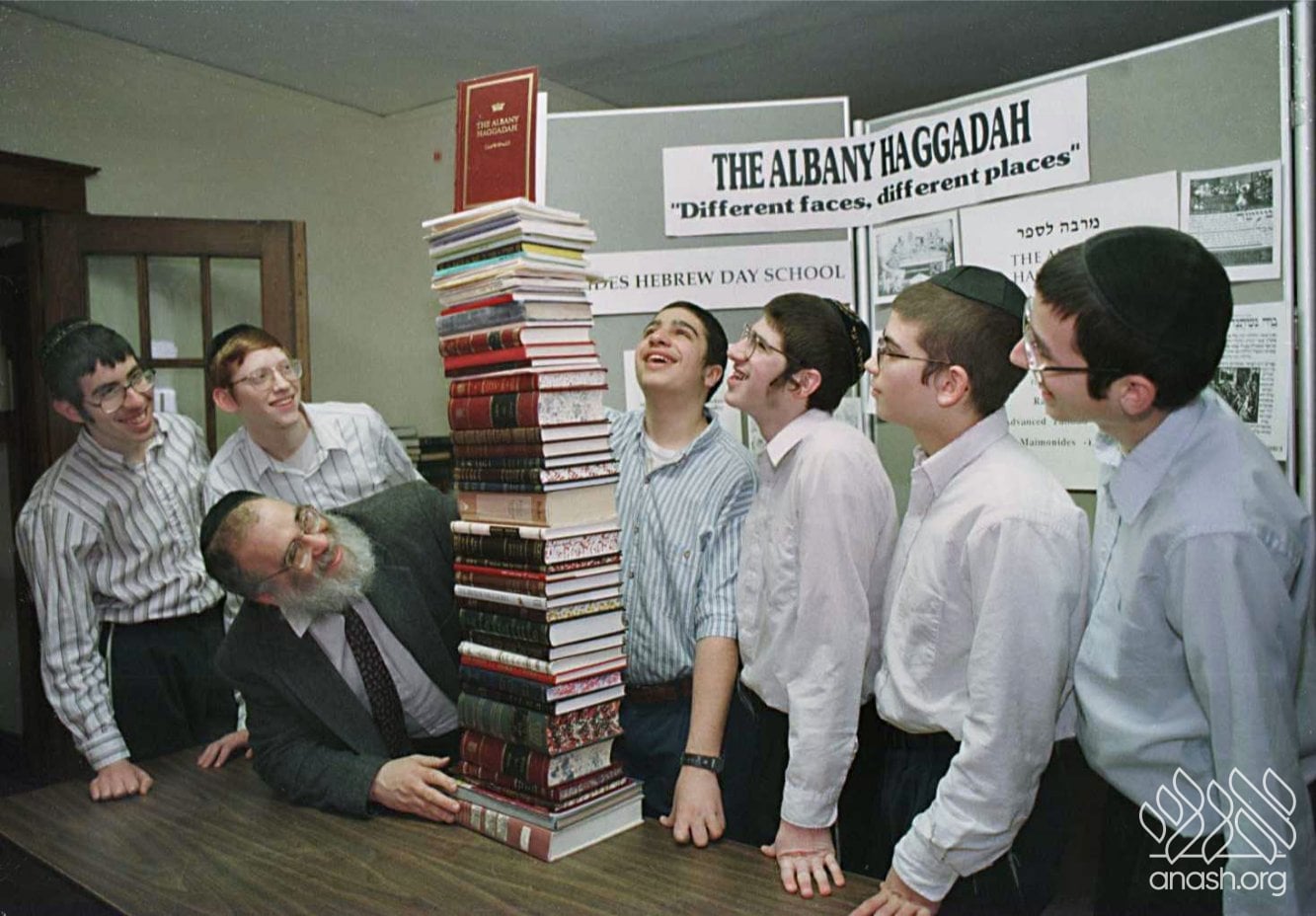
In 1980, Rabbi Rubin was among the founders of the Maimonides Hebrew Day School in Albany. He served for many years as its dean and rosh yeshiva, while Mrs. Rubin taught at the school from its opening and later served as principal. Rabbi Rubin also served as the rov of Congregation Shomray Torah.
The Albany operation gradually developed into a regional network. Chabad centers and shluchim were established in Troy, Delmar, Saratoga Springs, Clifton Park, Schenectady, Bethlehem, University Heights, Colonie and other communities, alongside the continuing work at the University at Albany and other campuses.
One of the unusual early directives Rabbi Rubin received concerned a mikvah in Troy. In 1979, after he submitted surveys to Merkos detailing the Jewish populations and facilities of some twenty communities in upstate New York, Rabbi Chaim Mordechai Aizik Chodakov informed him that a mikvah should be built specifically in Troy.
Rabbi Rubin questioned the choice, noting that Troy had only about 2,000 Jews and asking whether another city might be more suitable. Rabbi Chodakov insisted on Troy and told him that the matter had an urgency of pikuach nefesh. When Rabbi Rubin initially considered a rented location for a Chabad center, Rabbi Chodakov pointed out that a mikvah could not simply be built on rented premises.
The Troy mikvah was completed in 1980, with Merkos contributing a third of the construction expenses and the Rebbe’s office repeatedly following its progress. Rabbi Leible and Mrs. Elisheva Morrison were brought to Troy as shluchim, establishing what became the Troy Chabad Center and its work with the local community and students at RPI.
Albany’s position as the state capital also brought Rabbi Rubin into regular contact with New York officials. For decades, he participated in Jewish events at the State Legislature, delivered invocations before the Assembly, and worked with governors, legislators and other state officials. A Tu B’Shevat event in the Legislature became an annual tradition, and Education Day proclamations and other events brought the Rebbe’s message to state government.
Rabbi Rubin was also a prolific Torah writer. His publications included Marbeh L’Saper, known as the Albany Haggadah, which examines the five Tannaim at the Bnei Brak Seder through their lives, views and other statements in Chazal. The work grew out of a project with his students and drew heavily on the Rebbe’s Haggadah and on Rabbi Rubin’s method of studying the personalities behind the text.
He also published material on Pirkei Avos, including Shem Avosai and “Blossoms,” numerous scholarly booklets under the title Hirhurei Torah, the “Holiday Guide” newspaper series, and hundreds of articles on Torah and Jewish life. More than fifty editions of the Holiday Guide were produced and syndicated for use by shluchim around the country.
A manuscript of more than 600 pages of his Hirhurei Torah remained unpublished at the time of his passing. Rabbi Rubin also served on the steering and editorial team involved in developing Torah curricula for the Rohr Jewish Learning Institute.
The Rebbe followed and encouraged the work in Albany closely. For the fifth anniversary of Capital Chabad, the Rebbe sent a lengthy English letter built around the contrast between Parshas Vayeitzei and Parshas Vayishlach. The Rebbe described Yaakov leaving home alone and facing opposition, followed by his return with a large family and success in both spiritual and material matters.
Rabbi Rubin said he felt that the letter described the challenges they had faced in establishing Chabad in Albany. Known locally as the “Vayeitzei-Vayishlach letter,” it was read in the community each year and remained a source of encouragement to him throughout his years of shlichus.
Albany had, in fact, appeared in Rabbi Rubin’s life long before his shlichus. When he was eight years old, he traveled with his father from Montreal to New York for a Yud-Tes Kislev farbrengen. On the return trip, his father began Mincha shortly before the train stopped in Albany.
Passengers were suddenly told that their car would be detached and that they had just two minutes to move to another car. Reb Moshe continued davening, while his young son did not know what to do. The train remained in Albany for about fifteen minutes, until his father had finished, and then continued. Years later, after being sent to Albany, Rabbi Rubin looked back at the incident as a striking case of hashgacha pratis.
Years afterward, when Reb Moshe Rubin passed the Rebbe for dollars, the Rebbe gave him an additional dollar for his son and remarked, “I know that Yisroel is in Albany.”
Rabbi Rubin continued teaching and writing despite health challenges in his later years. He remained involved in the institutions and regional network he had helped build, and continued preparing Torah material and delivering shiurim as his health allowed.
In 2024, the Capital Region marked fifty years since their arrival on shlichus, with a network of Chabad centers and institutions operating throughout the region.
Rabbi Rubin is survived by his wife Mrs. Rochel Rubin; their children, Rabbi Menachem Mendel Rubin, Rabbi Abba Rubin, Rabbi Yosef Yitzchak Rubin, Rabbi Shmuel Rubin, Mrs. Devorah Leah Mathless, Mrs. Rivka Cohen, Rabbi Efraim Rubin, R’ Simmy Rubin, Mrs. Mushky, and Rabbi Mordechai Rubin; as well as grandchildren and great-grandchildren.
He is also survived by his sisters, Mrs. Rochel Zaklos of Detroit, Mrs. Esther Chanowitz of Montreal, and Mrs. Sara Yuzevitz of Brooklyn.
He was predeceased by his daughter Mrs. Esty Cohen, a shlucha in Manchester, England, who passed away in 2010.
For those with memories of Rabbi Rubin, the family would appreciate them at: [email protected]
The levaya will take place on Monday in Albany, passing by Shomray Torah on New Scotland Ave, where he served as rabbi, and also stop at 2:30 pm at the Maimonides School on Partridge Street in Albany, which he founded and headed, for the students to participate in the escort.
Kevurah will be at the Beth Abraham-Jacob cemetery on Fuller Road in Albany, just down the road from Shabbos House (which he founded in 1976) at 3:45 pm.
Shiva will be taking place
Tuesday – 122 South Main Ave
Tuesday, 12:00-8:30 pm
Wednesday – Thursday
Shabbos House 320 Fuller Rd
Wednesday, Thursday – 10:00 am-8:30 pm
Friday at 122 South Main Ave
10:00 am – 3:00 pm
Davening times (7 minyanim)
Shachris- 6:15 am, 8:00 am, 9:00 am
Mincha- 6:10 pm
Maariv- 6:55 pm
Friday Mincha – 1:15 pm
Send memories to: [email protected]
Boruch dayan hoemes
 COMMENTS


Baruch Dayan HoEmes. I remember his humorous parsha newsletters. We got them in the mail and read through them , they were a lot of fun and you could sense his personality through them. Wish I still had those booklets, I would share them with my kids. Condolences to the family.
I was very fortunate to have Rochel as my Talmud Torah teacher. I was at their wedding and had the good fortune to spend several shabbats as a child in their home in Crown Heights before they moved to Albany. We had lost touch for several years and reconnected in 2003. After reconnecting I went to two of their son’s weddings and was welcomed in their home every time I went upstate. The world has lost a beautiful human being. May his memory be a blessing.
For years his articles were printed in the “Lechaim” magazine by Tzach that many Yeshiva Bochurim give out on Mivtzoim. Rabbi Rubin a”h had an great sense of humor and always went straight to the point, whether it was about learning Torah, Shabbos, or giving children a true Torah education.
יהא זכרו ברוך