



ג׳ תשרי ה׳תשפ״ז | September 14, 2026
Hidden Seforim Found as Kostroma Begins Centennial Torah
A dramatic discovery was made in Kostroma as workers uncovered siddurim and other seforim hidden inside the walls during Communist rule. That same day, a new Torah was begun near the Ohel, marking 100 years since the Frierdiker Rebbe’s release from Kostroma.
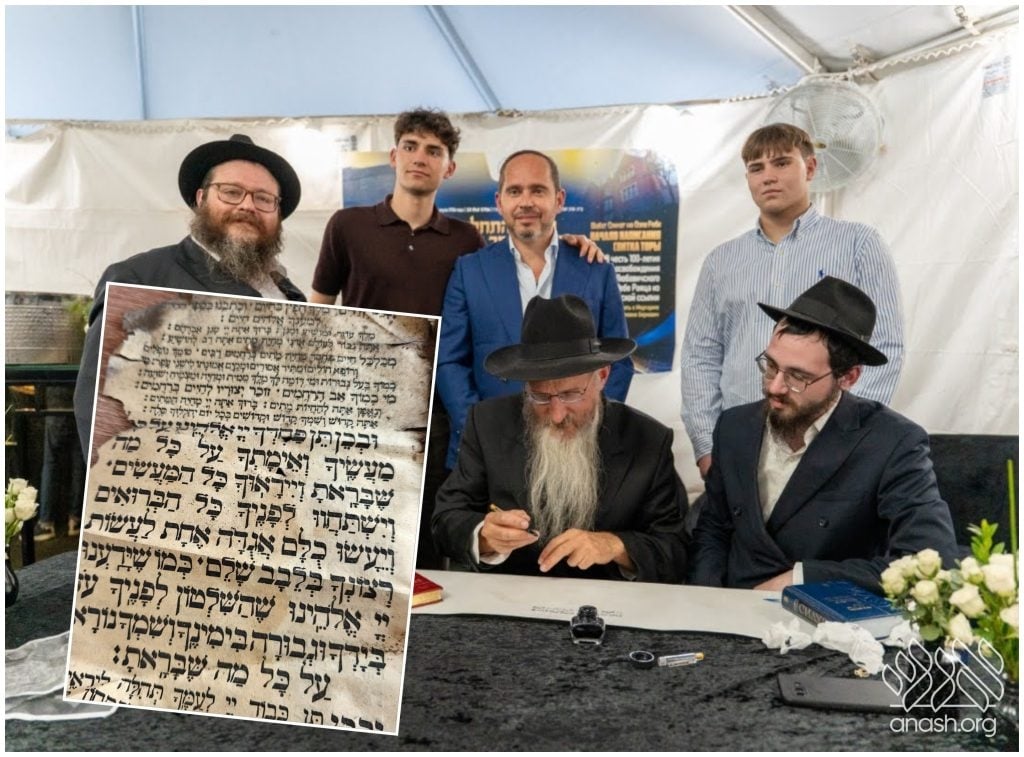
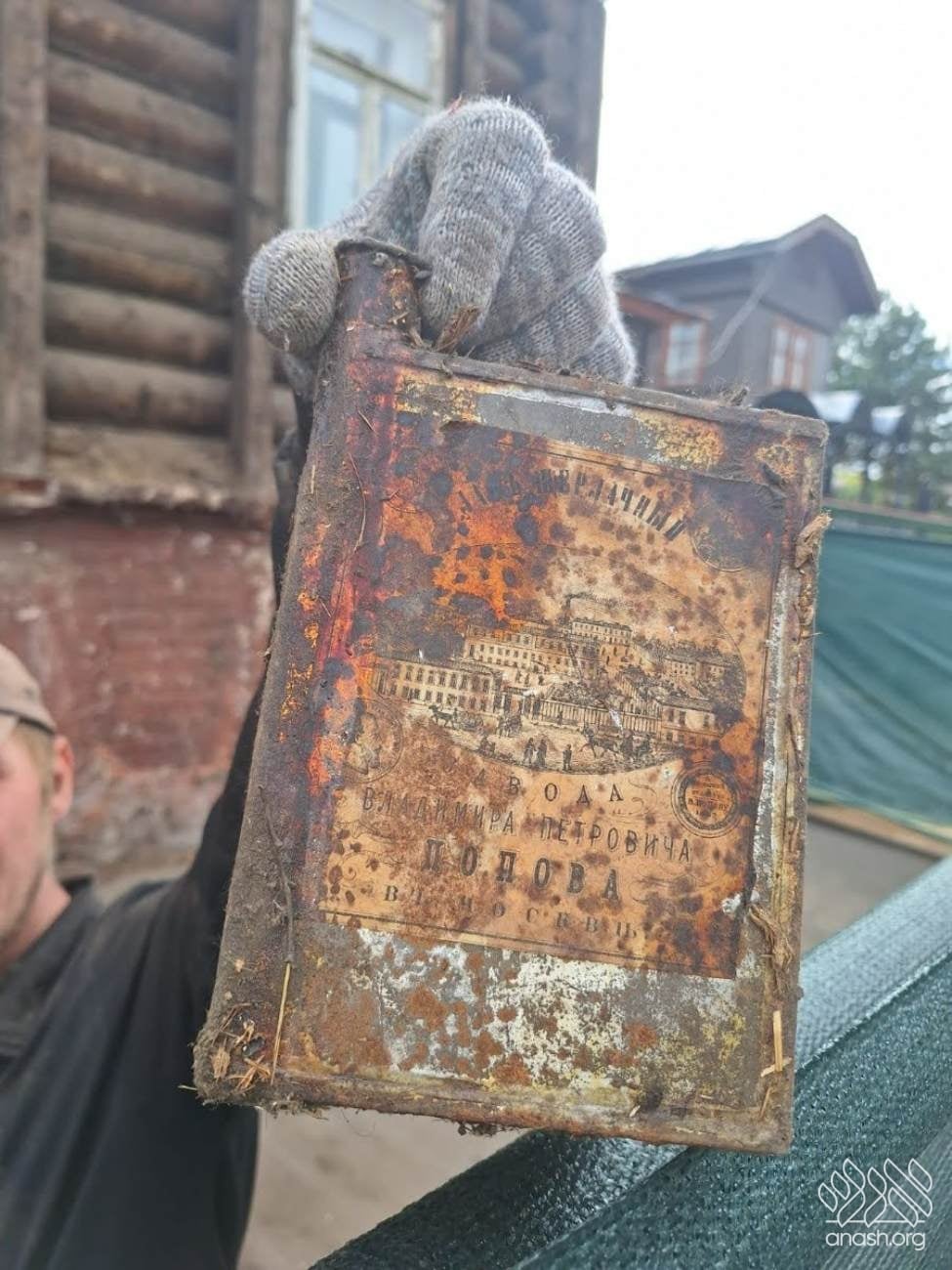
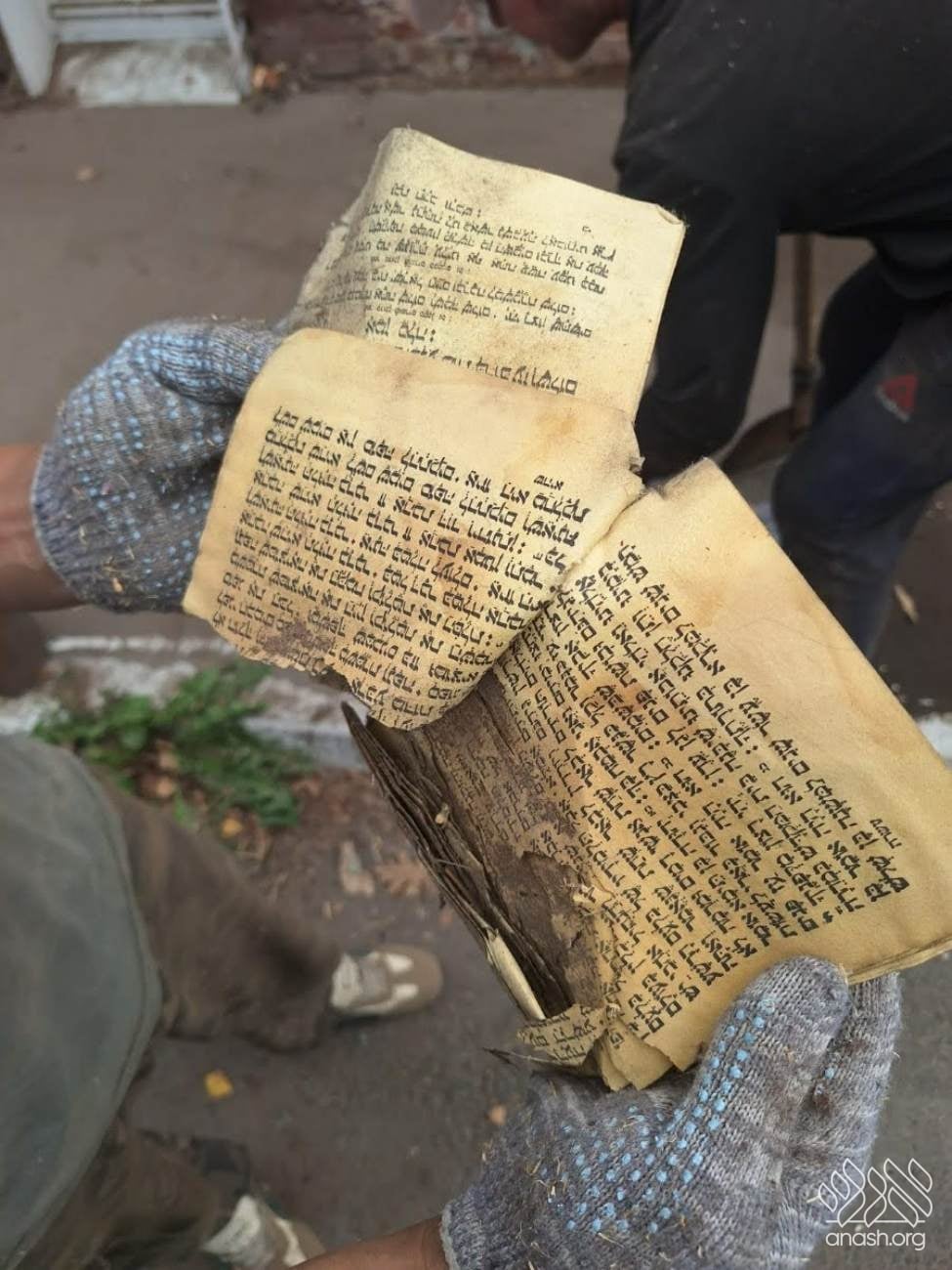
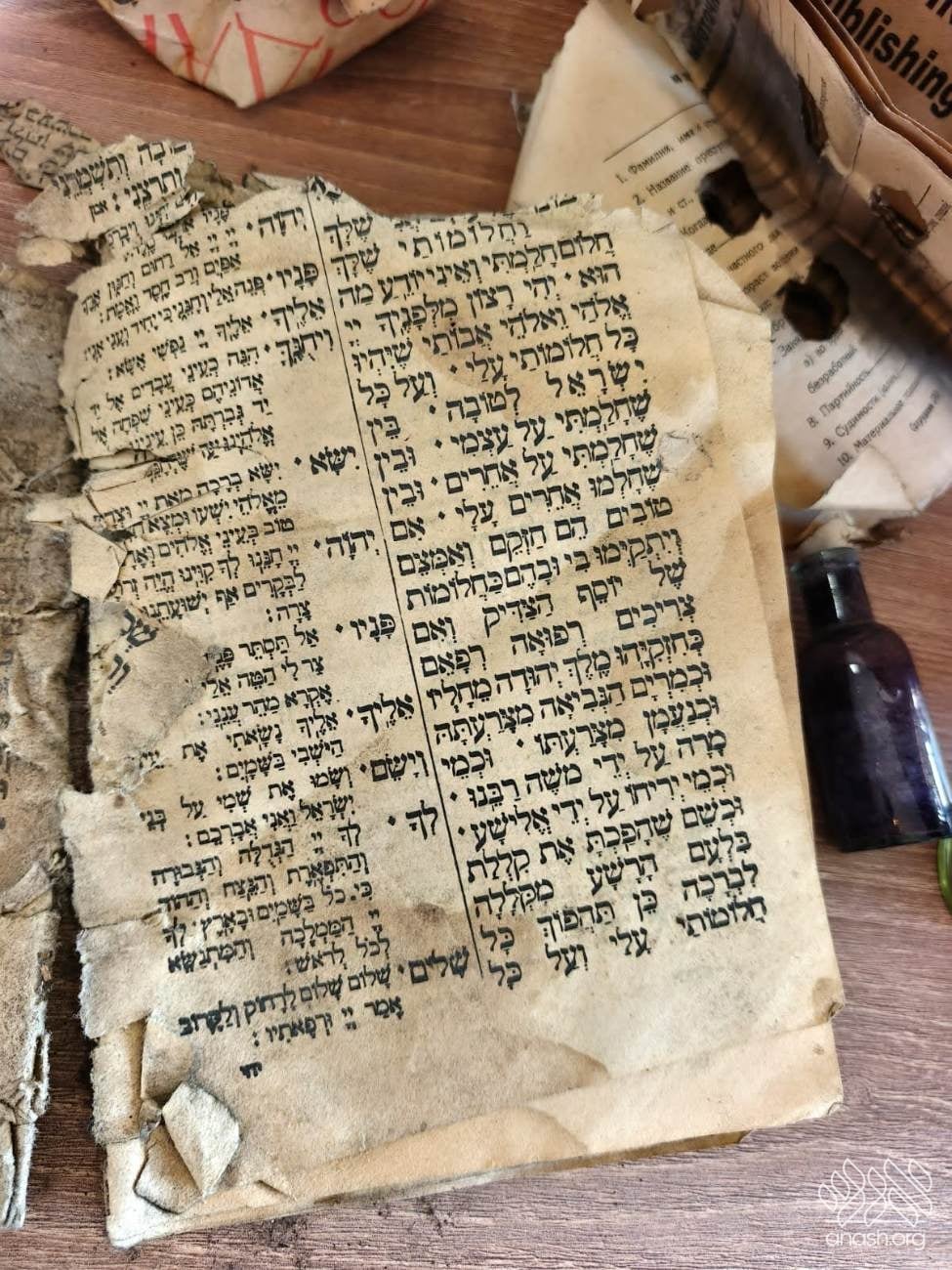
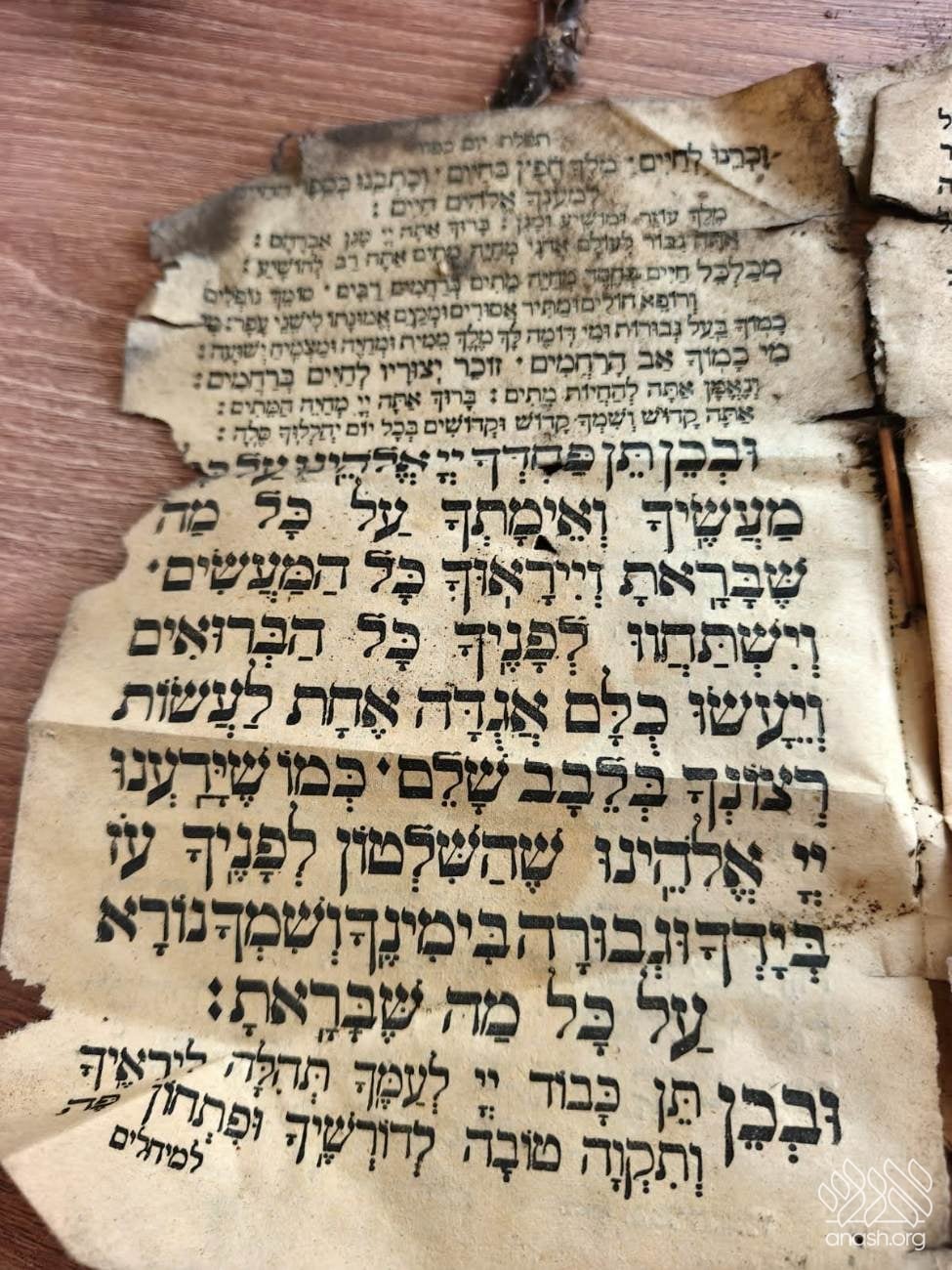
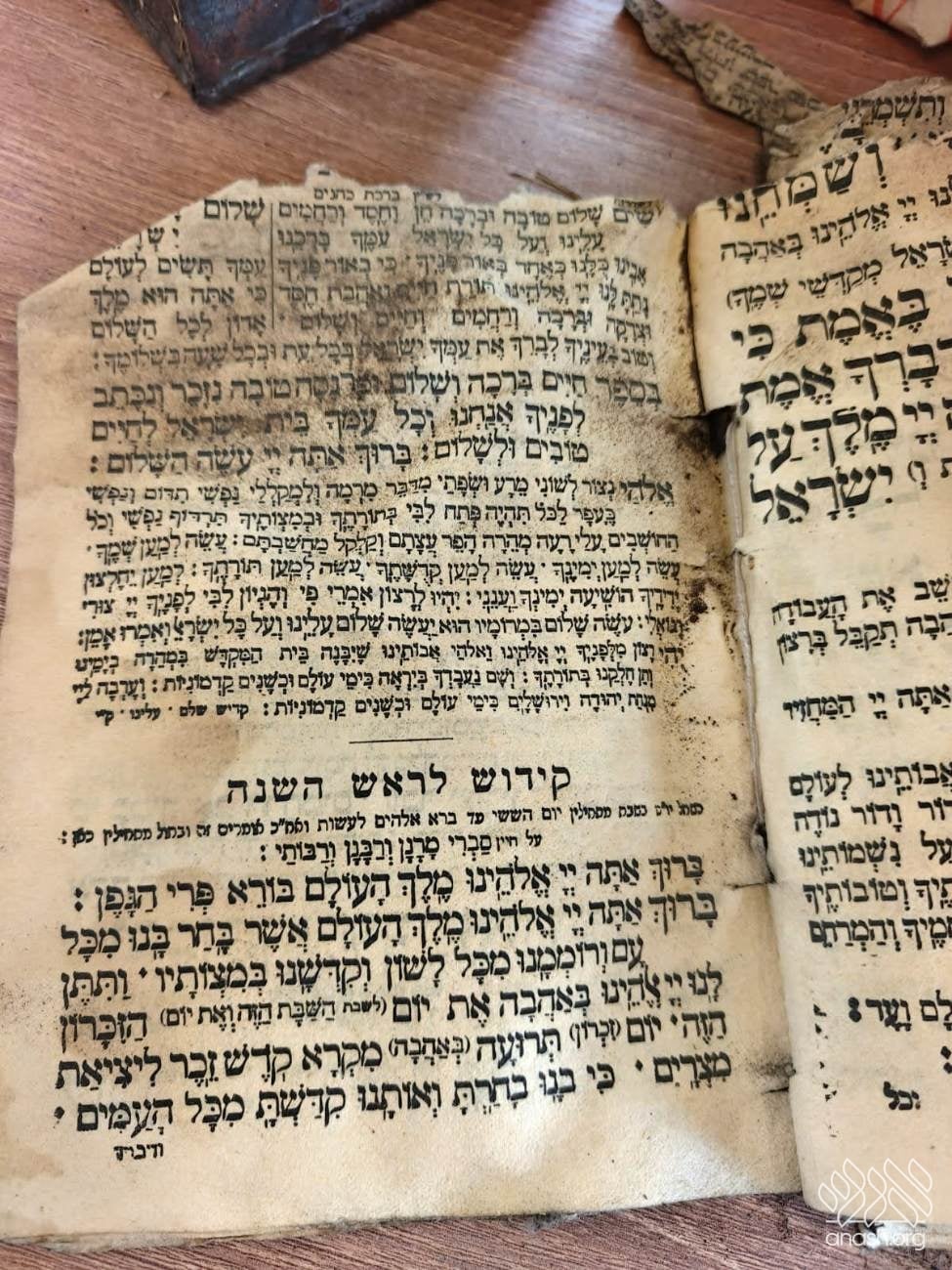
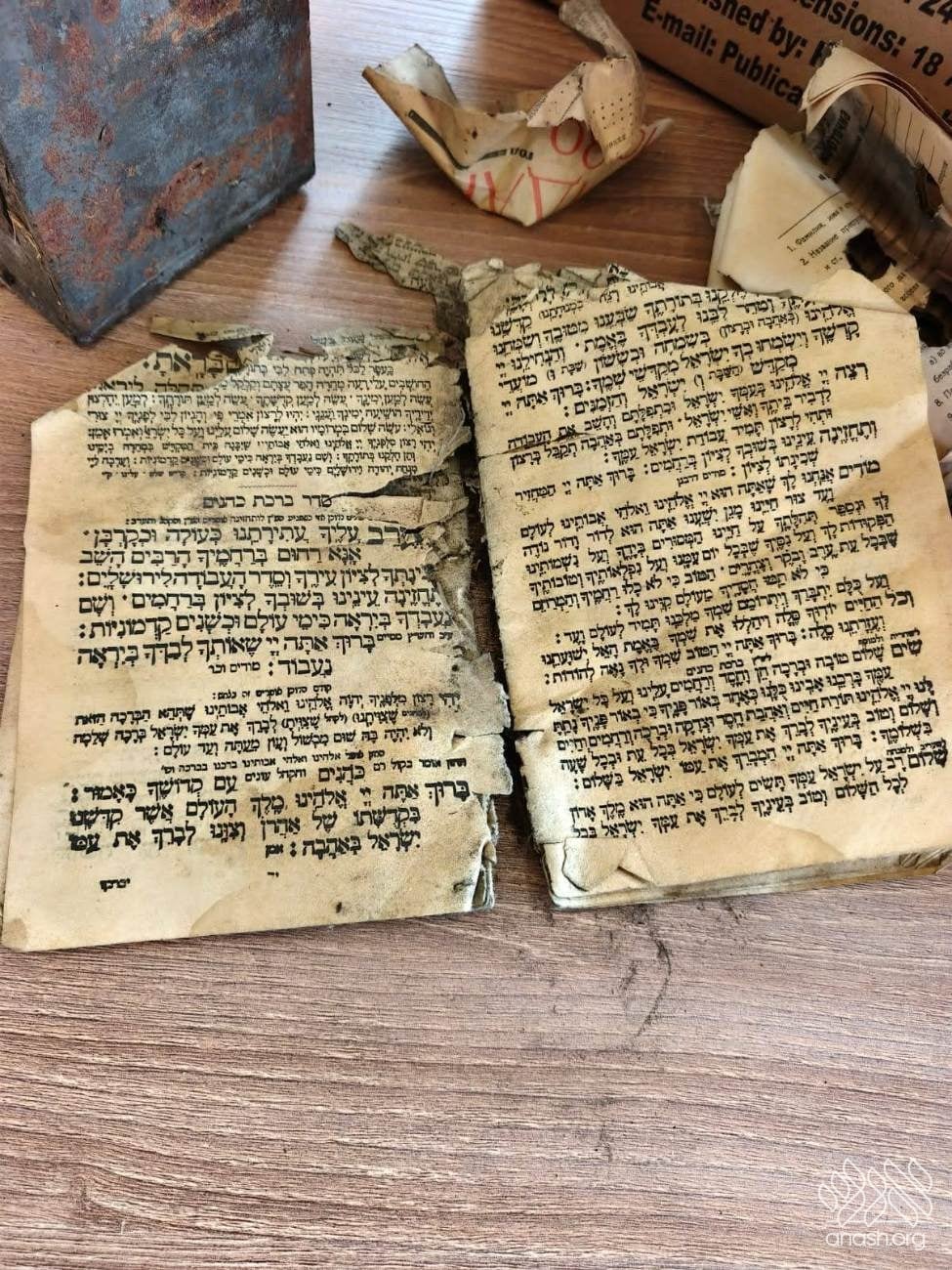
A dramatic discovery in Kostroma has brought the city’s Jewish history vividly back to life, as workers renovating the exterior of the historic Jewish community building uncovered siddurim and other seforim that had been hidden inside its walls during the years of Communist rule.
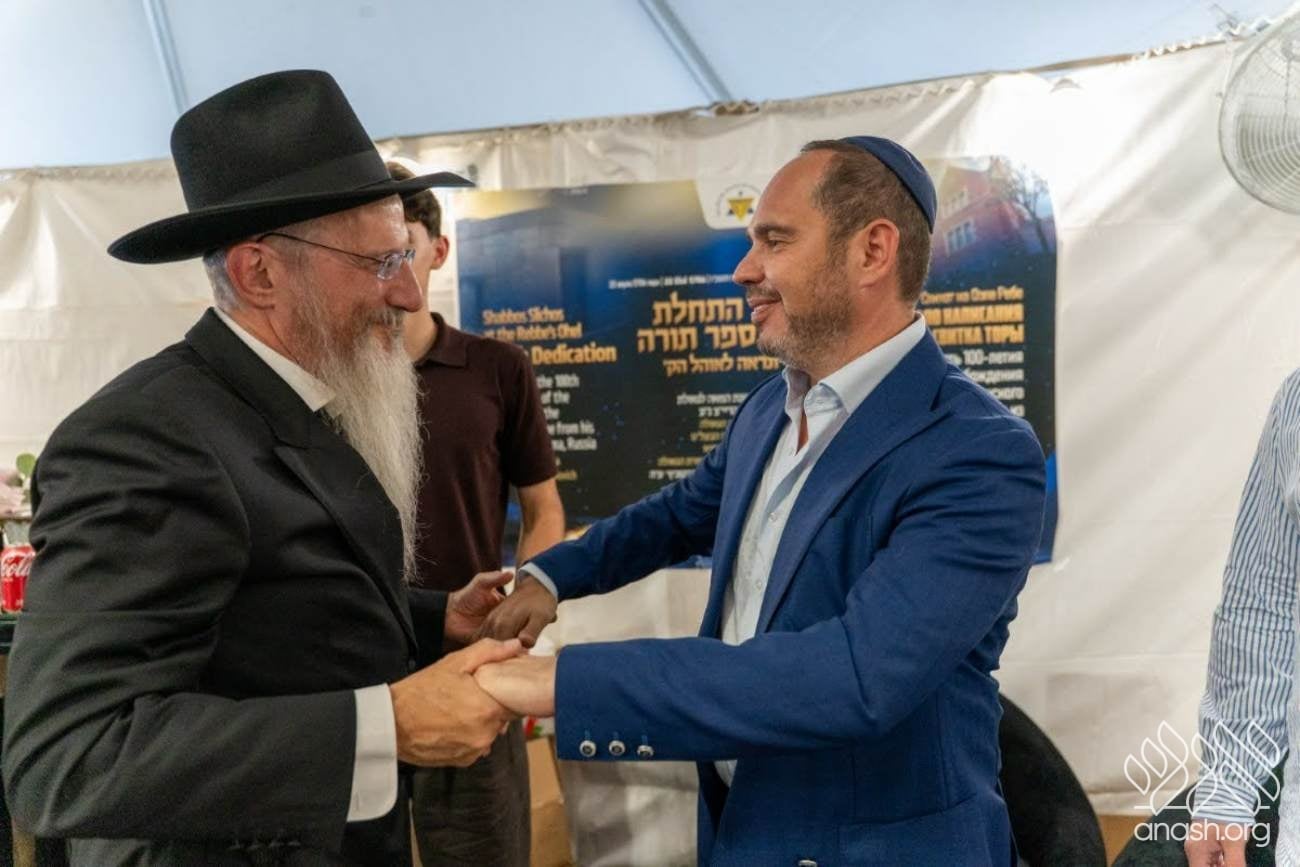
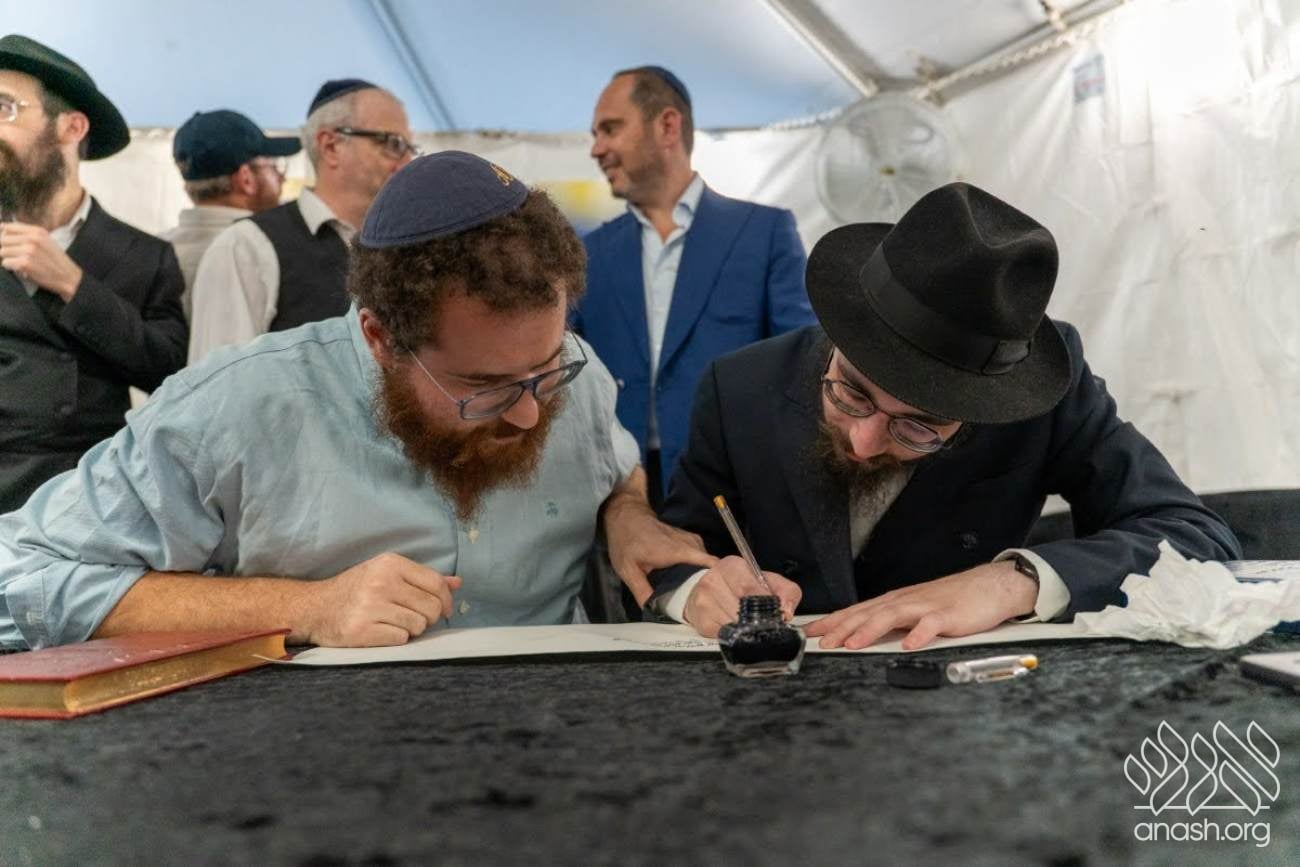
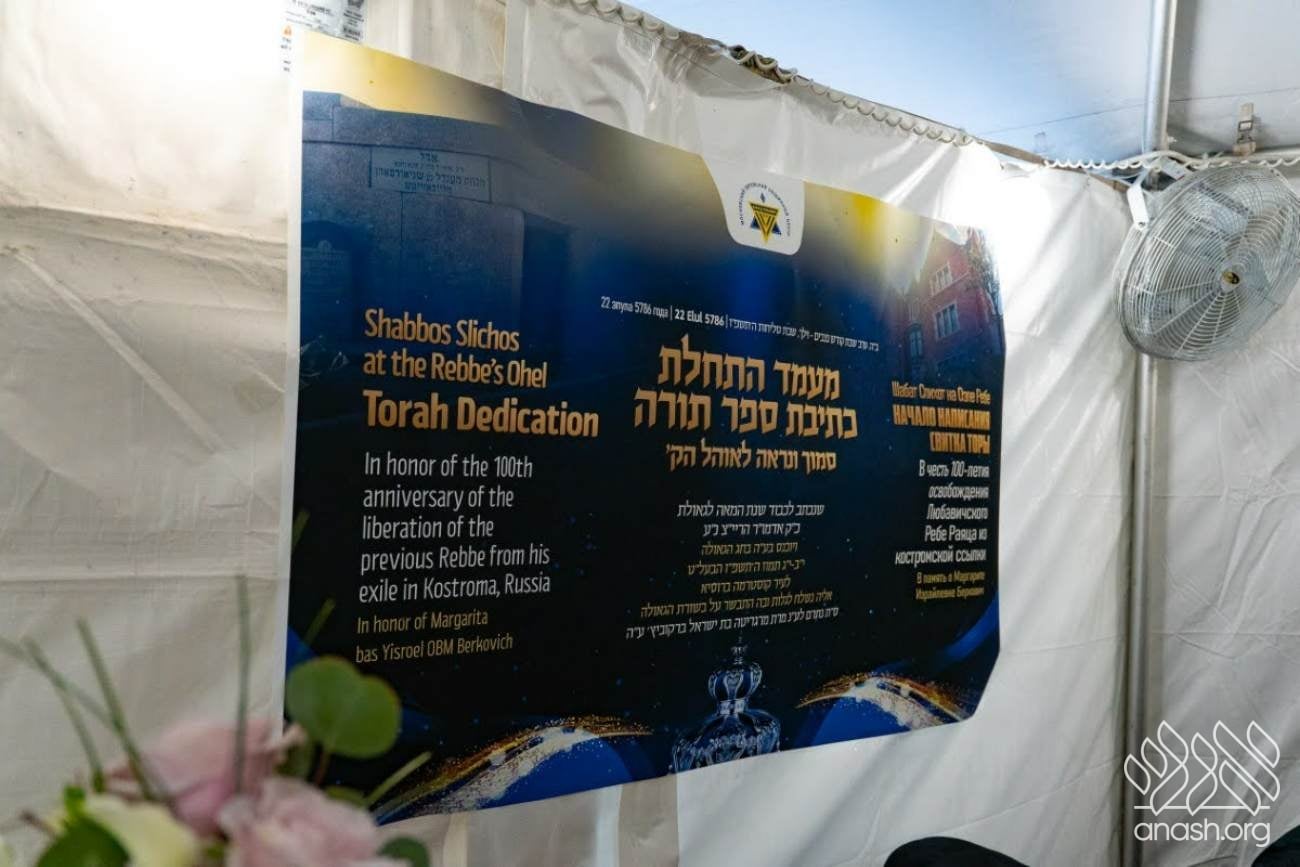
Remarkably, on that very same day that the discovery of Kostroma’s old Jewish history was made, as the hidden seforim were being brought to light in Kostroma, a new Sefer Torah for the Kostroma community was begun near the Ohel, marking another historic milestone for the Jewish community.
The contrast could not have been more striking.
“The discovery of the hidden seforim offers a powerful glimpse into the fear and mesirus nefesh of the Communist era, when Yidden were forced to conceal their connection to Yiddishkeit,” one community member said. “It also recalls the Frierdiker Rebbe’s galus to Kostroma, while at that exact same time, a new Sefer Torah is being written for the thriving Jewish community.”
In fact, the Sefer Torah is set to be completed and entered into the community in time for the centennial celebration of the Frierdiker Rebbe’s release from Kostroma, marking a complete and powerful transformation from one era to another.
The discovery was made during exterior renovation work at the Chabad center, where workers found Jewish books concealed inside the structure. One of the seforim was even bound in the cover of an ordinary non-Jewish book, apparently in an effort to hide its Jewish identity.
The historic building dates back to 5640 (1880). In 5652 (1892), it was purchased for the city’s rav at the time, Harav Tzvi Hirsh Schneiderman, and in 5663 (1903), the city’s central shul was established in its courtyard.
Remarkably, the granddaughter of Rabbi Schneiderman, who today is neighbors with the mother of Kostroma’s shliach, Rabbi Nissan Ruppo, recently symbolically transferred the spiritual rights to the building to the shluchim who continue her grandfather’s legacy.
The return of the historic properties to the Jewish community was itself the result of years of effort.
Twenty-four years ago, Rabbi Ruppo arrived in Kostroma and received the shul building. The former rabbi’s residence, however, remained under government control.
After years of determined efforts, the property was gradually returned. With the generous assistance of philanthropist David Aminov, it was ultimately granted to the Jewish community without charge for 40 years.
The interior of the building had already been renovated, including its mikvah and kindergarten, whose dedication was attended by Russia’s Chief Rabbi and shliach, Rabbi Berel Lazar.
The work continues the efforts of the famed chossid Reb Michoel Dvorkin, who came to Kostroma, renovated the mikvah and established a cheder for Jewish children in preparation for the arrival of the Frierdiker Rebbe.
In 5687 (1927), the Frierdiker Rebbe was exiled to Kostroma following his release from Soviet imprisonment. He stayed in the home of the local shochet, Reb Yerachmiel Kugel, whose family continued to maintain a connection to Yiddishkeit despite the Soviet regime.
The Frierdiker Rebbe remained in Kostroma for ten days, until news arrived that his exile had been commuted, and his subsequent release on Yud-Beis and Yud-Gimmel Tammuz has since become one of the defining episodes of Chabad history.
It was during the renovations at this center that the seforim were found.
It was also against this backdrop that the new Sefer Torah was begun.
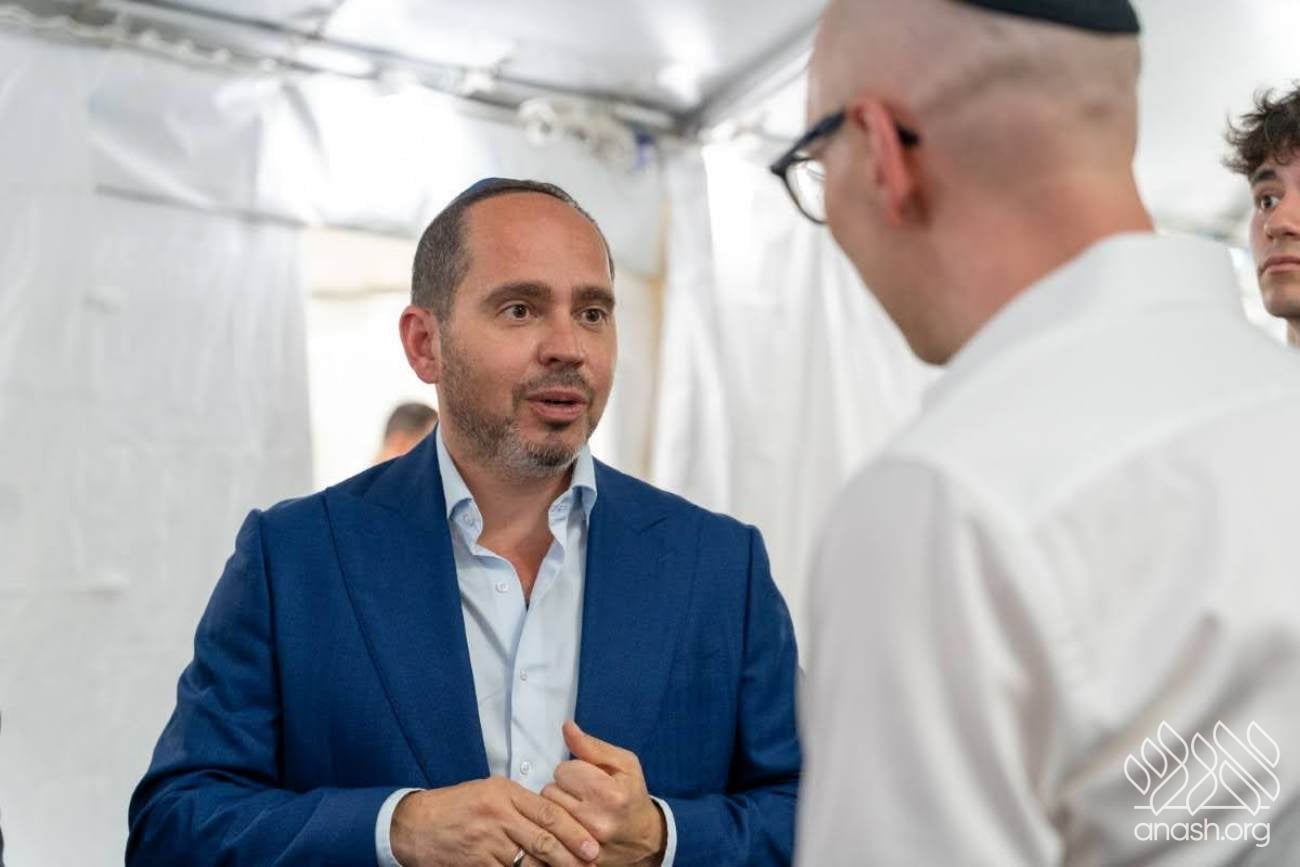
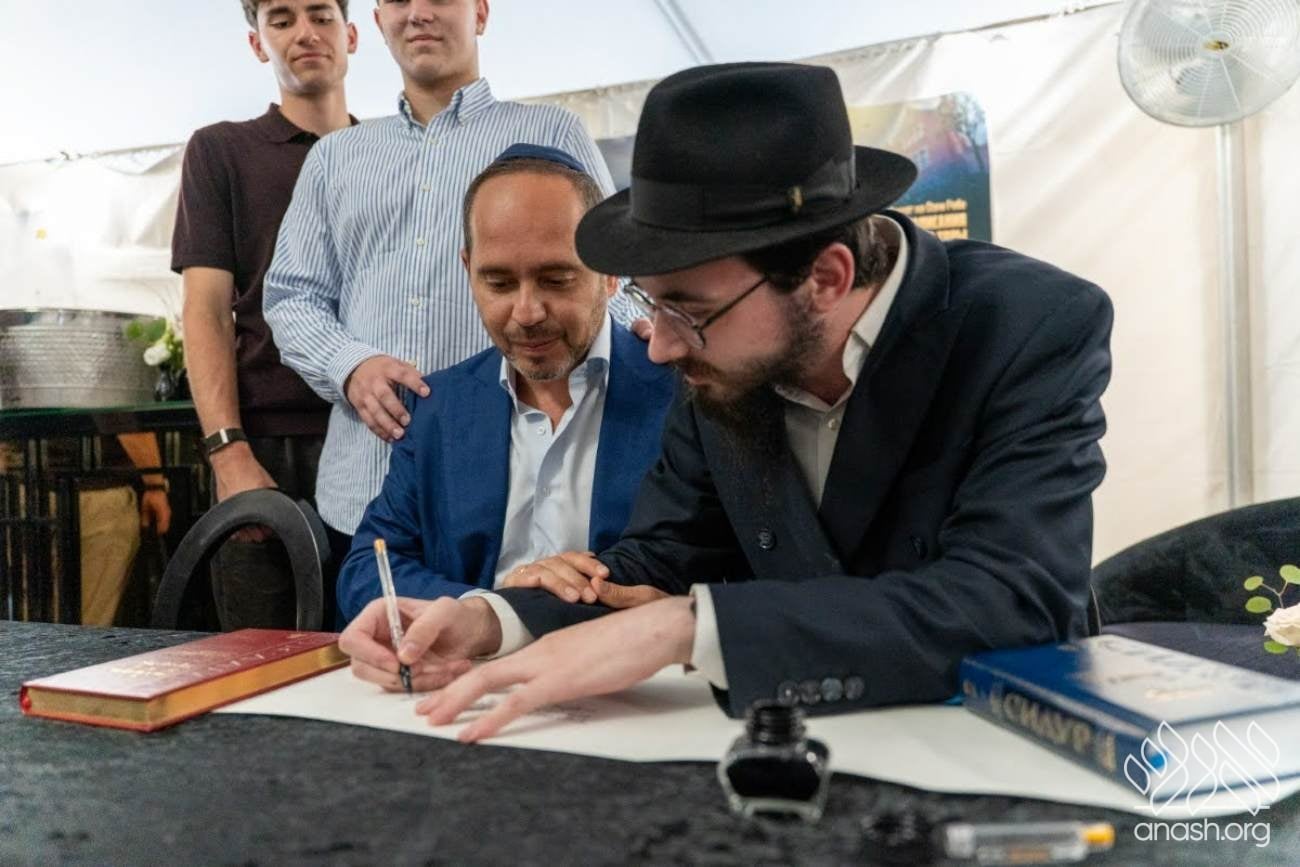
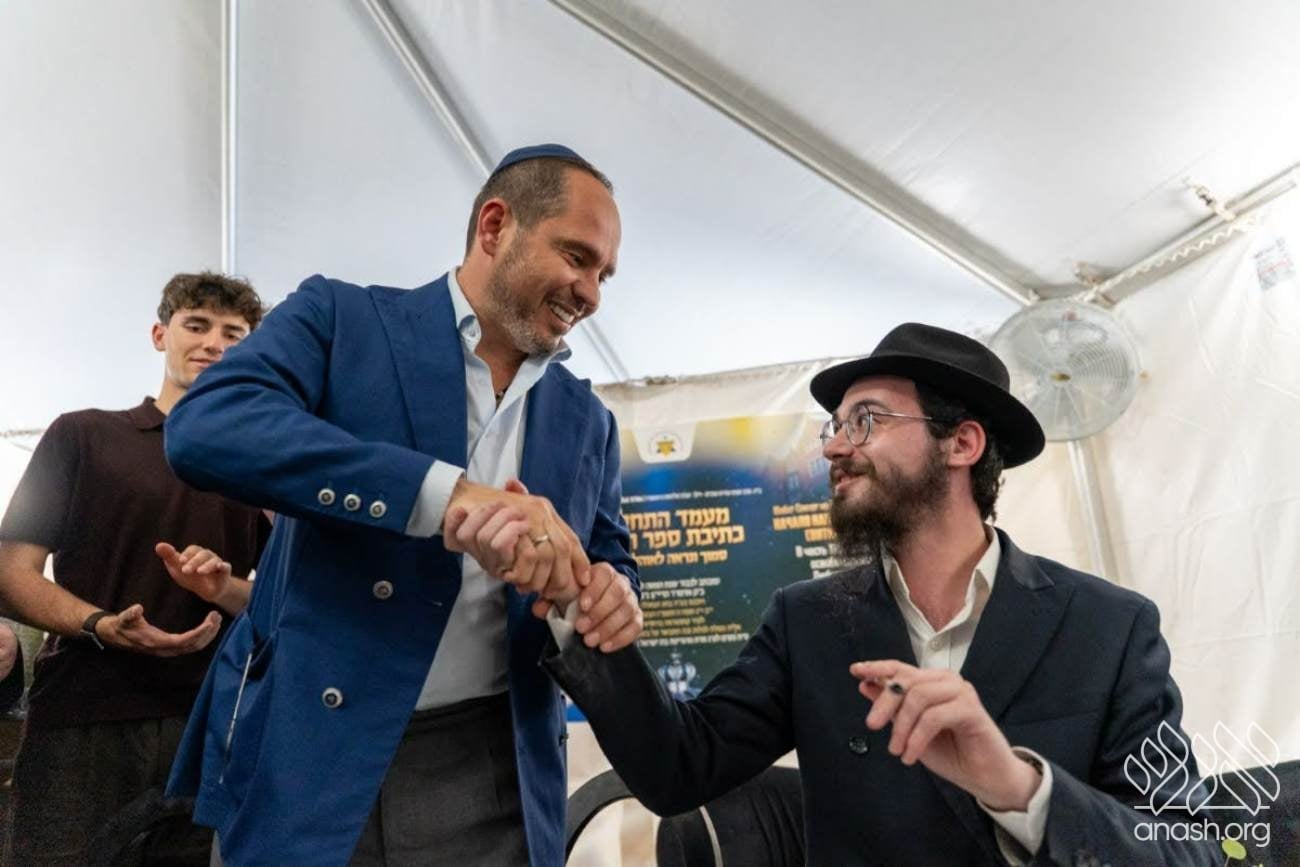
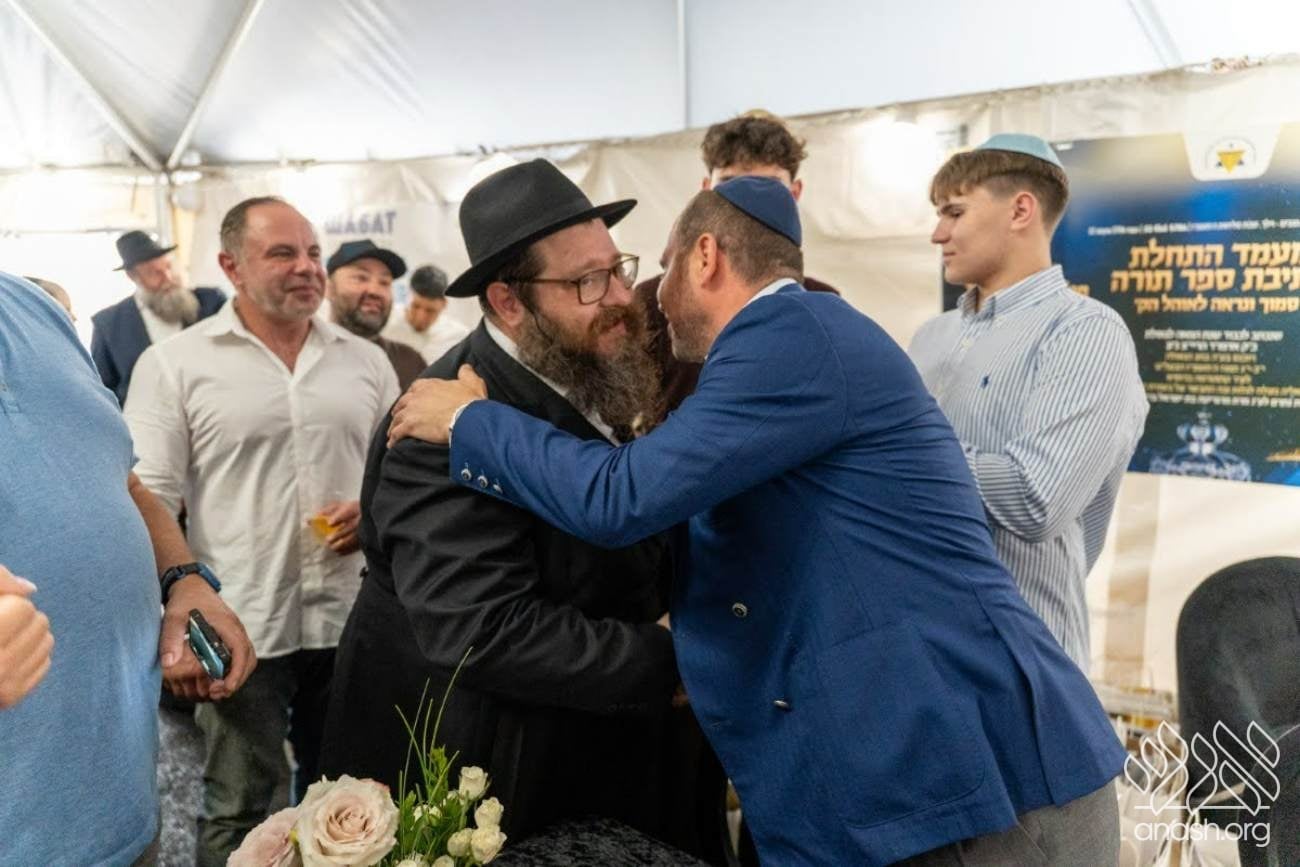
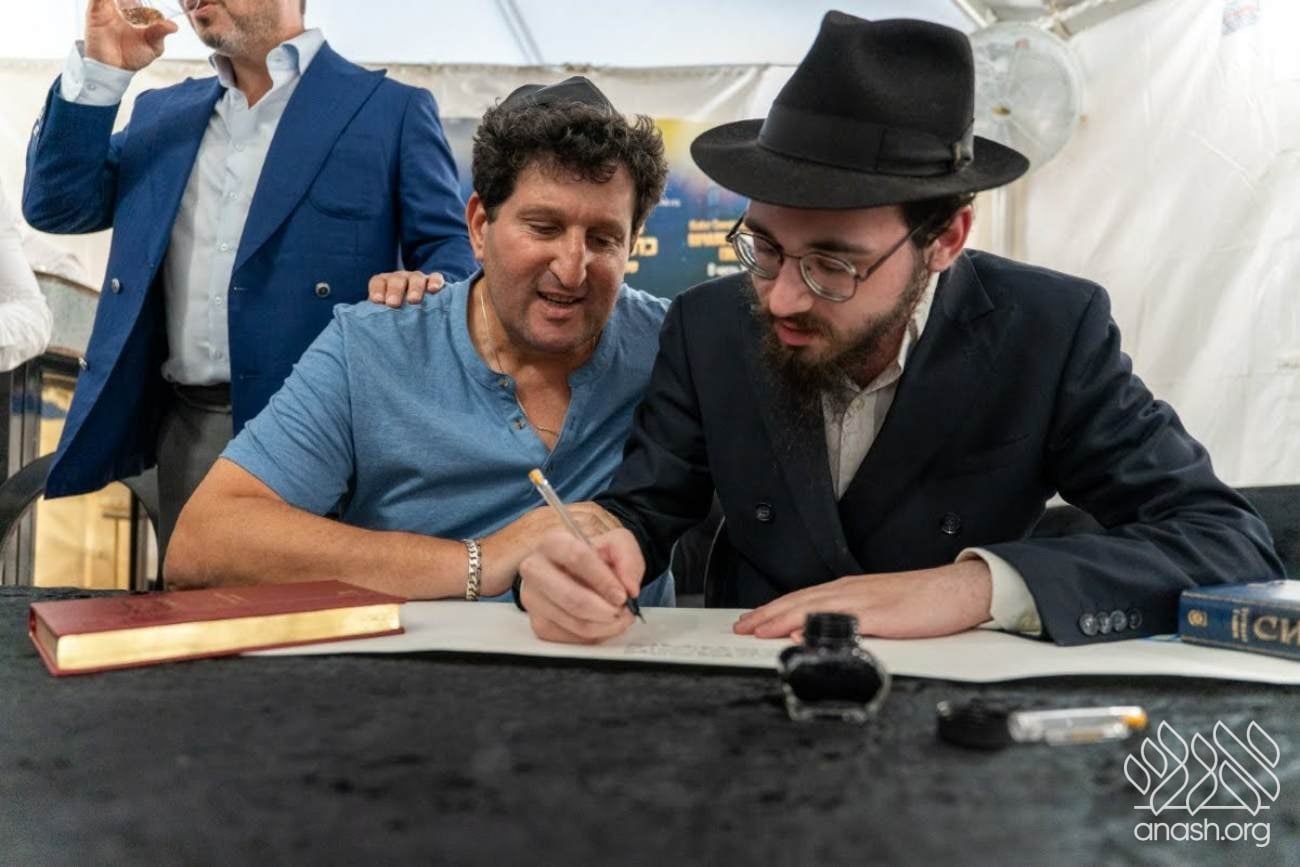
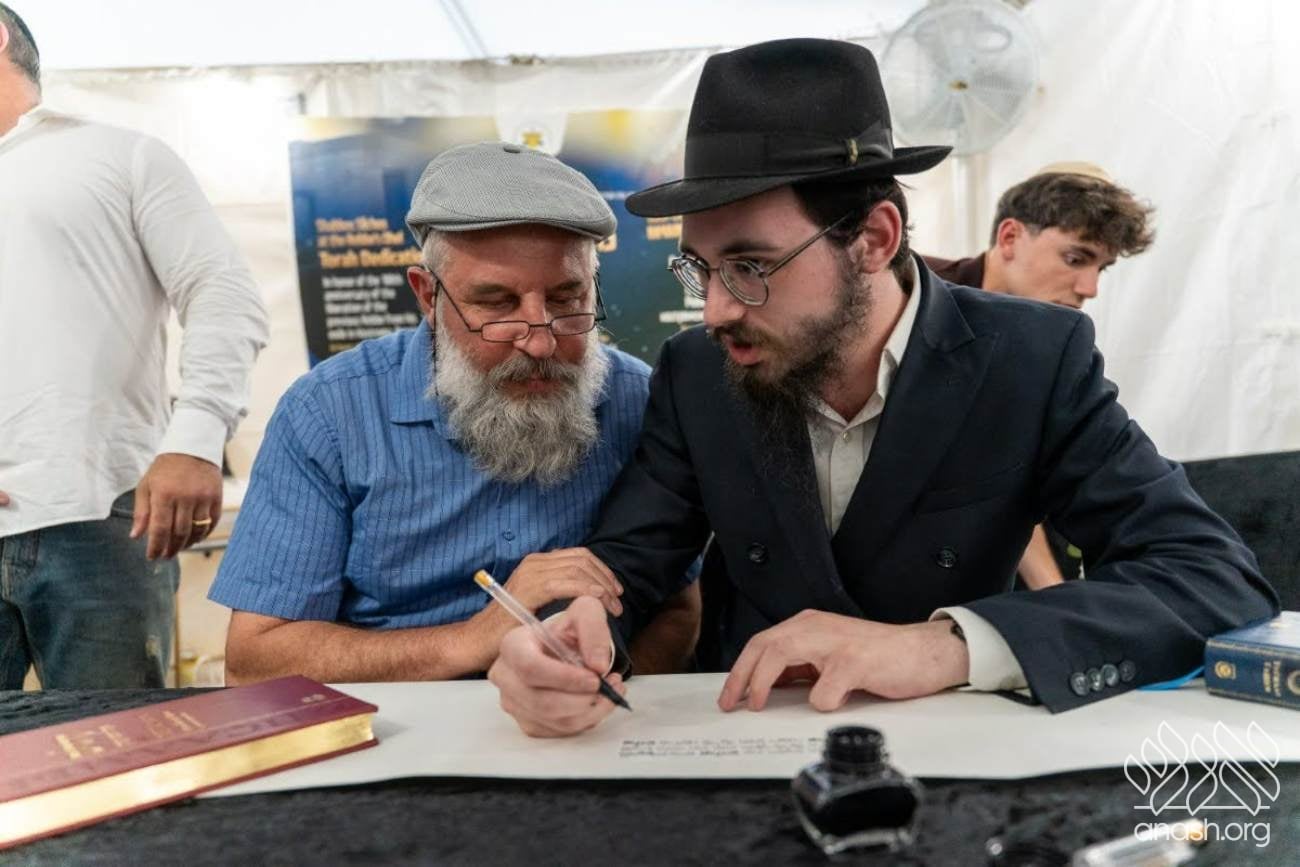
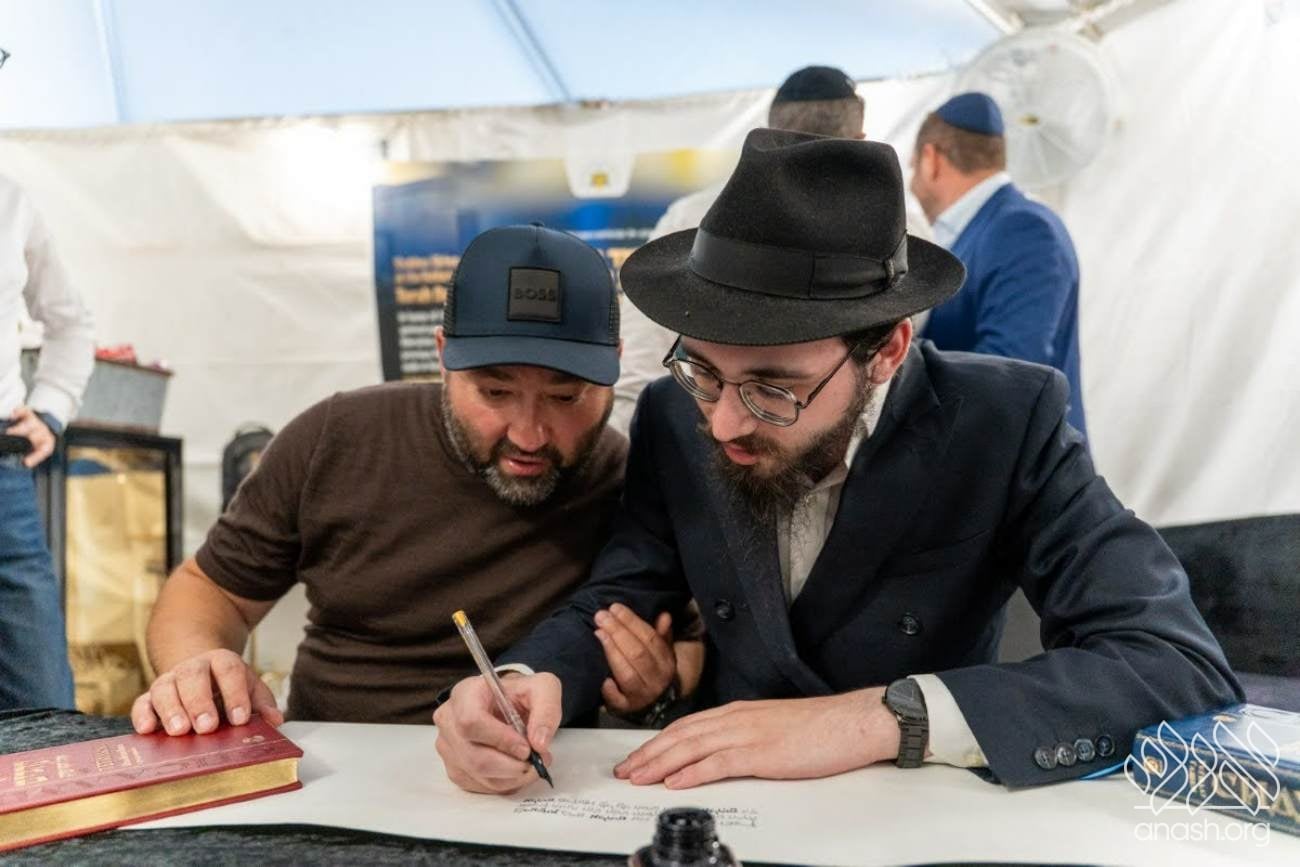
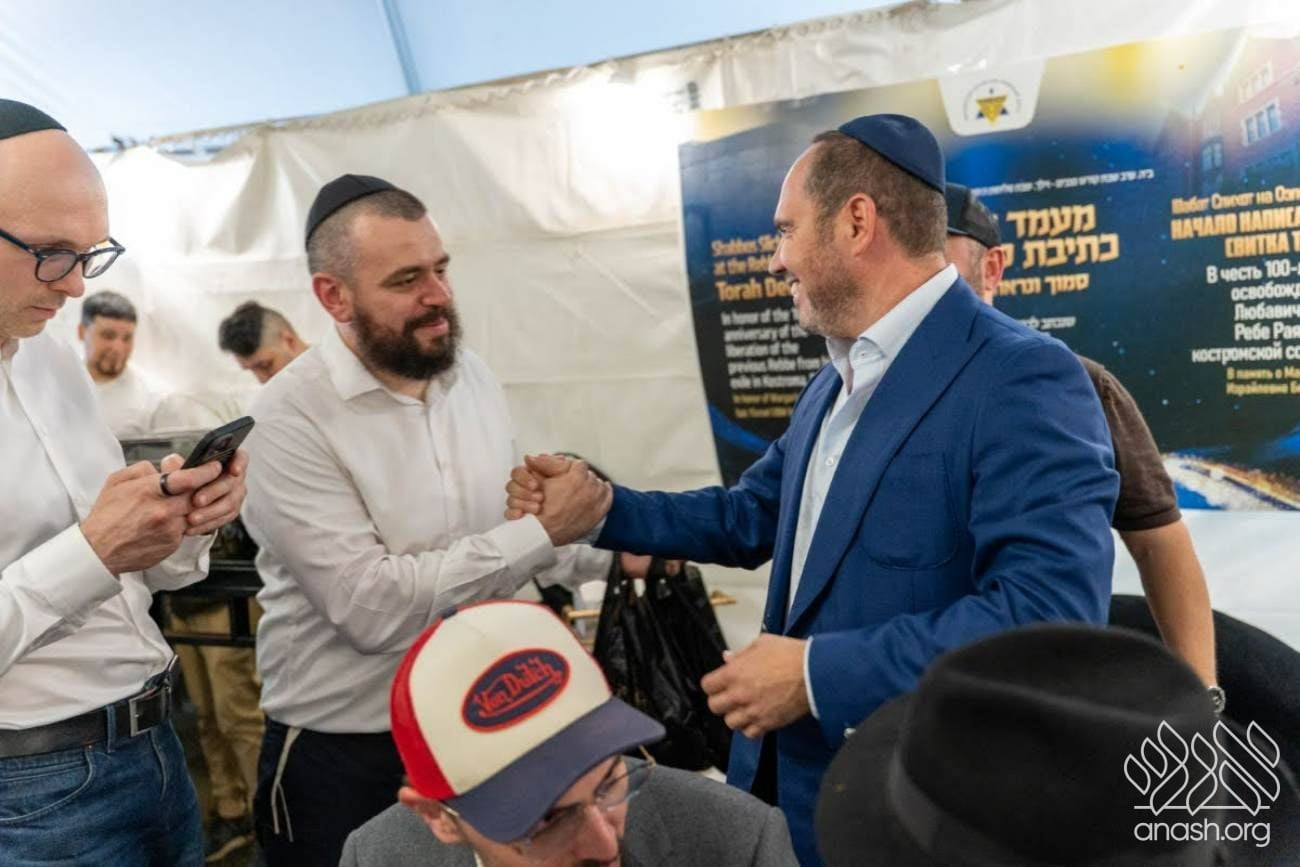
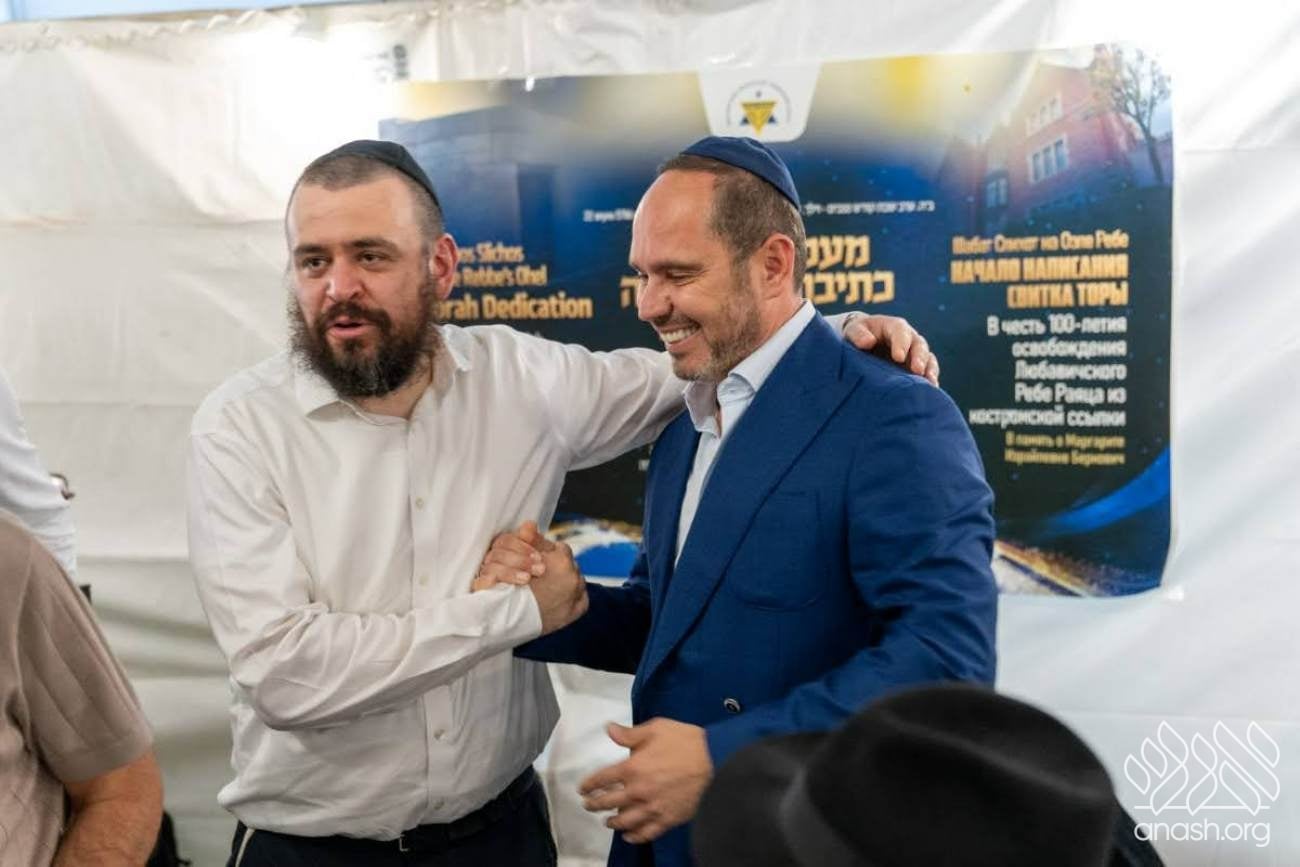
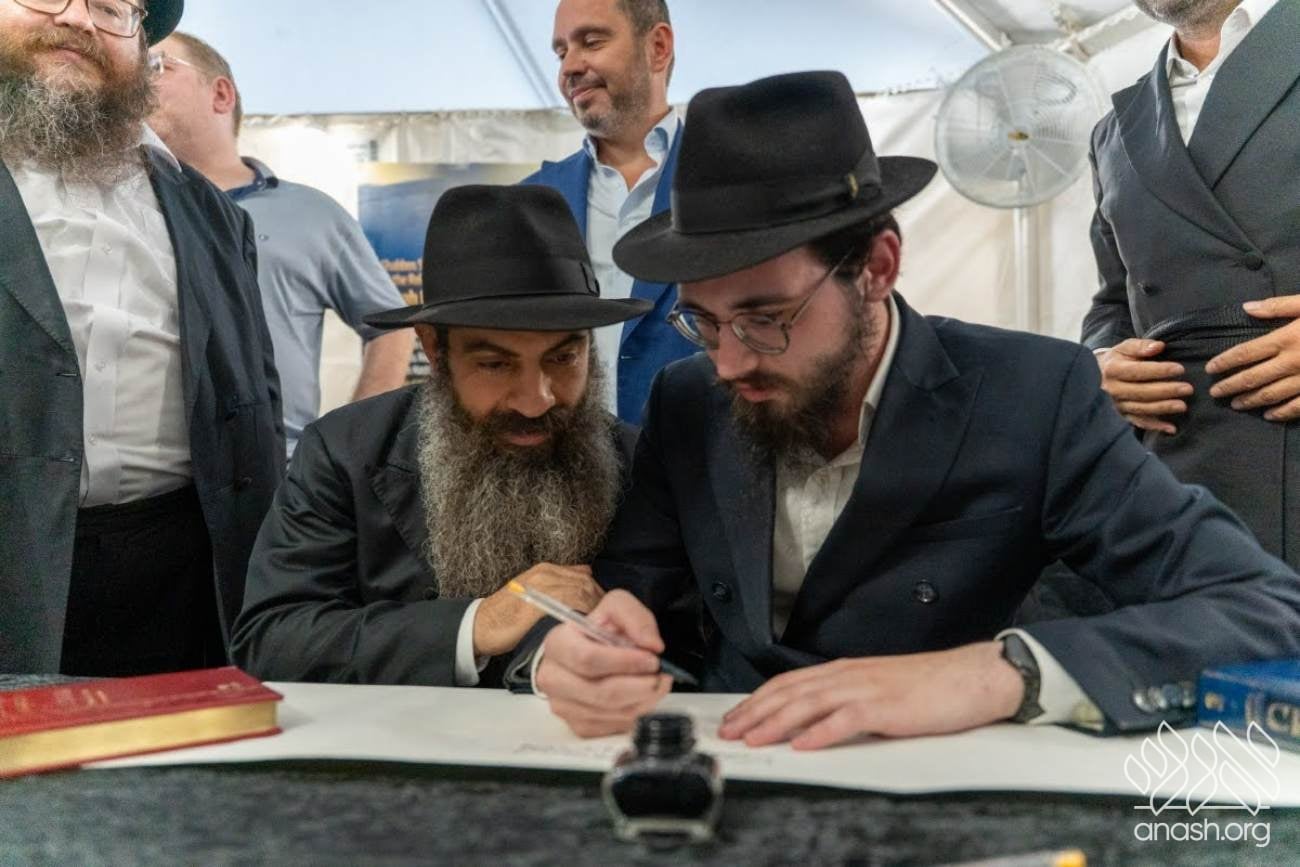
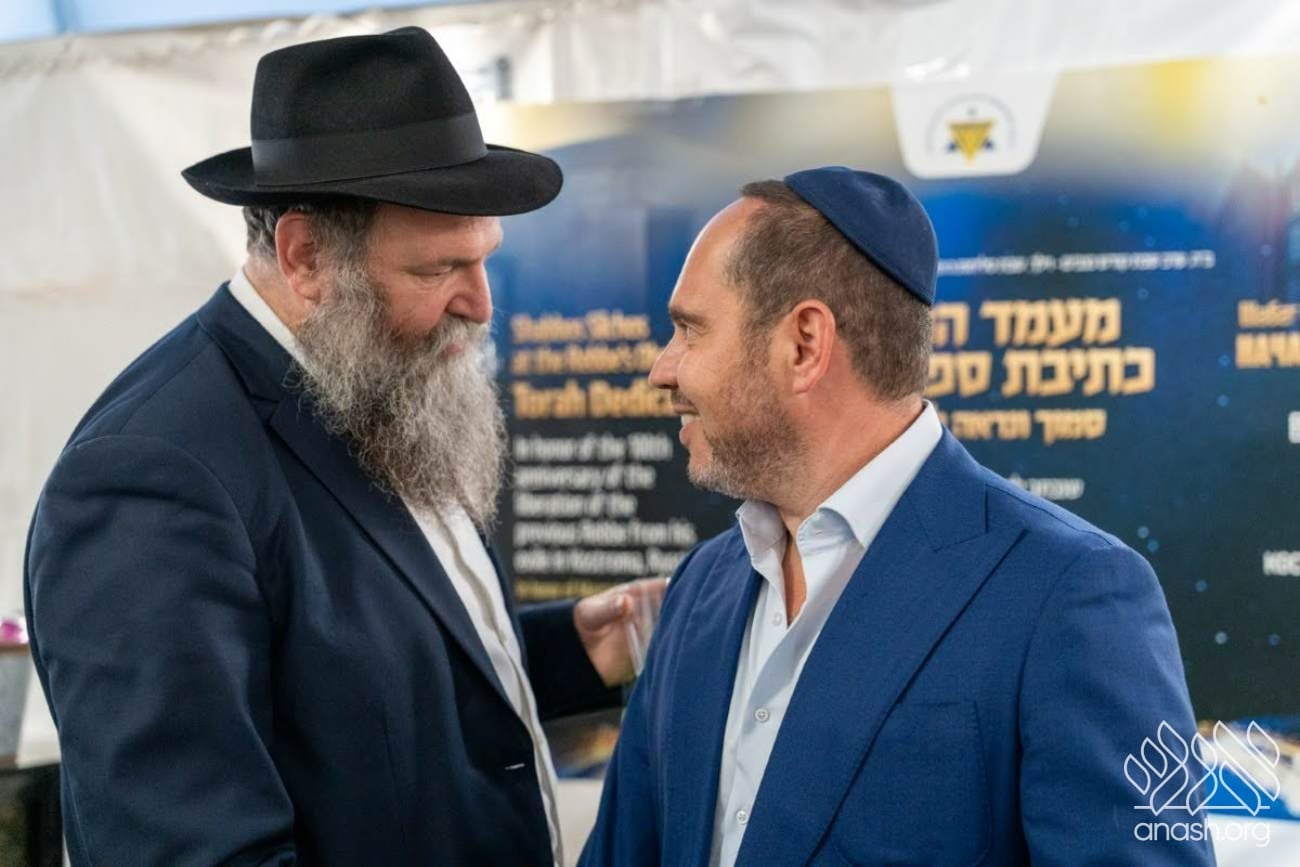
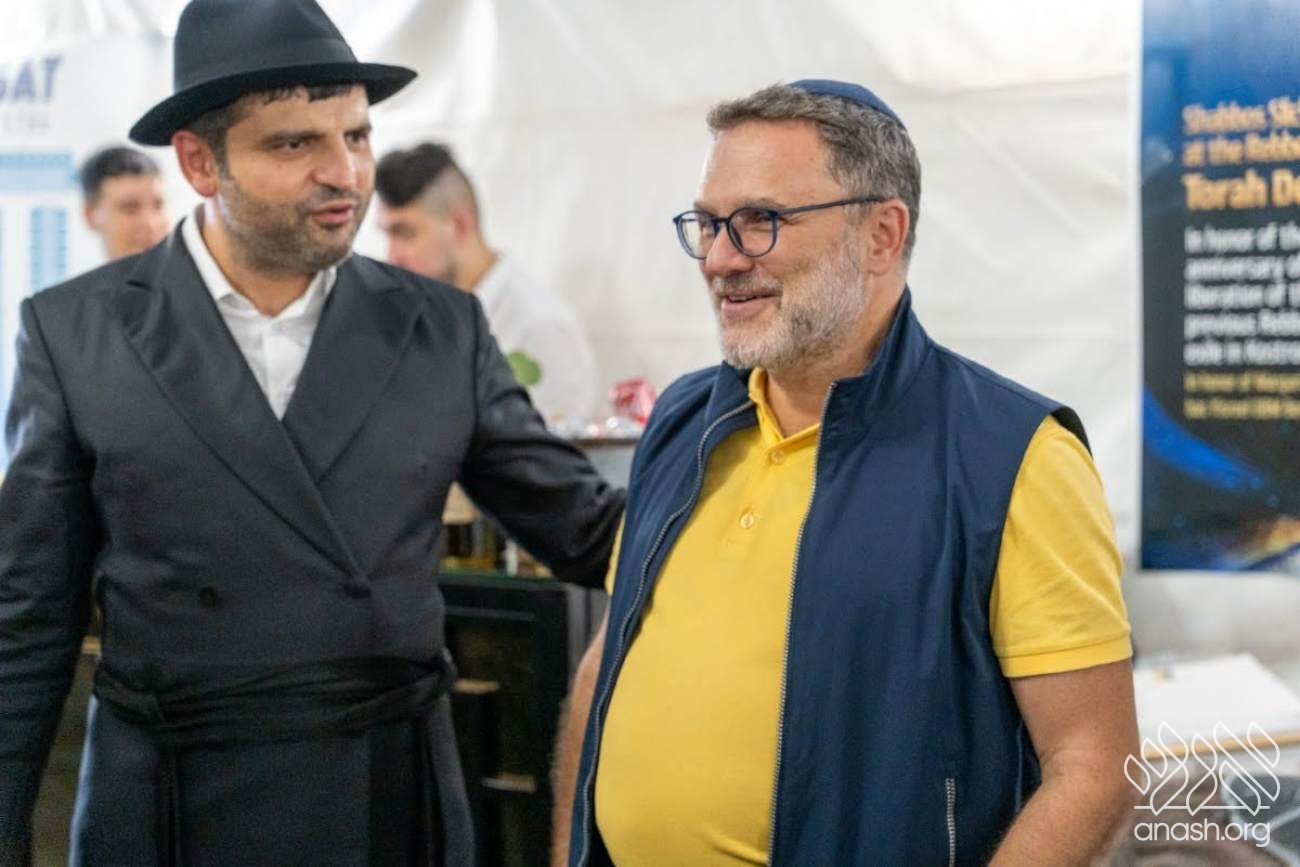
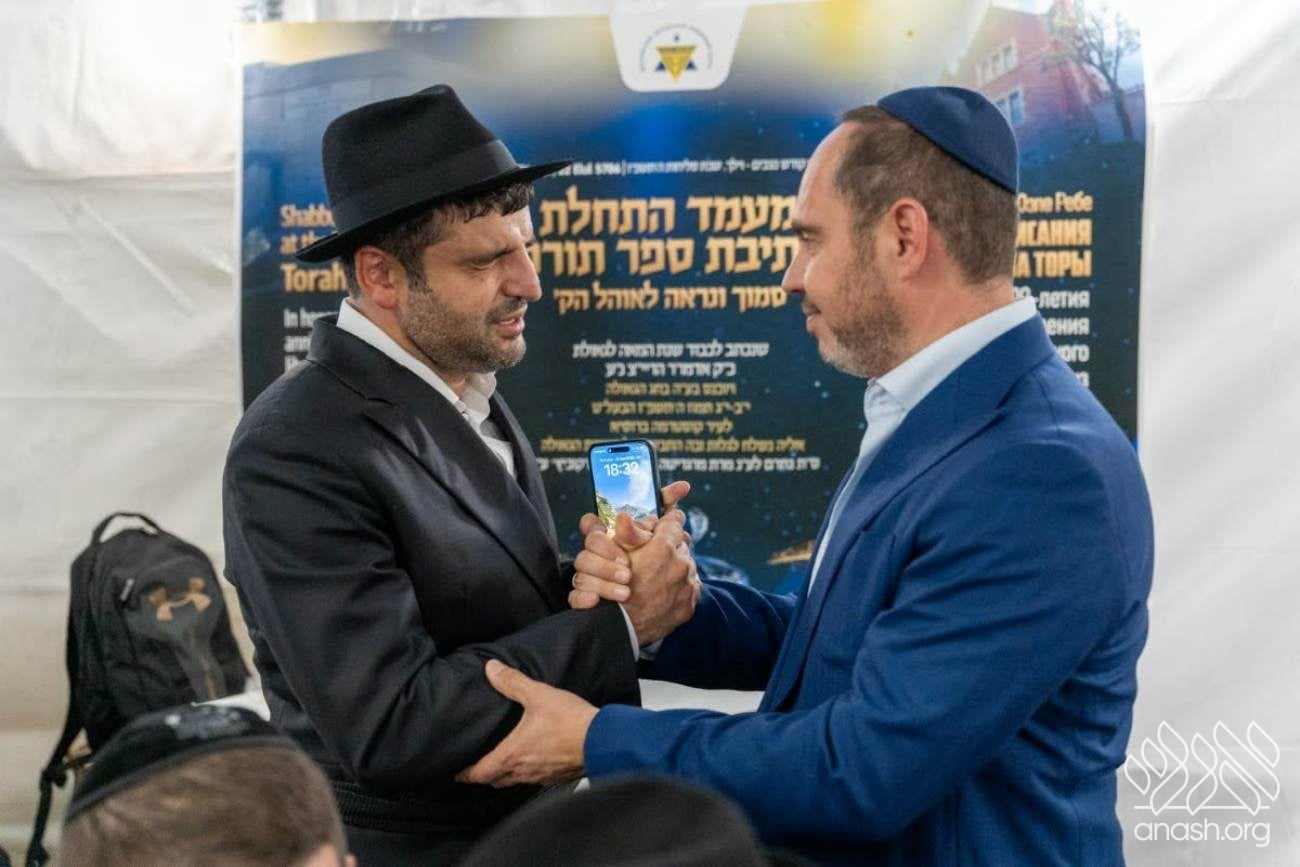
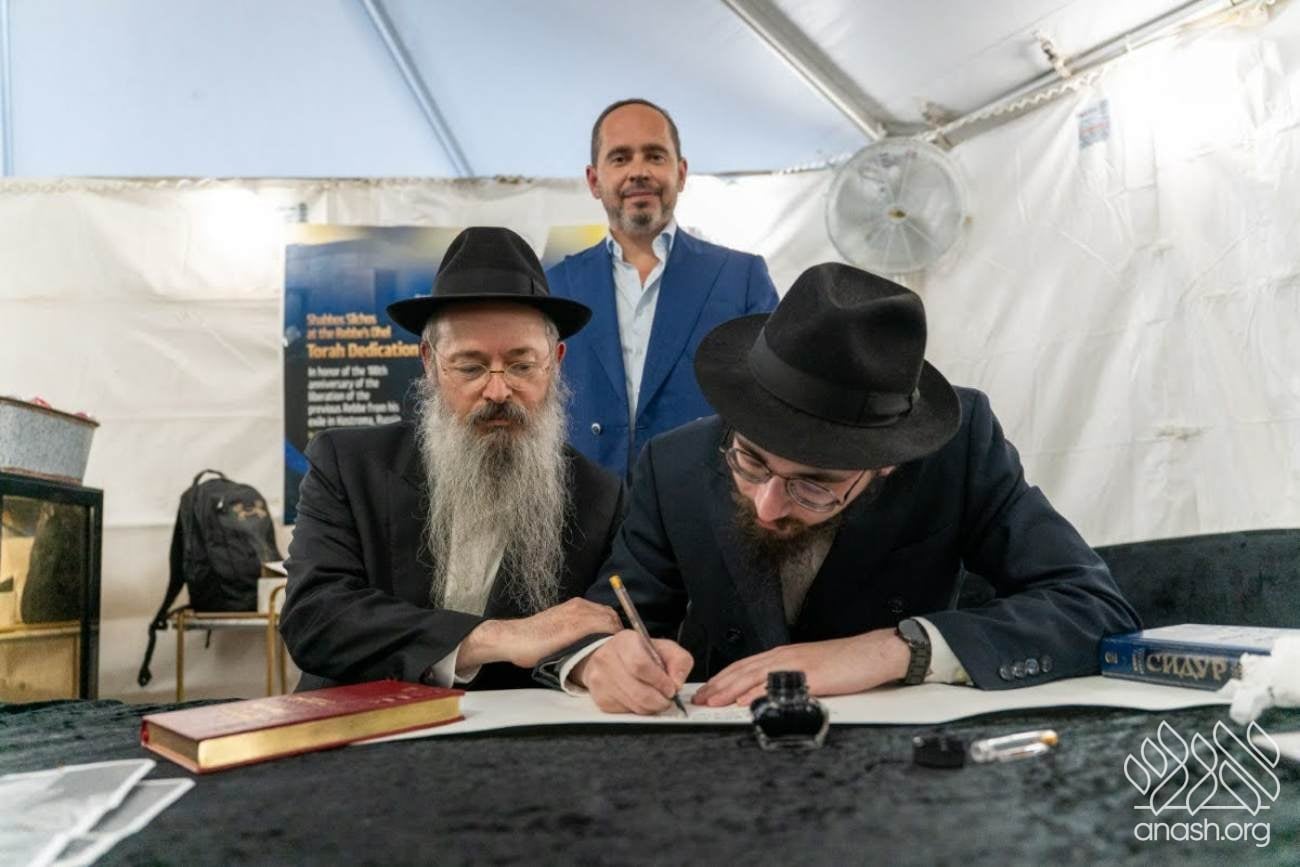
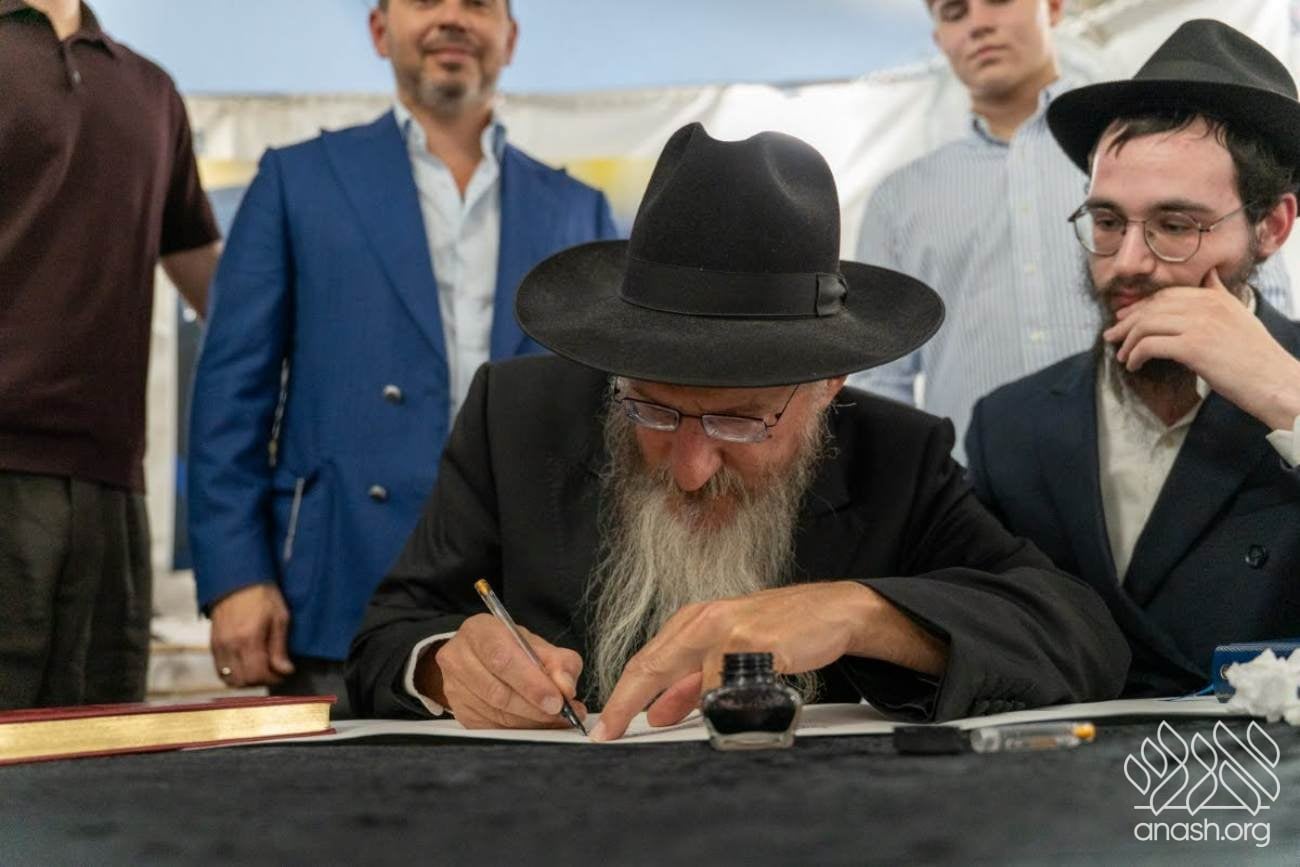
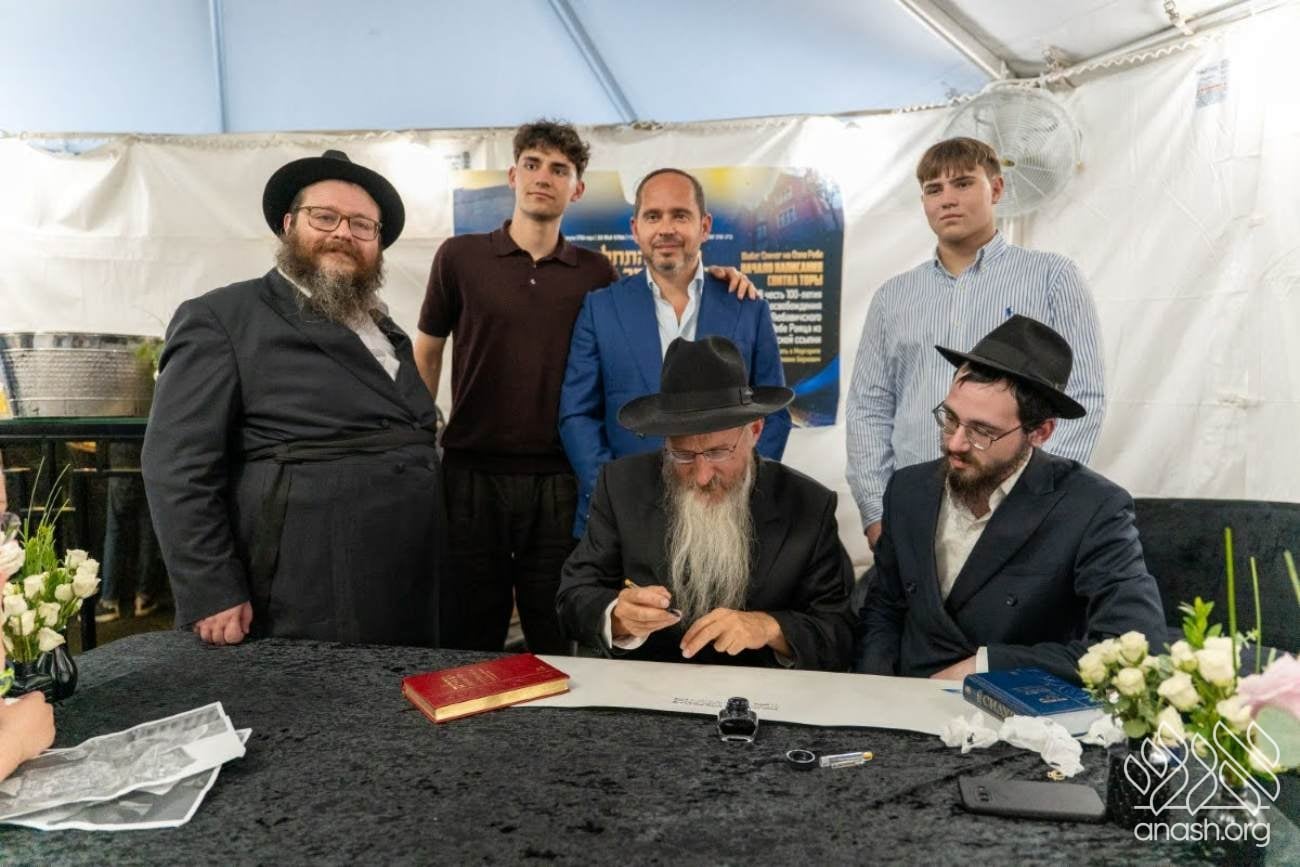
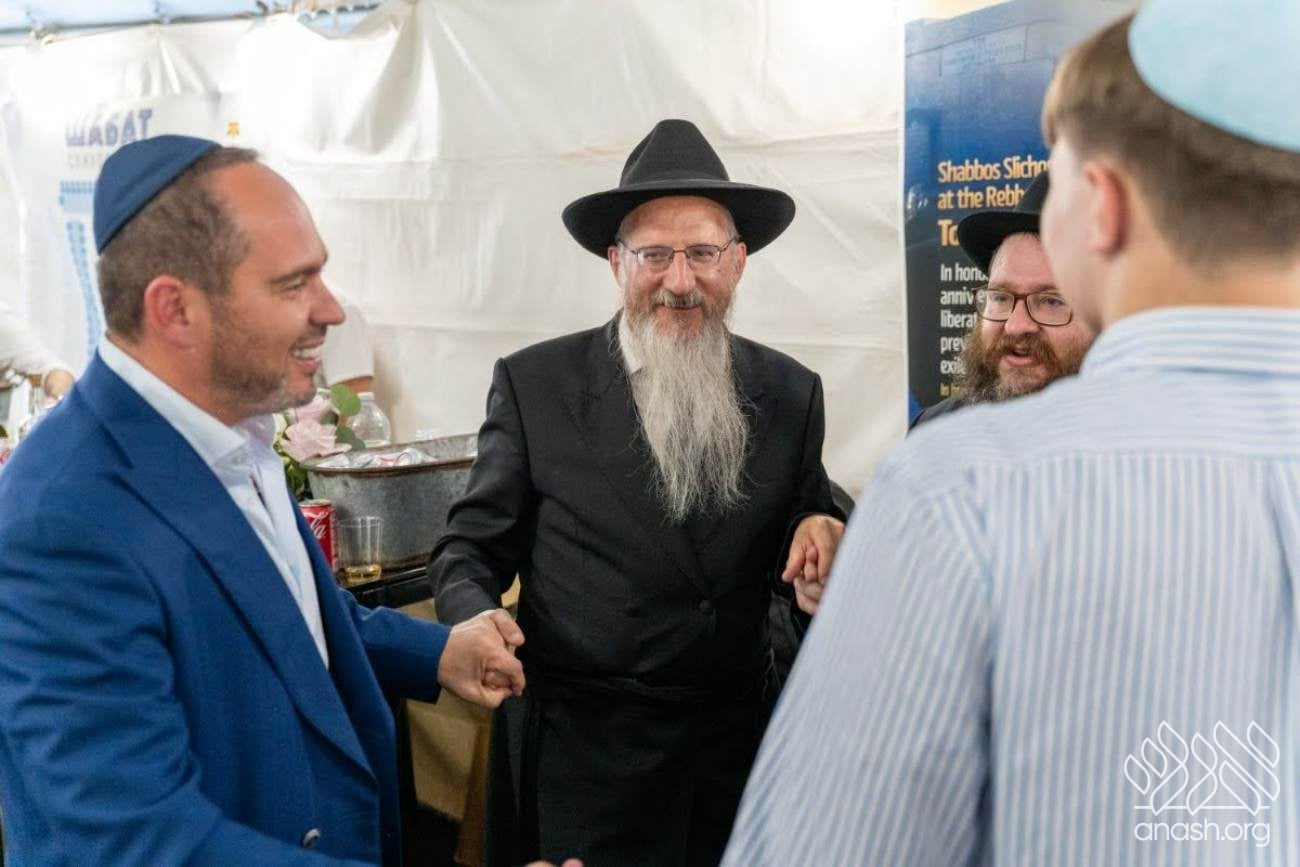
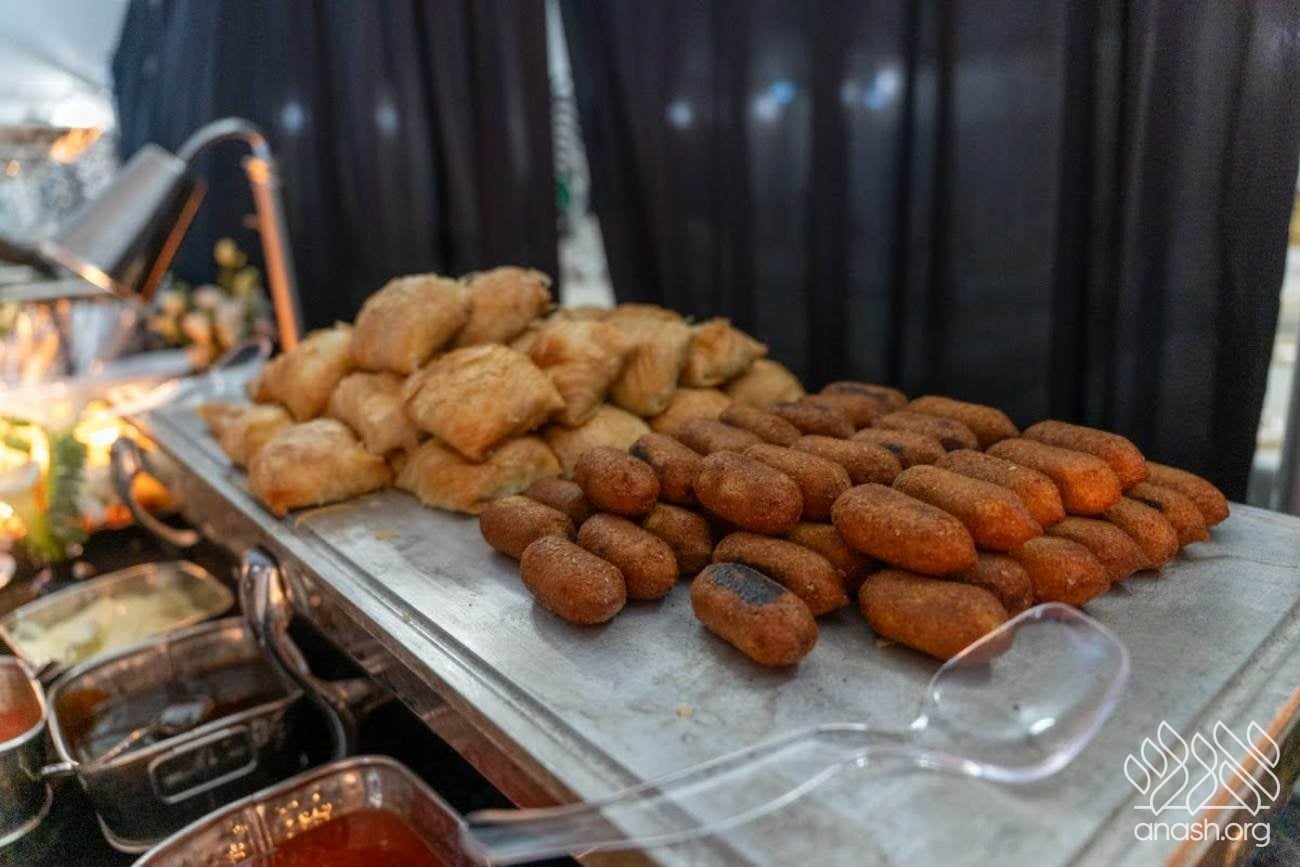
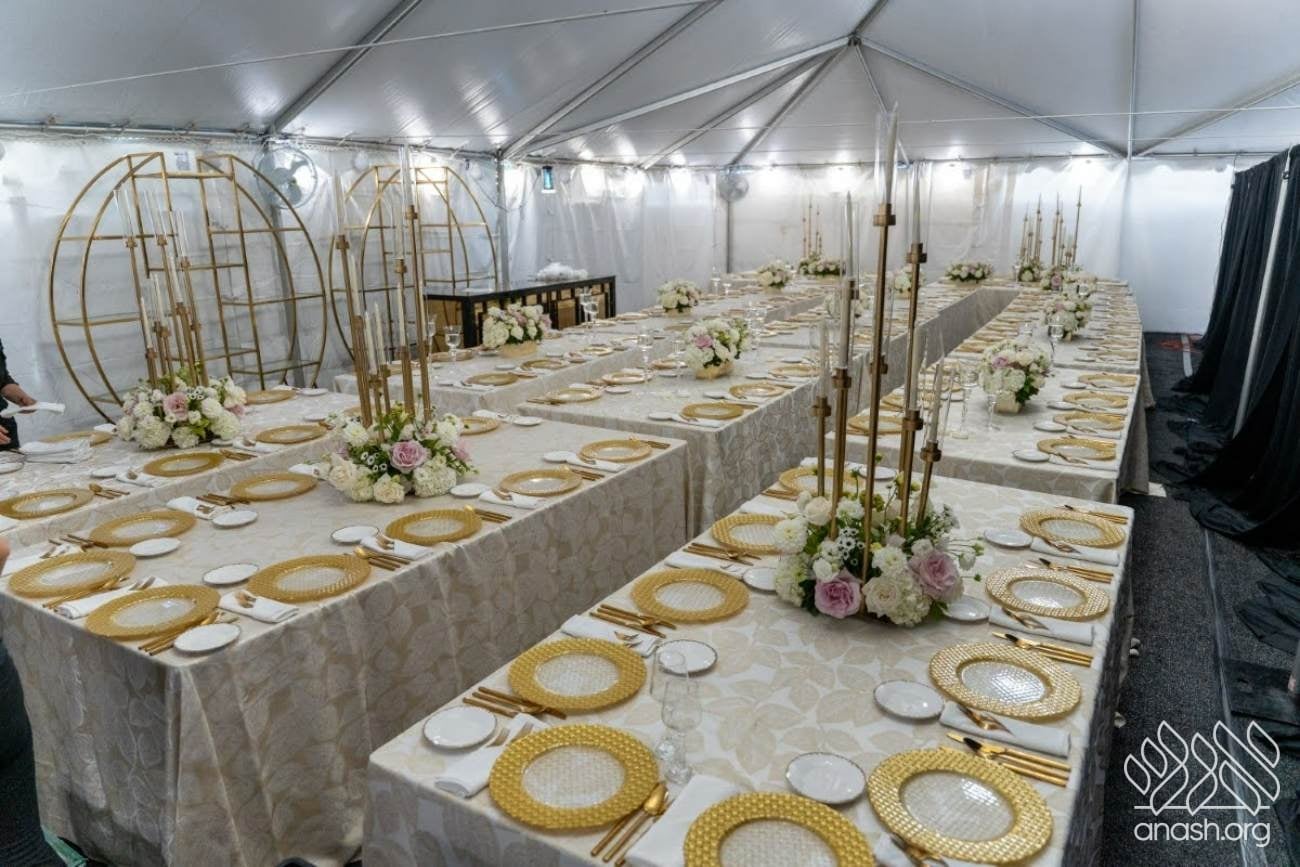
Last Friday, a special and elegant ceremony was held near the Ohel to begin writing the historic Sefer Torah.
The writing was begun by Rabbi Berel Lazar and was attended by guests from the Chabad Russian Jewish community who had traveled for the annual “Shabbos Selichos with the Rebbe” trip.
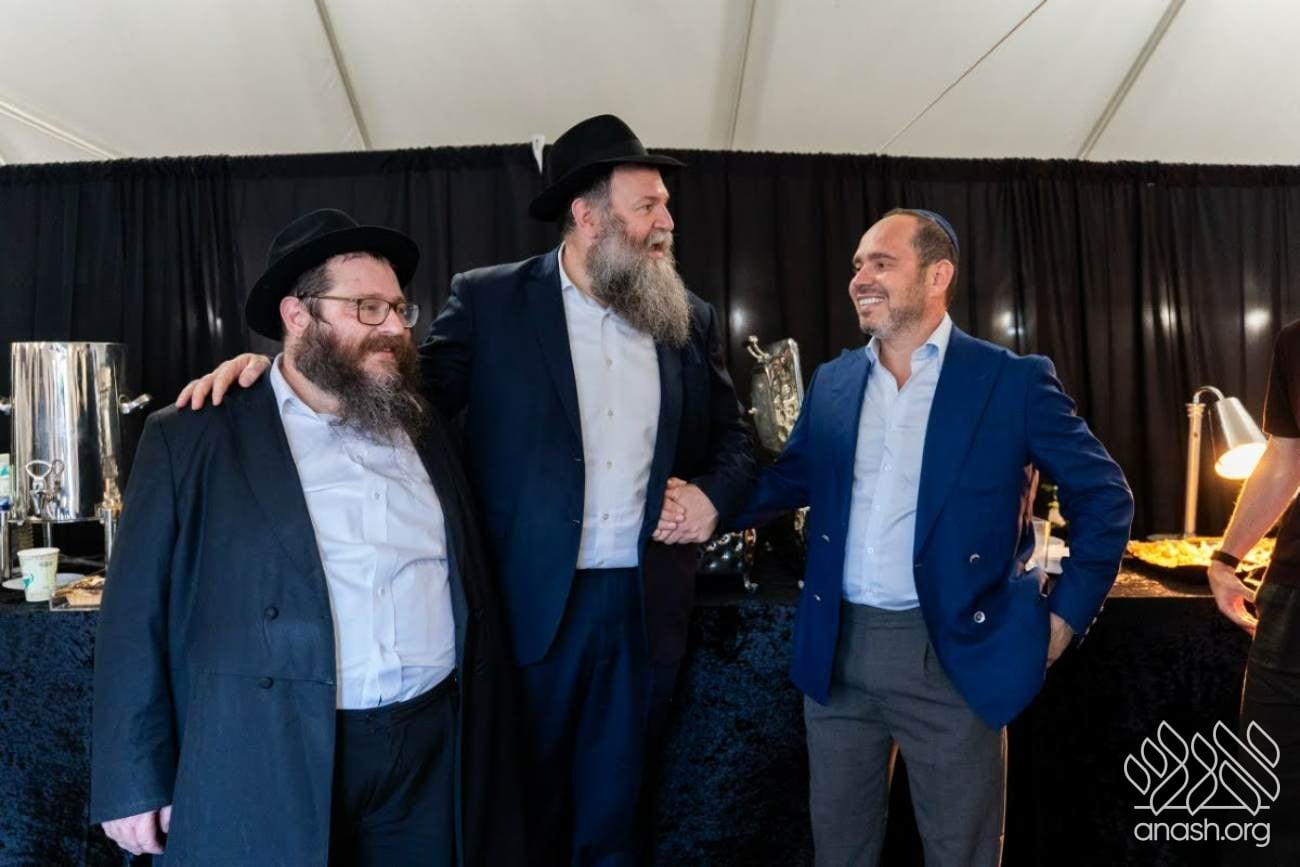
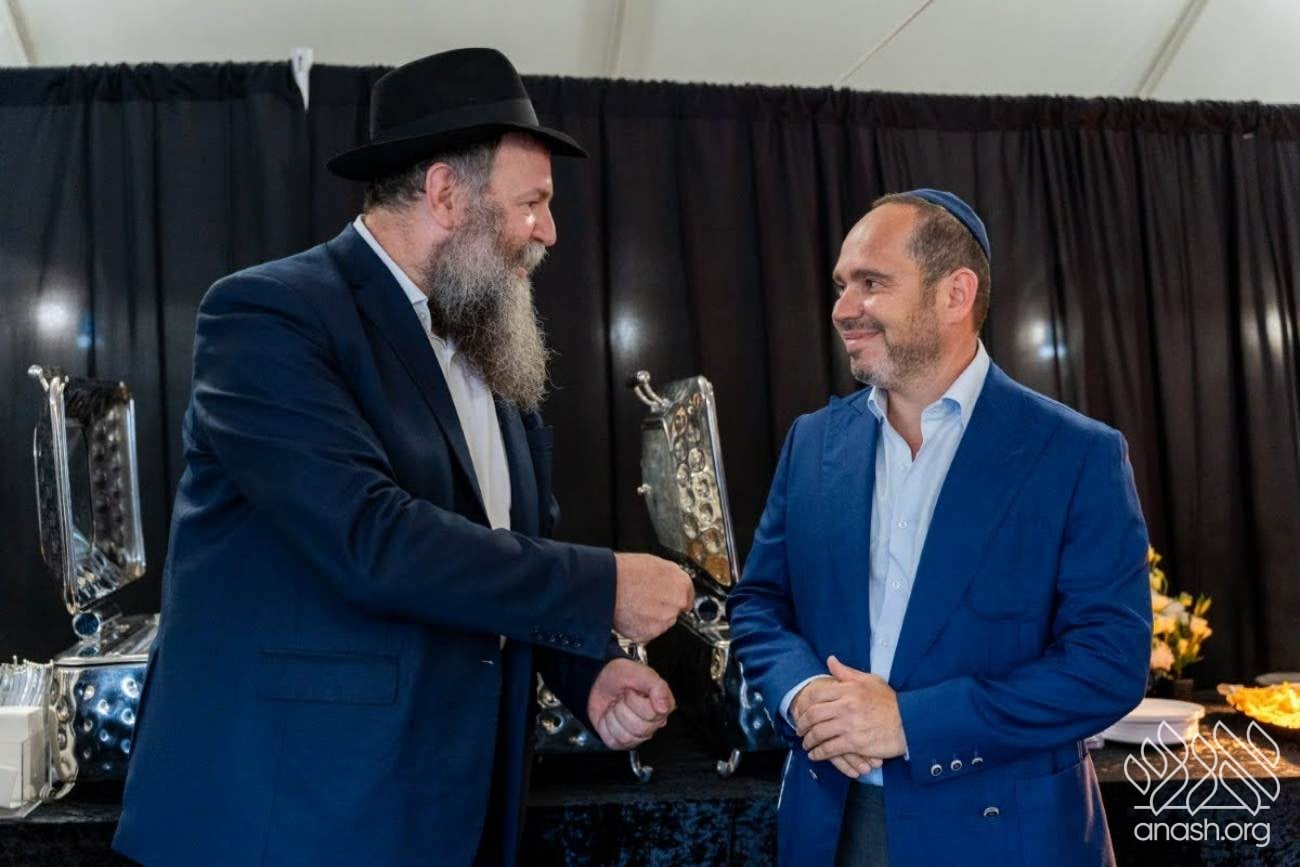
The Sefer Torah was donated by the president of the community’s supporters committee, philanthropist Nesanel Berkovitz, in memory of his mother, Margarita bas Yisroel.
 COMMENTS


We appreciate your feedback. If you have any additional information to contribute to this article, it will be added below.