




כ״ו מרחשון ה׳תשפ״ז | November 6, 2026
60 Years of Building Lubavitch in Montreal
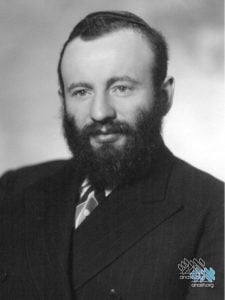
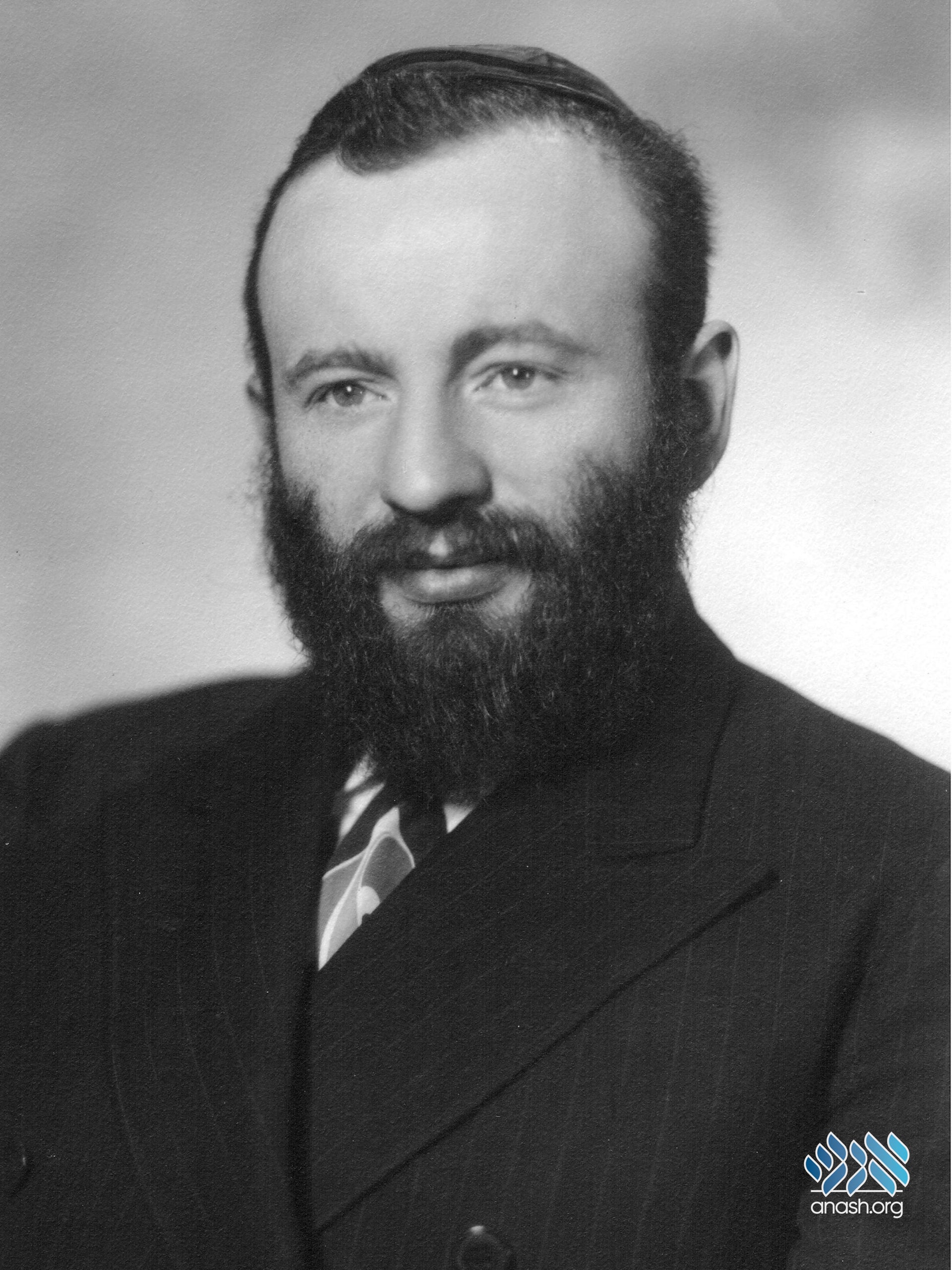
27 Cheshvan marks the yahrtzeit of Reb Leibel Kramer, who helped establish Lubavitch’s educational institutions in Montreal, serving for nearly six decades as director of Yeshivas Tomchei Tmimim and building a lasting connection with generations of students and their families.
By Hershel Rosenbluh
27 Cheshvan marks the yahrtzeit of Reb Leibel Kramer, who helped establish Lubavitch’s educational institutions in Montreal, serving for nearly six decades as director of Yeshivas Tomchei Tmimim and building a lasting connection with generations of students and their families.
You might say that he was the last of his kind.
Reb Leibel was born in Chelm, Poland, the same town from which Rabbi Yitzchok Hendel, later the rov of Montreal, hailed. As a talmid in Tomchei Tmimim in Otwock, he was already entrusted with several missions by the Frierdiker Rebbe in Poland as a young bochur.
When the bochurim from Otwock escaped to Vilna following the Nazi invasion in 5699 (1939), it was Leibel Kramer who arranged visas to Japan through Sugihara, the Japanese Vice Consul to Lithuania.
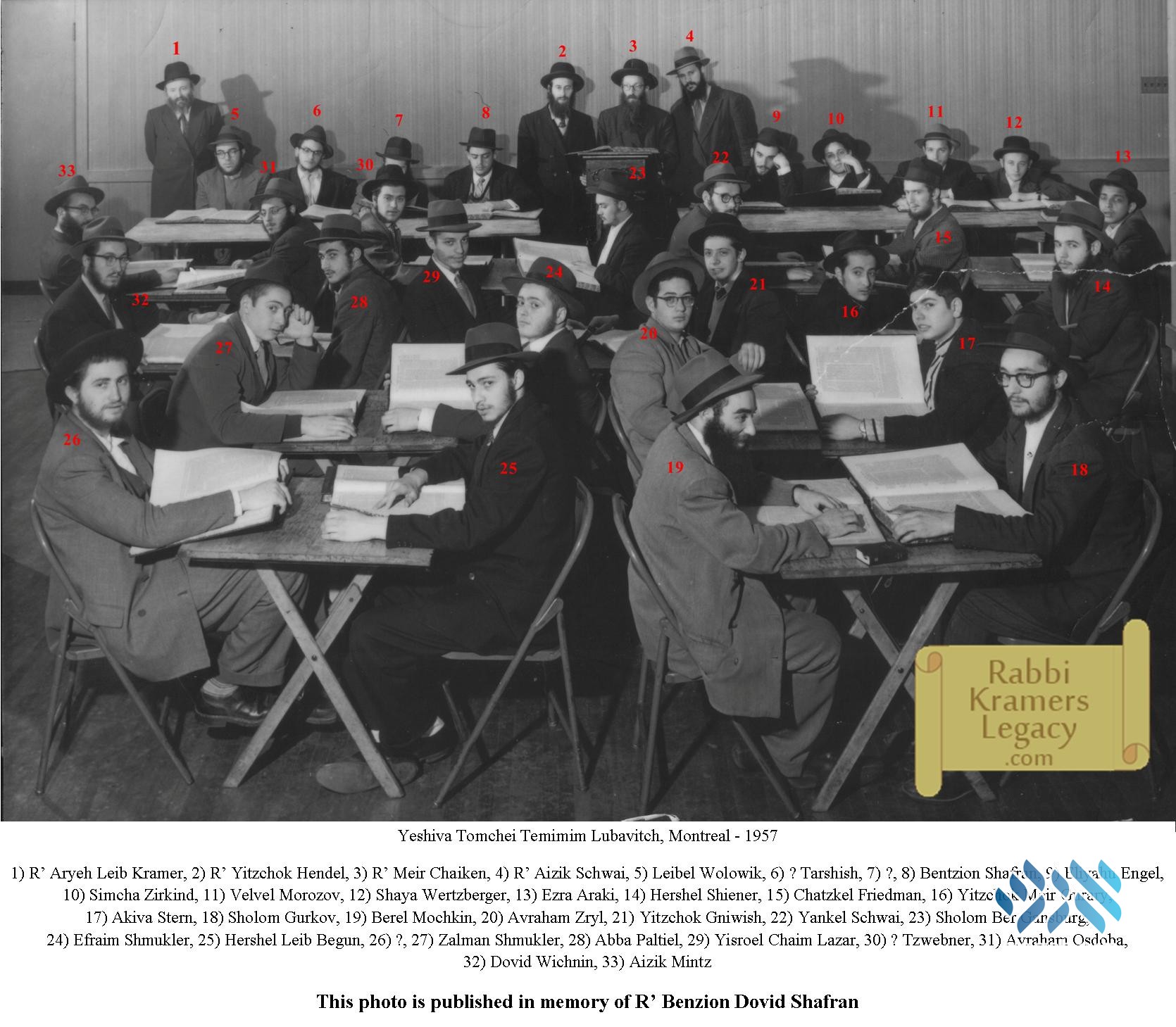
Arriving in Montreal in 5702 (1941) with eight other bochurim, Reb Leibel, then a bochur not yet 23 years old, was appointed director of the newly established Yeshivas Tomchei Tmimim there. In addition to running the yeshiva, he also cared for the bochurim, helping them find shidduchim and arranging their weddings.
All this took place while none of them knew what was happening to their families back in war-torn Poland.
Soon, Montreal had a yeshiva for boys of all ages, a girls’ school, summer camps, and much more. All of these were firsts for Montreal. Rabbi Kramer worked endlessly and tirelessly to enroll children in the schools while also raising money to cover the budget. Tuition was free. What mattered was that no parent should have an excuse not to send their child to a Jewish school.
For close to sixty years, he worked tirelessly to ensure the success of the institutions he ran. A crowning achievement for Rabbi Kramer was the chag hasemicha on Yud-Tes Kislev 5715 (1954), when a group of bochurim received their semicha in front of a crowd of hundreds of yeshiva supporters.
About a decade after his passing in 5760 (1999), Rabbi Kramer’s family set up a webpage in honor of the upcoming Hachnosas Sefer Torah. There, they interviewed people who had been students in the yeshiva during its very early years.
What strikes the reader is how, seven decades later, people still remembered Rabbi Kramer and his descendants as members of their own family. When there was a simcha in the extended Kramer family, it felt as though it had happened in their own family.
Others spoke about how he stood by them at every step of their lives, sharing in their simchas and, lehavdil, their sad occasions. Without Rabbi Kramer at a simcha or an “unveiling,” the occasion felt incomplete.
Rabbi Gershon Sabol, today the director of Yedei Chesed in Monsey, served for many years as Rabbi Kramer’s assistant in the Montreal Yeshiva office. He told this writer that Rabbi Kramer would ask him at the beginning of every month how much money was needed to cover that month’s budget.
That became his quota, and he would raise the money himself. This was a mere three decades ago. He saw it as his responsibility.
Despite all his responsibilities, he always made time for learning, davening as a chossid should, and spending time with his family. At the time of his passing, some 1,200 students were enrolled in the various Lubavitch mosdos in Montreal, with many thousands having graduated over the years.

At the wedding of Reb Hershel Feigelstock, Cheshvan 5710/1949.



R-L: Rabbi Kramer, Rabbi Leibel Kaplan, Rav Yitzchok Hendel and Rabbi Hershel Feigelstock


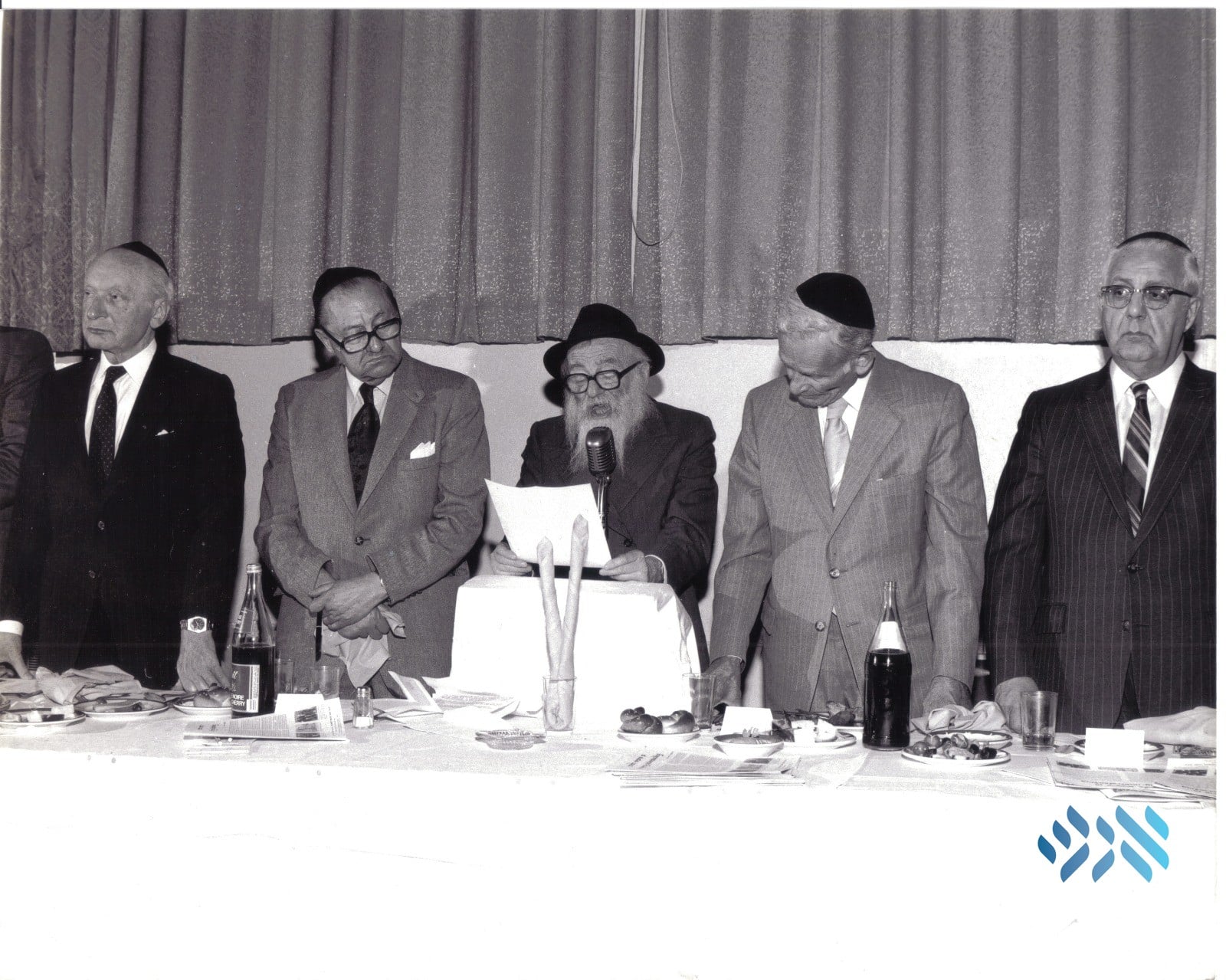
Photo: courtesy of Rabbi Yosef Kramer
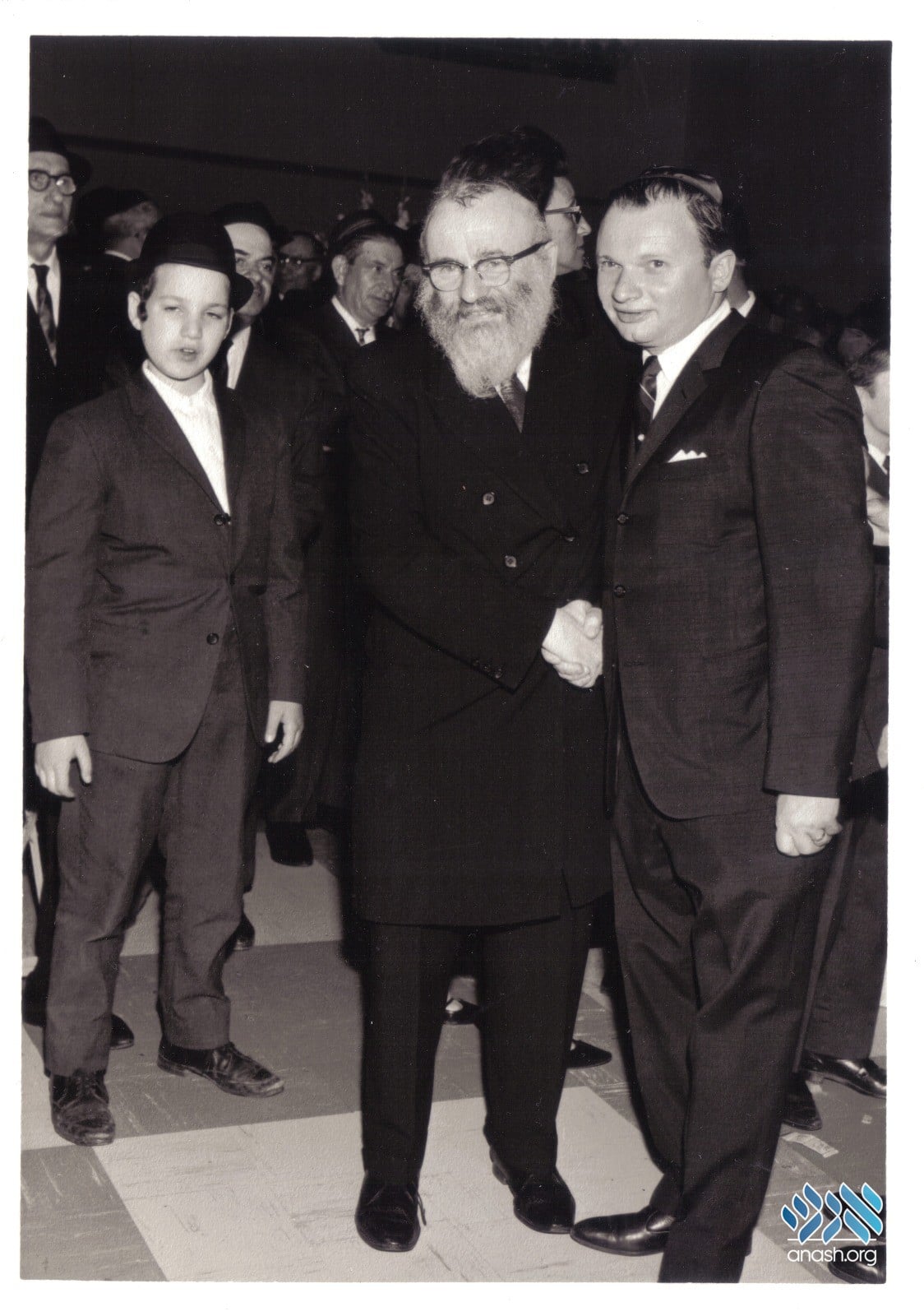
Photo: courtesy of Rabbi Yosef Kramer
 COMMENTS


We appreciate your feedback. If you have any additional information to contribute to this article, it will be added below.