




כ״ג מרחשון ה׳תשפ״ז | November 3, 2026
Kolel Keystone with Rebbe’s Inscription Adorns New Building
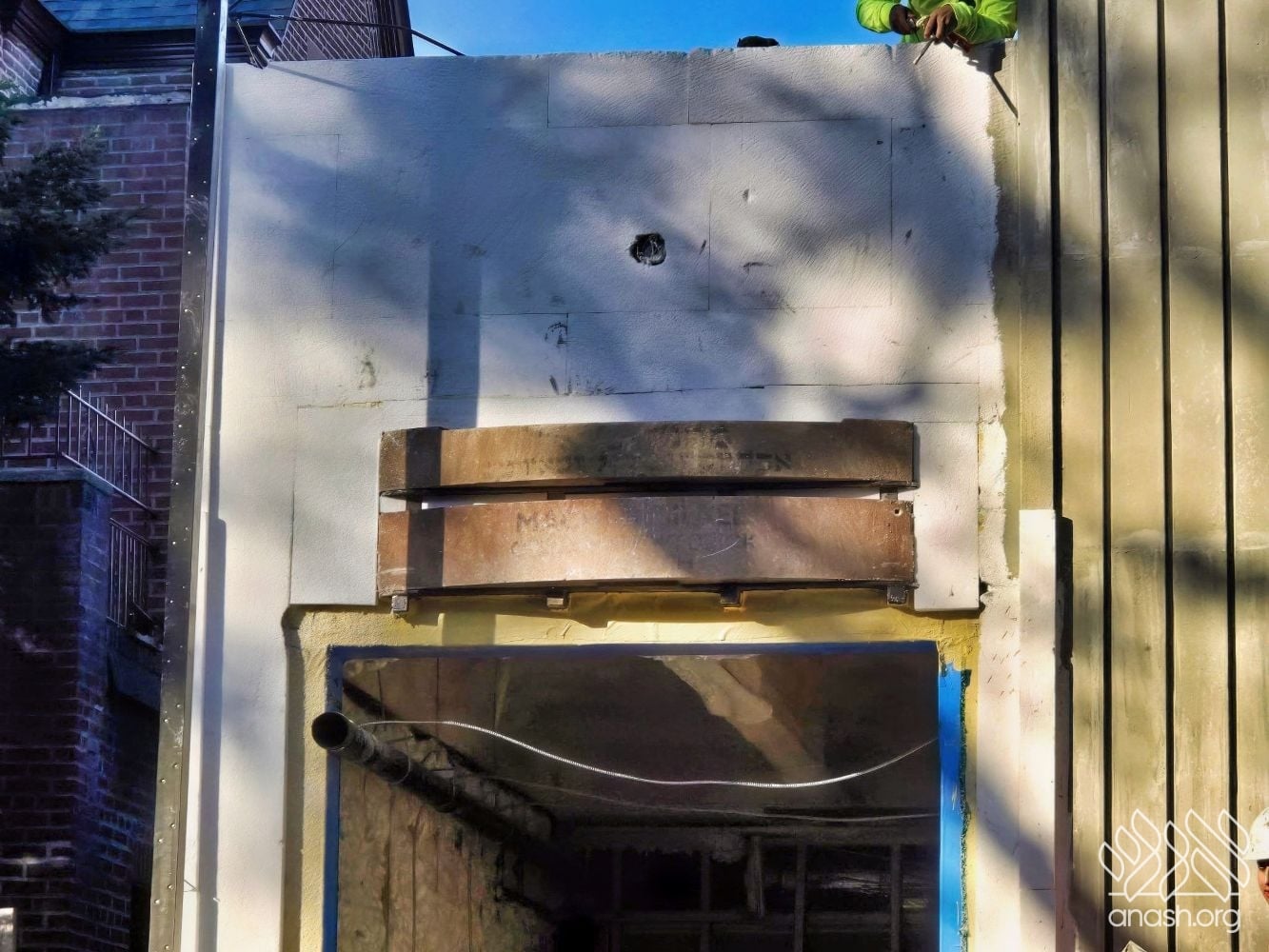
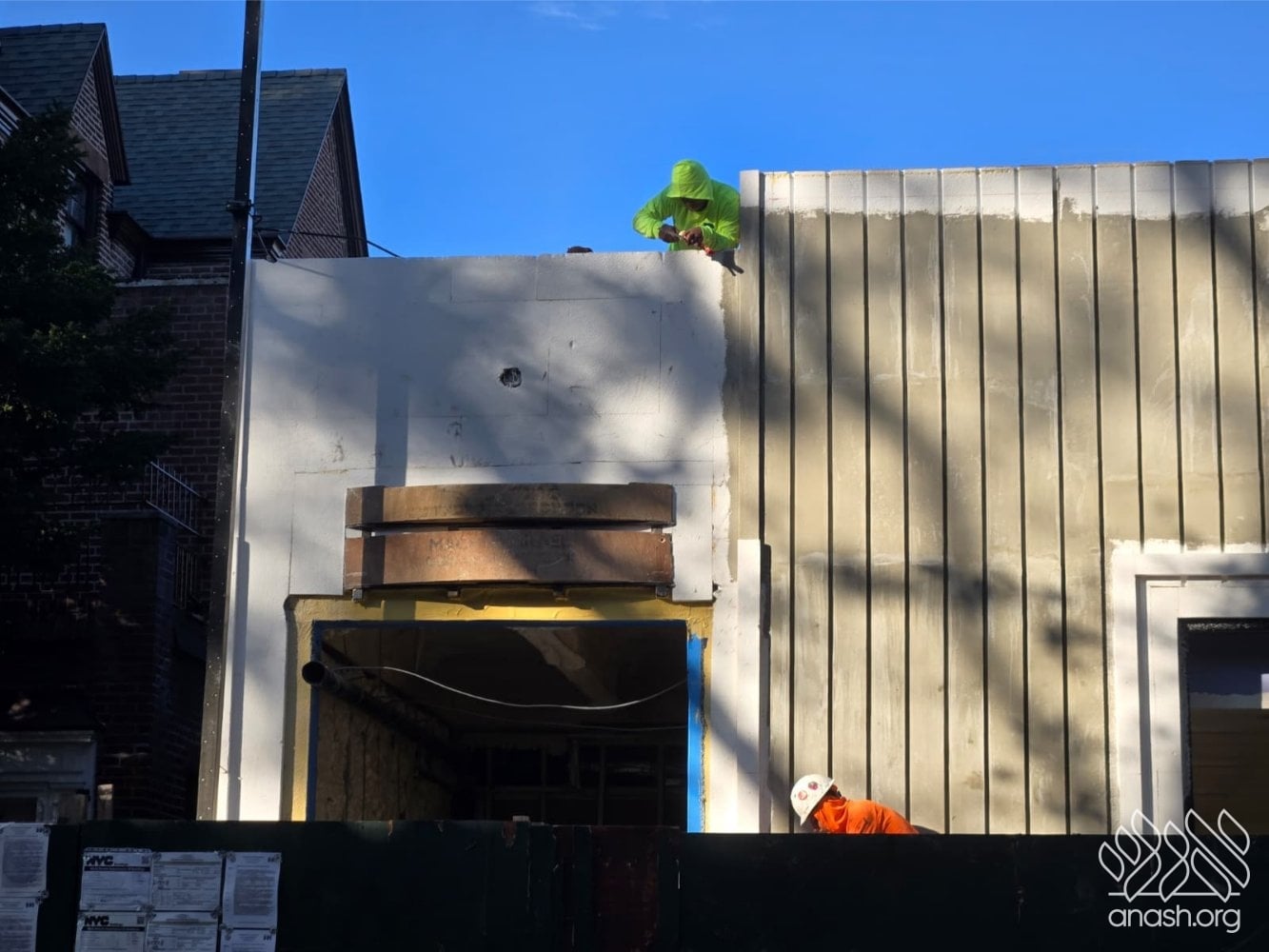
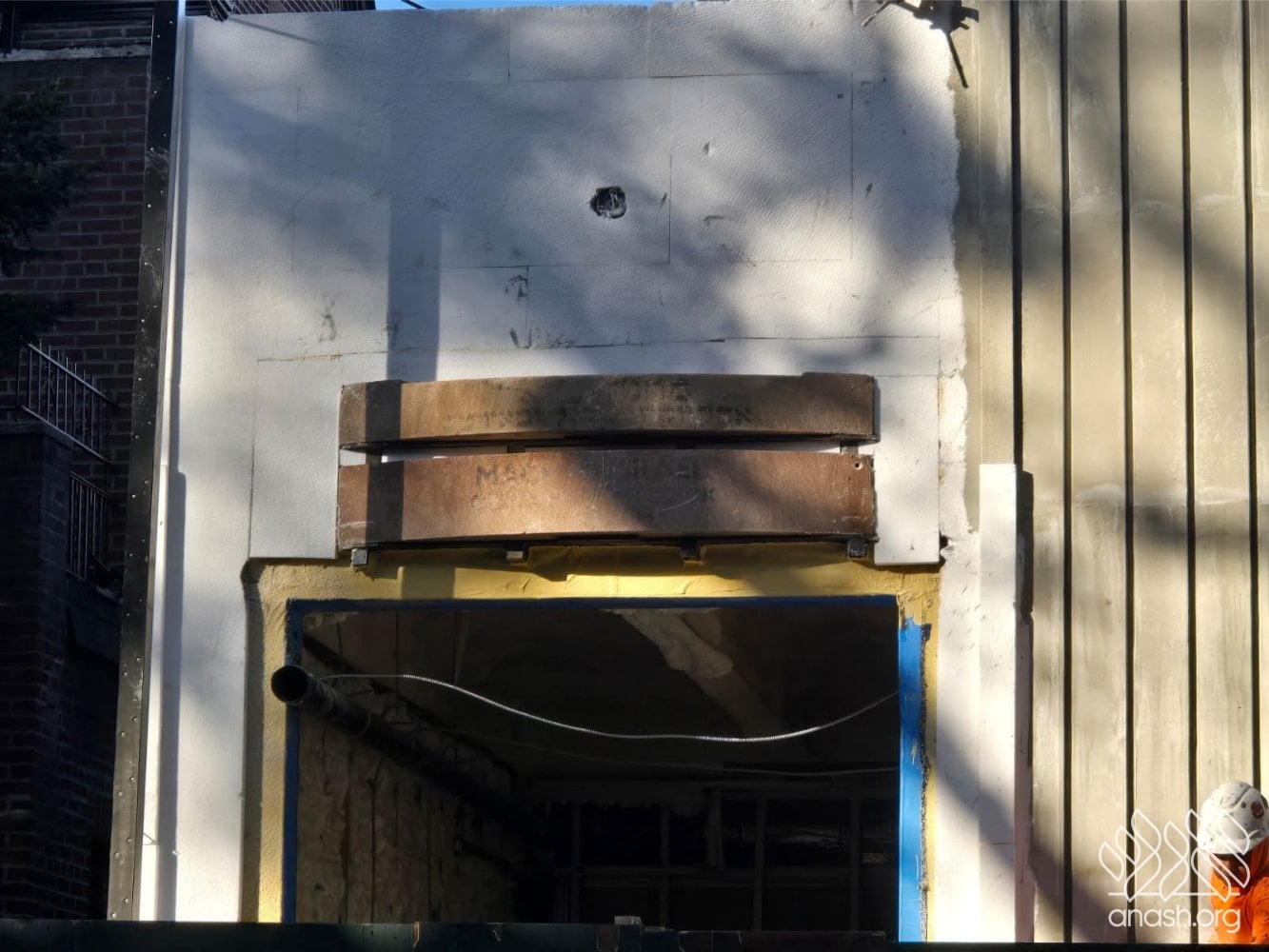
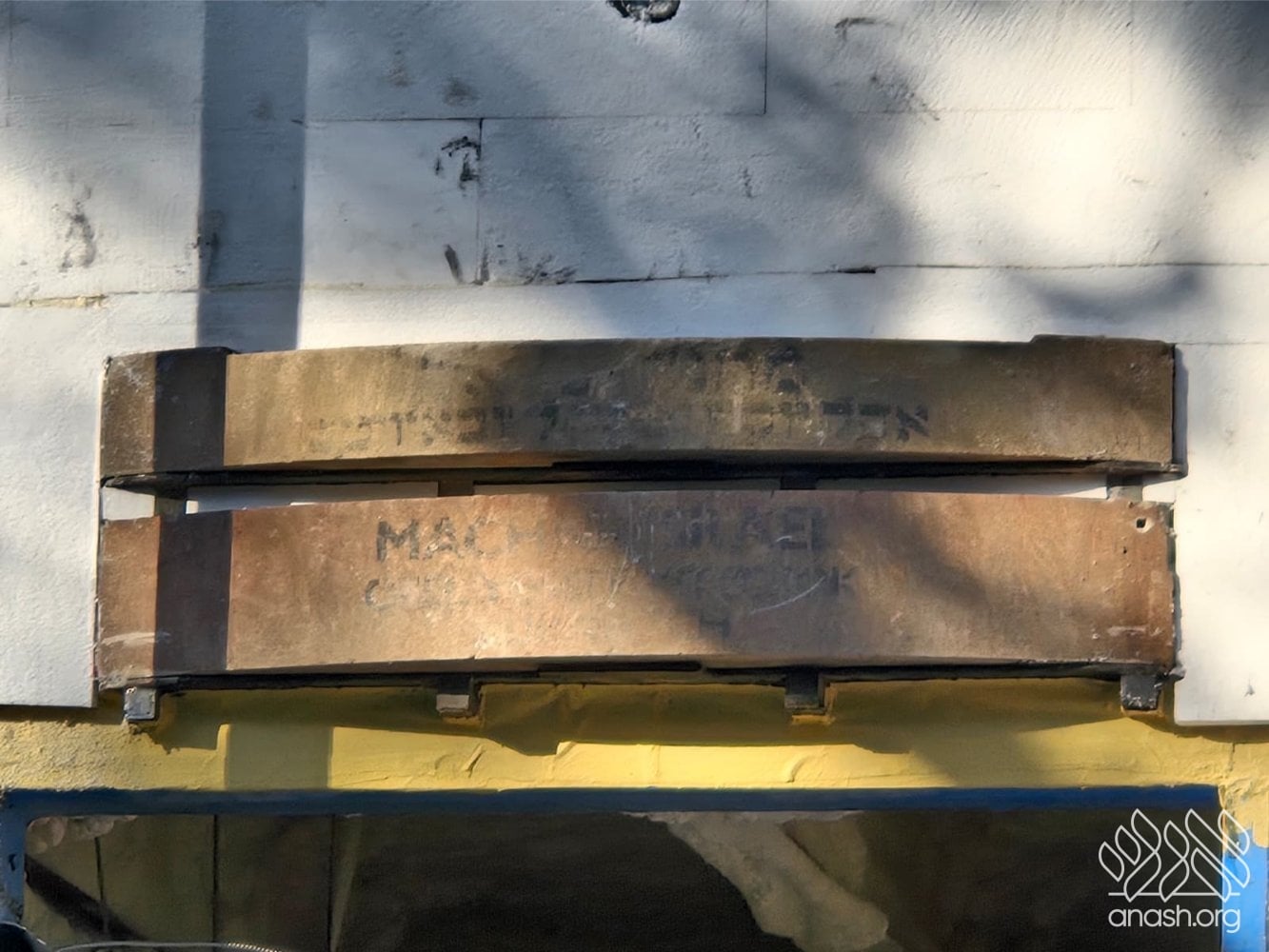
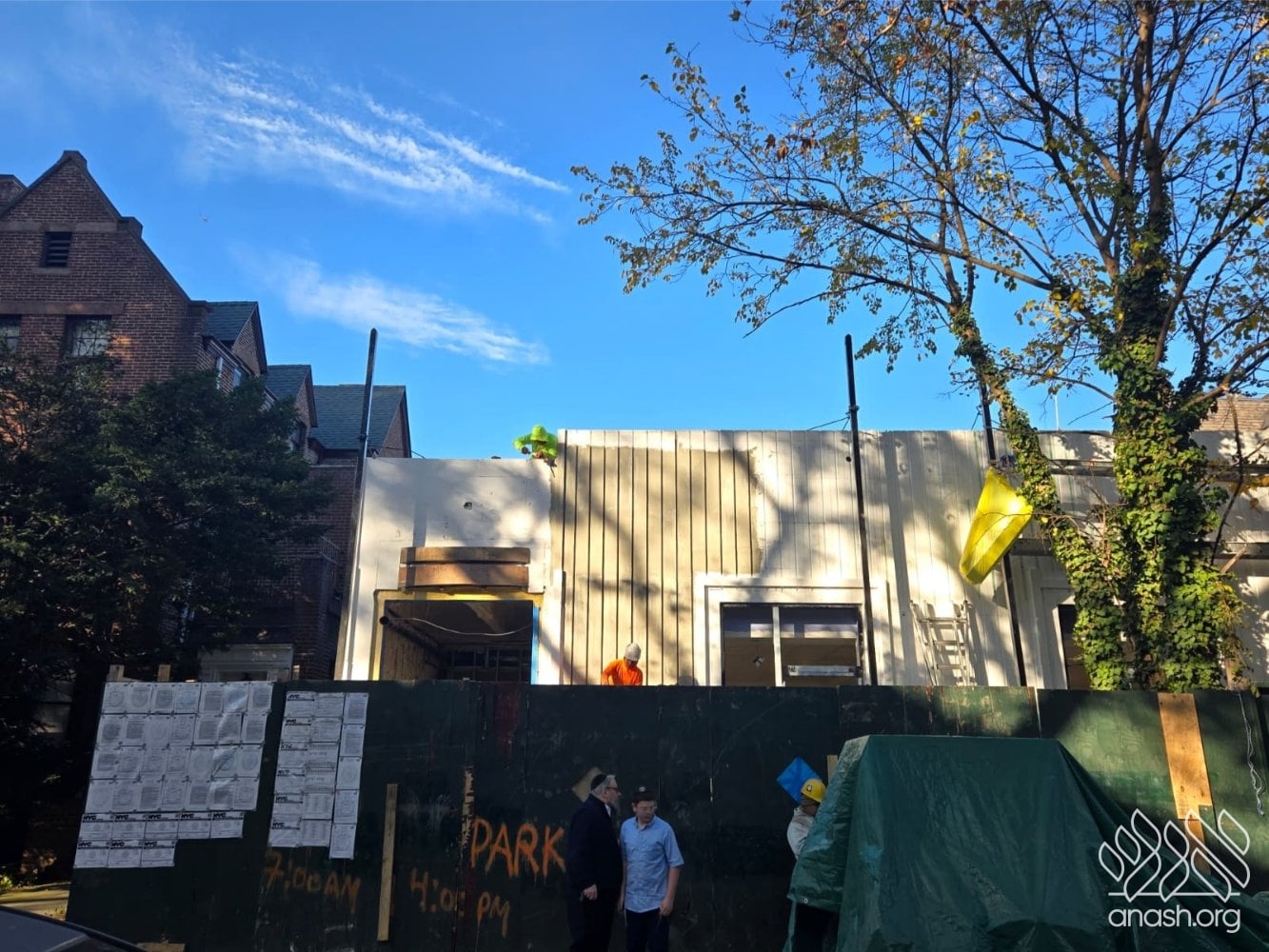
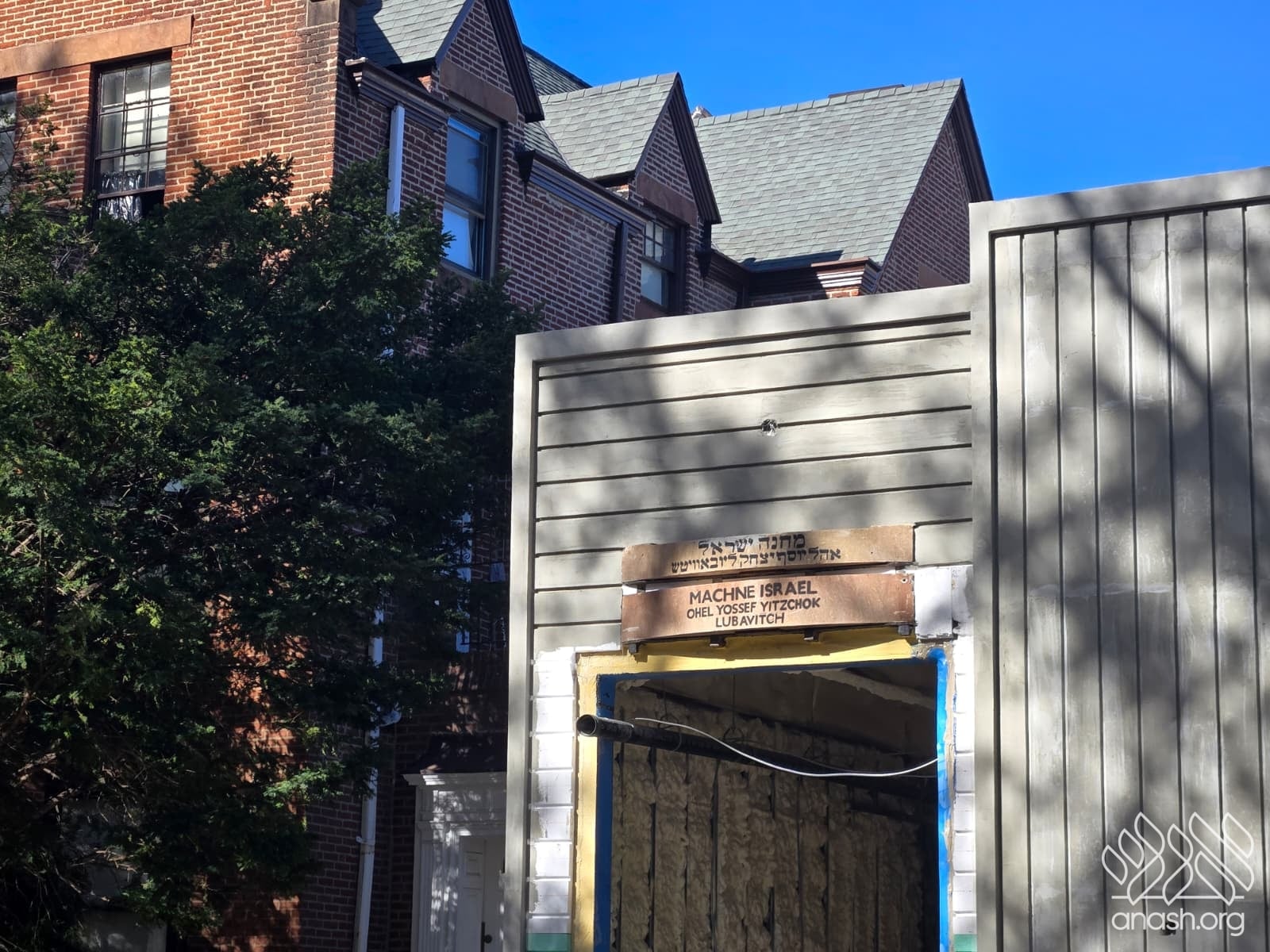
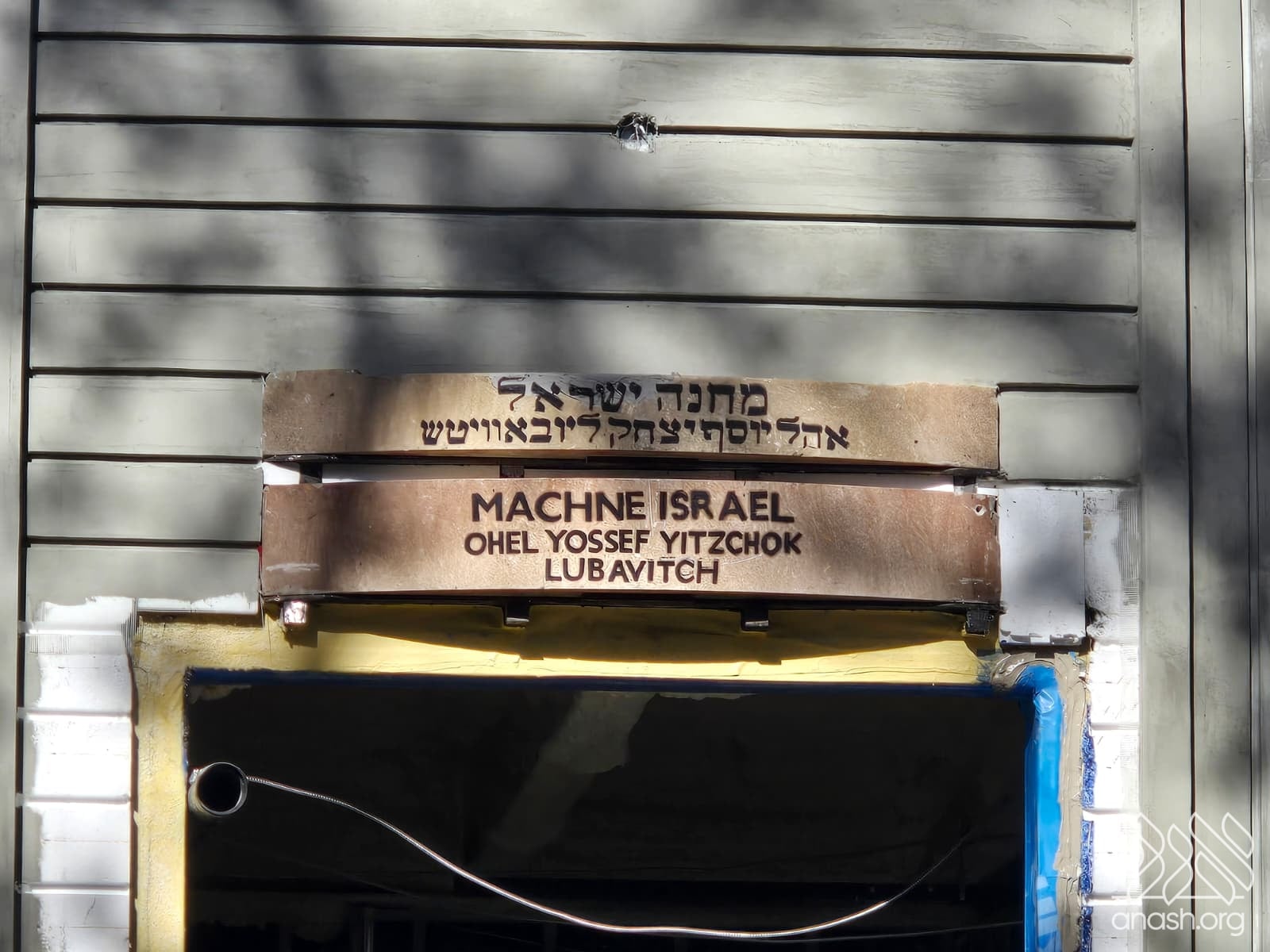
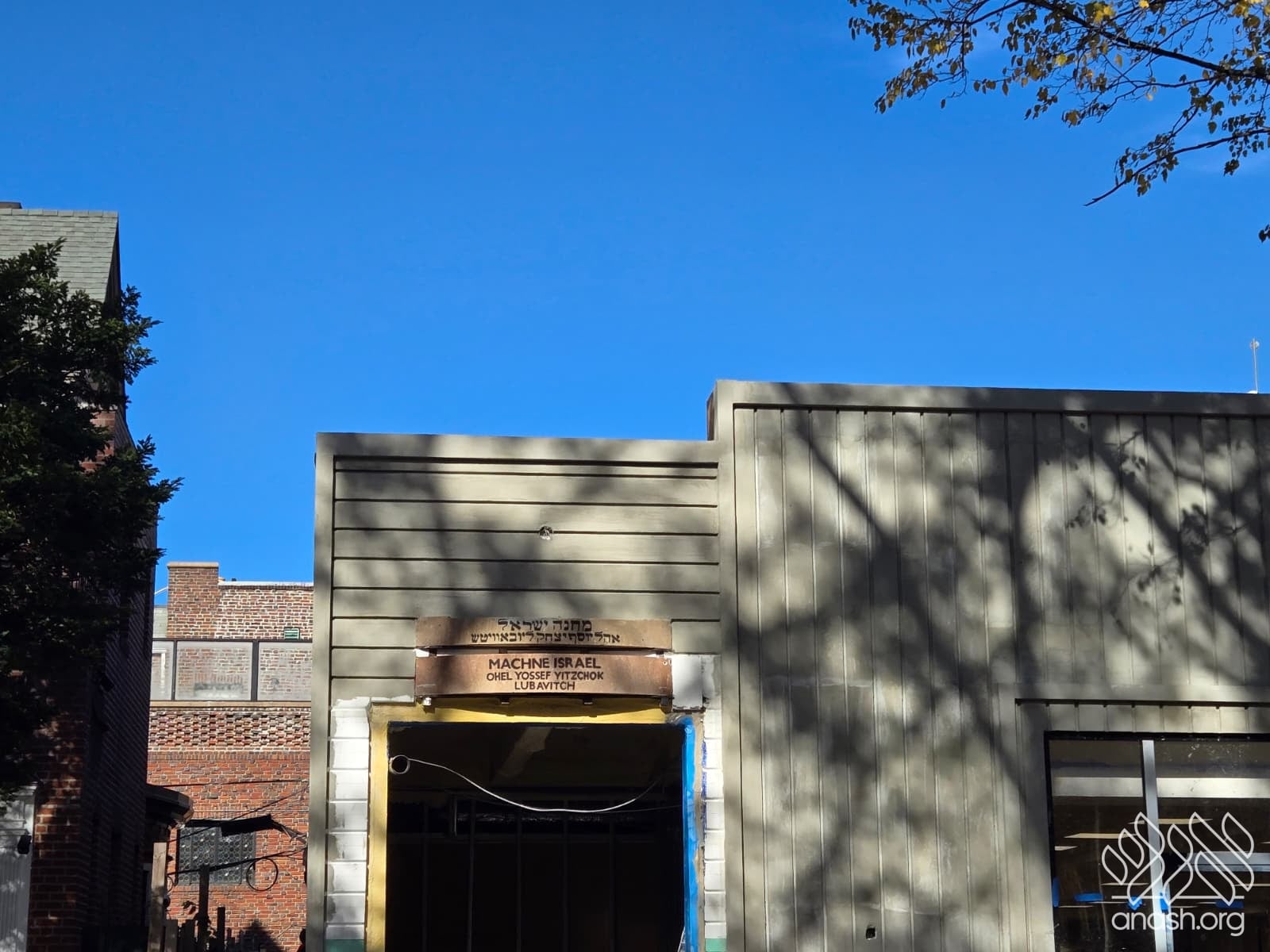
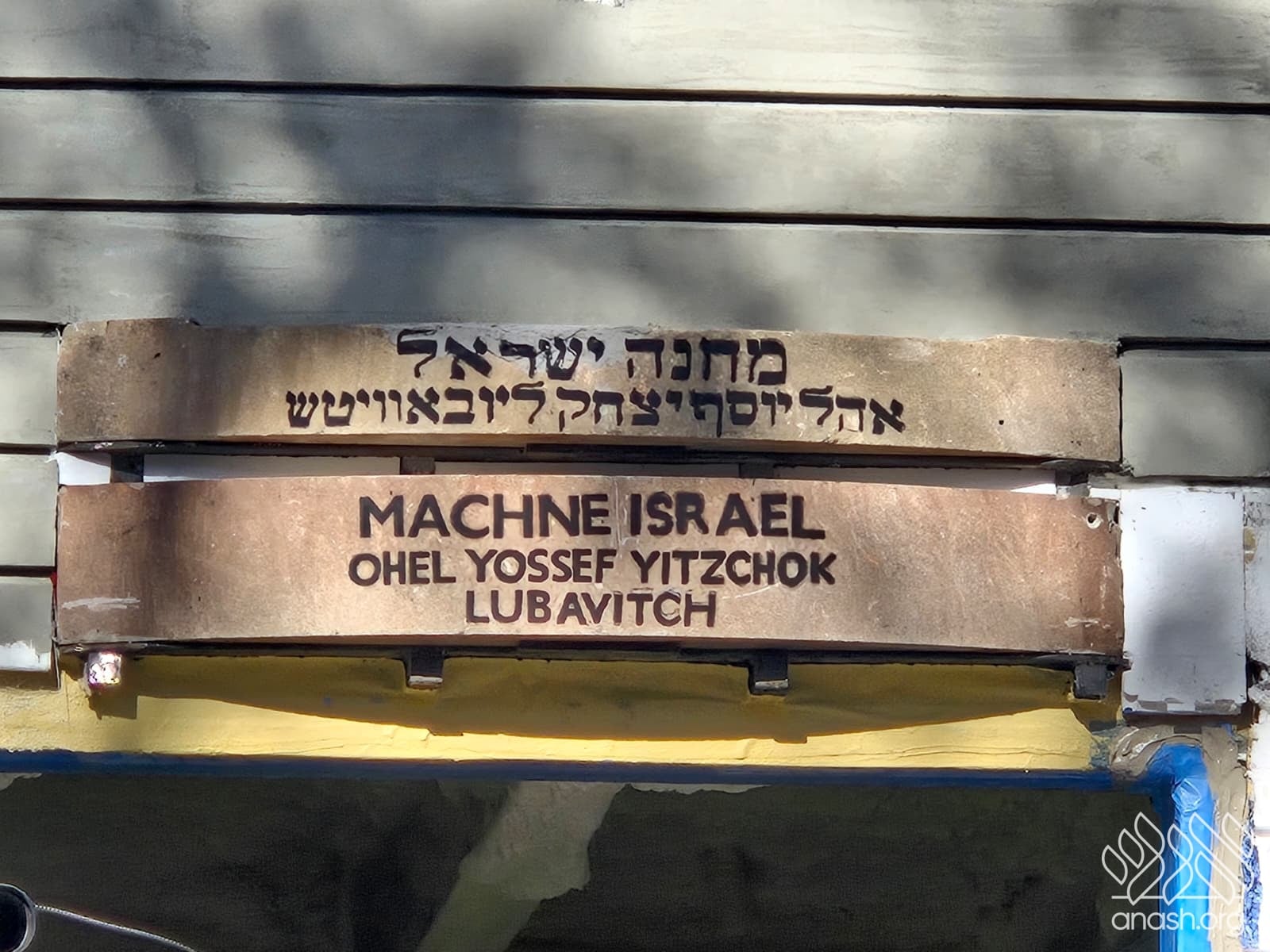
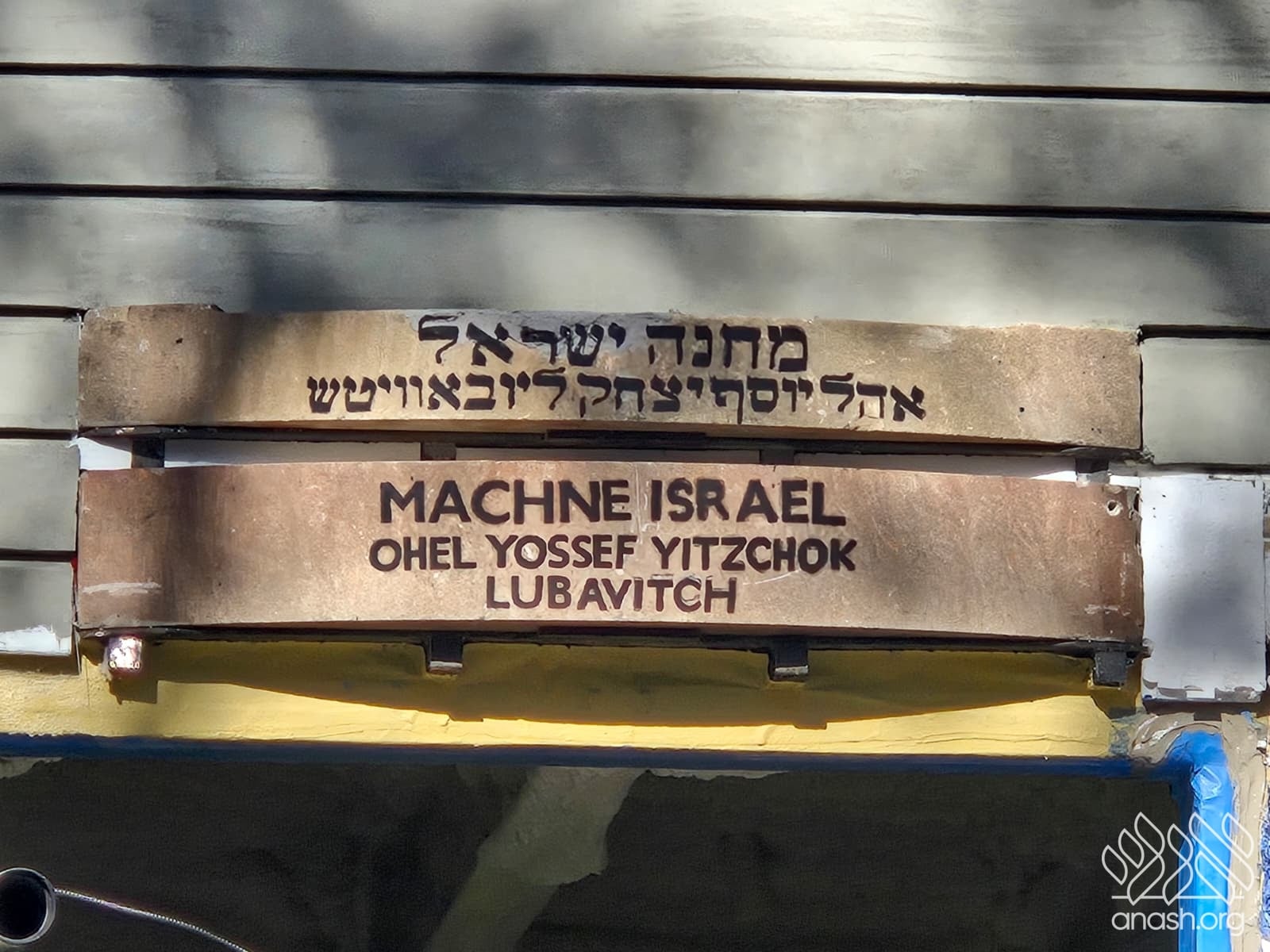
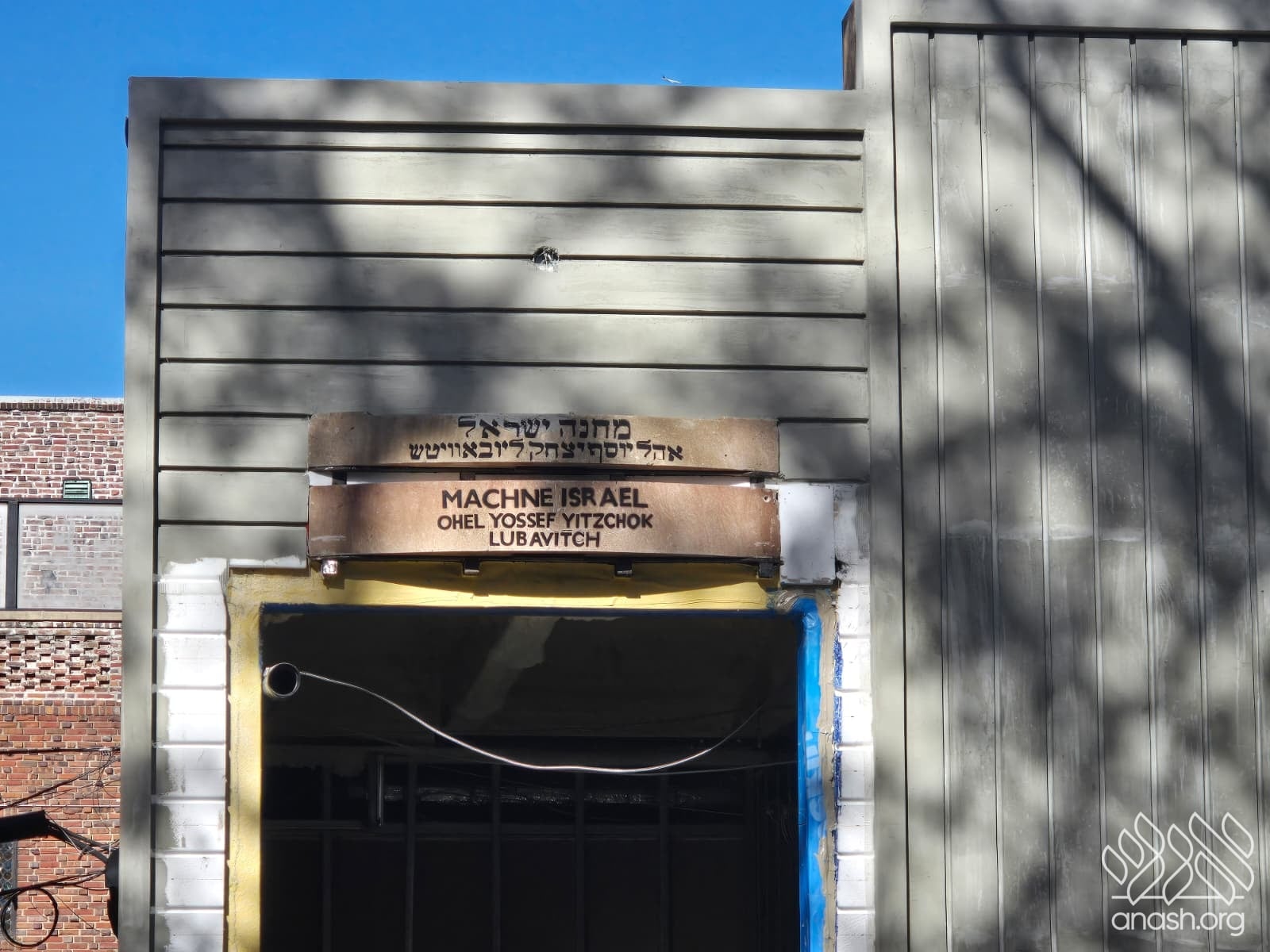
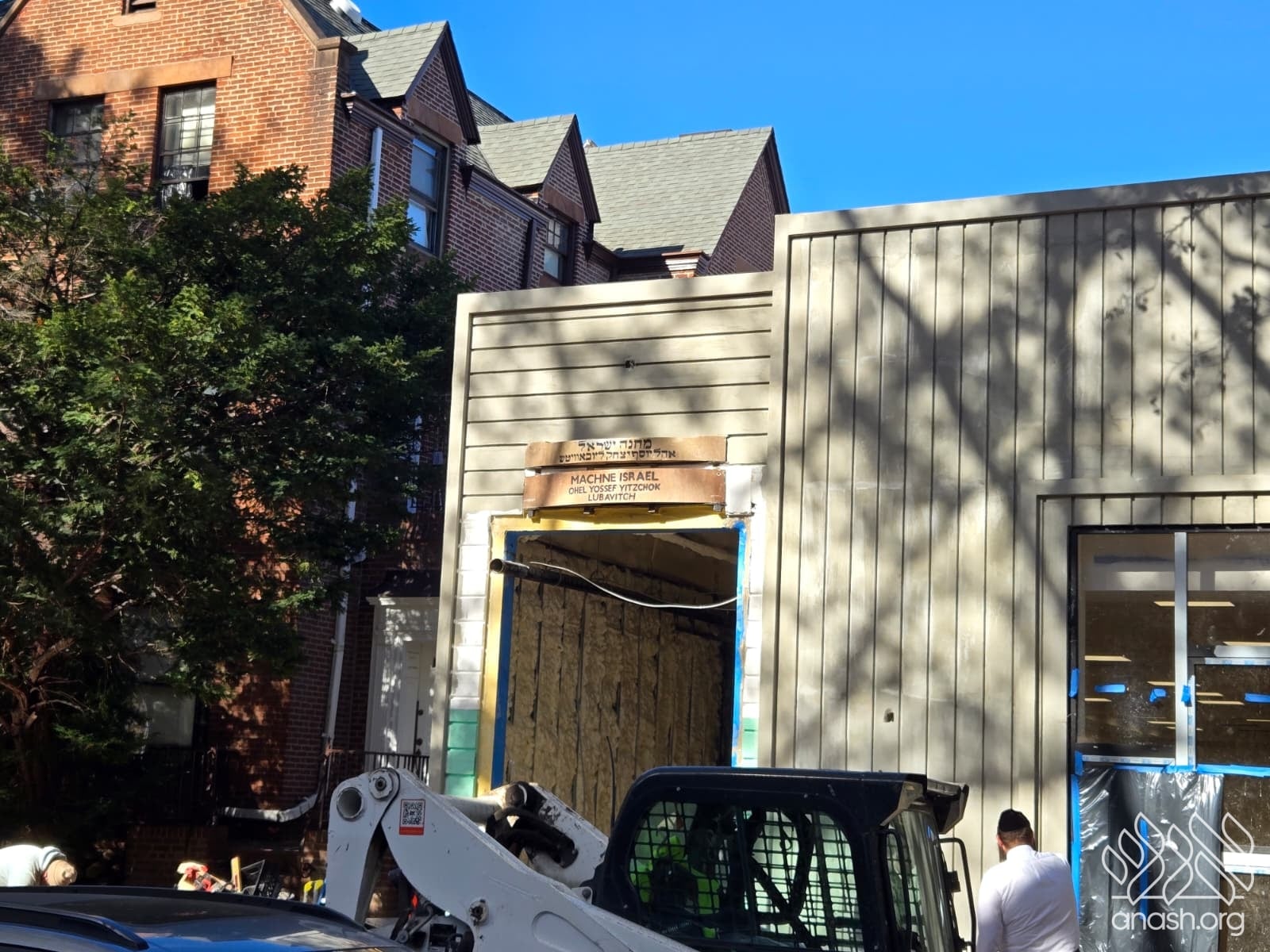
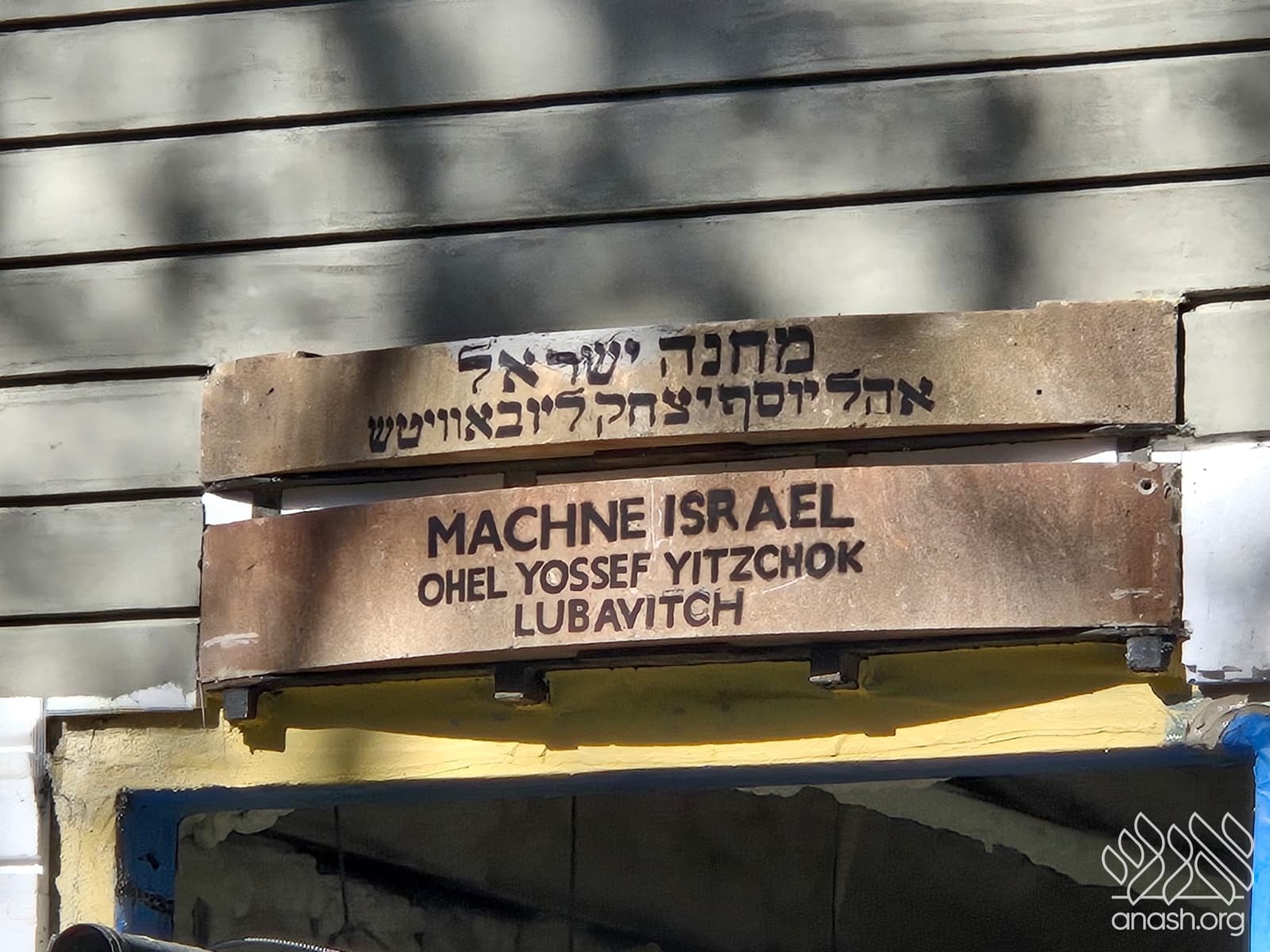
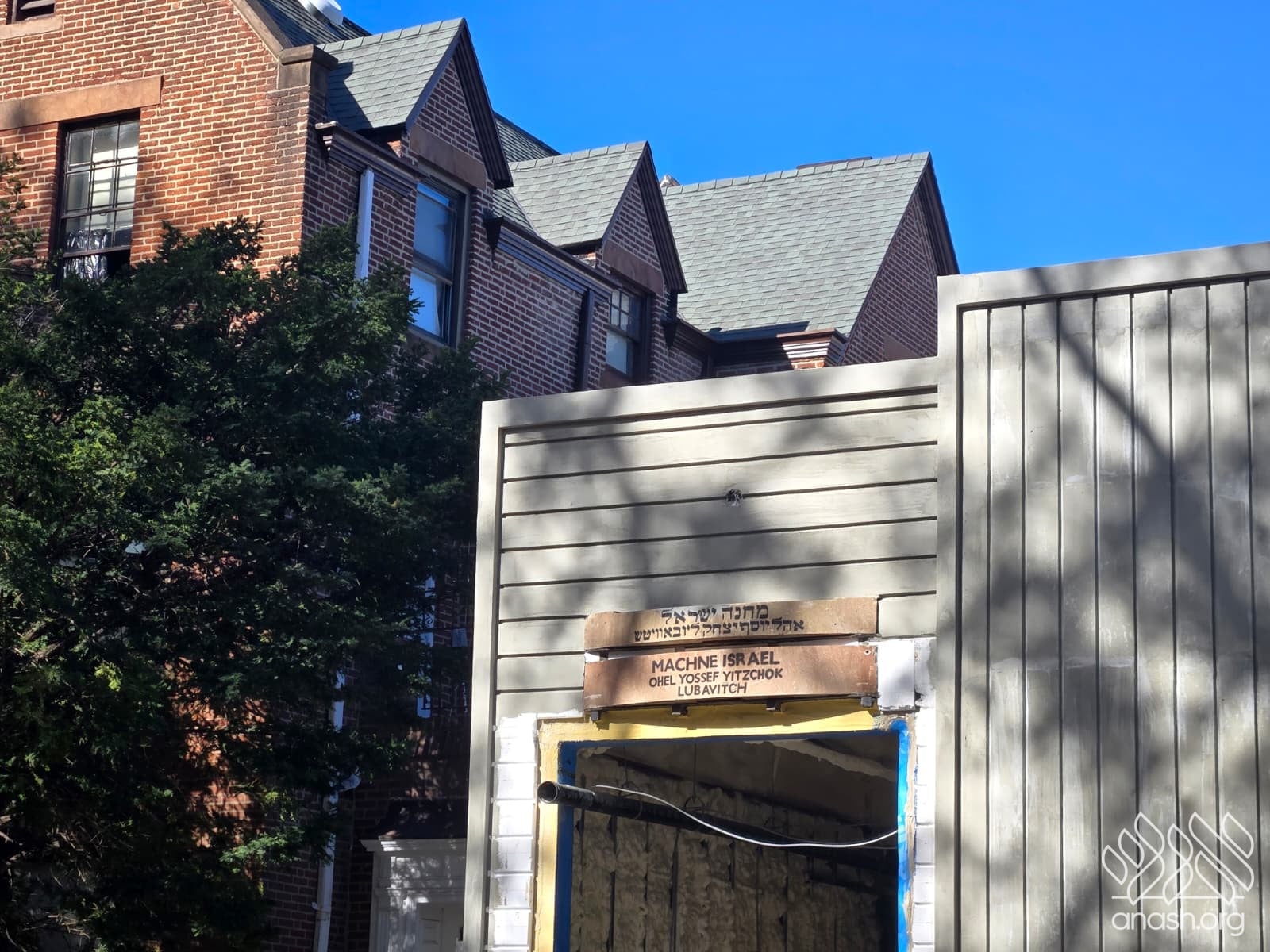
The original stone bearing the inscription the Rebbe instructed be placed on the Kollel building more than 40 years ago has now been prominently mounted on the front of the newly completed expansion Beis Medrash on Union Street, directly adjacent and connected to 770.
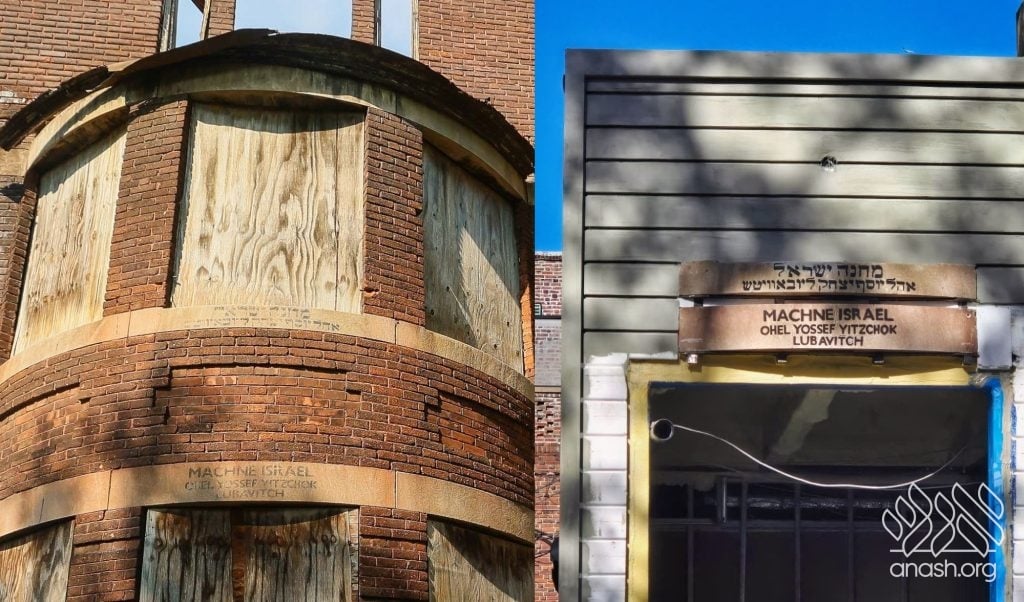
The original stone bearing the inscription the Rebbe instructed be placed on the Kollel building more than 40 years ago has now been prominently mounted on the front of the newly completed expansion Beis Medrash on Union Street, directly adjacent and connected to 770.
Construction has moved at a record pace in recent weeks, with crews working around the clock to have the building ready in time for the Kinus Hashluchim. In just several days, the entire project was completed, with flooring laid, walls and windows installed, and lighting, heating, air conditioning, plumbing, and roofing all finished ahead of schedule.
The new Beis Medrash is now ready for use, with a doorway connecting it directly to 770.
The new building stands on the site of the historic Kollel, which was established by the Rebbe in 5722 (1962) under the aegis of Machne Israel and the Rebbe’s Mazkirus. From the start, the Kollel was located in the immediate vicinity of 770, at 1451 and 1453 Union Street, with the original building converted into a beis medrash.
The Rebbe visited the building on several occasions, commenting on various aspects of the study hall and encouraging the yungeleit to keep it neat and tidy.
The Rebbe was insistent that the Kollel remain close to 770. When it was once suggested that the Kollel be relocated to another part of the neighborhood, the Rebbe rejected the idea.
In 5745 (1985), during the episode surrounding the seforim, the Rebbe instructed that the Kollel building carry an inscription similar to the one on the front of 770, bearing the name “Ohel Yosef Yitzchok.”
The Rebbe first addressed the matter publicly at the farbrengen of 12 Tammuz, when he announced that members of Agudas Chassidei Chabad had met and made several decisions. The first was to publicize that 770 belongs to the Agudas.
“It is a simple matter that it is being publicized… that this is a house belonging to Agudas Chassidei Chabad. This is what the Baal HaGeulah wanted, and so he recorded it,” the Rebbe said.
The Rebbe continued that the name “Ohel Yosef Yitzchok” should be added to the part of the building where the Frierdiker Rebbe had lived.
“It is customary in Torah that there is the general title, the general name, and afterwards there are other names. So too, in addition to it being called Beis Agudas Chassidei Chabad, from now on, as a decision, a final decision that is not to be questioned, it will also have the secondary title ‘Ohel Yosef Yitzchok.’”
The Rebbe also wanted the Kollel members to begin learning in the Frierdiker Rebbe’s apartment, but those holding the keys did not allow it.
The Rebbe wanted everything to be done in a pleasant and peaceful manner, so on Wednesday, 21 Tammuz, the Rebbe instead instructed the Kollel members to learn the Frierdiker Rebbe’s seforim of Chassidus, as well as the daily Rambam, in the Kollel building on Union Street.
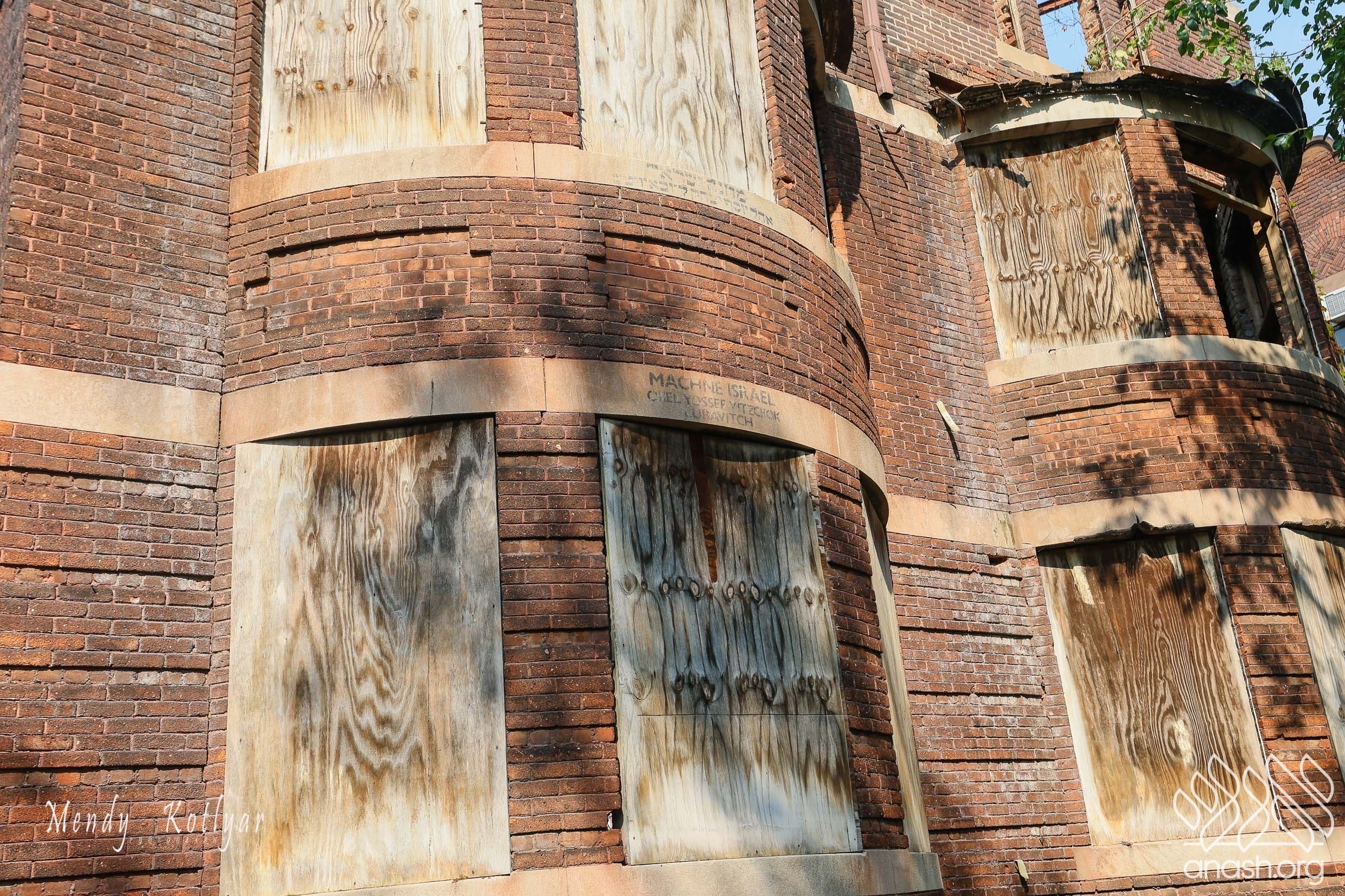
In addition, the Rebbe instructed that the words “Machne Israel,” with “Ohel Yosef Yitzchok Lubavitch” written or engraved beneath them, be placed on the front of the building, similar to the inscription on 770.
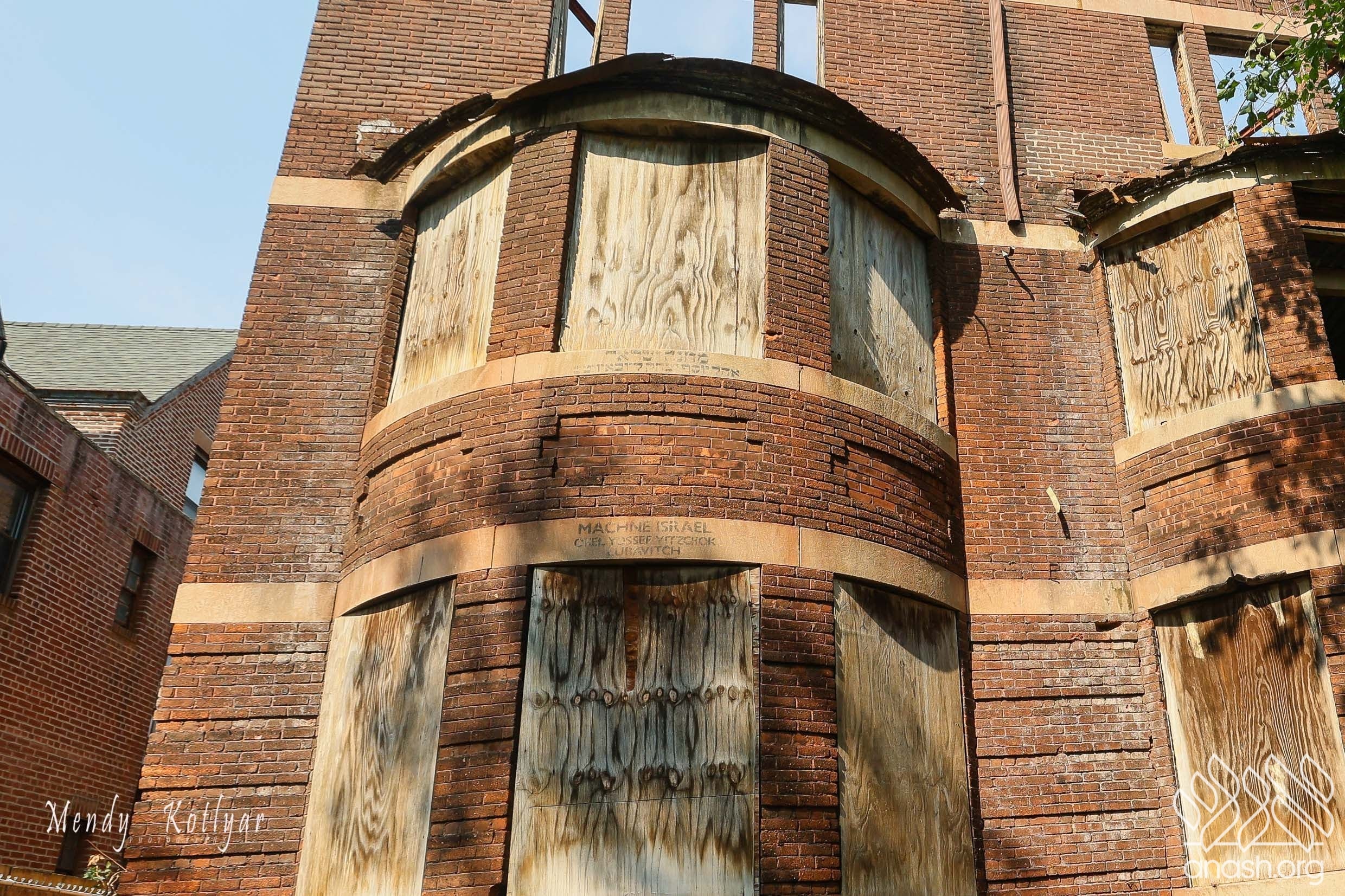
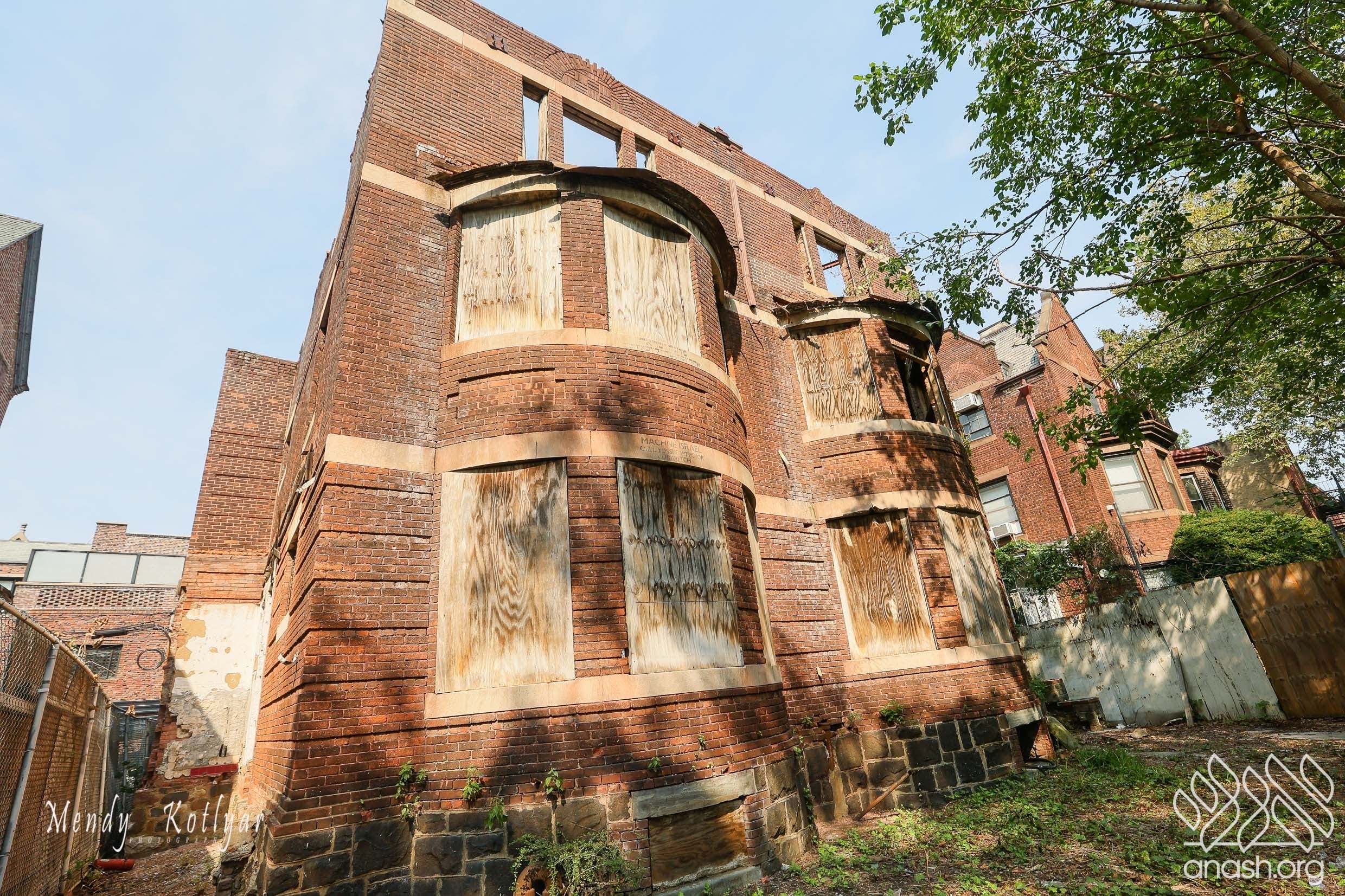
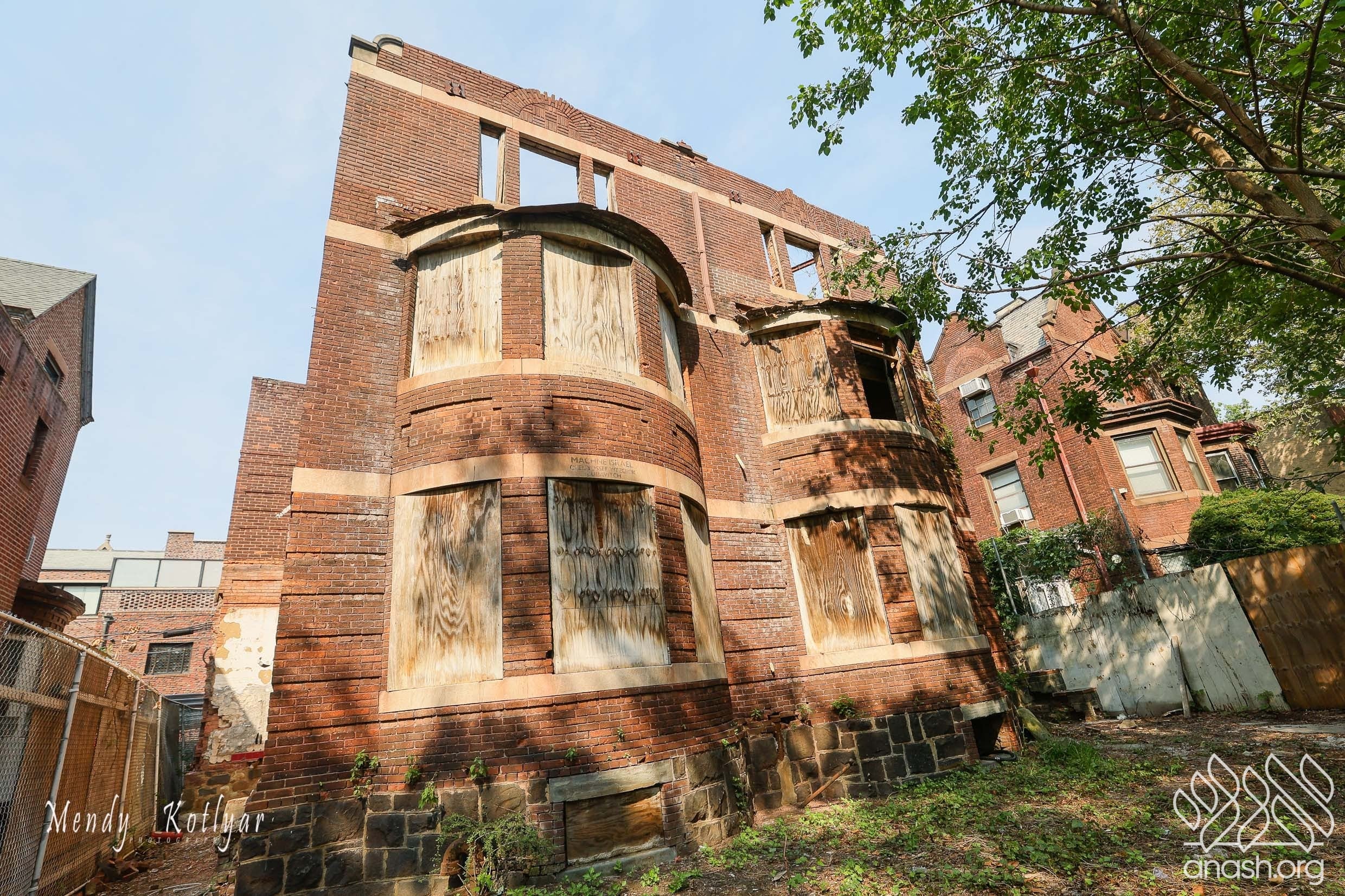
The words were subsequently inscribed on the Kollel building in both Hebrew and English. It appears that this was done without the same fanfare that accompanied the inscription on 770. Nevertheless, it was clear that the Rebbe was establishing that the Kollel and its building belonged to Agudas Chassidei Chabad and, in turn, to the klal adas hachassidim.
Shortly afterward, while the Rebbe was on his way to the mikvah, the car made a slight detour to pass by the Kollel building, as the Rebbe wished to see the new inscription.
In 5760 (2000), the Kollel moved to its current location on Kingston Avenue so that the Union Street building could be renovated. The renovation never took place, and the building stood as an empty shell for more than two decades.
When the building was eventually slated for demolition, those involved made sure that the original inscribed stone was preserved. The faded text has also been repainted.
Now, as construction of the new, expanded beis medrash has been completed and preparations are underway to open it for use, the historic stone once again takes its place on the front of the building, preserving the Rebbe’s instructions over 40 years ago.
 COMMENTS


We appreciate your feedback. If you have any additional information to contribute to this article, it will be added below.