




ד׳ מרחשון ה׳תשפ״ז | October 15, 2026
50 Classmates Share Their Most Memorable Moment With the Rebbe
Fifty classmates born in the year 5736 share personal memories and stories of their encounters with the Rebbe, from childhood visits to 770 and their first time seeing the Rebbe to experiences as bochurim and the lasting lessons they took with them.
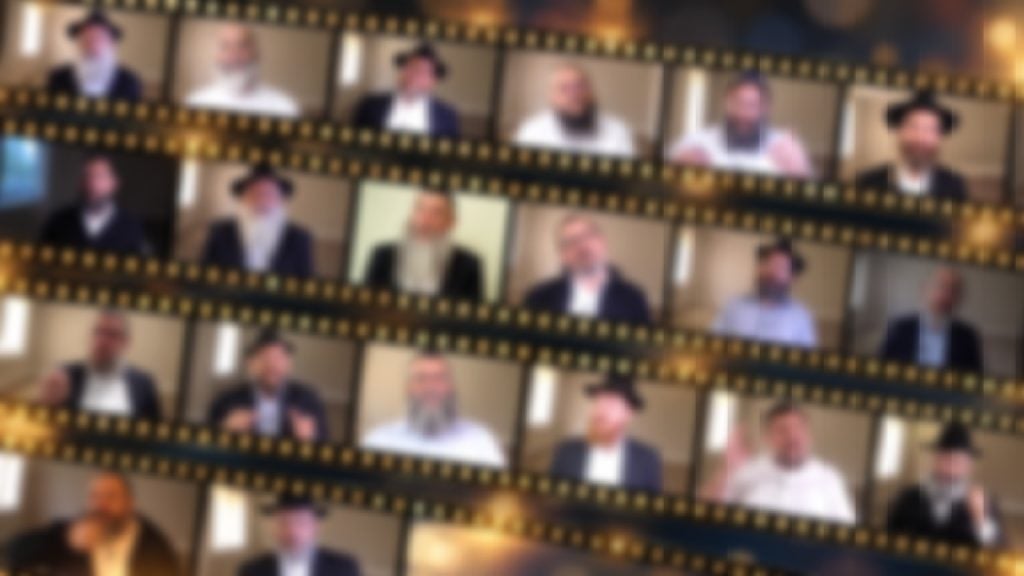
As part of a Shabbos Achdus reunion this past month of Iyar, 50 representatives of the Lamed Vovniks—born in 5736 and celebrating their 50th birthdays—were interviewed about their earliest or most powerful memories of the Rebbe. The resulting 50 separate videos captures the profound and lasting impact the Rebbe had on an entire generation.
For many, those memories begin with their first encounter with the Rebbe. Whether arriving in 770 from afar or growing up in Crown Heights, a glance, smile, farbrengen, or brief exchange left a lifelong impression. Some discovered years later, through photographs or videos, that the Rebbe had noticed them.
The interviews revisit farbrengens filled with singing, l’chaim, as well as lessons in simcha, Chassidus, and personal responsibility. Speakers recall the Rebbe’s patience and sensitivity, and how a simple gesture, encouraging word, or bracha could provide strength for years.
Bar mitzvahs and yechidus feature prominently, with memories of standing beside the Rebbe during davening, receiving personal brachos, and being presented with siddurim, Tanyas, and other treasured seforim. Others recall receiving coins for the pushka, brachos before exams, and the excitement of Simchas Torah—watching the Rebbe dance, joining Hakafos, and singing at children’s rallies.
Though the stories span different experiences and stages of childhood, they share a common theme: the Rebbe made each person feel seen and valued. Through personal encounters and seemingly small gestures, he often recognized potential that individuals had yet to see in themselves.
Together, these 50 interviews offer more than nostalgic memories. They reveal the deeply personal relationship each speaker developed with the Rebbe and how those formative moments continue to inspire their lives, strengthen their connection to Chassidus, and guide them decades later.
Many of the speakers begin with their first time coming to the Rebbe. Rabbi Avremi Berkowitz, who grew up in Detroit, recalls how he froze during l’chaim on his first Shabbos Chof Av when the Rebbe locked eyes with him. Rabbi Velvel Belinsky tells of how he arrived from Russia and saw the Rebbe for the first time. Rabbi Moshe Bleich was torn between Karlin-Stolin and Lubavitch until the Rebbe looked right at him one time. Years later, a video surfaced of the Rebbe telling his father, “a chossid by us too.”
Rabbi Yudi Mann‘s family flew in right after Chof Beis Shevat, while Rabbi Alex Kaller found himself on the bima beside the Rebbe the first time he saw him, on Rosh Hashanah. Rabbi Mendel Schwartz came as a child, but the connection only took hold when he was 16 or 17 and began learning Chassidus.
Farbrengens left a lasting mark on the children. Rabbi Yossi Berkowitz grew up on shlichus without knowing Yiddish and was overwhelmed until saying l’chaim to the Rebbe made him feel connected. Rabbi Shmulik Chanin caught the bags of candy by the little table and learned that being passed over for l’chaim meant it was time to do teshuvah. At eight or nine, Rabbi Levi Lazar raised his cup, and when the Rebbe signaled him to fill it again, bottles came flying over everyone’s heads. At seven, on Shmini Atzeres, Rabbi Levi Azimov ran up to the table and heard a directive in learning that he follows every day.
Several remember the Rebbe waiting for them. Sitting on his grandfather Reb Mendel Feldman’s lap, Rabbi Sholom Feldman hesitated to say l’chaim, so the Rebbe smiled and waited until he said it and finished drinking. Rabbi Dovid Goldberg froze when the Rebbe turned to him, and the Rebbe waited until someone brought him a l’chaim. Just after spending a week in the hospital at age nine with diabetes, Rabbi Yisroel Dovid Rosenblum watched the Rebbe hold back until he put his dollar in the pushka. Rabbi Shmuli Rothman remembers an Erev Rosh Hashanah when the Rebbe put down his stack of papers before taking his pan, as if it were a yechidus.
Others describe simply feeling seen. At three or four, Rabbi Abba Rubin was motioned to three times by the Rebbe, and he later vowed not to leave 770. Dressed up as a girl for Purim, Rabbi Yossi Eber asked for a refuah sheleima for his grandfather and received a huge smile and a big Amen. Struggling with a teacher on his birthday, Rabbi Yanky Reiter drew strength for a long time from the sight of the Rebbe’s hand swinging as he left Ma’ariv.
Rabbi Bentzion Turk never thought he had experienced a personal moment until someone sent him a photo years later showing the Rebbe looking right at him. What Rabbi Meir Geisinsky connects to most is that the Rebbe saw the future in each person, including a future as a shliach that he himself had never imagined.
Bar mitzvahs and yechidus come up often. Rabbi Abi Friedman walked into yechidus at six with all his siblings for his brother’s bar mitzvah. At his own bar mitzvah on Vov Teves, Rabbi Mendel Lifshitz stood next to the Rebbe for the entire davening, while Rabbi Yehoshua Rosen trembled over the bracha at his aliyah until the Rebbe said it along with him.
Before his bar mitzvah, Rabbi Nechemia Schusterman and his cousin went in for yechidus, where an English-Yiddish mix-up broke out and the Rebbe gave him a brocha v’hatzlacha twice. Rabbi Ezriel Rappoport‘s family received a signed Tanya at their first yechidus after the heart attack. Rabbi Boruch Greenbaum’s grandfather was promised Chassidishe nachas just as his mother learned she was expecting him.
Many recall the siddurim and Tanyas they received from the Rebbe. Rabbi Nochum Goldshmid received his first siddur around Shavuos, while Rabbi Levi Zarchi received a Tanya and a siddur and became the Rebbe’s “parking boy.” Rabbi Chezki Holtzberg was woken at two and a half for his siddur, while Rabbi Mendy Karasik‘s father built him a periscope to see the Rebbe. The Rebbe broke his own rule of giving Tanyas only to those present when Karasik’s sister asked for one for him.
Rabbi Sholom Schapiro remembers the Tanyas being given out early in the morning. Rabbi Yosef Wolvovsky was woken at 2 a.m. when he was six to receive the Tanya by hand.
Nickels, coins, and dollars from the Rebbe were part of growing up around 770. Rabbi Avremi Susskind and his friends walked over after licht-bentching to watch the Rebbe go from the library to his room, and received nickels for the pushka. When Rabbi Shimon Kramer pocketed a nickel to swap it, the Rebbe made him put it in the tzedakah box. Rabbi Chaim Leib Hildeshaim went every Friday for a nickel, and once, when the Rebbe ran out, he took out a quarter for him.
Rabbi Yossi Raskin and his brother froze when the Rebbe looked down at the two pushkas they were watching. Growing up across from the Rebbe on President Street, Rabbi Melly Light remembers the Rebbe’s car stopping and the Rebbe giving them coins. As a 14-year-old from Australia, Rabbi Sholom Heidingsfeld ran upstairs when someone called out, “Does anybody want dollars?”
Rabbi Moshe Zavdi and two friends came for dollars before a Gemara final, and the Rebbe said “hatzlacha rabba” three times. Rabbi Nussy Sternberg had a Chanukah dollar placed across his eyes as a baby with a tear duct problem, and by the next appointment, the doctor said no surgery was needed.
Hakafos and Simchas Torah stood out for many. Rabbi Chaim Greisman, born on shlichus, remembers being passed over heads at Hakafos while the Rebbe danced with the children. From a young age, Rabbi Alter Korf watched the Rebbe lift the Torah and encourage the dancing, while Rabbi Uri Frenkel, standing on someone’s shoulders on Shmini Atzeres at six, watched the Rebbe dance. Rabbi Choni Friedman remembers the Rebbe waving to the children dancing outside his house on President Street.
Rabbi Hillel Blesofsky, whose poor eyesight kept him from seeing the Rebbe clearly as a young boy, vividly remembers singing “V’anachnu amcha” for him. Rabbi Sholom Ber Tenenbaum recalls the camp songs and says Napoleon’s March stood out the most.
Many also remember their time at the rallies with the Rebbe. Rabbi Eli Rogatsky saw the Rebbe come down “like a king,” which he later understood as malchus. At 12, Rabbi Yitzchok Slavin gave a brocha to the Rebbe at a rally. Though scared, he was met with a big smile and a response.
Rabbi Dov Schochet, fresh from Buenos Aires, said a possuk at the Siyum Sefer Torah rally in 5733. Rabbi Yossi Spalter and his friends wrote down the sichos at children’s rallies for rewards and trained themselves to catch as much as they could.
 COMMENTS


We appreciate your feedback. If you have any additional information to contribute to this article, it will be added below.