




י״א תשרי ה׳תשפ״ז | September 22, 2026
Years of Work Bring Ohel in Lubavitch to Completion
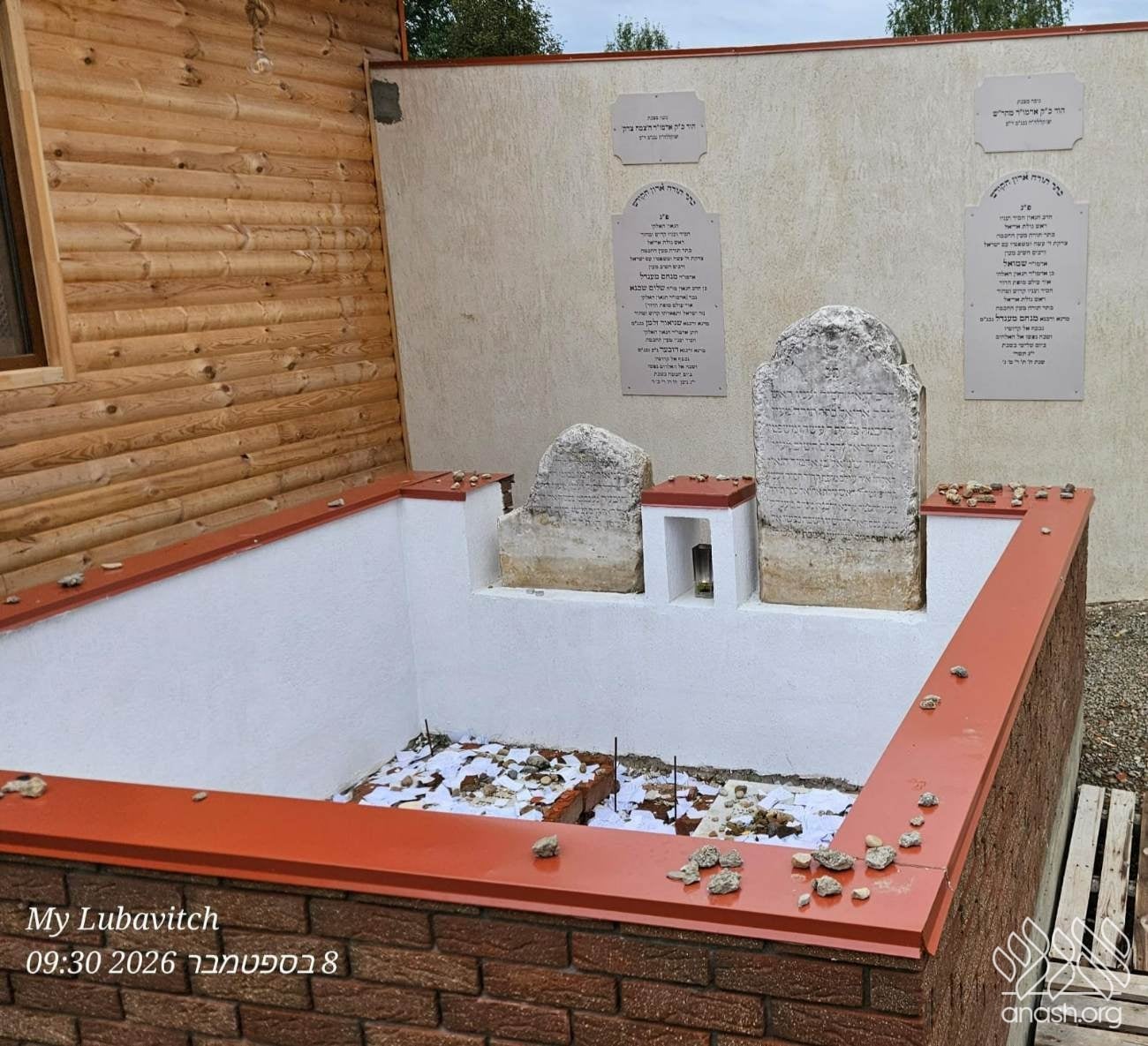
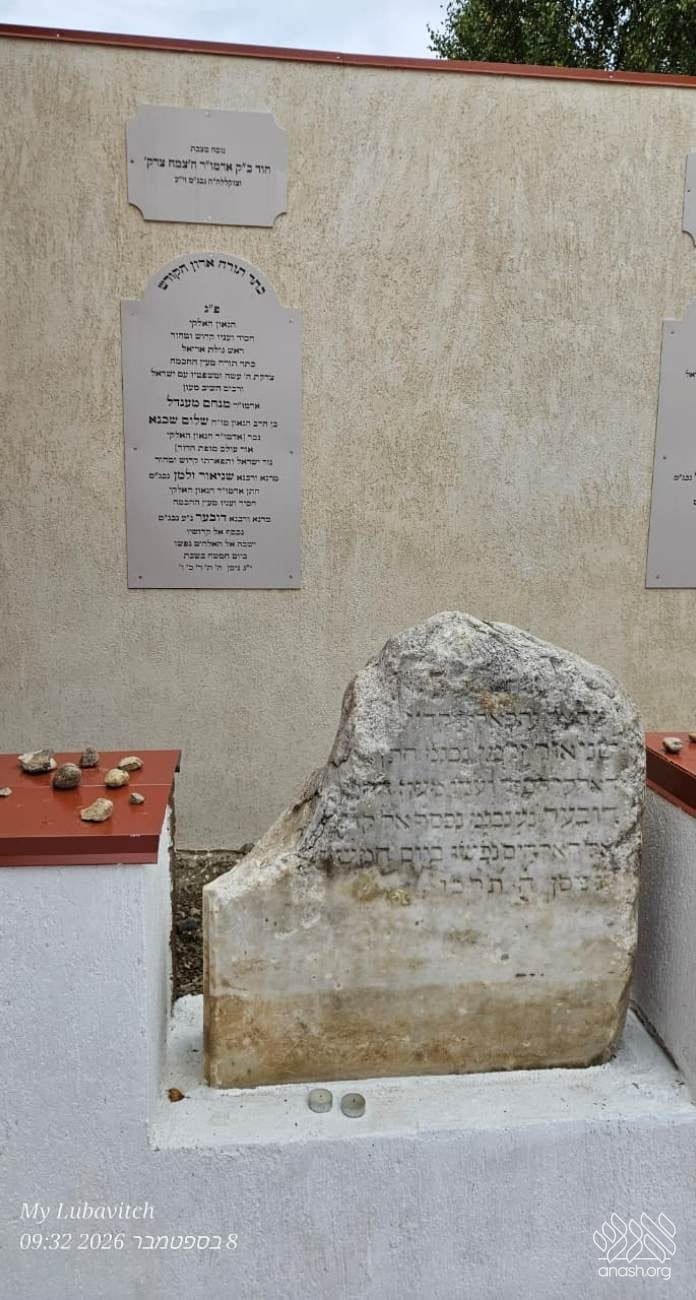
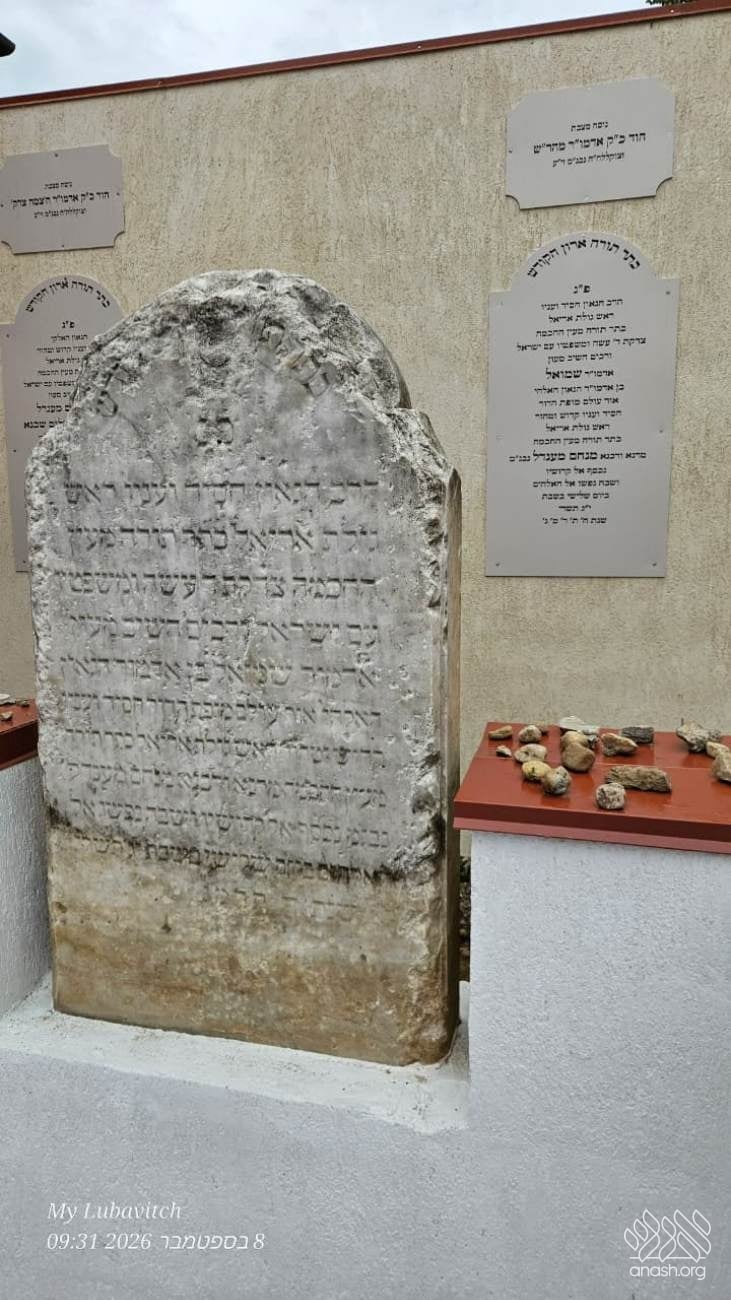
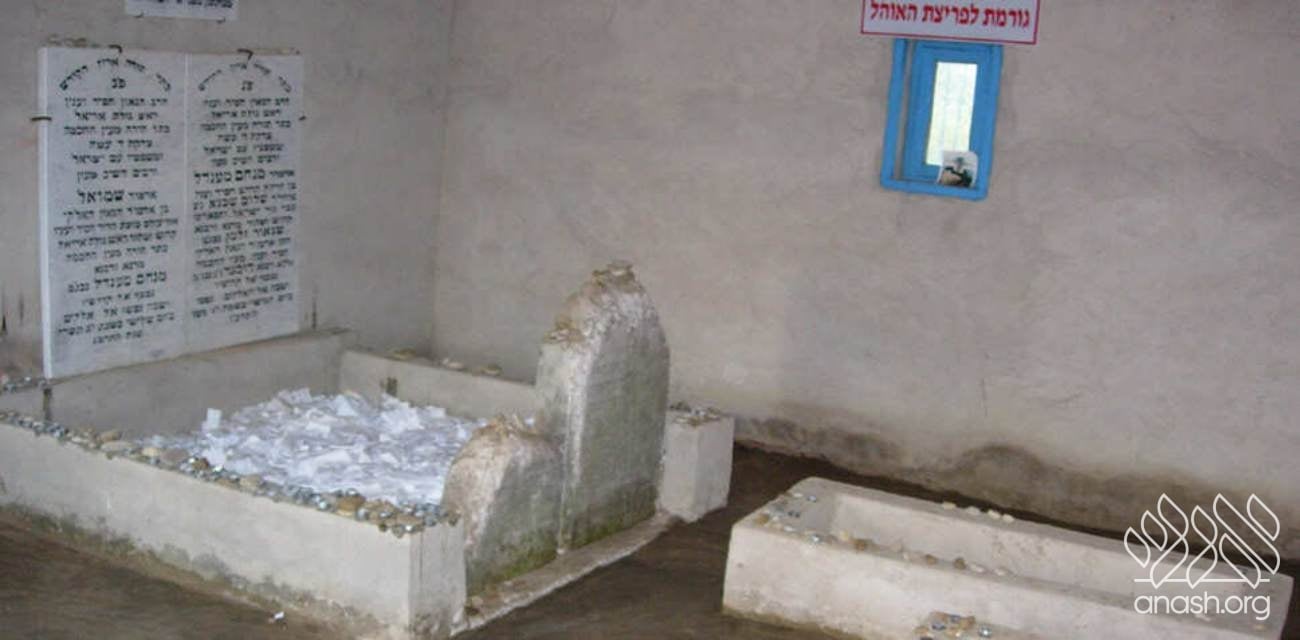
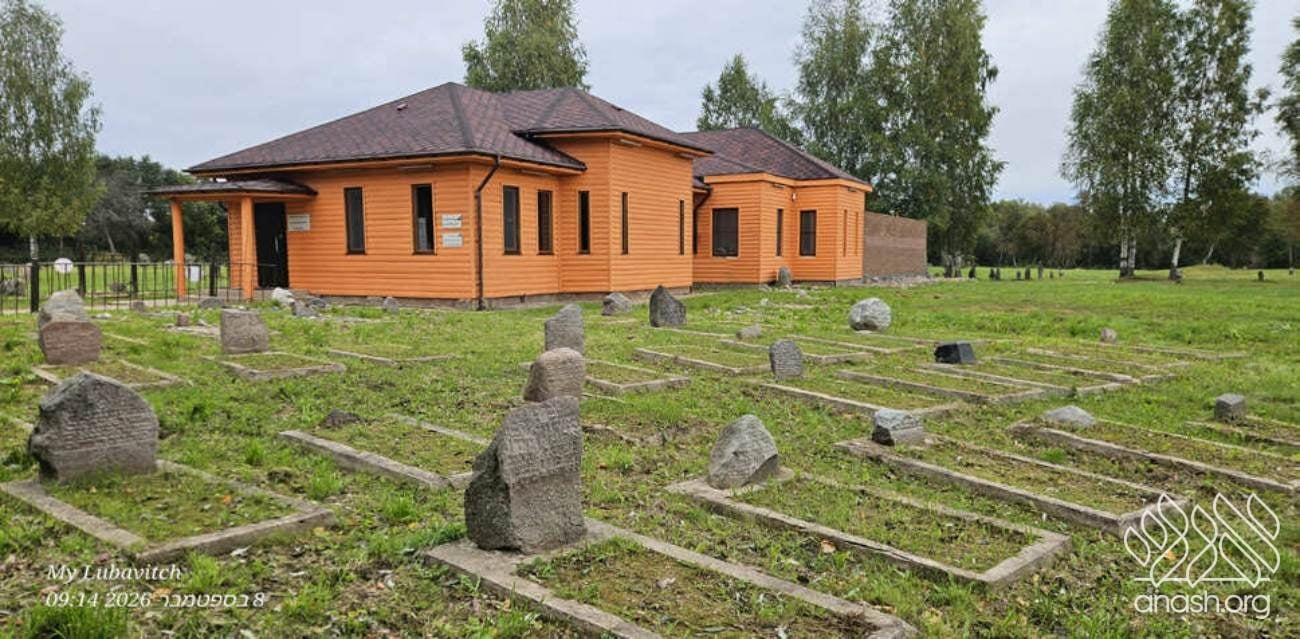
Ahead of the new year and the Tzemach Tzedek‘s birthday, the Ohel in Lubavitch has been fully restored. The matzeivos of the Tzemach Tzedek and the Rebbe Maharash now stand in a rebuilt, accessible structure open to Kohanim, with the surrounding area completely cleared.
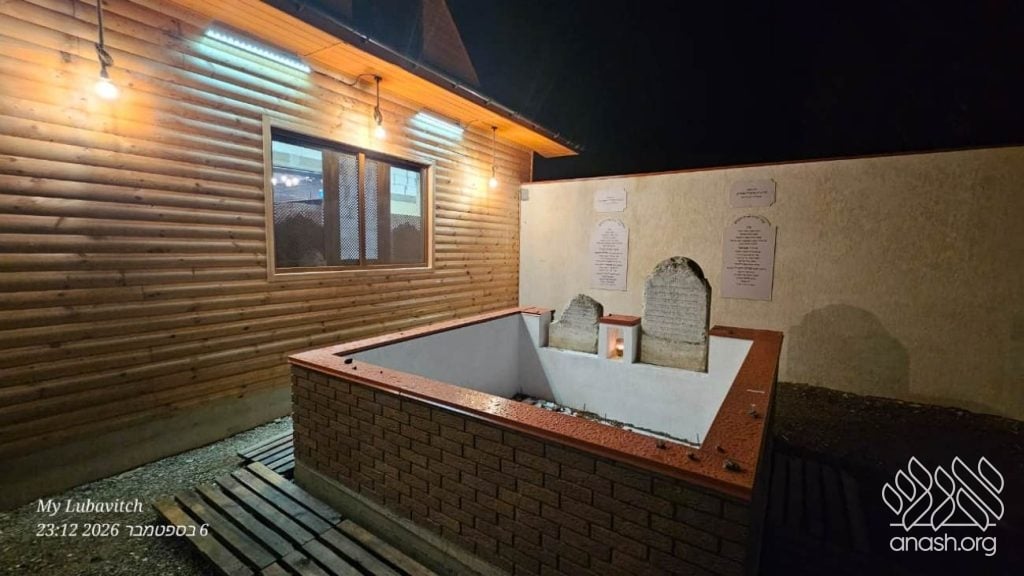
Just in time for the new year, and for the birthday of the Tzemach Tzedek, which falls on Erev Rosh Hashana, the Ohel of the Rebbeim in Lubavitch has undergone a complete and final restoration.
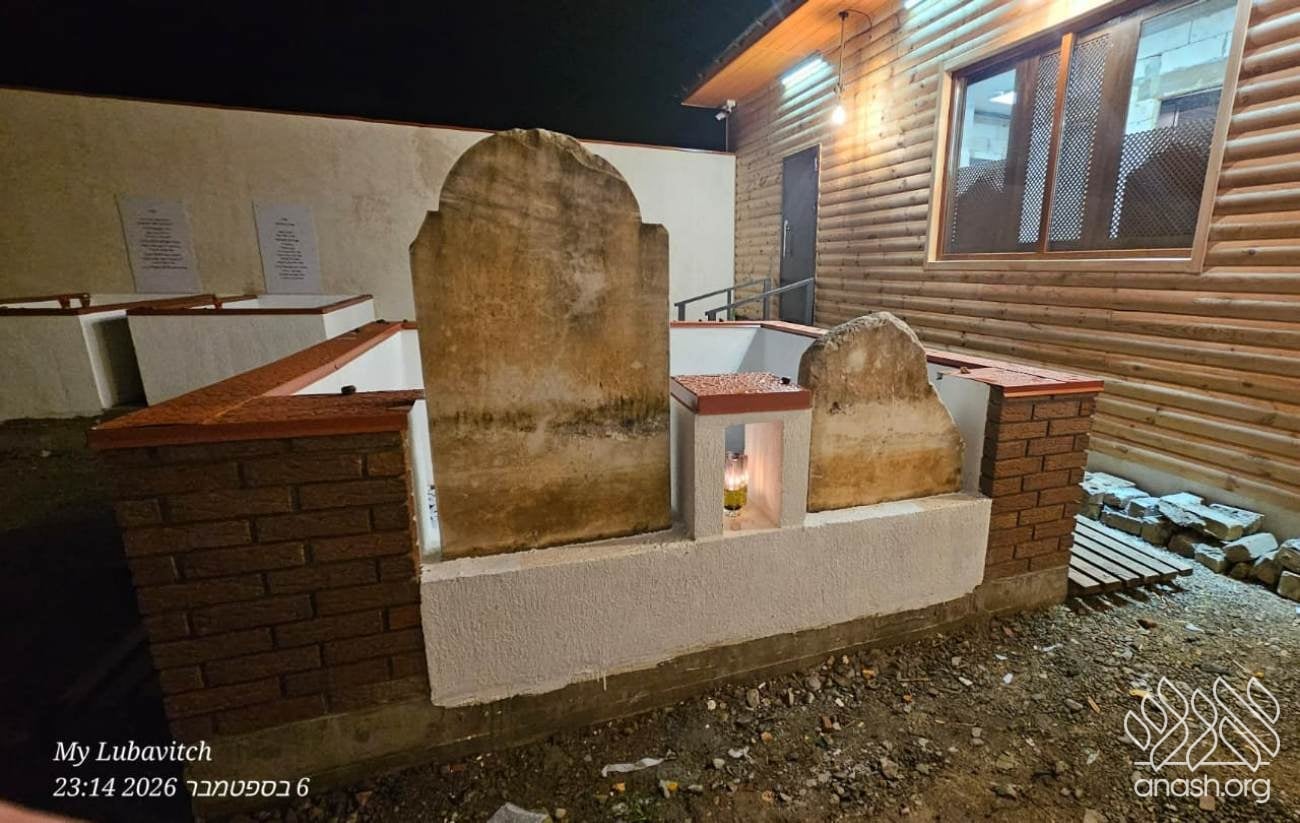
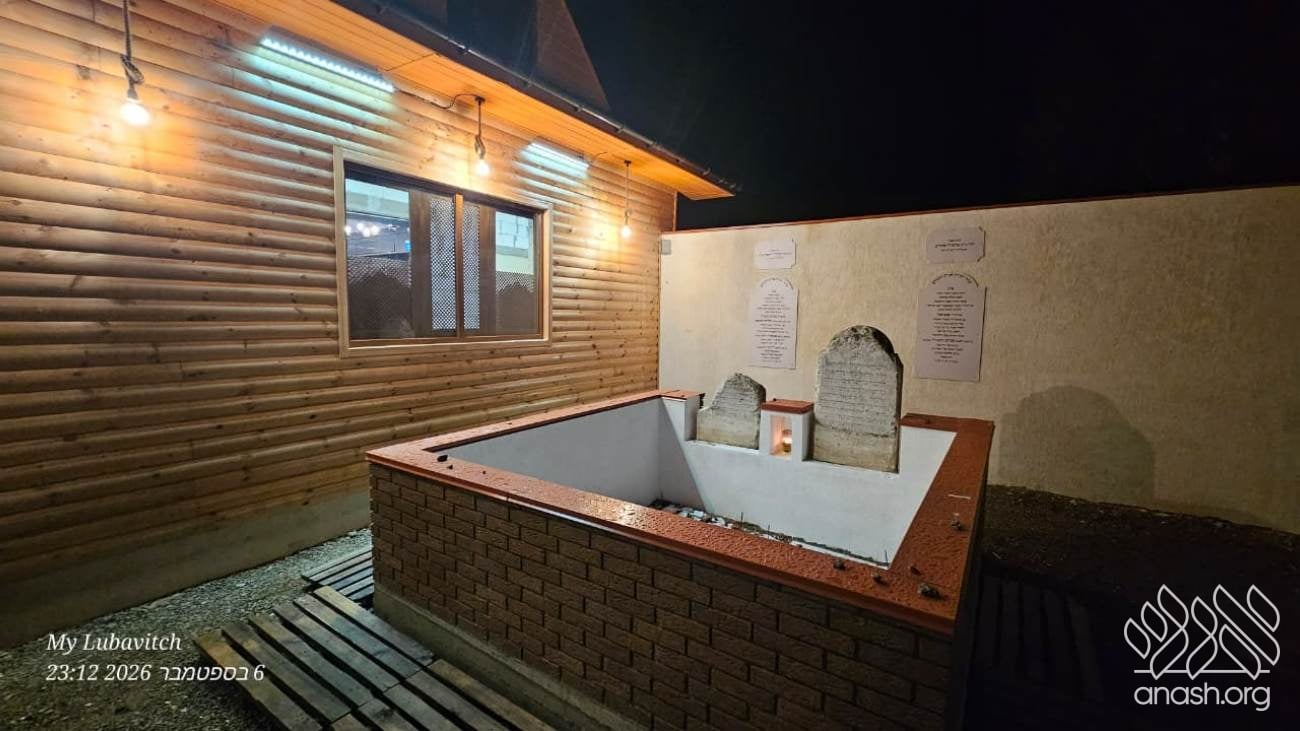
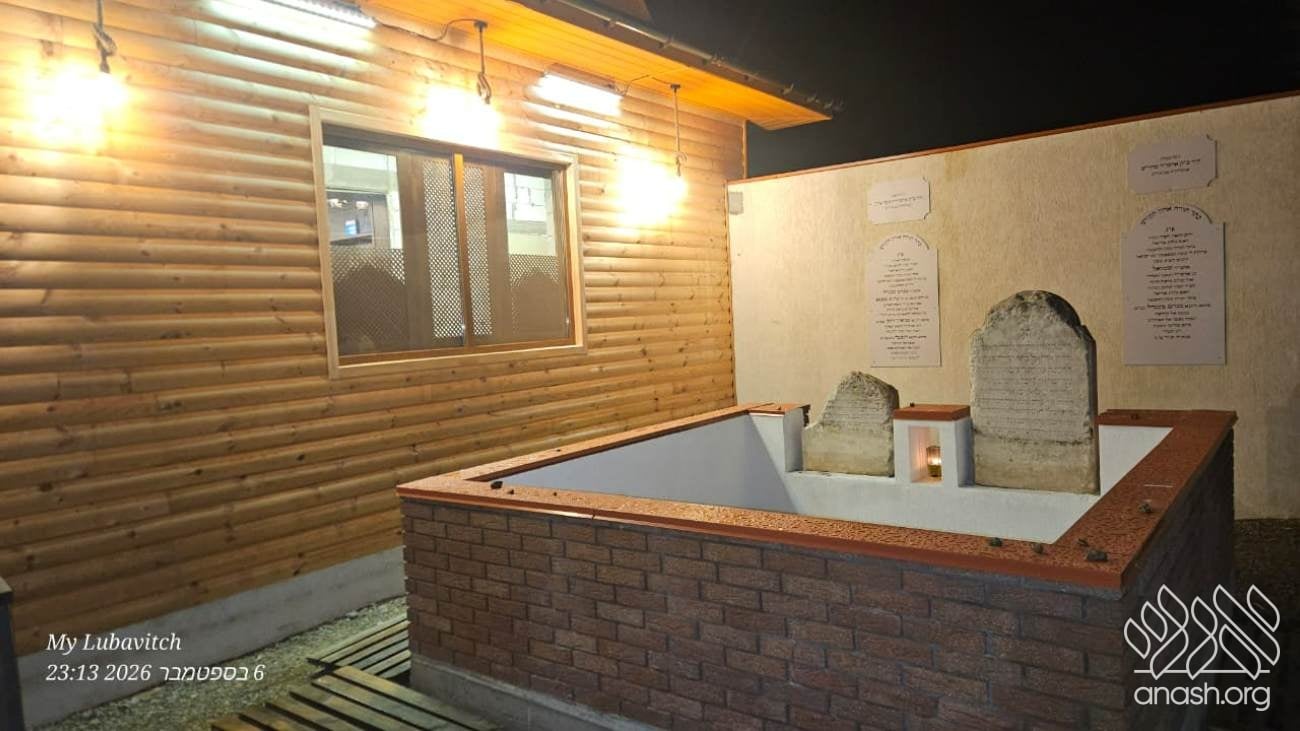
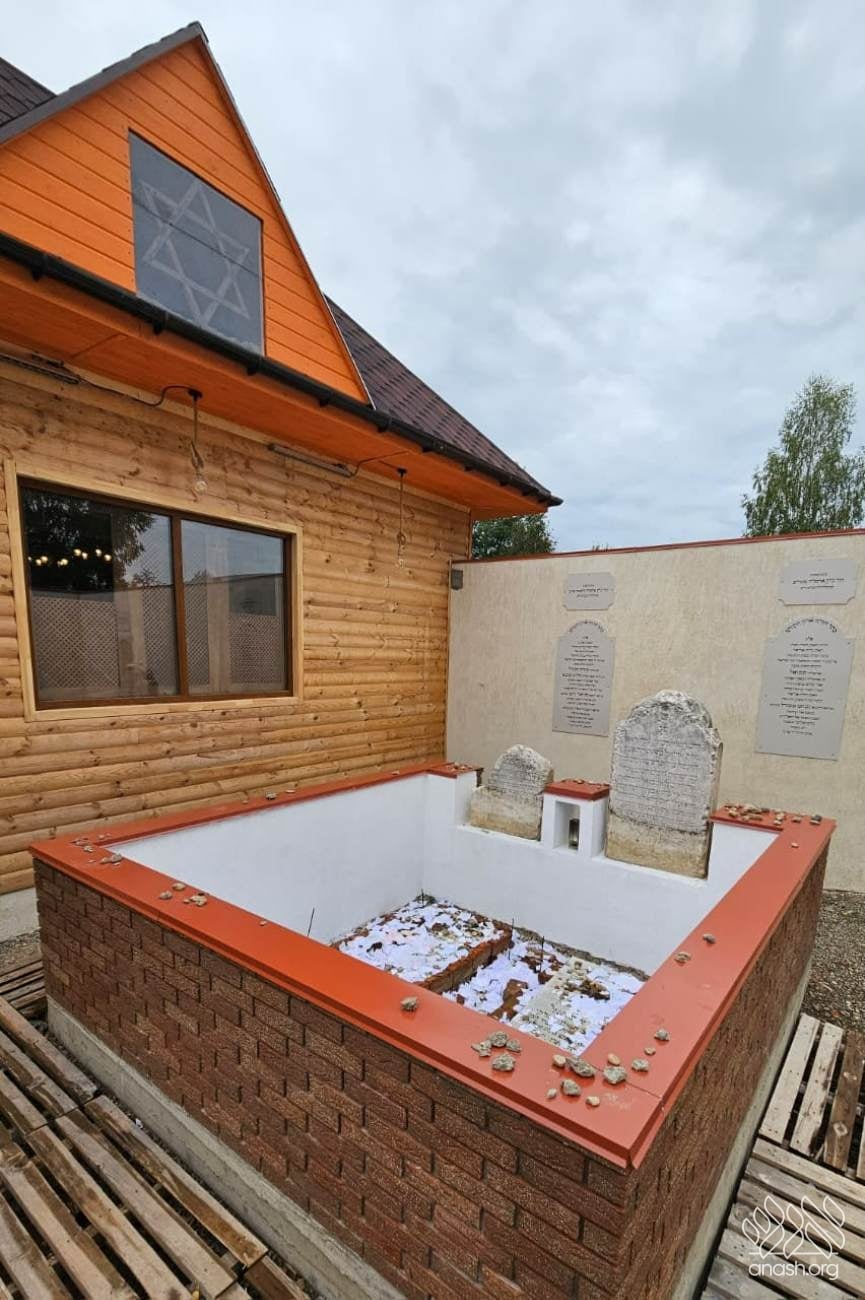
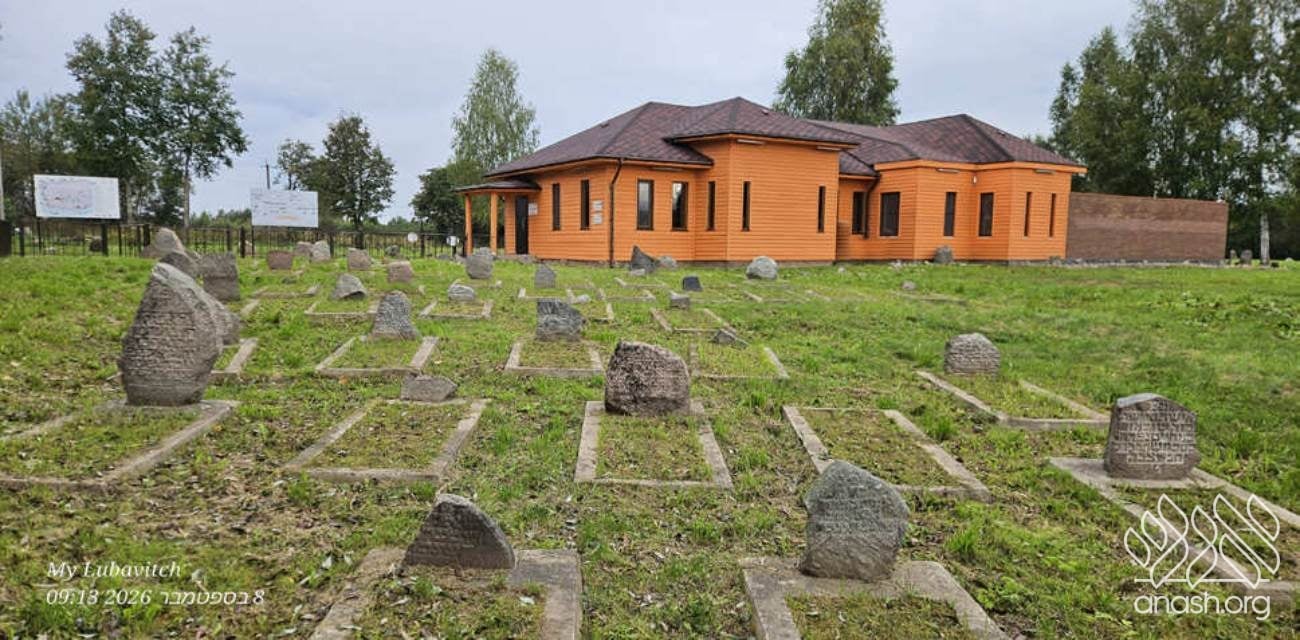
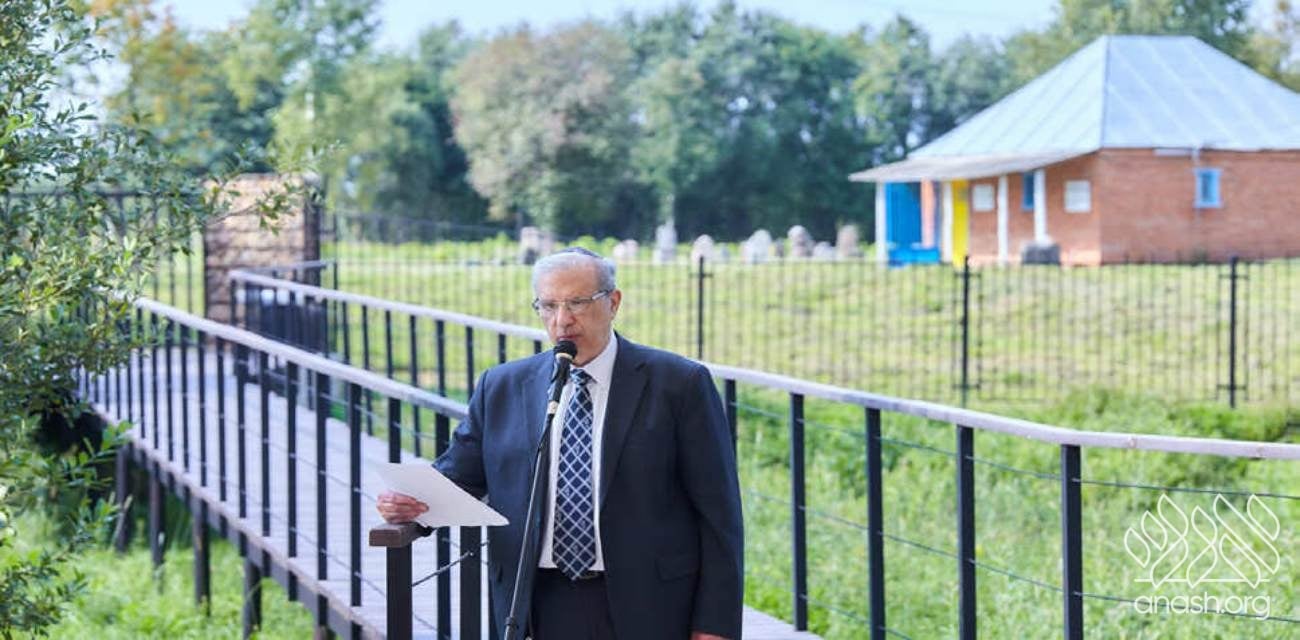
The Ohel, where the Tzemach Tzedek and the Rebbe Maharash are buried, now stands fully rebuilt, with the matzeivos restored to their proper place and the entire surrounding area cleared and refurbished, and the site finally accessible to Kohanim for the first time.
The site has a long and complicated history. The original matzeivos were re-erected in 5728 (1968) by the mashpia Reb Dovid Abba Gurevitch, at the initiative of Reb Motel Kozliner. In the years that followed, Reb Melech Tamarin worked on the area, and in 5748 Reb Michoel Greenberg fenced off the site.
It was only in 5749, for the first time since the Ohel had been destroyed, that it was rebuilt by Rabbi Dovid Nachshon and the late R’ Avi Taub, with the help of Reb Nachum Tamarin, Reb Melech’s son, who was at the time a bochur learning in Marina Roscha in Moscow. Their work was guided throughout by the Rebbe’s detailed instructions, including to consult with rabbanim and the elder chassidim on every step.
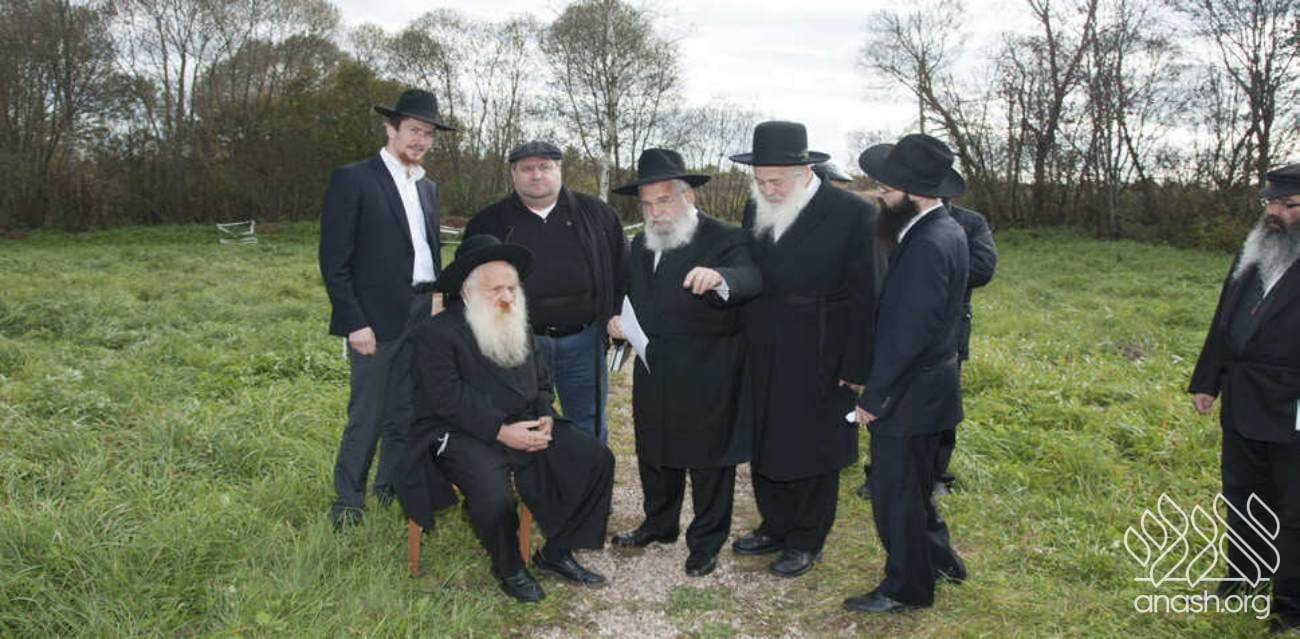
As the years passed, the site slowly fell into disrepair and was in need of a more permanent solution. The turning point came in 5761, when a delegation of rabbanim and members of Agudas Chassidei Chabad visited the site. Seeing the condition it was in, they transferred full responsibility for the upkeep of the holy sites to shliach Rabbi Gavriel Gordon.
Since then, Rabbi Gordon has devoted himself tirelessly to preserving the honor of the town of Lubavitch and of the holy resting place of the Rebbeim buried there. Through the years, he has been involved in extensive research and historical work in the town, and the current project was the largest undertaking yet, with the most comprehensive restoration as well.
Years of historical research, together with consultation among multiple experts, went into determining the precise placement of the matzeivos and every other detail of the site.
The work followed precise directives from the members of the Beis Din of Rabbanei Chabad, and the Ohel has now been renovated for the benefit of the many visitors who come, with Kohanim able to enter as well.
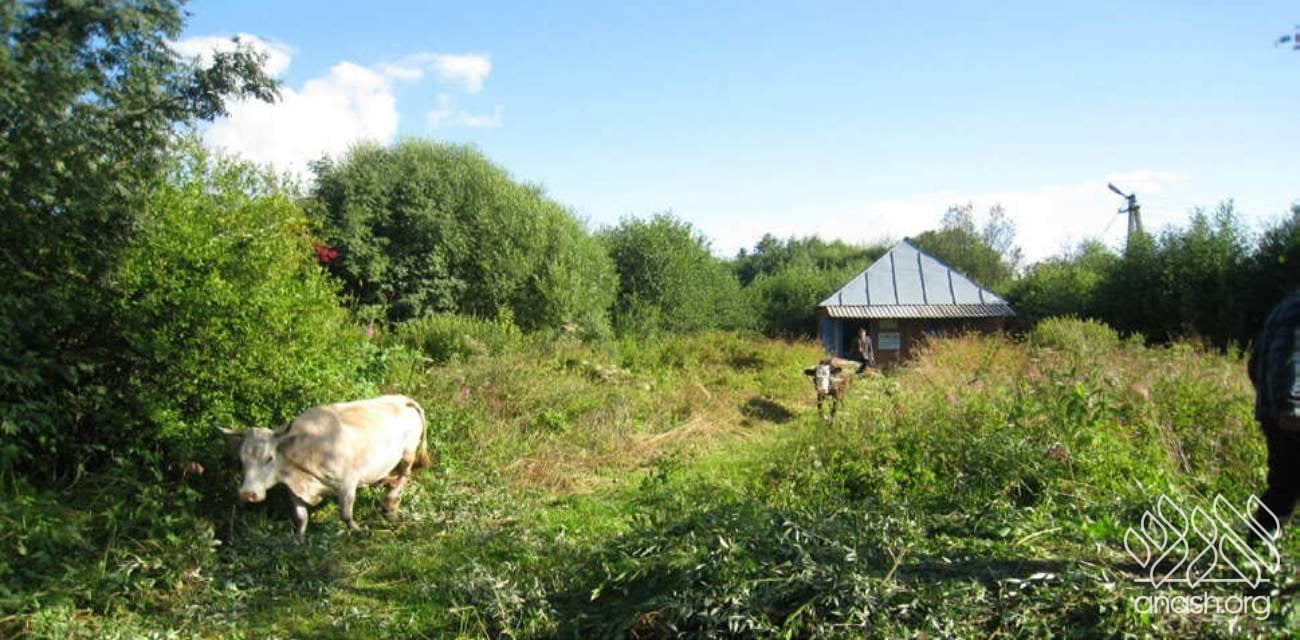
Anyone who saw the site before will recognize just how much has changed. Where wild overgrowth once surrounded the Ohel, and cows grazed nearby, the area has been fully cleared and landscaped. The old structure had a roof, built with materials brought from Buhaditch and Neyezhin, that made it impossible for Kohanim to enter.
The new building is larger, open, and fully accessible, with the matzeivos themselves left unroofed, finally allowing Kohanim to visit.
The project was encouraged throughout by Russia’s shliach Rabbi Berel Lazar, and by Rabbi Yitzchok Kogan of Agudas Chassidei Chabad.
The full renovation of the beis hachaim and the Ohel was made possible through the generosity of the philanthropists Reb Yosef Yitzchok and Penina Batsheva Popack, and was undertaken through the efforts of Geder Avos and Rabbi Mendel Levin, who coordinated the various organizations and individuals involved in the project. This included the work of Ohalei Tzaddikim, headed by Rabbi Yisroel Meir Gabbai.
The fencing of both the newer cemetery and the more ancient cemetery was carried out by ESJF – European Jewish Cemeteries Initiative, run by Rabbi Isaac Schapira.
The historical research and close oversight throughout the complex construction work were provided over the years by Rabbi Zusha Gorelik, Rabbi Sholom Ber Levin, Rabbi Shneur Zalman Kahn, Rabbi Yitzchok Gelbstein, director of the Chevra Kadisha Rishonis Haklolis of Yerushalayim, Hatomim Sholom Ber Cohen, Rabbi Levi Yitzchok Mondshine, Rabbi Yosef Yitzchok Kaminetzky, Rabbi Sholom Kubitshek, Rabbi Eliyashiv Kaplan, Rabbi Yosef Chaim Bolton, and Rabbi Nachman Waksman.
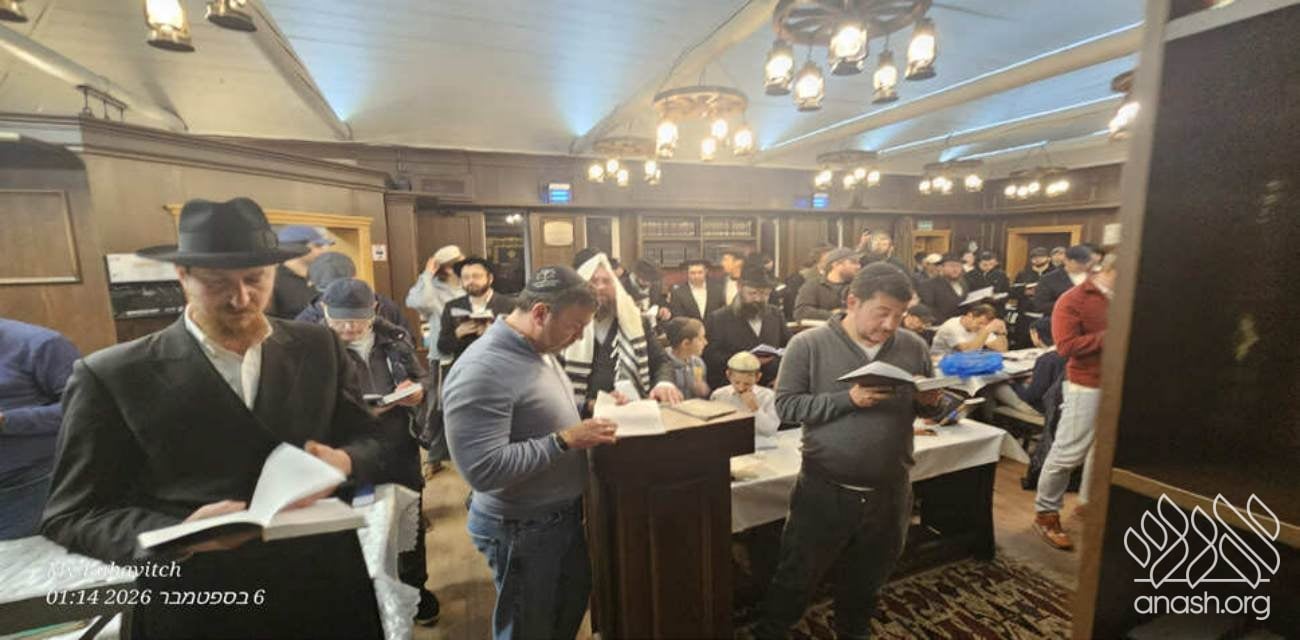
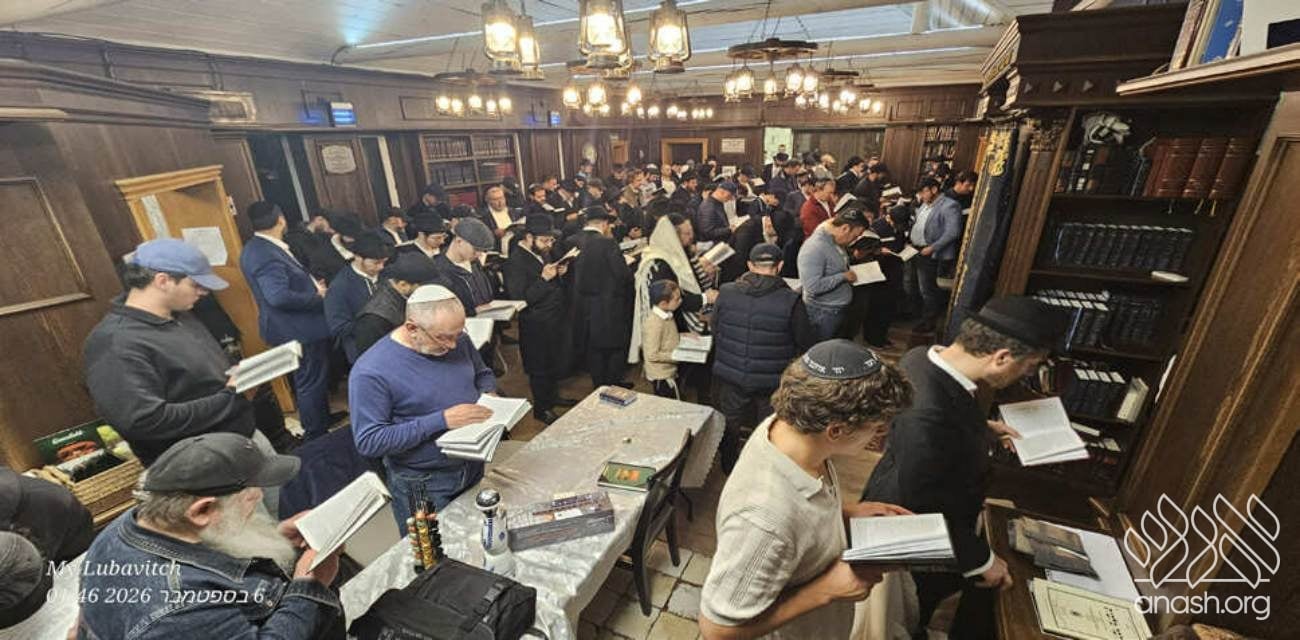
The newly rebuilt Beis Medrash adjacent to the Ohel already had its first taste of use over Shabbos Selichos, when a large group of guests spent the Shabbos there, davening together in the restored zal. Motzei Shabbos, the group joined for a heartfelt recitation of Selichos in the courtyard of the town, in the heart of Lubavitch.
Photos courtesy of shliach Rabbi Gavriel Gordon, responsible for the preservation and development of the holy sites in Lubavitch.
 COMMENTS


I remember reading may years ago that the Rebbe instructed not to renew Jewish life in Lubavitch, and if I recall correctly, the shliach in the area was not to stay overnight there. He was just doing day tours, and there was supposed to be a museum there and no more. Can someone please clarify, ty
a. The rumor that the Rebbe was “against” the project is baseless. It likely stems from a ‘gilgul’ of the instruction that opening a full yeshiva there was unnecessary. On the contrary, Rabbi Nosson Gurary received an explicit Bracha from the Rebbe to reconstruct the Chotzer, which is the basis for the current work.
Furthermore, the project is overseen by a Vaad Ruchny of prominent Anash Rabbonim as well as the Beis Din Rabonei Chabad (such as Rabbi Yochanan Gurary, Rabbi Yeruslavsky, and the late Rabbi Ashkenazi) and leading Russian anash Rabbonim (like Rabbi Kogan – Head of Russian Aguch – and Rabbi Lazar), who all together researched the Rebbe’s perspective before giving the green light.
B. I am not sure what your claim about a nearby Shliach avoiding overnight in the place is based on. Before Gimmel Tammuz, there was no Shliach stationed nearby at all. Later on, I do know people simply couldn’t stay overnight because there were no accommodations. As soon as the infrastructure developed, active events like Shabbos Hisvaadus, and overnight stays began taking place regularly (starting as early as the late 5760s and early 5770s), and they continue to expand.