



י״א תשרי ה׳תשפ״ז | September 22, 2026
‘Chassidus Made Real’: New Biweekly Chassidus Program Launches
Following much discussion on the need for discussing Chassidus in a way that remains true to its original language and ideas while making them practical, relatable, and transformative in everyday avodas Hashem, a new biweekly program will explore authentic Chassidus on Anash.org.
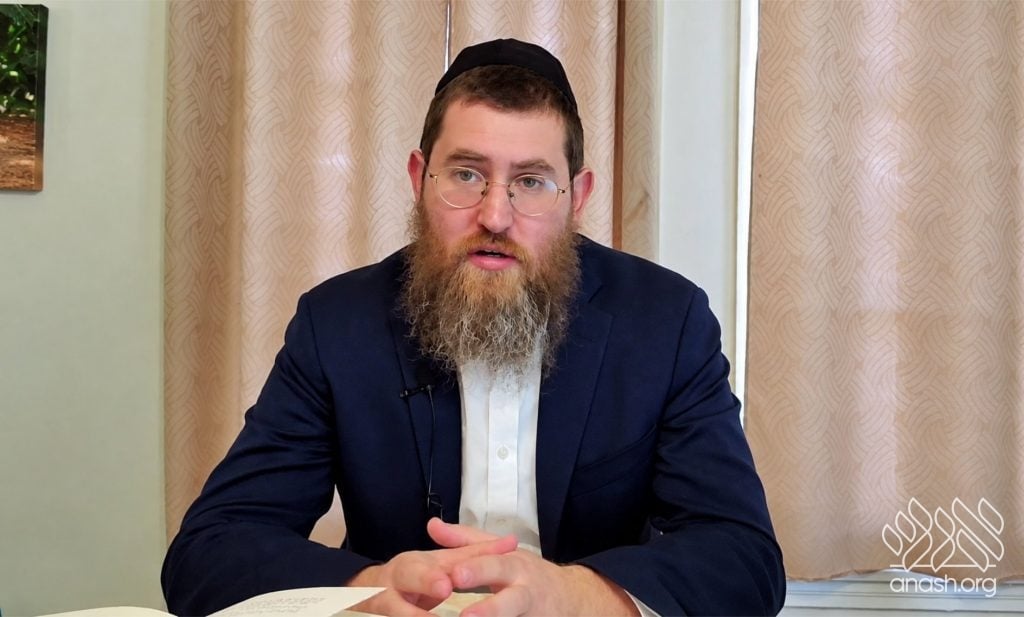
By Rabbi Sholom Kesselman – Los Angeles
Before I respond to the numerous “response” articles that were written to my original piece titled “Chassidus Misapplied”, and to the many comments and messages that the articles generated, I would first like to make a brief introductory point.
The Importance of Learning Chassidus
Learning Chassidus is one of the foundational avodos that every chossid must engage in.
In Hayom Yom for כ״א כסלו, it says:
חסידים דארפען לערנען חסידות: סתם חסידים, יום שני, יום חמישי ויום השבת. תמימים, שעה אחת בכל יום.
“Chassidim must study Chassidus. Ordinary Chassidim: Monday, Thursday and Shabbos. Temimim: one hour every day.”
Why is learning Chassidus so important?
One of the many explanations can be found in the Hayom Yom for כ״ו ניסן.
There it says:
חֲסִידוּת מאָנט אַז וְרָחַץ אֶת בְּשָׂרוֹ בַּמַּיִם וּלְבֵשָׁם. דאָס הֵייסְט דִי הַשְׂכָּלָה פוּן חֲסִידוּת מוּז אוֹיסוואַשׁעֶן דעֶם בָּשָׂר, אוּן אַראָפּשְׁווֵיינקעֶן דעֶם אֶת בְּשָׂרוֹ, אֶת הַטָּפֵל לִבְשָׂרוֹ, דִי אַלעֶ רְגִילוּת’ן, וועֶלכעֶ בָּשָׂר מאַכט, אוּן דאַן קעֶן מעֶן עֶרשְׁט אָנטאָן דִי בִּגְדֵי קֹדֶשׁ.
מַחֲשֶׁבֶת וְדִבּוּר חֲסִידוּת וְהַנְהָגָתָם שֶׁל חֲסִידִים בְּהִתְבּוֹנְנוּת קוֹדֶם הַתְּפִלָּה בִּגְדֵי קֹדֶשׁ הֵם, דאָס אִיז בְּגָדִים וועֶלכעֶ מעֶן האָט געֶגעֶבּעֶן מִן הַקֹּדֶשׁ, אָבּעֶר דעֶר וְרָחַץ בַּמַּיִם אֶת בְּשָׂרוֹ דאָס דאַרף מעֶן אַלֵיין.לְבוּשֵׁי הַנֶּפֶשׁ דאָס גִיט מעֶן מִלְמַעְלָה, אָבּעֶר אָפּוואַשׁעֶן דעֶם טָפֵל וואָס וועֶרט פוּן בְּשָׂרִיּוּת אוּן דעֶם בָּשָׂר אַלֵיין מאַכעֶן פאַר אַ בָּשָׂר קֹדֶשׁ, דאָס אִיז נאָר בְּכֹחַ עַצְמוֹ.
אוּן דאָס מאָנט חֲסִידוּת, אוּן אוֹיף דעֶם האָט רַבֵּנוּ הַגָּדוֹל געֶהאַט מְסִירַת נֶפֶשׁ. עֶר האָט געֶעֶפעֶנט דעֶם צִנּוֹר פוּן מְסִירַת נֶפֶשׁ אוֹיף עֲבוֹדַת ה’ בִּתְפִלָּה, זַיין צוּגעֶבּוּנדעֶן צוּ עַצְמוּת אֵין סוֹף.
“Chassidus demands that [every individual in his Divine service should fulfill—in spiritual terms—the Torah’s instruction concerning the vestments of the Kohen Gadol, the High Priest,] ‘He shall wash his flesh in water, and wear them.’
This means that one’s contemplation on the concepts of Chassidus must wash the flesh, and clean away ‘those matters that are adjuncts to one’s flesh’—all the habits that the body creates. Only then can one put on ‘holy garments.’”
Thinking and speaking about Chassidus and following the chassidic practice of meditation before prayer — these are “holy garments.” They are garments bestowed by a holy source. To “wash [one’s] flesh in water,” by contrast, must be done by oneself. The garments of the soul are given from above, but washing away the extraneous elements that derive from material involvement, and furthermore transforming the flesh itself into “holy flesh” — this can be done only through one’s own efforts.
This is what Chassidus demands and this is the goal for which the Alter Rebbe devoted his life. He opened up the channel of utter self-sacrifice to serve G‑d in prayer, to become bound to G‑d’s infinite Essence.
And then the hayom yom concludes with this extremely powerful line:
חסידות שְׁטעֶלט אַוועֶק אַ חָסִיד פָּנִים אֶל פָּנִים צוּ עַצְמוּת אֵין סוֹף.
“Chassidus places a chossid face to face with G-d’s infinite Essence.”
Yes, that is right. Chassidus brings a chossid face to face with עצמות.
Absolutely powerful.
My great-grandfather, Reb Shlomo Chaim, used to explain this hayom yom with the following mashal (credit to Chabad.org):
A German count came to visit his cousin, a Russian nobleman, at the latter’s estate. Anxious to please his guest, the Russian summoned all of his chefs and ordered them to prepare their finest delicacies.
One of these chefs was Jewish, and among the foods he prepared was the Jewish favorite—kishke, or stuffed derma. The German count tasted all the dishes prepared for him, but most of all he enjoyed the kishke. He even asked for more, until he finished all that had been prepared for him.
“Can you get me the recipe?” he asked his host.
The Russian nobleman was happy to oblige, and he hurried to get the recipe from the Jew.
On arriving home, the count gave the recipe to his chefs and asked them to prepare the dish. They duly took the intestines of a young calf, purchased the finest flour and spices, and prepared the delicacy with care. But when they brought it before the count, its odor was rank and its taste was foul.
Fuming, the count penned an express letter to his Russian cousin. Why had his chef mocked him?
The Russian hastily summoned the Jew and demanded an explanation. Why had he given the German the wrong recipe?
The Jew explained that he had given the count the correct recipe, and that he was ready to travel to Germany and prepare the dish for the count himself.
The Russian arranged for the journey, and in no time, the chef was busy making delicious kishke for his German host.
“Why couldn’t my chefs do this?” the count asked, eagerly cleaning his plate.
The Jew thought for a moment and replied:
“Derma means intestines. Tell me: did your chef wash them out first…?”
This is the end of the Mashal.
Learning Chassidus and understanding Chassidus (the haskalah of Chassidus), is a necessary prerequisite for proper avodah.
It is this “limmud Hachassidus” that “cleans out the flesh” and makes it ready for avodah.
Without learning Chassidus in a serious way, engaging in avodah is like preparing a delicious kishke in a dirty intestine.
It’s going to smell.
And furthermore, learning Chassidus is something מ’דארף אליין טאן. Each individual must do it himself. We cannot rely on the fact that others are doing it.
And so one way or another, all of us need to take limmud hachassidus very seriously, and it is critical that we get it right.
We cannot afford to mess this up. There is too much at stake.
I sincerely believe that we are all לשם שמים מתכוונים. We are all trying to do what is best for הפצת המעיינות, according to our best understanding of how it should be done.
אין דעותיהם שוות. This is true!
This is not something new. It is by design. The Eibershter wanted different people, with different perspectives, to see things differently and to approach things differently.
At the same time, when we have differences of opinion, discussing those differences in a positive, respectful, and productive way is an incredible thing—and the right thing to do. I think we managed to preserve that spirit throughout this discussion, and that is something we should be proud of.
The outcome of this discussion will hopefully be twofold:
- It will encourage those on the forefront of “חוצה” to remain vigilant and constantly check that they are staying true to the genuine values, language, and ideas of Chassidus, and that in the process of making Chassidus accessible, they are not losing the אור.
- And it will encourage those who are learning Chassidus בקדושתה ובטהרתה, not to remain in the clouds, but to work on learning and explaining Chassidus in ways that people can relate to, understand, and apply in their daily life and avodas Hashem.
If each side moves a little (or even a lot) closer to the center, I think we will have accomplished something very worthwhile.
This was the introduction.
And now to my actual response.
My Response
Over the last two weeks, we have debated the ideal way to learn and teach Chassidus.
A certain new style of learning came under scrutiny (when pursued outside of the proper context and framework), as a departure from authentic לימוד החסידות as envisioned and taught by our Rebbeim.
The feedback was informative, intense, and diverse. There were many strong and passionate opinions expressed, and different arguments were raised; some stronger than others.
However, throughout this range of voices and opinions, both for and against, a common thread could be found.
The point was made again and again:
It is easy to stand on the side and criticize others who are doing.
If you think there is a better way to do it, why not just do that? Instead of going on about how others are doing it “wrong”; start doing it “right”.
This was the most pointed and accurate feedback, and it was the criticism I took most to heart.
The most productive way to combat “imperfect ideas” is not by simply criticizing them (although this is also necessary); it is by offering better ones.
We can go back and forth and debate the theory endlessly. But what is really the point?
I could start responding to every argument, and then no doubt someone would respond to those arguments, and then there would be a response to the response, and so it would continue. Perhaps some people would be convinced. More likely, they would not.
This is not the type of response that is called for at this moment.
We debated the theory, and we’ve put it all out there. There’s not much more that needs to be said on the topic.
Now it is time for action. המעשה הוא העיקר.
The many commentators who challenged the author to offer an actual alternative rather than simply “knocking down” others are totally right.
If we feel, as we do, that there is a better way to learn and teach Chassidus and to make it real, then we have an obligation to offer it. And if we do it right, the work will speak for itself. There will be no need for endless theoretical debate.
Launch of a New Project
Therefore, and with Hashem’s help, we are launching a new project.
The idea is to create a bi-weekly program (a discussion, shiur, and farbrengen, all in one) in which ideas of Chassidus will be explored and taught in a “real” way.
The word “real” here has a twofold meaning.
First, real Limmud Hachassidus.
Topics will be learned and understood in a pure, authentic Chassidic style. Not watered down, altered, or dressed down using language and values that are foreign to Chassidus.
And second, real life.
The topics will be learned and understood in a way that is practical, meaningful, real, and capable of changing the way we live. Chassidus cannot remain in the clouds; it must speak to us as human beings living in olam hazeh. It must transform, elevate, and infuse our daily lives and Avodas Hashem with chayus, bittul, meaning, authenticity, and clarity.
As I wrote in my first article:
“Don’t take Atik and Arich and explain why they are meaningful only because they correspond to some psychological counterpart within a human being. Make them meaningful by explaining the truth of what they actually are, and then explaining why knowing that truth can change a person’s life.”
This will be our mission and our guiding principle.
With Hashem’s help, we hope to create a space where people can come to learn authentic Chassidus, with the special ta’am and ohr that only Chassidus has, and in a way that is practical, relatable, meaningful and actionable.
The program will be called: Chassidus Made Real.
It will take place every other week (twice a month) and will be featured on Anash.org.
With Hashem’s help, the first episode will come out next week, in time for Sukkos.
The subject will be: The Makifim of Sukkos: A Pnimiyus’dike Engagement with the Makif
We welcome all comments and questions.
You can send us questions that you would like us to address during the program. You can also send comments and feedback after each episode. If they are relevant and on point, we will discuss them in the following episode.
Please send all questions, comments, and feedback to:
Yehi Ratzon, that we should be מכוון אל האמת and we should be משלים the כוונה עליונה and in the זכות of all of our efforts in הפצות המעיינות we should have the קאתי מר- דא מלכא משיחא, bkarov mamash.
 COMMENTS


Thank you Rabbi Kesselman for taking the conversation/feedback seriously and channeling it into something incredible. I am very much looking forward to this series!
This is such an important project and something we desperately need.
Rabbi Kesselman was born to do this!
He is one of the most brilliant minds in lubavitch today and is such a clear and organized teacher.
He was one of the best kept secrets and its great to see him finally stepping out in the public space to start teaching.
Chazak! I will definitely be tuning in.
What a great response to the feedback.
Looking forward to tuning in!
Yisroel Glick
Love the positive commitment!! Looking forward to hearing the programme!
So happy to hear this, very much looking forward to participating. 😉
BSD. How dobwe access this shiur? Is there a way to sign up for it or to receive a link for it? Or are we supposed to keep checking ANASH. ORG each Mon & Thurs, etc to see if it’s been posted? Please explain.
Chassidus made real is kind of implying that you are doing something special to make it real like extracting it from its true meaning
Which is the opposite of what you want to do as you state. So how about something like the chassdic reality or chassidus for life or chassidus demystified
I won’t give away all the titles for my upcoming podcast lol
“Chassidus made real” means that it was originally made real until some people made it unreal. Make Chassidus Real Again!
Many are intimidated by scary looking mashpi’im. In today’s age very important to express joy openly
Sukkos is a continuation of Rosh Hashana and Yom Kippur. Rosh hashana and Yom Kippur happen within Hashem Himself but it’s not revealed to us yet. The King decides he wants to be King this year. He decides to grant complete atonement and forgiveness to the people. Sukkos is the time when that new desire and will for being our King is revealed to the people. Nisuch hamayim represents Hashem spiritually showering us.
This energy is higher than what we can internalize and when we enter the Sukka, we soak in it while remaining composed and regular, without getting swept away. After soaking in it long enough, we internalize it on Shmini Atezeres as our new relationship with Hashem. We then can become aware of another level of kedusha that is beyond us of Shmini Atzeres and then even higher on Simchas Torah.
He concludes with a personal takeaway. Thank you Rav Kesselman and wishing you a joyous Sukkos!! And all of us should feel this process!