




י״א תשרי ה׳תשפ״ז | September 22, 2026
Historic Budapest Shul Reopens 100 Years After Its Founding
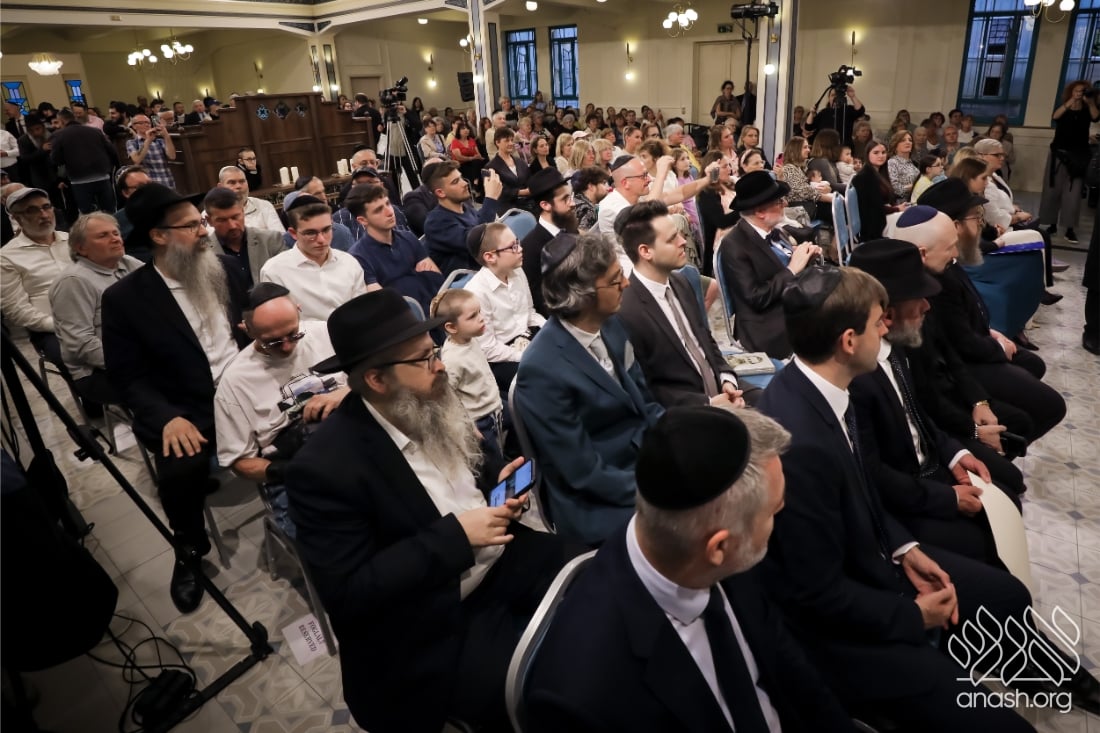
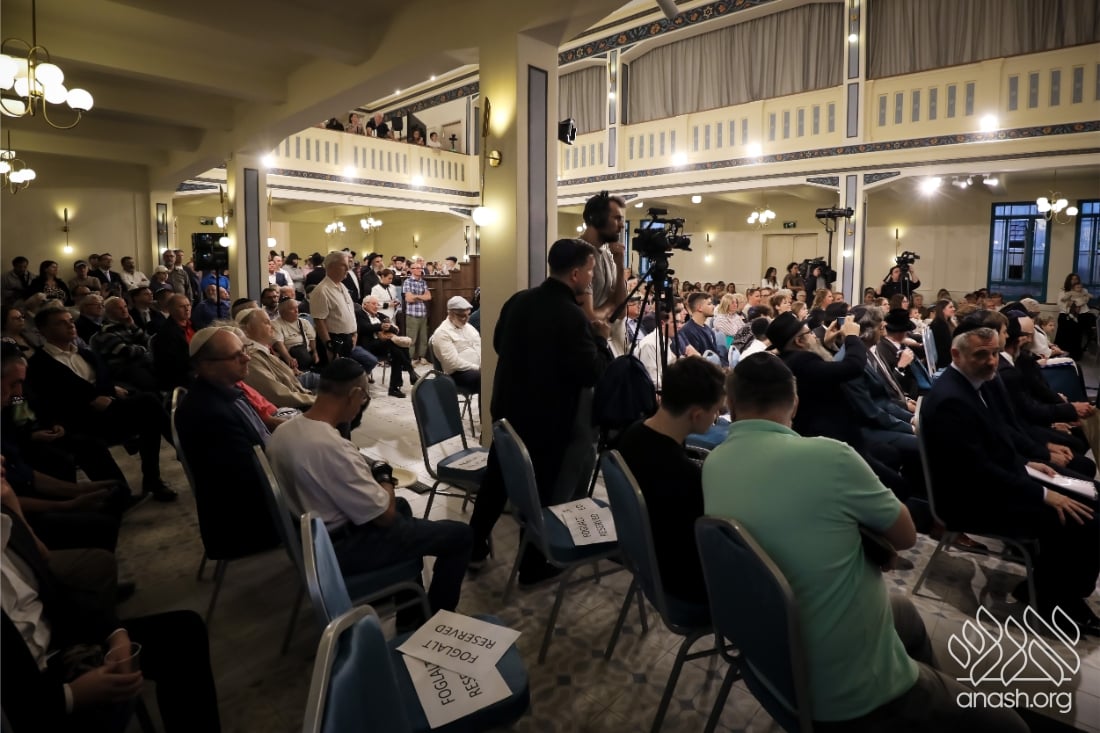
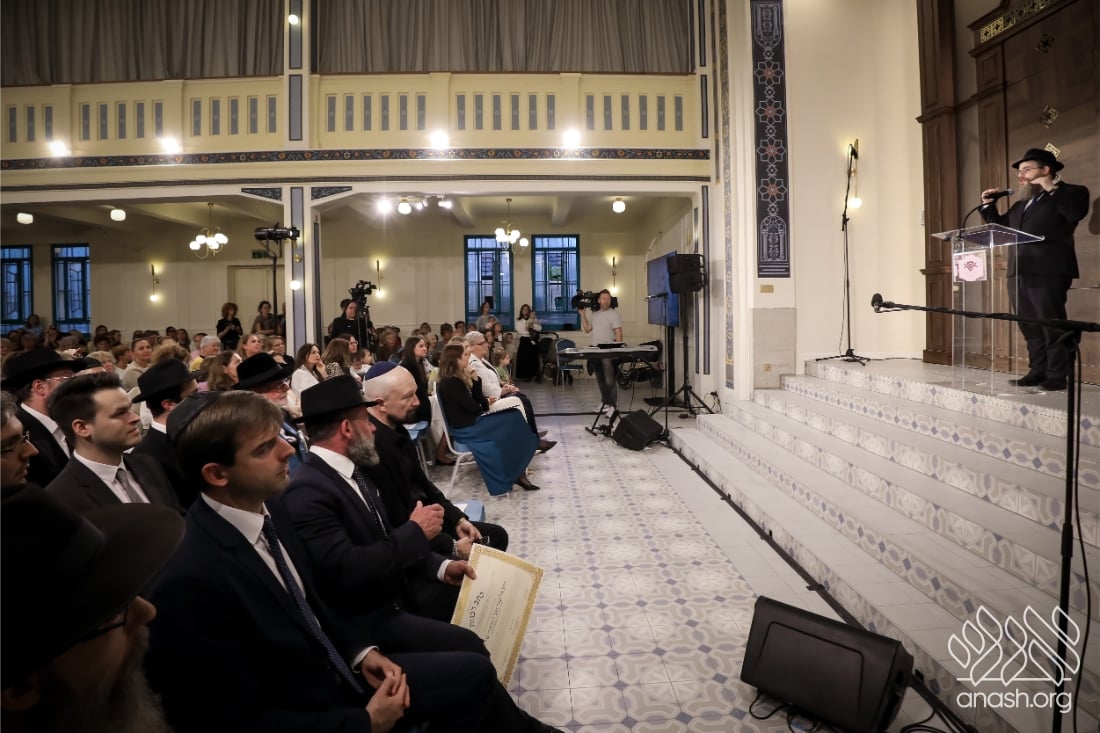
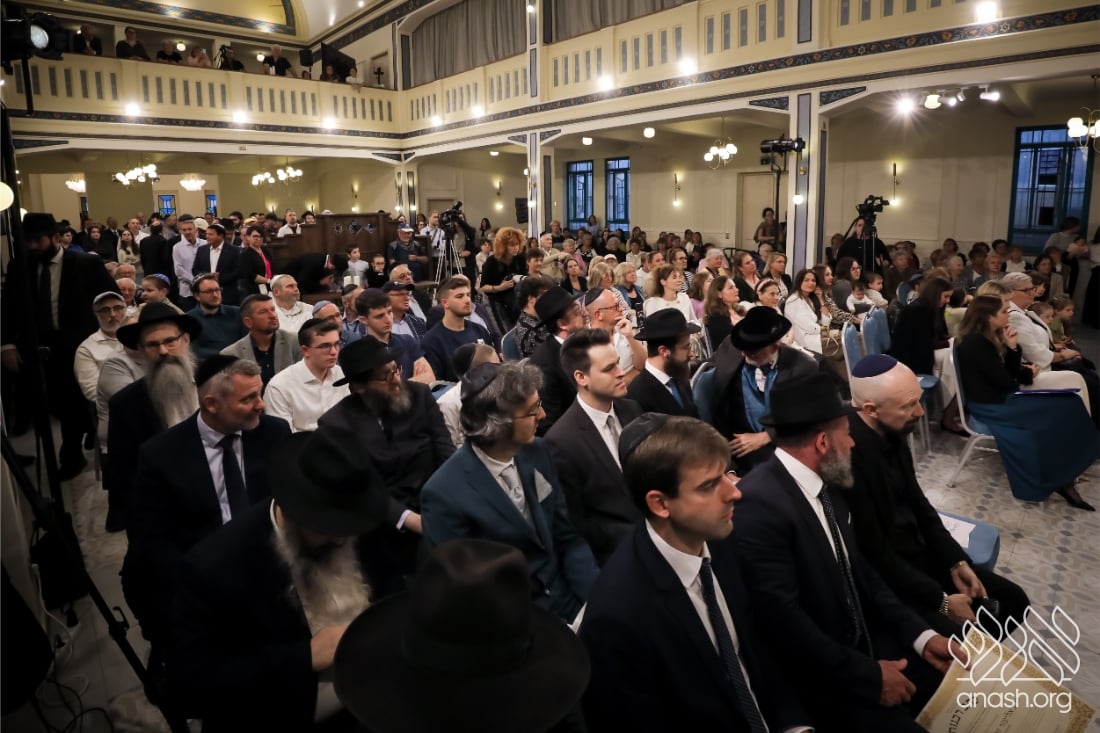
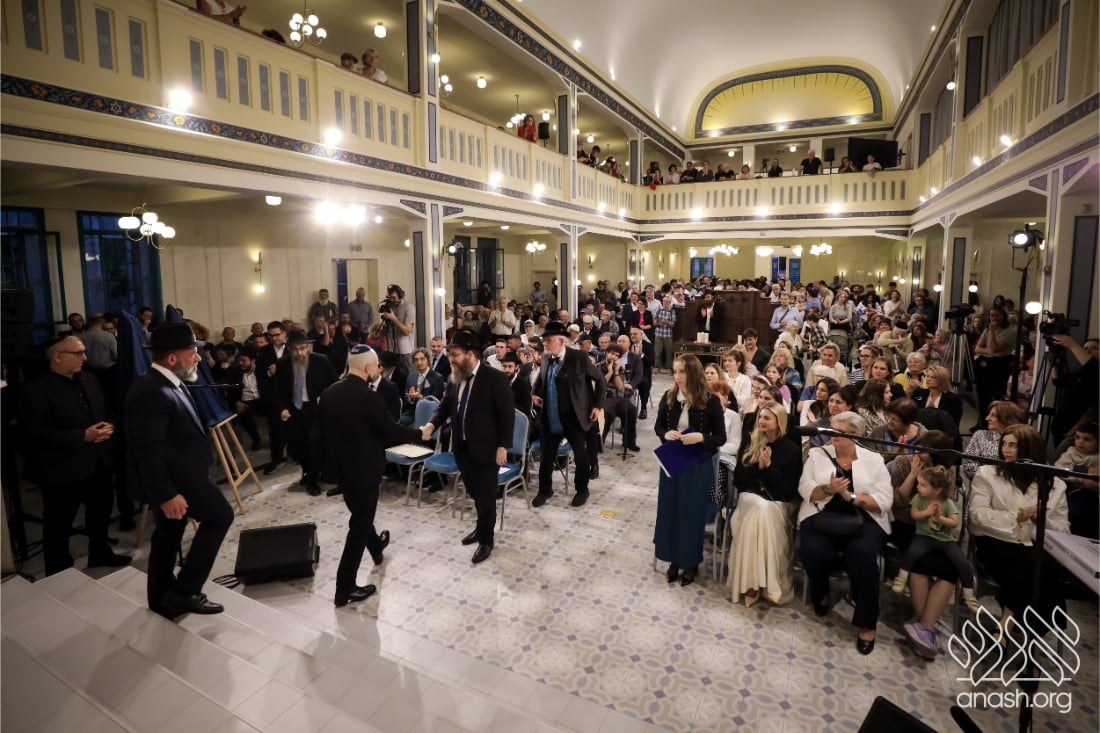
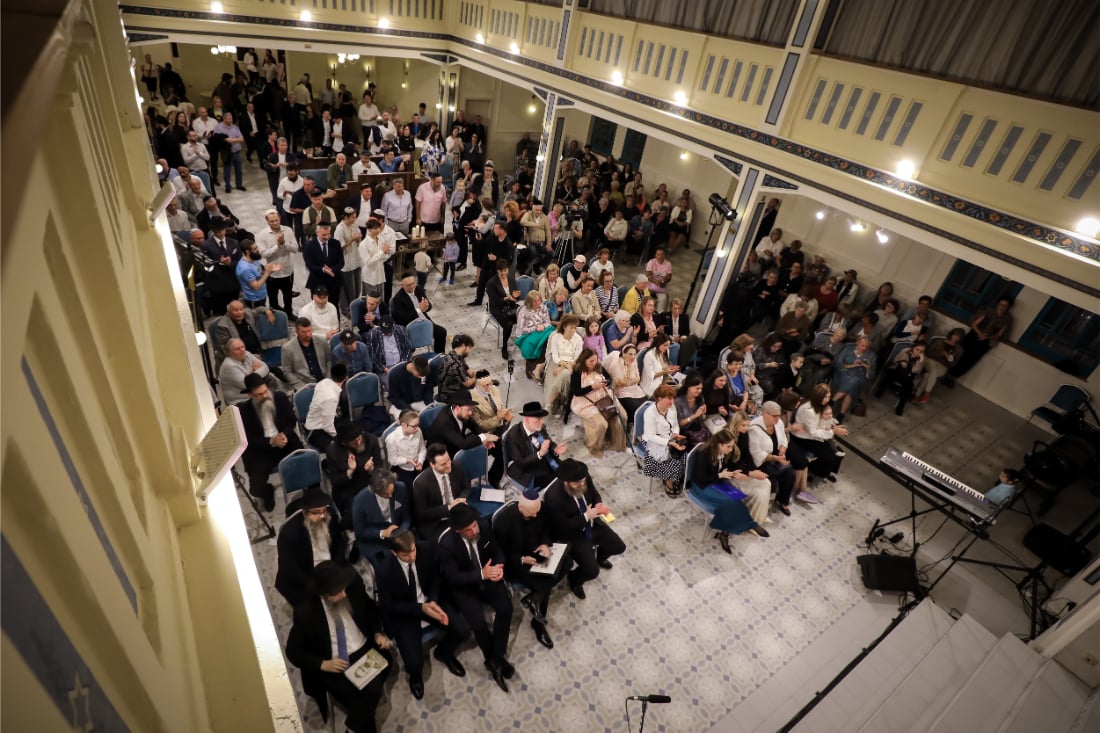
A century after it was first built, Budapest’s historic Rákospalota shul returned to full Jewish use on Erev Yom Kippur, following an extensive restoration that transformed the long-neglected building from a former library warehouse back into a functioning shul.
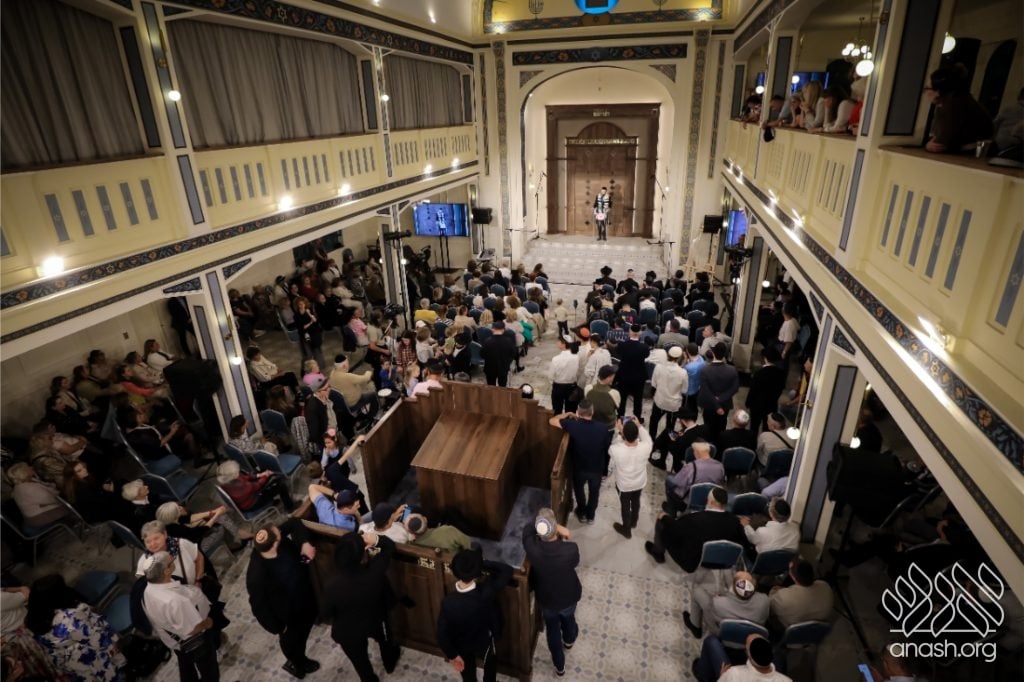
A century after it was first built, Budapest’s historic Rákospalota shul returned to full Jewish use on Erev Yom Kippur, following an extensive restoration that transformed the long-neglected building from a former library warehouse back into a functioning shul.
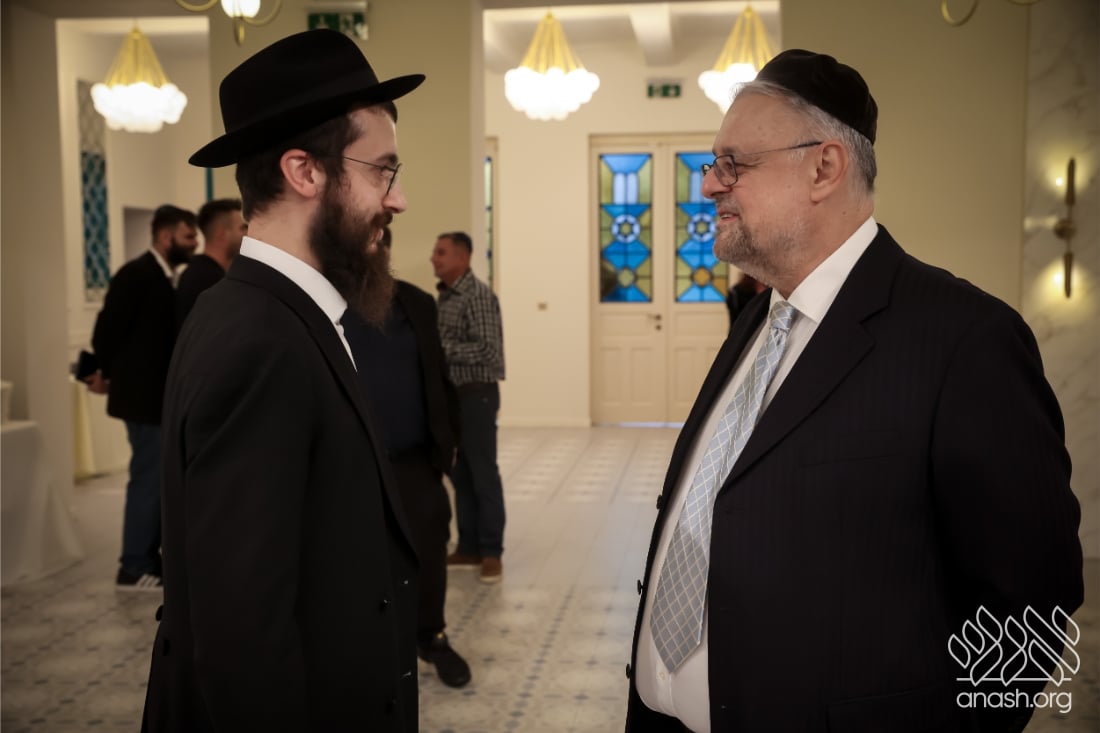
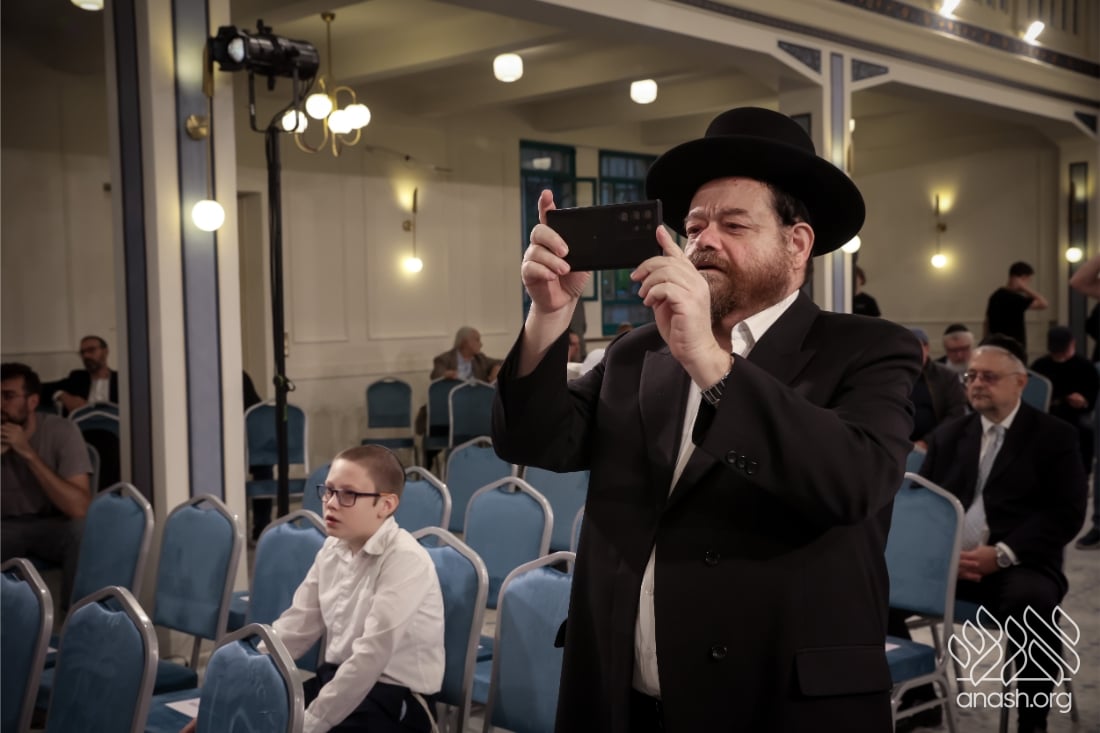
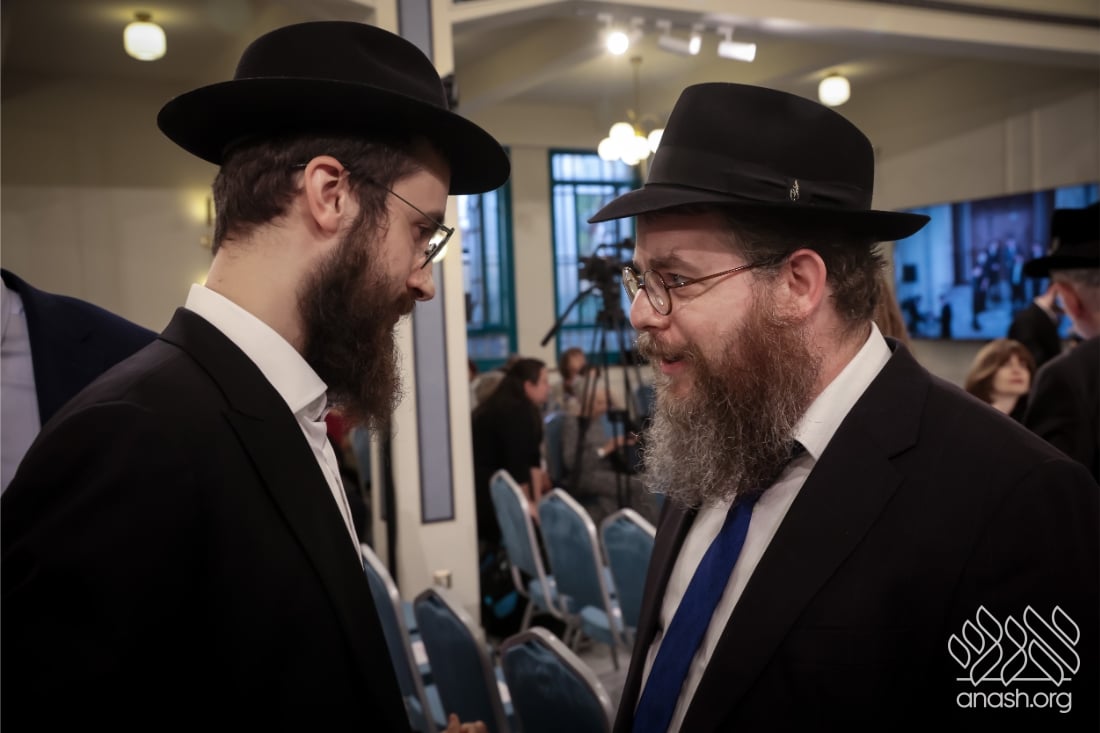
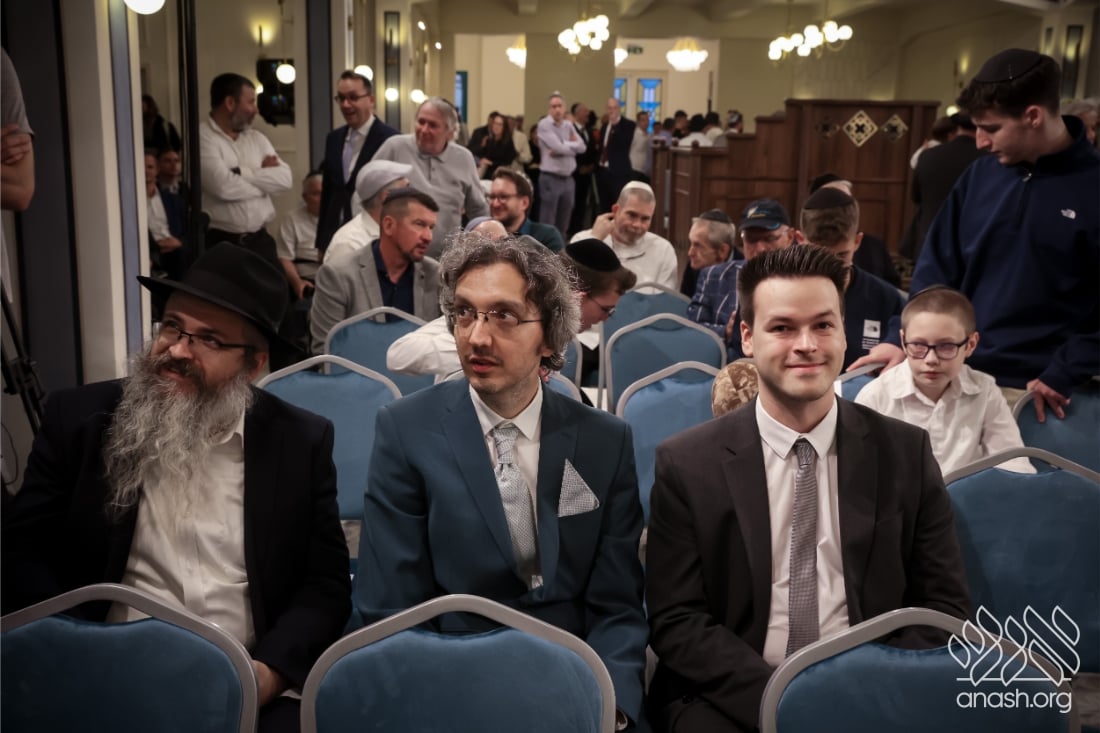
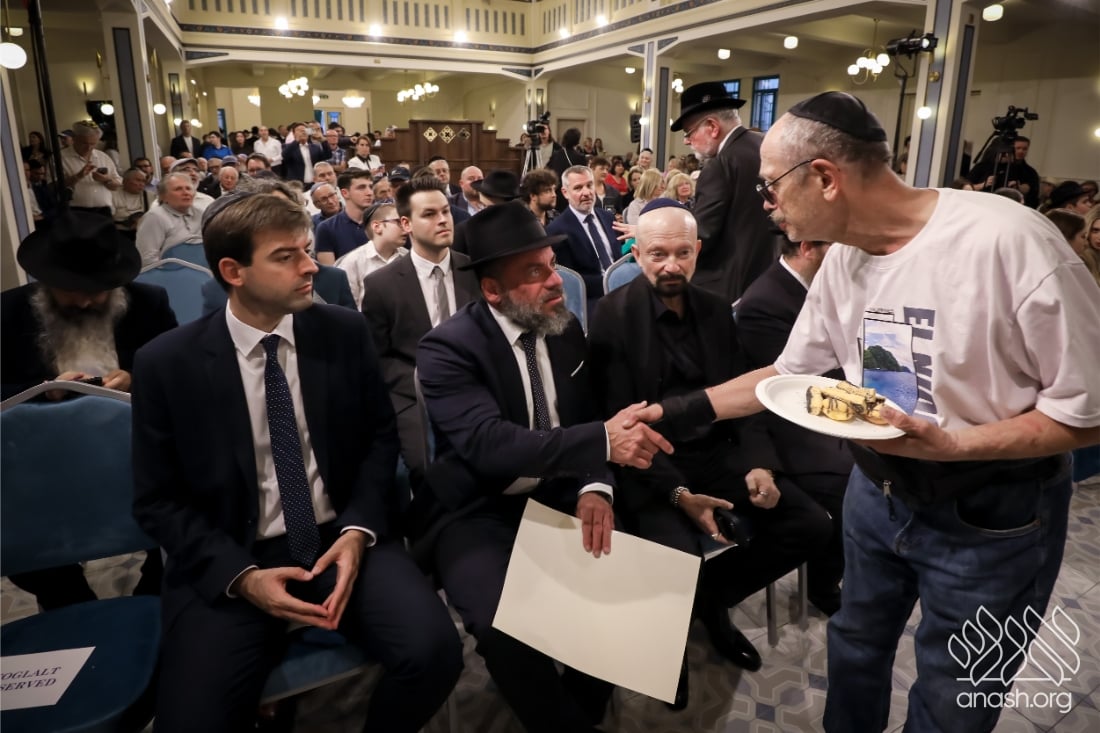
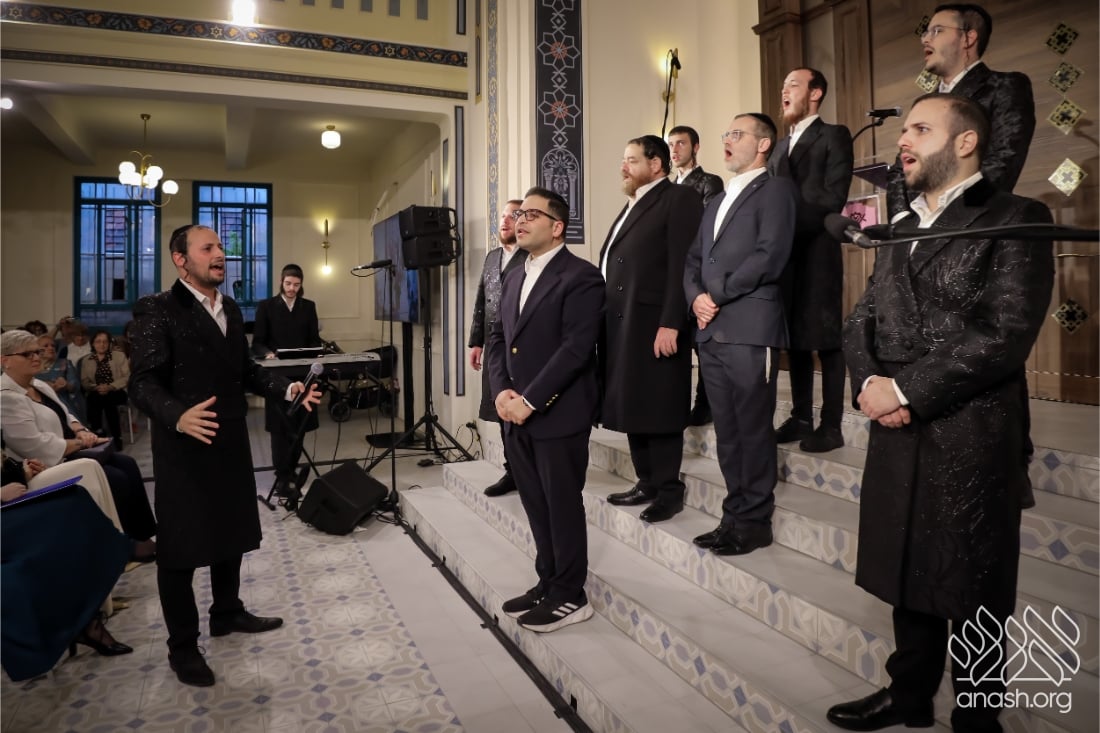
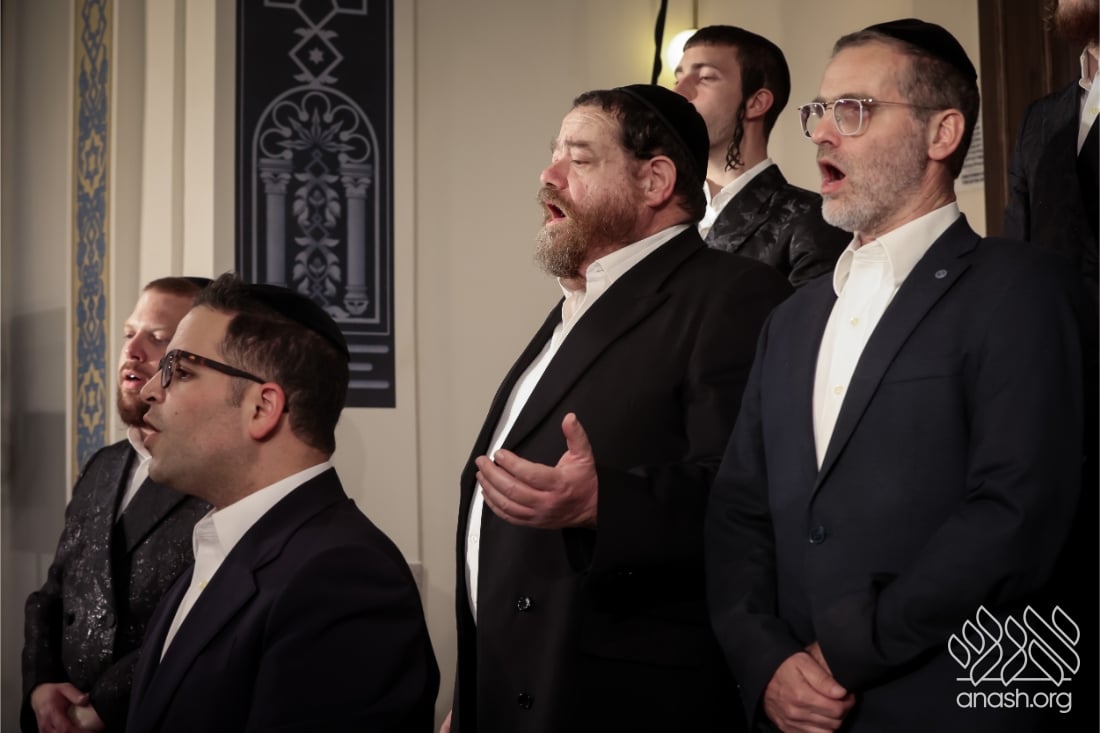
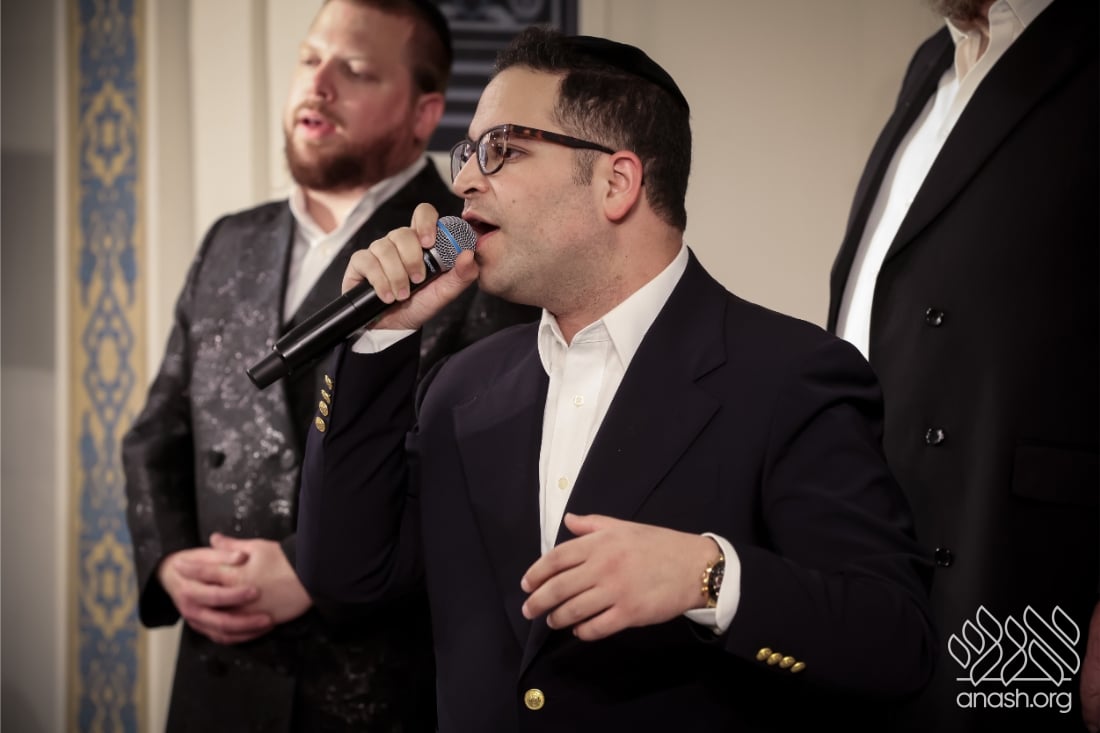
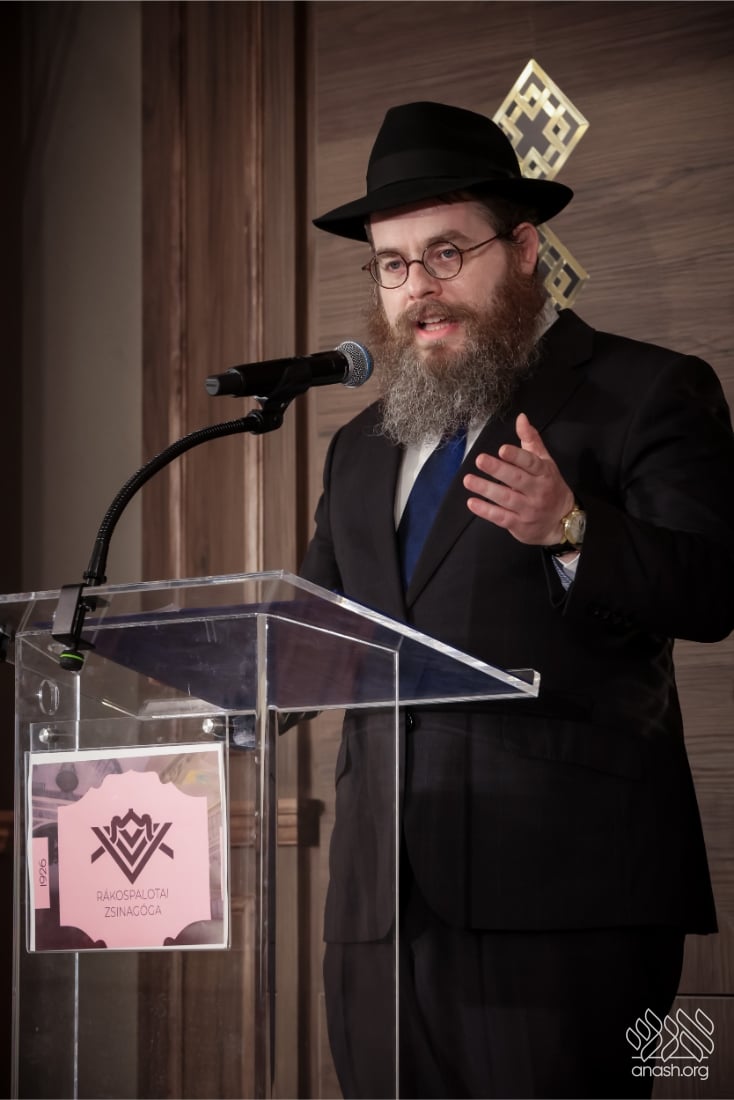
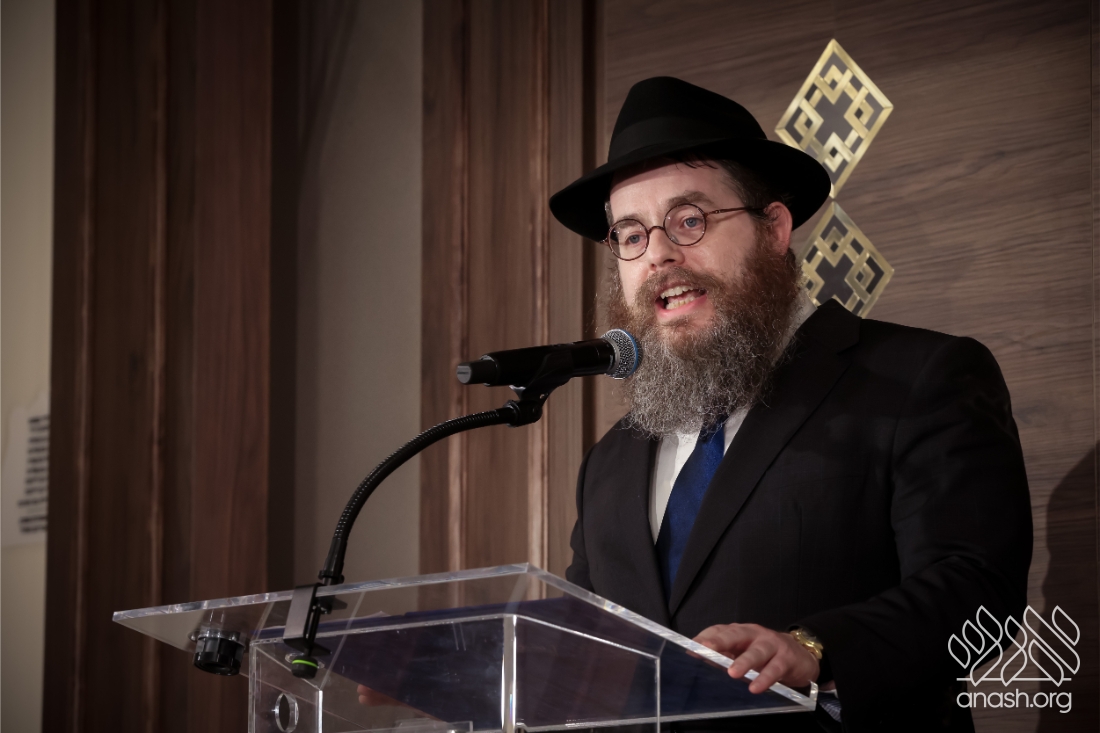
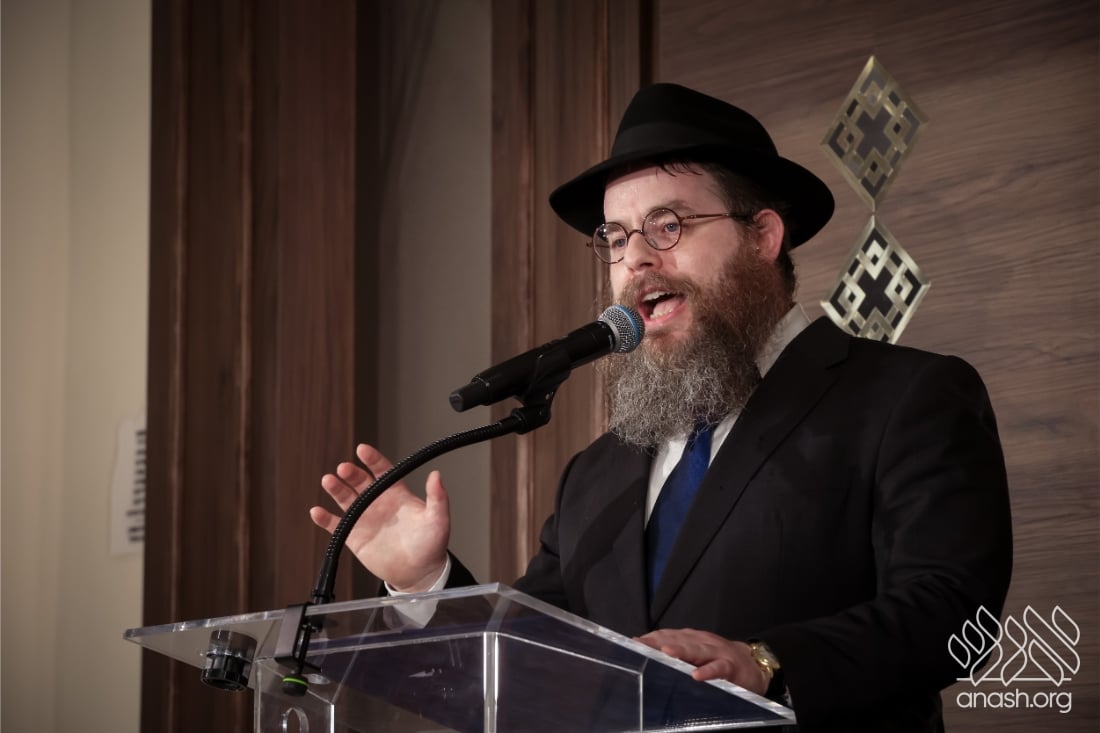
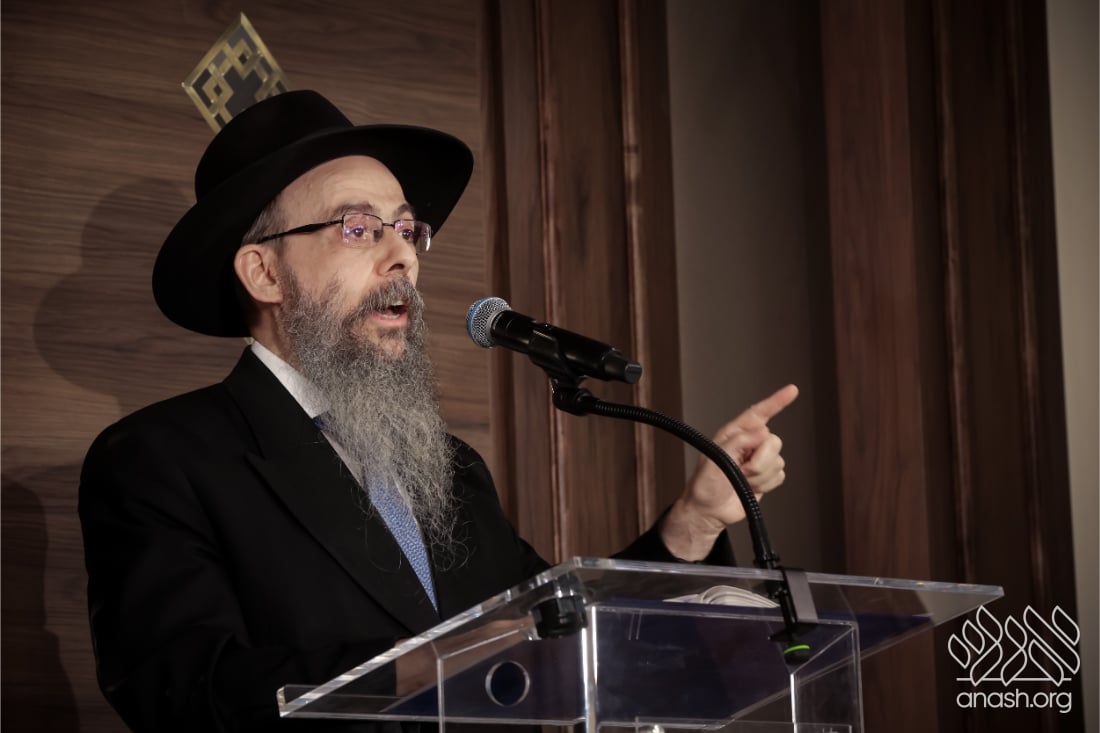
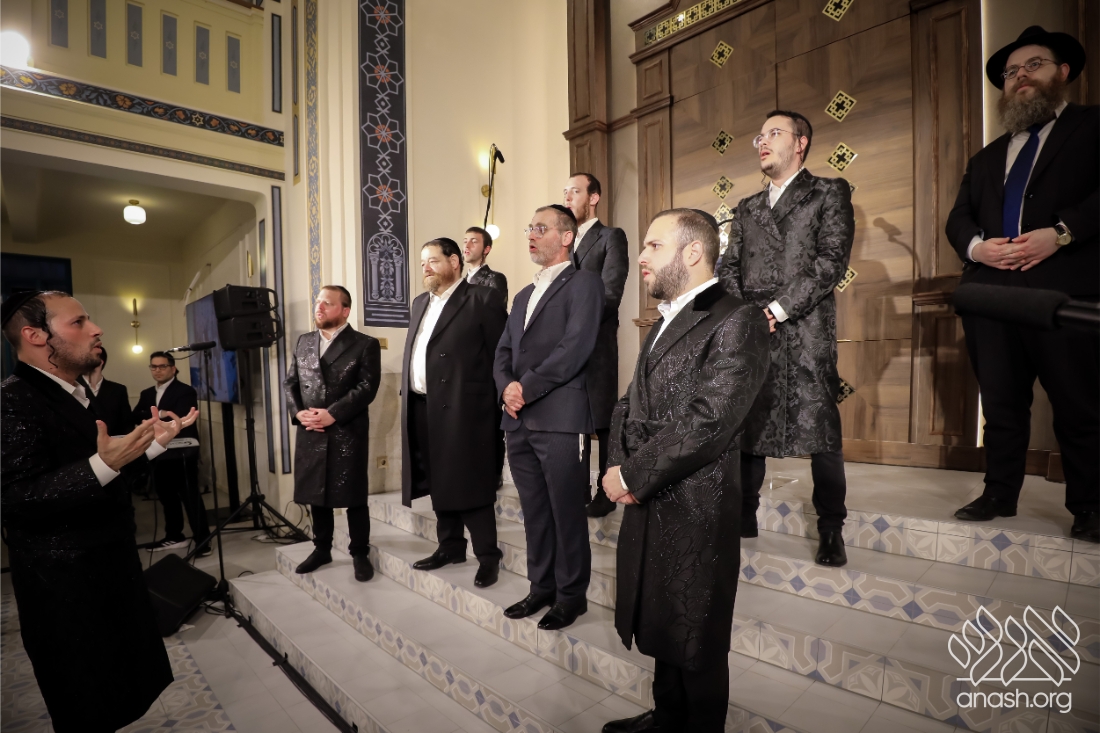
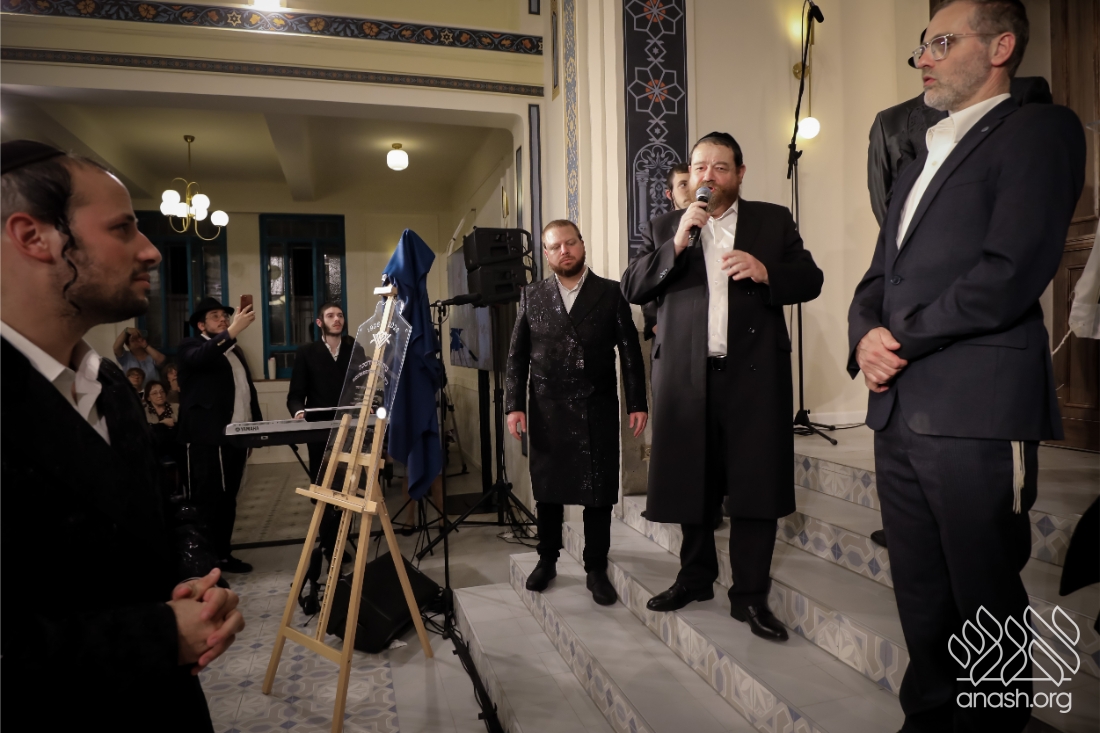
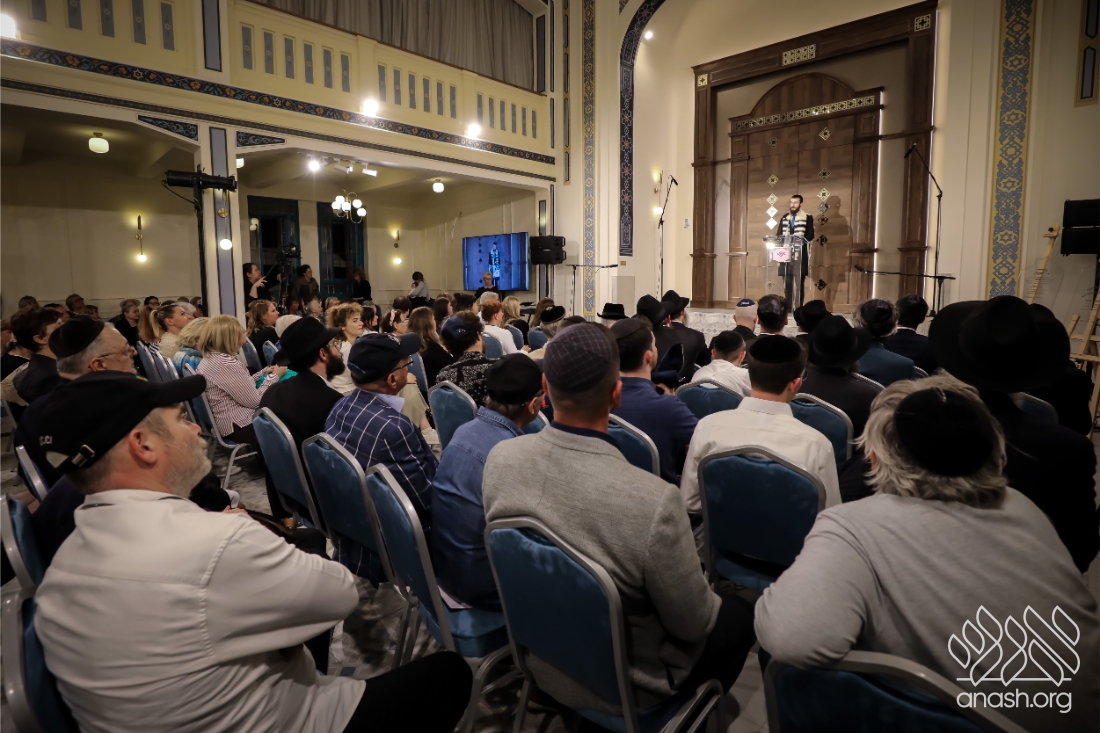
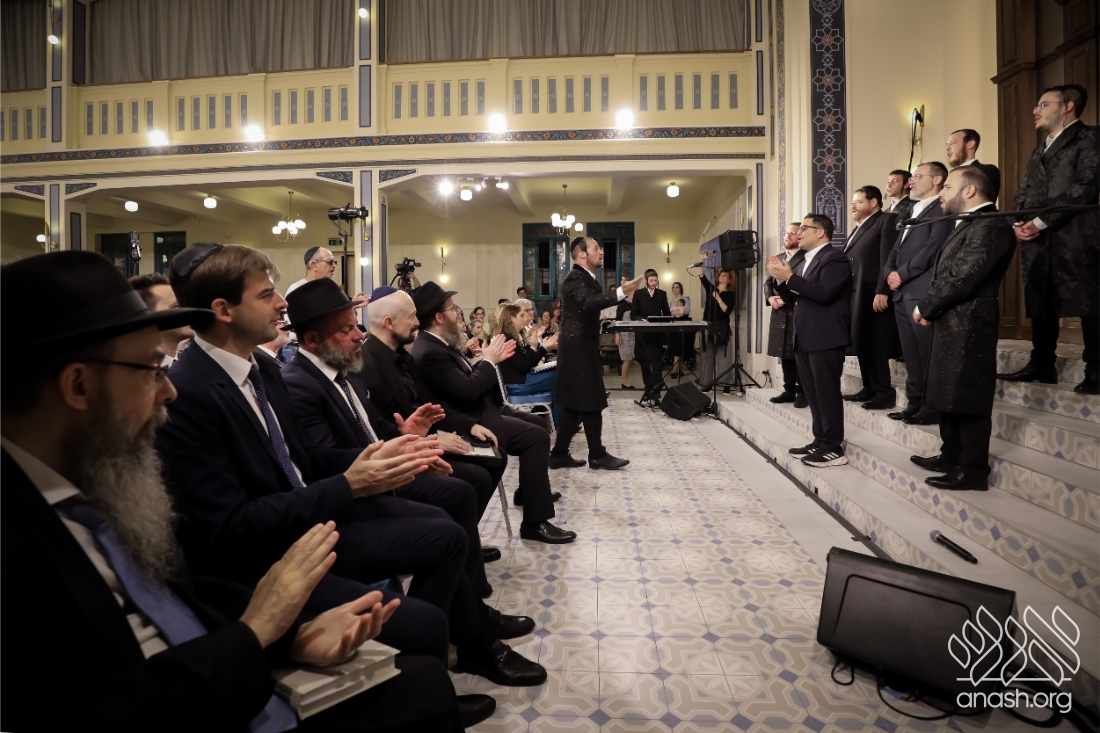
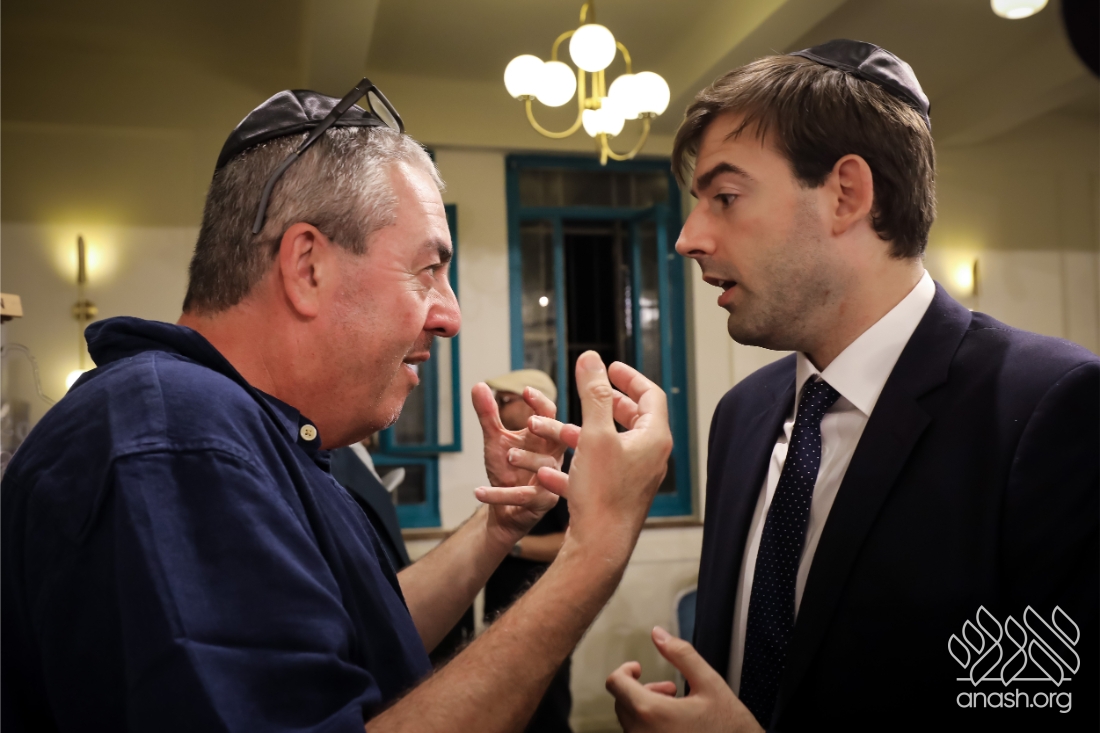
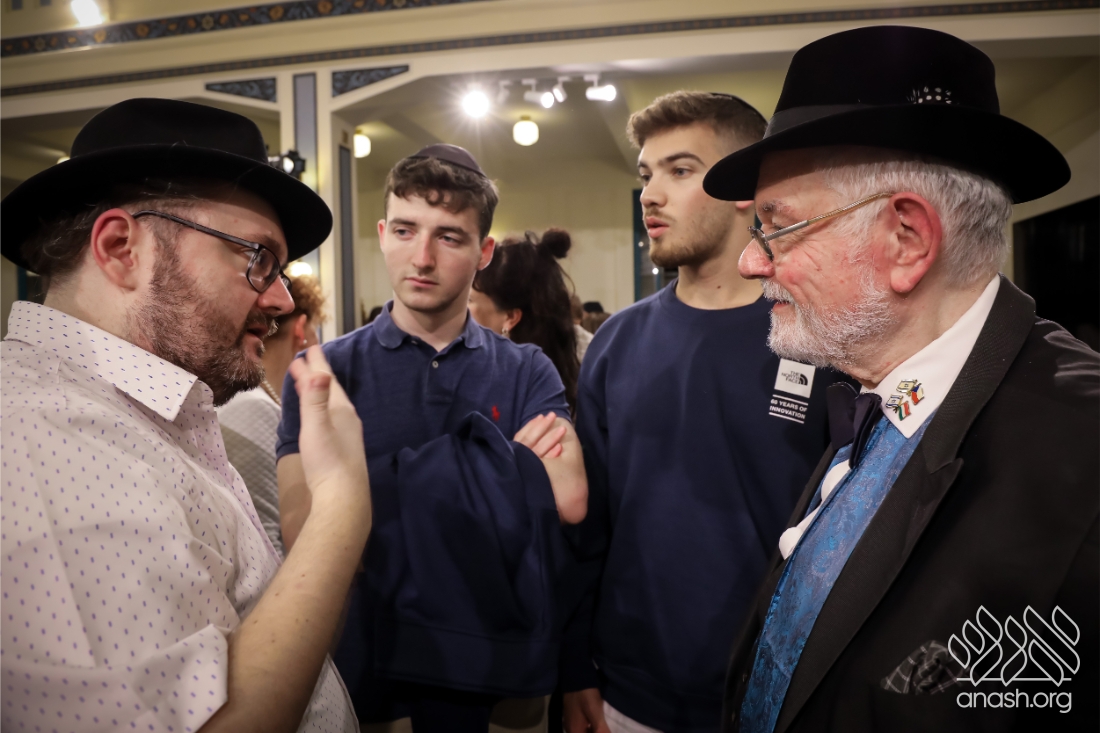
The dedication began with singing by the Zorger Cantorial Choir from Yerushalayim. Rabbi Shlomo Köves, rov of EMIH, the Unified Hungarian Jewish Congregation, recited Shehecheyanu as participants looked around a building that had appeared very different only a year earlier. For decades, steel structures and storage levels had cut across the original interior, while rows of shelving occupied the space where generations of local Jews had once davened.
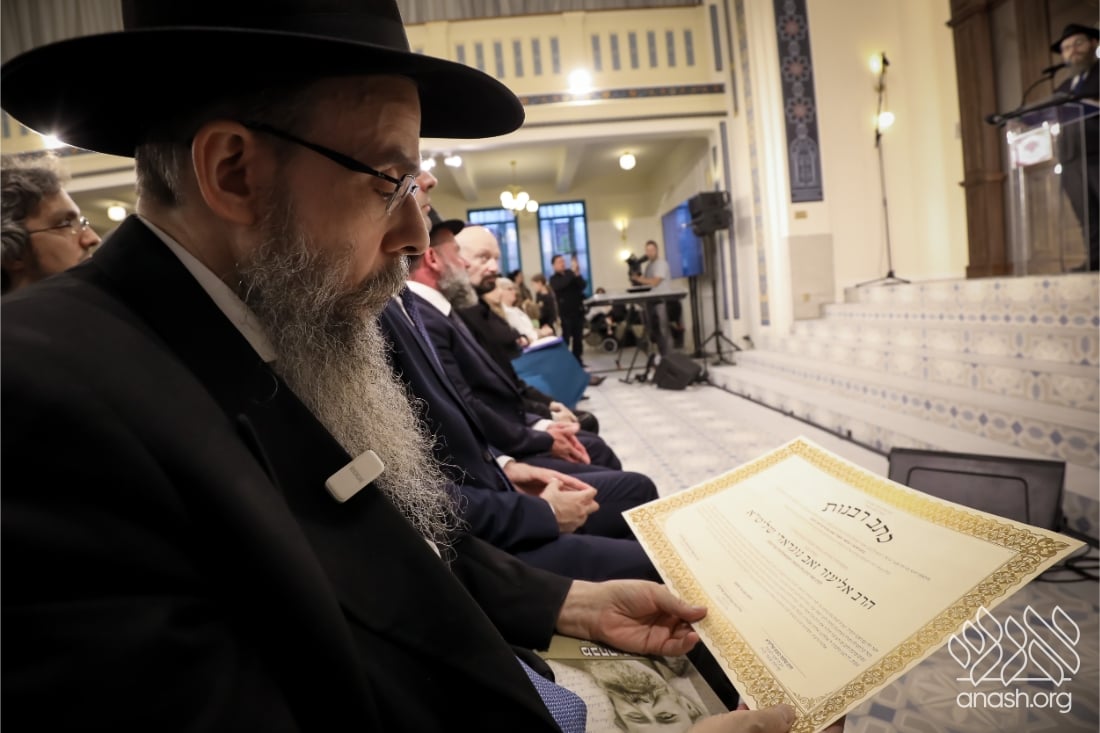
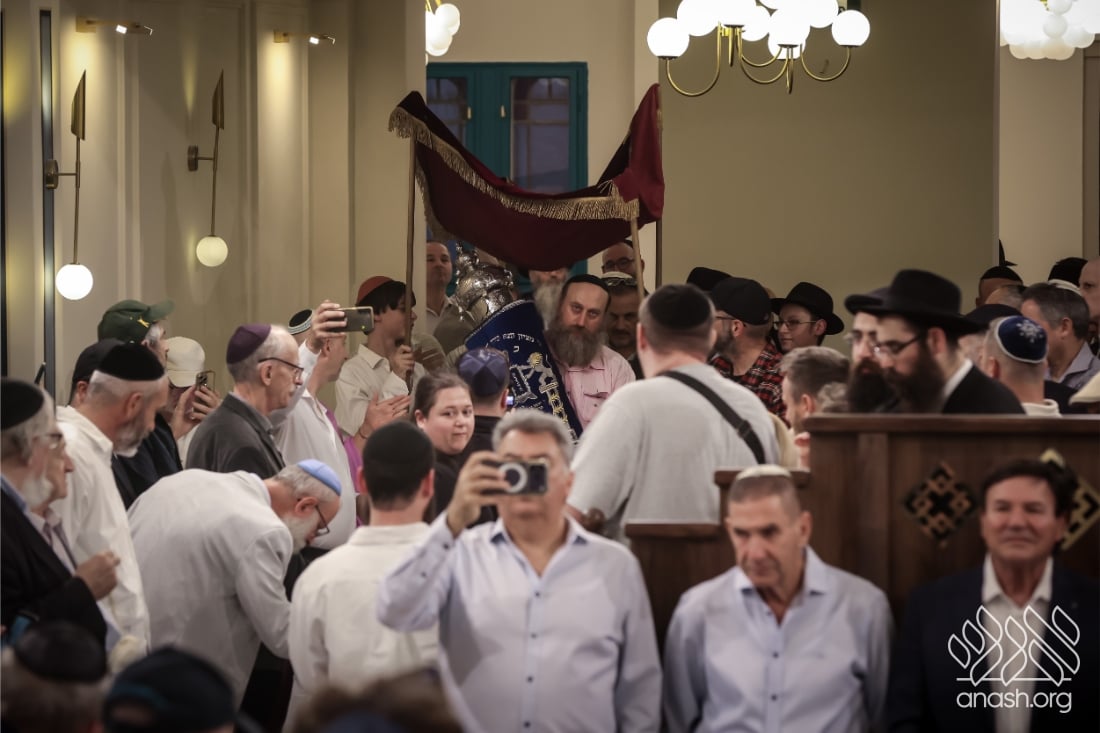
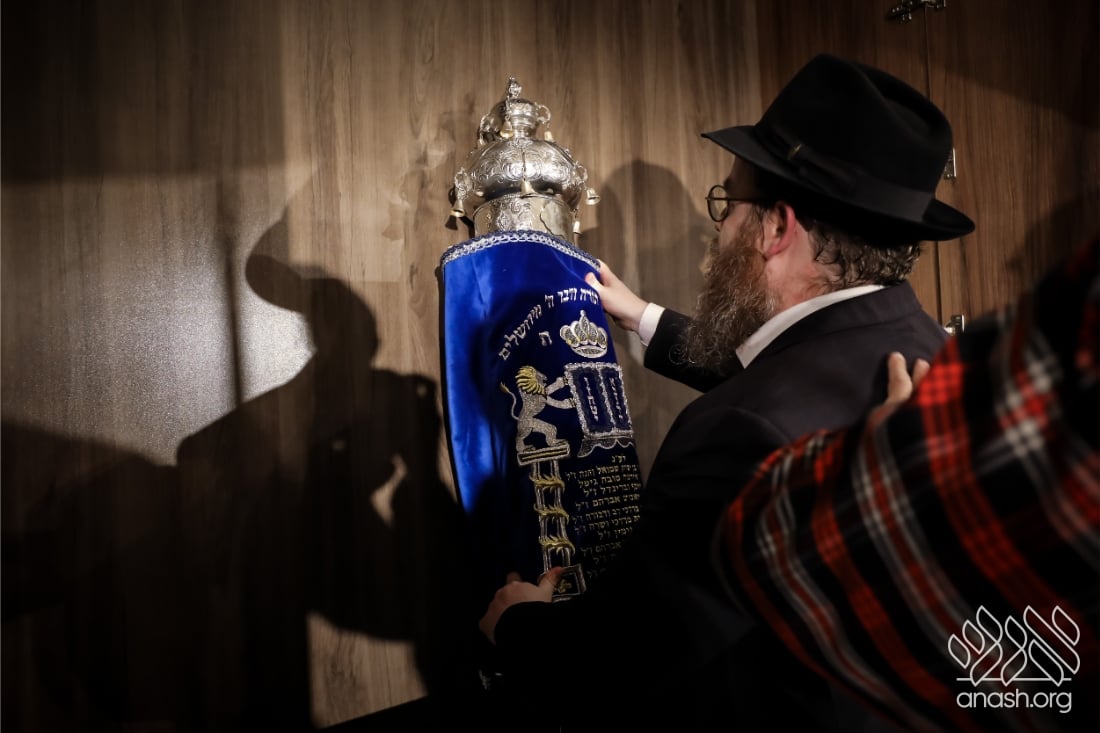
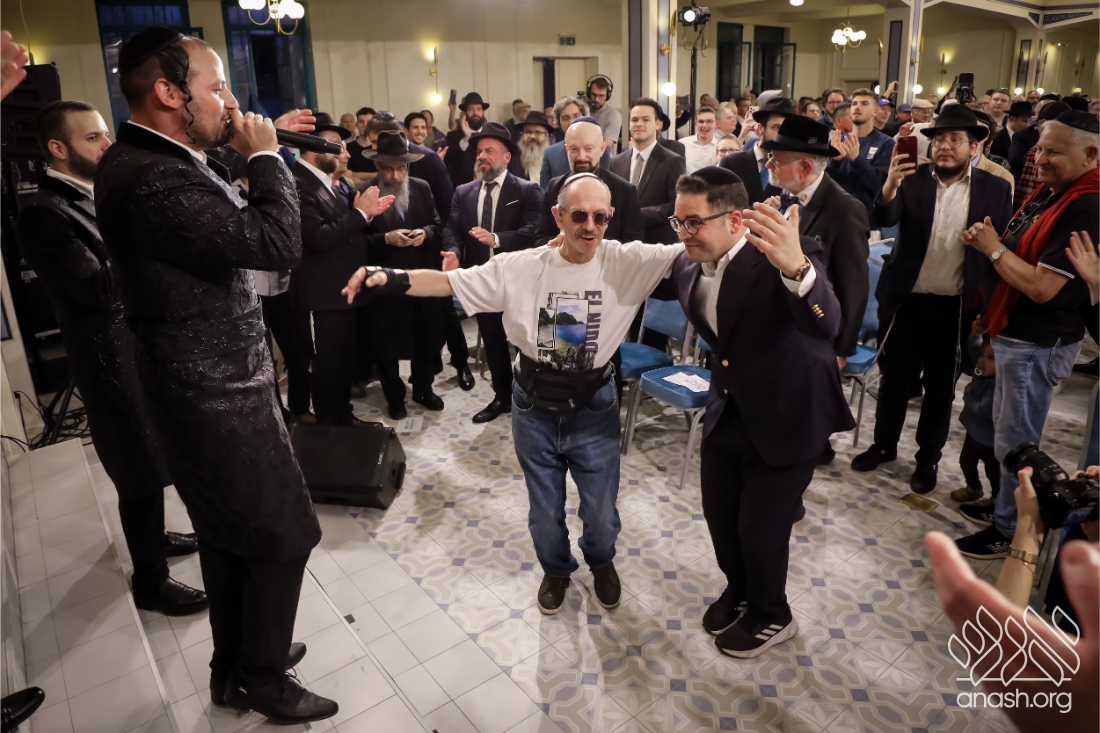
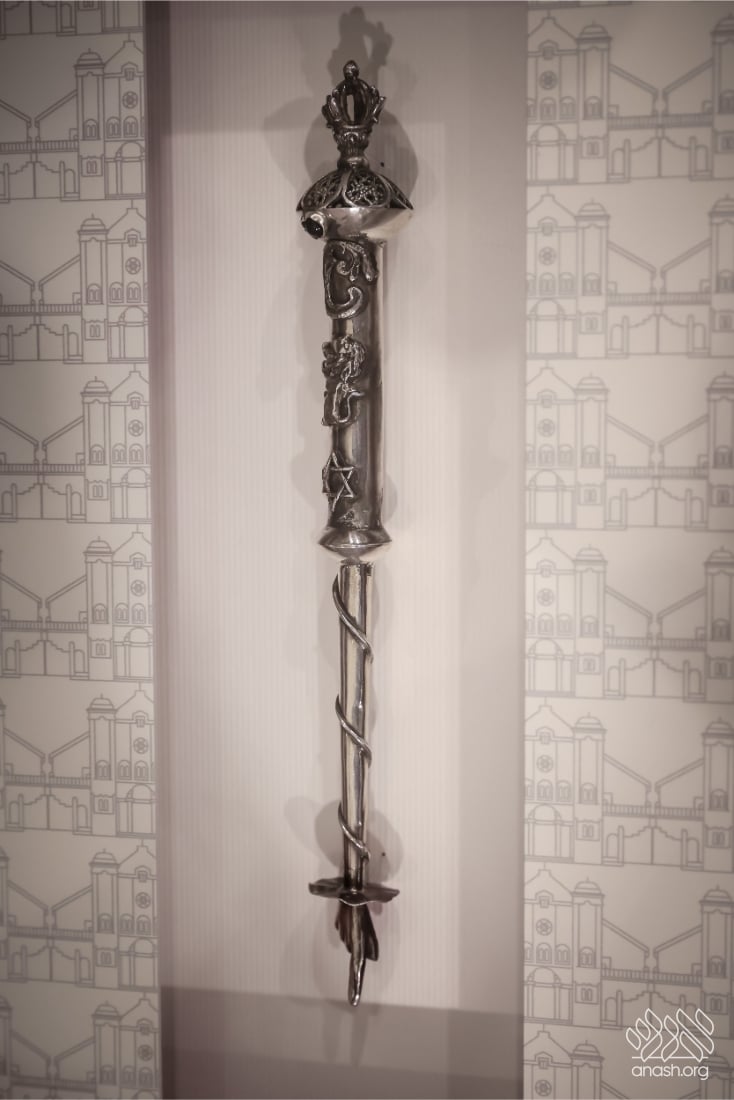
A new Sefer Torah donated by the Lis family was brought into the shul beneath a chuppah, adorned with silver ornaments and accompanied by singing. It was carried toward the newly built Aron Kodesh and placed inside, after which those present joined in dancing in celebration of the shul’s return to Jewish life.
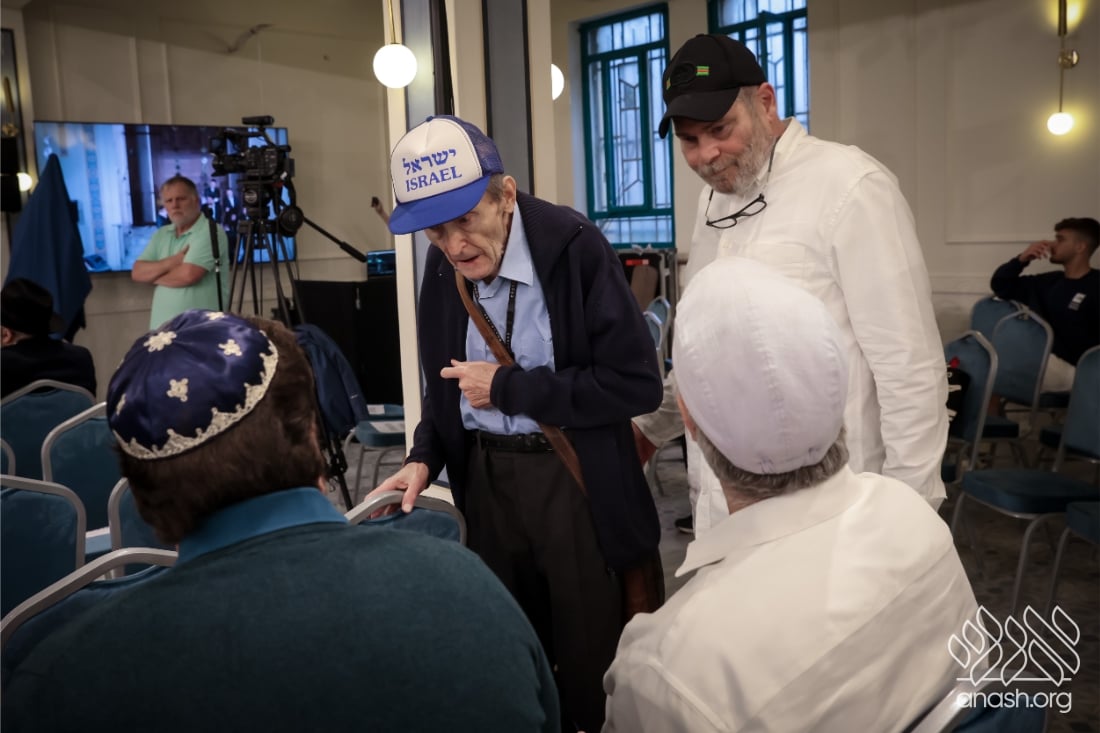
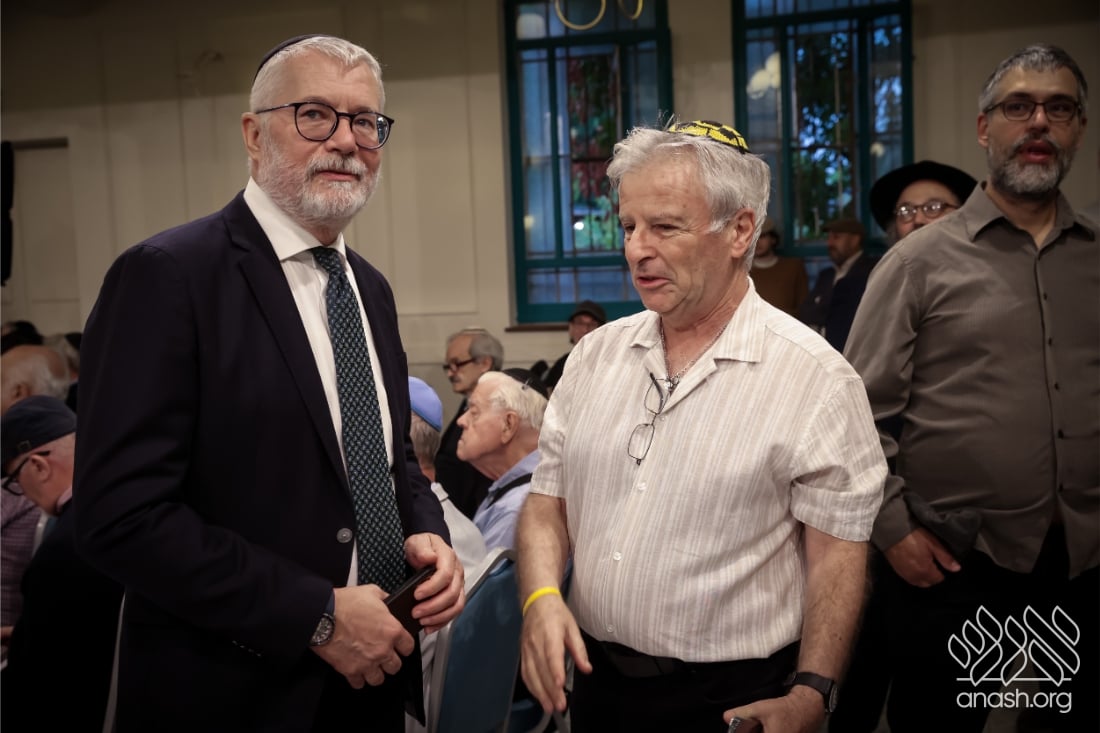
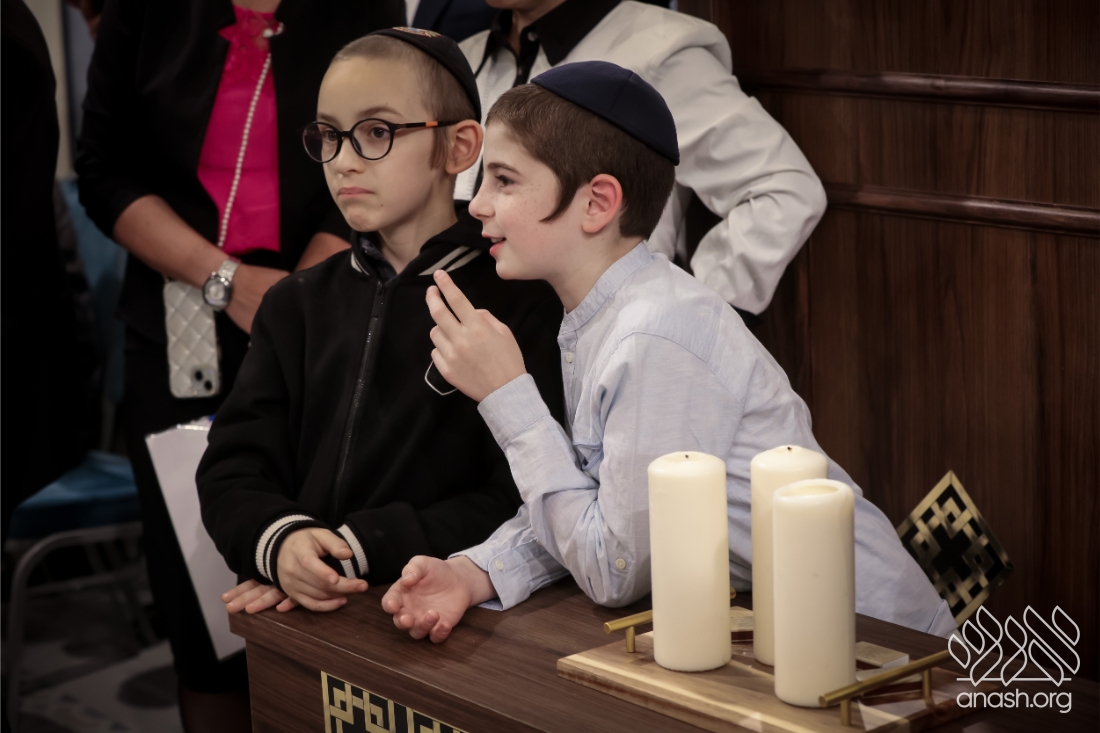
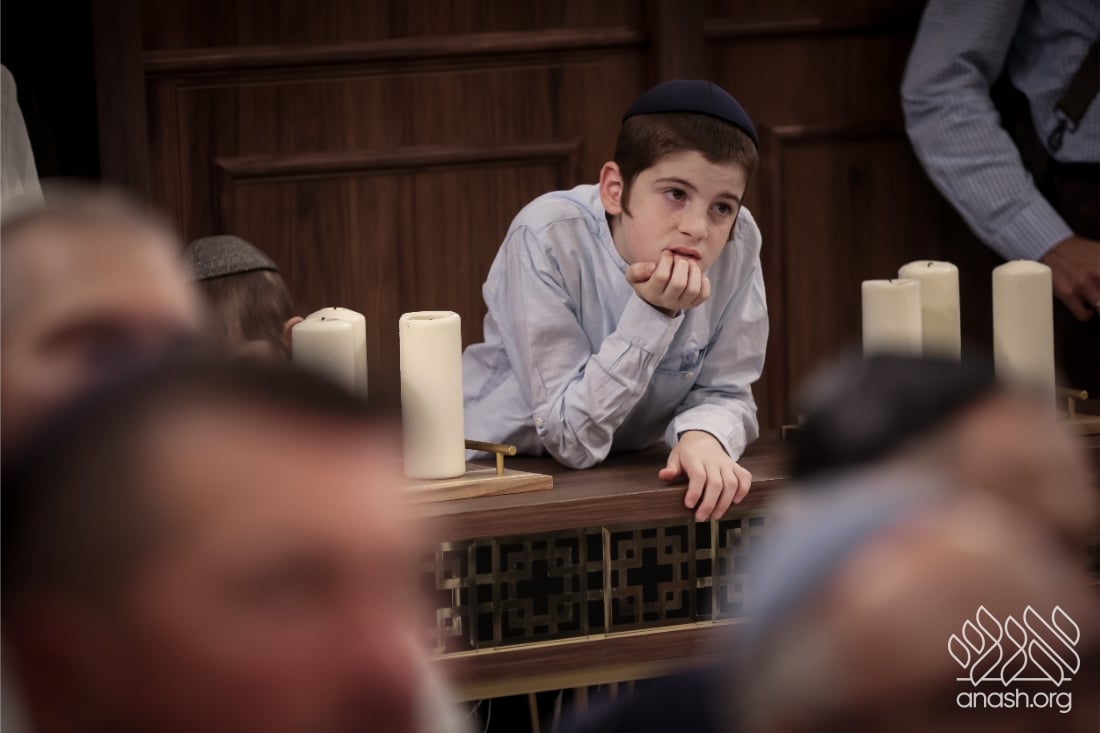
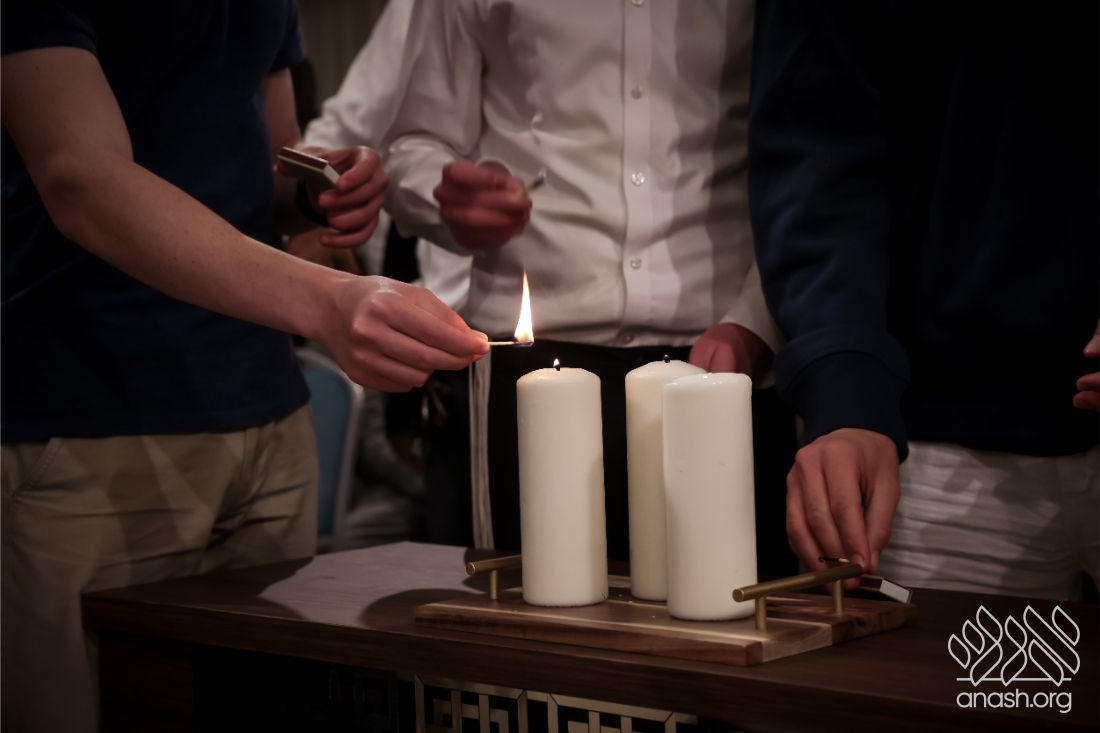
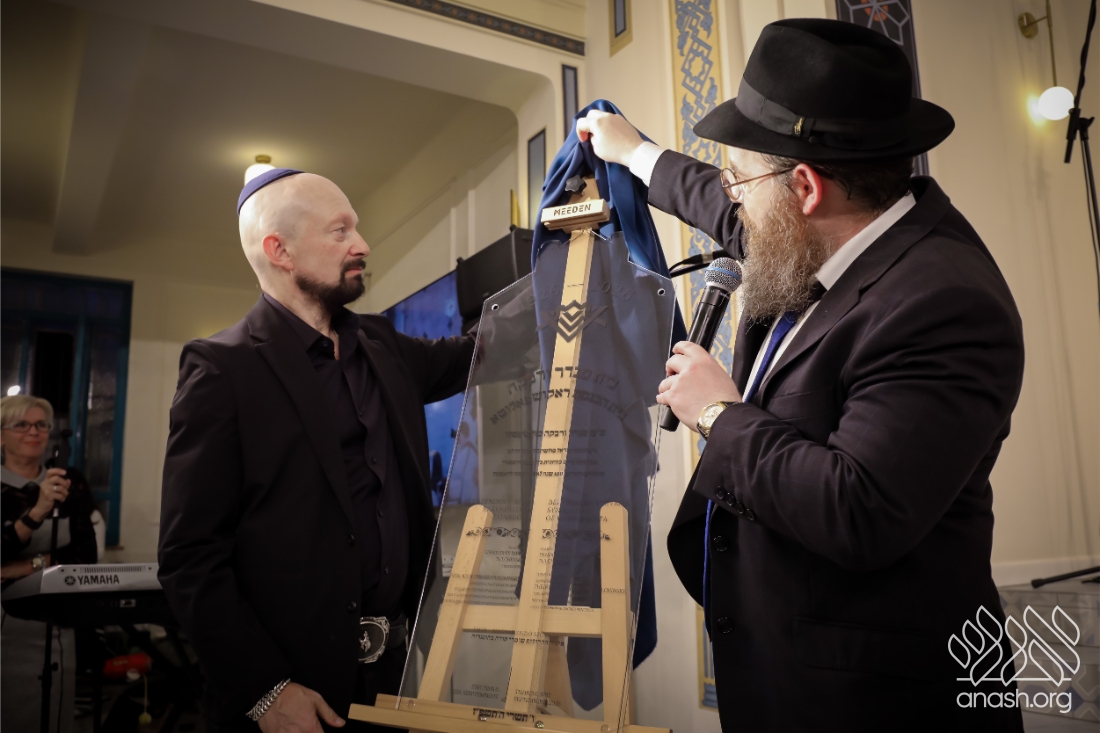
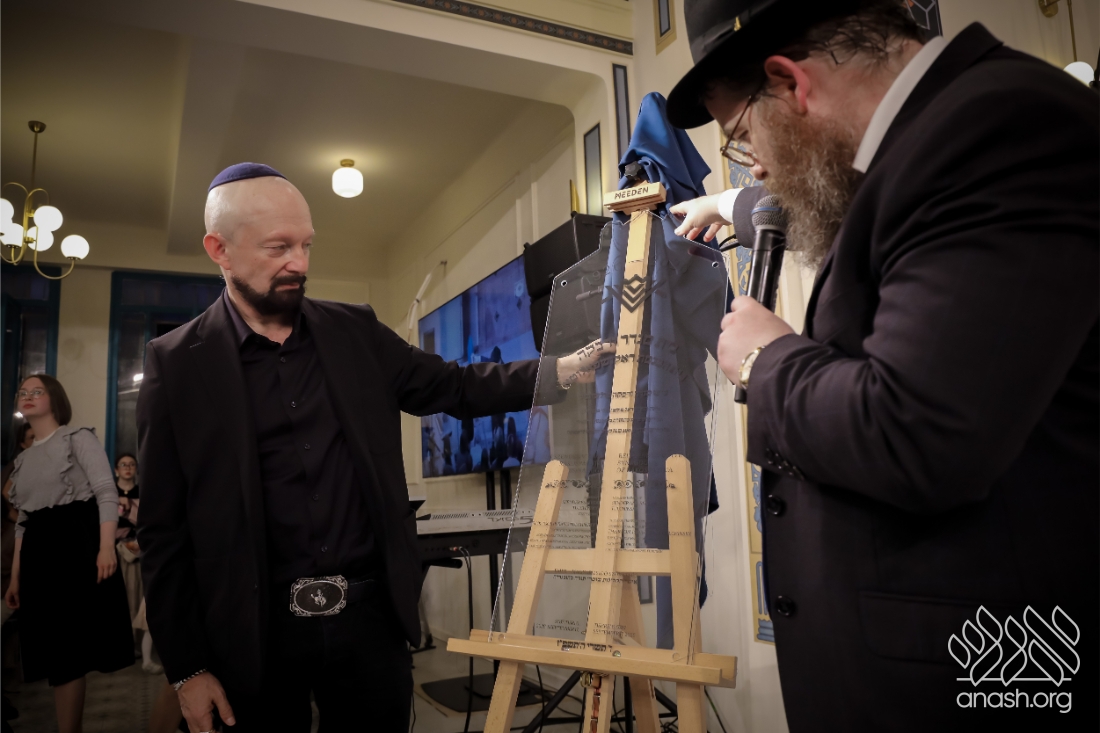
The dedication also recalled the kehilla that had once called Rákospalota home. Candles were lit l’ilui nishmas members of the community who perished during the Holocaust, and memorial plaques bearing their names were unveiled. Among those attending were descendants of Rabbi Michael Yitzchak Duschinsky, the rov who led the community for more than four decades and under whose leadership the present shul was built.
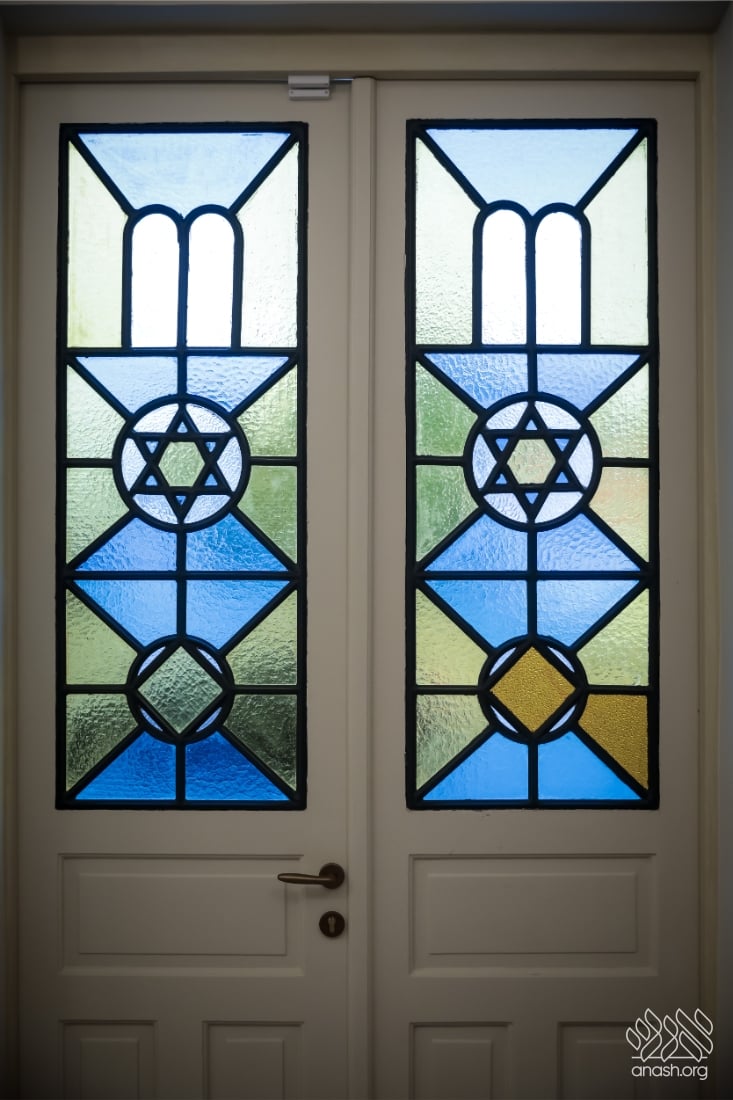
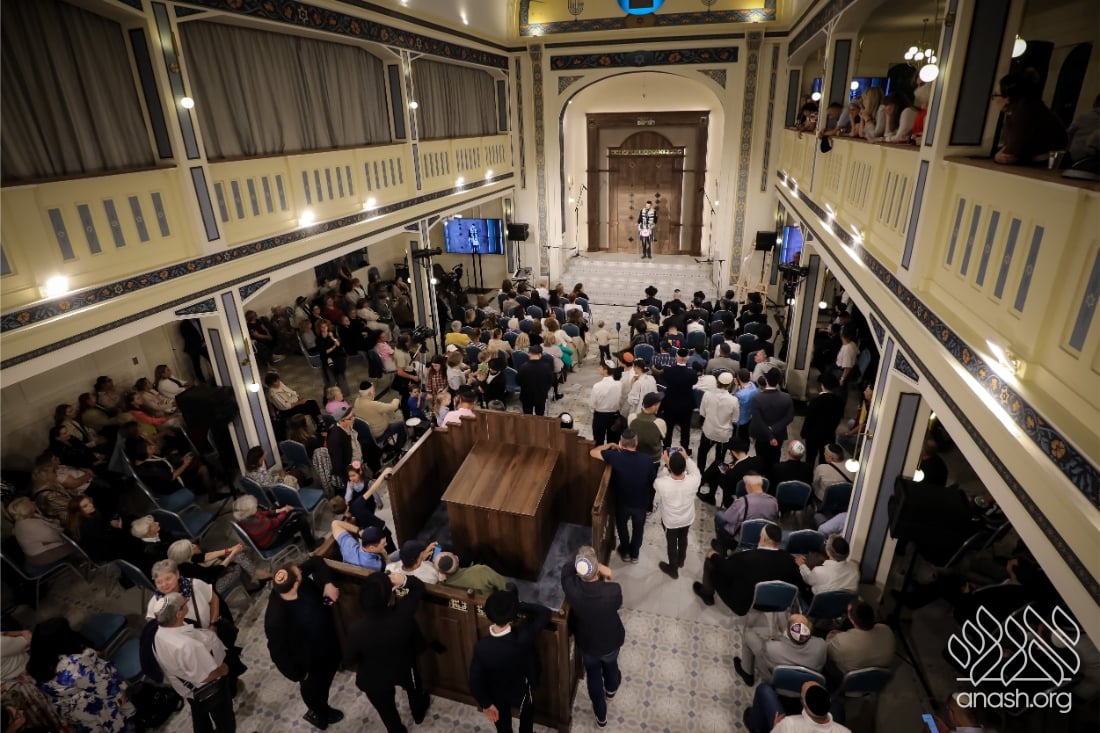
Rákospalota, today part of Budapest’s 15th district, once had a substantial Orthodox Jewish community. By the early 1930s, more than 2,600 Jews lived in the area, and the earlier local shul had become too small for the growing kehilla. The present building was completed in 1926, with its tall interior and distinctive colored windows becoming a prominent home for the community’s tefillos.
That flourishing Jewish life was shattered during the Holocaust. In 1944, the Jews of Rákospalota were forced from their homes and deported, with many sent to Auschwitz. Only a small portion of the community returned after the war.
Those survivors nevertheless came back to their damaged and looted shul and set about restoring it. By the Yomim Noraim of 1948, tefillos were once again being held there. The kehilla, however, continued to diminish during the following years, and under Communist rule the building eventually ceased functioning as a shul.
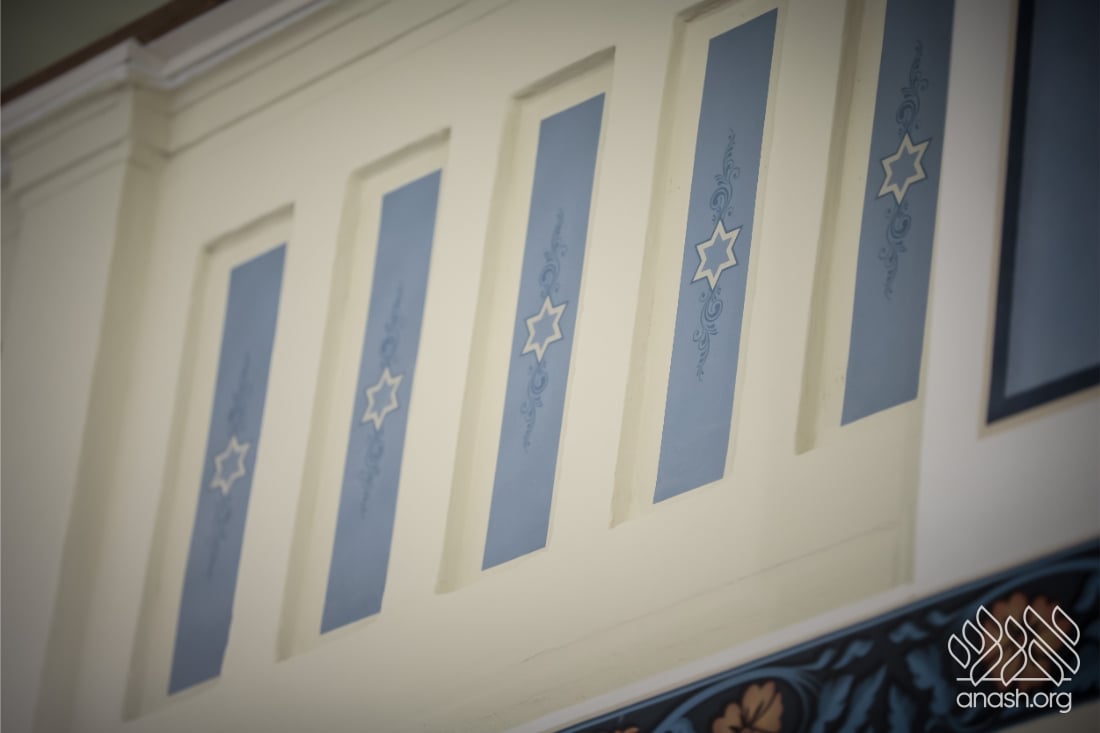
In 1964, the property was taken over for use by Hungary’s National Széchényi Library. A new floor was inserted through the building, and the former shul became a storage facility and book-restoration workshop. Most of its original furnishings disappeared, although portions of the structure, including its striking blue, yellow and white windows, survived the decades of altered use.
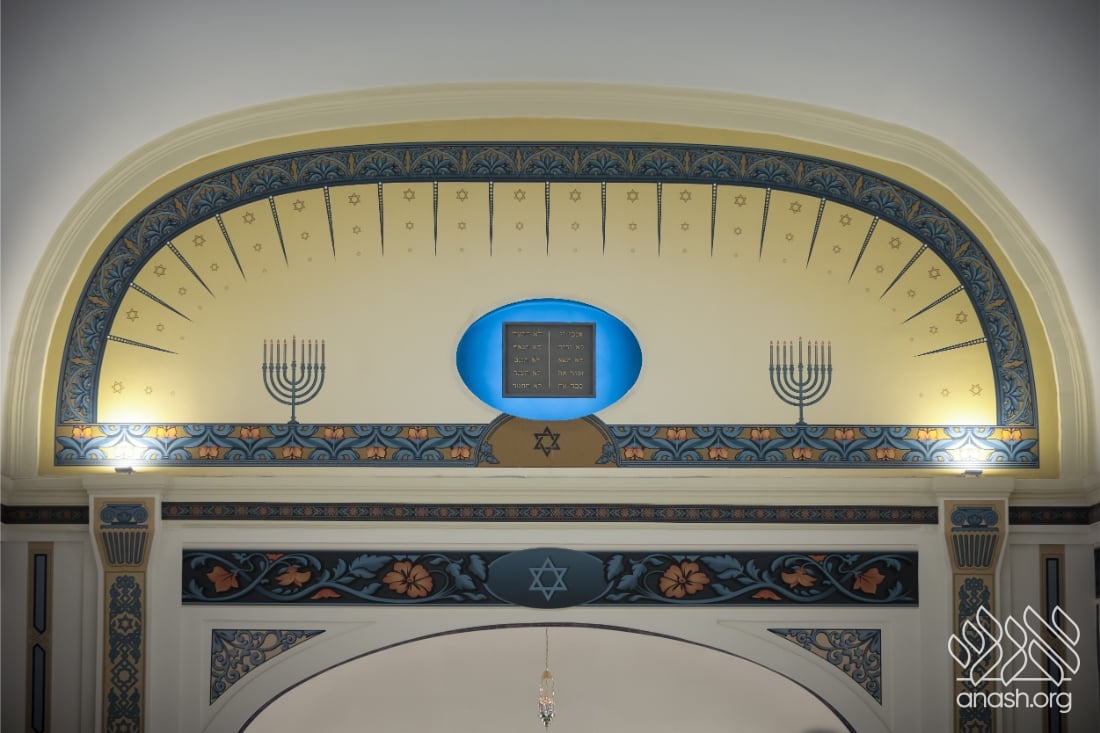
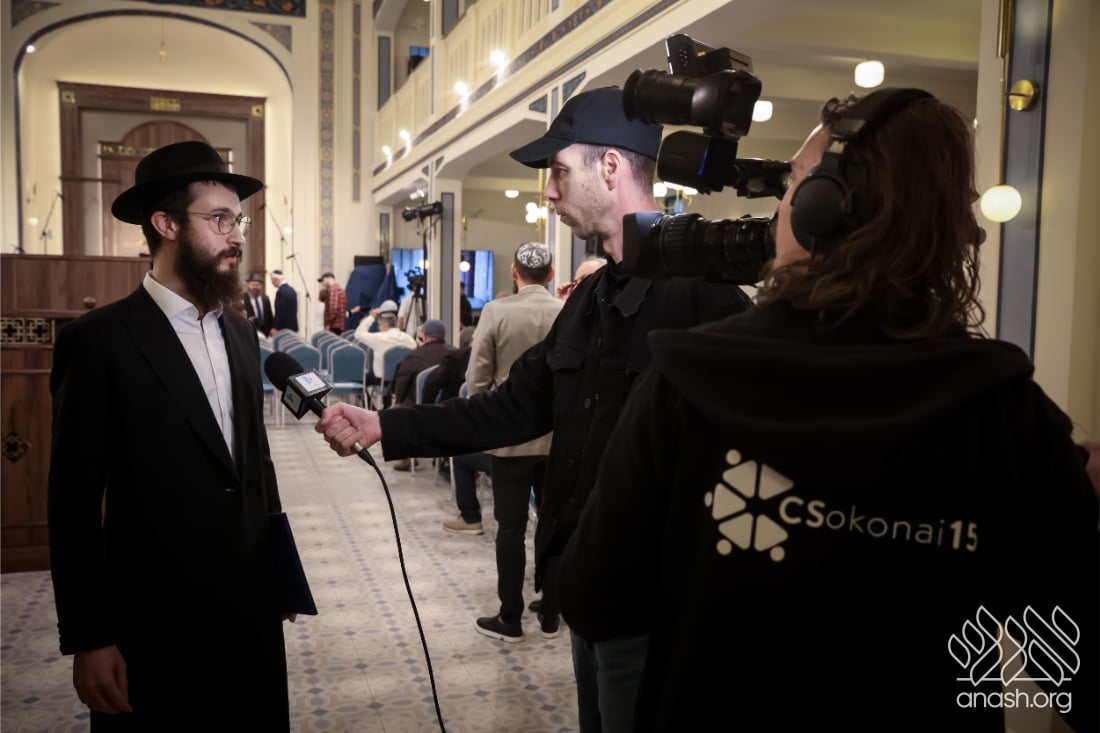
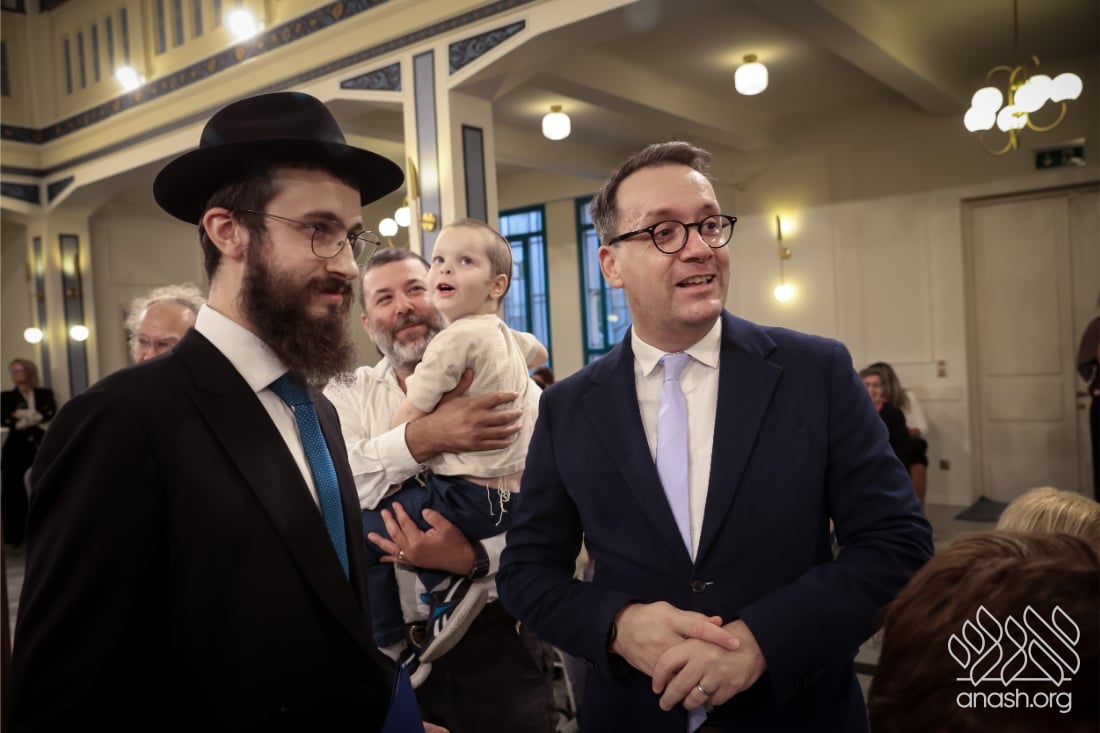
The building returned to Jewish hands last year, setting off an intensive restoration. The inserted floors and steel framework were removed, the original proportions of the shul were revealed once again, and a new Aron Kodesh was built at the front. What had for decades been a utilitarian storage space gradually began to resemble the shul remembered in old photographs.
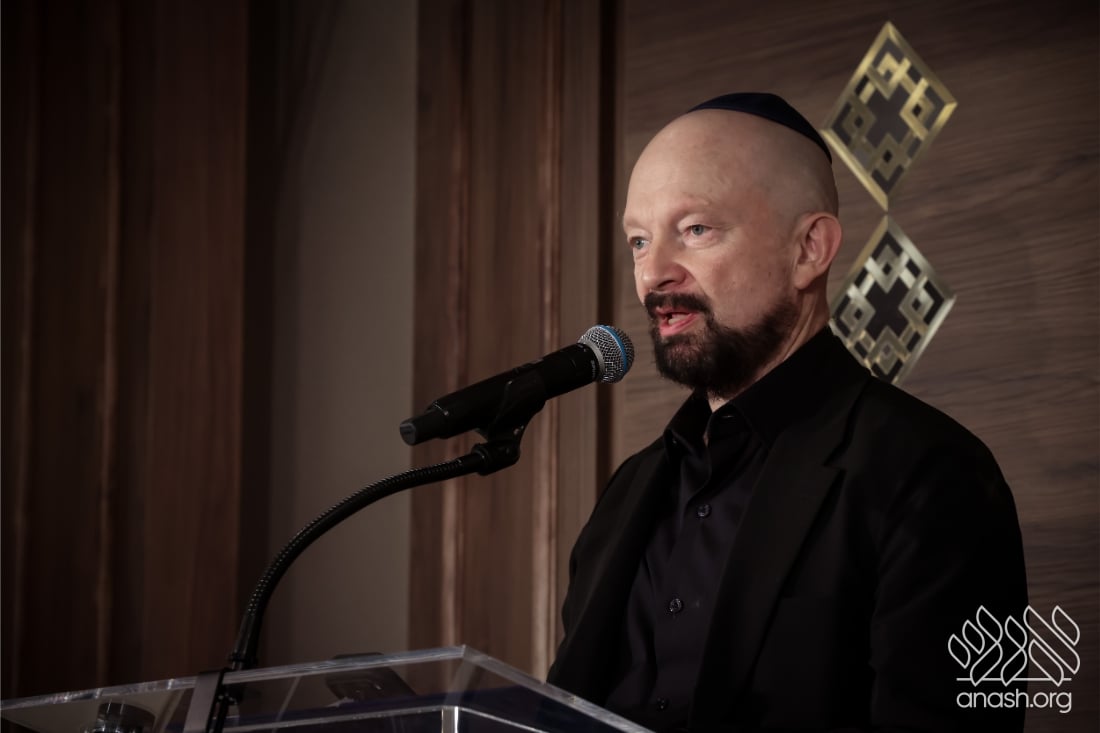
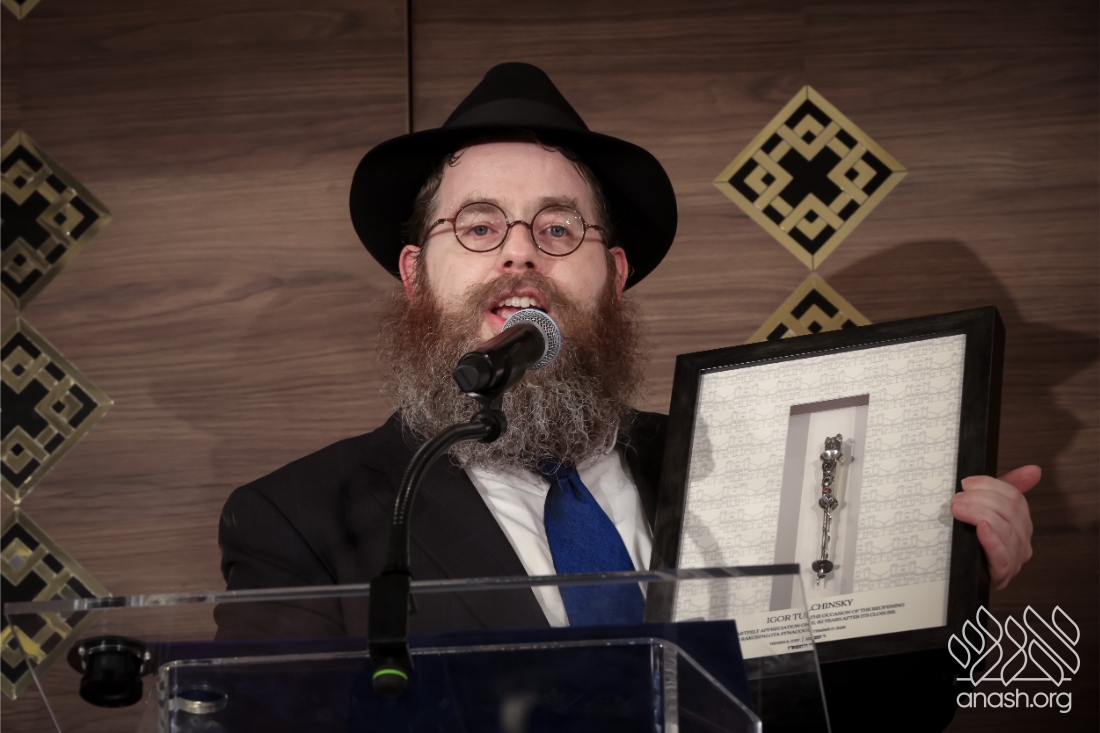
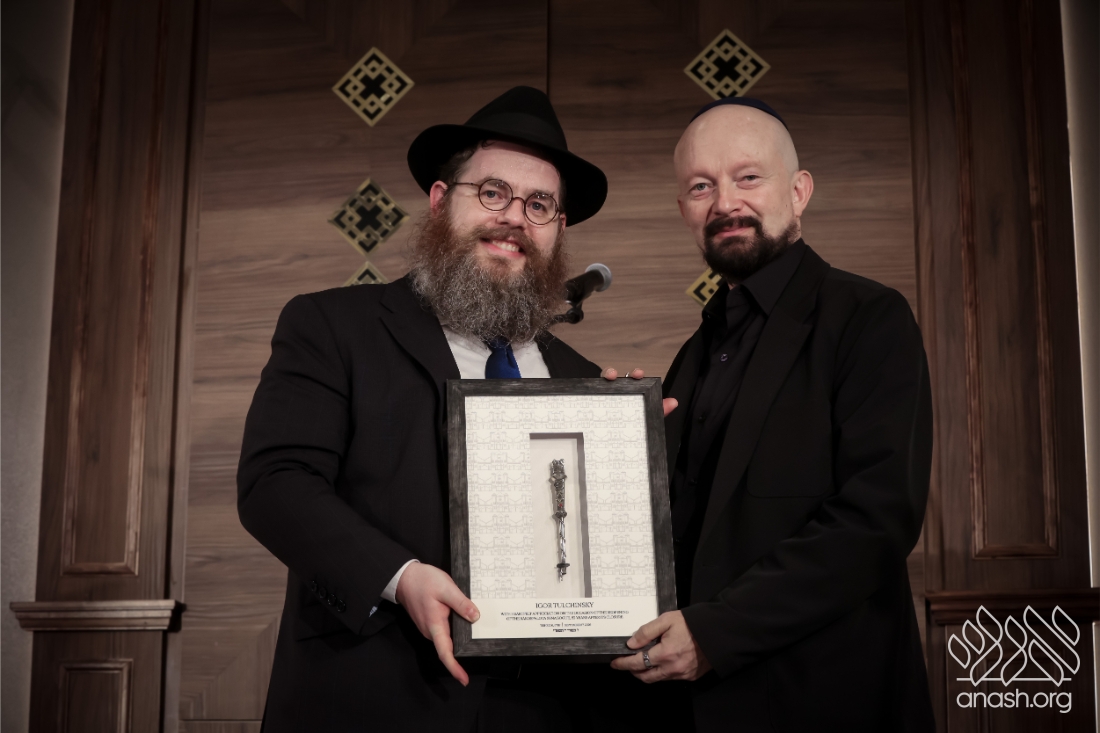
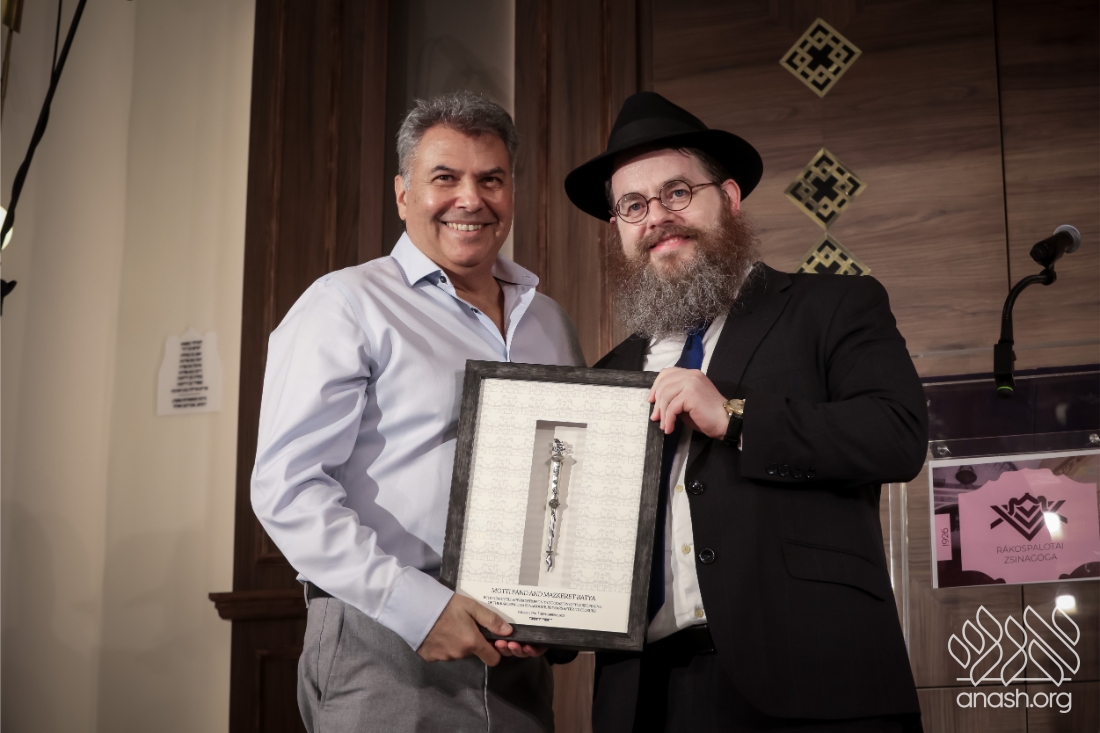
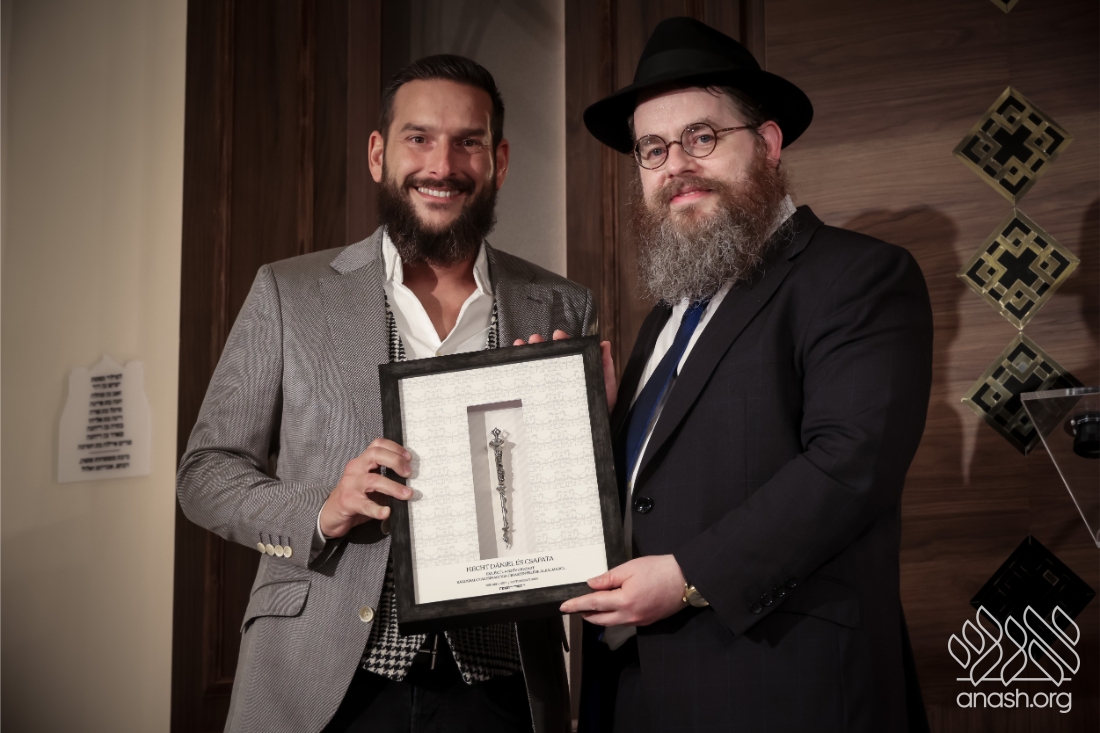
The restored shul has been named Beis Sender and Rivka, in memory of the parents of philanthropist Igor Tulchinsky, who provided major support for the project.
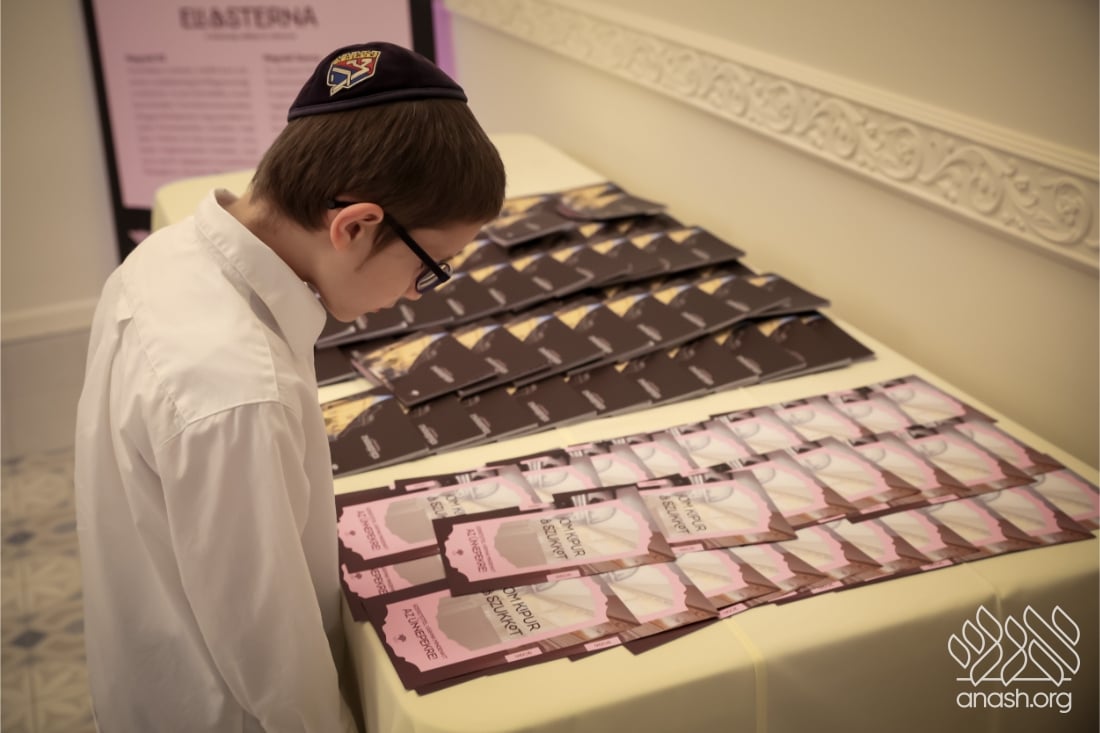
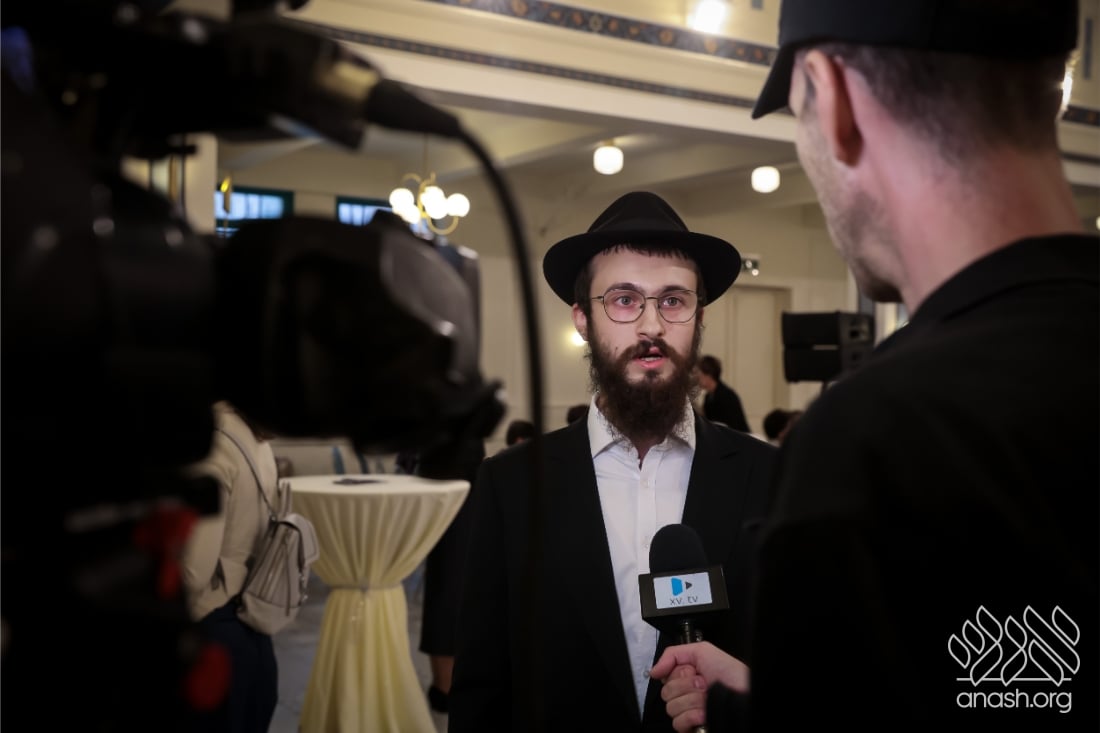
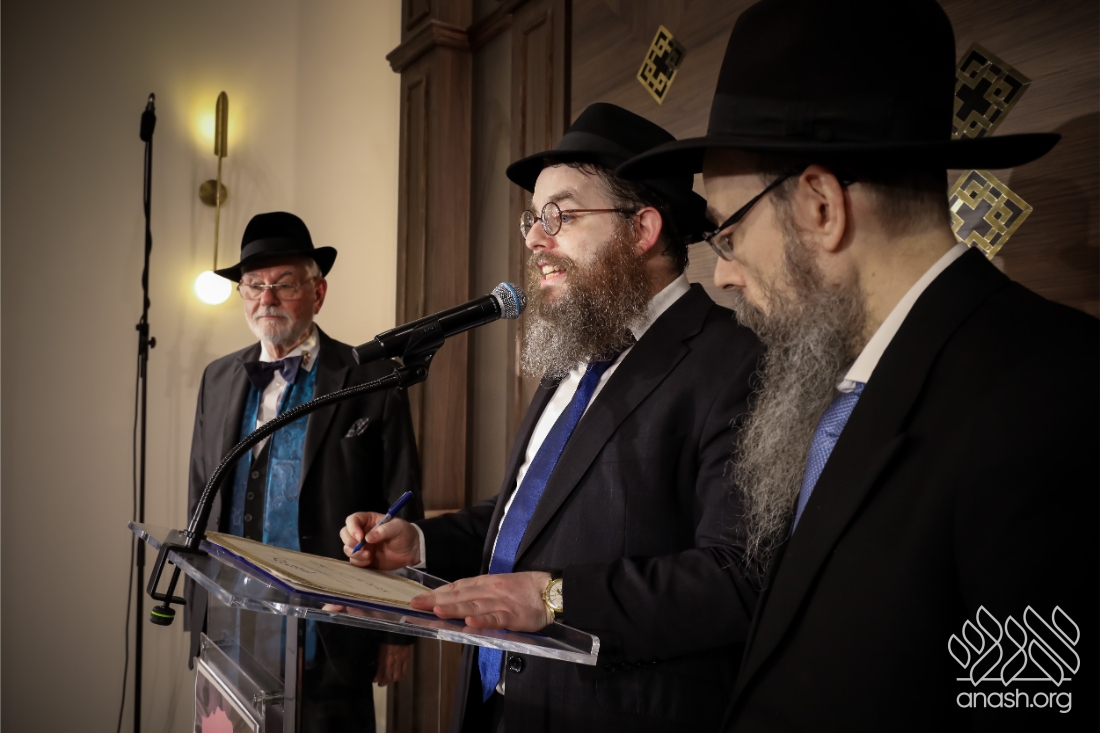
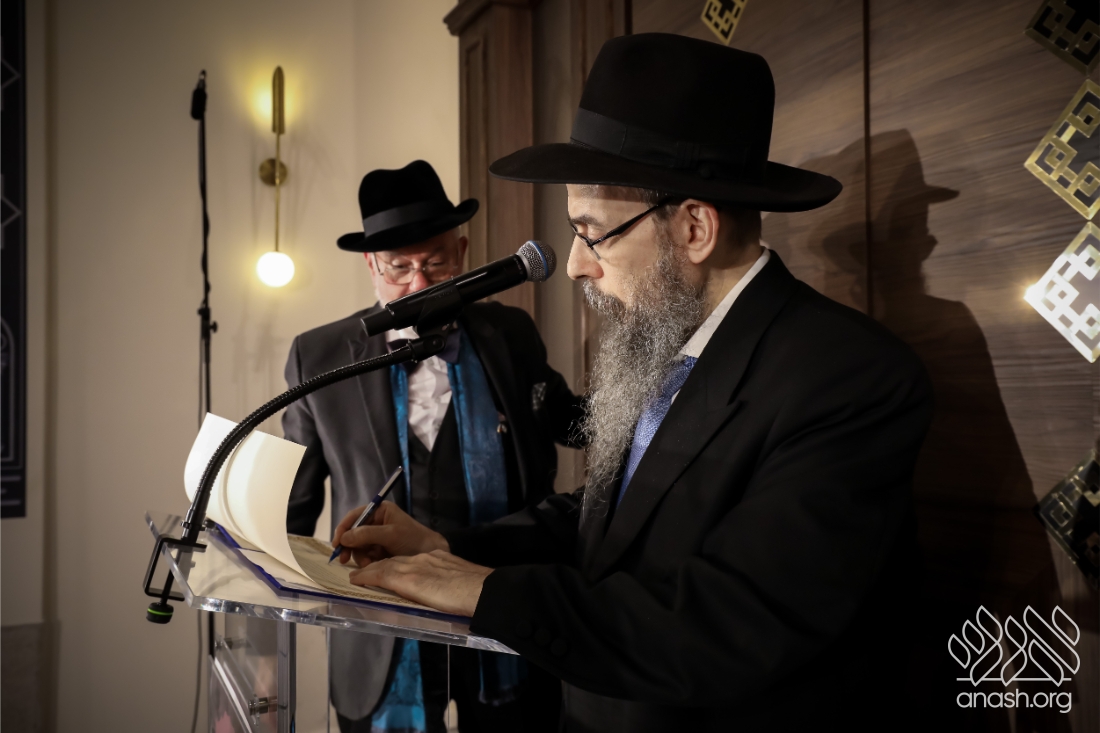
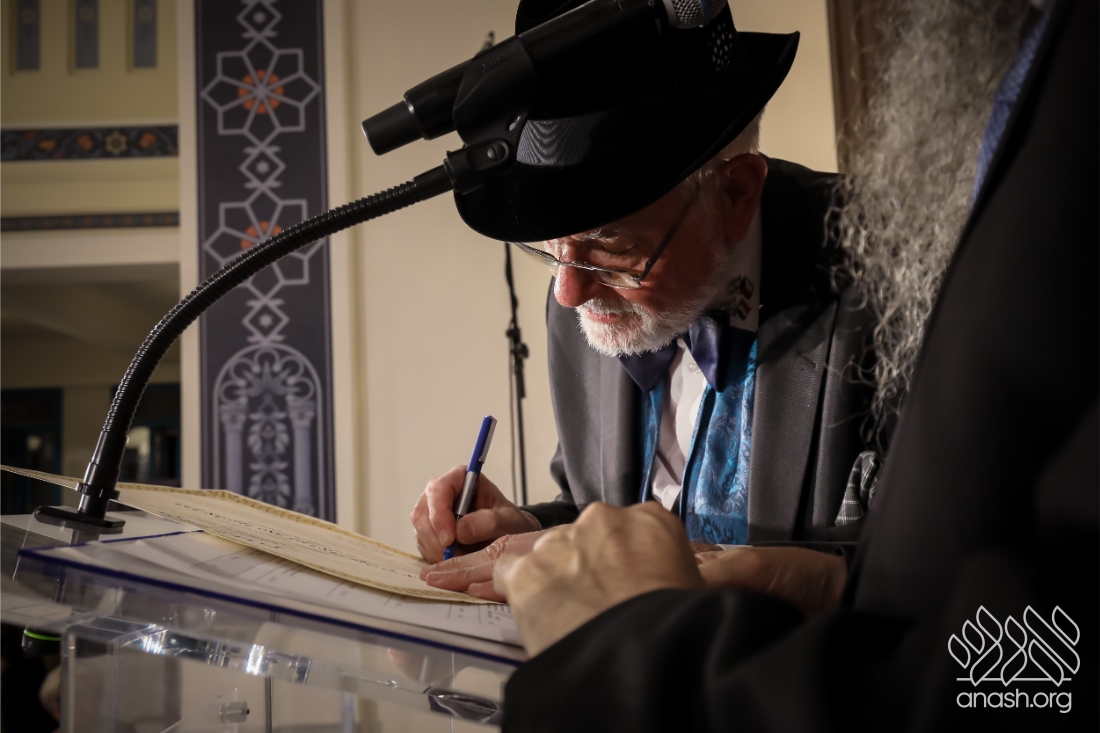
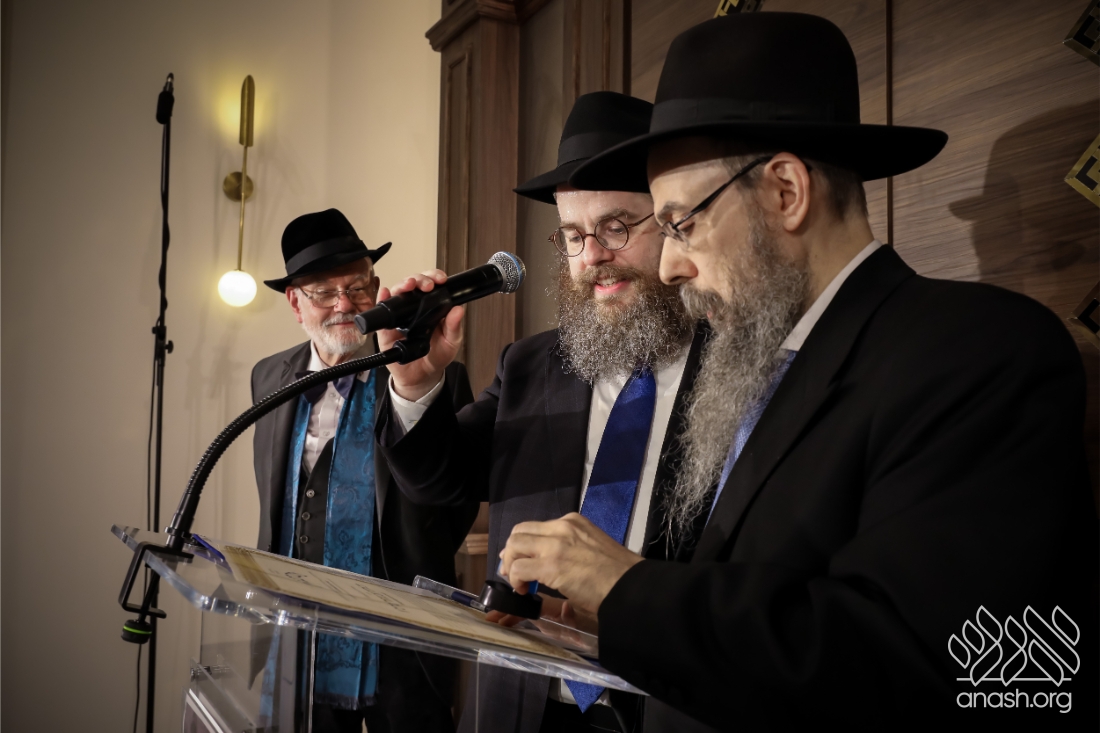
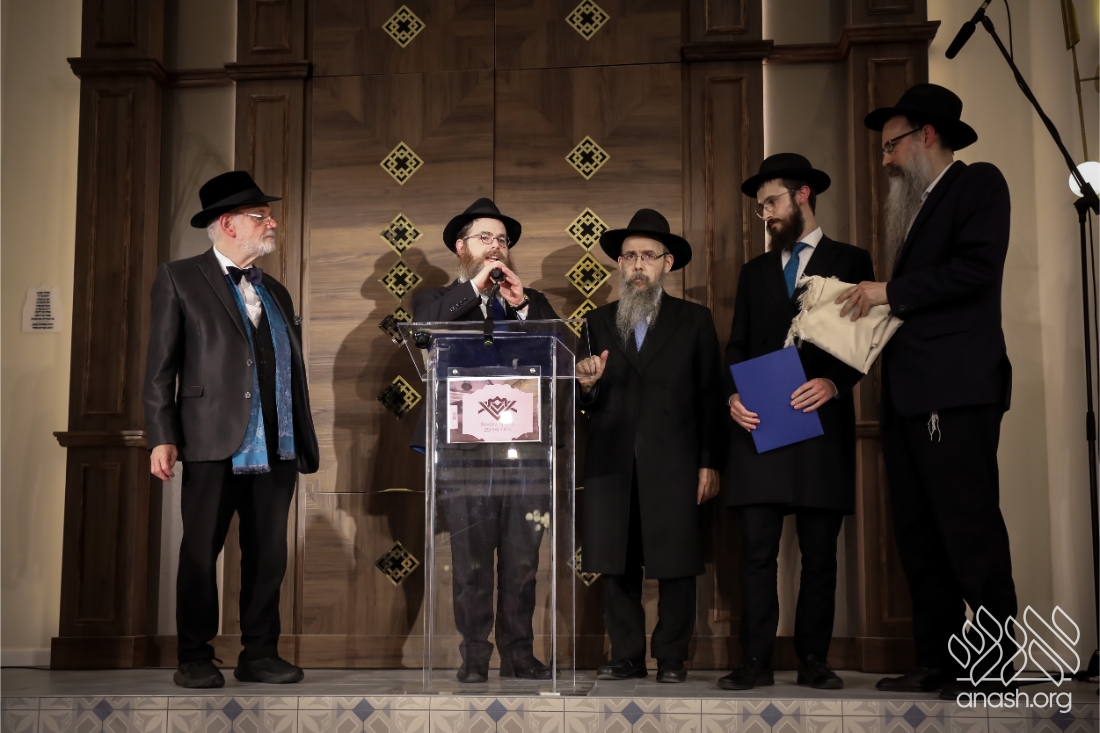
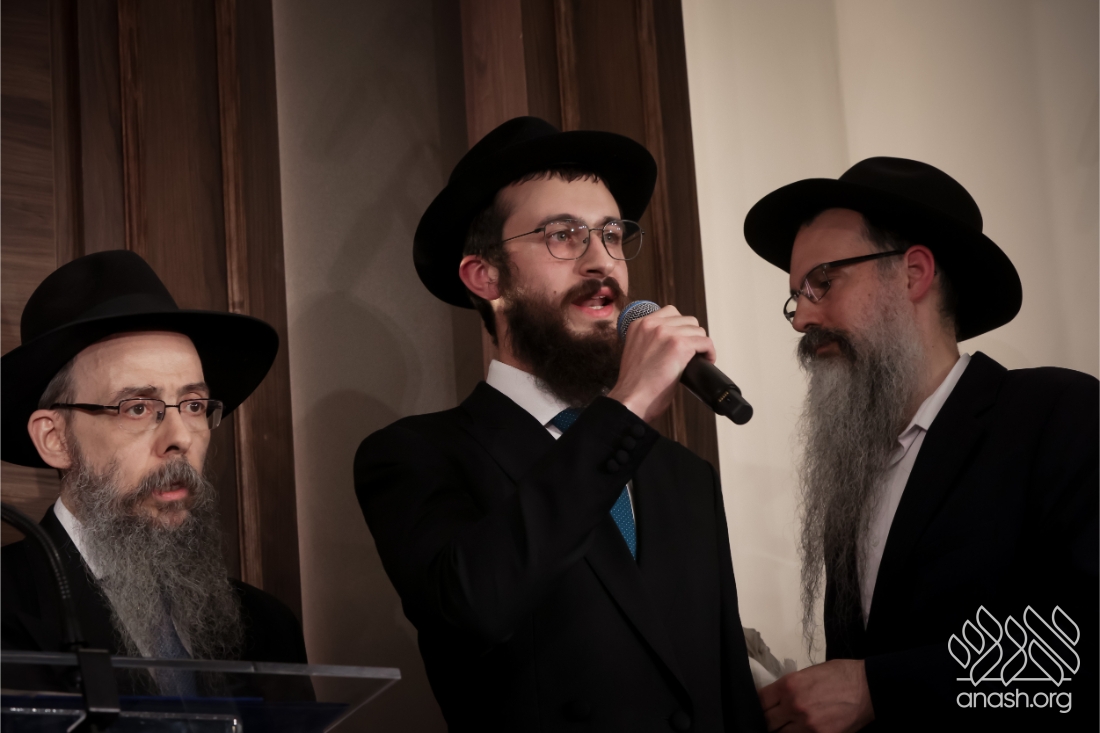
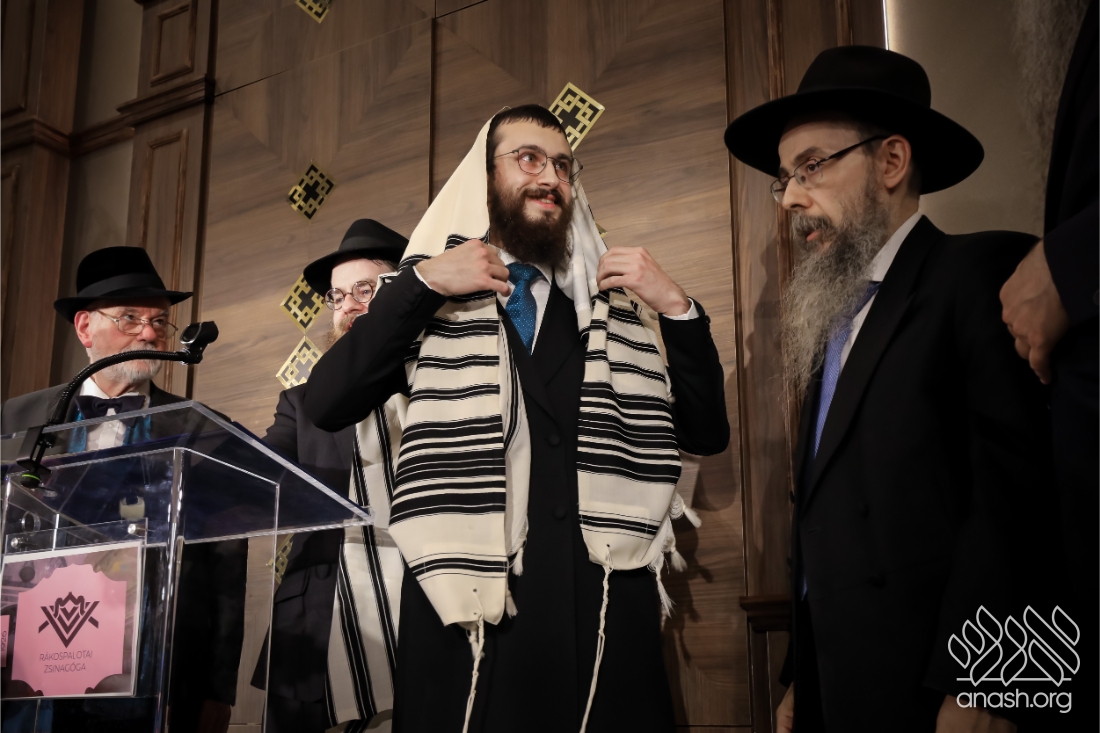
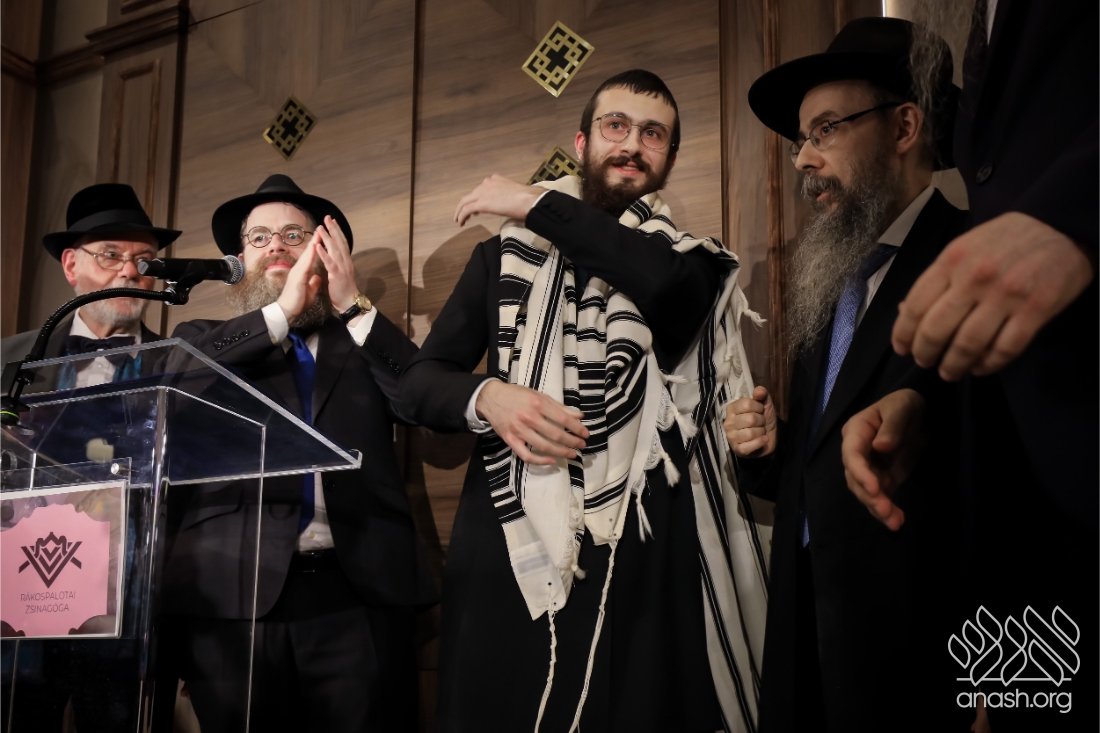
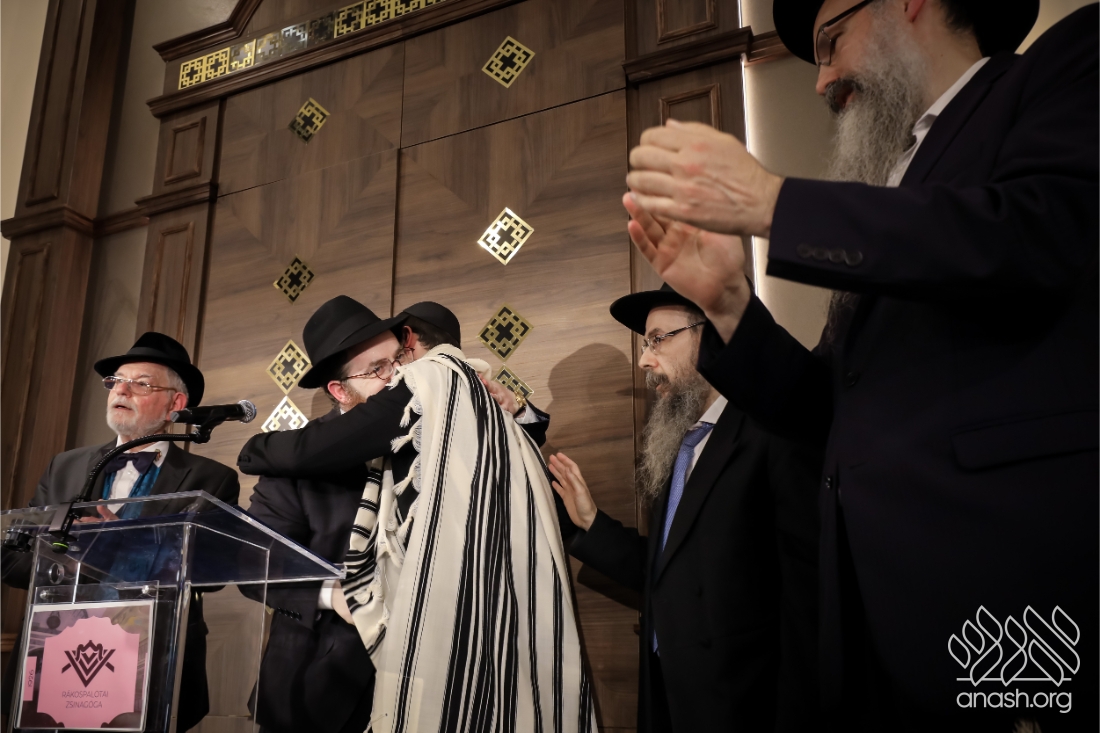
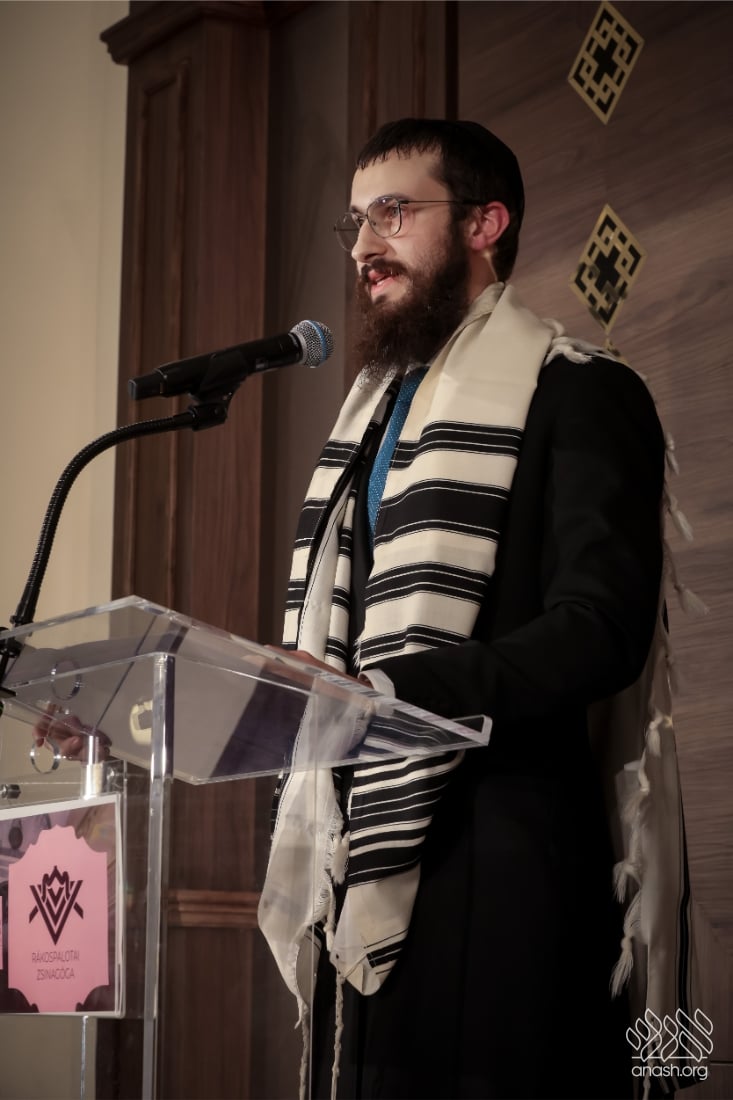
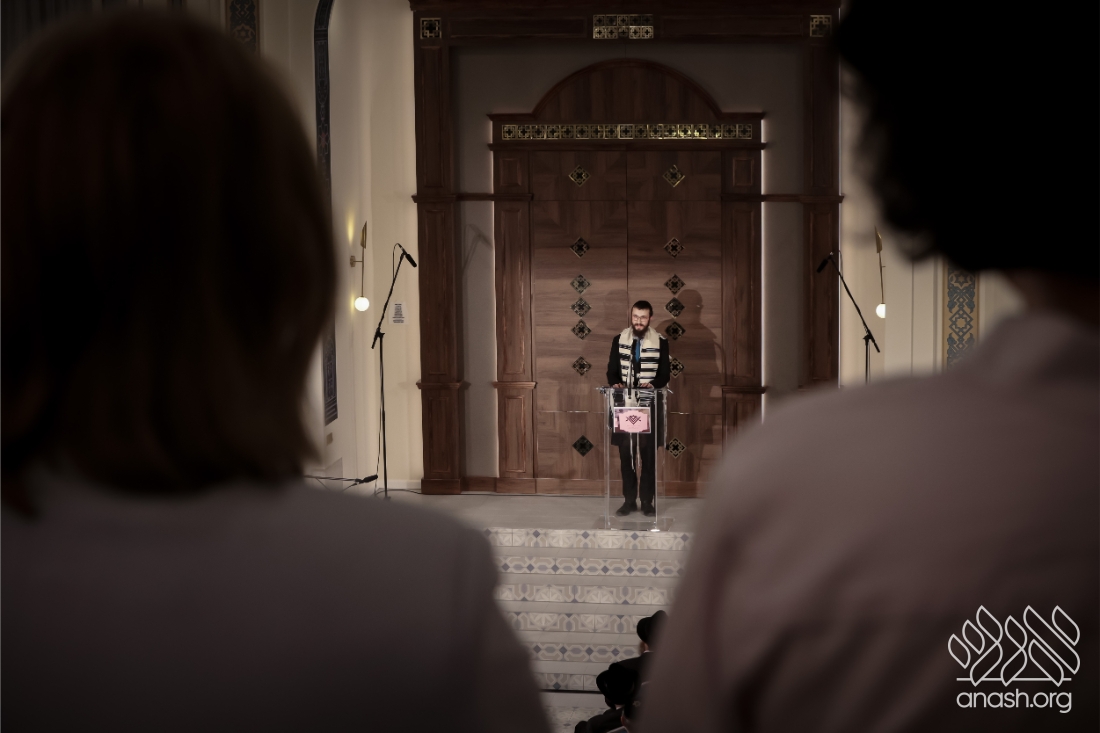
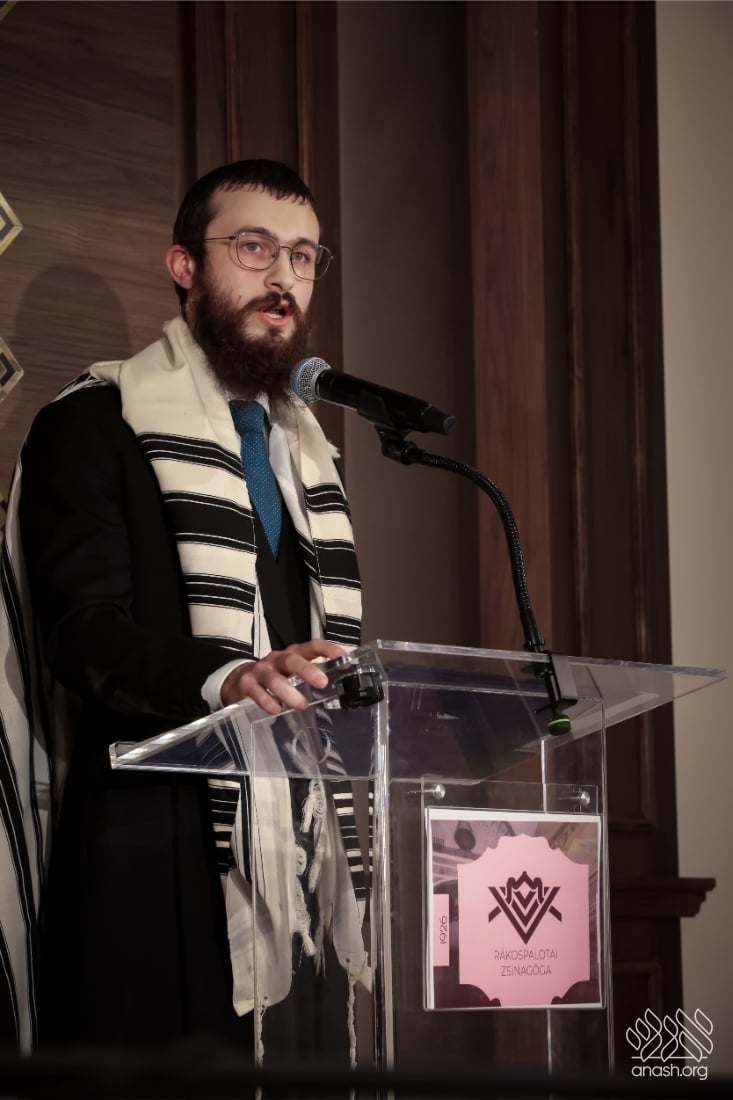
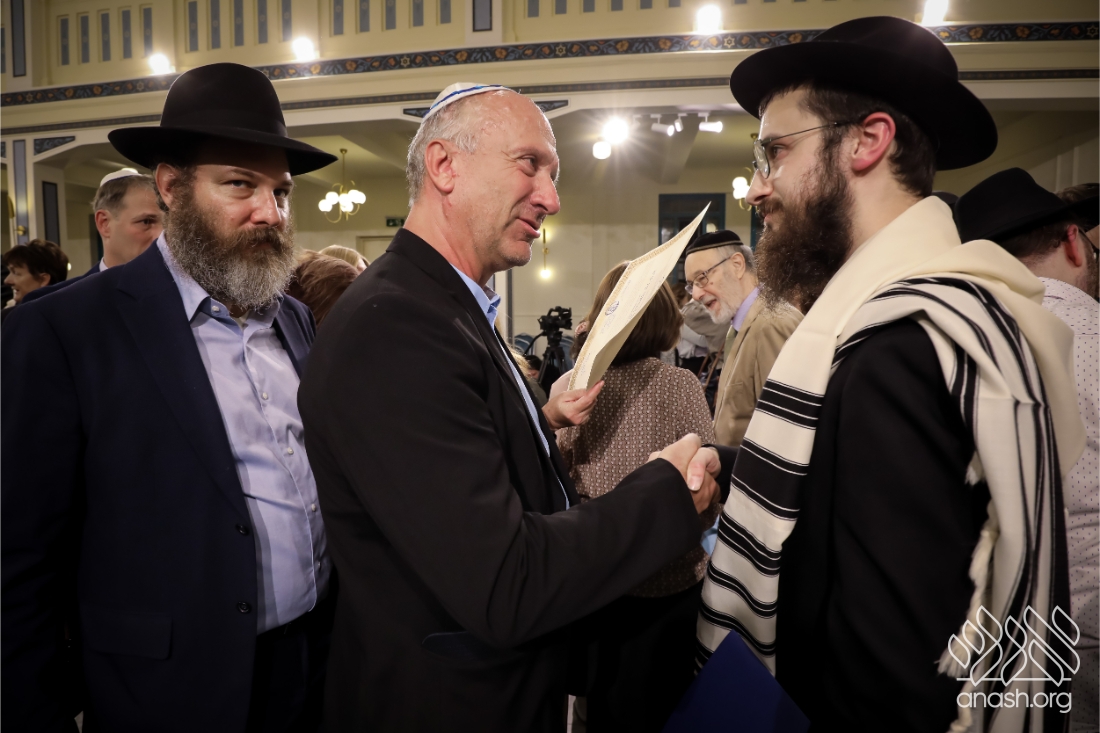
A particularly striking moment at the dedication was the hachtarah of Rabbi Eli Nógrádi, 25, as rov of the reestablished Rákospalota community. Together with his wife Sterna, he will work to develop regular tefillos and Jewish programming for Jews living in the district and nearby neighborhoods.
Rabbi Nógrádi’s connection to the shul began long before he knew he would one day serve there. When he was nine years old, the Köves family gave him an old Jewish calendar dating from 1926-1927. Years later, he discovered that it had originally been printed for the Rákospalota shul in the very year the building first opened.
One hundred years after that calendar was printed, Rabbi Nógrádi stood inside the restored shul as its new rov.
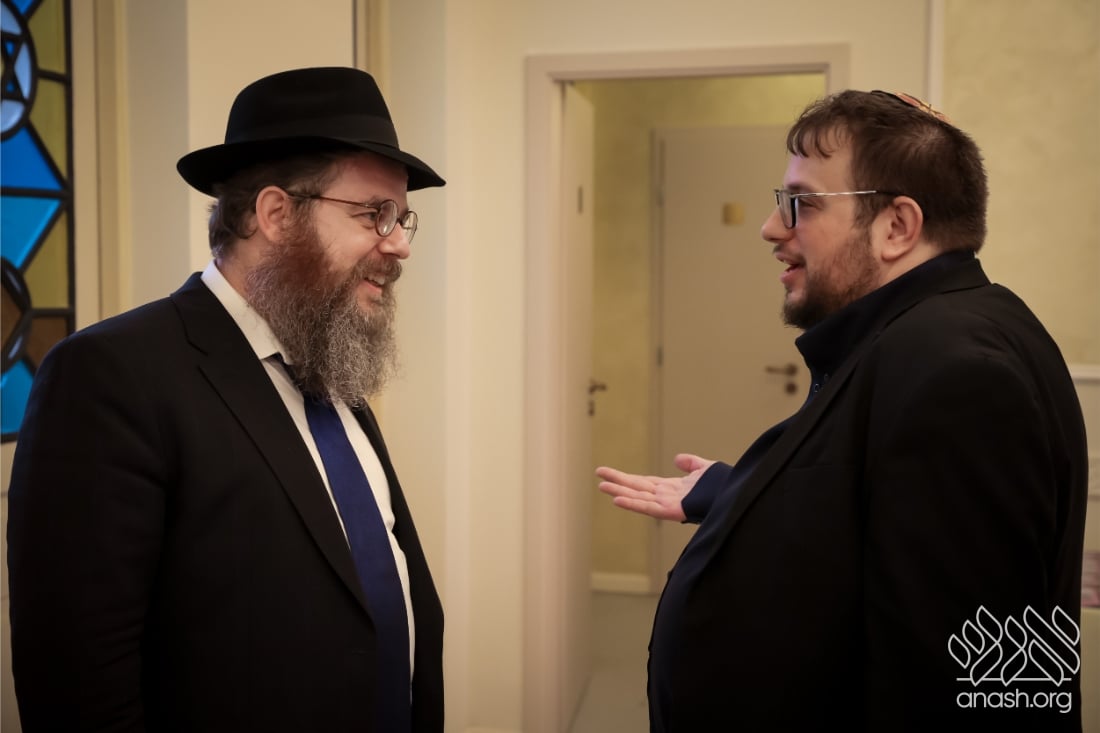
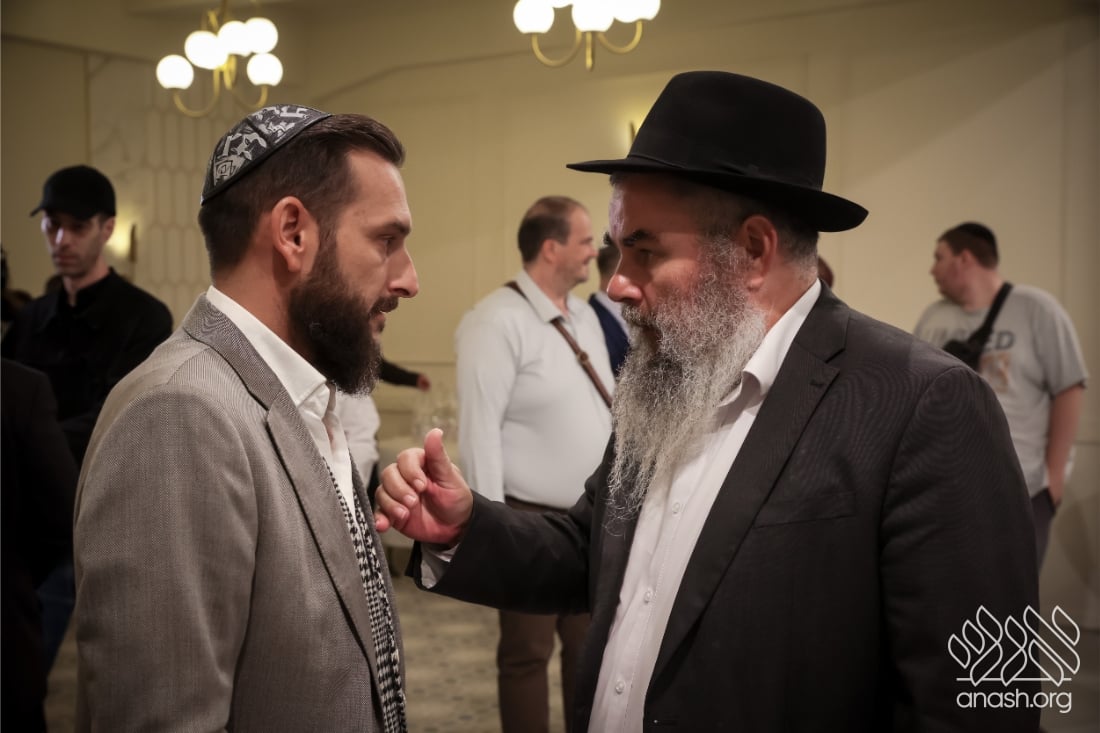
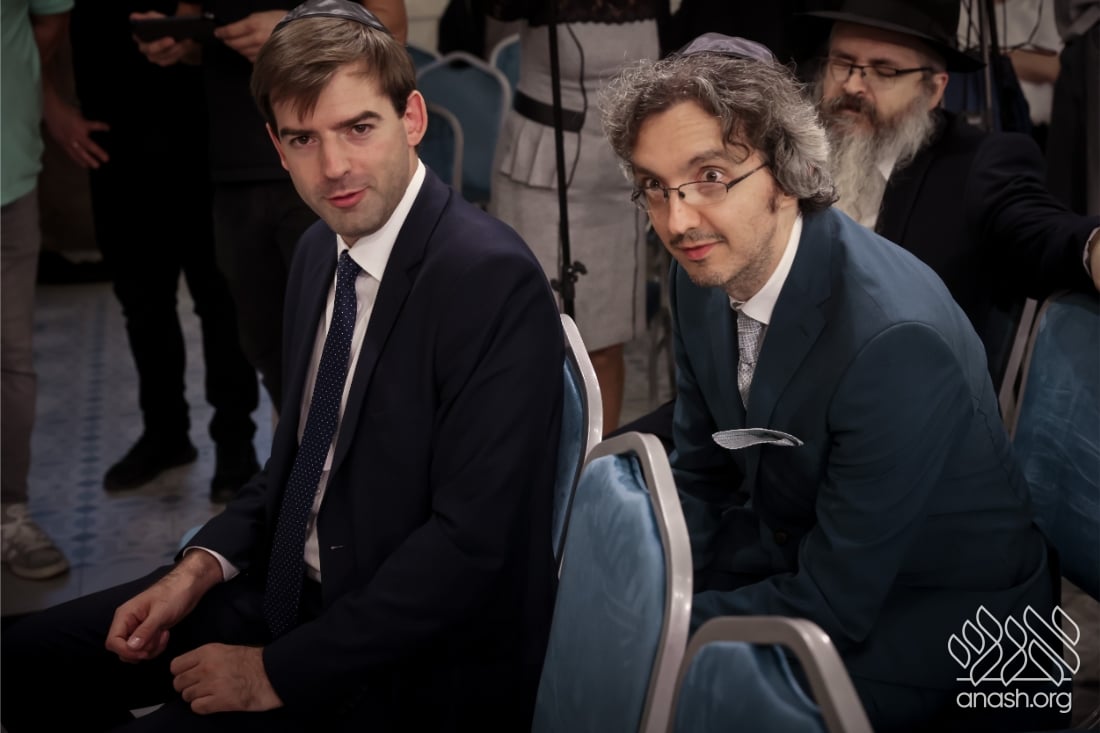
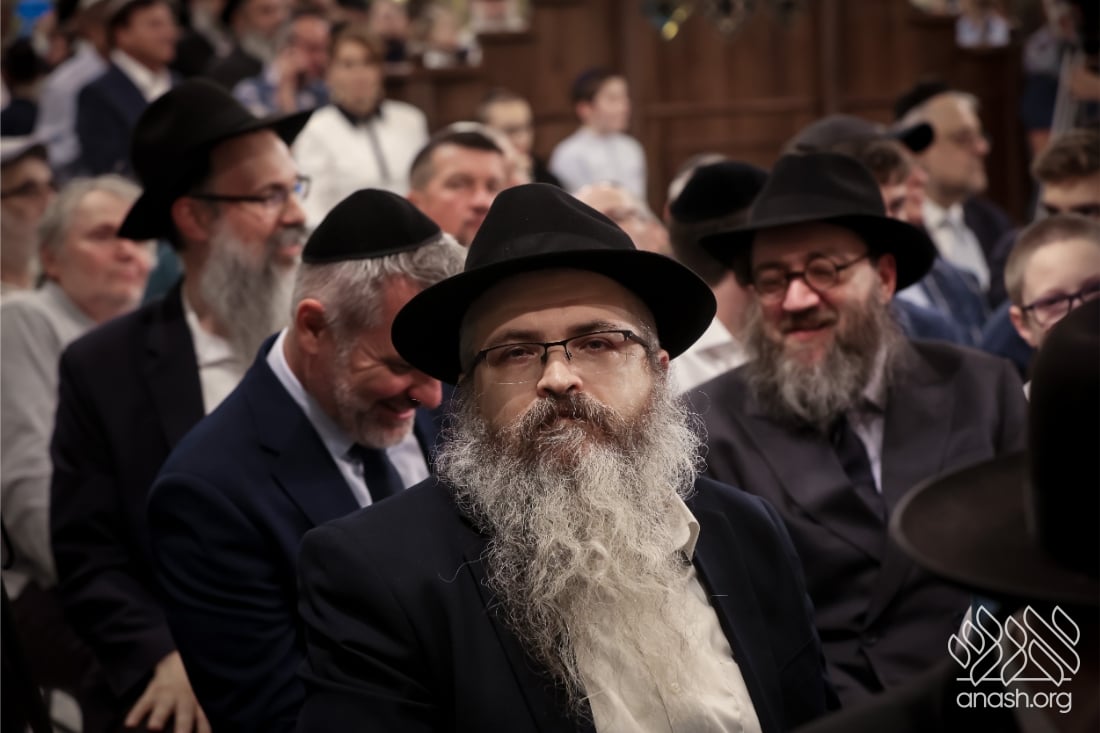
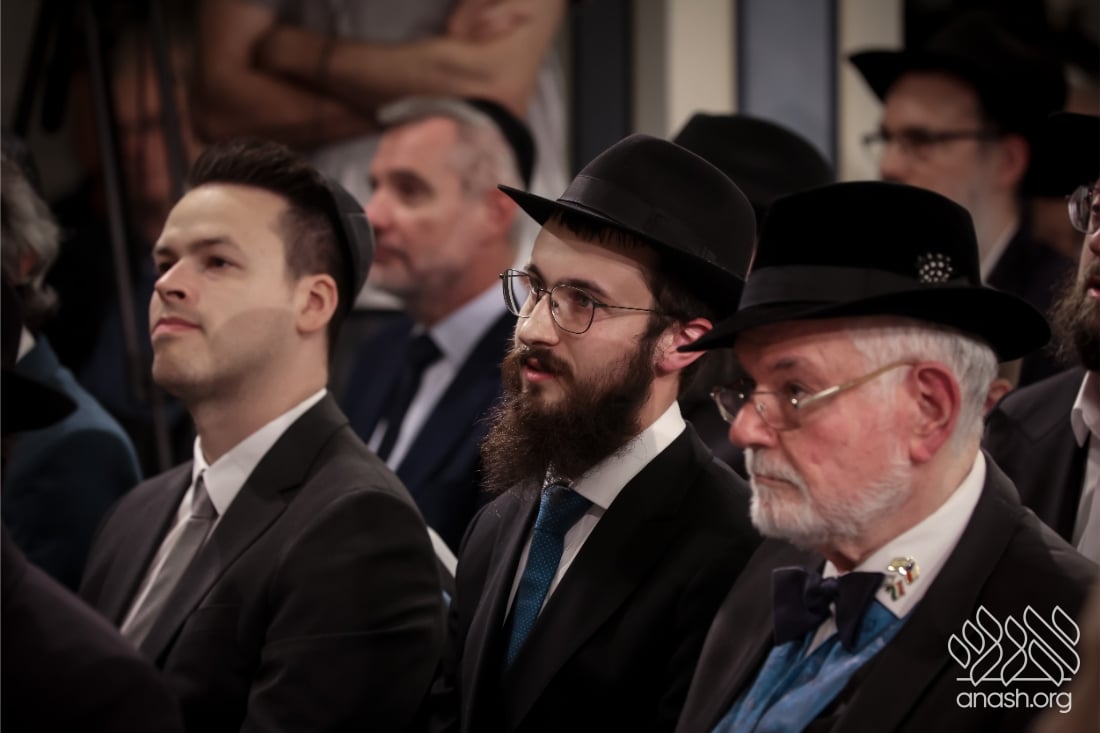
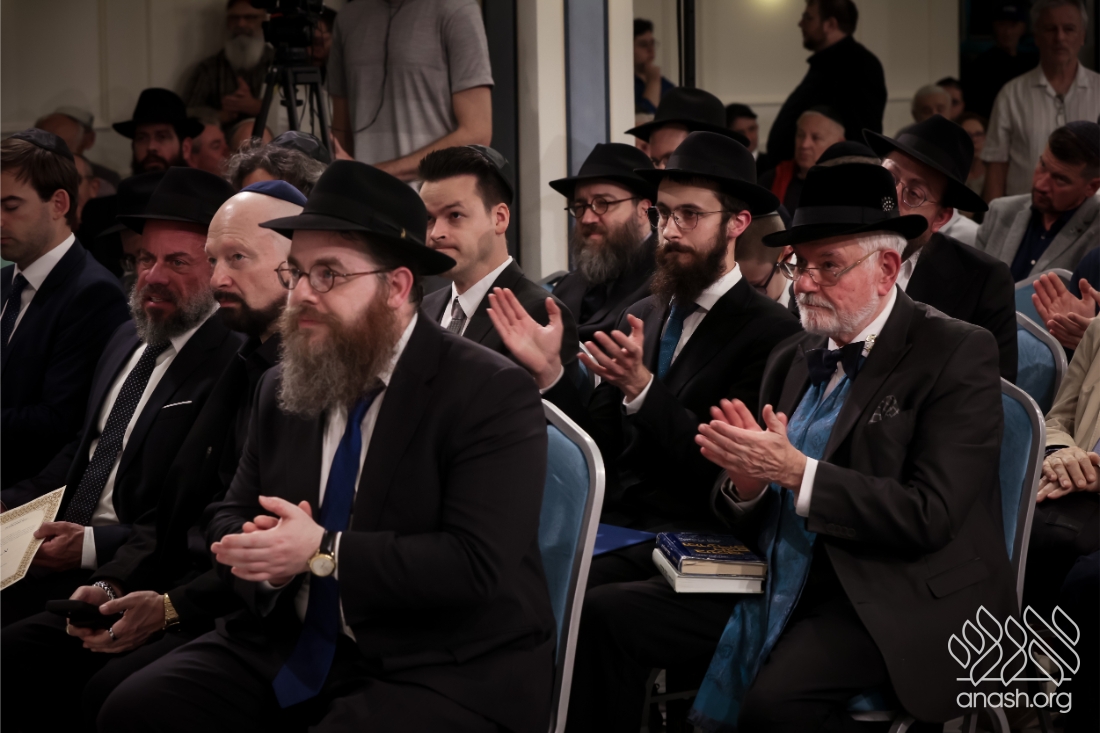
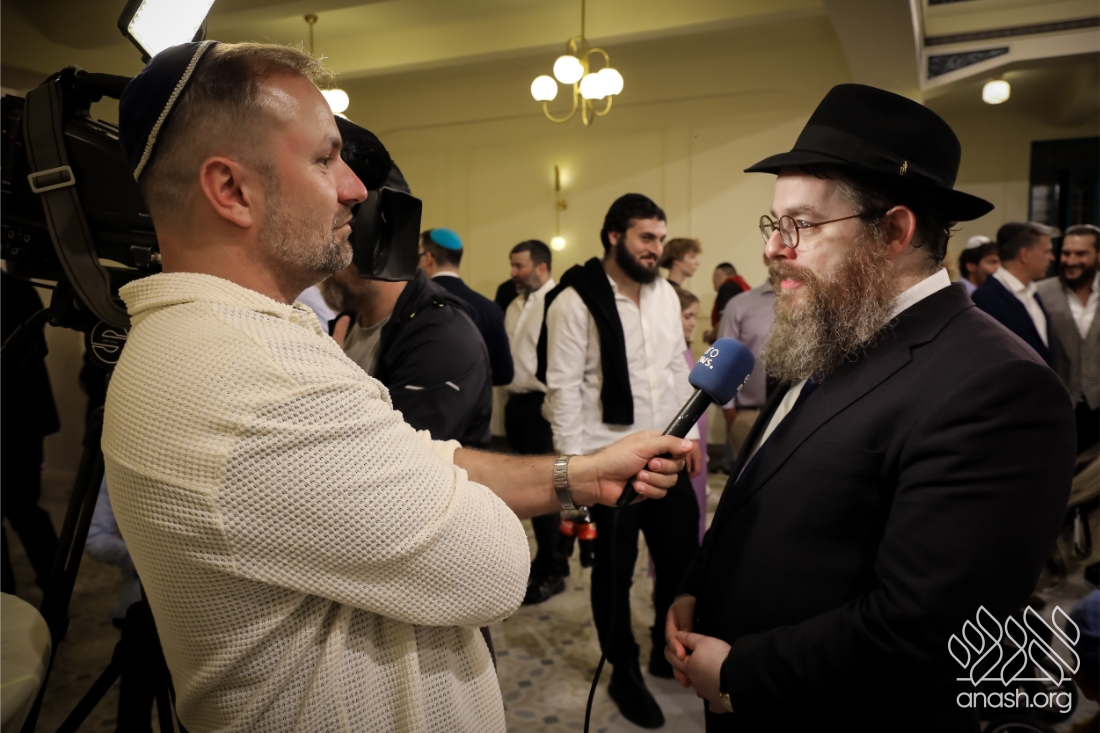
Rabbi Baruch Oberlander, head shliach to Hungary and rov and av beis din of Budapest, joined the dedication together with other shluchim and rabbonim. Descendants of Rabbi Duschinsky also traveled from Eretz Yisroel and elsewhere to take part in the reopening of the shul built under their ancestor’s leadership.
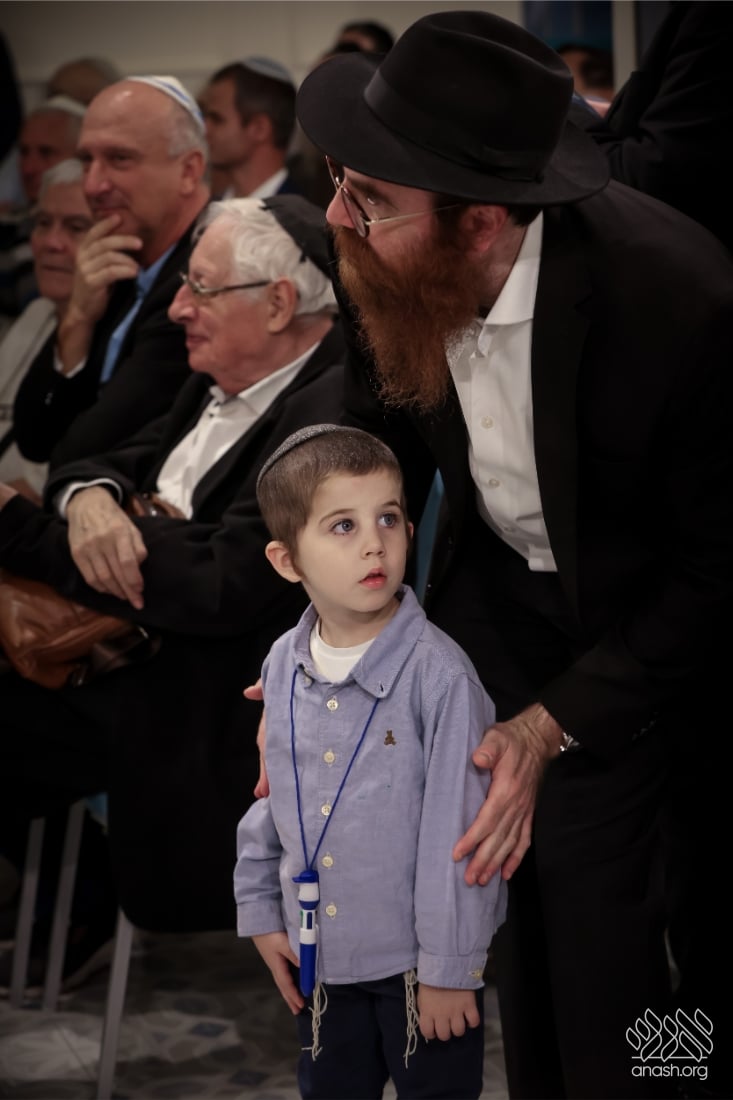
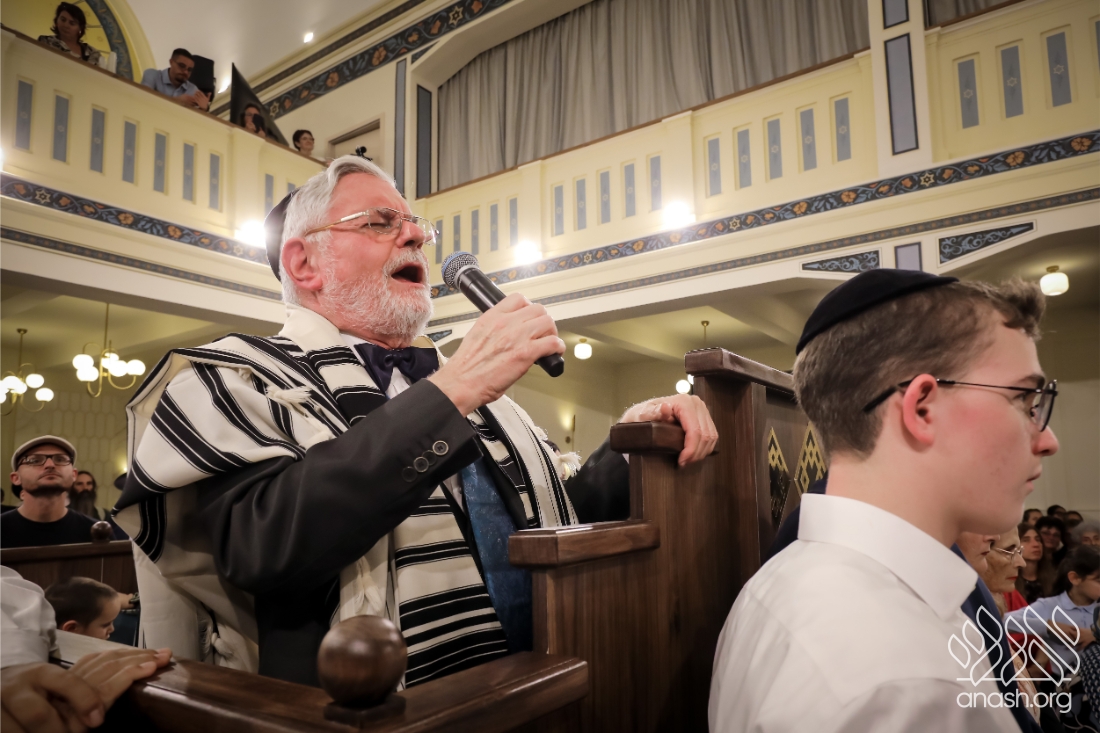
Within days of the dedication, the building was serving its original purpose once again. On Yom Kippur, Jews from Rákospalota and the surrounding area came through its doors for the tefillos of the holy day, davening once more beneath the high ceiling of the century-old shul.




 COMMENTS


We appreciate your feedback. If you have any additional information to contribute to this article, it will be added below.