



י״ג אלול ה׳תשפ״ו | August 26, 2026
Scammer Posing as Chabad Fundraiser Targets Lubavitchers
A scammer posing as a fundraiser for well-known Chabad mosdos has been targeting shluchim, using familiar Lubavitch terminology and a convincing manner of speech to gain their trust before obtaining credit card information and attempting to trick them into sending him money.
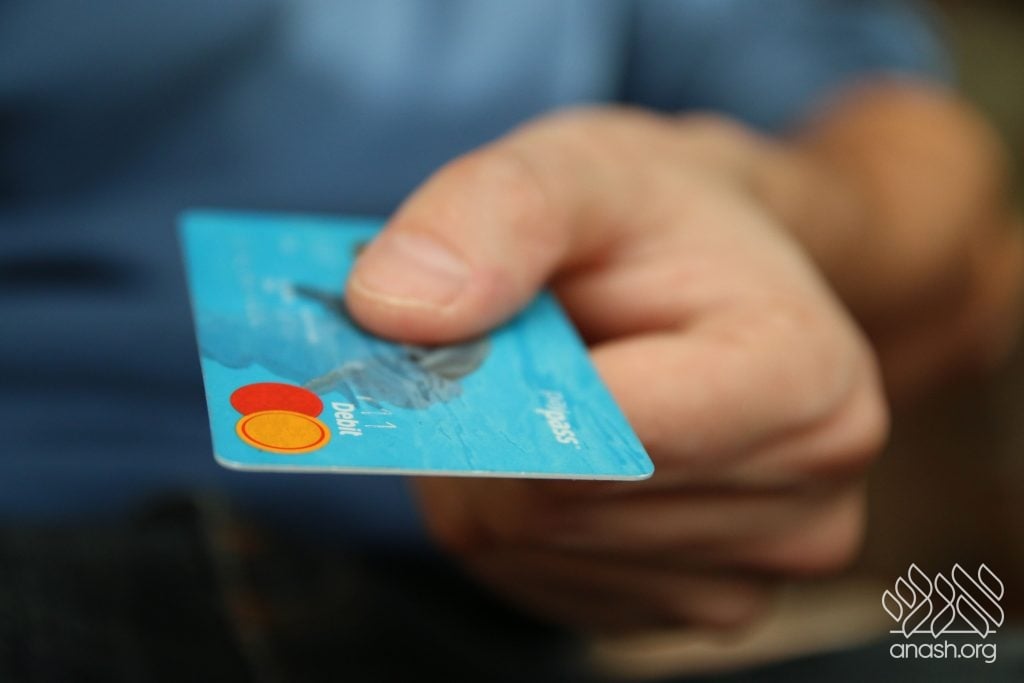
A scammer posing as a fundraiser for well-known Chabad mosdos has been targeting shluchim, using familiar Lubavitch terminology and a convincing manner of speech to gain their trust before obtaining credit card information and attempting to trick them into sending him money.
In one recent case, a shliach received a call from someone asking him to donate to a well-known Lubavitch mosad. Although he had no particular connection to the institution, he agreed to contribute and asked the caller to send him a donation link.
The caller claimed that the link was temporarily unavailable, said he was sitting in the mosad’s office, and explained that the money was urgently needed before the new zman. He then asked the shliach to provide his credit card information directly.
The shliach provided a card number. The caller then claimed that the card was not working and asked for a second card, which the shliach also provided.
The caller identified himself as “Ari Drizin,” though the name was later found to be false. His familiarity with Lubavitch terminology and community life helped make the call appear genuine.
The caller then offered to make a donation to the shliach himself, claiming that he had earned money over the summer and wanted to contribute to the shliach’s activities.
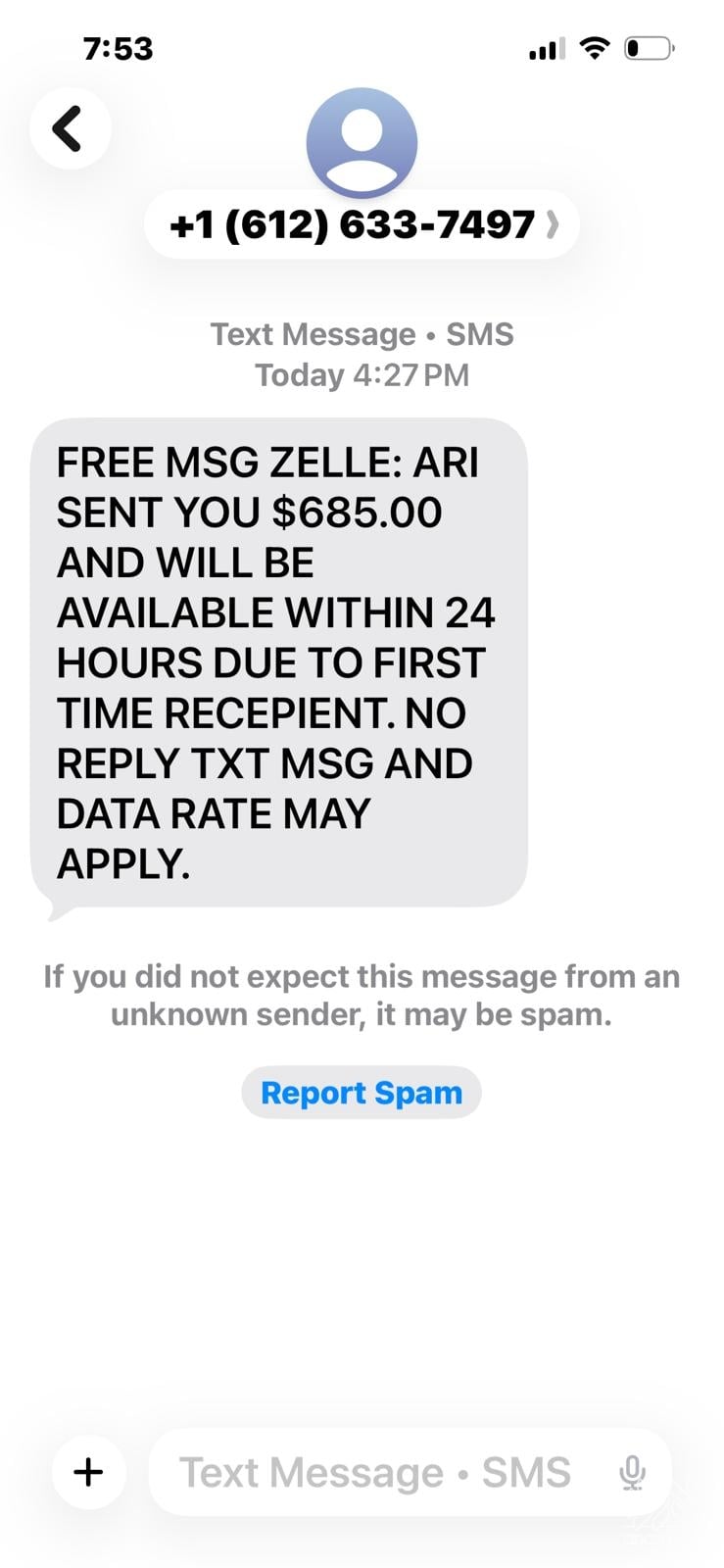
The shliach initially declined, but the caller insisted. Shortly afterward, the shliach received what appeared to be a Zelle notification stating that $685 had been sent to him, but that the funds would not become available for another 24 hours.
Almost immediately, the caller phoned back and claimed that he had mistakenly sent too much. He said he had intended to send only $400 and asked the shliach to immediately return the remaining $285.
By then, the shliach had become suspicious.
“When the money comes in, I’ll send it back,” he told the caller.
The caller pressed him to send the money immediately, claiming that he needed it for a car payment. The shliach refused to send anything until the supposed payment actually appeared in his account, and the caller hung up.
The shliach then contacted the head of the mosad directly and confirmed that the caller had no connection to the institution and was not collecting money on its behalf.
The scammer has also been using a different approach. The caller claims that he is stranded after losing his wallet and tells a shliach that he will send him money through Zelle if the shliach sends money back through another payment service. The recipient then receives what appears to be confirmation that the Zelle payment was sent but will only become available after 24 hours, while the caller pressures him to send the money immediately.
The name “Ari Drizin” is not the caller’s real name, and the mosad whose name is invoked has no connection to the scam. Different institutions or stories may be used to make the request appear legitimate.
Shluchim and other Anash should verify unexpected fundraising requests directly with the mosad through a known contact or official number before providing credit card information or sending money.
 COMMENTS


The correct spelling is RECIPIENT, zelle wouldn’t make such a typo
Another raya indeed.
Zelle does not take 24 hours even to first time recipients. No more than a few minutes. So that itself is a warning sign.