




כ״ה תשרי ה׳תשפ״ז | October 5, 2026
The Romanian Rebbe Who Was Reb Mendel’s Dear Friend
The Ribnitzer Rebbe, Harav Chaim Zanvil Abramowitz, was one of the great mesirus nefesh figures of Soviet Jewry. A renowned tzaddik and baal mofes, he shared a deep connection with the Rebbe, and a close friendship with Reb Mendel Futerfas.
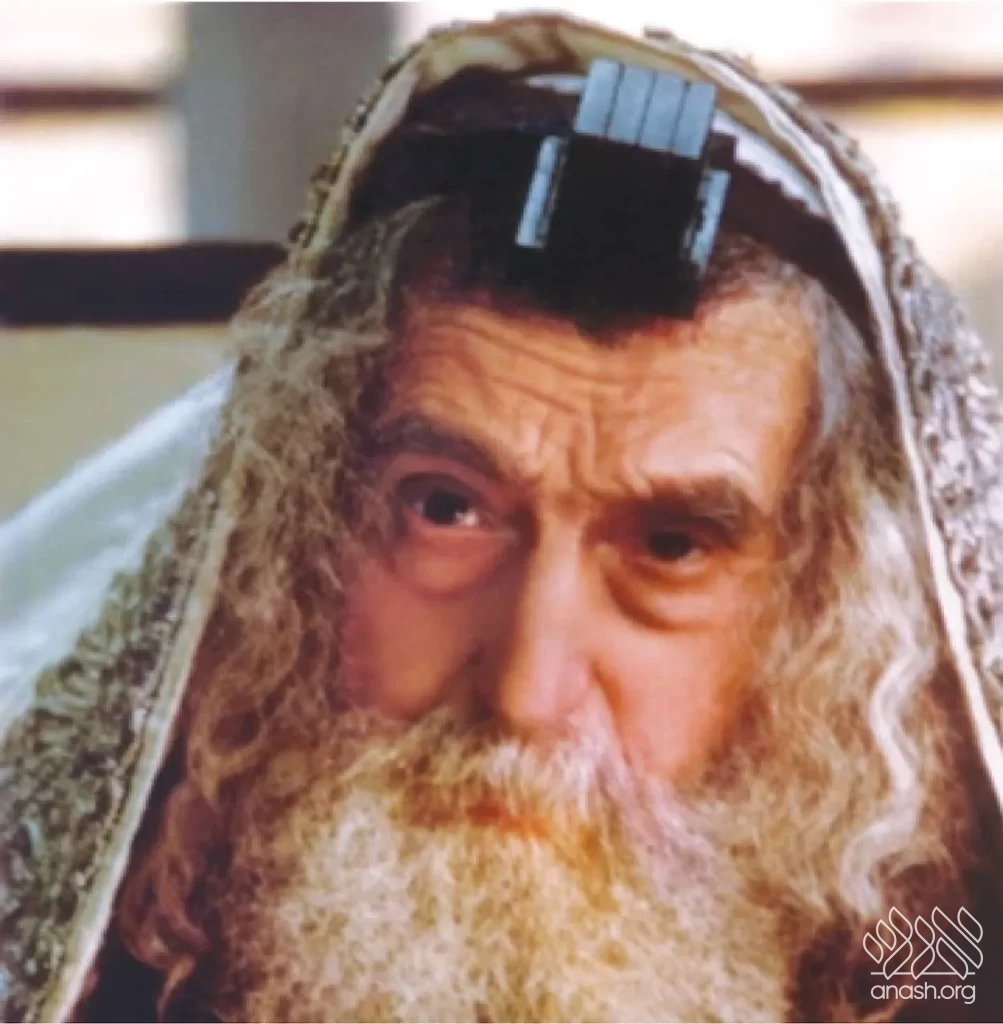
24 Tishrei is the yahrtzeit of Harav Chaim Zanvil Abramowitz, the Ribnitzer Rebbe, one of the great mesirus nefesh figures of Soviet Jewry. A renowned baal mofes, he had a deep relationship with the Rebbe and warm ties with Chabad chassidim, and was especially close with his friend Reb Mendel Futerfas.
Born in Botosani, Romania, in 5658 (1898) or 5662 (1902), he lost his father at two and a half and was raised in the home of the Stefanesti Rebbe. The Stefanesti Rebbe had been said to have gifted him the power of ruach hakodesh.
After the war, he remained in the Soviet Union and served as Rebbe in Ribnitza. Together with Reb Mendel Futerfas, he served as a mohel and shochet at great personal risk.
The KGB kept him under constant watch, yet he was saved time and again. He was known for his uncompromising avodas Hashem, including tevilah in icy mikvaos, extremely long Tikkun Chatzos, and fasting for most of his life.
He left the Soviet Union in 5733 and went to Eretz Yisroel, then moved to the United States in 5734, where he lived in Los Angeles, Crown Heights, Seagate, and Monsey. He passed away in Monsey on Isru Chag Sukkos 5756 and is buried there.
Throughout the years the Ribnitzer Rebbe was in Russia, it is said that the Rebbe instructed chassidim that if they had questions and couldn’t reach him, they should ask the Ribnitzer Rebbe. This is similar to what the Frierdiker Rebbe said when the Otwock talmidim were in Shanghai, that if they had a question they couldn’t bring to him, they should ask the Amshinover Rebbe.
While still in Russia, the Ribnitzer received a Siddur Tehillas Hashem from the Rebbe, and he said Tehillim from it every day after Shacharis. He took it everywhere. Once it was left behind at a medical facility, and his attendant asked whether to go back for it. The Ribnitzer said it wasn’t necessary, because “it will come back to us.”
Some time later, the attendant’s wife was treated at the same facility, and a non-Jewish nurse handed her a Jewish siddur that had been found there. It was returned to the Ribnitzer, who was overjoyed.
On 26 Sivan 5734, soon after arriving in the United States, the Ribnitzer entered for a yechidus with the Rebbe. They spoke about the situation of Russian Jewry and ways to help them leave. The yechidus lasted about two hours. Midway, the Rebbe’s secretary, Rabbi Leibel Groner, entered to note that the Ribnitzer was fasting and needed to eat. Afterward, the Rebbe told the Ribnitzer’s chassidim they needed to make sure he ate.
Later, in Boro Park, the Ribnitzer said: “Ich hob doch gehat a sach chayus, men hot gekent opsitzen a sach lenger.” He had experienced such spiritual vitality that he could have stayed much longer.
A story is told from Simchas Torah 5738/1977, when the Ribnitzer was in Los Angeles. In the middle of Hakafos, the Ribnitzer stopped and announced that they would make a break. He walked into his room and remained there for a few hours. People waited, but most eventually left, and only about a minyan remained.
When it was already light outside, the Ribnitzer came out and told those gathered: “I was notified that something happened to the Rebbe. So I locked myself in and worked to see what I could do, and then I saw there was a yeshuah.”
That Simchas Torah was when the Rebbe suffered his heart attack.
In 5750, at “dollars,” a Poilisher chossid told the Rebbe he had been by the Ribnitzer for the last day of Pesach, at a stirring tish where the Ribnitzer had cried. The Rebbe asked what point he took from it. When chossid had no answer, the Rebbe said: “May Hashem help that the ‘point’ of the Haftorah be fulfilled, ‘Veyatza choter migeza Yishai,’ and the true and complete Geulah comes immediately. And next time, make sure to take a point from there regarding maaseh b’poel.”
In 5752, when the Ribnitzer’s attendant passed before the Rebbe at dollars and asked for a brocha for his rebbe’s health, the Rebbe responded with emotion: “He is a Yid of mesirus nefesh and a good advocate for Klal Yisroel!”
 COMMENTS


More about him in the Book Samarkand in the Reb Mendel chapter