




ג׳ מרחשון ה׳תשפ״ז | October 14, 2026
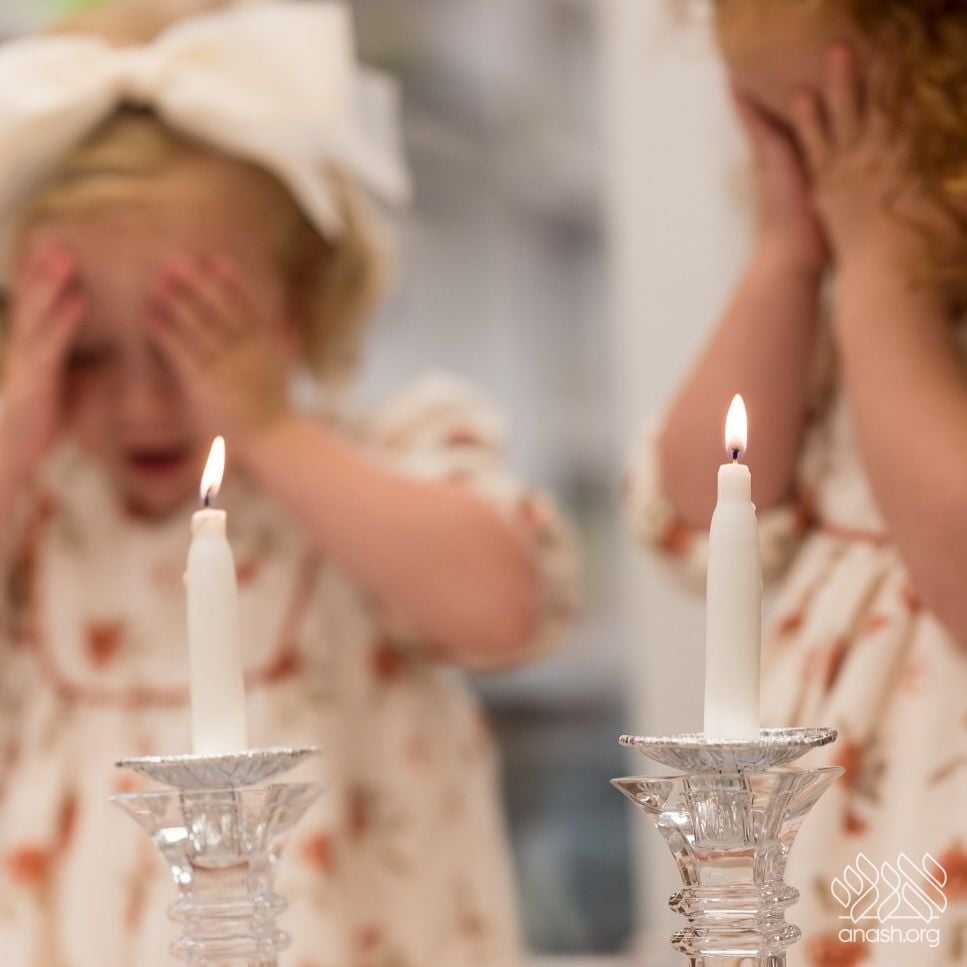
Girls Lighting Shabbos Candles
Ask the Rov: What is the halachic basis for a girl to light her own candle with a bracha? Rabbi Chaim Hillel Raskin responds.
What is the halachic basis for a girl to light her own candle with a bracha?
Chazal instituted that every home have a candle burning on Shabbos, and gave the mitzvah primarily to the woman of the house. In 5734, the Rebbe called on Jewish girls everywhere to light with a bracha from the age of chinuch.1 The Rebbe urged that every effort be made to spread this practice since the world needs much more light today and this will near people to Hashem.2
When some raised the concern of a bracha levatala, since the mother of the house is already lighting, the Rebbe responded to the claims and pointed out that this had been the widespread custom and only lapsed because of poverty and shortages of candles.3
Shulchan Aruch writes that the woman’s lighting and bracha cover her husband, her children, and guests supported by her (but not others eating their own food at the same table).4 A daughter eating at her parents’ table is part of the household and covered by their candles, so she can seemingly not make a bracha there.
The Alter Rebbe quotes a dissenting view that household members are themselves obligated by arvus, responsibility to see to it that the homeowner lights up the space, and one obligated by arvus may make a bracha no less than one obligated in his own right.5 The Alter Rebbe notes that the minhag has spread accordingly.6
Indeed, the minhag for girls to light was upheld in Beis Harav,7 as well as in Brisk, Ger, Belz, Tzanz, Bobov, Vishnitz, Ruzhin, Sadigura, Tchernobil, and Rachmistrivka, the Karelitz family, and many others.8 The Aruch Hashulchan likewise records that girls make their own bracha even at their mother’s home, since women were charged with this mitzvah in particular.9
Ner Shabbos is an obligation on each person (chovas gavra), which is why a guest not supported at his host’s table must light or buy a share in the homeowner’s candles. The mother’s lighting exempts each family member’s personal obligation, and the daughter may have in mind not to be included and retain her own chiyuv.10 A girl who lights her own every week, it is as though she stipulated from the outset not to be included in her mother’s lighting.
Ideally, each should have her own candlestick, so that they are separate.11
See Sources (open PDF)
 COMMENTS


We appreciate your feedback. If you have any additional information to contribute to this article, it will be added below.