




י׳ אלול ה׳תשפ״ו | August 23, 2026
After 30 Years, Kfar Chabad Unveils Major Expansion Plan
After three decades with almost no new residential construction, Kfar Chabad is preparing for a historic expansion, with a major building plan that would bring approximately 600 new housing units to the Lubavitch village. Some, however, are raising concerns that the large-scale development could lead to a demographic shift and alter the unique chassidishe character of the village.
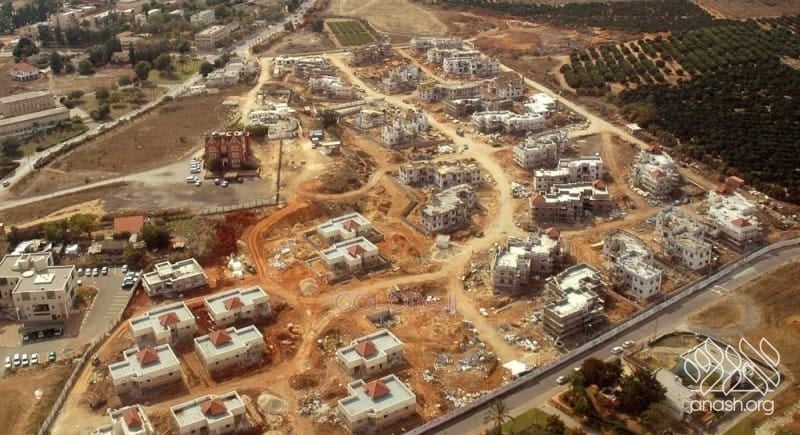
After three decades with almost no new residential construction, Kfar Chabad is preparing for a historic expansion, with a major building plan that would bring approximately 600 new housing units to the Lubavitch village.
The plan was developed following extensive work with the Ministry of Construction and Housing and has received approval from the Sdot Dan Regional Council.
For years, young Anash families in Eretz Yisroel looking to establish themselves in a Lubavitch community have faced a serious housing crisis. Apartment prices in Kfar Chabad have risen far beyond what many young couples and growing families can afford, while the lack of new construction has left very few options for the next generation.
The new plan includes approximately 600 housing units, to be built in stages in buildings of four to five stories. It also provides additional building rights throughout the older section of Kfar Chabad, as well as the development of approximately 60 dunam of land designated for commerce and employment, with the goal of creating additional business and employment opportunities for residents.
However, the plan has also raised serious concerns about the future character of the village.
Rabbi Meir Ashkenazi, Mara D’Asra of Kfar Chabad, has voiced strong concern that the large-scale expansion could significantly alter the village’s chassidishe and communal character and lead to a major demographic shift.
“My concern stems from deep worry for the spiritual and communal future of Kfar Chabad,” Rabbi Ashkenazi said. “The introduction of hundreds of new housing units at once, together with a complex marketing process, could lead to the entry of a population that doesn’t belong to the Lubavitch community. This could harm the special character of the village, which was built and established by the Rebbe from the outset as a center for Chassidus with a unique purpose and mission.”
Rabbi Ashkenazi also pointed to a legal issue underlying his concerns. Under current law, there is no mechanism requiring prospective buyers to pass through an acceptance committee or demonstrate a connection to the Lubavitch community before purchasing a home in the village.
“Once large-scale construction and marketing processes begin, Kfar Chabad may not have effective legal mechanisms in place to prevent outside parties from purchasing apartments,” he said. “This could lead to an irreversible change in the composition of the residents. There’s a real concern that rapidly advancing a building plan will create facts on the ground that can’t be reversed. The responsibility here isn’t only to provide an immediate housing solution, but to preserve the essence of Kfar Chabad for generations to come.”
 COMMENTS


We appreciate your feedback. If you have any additional information to contribute to this article, it will be added below.