




ט״ז סיון ה׳תשפ״ו | June 1, 2026
44 Years After Tanya Printing, IDF Recaptures Historic Lebanon Castle
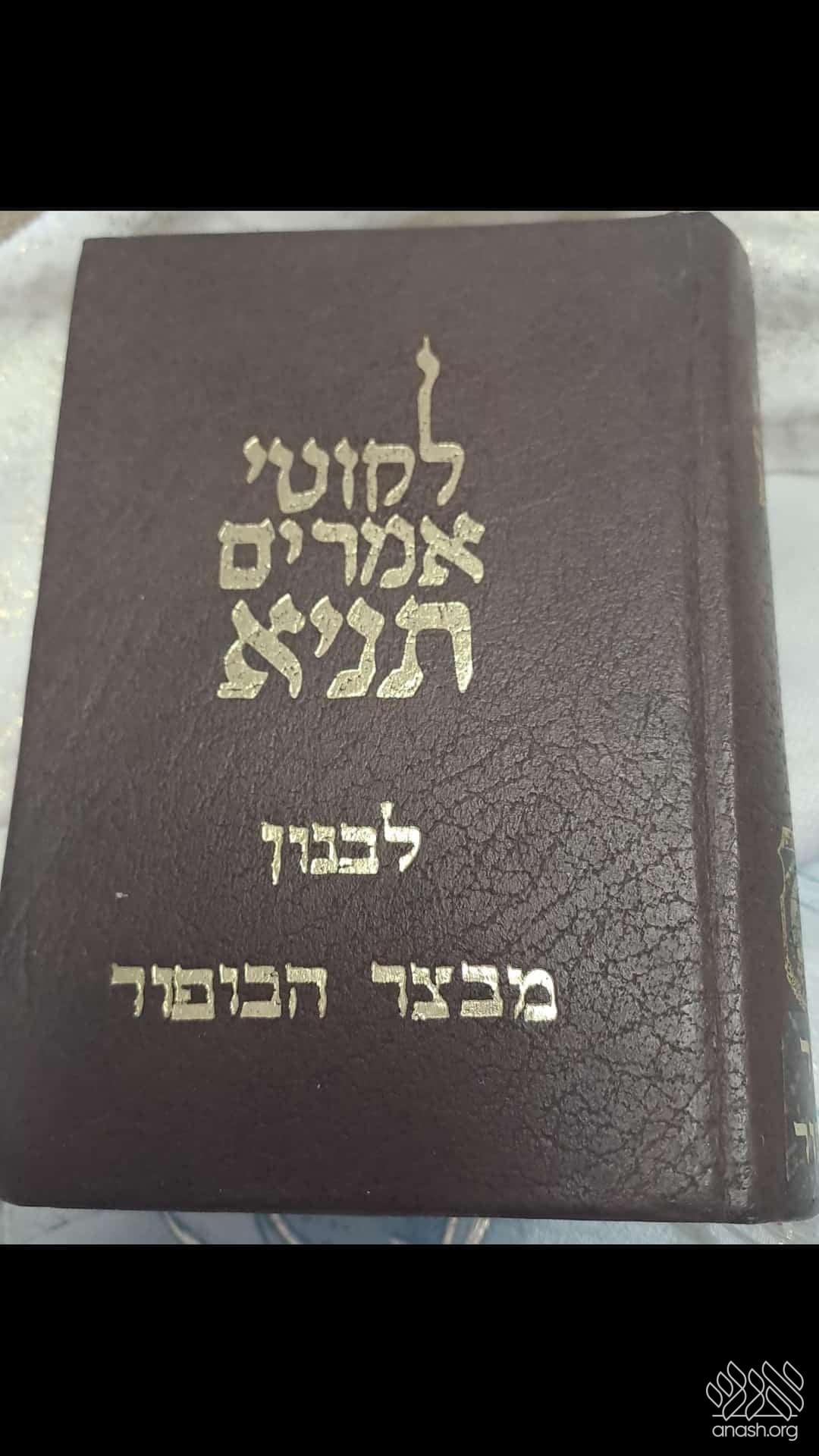
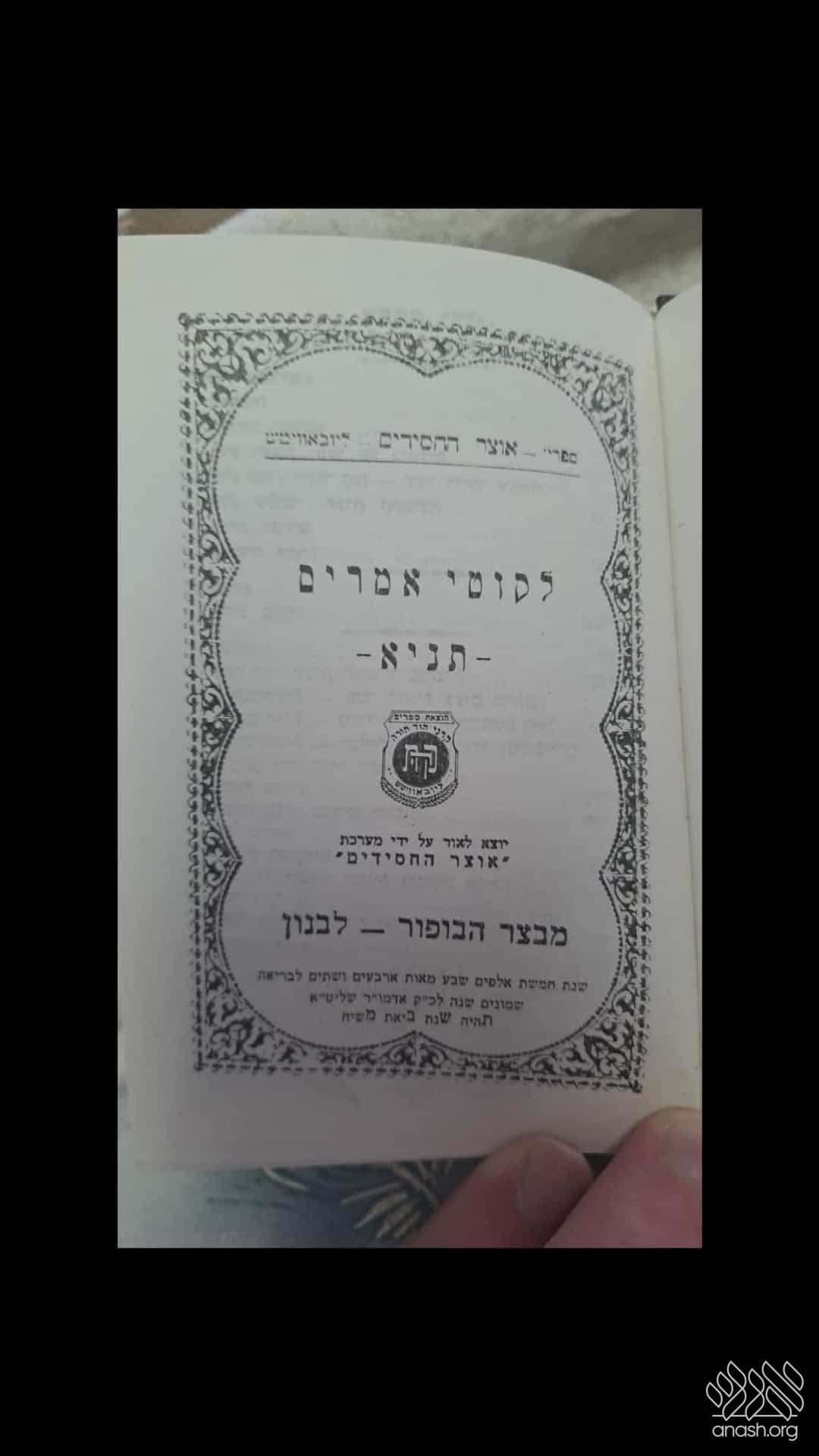
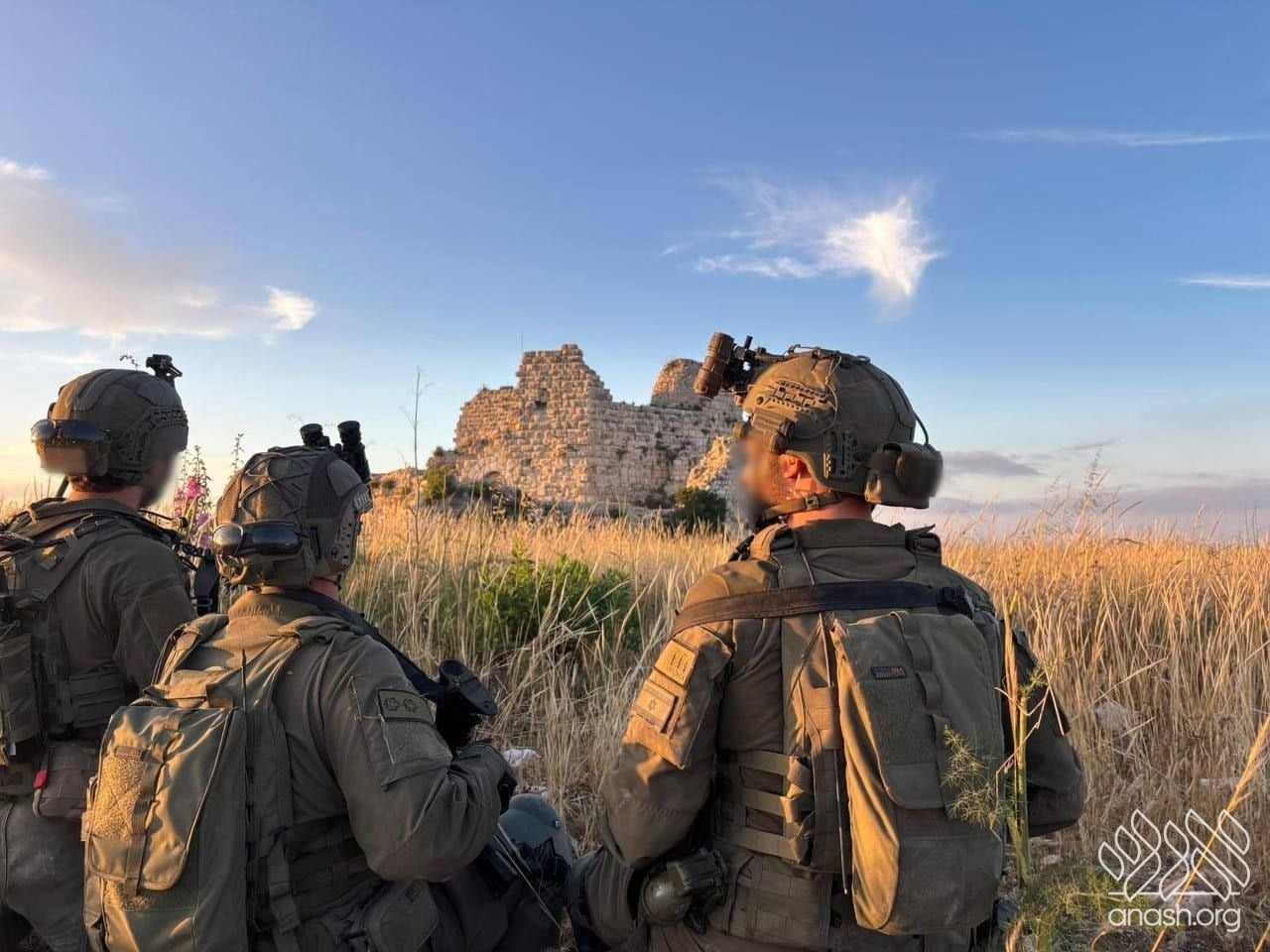
The IDF has confirmed that Israeli forces have recaptured the Beaufort Castle area in southern Lebanon, a site deeply embedded in Israel’s military history and national memory. This development comes 44 years after the IDF first captured it, when subsequently a Tanya was printed there at the Rebbe’s request.

The IDF has confirmed that Israeli forces have recaptured the Beaufort Castle area in southern Lebanon, a site deeply embedded in Israel’s military history and national memory. This development comes 44 years after the IDF first captured it, when subsequently a Tanya was printed there at the Rebbe’s request.
The operation now marks the first time since Israel’s 2000 withdrawal from Lebanon that the strategic ridge has returned to Israeli control. Sadly, in the years since the withdrawal, Israel’s enemies have fortified themselves there, leading to many unnecessary victims that could have been avoided.
According to the IDF, the operation is part of a broader divisional campaign focused on the Beaufort ridge and the Saluki valley area, aimed at “destroying Hezbollah infrastructure and eliminating militants,” which constituted a direct threat to communities in the Upper Galilee and Metula.
The operation began several days ago under Northern Command and involved large ground forces including the Golani Brigade, 7th Armored Brigade, Givati Brigade, the Fire Formation, and the multi-dimensional unit operating under the 36th Division, with intelligence support from Military Intelligence (Aman). Following extensive air and artillery strikes, Israeli forces reportedly crossed the Litani River as part of the advance, expanding activity northward into Hezbollah-held territory.
“Last night our heroic fighters captured the Beaufort outpost,” Prime Minister Binyamin Netanyahu said in an official statement. “They raised with pride the flag of the State of Israel and the flag of the Golani Brigade. I remind you that 44 years ago, this place was a symbol of heroic battle by our fighters, but also a symbol of deep internal dispute.
“Today we returned to Beaufort differently. We returned united, determined, stronger than ever.”
Beaufort Castle itself is a Crusader-era fortress located on a high ridge overlooking large parts of southern Lebanon and the Galilee border region. It has long been considered one of the most symbolically charged sites in Israel’s military history.
The position was first captured by Israeli forces during the 1982 Lebanon War, when Golani reconnaissance units seized it from Fatah militants who had used it to launch rocket fire into northern Israel. Six soldiers were killed in that battle, among them unit commander Major Goni Hernik and Lieutenant Avikam Sharaf.
During the Lebanon War, the Rebbe instructed the shliach in Tzfas, Rabbi Leibel Kaplan AH, to print the Tanya inside Lebanon itself, specifically in areas that had once had Jewish presence and were then under IDF control, including Sidon, Tyre, and Beirut, regardless of the scale of the print runs.
Rabbi Aaron Eliezer Ceitlin AH, later recounted how the mission faced major bureaucratic obstacles. After repeated delays and lack of approval, the group eventually went directly to the IDF Northern Command, where, following a late-night and unexpected meeting with the commanding general, they were granted permission on the spot.
With the permit in hand, the shluchim entered southern Lebanon under IDF escort and carried out the Rebbe’s directive, printing the Tanya in multiple locations throughout the operational zone. Among the places associated with these wartime printings was the Beaufort fortress area.
After the Simchas Torah massacre, the Ceitlin family arranged for a bag of the original Tanyas to be handed over to soldiers fighting with mesirus nefesh on the Lebanon border. A set of those same Tanyas was also later presented to Prime Minister Netanyahu, who placed them prominently in his office.
The site remained under Israeli control during the years of the security zone era that followed. In 1985, it became an isolated forward outpost deep inside southern Lebanon, regularly exposed to Hezbollah attacks. The access route to the fortress became infamous among troops as the “road of blood,” due to repeated ambushes and casualties over the years.
Israel ultimately withdrew from southern Lebanon in May 2000, evacuating Beaufort during a secret overnight operation and later demolishing parts of the surrounding military compound to prevent Hezbollah from claiming a symbolic victory there.
“The capture of Beaufort is a dramatic stage and a dramatic shift in policy,” Netanyahu said. “We have broken the fear barrier. We are initiating, we are operating on all fronts – Syria, Gaza, Lebanon. We have established security zones beyond our borders to protect our communities.”
He continued, quoting field commanders: “On Friday, I spoke with brigade commanders inside the field. They told me, ‘Prime Minister, we are carrying out the mission. We are advancing forward – Hezbollah is fleeing for its life.’ And I told them: ‘I am with you. The entire people of Israel are with you. It will take time, but we will restore security to the residents of the north just as we did in the south.’”
“Its [Beaufort fortress] symbolic meaning has not changed,” Dr. Tzvika Barkai, who commanded the 1982 battle for Beaufort, said. “In hindsight, the result of the 2000 withdrawal was the Second Lebanon War. It is not black and white.”
Indeed, the reality is far from black and white. Already at the early stages of the Lebanon War, the Rebbe strongly addressed the tragic consequences of withdrawing and stopping military operations before completion.
“The terrorists are a danger to the three million Jews in Eretz Yisroel,” the Rebbe said. “They must be excised and rendered impotent.” “Yet, despite the results seen from previous submission to pressure, there are those willing to repeat this mistake and surrender the now terrorist-free area,” the Rebbe said.
The Rebbe famously compared the situation to an operating room where a life-saving procedure is underway, explaining that when the process is deliberately stopped halfway, “politicians, weak creatures, fearful of their own insecurity, wanted to halt it in mid-term… when the army rightfully claimed they must finish the operation, a howl of protest went up, and the operation was halted.”
“The entire operation could have been finished in a matter of days, especially with Hashem showing open miracles to the Jewish forces. But with their fear of gentile reaction, politicians called for a halt: First, we must consult with Washington. What does London say? Is France’s reaction favorable? Jewish soldiers are dying daily because of their procrastination, but more important in their eyes is: Does the world approve?”
“Let us not repeat the errors of the past. A retreat will not lead to peace but to further conflict.”
Despite the Rebbe’s stark and urgent warnings, Israel’s leadership did not complete the military operations and ultimately proceeded with withdrawal from southern Lebanon. The results quickly became evident as Hezbollah moved into the evacuated security zone and established fortified positions along Israel’s northern border, turning the area into a forward base for attacks.
This ultimately contributed to the Second Lebanon War in 2006, when thousands of rockets were fired into northern Israel, dozens were killed, and hundreds of thousands were displaced.
The withdrawal was widely seen as a Hezbollah victory. In the years that followed, Hezbollah expanded its infrastructure and continued cross-border attacks and abduction attempts. Hundreds of Jews were killed who could have potentially been avoided had the Rebbe’s words been heeded. Northern communities remain under ongoing threats to this day.
“The flag once again flying over Beaufort is a reminder of a kind of mental stagnation, of failure, of accepting a flawed concept that keeps us stuck in a cycle of bloodshed,” director Yosef Cedar, who directed the acclaimed film Beaufort, said. “I don’t understand the excitement about conquering a mountain that became a symbol of being stuck in a cycle of bloodshed.”
“We are stronger, yet we keep losing and losing and losing”, he added. “To break out of this concept, we need to look at reality differently. Reality is that there are human beings standing against us who are not willing to surrender, not willing to give up their human and civil rights.”
When told that the head of the Metula local council described the day as “exciting,” Cedar responded: “I fully understand the fear, distress, and despair of northern residents, because they do not see a solution. What I am saying to them is that the solution is not military.”
Although ultimately Cedar calls against the use of force against Hezbollah, believing they can be won over through dialogue instead – something which is laughable and foolish to say the least – nonetheless his words are a strong reminder of what the Rebbe said: that without complete decisive action and permanent action, any partial operation is at most symbolic and will not bring real enduring security to the citizens of Israel.
It is hoped that this time, Israel will learn the lesson to remain both firm and decisive and that the Beaufort fortress will remain secure and firmly held.

 COMMENTS


“After repeated delays and lack of approval, the group eventually went directly to the IDF Northern Command”
Aharon Laizer went on his own to the commanding headquarters, and got the permit for the group…..