



א׳ סיון ה׳תשפ״ו | May 17, 2026
White House Hosts Monumental ‘Shabbat 250’
The White House’s Shabbat 250 proclamation was marked with a special program in the Eisenhower Executive Office Building, followed by davening, a seuda, and Shabbos gatherings near the White House with rabbonim, askanim, administration officials, and Yidden from across the community.
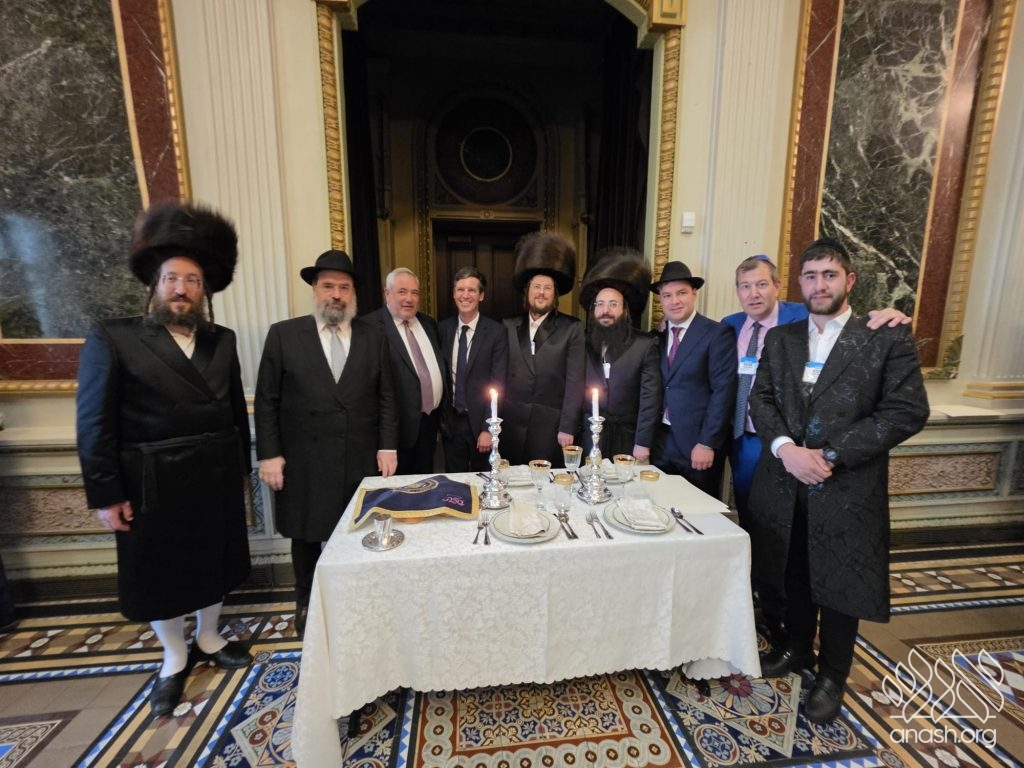
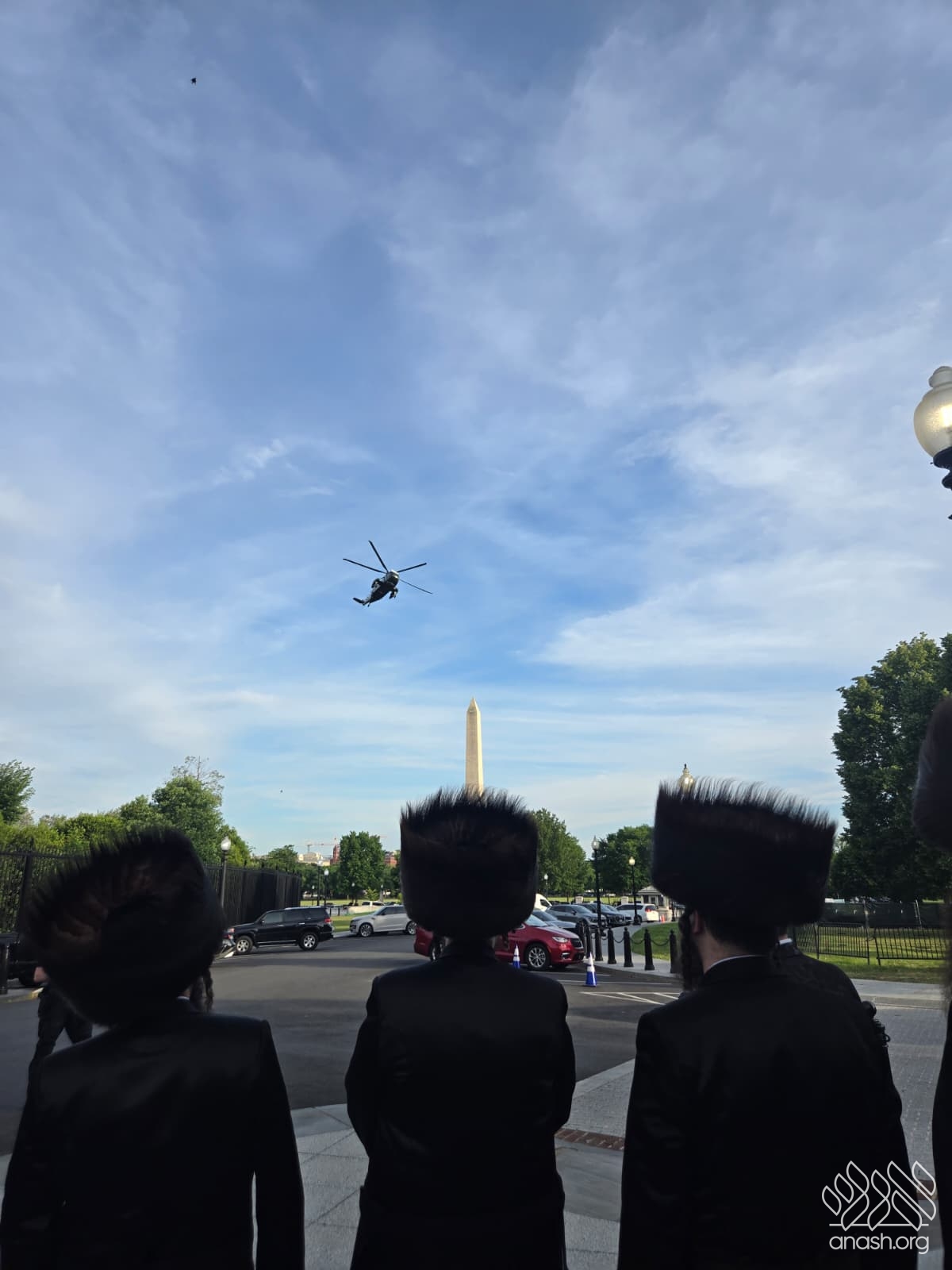
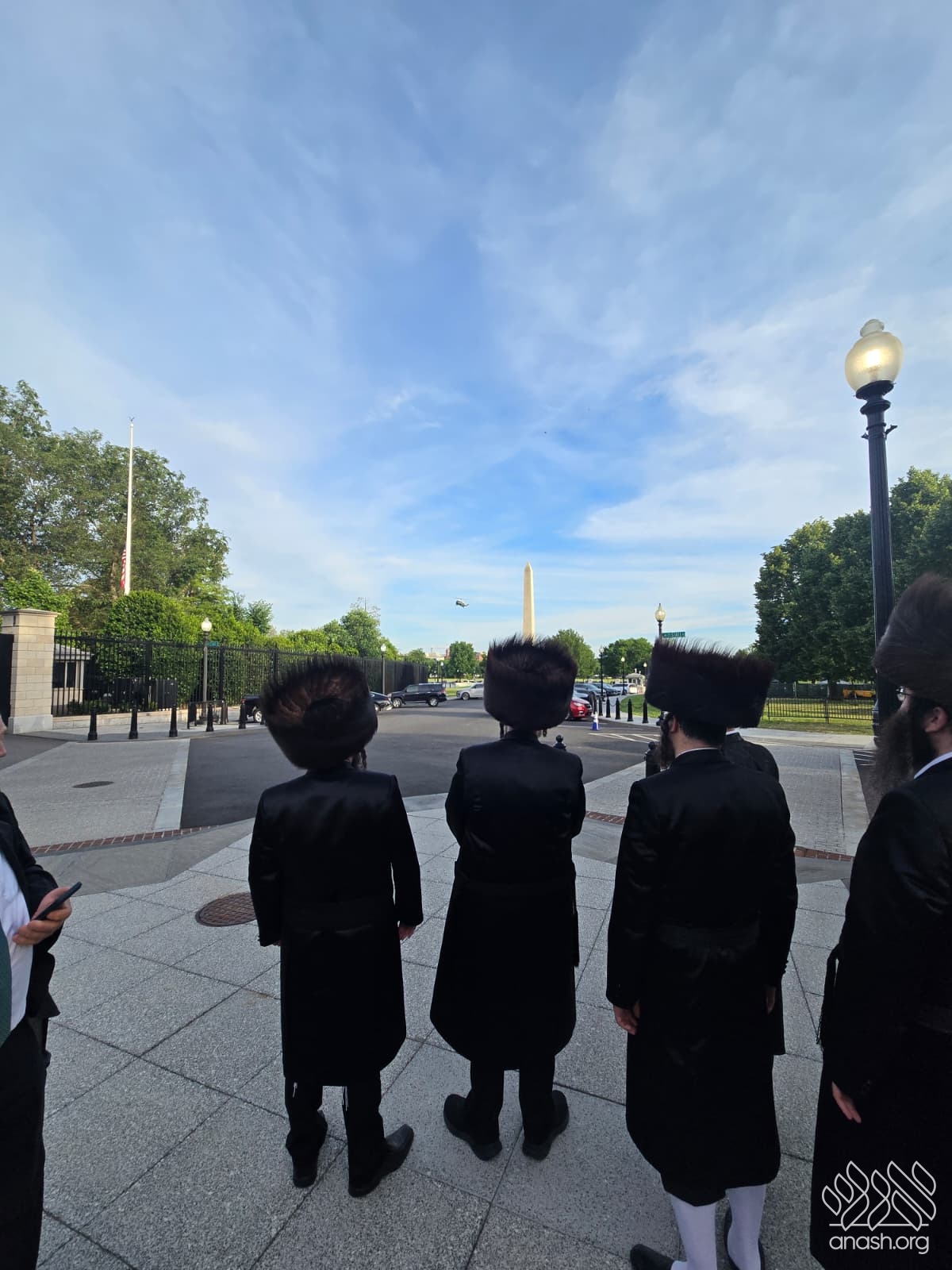
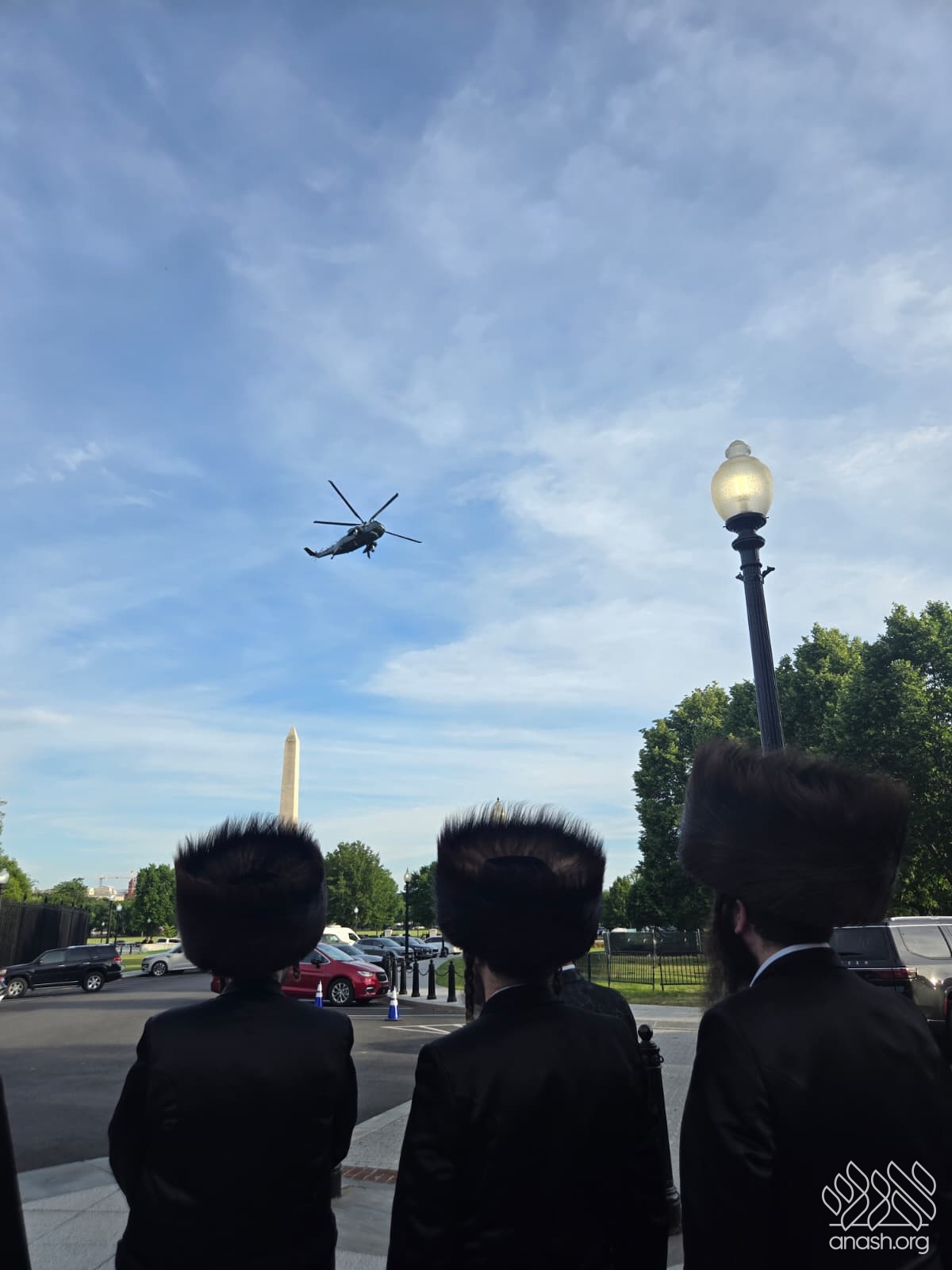
The White House’s call for “Shabbat 250” was marked this past Shabbos with a special program in Washington, D.C., bringing together rabbonim, roshei yeshiva, askanim, administration officials, White House staff, and Yidden from across the community.
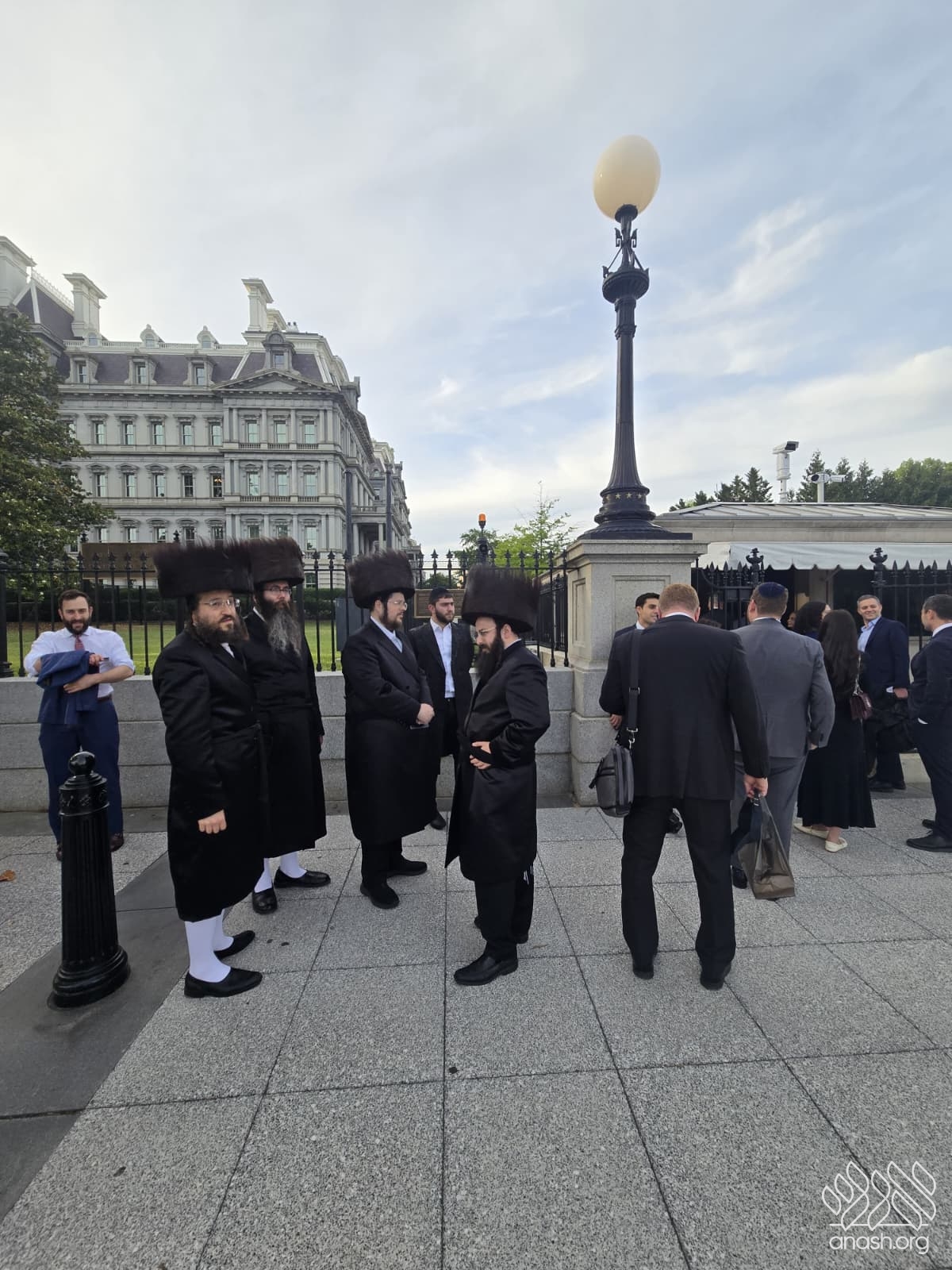
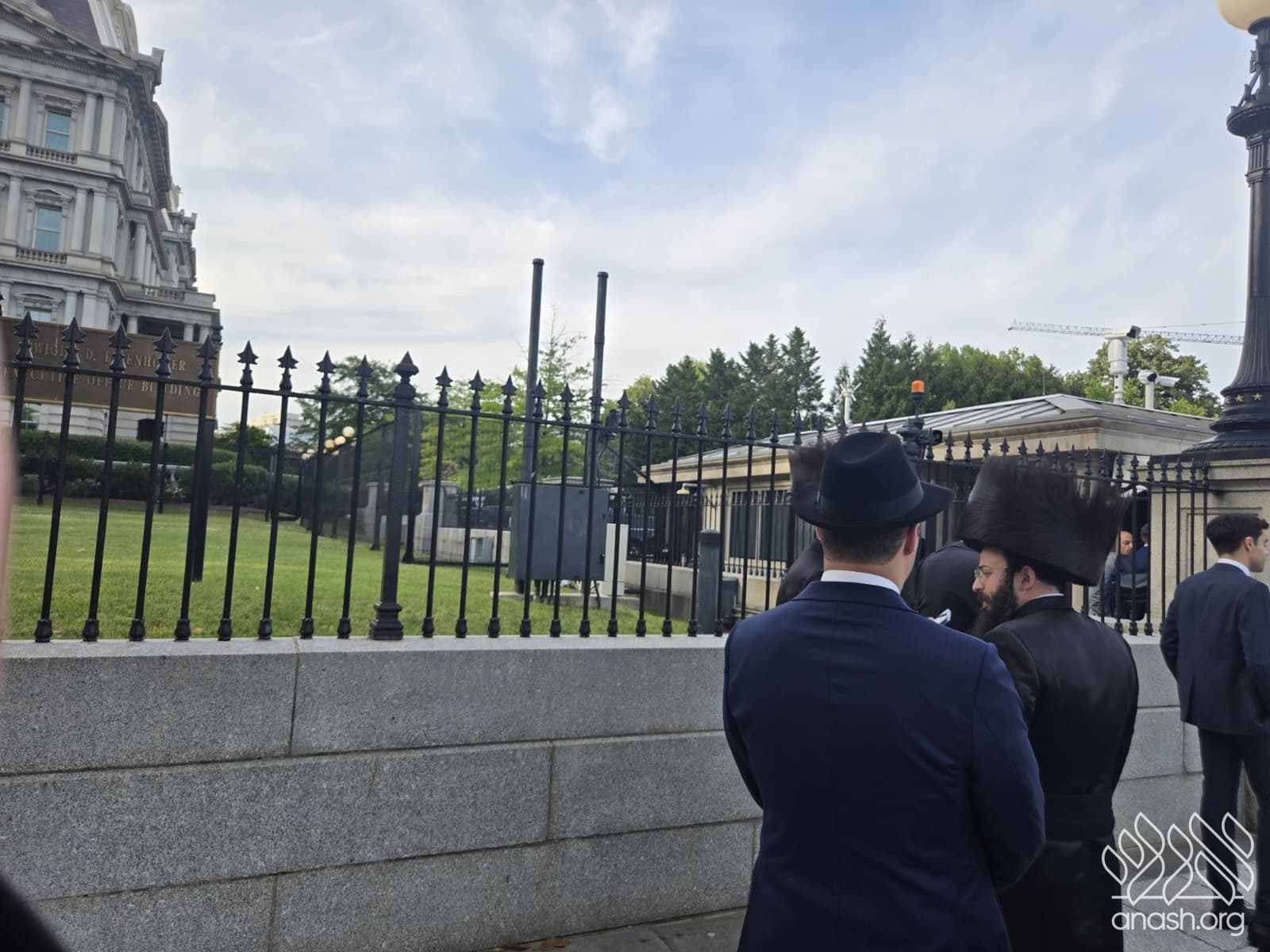
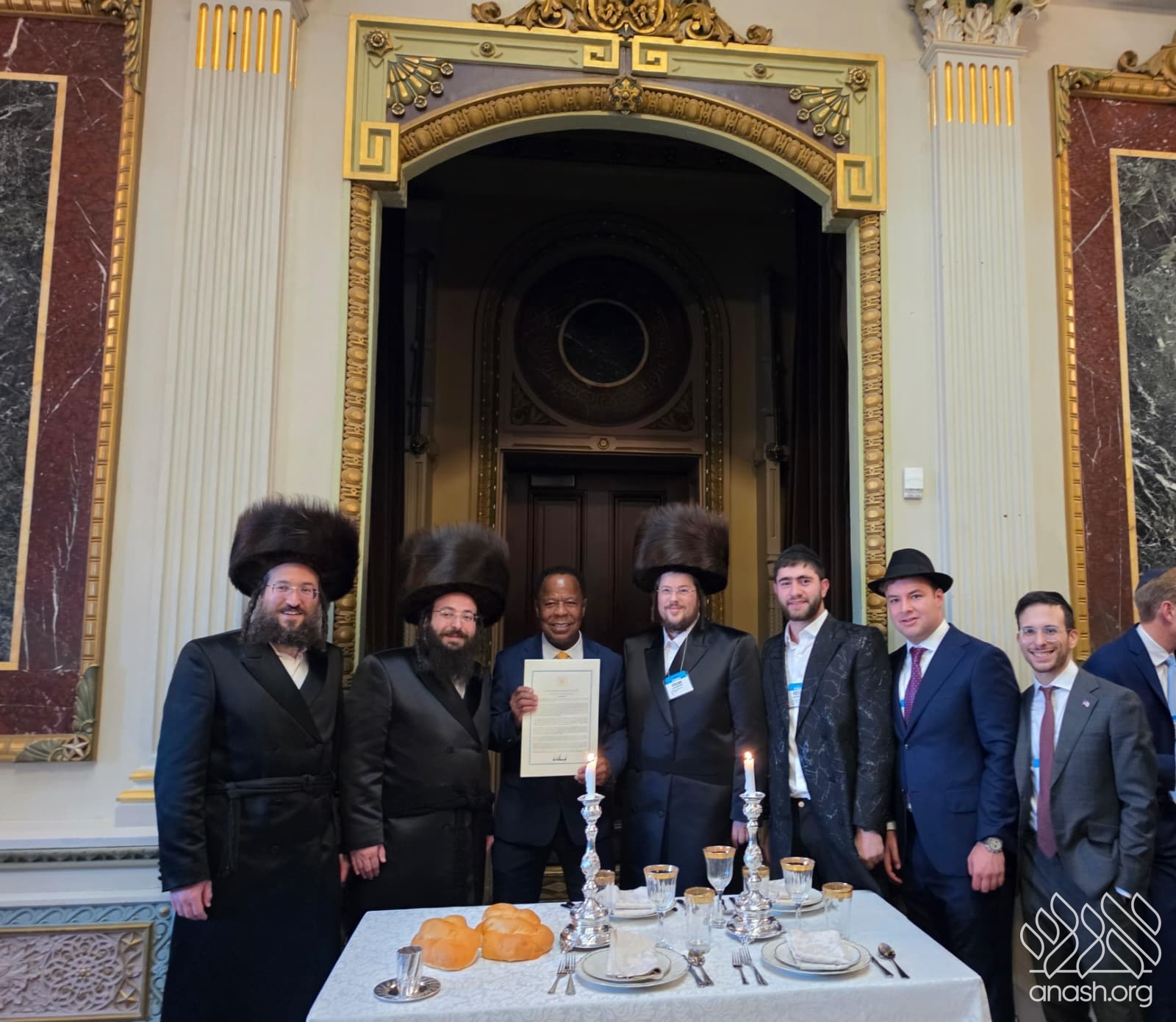
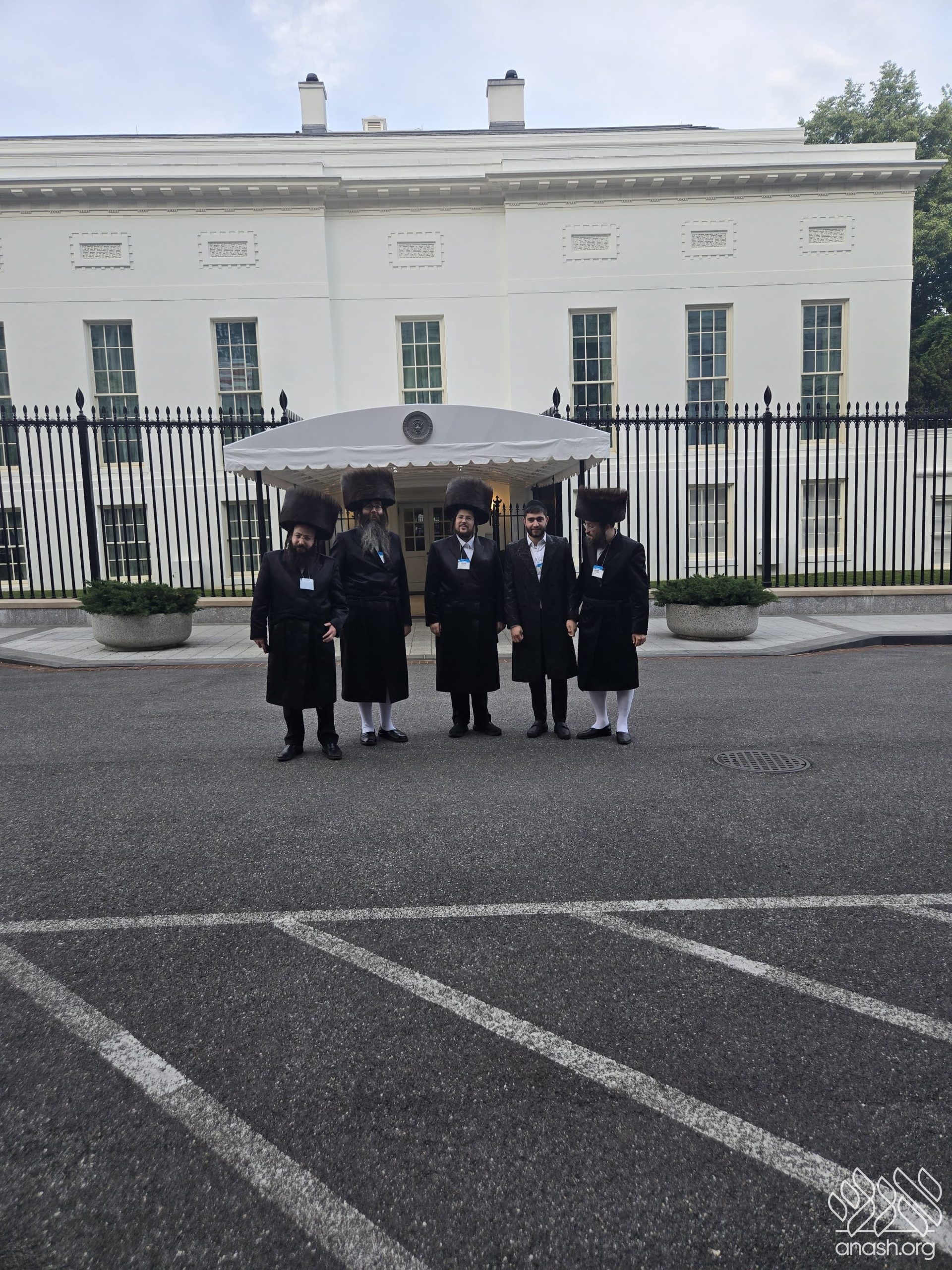
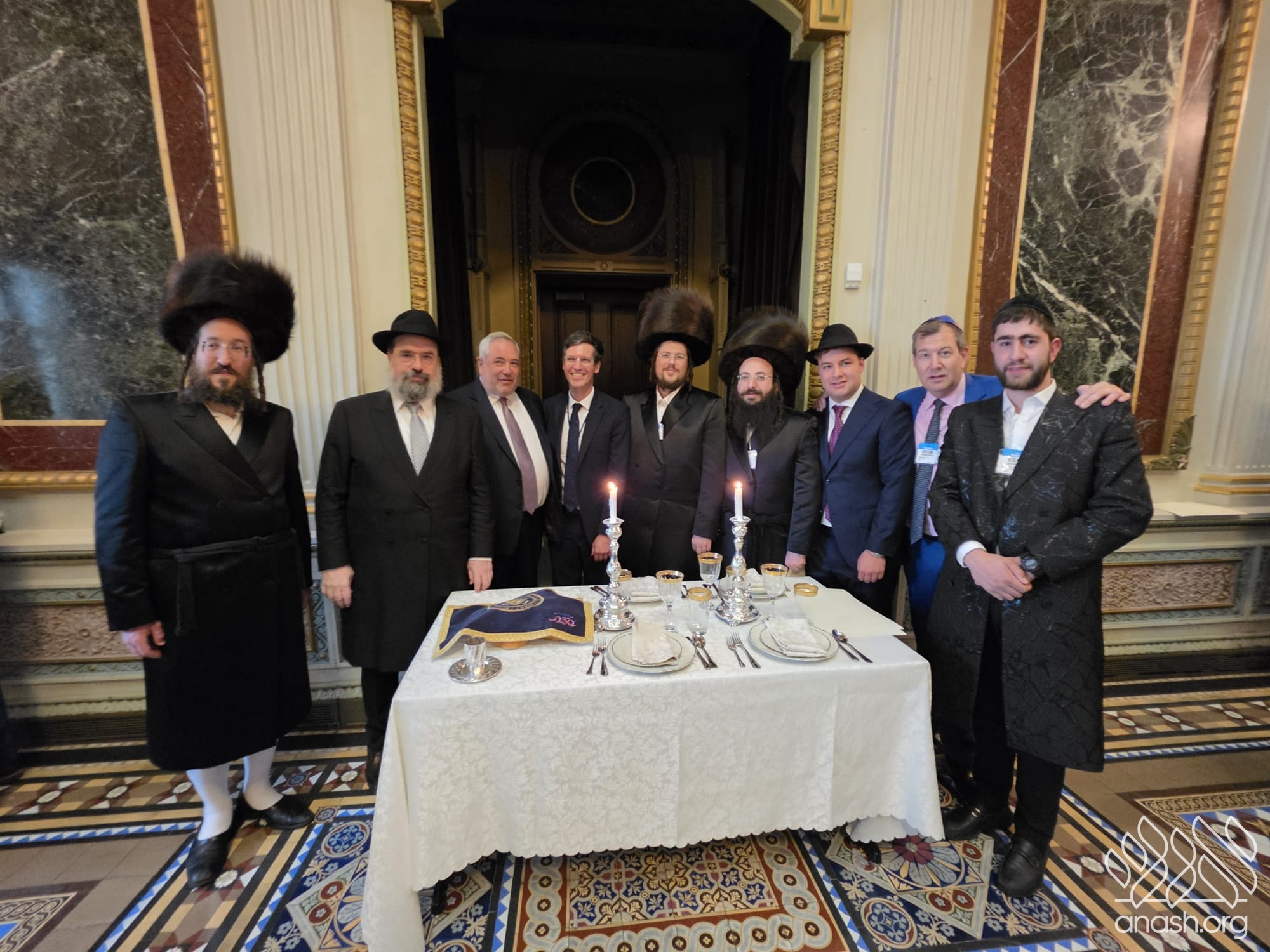
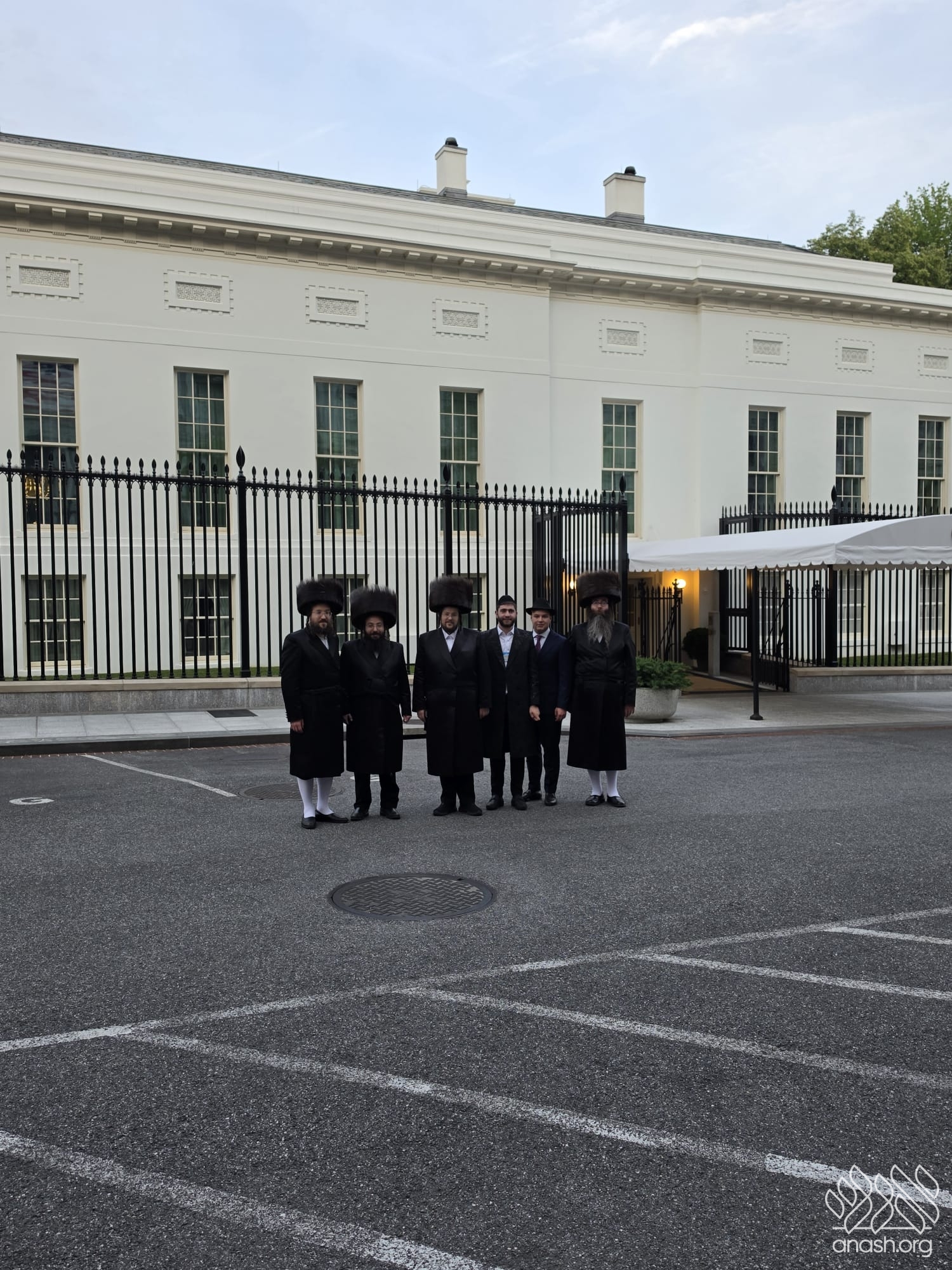
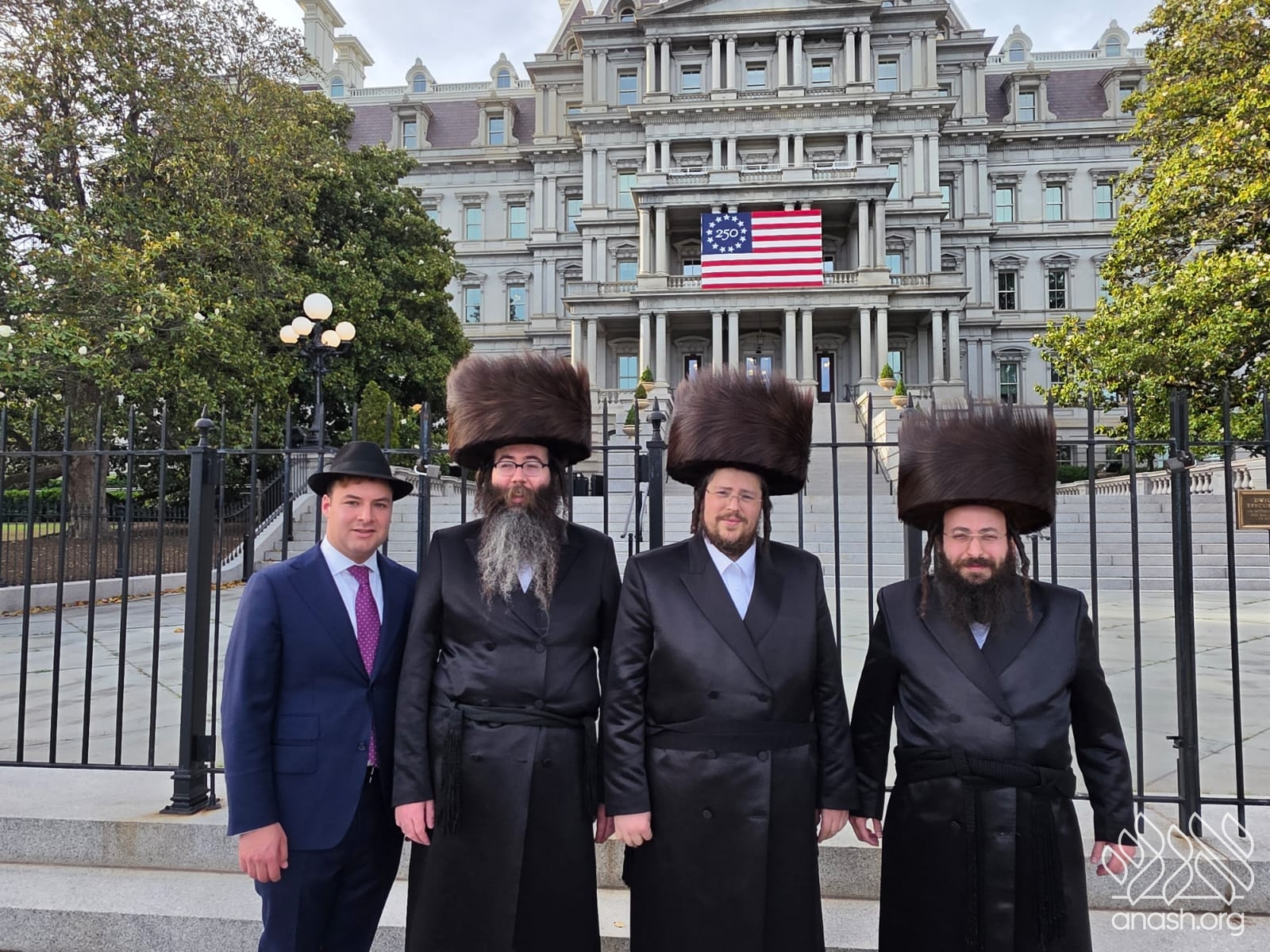
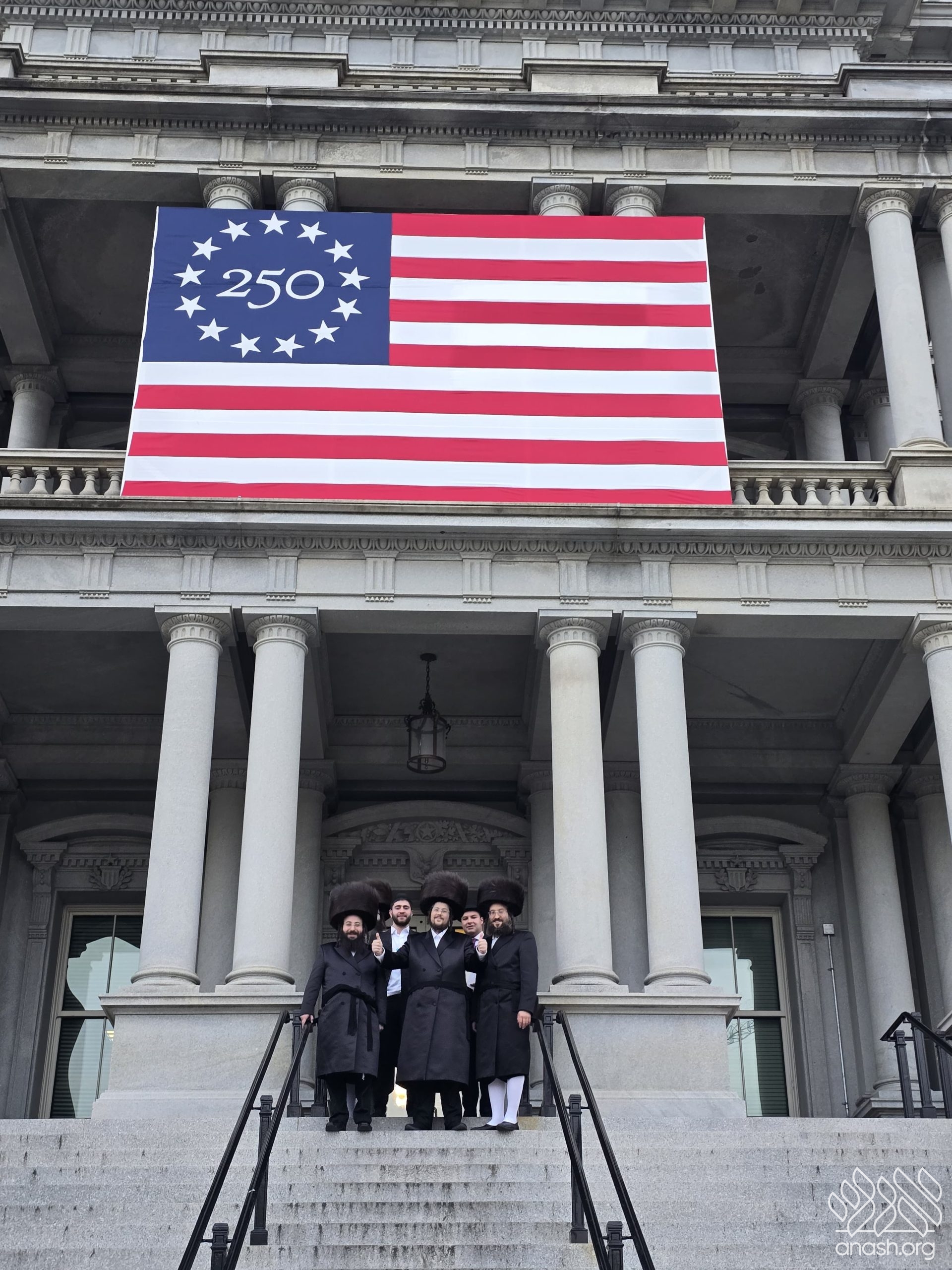
The program began on Erev Shabbos, approximately two hours before the zman, as participants passed through White House security and gathered in the Indian Treaty Room of the Eisenhower Executive Office Building, located next to the White House. Rabbi Levi Shemtov, senior shliach to Washington, D.C., guided the Jewish portion of the event, explaining the significance of Shabbos, the Shabbos candles, and the traditional items displayed on a Shabbos table.
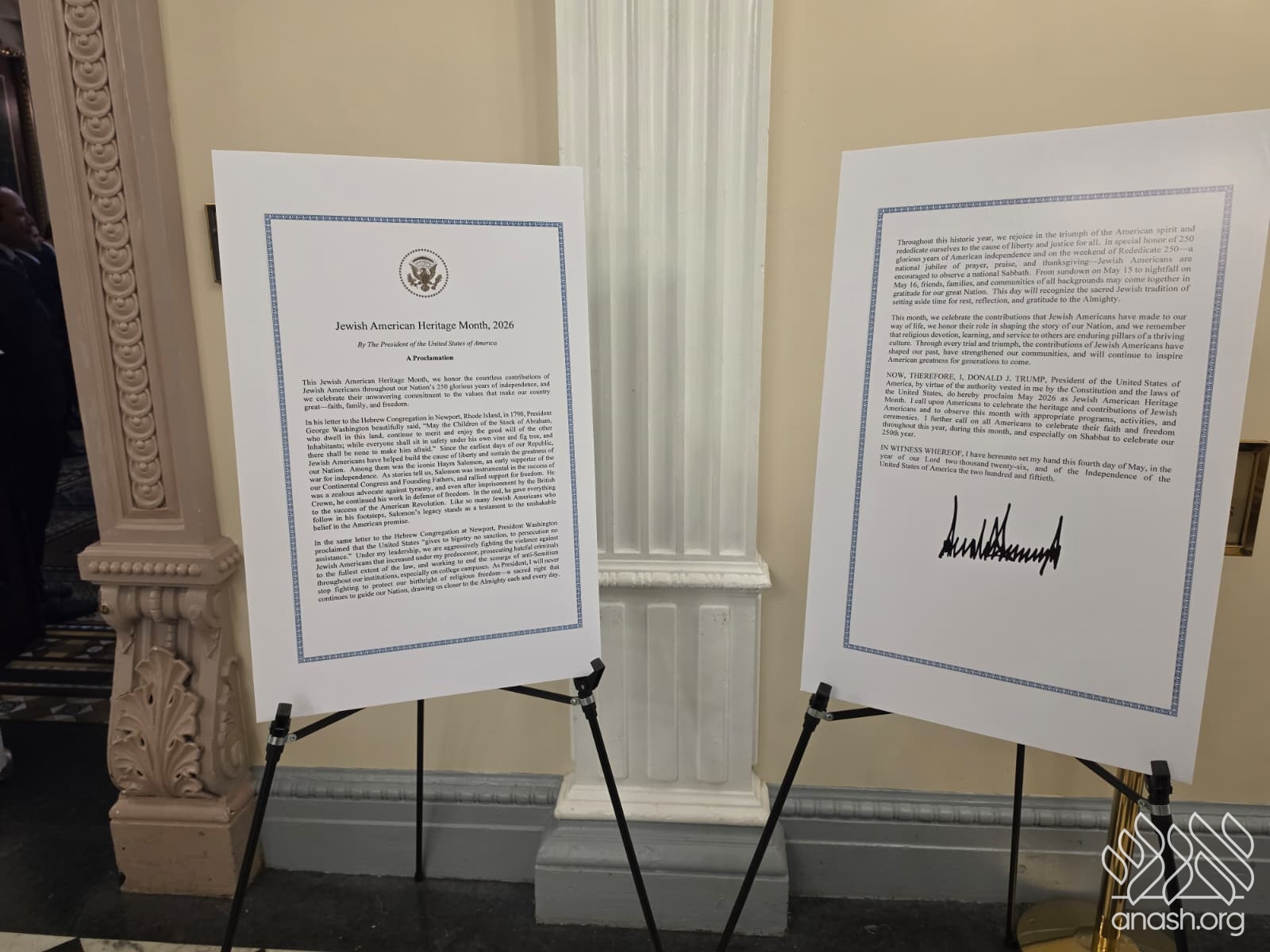
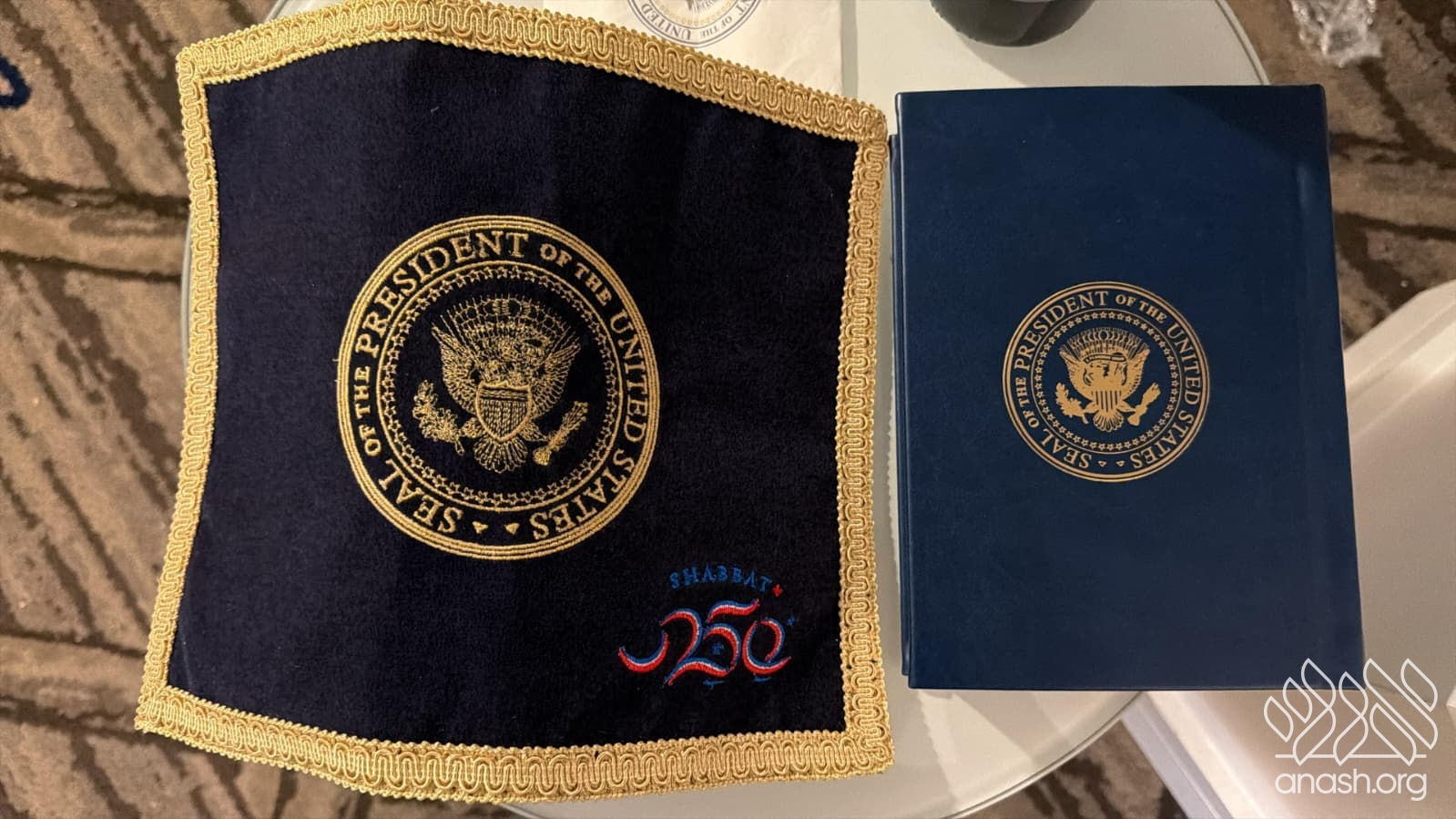
The display introduced guests to the candles, challa, wine, and other familiar parts of the Shabbos seuda. Attendees also received commemorative copies of the President’s proclamation, along with a Shabbos handbook and printed materials prepared for Shabbat 250.
Because the program was held before the zman, Rabbi Shemtov explained that the candle-lighting presentation was not an act of being mekabel Shabbos.
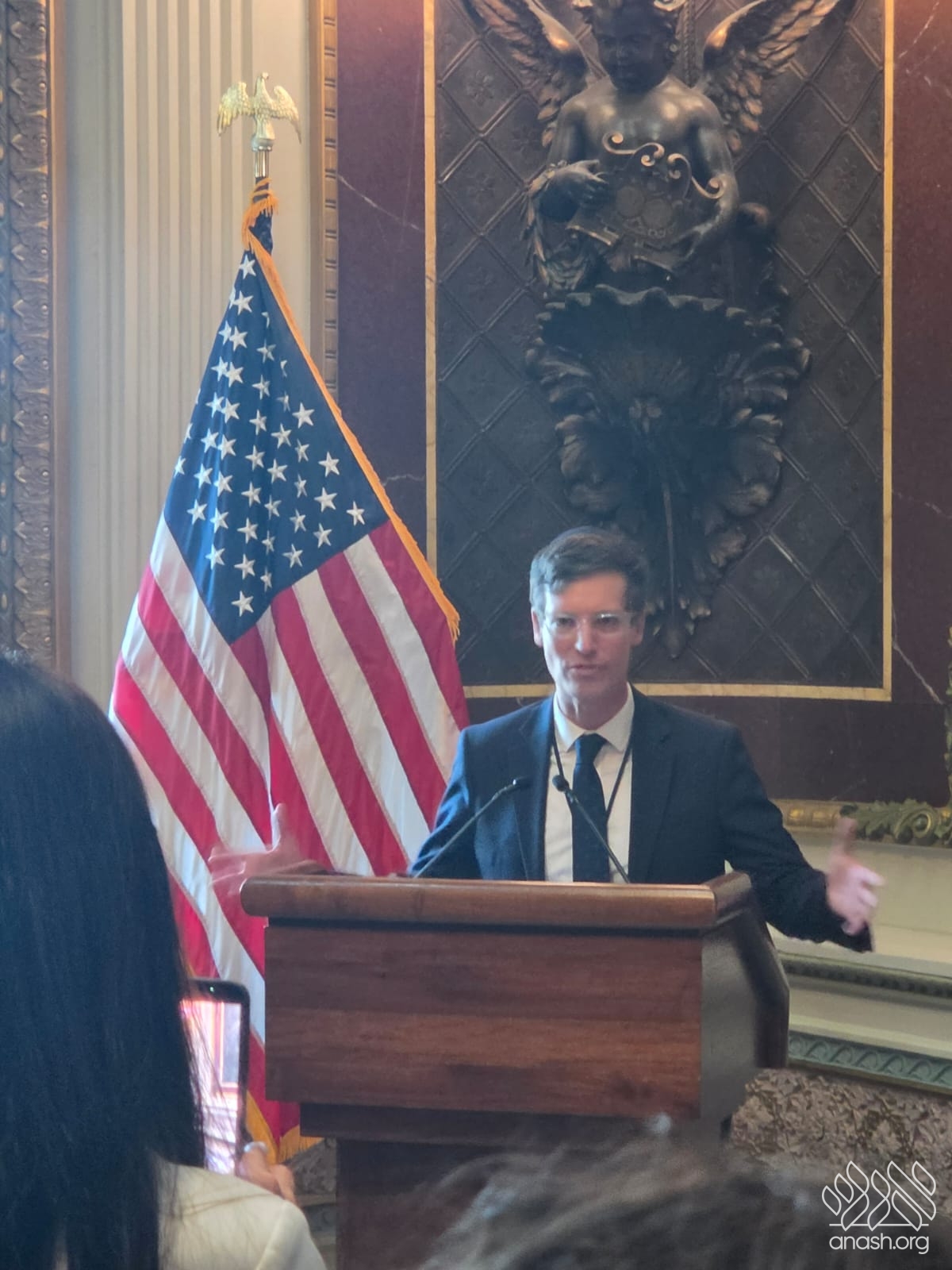
Among those attending were members of Tzedek Association, including Rabbi Moshe Margaretten, together with other frum Yidden, community activists, White House staff members, and officials from different parts of the administration. Martin Marks, the White House Jewish Liaison and Special Assistant to the President, addressed the gathering and spoke about the significance of Shabbat 250.
The White House proclamation, issued in honor of Jewish American Heritage Month and America’s 250th year, called on Jewish Americans to observe a national Shabbos from sundown Friday, May 15, through nightfall Motzei Shabbos, May 16. The proclamation described Shabbos as “the sacred Jewish tradition of setting aside time for rest, reflection, and gratitude to the Almighty.”
The Erev Shabbos program concluded shortly before shkiah, after which participants headed to Decatur House, located near the White House, where the Shabbos program continued without the security and logistical restrictions of the White House complex.
At Decatur House, participants joined for Kabbalas Shabbos, followed by a festive Seudas Shabbos that continued for several hours. Rabbi Shemtov delivered words of Torah about Shabbos, and remarks were also given by Jacob Reese, Chief of Staff to Vice President J.D. Vance, Martin Marks, and Paul Packer, who was involved in the Shabbat 250 initiative.
The seuda included singing and dancing, with participants describing the atmosphere as warm and dignified. Leo Terrell of the Department of Justice later posted his thanks to President Trump for inviting him to celebrate Shabbat 250 at the White House, writing that Americans are fortunate to live in a country with religious liberty.
On Shabbos morning, Rabbi Shemtov’s shul was filled with a larger crowd than usual, as guests who had come for the White House program joined the local community. Bochurim who had spent time before Shabbos encouraging Yidden to strengthen their Shabbos observance also joined the minyan and kiddush.
Separate Shabbos meals were arranged nearby by Tzedek Association, where additional guests joined, including Martin Marks and Jewish law enforcement officers who were in Washington for a law enforcement weekend. The group spoke with them about Shabbos and invited them to join the meal.
Also present over Shabbos were prominent rabbonim and roshei yeshiva, including Rav Shmuel Kamenetsky, Rav Elya Brudny, and R’ Shlomo Yehuda Rechnitz.
This Shabbos also marked 40 years since the Rebbe’s call for Shabbos Achdus, when the Rebbe made a bakasha nafshis that Yidden everywhere gather on Shabbos Bamidbar in a spirit of achdus, with words of Torah about Ahavas Yisroel and the geula, in preparation for Matan Torah.
Across the country, Shabbat 250 was marked with special Shabbos meals and gatherings, including programs for Jewish service members and veterans, community Shabbos dinners, children’s gatherings, and shiurim on Shabbos and Jewish unity. From Washington, D.C. to Jewish communities across America, the President’s proclamation led to a visible increase in Shabbos activity, with Yidden using the occasion to invite others, strengthen Shabbos observance, and gather together in the spirit of k’ish echad b’lev echad.
 COMMENTS


We appreciate your feedback. If you have any additional information to contribute to this article, it will be added below.