




י״א אלול ה׳תשפ״ו | August 24, 2026
The Tomashpil-Koidenover Rebbe Who Lived Near 770
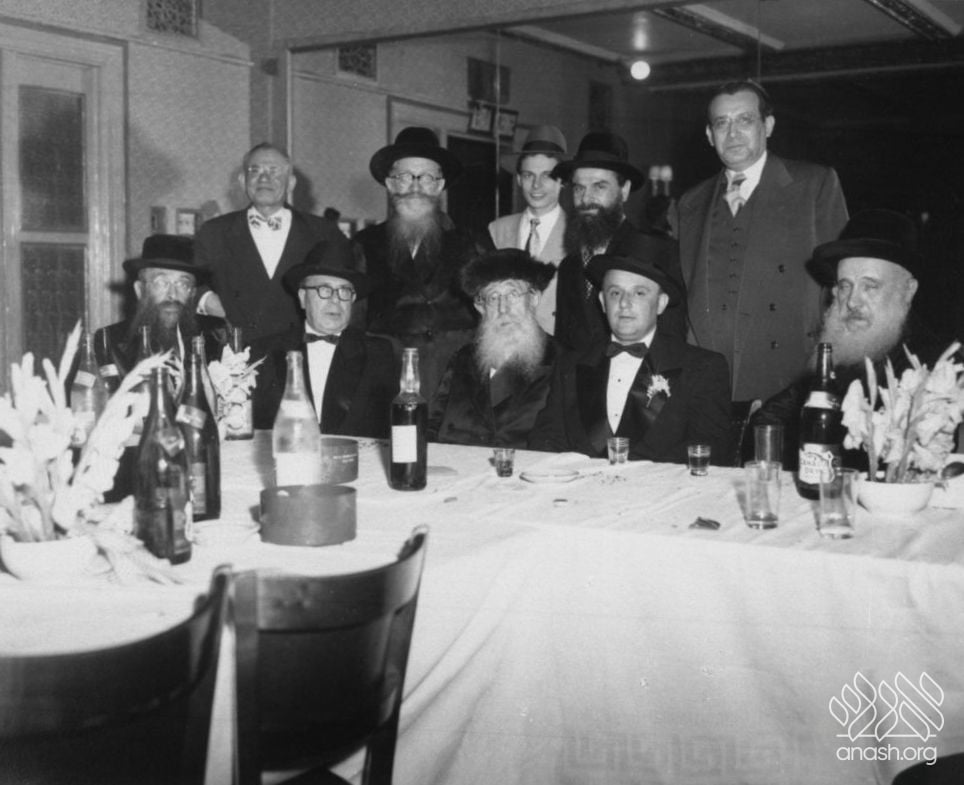
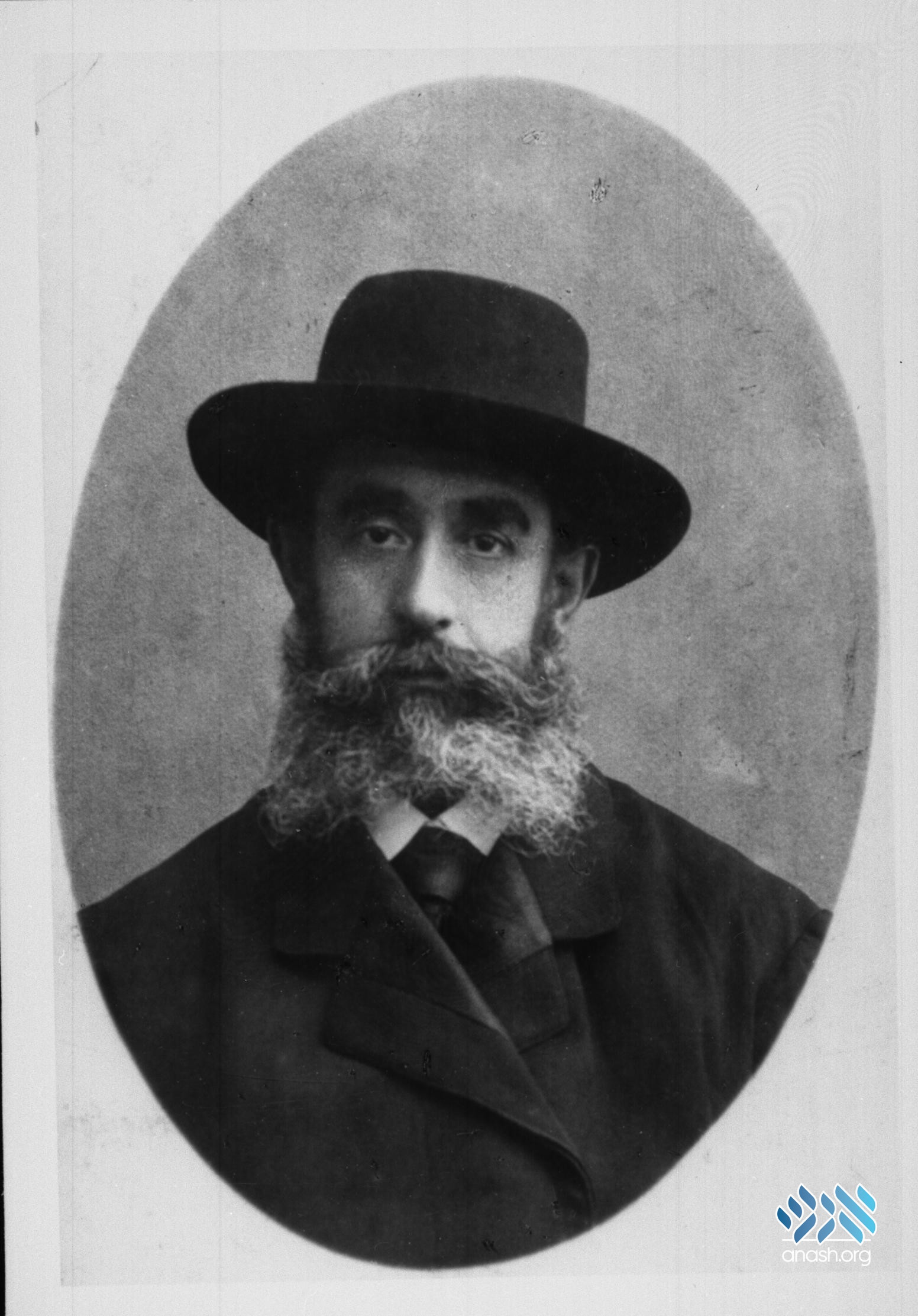
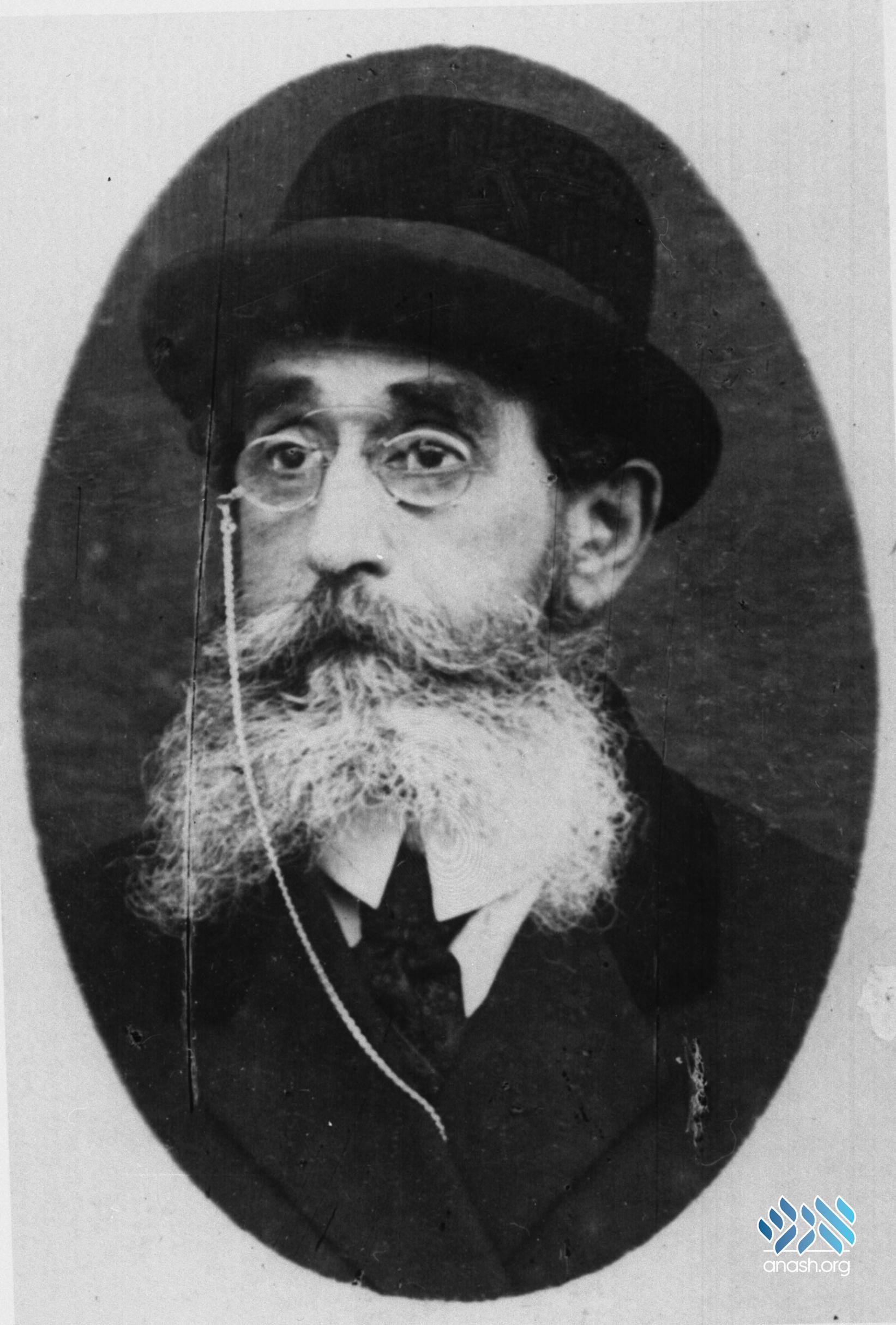
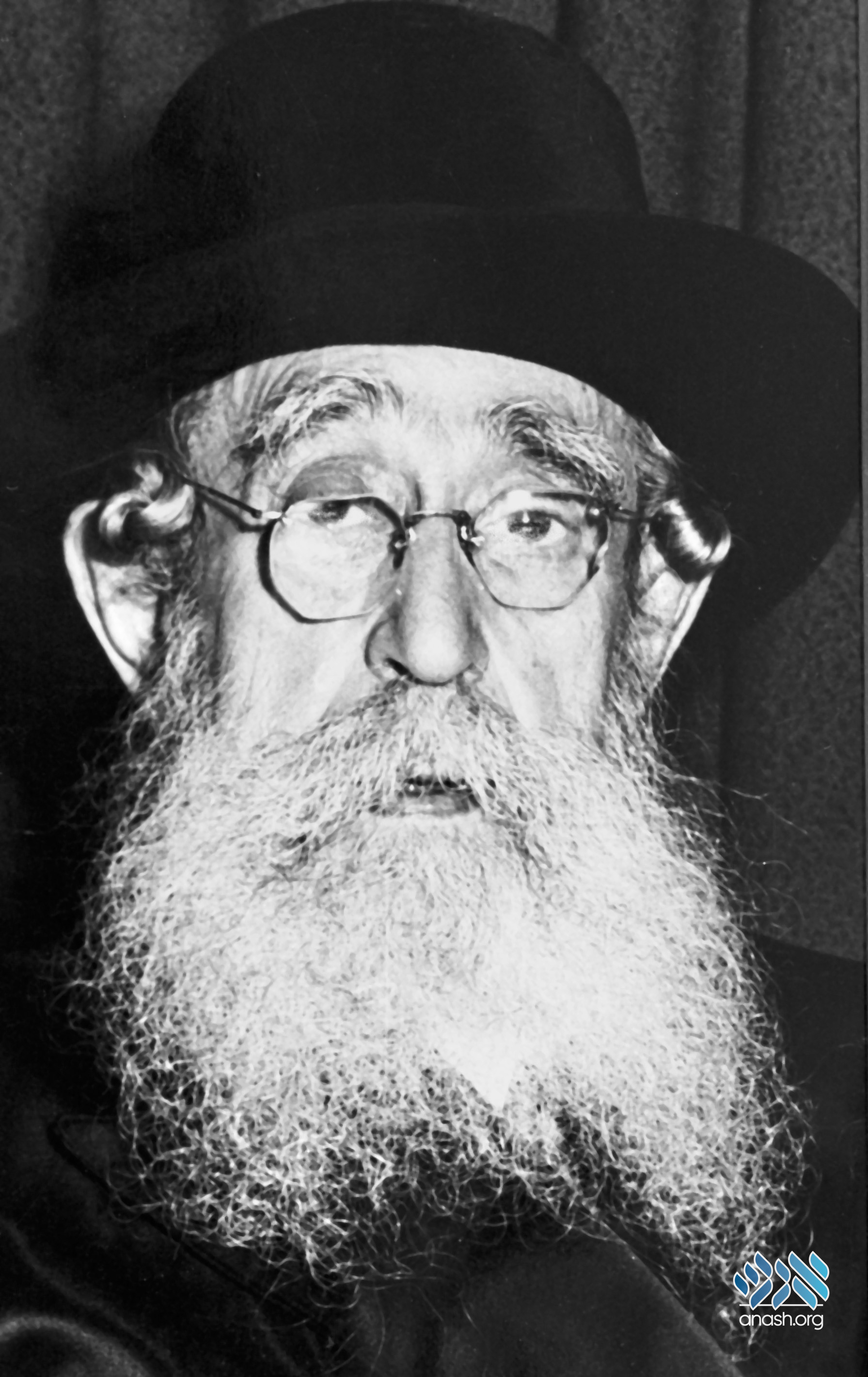
11 Elul marks the yahrtzeit of Reb Moshe Chaim Yehoshua Schneersohn-Twerski, the Tomashpil-Koidenover Rebbe, who lived just steps from 770. A great-grandson of the Mitteler Rebbe, he maintained a close connection with the Rebbeim and devoted his life to Taharas HaMishpacha and strengthening Yiddishkeit in America.
By Hershel Rosenbluh
Across the road and on the next block from 770 lived a Yid by the name of Reb Moshe Chaim Yehoshua Schneersohn-Twerski, the Tomashpil-Koidenover Rebbe.
Reb Moshe’le, as he was known, was born to Reb Mordechai Dov and Basya Twerski in Tomashpil, Ukraine, around 5627 (1867). On his father’s side, he was a great-grandson of the Mitteler Rebbe, and on his mother’s side, a descendant of Reb Levi Yitzchok of Berditchev.
As a young man, Reb Moshe’le received semicha from several of the great geonim of his generation. He married the daughter of the Koidenover Rebbe, Rav Yosef Perlow, who passed away in Kislev 5676 (1915).
In 5684 (1924), Reb Moshe’le left the Soviet Union and made his way to America. He managed to smuggle out a Sefer Torah that had been used by the Mitteler Rebbe. The Torah is still used today in the shul of his einikel in Flatbush.
Reb Moshe’le maintained a close connection with the Rebbeim and would often visit the Frierdiker Rebbe to discuss klal matters. He was among those who came to the dock to greet the Frierdiker Rebbe when he arrived in America on 9 Adar II 5700 (1940). (See photo below.) Soon afterward, he moved to Crown Heights.
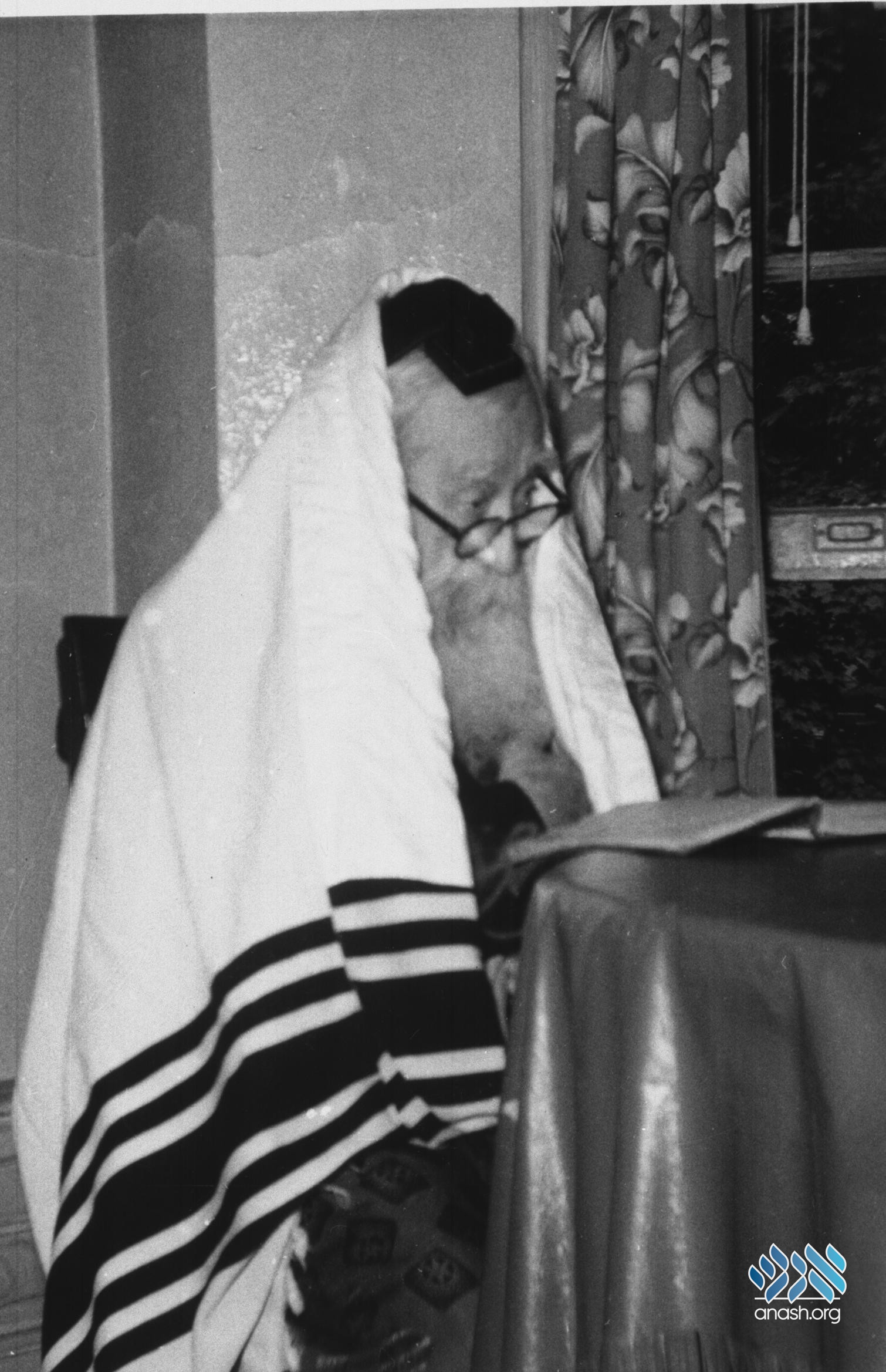
During the Rebbe’s nesius, Reb Moshe’le regularly attended farbrengens and was accorded great kavod. On one occasion, the Rebbe returned to 770 from the Ohel very late, and Reb Moshe’le was there waiting. When the Rebbe saw him, he apologized for davening so late. Reb Moshe’le replied, “Ven der Rebbe davent, yemolt iz di tzeit” – whenever the Rebbe davens, that is the proper time.
Reb Moshe’le was active in the area of Taharas HaMishpacha and helped establish mikvaos throughout the United States.
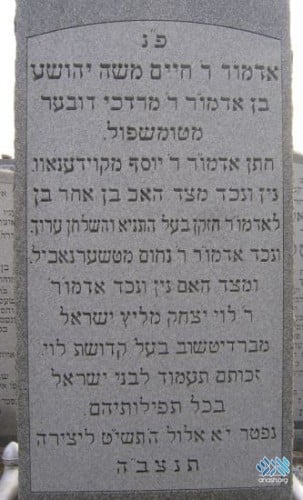
When he passed away, the chevra kadisha informed the Rebbe and asked where he should be buried. The Rebbe said that he would not dictate where Reb Moshe’le should be buried and that they should ask the Frierdiker Rebbe’s wife. She responded that he should be buried near the Frierdiker Rebbe’s Ohel.
The Rebbe traveled to the cemetery, but remained outside, since he had not prepared himself to enter the Frierdiker Rebbe’s Ohel. Upon returning to 770, the Rebbe asked Reb Zalman Duchman to say Kaddish, despite the fact that Reb Moshe’le had a son who was saying Kaddish for him.
On 14 Elul, the Rebbe went to be menachem avel the children. While there, he joined the learning of Mishnayos that was taking place and waited as those assembled davened Maariv.
After Reb Moshe’le’s passing, his shul became the Naroler Beis Medrash.
Photo credits: Reb Yitz Twersky and others.
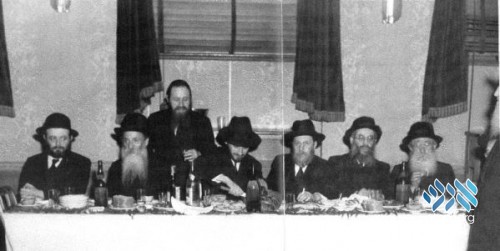
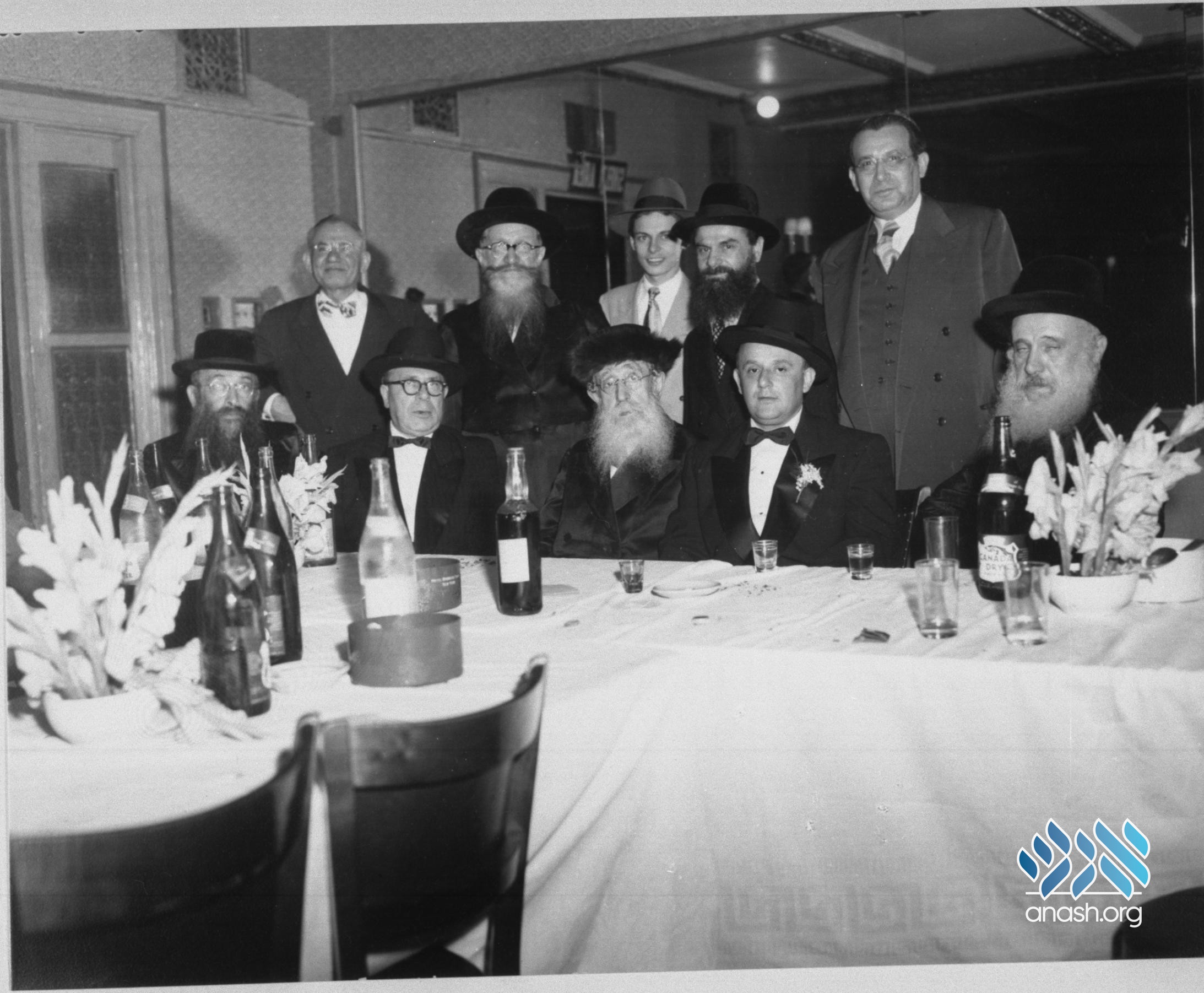
At the wedding of Reb Binyomin Levitin in 5706/1946. L-R: The Rebbe, Reb Shmuel Levitin (chosson's father), Reb Moshe Leib Rodshtein, (standing), the chosson; Reb Binyomin Levitin, Rashag, The Stoliner Rebbe; Reb Yakov Chaim Perlow, Reb Moshe'le Schneersohn-Twersky.
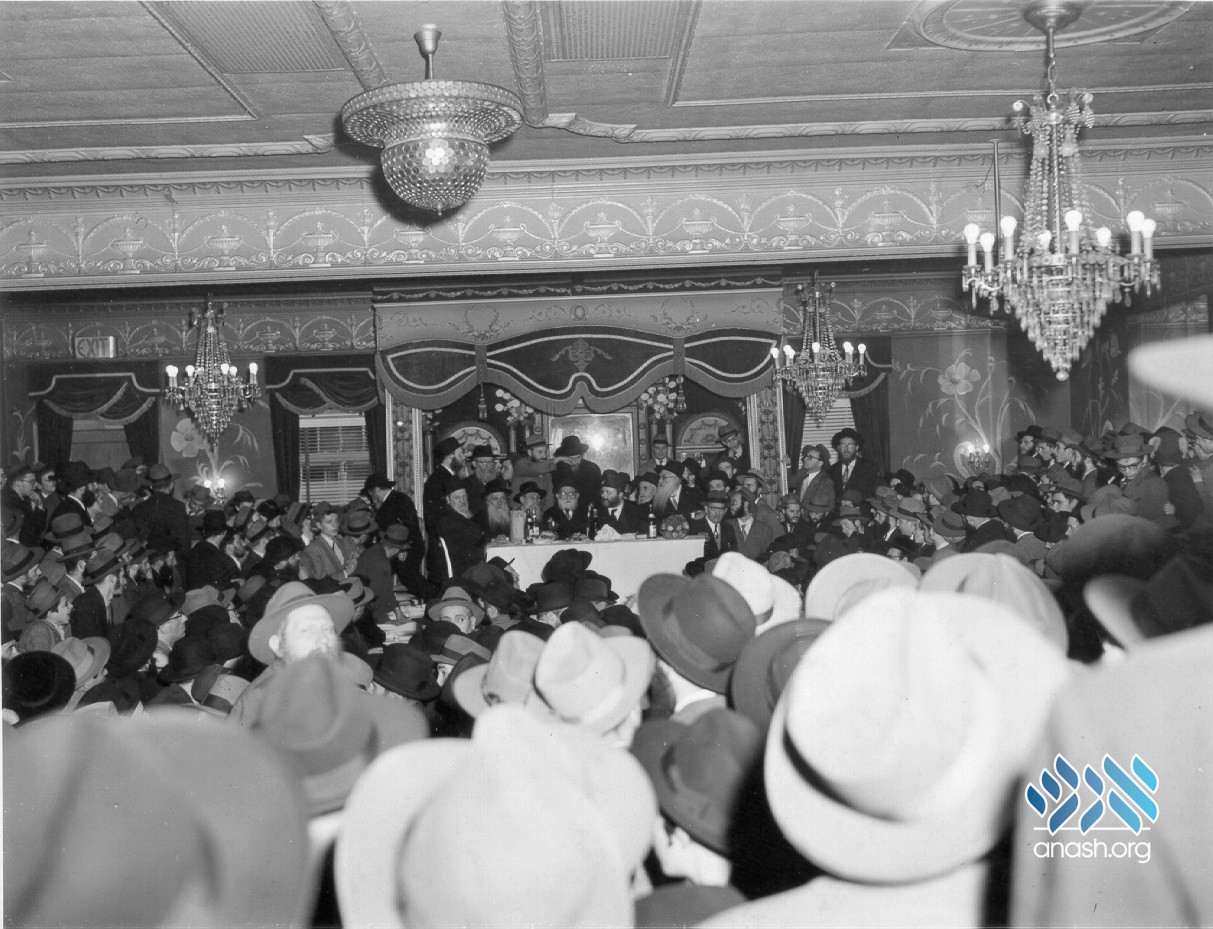
Seated, third from left, at the Farbrengen of 19 Kislev, 5714.
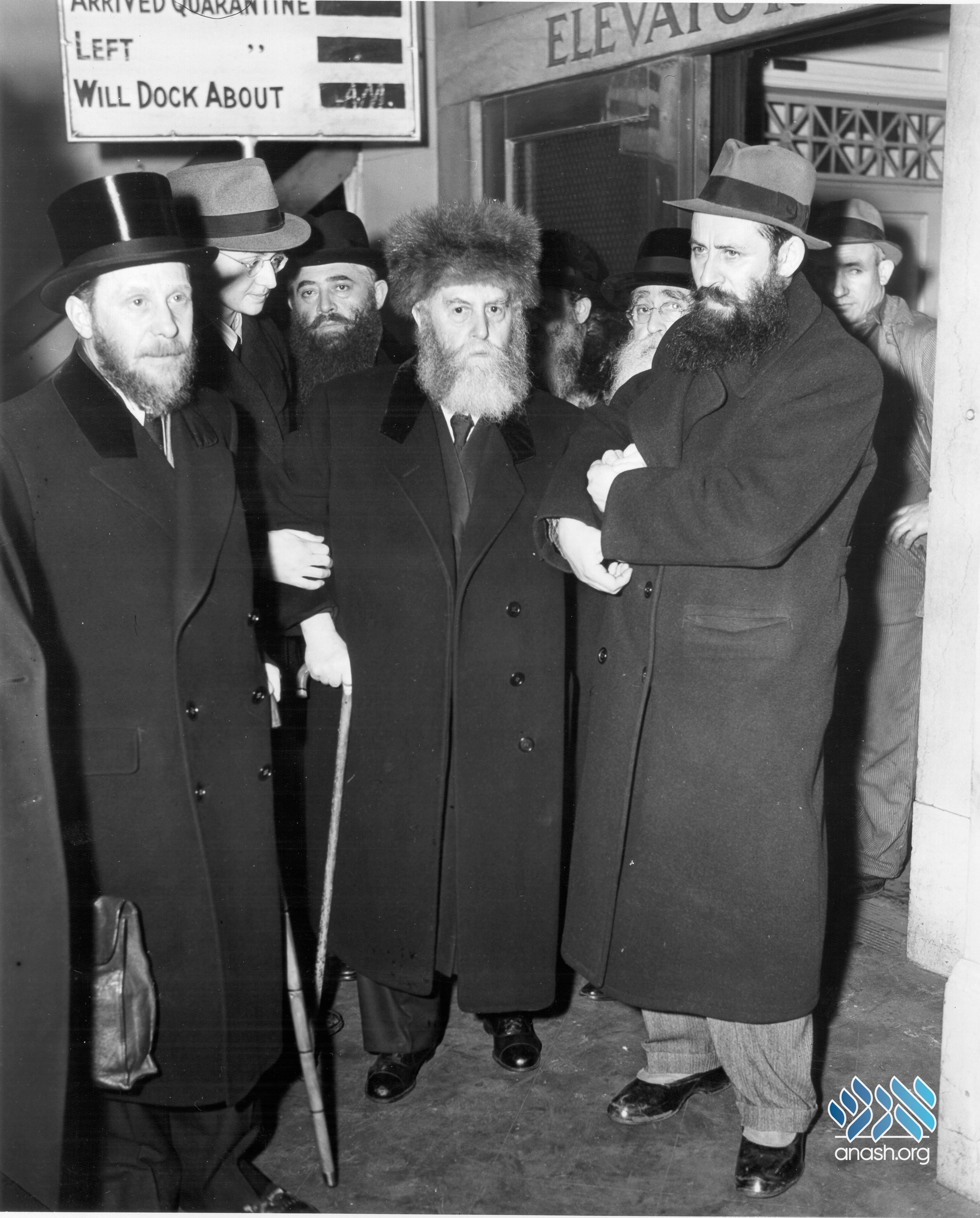
Greeting the Frierdiker Rebbe at the pier, 9 Adar II, 5700/1940. (Partially hidden)
At his son Levi Yitzchok's wedding.
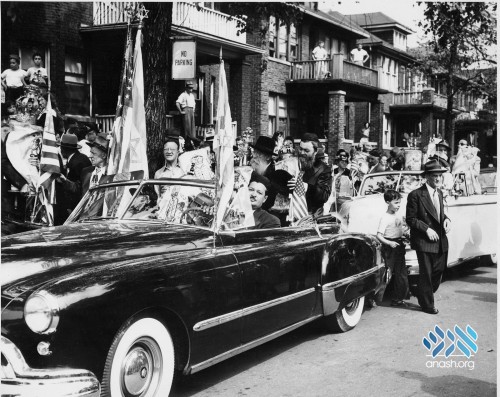
at a hachnosas sefer Torah in Detroit, circa late 5700s/1940s
 COMMENTS


Many Lubavitchers in Brownsville Davenned in his Shul (which was Nusach Ari). When the Friediker Rebbe came to America they would instead walk to Crown Heights and Daven in 770. The Friediker Rebbe felt bad that his Minyan shrunk so he would send him money. But the Tomashpil-Koidenover Rebbe’s response was תן לי הנפש והרכוש קח לך