




ה׳ מרחשון ה׳תשפ״ז | October 16, 2026
The Chossid Who Crowned the Frierdiker Rebbe
6 Cheshvan marks the yahrtzeit of Reb Mendel Kaplan, a devoted chossid of the Rebbe Rashab, who spent his days davening, learning and teaching Torah to local balebatim in Bobruisk.
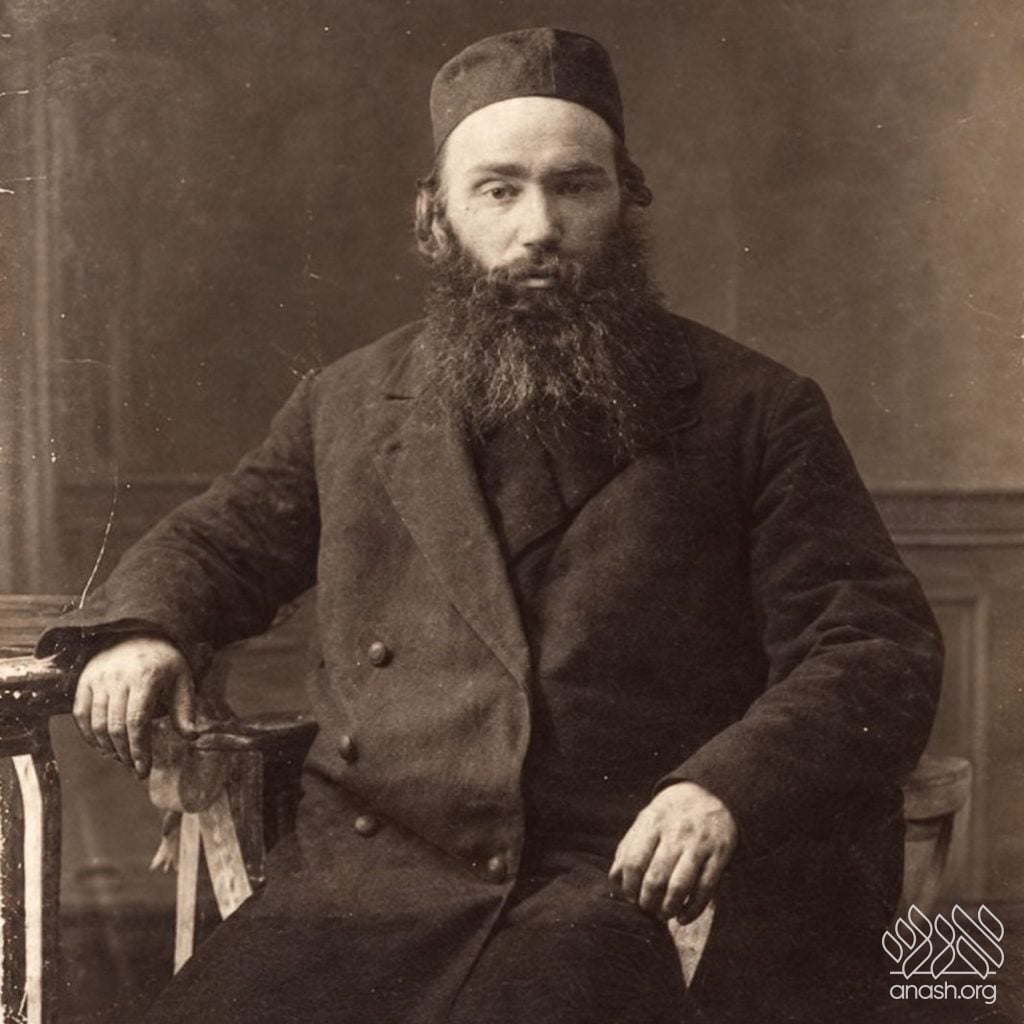
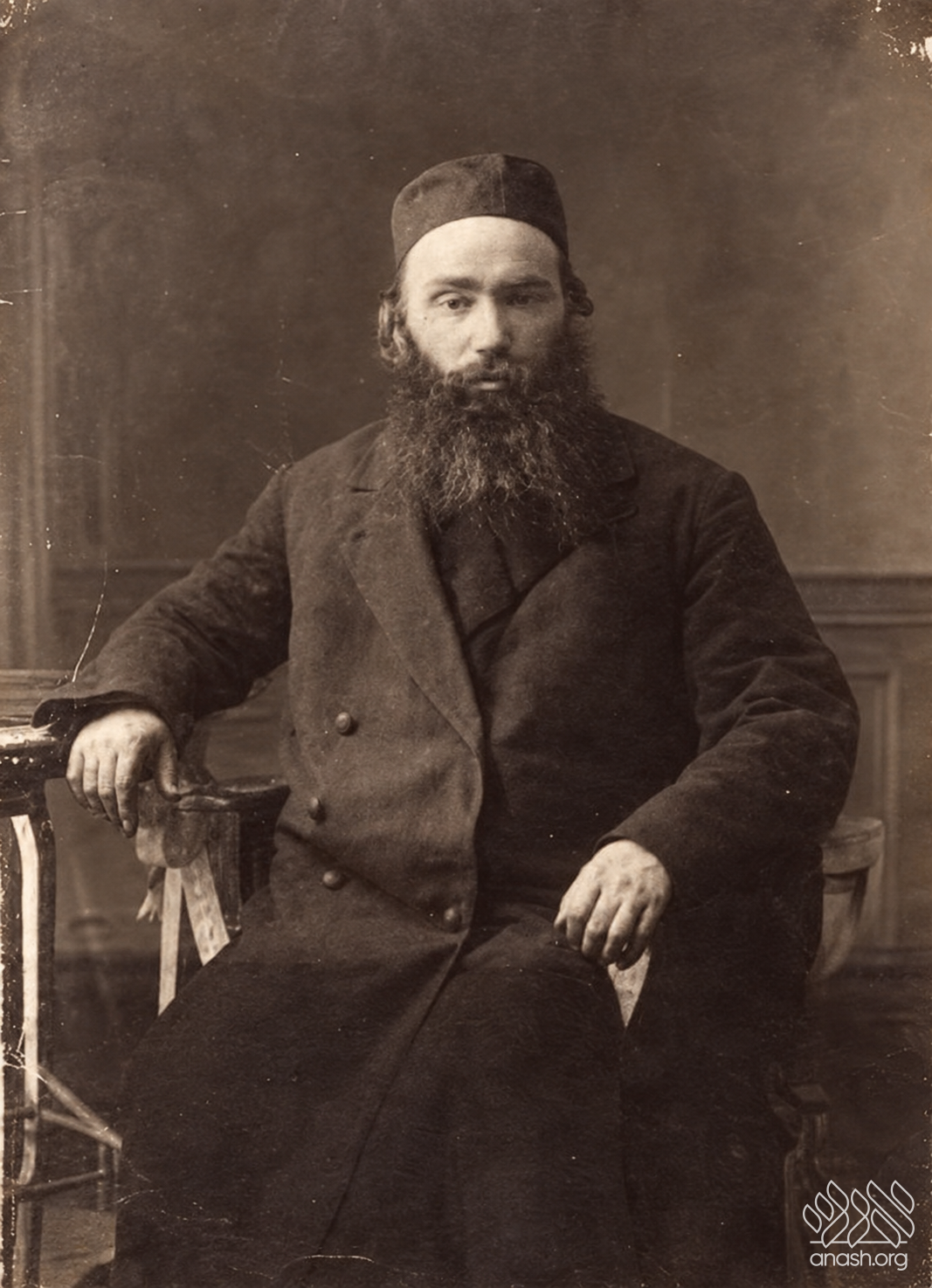
6 Cheshvan marks the yahrtzeit of Reb Mendel Kaplan (5629-5680), a devoted chossid of the Rebbe Rashab who spent his days davening, learning, and teaching Torah to local balebatim in Bobruisk, and the patriarch of a large Chabad family.
Reb Mendel was born in Bobruisk, where his father, Reb Yaakov, a Lubavitcher chossid who had traveled to the Tzemach Tzedek and the Rebbe Maharash, served as a maggid shiur in the large yeshivah of Reb Shmarya Noach Schneerson, the rav of the Chassidim in Bobruisk and leader of the Kopuster Chassidim.
Every Tishrei, when Reb Yaakov returned from Lubavitch, Reb Shmarya Noach would ask him, “Vos hertz zich in Lubavitch?”
Reb Mendel was a fiery chossid of the Rebbe Rashab. He and his wife ran a large grocery store, yet he spent hours davening b’arichus and giving shiurim, teaching Ein Yaakov after Mincha and Mishnayos after Maariv. He would speak passionately about hiskashrus, and every Tishrei, as guests arrived in Bobruisk for Rosh Hashanah with Reb Shmarya Noach, he would take his tallis and tefillin and announce that he was going to “the real Rebbe, in Lubavitch.”
He never showed disrespect to Reb Shmarya Noach and even served as mesader kiddushin at his daughter’s wedding to Reb Yaakov Yosef Raskin, but to Reb Mendel, “der Rebbe iz in Lubavitch.” After years of davening in Reb Shmarya Noach’s shul, he moved to the Lubavitcher shul, named for Reb Hillel Paritcher, and became known in the city as “Reb Mendel der Chossid.”
His home was known for hachnasas orchim. No meal was eaten there without guests, whether a visiting rav, a meshulach, or a bochur traveling to avoid the military draft.
Reb Mendel’s wife, Gitel, came from a family of misnagdim in Slutzk, which people found very amusing. His response was, “There is no greater mitzvah than to save a Yiddishe tochter from the misnagdim.”
His son-in-law, Reb Yaakov Yosef Raskin, a Tomim who later became one of the elder Chassidim in Eretz Yisroel, recorded how the shidduch came about. After Rosh Hashanah 5679, Reb Yaakov Yosef’s father, Reb Bentzion, was waiting in line for yechidus, worried about finding a shidduch for his son.
Reb Yankel Zhuravitzer told him there was a visiting chossid from Bobruisk, Reb Mendel Kaplan, with a daughter of marriageable age. Reb Bentzion wrote the name on his tzetel, and the Rebbe Rashab approved and gave a bracha.
When the two met and Reb Bentzion suggested that Reb Mendel also go in for yechidus, Reb Mendel declined. “You already received the Rebbe’s approval. That’s enough for me. I don’t want to disturb the Rebbe with unnecessary questions.” Then he shook his hand and said, “Mazel tov, mechutan!”
After the Rebbe Rashab’s histalkus in 5680 (1920), which reached Bobruisk only in the middle of the summer, Reb Mendel was heartbroken and weak. Telling his family that he needed to visit a resort town near Rostov, his main intent was to visit the Ohel and spend Tishrei with the Frierdiker Rebbe.
It was a perilous time. Russia was in the throes of civil war, Jews were attacked from every side, and trains ran on irregular schedules. In Zhlobin he was searched and detained by the authorities for no stated reason, and was freed only through the efforts of the rav, Reb Moshe Akselrod.
About two hundred kilometers from Rostov, a group of hooligans boarded the train, robbed the Jewish passengers, killed some of them, and began throwing Jews off the moving train for sport. Reb Mendel was thrown off with several broken ribs. Lying by the tracks that night, he felt the signs of gesisah he had learned in Shulchan Aruch.
In the morning, railway workers found him and brought him to a local clinic, where the only treatment he received was iodine spread over his wounds. Since the Communists had waived postage that year, he was able to send letters home describing what had happened. Refusing to partake of the hospital food, he left as soon as he had recovered somewhat and continued on to Rostov.
From the hospital, Reb Mendel had sent panim to the Frierdiker Rebbe, begging to merit kever Yisroel, a proper Jewish burial. At the Simchas Torah farbrengen, the Frierdiker Rebbe spoke with great intensity about a chossid who had asked for such a bracha. “A Jew should ask for life, not for burial!” He didn’t name him, but it was clear he meant Reb Mendel.
It was a period of uncertainty regarding the nesius. Although the Rebbe Rashab had explicitly instructed in his tzava’ah that the Frierdiker Rebbe say maamarim, lead Tomchei Tmimim and strengthen Yiddishkeit throughout Russia, the Frierdiker Rebbe had not yet accepted the nesius. Throughout the year of aveilus, he secluded himself in his room and refrained from acting as the Rebbe.
The Chassidim had accepted him, but nobody dared say “Rebbe” in his presence. Reb Mendel could not bear it. At that same Simchas Torah farbrengen, he repeatedly addressed the Frierdiker Rebbe as “Rebbe,” despite his objections. The Frierdiker Rebbe was visibly uncomfortable and said, “Why are you spilling my blood?” But Reb Mendel was undeterred.
Chassidim later said that he had “broken the ice,” and from then on the Frierdiker Rebbe was always addressed as Rebbe.
Reb Mendel passed away shortly afterward, on 6 Cheshvan 5680, of pneumonia. Back in Bobruisk, his bookshelf of seforim suddenly collapsed, and the next day his son Reb Chaim, in Minsk, dreamed three nights in a row that his father asked, “Why is no one saying kaddish for me?”
Rebbetzin Shterna Sarah gave an article of the Rebbe Rashab’s clothing to be buried with him, and he was laid to rest near the Rebbe Rashab. When the Rebbe Rashab’s Ohel was moved to the new cemetery, Reb Mendel was moved alongside him.
Reb Mendel’s son, Eliyahu, recorded an episode that occurred after his father’s passing:
“In 1921, a few months after my father passed away, a Jewish commissar, a hardened Communist, came to our home and warned my mother that a search was planned and that we should hide our valuables. My mother was terrified at the sight of the armed officer, but did as he advised. Sure enough, our home was searched, and our valuables were spared.
“Curious as to why this sworn Communist chose to help us, I sought him out and asked him. He told me that in 1919, when Poland controlled our city, he had been arrested as part of the underground Communist movement. To save his life, he denied any connection to the party and gave my father as a reference.
“My father was called in and asked to confirm that he was not a Communist. The officer demanded an oath, but my father explained that religious Jews do not take oaths, so he was asked to sign a written statement. He was warned that if it was false, they would both be hanged. My father signed his name without hesitation.
After the Soviets took over, the man came to my father in full uniform to thank him, and my father asked only one thing, ‘bleibt a Yid.’ When he heard that my father had died, this tough man cried, as he did when he concluded his story.”
Reb Mendel later explained his reasoning: “A true maamin can never deny his faith. If this person could deny his ‘faith,’ his Communist ideology, then clearly he wasn’t truly a Communist to begin with.”
Reb Mendel left behind many descendants, a large and well-known Lubavitch family spread across the world, who continue to carry on his legacy.
Yehi zichro baruch.
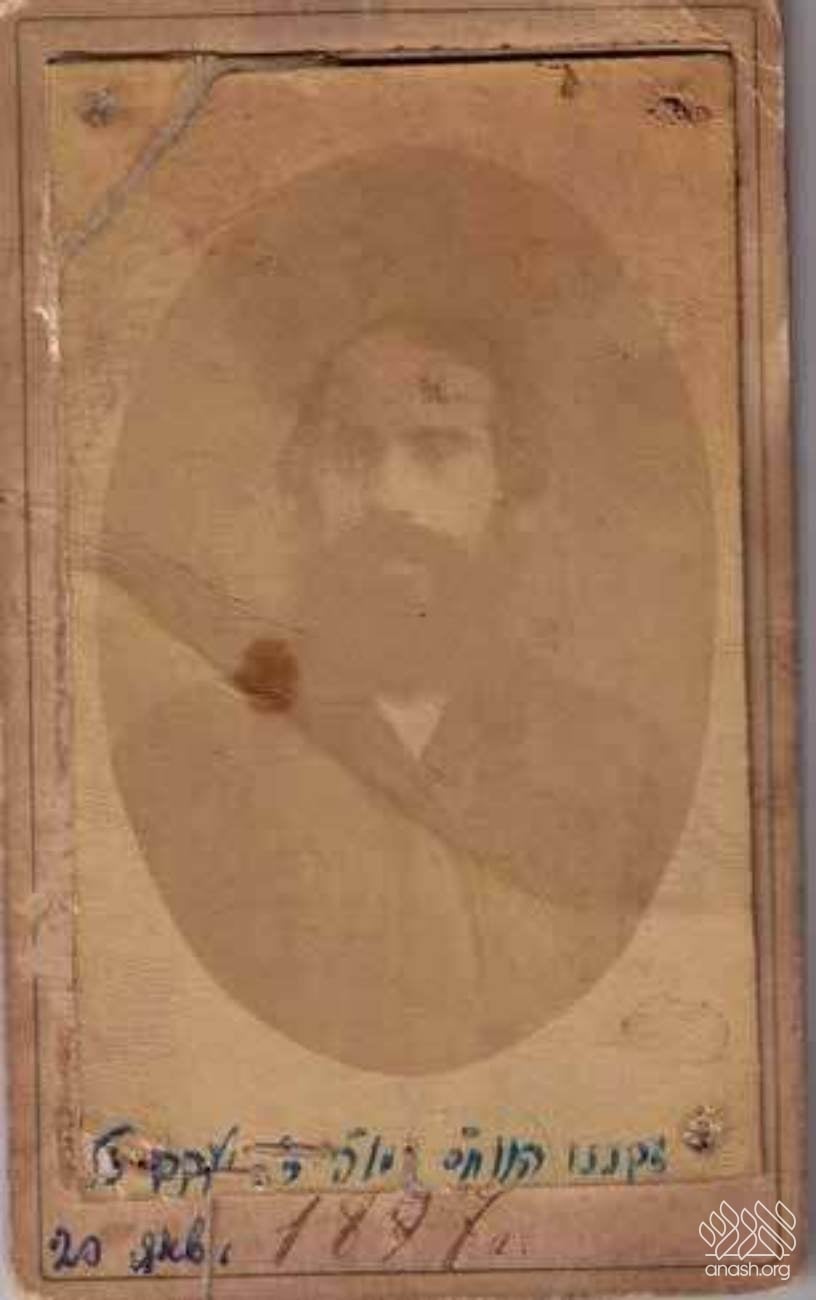
Reb Yaakov Kaplan, father of Reb Mendel
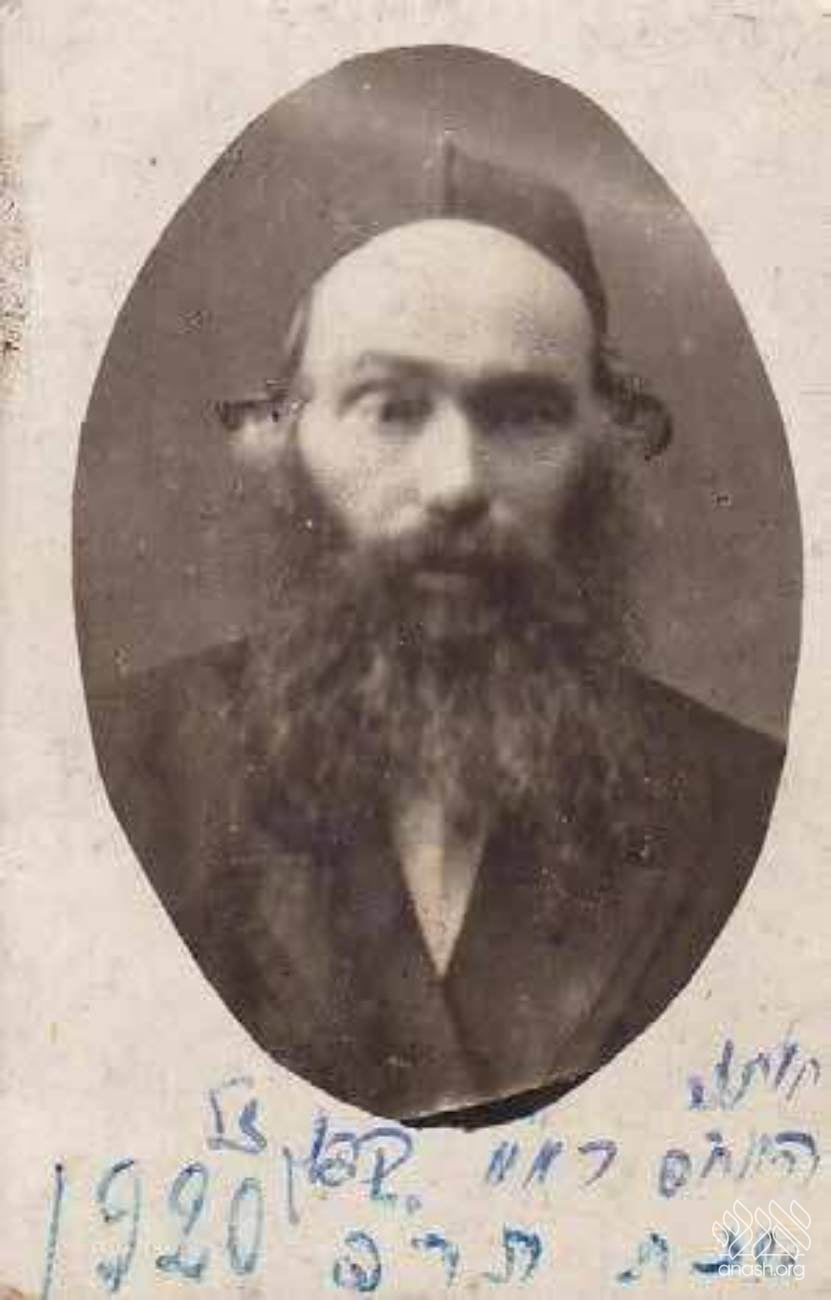
FINAL PHOTOGRAPH OF REB MENDEL KAPLAN
 COMMENTS


Presumably he is considered one of the minyan of chasidim that passed from this world within the first year of the Rebbe Rashabs histalkus?