




י״א אייר ה׳תשפ״ו | April 28, 2026
Sunny Greek Island Sees Tourists with a Different Agenda
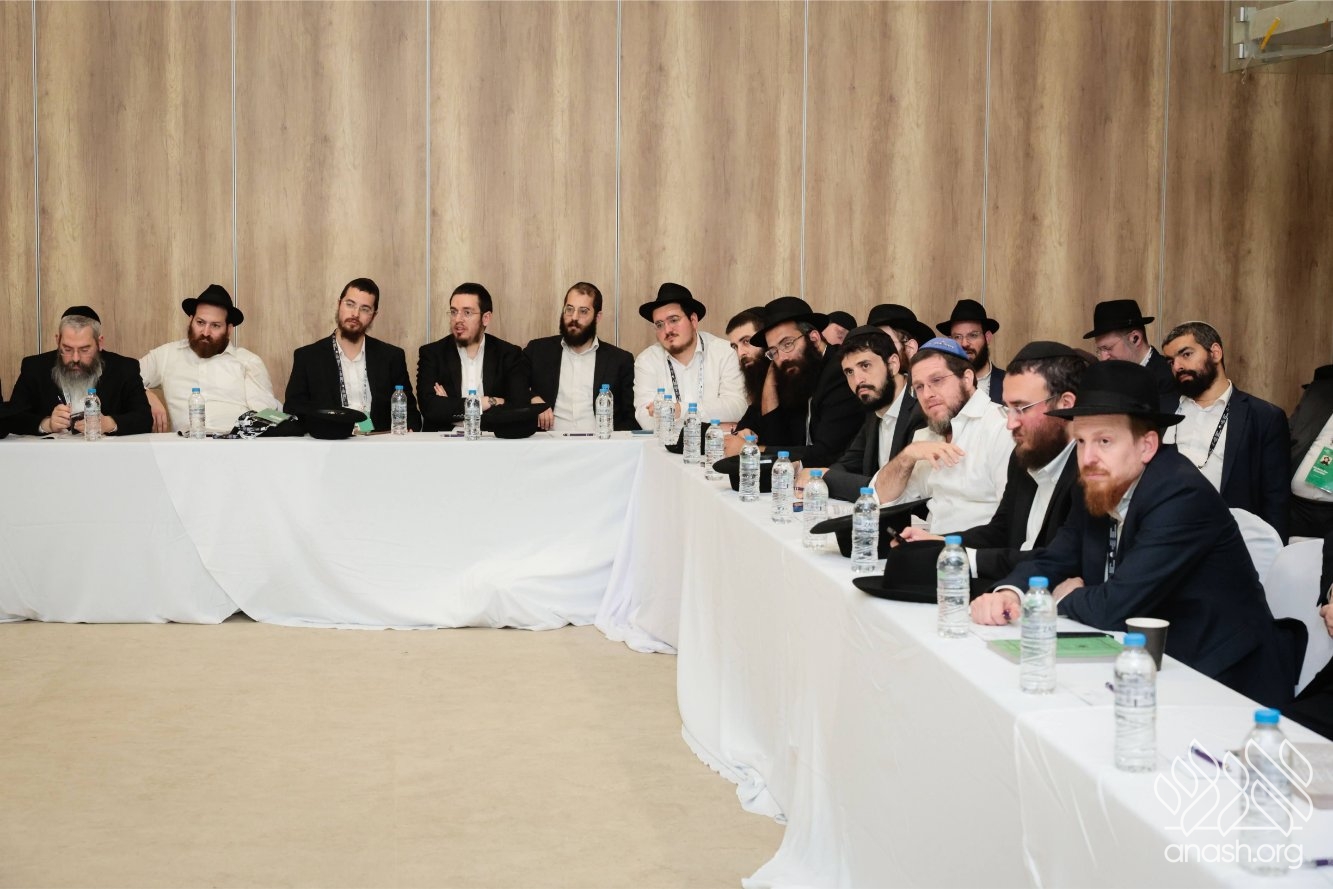
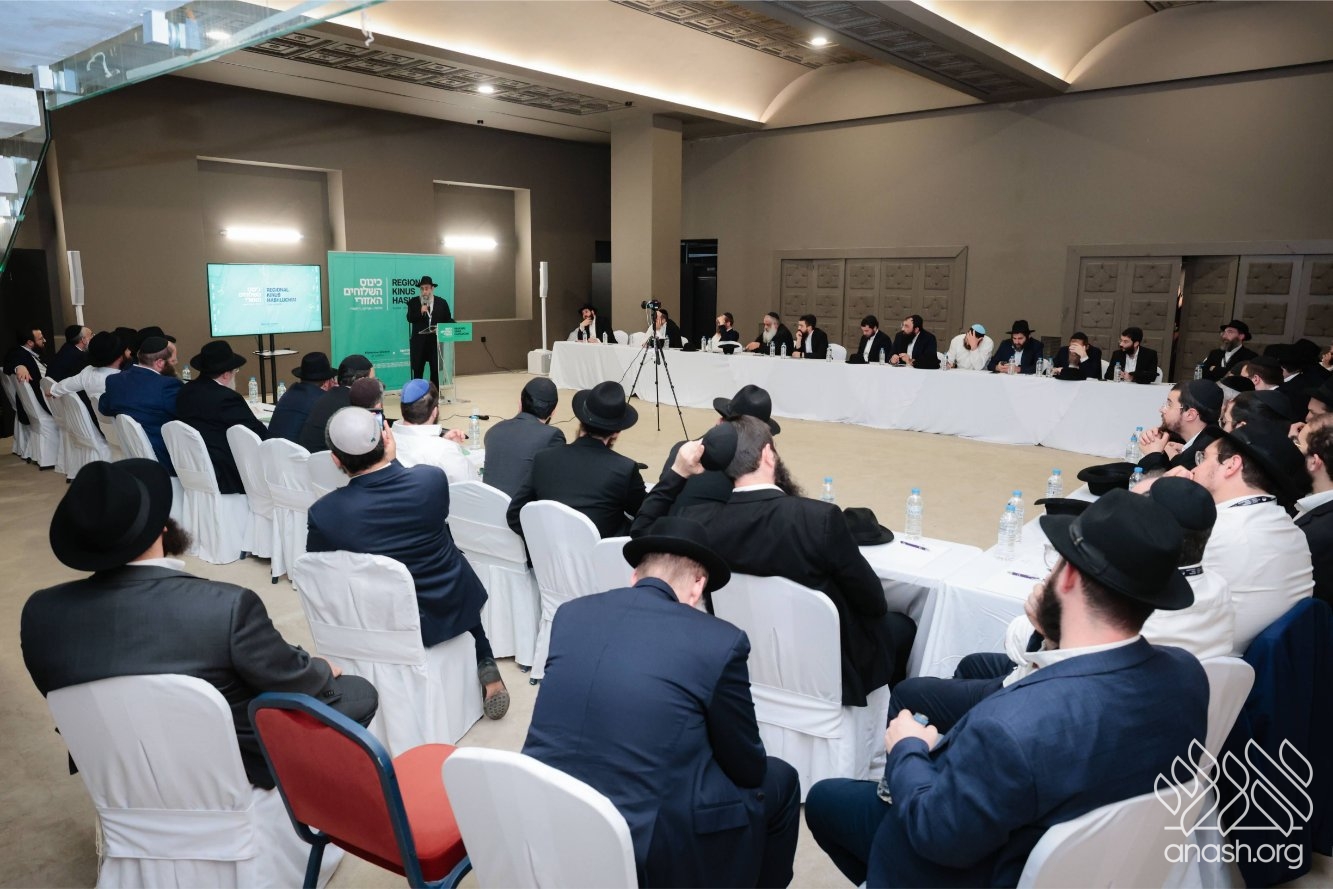
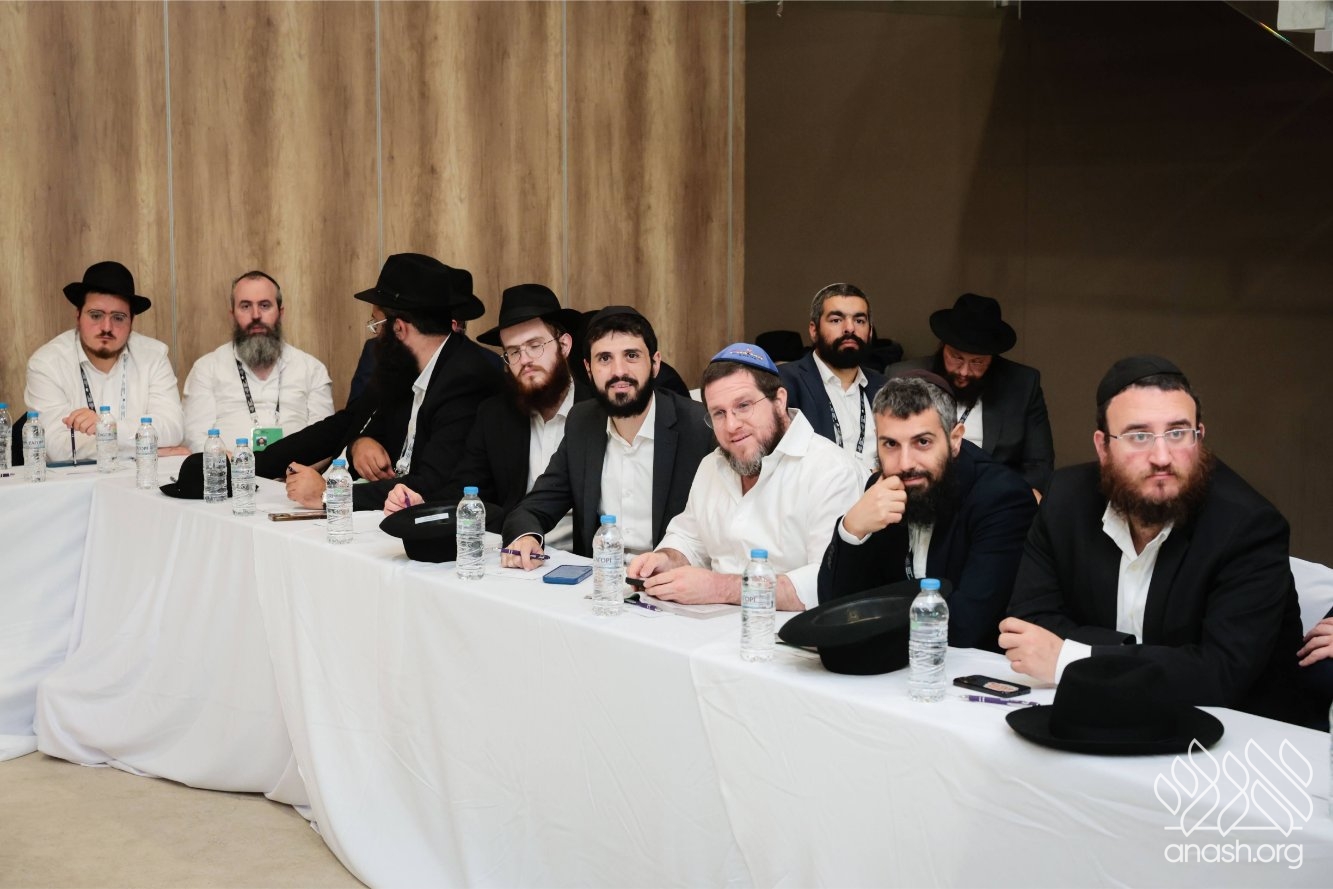
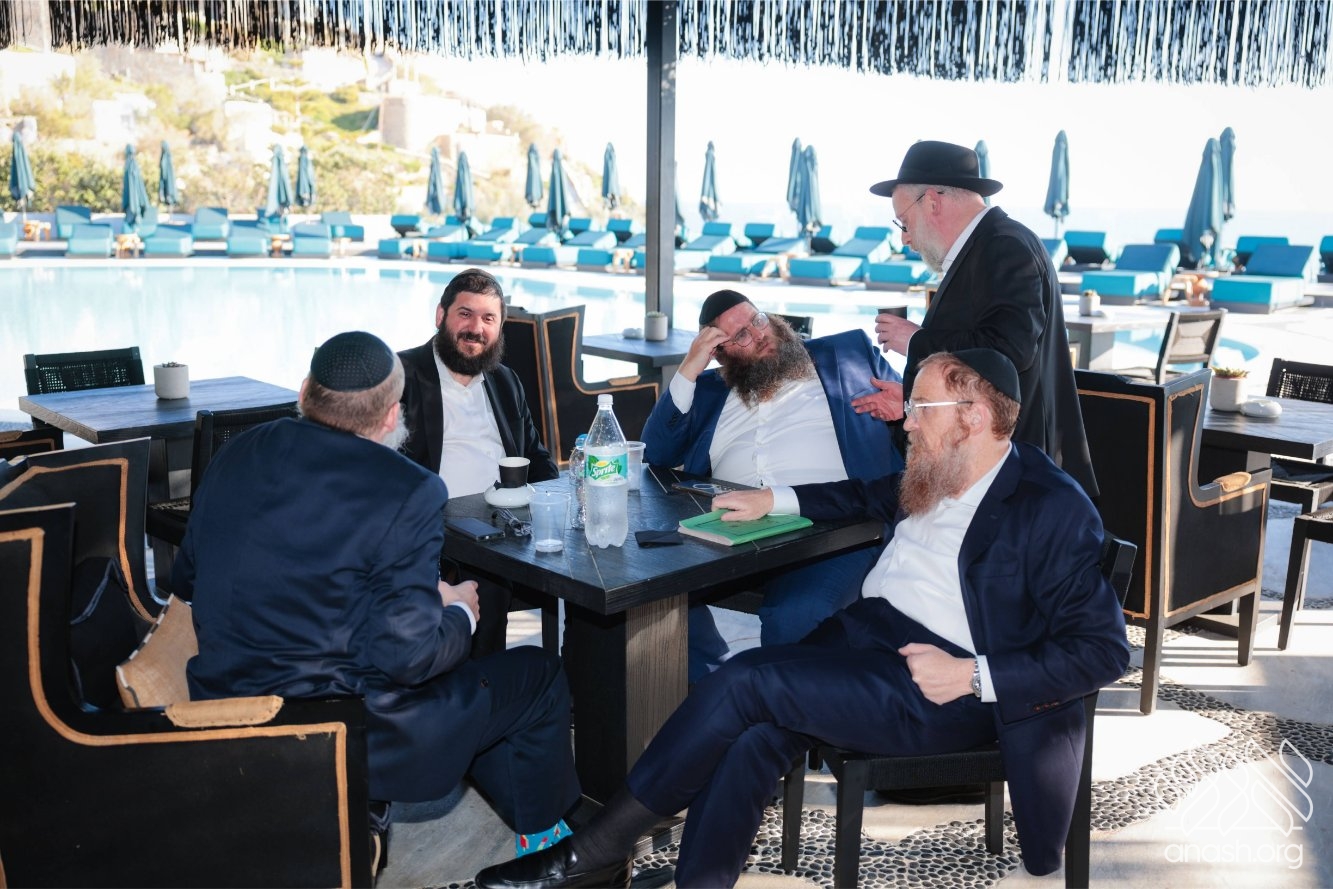
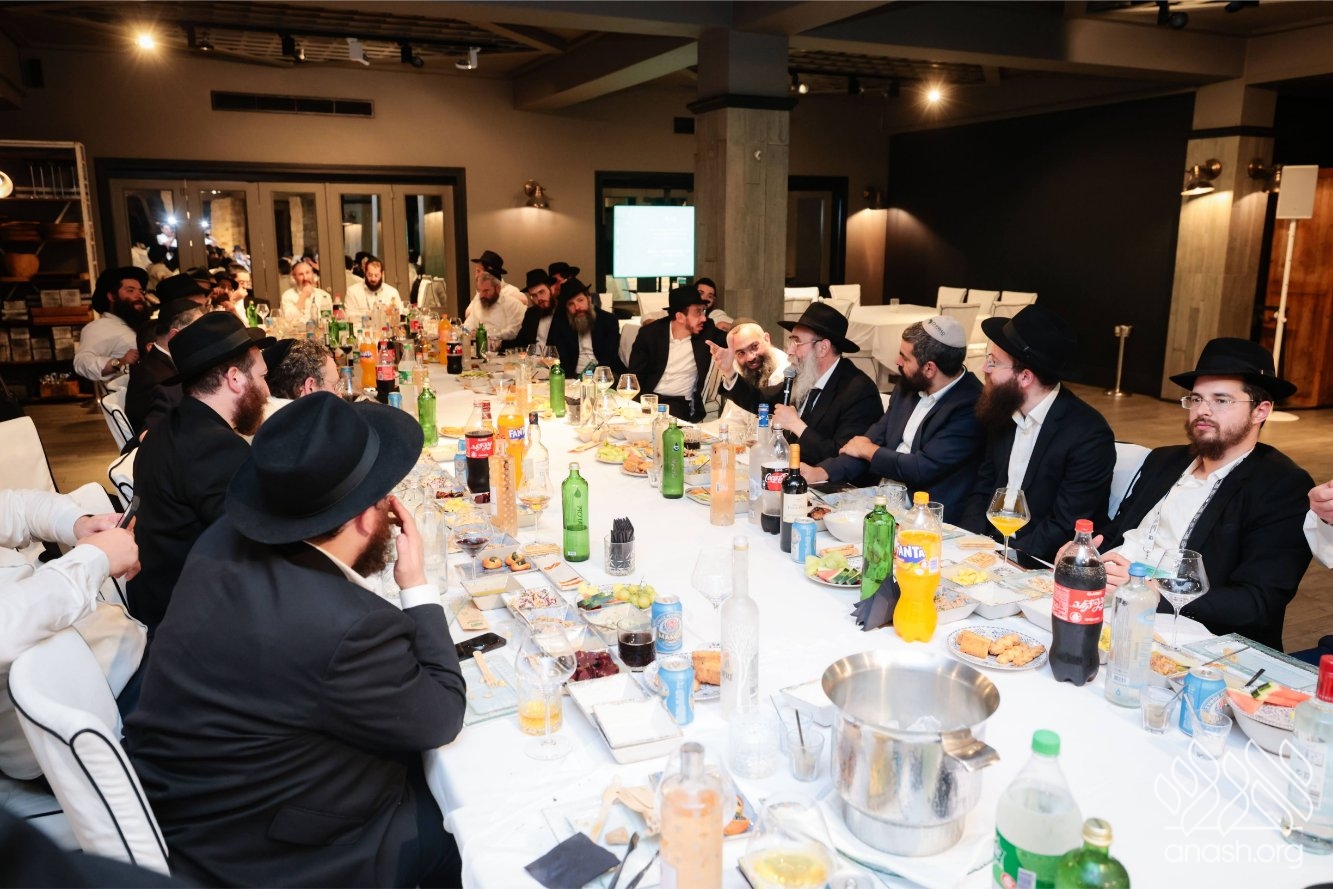
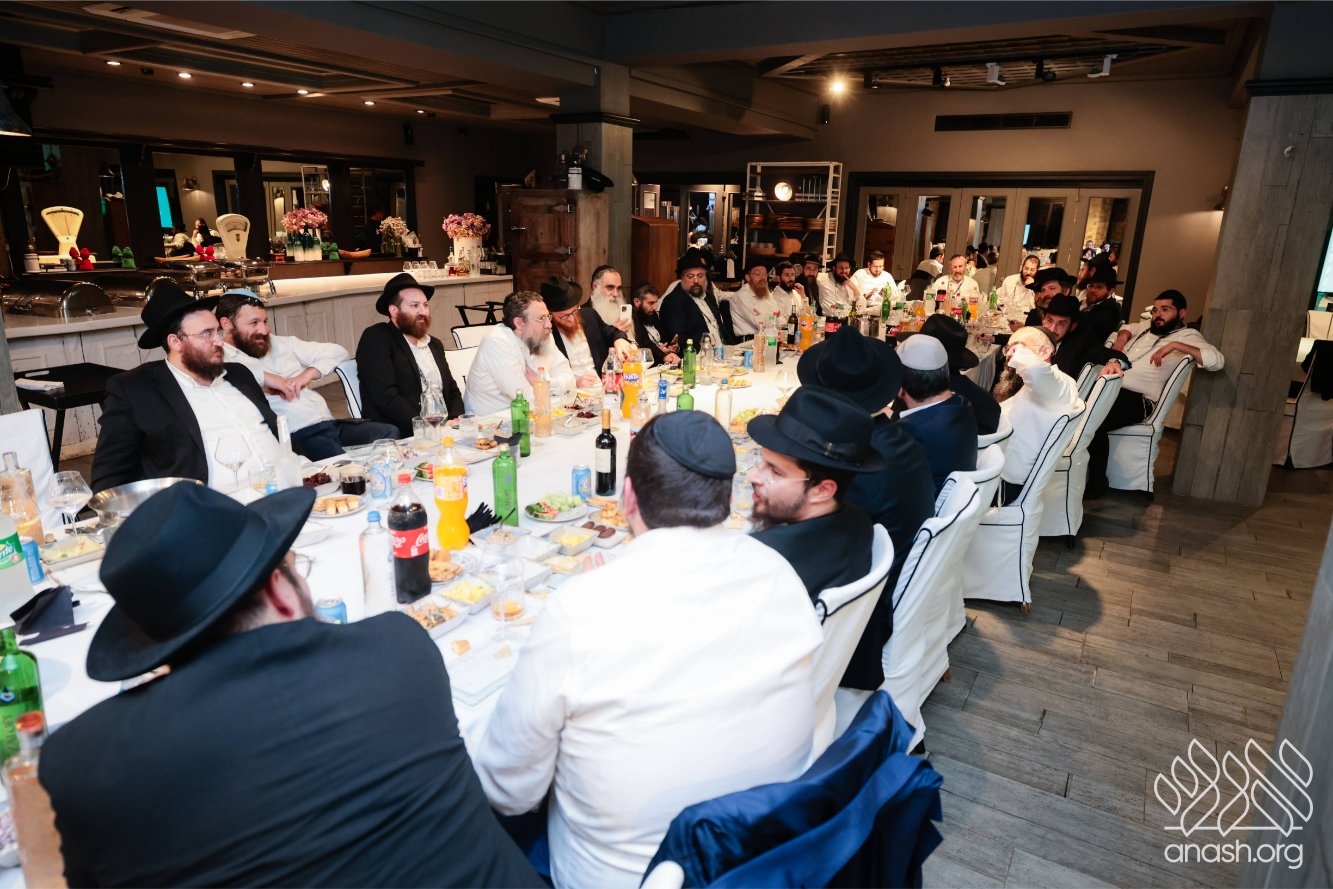
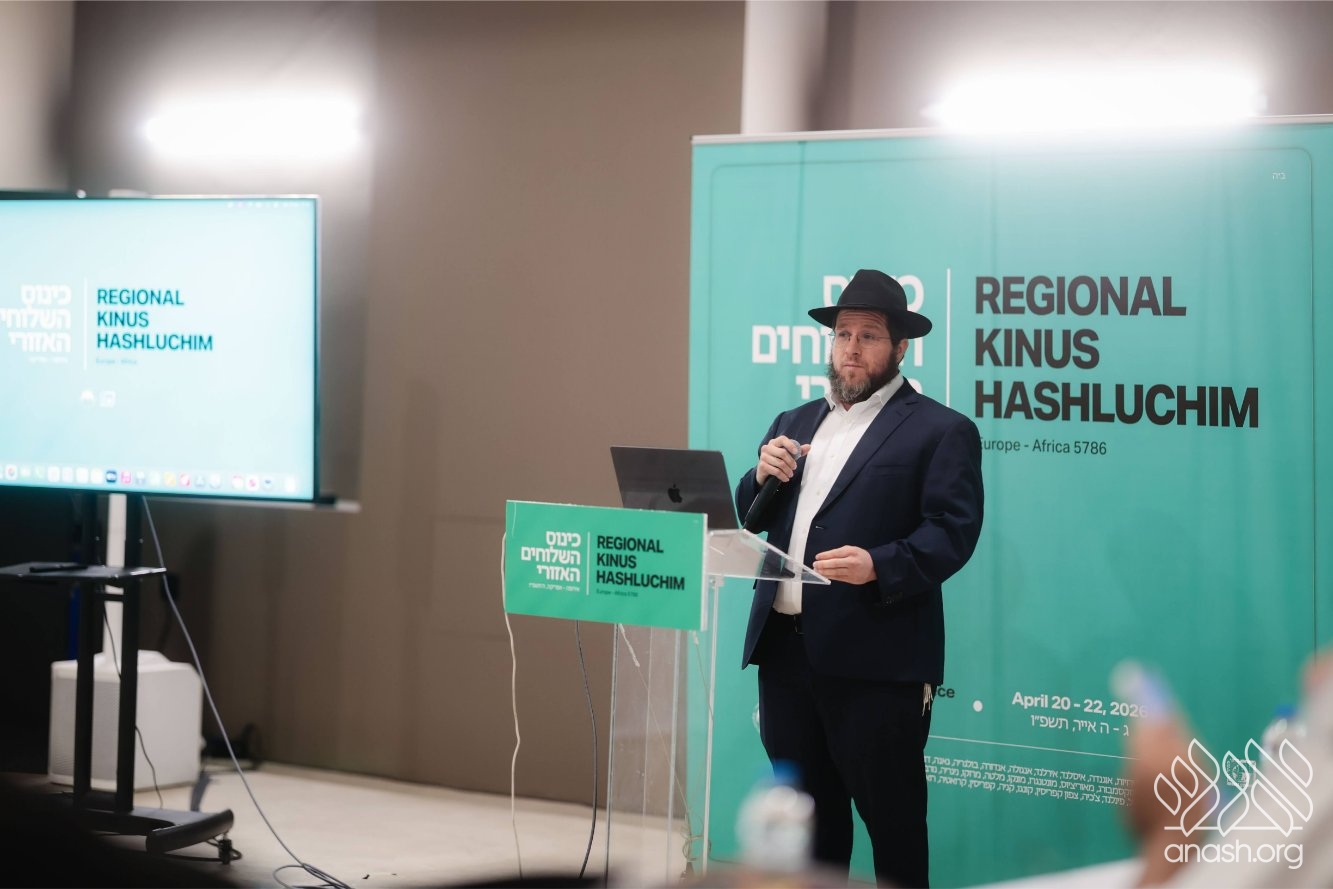
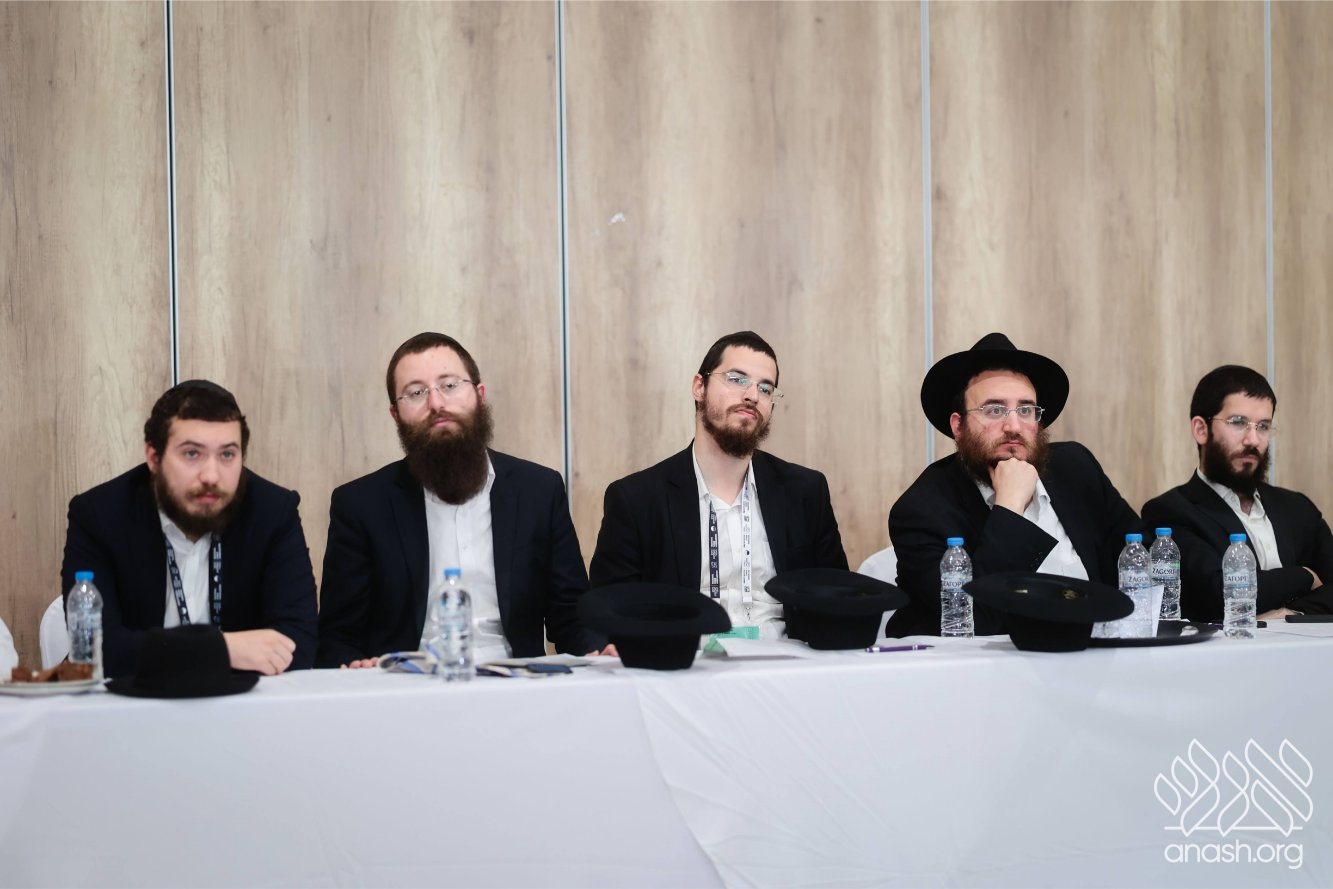
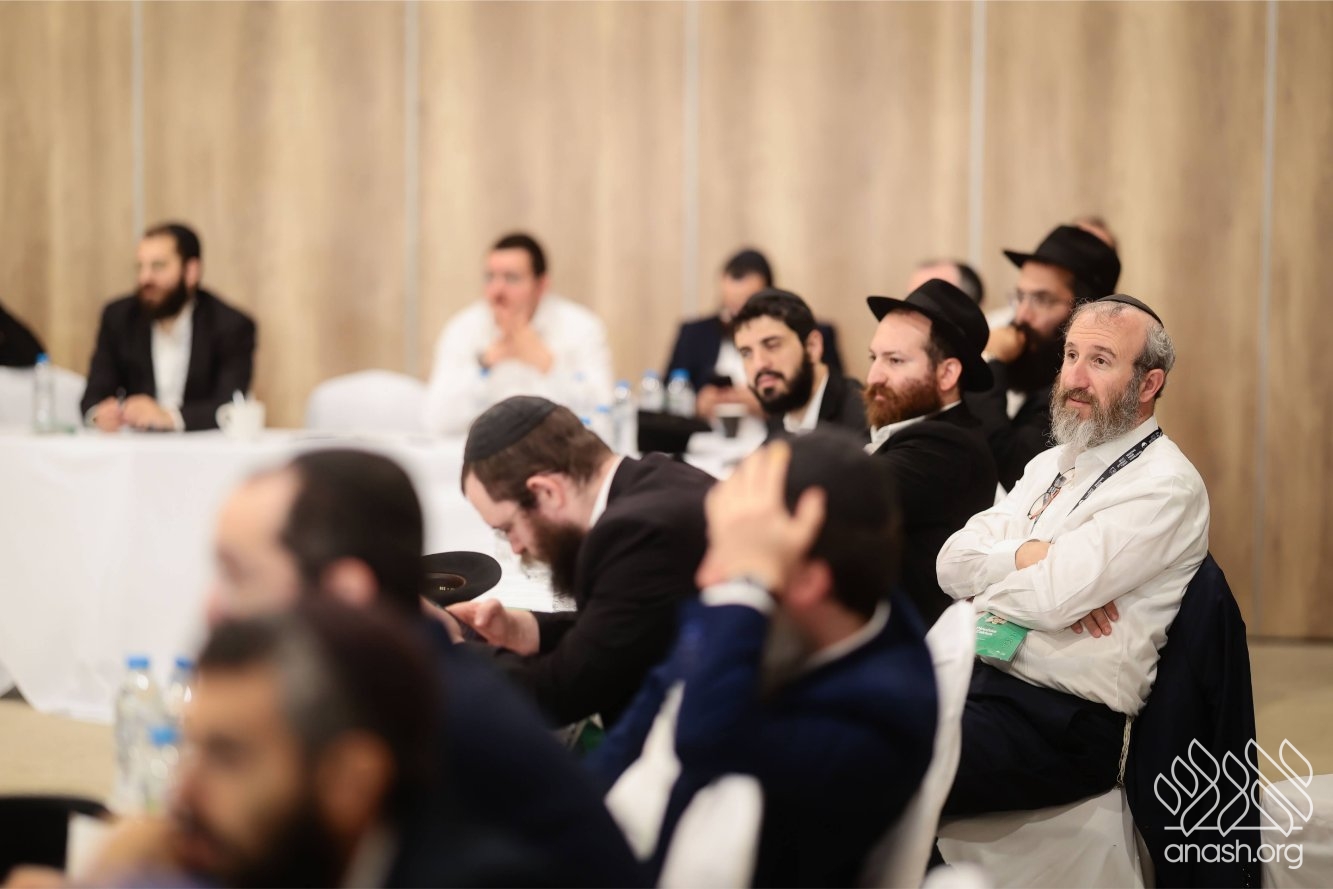
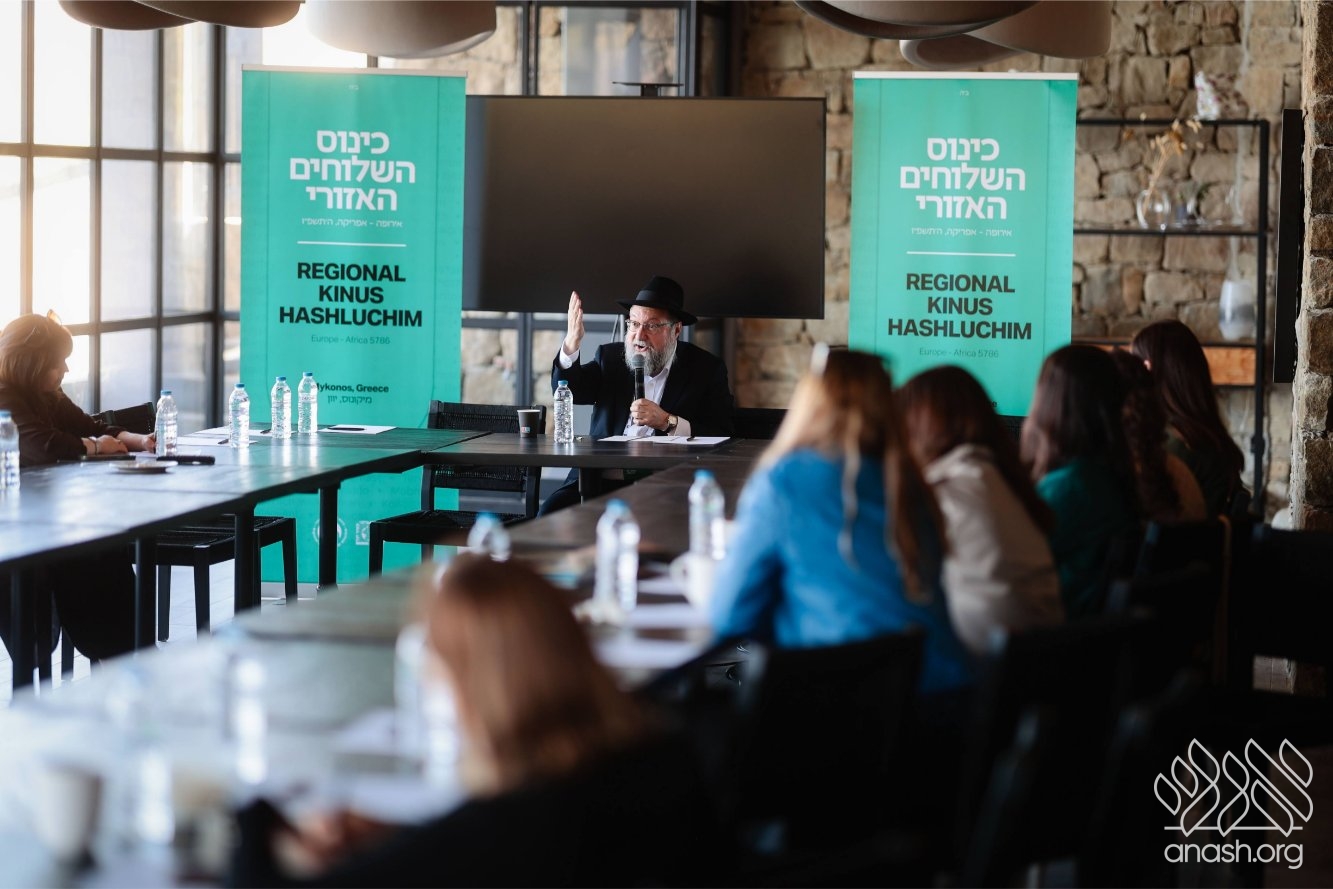
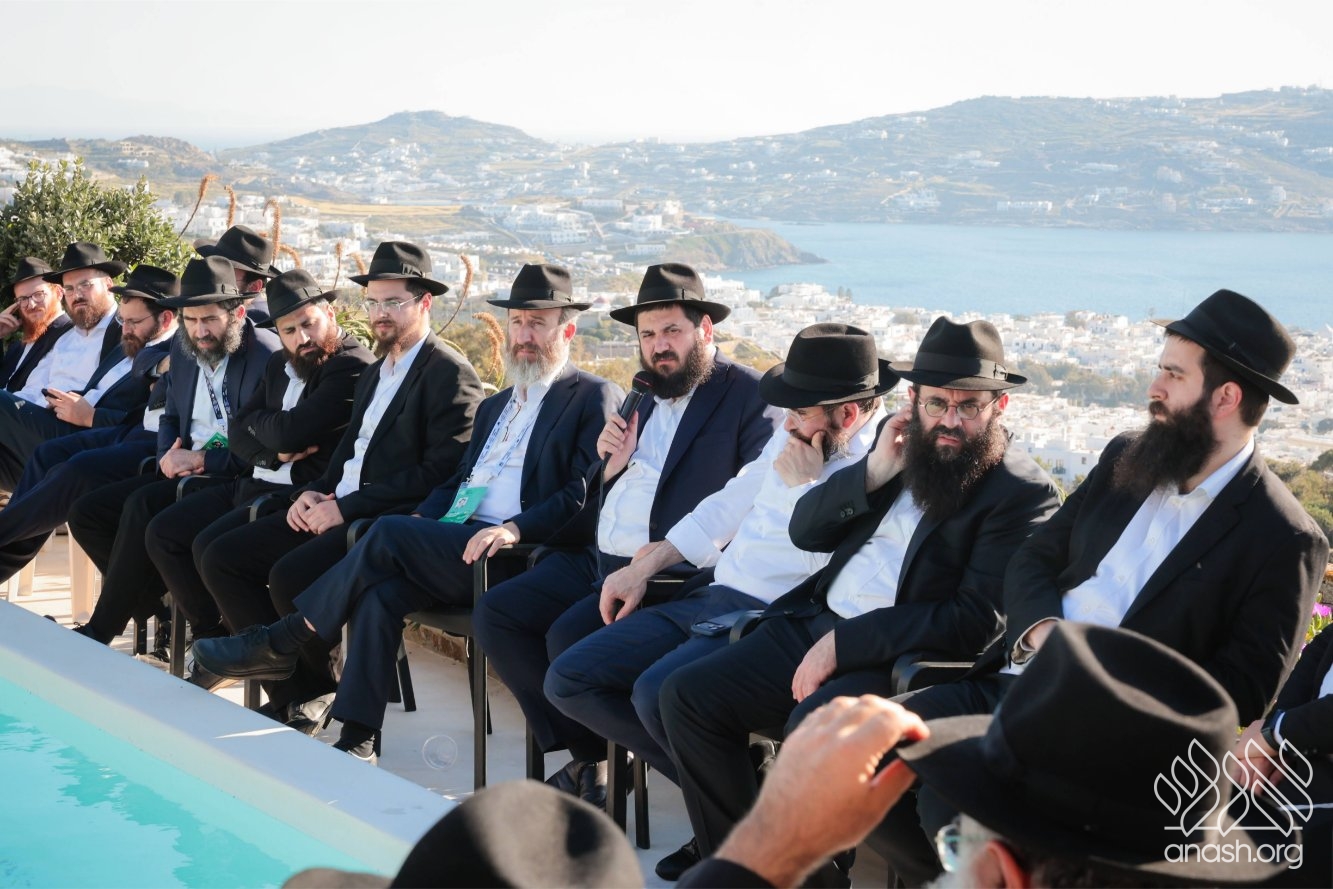
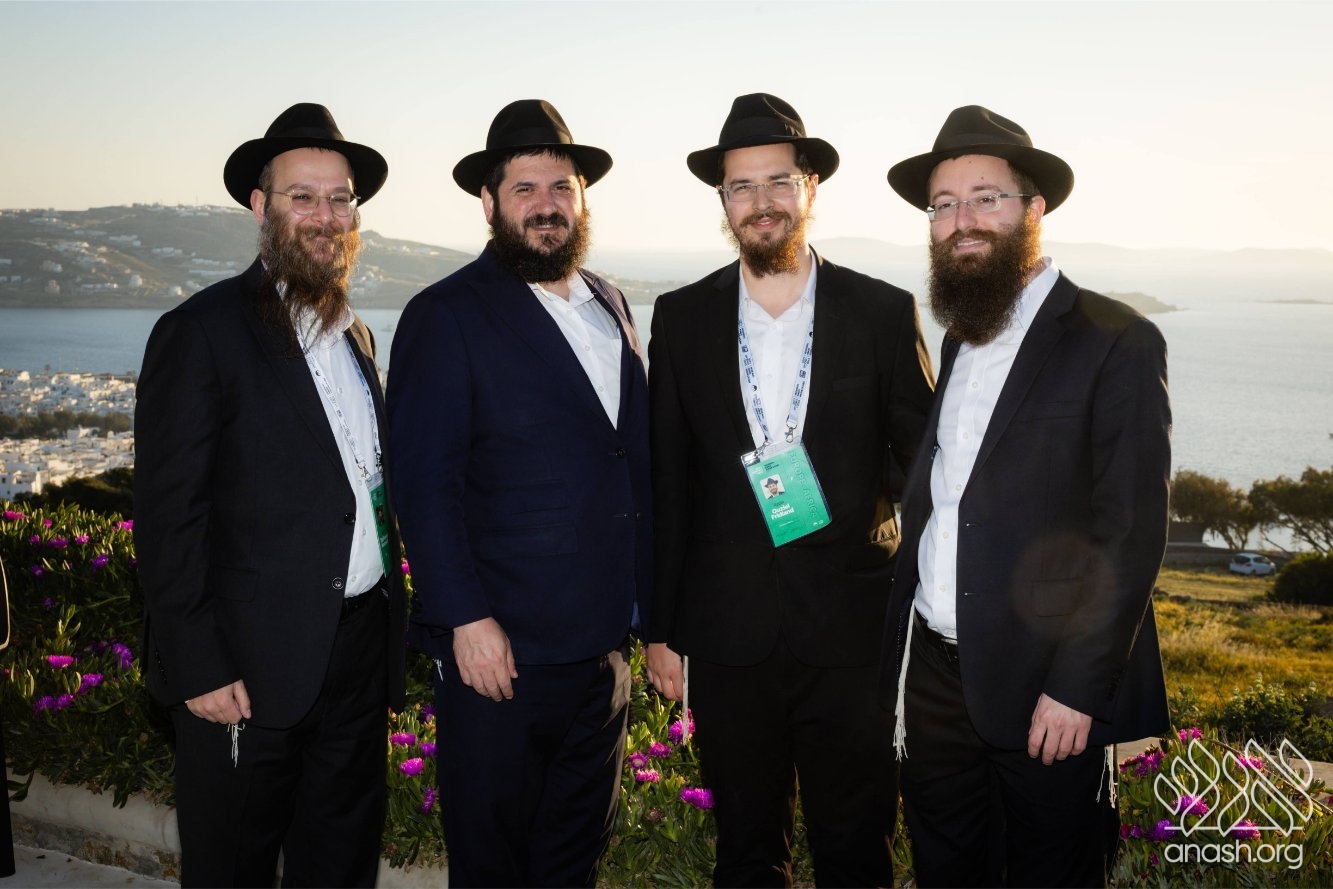
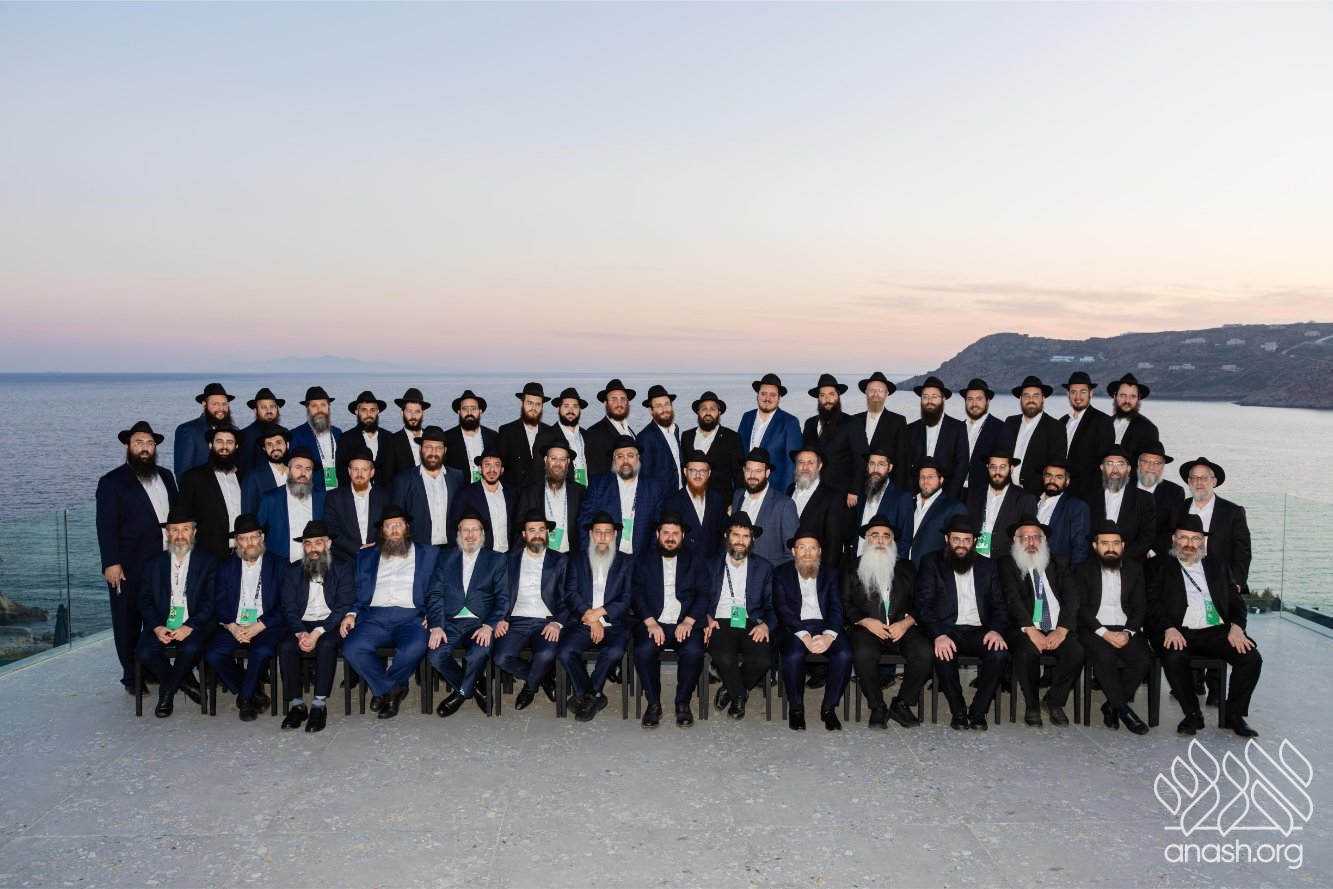
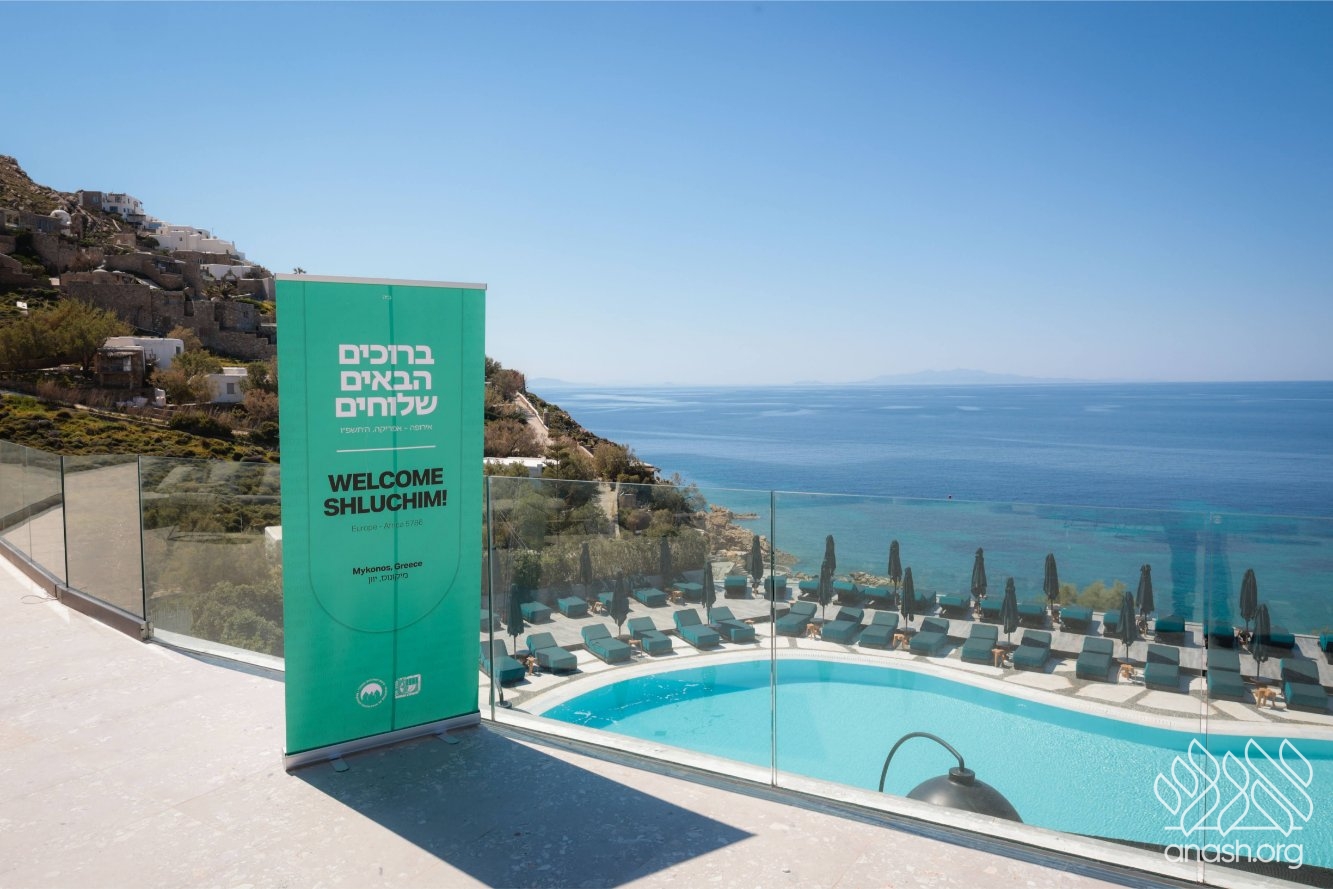
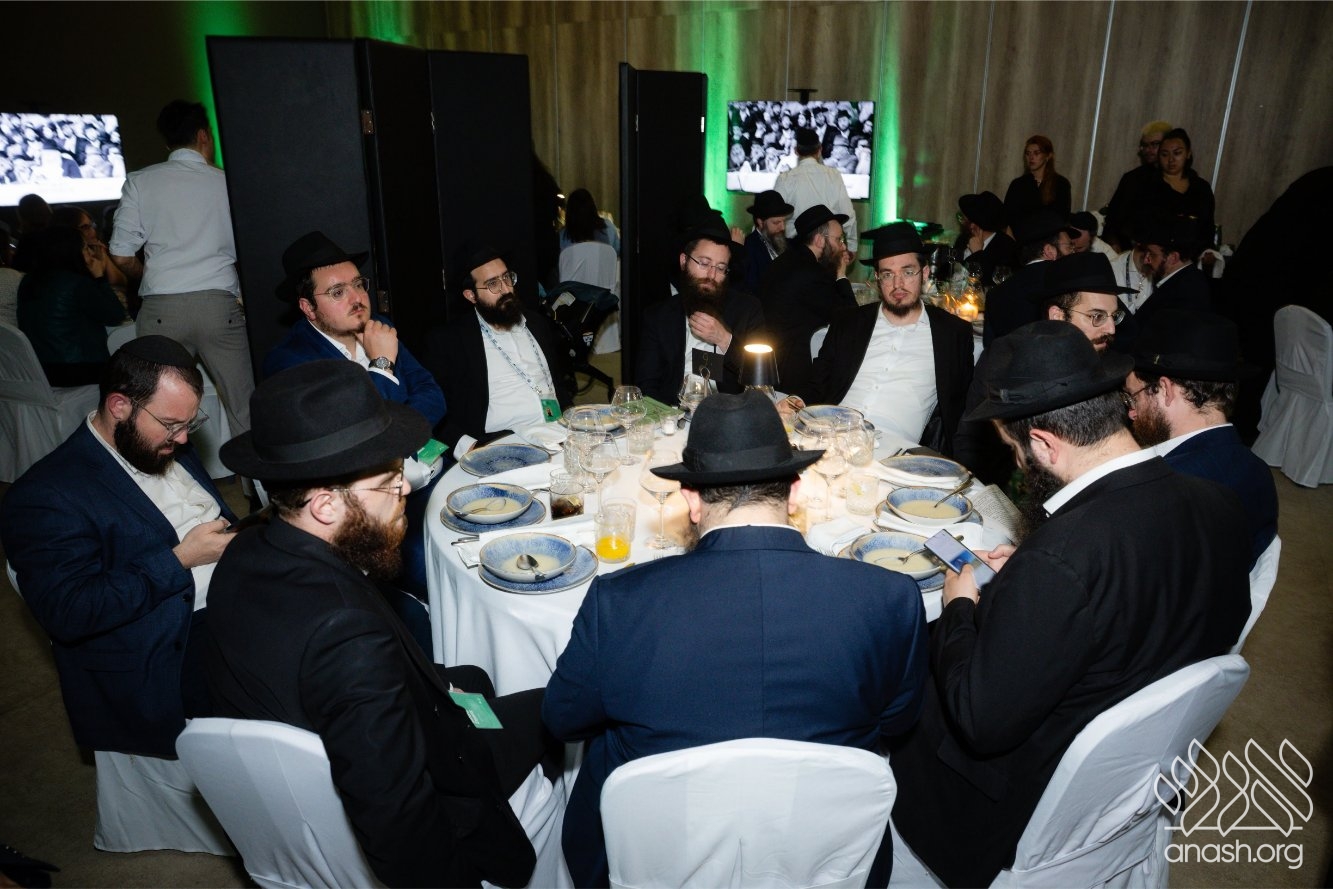
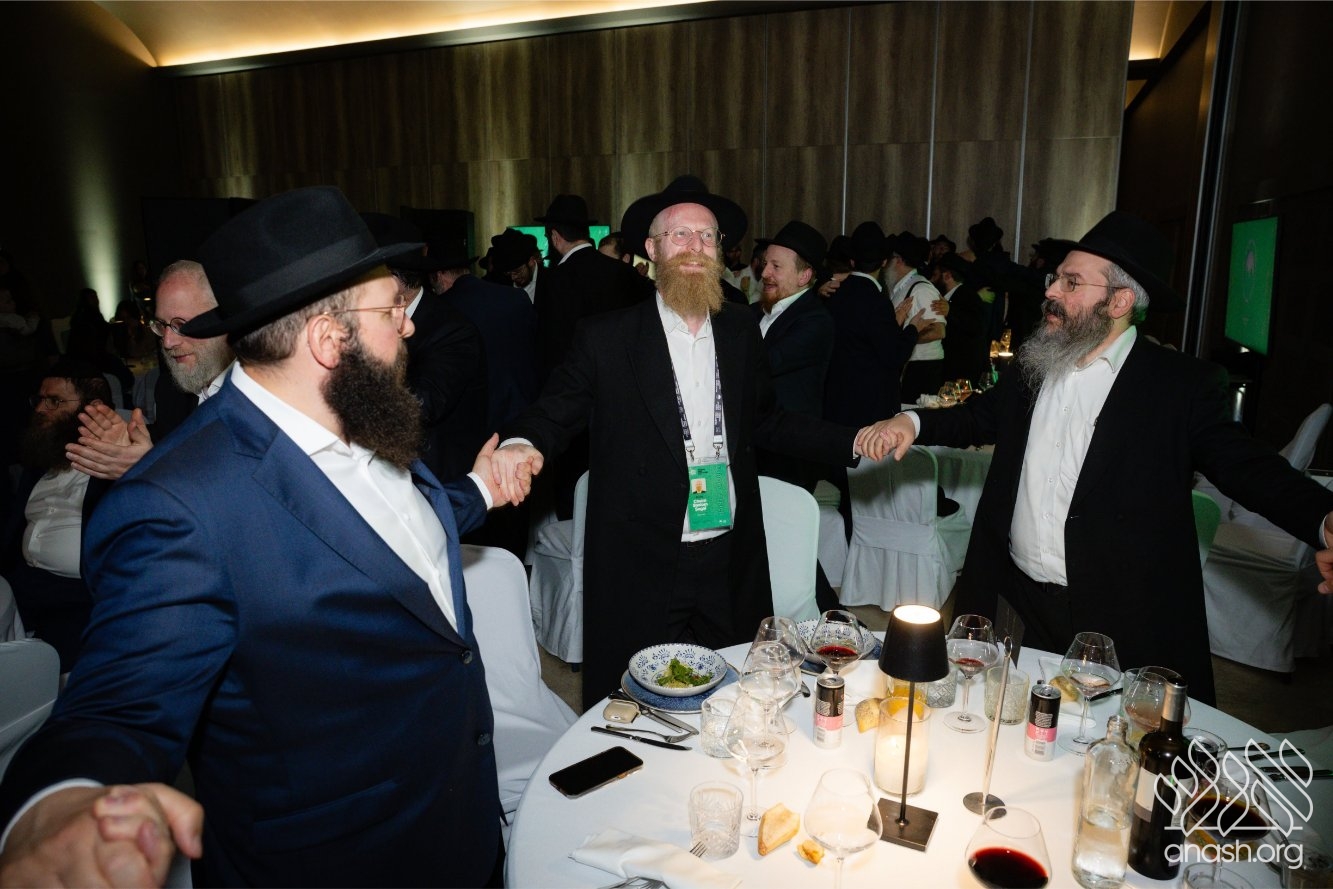
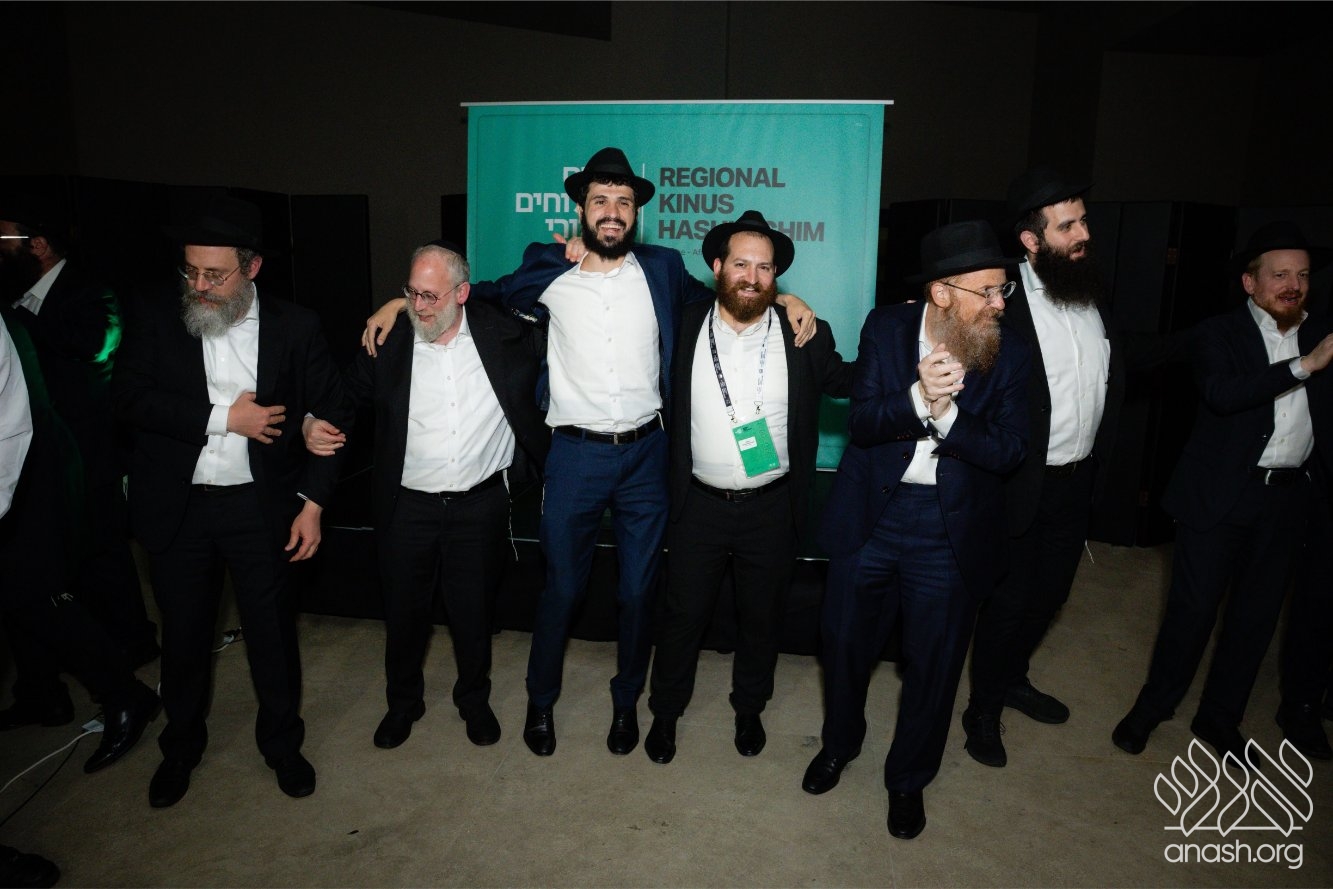
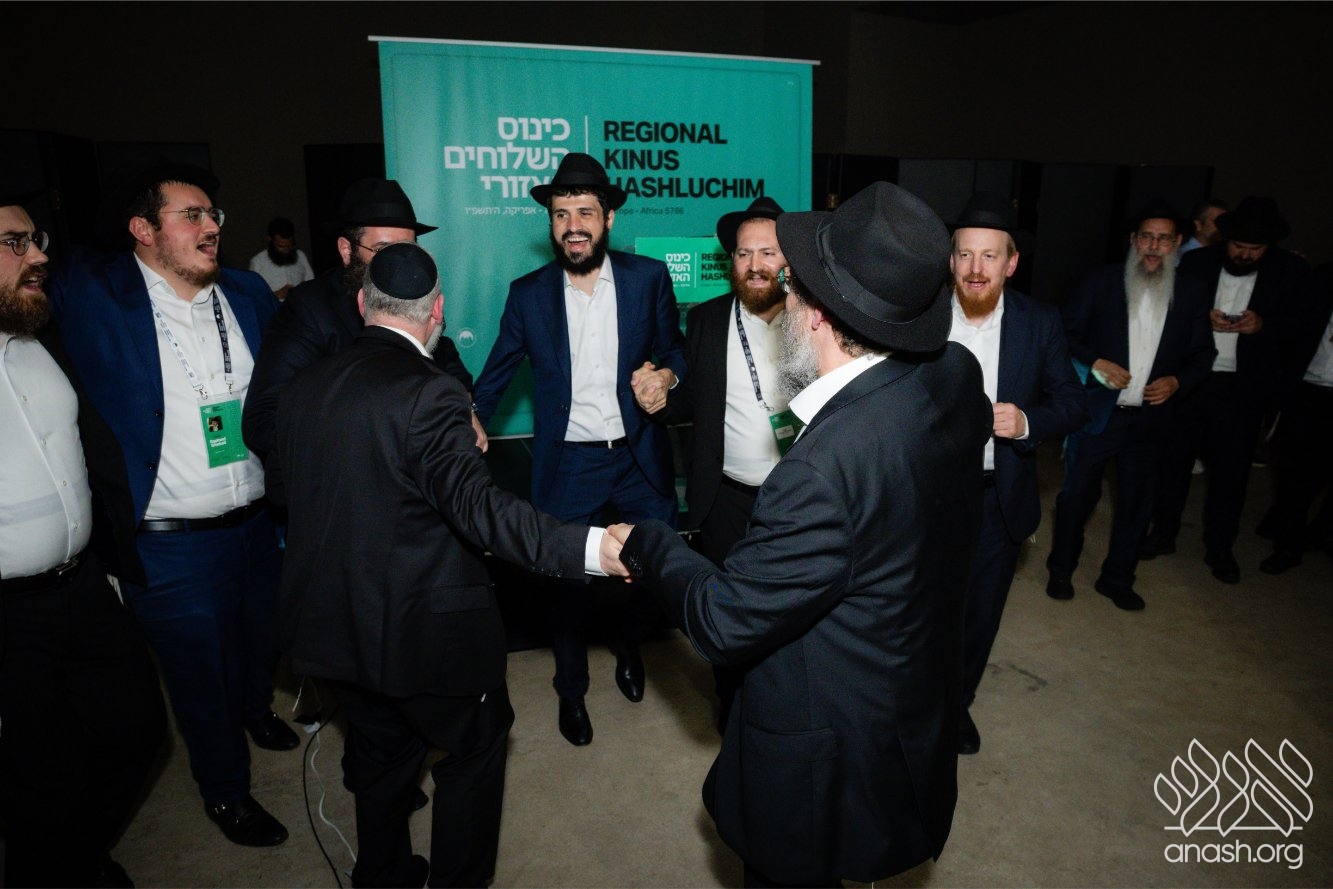
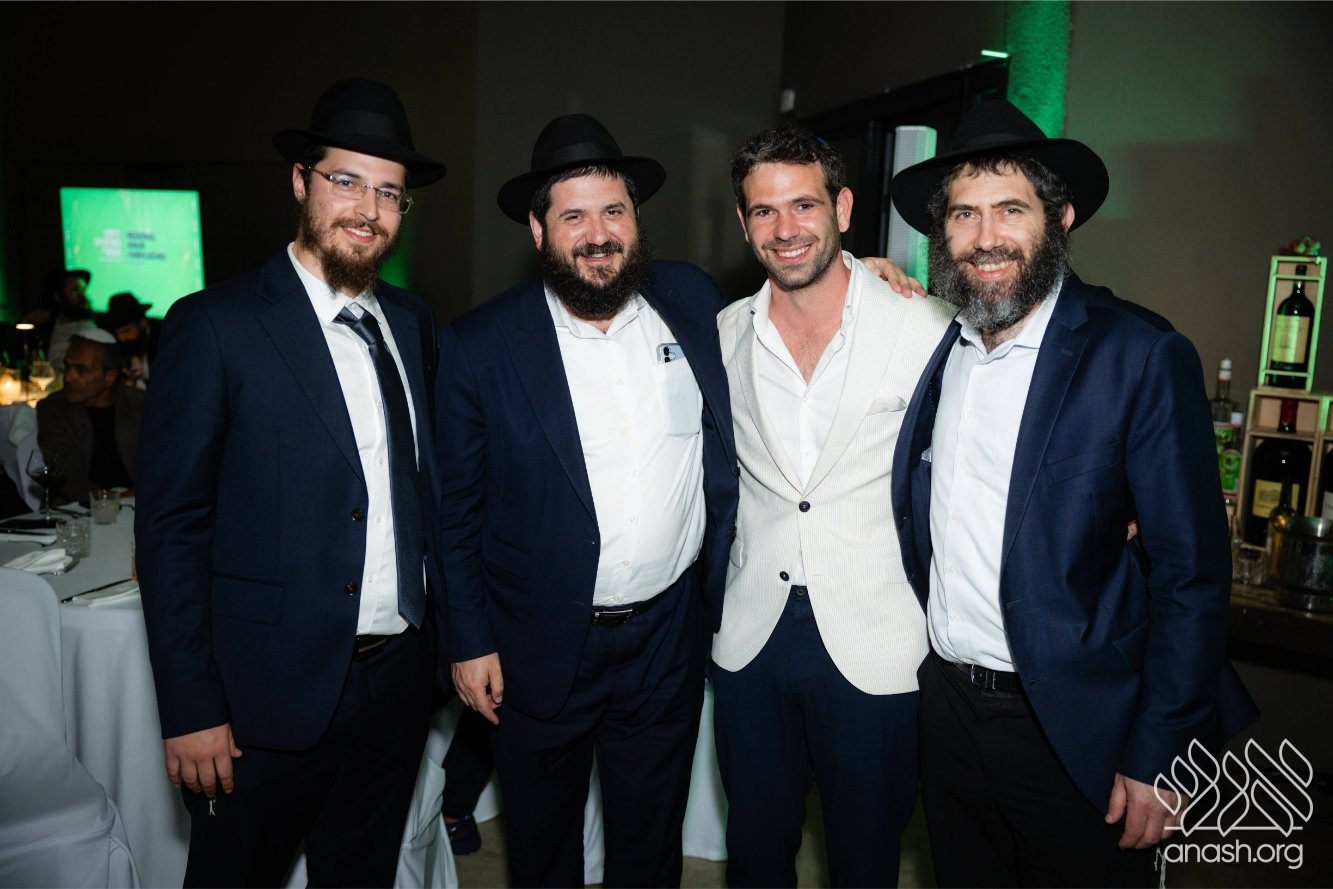
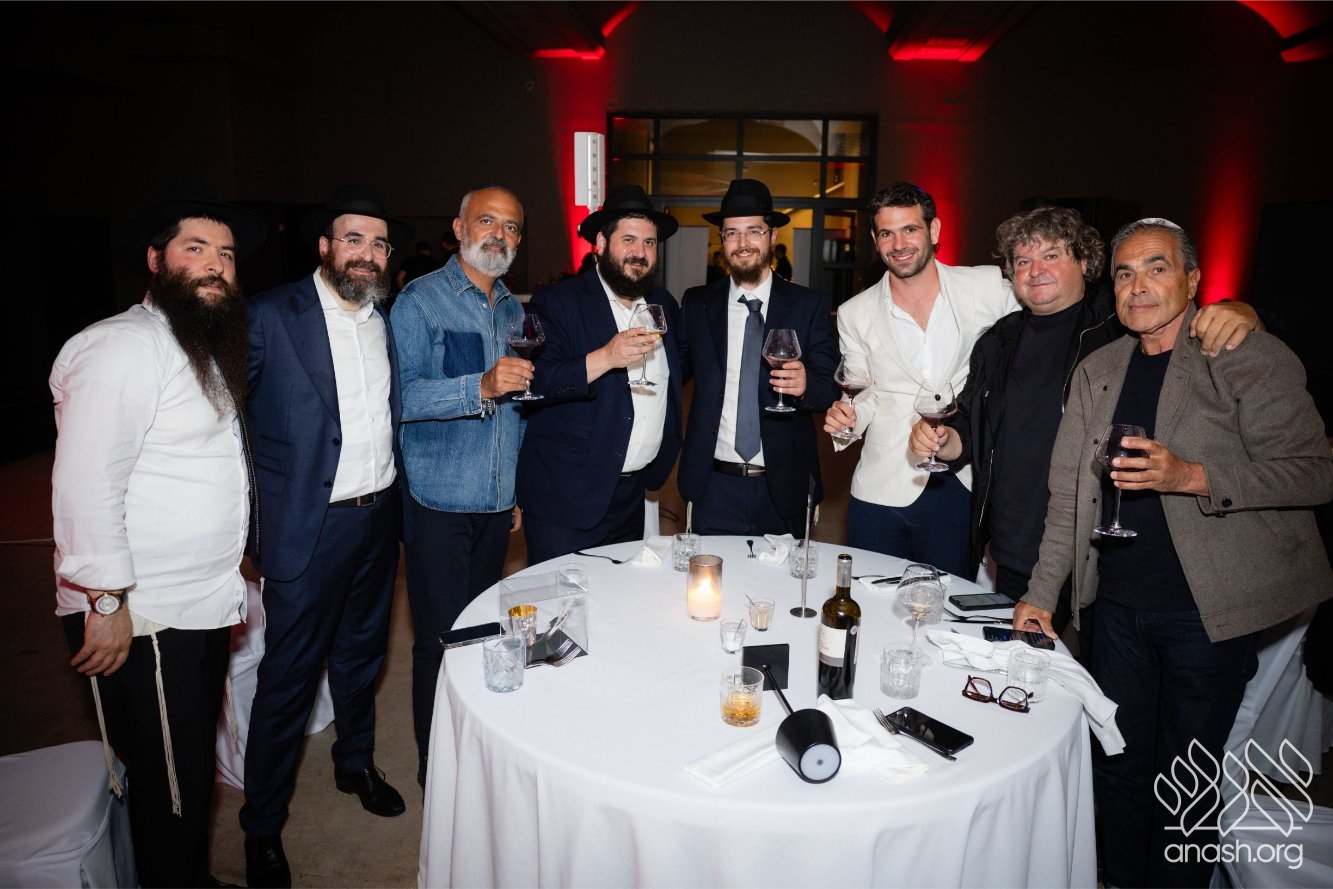
For two days, the sun-soaked island of Mykonos, better known for its beaches and nightlife, became an unlikely nerve center of Jewish continuity. 120 Shluchim and Shluchos, from more than 40 countries across Europe and Africa, gathered to strategize, collaborate, and serve Jewish life.
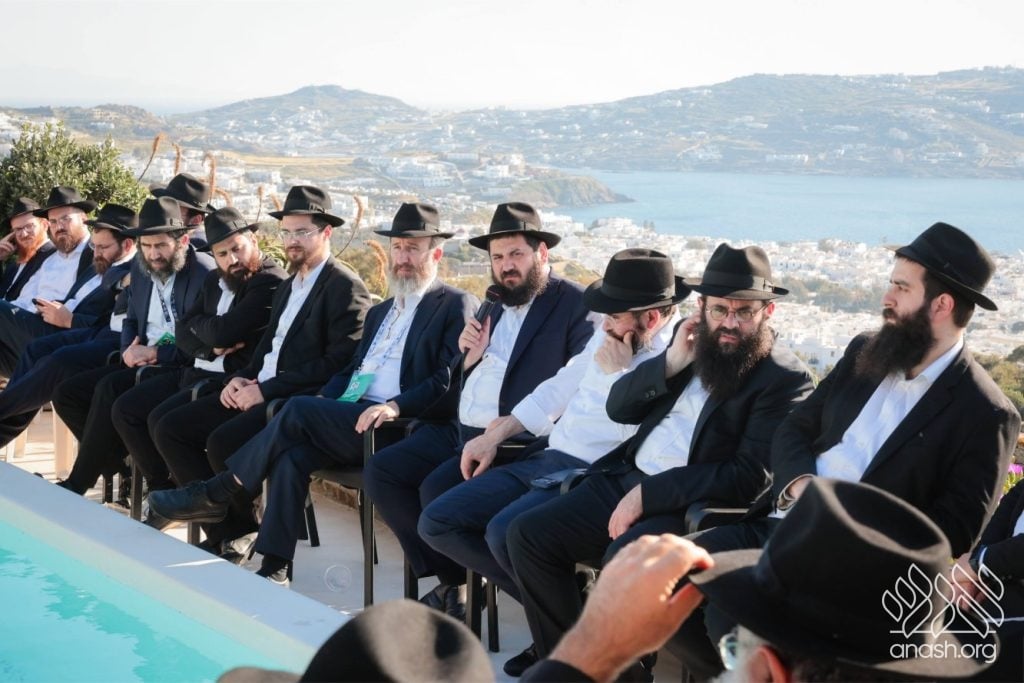
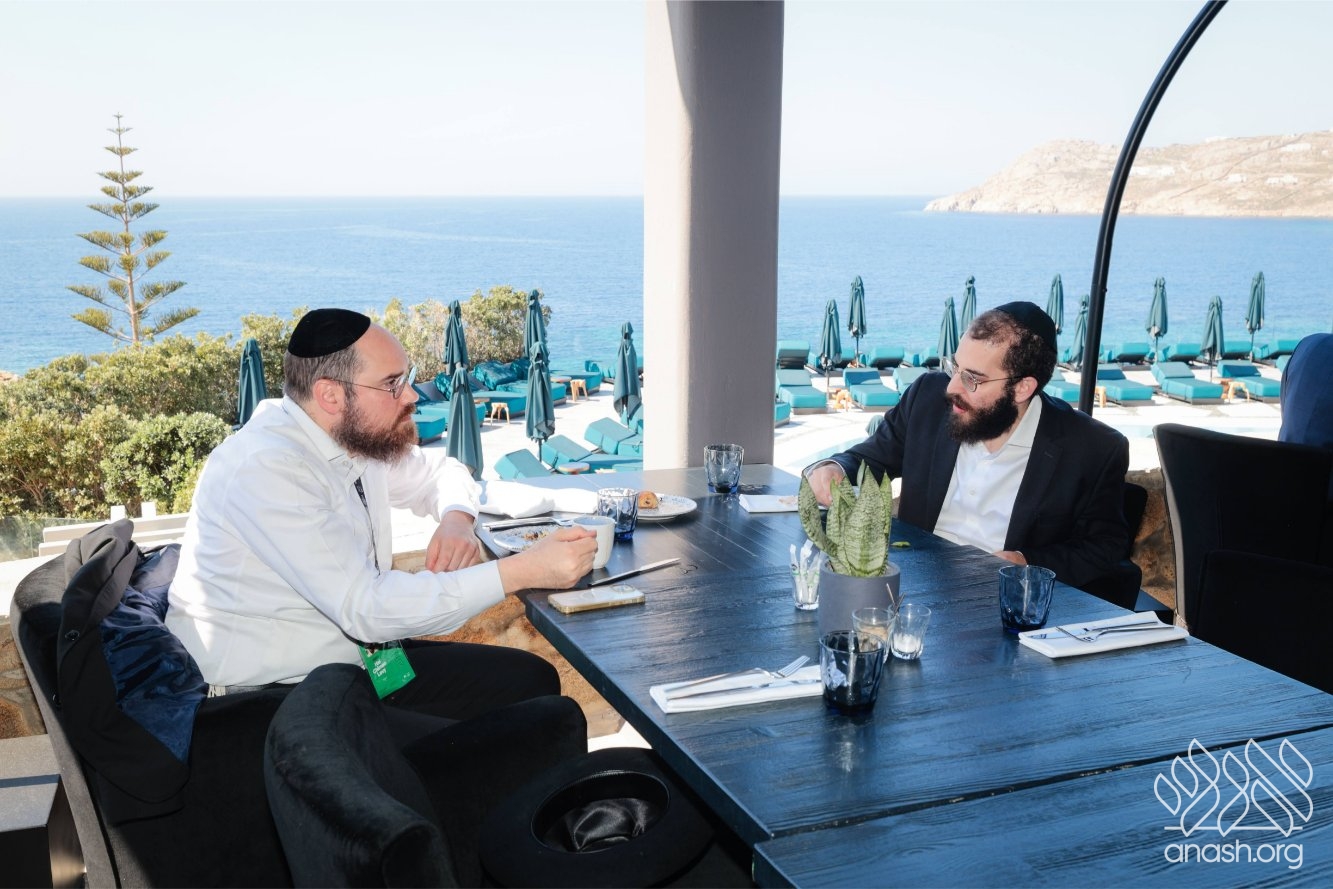
For two days, the sun-soaked island of Mykonos, better known for its beaches and nightlife than for Jewish life, became an unlikely nerve center of Jewish continuity.
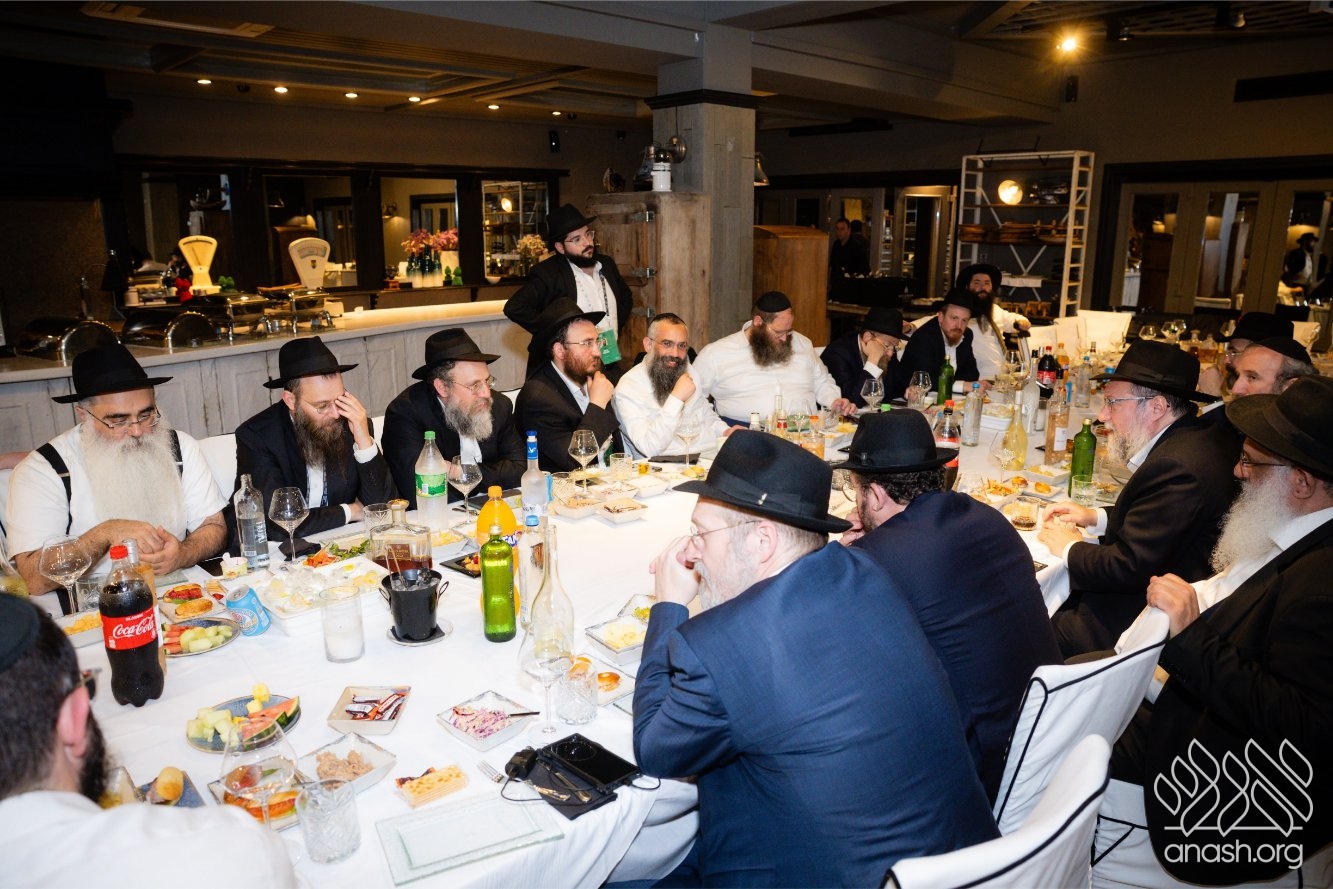
One hundred and twenty Chabad Shluchim and Shluchos, serving as the primary Jewish presence across more than 40 countries in Europe and Africa, gathered for a regional Kinus to strategize, collaborate, and confront a shared reality: in vast swaths of the world, they are often the only address for Jewish life.
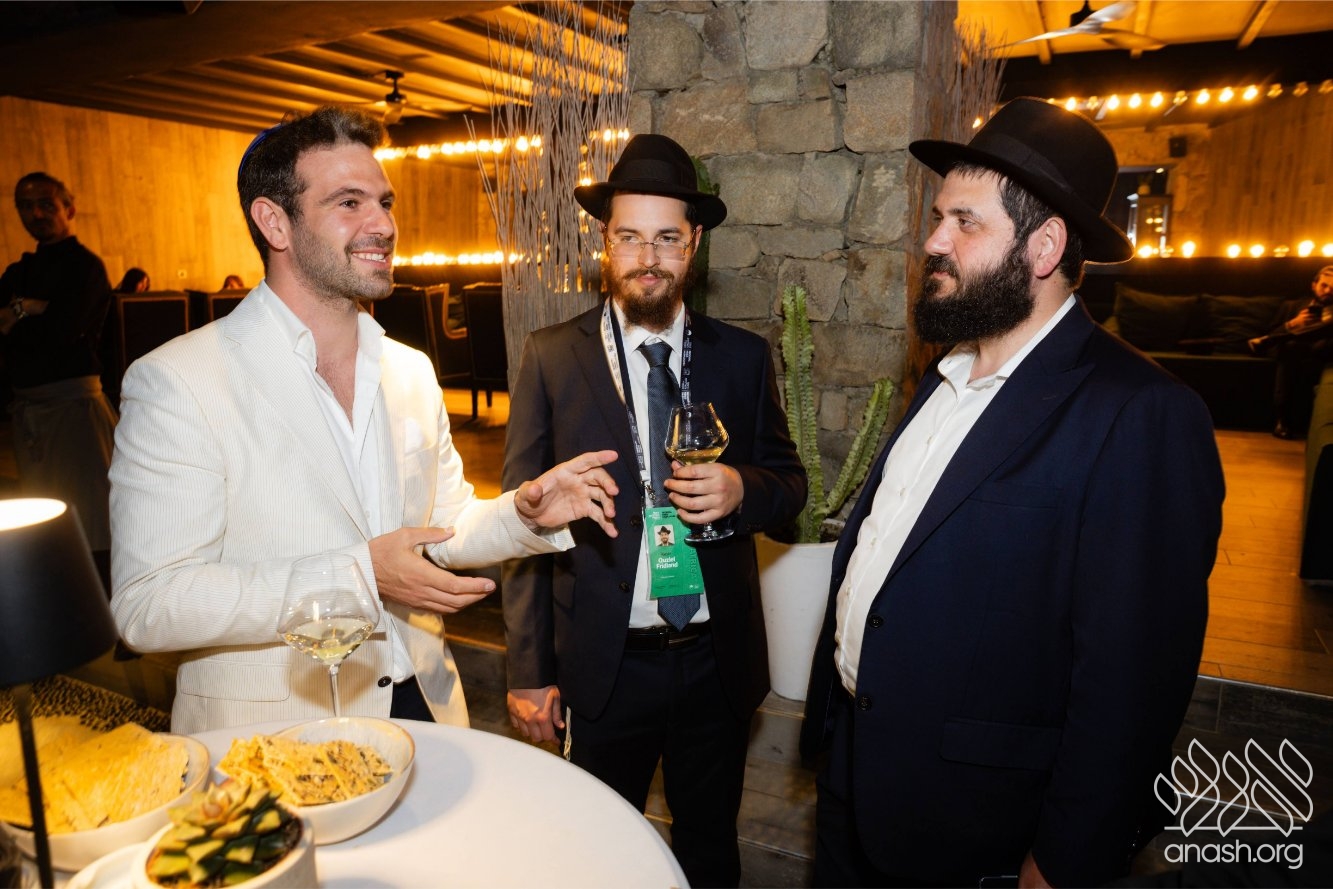
The Kinus, coordinated by Rabbi Schneur Nejar and Rabbi Mendy Kotlarsky of the Kinus Office, was hosted by Greece’s Head Shluchim, Rabbi Mendel and Nechama Hendel, along with the Shluchim to Mykonos, Rabbi Ouziel Moshe and Shterna Sarah Friedland.
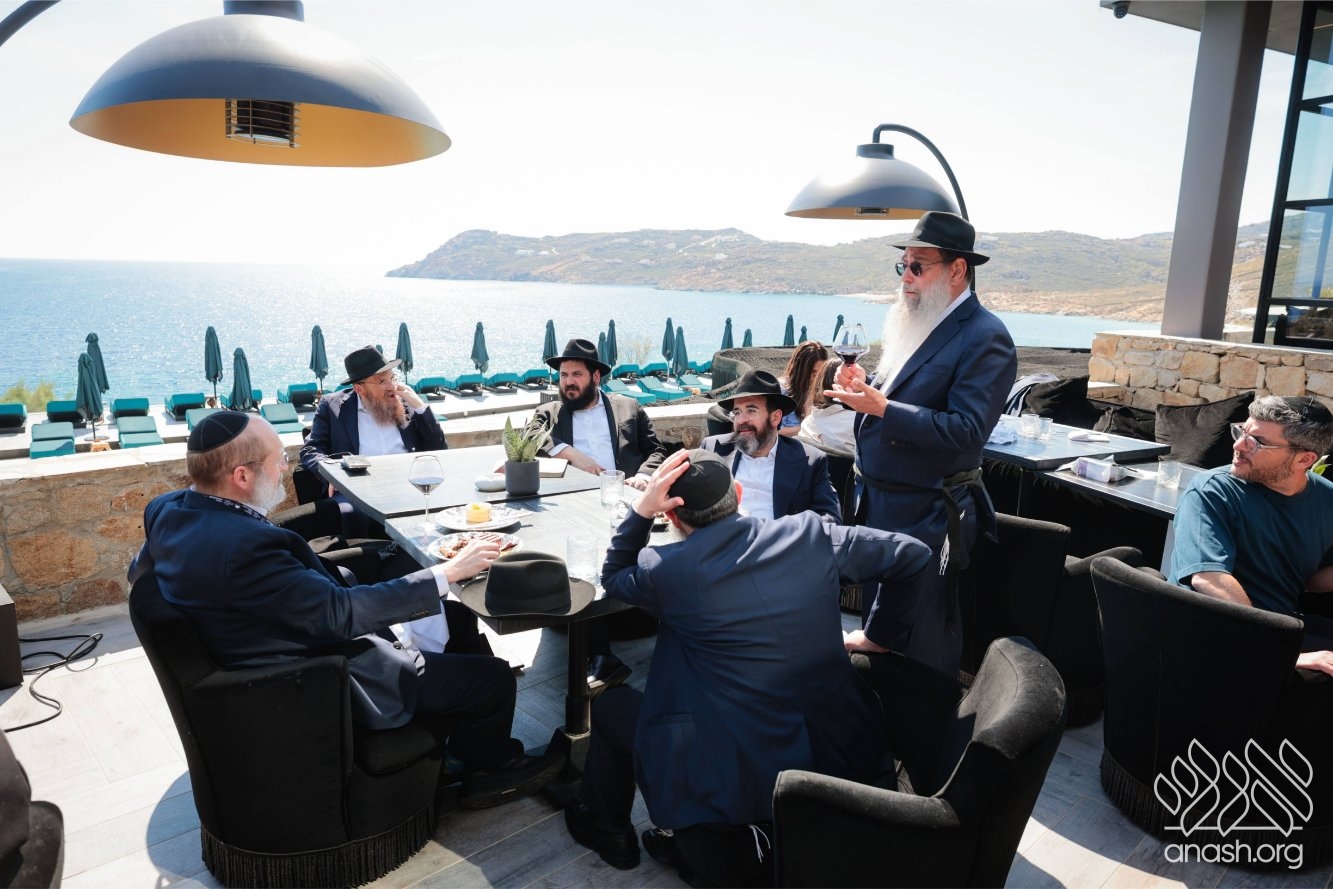
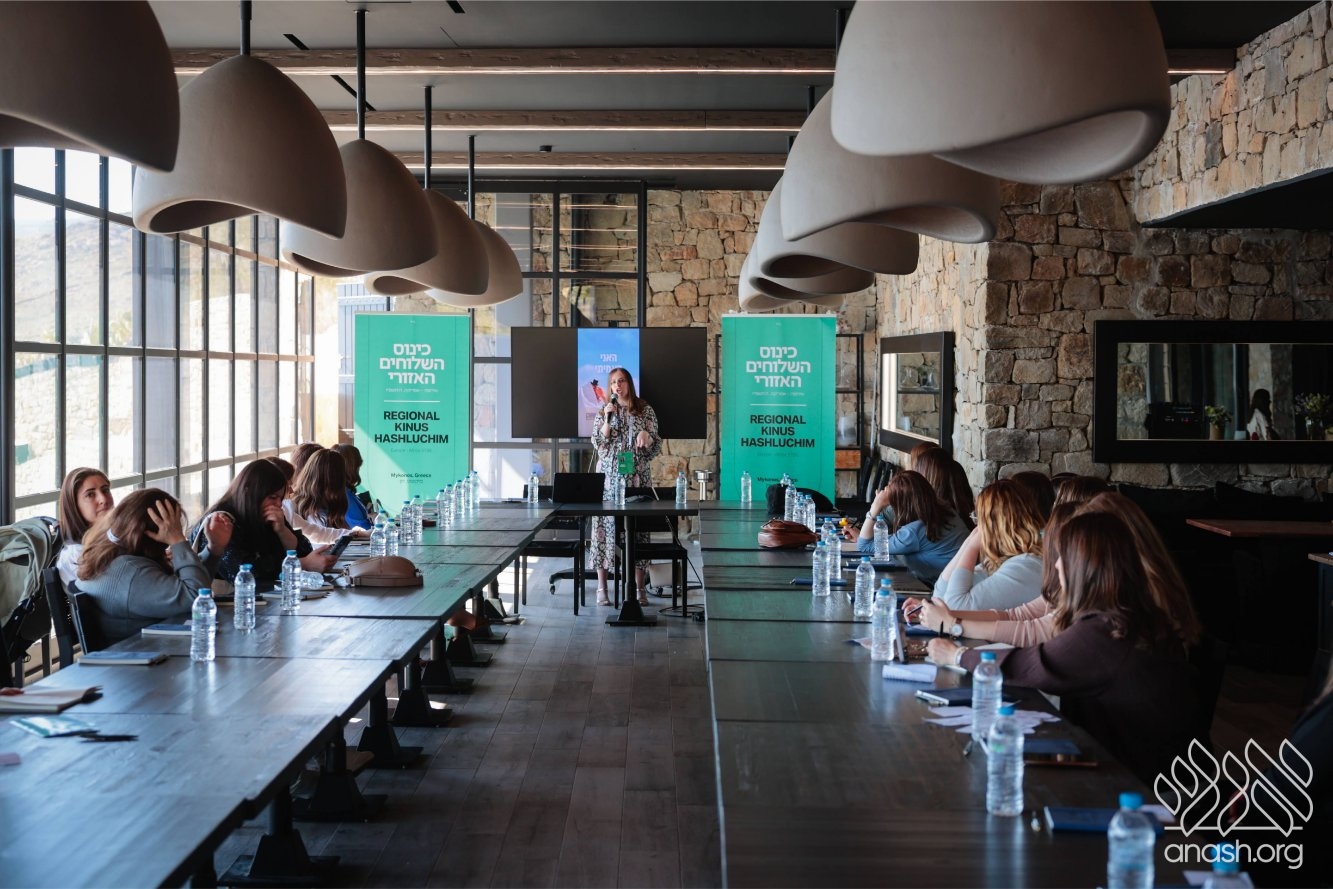
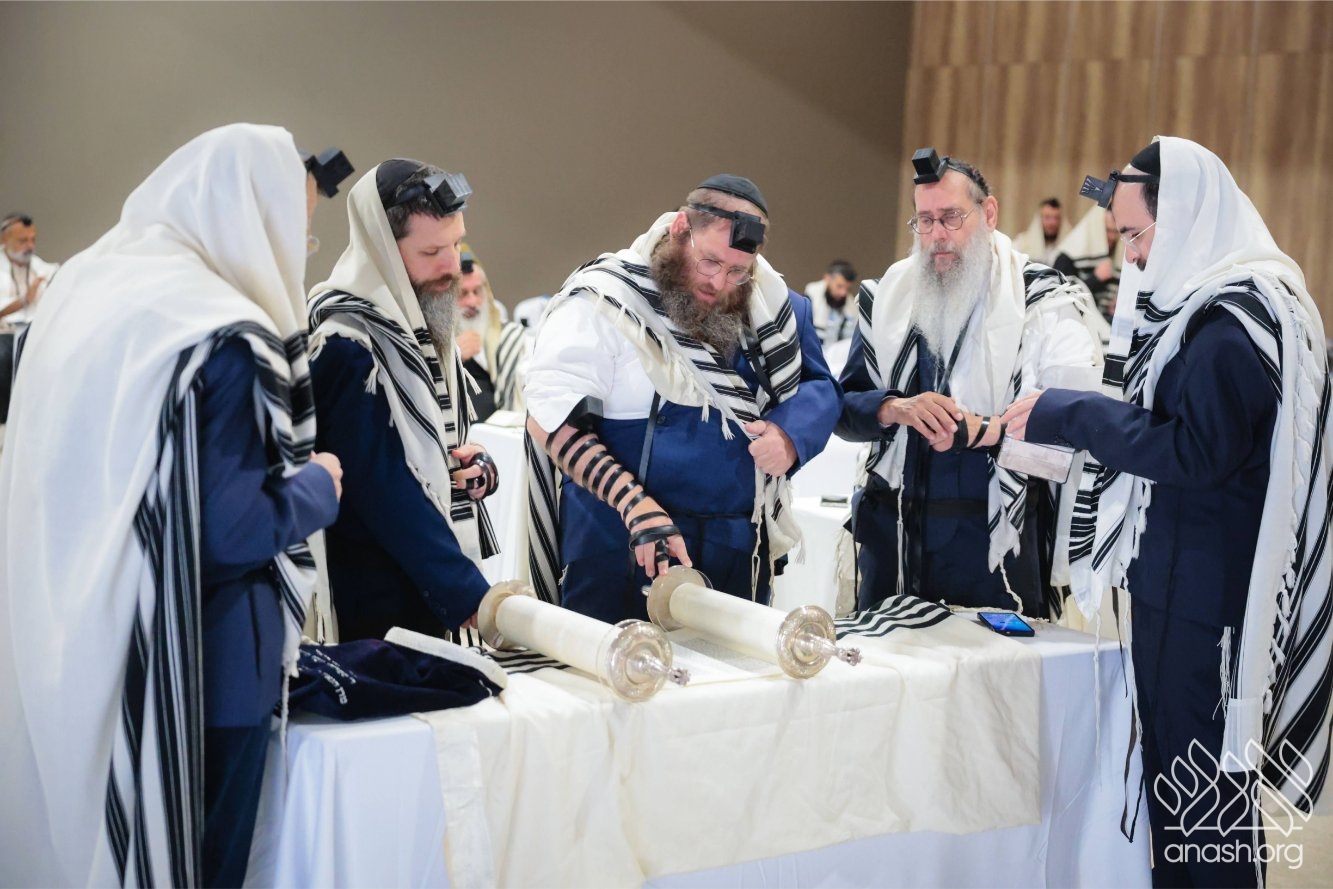
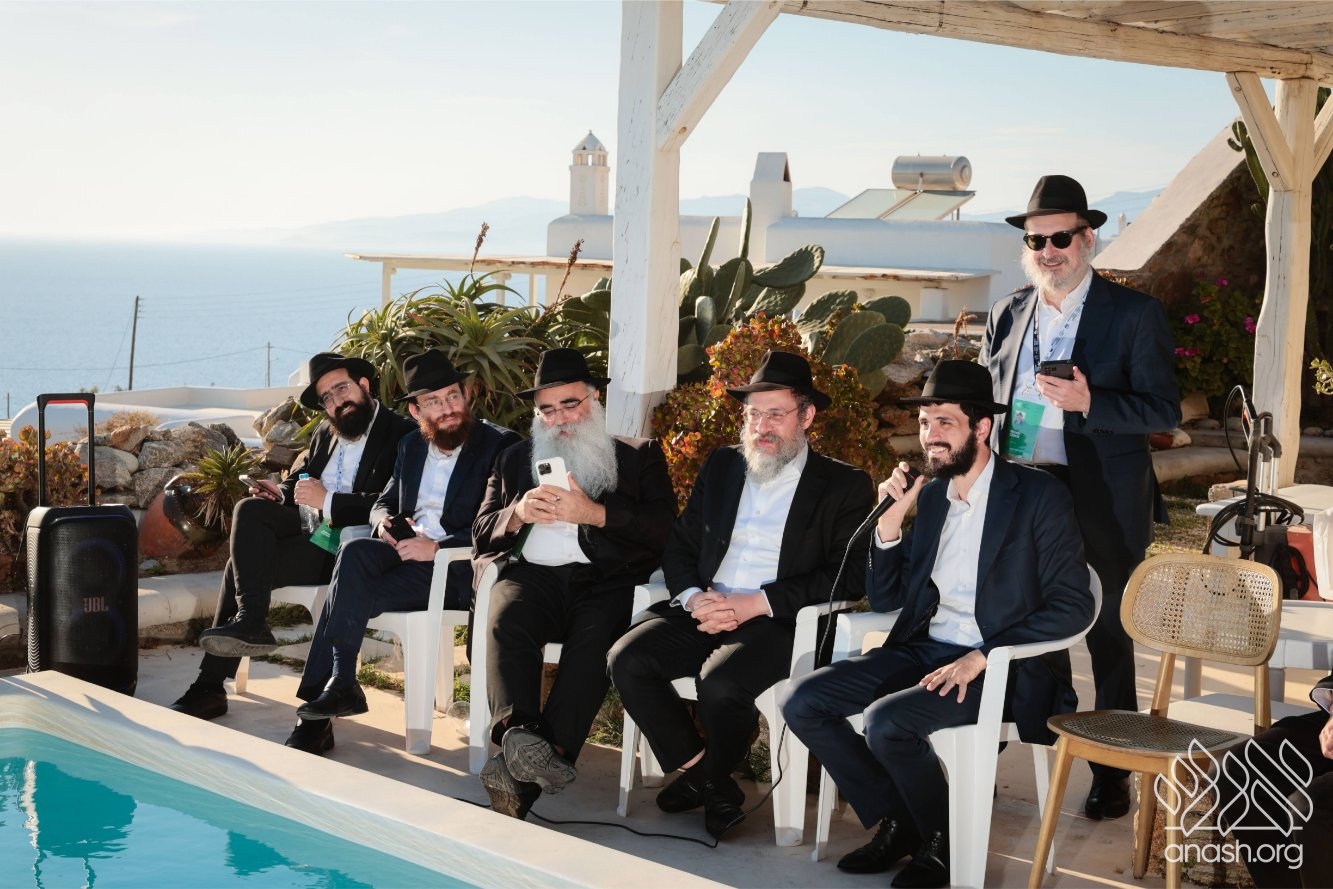
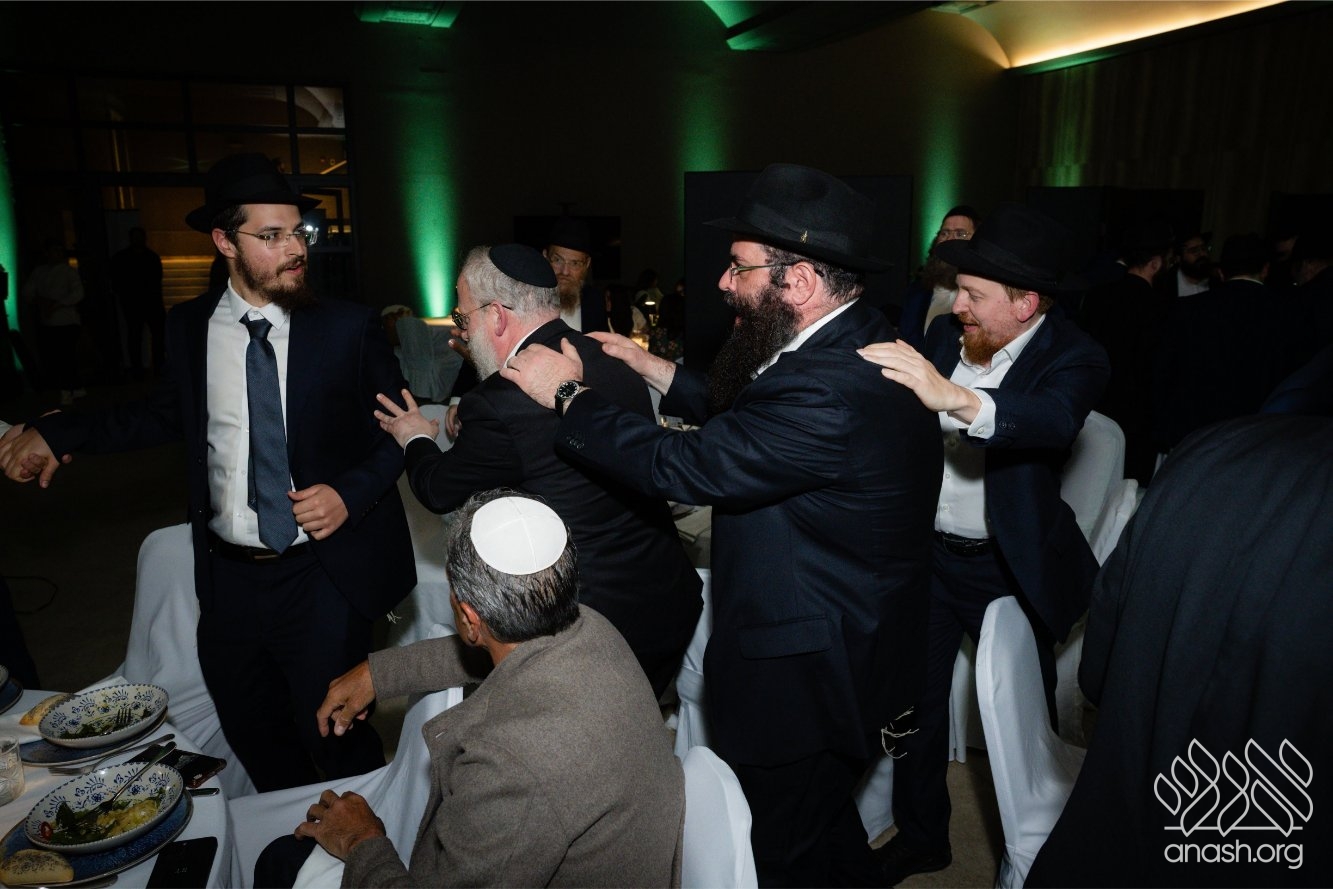
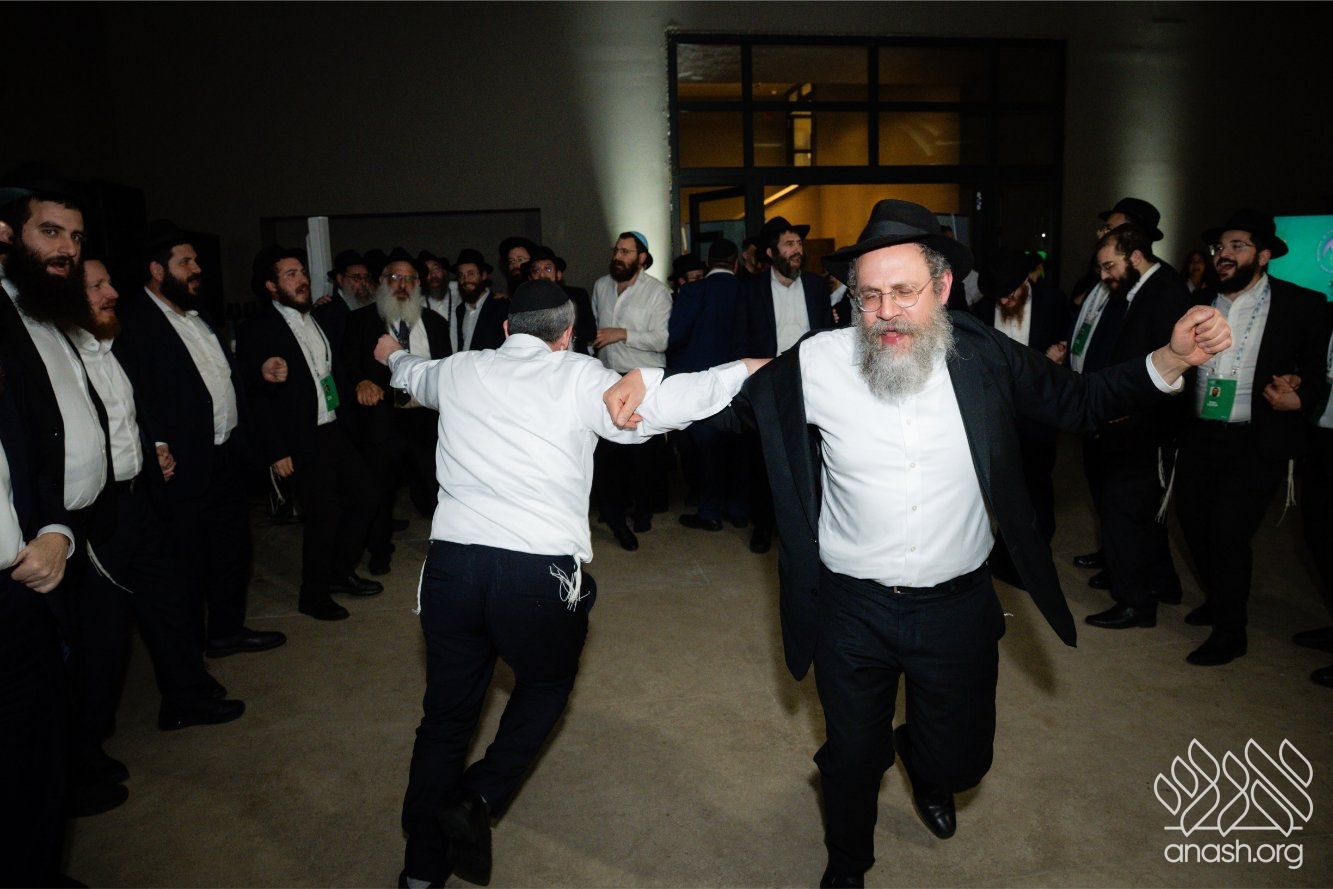
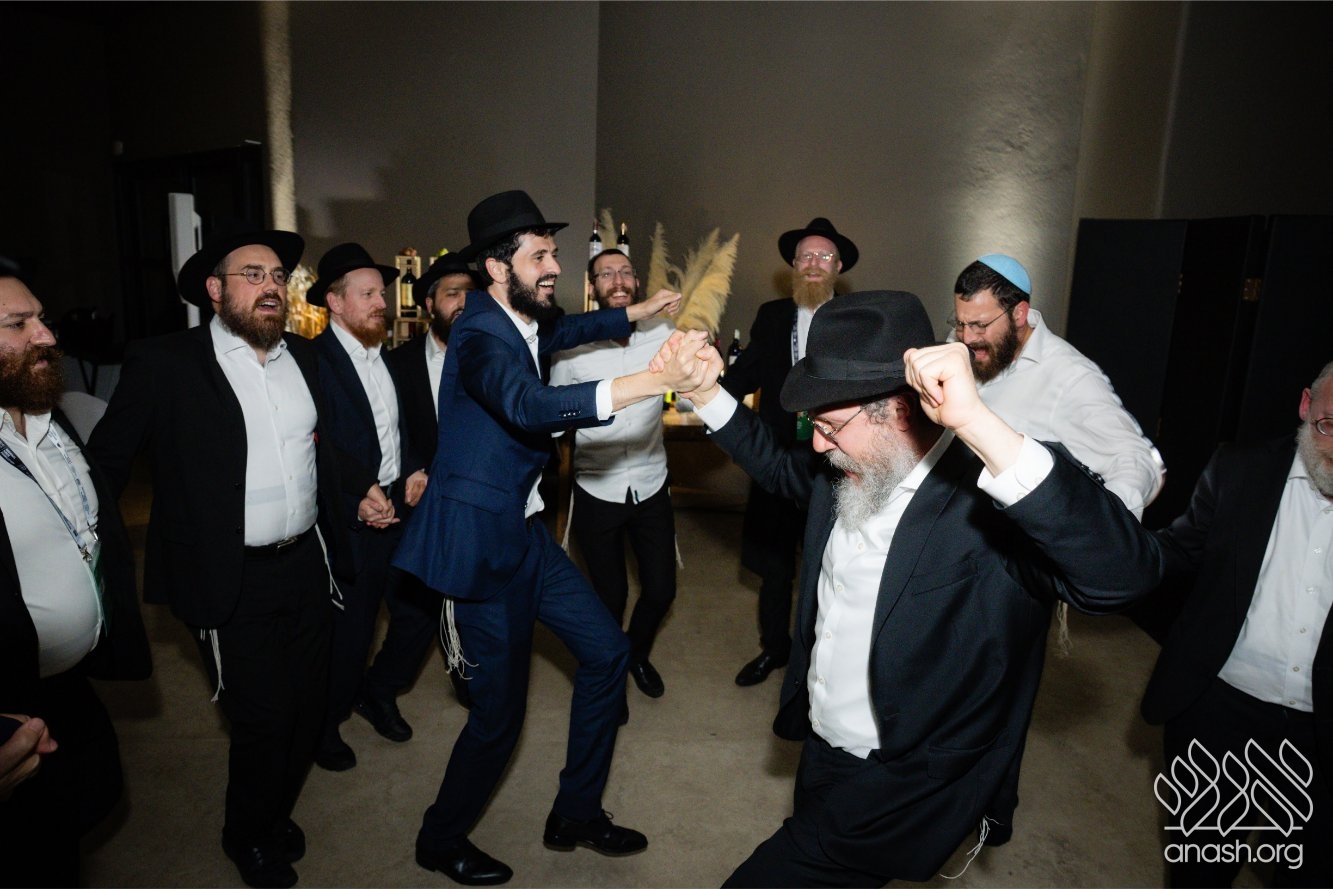
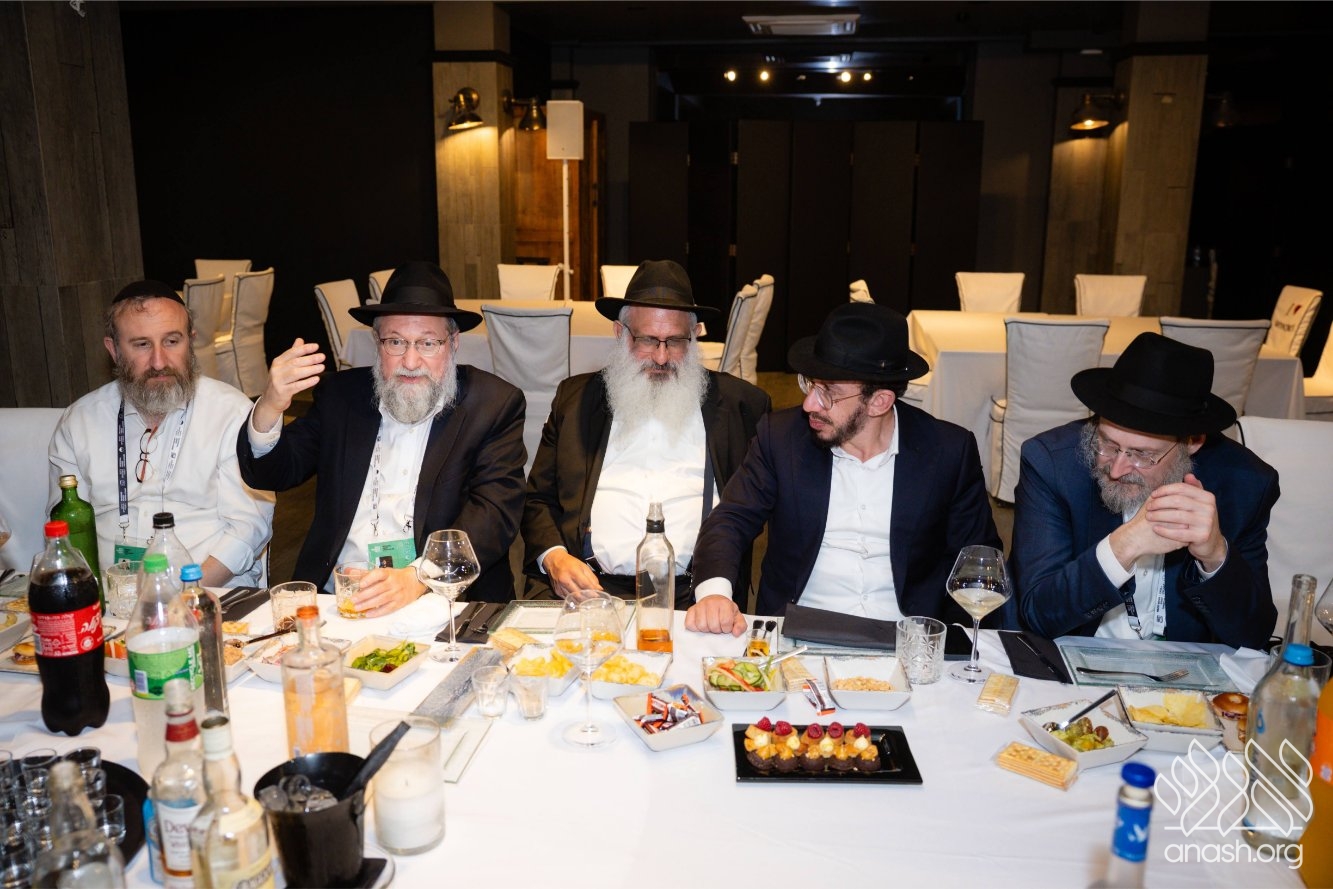
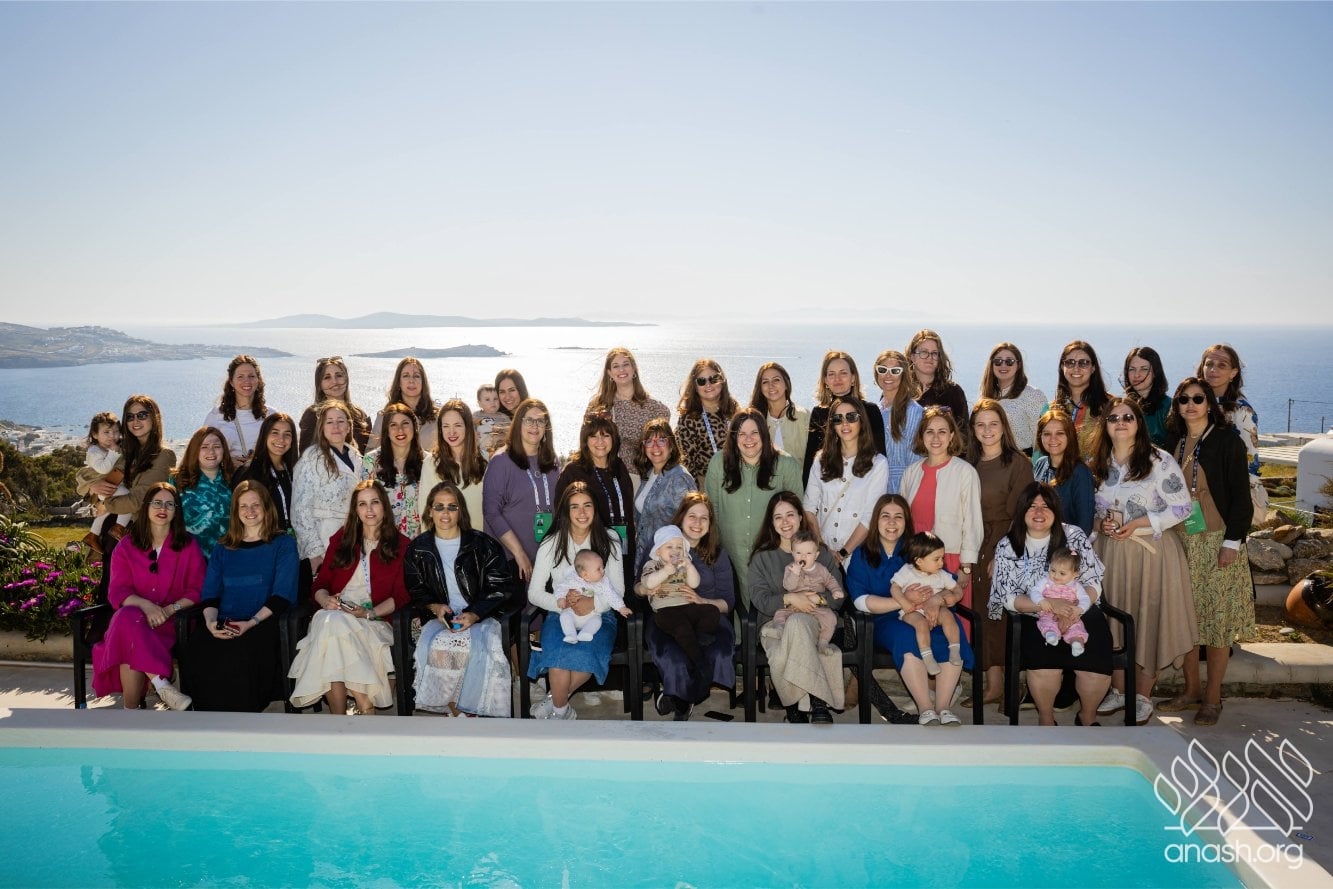
The two-day gathering combined strategic planning with hands-on workshops, Torah study, and late-night farbrengens, creating what participants described as both a professional summit and a deeply personal recharge. A simultaneous program unfolded for the Shluchos, featuring workshops, learning sessions, and farbrengens.
At a time when many point to declining affiliation and rising antisemitism across Europe, the message emerging from Mykonos was strikingly different. Rather than retreat, these emissaries described a resurgence, with Jews seeking connection in places where, until recently, there was little or none to be found.
“The Shluchim are the Jewish people’s global support system,” said Rabbi Mendy Kotlarsky, director of the International Conference of Shluchim. “In many of these countries, when a Jew shows up, whether for business, travel, or relocation, the Shliach is often the only familiar address. Our responsibility is to make sure that no Jew, anywhere, feels alone.”
The gathering brought together Shluchim from cities and regions where Jewish life is often fragile or scattered, with many serving populations marked by high rates of intermarriage, limited access to Jewish education, and geographic isolation. And yet, across these environments, Jews who were previously disengaged are stepping forward when given even the smallest opportunity.
For Rabbi Mendy Sternbach, who serves in Lagos, that reality is personal.
“Living in a small community means that building and maintaining relationships are critical,” he said. “We cannot afford to let anyone fall through the cracks.”
In places like Lagos, far from major Jewish population centers, the challenges are constant, but so is the sense of responsibility.
“Coming to the Kinus allows me to learn from colleagues who are in similar situations and get tried-and-tested advice,” Sternbach added. “Despite the very long and expensive journey, my community supports my travel because they feel they benefit from it too.”
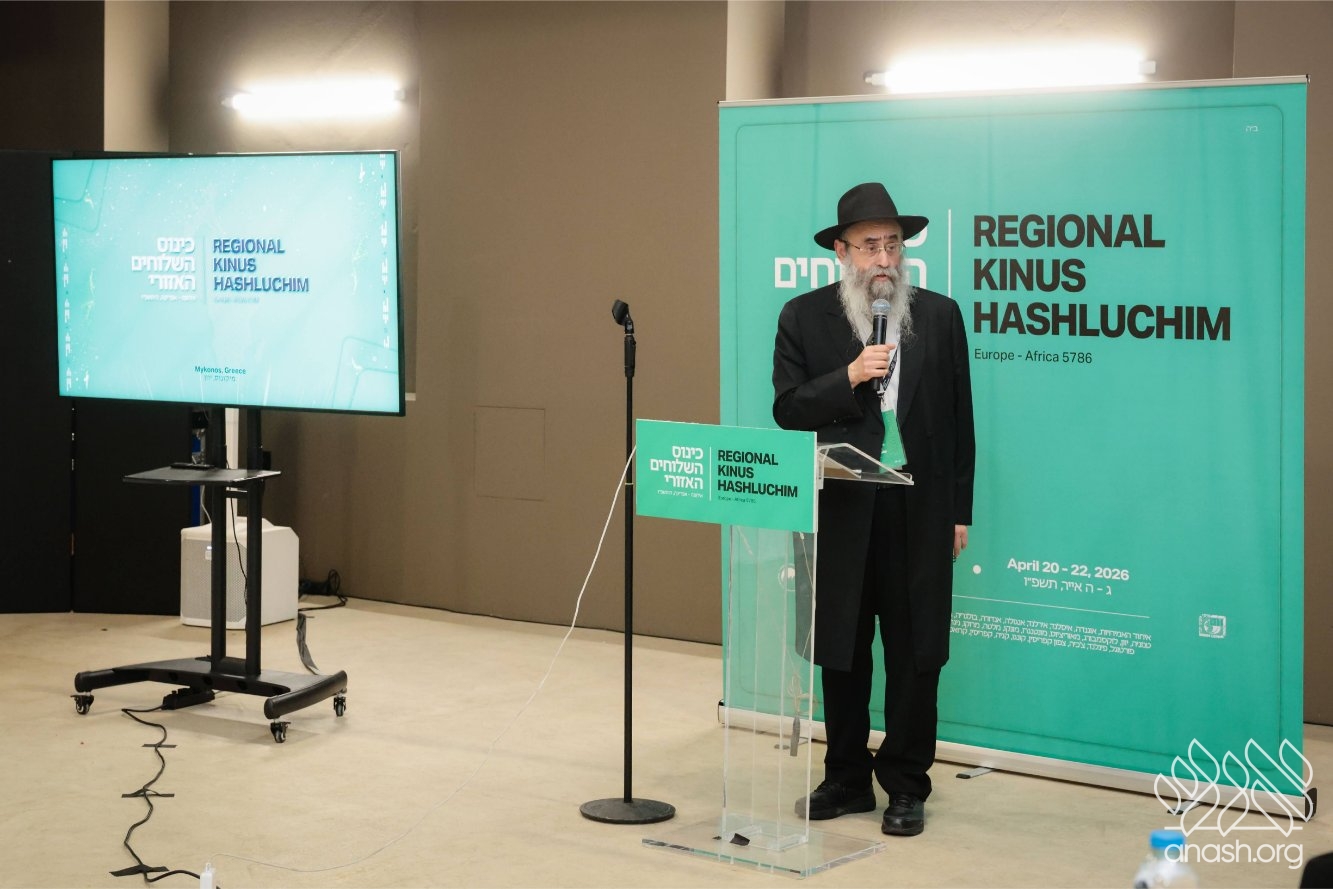
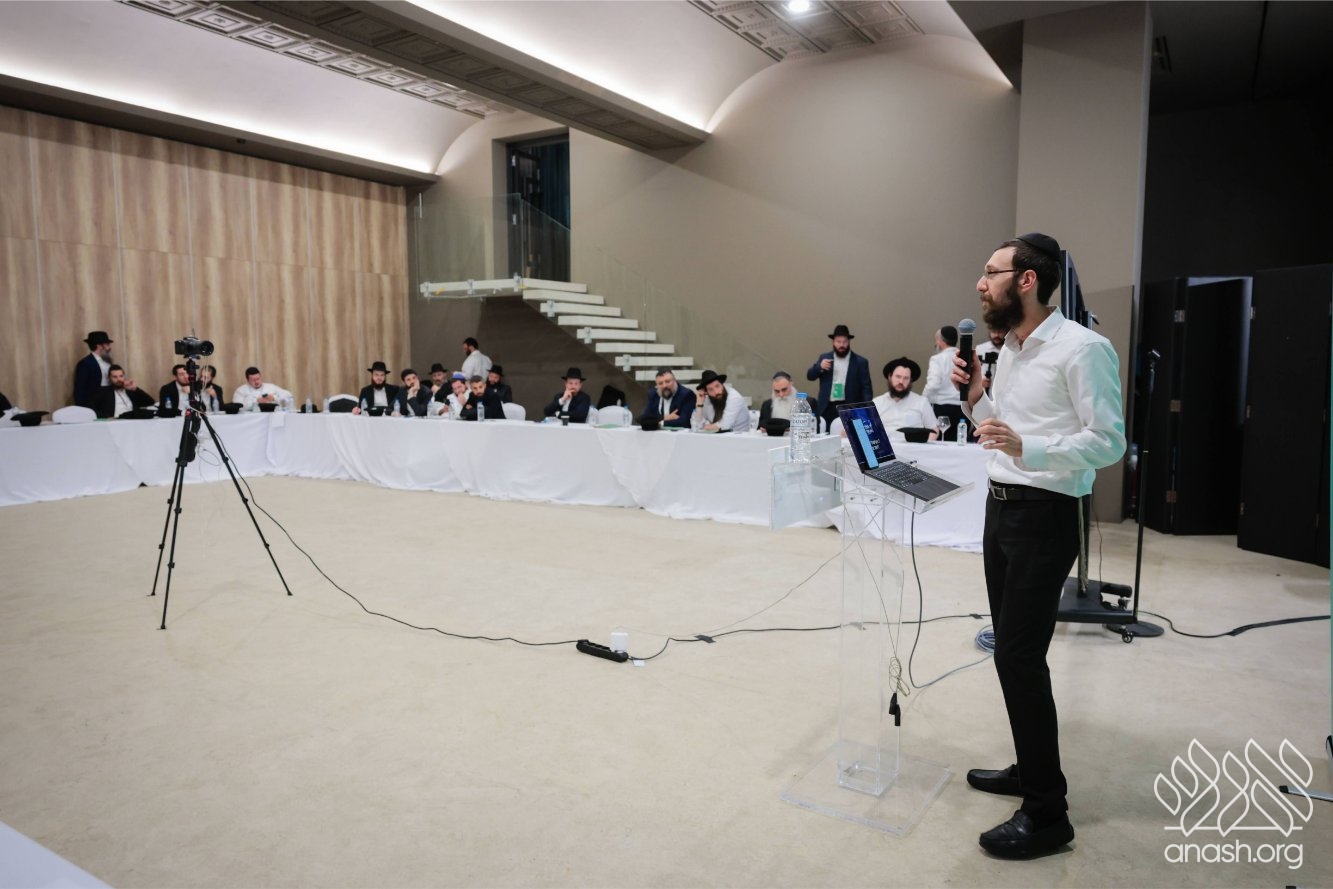
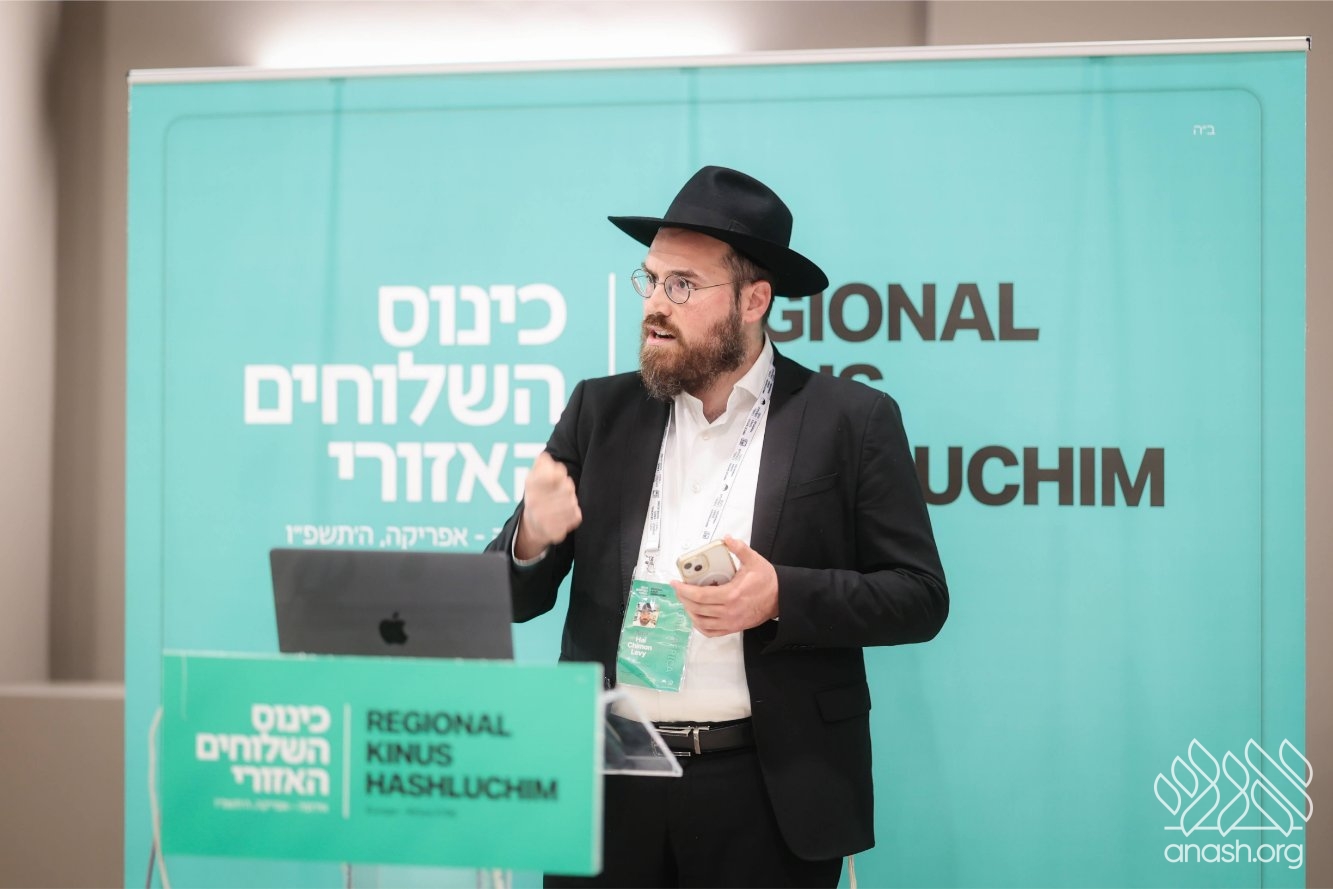
Sessions throughout the Kinus included practical workshops and lectures led by senior rabbinic figures. Rabbi Menachem Mendel Glukowsky, who leads the Chabad community in Rehovot, delivered an in-depth halachic lecture and later led a late-night farbrengen. Rabbi Efraim Mintz, Director of the Rohr Jewish Learning Institute, led sessions on expanding Torah study initiatives globally. And Rabbi Dovid Naparstek addressed the challenges of effective time management in Shlichus
Additional sessions focused on communicating with communities during times of global tension, featuring Rabbi Yitzchok Loewenthal, Rabbi Noach Majesky, and Rabbi Tanchum Matusof, who offered practical tools drawn from real-world experience.
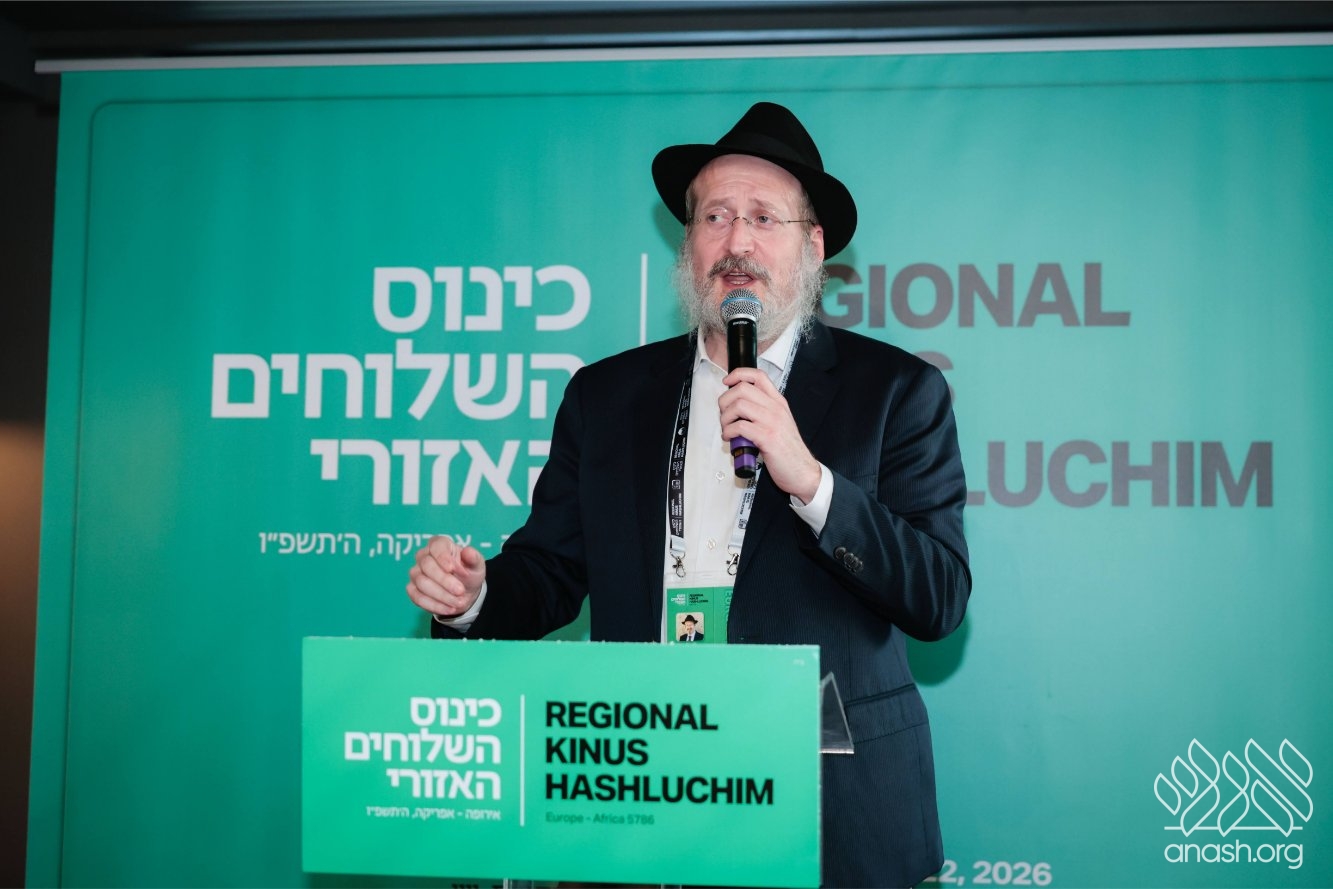
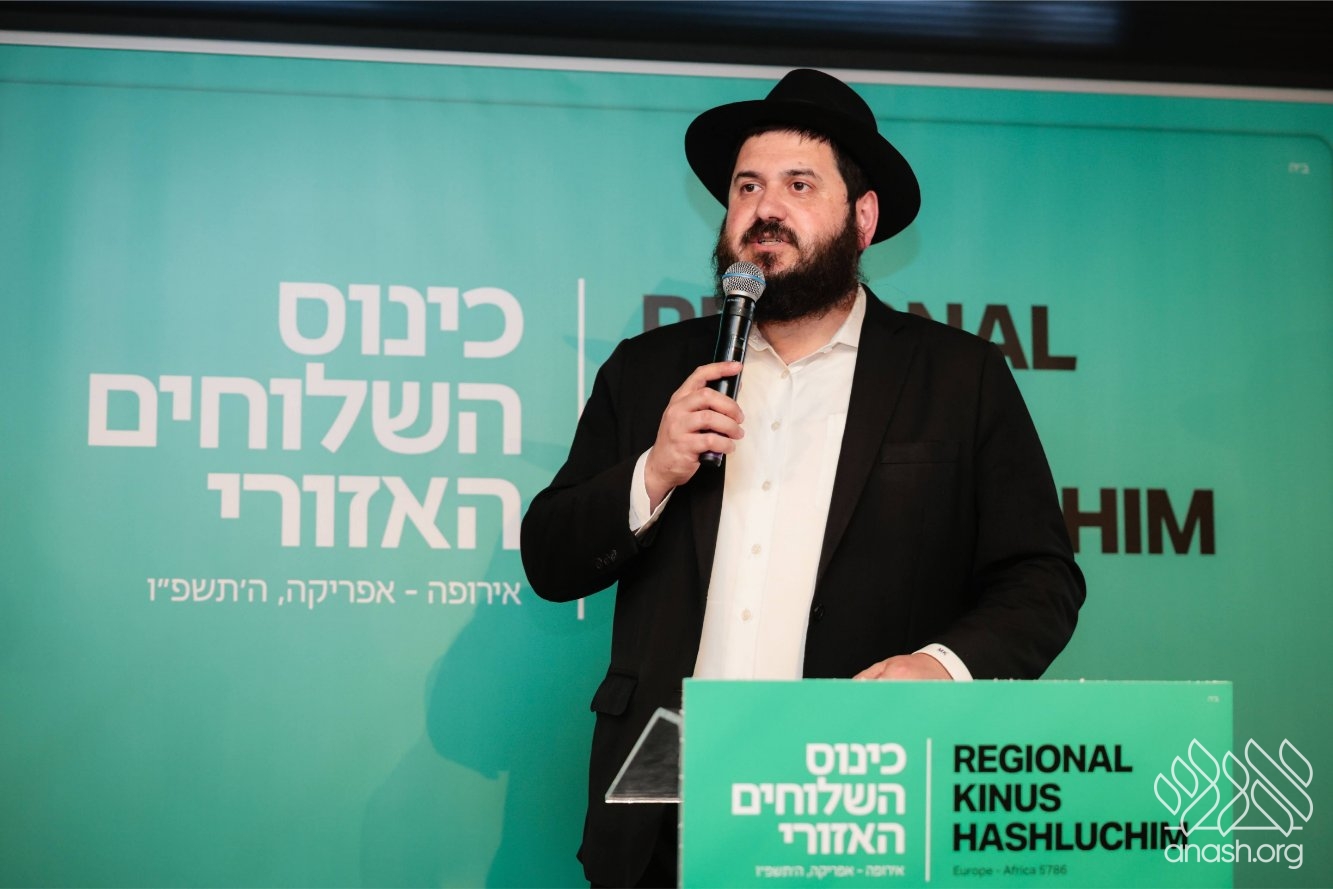
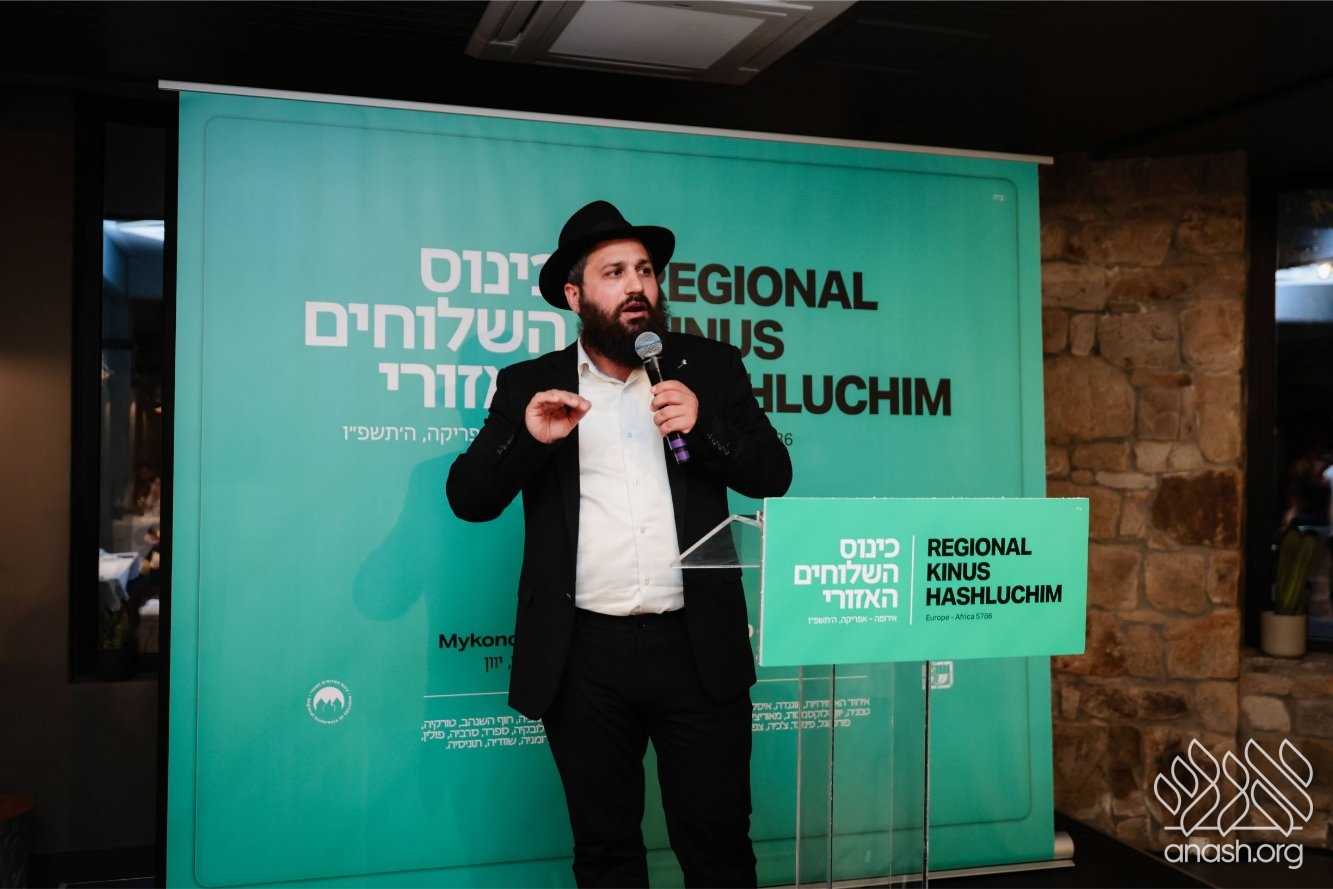
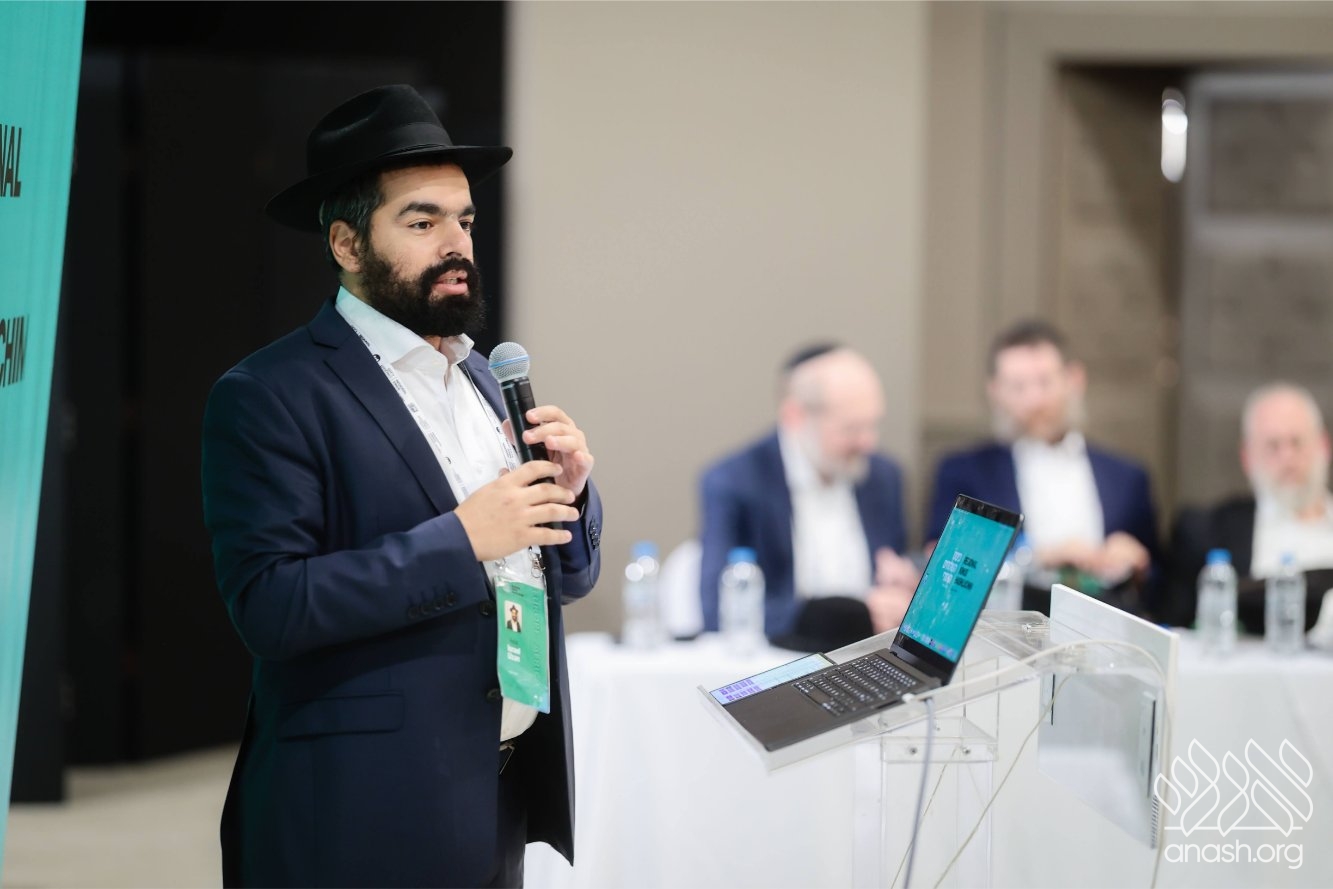
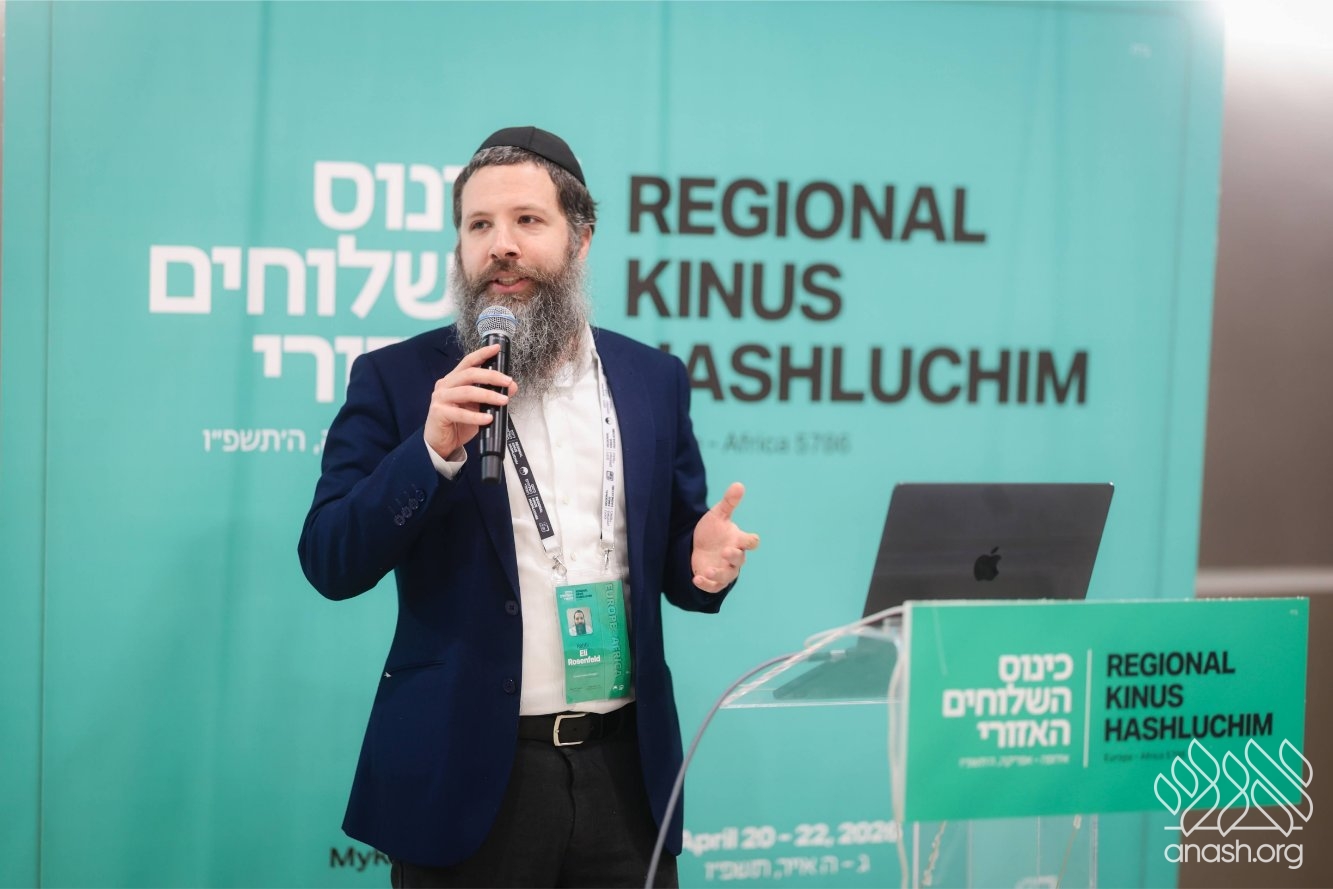
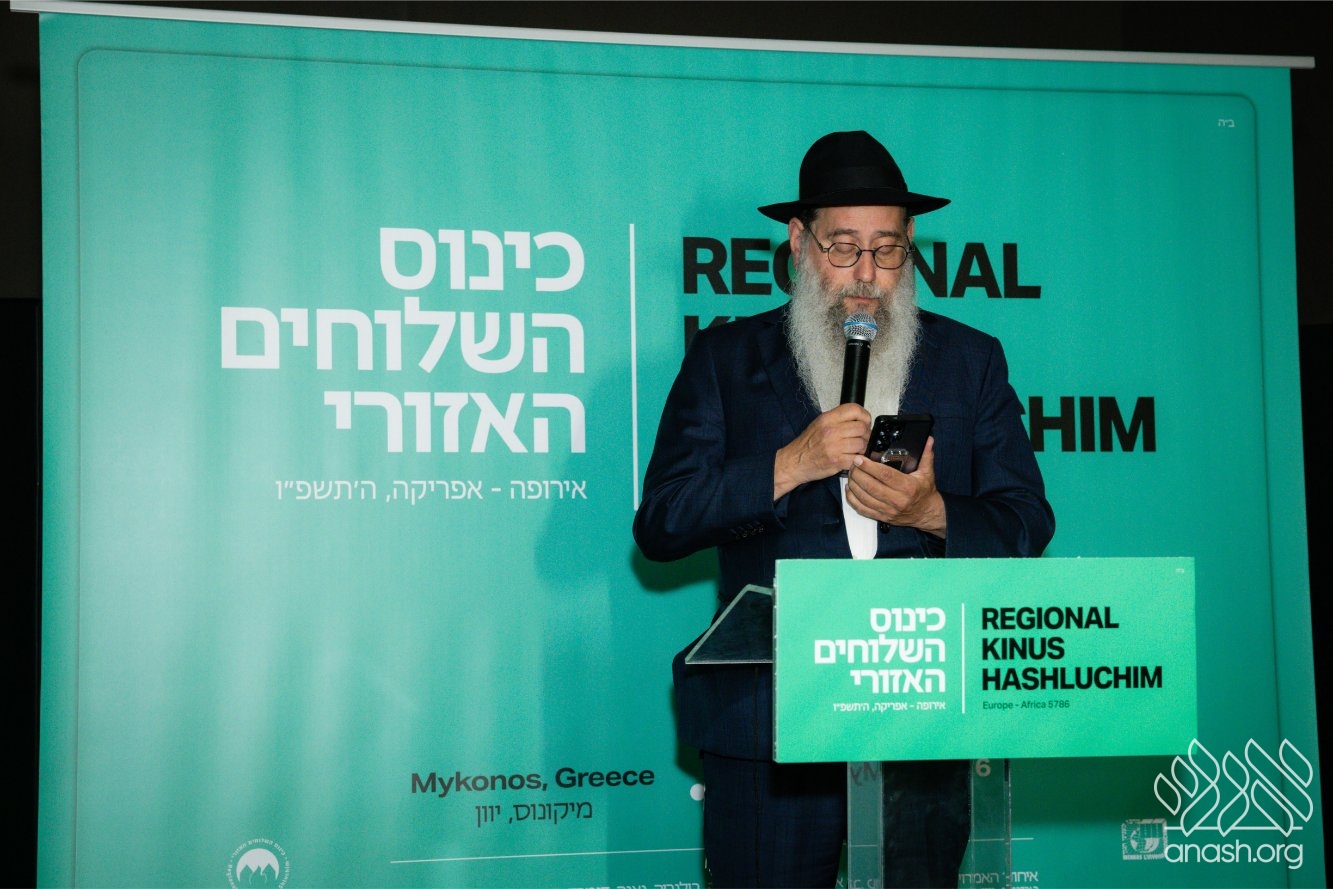
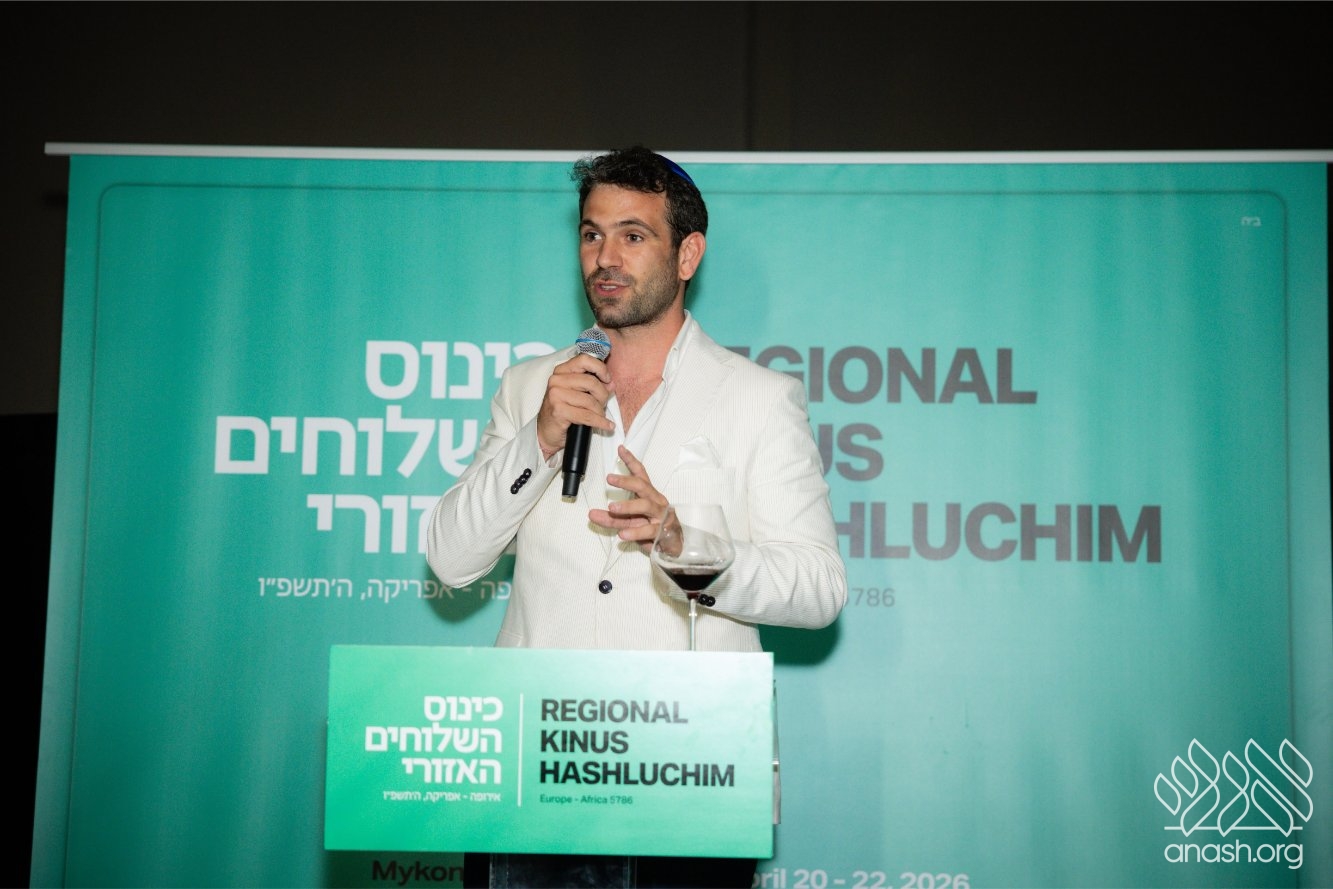
The evening program included a formal gathering emceed by Shliach to Istanbul Rabbi Mendy Chitrik, alongside opening remarks from Rabbi Ouziel Moshe Friedland and Rabbi Mendy Kotlarsky, emphasizing the urgency of the moment and the responsibility carried by each Shliach. Additional addresses were delivered by Rabbi Uri Medina and Rabbi Mendel Siboni.
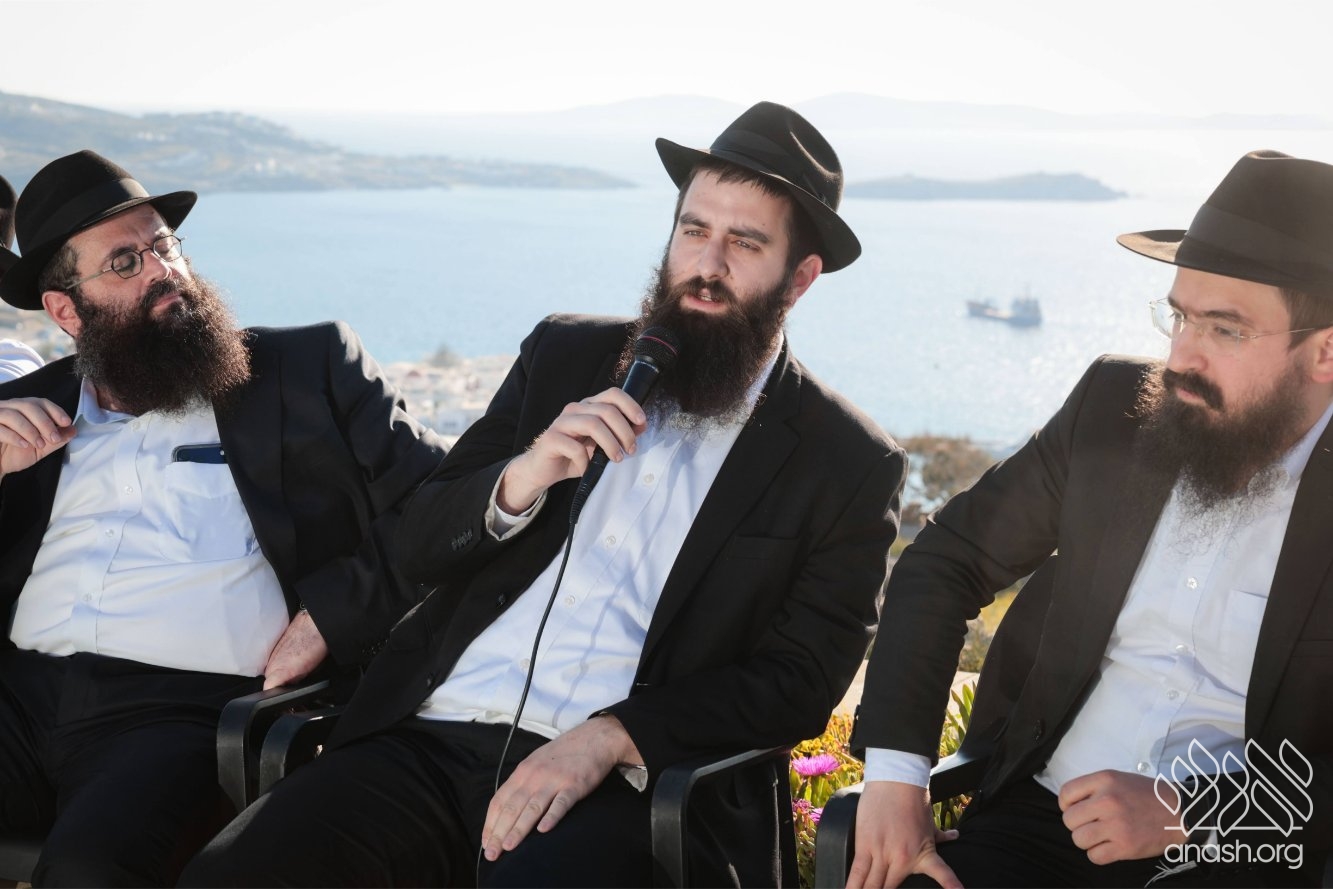
A series of short, TED-style talks highlighted innovative approaches from the field, from building relationships with Jews to transforming transient tourist populations into lasting community connections, and maintaining a strong Jewish identity in diverse, multicultural environments.
“There’s a misconception that Jewish life outside of major centers is fading,” Rabbi Kotlarsky said. “What we’re seeing on the ground is the opposite. When you create access, when you show up consistently, people respond. Entire communities are being built one relationship at a time.”
Throughout the Kinus, participants shared stories of individuals rediscovering their heritage, families reconnecting to tradition, and new communities taking shape in unlikely locations. A central collaborative session, “Tshuva B’Rov Yo’etz,” focused on strategic decision-making, community development, and building long-term infrastructure in emerging Jewish communities.
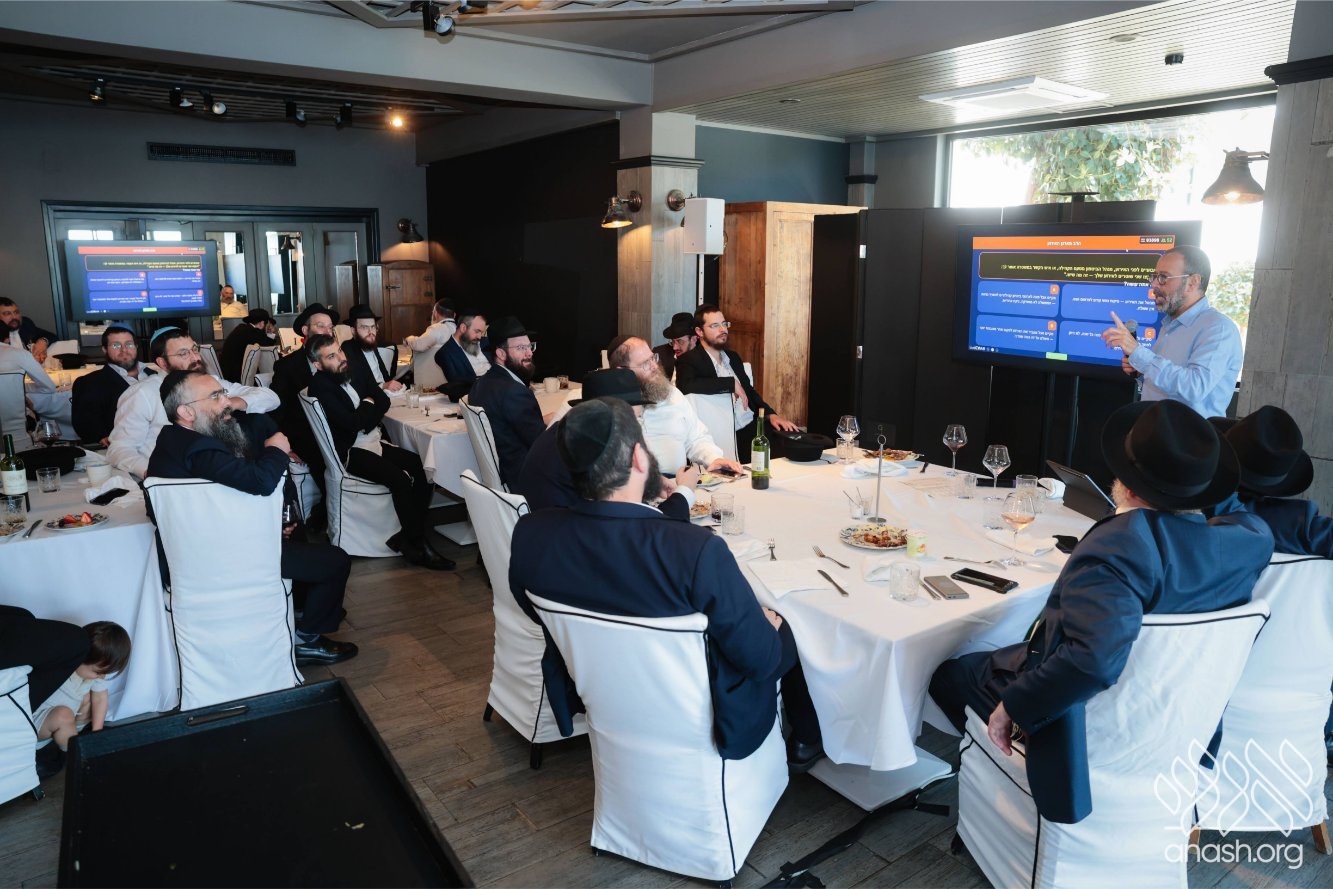
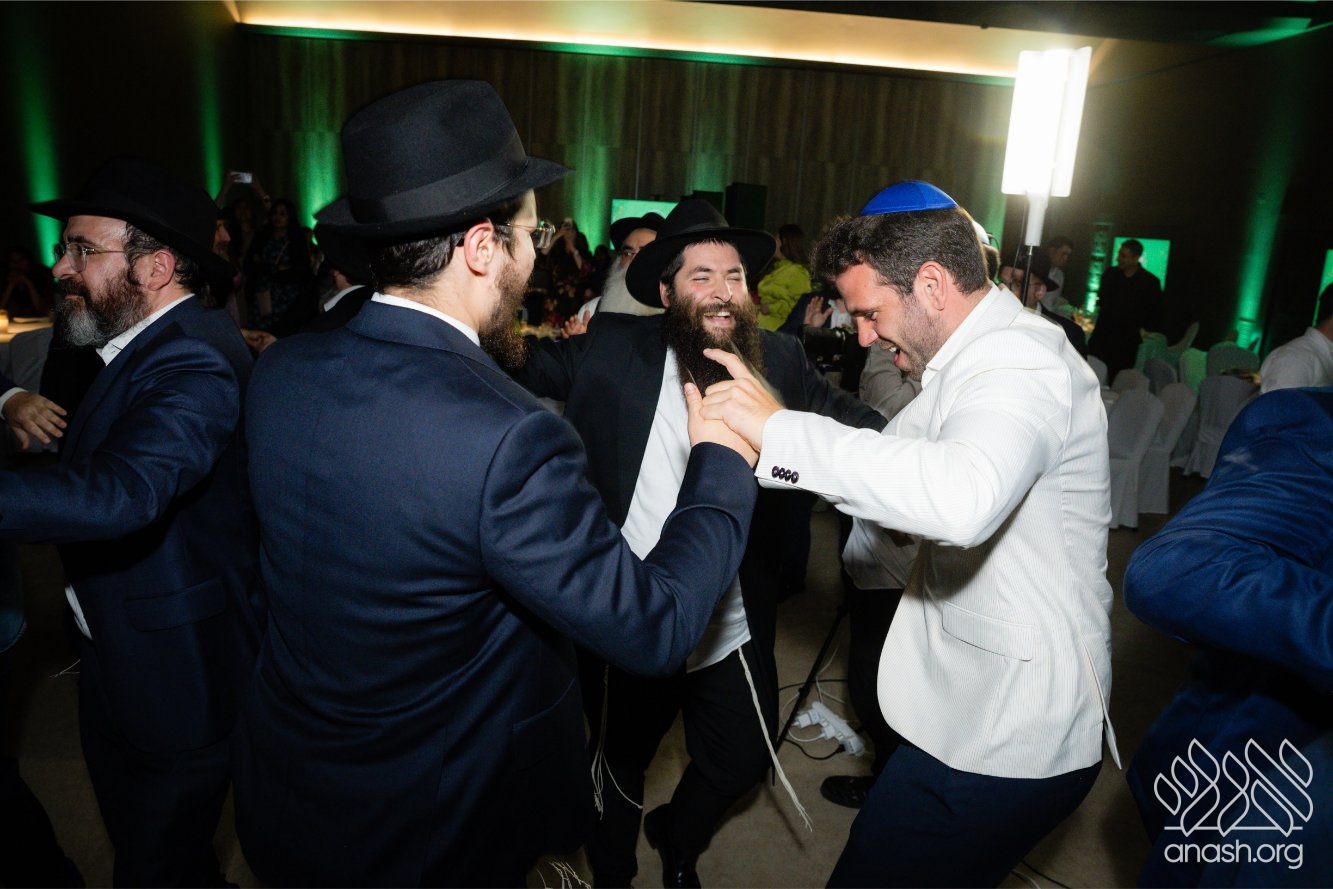
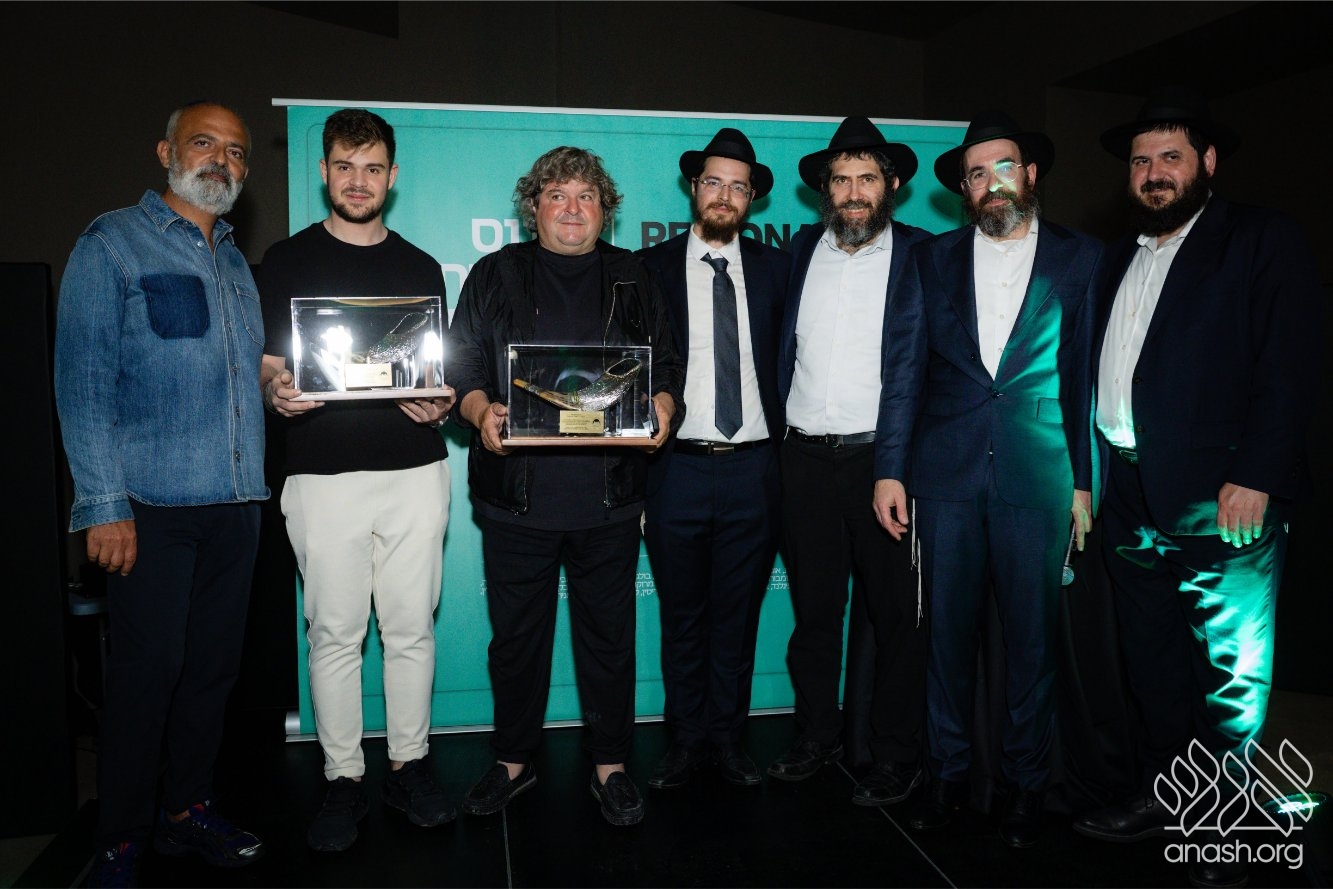
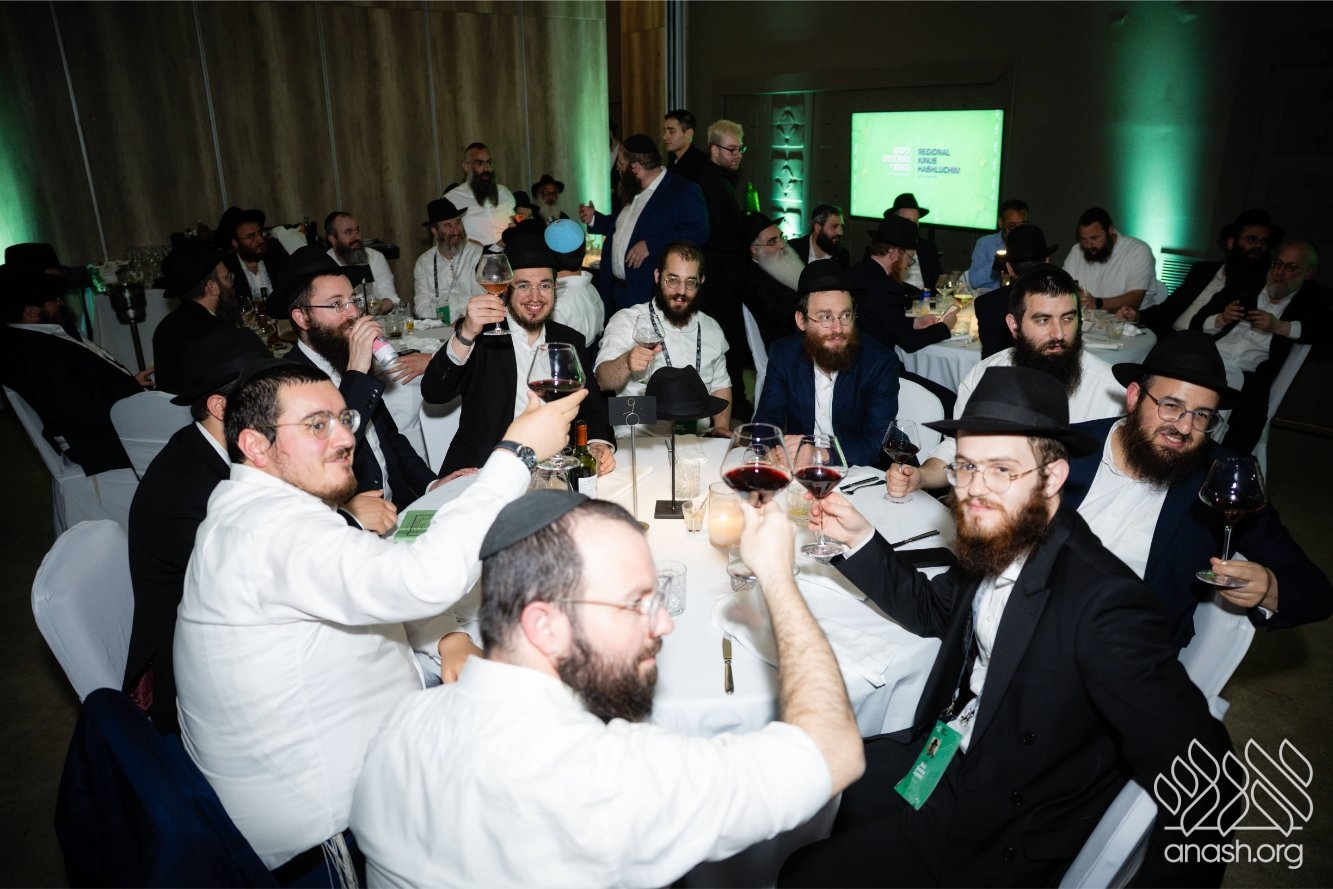
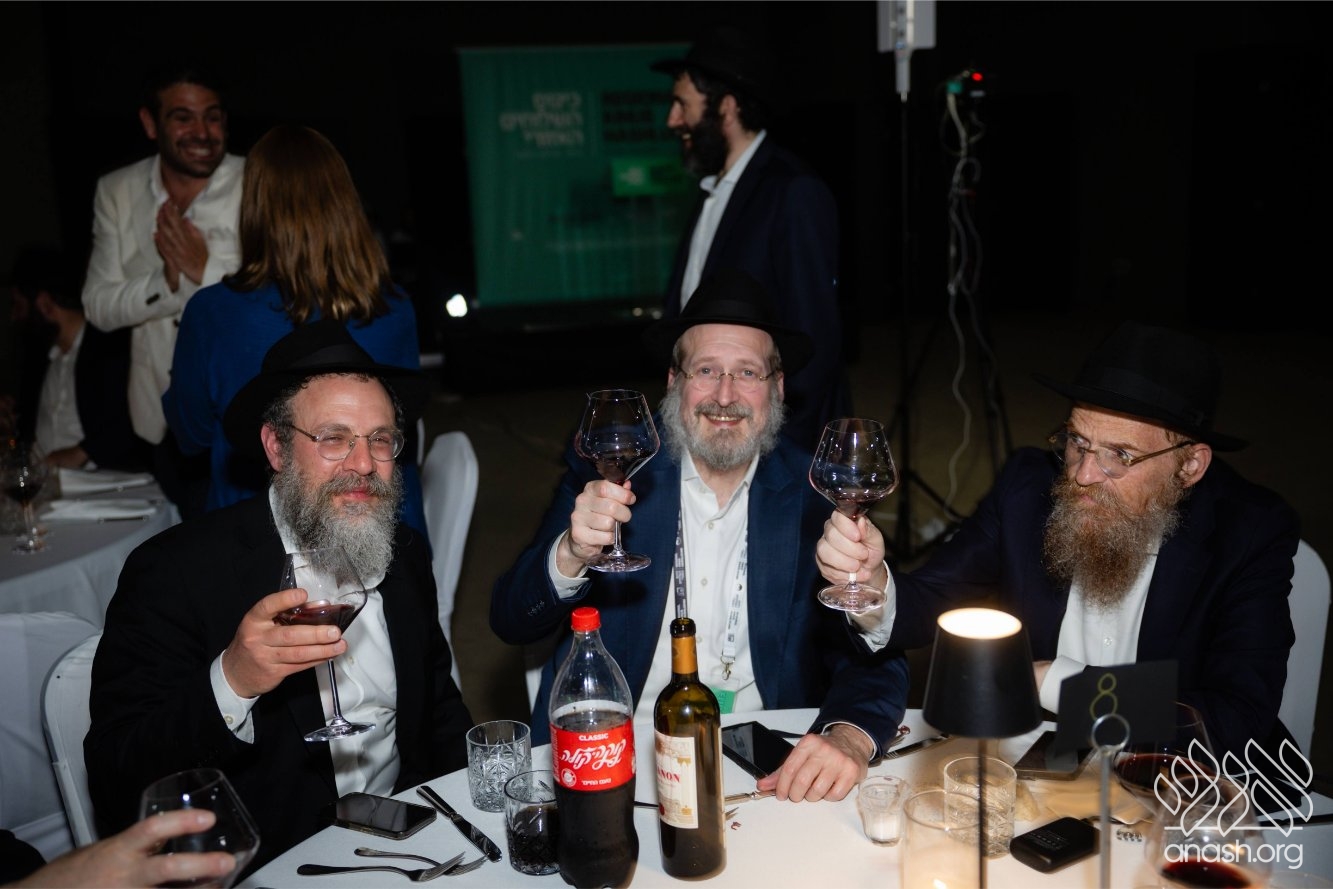
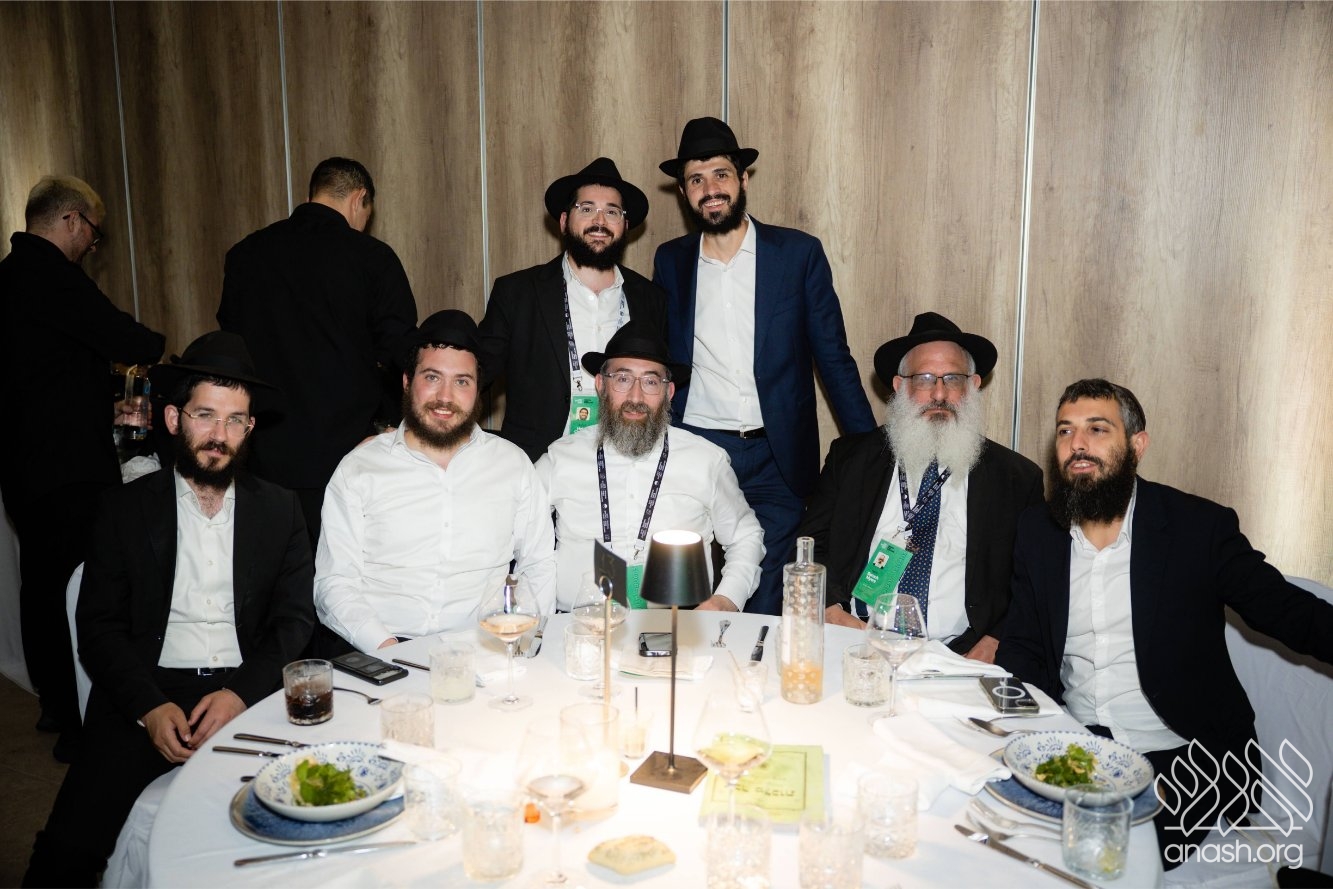
The gathering culminated in a central banquet, where Rabbi Binyomin Wolf delivered the keynote address, joined by guest speaker Moshe Andrez, who spoke about his personal connection to Chabad and its global mission.
The gathering also reinforced a broader commitment: to ensure that no Jew, no matter how remote their location, is left without access to Jewish life. Plans were discussed to further expand into countries that still lack permanent Chabad centers, while strengthening regional collaboration among existing outposts.
“This Kinus was strengthening for the Jewish locals and visitors of Mykonos,” reflected Rabbi Friedland. “Mykonos isn’t a place where Torah and Jewish life have traditionally been felt. This time, the presence of the Shluchim, the farbrengens, and the warmth of Yiddishkeit and Chassidus filled the whole environment with Jewish life.”
If there was a unifying theme to emerge from Mykonos, it was one of quiet determination.
“The Rebbe’s vision was never limited to major cities or established communities,” said Rabbi Kotlarsky. “It was about reaching every Jew, wherever they are. Today, we’re seeing that vision come to life in places that once seemed completely out of reach.”
Not through large institutions or sweeping campaigns, but through consistent, personal connection, one Jew at a time.
Nshei readers click here for shluchos group photo.
Recap Video:
 COMMENTS


We appreciate your feedback. If you have any additional information to contribute to this article, it will be added below.