




כ״ז אלול ה׳תשפ״ו | September 9, 2026
Skipping to Catch the Minyan?
Ask the Rov: If I came late to shul, should I skip korbanos to daven Shemoneh Esrei with the minyan? Rabbi Chaim Hillel Raskin responds.
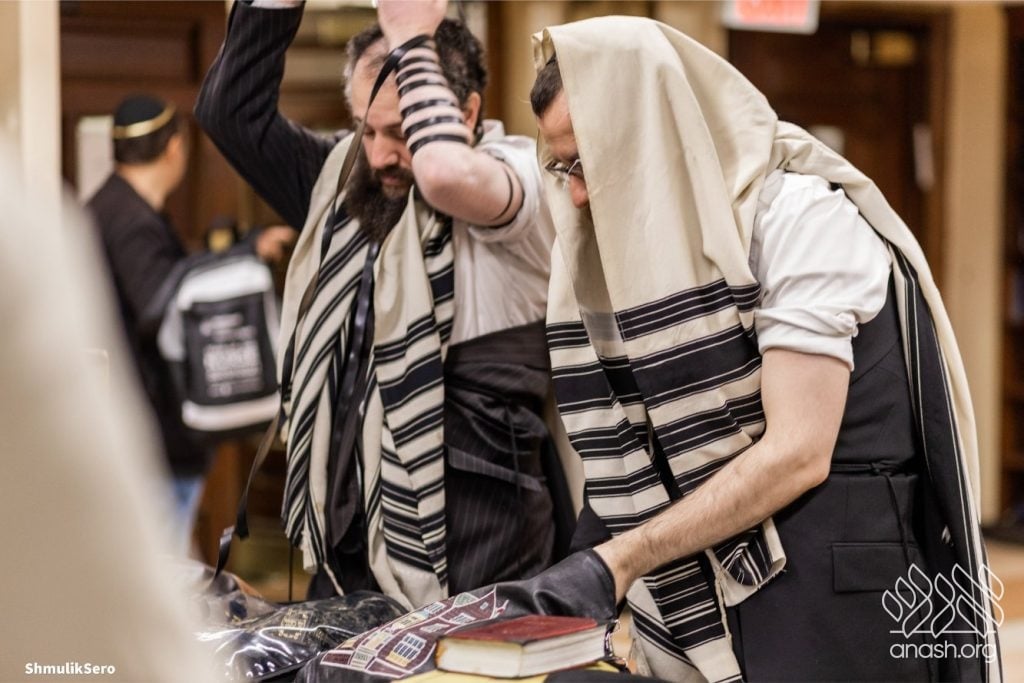
If I came late to shul, should I skip korbanos to daven Shemoneh Esrei with the minyan?
Halacha states that since the tefilah of a minyan is always accepted, one who arrives in shul late should skip pesukei dezimra — instituted for Shemoneh Esrei to be well received
— in order to daven with them. Shulchan Aruch lays out how much to skip according to the time left, and if there is no time even for that, one begins with the minyan and makes it up afterwards without its brachos.1
All of this is only b’dieved. L’chatchila, every person must come to shul on time so that he will not need to skip at all.2 Racing through pesukei dezimra is no alternative, since it cuts short the praise of Hashem for the sake of one’s own requests.3
In contrast, the Beis Yosef’s Maggid (a personal malach) warned him to come early and daven in order, because one who skips overturns the channels. The Mishnah Berurah brings that many anshei maaseh daven in order even when they come late.4 Indeed, this is the widespread custom among chassidim, and Chabad chassidim in particular. The Rebbe noted that the Rebbeim directed against skipping, and one should daven the entire tefilah in order and with kavana, even at the cost of tefilah b’tzibur and of zman tefilah.5
Asked for the reason of this minhag, the Rebbe pointed to the Kuntres Acharon in Tanya, which explains that as the generations have descended, tefilah has become the main avodah, and its details are correspondingly important.6 Elsewhere, the Rebbe writes that even the poskim who permit skipping acknowledge that it’s unbecoming, and that a child taught the heter soon comes to belittle davening.7 One who davens more slowly should begin with the minyan and then continue at his own pace, answering kaddish, borchu, and kedusha.8
Regarding the sections before davening (such as akeida, korbanos, etc.), although the Ketzos Hashulchan writes to skip them and make them up later, the Rebbe discouraged skipping even these, since they lead into the feeling needed for davening.9
On erev Shabbos, Hodu is said before Mincha as a hoda’ah for coming through the mundane pursuits of the week unharmed, and is not specifically associated with the tefilah. It would seem appropriate to recite it after Mincha in order to daven with the minyan.10
See Sources (open PDF)
 COMMENTS


What about skipping korbonos to catch mincha before shkia