



כ״ז אלול ה׳תשפ״ו | September 9, 2026
California to Become First State to Recognize ‘Jewish Identity’
In a historic development, California is set to become the first state to recognize Jewish identity beyond religious category. For decades, the Rebbe pushed back against the idea that a Jew’s identity is defined by level of observance, insisting instead that a Jew is a Jew regardless of his level of practice, label or affiliation, or background.
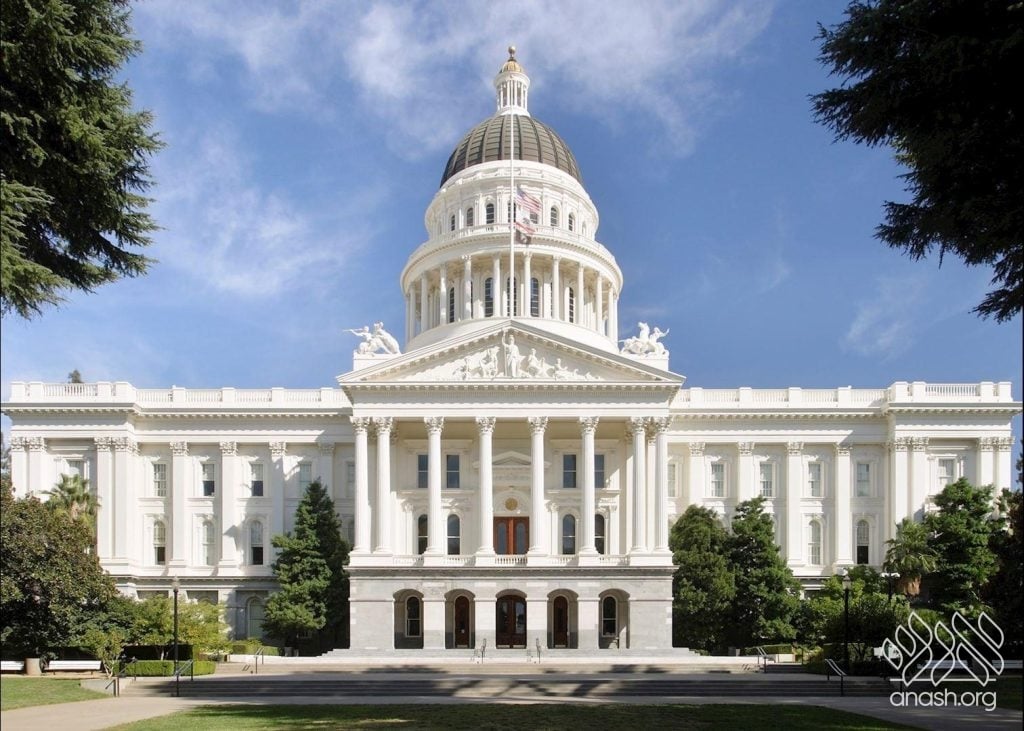
In a historic development, California is set to become the first state to recognize Jewish identity beyond religion, with a bill moving through the state legislature that would make it the first state to officially recognize Jewishness as more than a religious category.
For decades, the Rebbe pushed back against the idea that a Jew’s identity is defined by level of observance, insisting instead that a Jew is a Jew regardless of his level of practice, label or affiliation, or background.
The bill, S.B. 1387, passed a key committee vote last week and now heads to the State Assembly. If signed into law, it would require California state agencies to add an optional “Jewish” box to demographic forms, covering everything from college applications to public assistance programs, alongside the nearly 50 racial and ethnic categories the state already tracks.
Supporters say the change will help authorities properly track antisemitic hate crimes, which are often misclassified as purely religious incidents, and improve public health data collection, including for diseases more common among Jews.
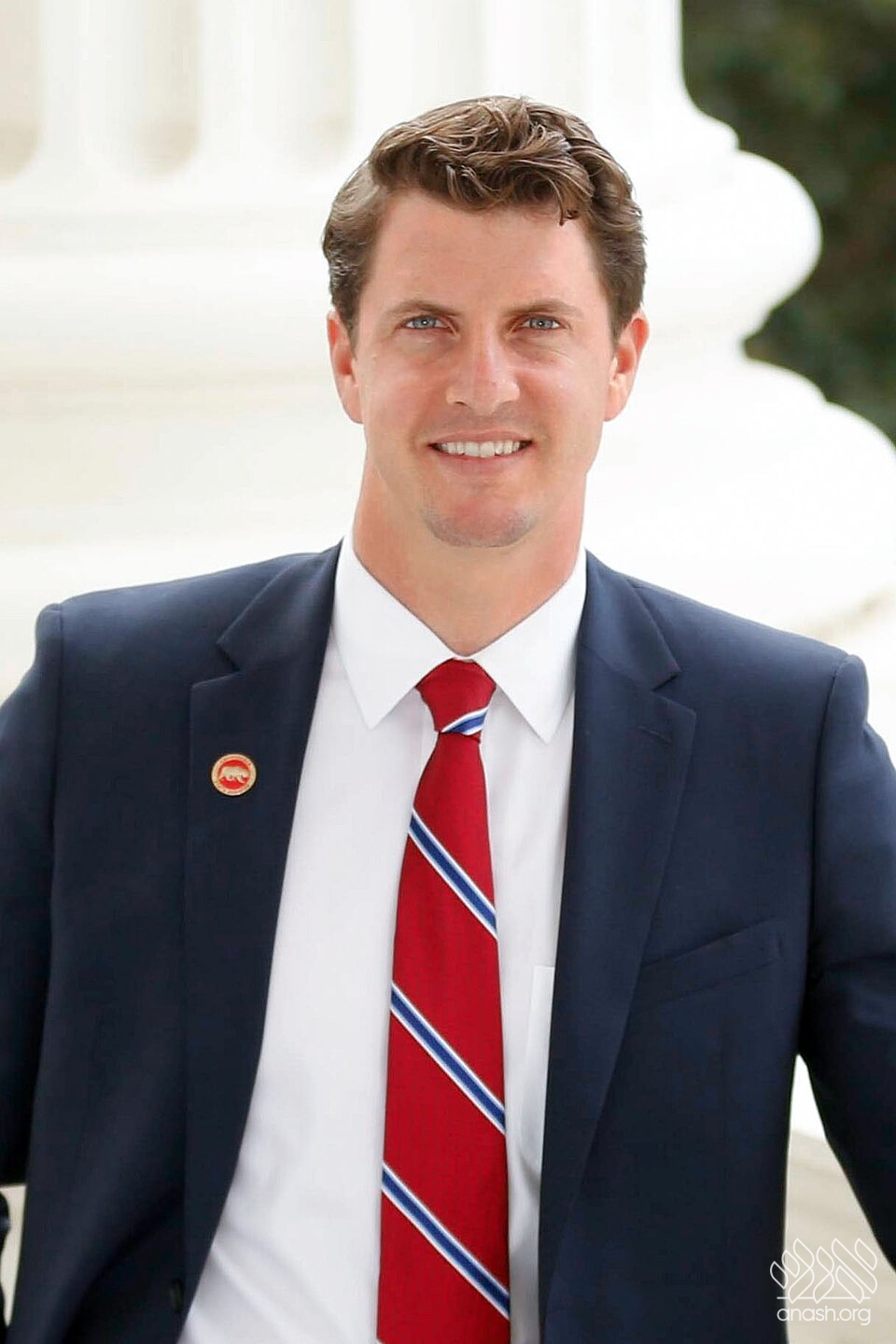
The bill’s author, State Senator Henry Stern, has said the legislation grew out of his own experience. “I got picked on in school as a Jew even though I didn’t wear a kipa, I didn’t have a Star of David. But they figured out I was a Jew and they wrote a swastika on the back of my backpack,” Stern recalled. “I wasn’t a white guy to them. I was a Jew to them.”
Later in life, Stern became more frum, beginning to wear a yarmulke and keep Shabbos.
Courts and lawmakers have wrestled with how to classify Jewish identity for decades, going back to a 1987 Supreme Court case that first allowed Jews to sue under racial discrimination law.
From the beginning of the nesius, the Rebbe repeatedly stressed that Jewish identity is not a matter of degree. A Jew who has never stepped into shul and a Jew who never put on tefillin share the same neshama and the same fundamental bond with Hashem.
Labels like “religious” or “secular” describe behavior, not identity, and the Rebbe was insistent that no Yid be written off or treated as less of a Yid because of where he happened to stand at that moment in his life.
It was on this very basis that the Rebbe established shlichus, sending thousands of shluchim around the world to reach out to every Jew, as every Jew, by virtue of being a Jew, is worthy of being reached, taught, and brought closer, no matter his background or current level of observance.
Stern, addressing critics who feel a checkbox oversimplifies something so layered, said, “That’s what it is to be a Jew,” he said. “Understanding that we’re a people, we’re a nation, we’re an ethnicity, we are a religion, too. We don’t fit naturally.”
Laughing, he added: “It’ll give a lot of grist for people to argue over kitchen tables, as we have been doing for over 3,000 years.”
 COMMENTS


Can anyone snd everyone claim to be a Jew?
For example, the possible future governor of Georgia is a “patrilineal Jew” who chose to identify with that side of the family for the sake of ” the oppressed and downtrodden”. Specifically, those who fall under the Democratic Party’s definition of “oppressed and downtrodden”. No need to say more.
One can’t help but wonder if the battle for Mihu Yehudi will be fought out in the California judicial system.
It will open up to all sorts of problems. Those who identify as “Jewish”, non Halachic “conversions”. Not a good idea.