




כ״א אב ה׳תשפ״ו | August 4, 2026
Russia Recreates Lost Wooden Shul Near World’s Deepest Lake
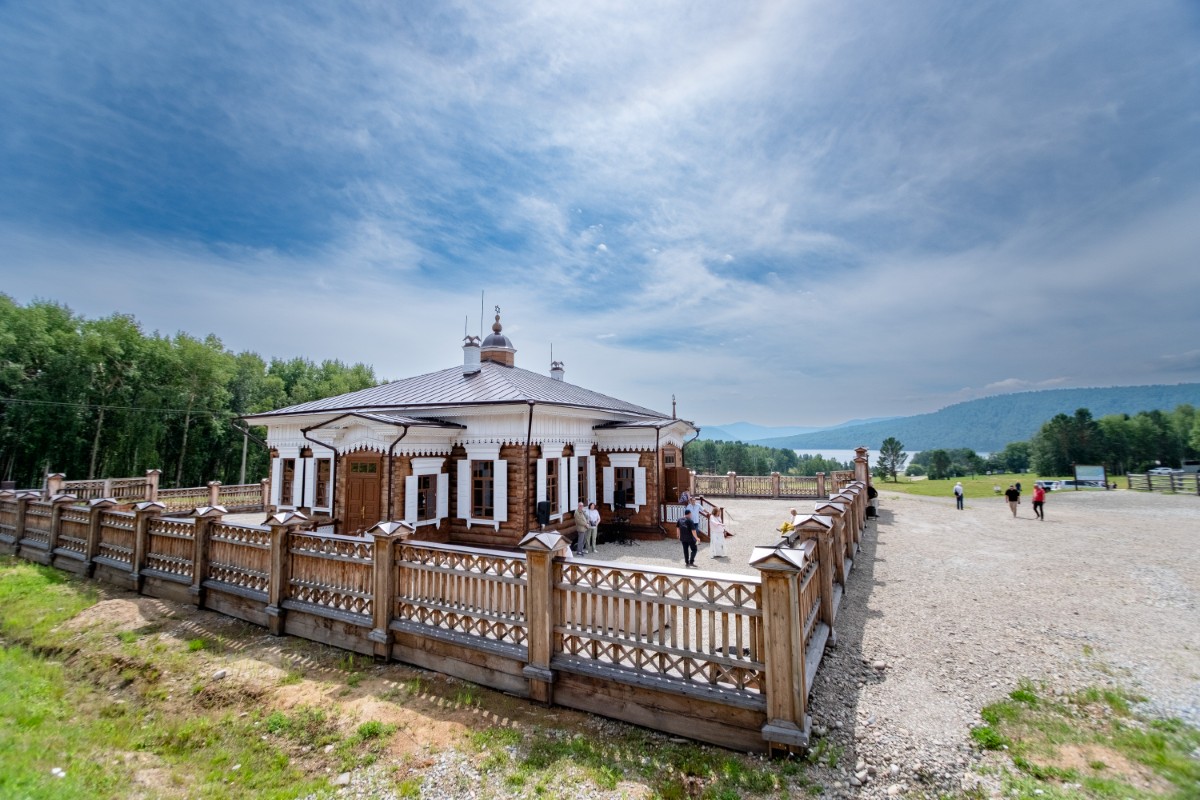
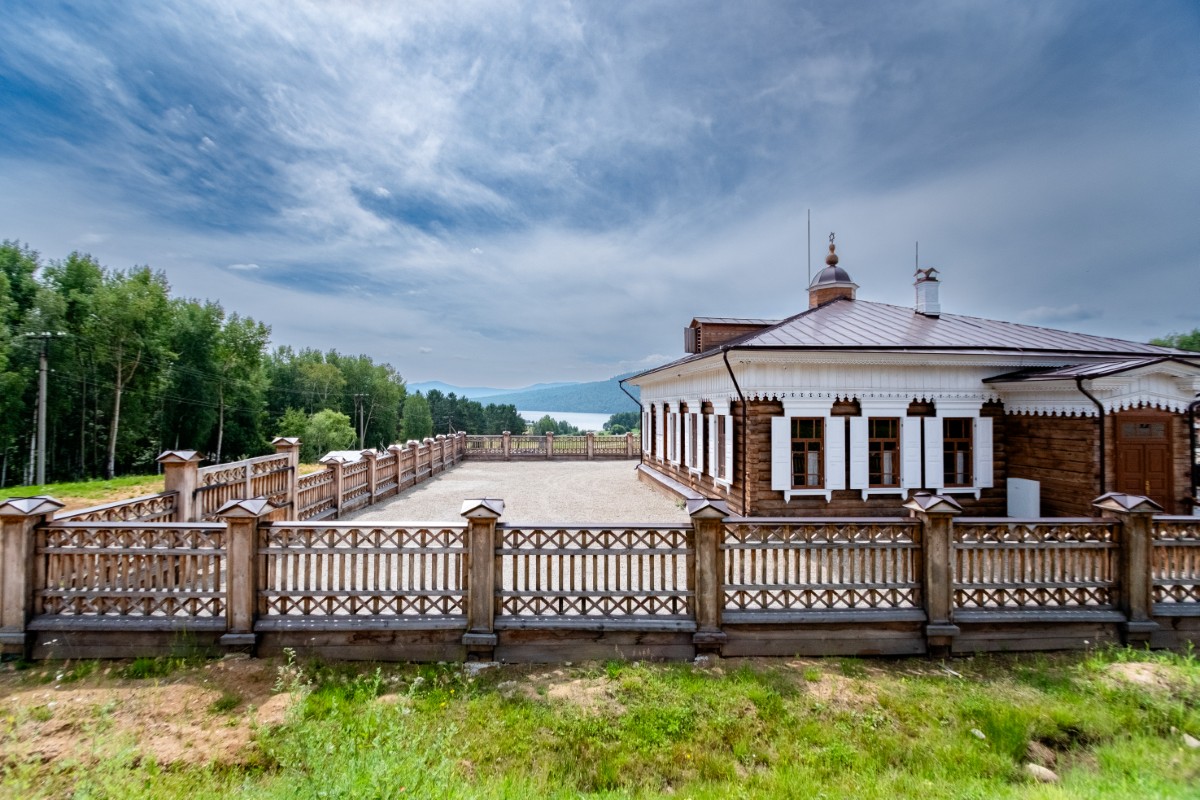
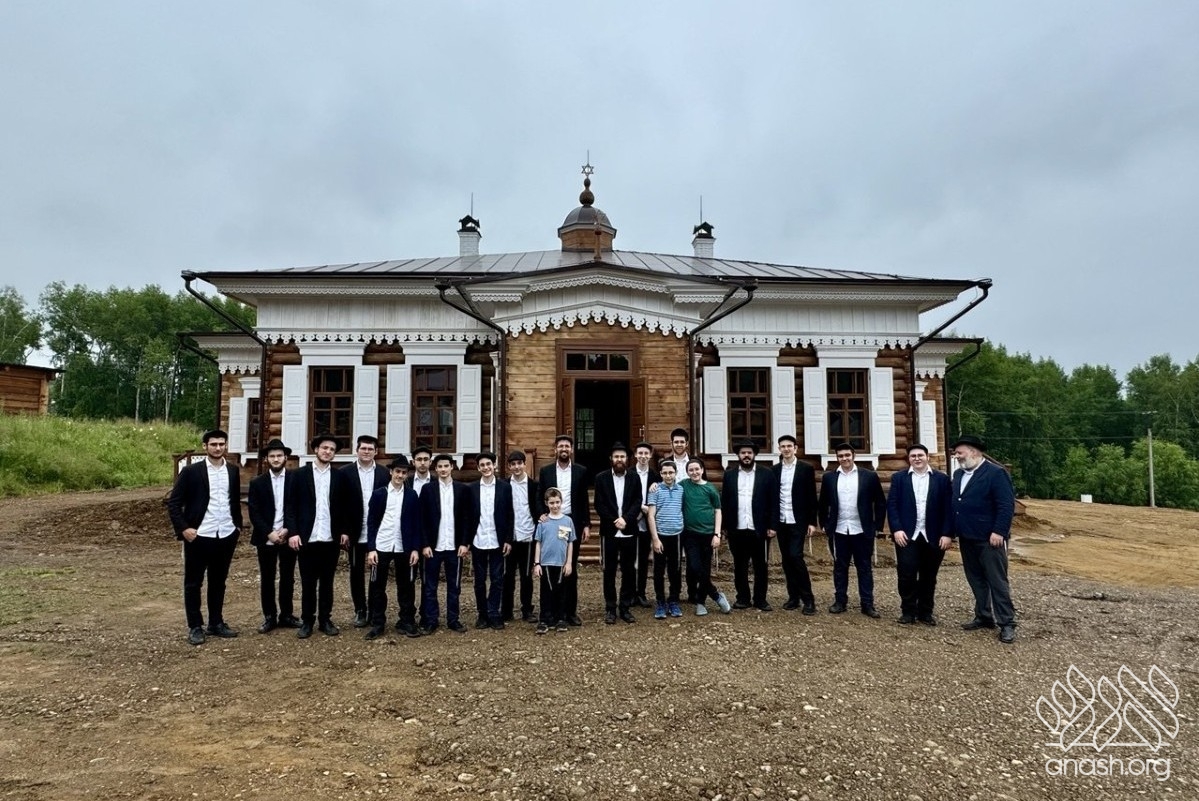
A century-old wooden shul from the Siberian town of Zima has been painstakingly reconstructed beside Lake Baikal, restoring a vanished piece of Jewish life in one of the world’s most remote regions.

A century-old wooden shul from the Siberian town of Zima has been painstakingly reconstructed beside Lake Baikal, restoring a vanished piece of Jewish life in one of the world’s most remote regions.
Deep in Siberia, near the shores of the world’s largest and deepest freshwater lake, a historic wooden shul has been brought back to life.
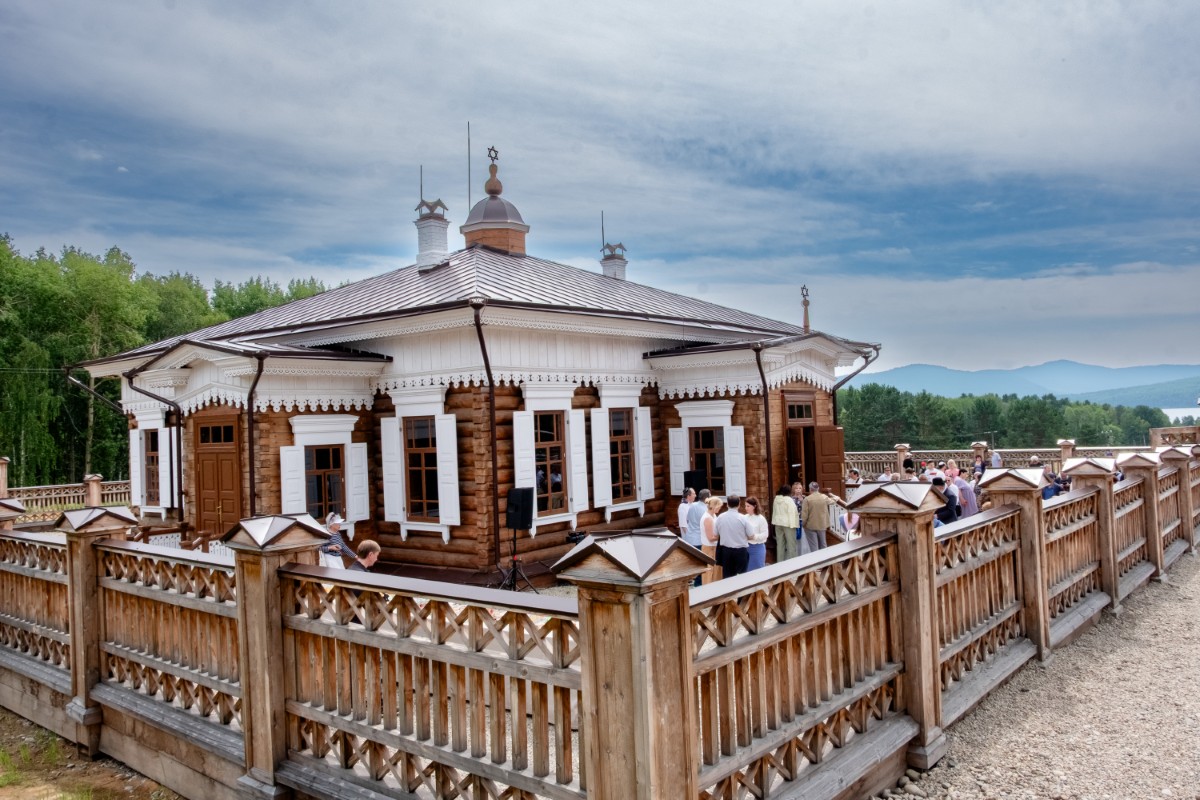
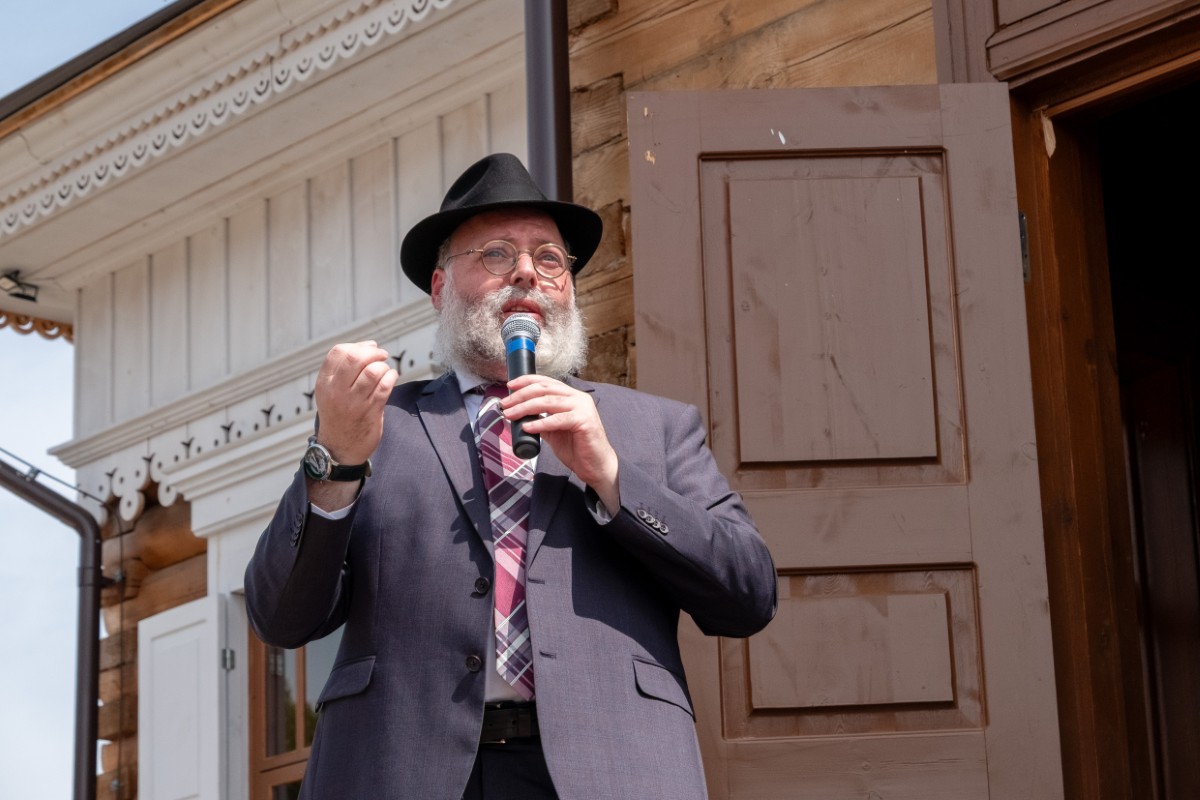
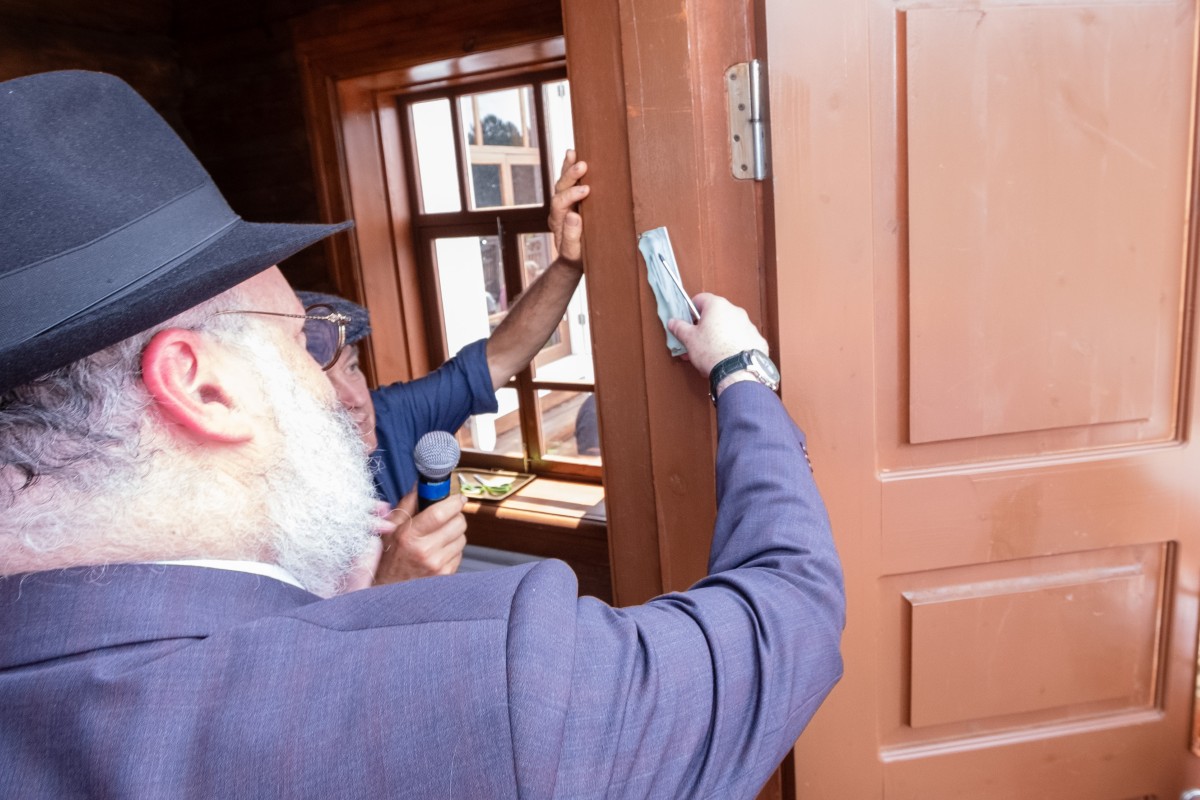
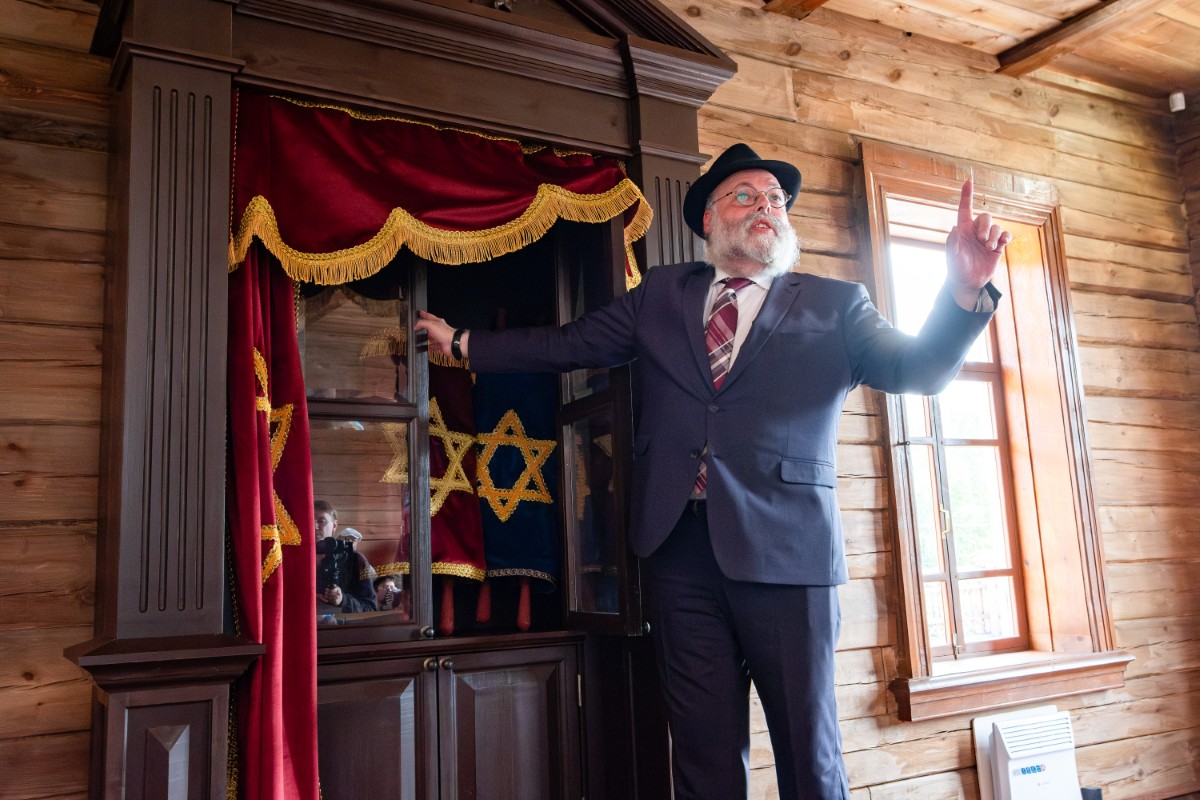
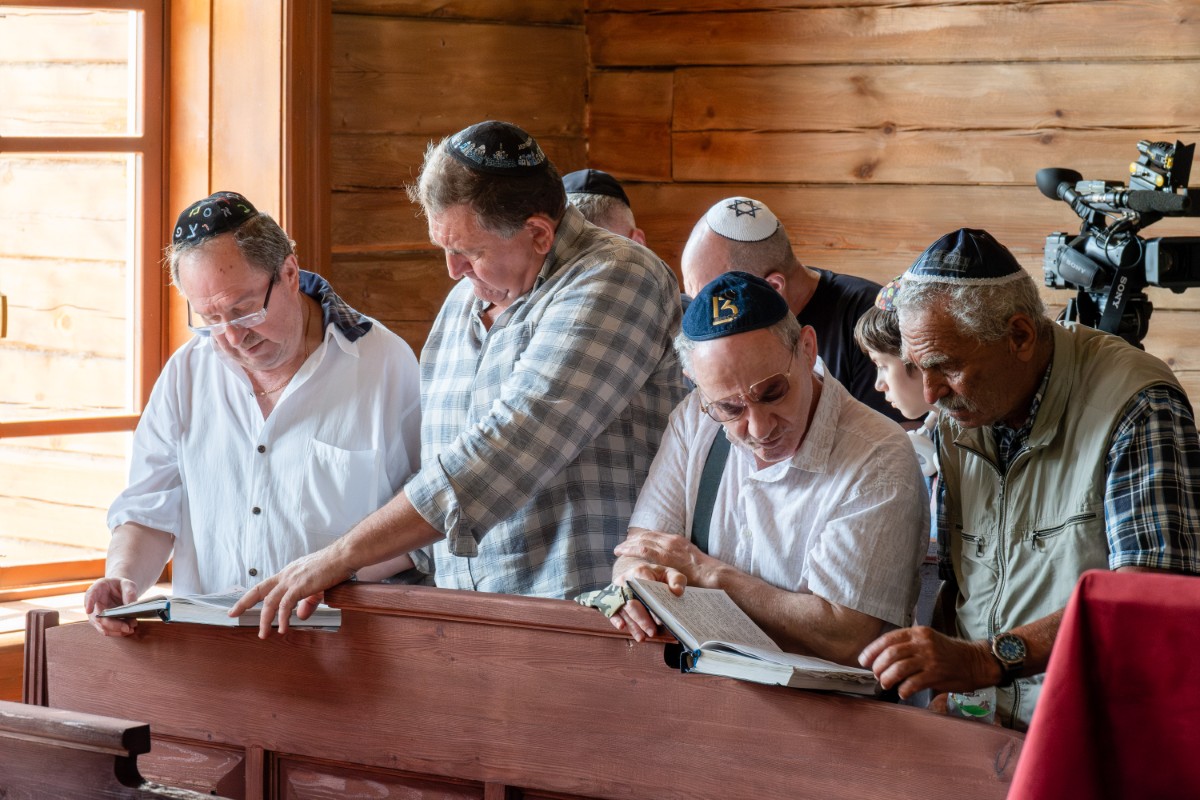
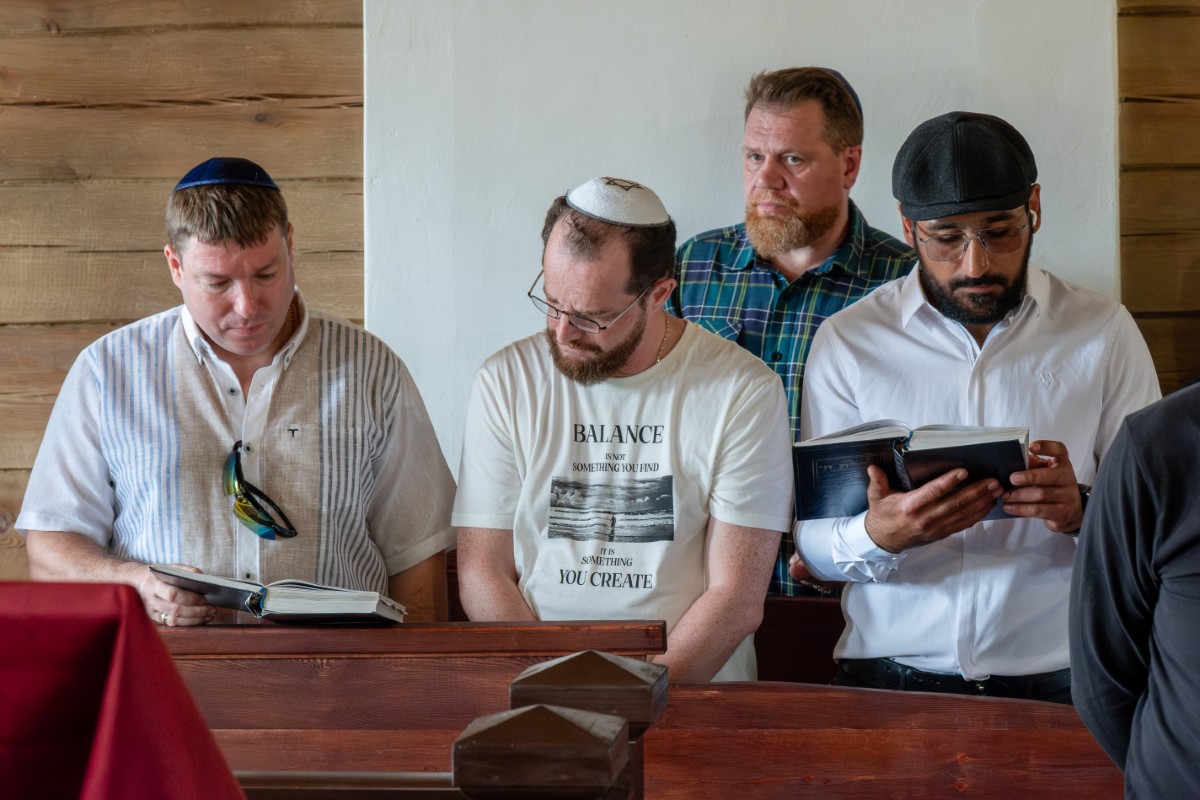
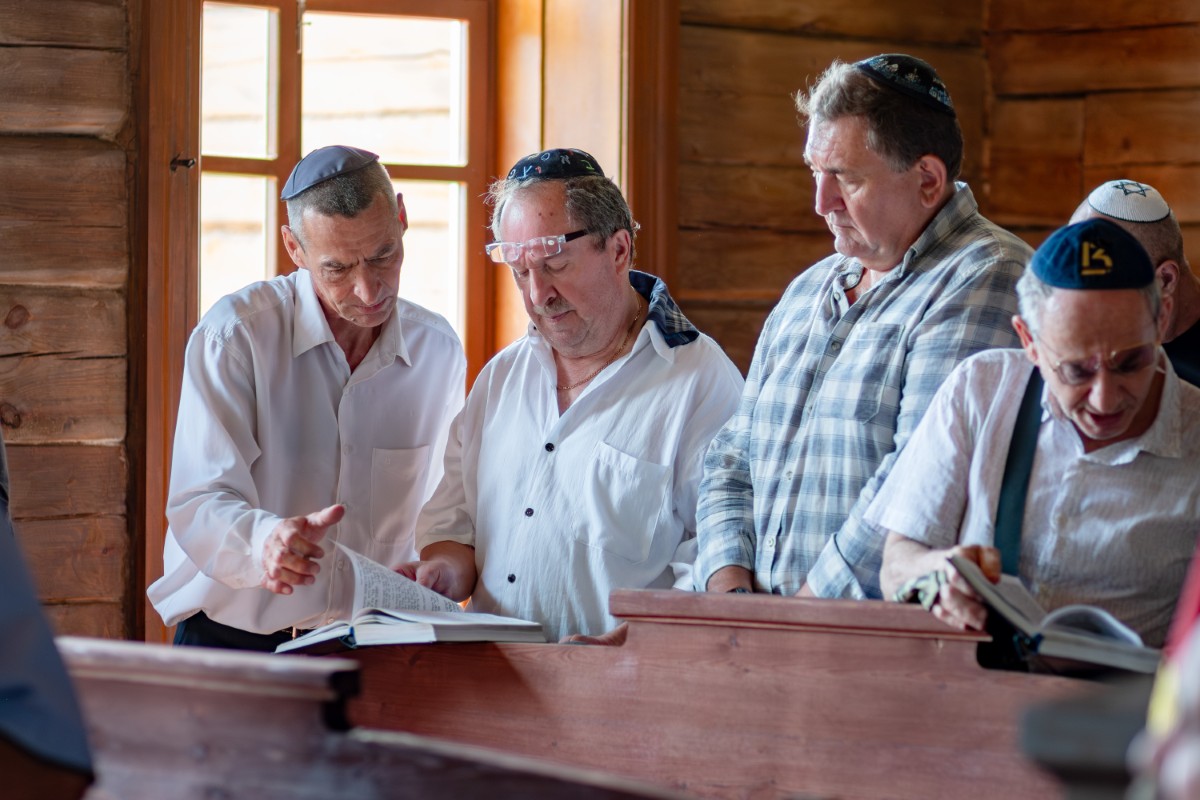
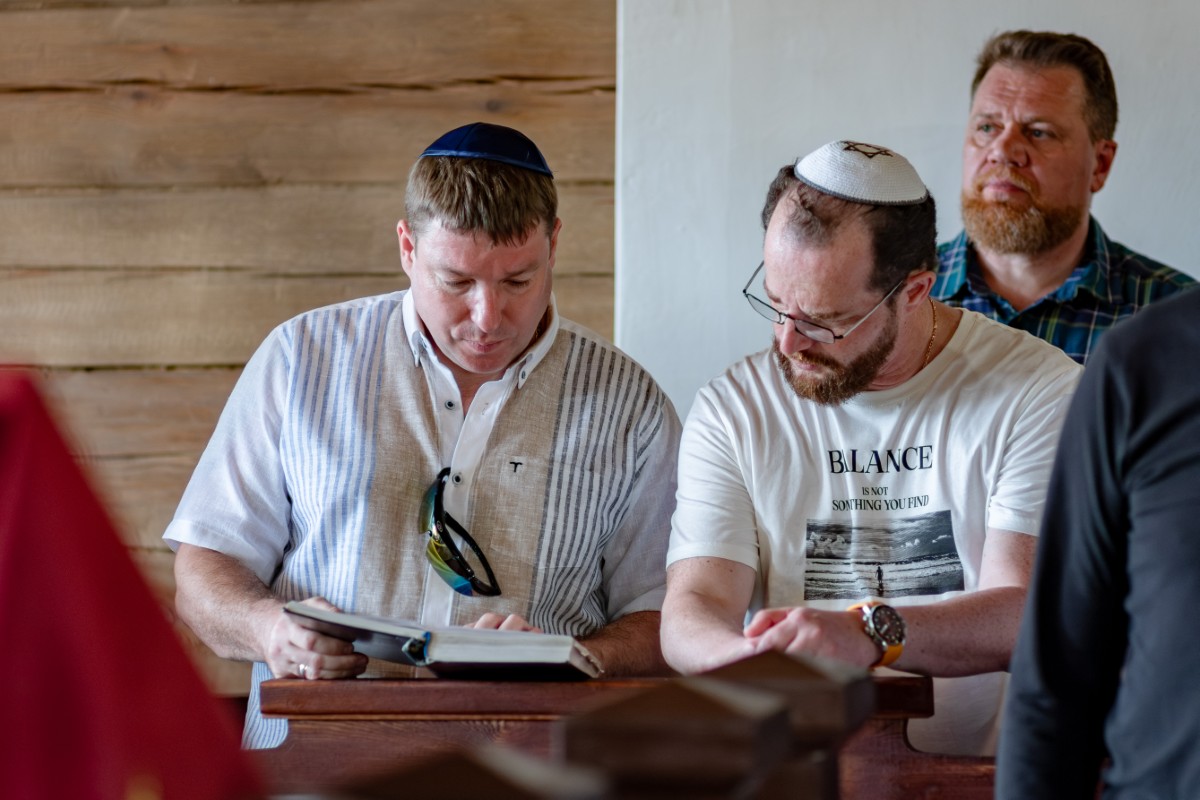
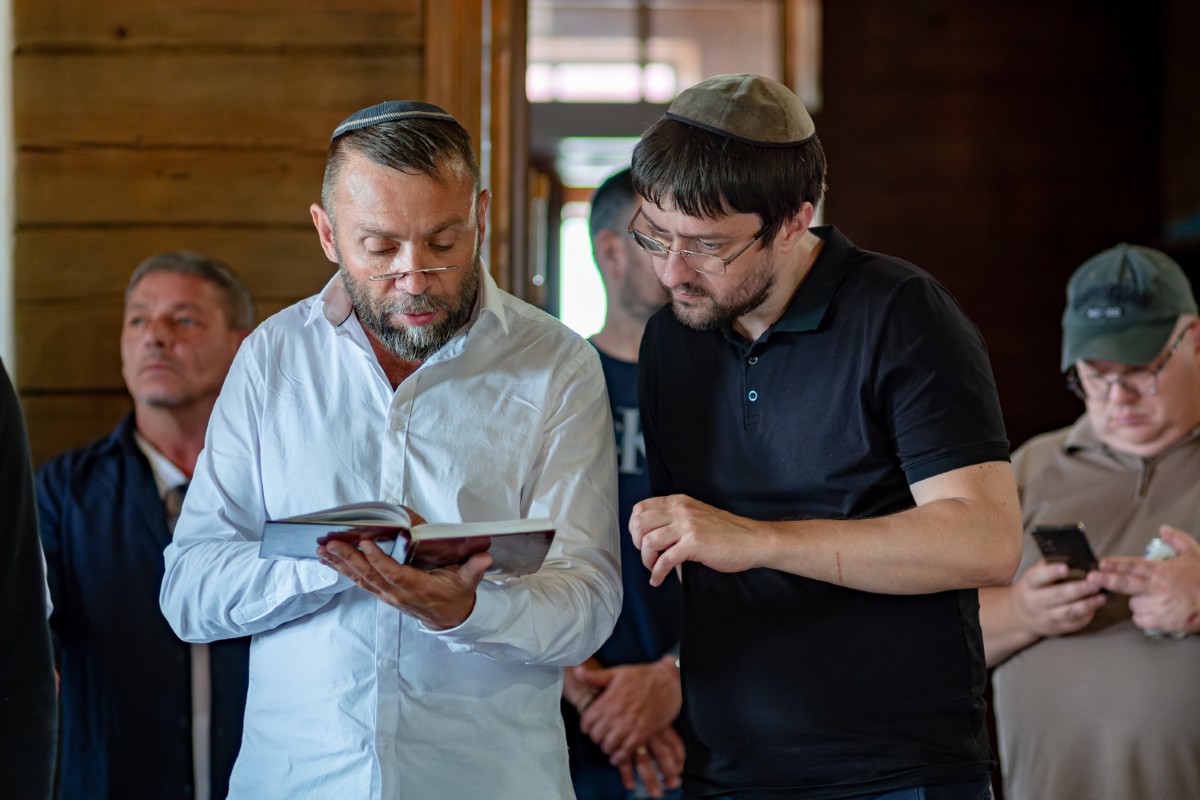
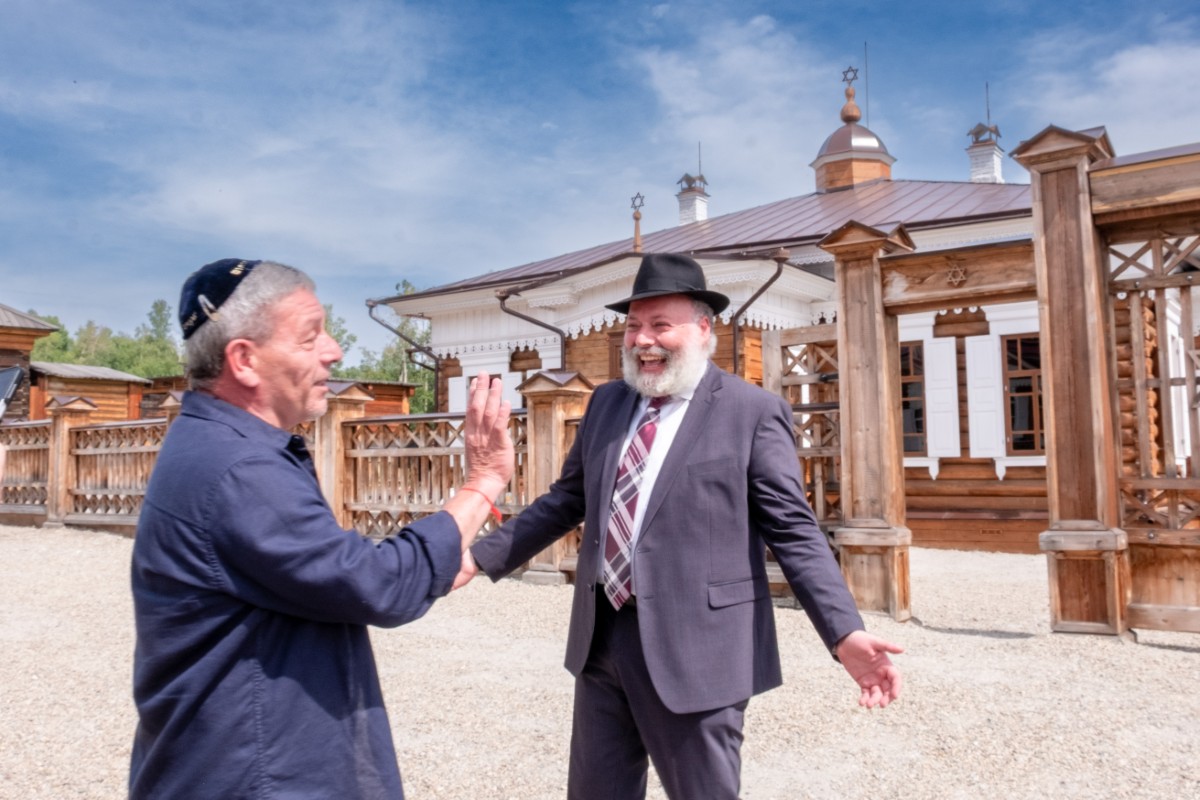
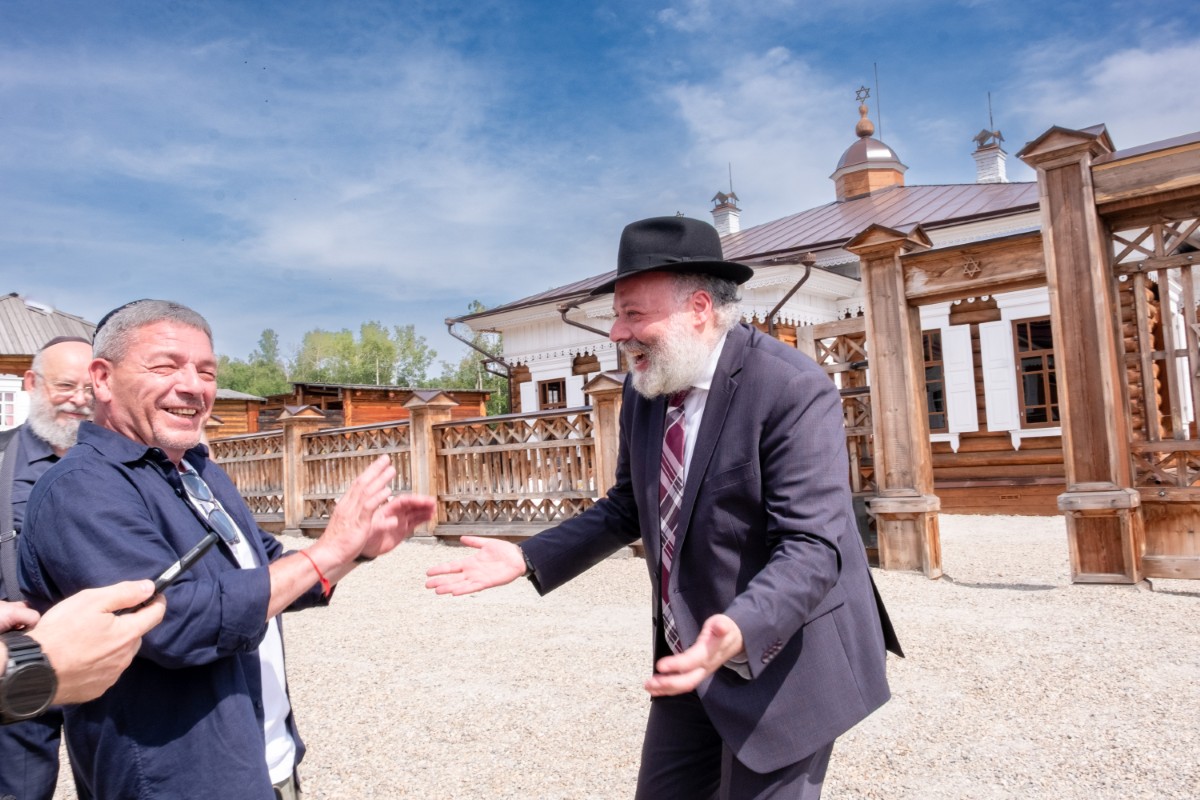
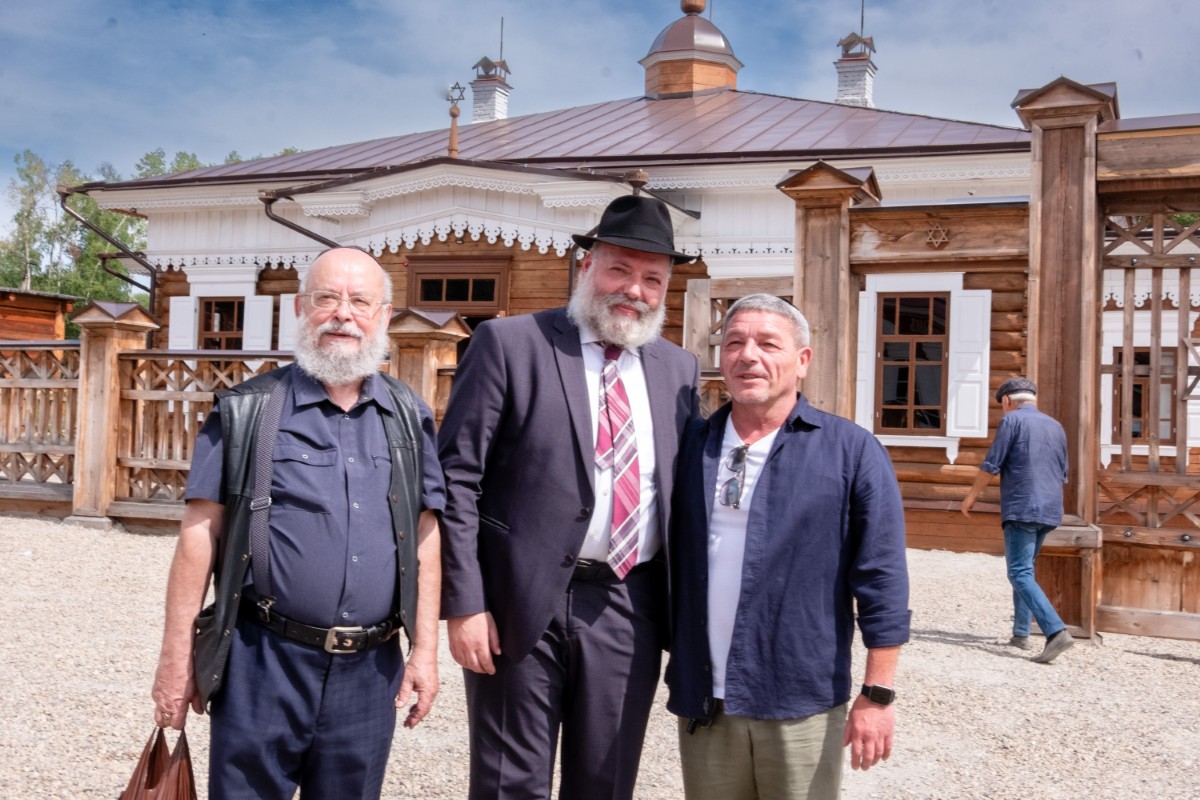
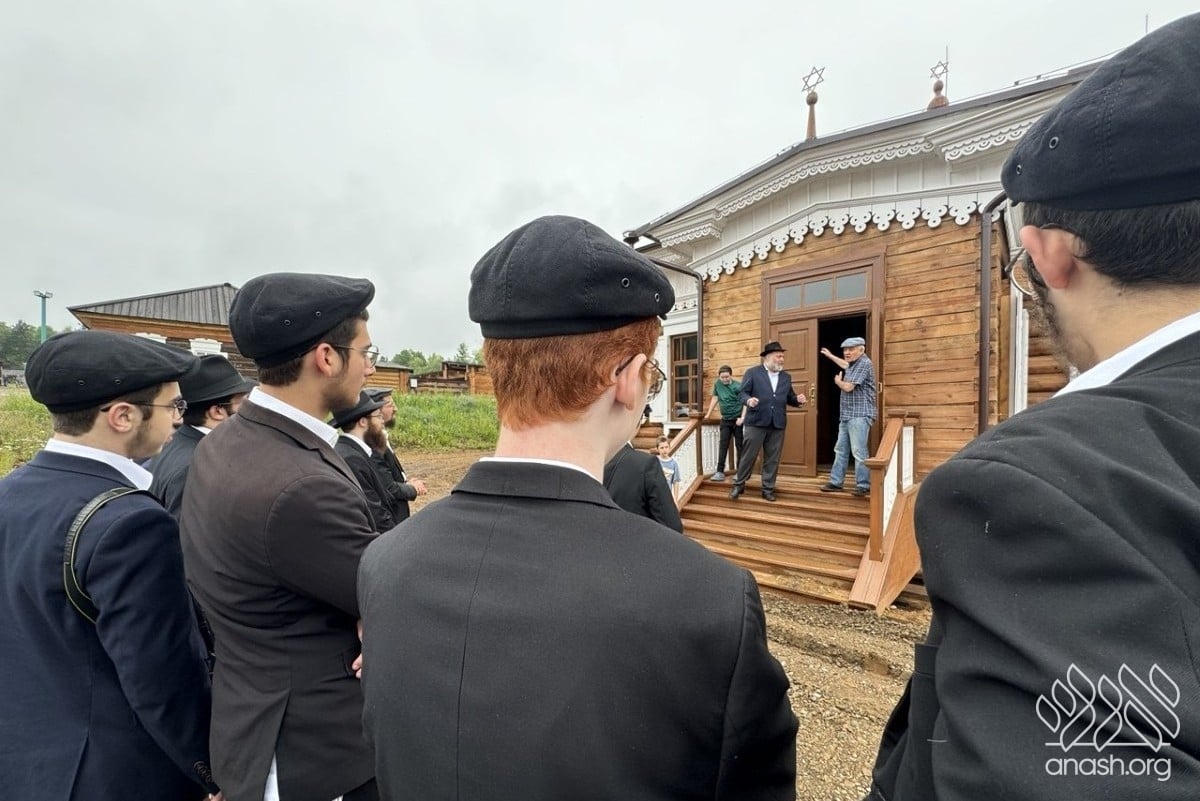
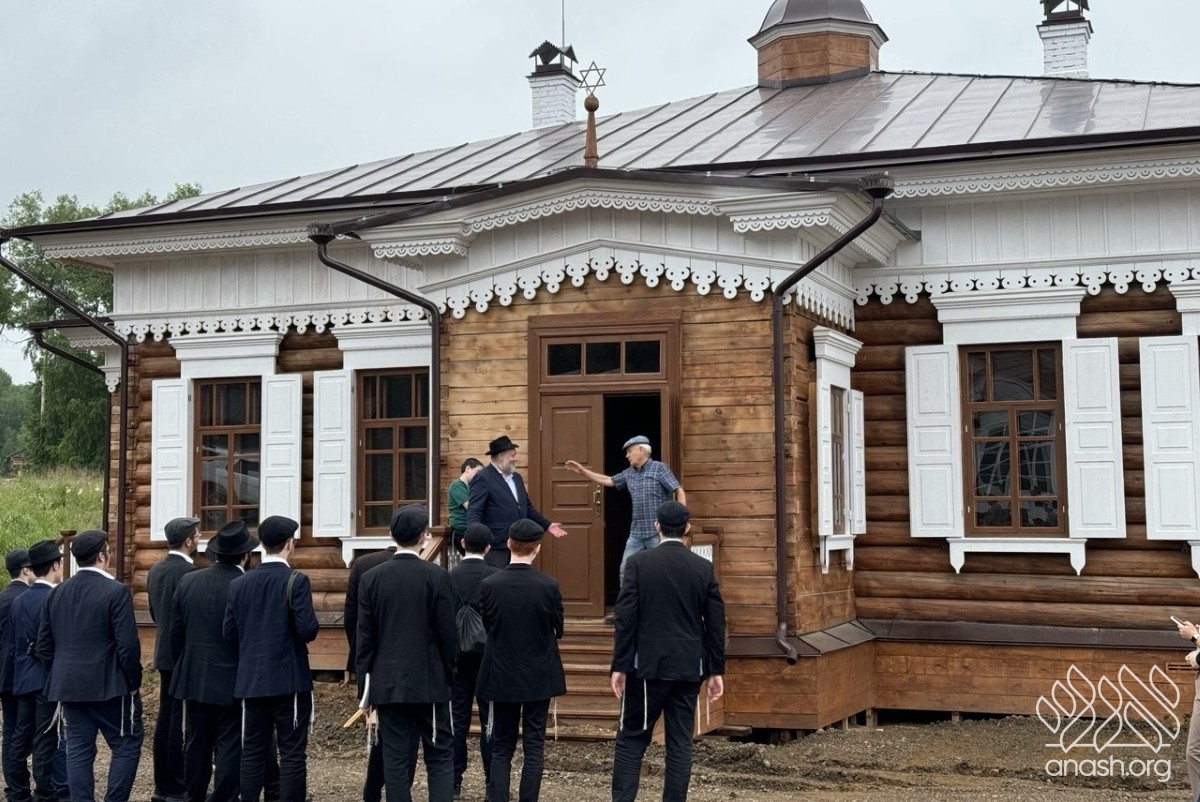
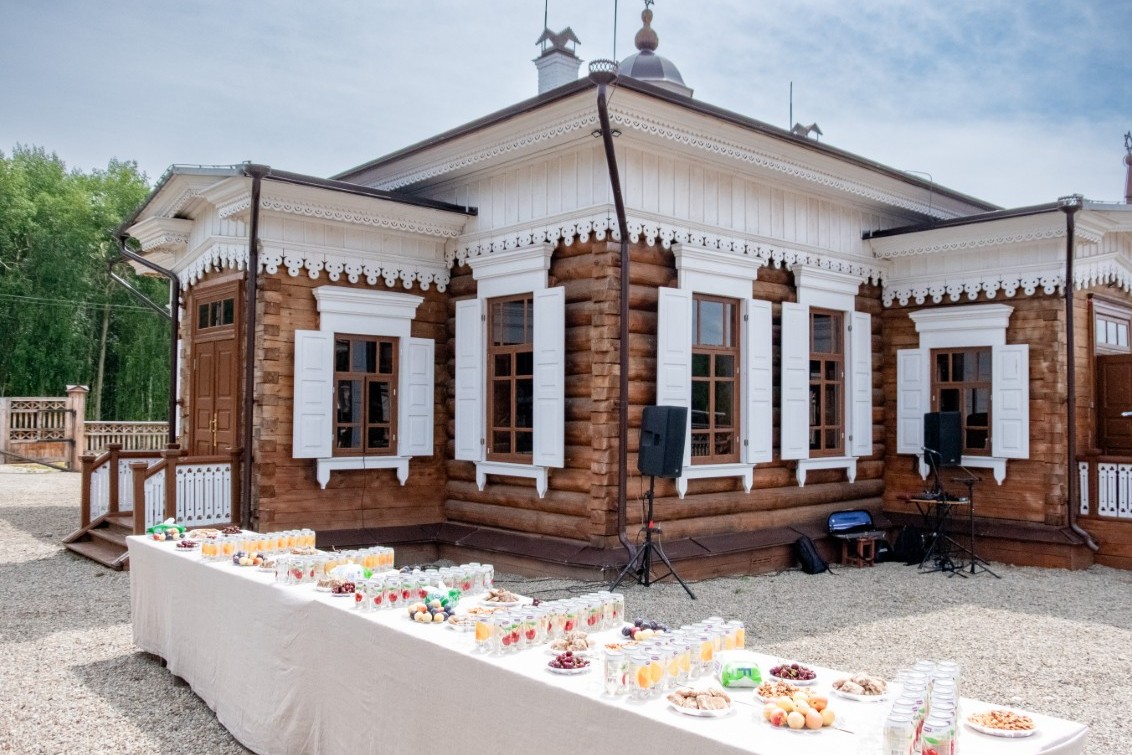
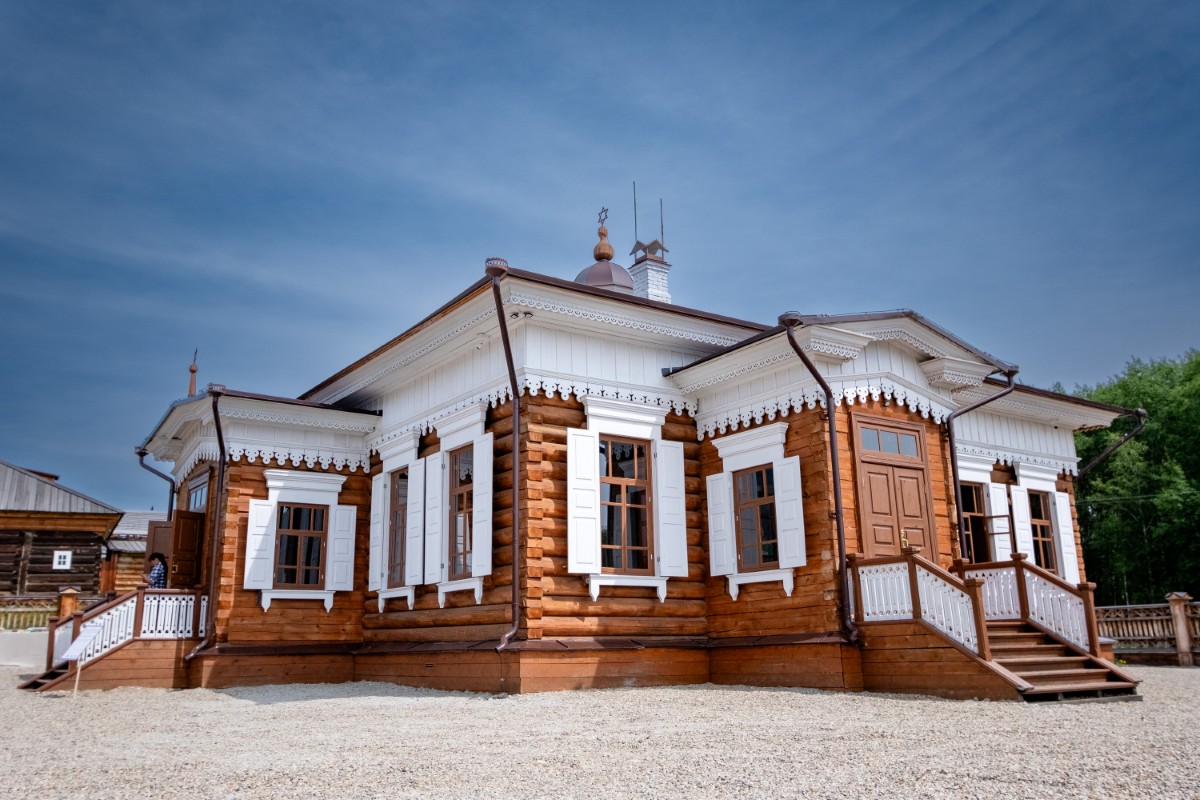
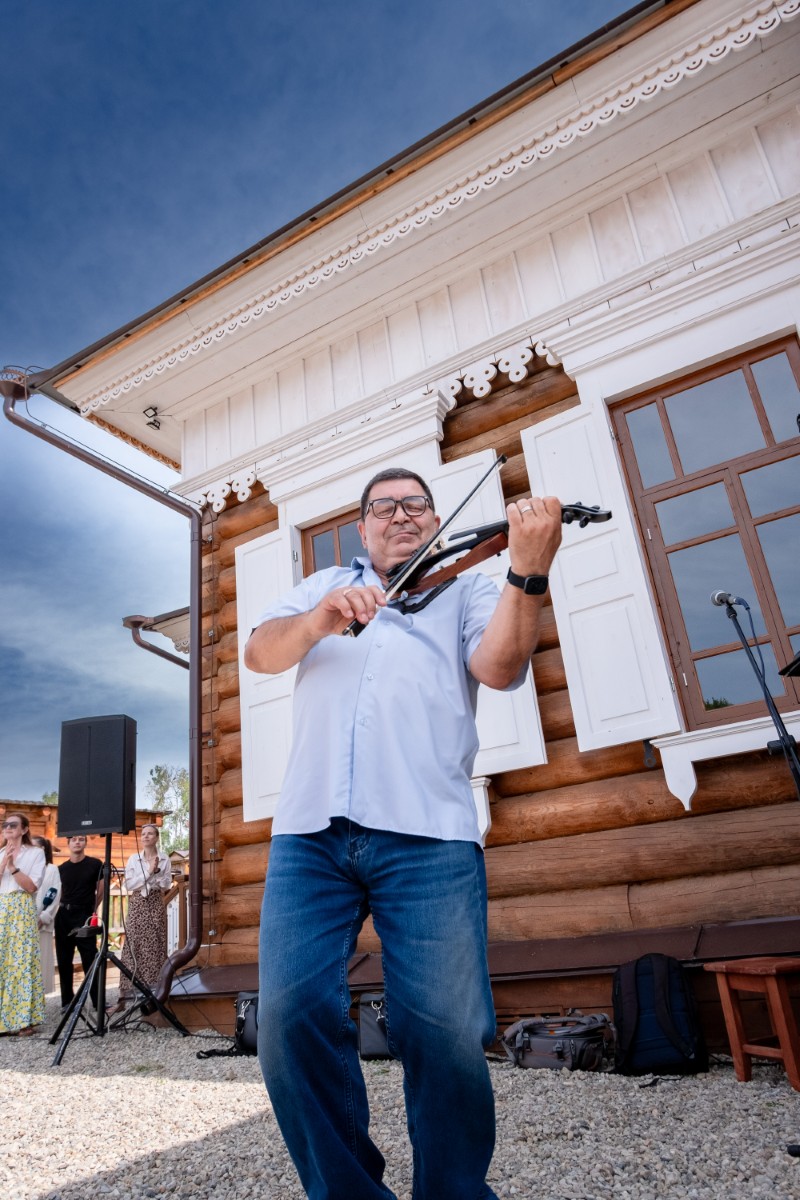
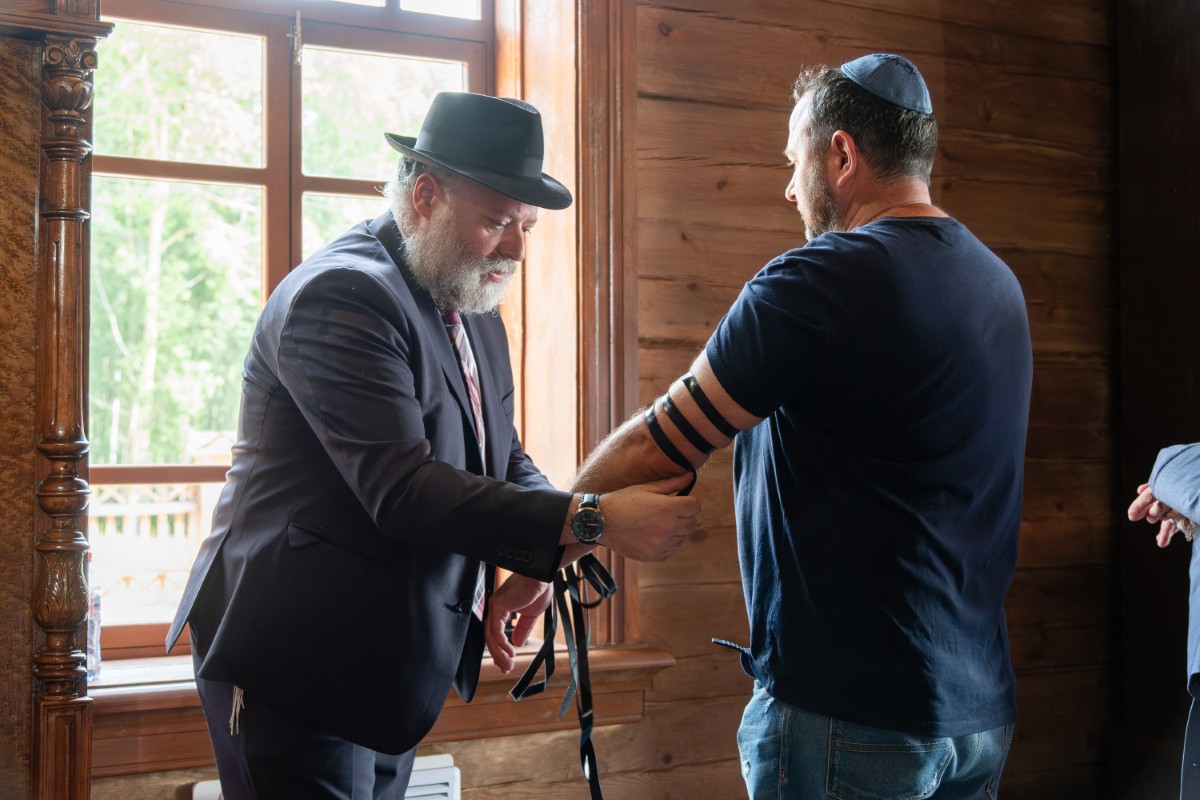
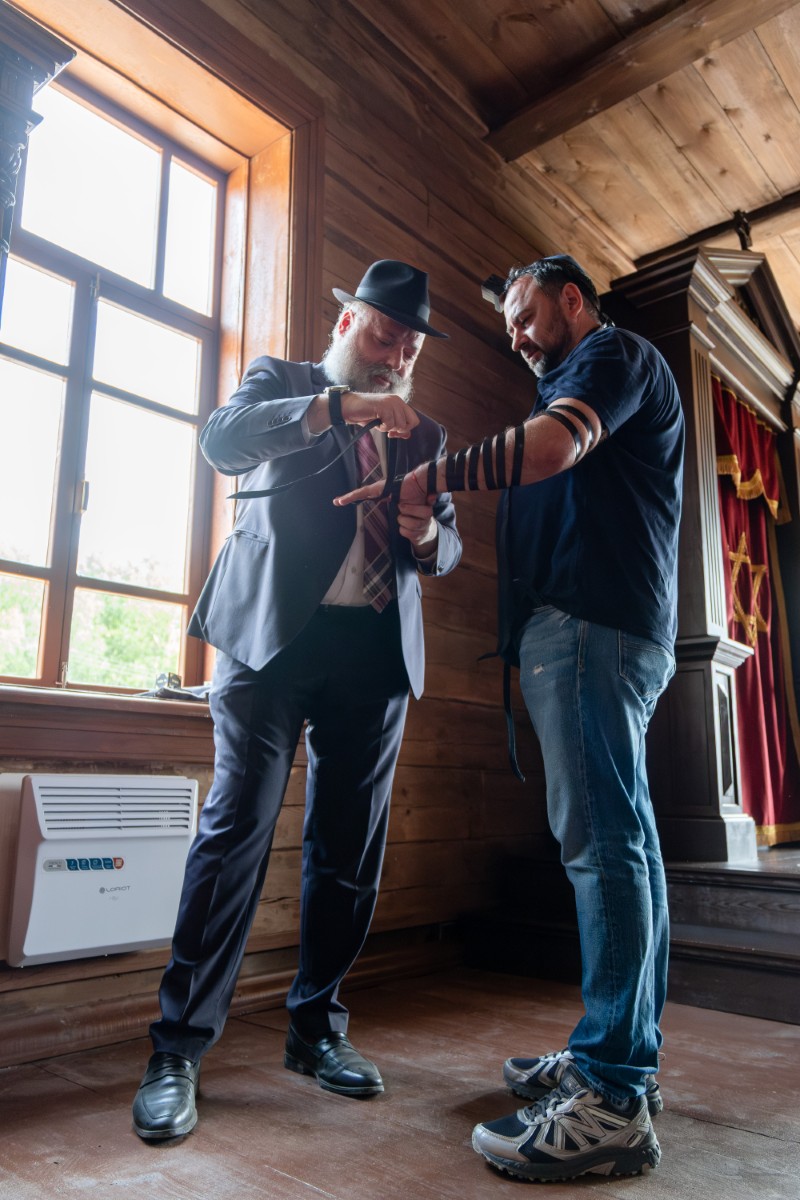
The reconstructed shul was officially opened on Chamisha Asar B’Av at the Taltsy Museum near Lake Baikal, following a two-year project funded by the Russian government and carried out in close coordination with the Jewish community of Irkutsk.
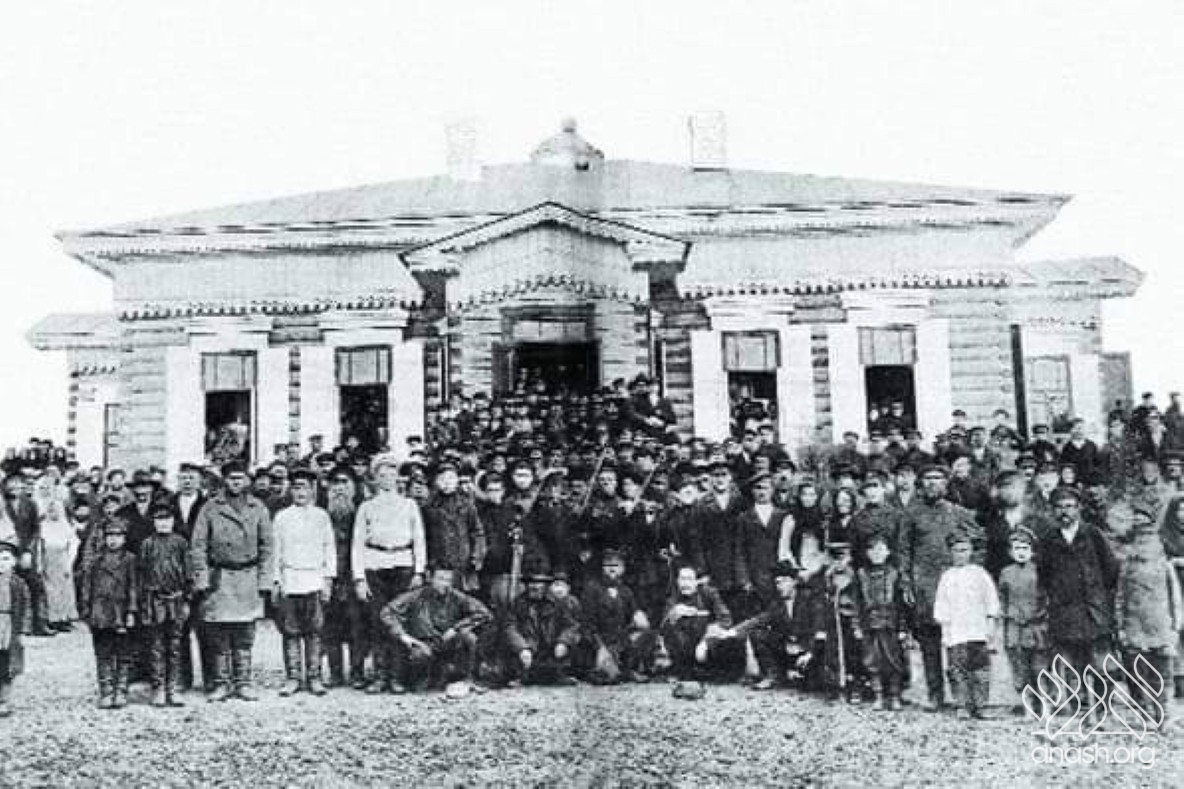
The building is an exact recreation of the historic shul in Zima, a Siberian town northwest of Irkutsk. Built in 1905, the original structure was the last surviving wooden shul of its kind in the region.
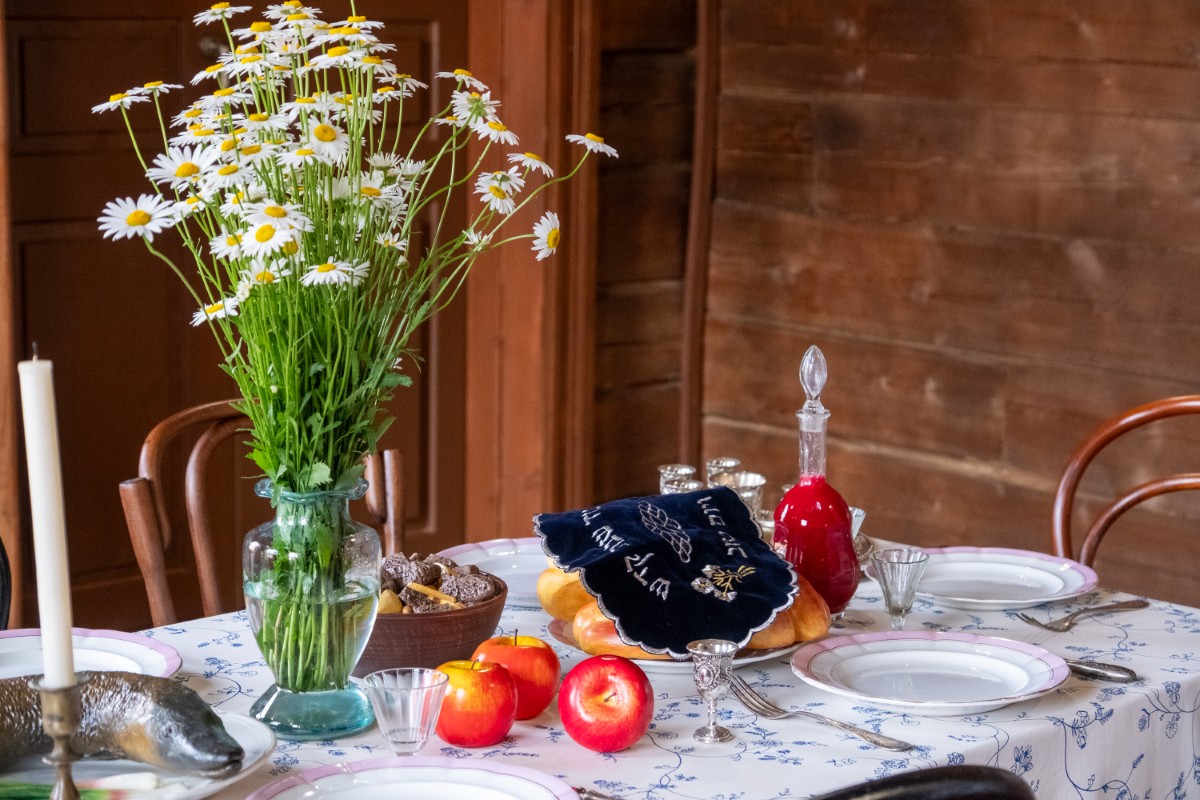
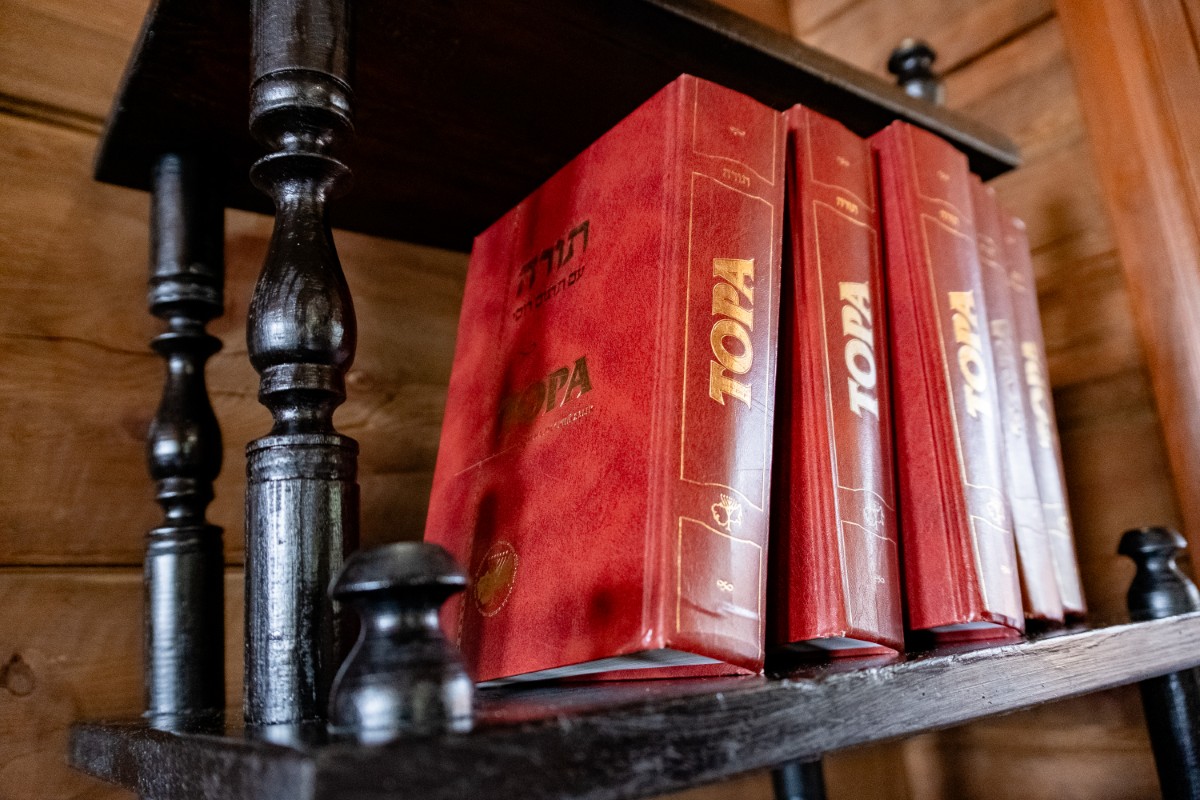
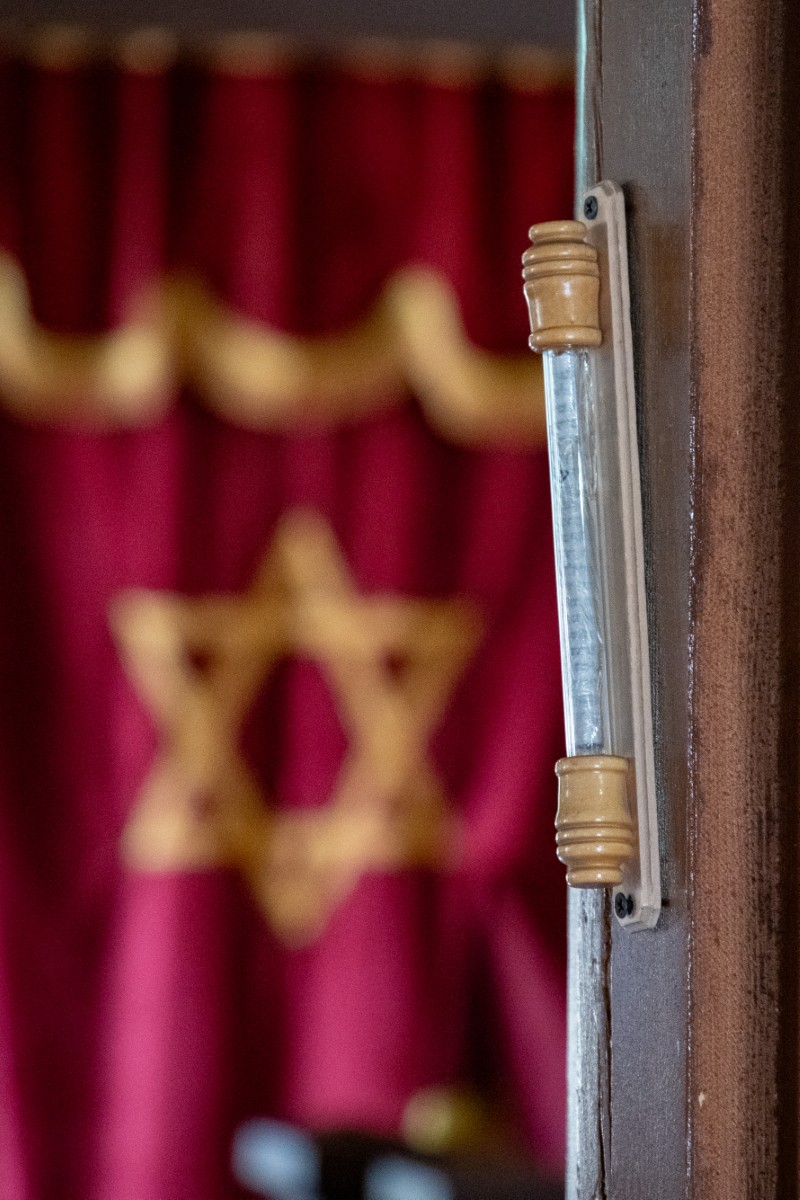
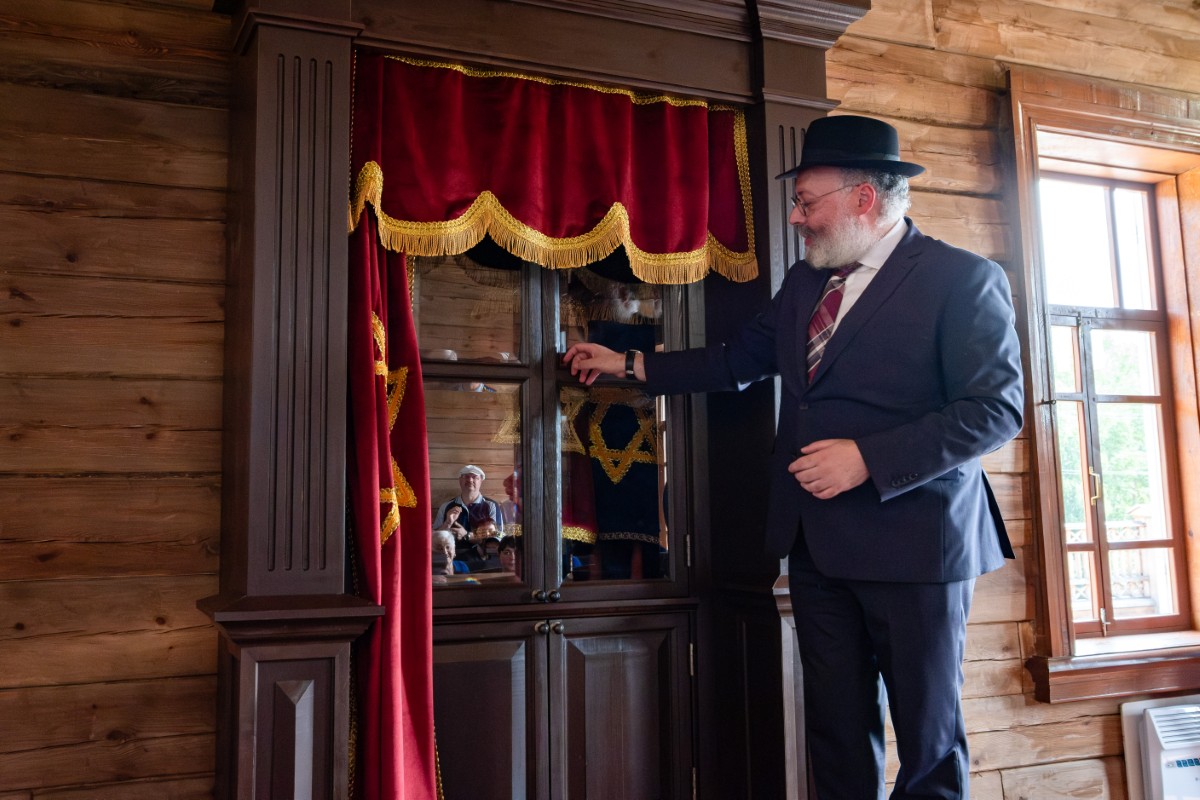
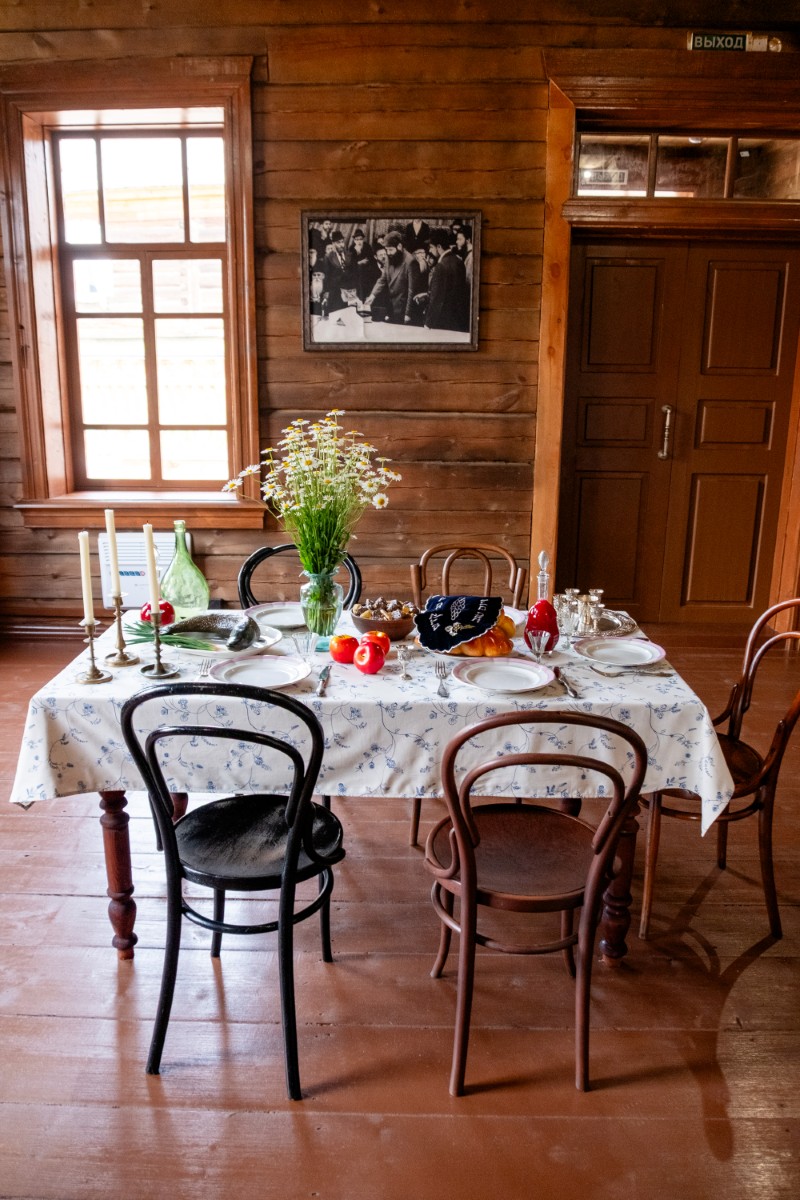
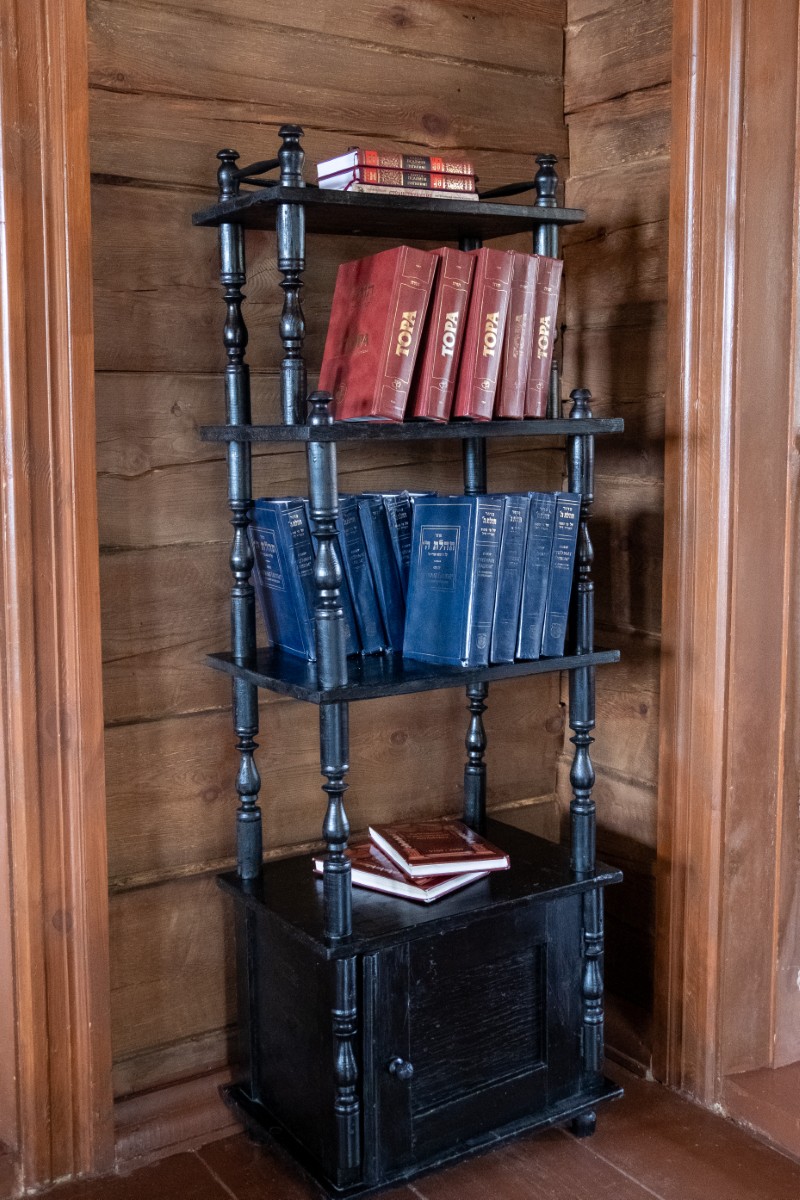
By 2016, the building had deteriorated to the point that it had to be dismantled. Museum experts then began the painstaking work of reconstructing its exterior and early 20th-century interior, relying on archival documents and historical photographs to reproduce the original structure as accurately as possible.
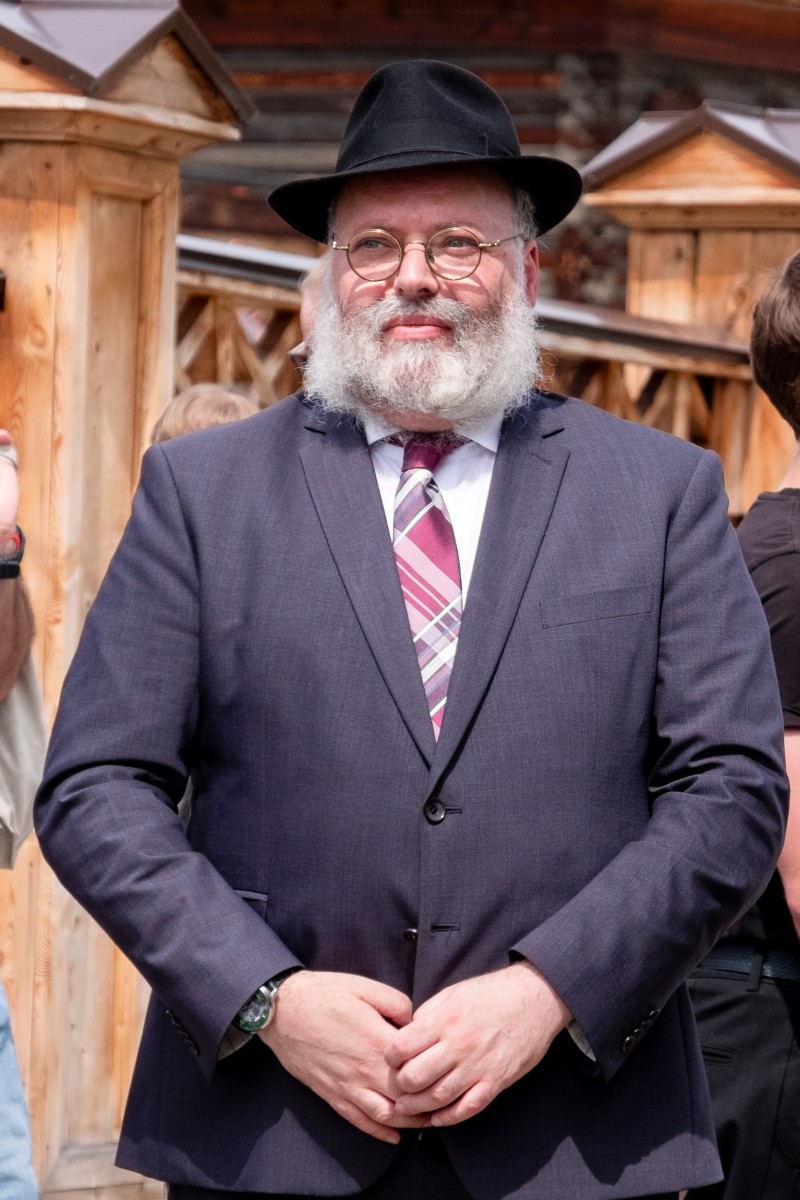
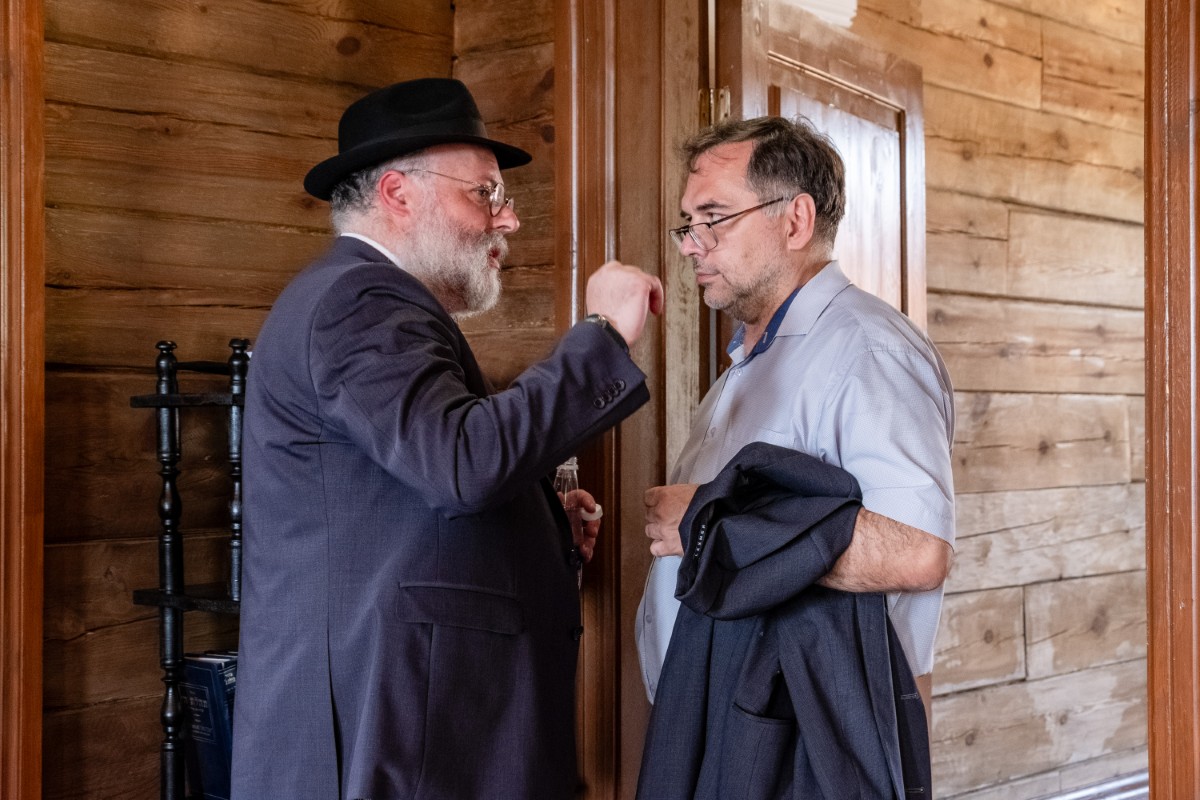
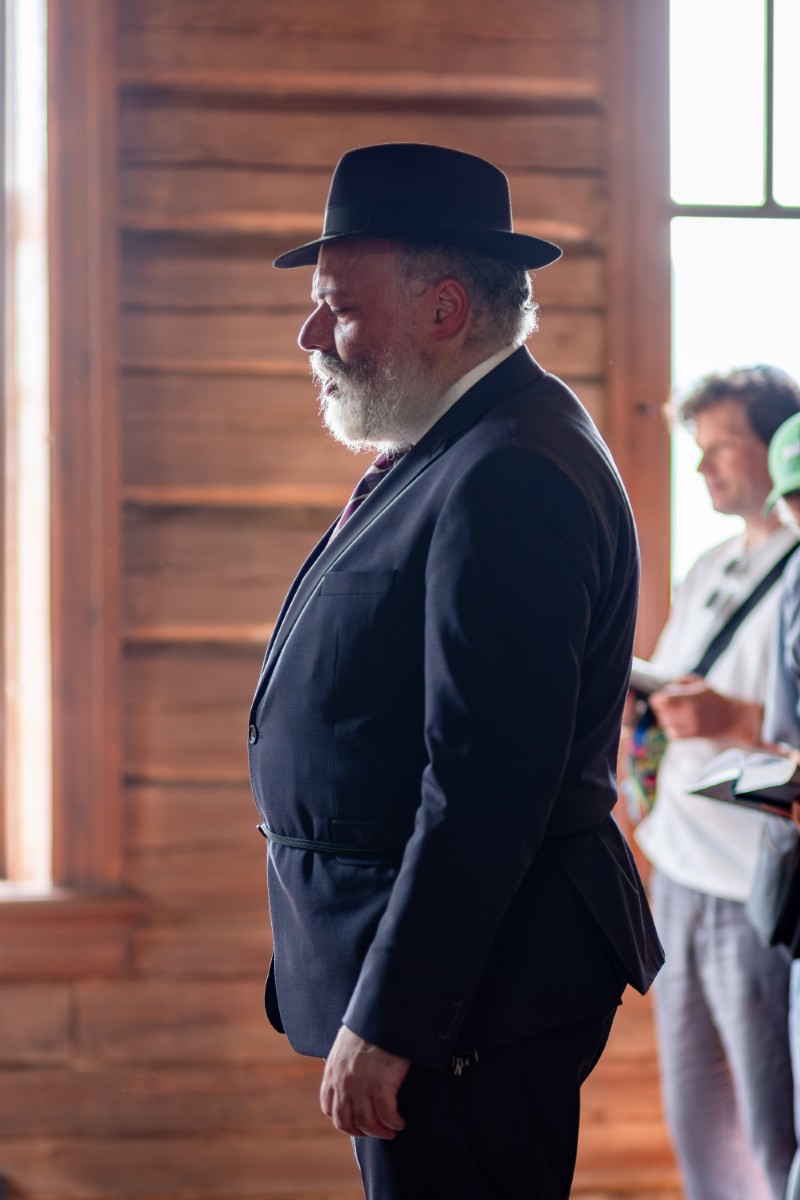
The project was developed with the close involvement of Rabbi Aharon HaKohen Wagner, shliach and rov of Irkutsk, together with leaders of the local Jewish community. The work was conducted under the guidance of Russia’s Chief Rabbi, Rabbi Berl Lazar.
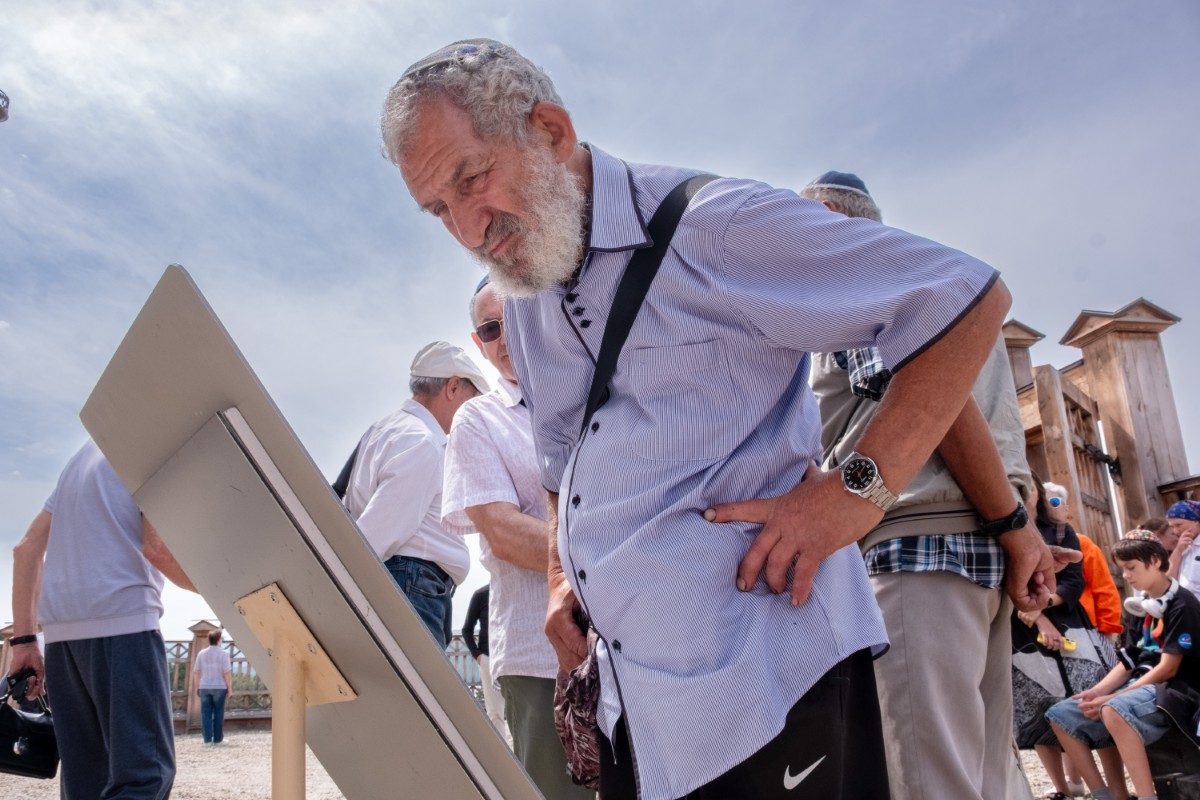
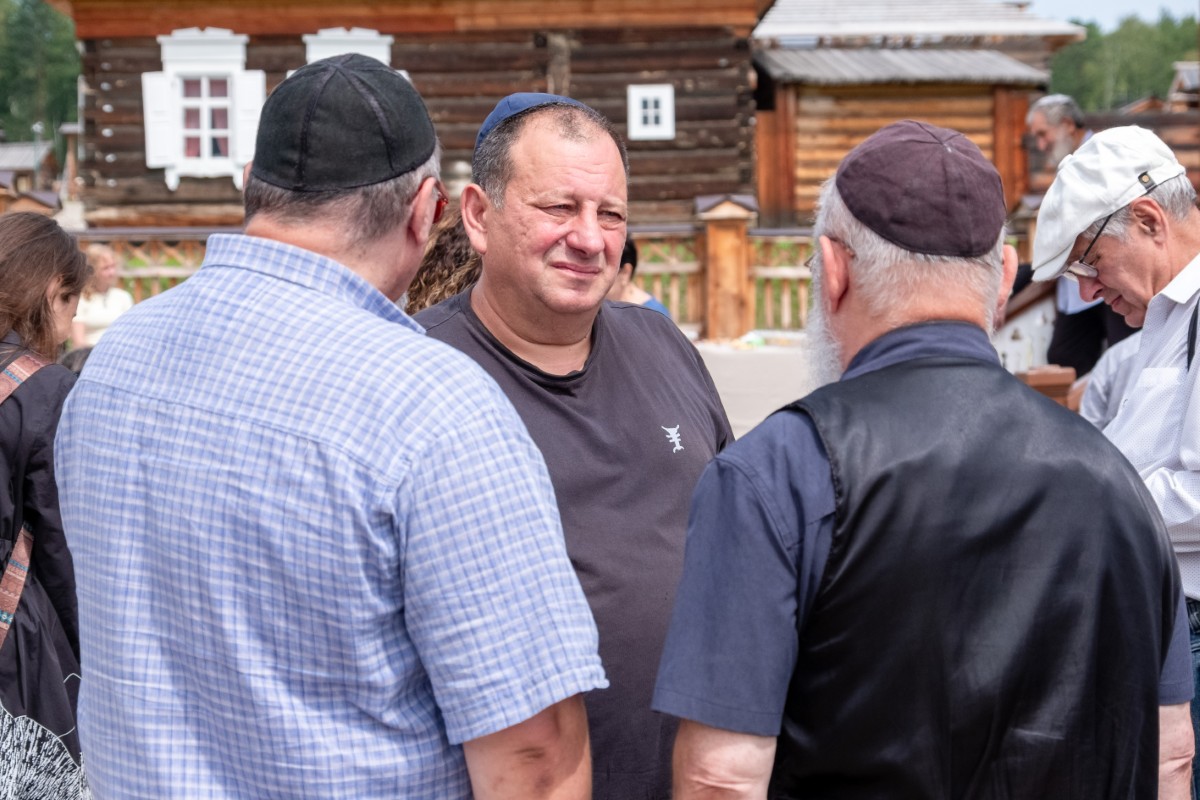
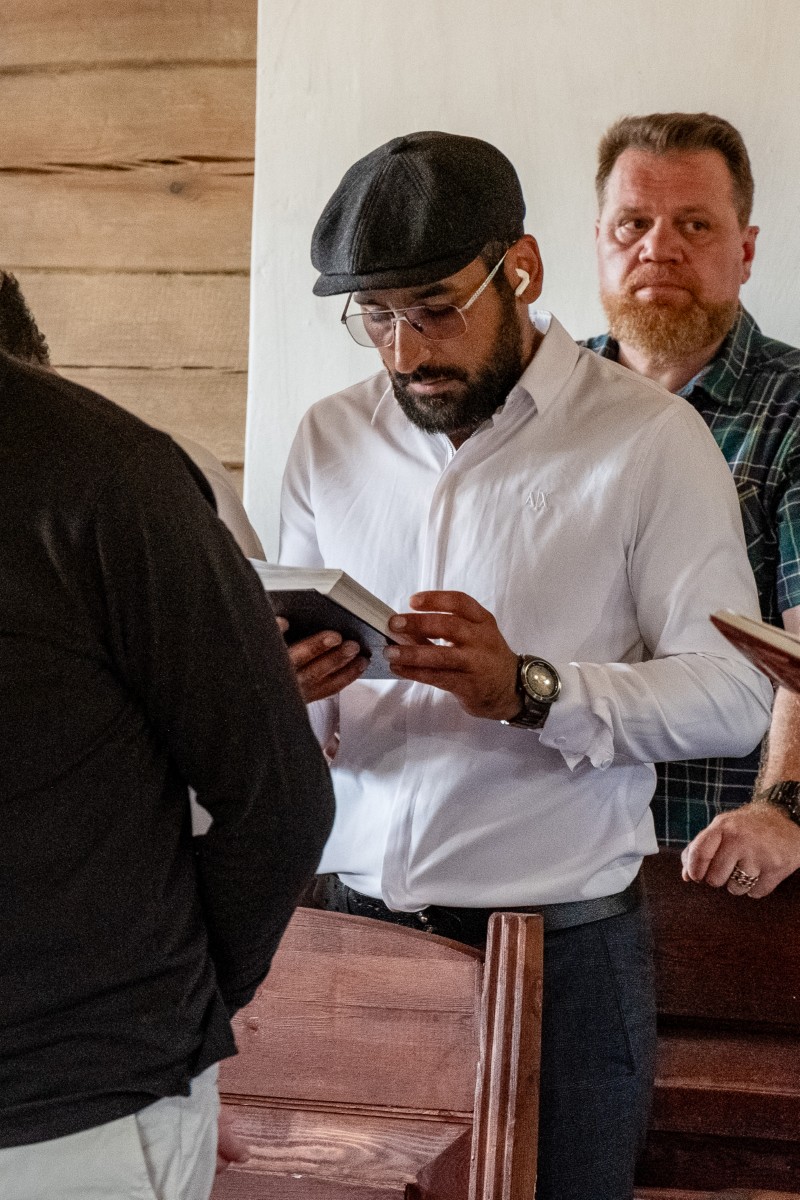
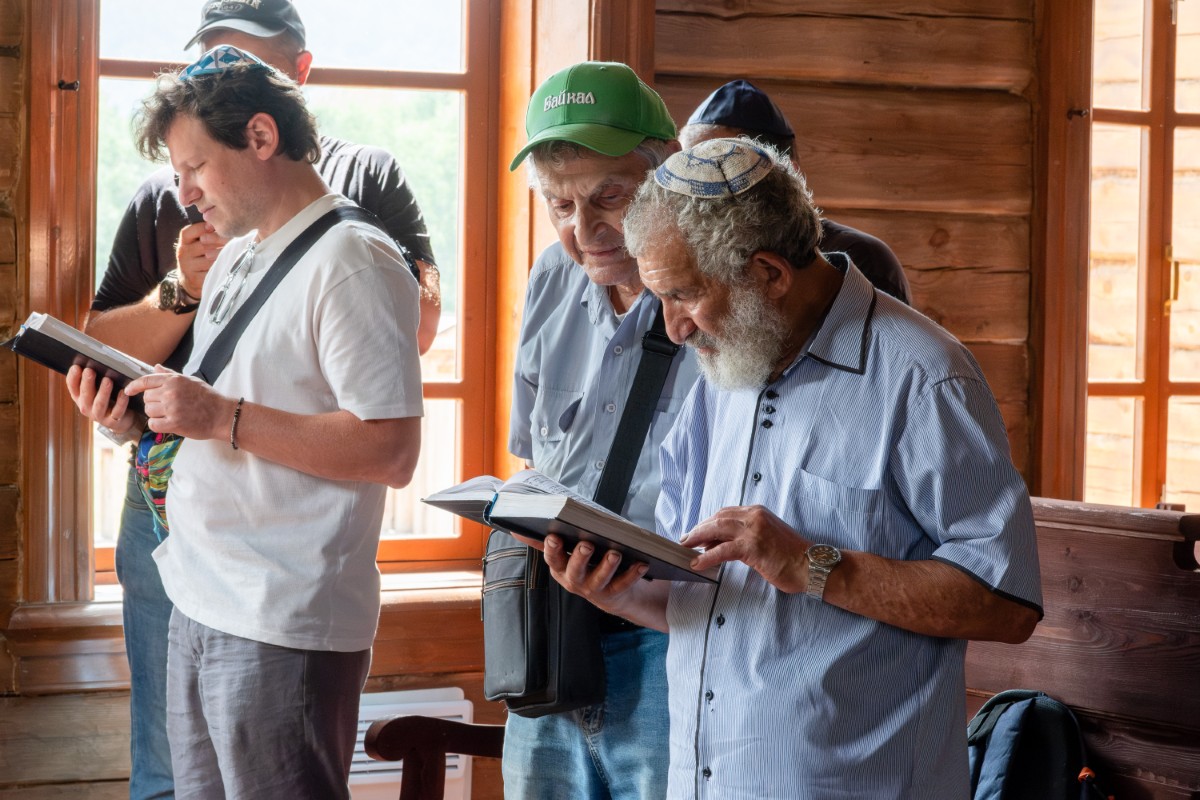
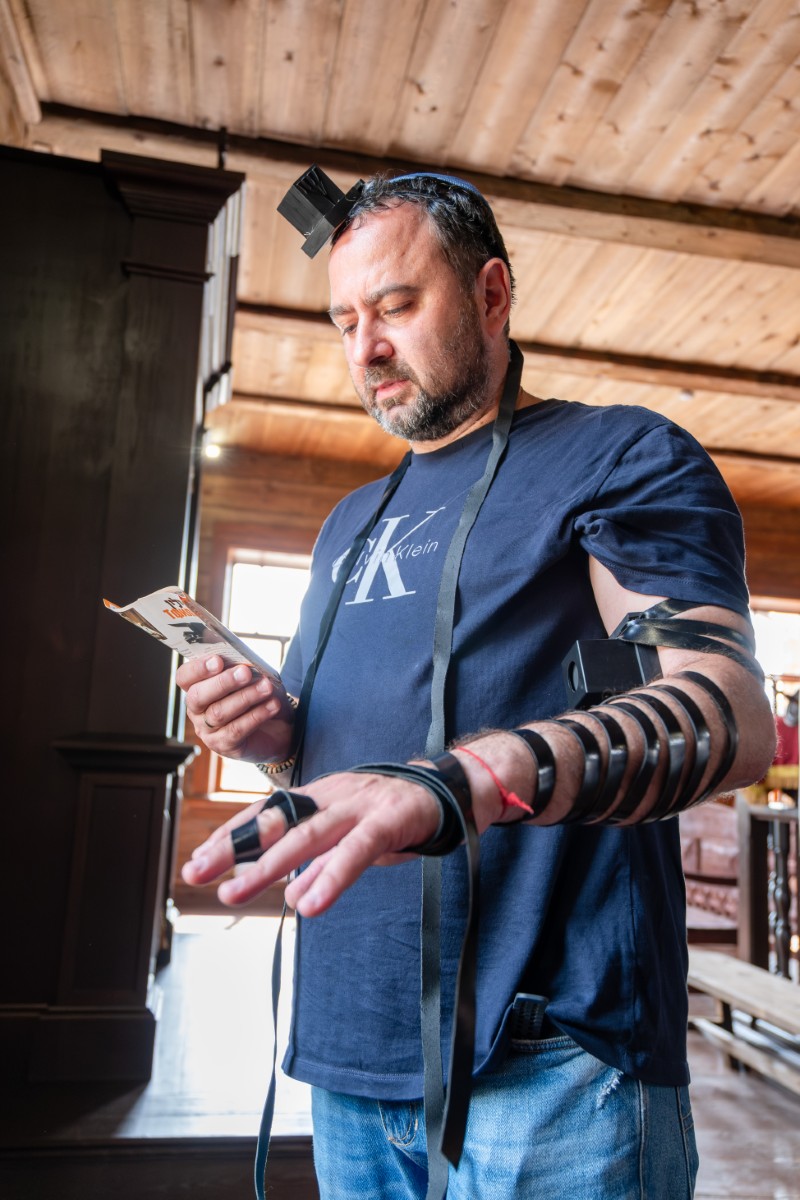
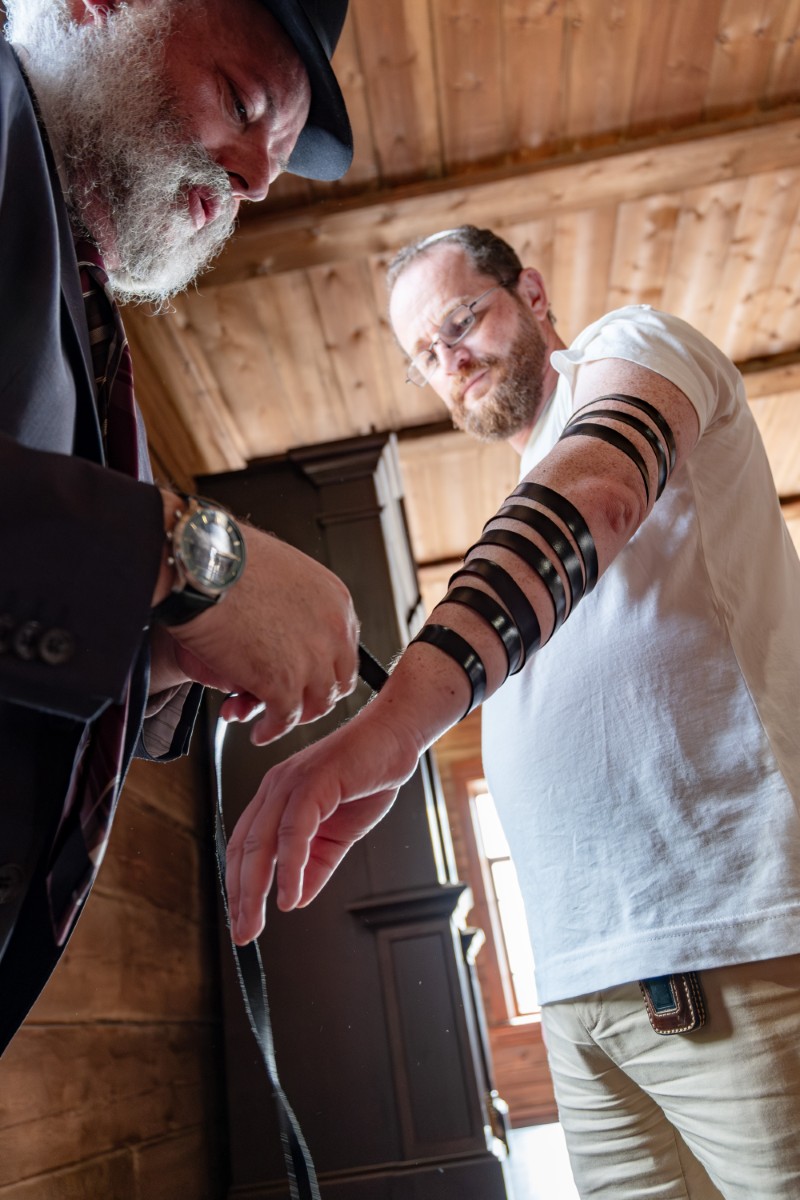
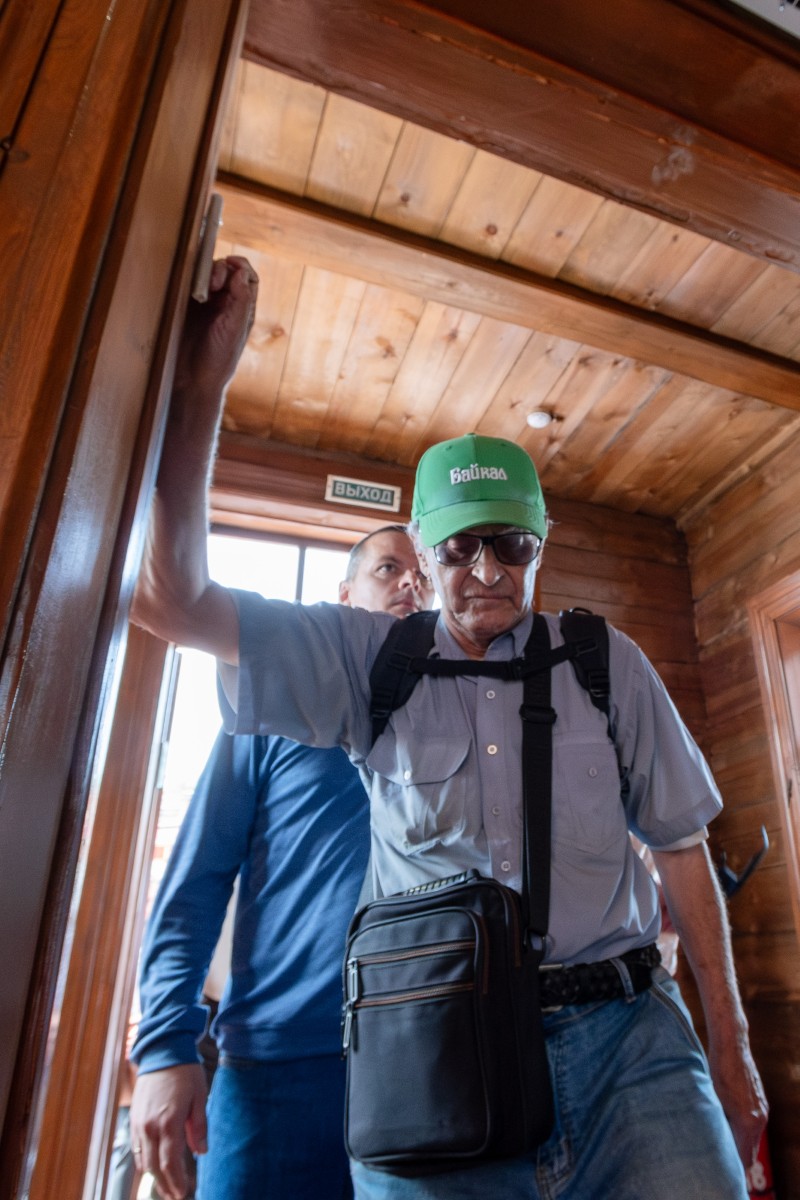
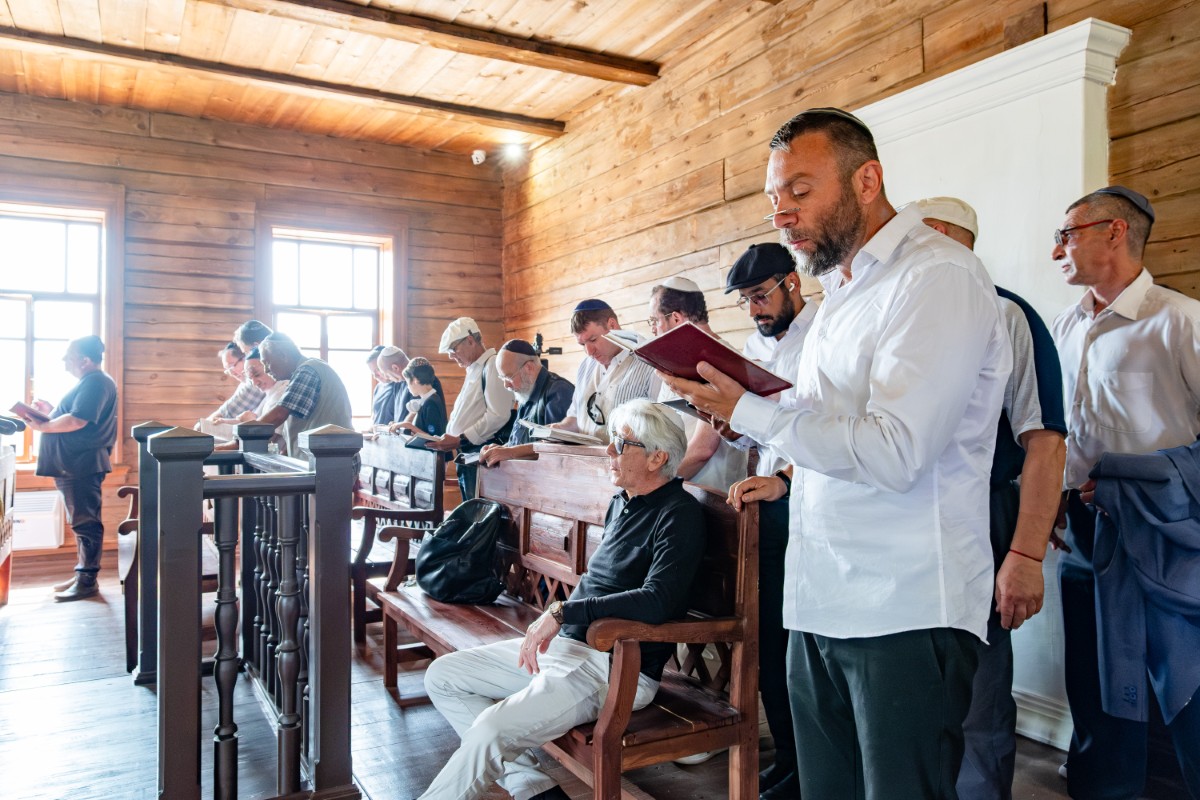
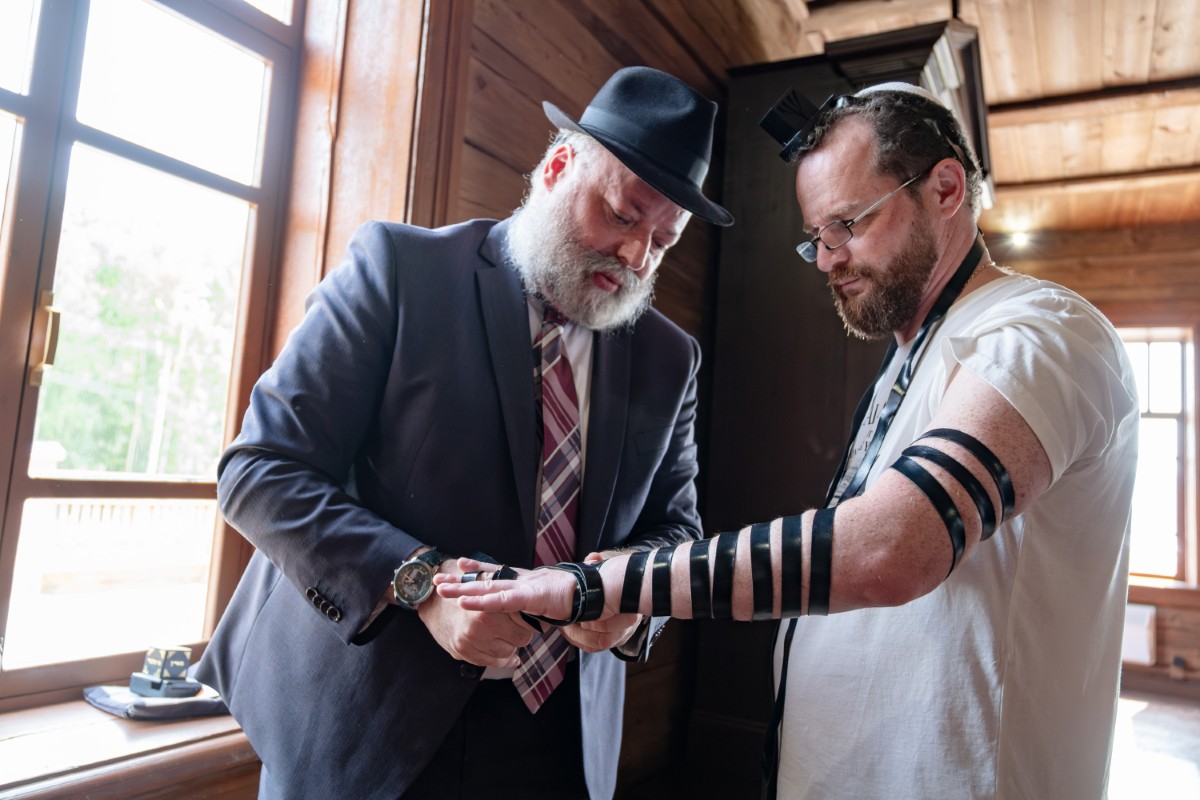
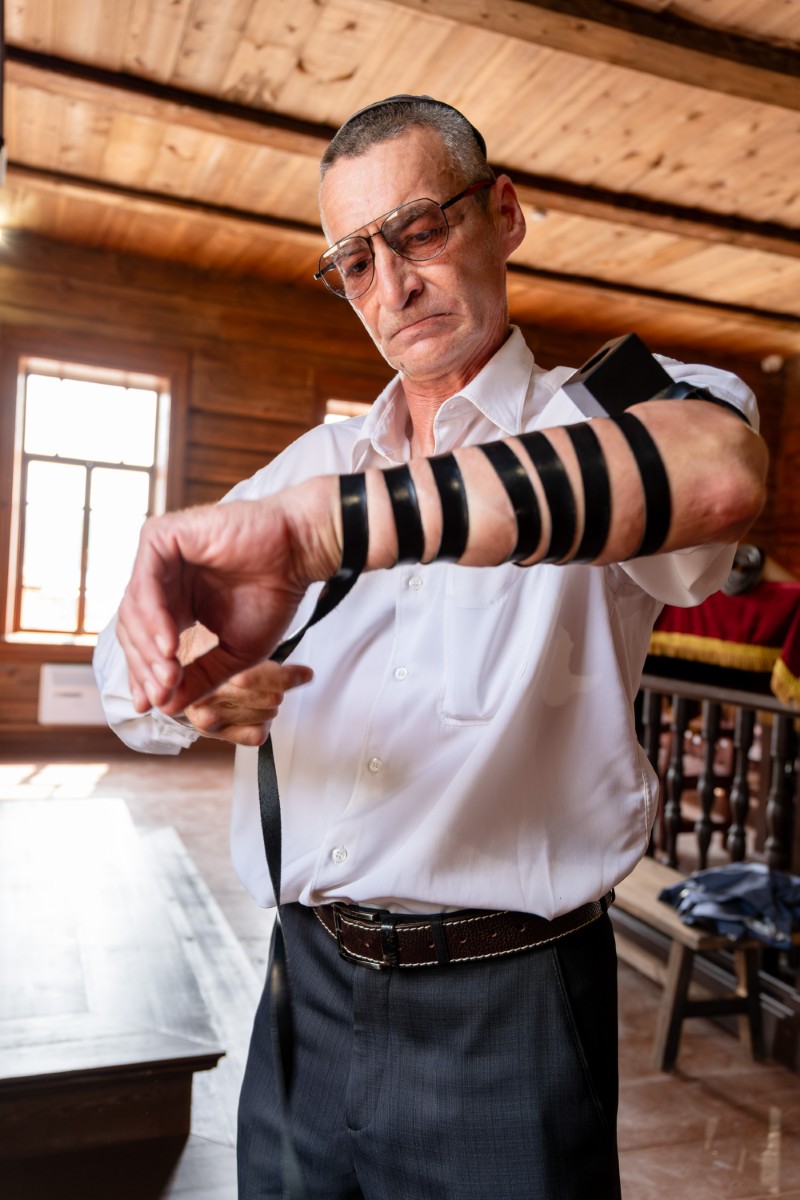
While the building forms part of the museum’s historical exhibition, it was also designed to serve as an active place of prayer for Jewish visitors traveling through the Lake Baikal region. Even before its completion, Jewish visitors began stopping at the site and reacting emotionally to the sight of a traditional shul standing once again in the Siberian landscape.
Lake Baikal, located north of the Russian-Mongolian border, stretches for 636 kilometers and reaches a depth of 1,637 meters. It holds approximately 22 percent of the world’s unfrozen surface freshwater and attracts hundreds of thousands of visitors each year, including during Siberia’s severe winter months.
The Taltsy Museum, an open-air historical and ethnographic complex near the lake, presents traditional buildings and cultures from across the region. The rebuilt shul now introduces visitors to the Jewish communities that once flourished across Siberia.
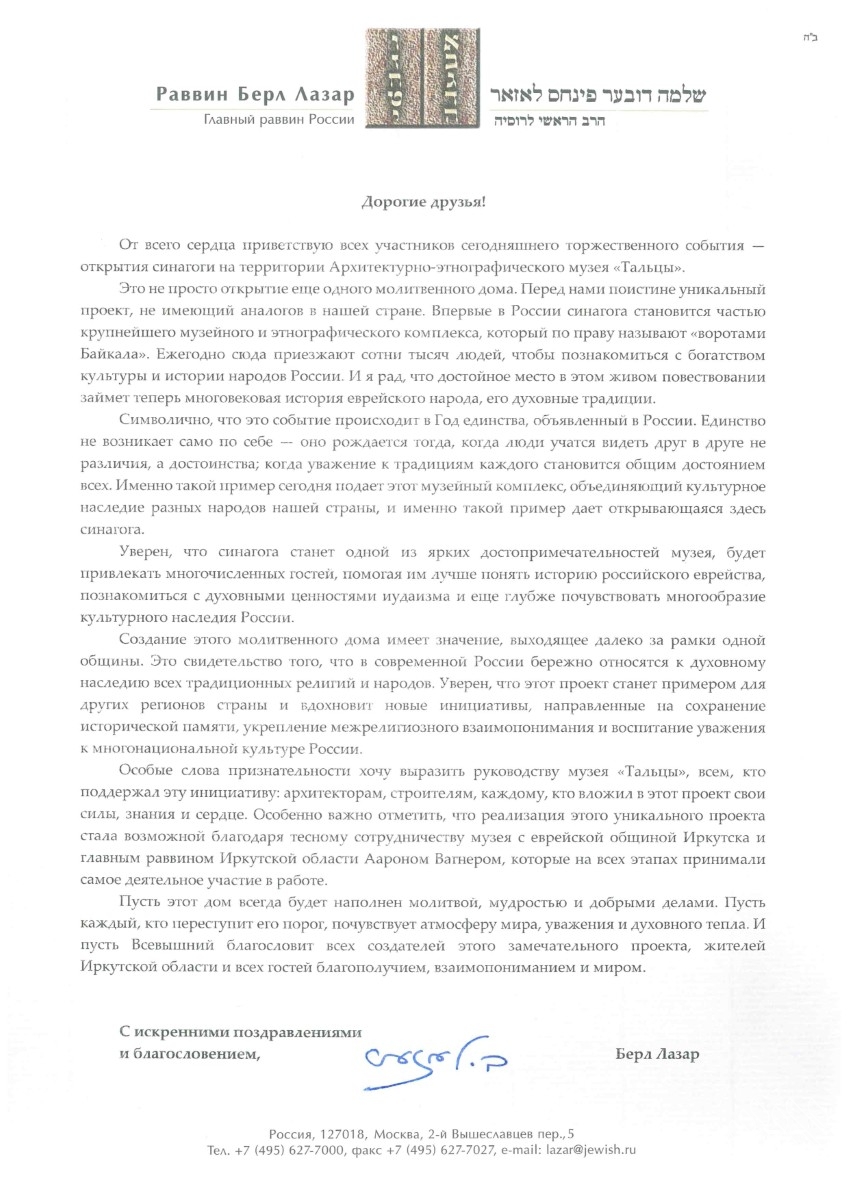
The opening began with the reading of a letter from Rabbi Lazar, who described the reconstruction as a project without precedent in Russia.
“This is not merely the opening of another house of prayer,” he wrote. “For the first time in Russia, a synagogue is becoming part of a major museum and ethnographic complex.”
Rabbi Lazar said the shul would give hundreds of thousands of visitors an opportunity to learn about the long history of Russian Jewry and the spiritual traditions of the Jewish people.
“I am confident that the synagogue will become one of the museum’s treasures, attract many visitors and help them better understand the history of Russian Jewry and the spiritual values of Judaism,” he wrote.
He thanked the museum’s management, architects, builders and others involved in the reconstruction, while highlighting the close partnership with the Irkutsk Jewish community and Rabbi Wagner’s active involvement throughout the project.
“May this house always be filled with prayer, wisdom and good deeds,” Rabbi Lazar concluded. “May everyone who crosses its threshold feel an atmosphere of peace, respect and spiritual warmth.”
Rabbi Alexander Boroda, president of the Federation of Jewish Communities of Russia, said the exhibition preserves not only a rare architectural structure, but also the faith, traditions and daily lives of the Jews who once lived in the region.
He said the reconstructed shul would help visitors understand the Jewish community’s contribution to Siberia and expressed hope that similar projects would be developed elsewhere across Russia.
Photo: Irkutsk Jewish Community
 COMMENTS


We appreciate your feedback. If you have any additional information to contribute to this article, it will be added below.