




י״ח מרחשון ה׳תשפ״ז | October 29, 2026
Reb Meilech: The Morristown Mashpia Who Can’t Be Forgotten
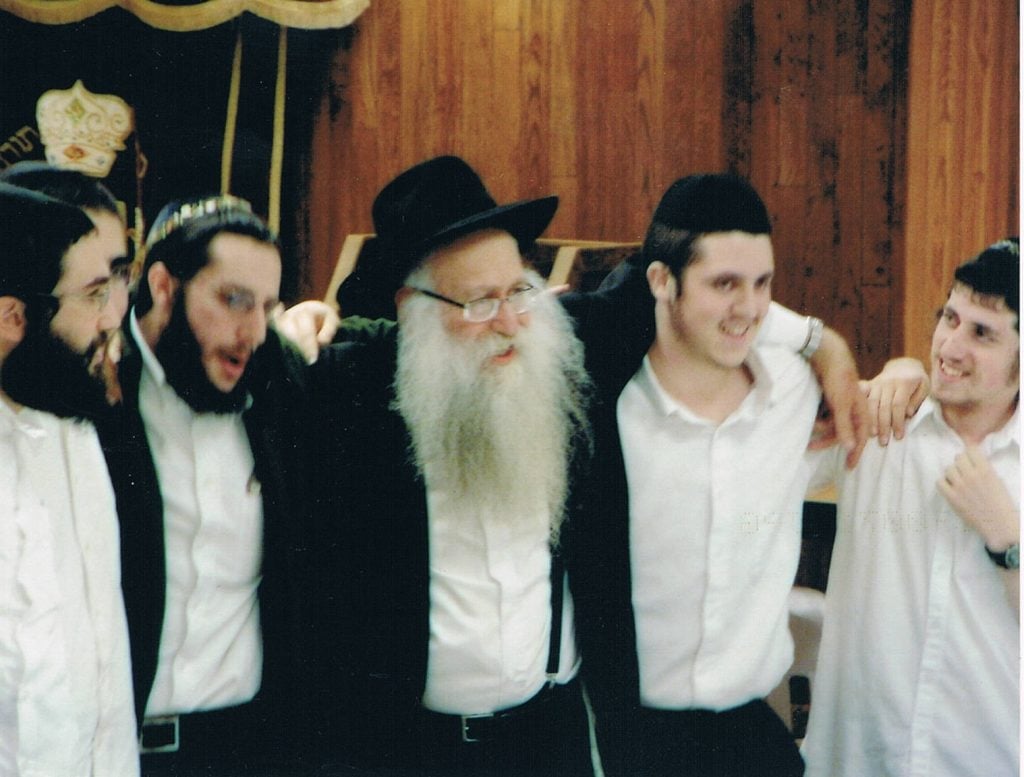
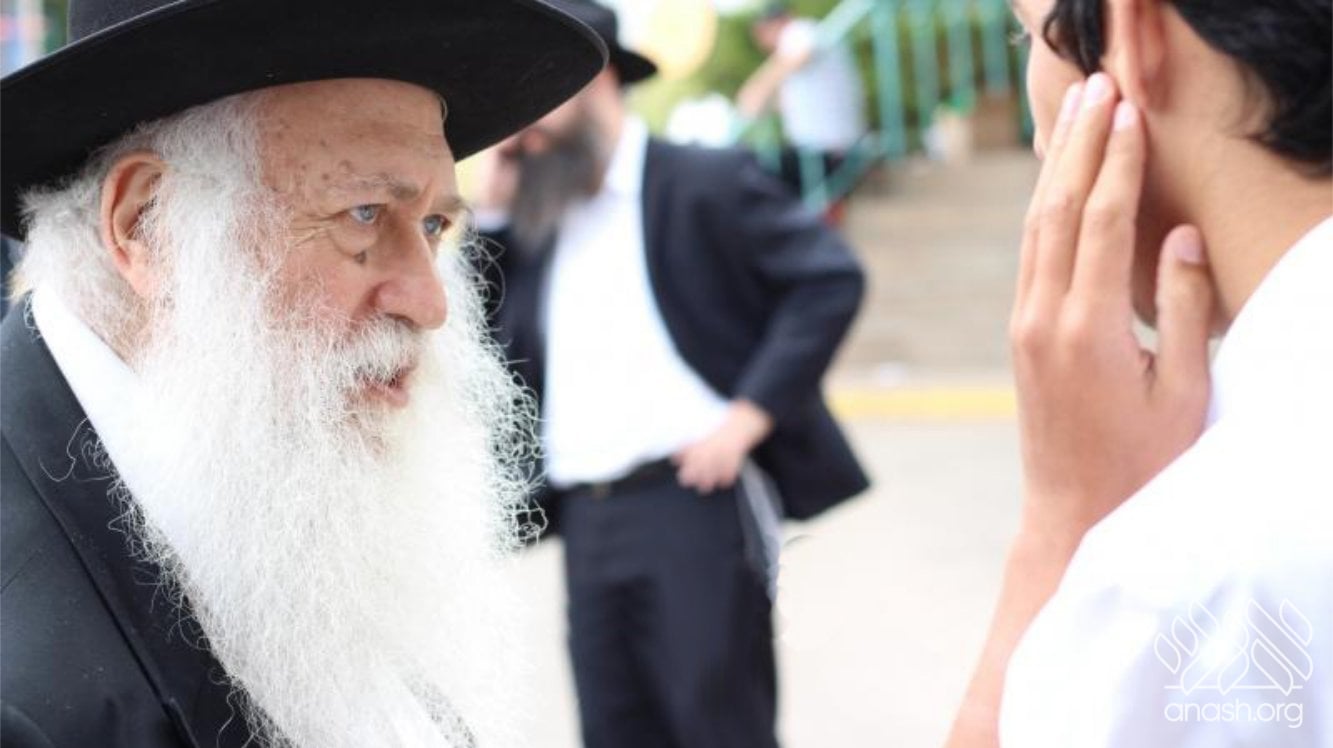
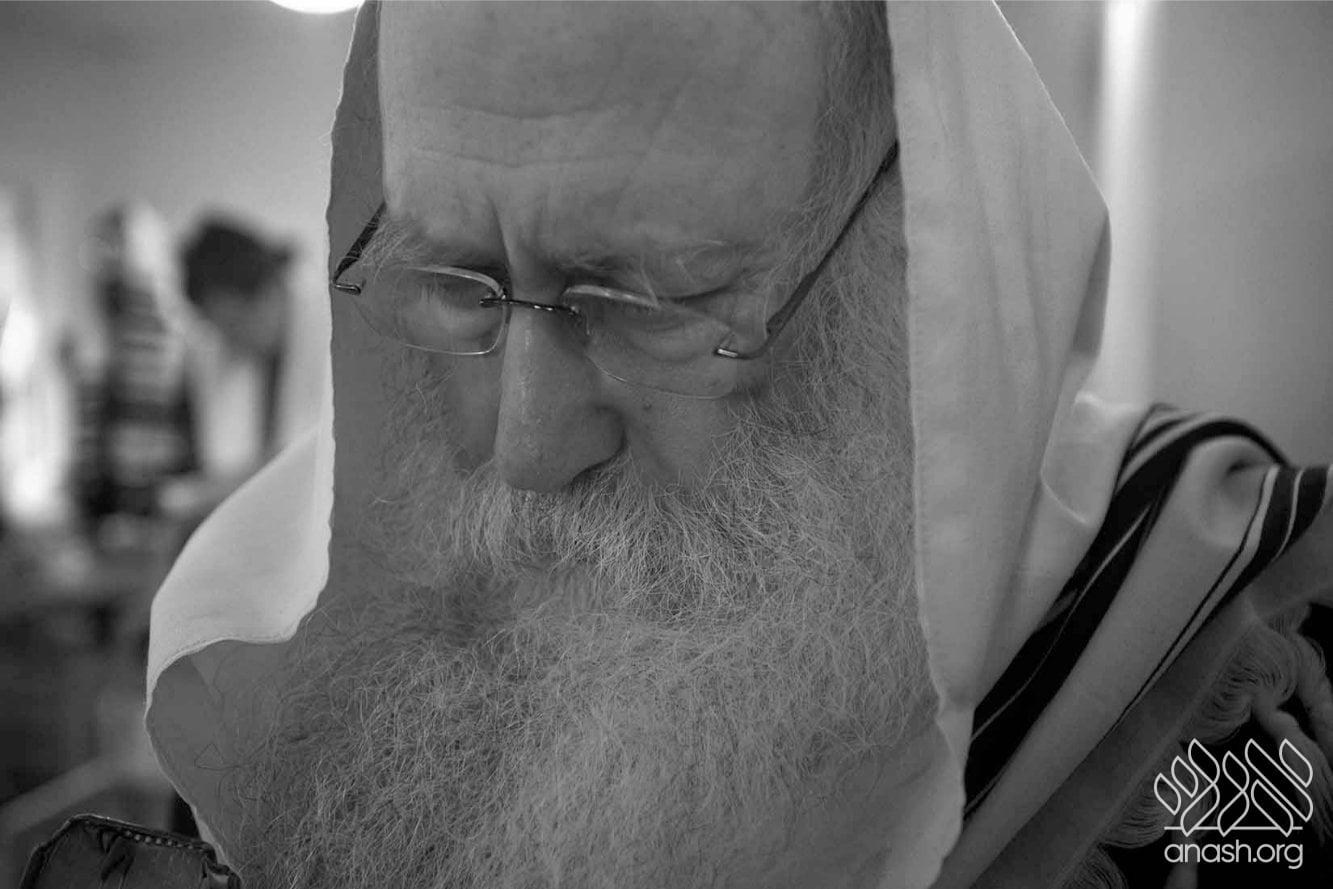
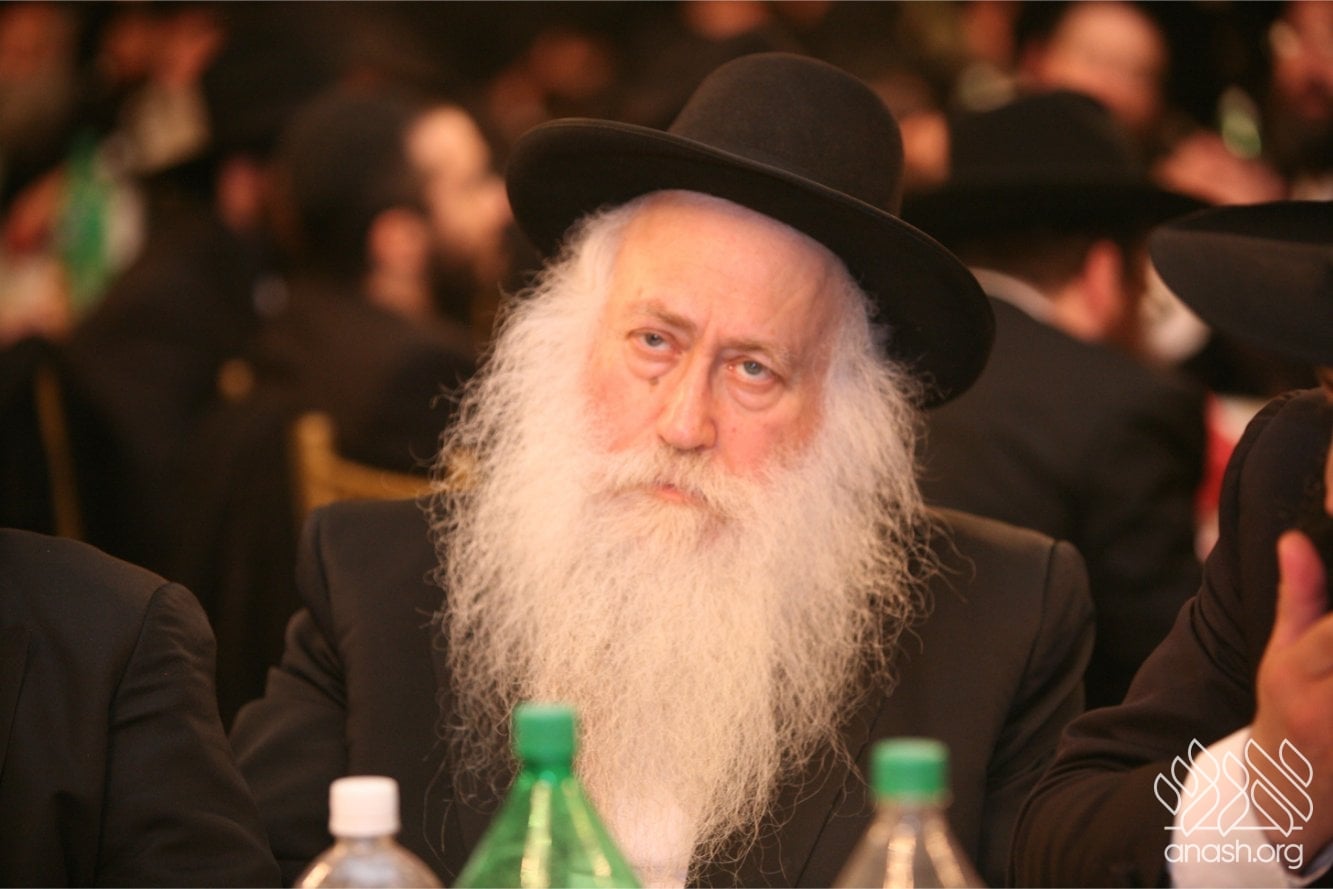
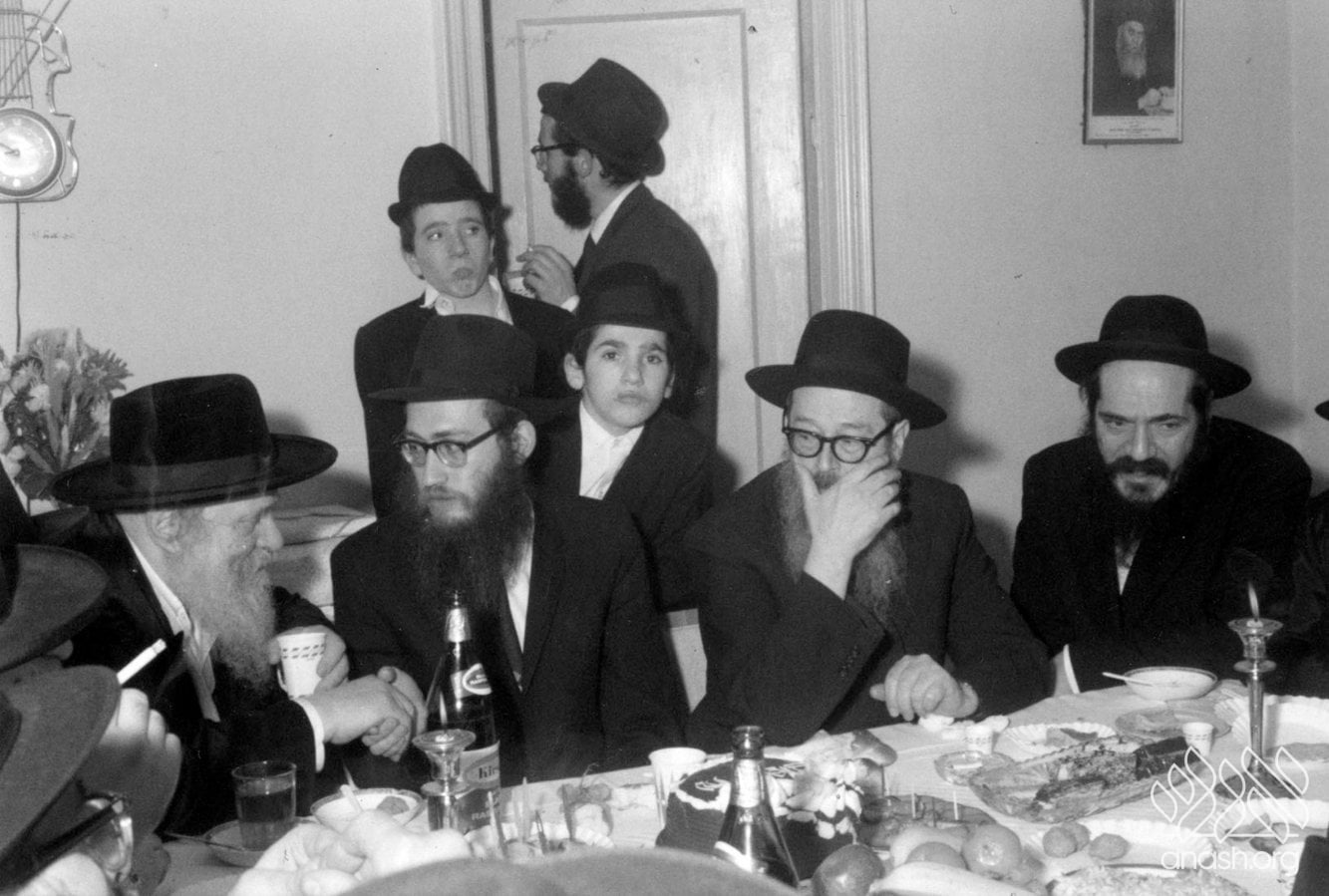
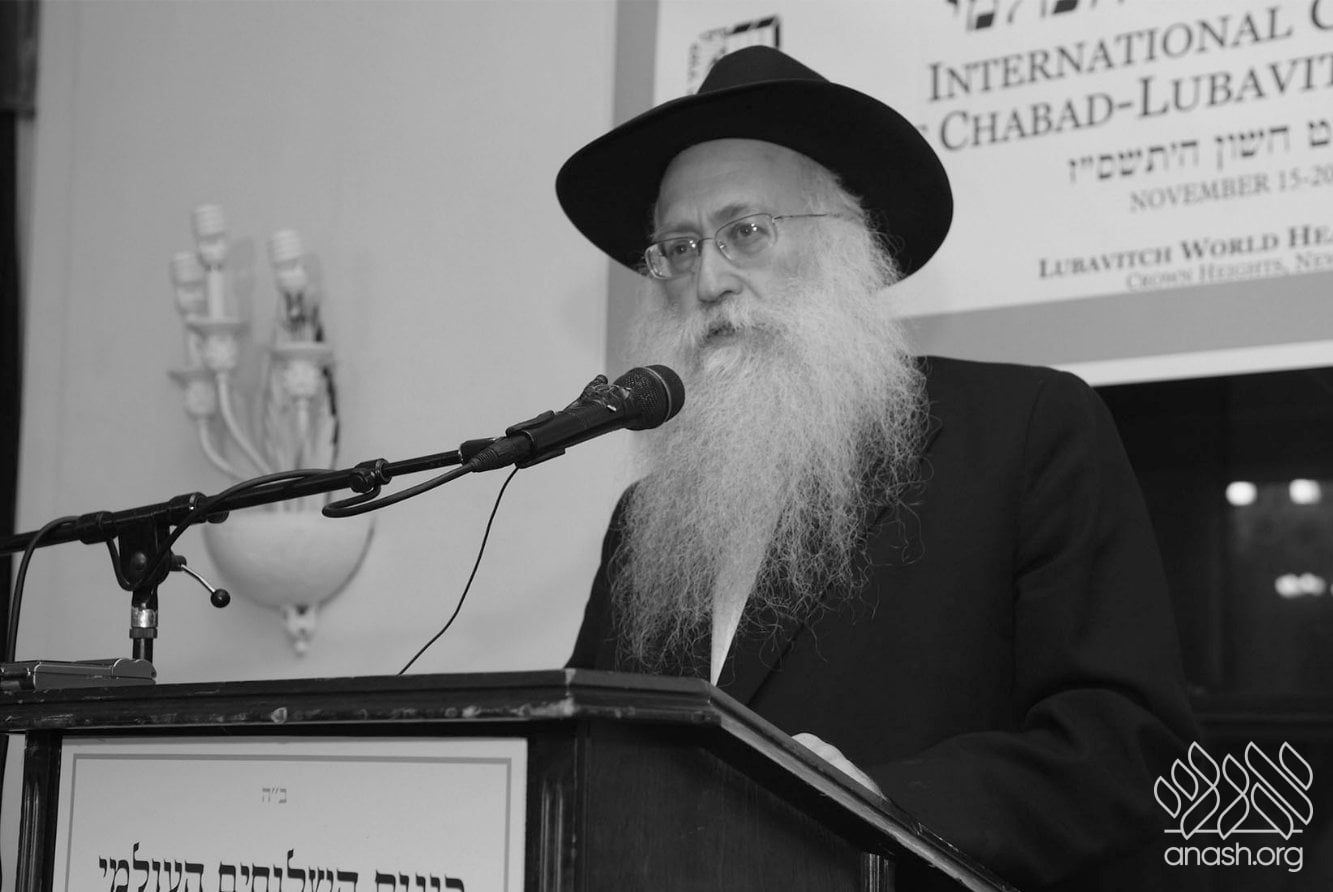
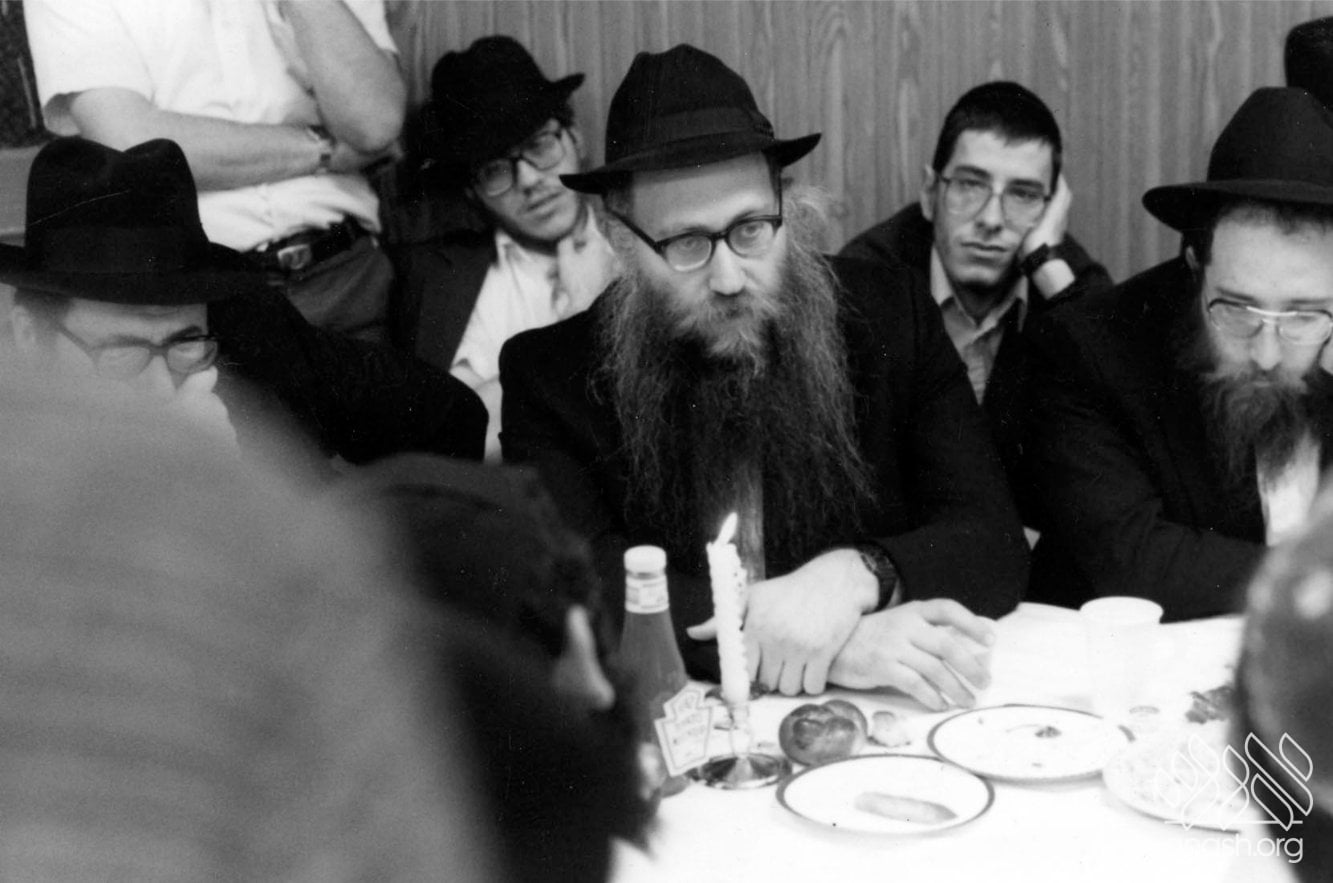
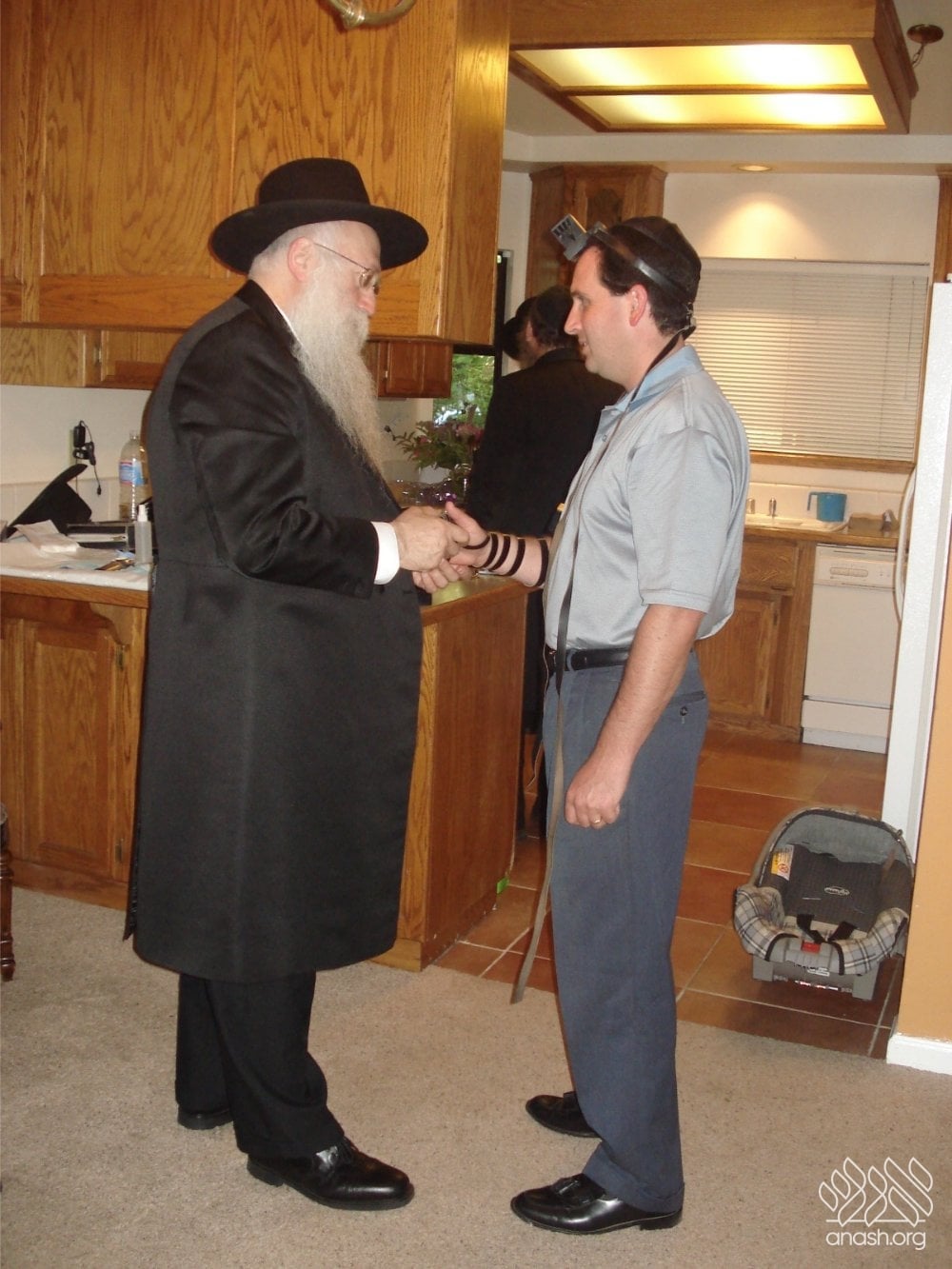
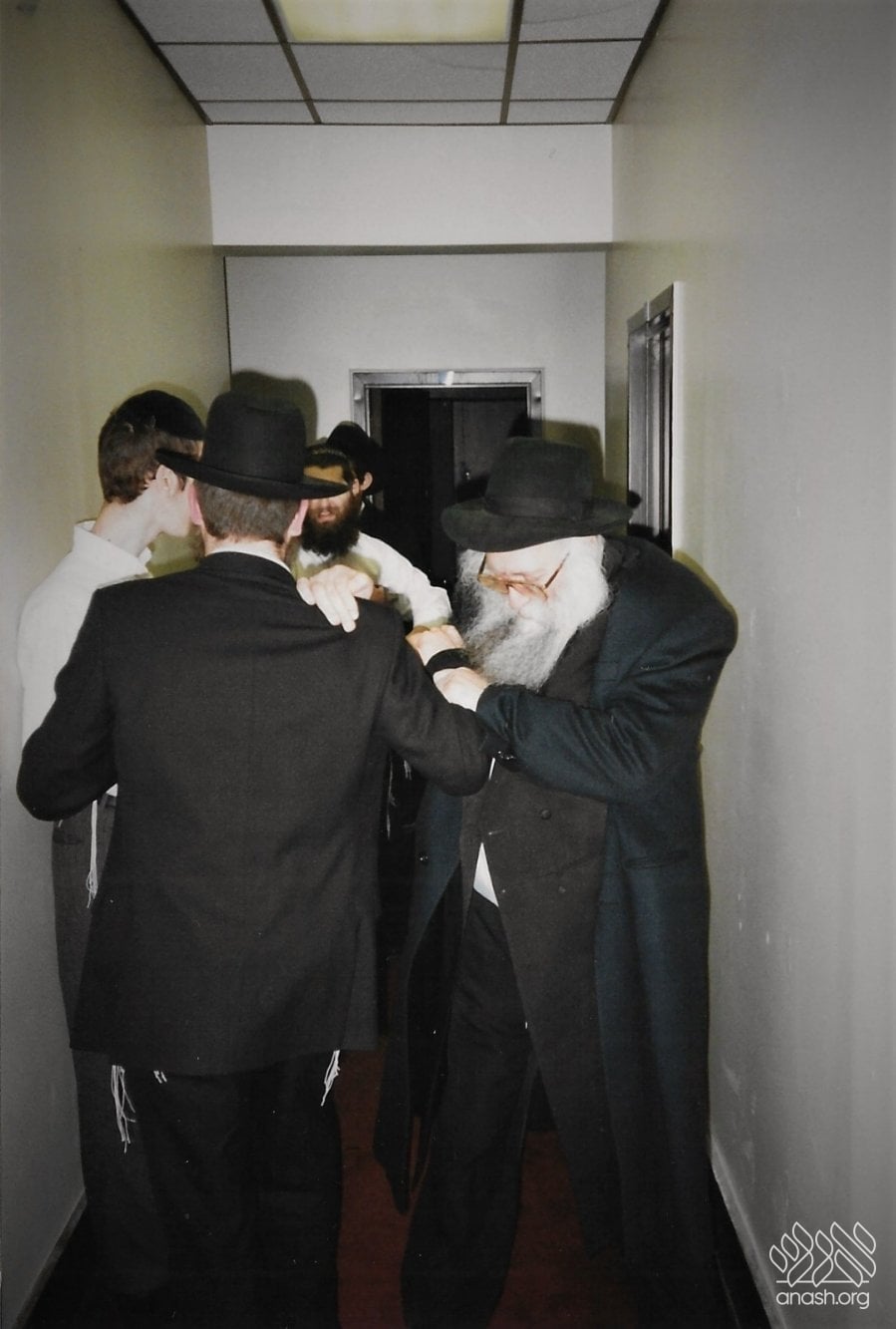
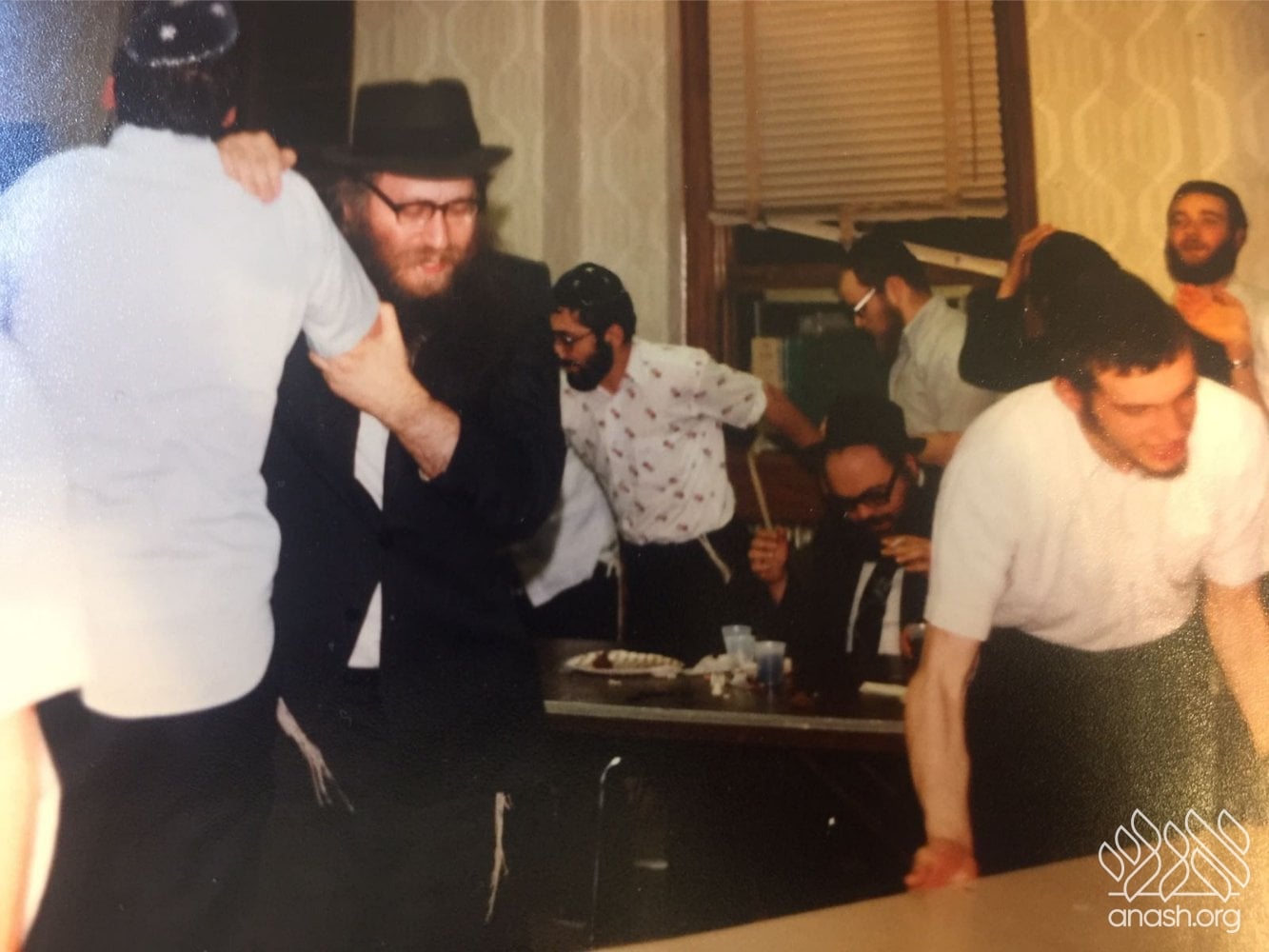
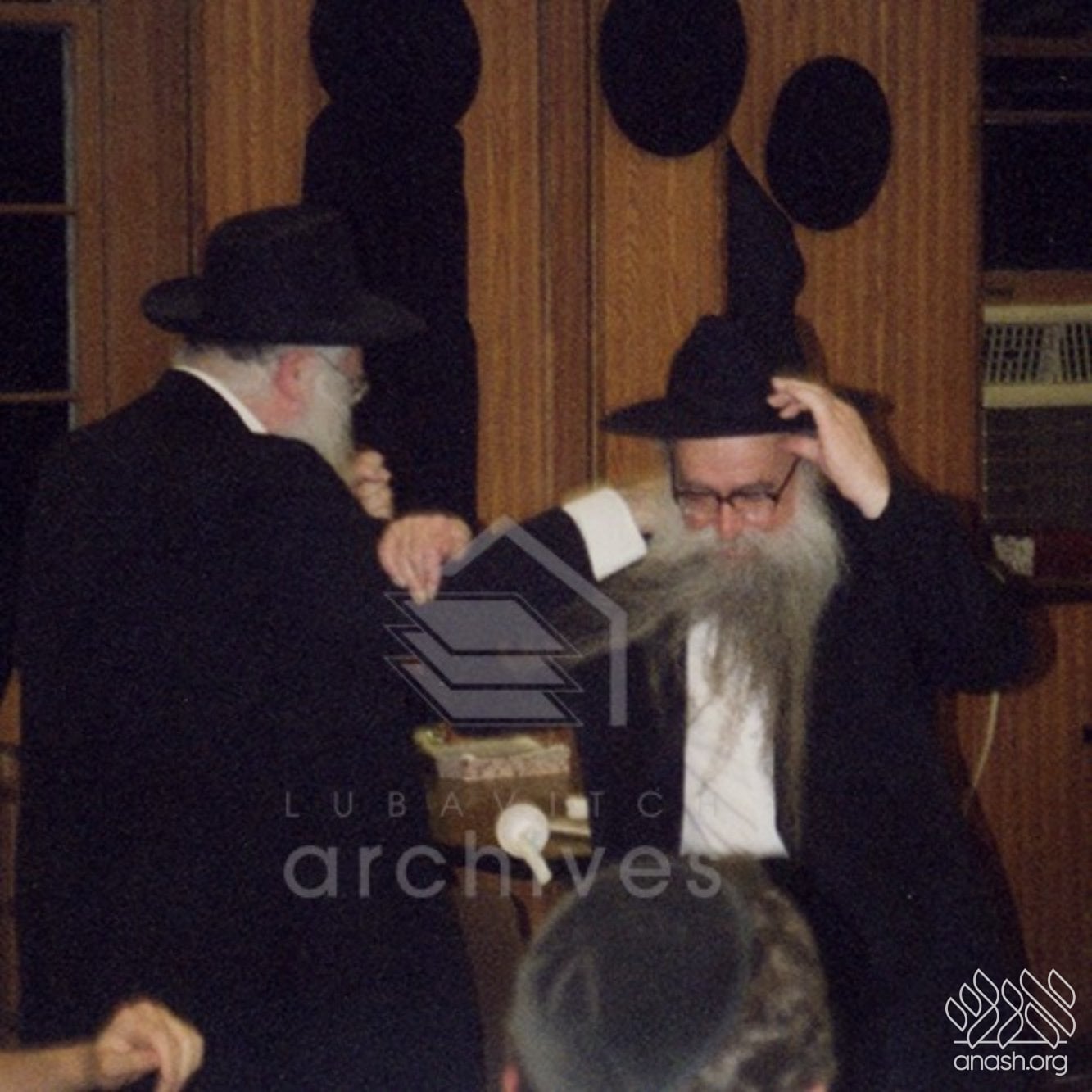
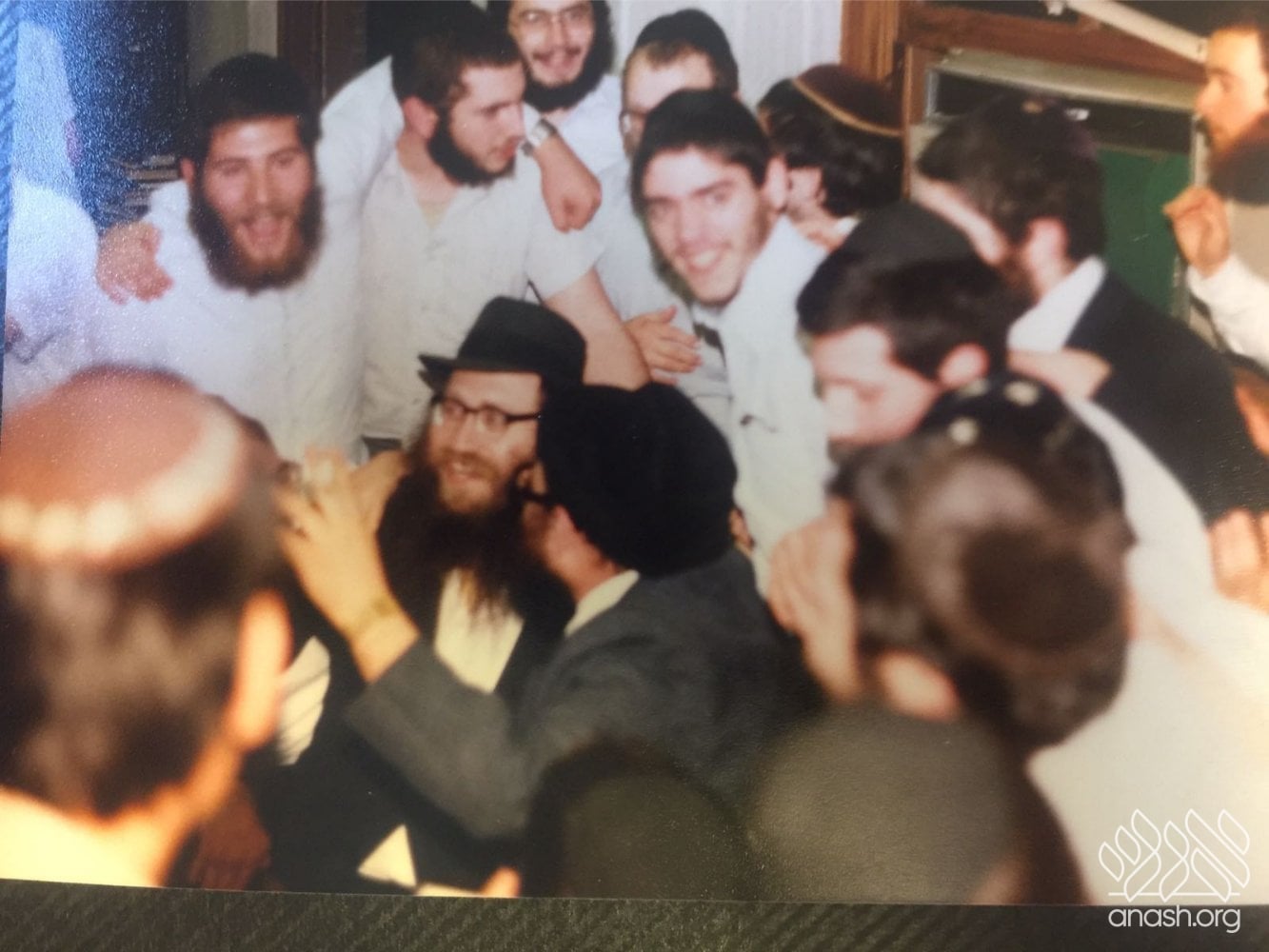
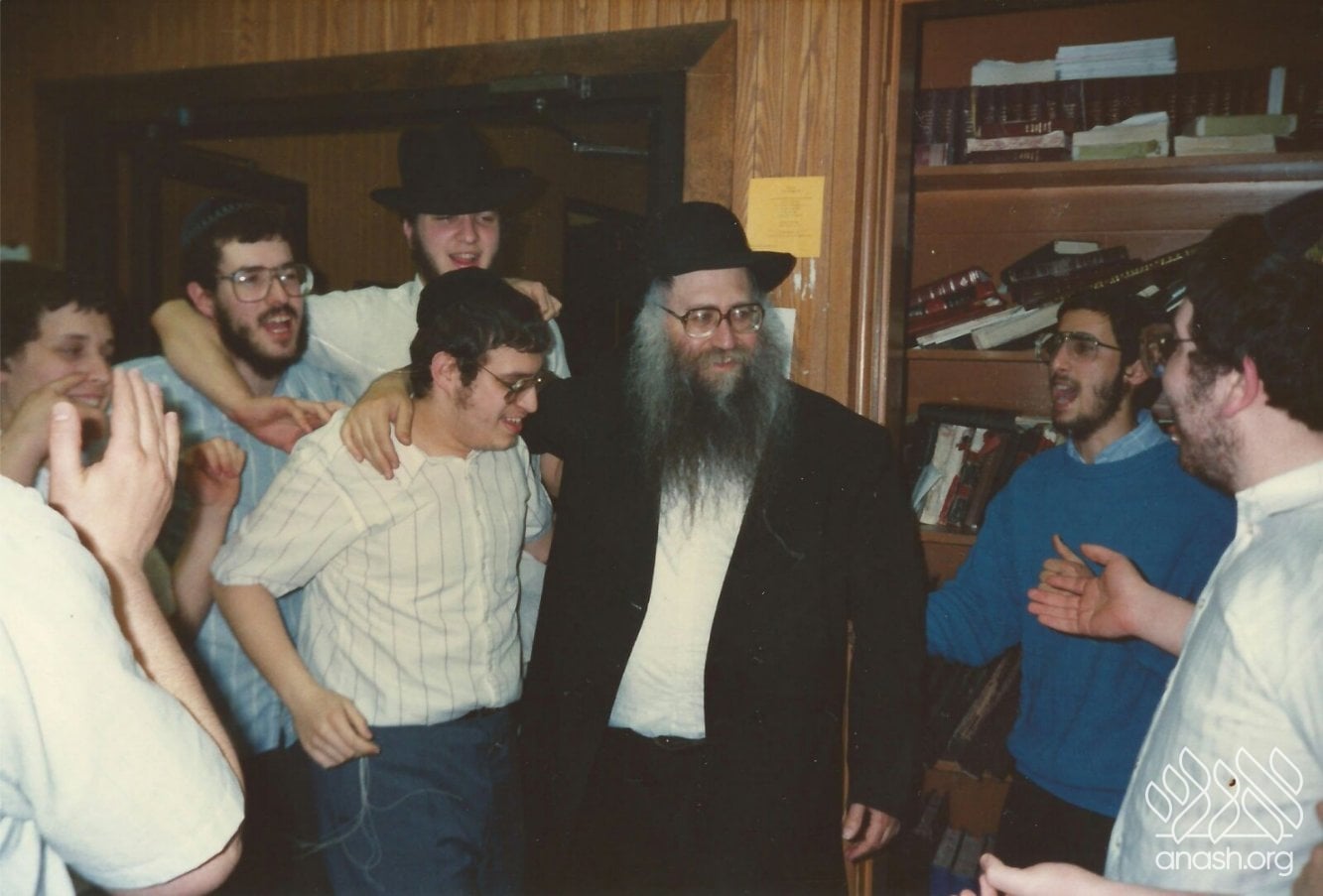
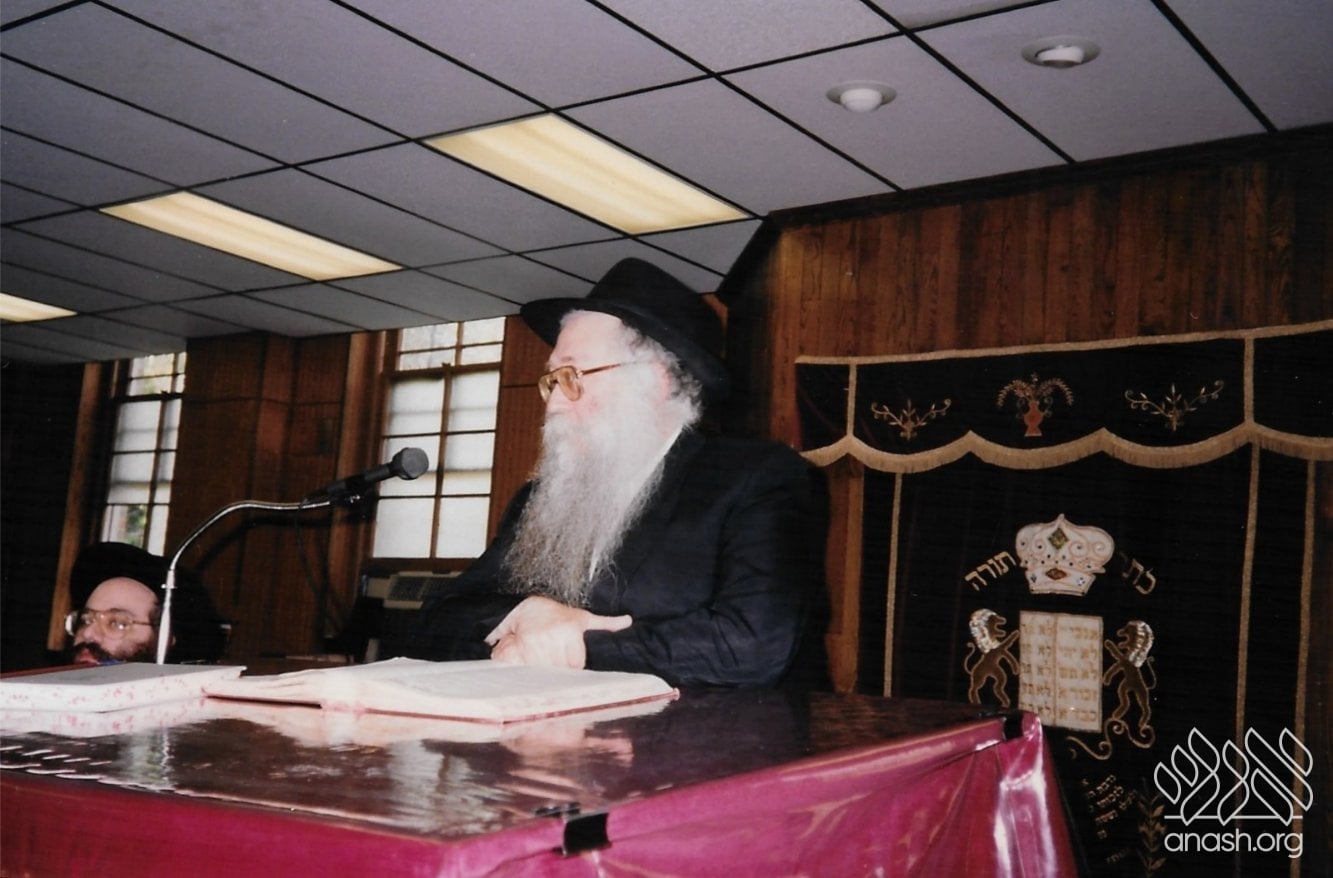
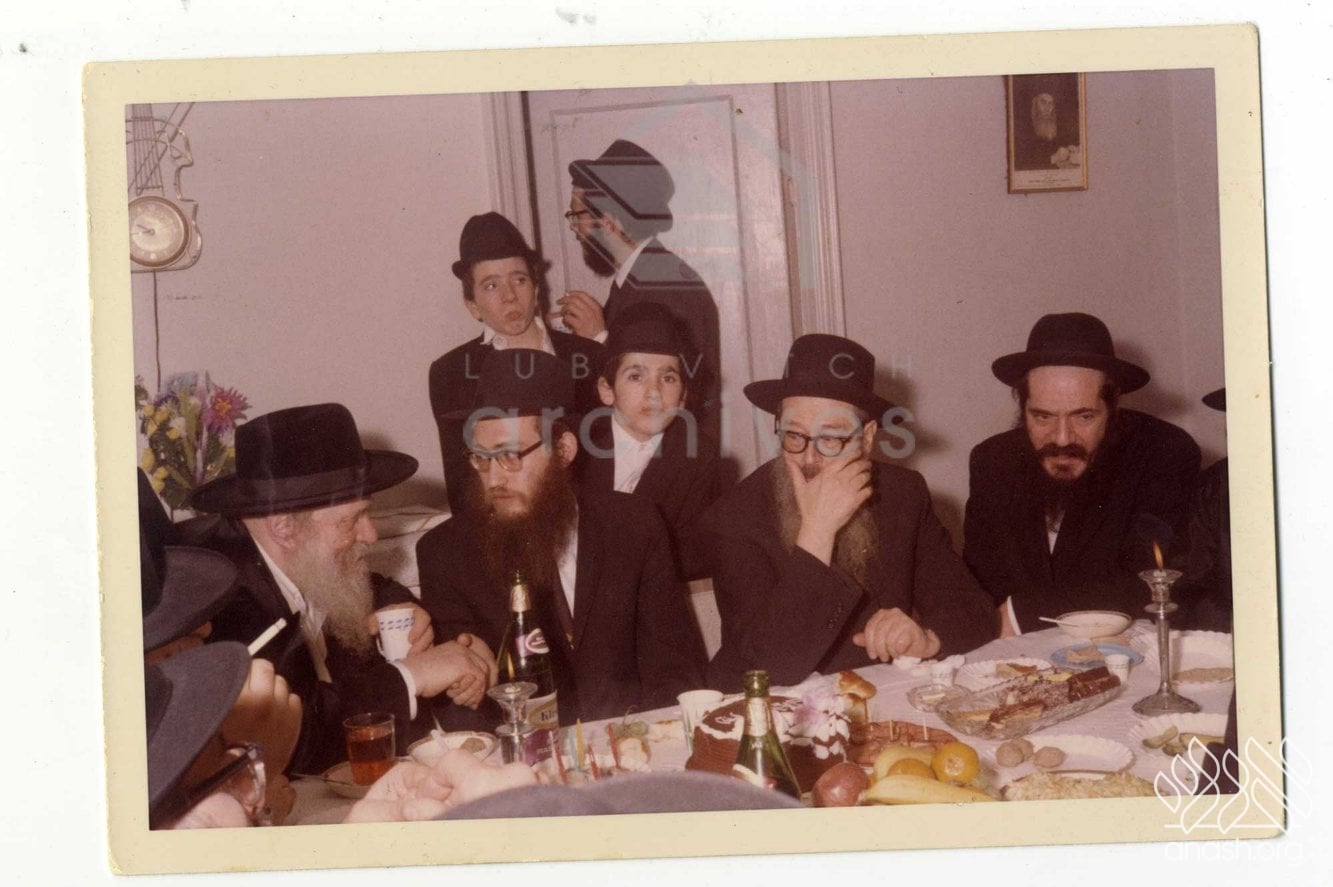
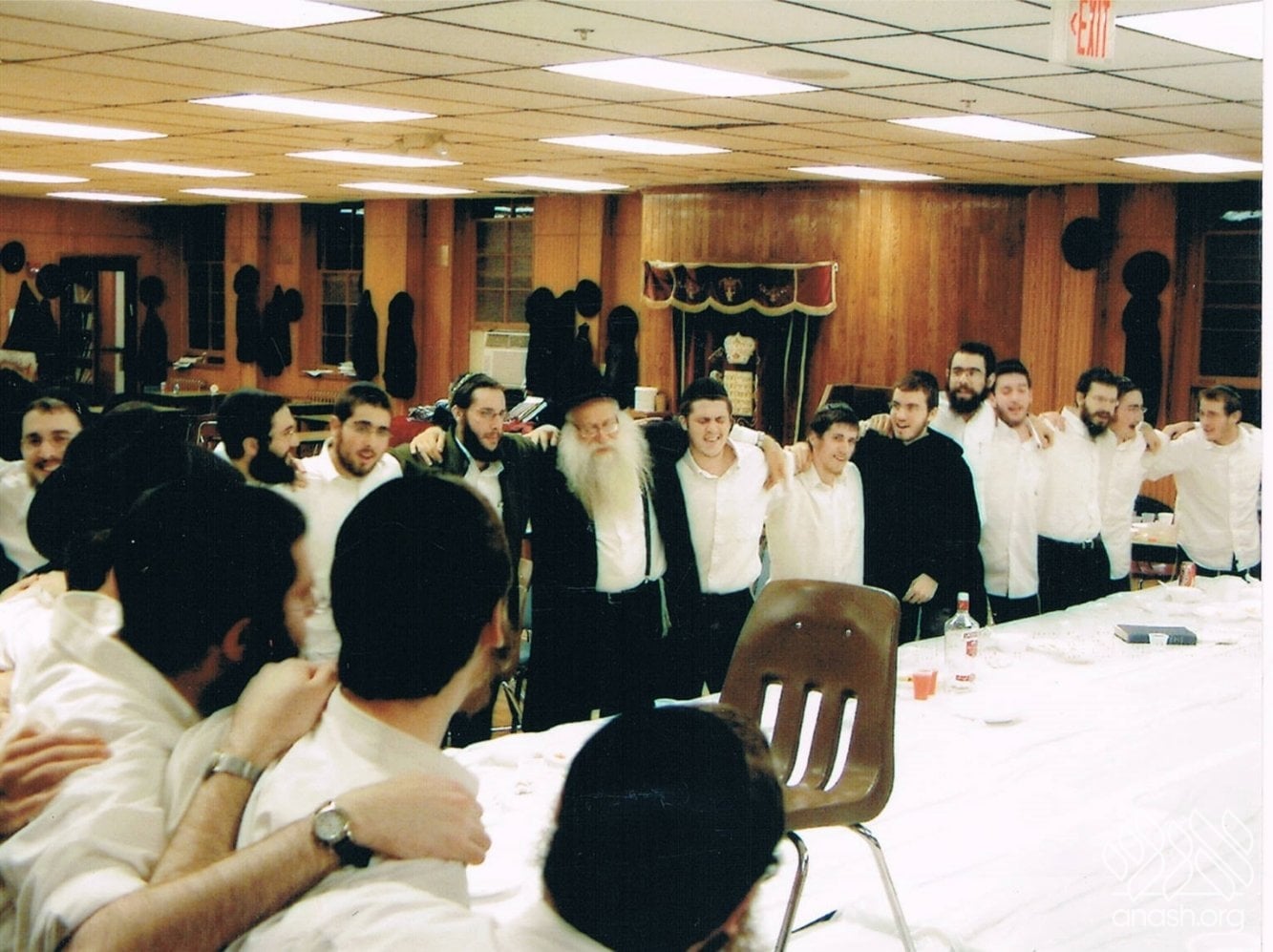
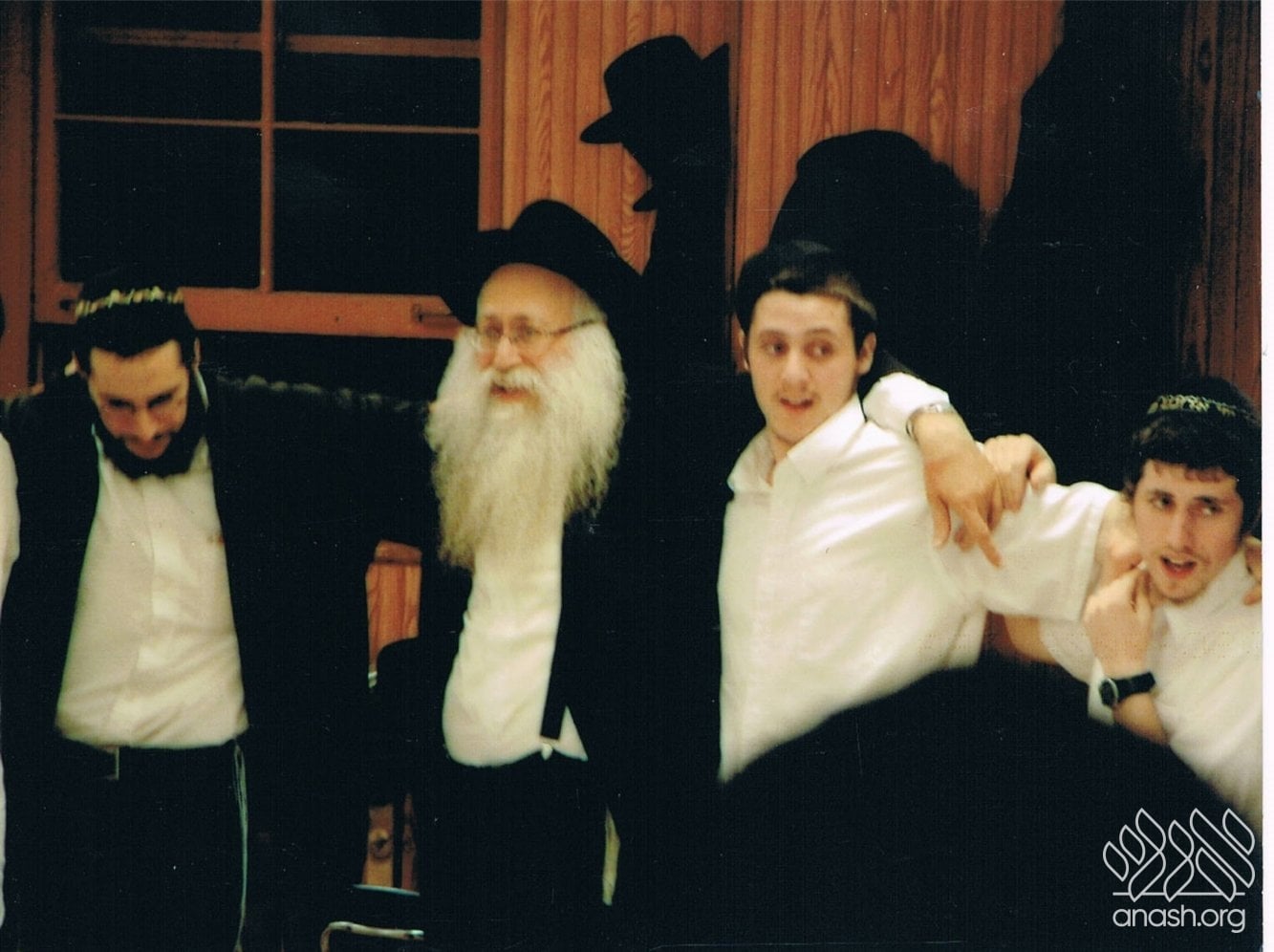
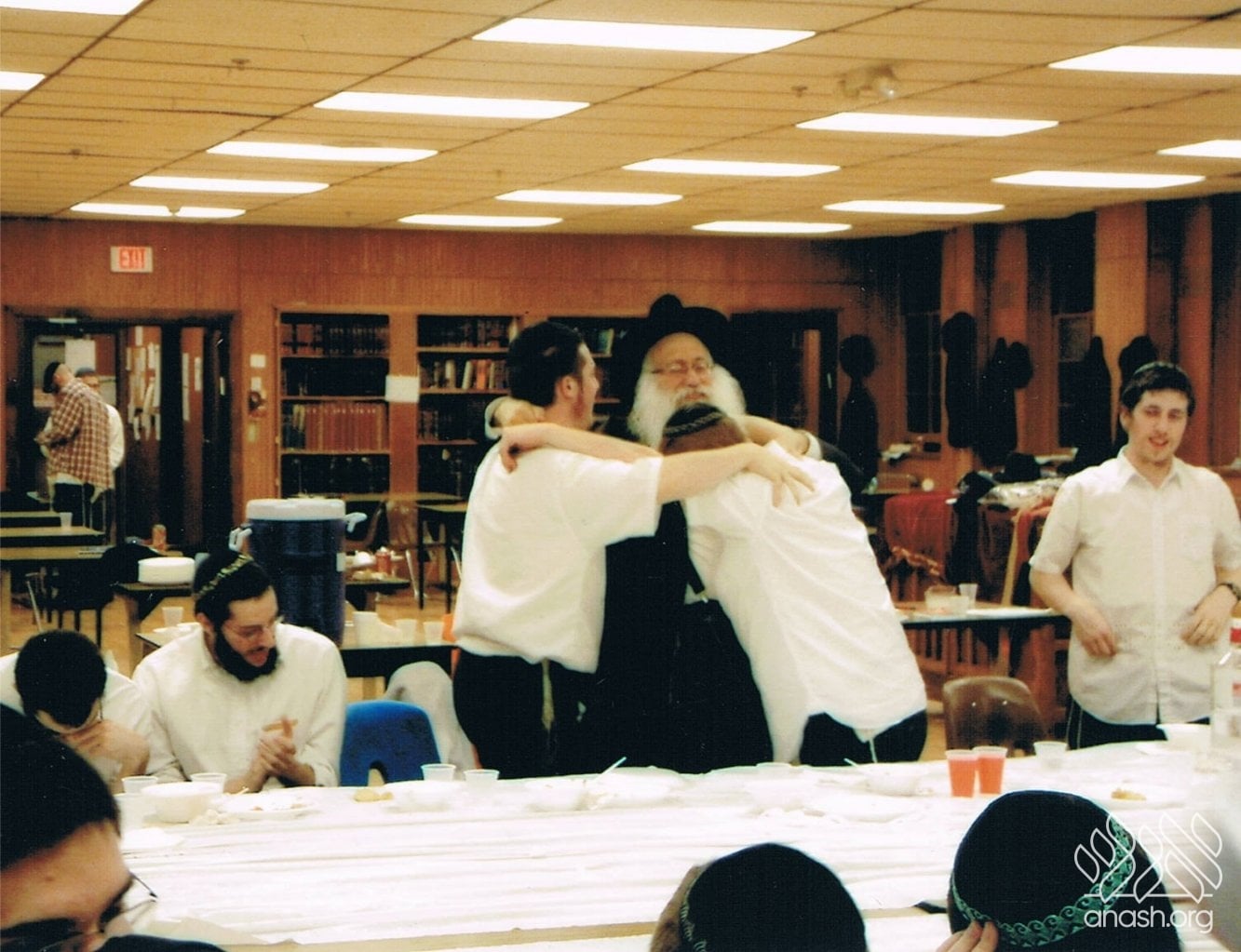
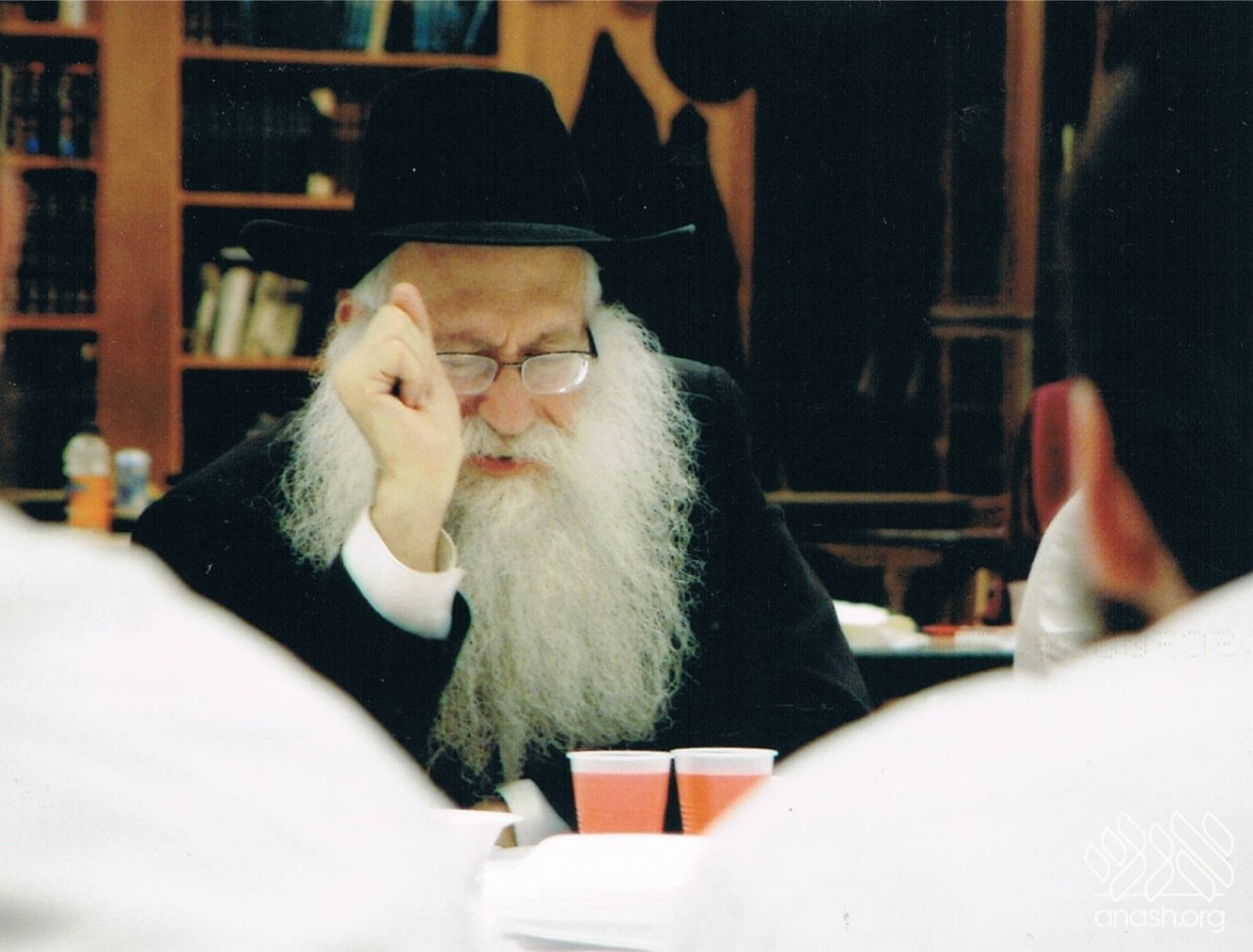
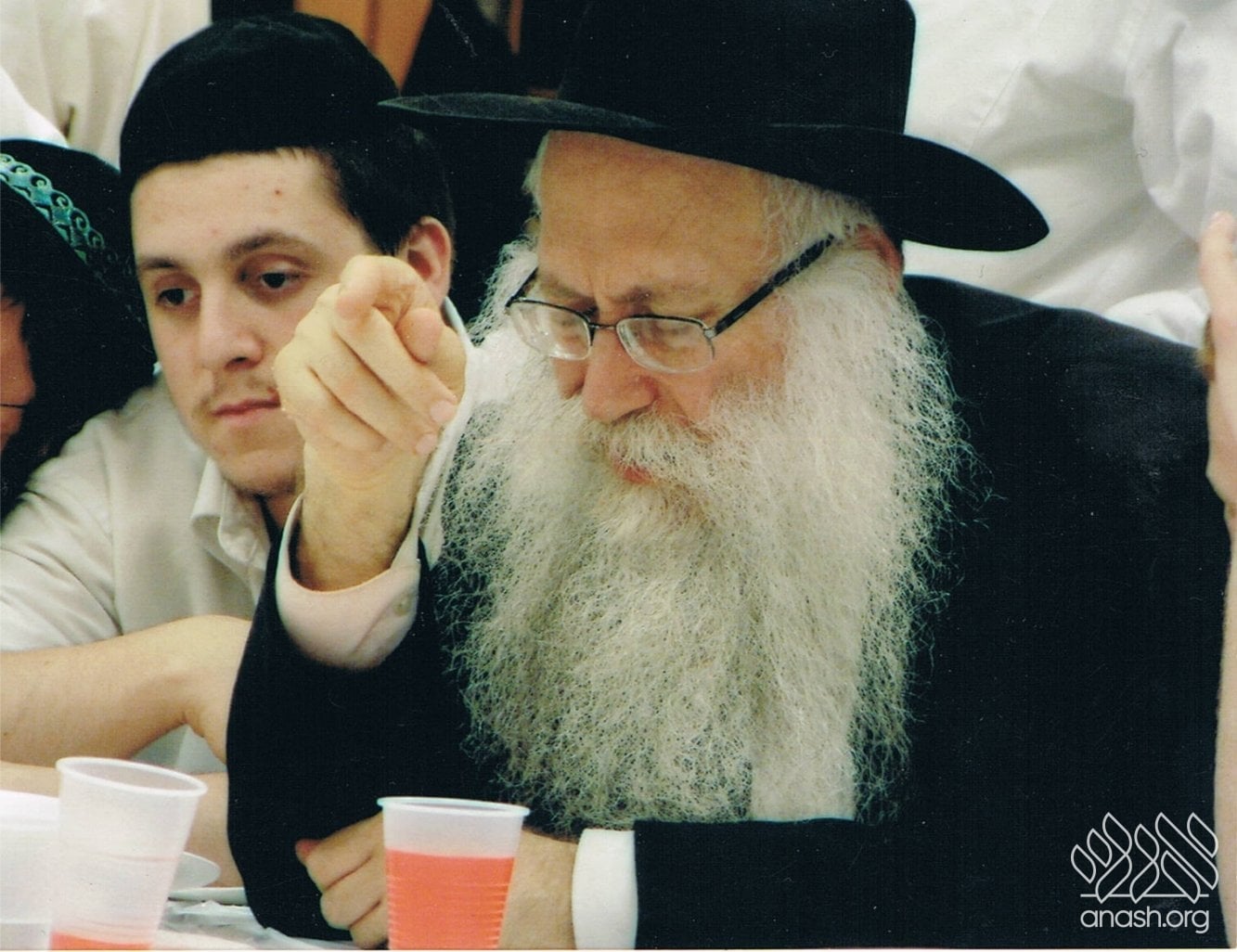
Renowned for his extraordinary mastery of Nigleh and Chassidus, unwavering hasmadah, and remarkable humility, Reb Meilech Zweibel left an enduring mark on generations of talmidim as the beloved mashpia of Morristown. Marking his 10th yahrtzeit on 19 Cheshvan.
By Rabbi Moshe Marinovsky – Kfar Chabad magazine
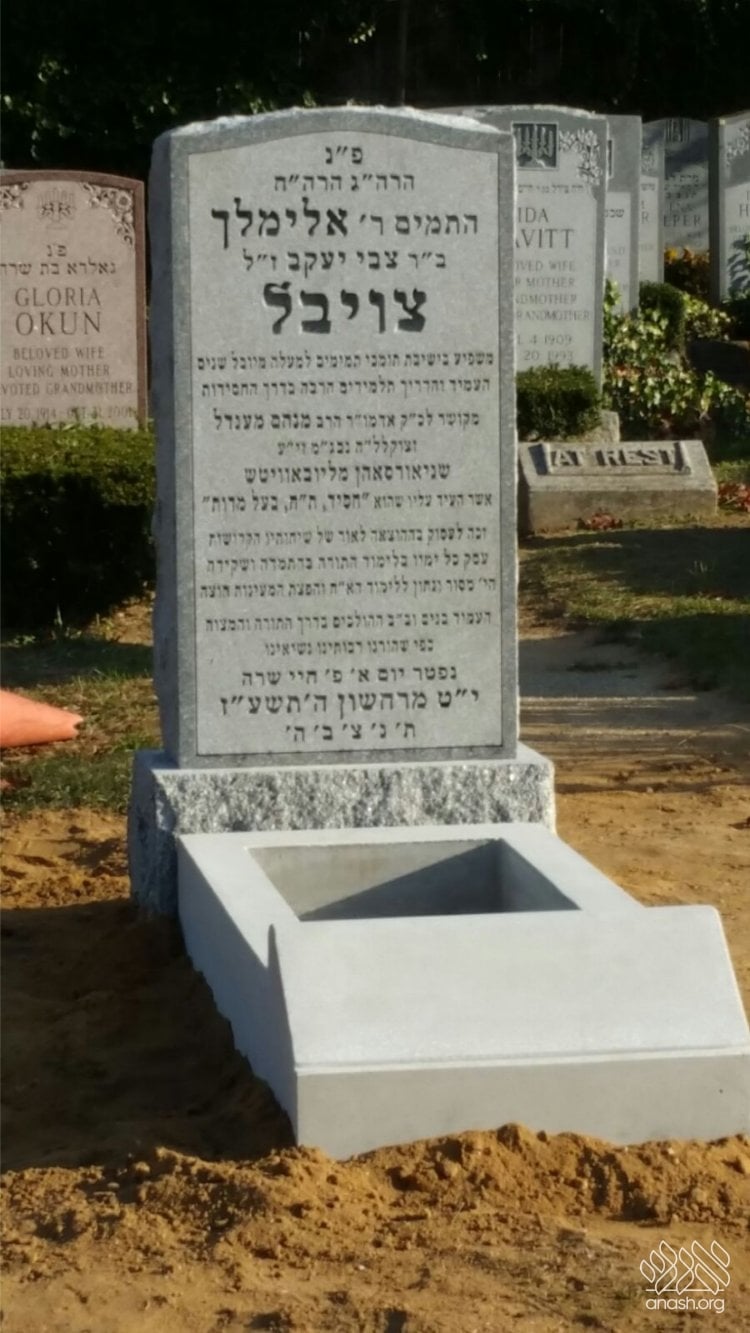
The mashpia, gaon and renowned chassid Reb Elimelech Zweibel, AH, was born in Tel Aviv on 17 Menachem Av 5701 (1941), to his father, Reb Tzvi Yaakov.
His father’s father, Reb Moshe, was a chassid of the Divrei Yechezkel of Shinava, son of the Divrei Chaim of Tzanz. Reb Moshe’s father, the Reb Tzvi Yaakov, was among the prominent chassidim of the Divrei Chaim, known as “Reb Yaakov Lantzeter.”
The family name was Rozen (hence the pen name Reb Meilech often used, “A. Rozen”), but the name had to be changed for a legal reason. The family had a famous uncle named Reb Meilech Zweibel, one of the well-known Tzanz chassidim in Galicia, a very wealthy and distinguished man. Reb Tzvi Yaakov (or perhaps already his father, Reb Moshe) changed the family name to that of the esteemed uncle, and Reb Tzvi Yaakov even named his son after him.
At a certain point, Reb Moshe, emigrated from Galicia to Germany, apparently for parnassah. After the rise of the Nazi oppressor to power, and after experiencing an antisemitic incident firsthand, Reb Tzvi Yaakov moved to Eretz Yisroel and settled in Tel Aviv, where his son Elimelech was born on 17 Menachem Av 5701 (August 10, 1941).
His brothers, Harav Yechezkel AH (who served as Rosh Yeshiva of Yeshivas Tiferes Yaakov in Yerushalayim), and Reb Moshe (a Lubavitcher chassid in London), related that already in childhood Reb Meilech stood out as a masmid and a diligent learner to a degree that is unusual among children.
He first learned in the Talmud Torah of Chinuch Atzmai in Tel Aviv, but in keeping with his background and personality, his father wanted his sons to learn in a chassidishe yeshiva.
On the advice of his neighbor, the Reb Yehuda Shmotkin, one of the veteran Chabad chassidim in Tel Aviv, who had spoken to him in praise of Yeshivas Tomchei Temimim in Lod, which had a dormitory and also accepted young boys, Reb Yaakov Zweibel took his eleven-year-old son Meilech and brought him to the yeshiva in Lod.
As a masmid who loved learning, he liked the place very much and was delighted at the opportunity to devote himself to his learning all day without interruption.
In the yeshiva in Lod, he found what his soul loved and grew in Torah and Chassidus. After the Talmud Torah, he continued his studies in the yeshiva, where he was raised and closely influenced by the renowned mashpia, Reb Shlomo Chaim Kesselman, to whom he credited the greatest influence on his chassidishe lifestyle.
Friends from those days relate that when he first came to Tomchei Temimim, Reb Meilech was not so drawn to learning Chassidus and delved only into Nigleh, but Reb Shlomo Chaim drew him in and encouraged him to invest his energies in Chassidus.
Indeed, Reb Shlomo Chaim’s stories and sayings were on his lips all his life, and he often repeated them at his farbrengens.
Alongside his diligent learning and hasmadah, and his avodah under the guidance of Reb Shlomo Chaim, Reb Meilech was also involved in hafatzas hamayanos. As a member of the Hanhala of Attah (Igud Talmidei Hayeshivos), he would travel from time to time to give shiurim in Chassidus at various yeshivos.
As was customary, they reported all of the activity to the Rebbe. Generally, the Rebbe did not respond directly to the reports, but one time they wrote to the Rebbe that since a rumor had gone around that Nigleh was not being learned properly in the yeshiva in Lod, it was decided that when they go out to the various yeshivos they would speak with the students not only about Chassidus but also about Nigleh.
[Incidentally, Reb Meilech would say that in later years he regretted writing to the Rebbe in such a style. In truth, it was not proper to write to the Rebbe that a bad rumor had gone out about Yeshivas Tomchei Temimim, but at the time they were young bochurim.]
This time they received a special reply from the Rebbe: “It gave me particular pleasure to read in your letter about the decision to increase in pilpula d’Oraisa. May it be in the manner of mosif v’holech mosif v’or, Torah ohr, which brings to action, ner mitzvah, permeated with the ma’or within Torah, which is the teachings of Chassidus.”
The Rebbe’s reply gave Reb Meilech great satisfaction, and he even remarked, in a humorous vein, that he would come up to Shamayim with this reply from the Rebbe, which says that he caused great nachas through an increase in pilpula d’Oraisa.
When the Rebbe instructed Reb Shlomo Chaim that the students should deliver pilpulim and explanations in Chassidus (see Igros Kodesh vol. 18, p. 525), Reb Shlomo Chaim sent them to the well-known “maskilim” of Tel Aviv in those days, Reb Moshe Gurary and Reb Nachum Goldschmid to hear explanations in Chassidus.
These visits also made a great impression on him, and no doubt contributed to shaping his character and his involvement in the analytical study of Chassidus throughout his life.
Towards Tishrei 5722 (fall 1961), Reb Meilech merited to travel to the Rebbe as part of the first “Kvutzah” of Tomchei Temimim students from Eretz Yisroel, and at that point he merited to spend about half a year at 770.
It is said that when members of the first Kvutzah arrived at 770, Reb Shmuel Levitin asked them where the expression “gevald” appears in Chassidus, aside from the Kuntres Acharon at the end of Tanya. Reb Meilech answered on the spot: In the maamar U’lekachtem 5661 (1901).
(When he told this in the family circle many years later, he added that it was nothing remarkable, since who doesn’t know the “gevald” in U’lekachtem Samech Alef? How typical of him…)
Reb Shmuel was impressed by his knowledge and expertise, and at the first opportunity told the Rebbe that among the bochurim who came from Eretz Yisroel there was one who was especially well-versed in Chassidus. When the Rebbe asked for his name, Reb Shmuel didn’t remember and said, “the one who wears black glasses” (“der bachur mit shvartze brilen”), and the Rebbe smiled.
As in his years in Lod, in 770 too he learned with great diligence and hasmadah. Reb Shmuel would sometimes sit down at his table even during Nigleh and tell him stories of chassidim. The mashgiach in Nigleh at the time, Rabbi Mordchai Mentlik (who later became Rosh Yeshiva), did not like this, but out of respect for Reb Shmuel he said nothing.
For Reb Meilech, this was also the nature of his hasmadah. It was not the hasmadah of those who sit and learn because they feel squeezed and cramped inside. His hasmadah came from how precious he held time, and from the enormous weight he gave to learning Torah in every possible moment.
That is why, even though he valued every minute devoted to learning Nigleh, he would not pass up a chance to sit and hear from one of the elder chassidim, something he would never get another opportunity to do.
About the period he spent in the Rebbe’s presence, he once said: Until we came to the Rebbe, we were raised to be chassidishe bochurim, but the Rebbe taught us that the goal is to fulfill the kavana elyona – “Ani lo nivreisi ela leshamesh es Koni,” and the goal is not to “be” in a certain state or a certain tziyur, even a lofty tziyur.
During his years in 770 he was also greatly influenced by Reb Yoel Kahn. In those years, Reb Yoel only gave shiurim to the younger bochurim in Bedford and Dean and later in Ocean Parkway, and not to the older bochurim who learned in 770. Yet, one of the things that characterized Reb Meilech was his sense for taking good things from anyone who had something to contribute. He therefore had the insight to befriend Reb Yoel and learn from him. There is no doubt that his approach to learning Chassidus was shaped greatly by what he absorbed from Reb Yoel whom greatly admired.
After several months in 770, he was forced to return to Eretz Yisroel because the exit permit of the students of the Kvutzah had run out. But about half a year after his return to Eretz Yisroel, he traveled again to the Rebbe, and from then on he never went back to Eretz Yisroel.
When he reached the proper age, the Rebbe was involved in his shidduch and even wrote about him to the one suggested for him, his wife, Mrs. Liba Belsofsky, that he is “a young man whom our Torah, Toras Chaim, speaks in praise of – a chassid, a talmid chochom, and a baal middos, etc.” There is no doubt that such extraordinary expressions from the Rebbe, especially about a bochur, are very rare!
In 5725 (1965) he got married, and right afterwards, he was appointed mashpia at the yeshiva in Newark, New Jersey. Afterwards, in 5732 (1972), the yeshiva moved to Morristown.
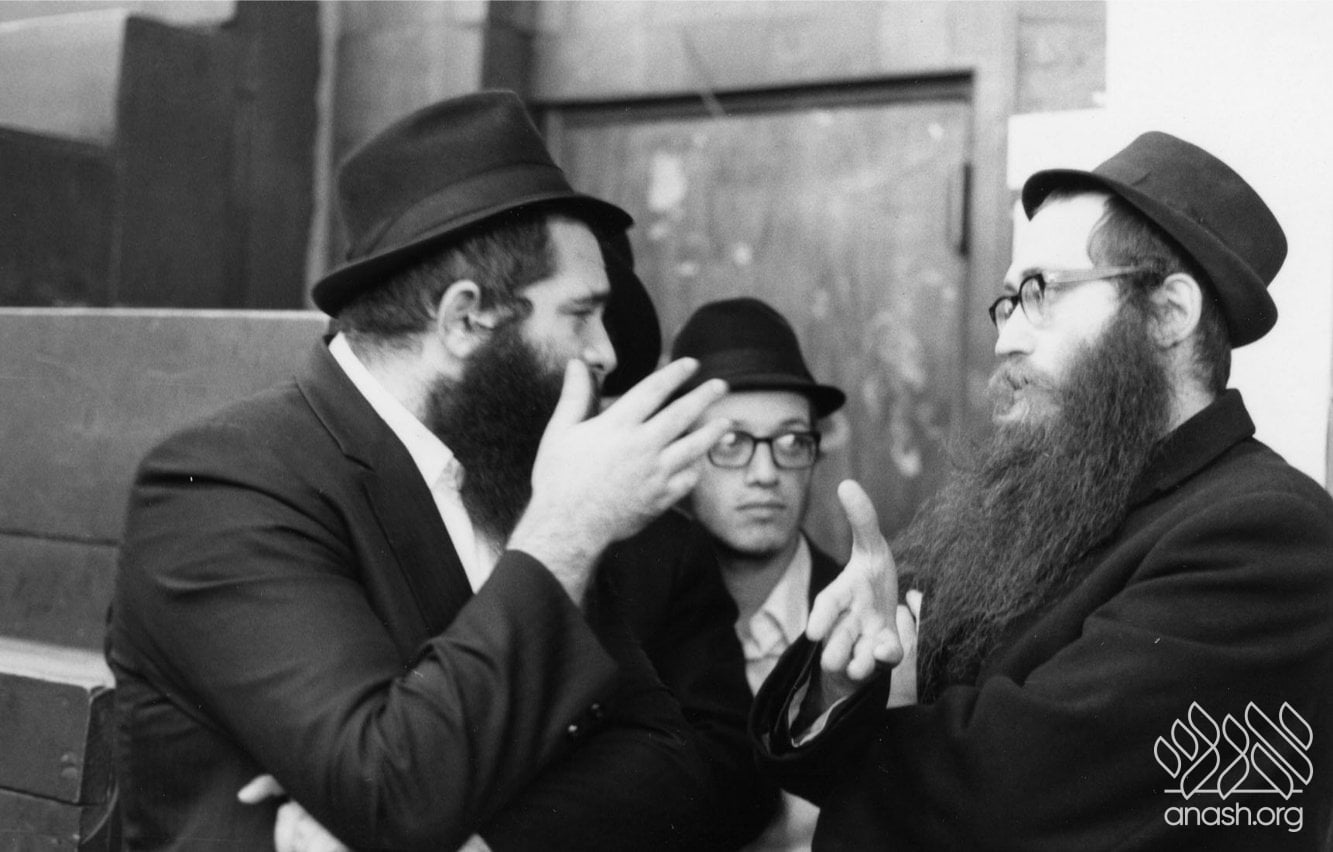
The Rosh Yeshiva in Newark in those days was Reb Yisroel Friedman, later the Rosh Yeshiva at Oholei Torah, and the two became very close friends. In addition to their joint work in the yeshiva, they were also neighbors, and from time to time they would stay up entire nights talking about Torah, Chassidus and darkei hachassidus.
Reb Leibel Altein, who learned in Newark in those days, related that one Shabbos, Reb Meilech and Reb Yisroel engaged in a stormy debate over the pshat in that week’s Likkutei Torah. “One can well imagine the general atmosphere that prevailed in the yeshiva,” he said.
For a while, the yeshiva had a cook who was very devoted to the bochurim, and she would ask each bochur how he wanted his egg prepared. Once Reb Meilech walked into the dining room just as the bochurim were telling the cook what kind of egg to cook or fry for each of them.
At the next farbrengen, Reb Meilech told them how absurd such conduct should be for a chassidishe bochur. He said: Until today we heard about different levels and ways in ahavas Hashem – ahavah kamayim, ahavah k’rishpei eish, ahavah rabbah, ahavah b’taanugim, etc., but never did we hear in Tomchei Temimim about different ways of cooking and frying eggs…
His brother, Harav Yechezkel, was once in yechidus with the Rebbe, and in the note he wrote to the Rebbe he listed several things, but did not write about his dilemma over whether to remain in the field of chinuch or to go into business. To his surprise the Rebbe addressed it during the yechidus, encouraging him to remain in chinuch and adding, “After all, your brother is very successful in the field of chinuch…”
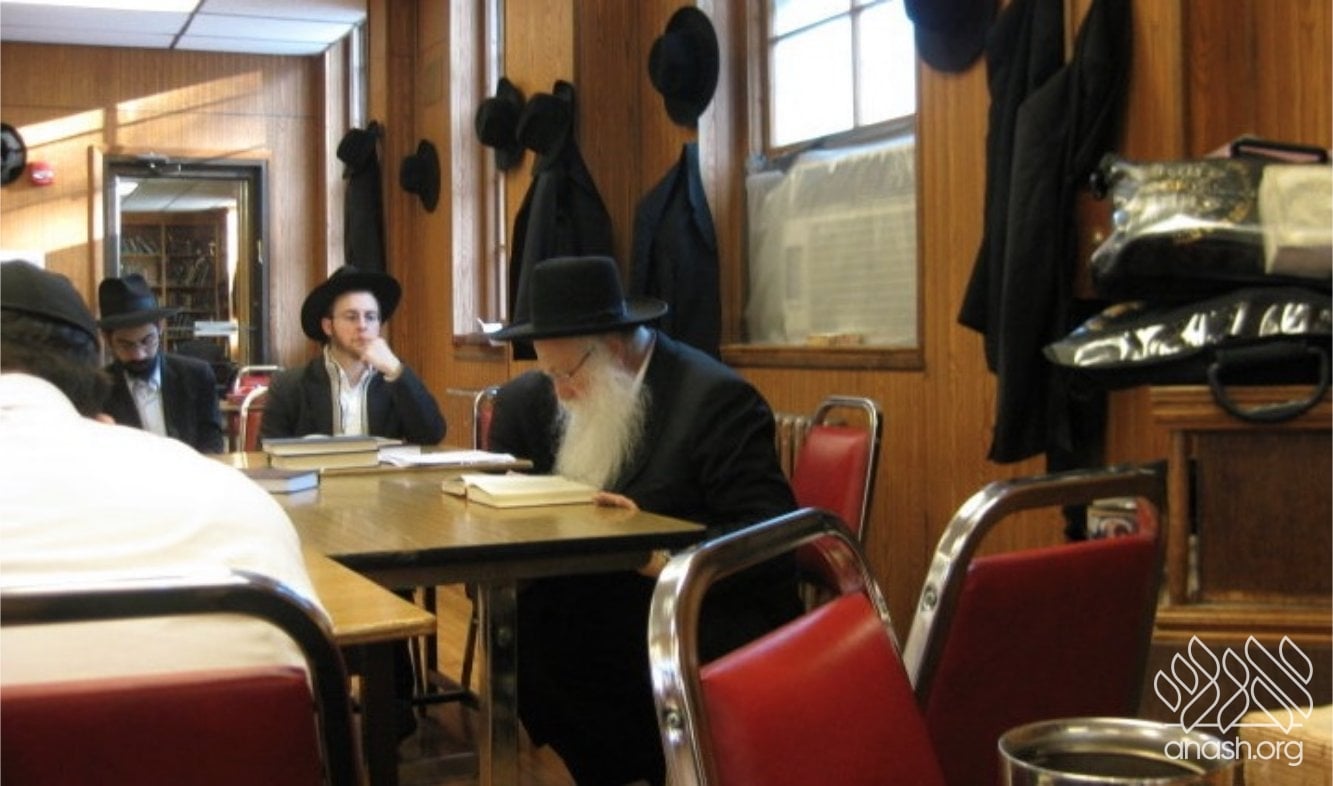
Reb Meilech was an enormous masmid. He used every moment and never wasted time. He always had a booklet of Torah in his coat pocket. Even if, for example, he finished Shemoneh Esrei before the chazzan began chazaras hashatz, he would immediately open the kuntres or sefer in front of him and look into it.
Here is a story that illustrates his great hasmadah. On Erev Yom Kippur, just several weeks before he passed away, he was taken to the hospital, and as soon as he was able, he asked for a sefer to look into. When they said there was no sefer there, he asked that they call one of the shiur hotlines. When there was no reception, he was very distressed. After a while they found a kuntres of a maamar in his jacket pocket, and he was immediately overjoyed and began to look into it.
His hasmadah was part of his extraordinary kabbalas ol and self-discipline. His talmidim remember that he always arrived at the seder in yeshiva at exactly the right minute, and he was also careful to finish his shiur with the talmidim exactly when the seder ended. He attached great importance to seder and discipline.
As a result of this approach, he felt it was very important to go to sleep on time. He would always tell how Harav Baruch Shimon Schneersohn, the Rosh Yeshiva of Tchebin, who served for several years as Rosh Yeshiva in Tomchei Temimim in Lod, would say of himself: “I had friends in Yeshivas Chachmei Lublin who learned all day and all night, but I made sure to sleep eight hours every night, and I was more successful than they were.”
Reb Meilech himself would often say: “A true masmid is one who sleeps on time, learns on time and davens on time. Not one who lives in vildkeit, without an orderly seder.”
He practiced what he preached. He was very organized by nature. He never put off anything he had to do, but dealt with it immediately until it was finished.
After his passing, one of his talmidim related that this was one of the main pieces of guidance he gave him – never to postpone doing something for later. And not only in spiritual matters but also in simple, routine tasks, like doing laundry, one should make an effort to do everything as soon as it is needed.
His reasoning was that this way a person remains the baal habayis over himself and his conduct, and does not do things because he has to, since by then there is no choice.
Back to the great hasmadah that characterized him so much. Reb Meilech did not drive, and usually he was driven from the yeshiva to his home. If he happened to walk, he used the time to listen to a recording of a farbrengen of the Rebbe or a shiur in Chassidus and the like.
Once, after a flight from Los Angeles to New York that lasted about six hours, he mentioned in passing that during the flight it was hard for him to concentrate and learn in depth from a sefer, so he listened to the Gemara shiurim of Reb Michel Zilber, and baruch Hashem he managed to learn several blatt that way during the flight.
If we are to try and point at what set him apart in learning Torah, there is no doubt that one of the most prominent things was that he was ‘complete’ in both Nigleh and Chassidus. All his life he engaged in both together, and he educated his talmidim and those he influenced to do the same.
His position in the yeshiva was mashpia in Chassidus, but at the same time he was involved in and well versed in the masechta being learned in the yeshiva in Nigleh, and he would encourage and strengthen his talmidim to learn both together, as is the way of Yeshivas Tomchei Temimim.
His style of learning was also unique. On the one hand, he had a thirst to acquire very broad knowledge and expertise, and he would “go through” many sefarim in different fields. Once, for example, he decided that he would learn the entire Talmud Yerushalmi, and in Chassidus he would learn every single sefer of Kehos as soon as it came out.
On the other hand, alongside the breadth, the scope and the expertise, he also spent much time on in-depth learning. Systematically, he divided his day into fixed and orderly times for both learning Nigleh and learning Chassidus, and in both he learned a great deal both in depth and l’girsa.
Incidentally, he would say that the difference between the style of learning of a baalabos and that of a yeshiva bochur is that a baalabos looks at things superficially and likes to connect things that may really be far from each other, whereas a yeshiva bochur learns in depth and looks for fine distinctions between things that seem similar.
Of him it can be said that in this respect he remained a yeshiva bochur all his life. For example, he would sometimes listen with great interest to an entire shiur of Reb Yoel Kahn, even though he already knew his style of explanation very well, in order to hear another “kneitch” on the topic.
The same was true in Nigleh: he would eagerly look into new sefarim even when they contained chiddushim on a sugya he knew well, and even though the author was usually dealing with matters already discussed in other sefarim, all in order to find added depth in one detail or another.
Sometimes people who look for such fine points are “narrow” in their learning, and like to dwell on every small detail as if it were a big one, and so they manage to learn only a little in quantity. This was not the case with Reb Meilech, who learned very broadly with a constant thirst to know more and more.
One of Reb Meilech’s special qualities was his readiness to accept from anyone. He was generally a critical person, and he did not hold back from expressing to those close to him his dissatisfaction with various explanations in Nigleh and Chassidus that he did not like.
But at the same time, he was ready to learn from anyone he thought had something correct to contribute. He would also look into sefarim or listen to recordings of shiurim of young Roshei Yeshiva whose knowledge of learning was certainly less than his own, if he thought he could gain something from them.
In the same way, he would sometimes listen to recordings of farbrengens by young mashpiim who were far beneath his level in most areas, if he thought he might hear a new, substantive saying or story, he found interest in it, and who was delivering the material did not matter to him at all.
His kabbalas ol on one side and his thirst for learning Torah on the other were also expressed in the fact that he learned many sefarim and maamarim hundreds and perhaps thousands of times, and each time he did so with chayus and enthusiasm, as if he were learning something truly new.
For example, for several years he taught the maamarim of the Rebbe Rashab of 5665 and 5666, and on average learning each maamar took about three weeks. One could see that during those weeks he reviewed the maamar being learned dozens of times, even though he had already given shiurim on it for many years.
Even when he reviewed a maamar for his birthday (17 Av), usually at the Yarchei Kallah at Gan Yisroel headed by Rabbi Avraham Shemtov, he would learn the maamar dozens of times – without exaggeration.
The same was true in Nigleh. Even though it was not part of his position, he always learned the masechta that is learned in the yeshiva, every zman anew.
Hemshech Samech Vov, for example, he learned hundreds of times, and his expertise in that great Hemshech was truly remarkable. He also learned Hemshech Ayin Beis many times. He would say that in Hemshech Samech Vov are the foundations of the Jewish worldview according to Chassidus.
On one occasion, when he encouraged a relatively young bochur to learn all of Hemshech Samech Vov, he told him that it was well worth doing even if he would not understand everything.
To illustrate his point, he related the following story: Reb Groinem, the mashpia in Lubavitch, used to learn Igeres Hakodesh, siman 20 in the sefer Tanya, anew every month. His reasoning was that he is always learning more and more Chassidus and gaining more knowledge, so every month he understands the siman a little better.
Similarly, he advised the bochur to focus on learning l’girsa for the time being, explaining that as he increased his learning of Chassidus, his understanding would grow as well.
His expertise in Chassidus was one of a kind, in that it was an expertise based on deep knowledge and understanding. The foundations of Chassidus were clear and organized in his mind, with a straight understanding of every concept and subject.
He didn’t remember things only through a good memory, but he understood them well. And when he referred someone to a source, it was the correct and most fitting source for the topic.
His way in learning Nigleh was similar. Generally he liked the pshat and kept away from diyukim and vain pilpulim, but within the pshat itself he searched for and found the depth of the pshat.
Thanks to his broad expertise and thorough knowledge, it was common for him to answer a difficulty without chiddushim and pilpulim, but by pointing to a fitting source according to which things are resolved simply.
In his many haoros scattered throughout the kovtzim, there are quite a few short comments of this type, which are essentially a correct and good reference whose study sheds light on the topic.
He had a special koch for the maamarim and sichos of the Rebbe and his expertise in the Rebbe’s edited maamarim was remarkable. He spoke often about how the Rebbe revealed new light in all of Toras Hachassidus, by bringing the deepest matters down into “letters” that even people of our stature can understand, and he would often encourage those he influenced to acquire expertise in the fundamental maamarim and sichos of the Rebbe.
Reb Yoel Kahn once said: People say about the chassid Reb Moshe Gurary (of Tel Aviv), that he was a “maskil” in Chassidus. That is true, but it was not his essence. His essence was that he was “a chassidisher Yid,” only that his line in chassidishkeit was haskalah.
Perhaps the same can be said of Reb Meilech. It may be that the most prominent thing about him was his hasmadah and his broad knowledge, but in his essence he was a true chassidisher Yid and oved Hashem, and his entire aim was to fulfill his shlichus in the world. This was the source of his deep appreciation for the devoted young shluchim who dedicate themselves to fulfilling the Rebbe’s holy vision.
One year he farbrenged on Rosh Chodesh Kislev with great chayus, said “l’chaim,” and spoke about deep topics. And at the end of the farbrengen he urged the bochurim to be careful about shnayim mikra v’echad Targum. In other words, in the end, the main thing is kabbalas ol.
Indeed, he would say in the name of the chassid Reb Avraham Dreizin that it was once said that the difference between Lubavitch and Kapust is that in Lubavitch they were maavir sedra. In Kapust there were people of mind and heart who were immersed in lofty matters and were satisfied that they were involved in Chassidus, and because of that they did not pay enough attention to simpler things like maavir sedra. In Lubavitch, involvement in Chassidus did not come at the expense of kabbalas ol.
His personality and character were also a unique blend. He was very distant from the matters of this world and had no interest in worldly pleasures and the like. But while people who are abstracted from worldly matters sometimes lack social skills and have difficulty connecting and communicating with people, and sometimes are also detached from the practical side of life, this was not so with Reb Meilech.
On one hand he was indeed abstracted. Matters of clothing, for example, took up no place in his mind at all. (As far as he was concerned, his old hat never had to make way for a new one, and once he came to yeshiva wearing a short suit jacket belonging to one of his sons instead of his own kapotah, because he did not notice such trivialities).
The same was true of food. He never asked for or looked for a particular food, and ate only what was put in front of him. And yet he had a good understanding of worldly matters, and many benefited from his sensible advice in matters of shalom bayis and the like.
Reb Meilech’s conduct was a living example of the words of the Rambam: “A wise man is recognized by his wisdom and his views… in his deeds, in his eating and drinking… and in his speech and his walk.”
His great expertise and straight understanding, in both Nigleh and Chassidus, led to his involvement in the editing and publication of several unique Torah publications. We will mention three of them briefly.
Likkutei Sichos. As far as is known, it began when at a certain period the Rebbe expressed dissatisfaction with the way the material submitted to him for hagaha was being prepared, and made continuing to review the sichos conditional on there being a reliable and responsible person who would go through the material before it was handed over for hagaha.
Reportedly, the Rebbe added that he should not be told who was chosen for the role. At first someone was chosen for the area of Nigleh, and Reb Meilech was responsible for the area of Chassidus, and with time the responsibility for both areas was placed on him. As expected, he did his work faithfully, and there were periods when he worked on it days and nights.
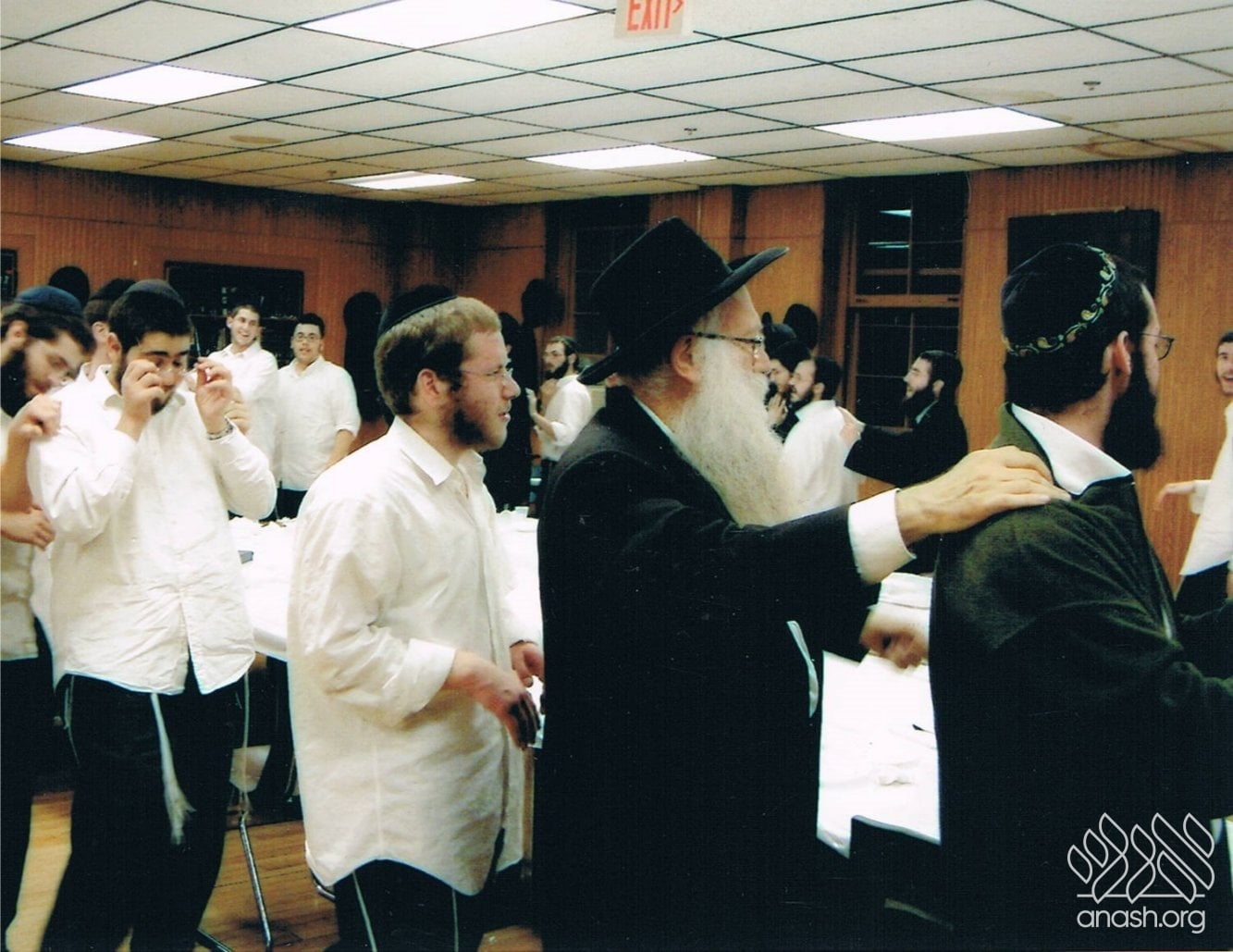
Haaros Hatemimim v’Anash. Alongside his other roles in the yeshiva in Morristown, he was the guiding spirit of the editorial board of the kovetz Haaros Hatemimim v’Anash of the yeshiva, which appeared weekly for many years.
The Rebbe showed great fondness for the haaros, and many times referred at farbrengens to questions and comments that were written in these kovtzim. Reb Meilech was the editor in chief, and he also wrote many haaros himself. Sometimes he signed them “echad m’anash” or with the names of students in the yeshiva, and later he signed many haaros with the name “A. Rozen.”
It should be noted that the Rebbe responded many times to what was written in the haaros kovtzim and Reb Meilech merited that an important portion of those sichos came in response to a haarah that he wrote.
Shortly after the kovetz began to appear, a rumor went around that the Rebbe was not satisfied with it. At that time, in the summer of 5733 (1973), Reb Meilech went in for yechidus with the Rebbe, and in the note he submitted he wrote that they had stopped publishing the kovetz because of the rumor.
The Rebbe denied the rumor and said that, on the contrary, he was satisfied with the kovetz, and continued: In one of the kovtzim there was a question on something I said in one of the sichos, and also an answer to that question. A certain Rav asked me the same question that was in the kovetz, so I sent him the kovetz and told him, “Do iz di shaylah un do iz der entfer” (here is the question and here is the answer)…
Chassidus Mevueres. Reb Meilech responded to the request of the editor in chief, Reb Leibel Altein and would review and examine the content of the kovtzim and the sefarim. Every difficult matter in the Chassidus Mevueres editorial office was brought before him, and he reviewed the material in depth and made important comments, full of expertise, in his style.
*
Besides the basic demands for learning with diligence and hasmadah, he strongly urged devotion to learning Torah not only out of kabbalas ol but with chayus. Again and again he reminded the bochurim that the Rebbe’s will is that every bochur learn Nigleh not only out of kabbalas ol but with chayus, and at the same time with in-depth learning and effort.
In addition, he would repeat the saying of the Rebbe Rashab on the possuk “B’soras Hashem cheftzo u’vsoraso yehgeh”: “Toras Hashem,” Chassidus, should be “cheftzo,” the essence of the person, while “Toraso,” Nigleh, one should learn, “yehgeh.”
On the other hand, he would often say that learning Chassidus and davening properly should bring a person to aspire to engage in avodas Hashem for the rest of the day, in learning Nigleh with depth and in-depth learning.
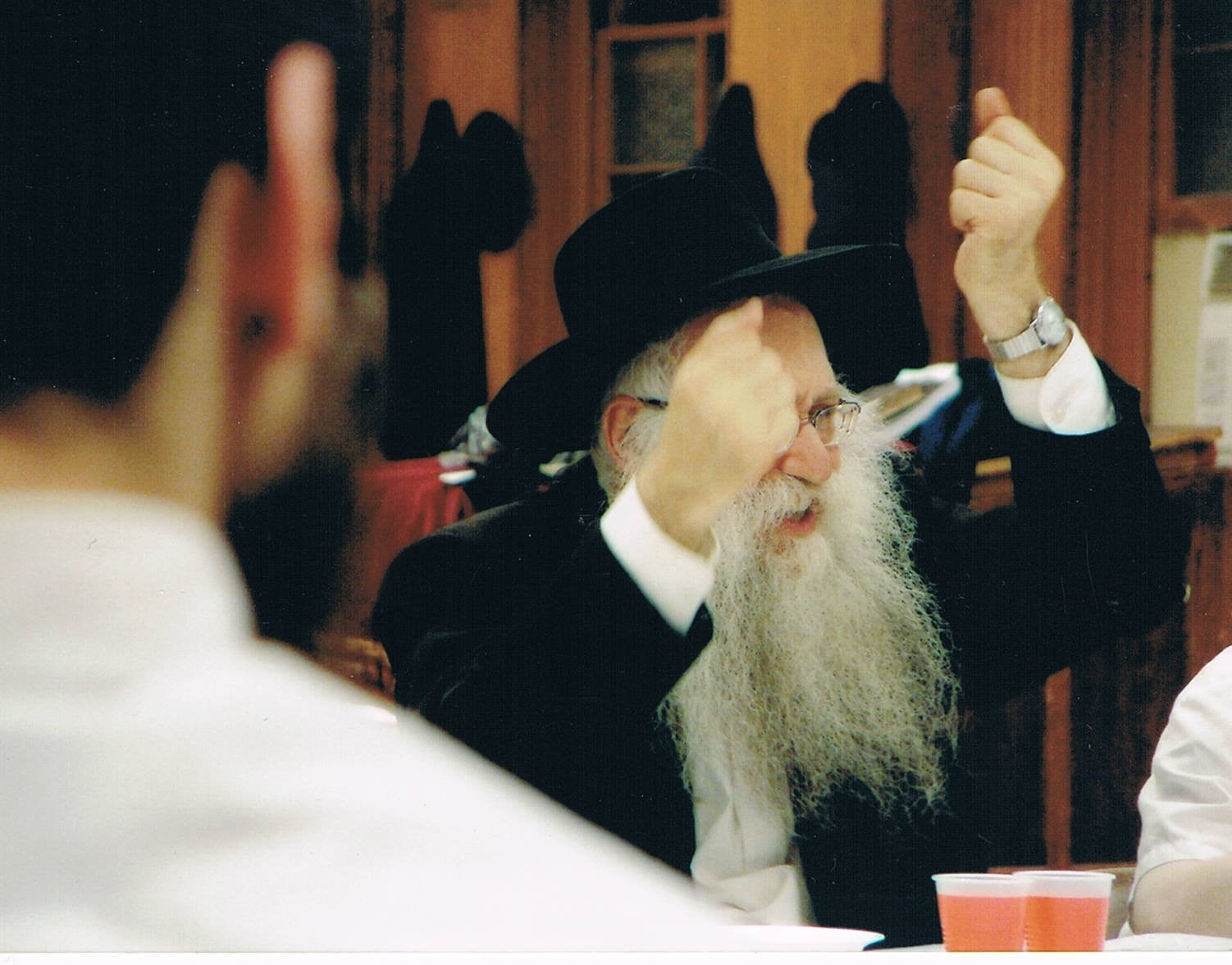
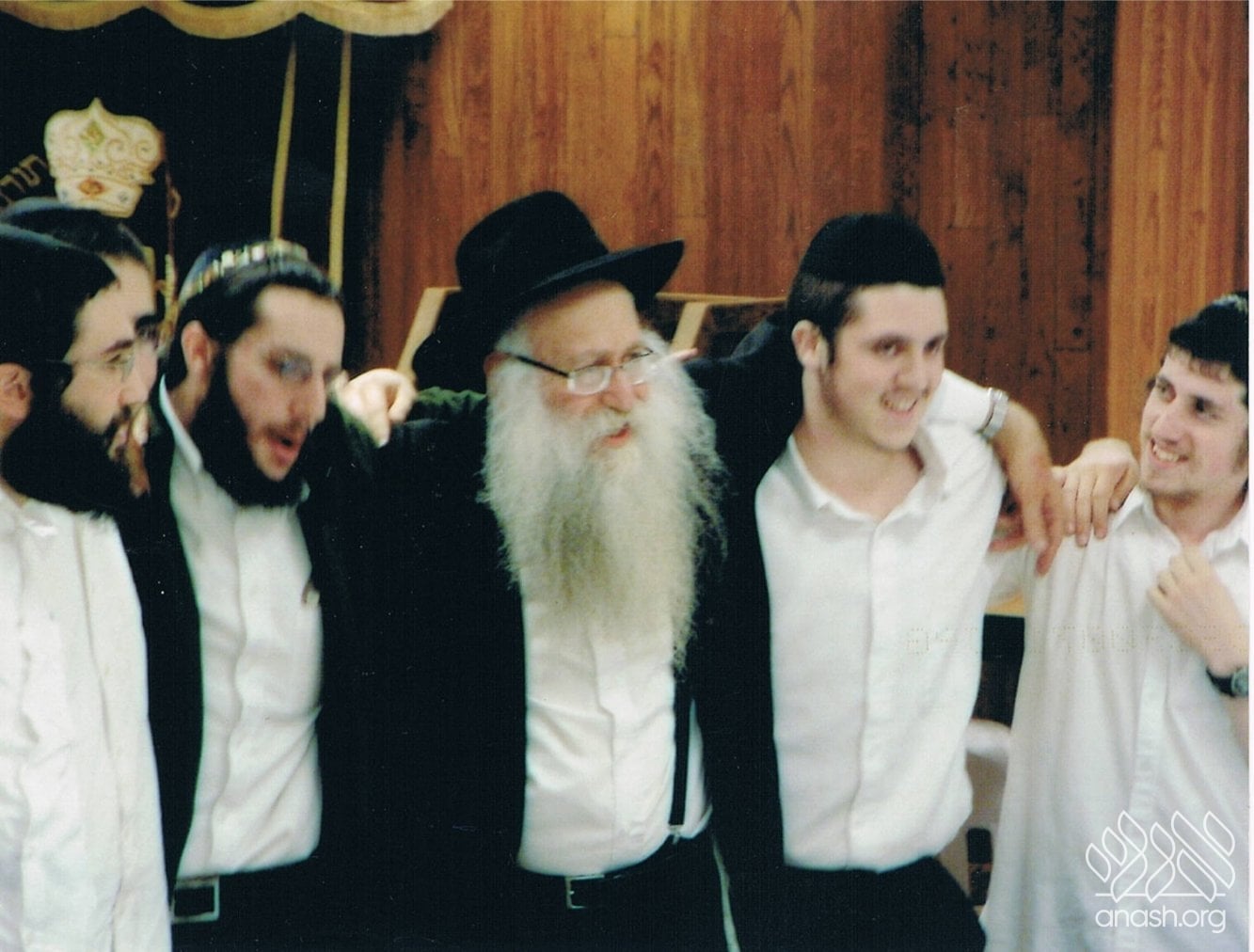
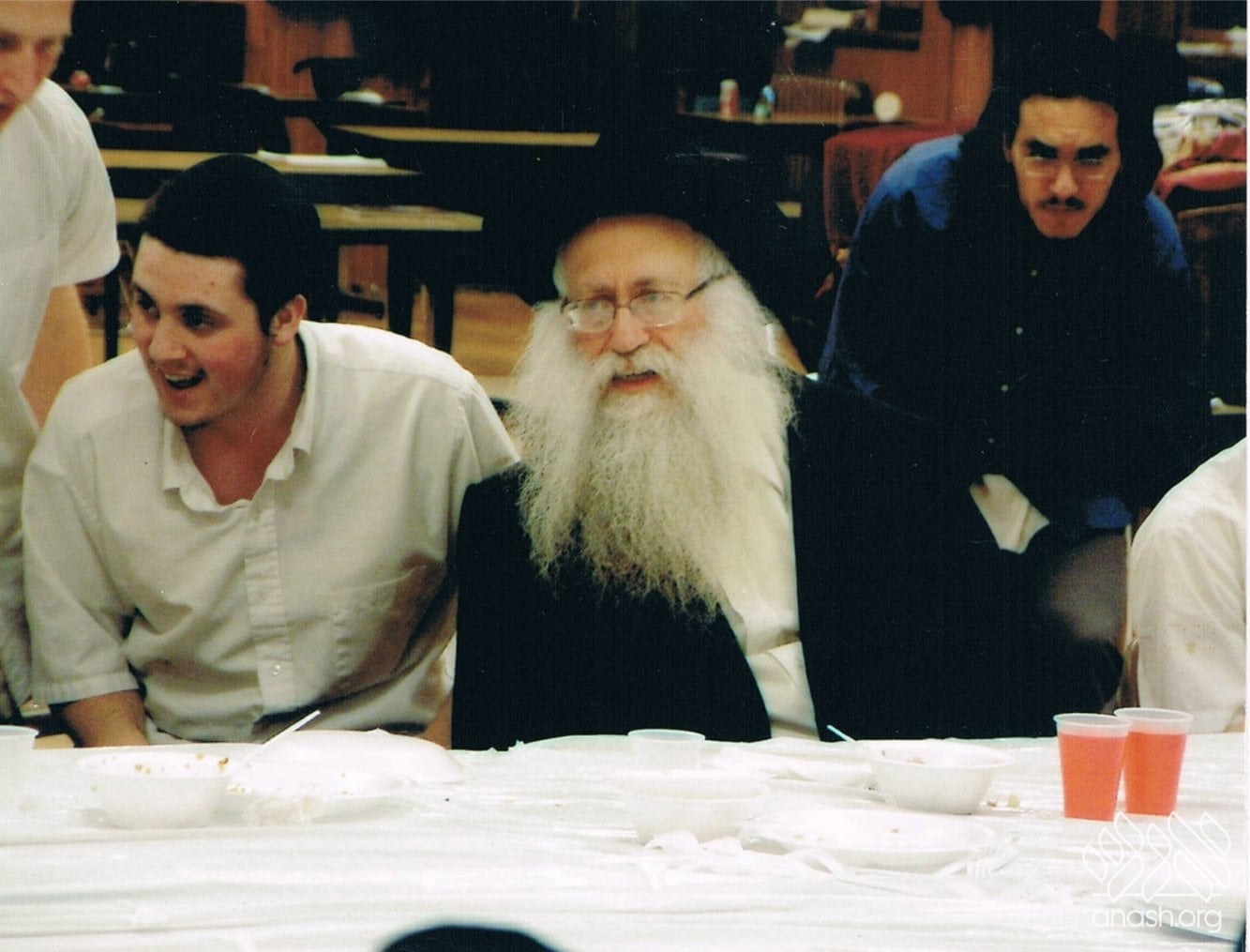
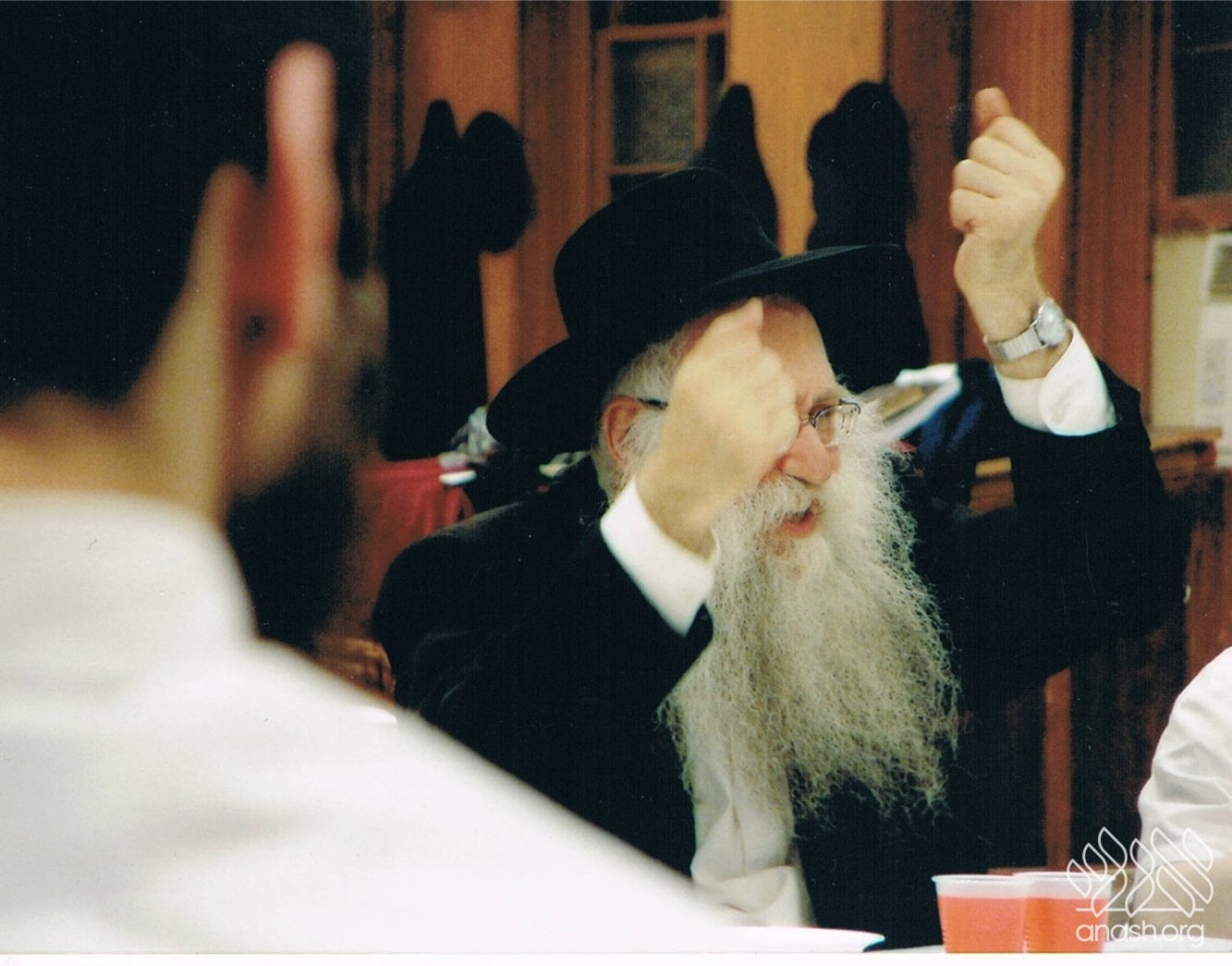
His farbrengens were full of deep content, varemkeit and the chayus of Chassidus. Even bochurim who did not connect with his deep shiurim remember well the impression and the special geshmak of his farbrengens.
Reb Meilech often repeated what is explained about the difference between the farbrengens of the chassid Reb Michoel “der alter” and the chassid Reb Groinem. Reb Michoel mainly “demanded” total devotion to Chassidus, and the way his influence worked was through “words that come from the heart and enter the heart.” Reb Groinem did not “demand” as much, but explained and elucidated the wonder of Chassidus through stories and sayings, and he caused the bochurim to absorb the hashkafa well and take it all in a way that never left them all their lives.
Perhaps we can say that Reb Meilech’s own farbrengens were closer to the style of Reb Groinem. Although he certainly “demanded” of the bochurim that they devote themselves to fulfilling the requirements of the Rebbe for a bochur in Tomchei Temimim, the main part of the farbrengen was in the way of “ohr” and not “shefa” (direct influence), and he would uplift the bochurim by repeating chassidishe stories and sayings.
As for personal influence, he usually focused on “aseh tov.” He never embarrassed or humiliated a bochur. Even when he demanded something of a bochur, he did it with wisdom and made sure that the bochur would not feel he was being treated harshly.
He would give written tests to the bochurim but wouldn’t grade them. Instead, during seder Nigleh, he would call the bochurim to his room. First he would go over the test a little, and if the bochur failed in his answers, he never rebuked or reprimanded him. Instead, he would explain the matters as if he were only adding to what the bochur had written on the test, and through the explanation the bochur would come to understand the matter correctly.
Many times he also spoke with the bochurim about their learning in Nigleh, and he would encourage the more talented ones to look into sources that he pointed out to them.
This was besides the conversations with bochurim about matters of avodas Hashem.
His talmidim testify that of the many bochurim who learned with him over decades, there is almost no one who would say anything negative about him. This is because he always gave every bochur a good feeling, and never took a step that would cause a talmid to feel hurt or bitter.
And this was despite the fact that he was a very critical person, far from naive. He always devoted his full attention to every bochur, even the simplest, and gave him a good feeling.
Perhaps his great and deep influence was also connected to the fact that by nature and essence he was a very gentle person, humble and lowly of spirit. He never forced his way, and generally avoided expressing a firm opinion, and even in learning he would say “I seem to recall that somewhere it says…”
His eidelkeit and humility caused him generally to avoid farbrenging or speaking publicly whenever he came to New York. He would say: “In Morristown, that’s my job, but in New York, in 770, there is no shortage of chassidishe Yidden, they don’t need me…”
Bochurim of various levels in learning and conduct remember that he took an interest in them and in what was going on with them. For example, if they visited from far away, he did not forget to ask how the flight was and whether they had a comfortable seat. The very fact that “Reb Meilech,” the famous mashpia, treated them this way gave them a good feeling.
His sudden passing, at the peak of his activity in the yeshiva in Morristown and his other endeavors, was a heavy loss for his family, for his hundreds and thousands of talmidim, for chassidim, and for the world of Torah and Chassidus in general.
V’hakitzu v’ranenu shochnei afar, and he among them.
 COMMENTS


We appreciate your feedback. If you have any additional information to contribute to this article, it will be added below.