




כ״ה אלול ה׳תשפ״ו | September 7, 2026
New Federal Proposal to Subsidize Stay-at-Home Parenting
A proposed federal rule could allow married families with a stay-at-home parent to receive child care subsidies, potentially providing financial relief to many frum and Anash families who choose to have a parent home with young children. For decades, the Rebbe emphasized the vital role of Jewish women in raising, nurturing, and educating their children.
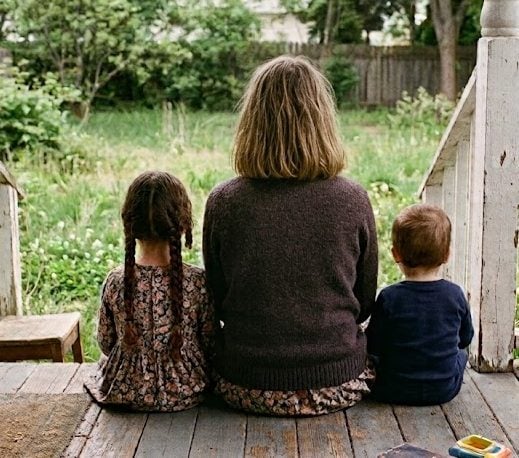
The Trump administration is drafting a new rule that would allow married couples with a stay-at-home parent to collect federal child care subsidies, a change that could directly benefit many frum and Anash families who choose to have one parent home with young children.
The proposal would tap into the Child Care and Development Fund, a $12 billion federal program that currently provides about $9,000 per child annually to help working parents afford child care. Until now, the fund has only gone to families where both parents work, attend school, or are in job training.
Under the new rule, a married couple in which one parent works at least 35 hours a week and the other stays home to raise the children would qualify for the same subsidy.
“Young children are clearly happier and healthier when they spend the day at home with a parent,” Vice President JD Vance, who has championed the change, wrote in a Wall Street Journal opinion essay.
Currently, about 870,000 families receive these subsidies, the vast majority of them single working parents. The new rule would open eligibility to married couples within certain income brackets, potentially bringing meaningful financial support to families who have always prioritized a parent’s presence at home over an extra income.
“Instead of providing universal day care, funding should go to parents either to offset the cost of staying home with a child or to pay for familial, in-home child care,” the Project 2025 policy blueprint, published by the Heritage Foundation, states.
“It would be a welcome change to see equal treatment between commercial day care and the contribution stay-at-home parents provide in caring for and raising the next generation,” Roger Severino, a Heritage Foundation vice president who authored that section, said in an interview. “It doesn’t get more pro-family than that.”
Officials say the change could take effect as early as next year, though it must still go through the White House and a public comment period before being finalized.
For many in the frum community, where a majority of mothers choose to stay home and raise their children rather than pursue full-time careers, this policy could mean real financial relief, without requiring a change in family structure or values.
For decades, the Rebbe emphasized in sichos and letters to Jewish women the importance of the role of Jewish women in staying home and nurturing their children, describing it as one of the most important roles.
“The main job of a married Jewish woman,” reads one handwritten note from the Rebbe, “is to be the akeres habayis, the mainstay of her home, in the most efficient manner; that is, administering the home in general, and especially raising and educating the children.”
The Rebbe explained that while a father is often occupied with parnassah, a mother carries a unique role in her children’s chinuch.
“She has more time, more patience, more endurance, and more personal involvement to devote herself to the children daily, in all the details,” the Rebbe said at a sicha for the Nshei Chabad convention on 27 Iyar 5737 (1977). The Rebbe further stressed that a woman could find no greater sense of purpose than in this mission entrusted to her by Hashem.
 COMMENTS


Helping families is always a good thing, but the political agenda behind this particular change will hurt the most vulnerable in our communities as well. If working families with two parents need the funds, imagine what the single parents in our community could benefit from this? An unnecessary culture war will cost the most vulnerable in our communities the funds they need.
Are single parents not entitled to the fund?
Great idea. I was raised by a stay at home mom in the fifties. Made all the differen e in my life as I am happy and healthy at 84. Credit much of my health to my stay at home mom who cooked fresh food and was there when I needed her.