




כ״א אב ה׳תשפ״ו | August 4, 2026
Mitzvah Cybertruck Sets Out to Find Jews Across America
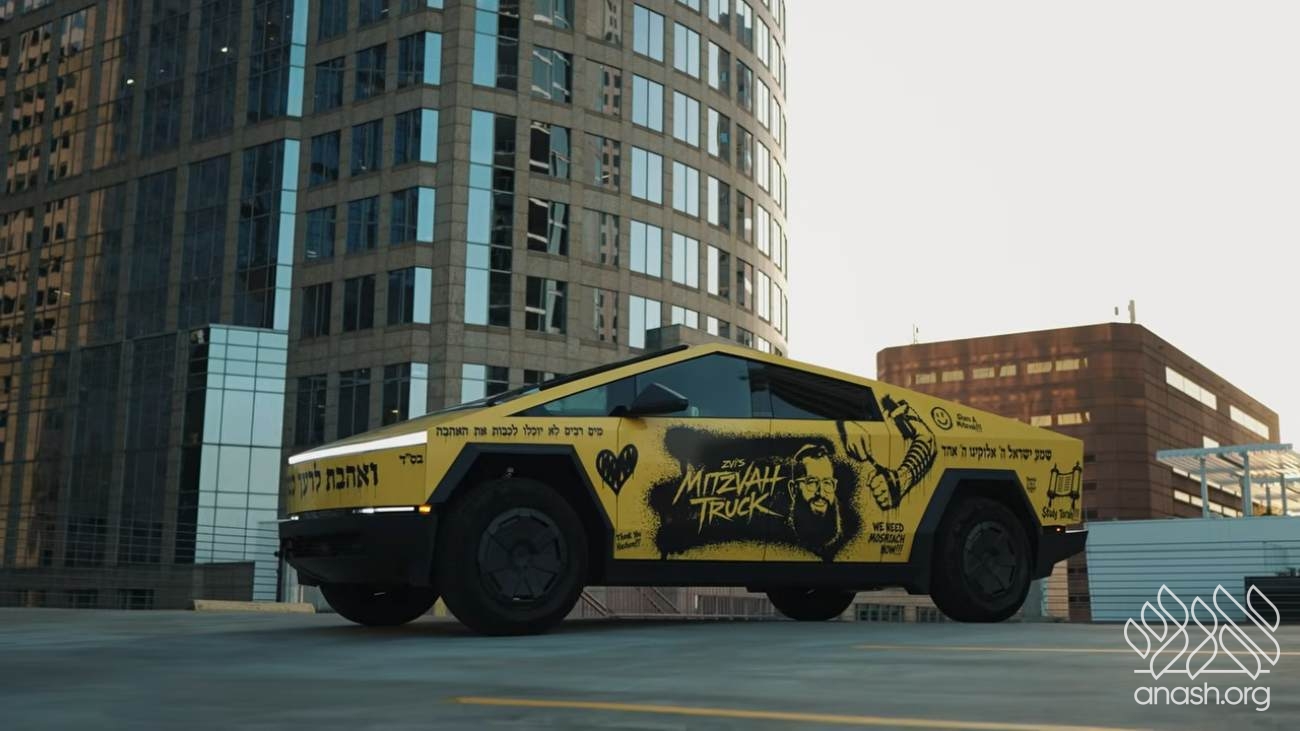
A brightly wrapped Mitzvah Cybertruck has recently been making its way across the country, turning heads and drawing Jews out of the woodwork wherever it goes. Since its launch, the truck has sparked chance encounters with Yidden who had no connection to a Jewish community.
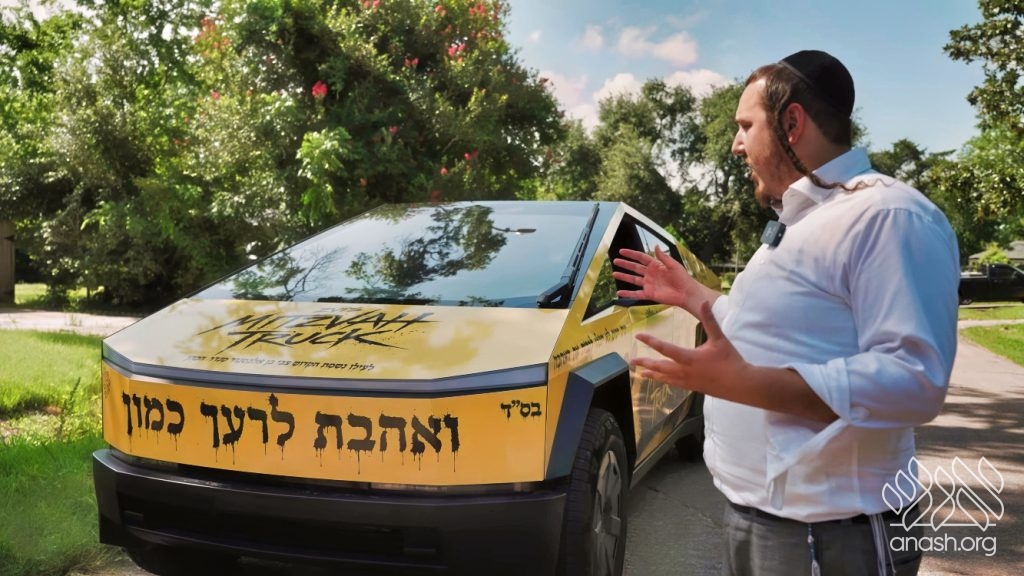
A brightly wrapped Cybertruck has recently been making its way across the country, turning heads and drawing Jews out of the woodwork wherever it goes. Since its launch, the truck has already sparked chance encounters with Yidden who had no connection to a Jewish community, including some who didn’t even know they were Jewish.
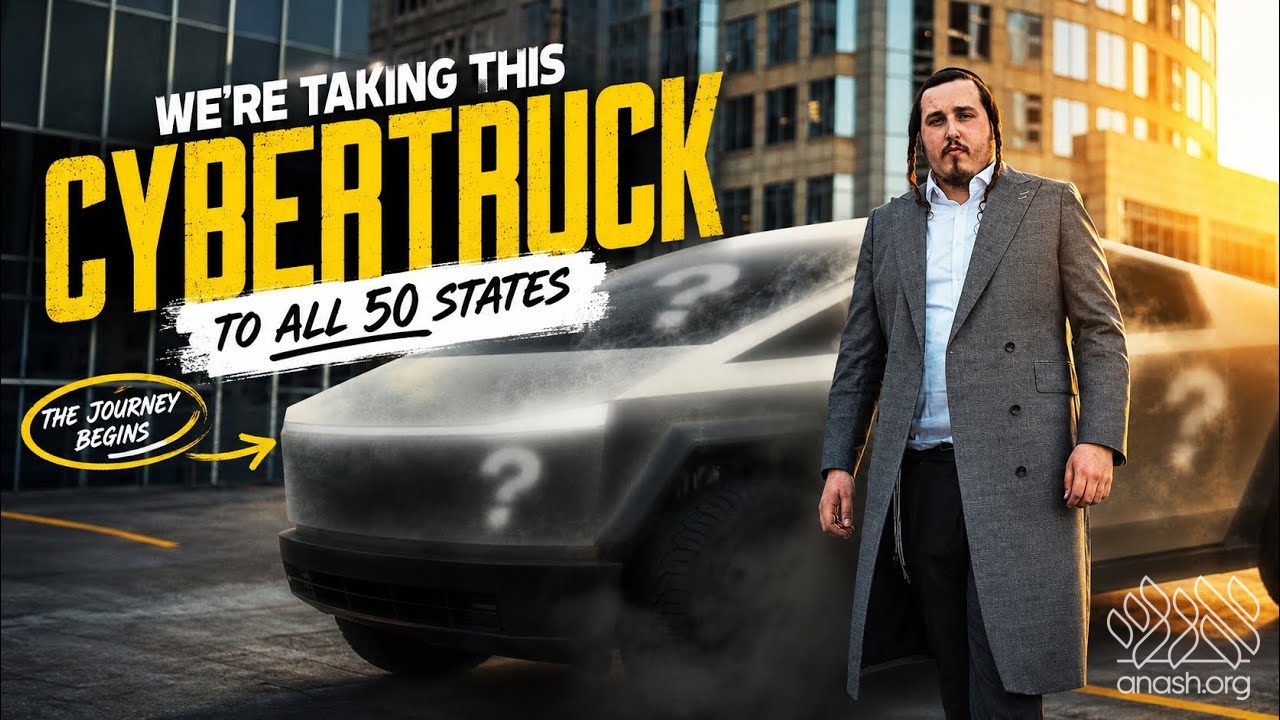
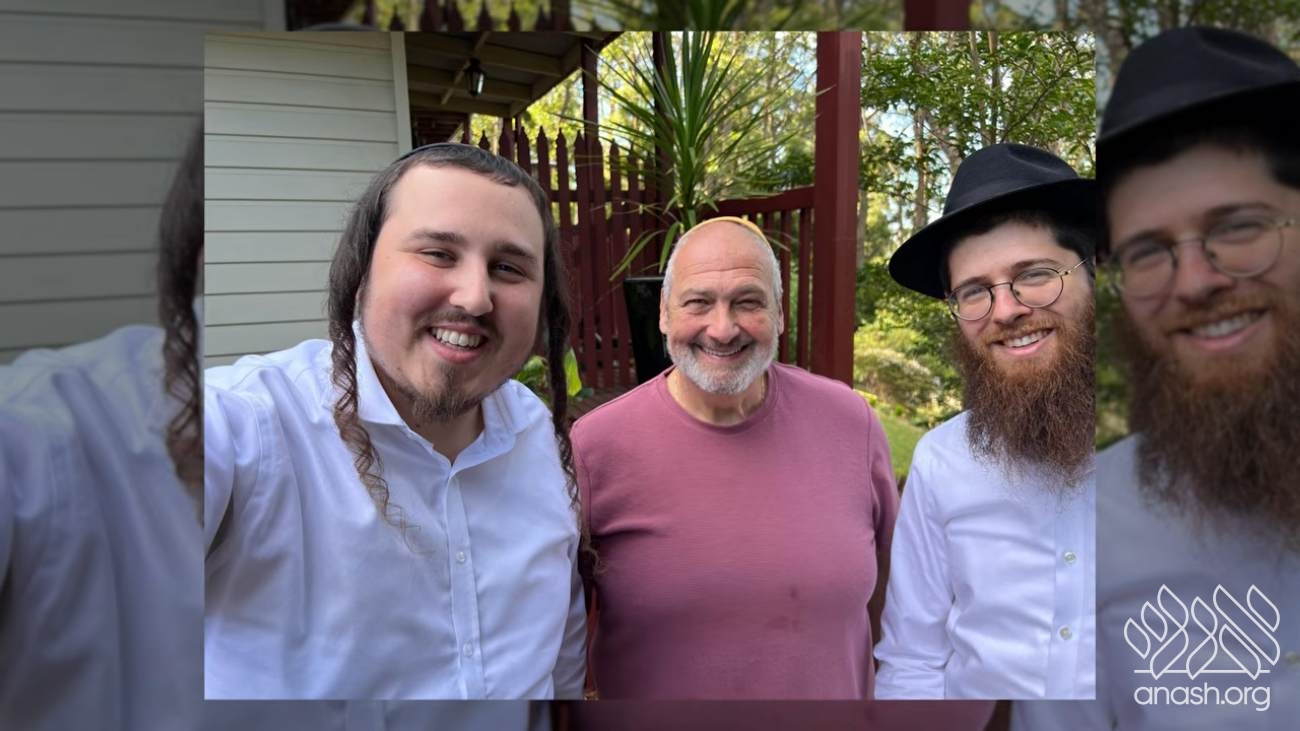
The truck is the brainchild of frum journalist Shloime Zionce, who is driving it through all 50 states, including Alaska and Hawaii, over the next two and a half years. His goal is to meet Jews from every background, hear their stories, share them, and perform mitzvos and good deeds along the way.
The idea was born out of tragedy. Zionce had met Rabbi Zvi Kogan HYD during a visit to Dubai in the summer of 2021 and saw him regularly on later trips to the UAE. The two weren’t close friends, but they met often, and Rabbi Kogan left a lasting impression.
“I remember meeting a young rabbi named Zvi Kogan,” Zionce recalled. “Zvi was very memorable. He had a really nice smile, he was very friendly, and you got the feeling that no matter what was going on in his life, he was always there to help and assist other people.”
One Shabbos night, Zionce learned that a rabbi in the UAE had gone missing, and it quickly became clear it was Rabbi Kogan.
“This didn’t sound like something Zvi would do,” he said. “Zvi was a very stable person, someone who was always reliable. If he said he was going to be somewhere, he would be there.”
Hours later the terrible truth came out: Rabbi Kogan had been kidnapped and murdered because he was a Jew.
“Sometimes you don’t realize how great someone was until they’re gone,” Zionce said. “That was the case with Zvi. I realized that we had lost a giant.”
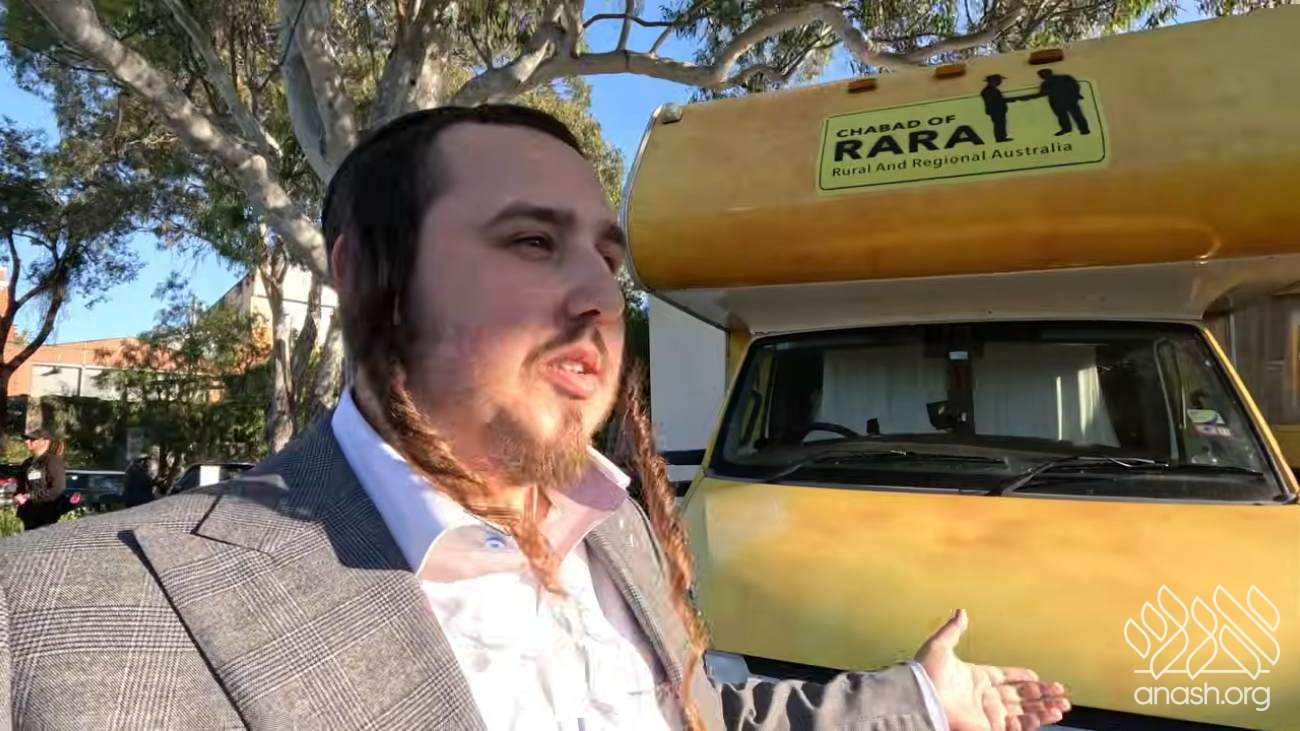
A few weeks later, while on a speaking tour through Australia focused on Jewish pride and resilience after October 7, Zionce joined visits organized by Chabad of RARA, an initiative that travels to remote parts of the country to connect with Jews far from established communities. Watching the impact those visits had on isolated Jews left a strong impression.
“Seeing that they’re not alone, that somebody cares about them, that they’re part of a bigger Jewish family made a very big impact on me,” he said.
That was when the idea took shape. The best way to honor Rabbi Kogan would be to keep doing what he always did: connecting with people and helping fellow Jews.
Zionce first considered using an RV similar to a traditional Mitzvah Tank, but RVs are expensive, difficult to drive, and require special licensing in many places. He settled on a Tesla Cybertruck instead, a vehicle that would stand out while being easier to manage over long distances. Before moving forward, he visited Rabbi Kogan’s kever in Eretz Yisroel and shared his plans with the family.
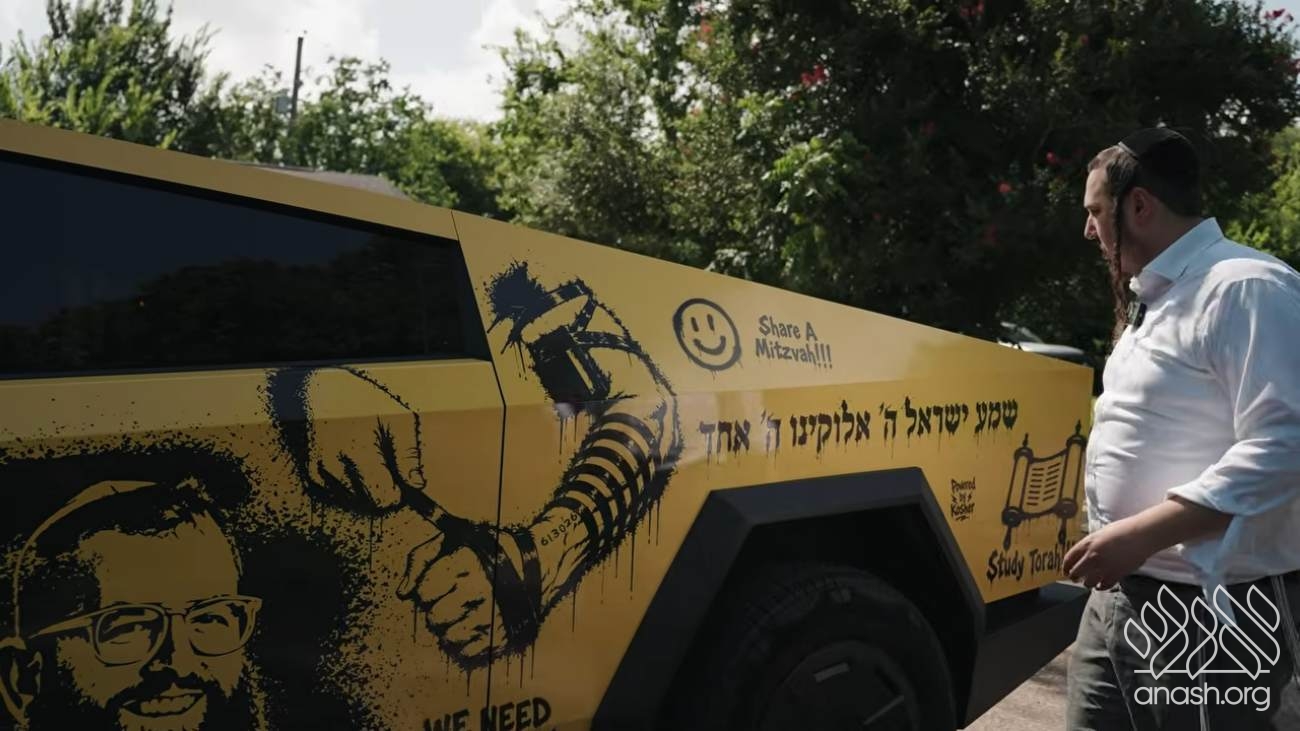
Working with designer Moishe Milstein, he created a wrap featuring Rabbi Kogan, tefillin imagery, and the words “Ve’ahavta l’reiacha kamocha.” The design also references a Holocaust survivor as a reminder that mitzvos and good deeds can bring light even after darkness. The truck carries tefillin, Shabbos candles, food, tents, and other supplies for mivtzoim and visits across the country.
“This truck isn’t about a vehicle,” Zionce said. “It’s about a mission. We’re going to meet Jews from every background. We’re going to hear their stories. We’re going to share their stories. And we’re going to perform mitzvos and good deeds.”
On the drive to Washington for one of the truck’s first trips, where Zionce planned to report from the White House, he admitted he had been overwhelmed by doubts. How would he manage the travel while working full time? How would he find the Jews he hoped to reach? How would he cover the costs?
By that evening, one of those questions had already answered itself.
Zionce had parked the truck before heading to dinner in Washington when a young man cycling past the Library of Congress caught sight of it, turned around, and stopped beside it.
“Mitzvah Truck!” he exclaimed. “I’ve got to get a picture of that.”
Zionce asked if he was Jewish.
The young man said he was an evangelical Christian, and Zionce assumed that settled it.
“But my mom is Jewish,” the cyclist added.
“That means you’re Jewish too,” Zionce told him.
The young man reached beneath his shirt and pulled out a Magen David necklace that had been hidden from view. Within moments, his sleeve was rolled up, and Zionce was helping him put on tefillin, lending him a yarmulke, guiding him through the brachos, and davening with him before the two exchanged contact information and parted ways.
“I stood there smiling, pleasantly surprised by what had just transpired,” Zionce said afterward.
“I’m still not sure how I’m going to accomplish my goals with the Mitzvah Truck,” he said, “but I trust that Hashem will guide me to the right places and guide the right people to me.”
After the necklace, the tefillin, and the quiet ride home that night, Zionce came back to the same thought that had started it all.
“The best way to honor someone who spent his life connecting people,” he said, “is to keep connecting people.”
 COMMENTS


Shloimie discovered exactly what the Rebbe Wants. Every Jew Is A Shliach!