




י׳ אב ה׳תשפ״ו | July 24, 2026
Ponevezh Rosh Yeshiva Calls to Use Summer Vacation for Shlichus
As yeshiva students prepare for Bein Hazmanim, Ponevezh Rosh Yeshiva Rabbi Dovid Levy urged bochurim to use their summer vacation to learn with non-frum Jews – a mission set up by the Rebbeim 80 years ago.
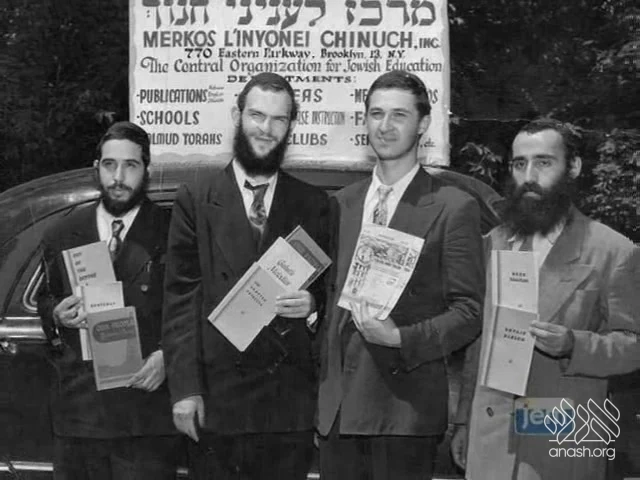
In a break from standard practice, in a talk to bochurim before Bein Hazmanim, Ponevezh Rosh Yeshiva Rabbi Dovid Levy urged them not to spend their vacation on hiking trips, but rather to spend their free time by learning Torah with non-frum Jews.
“There are many people waiting for someone to learn with them,” he said. “Don’t debate with them. Just sit together in an air-conditioned Beis Medrash, with a treats and refreshments, and learn Mishnayos or Gemara in a pleasant and understandable way. Through that, you will make a Kiddush Hashem.”
The concept of spending the summer for bringing Yiddishkeit to scattered Jews was introduced by the the Frierdiker Rebbe and the Rebbe more than 80 years ago with the establishment of “Merkos Shlichus.” Rather than viewing the summer as a time only for personal relaxation, the Rebbe consistently encouraged bochurim to dedicate their bein hazmanim to reaching out to fellow Jews and being mekarev them to Torah and mitzvos.
“We are currently in the midst of the summer period, during which students or yungelait travel on shlichus on behalf of Merkos L’Inyonei Chinuch,” the Rebbe said at the farbrengen of Chof Av 5711. “The Rebbe’s wish is that the summer days be utilized to awaken and draw the hearts of Yidden closer to Hashem… The time of the trip, as established by my father-in-law, the Rebbe, was always during a general period that affects the entire year.”
The Rebbe strongly encouraged bochurim to participate in the Merkos Shlichus. In the earlier years, the Rebbe would receive the bochurim for yechidus before they set out on their shlichus and would deliver a sicha for them. The Rebbe would also frequently praise the bochurim for their efforts in using their free time for the Rebbe’s shlichus, and would often ask them to say l’chaim at farbrengens in recognition of their dedication.
 COMMENTS


We appreciate your feedback. If you have any additional information to contribute to this article, it will be added below.