Kol Nidrei with the Rebbe in Liadi: An Eyewitness Account
The latest installment of From the Margins of Chabad History takes us back 150 years to the holy and uplifting atmosphere of Yom Kippur with the Chabad Rebbe of Liadi, Harav Chaim Shneur Zalman Schneerson. A picture of the zal of the Rebbe of Liadi is also uncovered for the first time.
The present article takes us 150 years back in time, to the legendary chasidishe shtetl of Liadi. Liadi first achieved its fame in Chabad history when the Alter Rebbe settled there in 5561, living there for the last 11 years of his life.
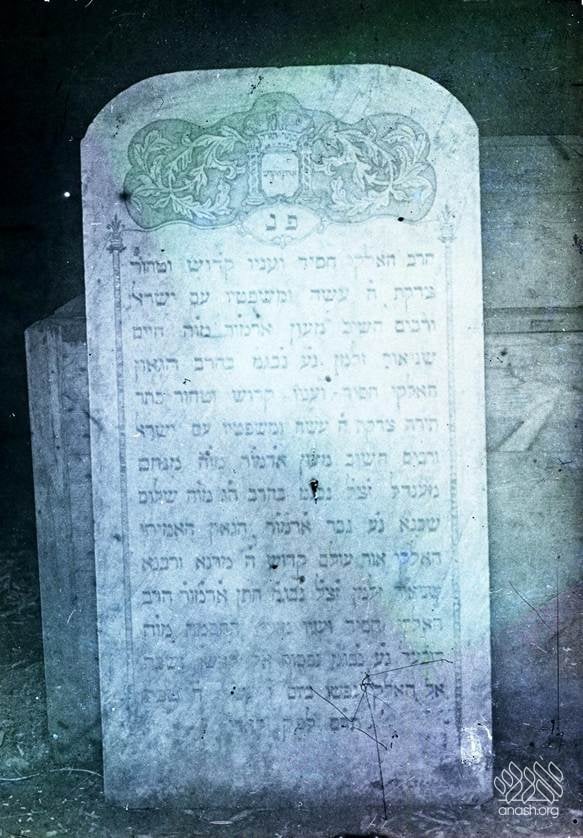
The matzeivah of Harav Chaim Shneur Zalman in Liadi, pictured in 5690. The Jewish cemetery of Liadi was later destroyed by the Nazis and Soviets.
Over 50 years later, Liadi regained its place as a center of Chabad Chasidus when the Alter Rebbe’s great-grandson and namesake, Harav Chaim Shneur Zalman Schneerson, settled there and established a Chabad chatzer.
Harav Chaim Shneur Zalman was born c. 5574, just a year after the histalkus of the Alter Rebbe, as the third son of the Tzemach Tzedek. He grew up in Lubavitch, in the chatzer of his grandfather, the Mitteler Rebbe, and his father, the Tzemach Tzedek. During the nesius of the Tzemach Tzedek, he was a prominent figure in the chatzer, and after his father’s histalkus in 5626, he began functioning as a rebbe in Lubavitch.
In Av of 5628, Harav Chaim Shneur Zalman accepted the invitation of the chasidim of Liadi to settle in their town and return it to its former glory. “Vedor revi’i yashuvu heinah,” he announced upon his arrival.
For the next 12 years, thousands of Chabad chasidim flocked to Liadi to hear Chasidus from Harav Chaim Shneur Zalman, ask his advice and berachos in yechidus, and draw inspiration from his avodas Hashem.
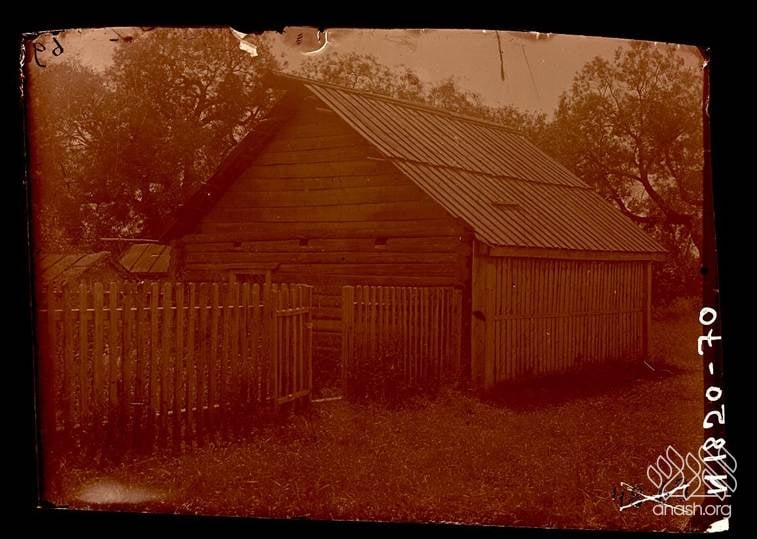
The ohel in Liadi containing the kevarim of Harav Chaim Shneur Zalman and his son Harav Yitzchak Dov Ber (Maharid).
The highlight of the year in the Chabad chatzer of Liadi was, of course, the Yamim Noraim of Tishrei. An estimated 500 chasidim traveled every year from across White Russia and Malarussya (Ukraine) to spend the month davening with Harav Chaim Shneur Zalman and hearing his Chasidus.
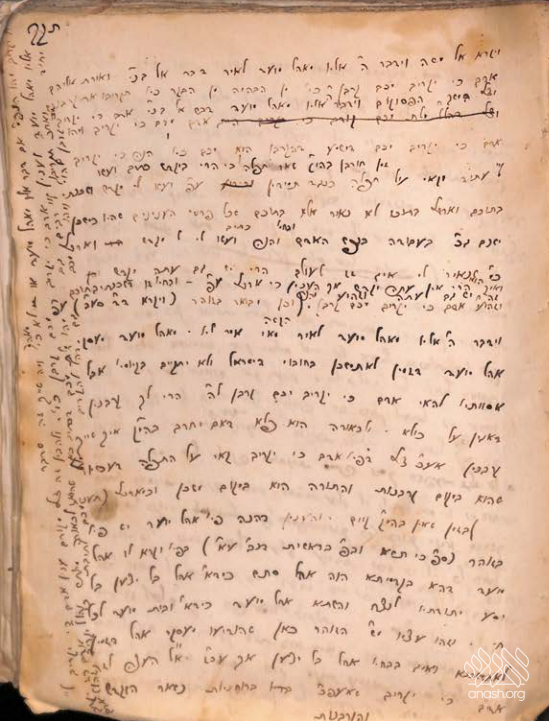
A maamar of Harav Chaim Shneur Zalman, in his ksav yad kodesh.Library of Agudas Chassidei Chabad, ms. 2189, p. 125.
One of those present in Harav Chaim Shneur Zalman’s large zal in Liadi on the Yamim Noraim was a young boy named Reuven Brainin. Reuven was born in Liadi in 5622, and his father, R. Mordechai, was a chasid of the Tzemach Tzedek and the Rebbe Maharash of Lubavitch.
Young Reuven later abandoned shemiras Torah umitzvos and went on to become a famous Yiddish and Hebrew writer. He lived his final decades in New York, where he wrote for various Yiddish and Hebrew newspapers.
Brainin wrote a memoir of his life, but this book is centered on his internal personal life and contains minimal information about the Rebbe and chasidim of Liadi. However, over the years, he also wrote articles about his childhood memories that were published in various Yiddish newspapers. Several of these articles revolve around the yamim tovim in the chatzer of Harav Chaim Shneur Zalman, and none of them were cited in R. Bloi’s biography.
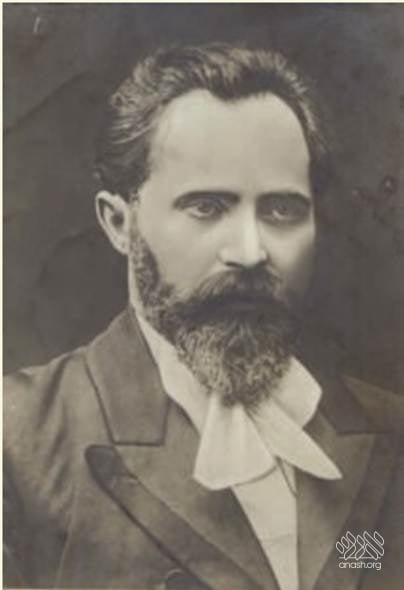
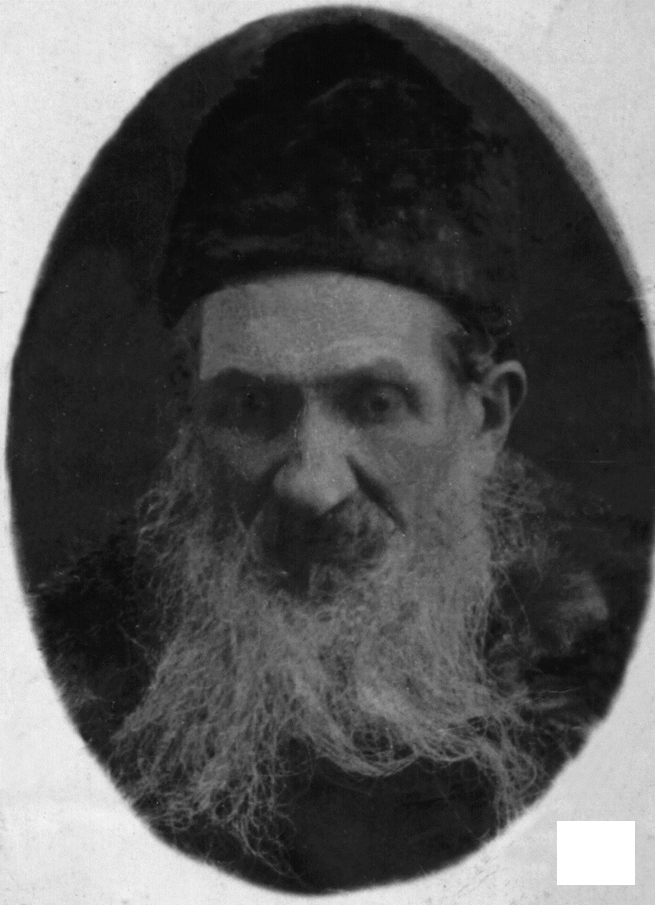
Reuven Brainin (5622–5700).
We quoted one of Brainin’s articles in a past installment devoted to the chasidishe experience of the month of Elul. In the present installment, we present his memories of Yom Kippur in the chatzer of Harav Chaim Shneur Zalman of Liadi.
The original article included a few sentences reflecting Brainin’s emerging religious doubts, but we have omitted these in order to focus on what is meaningful to us: the inspiring atmosphere of Yom Kippur with the Rebbe of Liadi.
Yom Kippur Memories
Reuven Brainin’s Yom Kippur memories were published in Yiddish in New York’s Der Tog newspaper on 5 Tishrei 5695 (September 14, 1934). Here is the article, in English translation:
Yom Kippur with the Liadier Rebbe
Childhood Memories
Reuven Brainin
As the Aseres Yemei Teshuvah approached, the adult men and women would go about with overcast faces and lowered heads. From early morning until late at night, one could hear those unmistakably Jewish groans and sighs.
The Jewish community lived in dread of the approaching great Yom Hadin. Neighbors who had spent the entire year quarreling and bickering incessantly over matters that, to us children, were mysterious and incomprehensible, would now, during the Yamim Noraim, these awesome days, seek to make some kind of peace with one another.
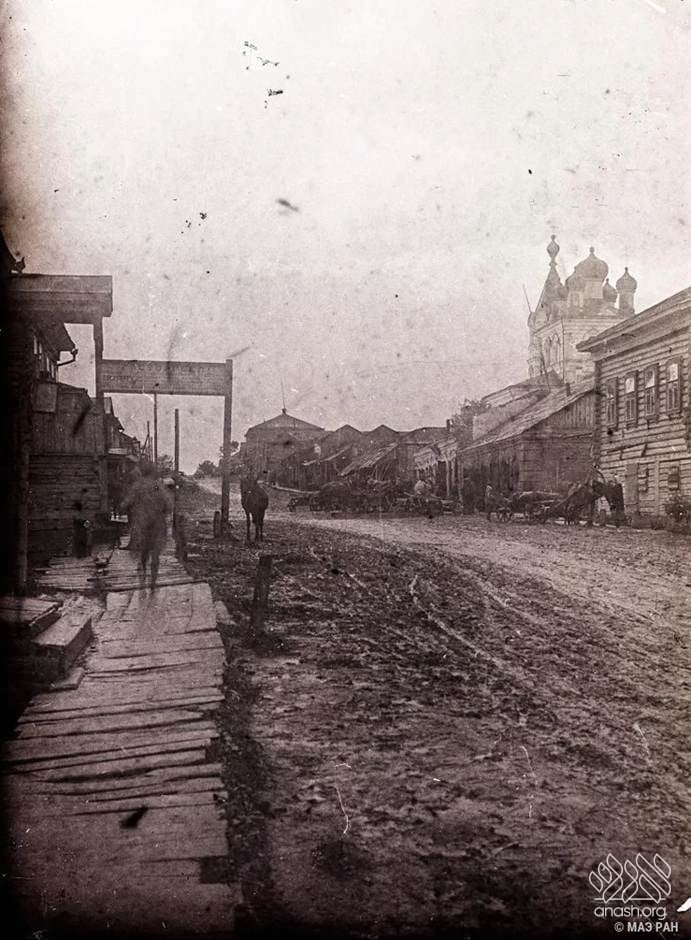
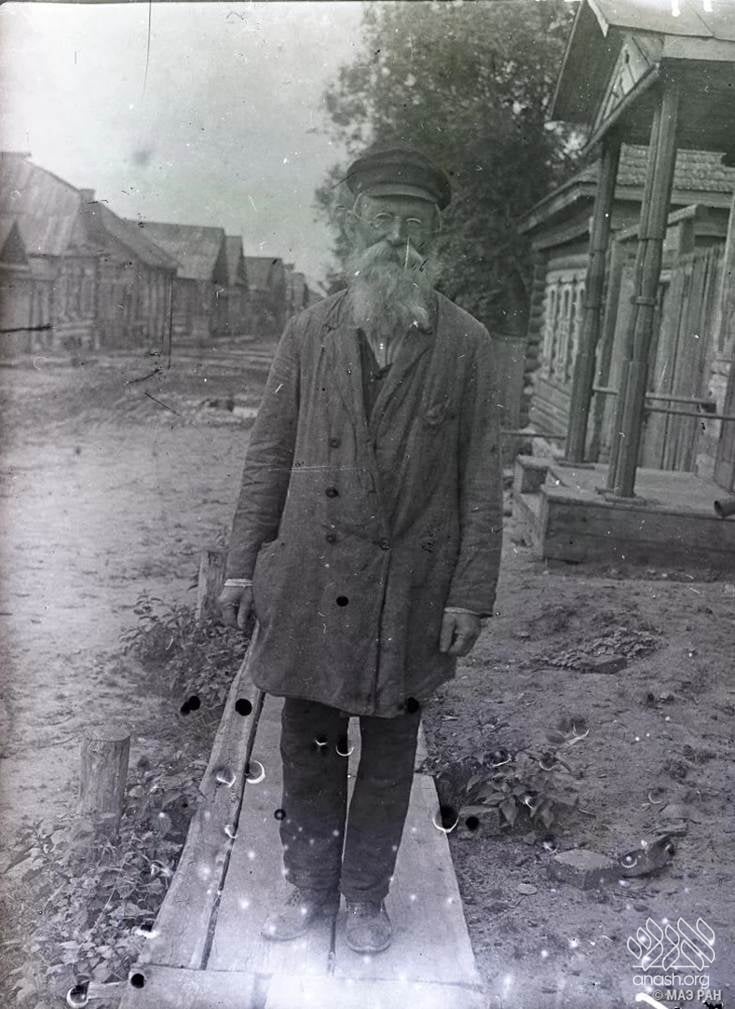
Horse-drawn carriages on the muddy B. Sovetskaya street in Liadi. 5690.
A cloud of sorrow hung over the shtetl during those days. Only in the Rebbe’s courtyard and the surrounding streets was there bustle and activity. The wagon drivers kept arriving with chasidim, rich and poor, from near and far.
The newly arrived chasidim, feeling their closeness to the Rebbe, did not lose their brave demeanor even during those fearful days. They knew that the Rebbe was preparing his spiritual efforts to battle the Satan, the accuser of the Jewish people, and secure a kesivah vachasimah tovah for his chasidim.
The chasidishe crowd grew larger from day to day. By Erev Yom Kippur, every Jewish inn, every private home, and virtually every other place where lodging could possibly be found was packed with guests.
The townspeople and the visitors who had come to the Rebbe seemed like two separate tribes. They were as different as day and night.
While the local Jews spent the entire Aseres Yemei Teshuvah weeping and trembling in anticipation of the dreadful Day of Judgment, the chasidim went on singing, immersing themselves frequently in the mikveh, taking several little glasses of ninety-percent mashke per day, and bantering with one another.
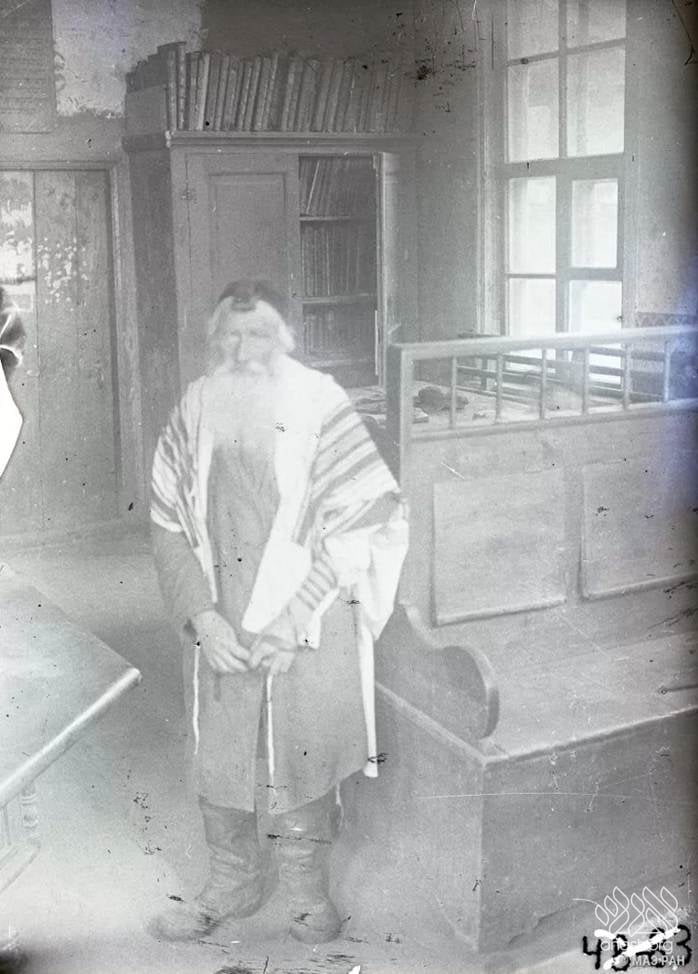
The shamash of the shul in Liadi in 5690, named “Baevski.”
But when Erev Yom Kippur arrived, the chasidim grew serious, both the flask-carrying types and the more dignified anshei tzurah among them.
It was a day filled with preparations, great and small: to recite one hundred berachos, to immerse in the musty mikveh, to receive the traditional thirty-nine malkos from the shamash, to squeeze in the seudah hamafsekes, and to don their white kittels.
After the seudah hamafsekes, our parents blessed us with tears in their eyes and brought us to our grandfather and grandmother. Placing their hands upon our childish heads, wetting them with streams of tears, they blessed us between sobs that we should be granted long life.
We children davened Minchah with our father in the large beis medrash, which was aglow with wax candles, the neshamah licht. On both sides of the doorway stood bowls, some copper and some earthenware, with slips of paper bearing large inscriptions indicating the purpose of the donations to be placed in them: for the gravedigger, for the shamash, for the Chevrah Gemilus Chasadim, for the Talmud Torah, and the like.
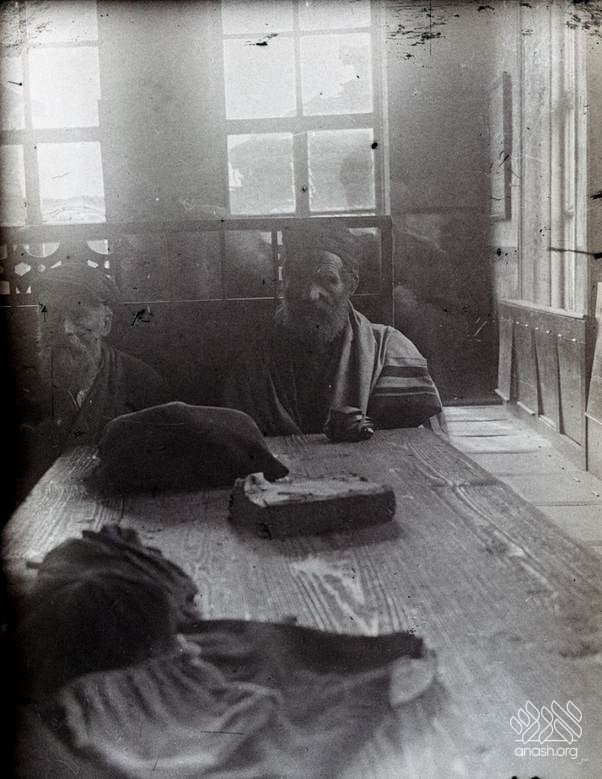
The shul in Liadi, 5690.
Copper coins, and silver ones too, dropped into the bowls on either side.
For Kol Nidrei I went to the Rebbe’s zal in my socks, as the grown-ups did.
The zal was filled with guests, yet the air there was even cleaner than in the large beis medrash. Here, in the Rebbe’s zal, there was no hay strewn underfoot, and there were far fewer neshamah licht.
When the time came for Kol Nidrei, a door opened, and the Rebbe entered. The Rebbe at the time was Reb Shneur Zalman, the great-grandson of the Baal HaTanya—the actual founder of Chabad—and the son of Reb Mendele of Lubavitch. He wore a snow-white silk overcoat. His appearance before the assembled crowd, his head slightly bowed, sent a tremor like an electric current through the limbs of the chasidishe crowd, giving them a jolt, a sudden pull back toward the source of the great souls.
The Rebbe’s place was at a small separate table covered with a white cloth. Upon it lay a large open machzor, bound in white leather, an heirloom from the Alter Rebbe, the founder of the dynasty of this Shneur Zalman.
The little table stood near the door leading into the Rebbe’s library, in the corner of the mizrach wall.
The mizrach wall was occupied by the Rebbe’s only son, Reb Ber, and by his grandchildren, all dressed in black satin.
The shul in Liadi, 5690.
With the Rebbe’s appearance, the chasidim’s exalted mood rose still higher. You could feel in the very air a shedding of the physical, a transcendence of the material. Everything was ruchniyus.
As though drawn by a magnetic force, the chasidishe crowd was pulled toward its root, toward its source, toward the Rebbe.
After a short while, the Rebbe, wearing white silk socks, walked with soft, dignified steps toward the chazan’s amud.
A profound stillness reigned in the zal, so complete that one could hear the rustle of the Rebbe’s silken garments.
Then the Rebbe’s clear, harmonious voice rang out:
Biyeshivah shel ma’alah uviyeshivah shel matah, al da’as haMakom ve’al da’as hakahal, anu matirin lehispalel im ha’avaryonim.
“In the Heavenly Court and in the earthly court, with the consent of Hashem and with the consent of the congregation, we permit davening together with the transgressors.”
After this sacred declaration, the chazan began to chant Kol Nidrei, from the lowest notes to the highest.
Liadi, 5690
The chazan was a tiny, slight figure, with the body of a young boy and the [emaciated] face of a great Reb Tzadok. It seemed that his soul could barely remain within that frail little body. Yet his voice commanded the entire range of tones, from the most delicate to the most powerful.
It was a wonder to see and hear that little chazan splitting the heavens with his lion’s roar.
The little chazan was a small shopkeeper in Vitebsk. The doctors there had given up hope for his life, which was hanging by a thread. But he was convinced that so long as he davened the Yamim Noraim with the Rebbe, the Rebbe’s zechus would stand by him and keep him alive.
After all the tefilos and piyutim, which the Rebbe had instructed should be kept brief, the chasidim dispersed to their lodgings, and the Rebbe returned to his private rooms. My father, however, remained behind with a group of the elder chasidim. They spent the entire night in the Rebbe’s zal, standing as they continuously recited Tehillim and certain piyutim. . . .
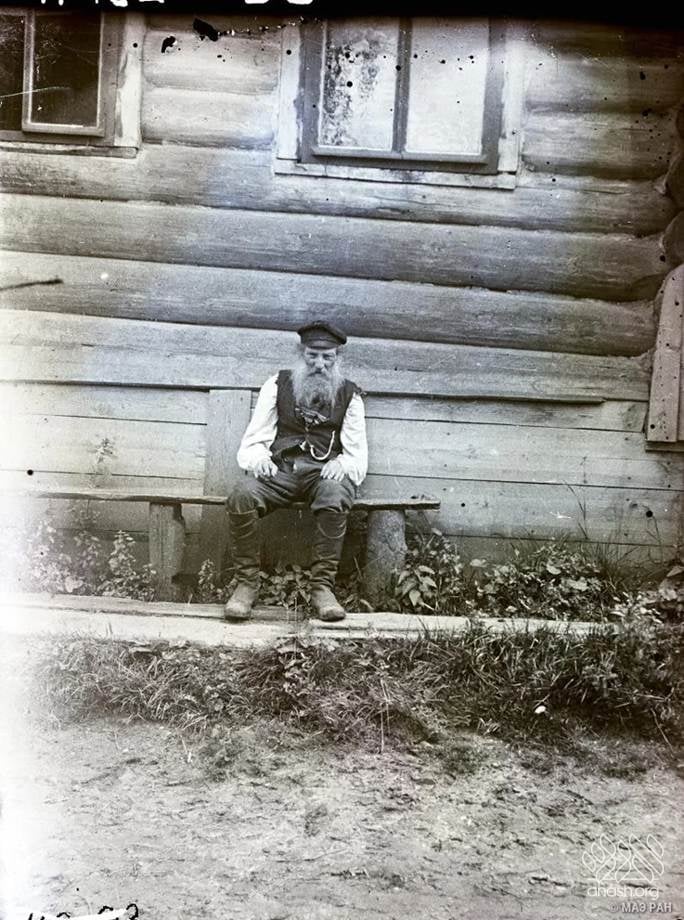
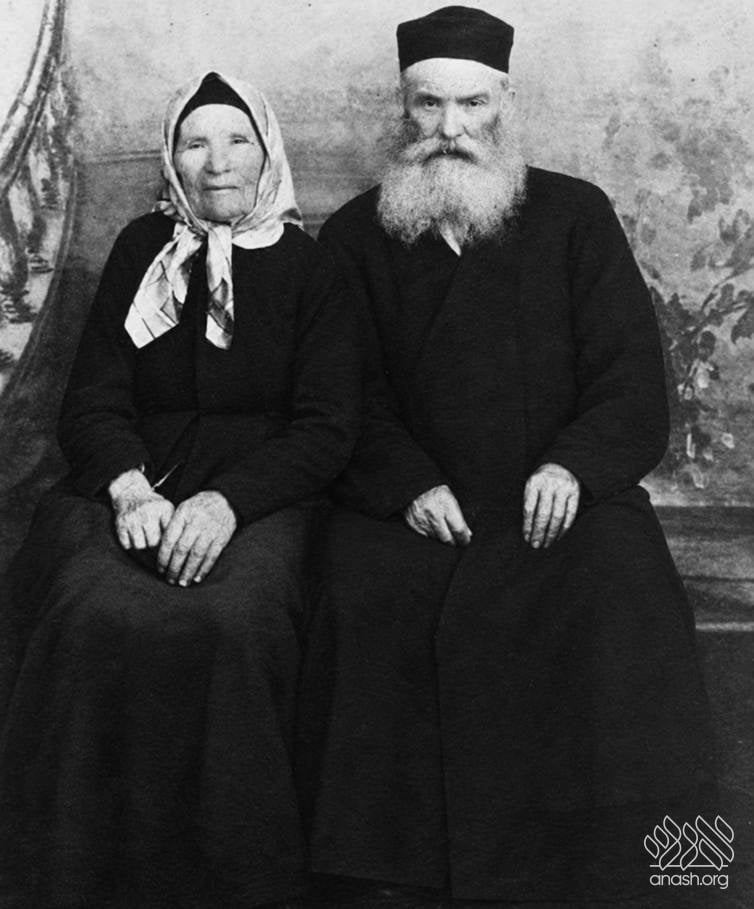
Yoel and Chanah Malkin, residents of Liadi reported to be 95 years old in 5686. Forverts, 28 Adar 5686 (March 14, 1926).
The next day, on Yom Kippur, I was once again davening in the Rebbe’s zal. When we reached Unesaneh Tokef, the congregation recited with broken hearts, Berosh Hashanah yikaseivun, uveyom tzom kippur yeichaseimun, “on Rosh Hashanah it is written, and on the fast of Yom Kippur it is sealed, who shall live and who shall die, who shall be at rest and who shall be hounded, who shall become poor and who shall become rich…” . . .
At those words, Reb Zalman’s voice rang out: Adam yesodo me’afar, vesofo le’afar—“man comes from dust, and will return to dust. He is like a shattered shard, like a withered shoot. His life is a passing shadow, a fleeting cloud of dust, nothing more than a vanishing dream…”
But after this sorrowful verdict on human life, the Rebbe’s voice shifted to a strong, heartening tone: Ve’atah hu melech, E-l chai vekayam! “But You are the King, the living and eternal G-d!” And with those words, the spirits of the chasidim were lifted.
Notes on the Yom Kippur Davening
The chazan Brainin describes so beautifully is presumably the same “Yisrael the chazan” he mentions in his Elul article referenced earlier. We hope to publish further descriptions of him from other Liadi memoirists in the future.
Another noteworthy point in the article is the statement that the Liadier Rebbe instructed that the piyutim be kept brief.
Chaim Eliezer Bichovsky (c. 5614–5684)
The first official Chabad machzor was published by Harav Chaim Eliezer Bichovsky, a chasid of the Rebbes of Liadi, in 5673, several decades after Harav Chaim Shneur Zalman’s passing.
As R. Chaim Eliezer explains in his introduction, it was known among Chabad chasidim that our minhag is to minimize the number of piyutim said in the davening, but in the absence of a published nusach for the machzor, much confusion developed about what we skip and what we say. R. Chaim Eliezer established the proper nusach based on his tradition, which probably followed what he observed in Liadi, in the chatzer of his rebbe, Harav Chaim Shneur Zalman.
R. Chaim Eliezer’s machzor achieved universal acceptance in Chabad when the Rebbe reprinted it through Kehos, making minor corrections and additions.
The Liadier Rebbe’s Zal
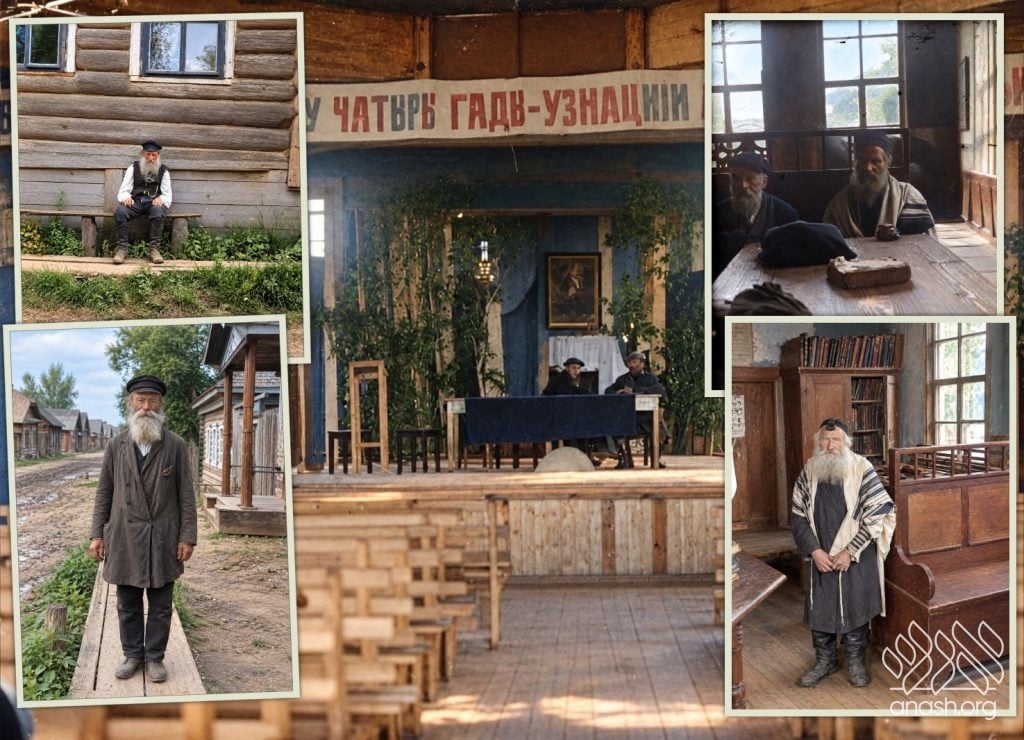
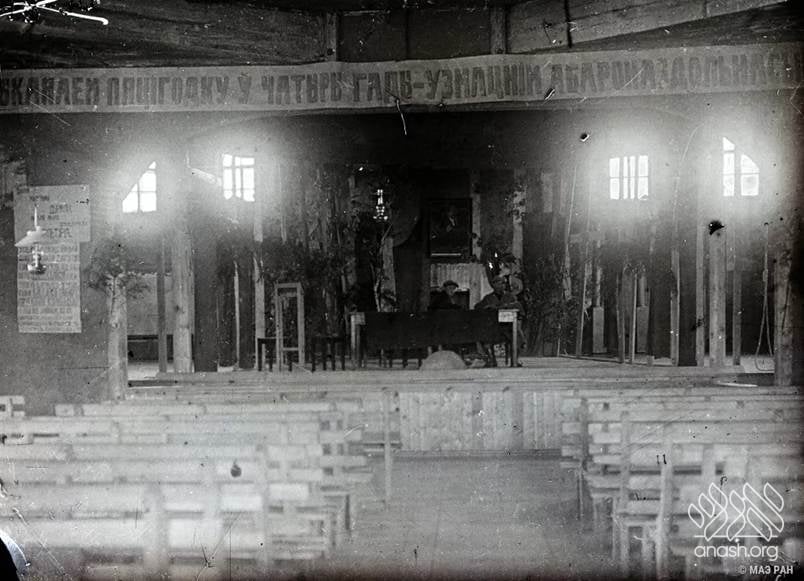
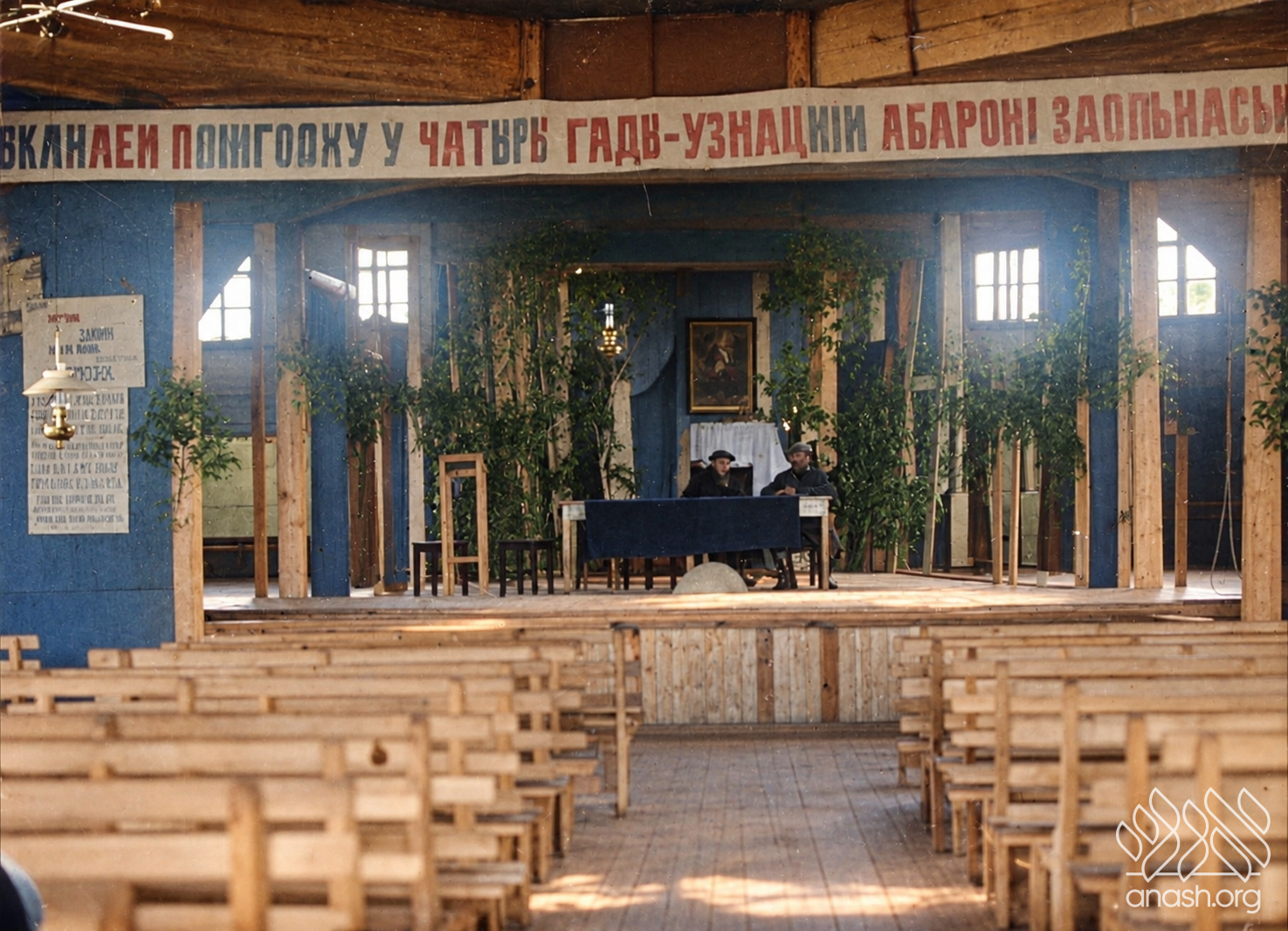
This article is accompanied by some pictures of the shtetl of Liadi taken in 5690 by Yehoshuah (Isaiah) Pulner, the director of the Jewish Section of the State Museum of Ethnography in Leningrad. The dozens of photos Pulner took in Liadi are a fascinating window to a lost world.
These photos include a series taken in the shul that was still operating in Liadi in 5690 under Communist rule. There is also a single image of a separate building captioned “People’s House (former synagogue).”
The picture shows a large hall with a banner in Belarusian reading [ВЫ]КАНАЕМ ПЯЦІГОДКУ Ў ЧАТЫРЫ ГАДЫ—УЗМАЦНІМ АБАРОНАЗДОЛЬНАСЦЬ, “Let’s complete the Five-Year Plan in four years—strengthen the defense capability.”
This is a reference to the first “Five-Year Plan” announced by Stalin, setting aggressive production targets for industrializing the Soviet Union. The plan was designed for the period from 1929 to 1933, but by 1930 Soviet leadership claimed that production rates were so high that the five-year goals could be achieved a full year ahead of schedule, in just four years.
We can establish, with a high degree of confidence, that this image shows the zal of Liadi, where hundreds of chasidim gathered for decades to daven with their rebbeim and hear Chasidus from them.
“People’s House (former synagogue),” Liadi, 5690. In all likelihood, this hall was the zal of the rebbes of Liadi.
This conclusion is based on an article that appeared in the Kovno-based Di Yidishe Shtime newspaper on 29 Teves 5685 (January 25, 1925). Published five years before the above picture was taken, this article reports:
Communist Balebatishkeit in Liadi
The Communists have confiscated the hoyf of the Liadier Rebbe and converted it into a workers’ club.
A trial was also held in recent days against the rav of Liadi and the gabaim of the beis medrash. The defendants were accused of producing illegal liquor in the beis medrash. The trial lasted four days.
The gabaim were sentenced to two years in prison. The rav was acquitted.
We can therefore conclude that this picture of a large hall with the caption “People’s House (former synagogue)” is the former zal of the rebbeim of Liadi.
Eleven years later, Riga’s Haynt newspaper reported (18 Teves 5696—January 13, 1936) that the zal was now being used as a workers’ cooperative, where 400 workers were producing “lapti,” woven peasant shoes.
May we be zocheh this year to witness the fulfillment of the nevuah of Yeshayahu Hanavi about the time of Mashiach:







 COMMENTS


Was this shul built on the same site as the Alter Rebbe’s shul (if we even know where that was)?