Dayan Levi Yitzchok Raskin, Rov of Anash in London, explores interesting Torah questions and halachic dilemmas, including reciting a MiShebeirach for a non-Jew, the brocho on potato kugel and matza crackers, and keeping an inaccurate scale in the kitchen.
By Anash.org staff
Dayan Levi Yitzchok Raskin, Rov of Anash in London, explores interesting Torah questions and halachic dilemmas. Rabbi Raskin discusses the following issues in this week’s episode:
At the onset of Shabbos, my table is adorned with two silver candlesticks and two covered Challos. If I need the space on Shabbos morning, may I move my table?[1]
A Jew owns a house and lives downstairs. He rents out the upstairs to a non-Jew. The tenants use the same front door. Does the upstairs apartment need mezuzos?[2]
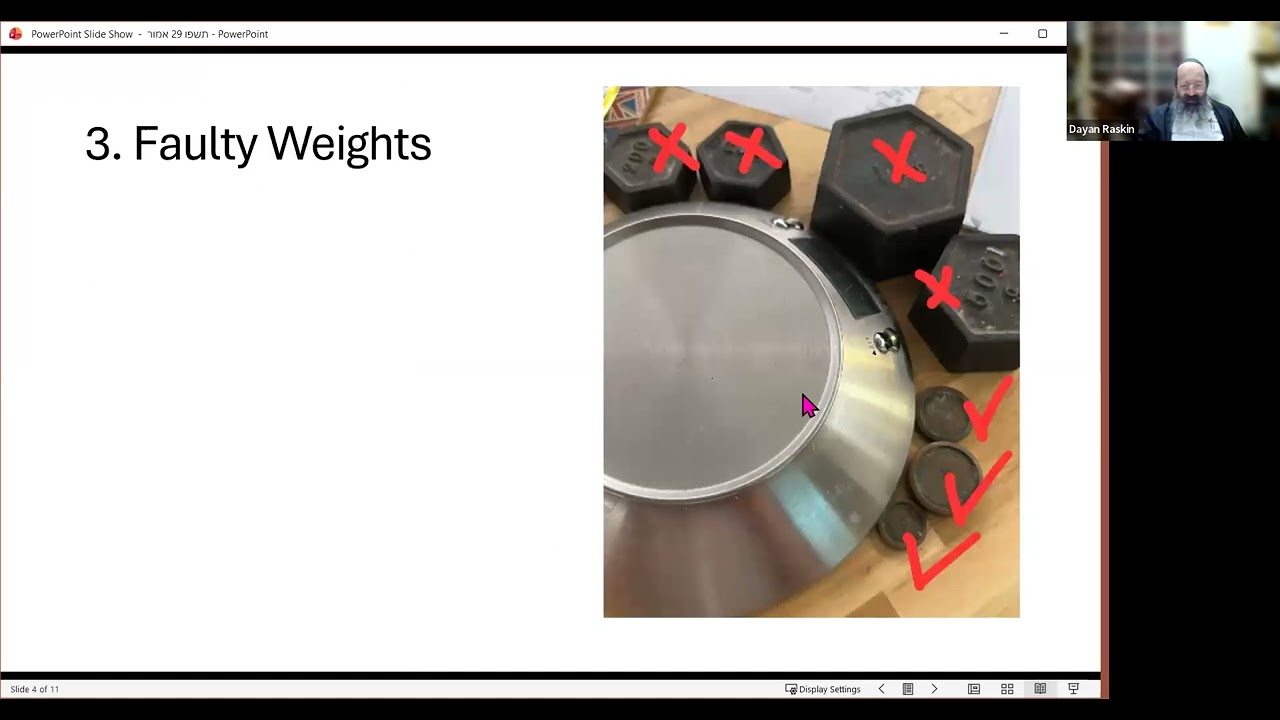
In my kitchen, I have weights that are slightly inaccurate. Is that an issue?[3]
Can you say a MiShebeirach for a non-Jew by the Torah?[4]
We don’t have a minyan at our Shabbos services. Is it advisable to take out our Sefer Torah and read the week’s Sedra – without brochos nor aliyos?[5]
If we do take out a Sefer Torah, should we say “Vayehi binso’a” & “Brich Shmeih”? How about saying “Hashem Hashem” on Yom Tov?
Is it advisable to have a Friday-evening service in summer (with Zoom and music), before the time for lighting candles? We won’t say words of Kabolas Shabbos.
Crackers made with just flour and water are billed as being Mezonos. Why?[7]
Feedback on brocho for potato-kugel. Rav Dvorkin told me (around ‘73): if a BLENDER was used, say “shehakol”; if a GRATER was used, say “hoadomo”.
May one soften hardened honey on Shabbos by pouring hot water into the food? [8]
To listen to Panorama of Halacha on a podcast, click here.
[1] ראה שמירת שבת כהלכתה פ”כ הע’ רמב בשם גרשז”א להקל, וצ”ע. [2] מזוזות מלכים סו, ב, הובא בפתחי שערים סי’ רפו אות סב. [3] פתחי חושן הל’ גניבה פי”ד הע’ ח הביא מס’ כסף הקדשים ( ) שמצדד להקל במשקלות שבבית שלא לצורך מסחר. [4] עניתי שלא לברך אותו אז, כי אם אח”כ (וכמו ברכת המלך). ברכה לגוי: בשם האב. [5] ברמ”א סי’ קמג ס”ב שלא לברך על הקריאה בחומשין. במג”א שם, לקרוא בלא ברכה, שלא תשתכח תורת קריאה. בפשטות היינו בצורה של קריאת התורה, ולכן ביחיד ממש אין ענין בזה. (במקור חיים (שם סק”א) הורה שכל יחיד קורא). [6] מגילה פ”ד מ”ג. [7] דעת רב האי גאון מובא בשוע”ר סי’ קסח סי”ב. בנתיבים בשדה השליחות ח”ב סימן ד (ע’ 209 ואילך) שניתן לסמוך על דעת רה”ג אם לא במצה שנוהגים לקבוע עלי’ סעודה בחג הפסח. [8] ראה פסקי תשובות סי’ שיח אות נה. וש”נ לס’ שבת כהלכה ח”ג סי’ יז סי”ט. וע”ש סנ”א. [9] ראה אוצר המלך במקומו.
COMMENTS
We appreciate your feedback. If you have any additional information to contribute to this article, it will be added below.






 COMMENTS


We appreciate your feedback. If you have any additional information to contribute to this article, it will be added below.