



כ״ו אב ה׳תשפ״ו | August 9, 2026
Jewish Concerns Remain Despite Head Start Overhaul
The Trump administration announced this week that it plans to overhaul Head Start, the federally funded early education program for low income children, eliminating many of the regulations that have defined it for decades. For years, Jewish programs relying on Head Start funding, including dozens of Chabad preschools, have faced strict limits on religious education, making it difficult to teach basic Yiddishkeit and leaving many frustrated by the restrictions.
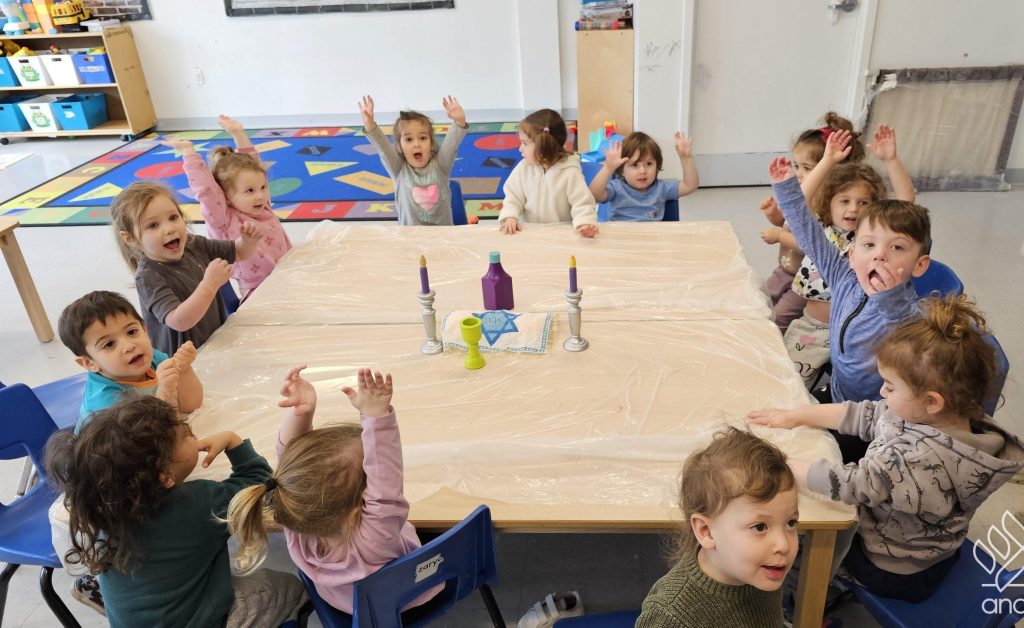
The Trump administration announced this week that it plans to overhaul Head Start, the federally funded early education program for low-income children, eliminating many of the regulations that have defined it for decades.
The proposal comes from the Department of Health and Human Services and would give the program’s roughly 1,600 local operators far more flexibility in how they run their centers.
For years, this has been a well-known challenge in the Jewish community. Head Start funding comes with federal restrictions that bar religious instruction during funded hours, and the impact on mosdos and Jewish schools has been significant.
Hundreds of mosdos around the country rely on Head Start, including many Chabad House Hebrew schools and preschools, and those restrictions have made it extremely difficult to teach basic Yiddishkeit to young children.
Programs have had to navigate rules that prevent them from properly teaching alef beis, and in some cases have even had to be careful about saying brachos with the children or using Hashem’s name in classroom materials.
For a program meant to serve children and families, the reality has been extremely difficult to understand and deeply frustrating for many in the community.
Officials say the new proposal would replace many of Head Start’s current federal requirements, including rules regarding staffing ratios, curriculum requirements, and other program operations, with the less restrictive standards already used for state childcare licensing.
Head Start currently serves around 700,000 children nationwide, a number officials say will not change. They estimate the changes could save over $2 billion, and the public will have 60 days to comment once the rules are formally published.
“Federal mandates can certainly hinder local decision-making, drive up costs and limit the program’s reach,” said Alex J. Adams, an assistant secretary at HHS, who said the goal is to grow the number of available Head Start slots.
Health Secretary Robert F. Kennedy Jr., whose uncle Sargent Shriver founded Head Start under President Lyndon B. Johnson, called it “a program that works for the most vulnerable of the poorest kids in our society” and said protecting it remains a priority.
Given how broad this proposal is, some hoped the restriction on religious instruction might finally be reconsidered as part of the larger shakeup. Based on the details released so far, that does not appear to be the case. The changes being proposed are focused on operational flexibility, staffing, curriculum choice, and administrative costs, not on the separate federal rules that prevent religious activity during Head Start funded programming.
Despite this, it is clear that something urgently needs to be done. With Head Start’s rulebook open for public comment for the first time in years, this may be an opportunity for the frum community to raise the issue and push for changes that would allow Jewish children to receive the basic chinuch needed at this early stage in life.
 COMMENTS


This should be brought to the attention of Agudath Israel, although they’re probably aware of it already.