




כ״ב אב ה׳תשפ״ו | August 5, 2026
Is Our Obsession with ‘Breaking News’ Actually Breaking Us?
“We convince ourselves that endlessly scrolling through updates means we are carrying the burden of our fellow Yidden. But when it drains our simcha and leaves us paralyzed with anxiety, we have to ask: who is this really serving?”
By a Fellow Chossid
It usually happens right after Maariv, or maybe during a quick break at work, or while sitting on the couch when we should be listening to our children talk about their day in Cheder.
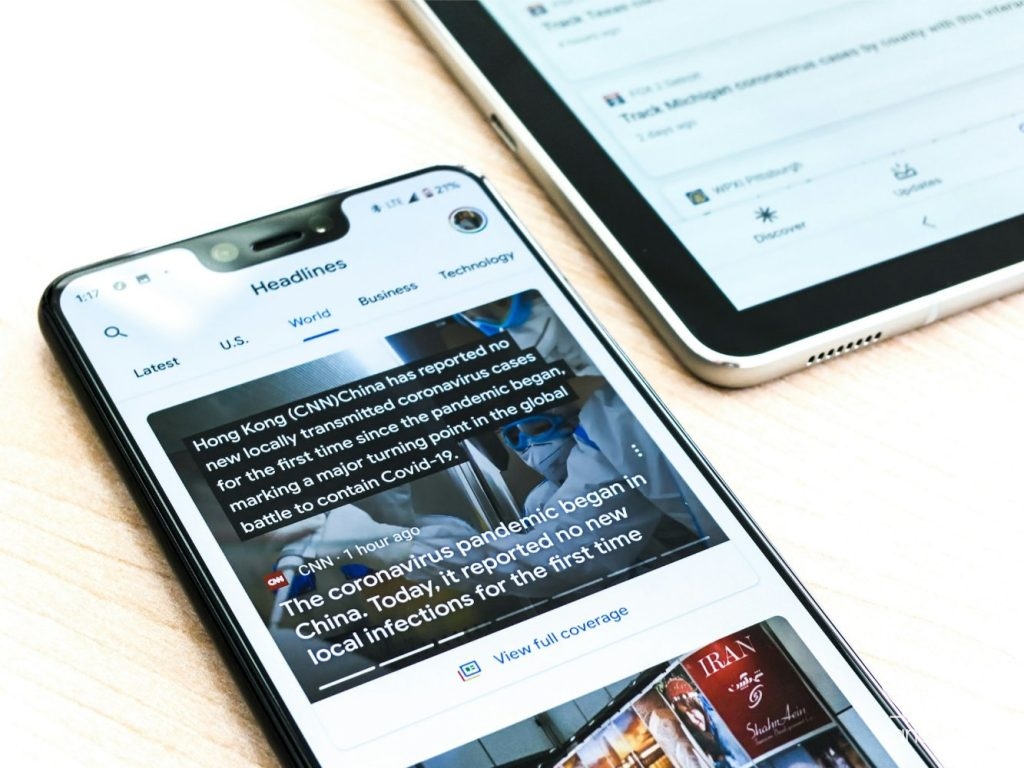
We pull out our phones. We open a news app or scroll through WhatsApp status updates. We read about the latest political turmoil, the rising tide of global antisemitism, the ongoing painful situation in Eretz Yisroel, or the latest communal tragedy.
We sigh. We feel a heavy weight in our chests. We put the phone away.
And then, ten minutes later, we check it again. Just to see if anything changed.
We live in a time of unprecedented access to information. But as a community, we need to have a serious conversation about what this constant influx of “breaking news” is doing to our minds, our Shalom Bayis, our chinuch, and our Avodas Hashem.
There is a common misconception that being glued to the news makes us more empathetic Jews. We feel that by reading every tragic detail and following every geopolitical development, we are somehow fulfilling the mitzvah of carrying the burden of our fellow Jew. We think it shows we care.
But does it?
In Tanya (Chapter 26), the Alter Rebbe explains at length that sadness and a blocked, heavy heart are the greatest weapons of the Yetzer Hara. To explain this, the Alter Rebbe gives a very practical example. He compares our spiritual struggles to two men wrestling. If one wrestler is sluggish and depressed, he will easily be defeated and fall, even if he is physically stronger than his opponent. A soldier cannot win a battle if he is sluggish and depressed, even if his intentions are noble.
When we spend hours consuming negativity, it does not usually lead to profound tefillah or increased ahavas Yisroel. More often, it leads to anxiety, irritability, and a lingering sense of despair. We become shorter-tempered with our spouses. We lack the patience to learn with our children. Our davening becomes rushed because our minds are racing with the latest headlines.
Our children are incredibly perceptive. They might not read the articles we are reading, but they absolutely feel the anxiety we are projecting. When a father or mother is physically in the room but emotionally trapped in a state of worry over the news, the child feels it.
The Rebbe’s approach to world events offers a striking contrast to our modern habits.
The Rebbe was arguably the most informed Jewish leader in the world. He read the news, received briefings, and knew the intimate, often painful struggles of thousands of individuals. The Rebbe knew everything that was going on.
Yet, the Rebbe never lost his simcha. He never projected despair. Why?
Because for the Rebbe, information was only valuable if it was a catalyst for action. If there was a physical or spiritual danger, the Rebbe used that information to launch a new Mivtza, to encourage the saying of more Tehillim, to demand more Tzedakah, and to spread more light. Information was a tool to know where to bring Hashem into the world. It was never meant for passive consumption.
In fact, we see this exact guidance explicitly in the Rebbe’s letters. In numerous letters printed in Igros Kodesh, when individuals wrote to the Rebbe expressing deep anxiety, nerves, or depression about world events or their personal situations, the Rebbe gave them a very practical instruction. He told them to stop reading the newspaper and to stop listening to the news on the radio. The Rebbe understood that if consuming the news paralyzes your Avodas Hashem and damages your Menuchas Hanefesh, it is not a mitzvah. It is an obstacle.
As Chassidim, we need to set boundaries for ourselves. This is not just about limiting screen time for our kids; it is about guarding our own minds.
Here are a few practical steps we can all try to implement:
1. Designate “News” Times: Instead of checking updates twenty times a day, check once in the morning and once in the evening. The world will still be turning, and Hakadosh Baruch Hu is still running it, even if you do not refresh the page.
2. Turn Anxiety into Action: If you read a piece of news that makes you feel worried for Acheinu Kol Beis Yisroel, do not just sigh and keep scrolling. Close the app, open a Tehillim, and say a kapitel. Put a dollar in the pushka. Turn the negative emotion into a positive, concrete action.
3. Be Present at Home: When you walk through the front door, or when you sit down for supper, put the phone in another room. The news cycle thrives on urgency, but the most urgent thing in your life is the spiritual and emotional well-being of your family.
We are living in the final moments of Golus, and the darkness outside can seem overwhelming. But the Rebbe assured us time and again that the Geulah is already here on the threshold; we just need to open our eyes and bring it into reality.
We cannot do that if we are constantly distracted, anxious, and weighed down by the world’s narrative.
Let us reclaim our simcha, our bitachon, and our time. Let us choose to focus not on the darkness the world is broadcasting, but on the infinite light we have the power to create.
May we immediately hear the only “breaking news” that truly matters: the announcement of Moshiach Tzidkeinu, right now.
 COMMENTS


Amen!
The Rebbe didn’t read the news. He only received briefings or was brought certain articles clips.
The Rebbe was against reading fraiyeh newspapers as they are infested with immodesty etc…
See Shaarey Halacha uminhag chelek
ג ‘ דף רן