



י׳ סיון ה׳תשפ״ו | May 25, 2026
After 12 Years of Pushing, Ohr Chabad Clears Its Biggest Hurdle
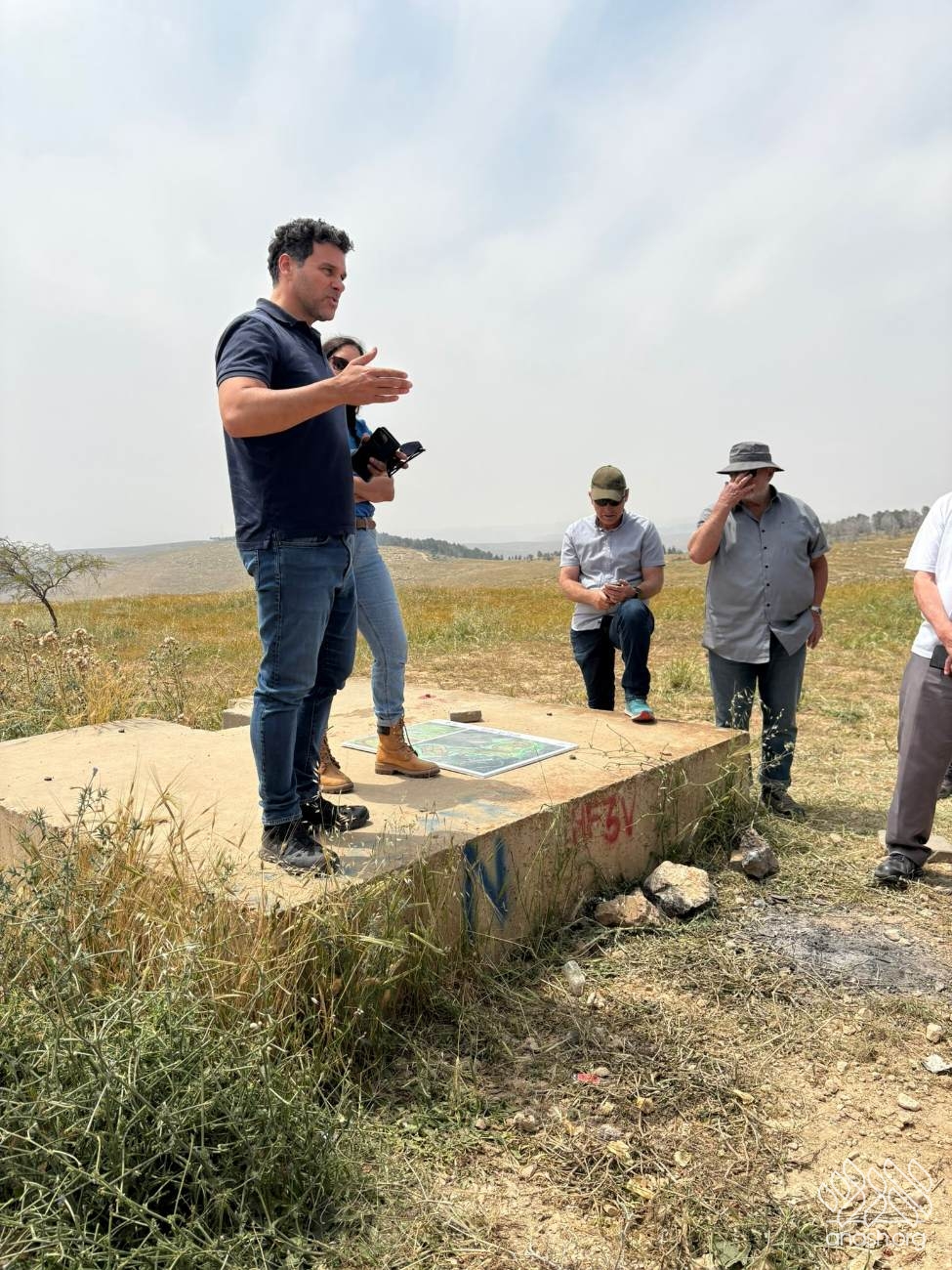
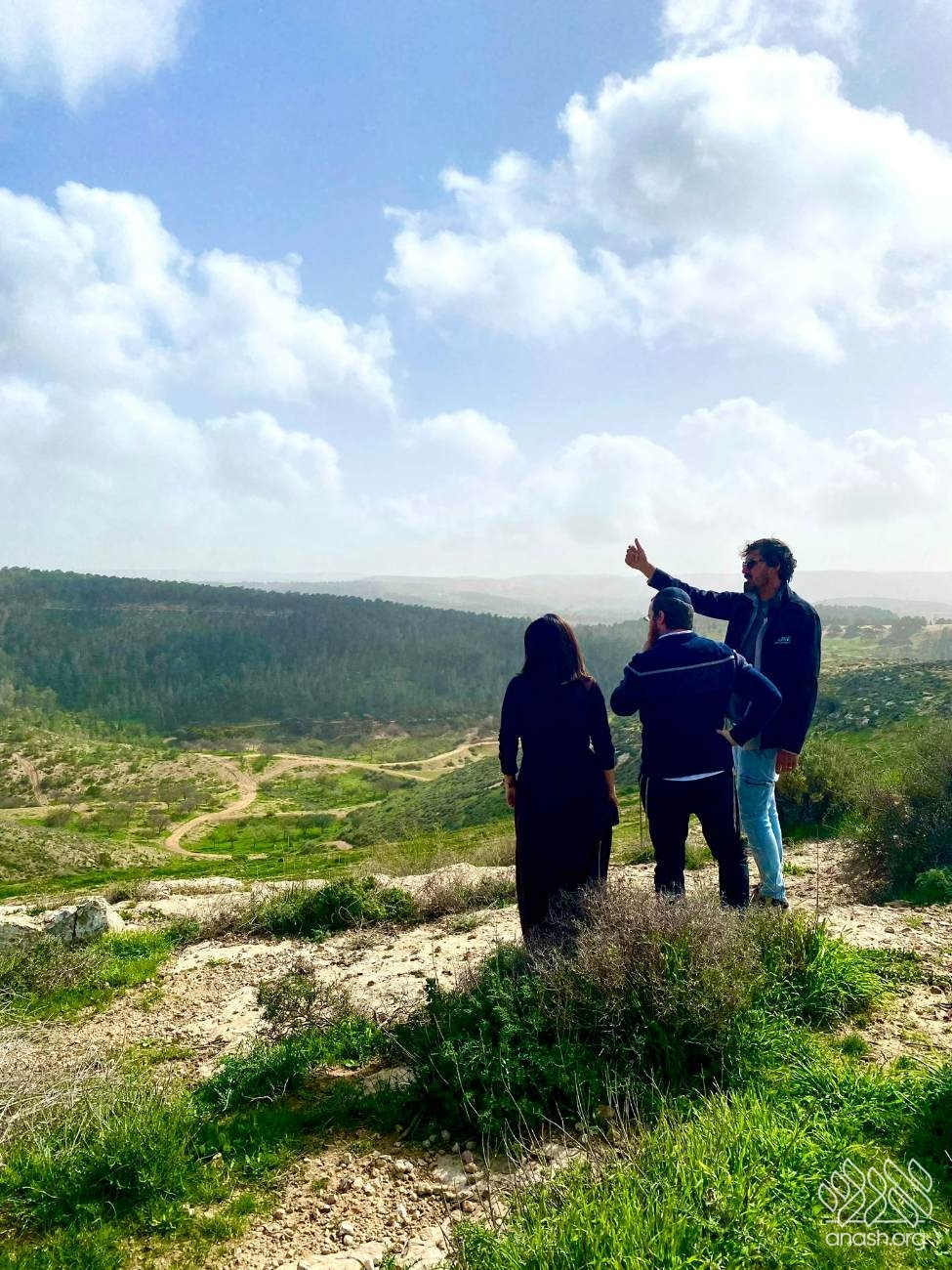
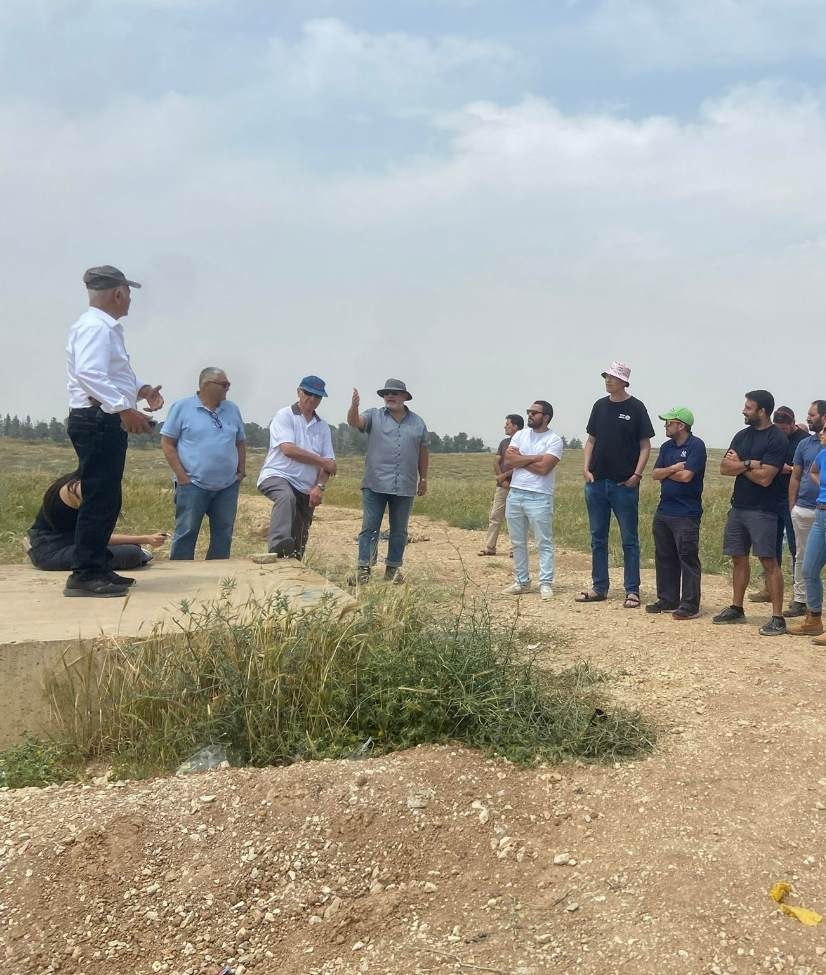
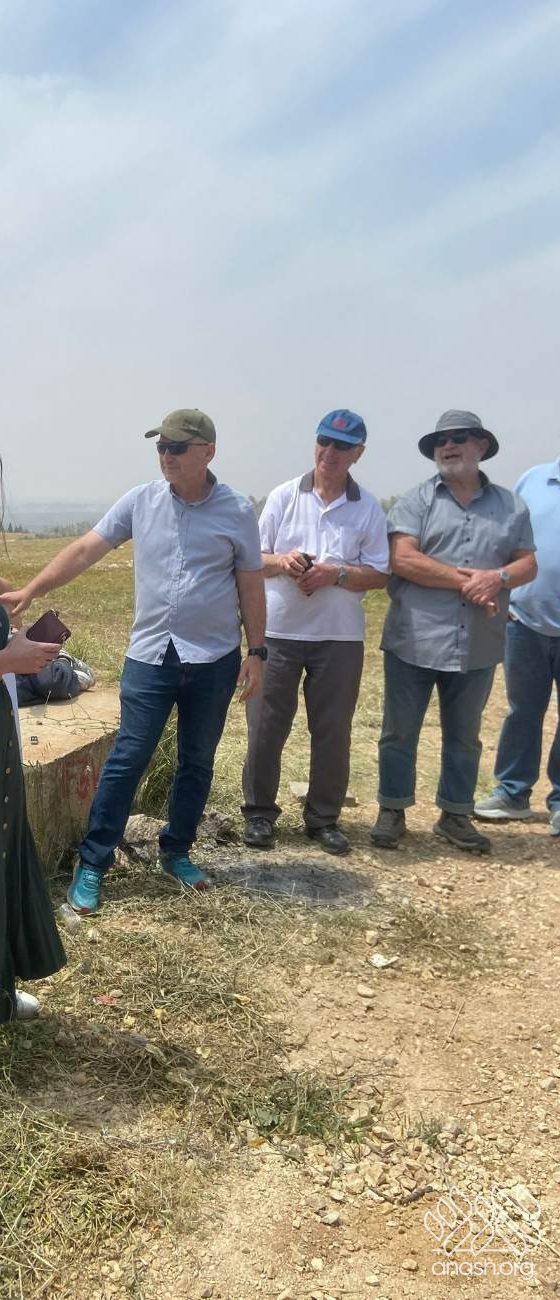
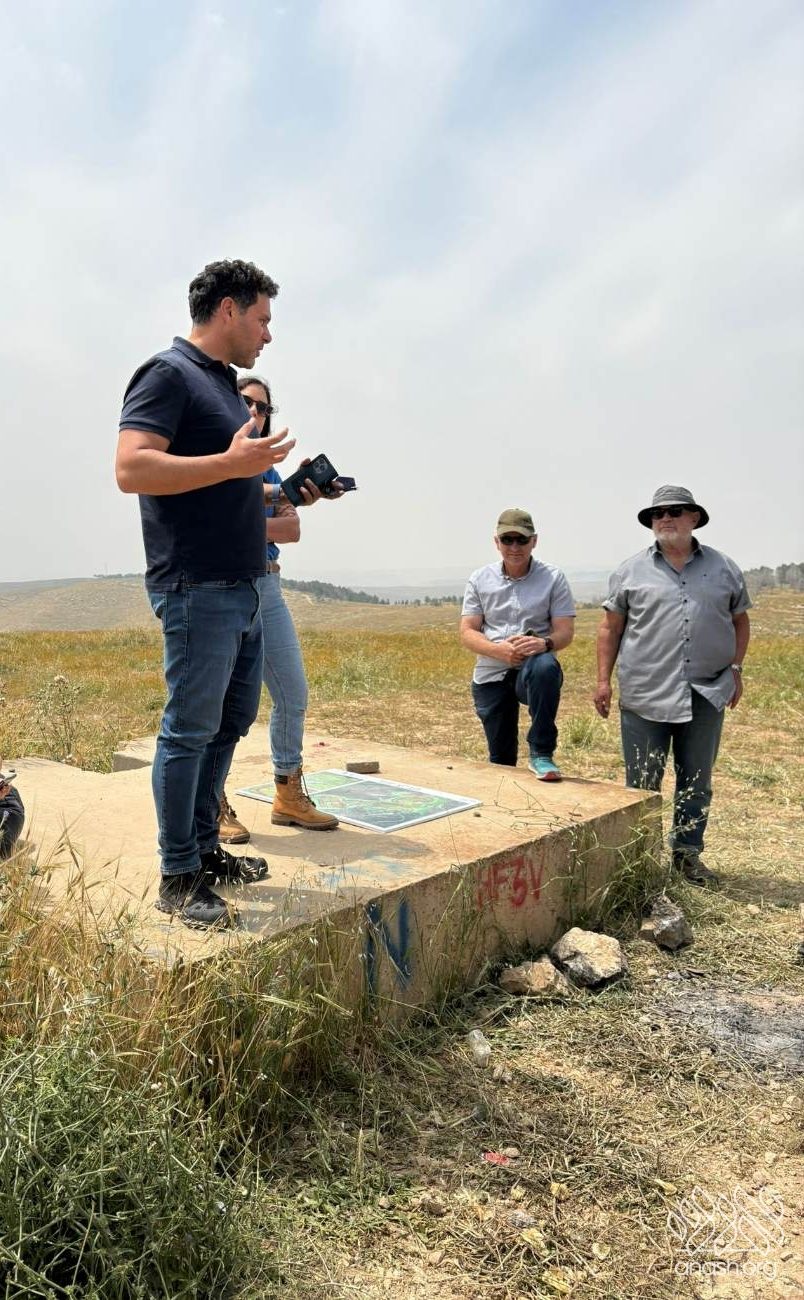
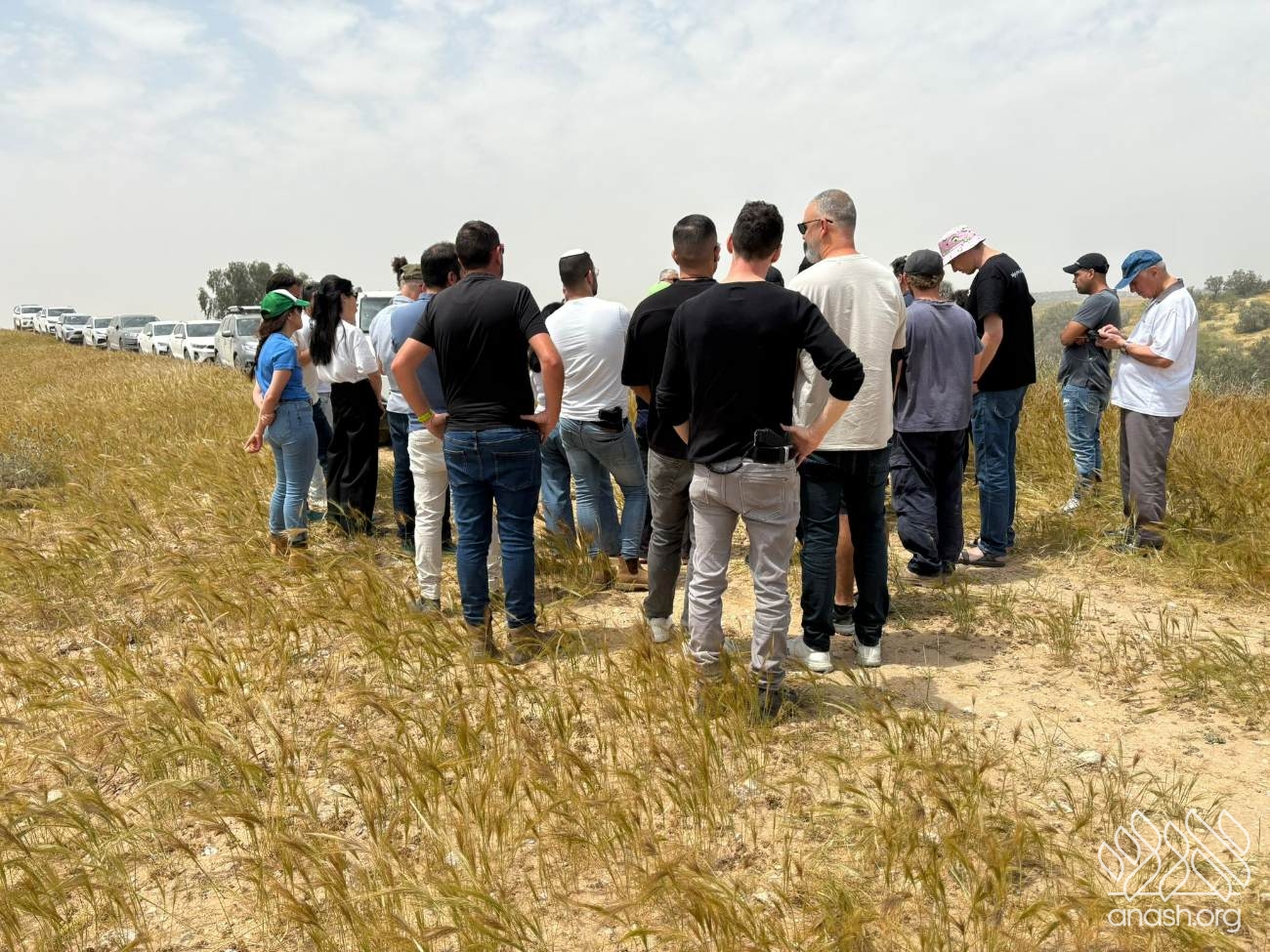
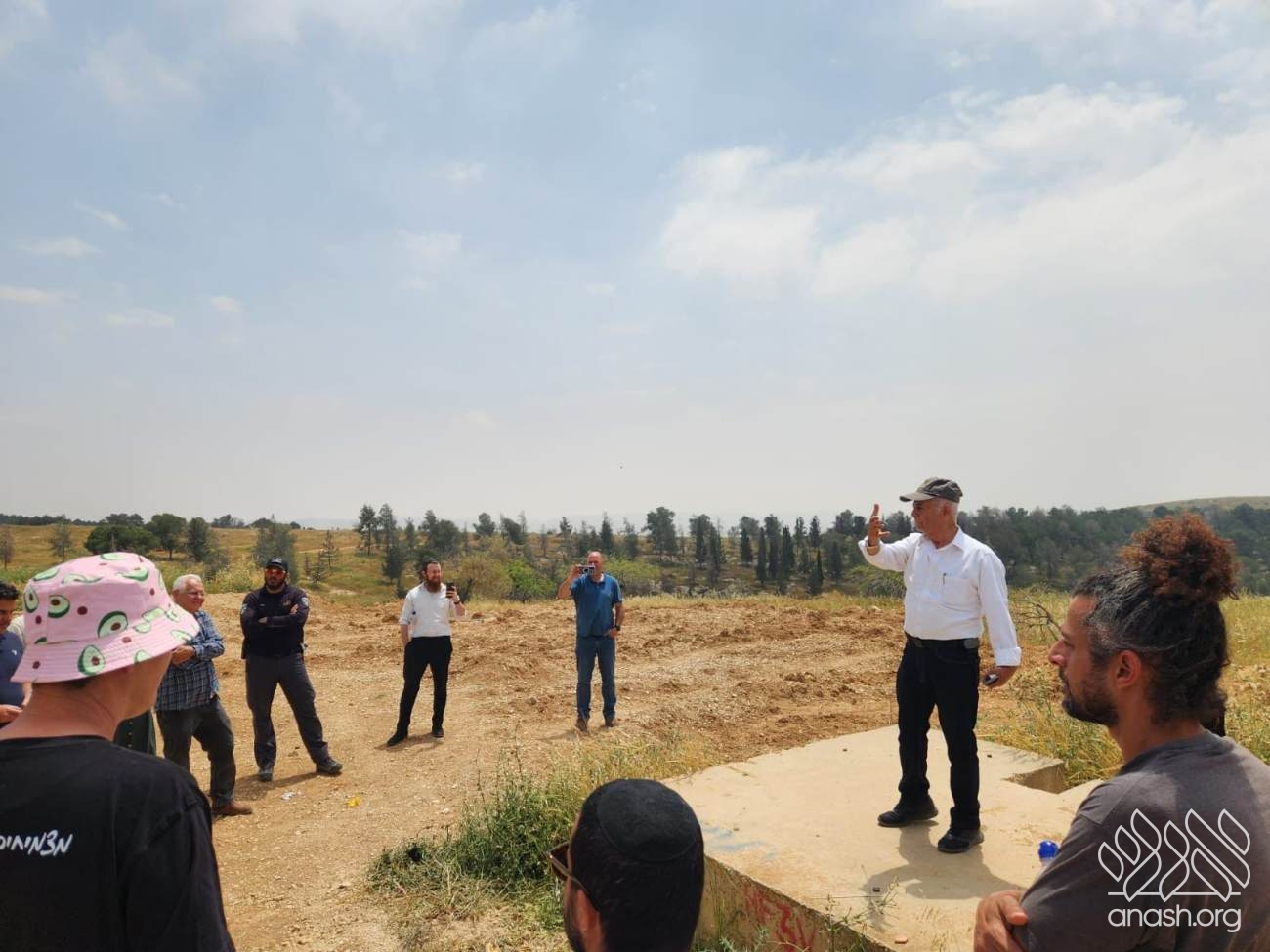
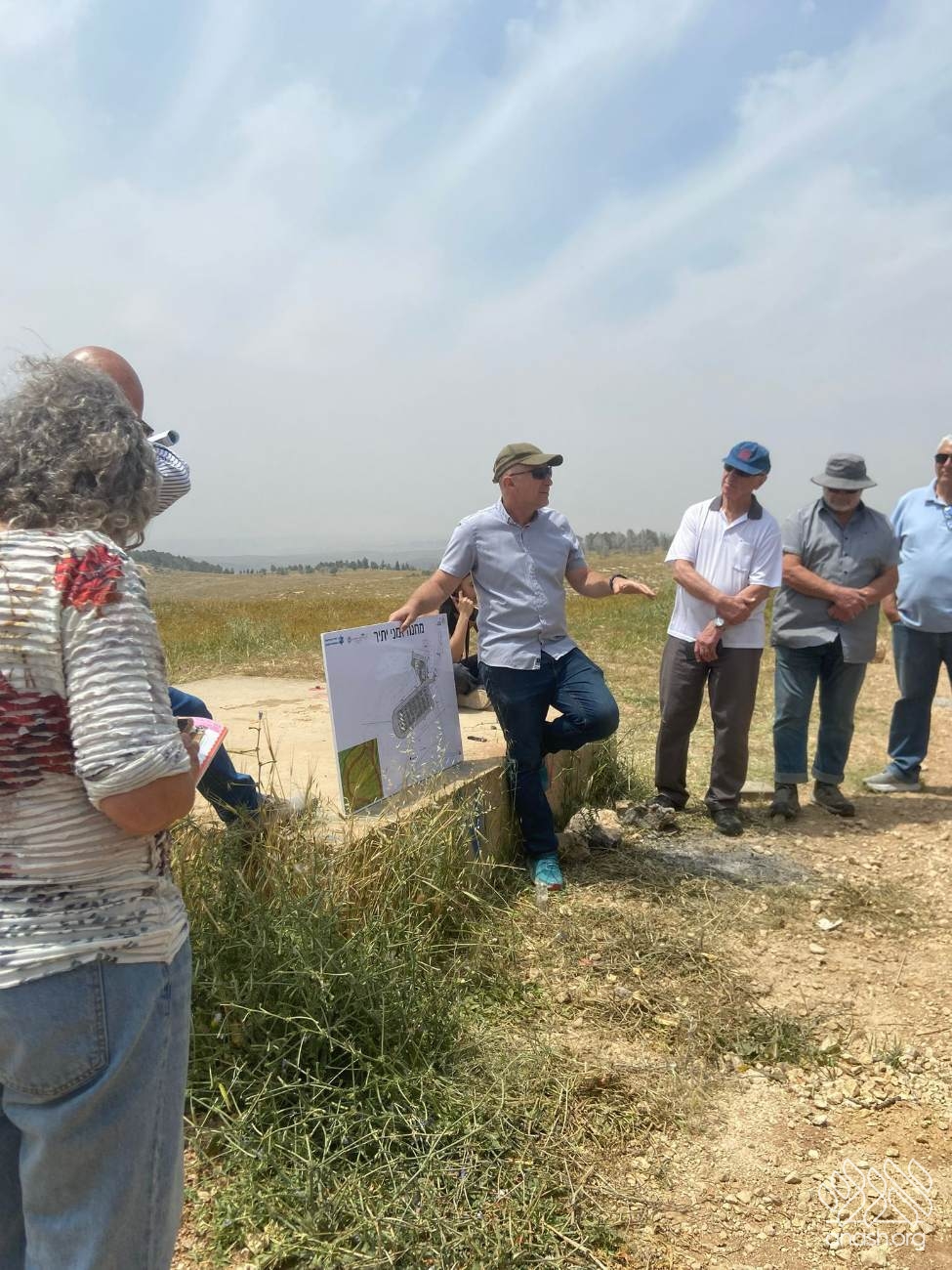
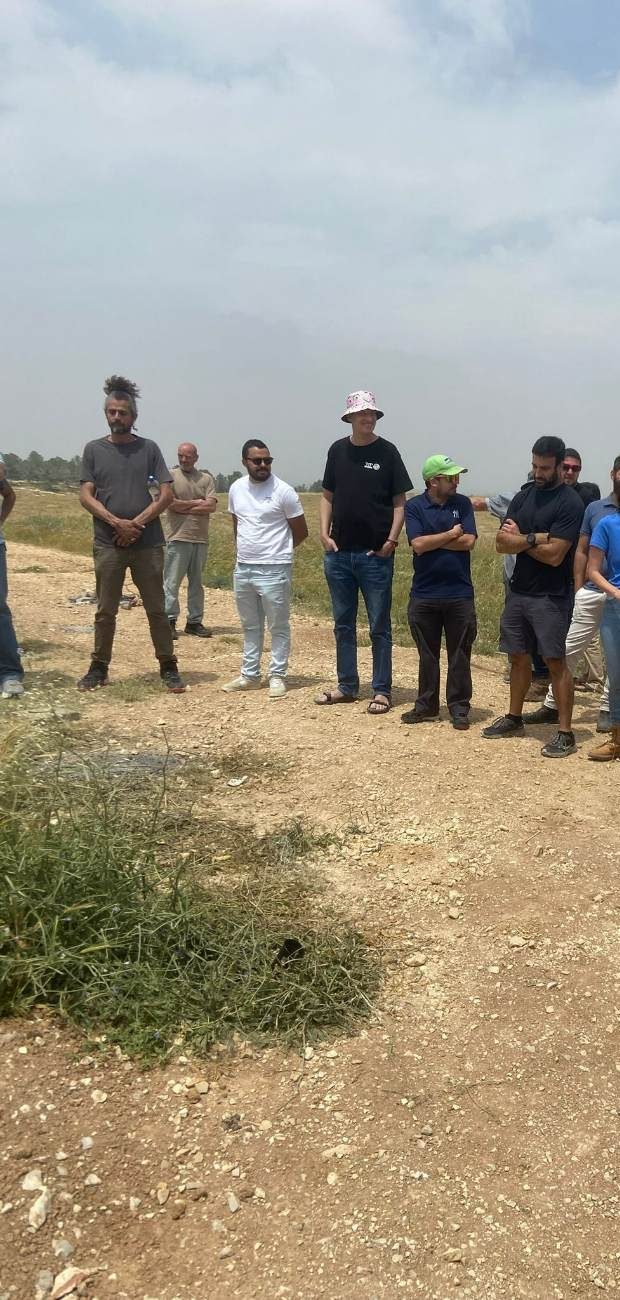
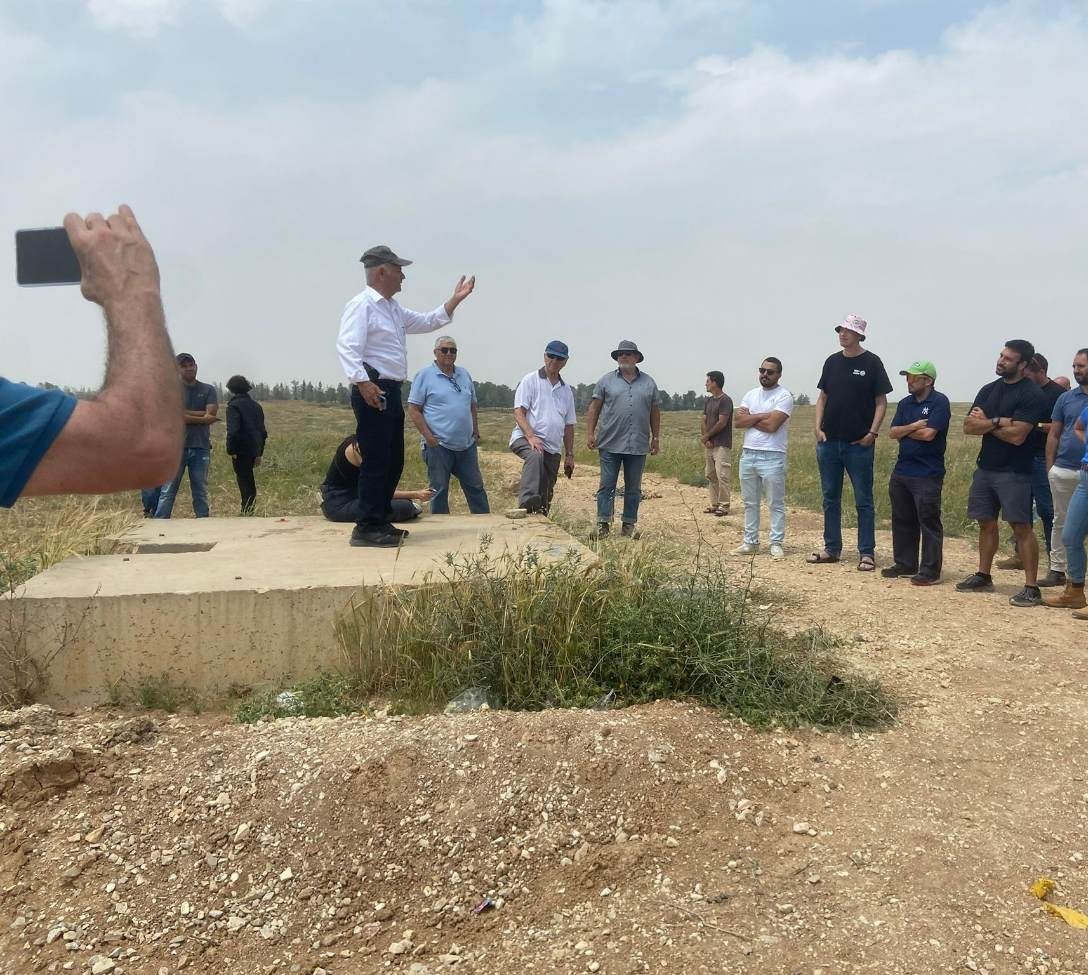
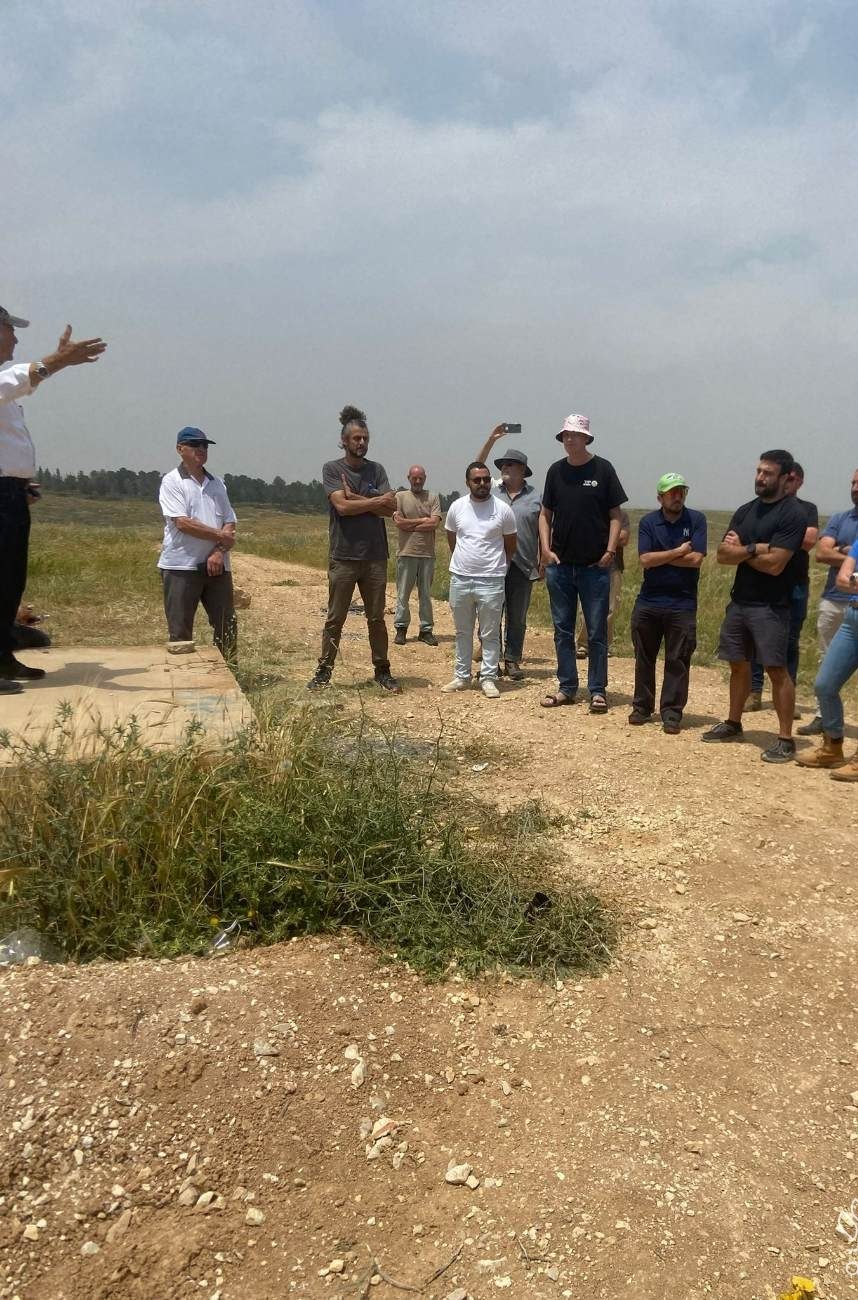
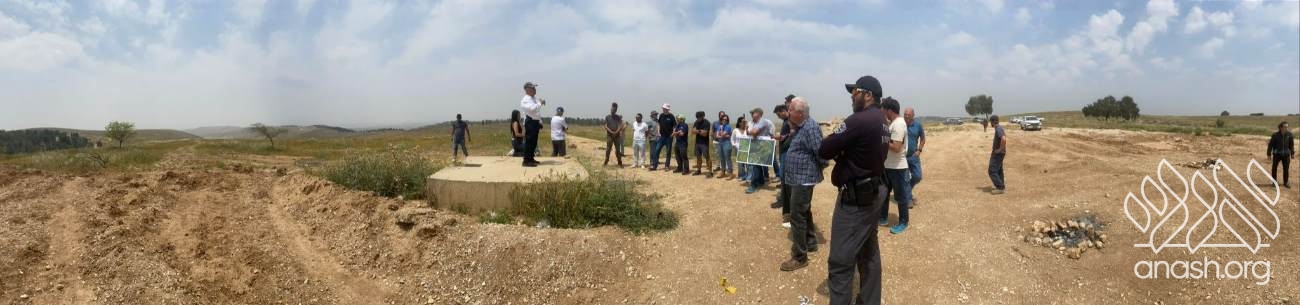
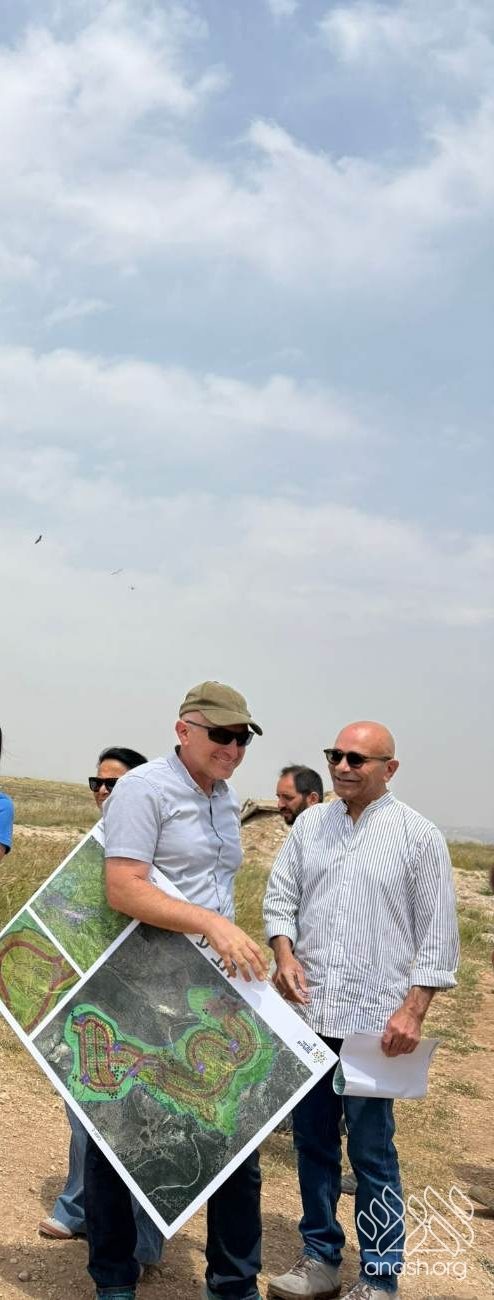
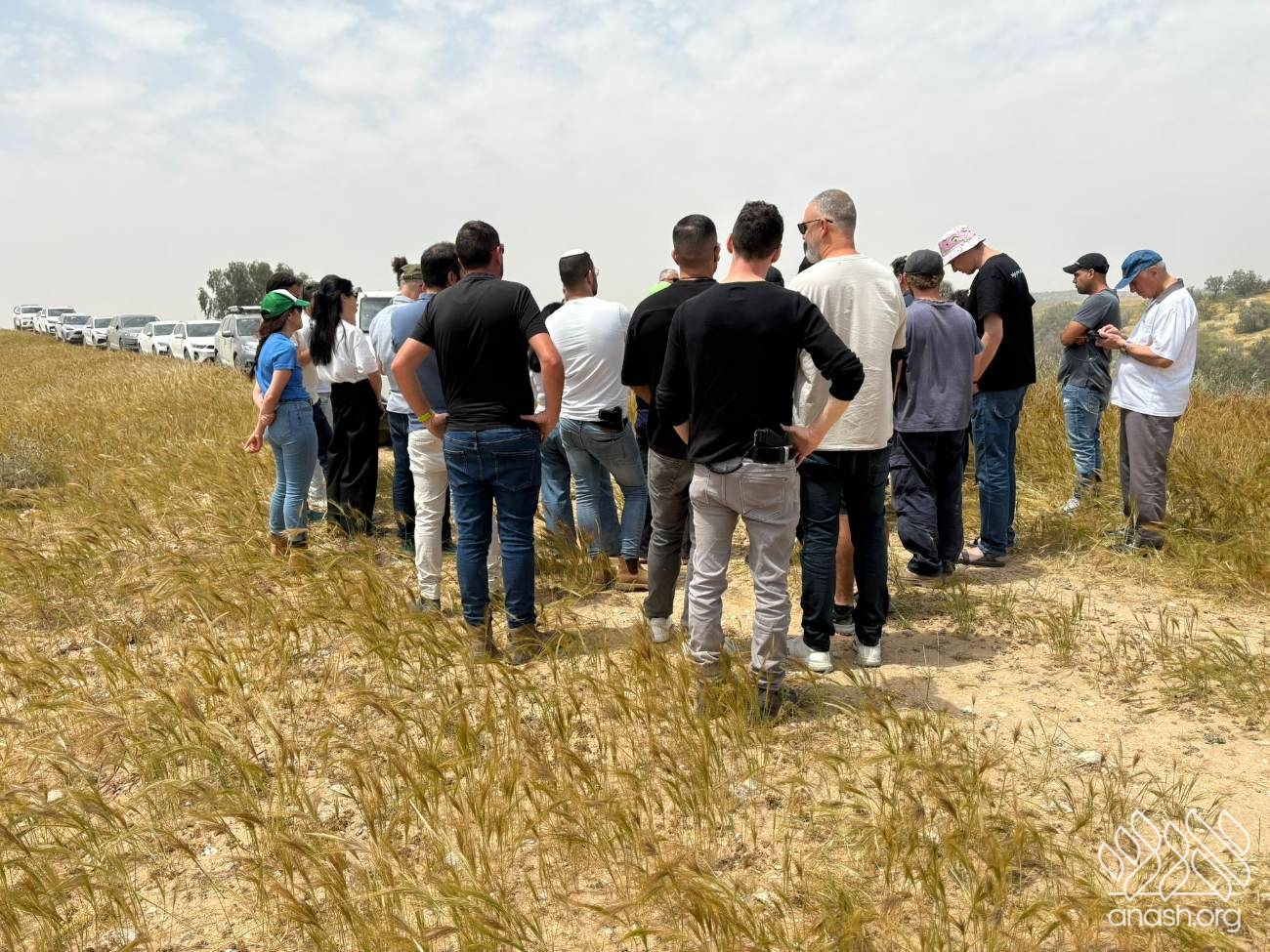
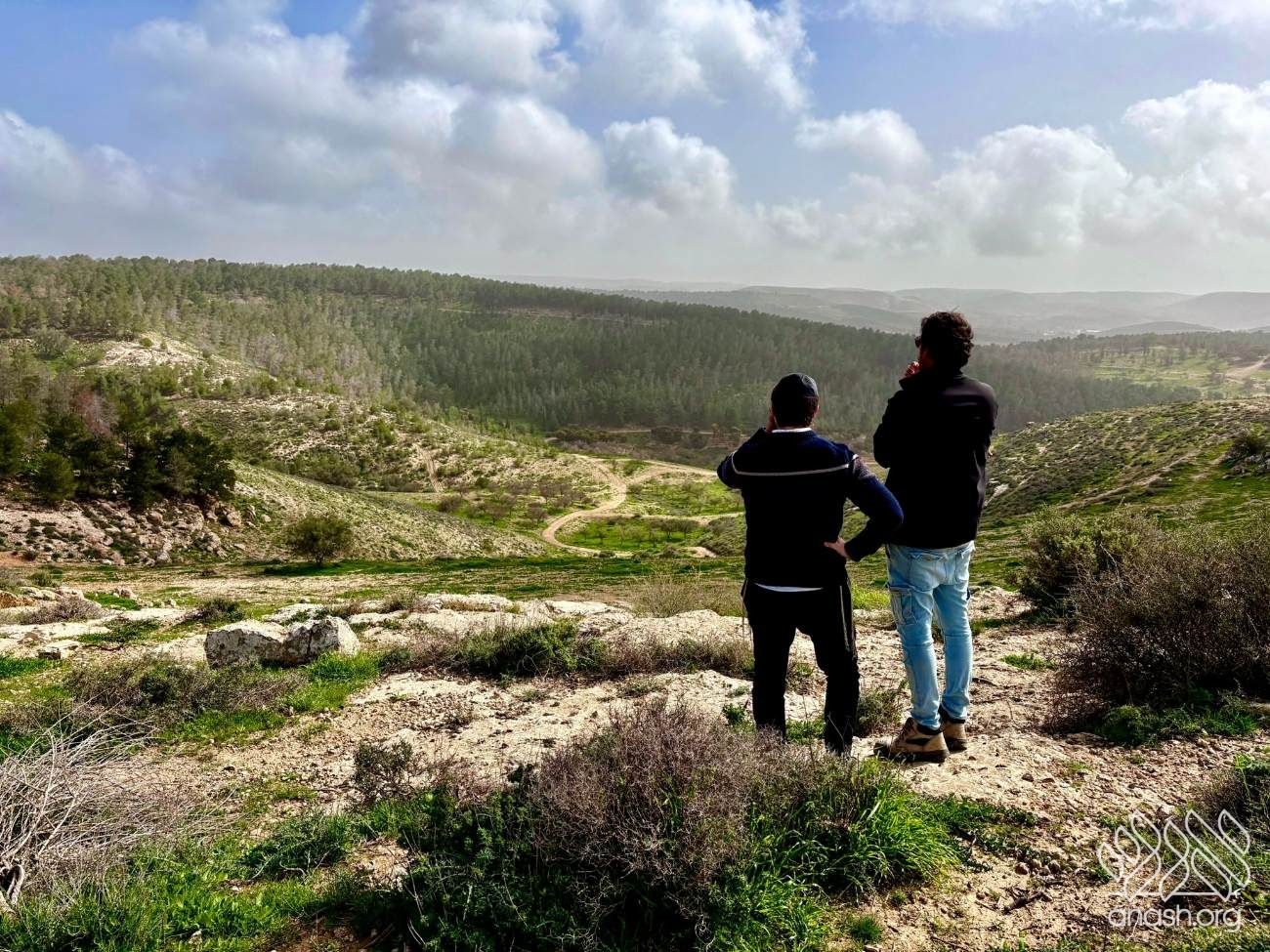
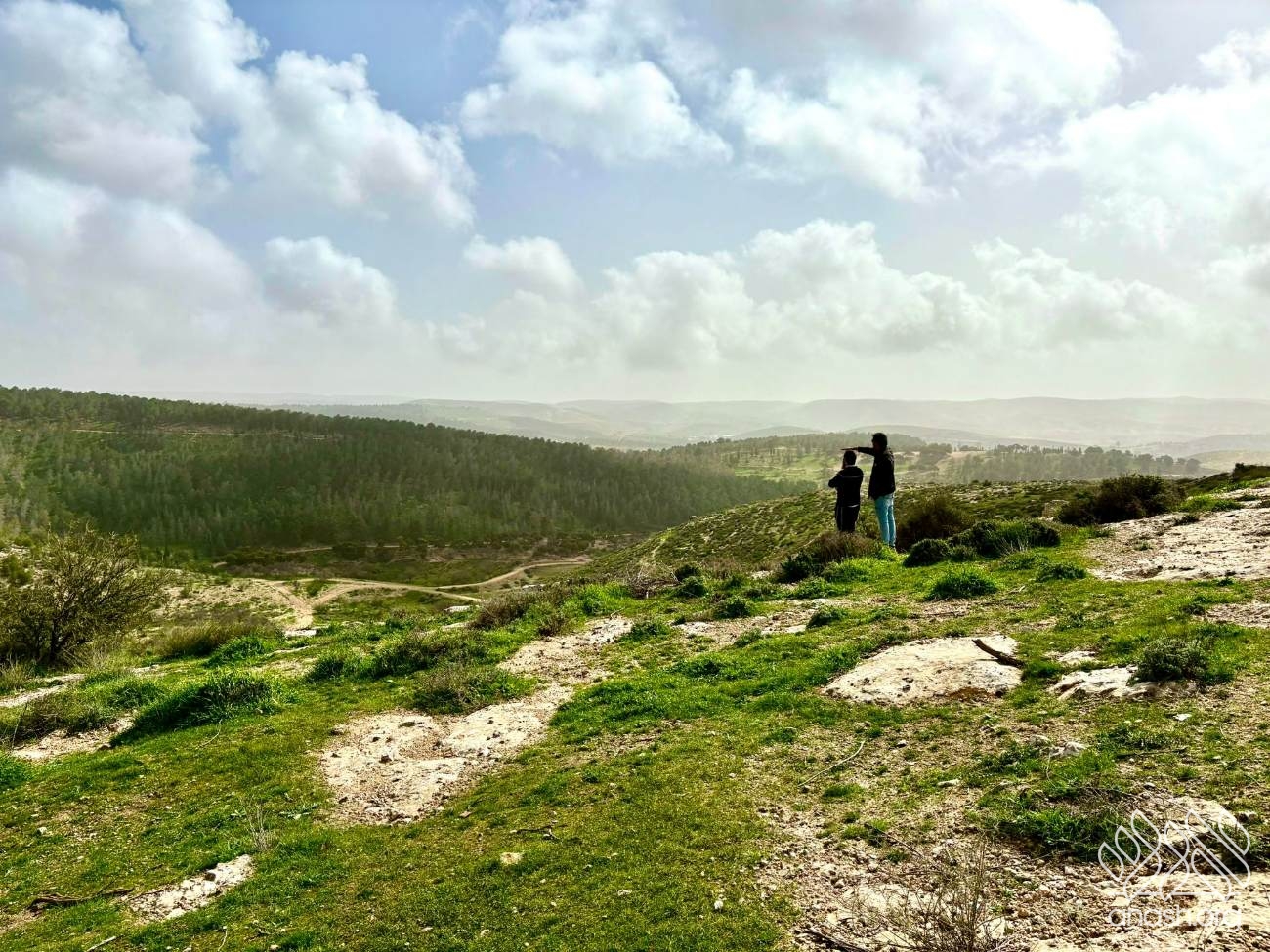
A government committee recently toured the Yatir region in the northern Negev to determine the borders of new regional councils for the area – the first such step in over 70 years, and the breakthrough that the upcoming Ohr Chabad village has been working toward for more than a decade.
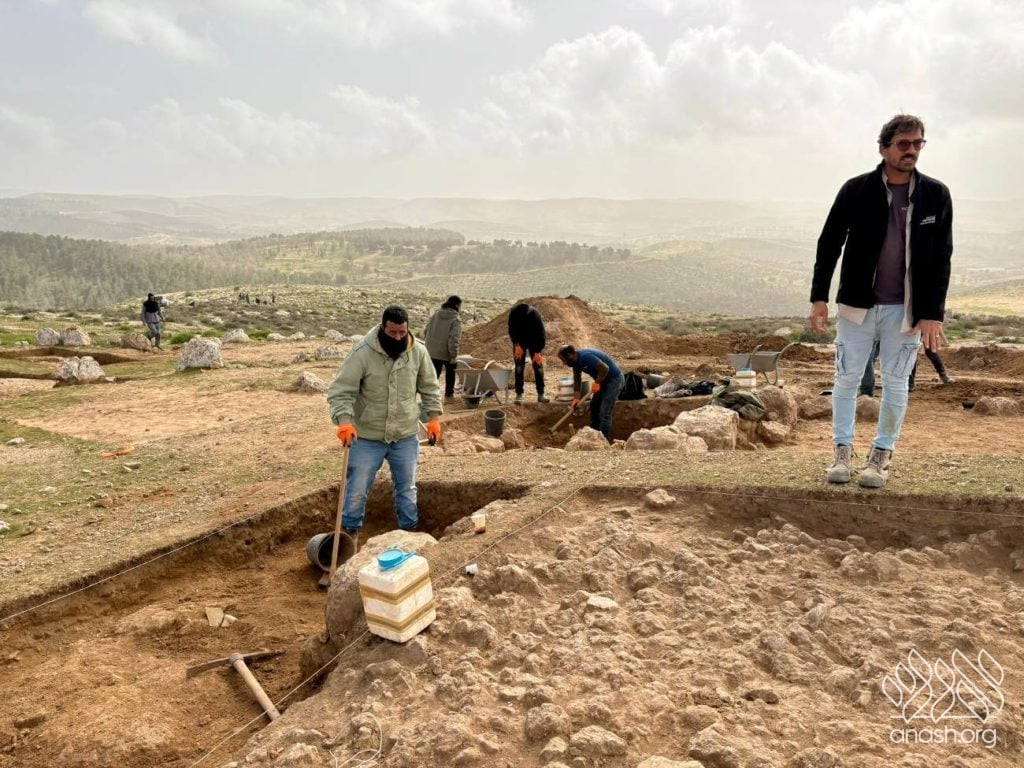
A government committee toured the Yatir region in the northern Negev recently to determine the borders of new regional councils for the area – the first such step in over 70 years, and the breakthrough that Ohr Chabad has been working toward for more than a decade.
“The chidush is that the government established this committee to deal with this, and now it’s actually happening,” Bruria Efune, who is leading the Ohr Chabad initiative together with her husband, Rabbi Mendy Efune, told Anash.org. “They haven’t divided up this part of Israel since the 1950s. This whole area was neglected while the rest of the country was already organized into regional councils.”
“After 77 years of neglecting this area, there is finally a committee responsible for taking care of it and solving the problem,” she added.
The absence of a regional council had long made legal development in the region impossible. Without a governing body responsible for infrastructure, services, and security, new communities couldn’t be built – and the area had paid the price.
The region bordering the Yehuda and Shomron fence had become a smuggling corridor for Bedouins, as well as illegal workers and weapons, with no authority responsible for security.
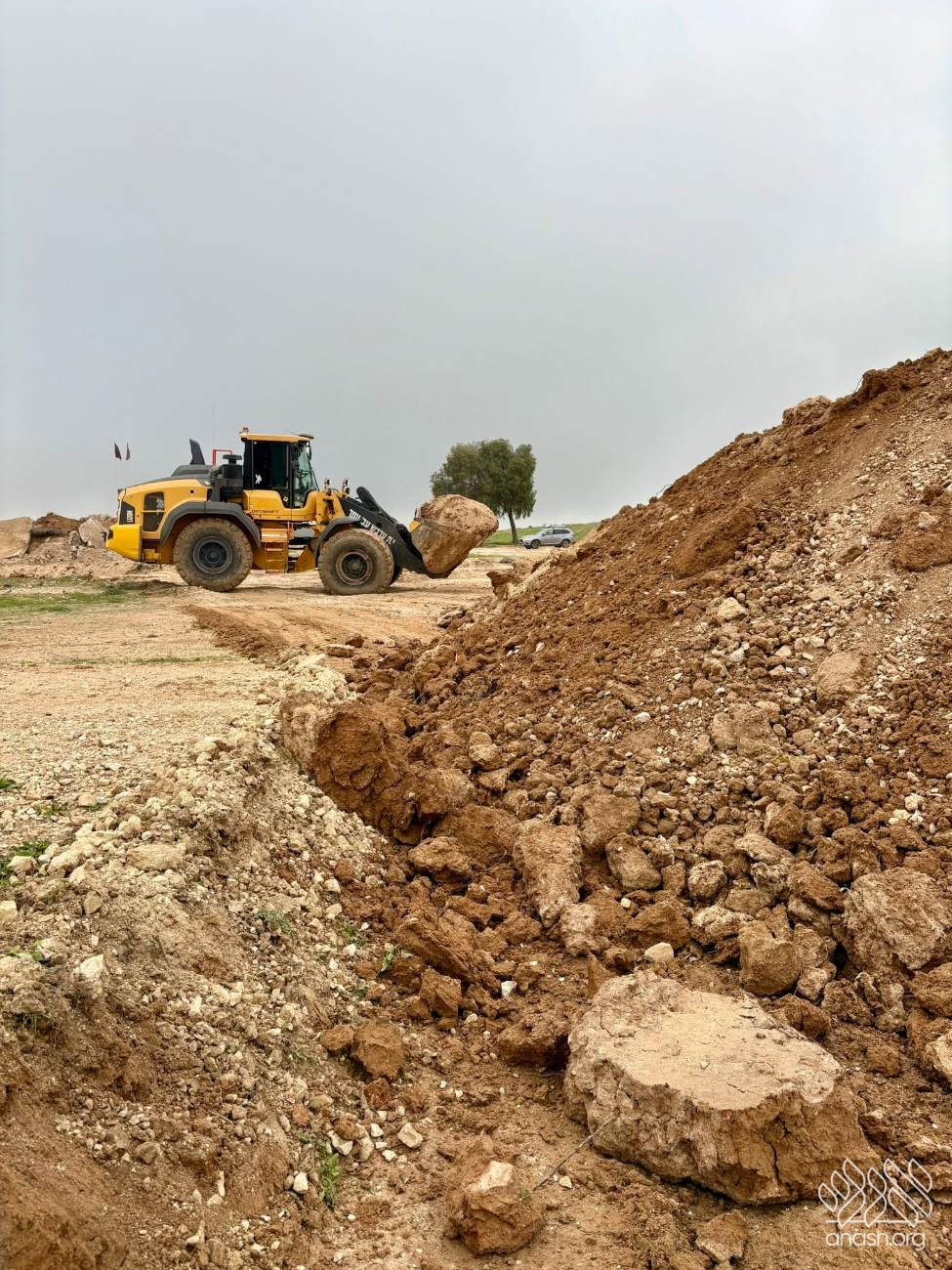
“There’s a fence over here and no security because there’s no regional council responsible for the area,” Efune said. “The Bedouins basically used it as a smuggling point. Now we basically forced them to put a heavy military presence, fix up the fence, and stop the smuggling altogether.”
The Efunes, working alongside government bodies, spent over 12 years pushing to get the governance issue resolved. According to the head of Chativa Lehityashvut’s southern division, it was specifically Ohr Chabad’s persistence that moved things forward.
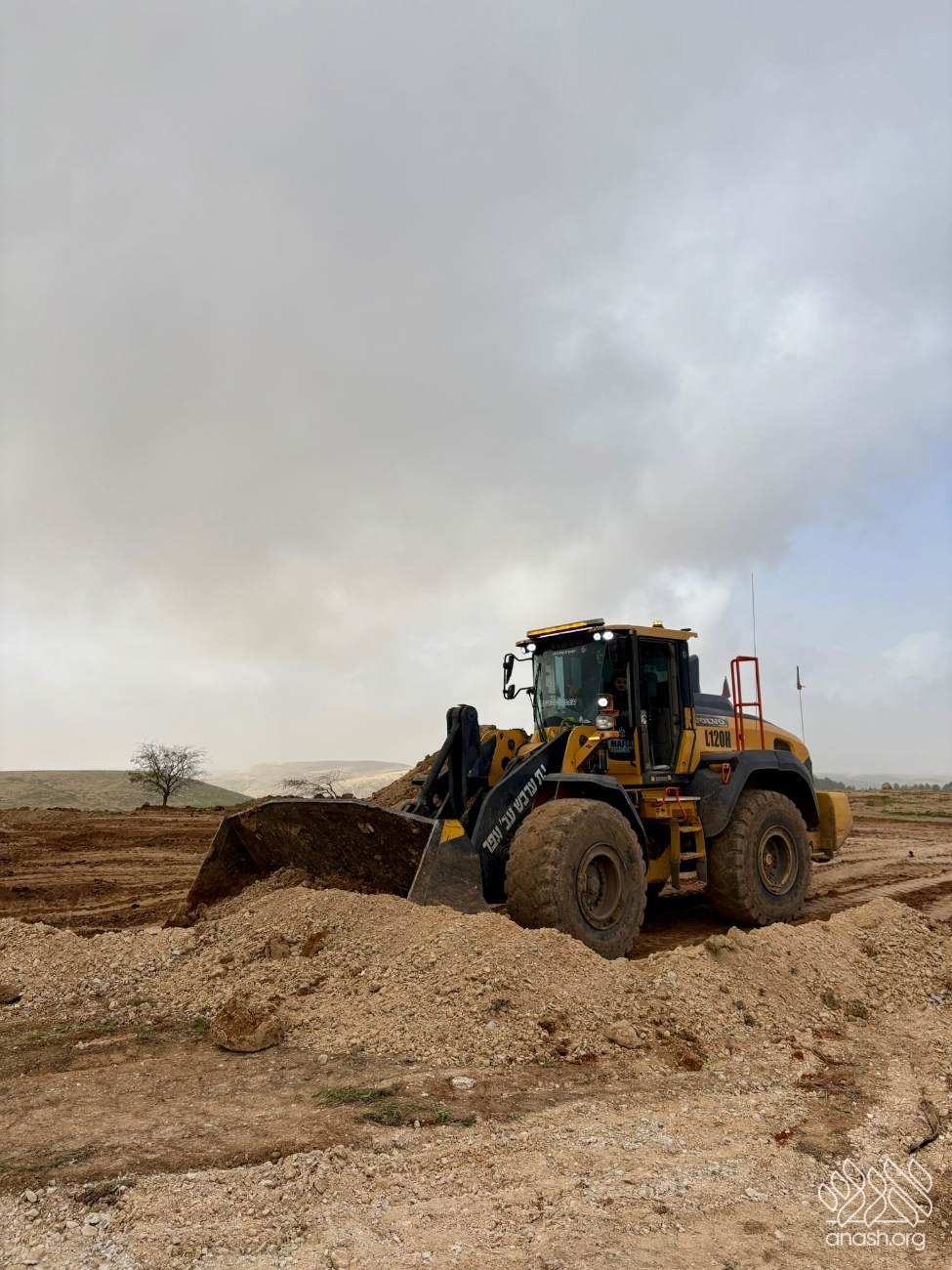
“If we hadn’t been this stubborn and pushed all these 12 years and not given up to get this problem solved, so many other yeshuvim would never be built at all,” Efune said, relaying what officials told them. The breakthrough is expected to unlock between five and seven new yeshuvim in the Arad area that would otherwise have had no path to construction.
“Your Chabad stubbornness in building this yishuv, forced us to understand the extent of the problem in this area”, said Yehuda Avni, the head of the southern division of the government’s settlement division. “It pushed us to resolve these problems, so now we can build 11 more yishuvim in the area!”
“No one wants to be the plumber’s snake that unclogs the drain, but you went through it and now opened up for a flow of new yishuvim”, he added.
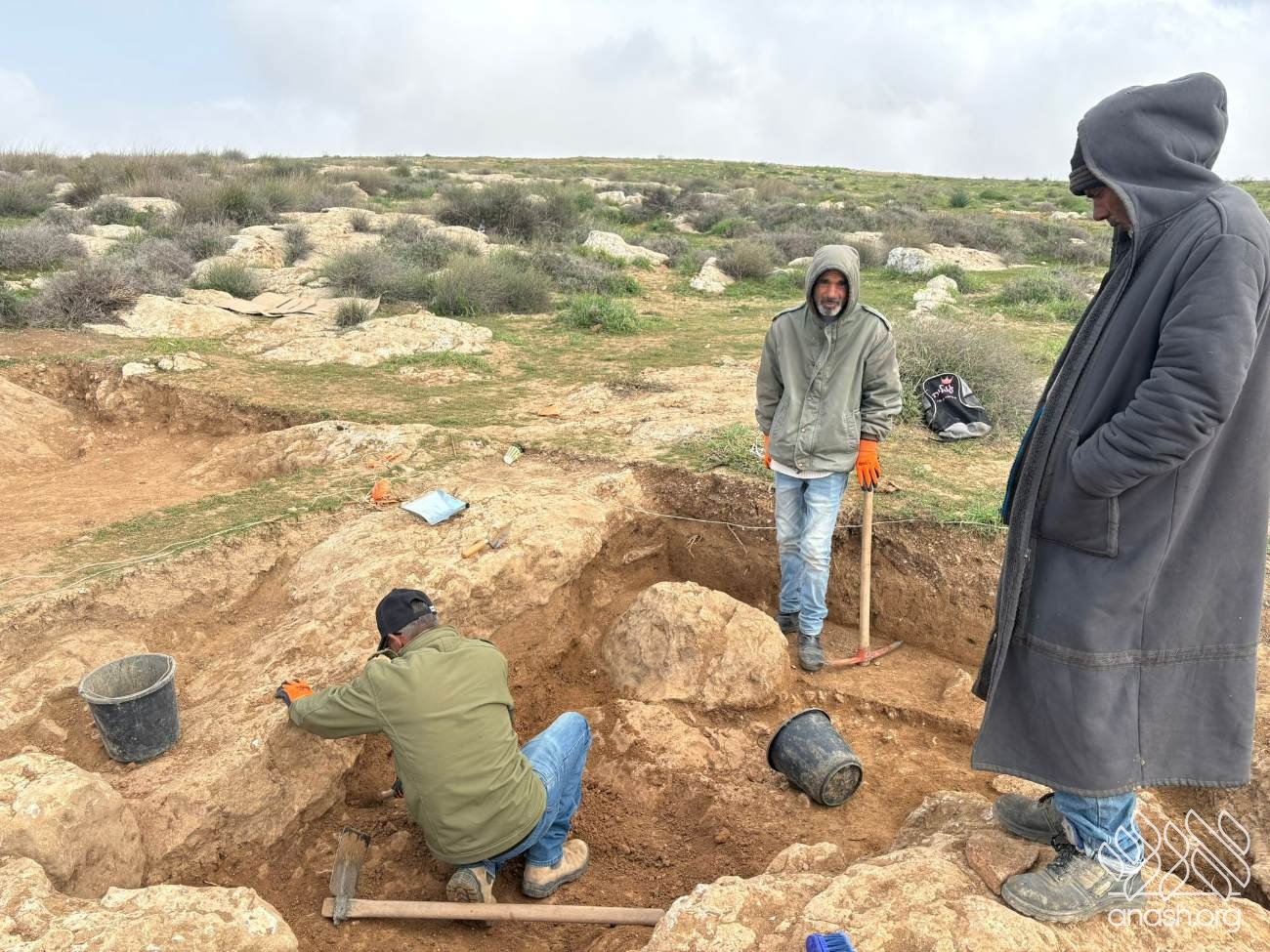
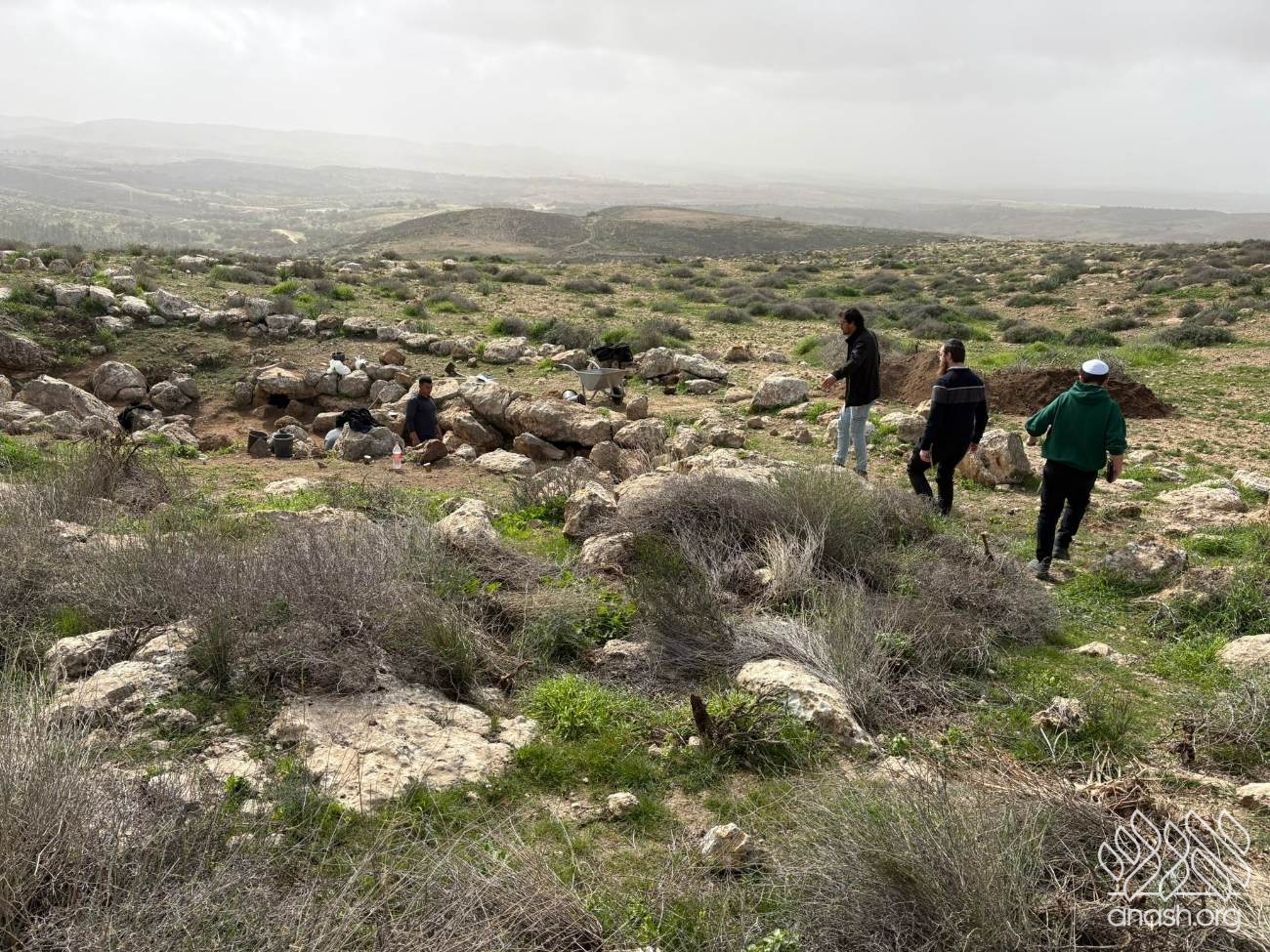
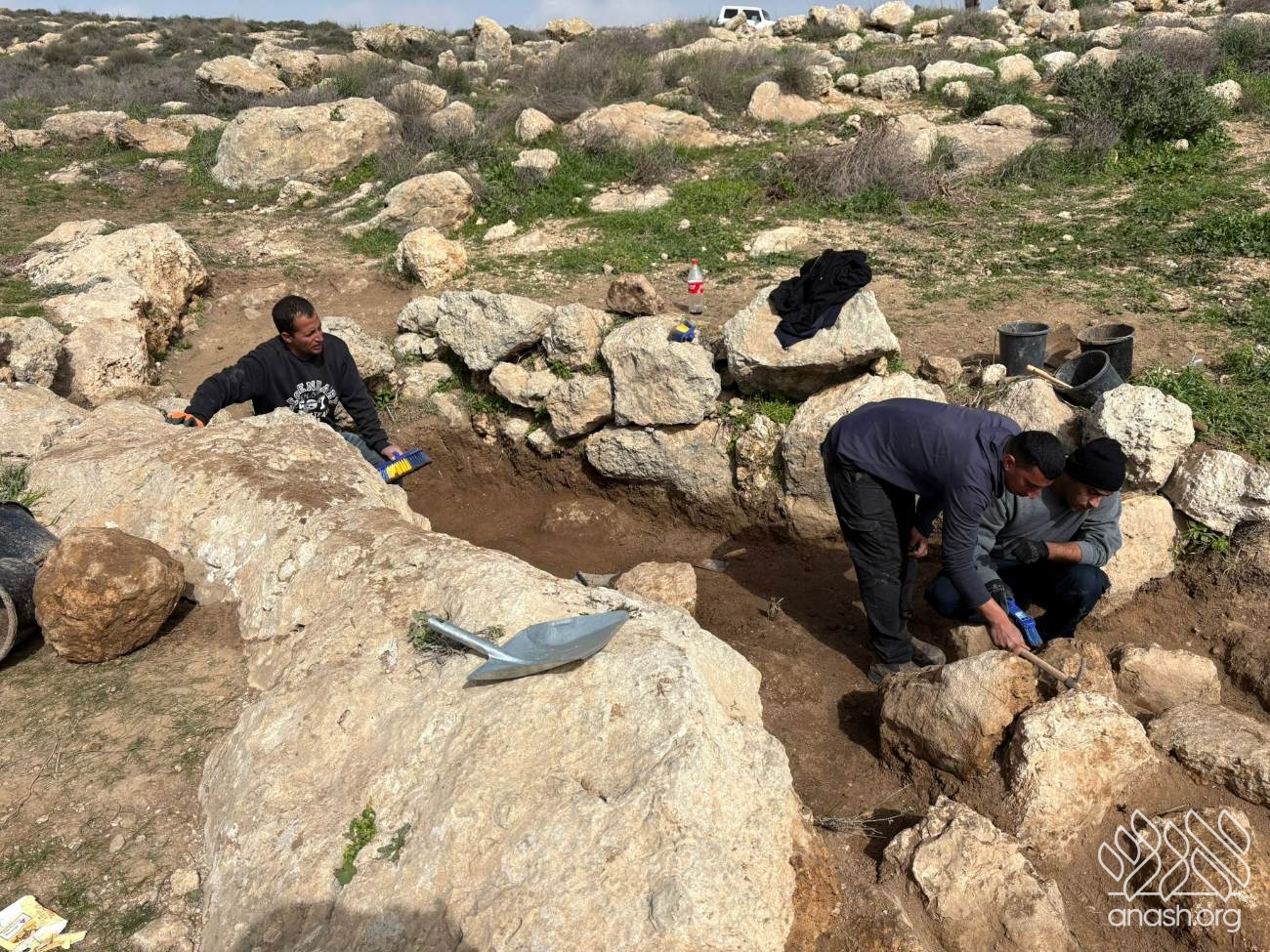
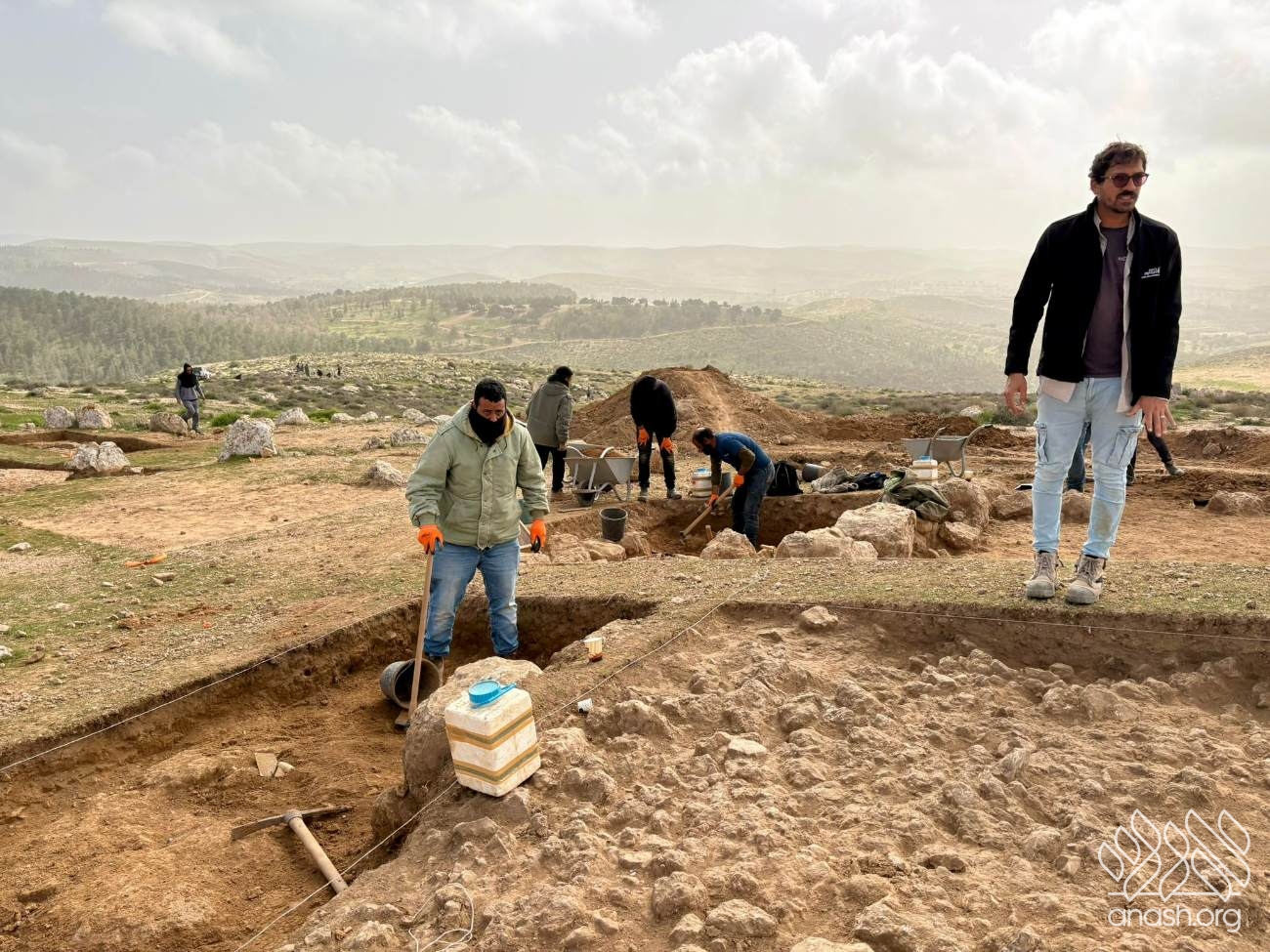
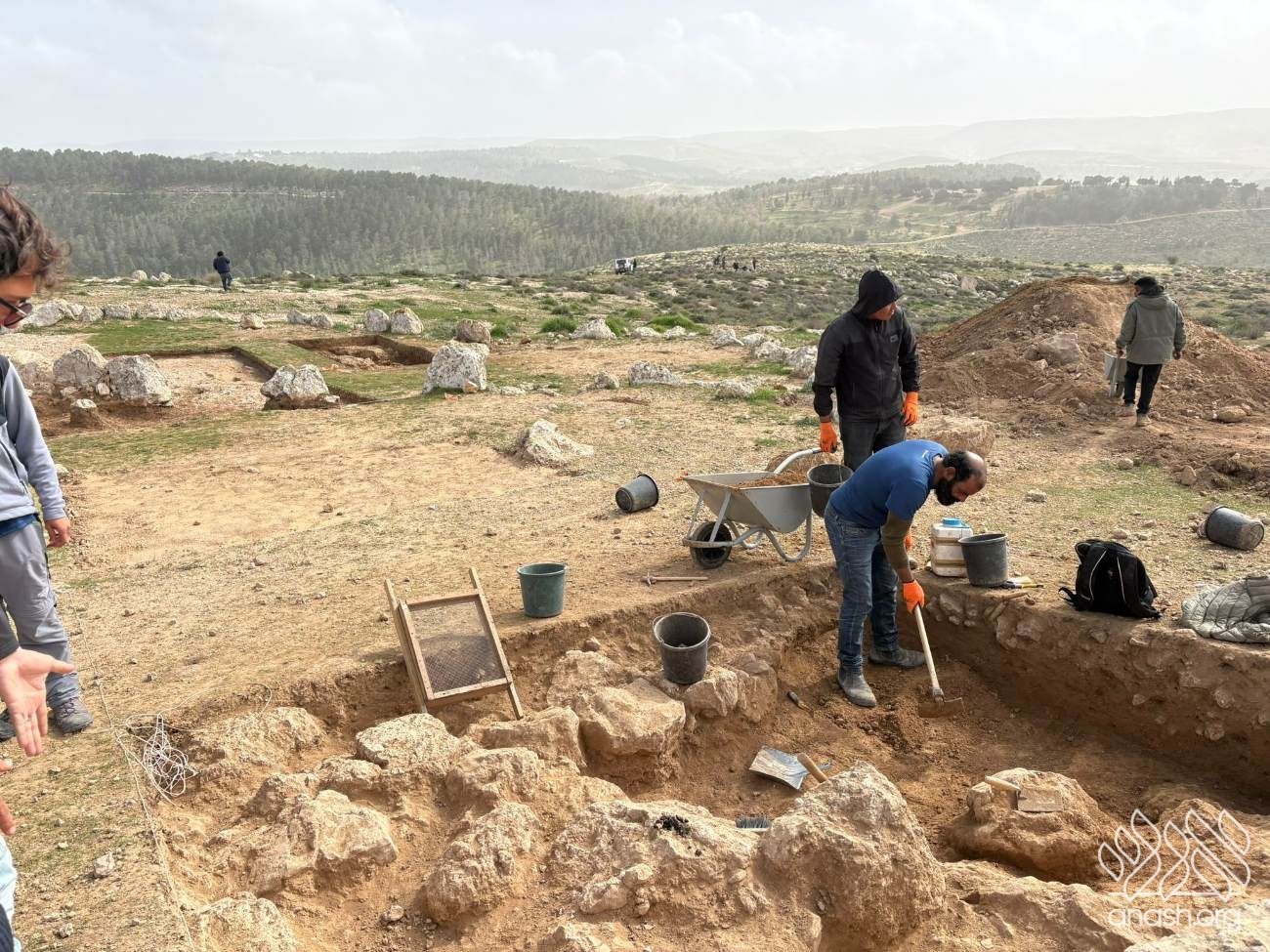
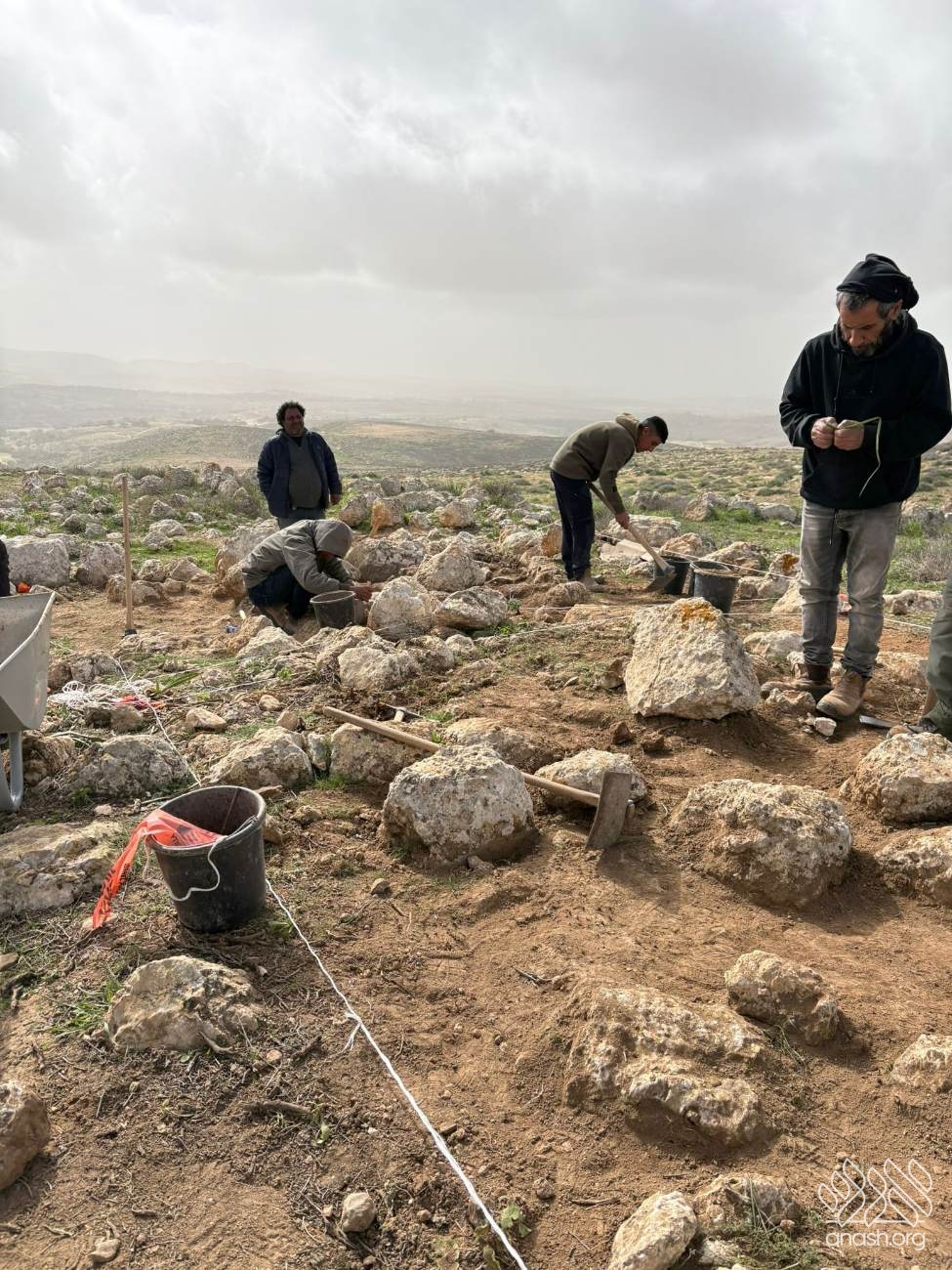
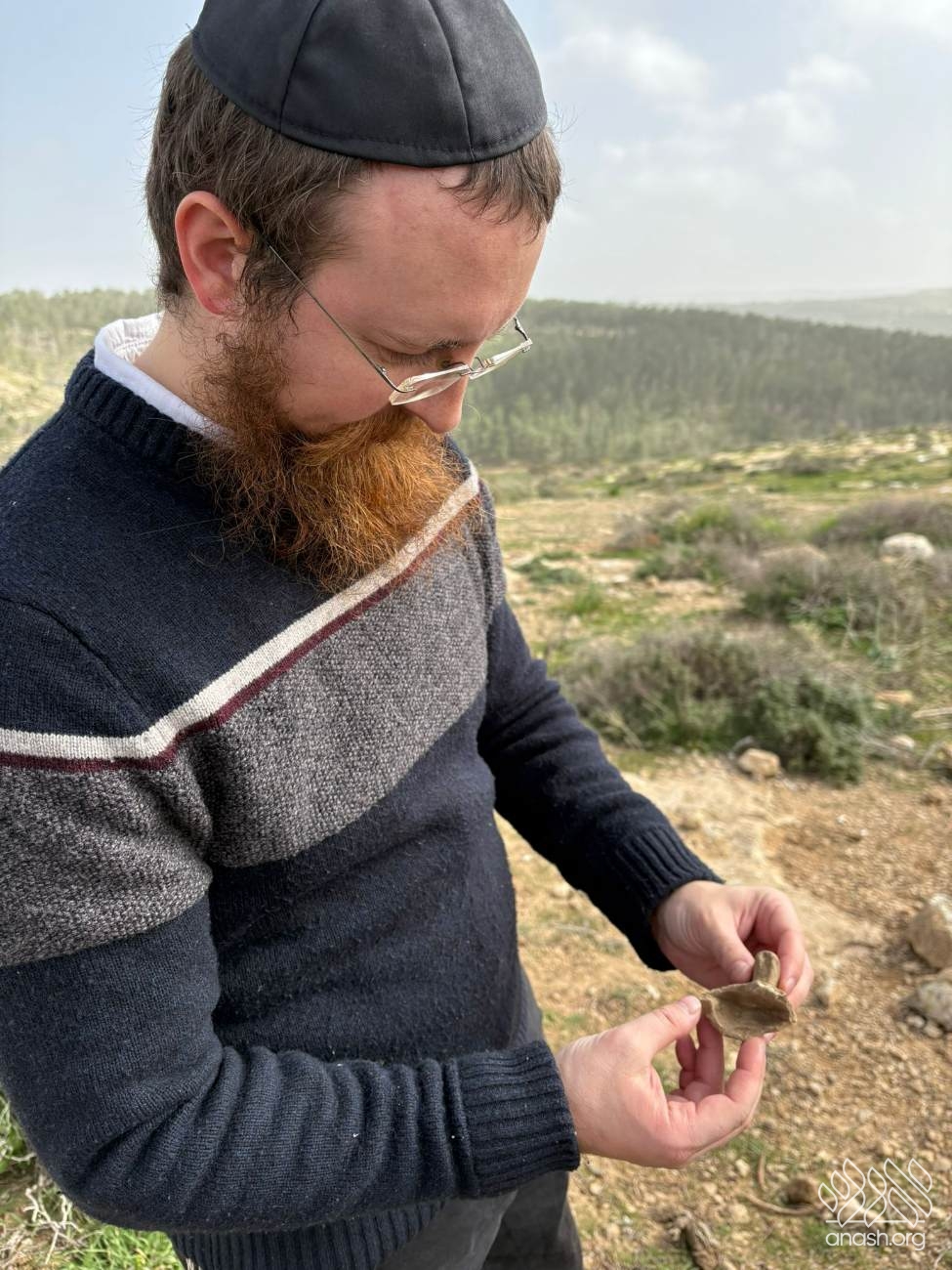
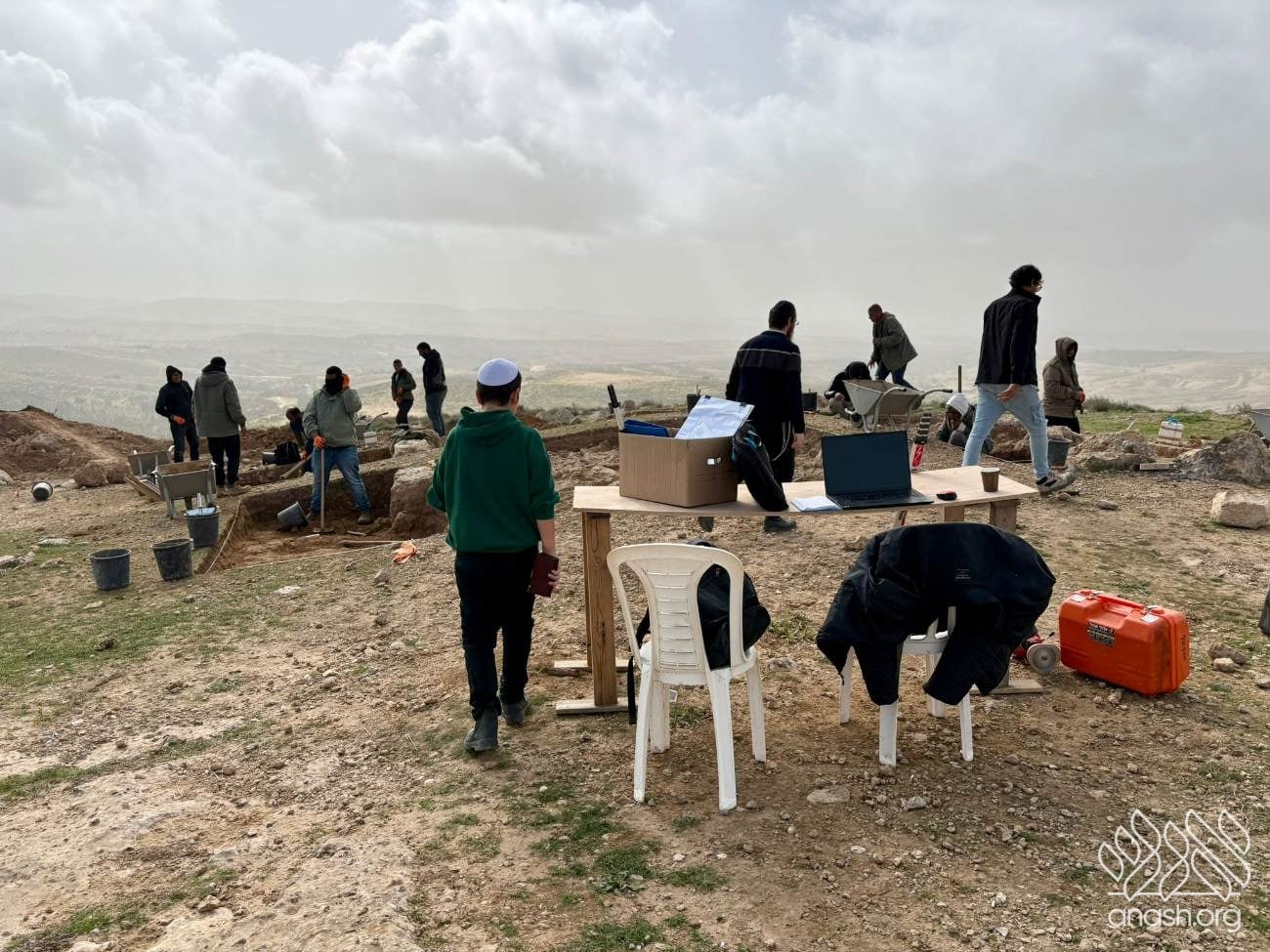
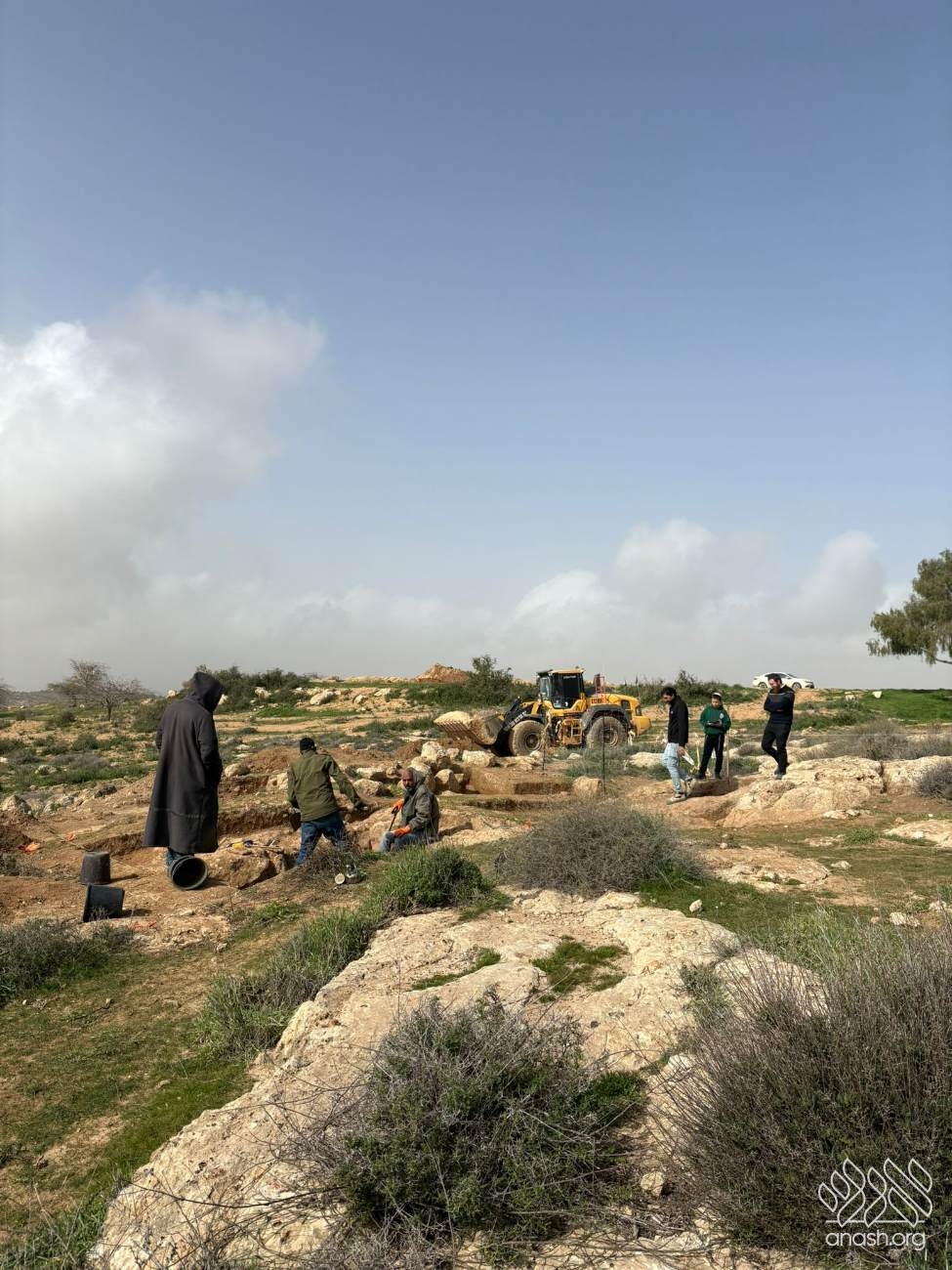
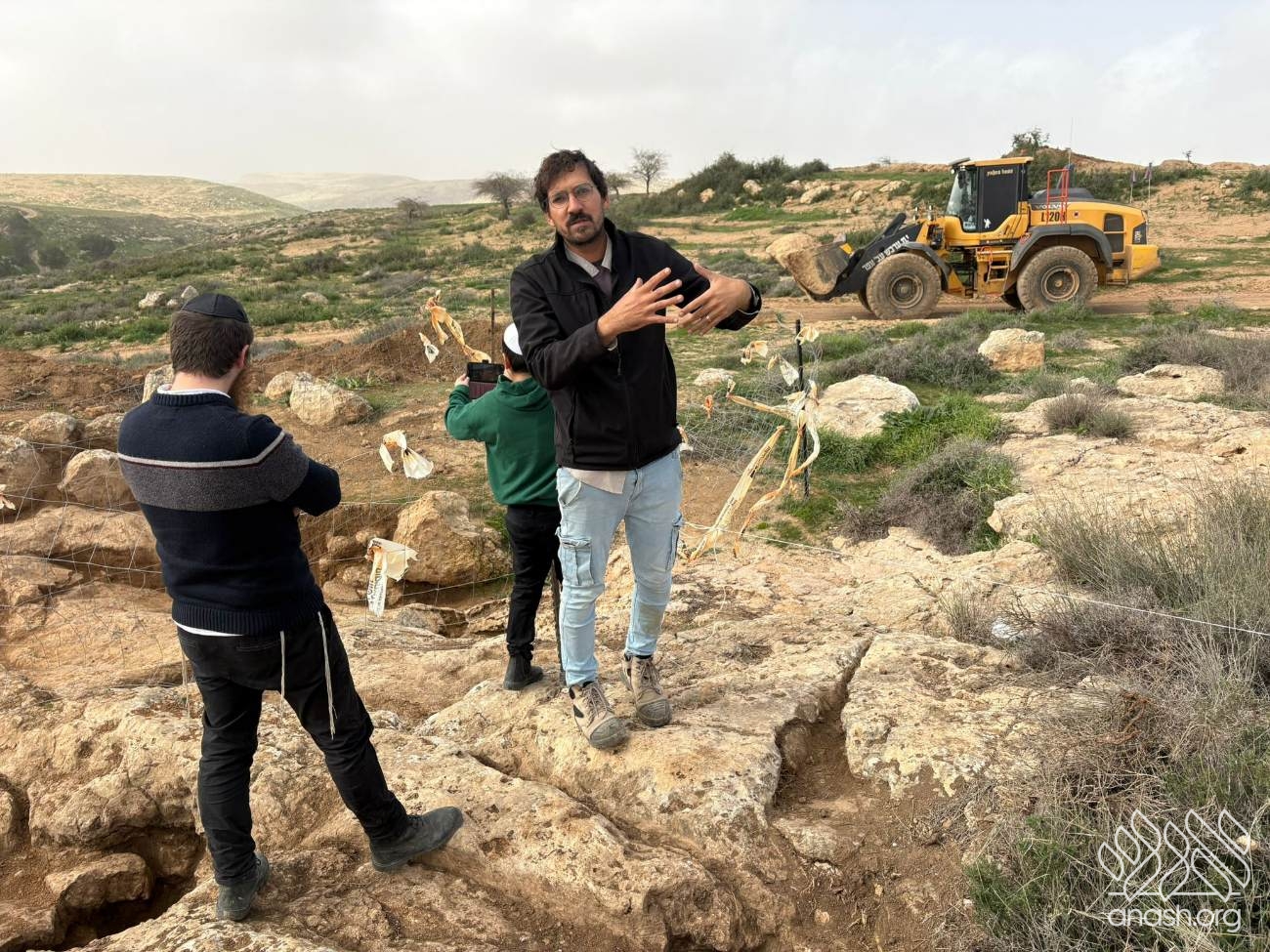
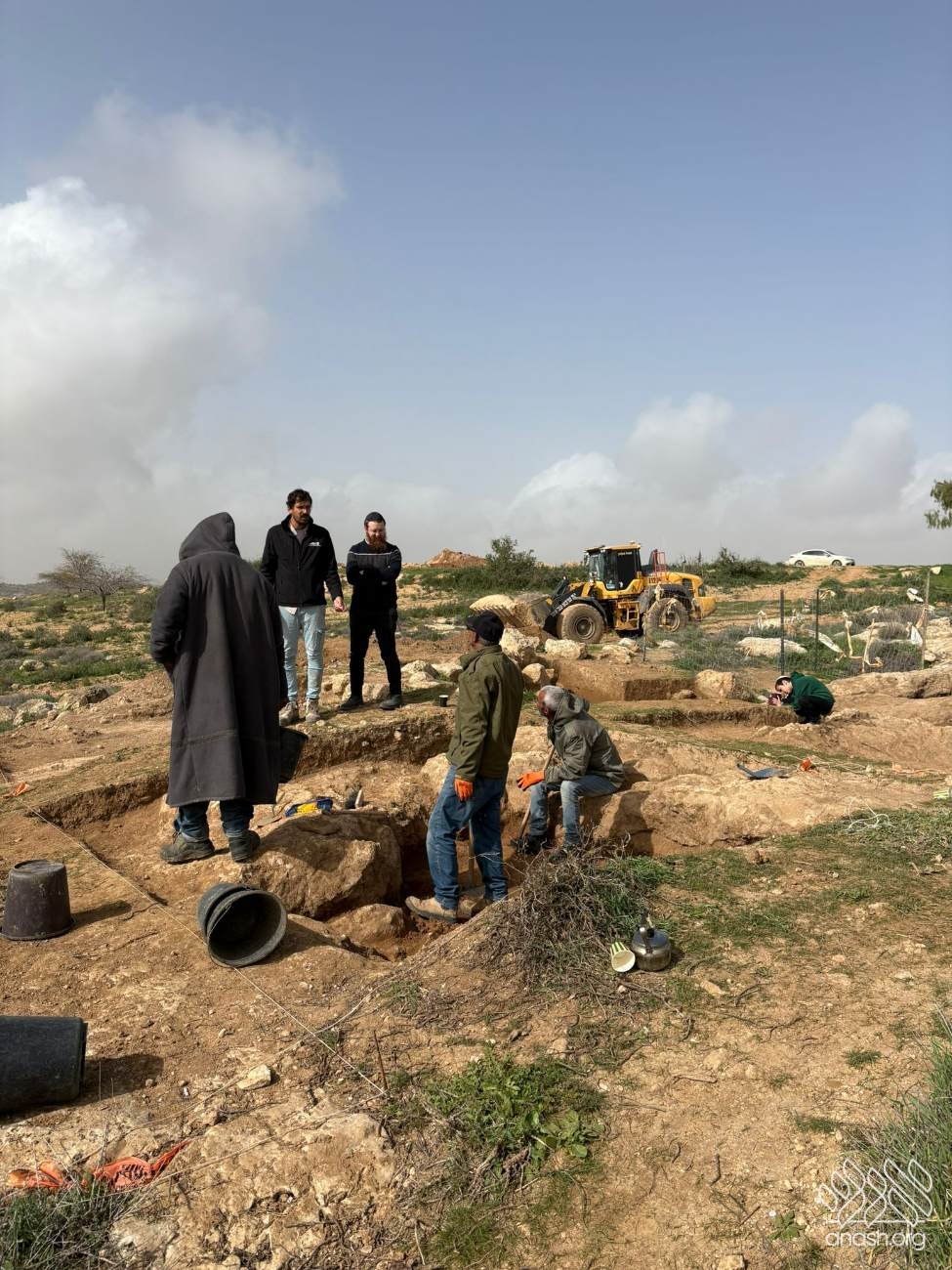
As the legal groundwork was being laid, archaeologists working near the future community site made a series of remarkable discoveries.
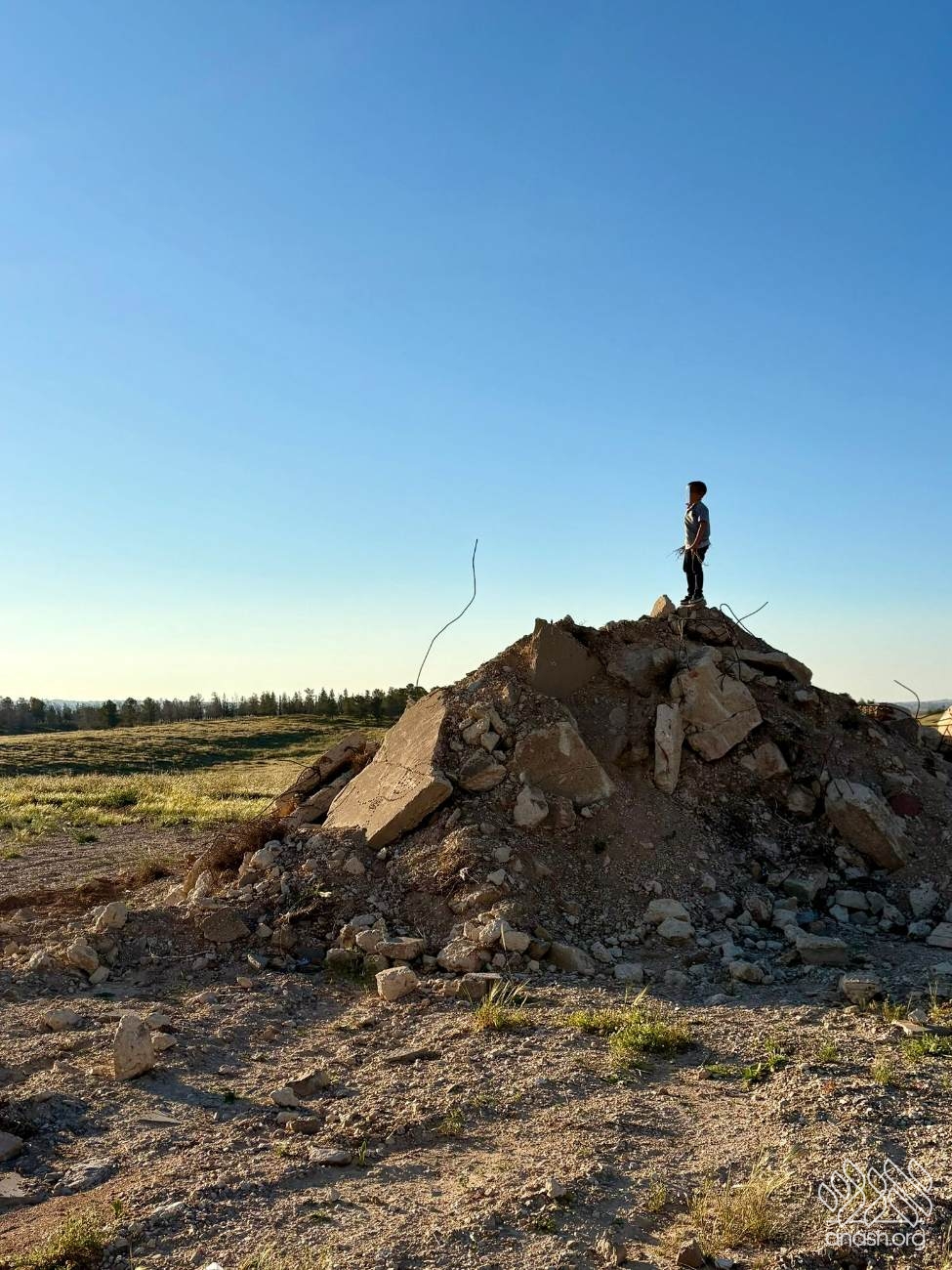
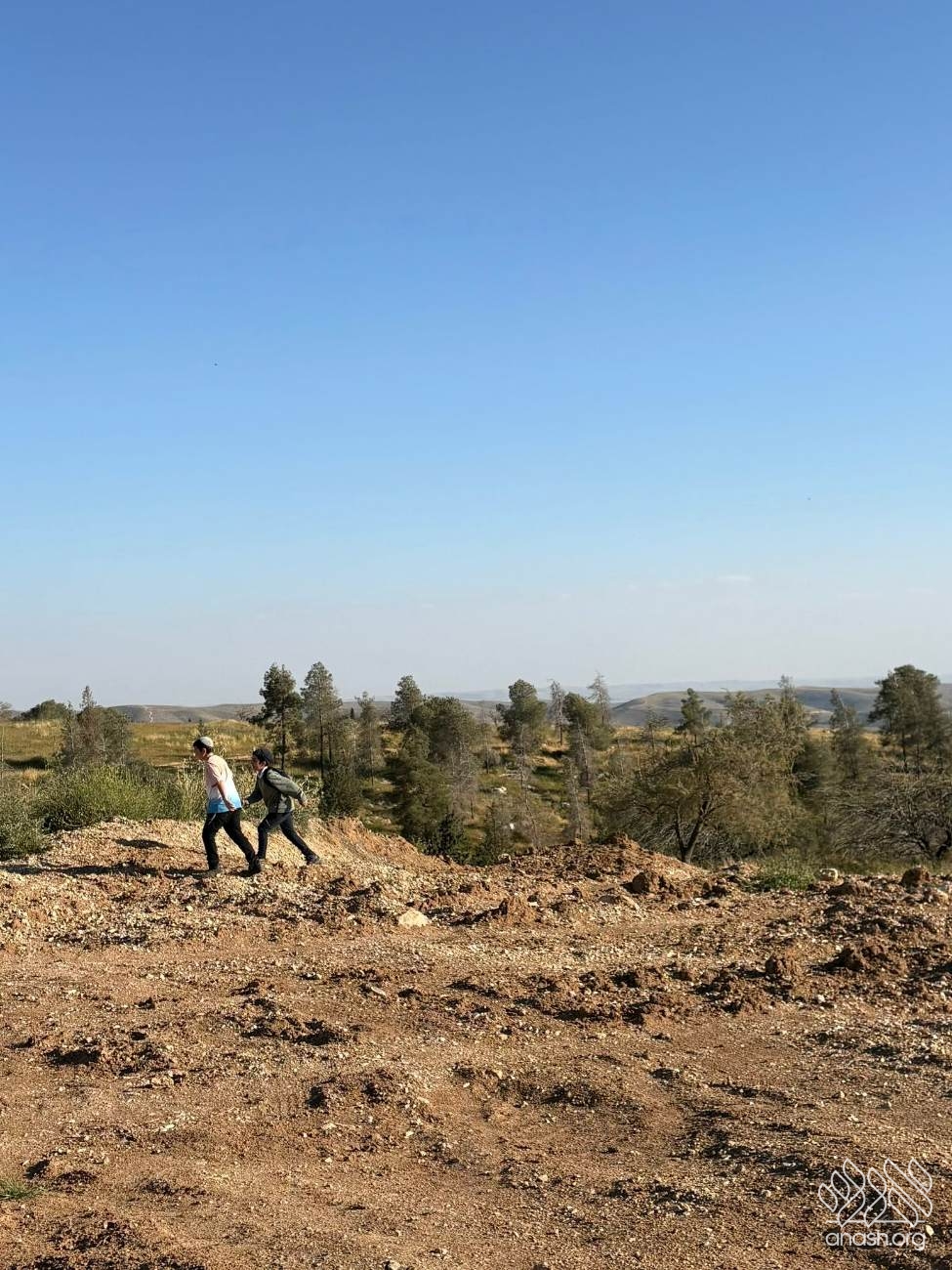
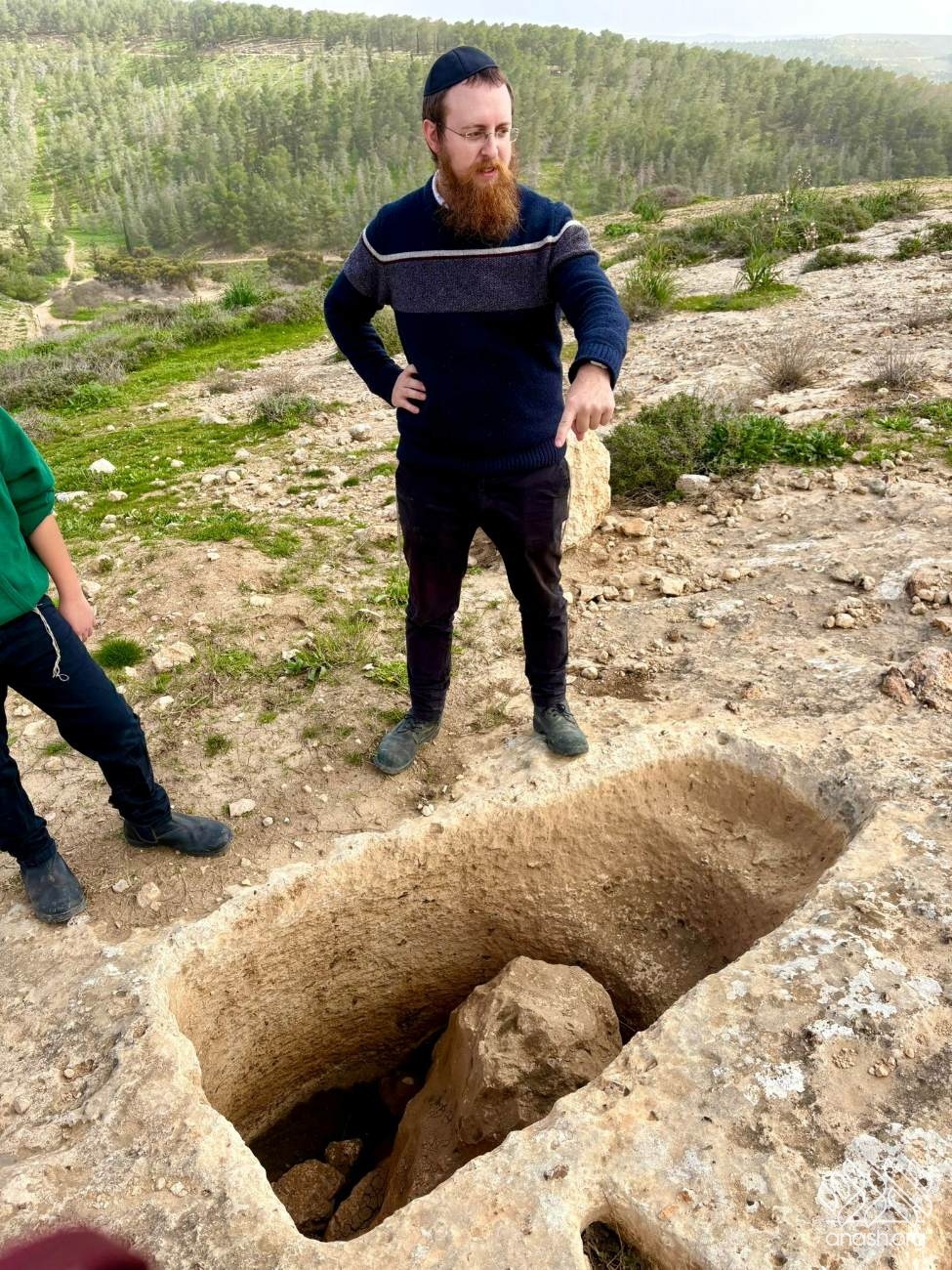
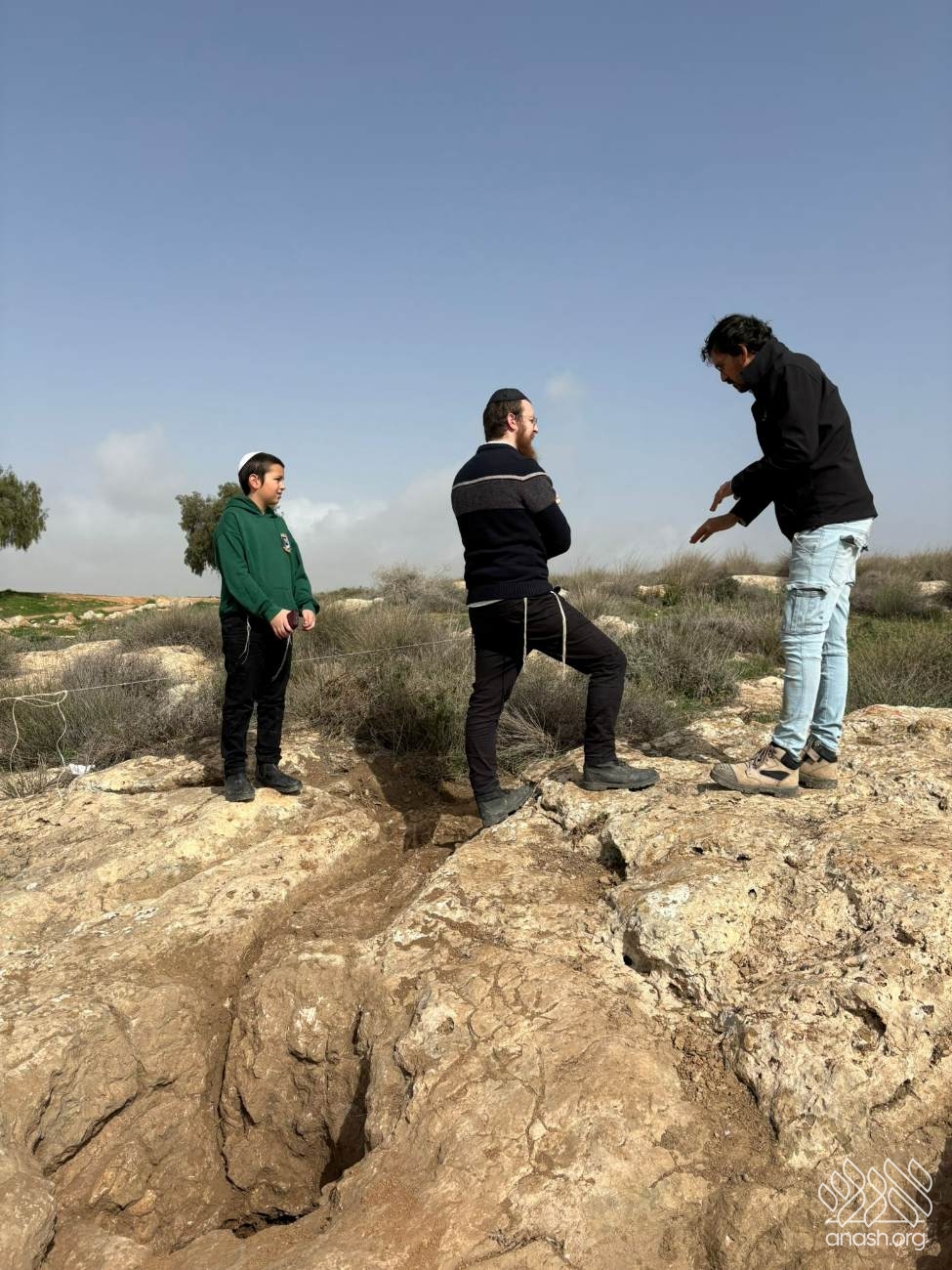
Bordering the planned yishuv is Churvat Yatir, an archaeological site spanning roughly 250 acres. Initial excavations revealed Byzantine and early Arab-period remains, but deeper work uncovered evidence of a Jewish city dating back approximately 3,000 years, believed to be one of the arei haLevi’im described in Sefer Yehoshua.
Yatir is listed among the cities given to the Kohanim in the territory of Yehudah, located between Chevron and Be’er Sheva.
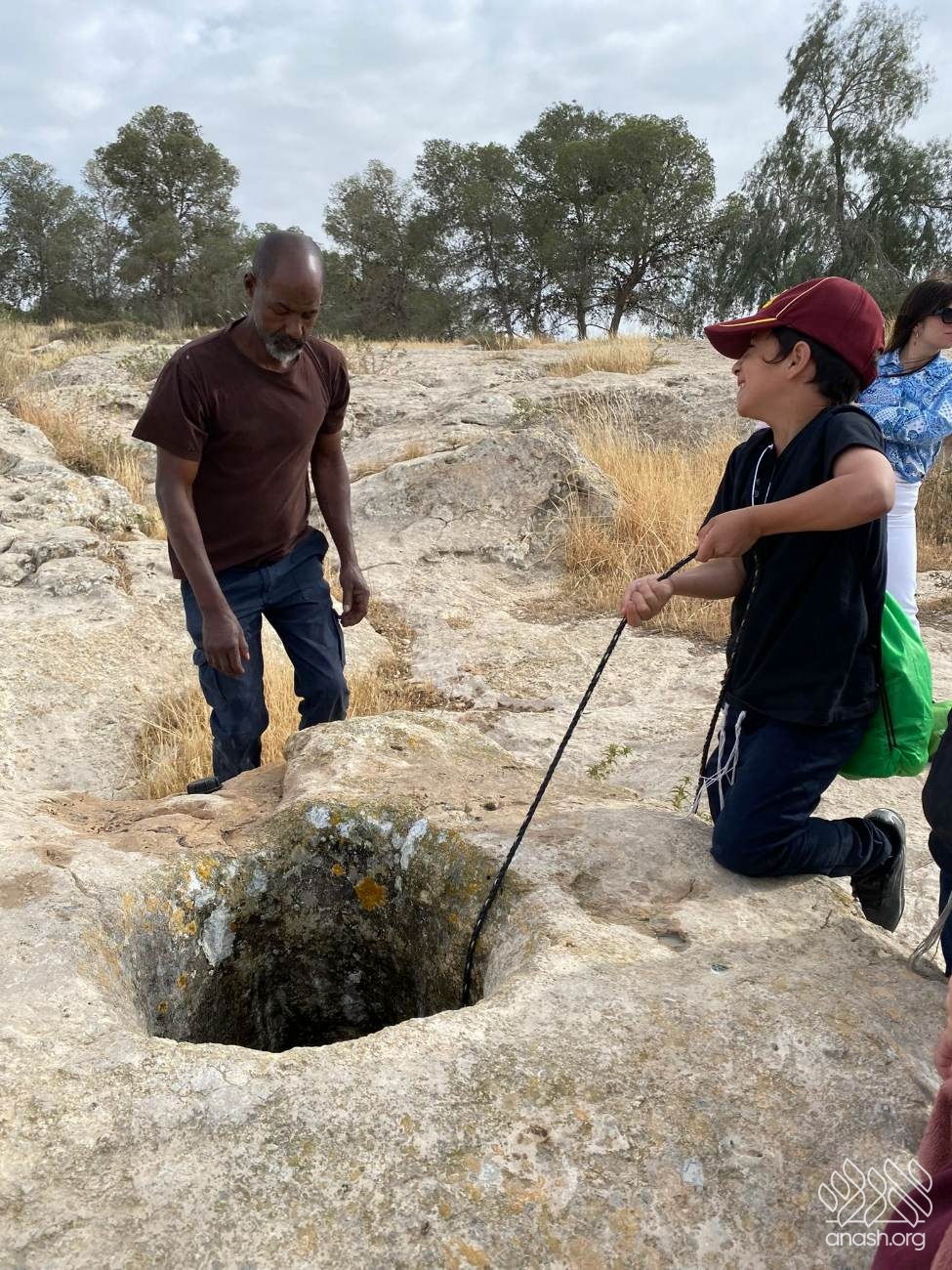
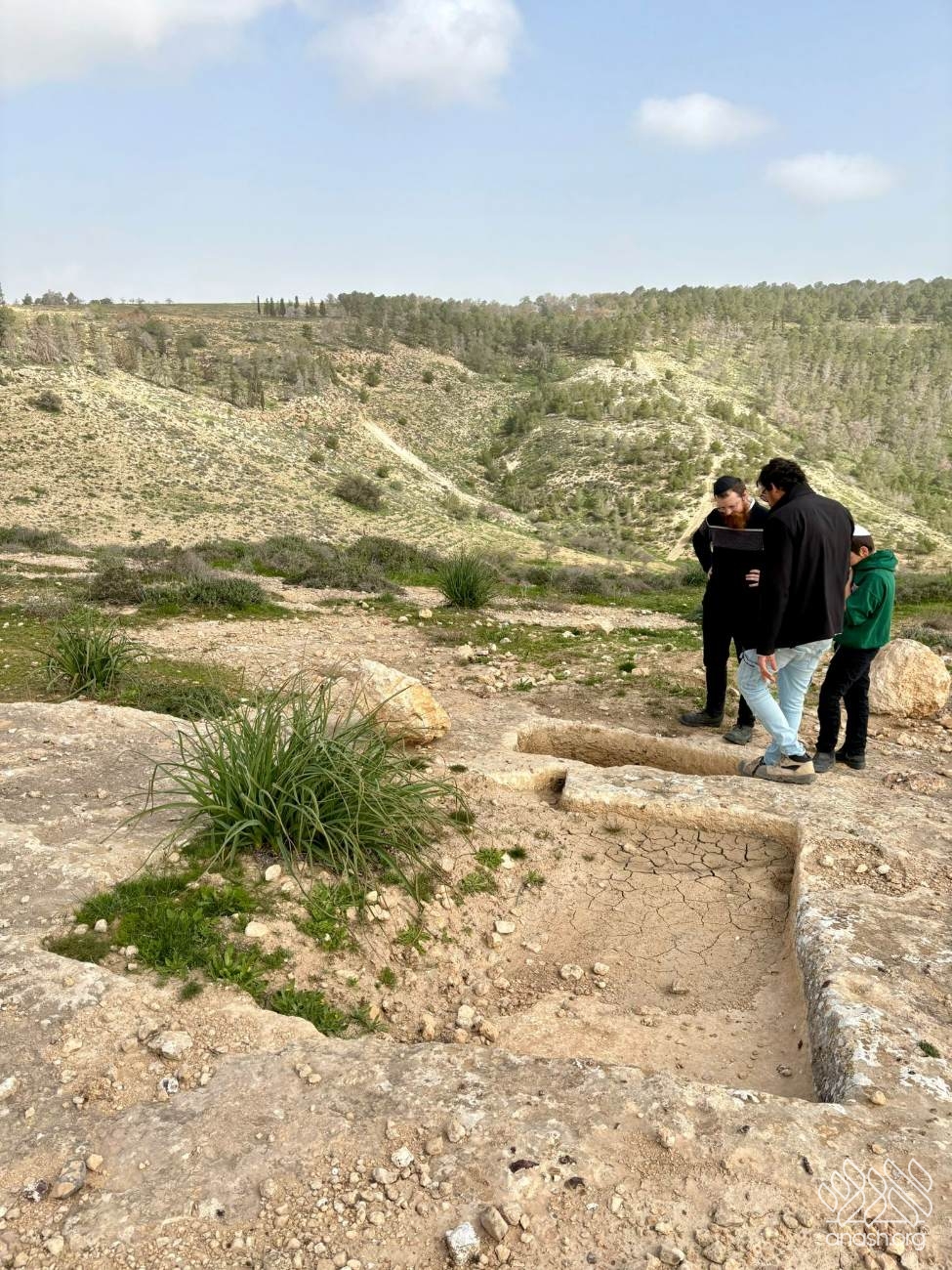
Among the findings are the remains of two shuls, both oriented toward Yerushalayim, along with wine and olive presses and a sophisticated rainwater collection system – some of which still functions today.
“This isn’t just a hill of old stones,” said Efune. “This is part of our heritage – Jewish families, possibly Leviim, who lived here. It’s amazing to think that right next to our future community is a place where Jews may have lived during the times of the Beis Hamikdash and kept Yiddishkeit alive.”
B’hashgacha protis, 90% of these precious findings are located exactly in the areas planned as public parks, so they will have minimal effect on the development of the town.
The cities of the Leviim historically served as both centers of Torah learning and, in certain cases, cities of refuge – a dimension the founders of Ohr Chabad see as deeply relevant to their vision.
“The Rebbe pointed out that there won’t be accidental murderers when Moshiach comes, but we will still have cities of refuge,” Efune said. “Instead of running from mistakes, people will go to these cities to escape the weight of the world and take refuge in the Torah.
“In Ohr Chabad, we hope to bring the city of Leviim back to life by creating a place where visitors of all backgrounds can rejuvenate with inspirational Torah classes and hands-on lessons.”
“Just building this one yishuv – even though it was a huge struggle of 12 years just to be able to start construction – already so much good has come out of it,” she added.
 COMMENTS


We appreciate your feedback. If you have any additional information to contribute to this article, it will be added below.