




כ״ט תמוז ה׳תשפ״ו | July 14, 2026
$16,000 Sheitel Prompts Call for Beis Din Price Regulation
After a sheitel was recently sold for $16,000, Chabad attorney Mrs. Nechama Tzivin launched a campaign against excessive prices, filing an unprecedented lawsuit with the Beis Din Rabbonei Chabad seeking intervention and regulated pricing to ensure fair and reasonable costs for sheitels.
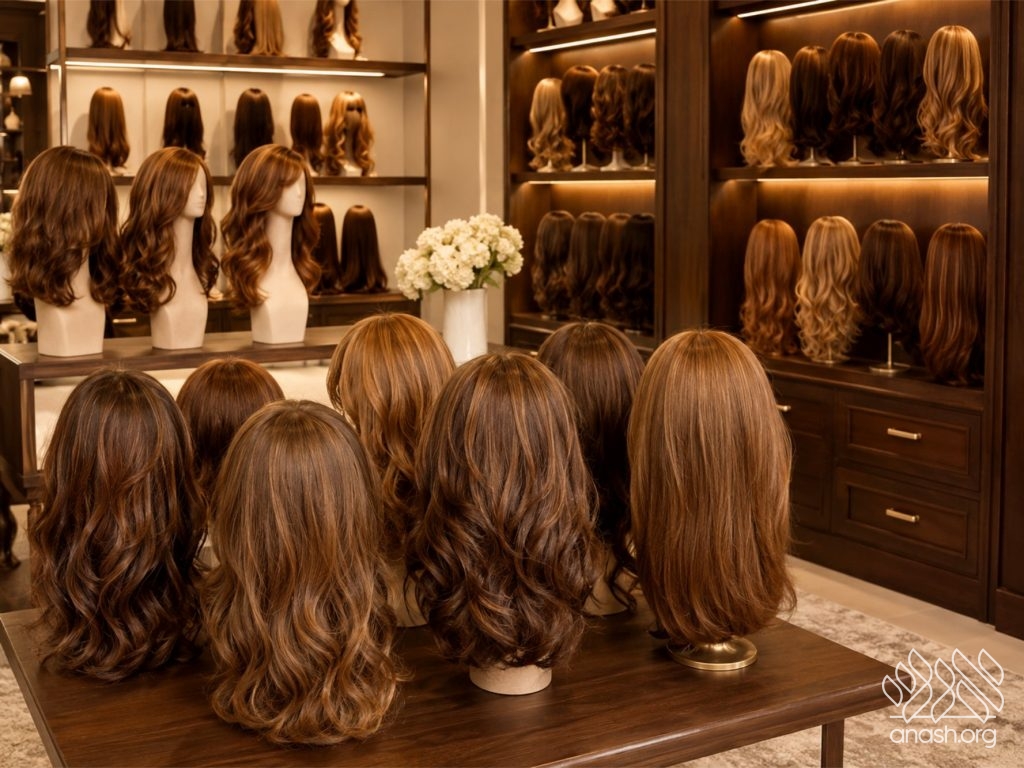
After a sheitel was recently purchased for the staggering price of 48,000 shekels ($16,000), attorney Mrs. Nechama Tzivin of Kfar Chabad, wife of attorney R’ Mordechai Tzivin, has decided to launch a campaign against excessive sheitel prices, which she says have skyrocketed in recent years.
As part of her effort to force sheitel makers to sell wigs at fair prices, she filed an unprecedented lawsuit with Beis Din Rabbonei Chabad, asking the beis din to intervene in the market and establish regulated prices for sheitels. She is also preparing identical claims to be filed in several other batei din representing Litvish and Chassidish communities.
The new lawsuit is based on halachic principles, according to which a beis din has the authority and responsibility to regulate and even compel sellers to offer products considered “basic necessities” at controlled prices. Accordingly, sellers of such essential goods are prohibited from earning more than one-sixth (16.6%, known as “shsus”) above their actual production costs and reasonable labor expenses.
“This is not only an issue of pricing for products considered ‘basic necessities,’ but also a serious prohibition of price gouging,” Mrs. Tzivin explains. “In such a case, a beis din can impose penalties and take action against those who violate this prohibition.”
She explains that, based on the Rebbe’s clear directive regarding a married woman wearing a sheitel, it is evident that sheitels carry a unique status within the community.
“Sheitels absolutely fall under the category of ‘basic necessities’ in the community, due to the categorical instruction of the Rebbe regarding a married woman’s obligation to cover her hair specifically with a sheitel,” she says.
As is well known, the Rebbe emphasized the importance of hair covering for married women and repeatedly stressed the importance of wearing a sheitel specifically. The Rebbe explained that a sheitel provides a constant and complete covering and helps a woman remain firm even in challenging situations.
The Rebbe urged women not to be embarrassed by others, but to proudly fulfill this mitzvah with pride. The Rebbe also repeatedly described a sheitel as the foundation of a Yiddishe and chassidishe home and a source of tremendous brachos, including blessings for children, parnassah, and the entire family.
The most sought-after sheitels today, Tzivin explains, are made from high-quality European or Russian hair, which is limited in supply and already expensive before the extensive handwork and finishing involved. This allows leading manufacturers and brands to maintain high profit margins.
While a sheitel is purchased due to a halachic obligation, social pressure also plays a major role, with many women feeling compelled to buy expensive, branded sheitels similar to those worn by their peers. As a result, some families with limited means take on significant financial burdens to afford them.
Because demand for sheitels is largely non-negotiable, manufacturers know customers will often pay high prices, even through payment plans, checks, or gemach loans.
In order to objectively determine whether sheitel prices are excessive, Tzivin’s lawsuit will include professional opinions from two expert sheitel makers, who will assess the actual profit margins of sheitel businesses compared to their real costs.
The lawsuit will ask the beis din to establish a maximum price for standard sheitels, limiting profits to one-sixth above production costs, in addition to reasonable wages and fixed expenses.
It will also request that major sheitel manufacturers with significant market share produce and sell a basic, quality sheitel, designed for large families and those with limited financial means, at an affordable price.
Additionally, the lawsuit calls for an explicit psak din forbidding manufacturers and sheitel makers from coordinating prices or setting rigid minimum prices.
Attorney Tzivin warns that if sheitel makers refuse to follow the rulings, further action may be necessary, including publicizing their names to ensure that women do not continue purchasing from those who refuse to comply.
In the past, Attorney Tzivin led numerous major public campaigns, many of which achieved significant results. Among them, she successfully compelled dairy manufacturers to clearly indicate the use of chalav akum milk powder, pushed for mandatory training requirements for mashgichim, demanded that city rabbonim personally sign kashrus certificates, and led other initiatives in the areas of halachic standards and consumer protection.
“The lawsuit represents the pain of tens of thousands of families in Israel collapsing under financial burdens,” Attorney Tzivin said. “Its goal is to restore halacha and economic fairness to the market.”
 COMMENTS


I hope she takes this “ad hasof”
There are wigs in all shapes and sizes and prices. The off brand wigs are very nice and are way cheaper. There are wigs that are nice and affordable. There are ones that are expensive and ones super expensive. Do we close down our anash car dealers selling Lexus or Mercedes? How about steak houses. Then we wonder why people say that chabad people are extremely entitled. Grow up and spend what u have. What about attorneys should be regulated as well?! They are a necessity for somone that needs a lawyer?!
Let’s talk positive about other Jews and different sects. Spread the love!
Agreed, nobody is forcing anybody to buy those. Hats are the same way, Borselinos go for 400 or more, I just get a hat off amazon for 70
BH
The price of a Sheitel should be determined by “the free market”. If you have any seichel, you would never spend $16k (no matter how “rich” you are!) on a Sheitel. There is no such thing as a Sheitel worth that much.
However, a radical idea would be if Rabbonim refused to be Mesader Kiddushin for weddings where the Kalla spent obscene money on her Sheitel. (Just as they probably should do about exorbitant wedding expenses! Some people need help containing their Nefesh habahamis!)
Is it fair to rely on the Tzedaka of people (like Hachnosas Kalla funds) when people spend outrageous amounts on Sheitels (or flowers!)?
Asking for a friend
Forget sheitels. Sushi is a necessity. No respectable kiddush is without sushi. The price of sushi became insane. Prices are $20 and more for a single roll!!! Rabbonim must regulate the price. It’s just rice with a sliver of vegetable and sometimes fish. It should be pennies. Enough with the price gouging. Yidden must have sushi for oneg shabbos and yom tov. Yidden must have farbrengens and who can frabreng without sushi?! Bring down the price!!!
The price for luxury extra long lace top sheitels are the biggest problem we face. Not the price for unaffordable tuitions. Not the price for camps. Not even the sky high price for tefillin of bar mitzva boys. And forget the price of a simcha – wedding, sheva brochos, bar mitzva. Those are all affordable. But sheitels, and I mean those prices for super glamorous high end luxury skin top brand name sheitels – those prices must be fought, because what else is worth fighting for?!
Great list!! Get your point!
Tefillin? Do you know a lot of rich Sofrim? Break it down to hourly wages for a very skilled (and hopefully Yiras Shamayim) labor…… you probably pay your plumber more.
My plumber was a sofer, but as his family grew, he needed more gelt, so he became a plumber.
It is pathetic that people would choose to spend so much on a sheitel.
It is likewise pathetic that an attorney will deny them the right to do so, thereby hurting the parnoso of the people who provide this service.
Kosher food, Tefillin, Tznius clothing, seforim, etc. are all necessities. Should the prices for these services be set, many thousands of Yidden will lose parnoso. They will be forced into non regulated sectors of the economy. Thus, the quality of all regulated services will decline.