




ט״ו אלול ה׳תשפ״ו | August 28, 2026
Tomchei Tmimim Doesn’t Need to Be Reinvented
“We all recognize the amazing contribution of Tomchei Temimim to our own lives and to world Jewry. But sometimes we still think that there are those who have a thing or two to teach the Yeshiva as well. After all, the Yeshiva is, in many ways, old-fashioned and outdated.”
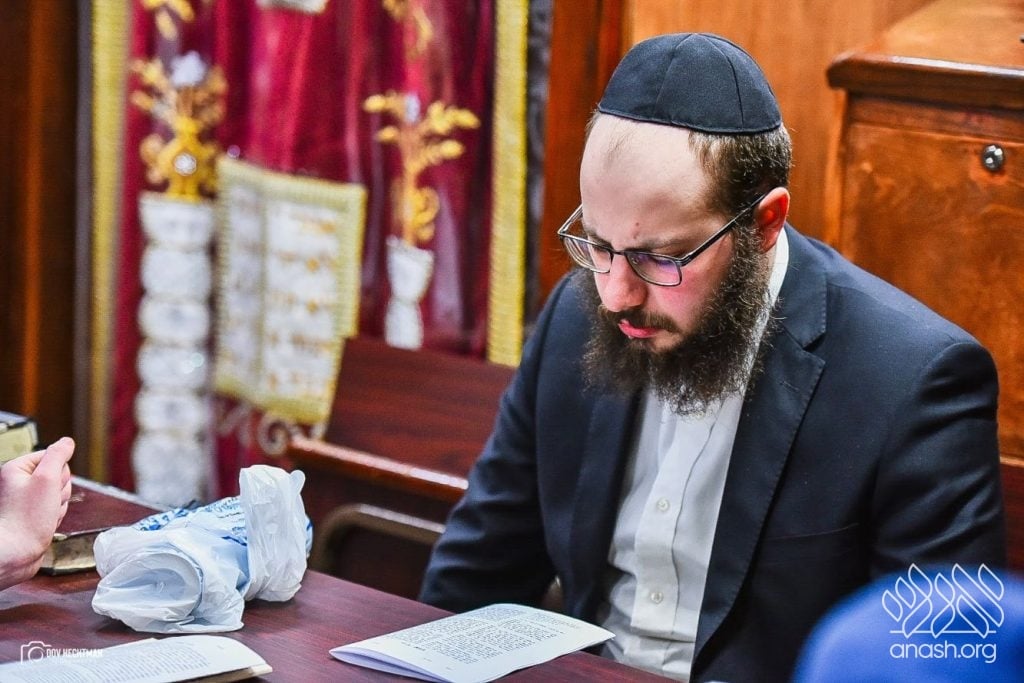 Illustration photo
By Rabbi Akiva Wagner AH
After the communist revolution in Russia, any Jewish education and Jewish activities had to go underground. Parents had a harder time accessing a proper chinuch for the children. Almost the only ones addressing this need, with absolute mesirus nefesh, were the Lubavitcher chassidim.
During this time, the famous chosid R’ Chaim Shaul Brook was sent by the Frierdige Rebbe to the city of Zhitomir, to take care of the needs of the Jewish community there. Immediately upon his arrival, he established an underground cheder and started teaching the local children. The Jewish parents, who had been extremely concerned about the future of their children, were overjoyed and breathed a collective sigh of relief.
But their relief was short-lived. Before long, there formed opposition to Rabbi Brook. And this came, not from the communist regime, but from … the local community!
They called R’ Shoiel to a meeting, and confronted him. “It’s very nice, and very much appreciated, that you are teaching our children, and at such great personal risk. But we notice that you’re spending much time learning Tanya with them. Why can’t you spend more time teaching them Gemoro?”
R’ Chaim Shaul explained: “You are right. But, in these times of great turmoil and upheaval, when none of us know what the next day will bring, it is important to learn something that will strengthen and fortify their pnimiyus, – their essence. The only thing that I know how to learn and teach in a manner that touches the pnimiyus is Tanya. But I agree with you wholeheartedly that it would be very important to teach them Gemoro. If you can only find someone to teach them Gemoro in a manner that touches and involves (his and) their pnimiyus, then that would be much preferable.”
They said to him: “We may have people who could teach Gemoro in an appropriate manner. But to run a cheder involves great costs, and we don’t have the means to fund it.”
So he told them: “I will take care of all of the funding; you can leave that to me. This is extremely important; it is vital, and if you can find the person, I will undertake to carry the entire financial burden”.
“But,” they said to him, “even if we find the person who is capable of teaching, and you take care of the finances, still, to teach Torah in the current atmosphere requires literal mesirus nefesh. Which person will be ready to sacrifice his own welfare and that of his family, just in order to teach our children?!”
“So, let me understand,” he summarized, “what you are telling me is that money, you don’t have; mesirus nefesh-you don’t have either; both I will have to provide. But, nonetheless, you want to tell me what to teach!! (Advice is the one thing you still seem to have in abundance)”.
*
The mesirus nefesh comes from Lubavitch. Only the Rebbe was able to send young couples, with such total sacrifice, to every place in the world where a wayward Jew may be found.
There are countless instances in which “other” Yidden, from a wide spectrum of groups, find their spiritual and physical needs taken care of – when they find themselves unexpectedly stranded in some remote corner of the country or the world – only thanks to this mesirus nefesh of these shluchim.
There is no doubt that they acknowledge it and appreciate it. But still, when it comes to how the shluchim should do their jobs, regardless of the results seen thus far, they are certain that they know best.
But I think we need to focus on the lesson for all of us:
The 15th of Elul is the day that the Rebbe Rashab established Tomchei Tmimim. The Yeshiva, since its inception, has produced an army of students who are not afraid of any level of mesirus nefesh, and who selflessly give of themselves to ensure the continuity of Torah and Yiddishkeit. It produced young men who rose to higher spheres in Torah and avodas Hashem.
We all recognize the amazing contribution of Tomchei Temimim to our own lives and to world Jewry. We appreciate Tomchei Temimim, and we are immensely proud of it and of our association with it. But – sometimes we still think that there are those who have a thing or two to teach the Yeshiva as well. After all, the Yeshiva is, in many ways, old-fashioned and outdated. There are so many contemporary ideas and approaches that could and should be incorporated into the Yeshiva to ensure even greater success.
From claims that the lack of any secular education doesn’t adequately prepare our children for facing the “real” world to criticism of how a bochur may spend his yom tov to challenges to the curriculum in Hebrew studies, we may feel intimidated by the professional assessments of the chinuch of our Yeshivas.
But we shouldn’t forget that it was Tomchei Tmimim that brought mesirus nefesh to the table, the mesirus nefesh that formed the foundation upon which Torah and institutions of Yidishkeit, from all factions, continue to flourish to this day. It’s easy for everyone to suddenly become the expert, but we would do well to depend on the successful track record of the Lubavitcher Yeshivos to continue to guide us.
If you want to be a proper chosid, to succeed in our ultimate mission (and to be successful in the כי תצא למלחמה על אויביך), then put all of your efforts into living and behaving in the manner that a Tomim was expected to from the very start. Which is really quite simple: Learn chassidus diligently, learn nigleh diligently, work consistently on your avodas hatefilla and on darkei hachassidus in general, and cultivate a genuine love and caring for every single Jew!
And don’t forget the mesirus nefesh. Tomchei Tmimim taught us to be ready to completely disregard ourselves, our own gashmyus and even our own ruchnyus, and focus exclusively on how we can further the ultimate goal.
There is nothing that has changed in the ideals of Tomchei Tmimim. There is nothing that is different about the image of a Tomim, – what he should look like and what he should strive for. We have to make sure to remain focused on that, and not allow ourselves to become distracted or confused by anything that is being said or thought around us.
Let us use the special date of 15 Elul, the day Tomchei Tmimim was established (and that the Rebbe attached so much importance to), to focus on what we were taught and given by Tomchei Temimim, to think about how (and if) we are living as would be expected of a Tomim, and how we can grow and improve in that, and ensure that the lessons of Tomchei Temimim are not lost on us.
Just as the first generation of Tmimim, through their mesirus nefesh and through their dedication to the ideals and principles of Lubavitch, ensured the survival and continuity of the גחלת ישראל throughout the terrible onslaught of the communist regime, so, too, today, through our mesirus nefesh and our efforts to be the temimim of today, we will survive these final dark moments of golus, and bring about very speedily the final victory of the milchomo of beis Dovid and the ברוך ה’ לעולם אמן ואמן!
 COMMENTS


It’s mind-blowing how things that were said in Russia under Communism are so applicable today.
In some ways, I would even say that it takes more mesiras nefesh to do chinuch properly today than it did then. And the misnagdim today can be even worse: everyone thinks they know better and is ready to tell the mechanchim what to do, but they themselves are not prepared to have the mesiras nefesh to actually do the work.
If you’re not willing to make that sacrifice yourself, it shows how little weight your criticism and advice really carry.
To see how true this is it’s the same story nowadays and people suddenly can’t handle it.
As long as it’s a story in the past, it’s inspiring. Try to implant it practically then suddenly your getting it all wrong. Start realizing that you need the teachers much much more than they need you.
think this article actually puts the previous article, “The Job Everyone Thinks They Know How to Do,” into a much broader perspective.
The point of that article isn’t a new problem of our generation. It’s the same issue that has existed for generations. As this article brings out, even in the original days of Tomchei Tmimim, people who weren’t doing the actual work felt that they knew better how it should be done. The line “It’s easy for everyone to suddenly become the expert” really sums it up.
That’s also why I think people have such a hard time with the second article. It’s very uncomfortable to be told that something we are used to doing — giving advice to mechanchim and telling them how chinuch should be done — may actually be part of the problem.
The second article is essentially saying the same thing, just about chinuch today: parents have every right and responsibility to care about their children, but that doesn’t automatically make us experts in how to educate an entire class or school.
What makes the message even more powerful is seeing that this isn’t a new “modern chinuch” idea. The exact same attitude existed in the early days of Tomchei Tmimim, and the response then was already: if you’re not the one willing to do the work and make the mesirus nefesh, maybe you should be a little more hesitant about telling the people who are doing it how to do it.
Thank you for this beautiful article!!
Beautifully well written! Please keep posting such articles, its a breath of fresh air to read!
I’d like to add another point that is related to the one in the article.
When trying to teach the next generation in our Mosdos to be Emesdike Temimusdike Chassidim, turn to Chassidim who grew up in Tomchei Temimim and know what Mesiras Nefesh is and what Kabolas Ohl is and ask them how things were taught and how kids should be taught in our schools, in a pure and untainted way.
Schools shouldn’t be bringing in modern day ‘professionals’ who never learnt a day in our Mosdos to ‘improve’ the way things are taught, and turn our schools into the type of schools they themselves went to. They may be well meaning, but this will not bring about the next generation of Chassidim who are an example of what Tomchei Temimim is supposed to produce in its students.
See this incredible letter from the Frierdiker Rebbe about not allowing R’ Kook to mix in to the setup of the Tomchei Temimim yeshiva:
https://chabadlive.org/2023/07/%d7%a0%d7%91%d7%a0%d7%94-%d7%a2%d7%9c-%d7%99%d7%93%d7%99-%d7%a7%d7%95%d7%93%d7%a9-%d7%94%d7%a7%d7%95%d7%93%d7%a9%d7%99%d7%9d-%d7%a0%d7%97%d7%a9%d7%a3-%d7%9e%d7%9b%d7%aa%d7%91-%d7%a0%d7%93%d7%99.html
As a parent paying over 100k per year for my 8 children to go to yeshiva, mesivta and camp, I don’t accept the premise. Like all of us, they can all do better and we should demand it.
Of course we need better. The question is what “better” is. We want the real Tomchei Temimim, not some newfangled alternative.