




כ״ב סיון ה׳תשפ״ו | June 7, 2026
The Rosh Yeshiva Who Built Generations of Leaders
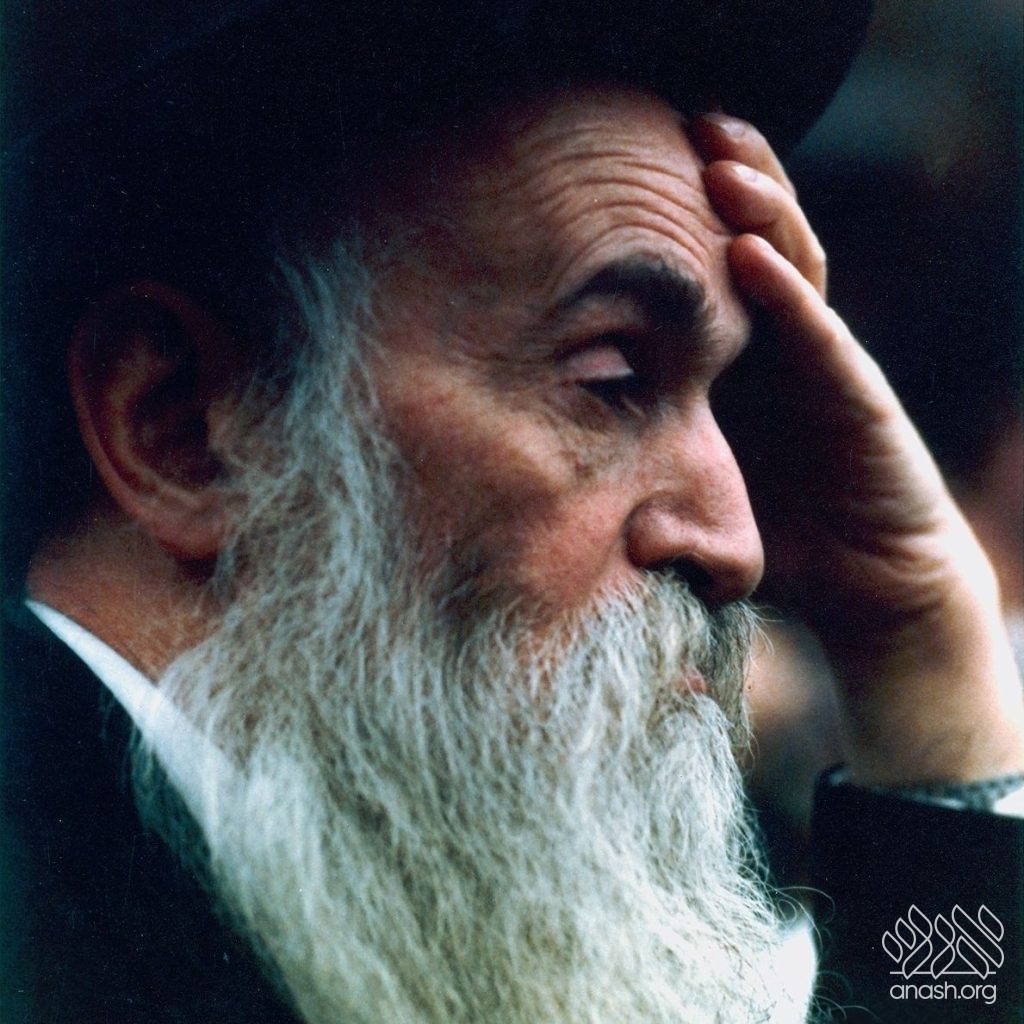
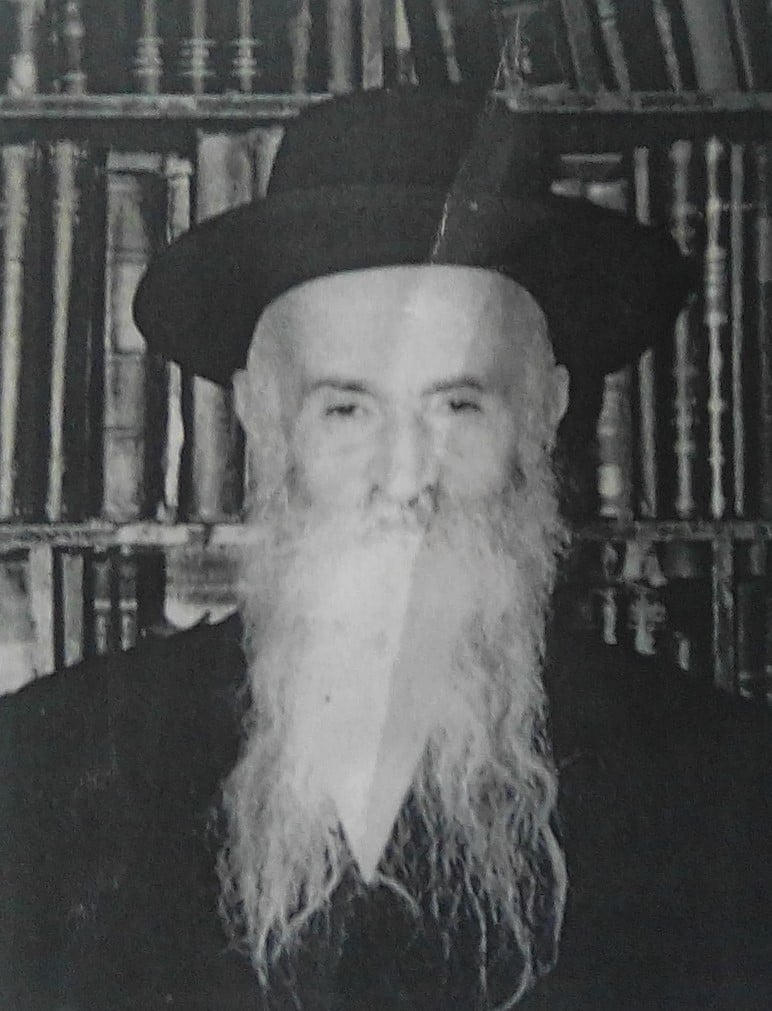
Reb Yosef Goldberg, whose yahrtzeit is on 22 Sivan, dedicated his life to Tomchei Tmimim. Many of the recent roshei yeshiva in Lubavitch were his talmidim.
By Hershel Rosenbluh for Anash.org
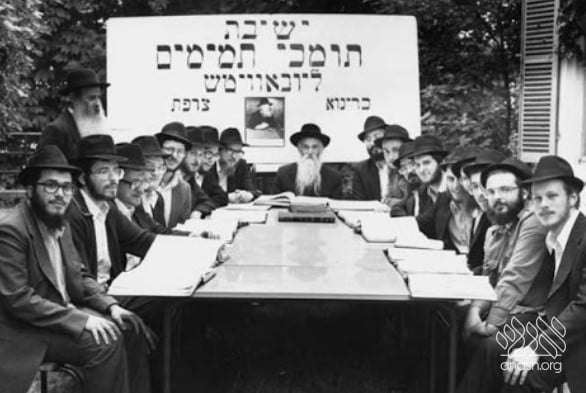
22 Sivan marks the yahrtzeit of the gaon Reb Yosef Goldberg, known as “Yoske Tiraspoler,” who dedicated his life to Tomchei Tmimim, with close to four decades spent teaching and raising talmidim at the yeshiva in Brunoy. Many of the recent roshei yeshiva in Lubavitch were his talmidim, either in Samarkand or Brunoy.
Reb Yoske was born in 5677 (1917) and raised in Russia during the tumultuous years following the Russian Revolution. His father, Reb Koppel the melamed, passed away when he was just six years old. His mother, Rivka, displayed tremendous mesiras nefesh to keep her children on the path of Torah while struggling to feed and clothe them. She was especially devoted to the chinuch of her only son, Yoske.
As a child, Yoske managed to avoid attending the Communist shkole, instead spending his days in the local shul. One day, a visitor noticed the young boy and remarked that his place was in yeshiva. The child took those words to heart.
In the summer of 5687 (1927), he finally convinced his mother to write to two yeshivos in Kremenchuk. Fortunately, Yeshivas Tomchei Tmimim responded first, and young Yoske was soon on his way there.
When he arrived, he found the atmosphere in yeshiva filled with deep sadness. The Frierdiker Rebbe had been arrested, and no word had yet been received regarding his fate. Before long, however, the mood turned to joy with the news that the Rebbe had been freed.
The next few years were extremely difficult for Yoske. His first zman was so physically challenging that the menahel, Reb Yisroel Noach Hagadol (Blinitzky), feared he would not return after the break. He spoke to him at length about the greatness of learning in Tomchei Tmimim and explained that it does not come easily. Finally, young Yoske promised that he would return. Throughout his life, he remained deeply grateful to Reb Yisroel Noach for convincing him to continue in yeshiva.
Despite his late start in learning, Yoske was sharp enough to catch up quickly to his peers. During those years, the bochurim constantly lived in fear, hiding from the KGB and worrying about where their next meal would come from.
After three years of relative calm, the yeshiva in Kremenchuk was shut down and the bochurim dispersed. Most of them, including Yoske, continued on to Vitebsk.
Within a few months, Vitebsk too became too dangerous, and Yoske moved on to Kutaisi in Soviet Georgia.
After several years in Kutaisi, Yoske once again found himself on the move. He traveled to Novozivkiva and then to Karelevitz.
At that time, it was decided that married men should no longer oversee the underground yeshivos, out of concern that their wives would remain agunos if they were arrested. Instead, bochurim were called upon to fill these positions.
Over the next four years, Yoske was placed in charge of several yeshivos until the summer of 5700 (1940). This role involved constant danger, traveling between yeshivos and chadorim while living under the constant threat of arrest or worse. Yet the bochurim entrusted with these responsibilities were undeterred. They understood that the future of Tomchei Tmimim, and perhaps Russian Jewry as a whole, depended on them.
It was not easy for Yoske to find a shidduch. He insisted on one strong condition: that the kallah wear a full sheitel, something almost unheard of in Communist Russia. Nevertheless, he refused to compromise and eventually found a kallah willing to accept this upon herself.
In 5700 (1940), Yoske married Tzivia Katznellenbogen, daughter of Reb Michoel and Sarah. Her father had been arrested and executed two years earlier. Her mother, known as “the mumme Sarah,” helped countless chassidim escape Russia.
Years later in London, Tzivia’s brother, Reb Moshe, recalled how his brother-in-law inspired him in learning. Young Moshe would “play games” with the chosson by testing him on the yeshivishe mesechtos. Yoske knew the gemaros thoroughly.
After his marriage, Reb Yosef moved to Leningrad. Before long, every available man was being pulled off the streets and drafted into the Soviet Army. Through open nissim, he was saved from almost certain death.
In the fall of 5702 (1941), as the Nazis approached Leningrad, he foresaw the danger and convinced his extended family to flee to Samarkand on one of the final trains leaving the city. During the long train ride east, he saved their lives, ensuring that they did not freeze or starve to death.
In Samarkand, he worked tirelessly to support his family and others while giving shiurim to Anash at night.
His brother-in-law, Reb Moshe, once remarked: “Reb Yosef learned a lot, did some business, and mainly starved in Samarkand.”
Finally, in 5706 (1946), Reb Yosef joined the hundreds of chassidishe families escaping Russia through the “eshalonen,” the wagon trains, using forged Polish passports. Many of these documents had been arranged by his shvigger, the mumme Sarah, while she herself remained behind in the Soviet Union, where she was eventually arrested.
He soon arrived in Pocking, where he once again joined Tomchei Tmimim as a maggid shiur. In 5708 (1947), most of Anash moved onward to Brunoy, and Reb Yosef joined the yeshiva there as a member of the faculty.
Reb Pinye Korf, who was among his talmidim during that period, would later say: “Sometimes the atmosphere was relaxed, and sometimes it was strict, but one thing we always did was learn!”
This marked the beginning of nearly forty years of teaching bochurim.
Love of Torah
Once, while walking in Kfar Chabad, Reb Yosef met Reb Shlomo Chaim Kesselman, who asked him what he was thinking about. Reb Yosef replied that he was thinking through a Ritva in a certain mesechta. Reb Shlomo Chaim was amused. He remarked that he had never encountered a chossid who walked in the street thinking in nigleh.
As a bochur, Reb Yosef had been advised by Reb Avrohom Mayorer to learn the sefer Shev Shmaatsa thoroughly. Since he took long walks for health reasons, he would use that time to review the Shev Shmaatsa until he knew the sugyos inside and out. Throughout his life, he retained a deep geshmak for that sefer and others written by the same mechaber.
His talmidim and family members often spoke about his extraordinary love for Torah. He would pace around the yeshiva courtyard completely oblivious to his surroundings, repeating the sugya aloud and gesturing animatedly, as though arguing against an incorrect sevara. At times, he would wake up in the middle of the night, walk over to the bookshelf, look into a Tosafos, and quietly return to bed.
Rabbi Heshil Greenberg of Buffalo said that although he spent only a short time in Brunoy, his entire geshmak in learning came from Reb Yosef. “He did not merely speak about learning,” he said. “He lived it, and he instilled it in his talmidim.”
Reb Moshe Niselevitch once described the way Reb Yosef baked matzos on Erev Pesach in the relative safety of Samarkand: “The image of Reb Yoske rolling the dough, sweat pouring down his forehead, is something I will never forget. After years of suffering and fear, he was finally able to perform a mitzvah in peace. It brought him tremendous joy.”
Devotion to the Bochurim
The Sanowicz brothers, Reb Sholom Ber and Reb Azriel, were from Odessa and learned under Reb Yosef in Kutaisi. When the war broke out in 5701 (1941), those responsible for the yeshiva’s gashmiyus instructed them to return home. In an unusual move, Reb Yosef firmly refused, declaring: “My task is to receive bochurim who come to learn, not to send them away from yeshiva.”
That decision ultimately saved their lives. The rest of their family was murdered by the Nazis together with most of the Jews of Odessa, Hashem yinkom domom.
His dedication to the bochurim was extraordinary. After delivering shiur, he would remain seated for long periods speaking with the talmidim. If he noticed a bochur struggling to keep up, he would offer to learn with him privately during his free time between five and six in the morning. Many bochurim accepted the offer.
Even after suffering a heart attack, he continued devoting himself to the bochurim despite his family’s pleas that he rest. If he was too weak to leave bed, the bochurim would come to him.
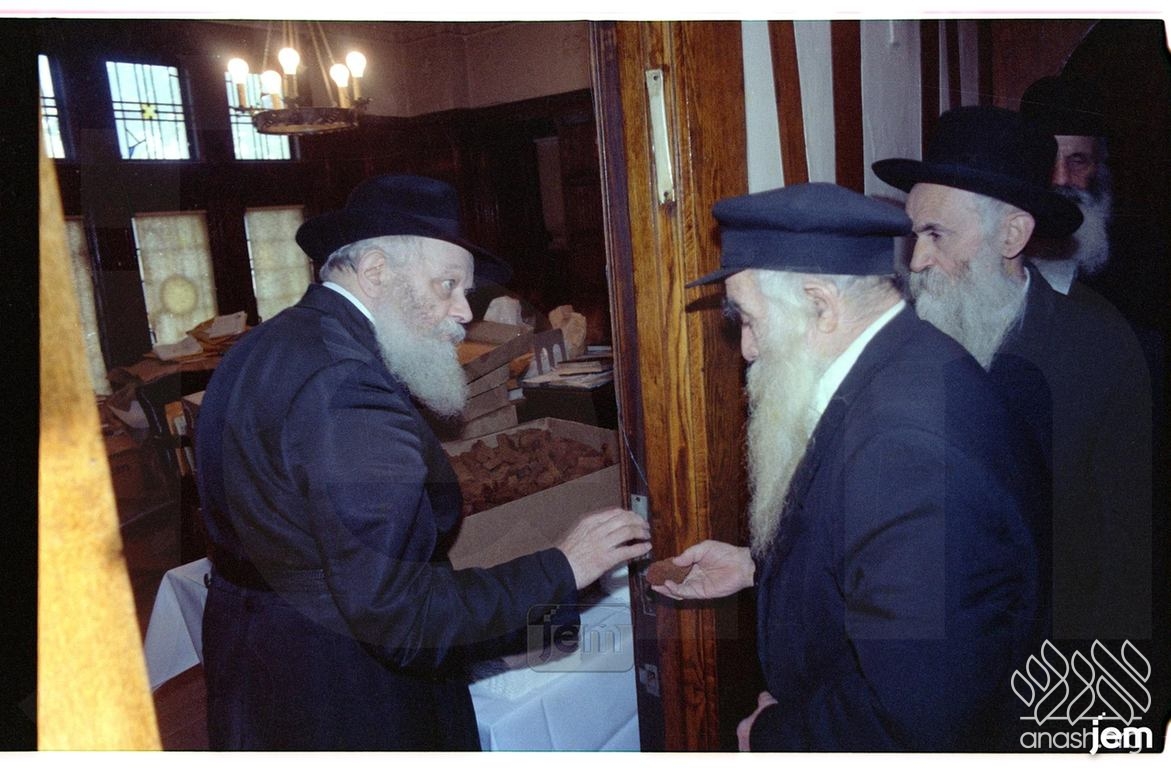
Eventually, his weak heart made it increasingly difficult for him to continue delivering shiurim. On one occasion, during yechidus, he asked the Rebbe whether he should reduce the number of shiurim he gave. The Rebbe instructed him to continue giving shiurim just as frequently as before, but to pause briefly during the shiur in order to regain strength and allow the bochurim to review. The Rebbe added that reducing the frequency of the shiurim would actually weaken him further.
When the Moroccan bochurim arrived in Brunoy during the 1950s, Reb Yosef devoted himself entirely to helping them succeed. He delivered special shiurim for them in Hebrew, which he had learned during his years in Georgia.
Both the Frierdiker Rebbe and the Rebbe wrote to him that he should succeed in implanting yiras Shomayim within the bochurim. Such wording was generally reserved for a mashpia rather than a rosh yeshiva. Reb Yosef took this responsibility very seriously and made sure the bochurim understood that they could approach him to discuss any matter.
His derech halimud followed the approach he had learned from his roshei yeshiva, Reb Yudel Eber and Reb Avrohom Mayorer, and the classic derech halimud of Lubavitch. It focused on deeply understanding the sugya until it became completely clear. Pilpulim and unsupported sevaros were not tolerated. He never allowed bochurim to simply speak “in di luften” without a proper basis. His primary goal was to provide talmidim with a solid foundation in Torah learning.
Hiskashrus
When Reb Yosef first arrived in Brunoy, he began saving penny by penny so he could travel to see the Frierdiker Rebbe. Tragically, those hopes were cut short with the histalkus of the Frierdiker Rebbe on Yud Shvat. Though he had devoted years of his life to the Frierdiker Rebbe and his yeshivos, he never merited to see him in person.
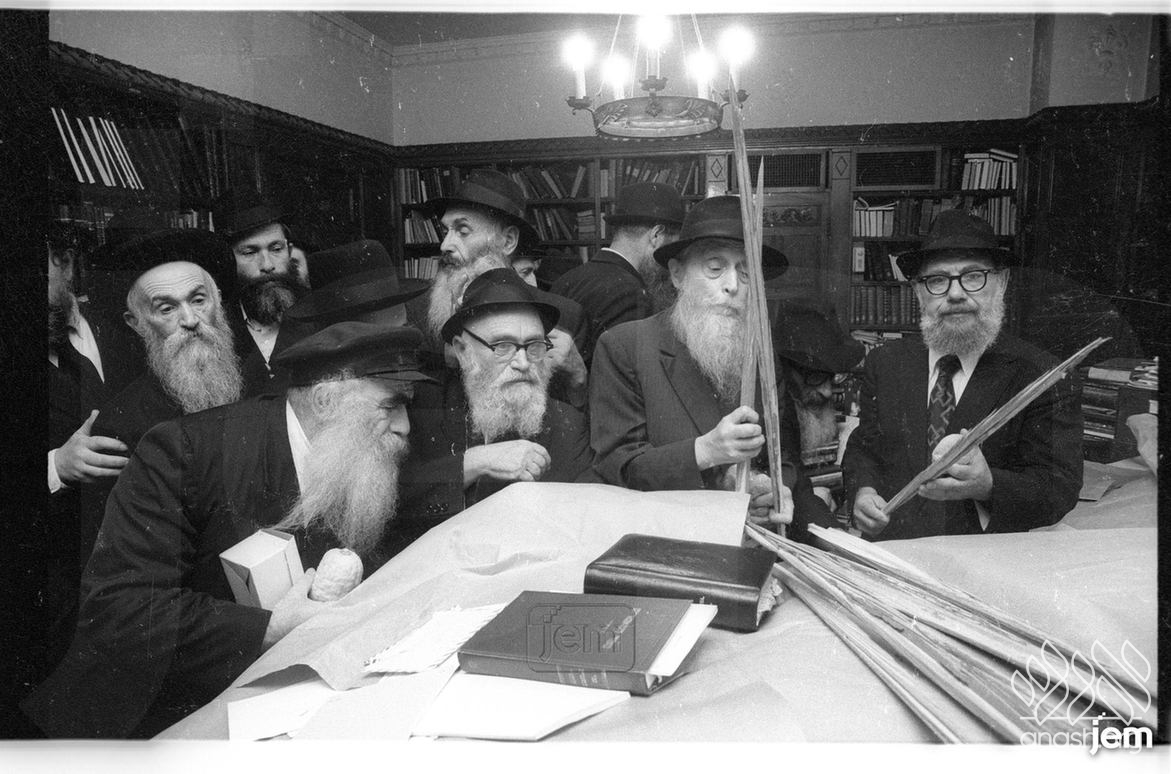
Finally, in Tishrei 5719 (1958), he was able to travel to New York and spend Tishrei by the Rebbe. There, he reunited with many old chaverim and saw for the first time what an American chossid looked like. The Rebbe instructed him to farher the bochurim and speak with them in learning.
Final Days
After suffering a heart attack, Reb Yosef began preparing himself to leave this world. He wrote a will and was matir nedorim on any vows he may have made. Thankfully, he recovered.
After Reb Nissan Nemanov passed away in 5744 (1984), Reb Binyomin Gorodetzky asked Reb Yosef to assume responsibility for the yeshiva’s financial burden as well, remarking that if Reb Nissan could worry about gashmiyus, so could he. Reb Yosef accepted the responsibility, even traveling as far as California to raise funds.
During his final Pesach, he was extremely weak, yet insisted on eating the matzah and maror according to halacha. His son-in-law, Reb Yitzchok Klyne, recalled the sreifas chometz that year: “He stood by the fire crying bitterly, as though he sensed that this would be his final opportunity to burn the chometz.”
Reb Yosef passed away on 22 Sivan 5745 (1985) and, in accordance with his request, was buried on Har Hazeisim in Yerushalayim.
Adapted from “Toldos V’Halichosov Shel Rosh Hayeshiva Reb Yosef Goldberg A”h.”
Exif_JPEG_420
 COMMENTS


It wasn’t rabbi goradetzky, it was the rebbe when remarked that if Reb Nissan can take gashmiyus responsibility, certainly reb yeisef can too.
Thank you so much for the article. I had the great merit to be a Talmid of his son R’ Goldberg the rosh yeshiva of Hadar hatorah where he would tell us many stories about his father. He told us that he remembers as a little boy wherever his father went from refugee camp to refugee camp he always made sure to gather Bochurim around and teach the Torah and inspire their learning.
Thank you so much for the great article!
It would be good to also mention that one of his sons-in-law is R. Avrohom Osdoba sheyichyeh.