



ח׳ אלול ה׳תשפ״ו | August 21, 2026
Two Mesiras Nefesh Yidden Who Grew Into Great Chassidim
8 Elul marks the yahrtzeit of Reb Moshe Katznellenbogen and Reb Yosef Volovik, two generations of mesiras nefesh Yidden who became remarkable talmidei chachomim and Chassidim, keeping Torah and Yiddishkeit alive through decades of Soviet persecution and hardship.
By Hershel Rosenbluh for Anash.org
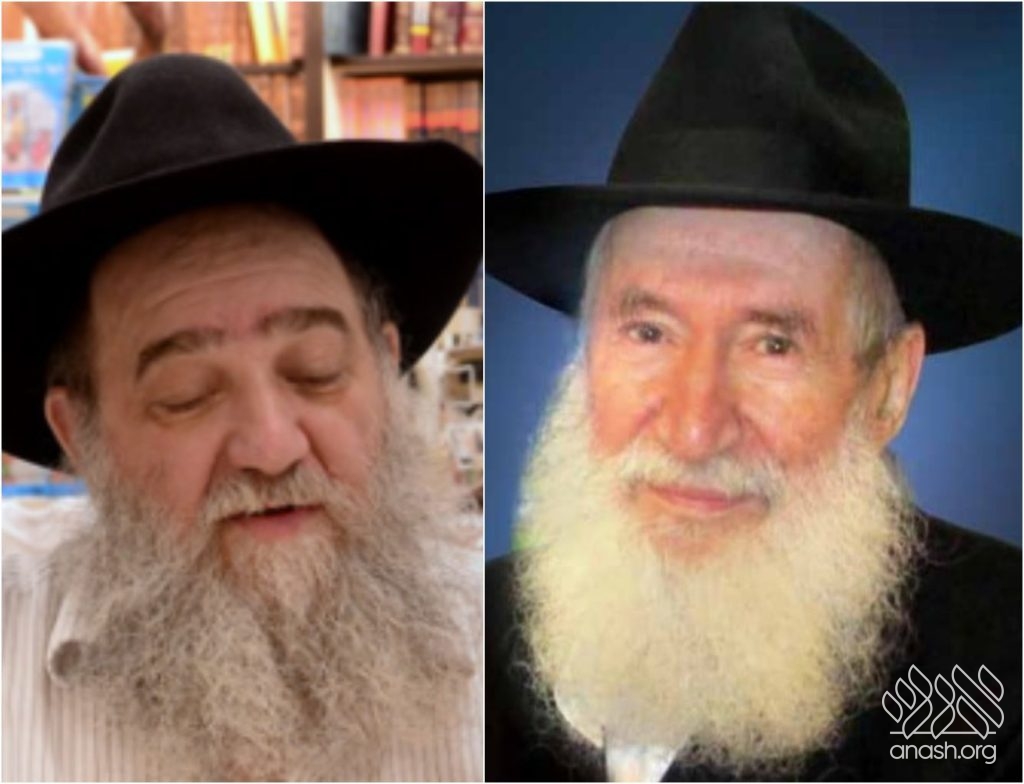
Although a generation apart, Reb Moshe Katznellenbogen and Reb Yosef Volovik both showed Jews in the free world that even in Soviet Russia, a Yid could grow into a talmid chochom and chossid.
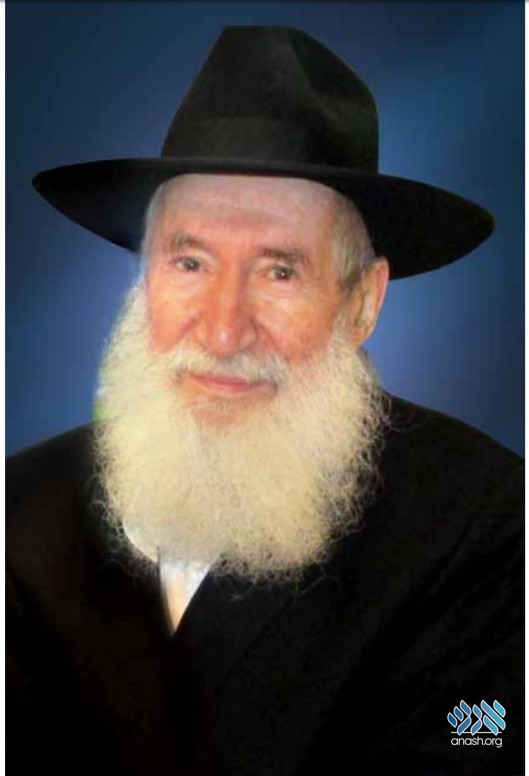
Reb Moshe Katznellenbogen
Known as Maish’ke Sarah’s, Reb Moshe Katznellenbogen passed away on 8 Elul 5774 (2014), at the age of 83. He had been quite active in his mother Mumme Sarah’s activities to help thousands escape the Soviet Union to freedom in 5706-7 (1946-7).
He was arrested together with his mother and sent to Siberia. Sarah died in prison before Pesach 5712 (1952), and Moshe, her son, was later sent to Siberia after spending a year in a Georgian prison.
Reb Moshe spent years in several Siberian prisons and somehow managed to avoid being mechalel Shabbos and eating chometz on Pesach. Once released after Stalin’s death in 1953, Reb Moshe also managed to find work that kept him from working on Shabbos. For the next 18 years, he managed to live a life of somewhat normal Yiddishkeit without being forced to be mechalel Shabbos and Yom Tov or eat chometz on Pesach.
Reb Moshe was involved in the transfer of documents and other materials from Russia to the outside world, and vice versa. One of those special packages was the Tanya of Harav Levi Yitzchok, the Rebbe’s father, with the margins filled with he’oros, comments that Rebbetzin Chana had left behind for fear of being caught. Reb Moshe was the one who transferred it to the Israeli embassy, which sent it to the Rebbe.
In Russia, Reb Moshe was also very involved in learning Torah with students and being mekarev them to Yiddishkeit. One prize talmid of Reb Moshe’s was Professor Dovid Kazhdan, who later taught at Harvard University and became a full Baal Teshuvah.
In 5731 (1971), Reb Moshe was allowed to leave the USSR, where he made his way to London, where his brother, Reb Yehoshua “Heish’ke” Raskin, lived. There he raised a beautiful family, with many of them becoming shluchim all over the world.
Upon his first visit to the Rebbe, Reb Moshe was told to visit Reb Moshe Feinstein and “red in lernen” – speak in learning – with him, so that Reb Moshe could see that Jews in Russia studied Torah even under the most difficult circumstances.
Reb Yosef Volovik
Another such chossid, from a later generation, who also passed away on 8 Elul was Reb Yosef Tzvi “Yoske” Volovik, who passed away in 5777 (2017), at the age of 71. Despite having never learned in yeshiva, he was no less learned than the finest products of the best yeshivos.
Raised in a home of mesirus nefesh, his father was Reb Chaim Volovik, or Chaim Ramener, as he was known in Lubavitch, who was actively involved in the mass escapes from Russia in 5706-7 (1946-7). His mother was the daughter of the chossid Reb Eli Eber of Krasnaluk.
For years, the authorities were looking for Reb Chaim. Yoske was a brilliant child who mastered sections of Tanya ba’al peh and was well versed in Shas and poskim.
As a bochur, Yoske taught in the underground yeshiva in Samarkand. His students, when they got out of Russia, were on the same level, if not on a higher level, than boys their age in Eretz Yisroel. This was despite the fact that their melamed had never learned in a proper yeshiva and was always looking over his shoulder to see if somebody was watching.
Arriving in New York in 5731 (1971), Reb Yoske was immediately delegated the mission of bringing the light of Torah and Yiddishkeit to the many Russian immigrants who were arriving in this country. F.R.E.E., the organization founded two years earlier to help immigrants from the Soviet bloc acclimate in the United States, needed young men like him to help with its holy work.
For over 45 years, Reb Yoske was involved in F.R.E.E.’s activities. In the F.R.E.E. shul, he was the rosh hamedabrim, despite not having an “official” position as rov or mashpia. But if you needed anything, Reb Yos’ke was the one to get in touch with, whether spiritual or material.
“He was a very geshmake Yid,” one mispallel at F.R.E.E. told Anash.org. “Moleh v’godush, I still miss him,” he added.
Reb Yoske left behind a beautiful family, bonim u’vnei bonim, following in his ways.
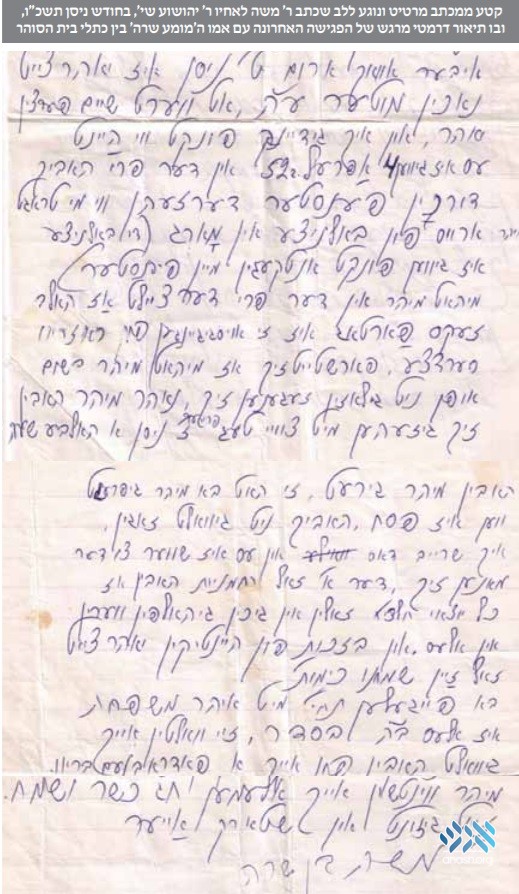
A letter from Reb Moshe to his brother in London.
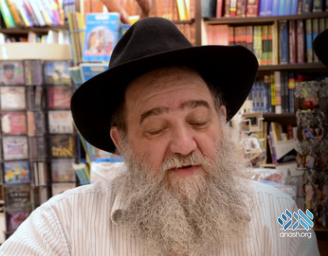

Left, with with his brother yblcht"a, Reb Eliyohu of Nachlas Har Chabad.
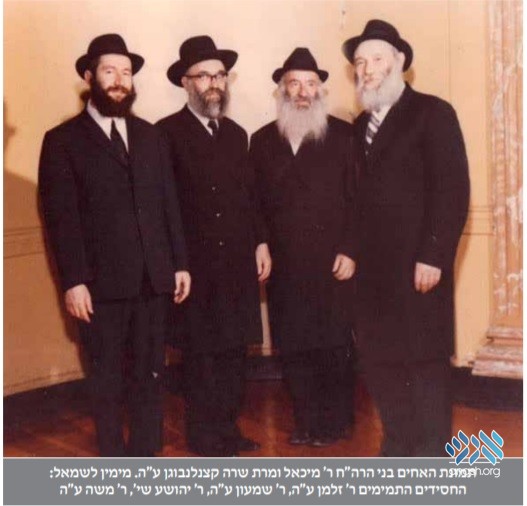
The brothers Katznellenbogen.
 COMMENTS


We appreciate your feedback. If you have any additional information to contribute to this article, it will be added below.