



ל׳ תשרי ה׳תשפ״ז | October 11, 2026
Pomona Kinus Torah Weighs In on Chassidus Learning Debate
A Kinus Torah in Pomona brought together Anash for engaging discussions in Halacha and Chassidus, including one weighing in on the ongoing debate over the proper approach to learning Chassidus.
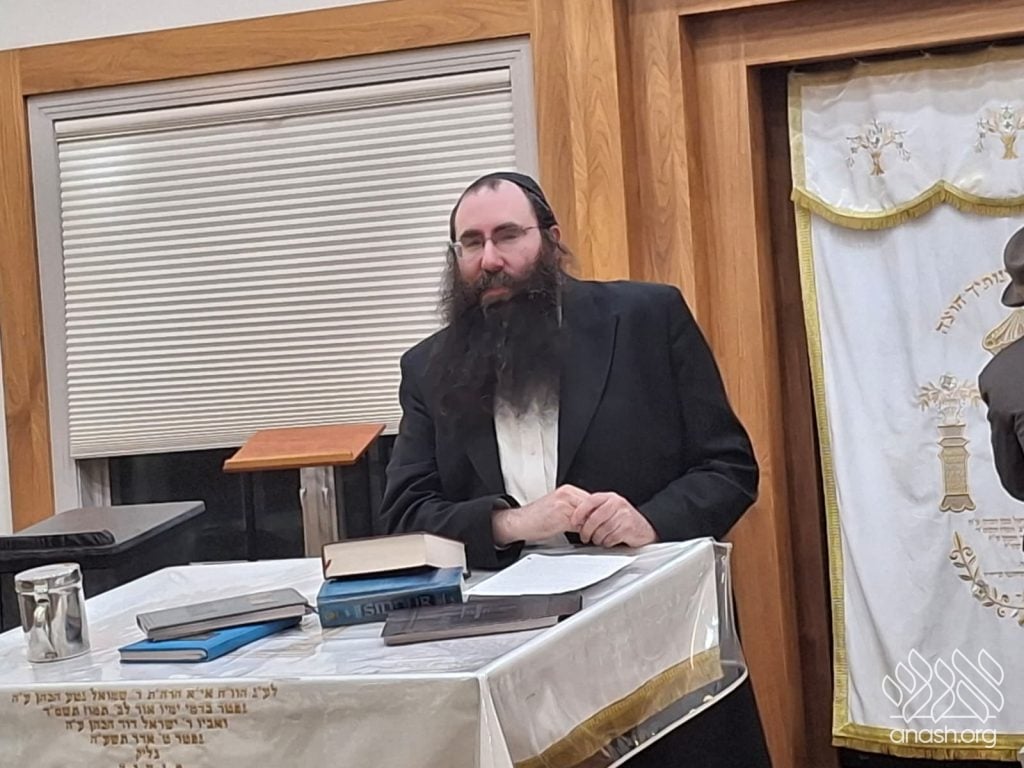
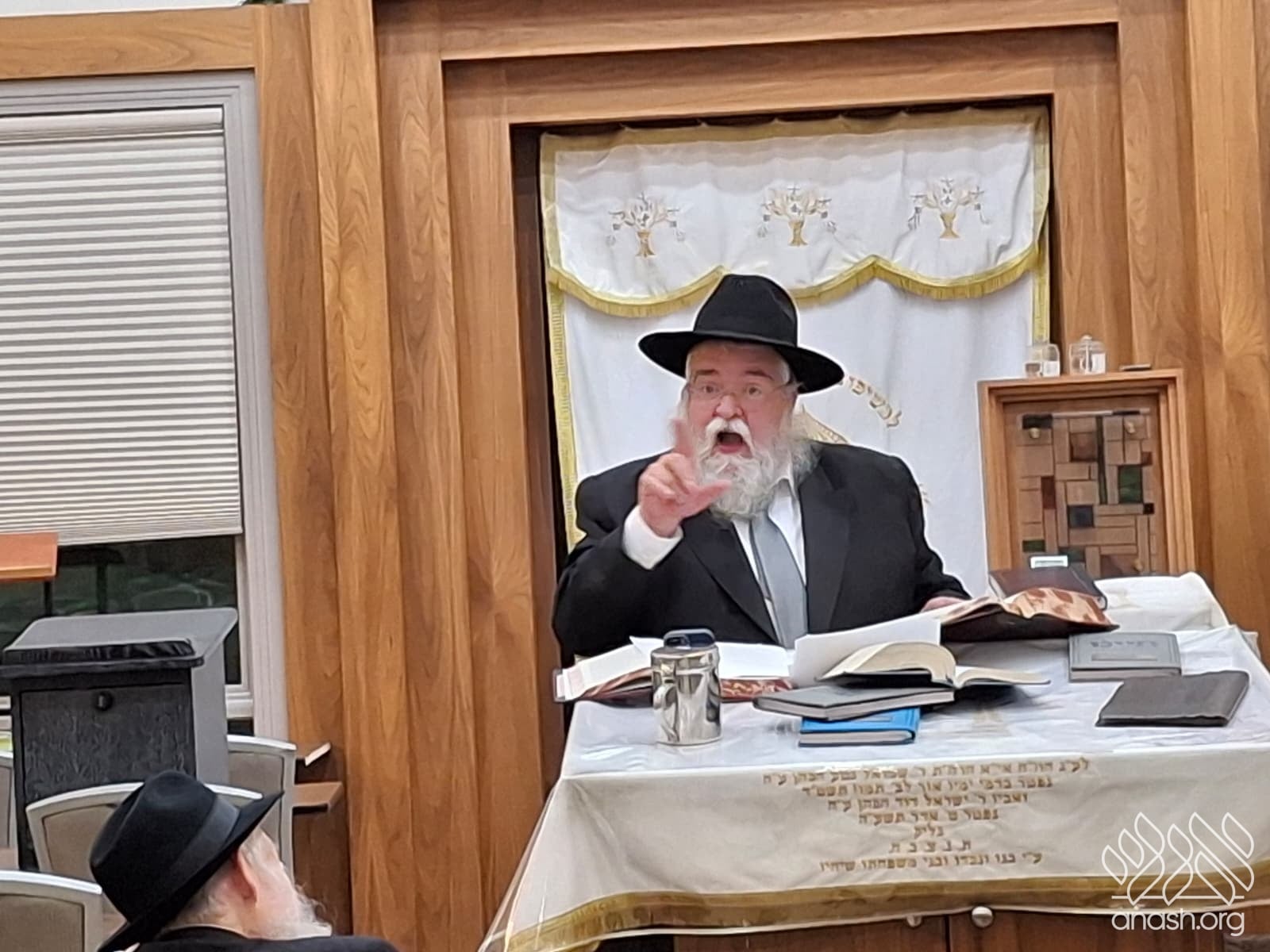
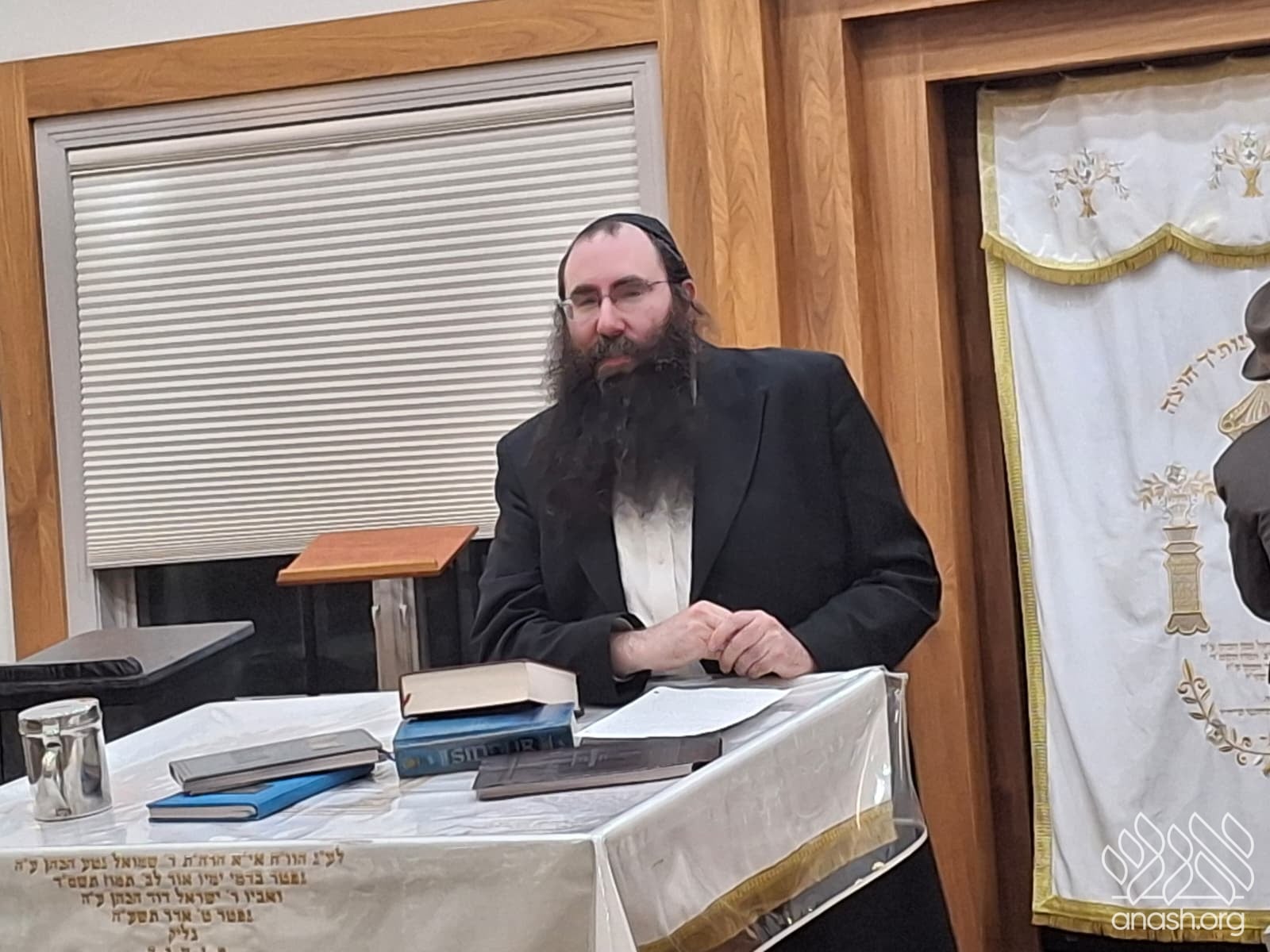
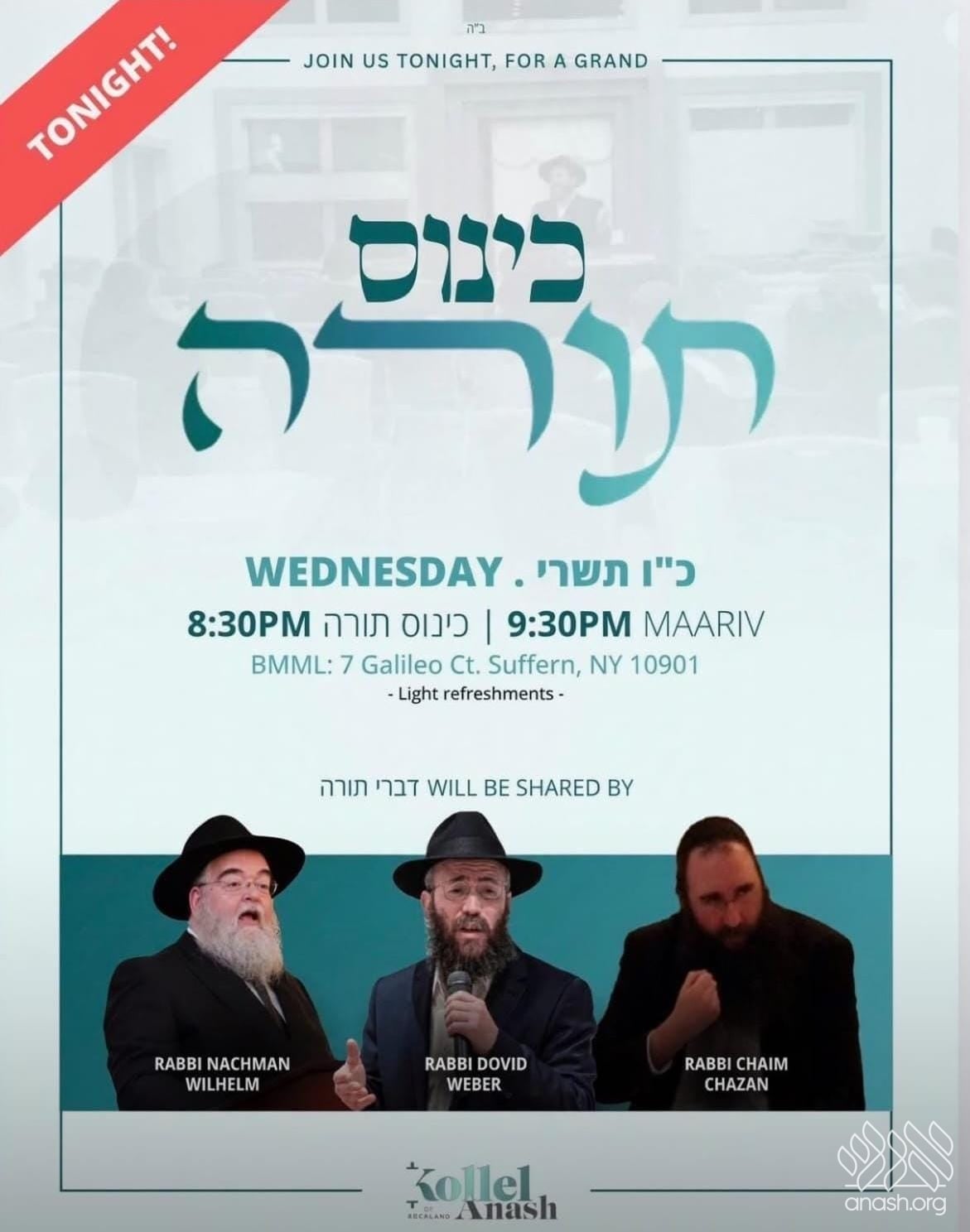
In accordance with the Rebbe’s instruction to hold Kinusei Torah following Yom Tov and to mark the conclusion of Tishrei with Torah learning, a Kinus Torah took place at Beis Menachem Mendel Lubavitch of Pomona, drawing Anash from the Pomona-Monsey area.
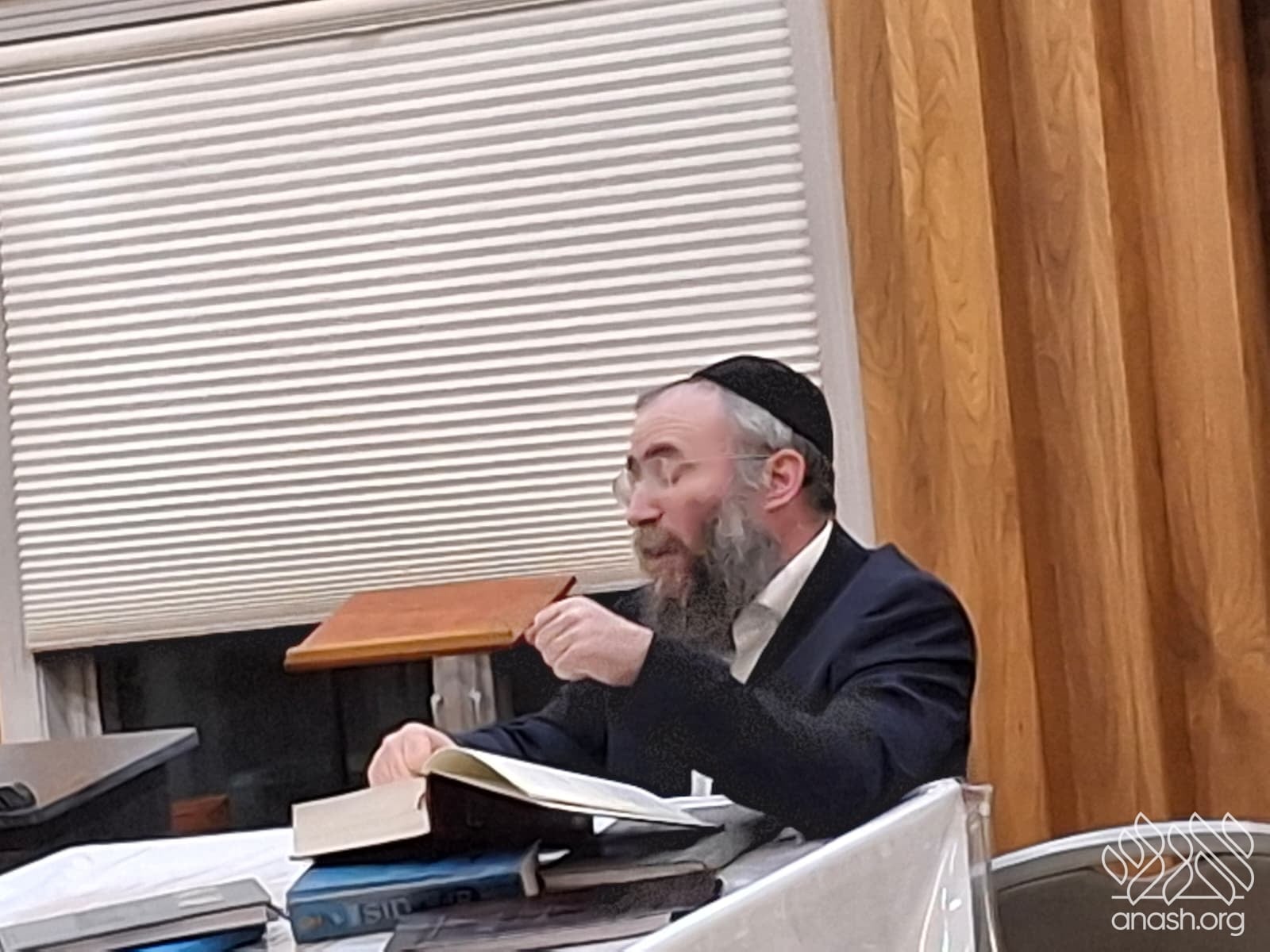
Three speakers addressed the crowd, sharing chiddushim and insights and exploring various topics in Torah. The speakers included Rabbi Nachman Wilhelm, head of Online Smicha; Rabbi David Webber, rav of the BMML shul in Pomona; and Rabbi Chaim Chazan, mashpia in Pomona and Heichal Menachem Monsey.
The crowd of bochurim and yungeleit listened attentively and actively participated in the discussion, with questions and lively discussion adding to the atmosphere of the Kinus.
Rabbi Wilhelm spoke about several takanos and gezeros that have changed over the generations, exploring three examples and explaining the reasons behind these changes. Among them was the translation of Torah into other languages. While the Gemara in Maseches Megillah describes the translation of the Torah into Greek as a negative event, today Torah works are routinely translated into English and other languages, including Gemara, maamarim, and the Yiddish maamarim of the Frierdiker Rebbe. Rabbi Wilhelm explained the reasons for this change and how it reflects the needs of different generations.
Rabbi Webber discussed Hilchos Borer according to the Alter Rebbe, focusing on the case of removing an insect that fell into wine or soup. He explored the Alter Rebbe’s unique approach to this halacha, particularly the difference between his ruling in the Shulchan Aruch and his later ruling in the Siddur, which differs from the approach of other poskim. Rabbi Webber examined the reasoning behind these rulings and the explanations for the differences between them.
Rabbi Chazan addressed a topic that has recently been the subject of discussion on Anash.org: whether Chassidus should be learned aliba d’nafshei, with an emphasis on personal application, or for the sake of understanding Chassidus itself. Drawing on various letters of the Rebbe, he explained that both approaches are essential and that the question is primarily one of emphasis. He offered an explanation of how the two approaches complement one another and their respective roles in learning Chassidus.
The Kinnus Torah was organized by Kollel Anash of Rockland.
 COMMENTS


We appreciate your feedback. If you have any additional information to contribute to this article, it will be added below.