




כ״ד סיון ה׳תשפ״ו | June 9, 2026
Lost Rashbam Manuscript Uncovered in Moscow Archives
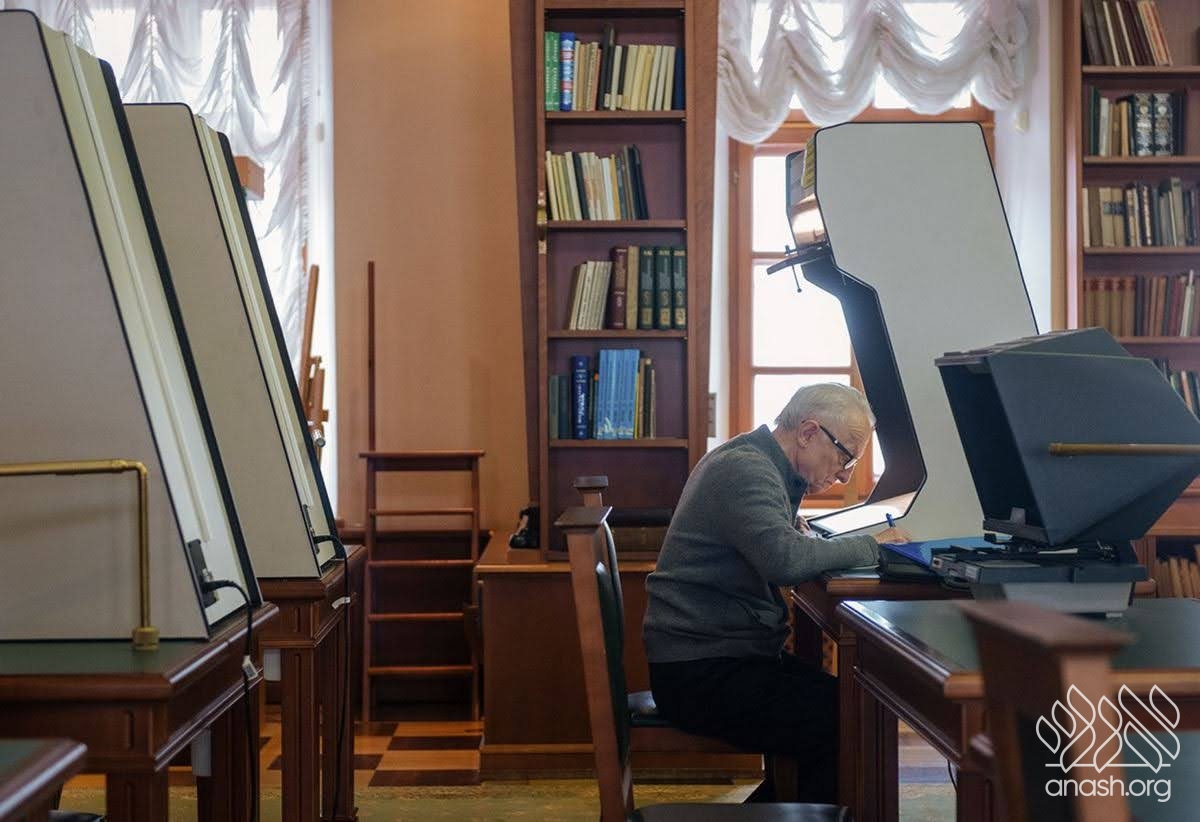
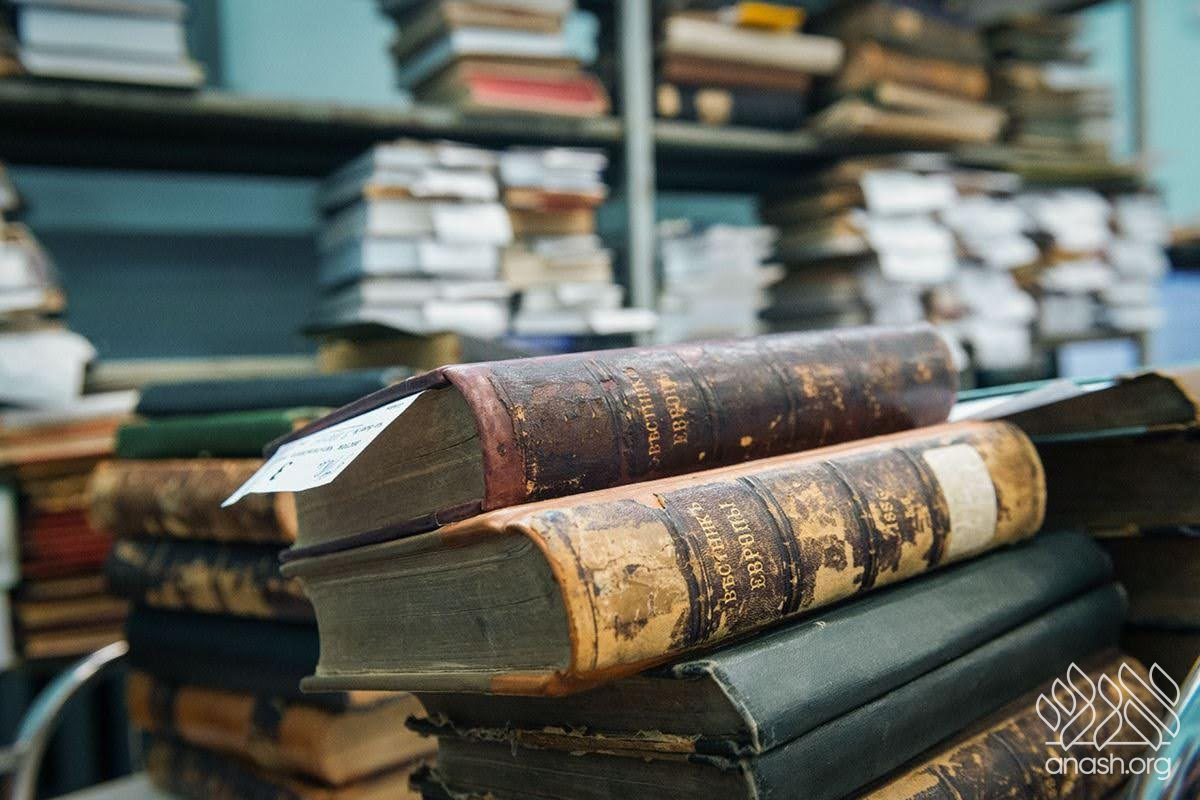
A rare manuscript of Rashbam’s commentary on the Torah, long considered lost after being used for the first printed edition in 1881, was recently uncovered in the archives of the Russian State Library in Moscow.
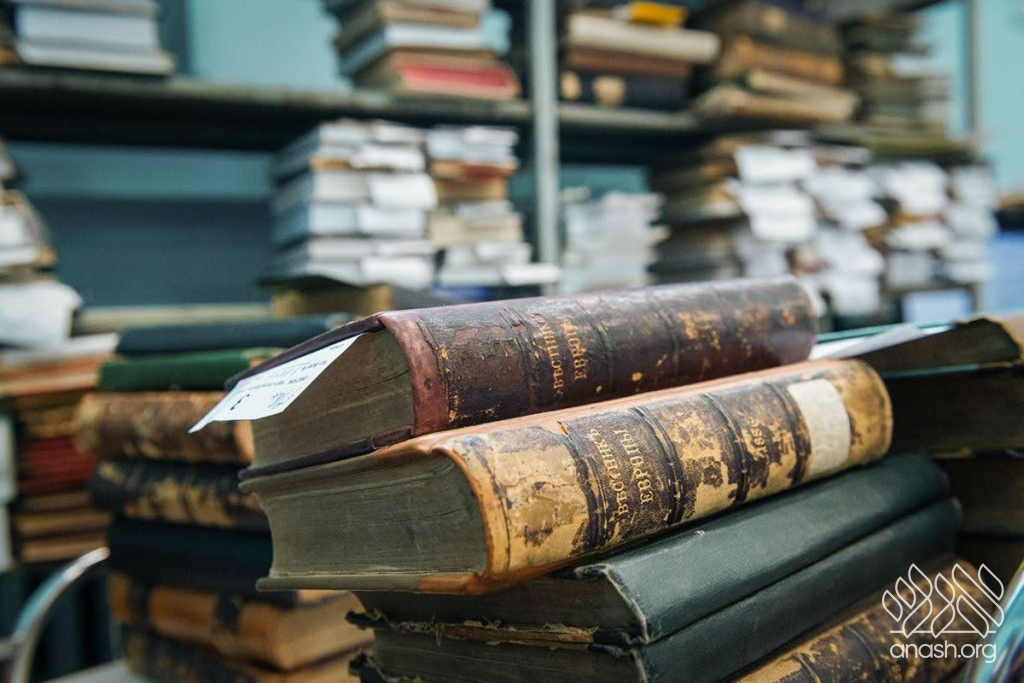
A rare manuscript of Rabbeinu Rashbam’s commentary on the Torah, long considered lost after being used for the first printed edition in 1881, was recently uncovered in the archives of the Russian State Library in Moscow.
A rare manuscript of Rabbeinu Rashbam’s commentary on the Torah, long thought to have been lost for good, was recently uncovered in the archives of the Russian State Library in Moscow.
The discovery was made by researcher Yisrael Dubitsky while working on the Gintsburg Collection, which is housed in the State Library. The manuscript contains a commentary on the Torah by Rabbeinu Shmuel ben Meir, known as the Rashbam, a grandson of Rashi and one of the great Rishonim, whose commentary is known for its focus on the straightforward meaning of the pesukim and the rules of Hebrew grammar and syntax.
The manuscript, known to researchers as Manuscript No. 103 from the Jewish Theological Seminary in Breslau, was used as the primary basis for the first printed edition of Rashbam’s commentary in 1881. After that edition was published, the manuscript disappeared and was regarded for decades as lost.
Researchers now say that after World War II, the manuscript made its way into Soviet territory and was absorbed into the archives. For many years, it was mistakenly catalogued as a commentary by Rashi, apparently because the title page was missing and the text began in the middle of Sefer Bereishis.
The discovery has drawn attention from Rabbonim and Shluchim across Russia, where Chabad institutions operate under the guidance of Chief Rabbi of Russia Rabbi Berel Lazar. The manuscript is considered a significant discovery for the study of medieval Torah commentary and the transmission of the writings of the Rishonim.
Upon hearing of the discovery, Rabbi Lazar said that “in a generation like ours, we suddenly see such light revealed, a light that adds to the understanding of Torah and gives us strength to live with Torah, a Torah of life and a Torah of light that illuminates our lives.”
“Lo alman Yisroel,” Rabbi Lazar said. “From Above, we are given a special light to encourage us and give us strength to continue working and spreading Torah everywhere and to every Jew.”
Rabbi Boruch Gorin, chairman of the Jewish Museum in Moscow and head of the L’Chaim publishing house, described the discovery as a dramatic revelation for the entire Jewish people.
“We are following this with anticipation and curiosity, waiting to examine the findings closely,” Rabbi Gorin said. “Every letter from the words of our great Rishonim that comes to light is a reason for excitement, and we await the full details from the researcher in order to understand the magnitude of the treasure that has come into our hands.”
The discovery is being seen in Russia’s Jewish communities as a powerful reminder that Torah is never forgotten from Yidden, and that even after decades hidden away in archives, the words of the Rishonim continue to come to light and illuminate the world of Torah.
Photo: National Library of Moscow
 COMMENTS


BH
While it is indeed a very exciting find, it is unclear what is the connection to Rabbi Lazar or Rabbi Gorin or Shluchim in Russia in general.
In any case, this situation is not clear, as from many reports it seems like this was not found in Russia but rather in Berlin. Indeed as someone pointed out, at the National library in Israel they have clearly cataloged this MS as being located at the: State Library of Berlin, Berlin, Germany
https://www.nli.org.il/he/manuscripts/NNL_ALEPH997014634461205171/NLI
B”H.
https://digital.staatsbibliothek-berlin.de/werkansicht?PPN=PPN1048350703&PHYSID=PHYS_0014&DMDID=
For those seeking clarification:
1) It is located in the Berlin State Library. 2) It’s been scanned online where anyone can find it. 3) It was simply mislabeled as Rashi, when it in fact alternates between Rashi and Rashbam
B”H
To clarify further:
1. For many years, researchers believed that the manuscript had been lost after World War II.
It has now emerged that the manuscript was actually located in the Berlin Library.
2.
It also turns out that the manuscript had been available online for a number of years, yet remained unnoticed until recently.
3.
For whatever reason, there has been considerable confusion on a number of websites. Some have incorrectly stated that the manuscript was found in the Moscow Library (and noch tzu der tzu, they wrote, that this manuscript is found have brought in the Ginsburg Collection). However, this manuscript has no connection to Russia, and certainly none to Chabad of Russia.
R NSZ, perhaps you can explain the excitement for the layman, how is this different to any manuscript that hasn’t been lost, but is sitting in an archive somewhere, to the average person on the street, maila if hadn’t been printed yet, ok amazing, get to see new pirush from great rishon, but if been printed, what is excitement about?