



י״ג סיון ה׳תשפ״ו | May 28, 2026
Lost for Over a Century, Rebbe Rashab’s Notes on Sephardic Work Discovered
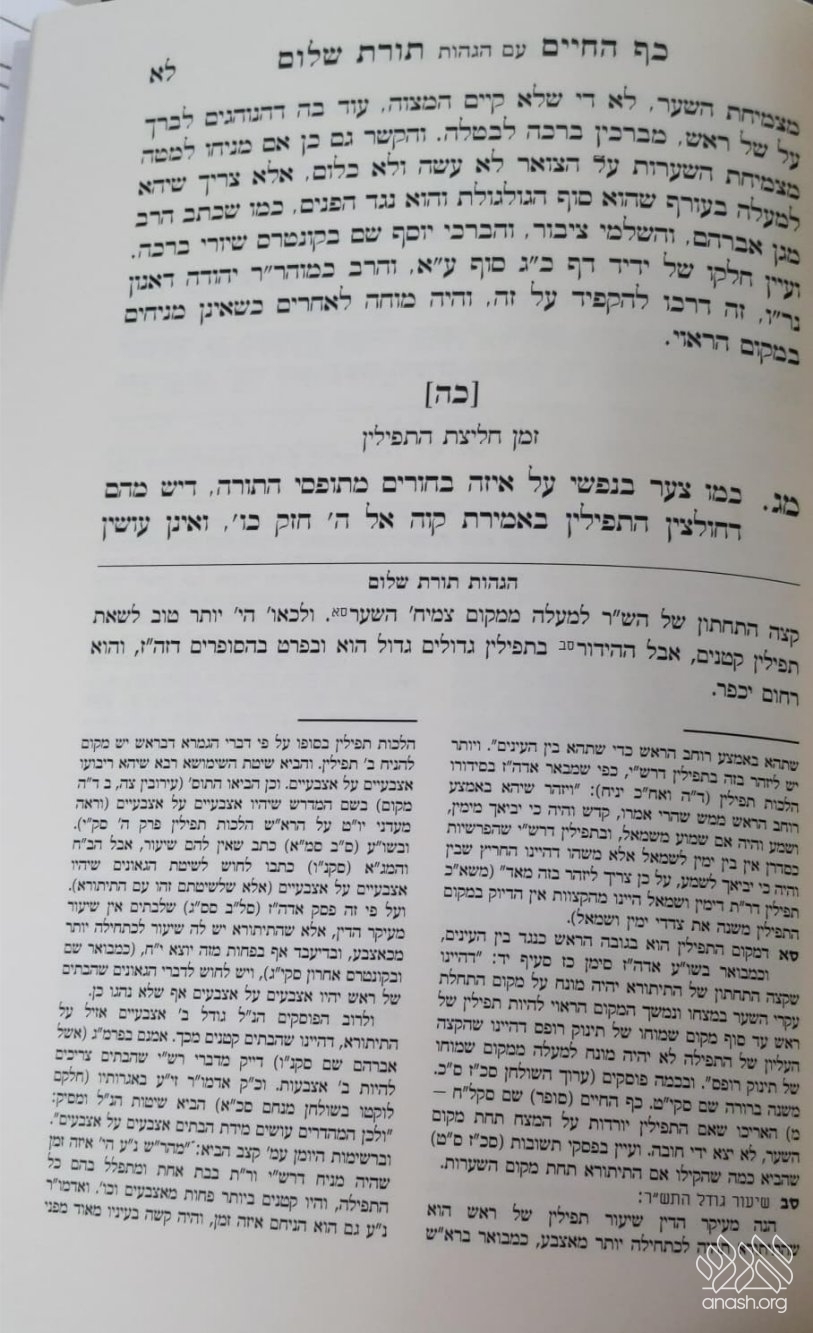
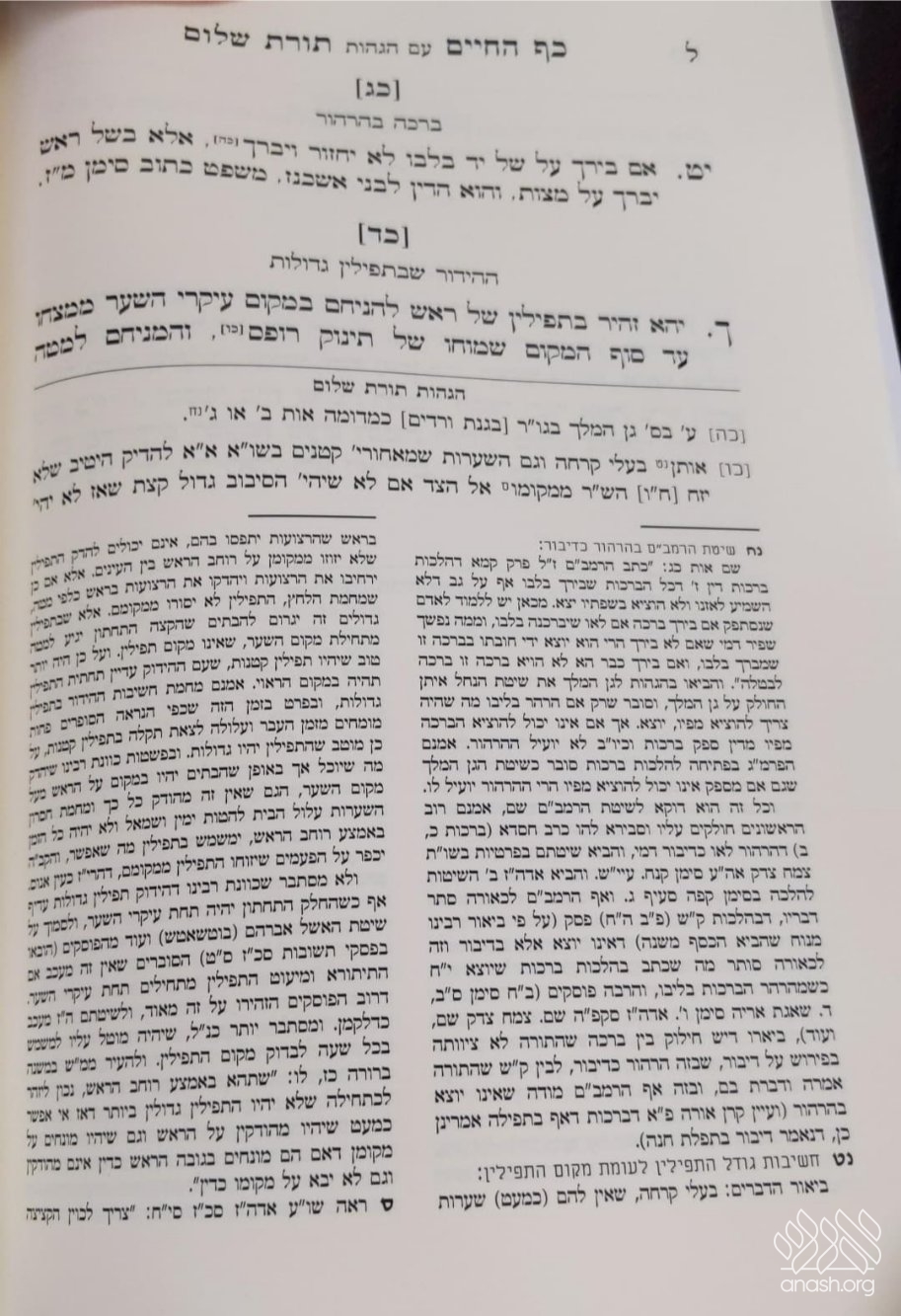
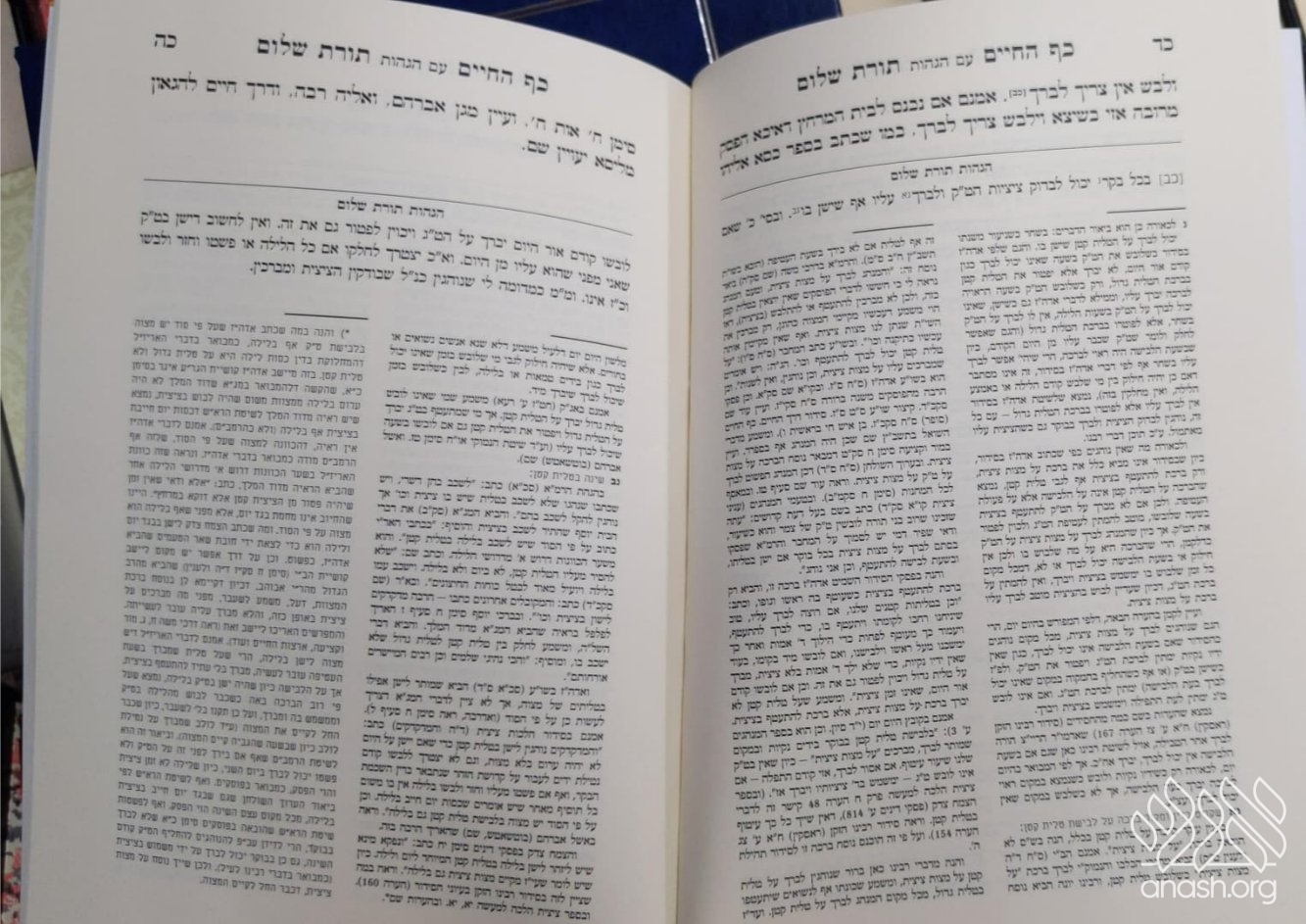
Lost for over a century, the Rebbe Rashab’s handwritten notes on the Kaf HaChaim by renowned Sephardic Chacham Harav Chaim Palagi of Izmir have been discovered and published, revealing his insights on many halachos, minhagim, and kabbalistic teachings.
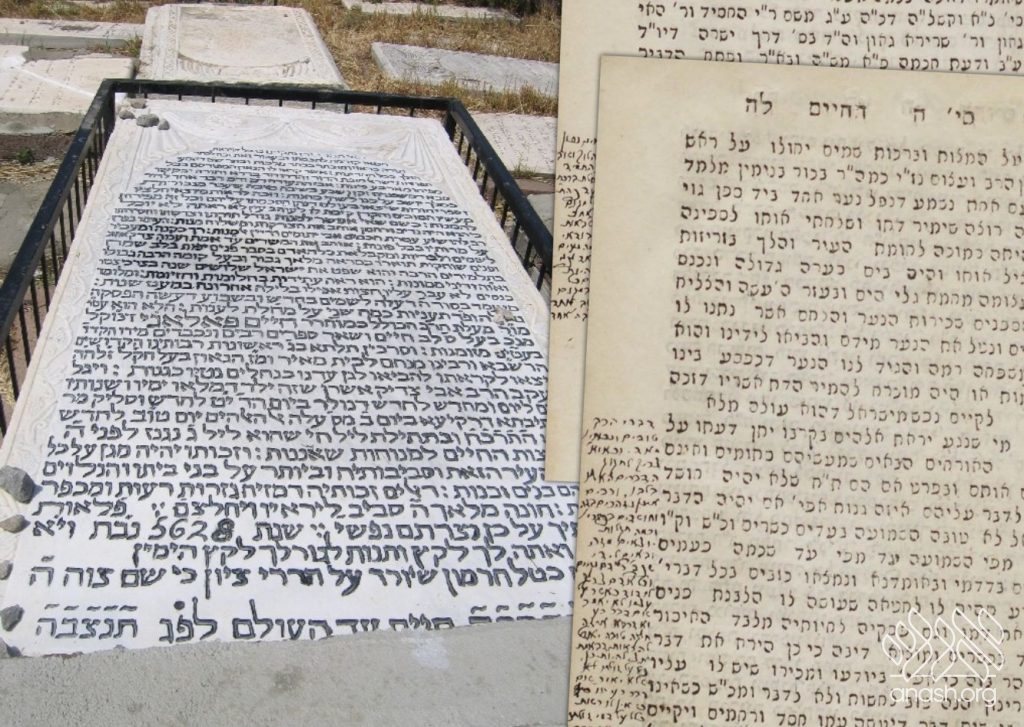
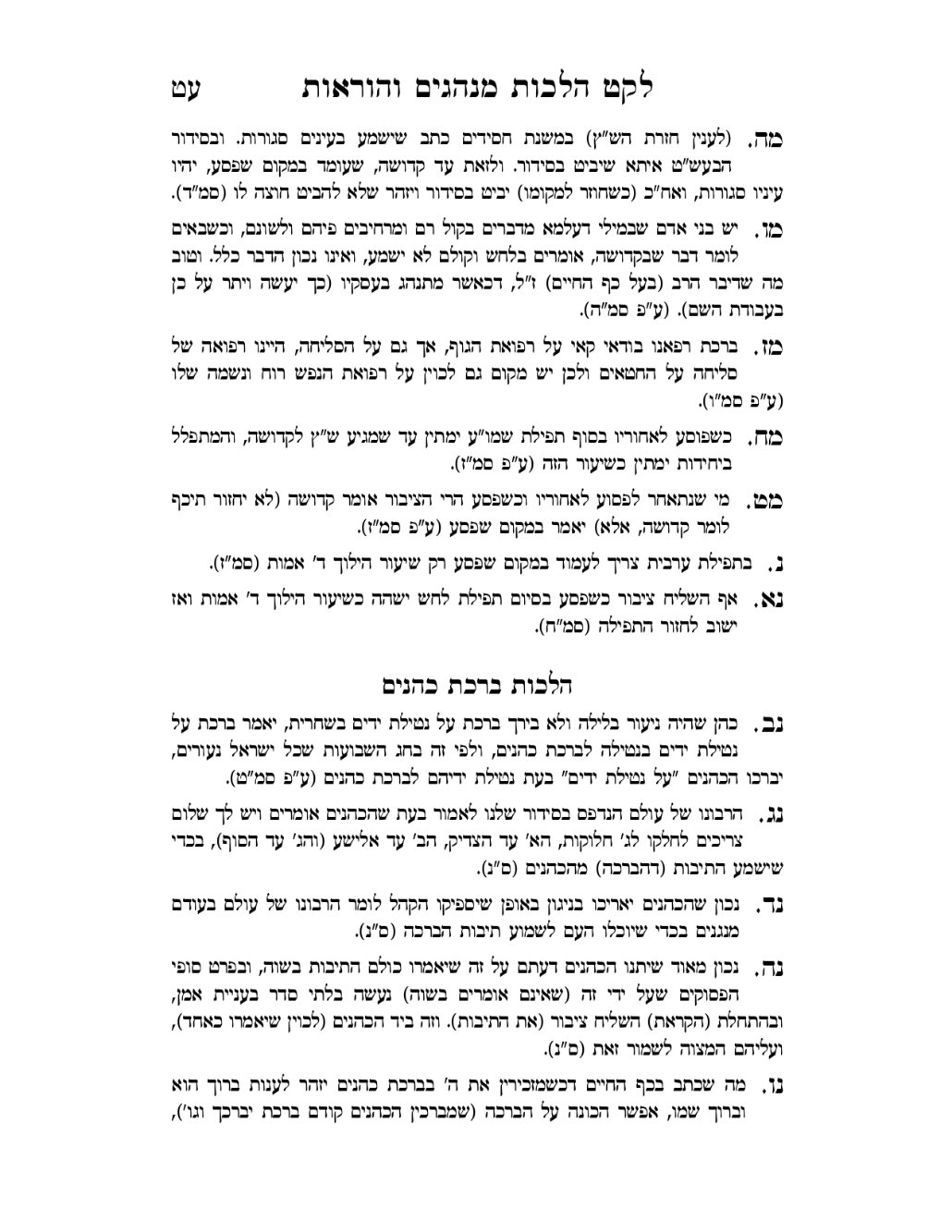
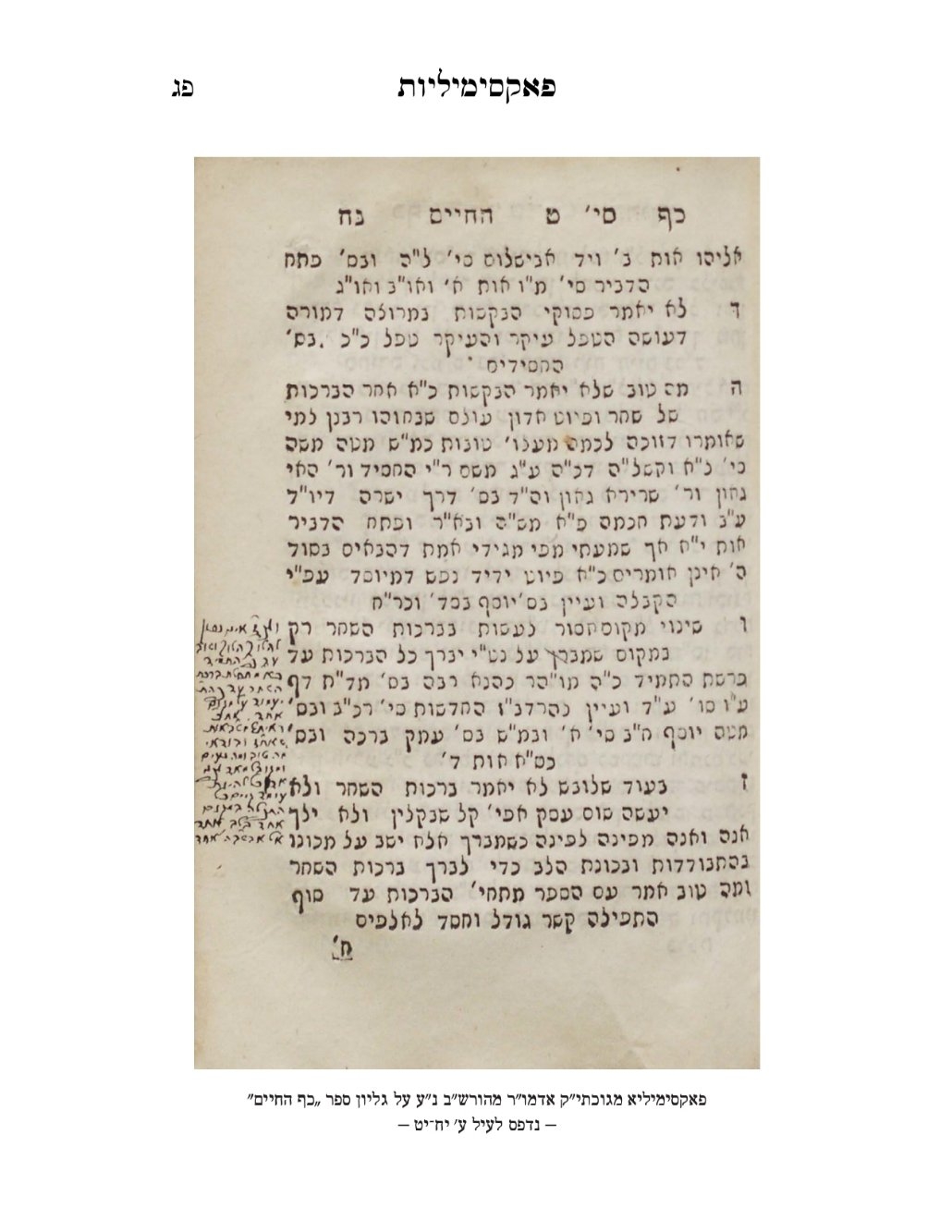
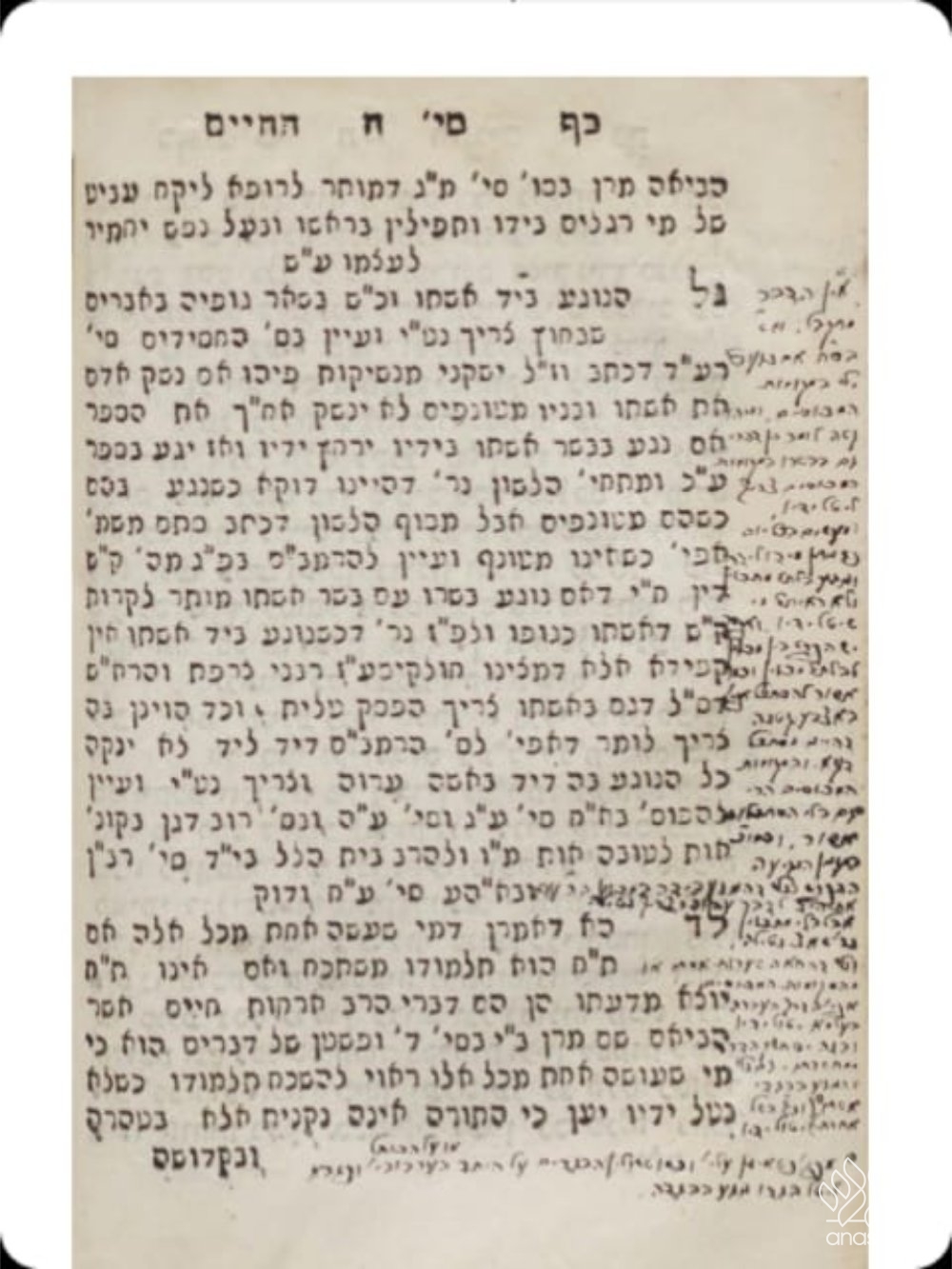
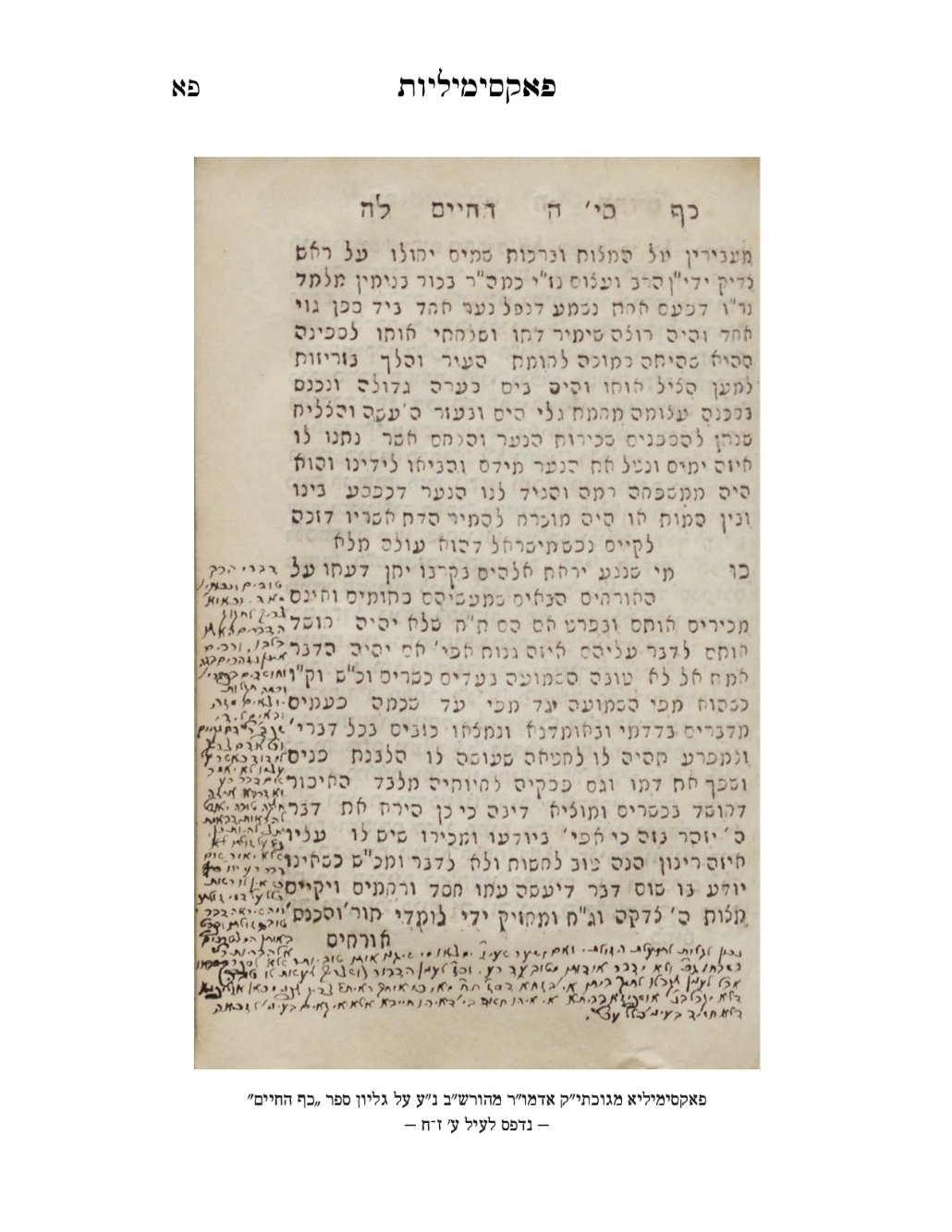
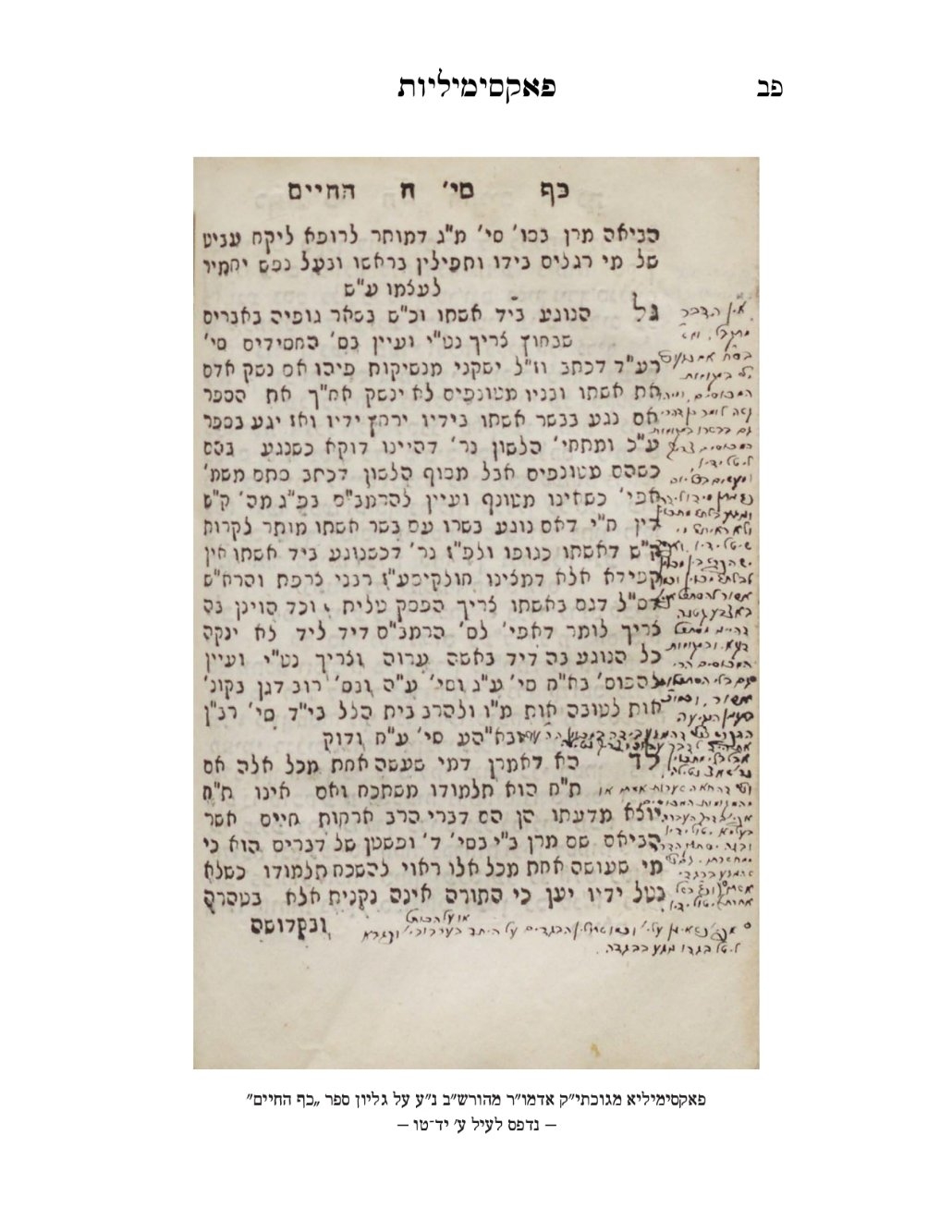
After over a hundred years, handwritten notes in the Rebbe Rashab’s own hand, which sat unnoticed on the shelves of a library in Moscow, have been uncovered. Written in the margins of a halachic work, these annotations – containing halachos, minhagim, segulos, and more – have now been deciphered and published for the first time, never before seen by the public eye.
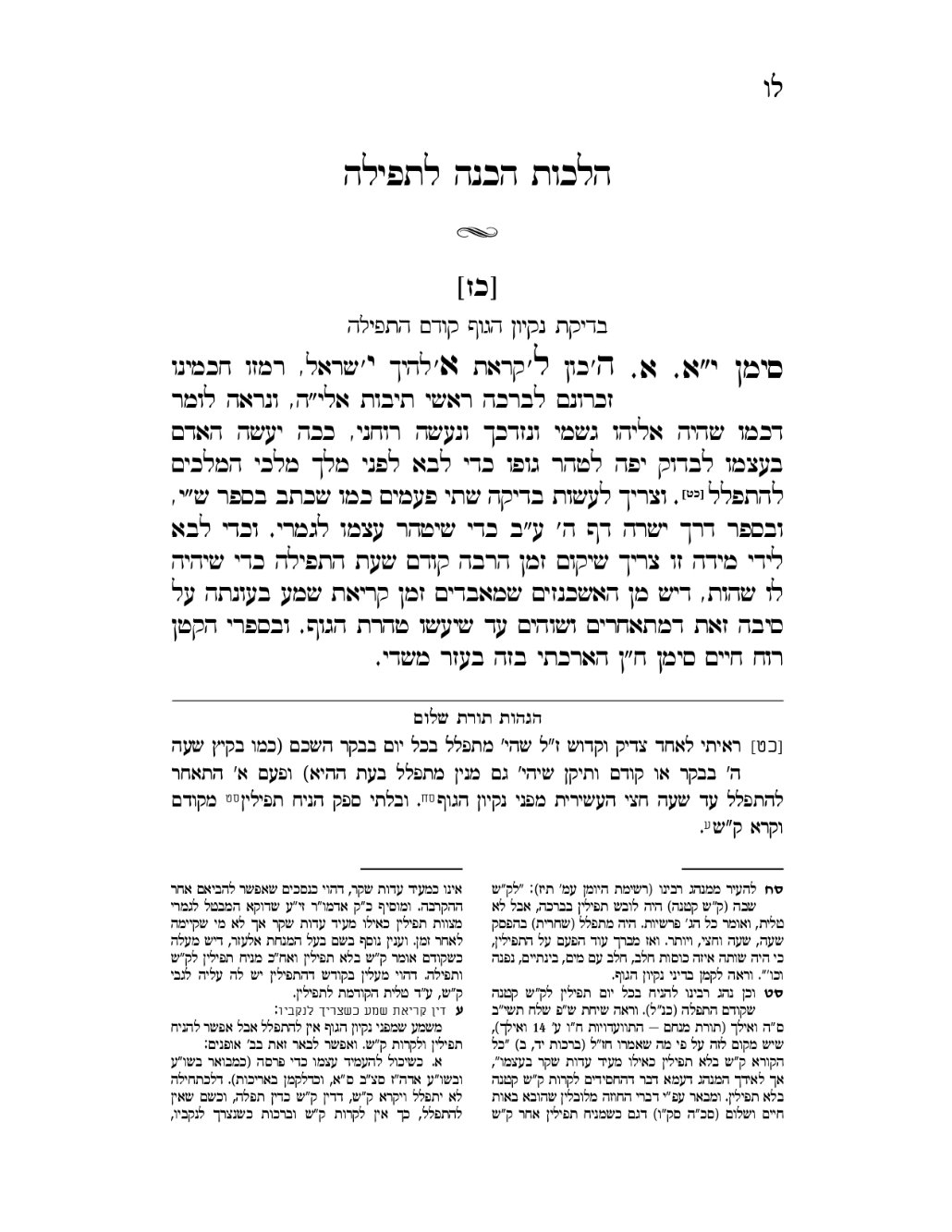
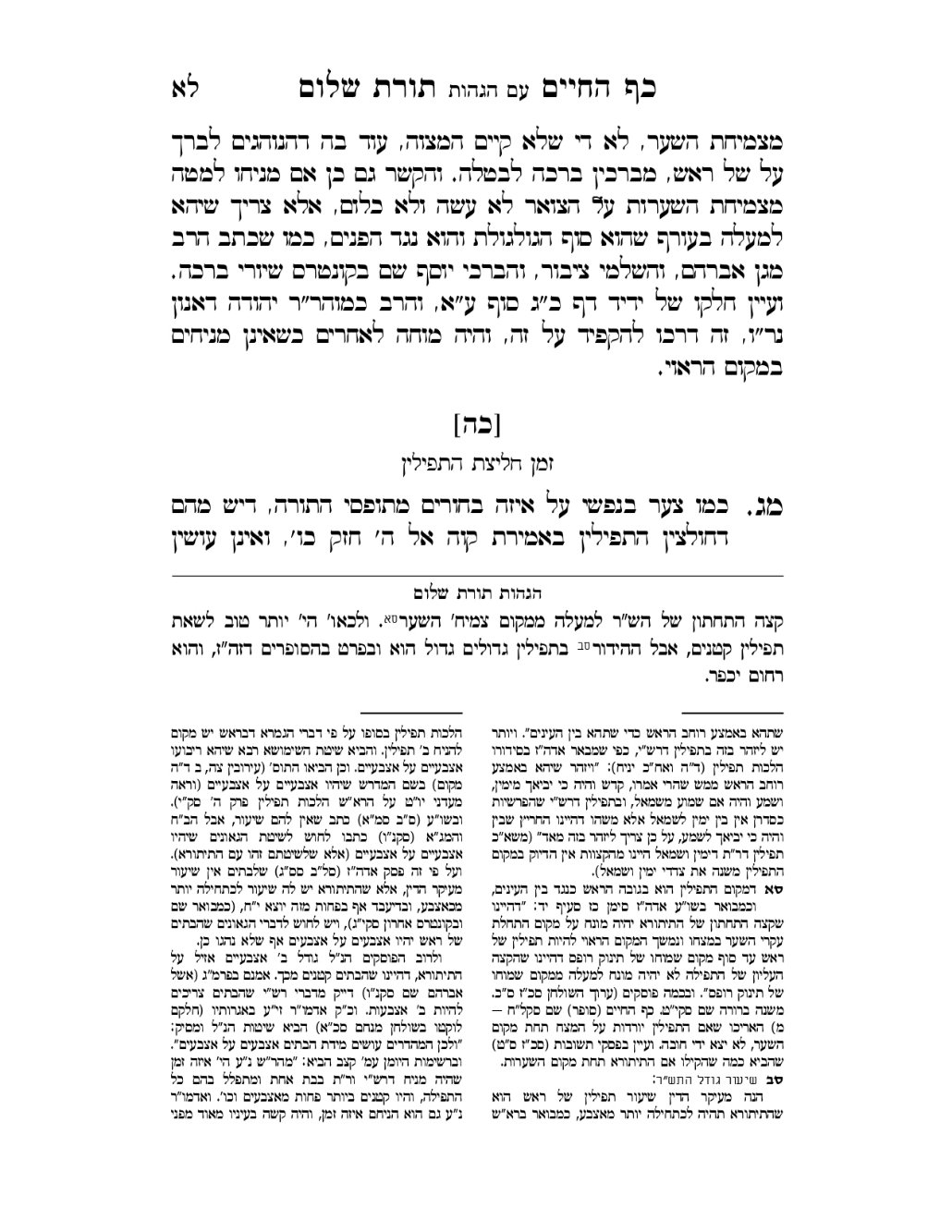
Among the thousands of sefarim still held in captivity at the Lubavitch Library in Moscow was a pocket-sized copy of Kaf HaChaim, authored by the great Sephardic posek Harav Chaim Palagi of Izmir (Smyrna), Turkey. In the margins of that sefer, the Rebbe Rashab wrote – in his holy handwriting – a series of annotations spanning halacha, minhag, Chassidus, Kabbalah, mussar, and more.
Born in Izmir in 1788, Harav Chaim Palagi served as the city’s Chief Rabbi and eventually received a formal appointment from the Ottoman Sultan granting him civil and judicial authority over the Jewish communities of the region. He continued the illustrious chain of Izmir’s great rabbinic figures, including Harav Chaim Benveniste (author of the Knesses HaGedolah) and Harav Chaim Abulafia.
In eighty years of life, he authored close to eighty sefarim – including Kaf HaChaim, Lev Chaim, Moed Kol Chai, and Ruach Chaim – distributing each one free of charge upon publication. He was known for his extraordinary chesed: enacting communal takanos to provide meat for poor families, personally excelling in hachnasas orchim, giving tzedakah generously without scrutinizing those who asked, and working to free prisoners of the Damascus Blood Libel through the efforts of Sir Moses Montefiore.
The Kaf HaChaim is unique in that it gathers halachic opinions from across a vast range of sources, including many Sephardic authorities whose works were simply unavailable in Russia and Eastern Europe at the time. It also weaves together Nigleh and Nistar, citing the Arizal, the Shelah, and the kavanos of the Rashash alongside standard halachic literature. This approach was uncommon and likely appealed to the Rebbe Rashab, who valued a sefer that presents halachic rulings alongside relevant teachings of Kabbalah.
It appears the Rebbe Rashab wrote his notes while traveling – on communal affairs or matters related to his health – often noting that he was without his usual sefarim. The pocket-sized format of Kaf HaChaim made it easy to carry on the road, and it was apparently in those moments, away from his library in Lubavitch, that he would pick up his pen and write. The annotations cover a remarkable range of material across halacha, minhag, Chassidus, Kabbalah, and mussar.
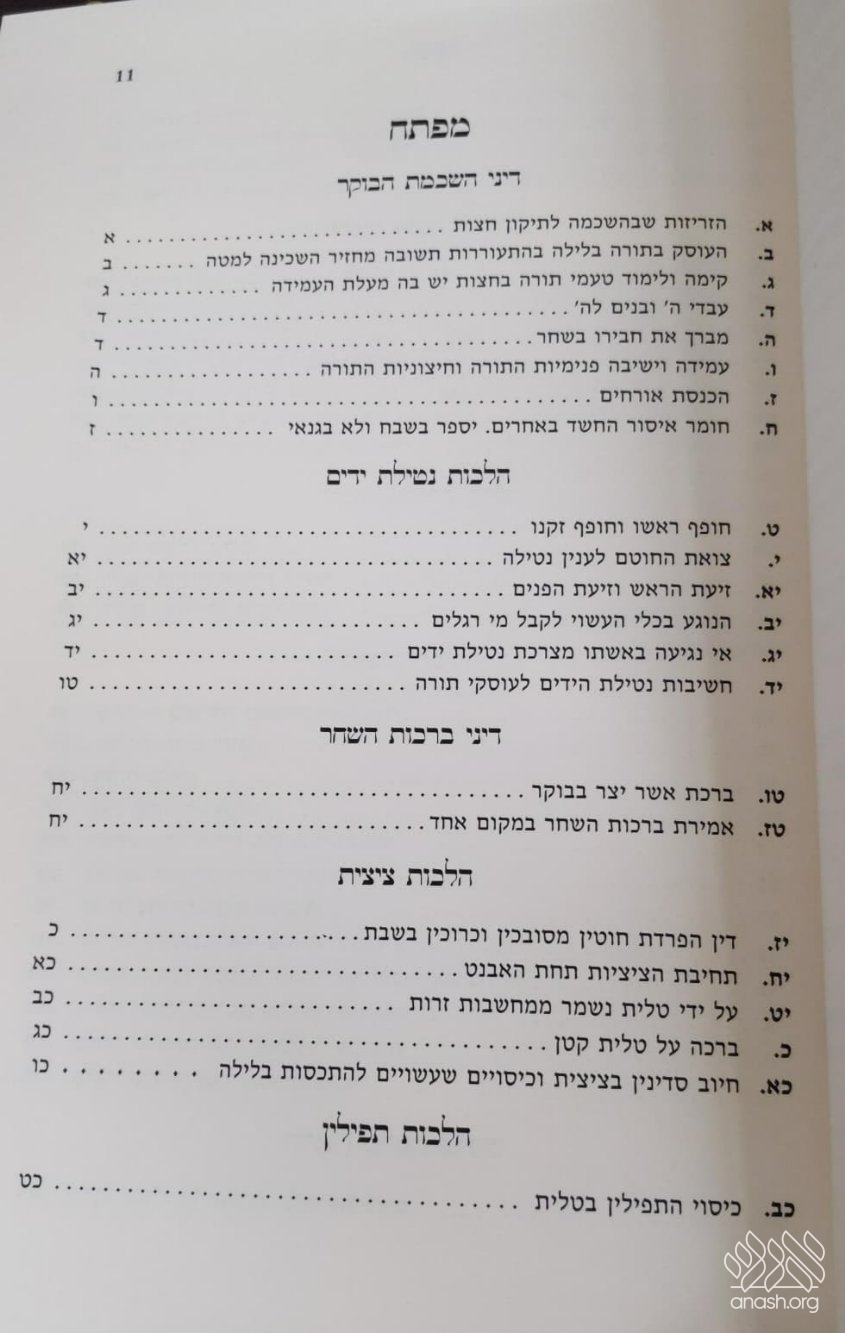
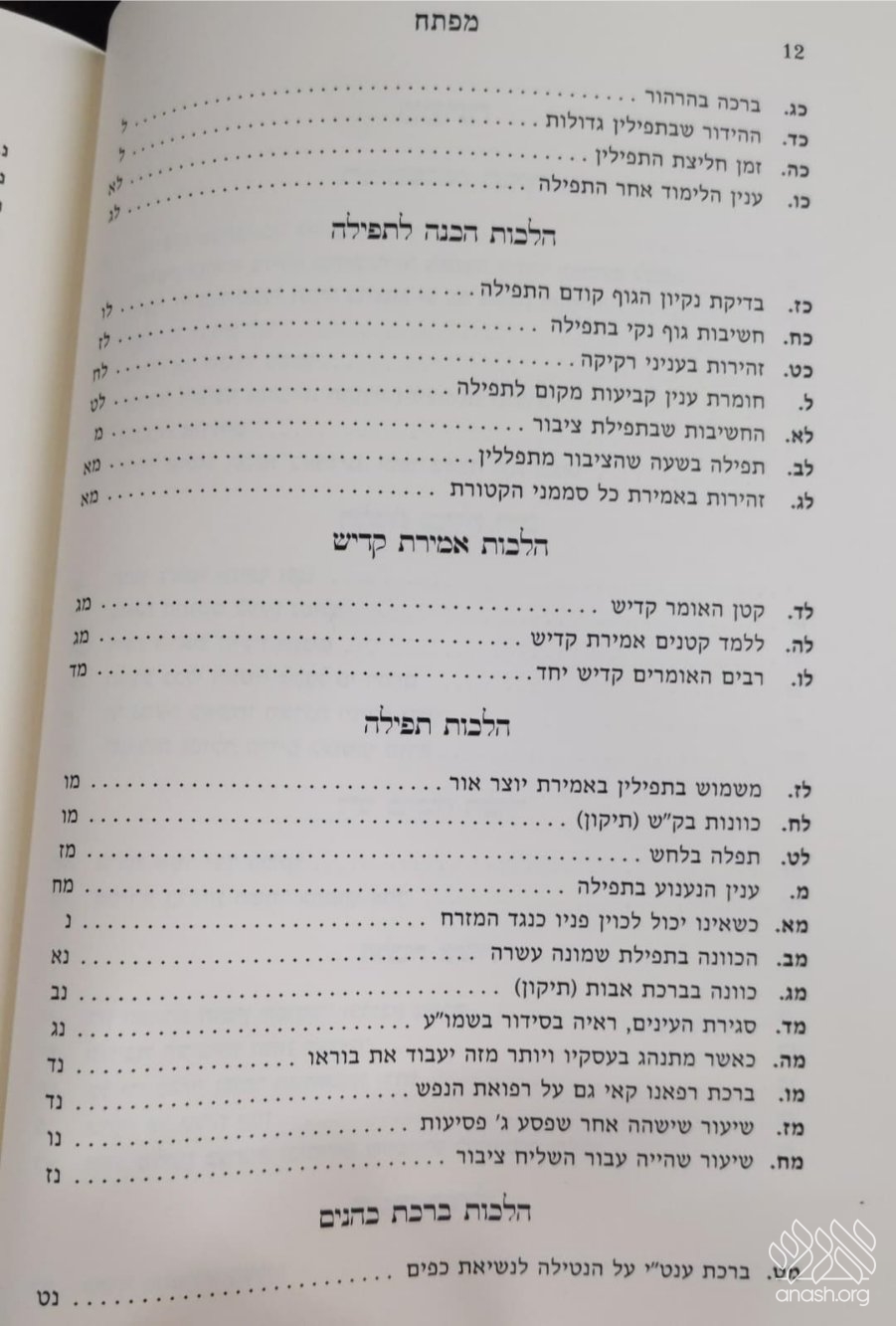
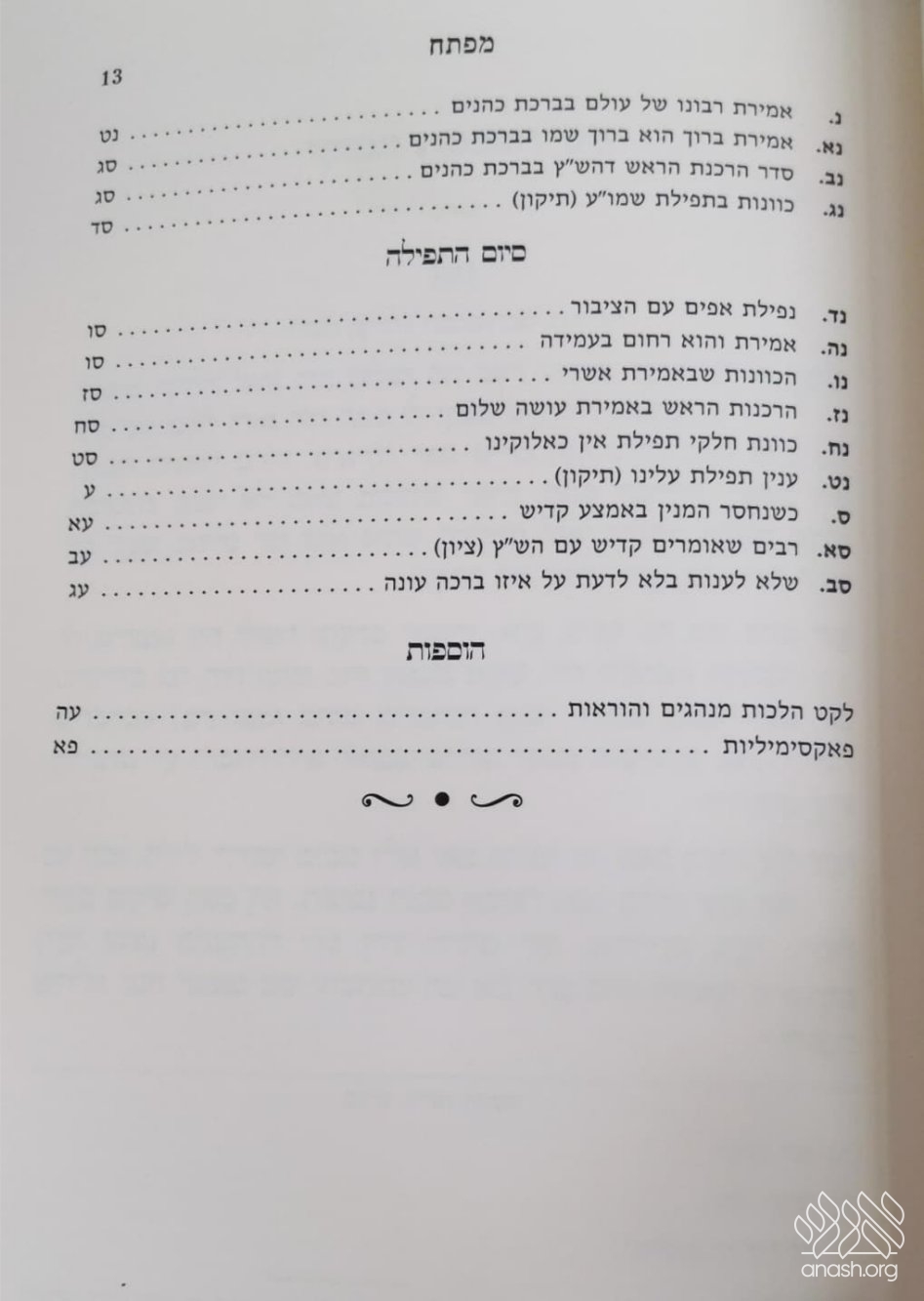
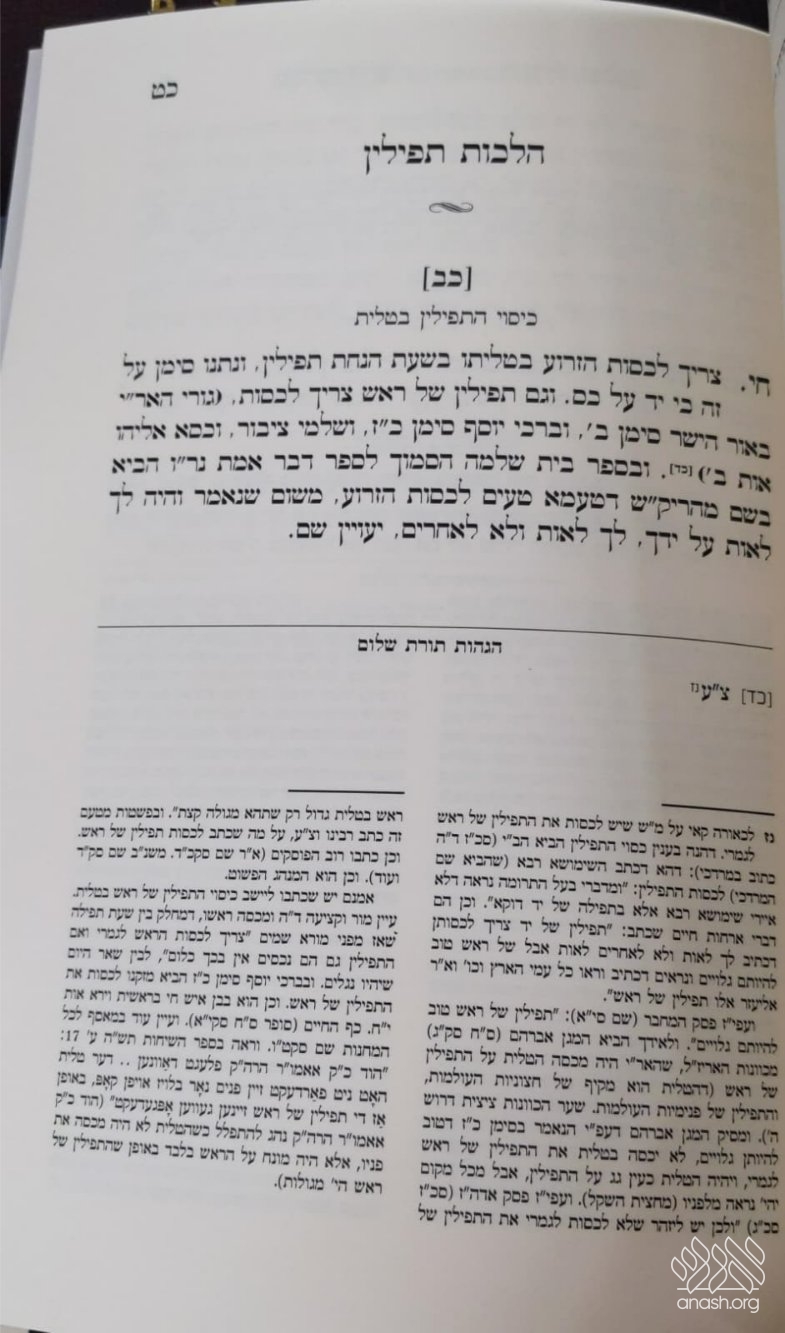
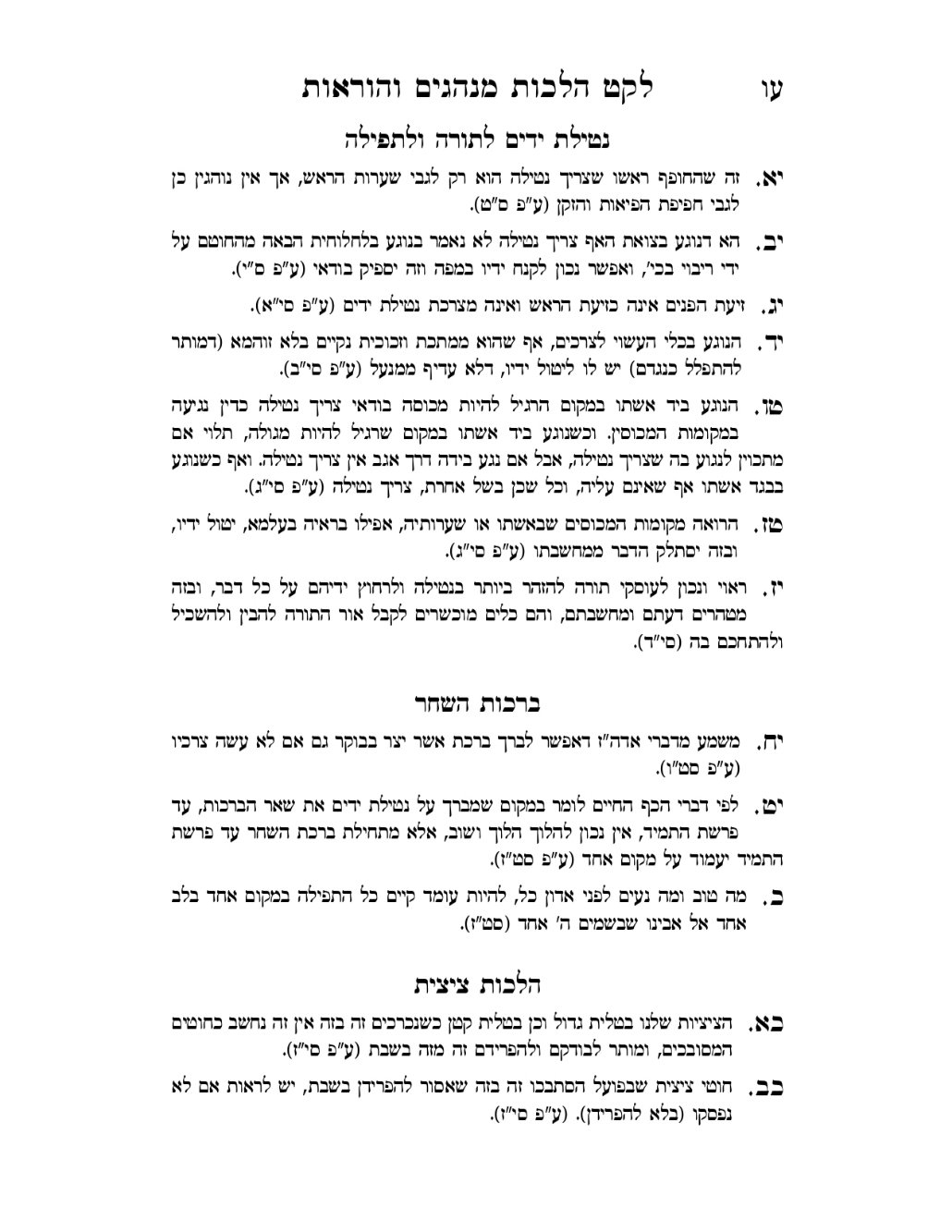
In halacha and minhag, the Rebbe Rashab addresses, among many other things: the bracha on a tallis katan, checking tzitzis strings, rounded corners on blankets used as coverings, the importance of large tefillin, fixing a set place for davening, reciting all birchos hashachar in one place, bodily cleanliness before tefillah, the proper stance and movement during Shemoneh Esrei, the steps taken after Shemoneh Esrei.
He also discusses looking into the siddur during davening, bowing the head at the appropriate moments, various matters in Birchas Kohanim, Kaddish Yasom for minors, the recitation of Kaddish by multiple people, matters of Viduy, the recitation of the Ketores, the proper time to remove tefillin, learning Mishnayos with tefillin after davening, and detailed guidance on when full netilas yodayim is required versus when wiping suffices.
Among the segulos, several focus on purity of thought: washing one’s hands upon seeing something that could lead to improper thoughts or after touching a woman’s garment; contemplating before Whom one stands as a means of removing foreign thoughts; and covering one’s head with a tallis as protection against machshavos zaros.
The Rebbe Rashab also writes about the obligation not to suspect others, not to shame someone through speech – noting that a person bears responsibility for another’s “blood” through words alone – and to reveal the good in others while concealing the bad. He also criticizes those who raise their voice in worldly matters while remaining silent in matters of kedushah.
In Chassidus and Kabbalah, the annotations touch on the concepts of eved and ben, one in whose days the Beis HaMikdash was not rebuilt, the voice of pesukim of Torah versus the voice of tefillah, healing of the body versus healing through forgiveness, kavanos in the verse Poseiach es yadecha, and more.
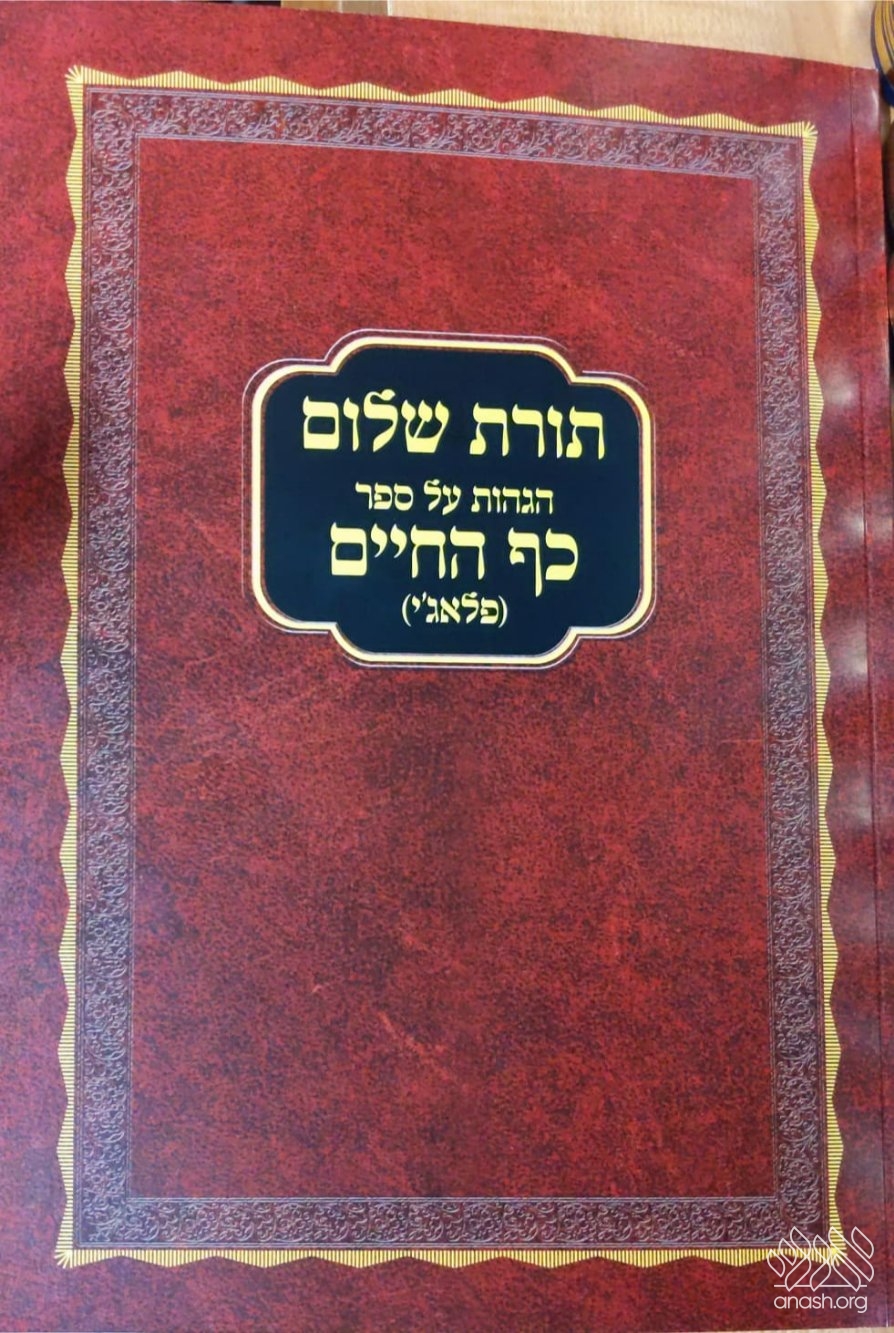
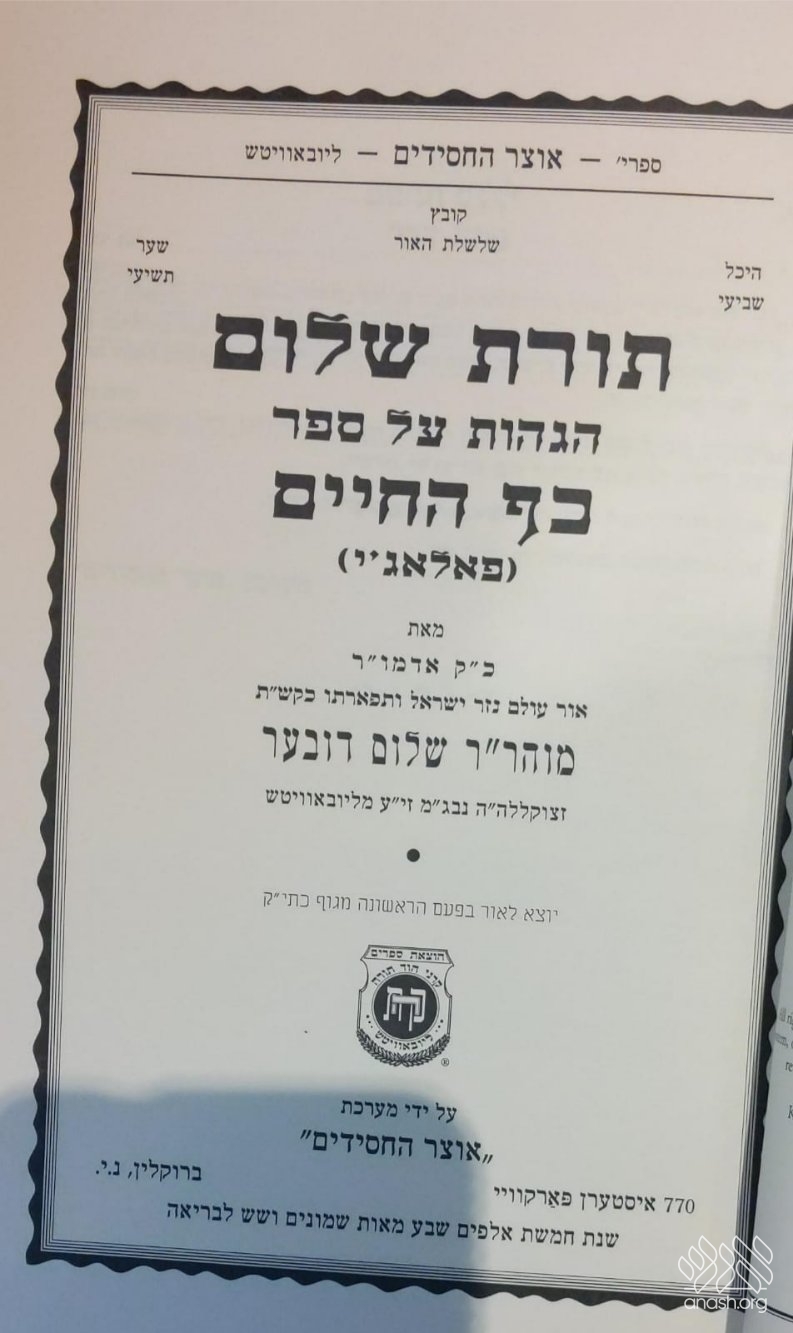
The annotations were discovered by Hatomim Shneur Zalman Gurary, who searched through the uncatalogued sefarim of the Moscow library, deciphered the Rebbe Rashab’s handwriting, and transcribed the notes. The newly published work was then edited and annotated by Rabbi Shalom Dovber Friedland.
As Rabbi Friedland notes, these annotations “give us yet another small glimpse into the Rebbe Rashab’s holy way of life – a tiny dimension of the extraordinary care taken over every detail,” quoting the Frierdiker Rebbe’s description of his father:
“Every movement and conduct of my father was arranged with an inner order and special rationale according to the revealed Torah – a Yid of Shulchan Aruch – every movement, even ordinary speech and physical gestures, conducted in accordance with the Shulchan Aruch.”
These qualities, the Frierdiker Rebbe noted, were evident already in his father’s youth. As the Rebbe Maharash testified about his son: “Even in his childhood years he was already a G-d-fearing and disciplined person, who exerted himself that his conduct should follow the ways of Chassidus, and by the time he reached bar mitzvah he was a Chassid with a structured avodah” – to the point where before his bar mitzvah he had already trained his body to naturally act in accordance with Shulchan Aruch.
Rabbi Friedland cautions that the halachos and minhagim emerging from the annotations are not to be taken as practical rulings without rabbinic guidance, and that in certain areas the Rebbe has already established binding practice for Anash through sichos, igros, or Hayom Yom, from which one should not deviate.
That said, he writes that studying these annotations carries great importance – even those not applicable in practice – to learn the holy views of the Rebbe Rashab. In some matters, they can indeed be applied in halacha and practice, to resolve existing questions and to strengthen areas that have grown lax.
 COMMENTS


We appreciate your feedback. If you have any additional information to contribute to this article, it will be added below.