




ד׳ תשרי ה׳תשפ״ז | September 15, 2026
Israeli Leaders Gather to Revisit the Rebbe’s Security Doctrine
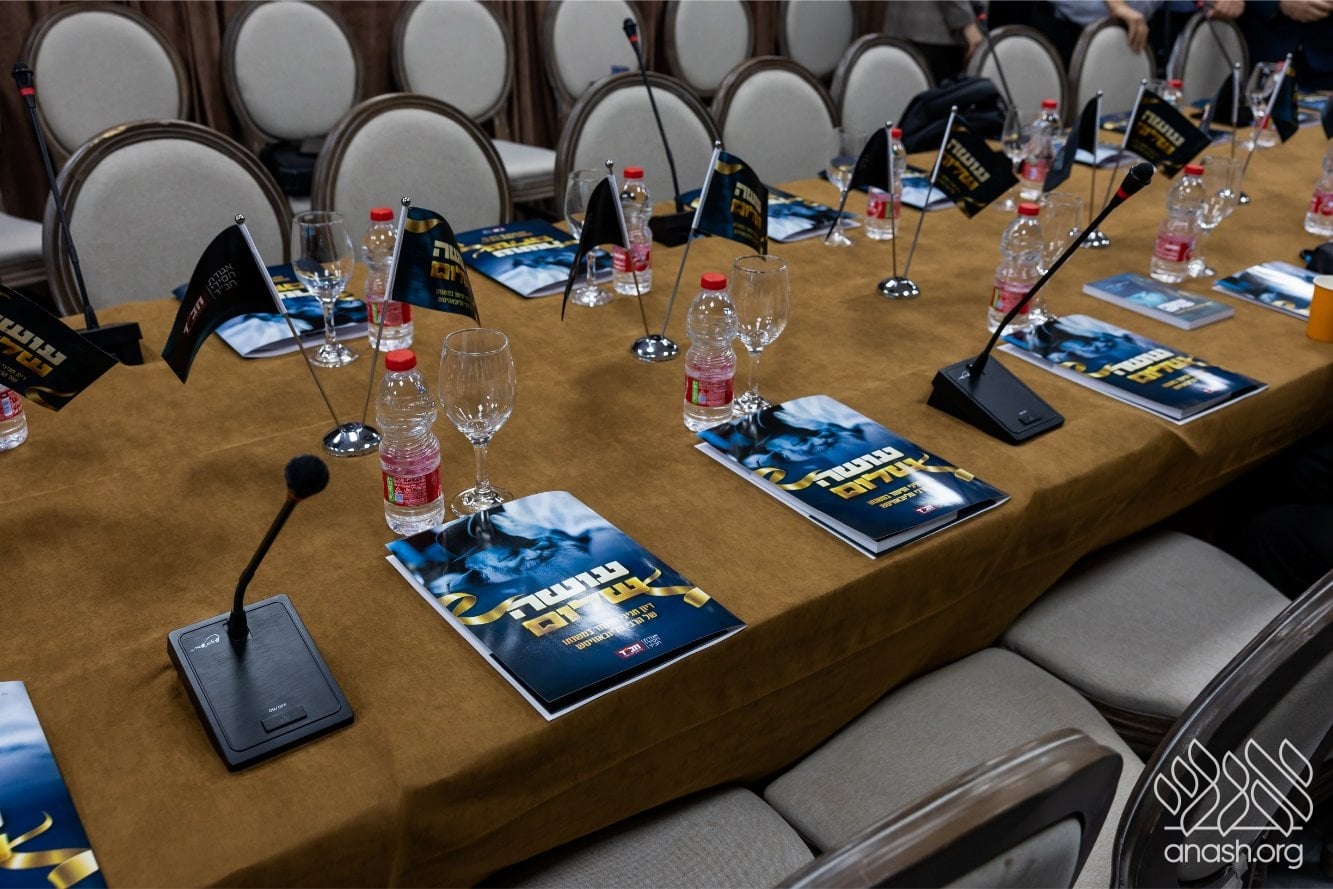
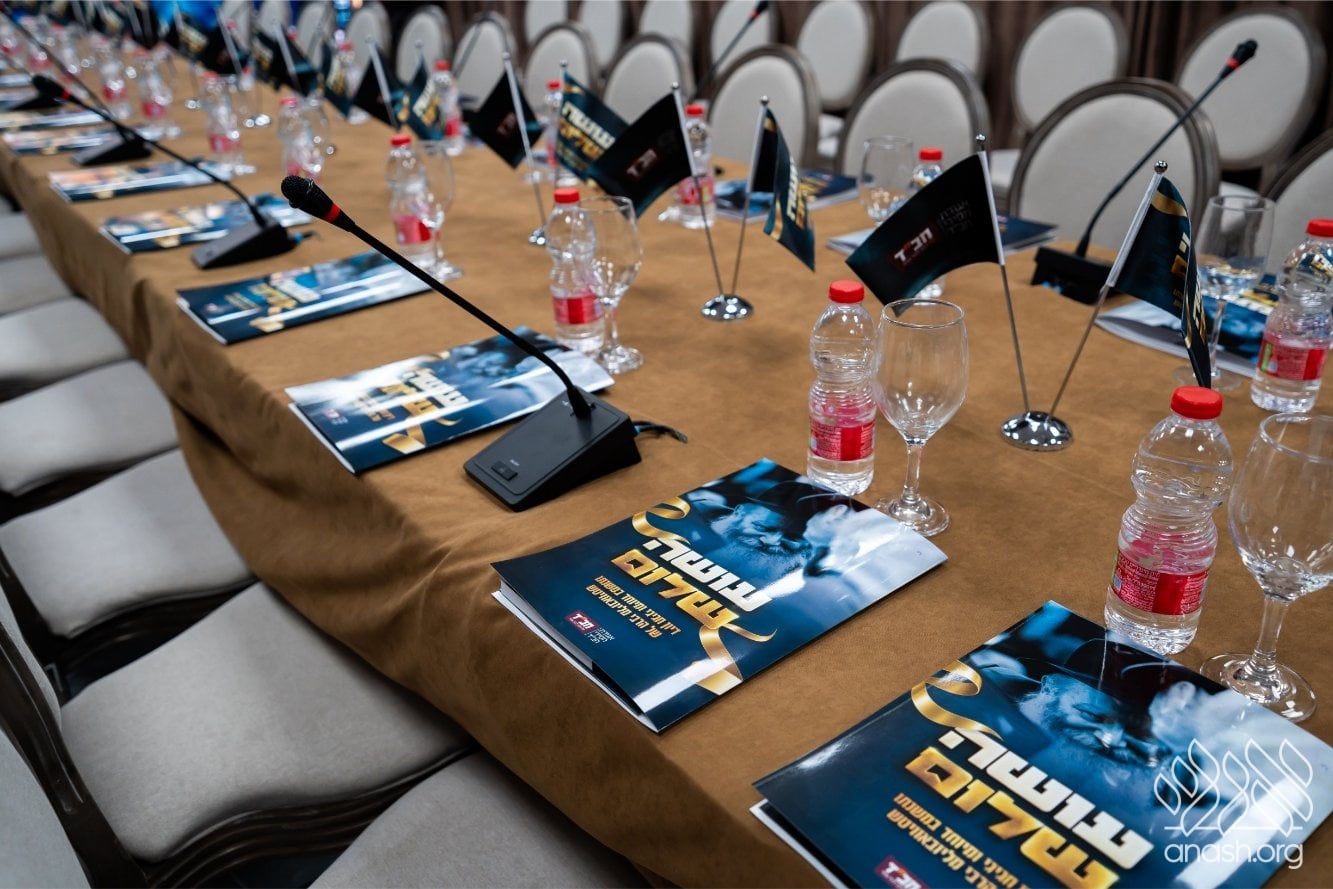
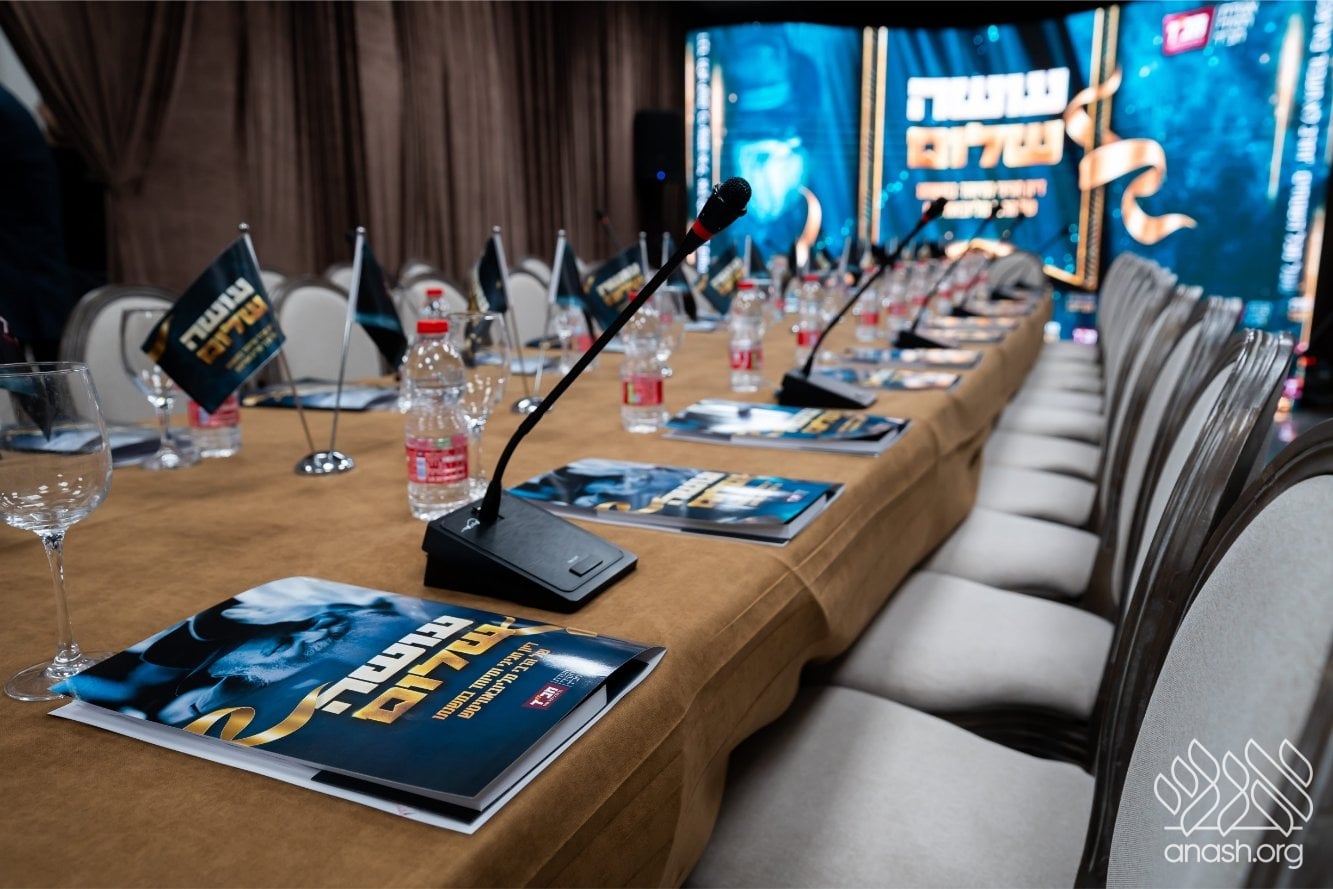
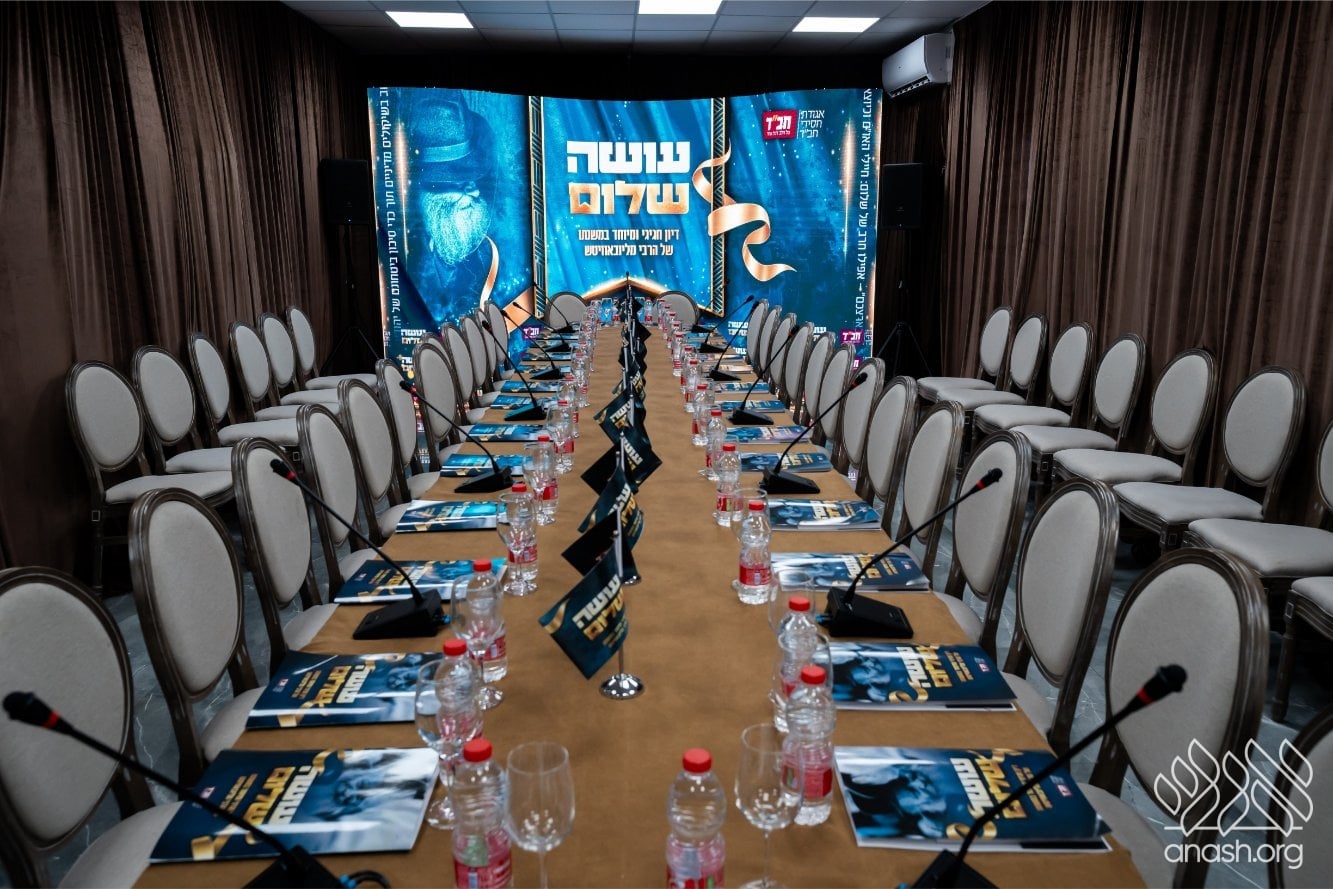
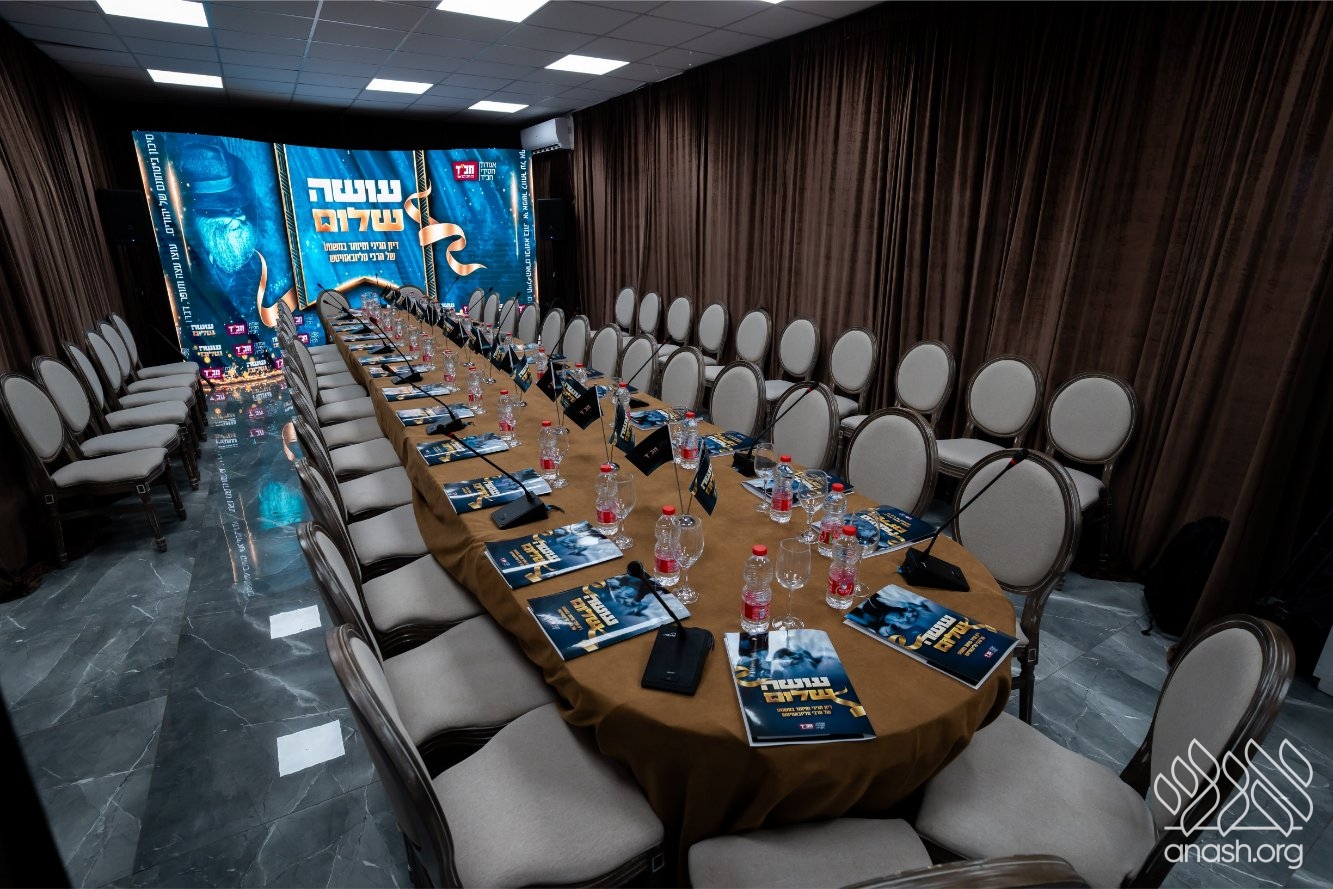
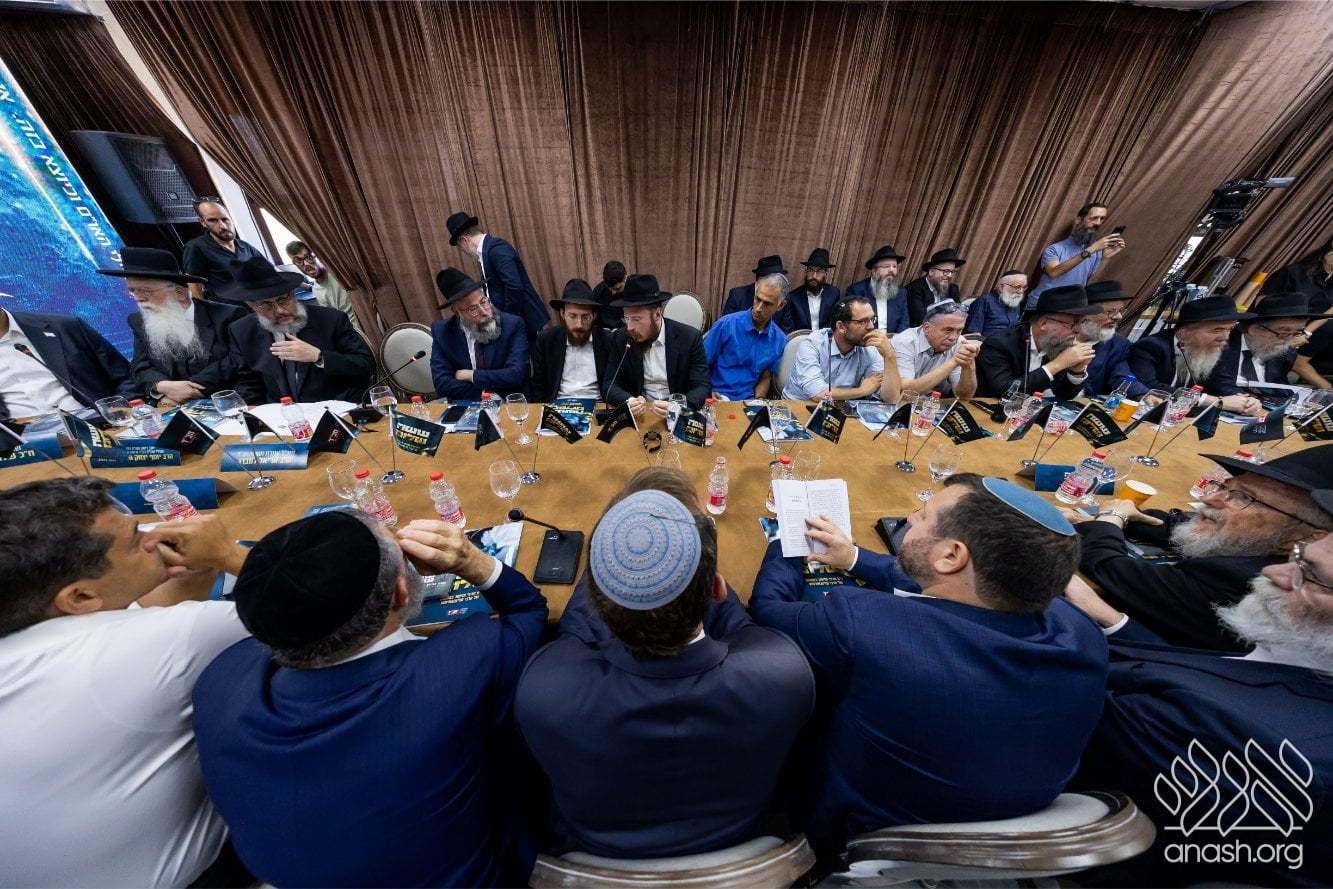
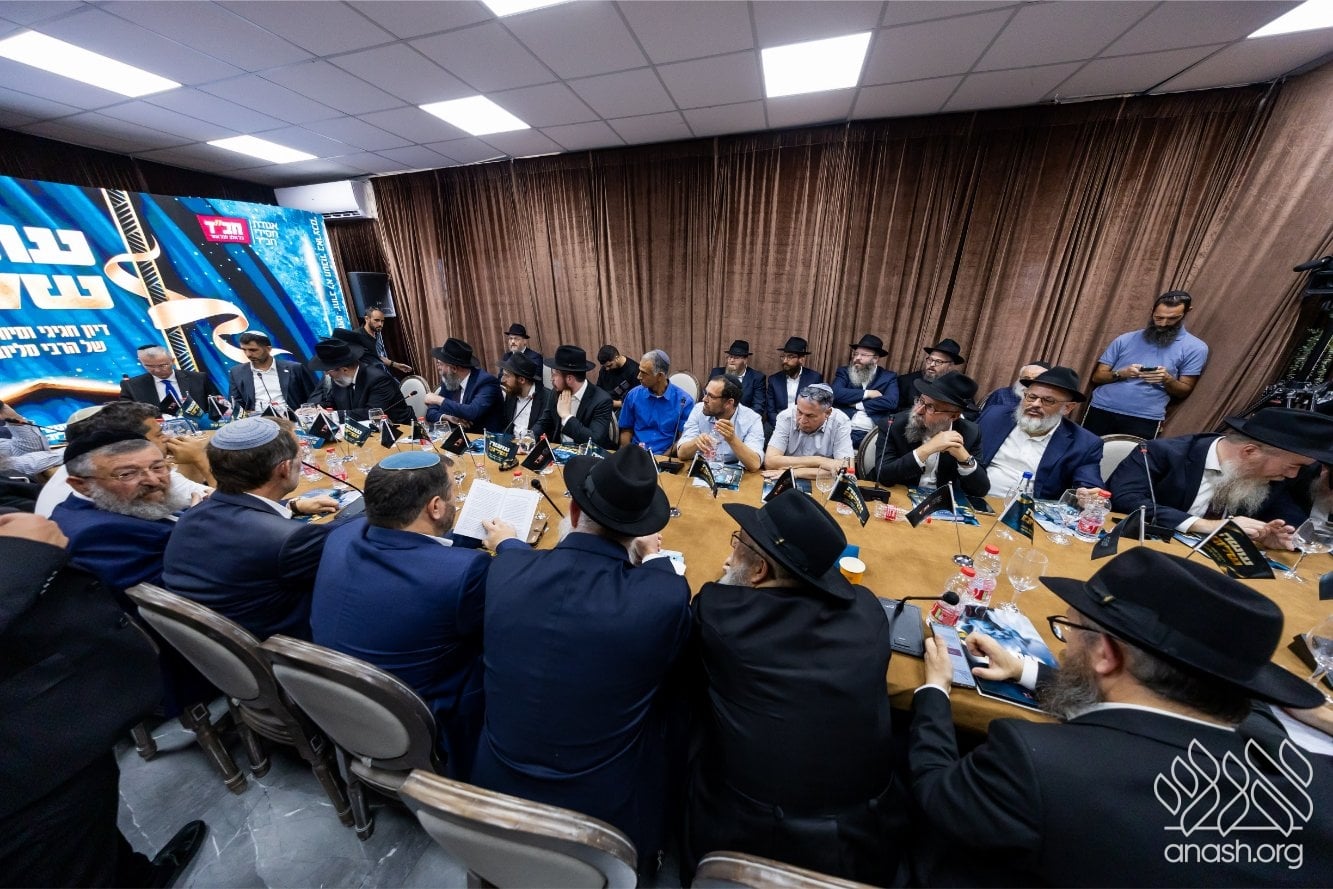
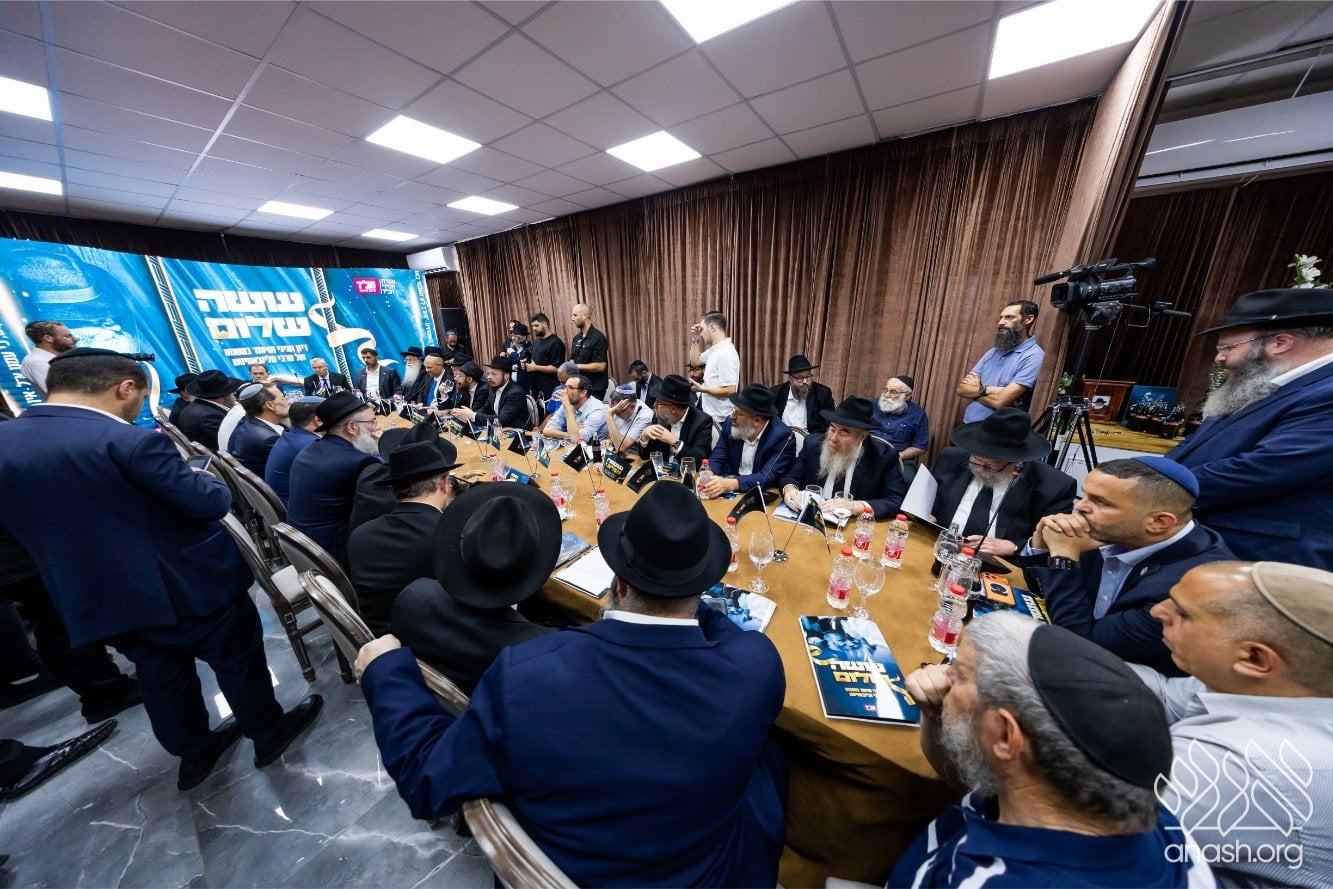
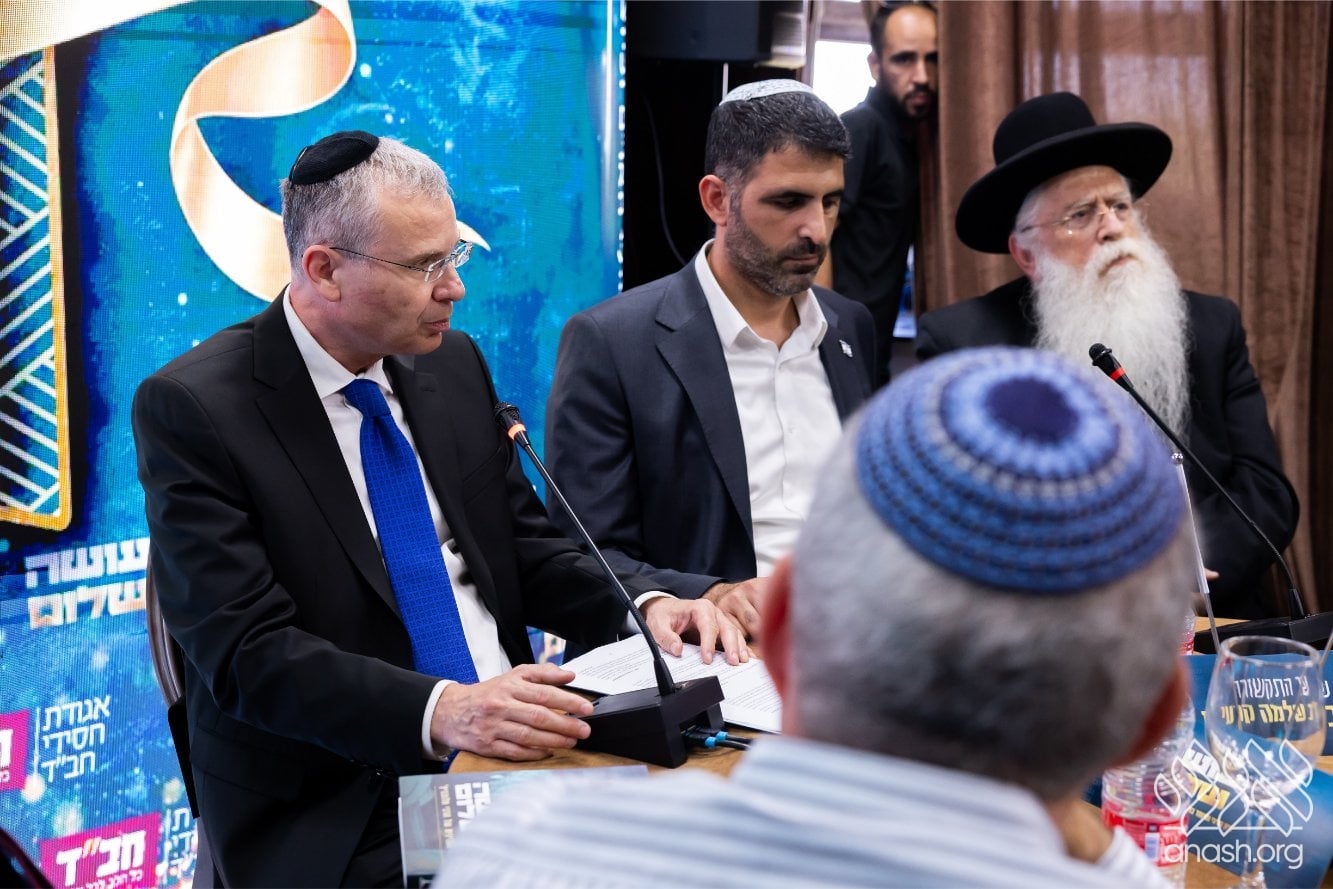
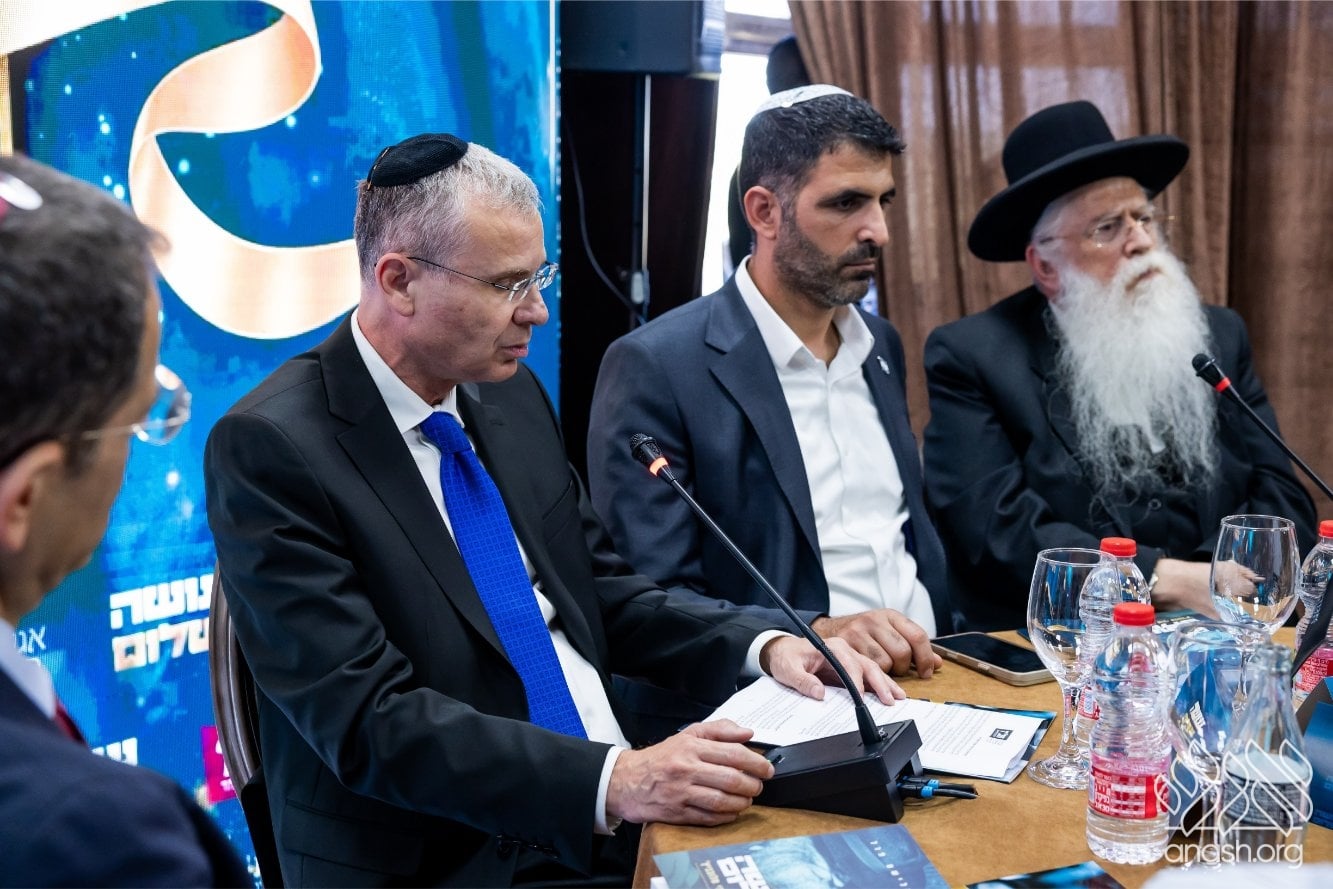
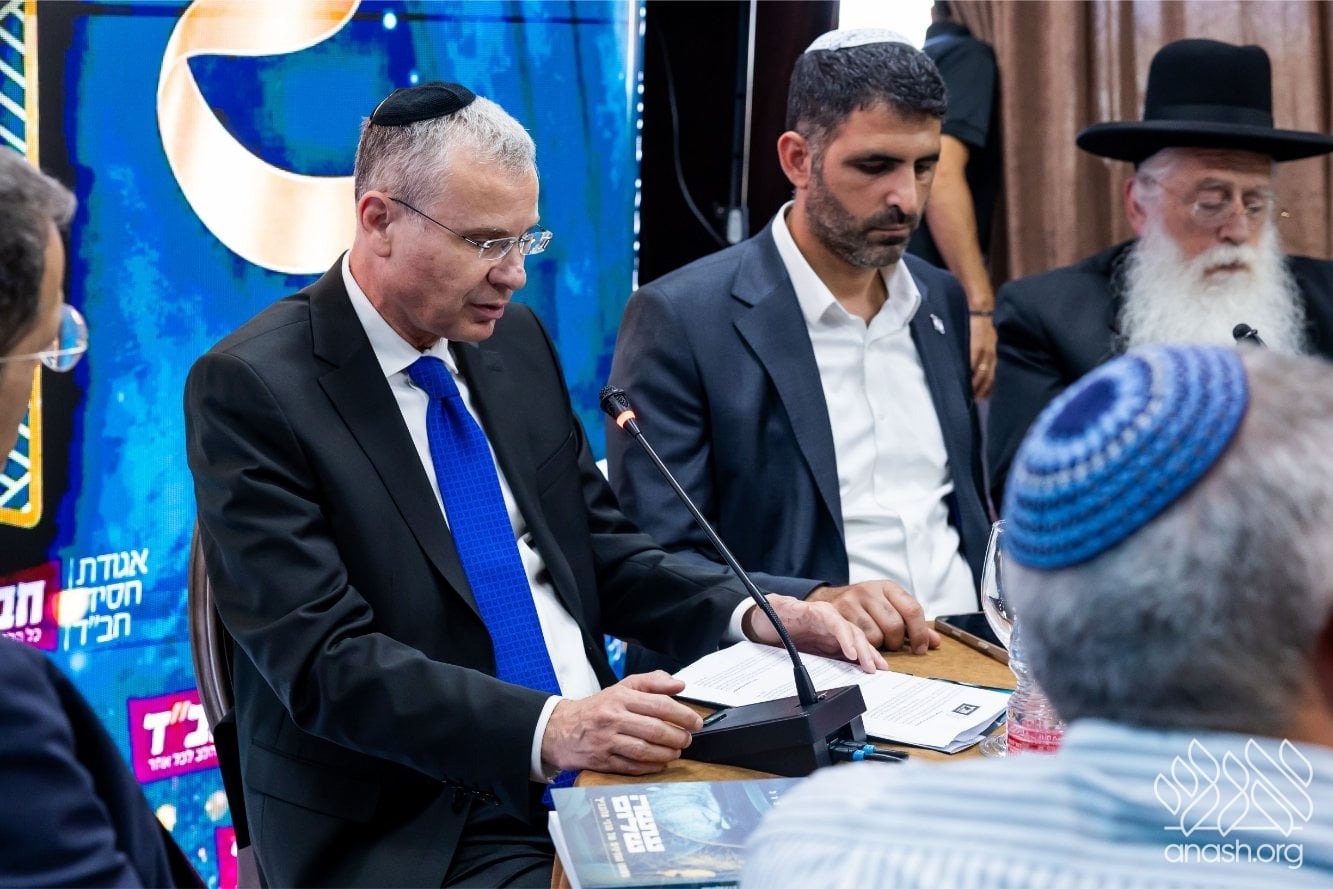
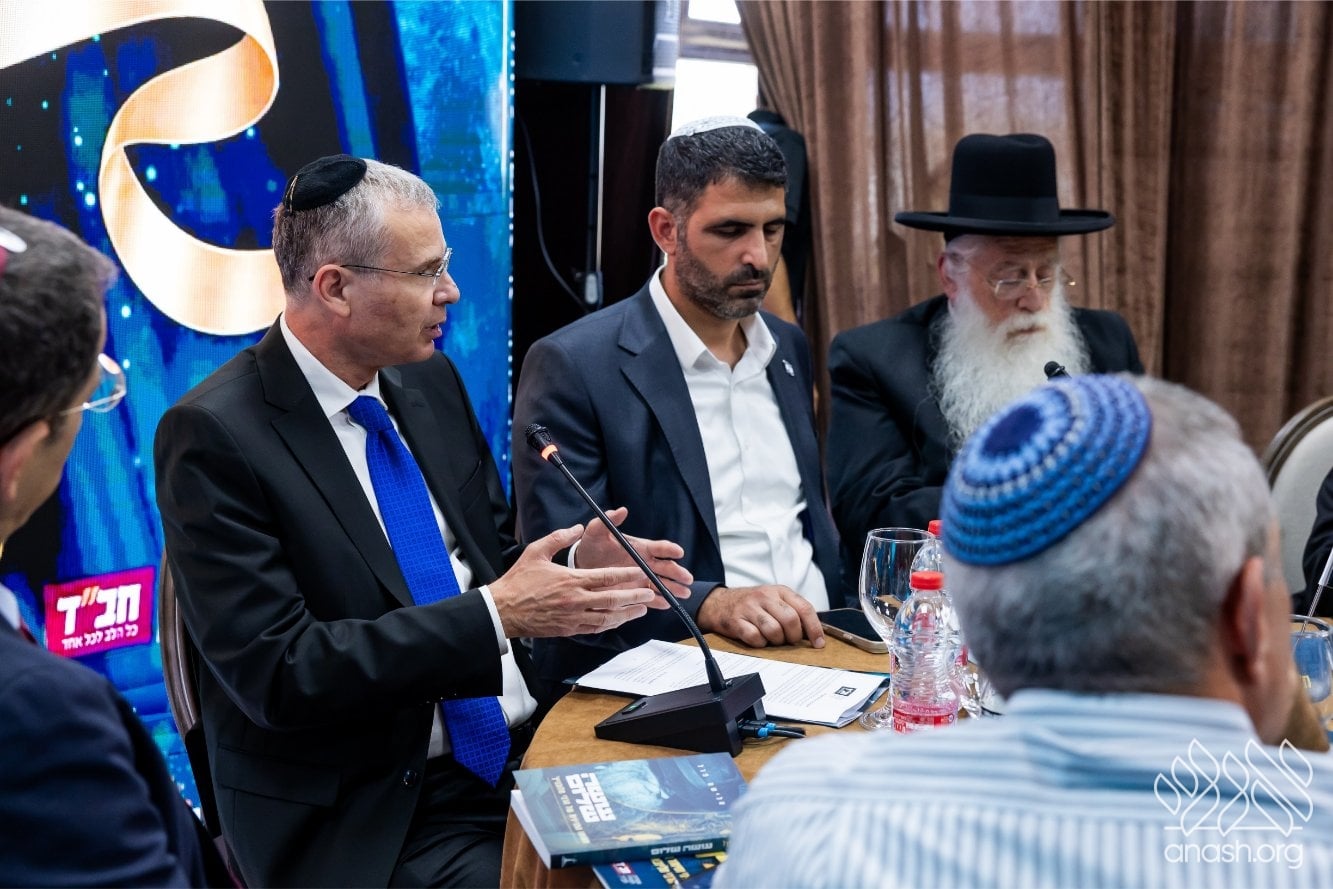
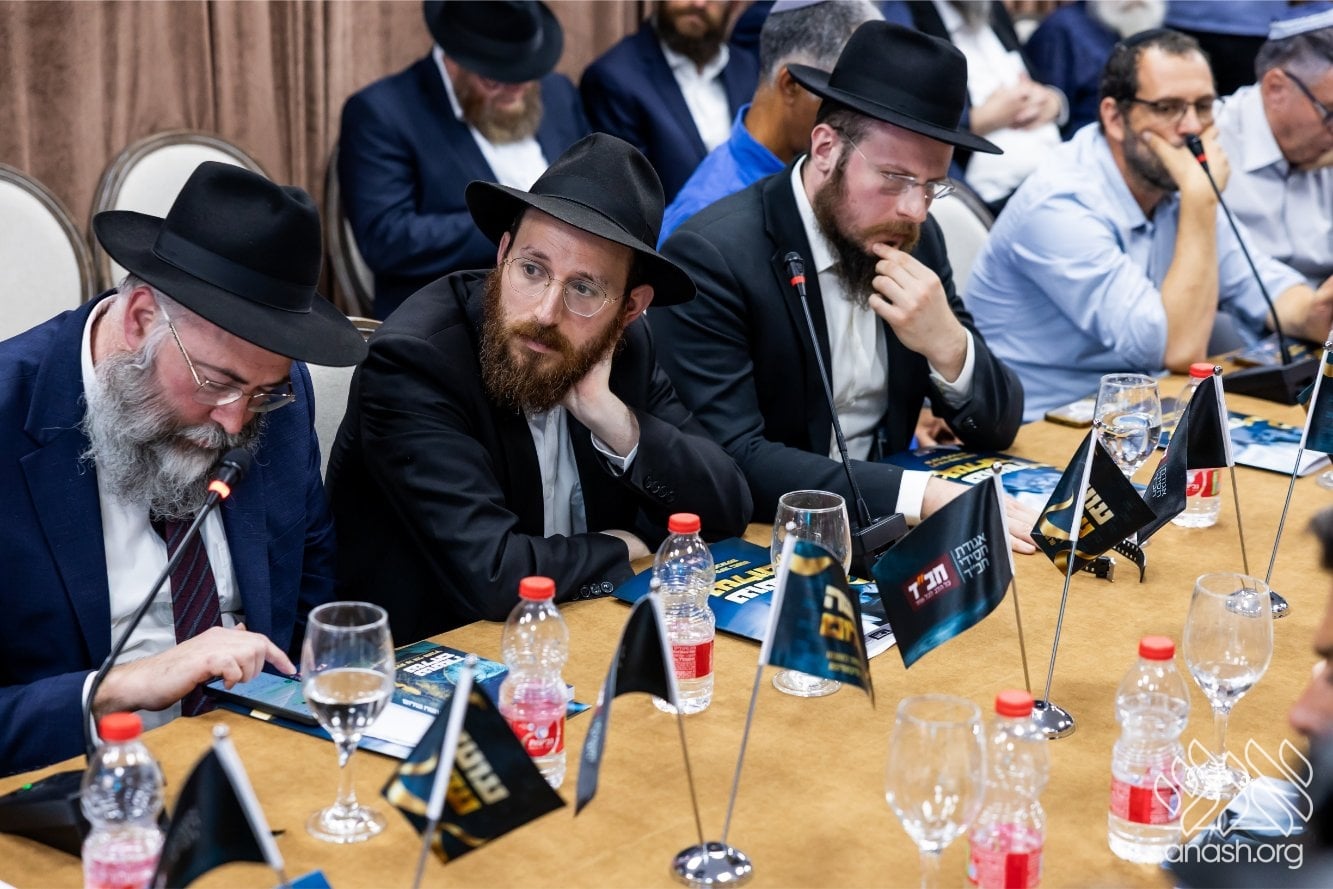
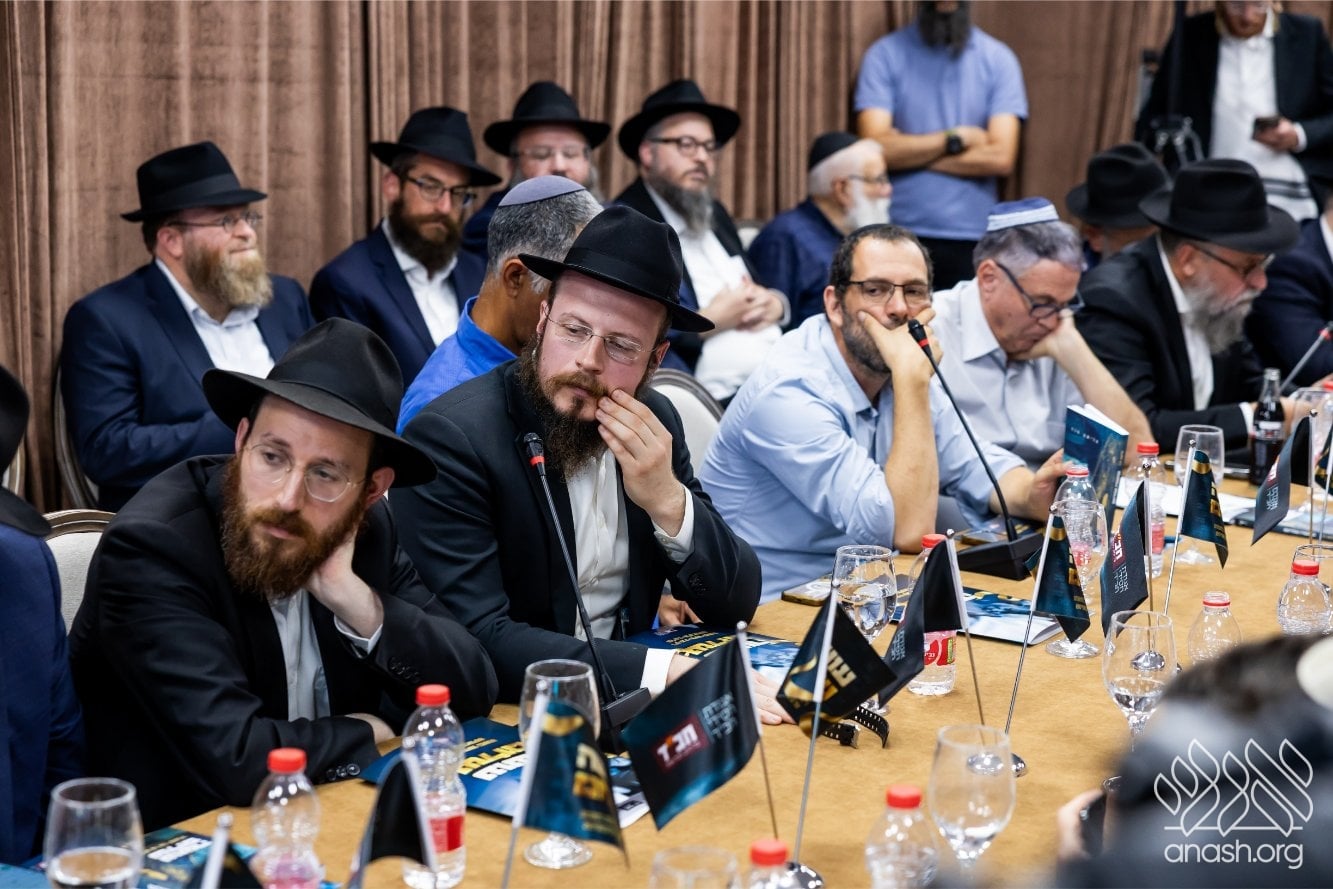
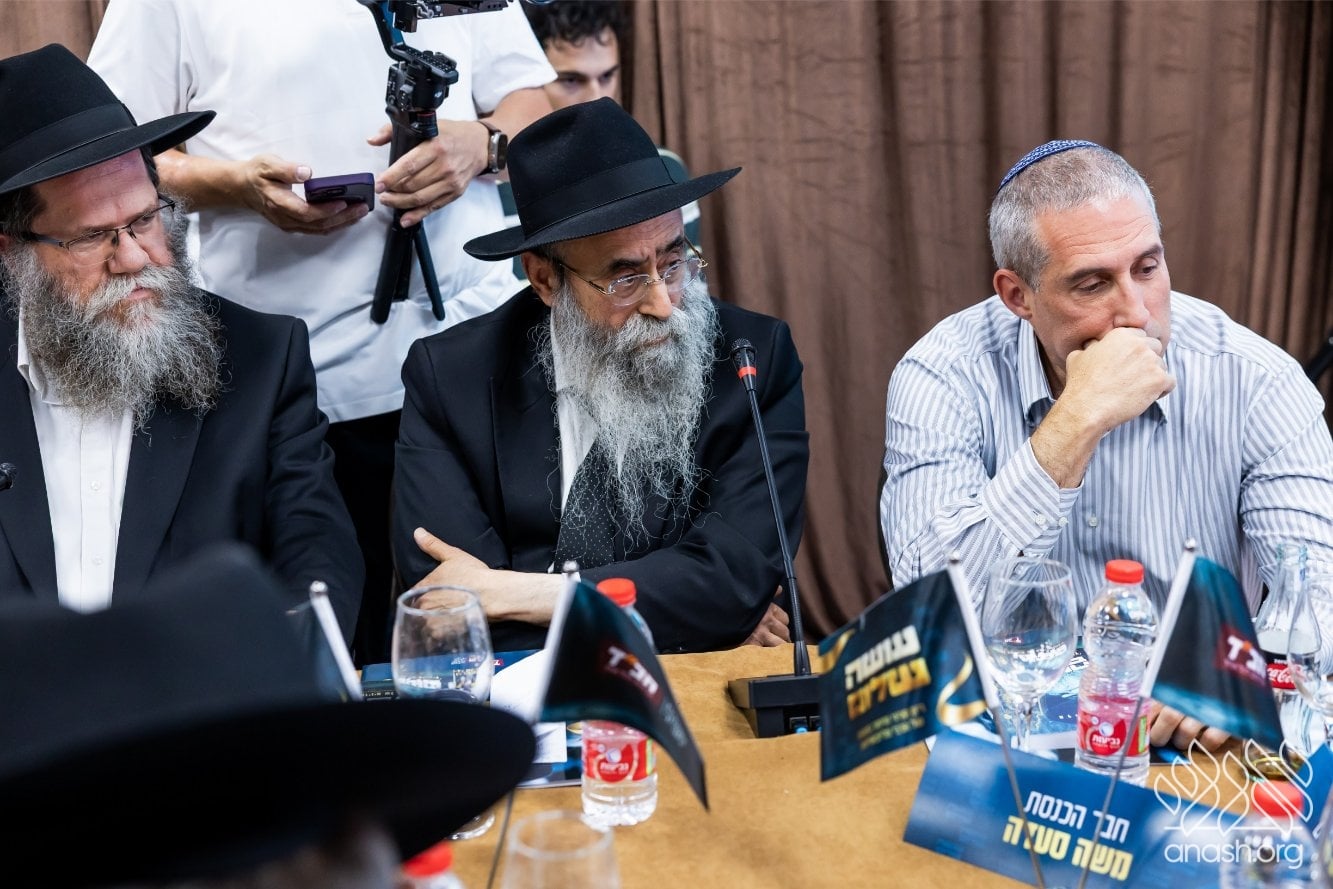
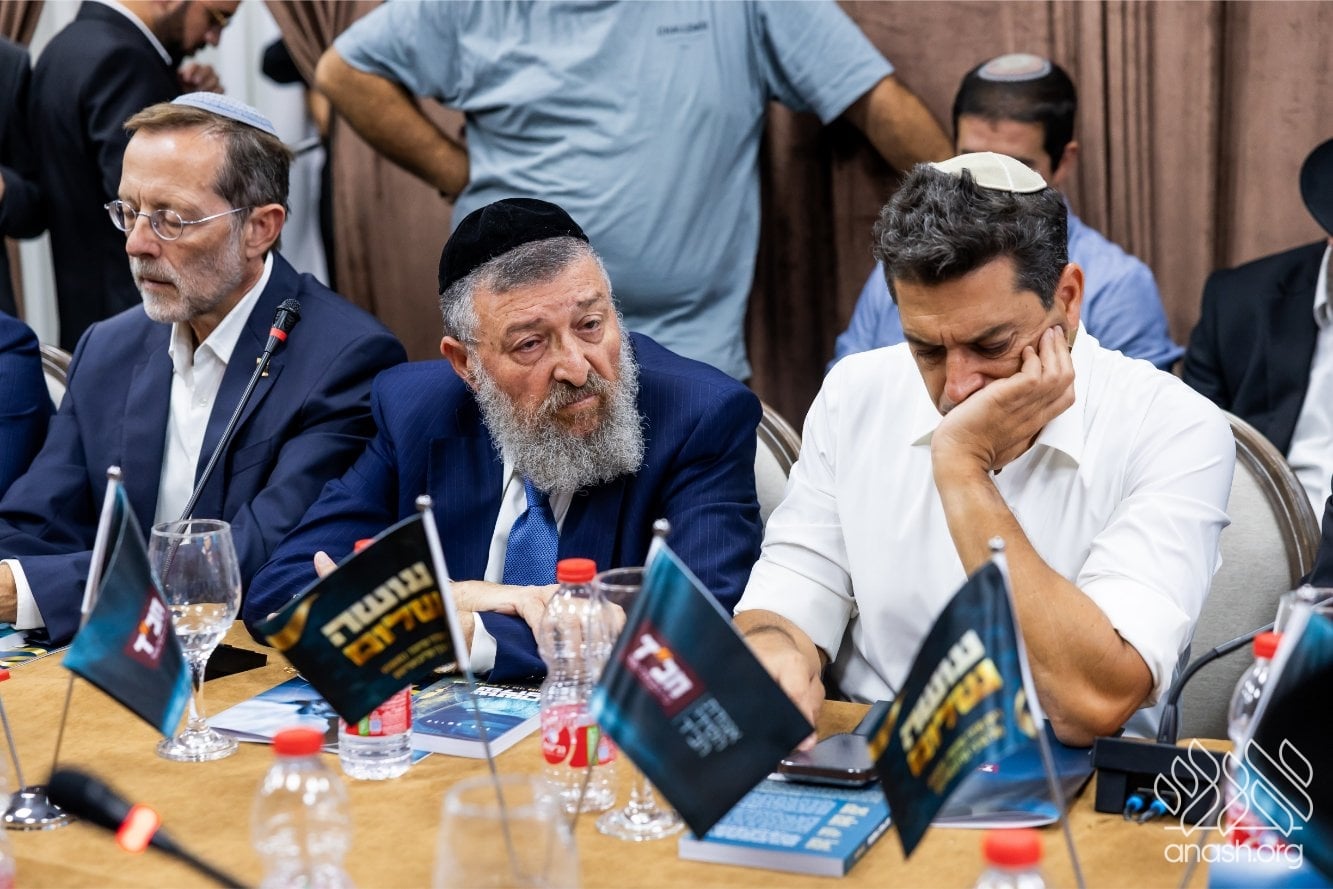
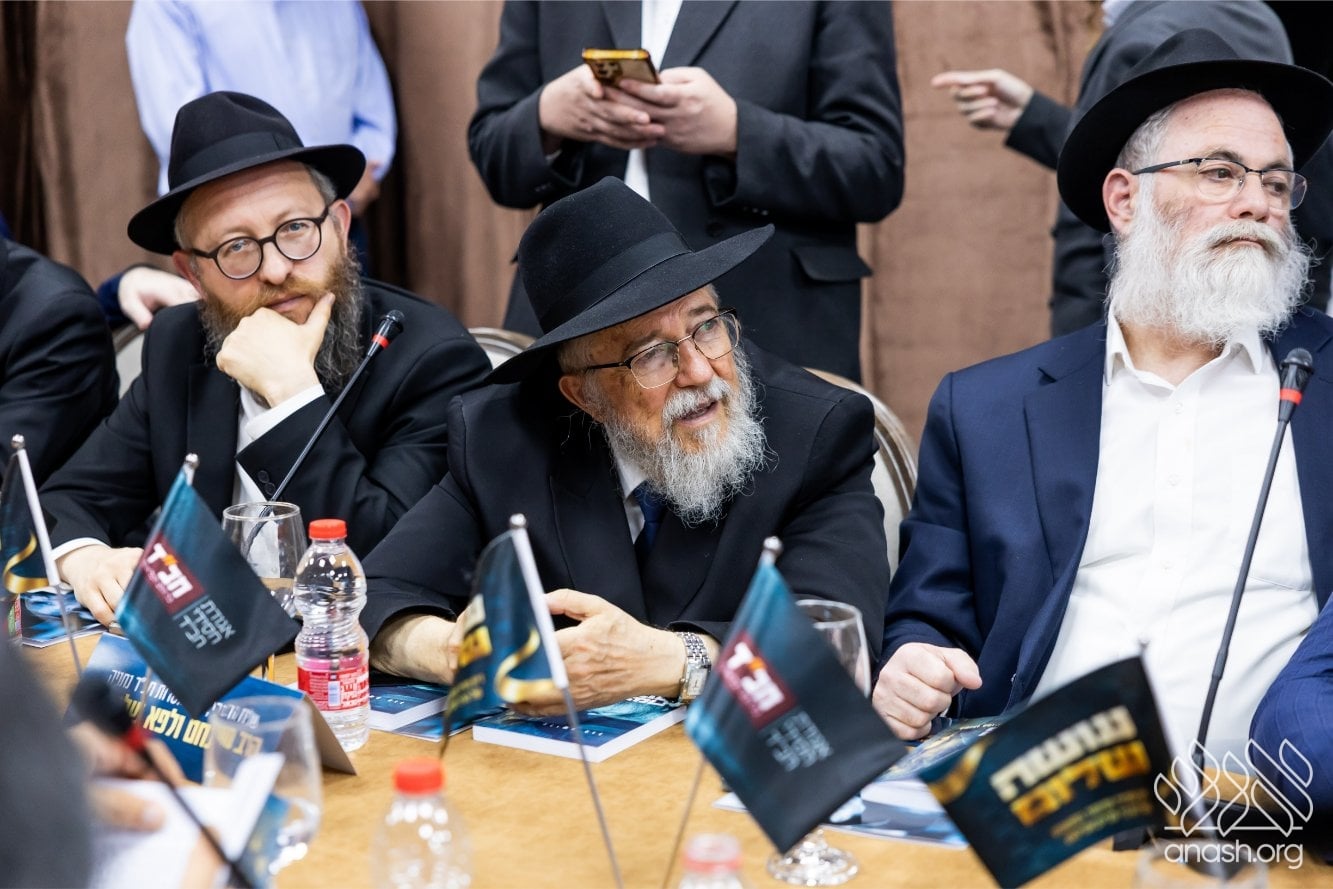
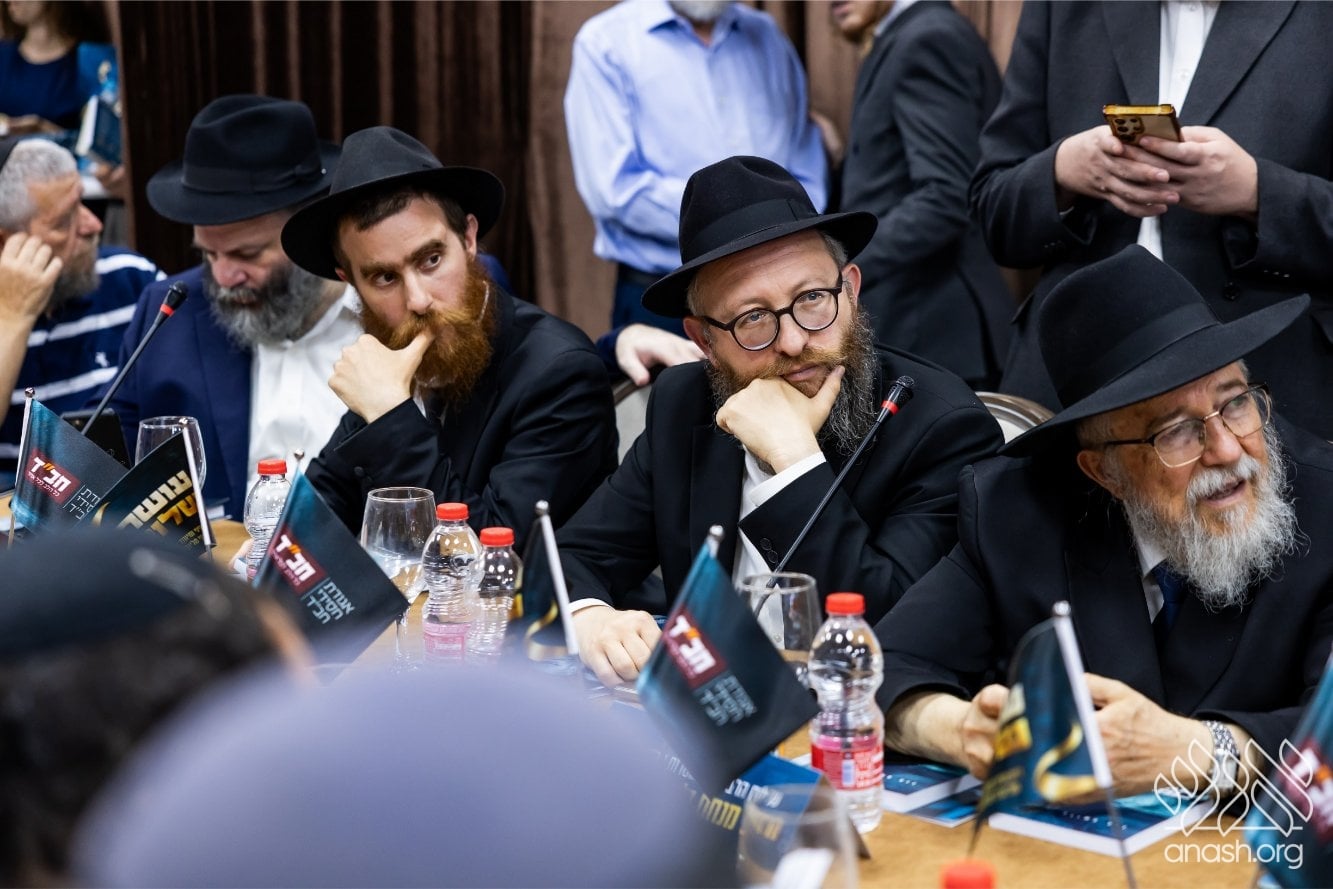
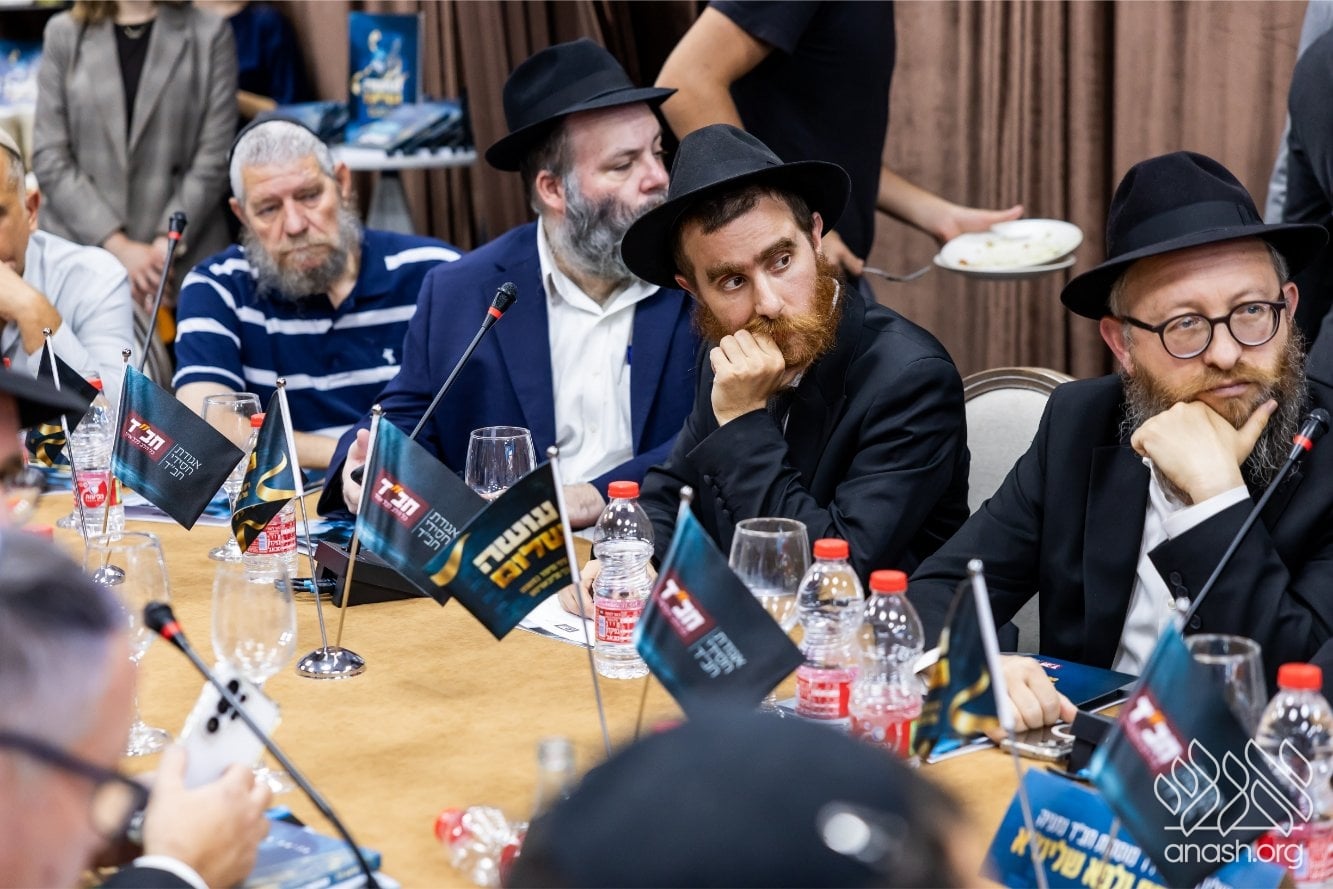
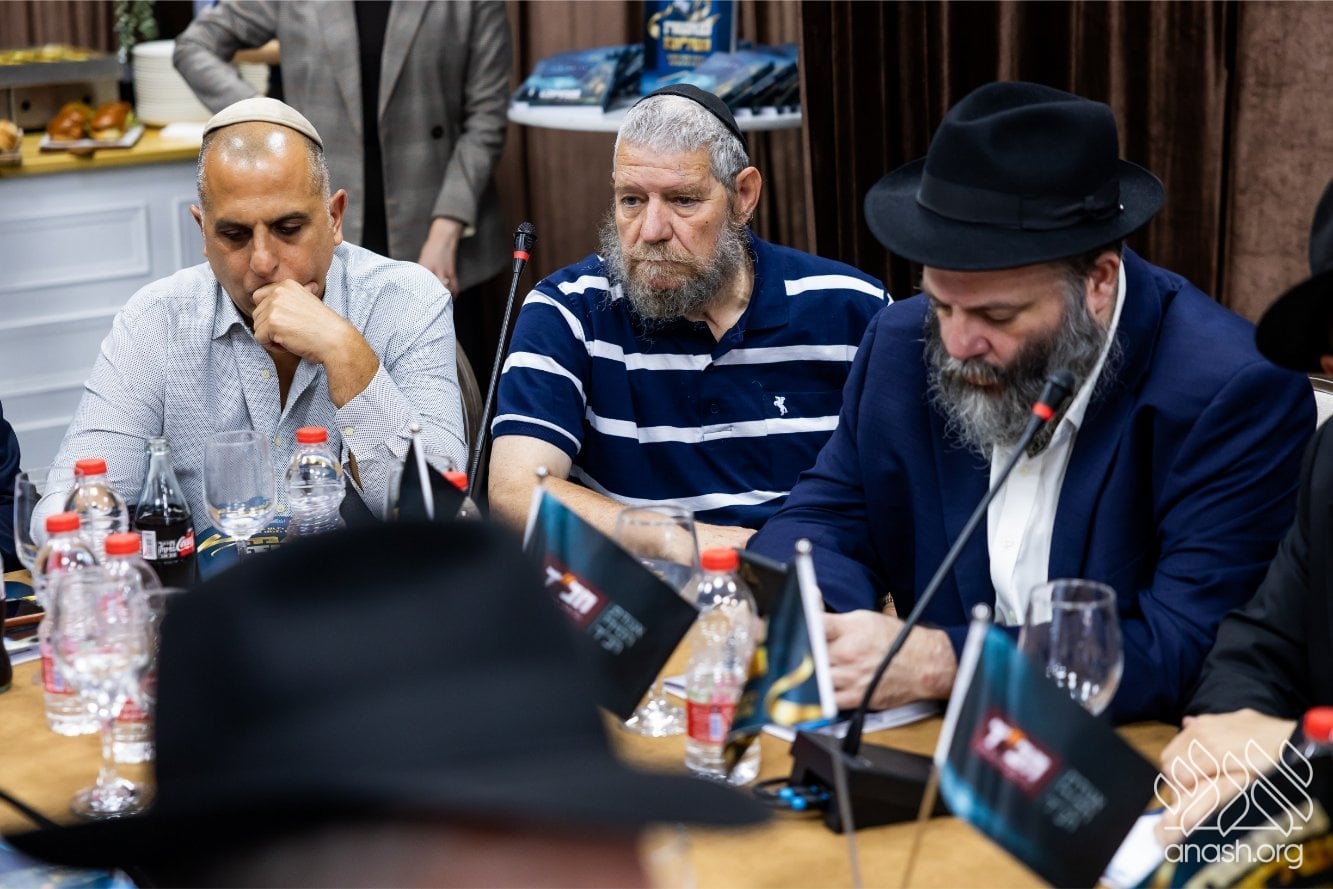
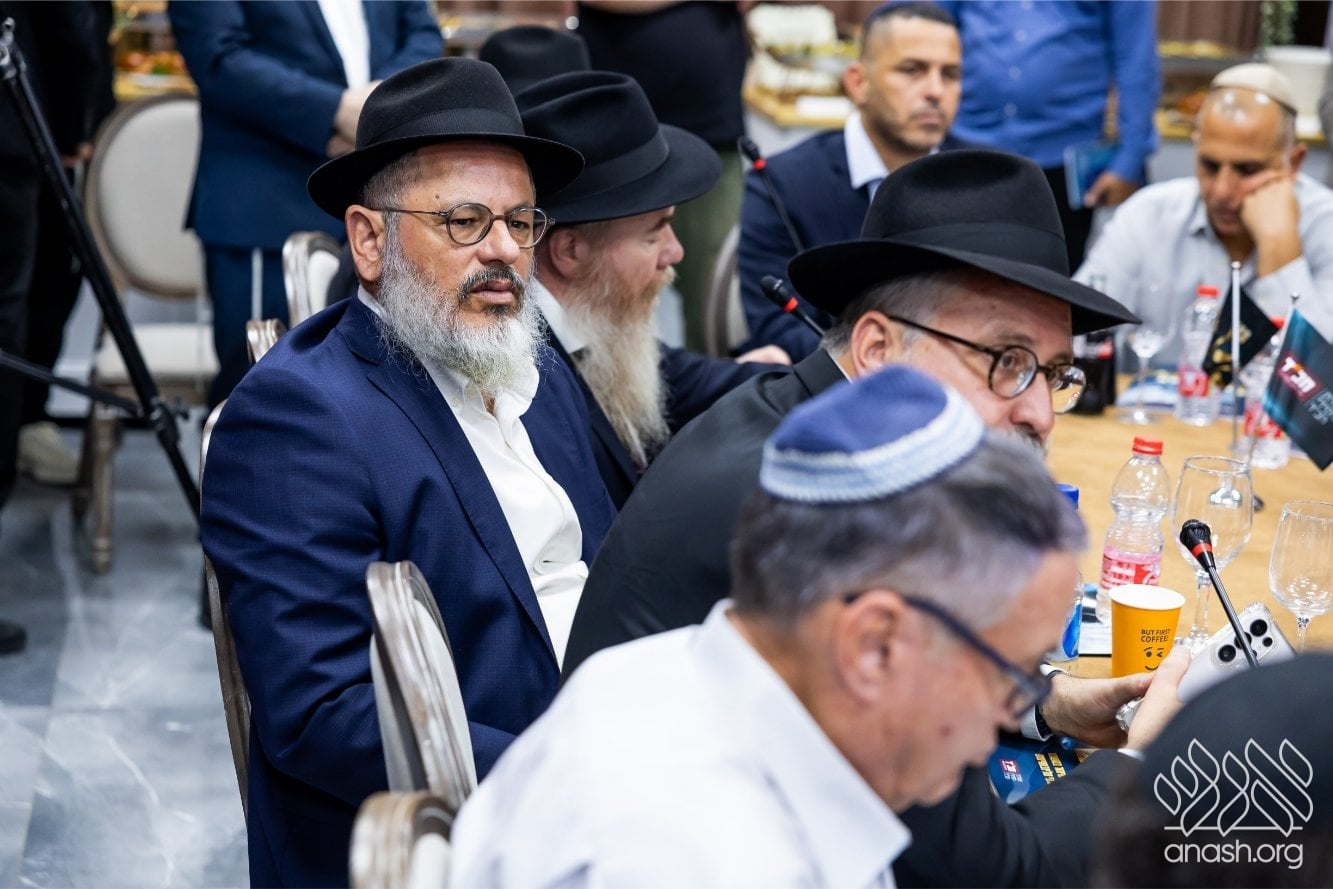
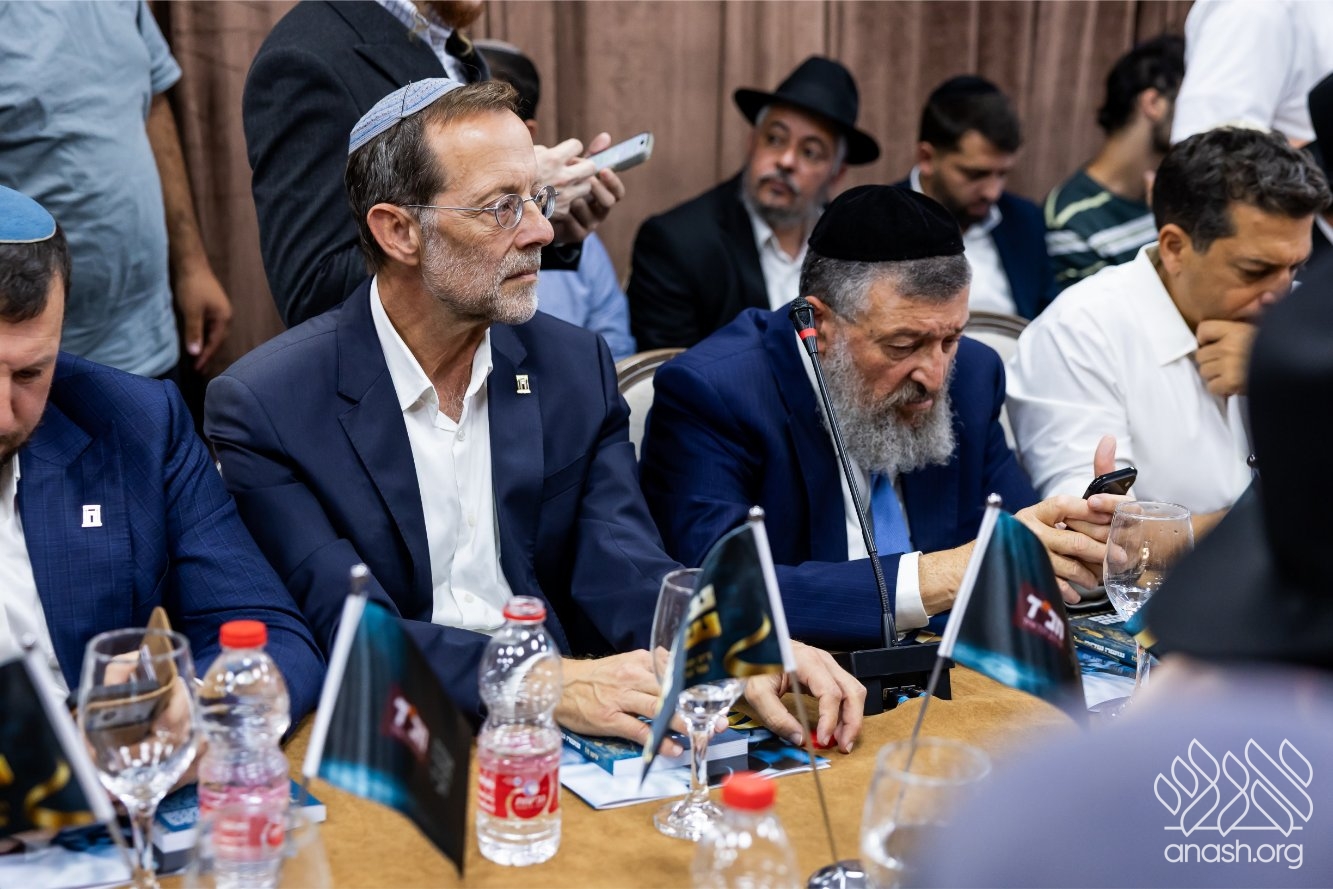
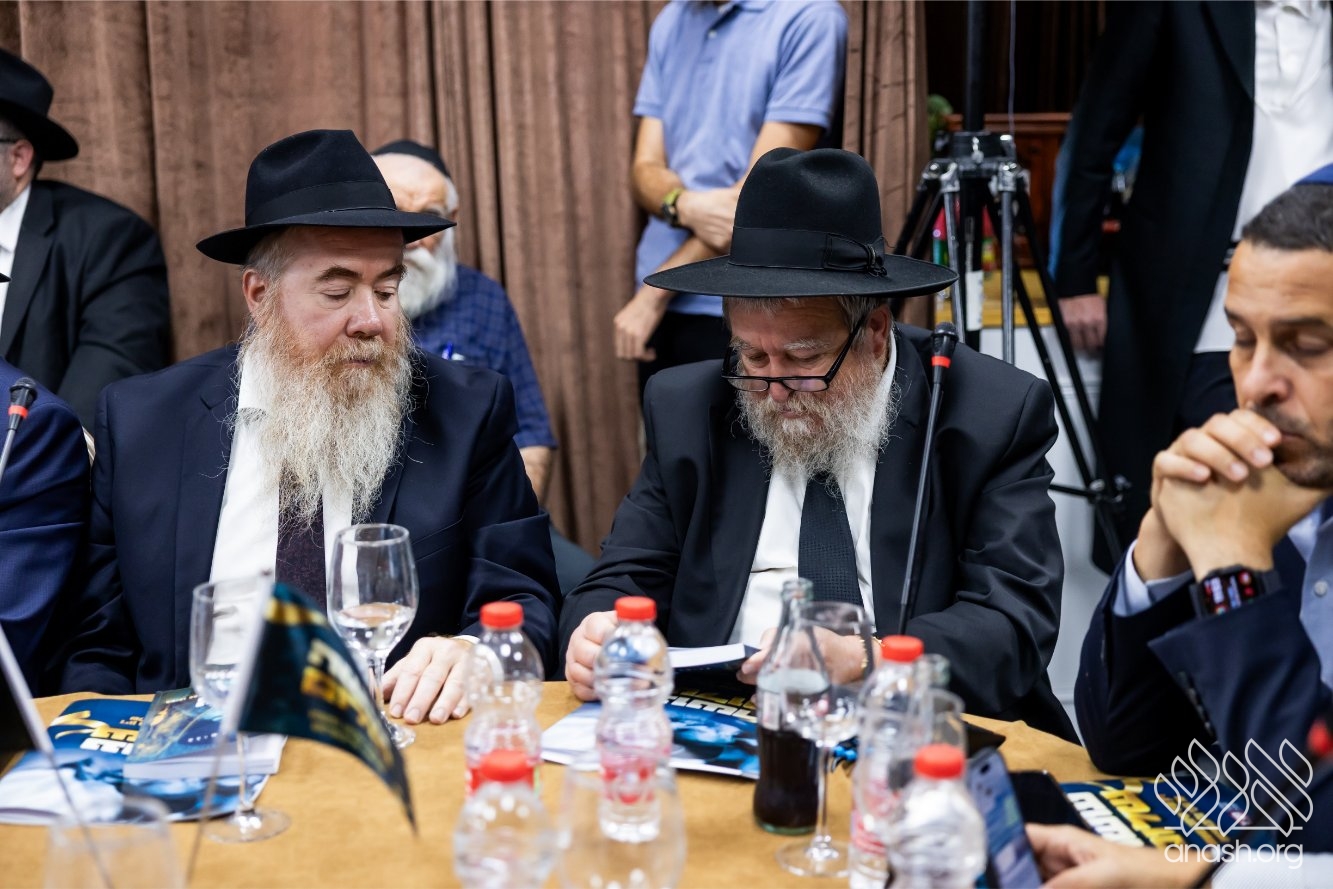
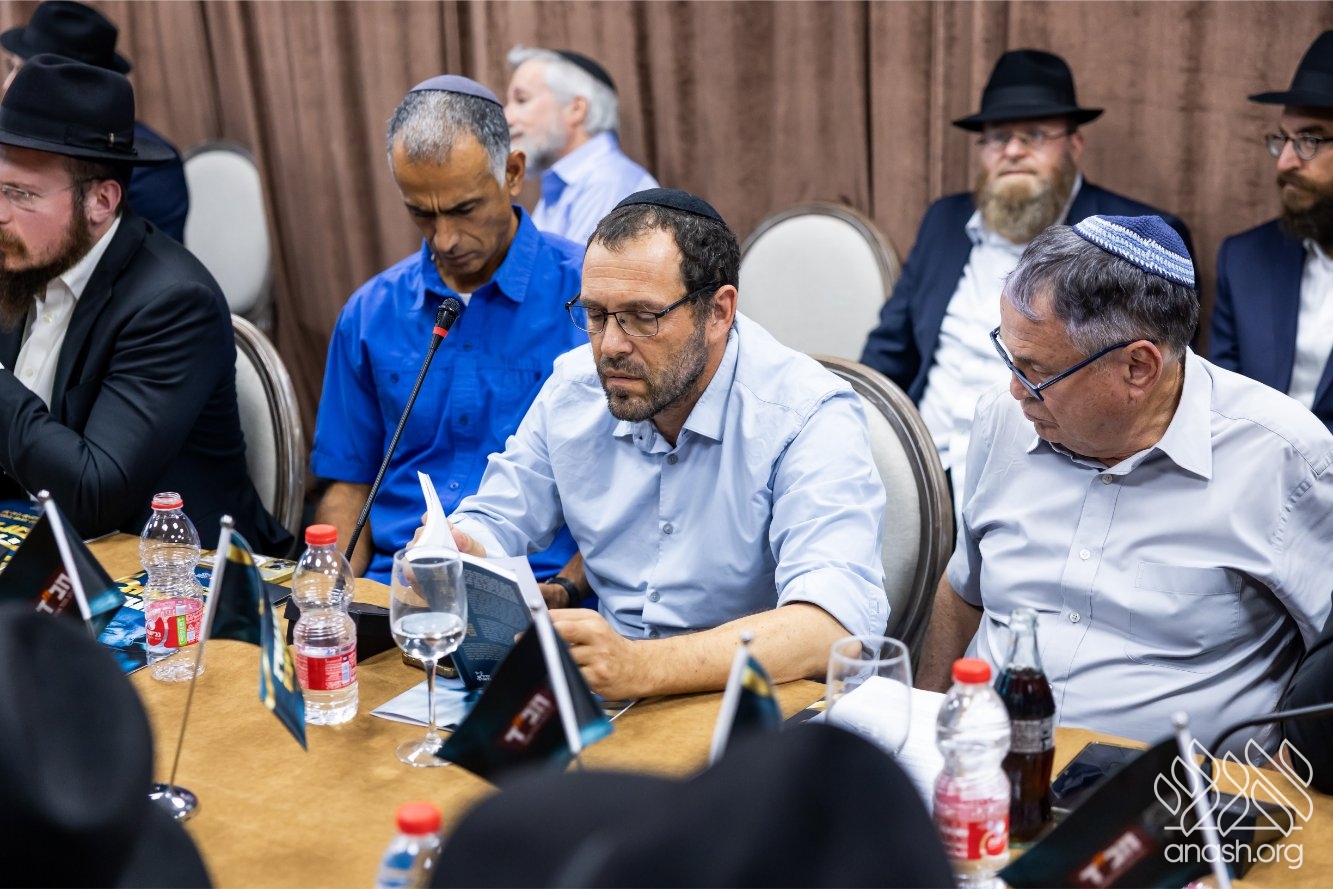
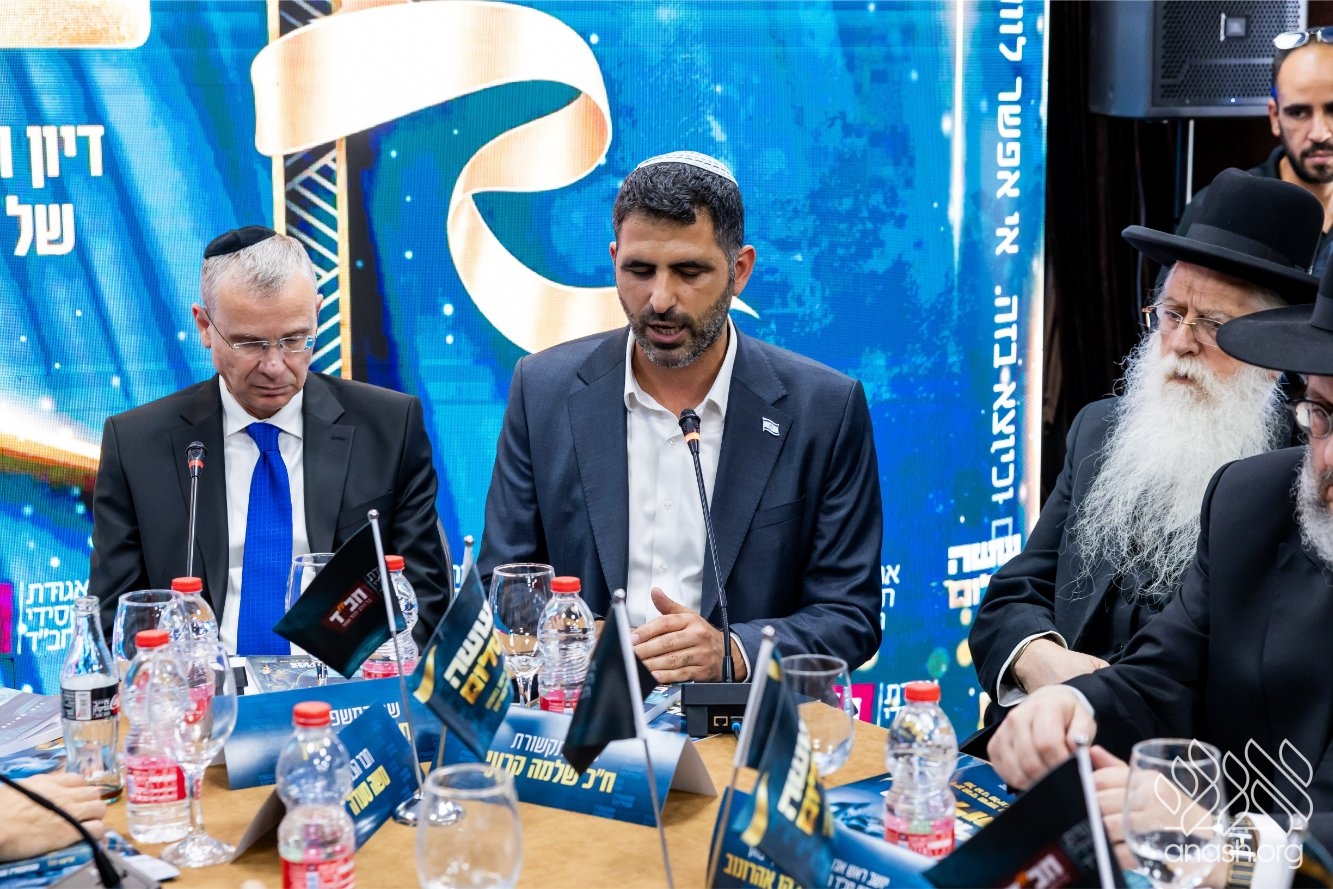
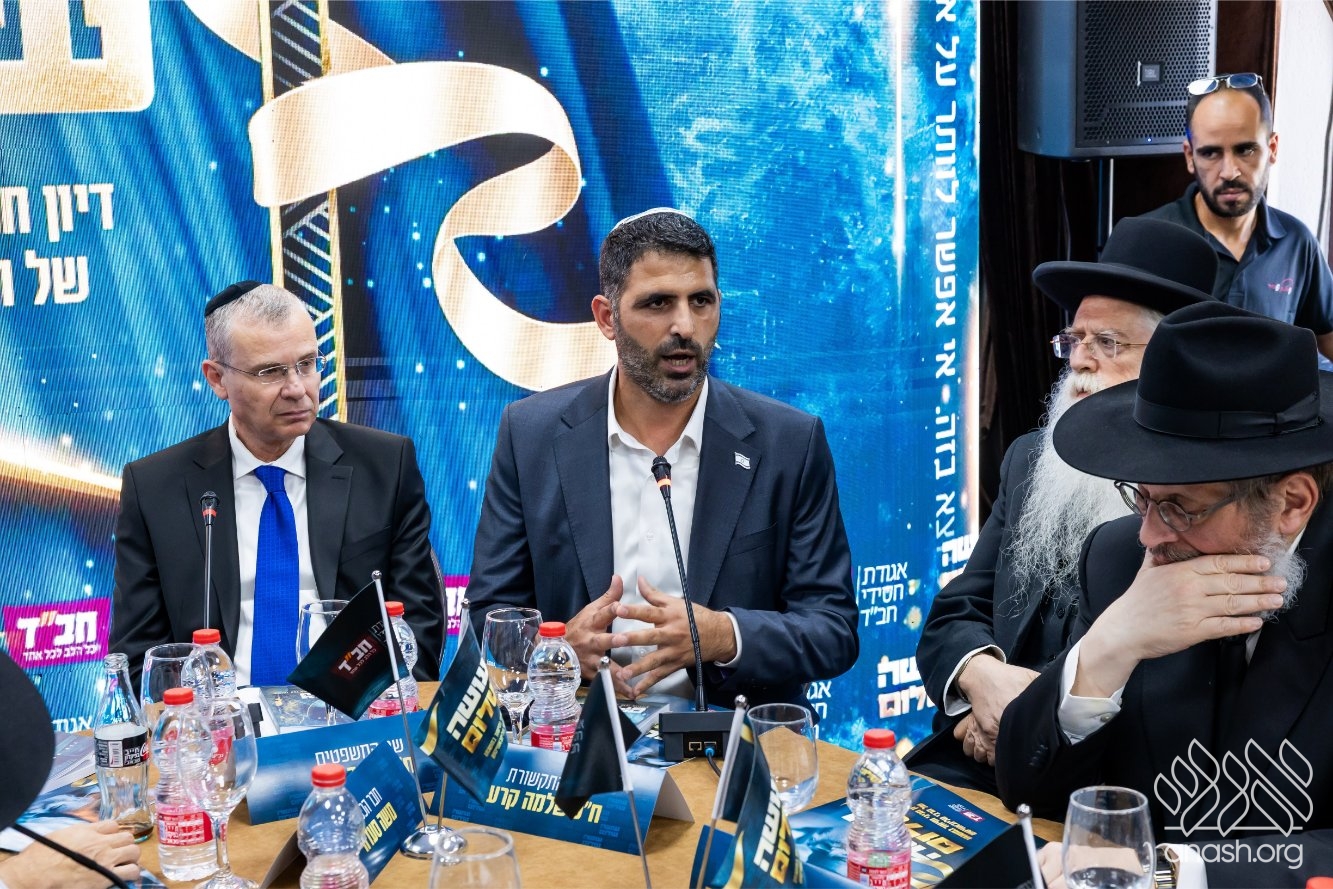
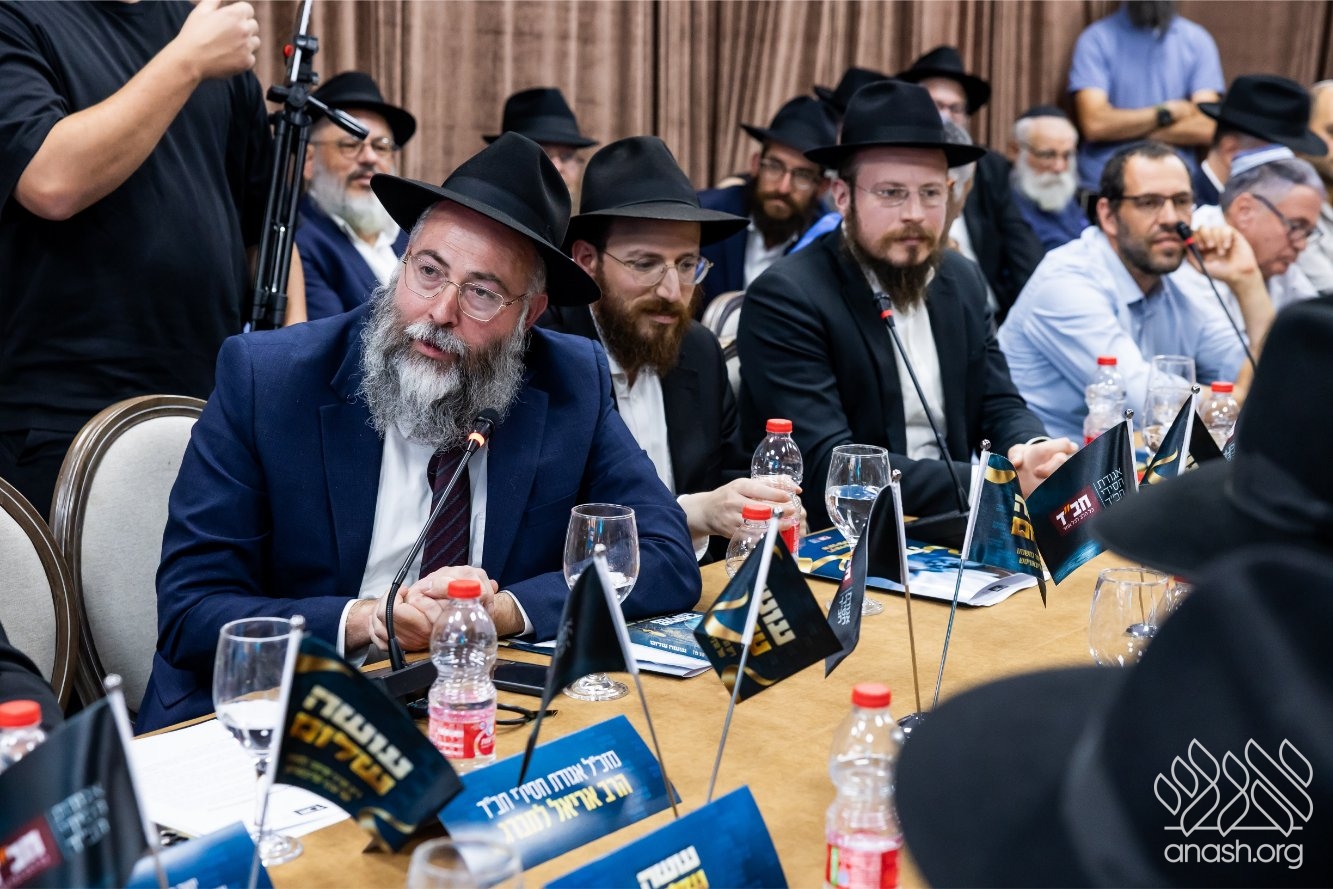
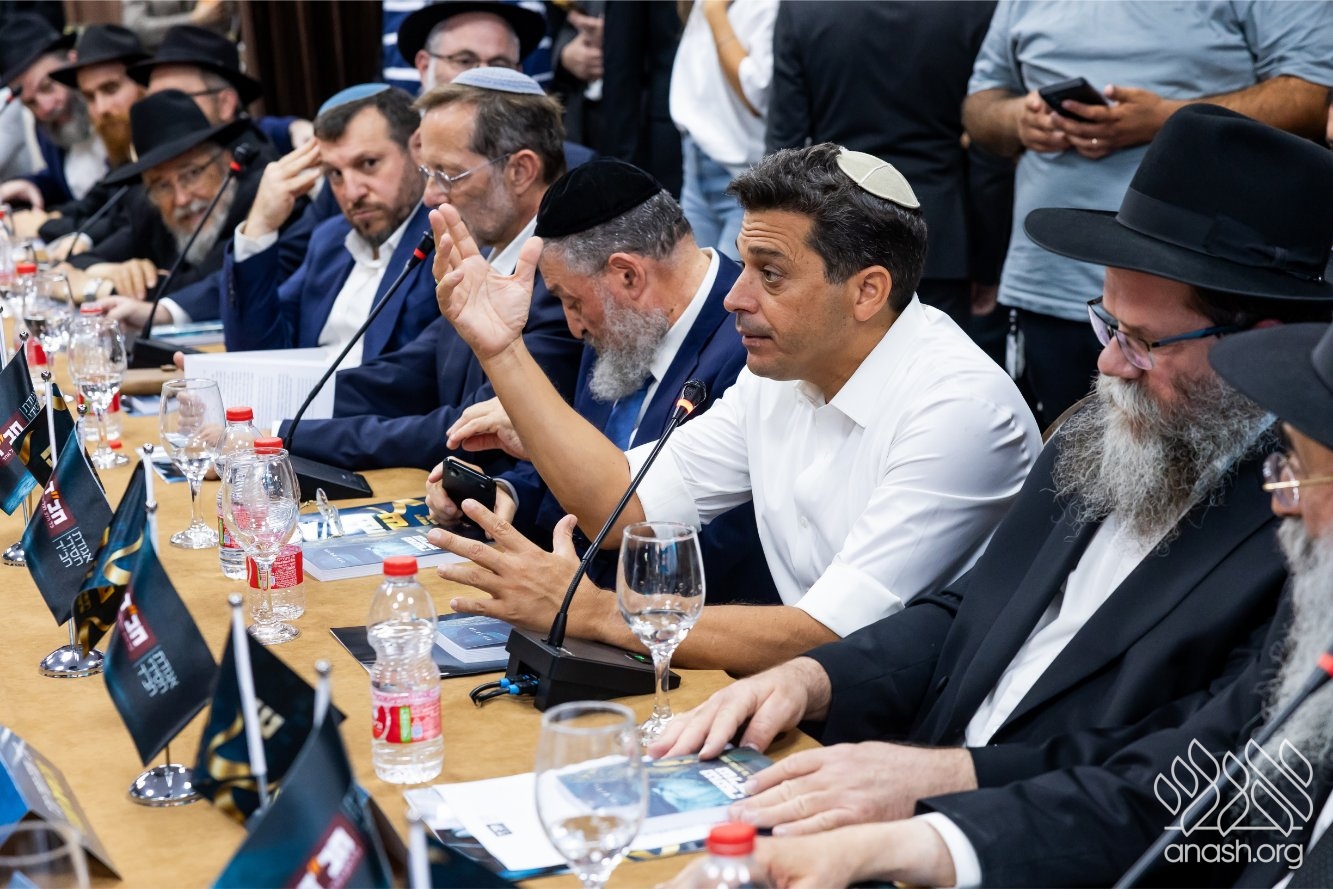
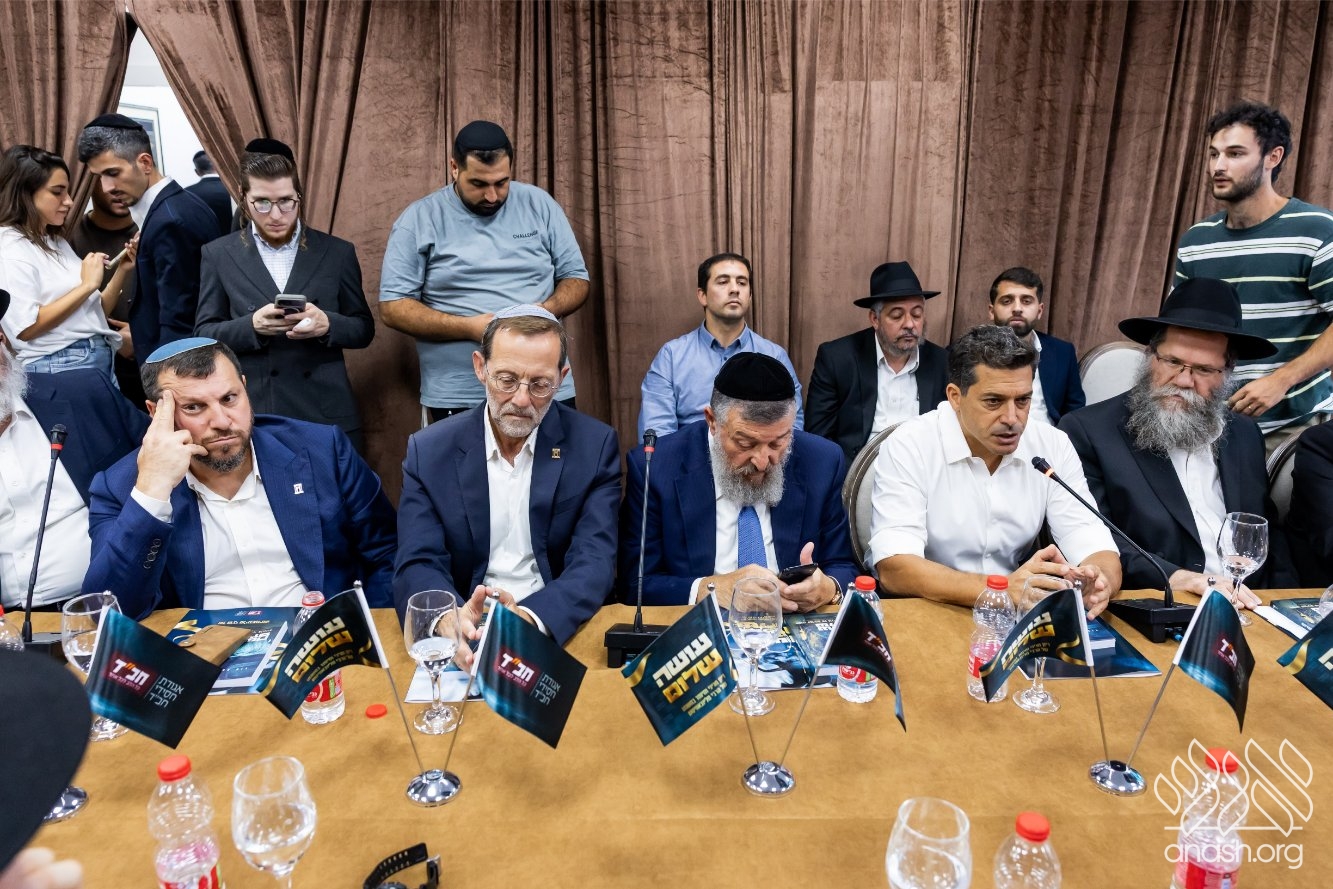
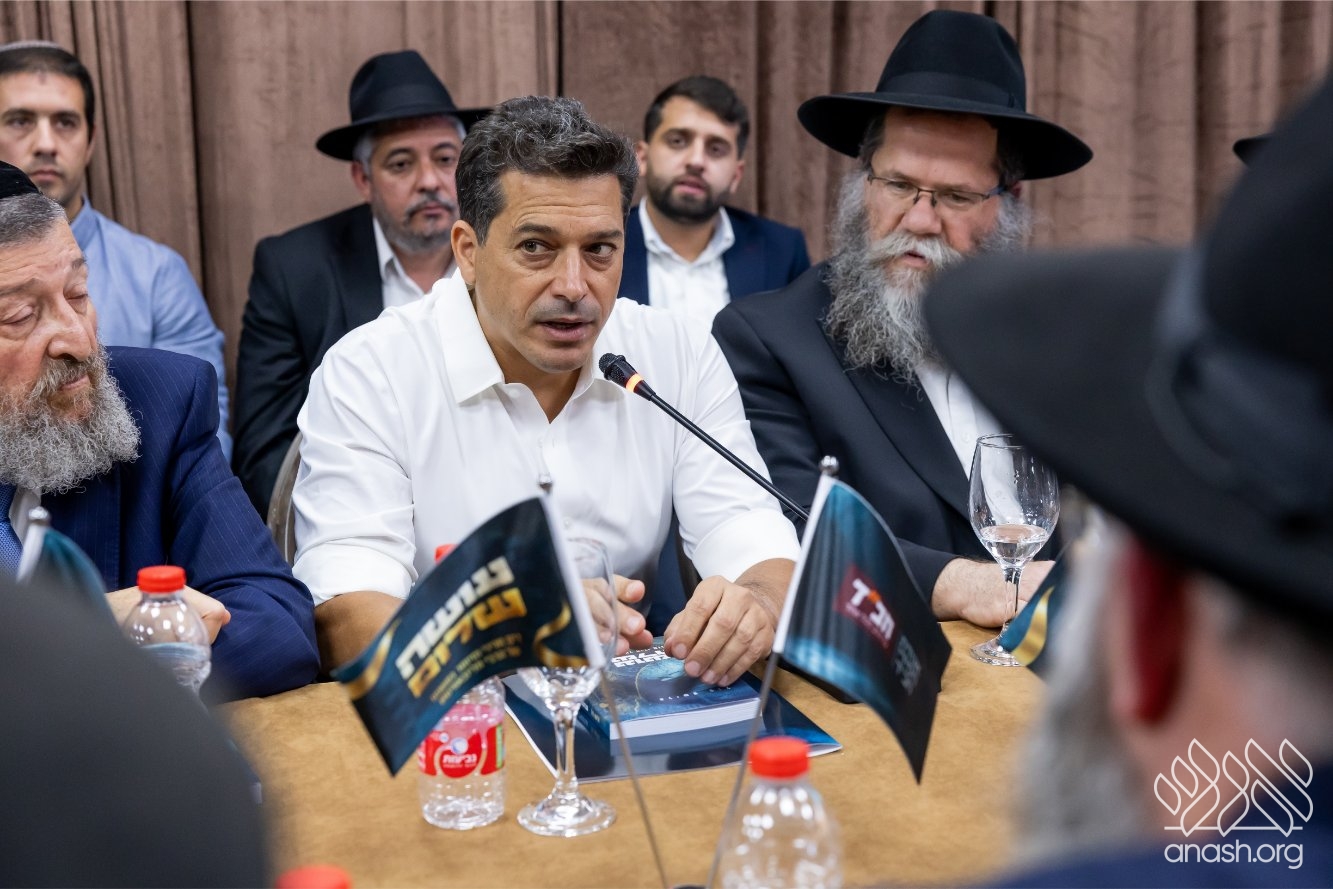
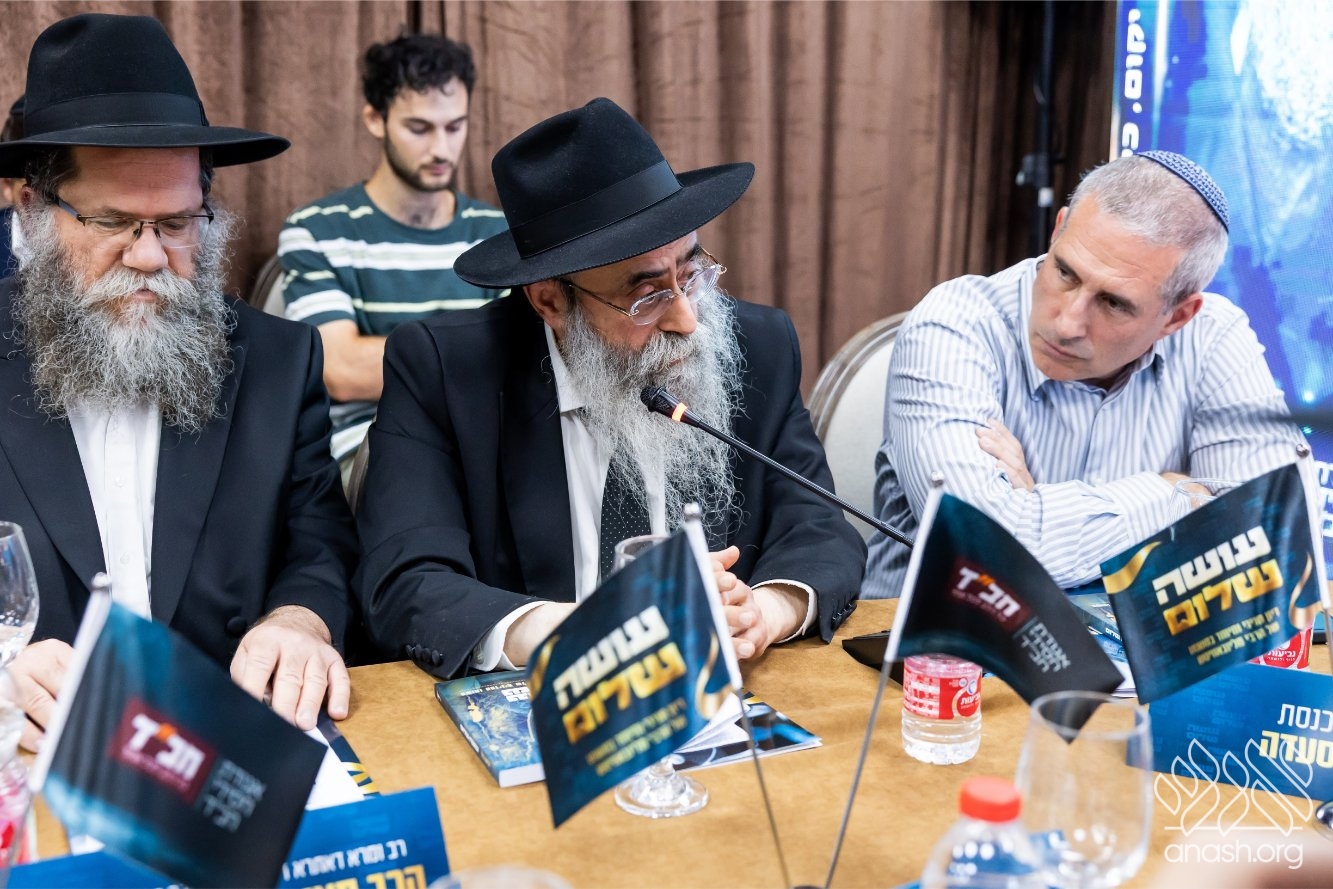
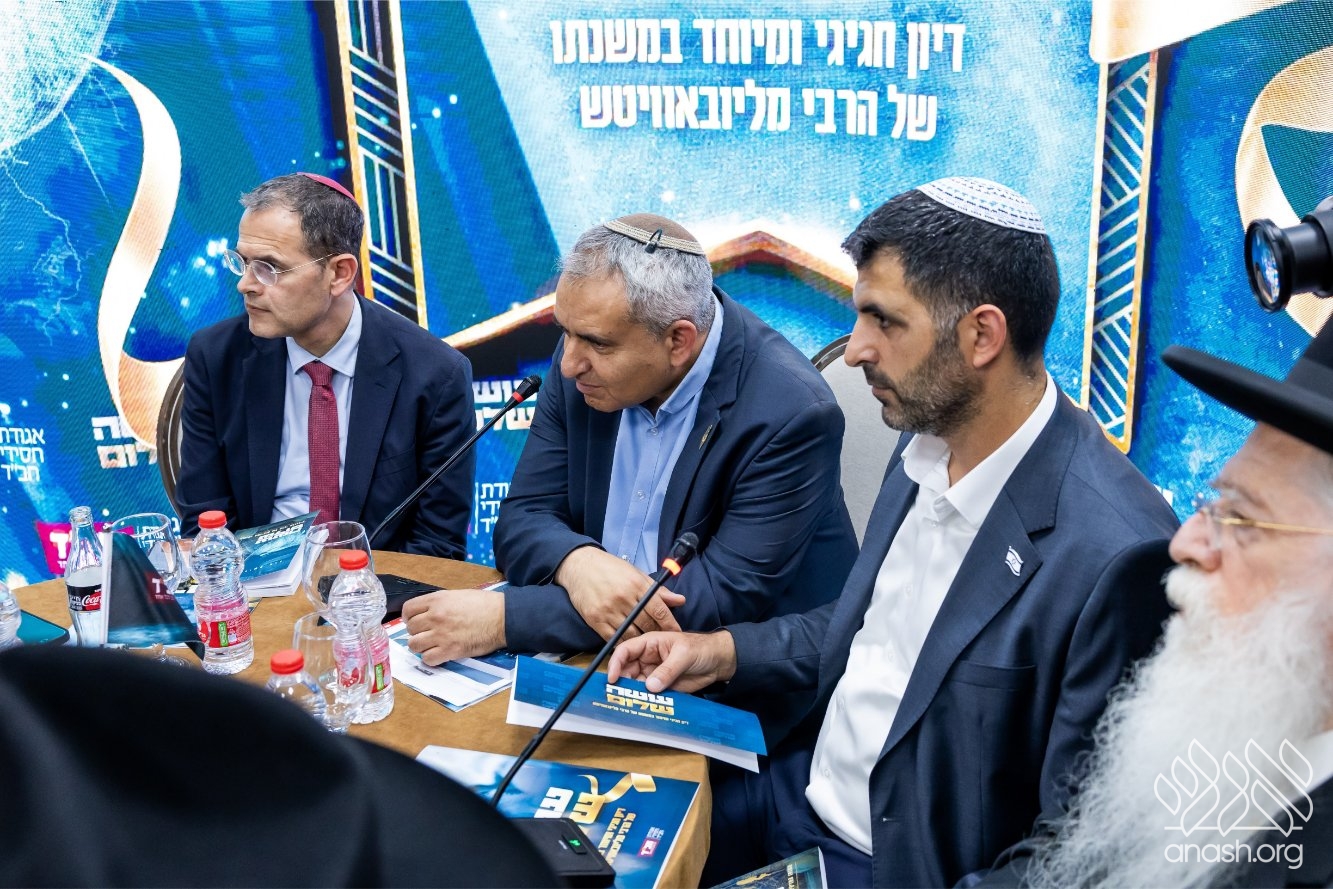
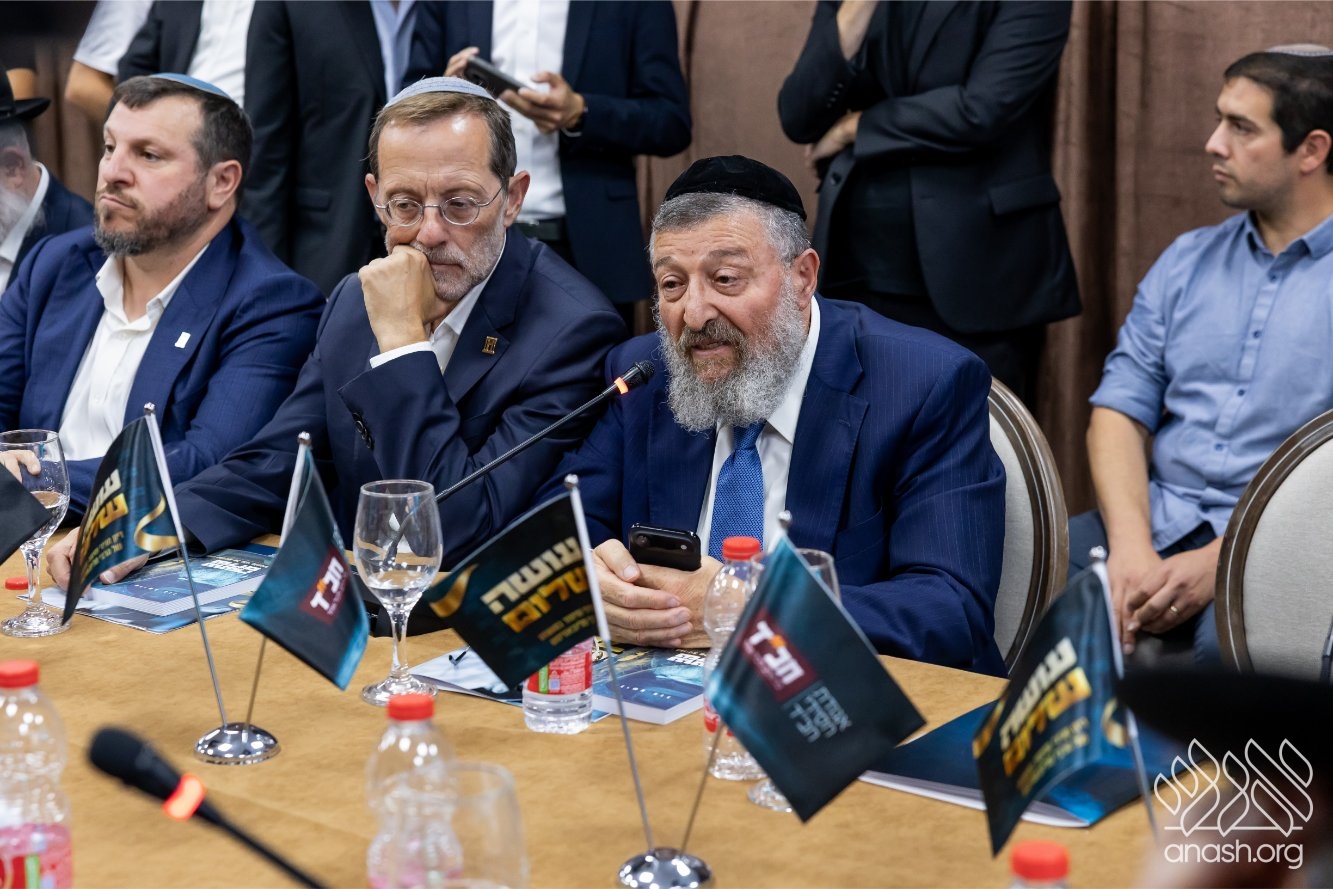
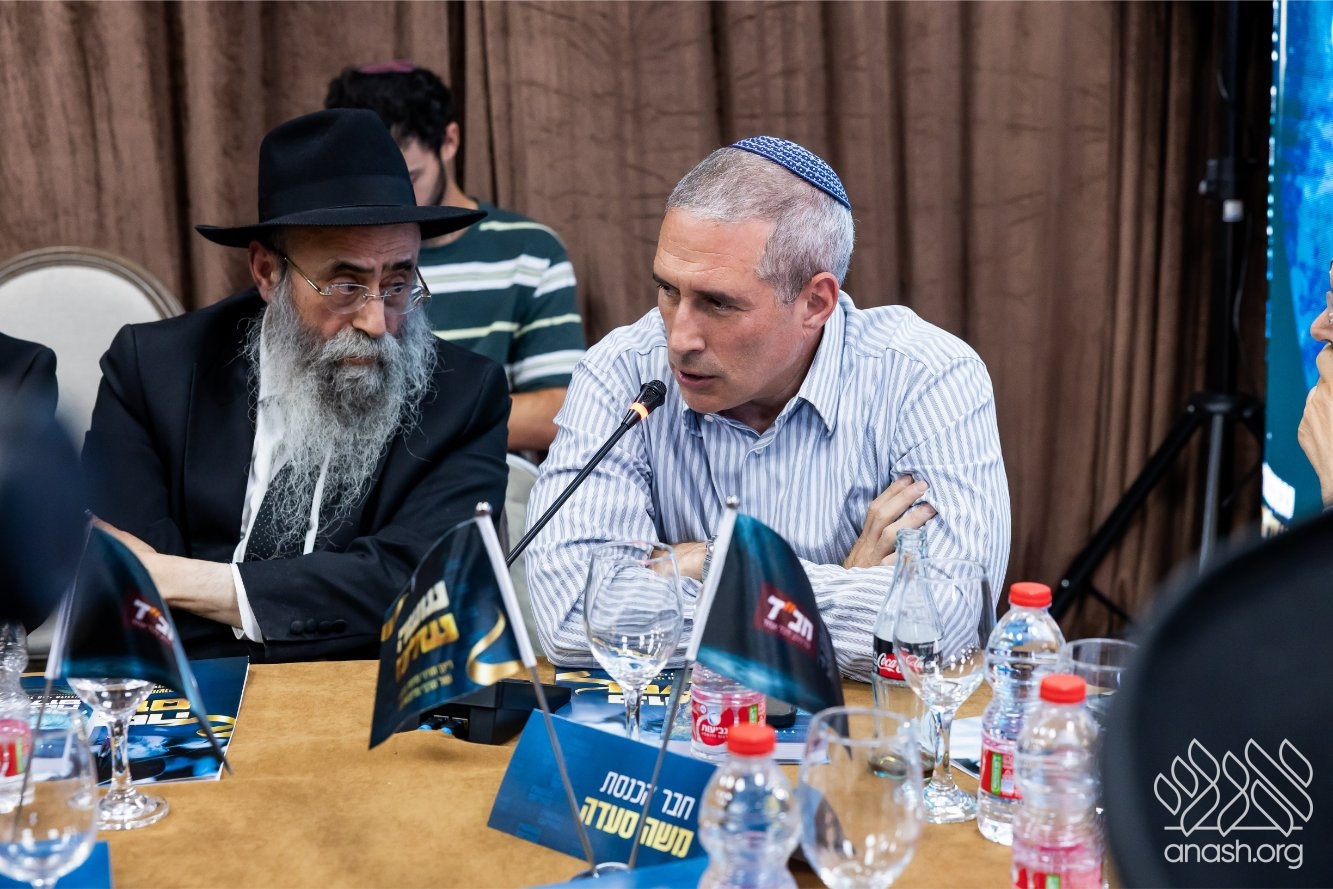
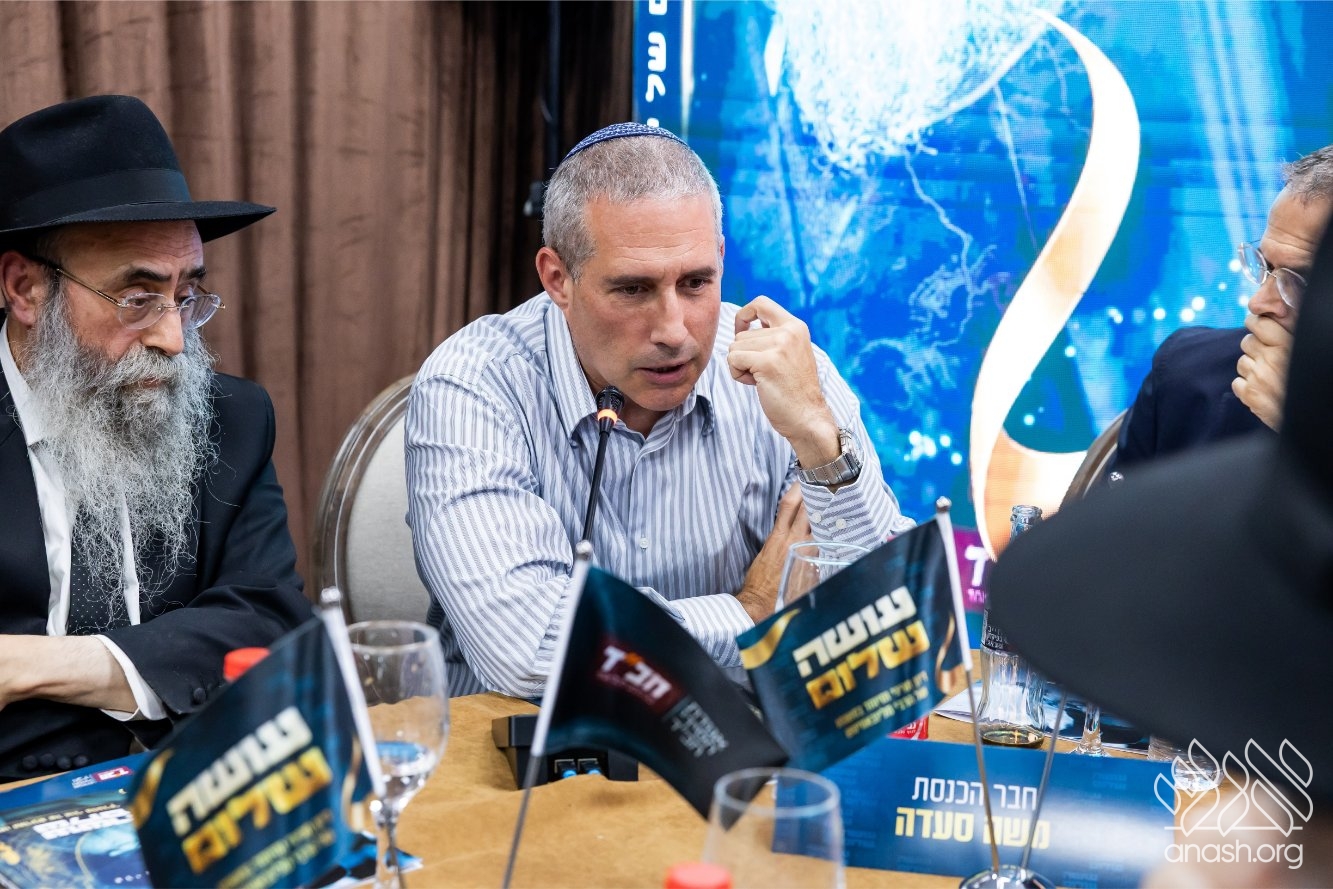
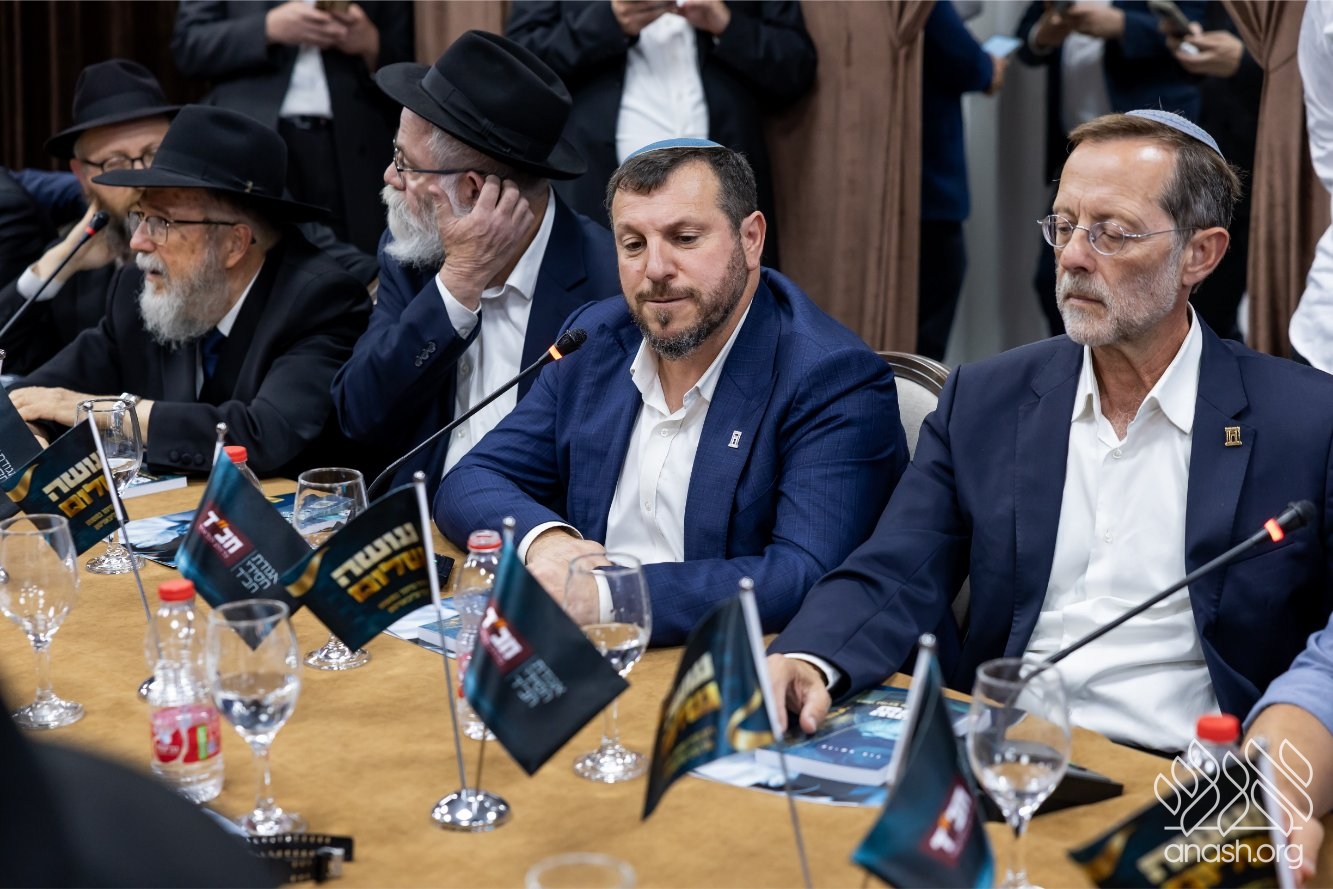
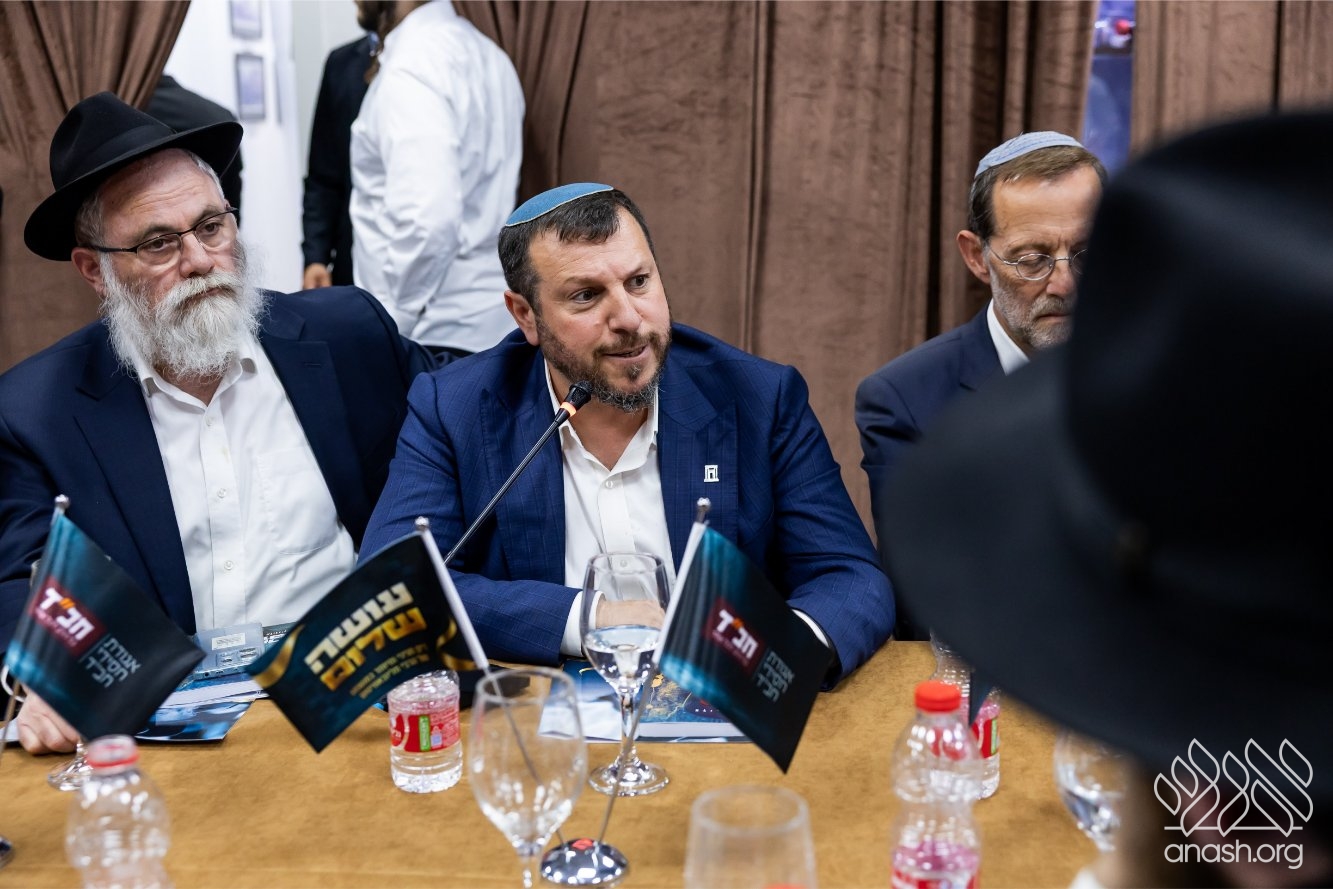
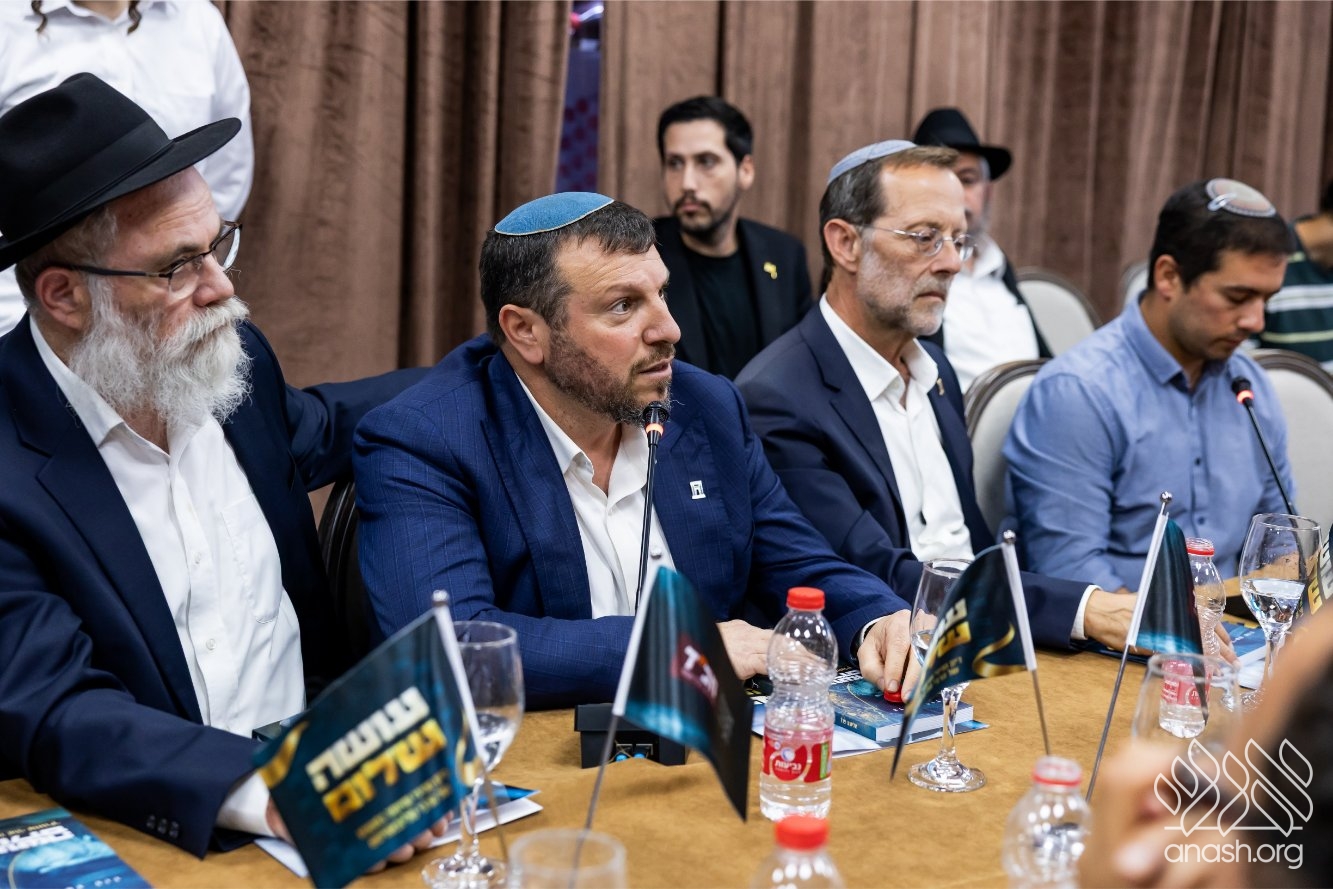
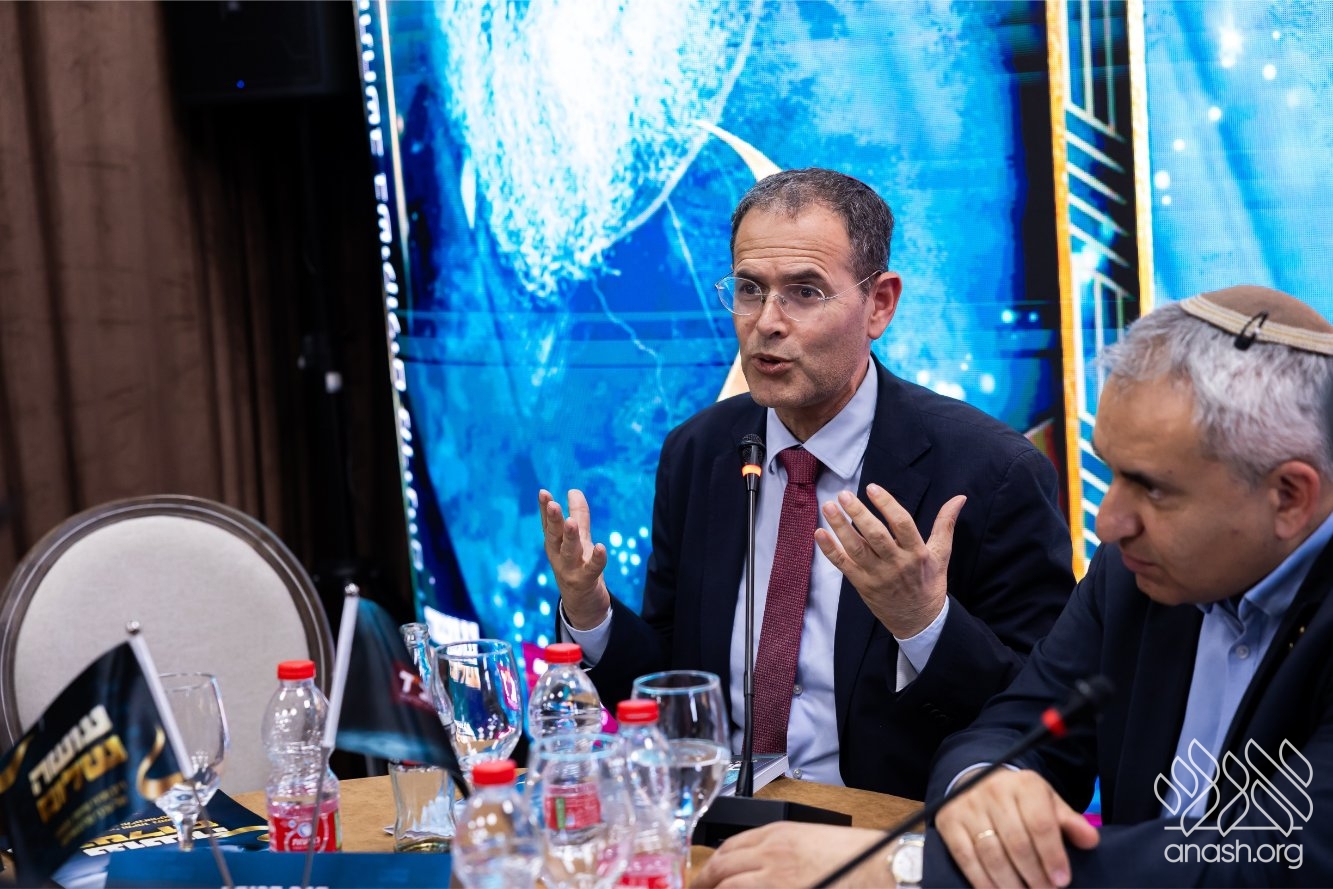
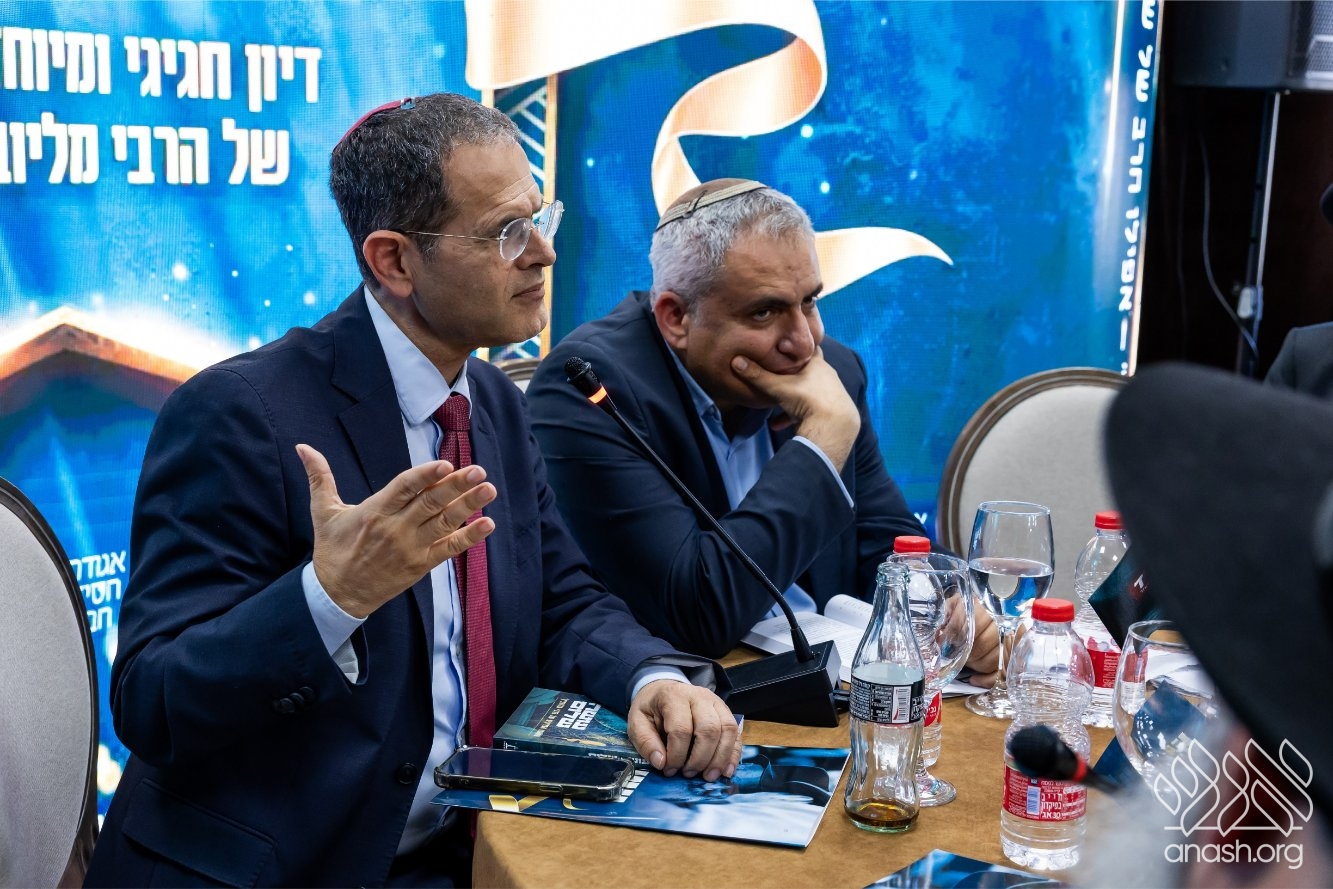
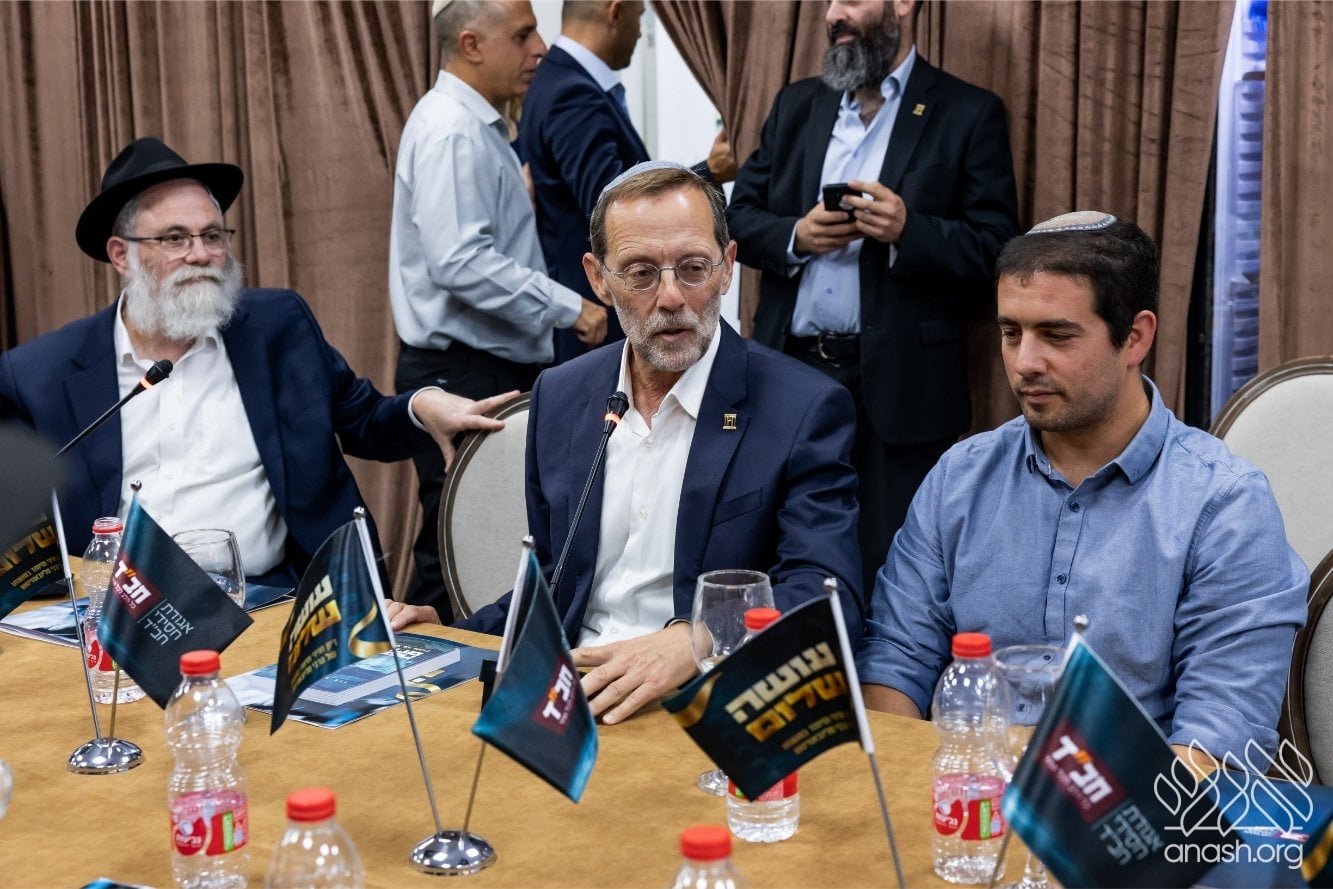
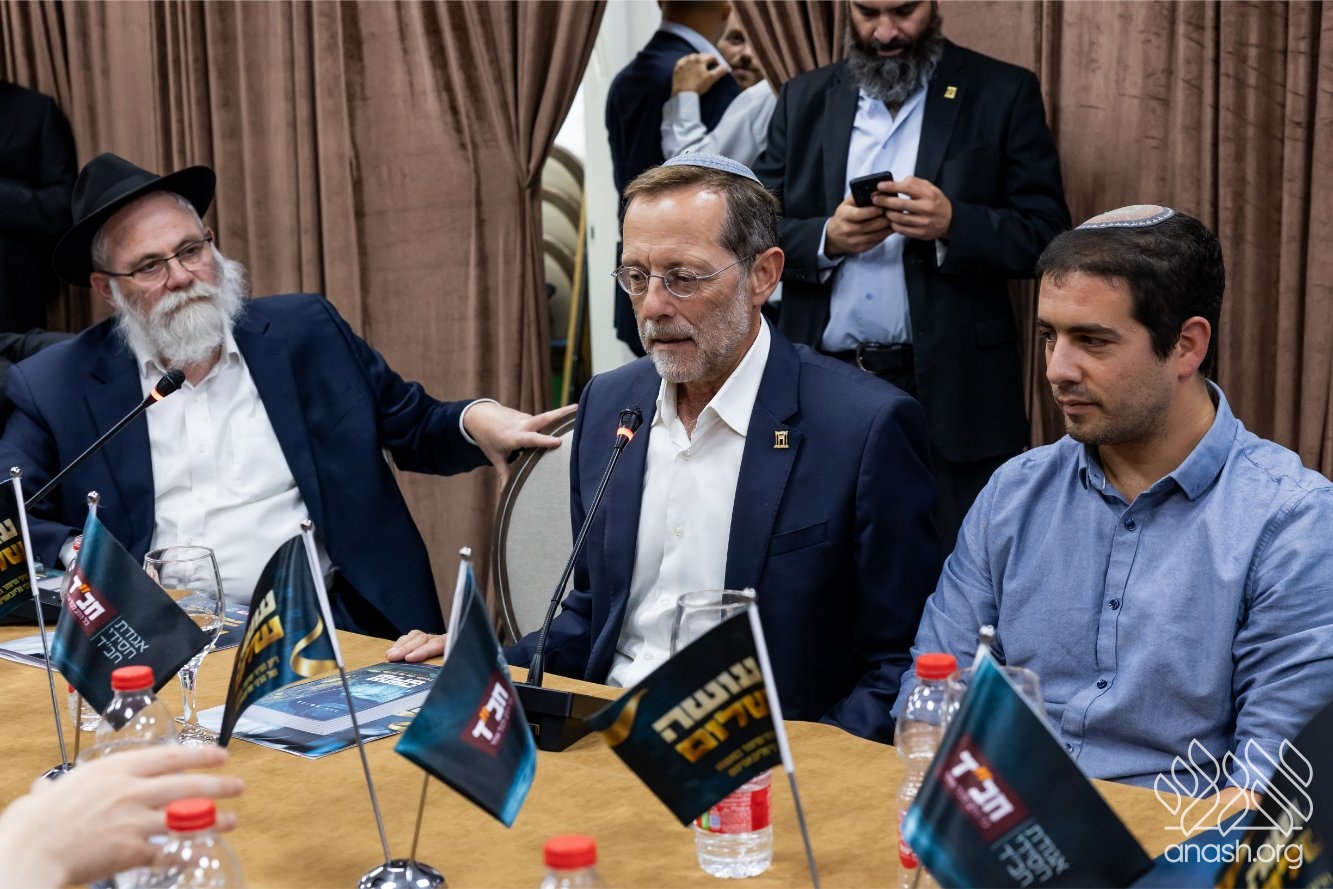
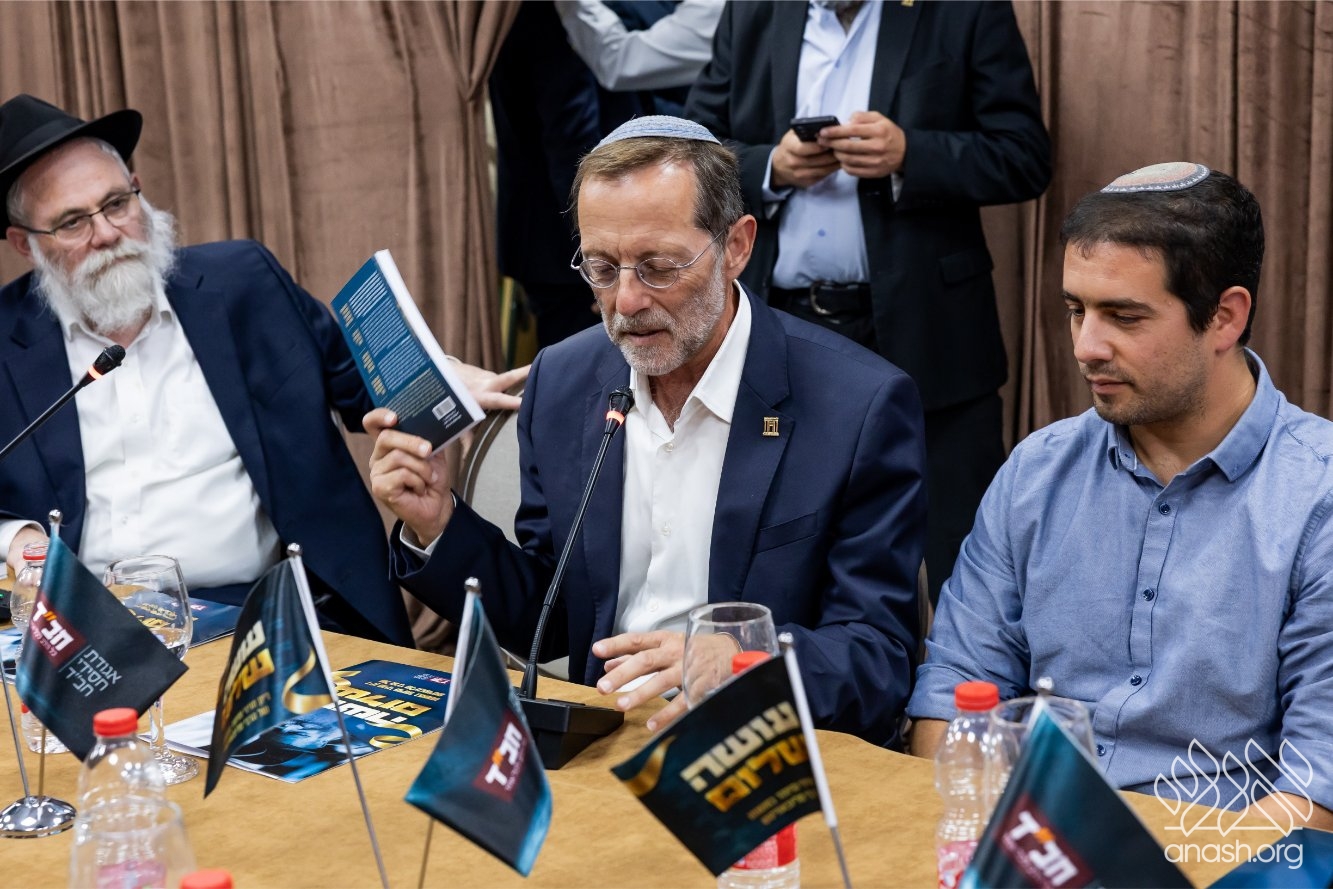
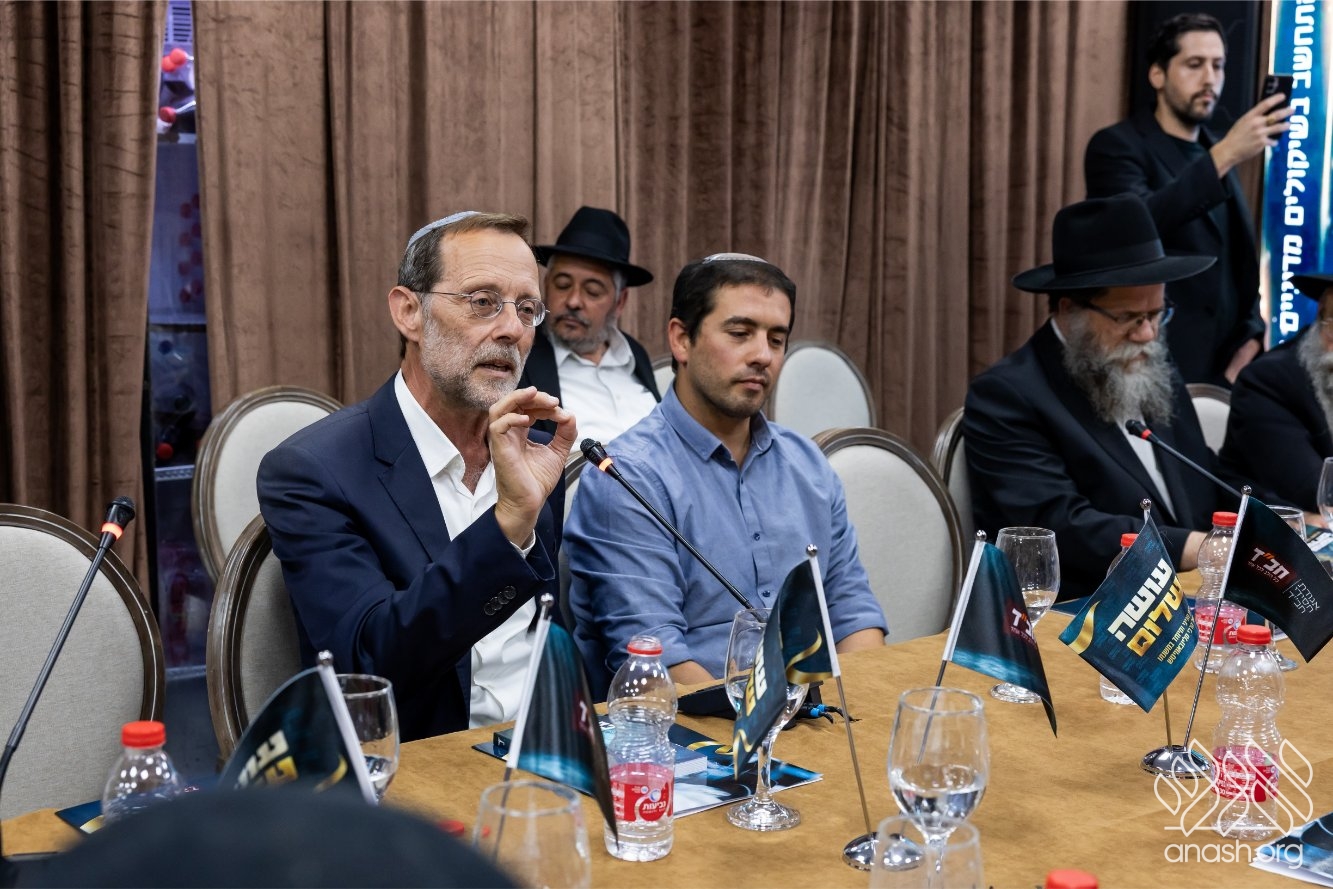
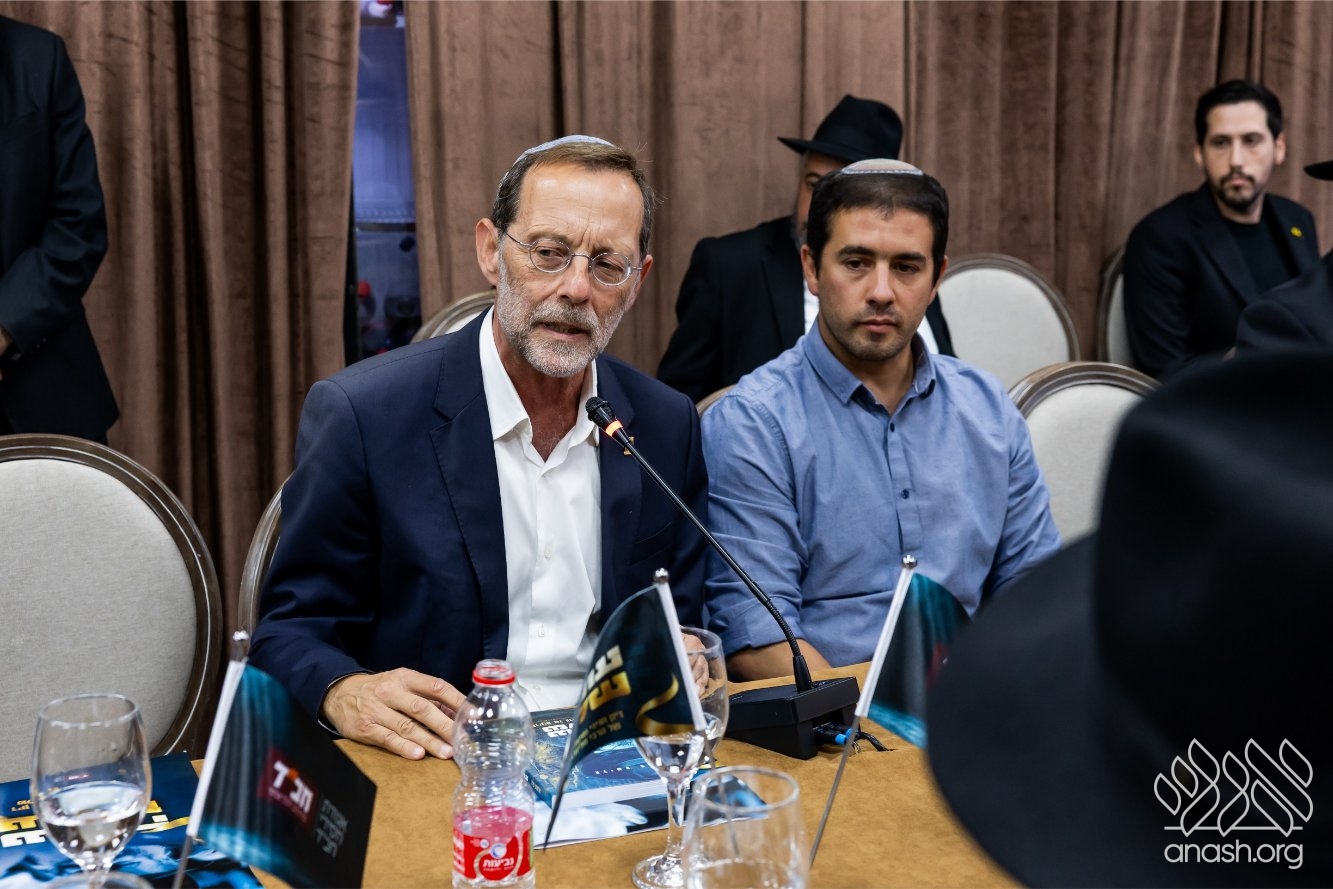
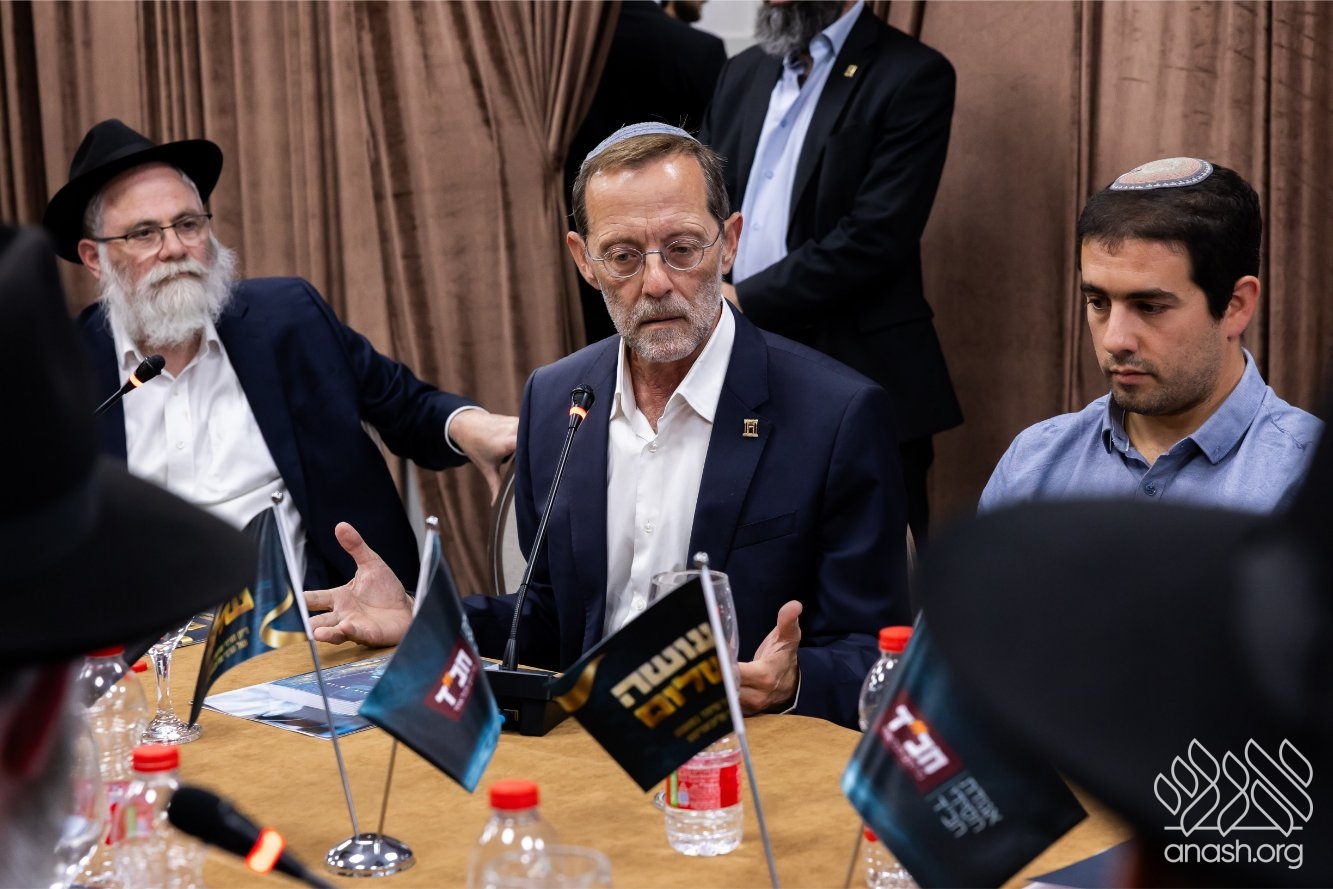
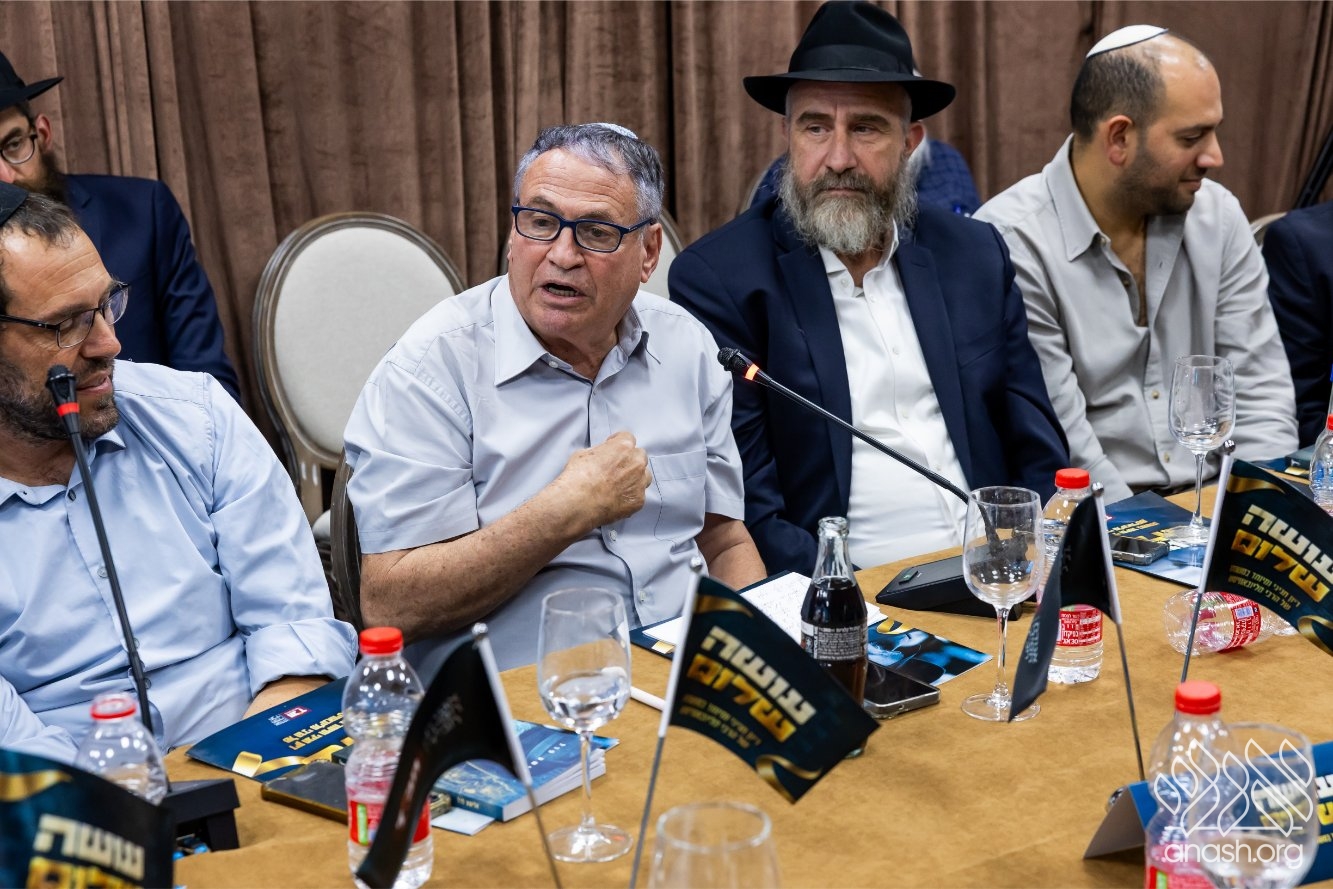
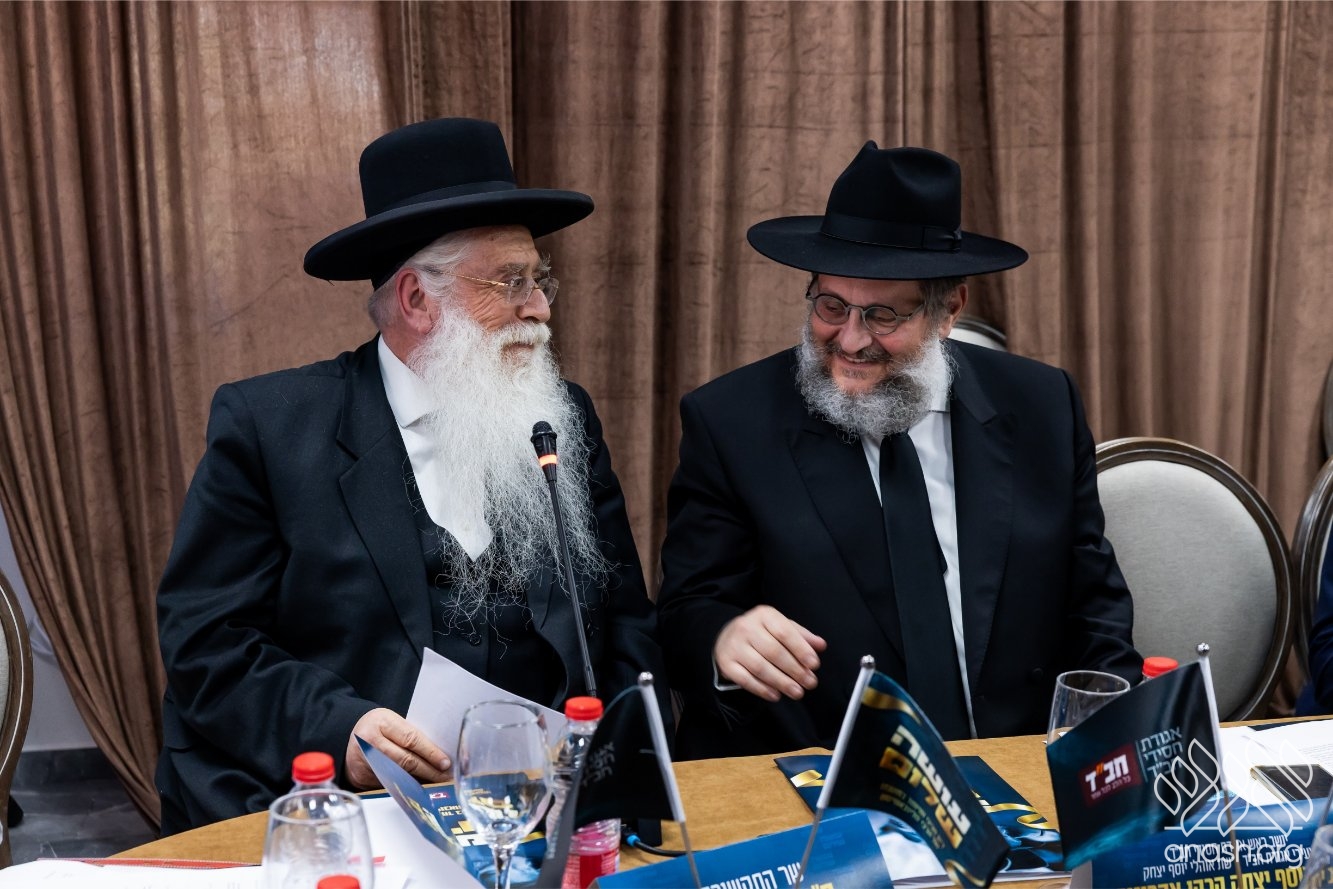
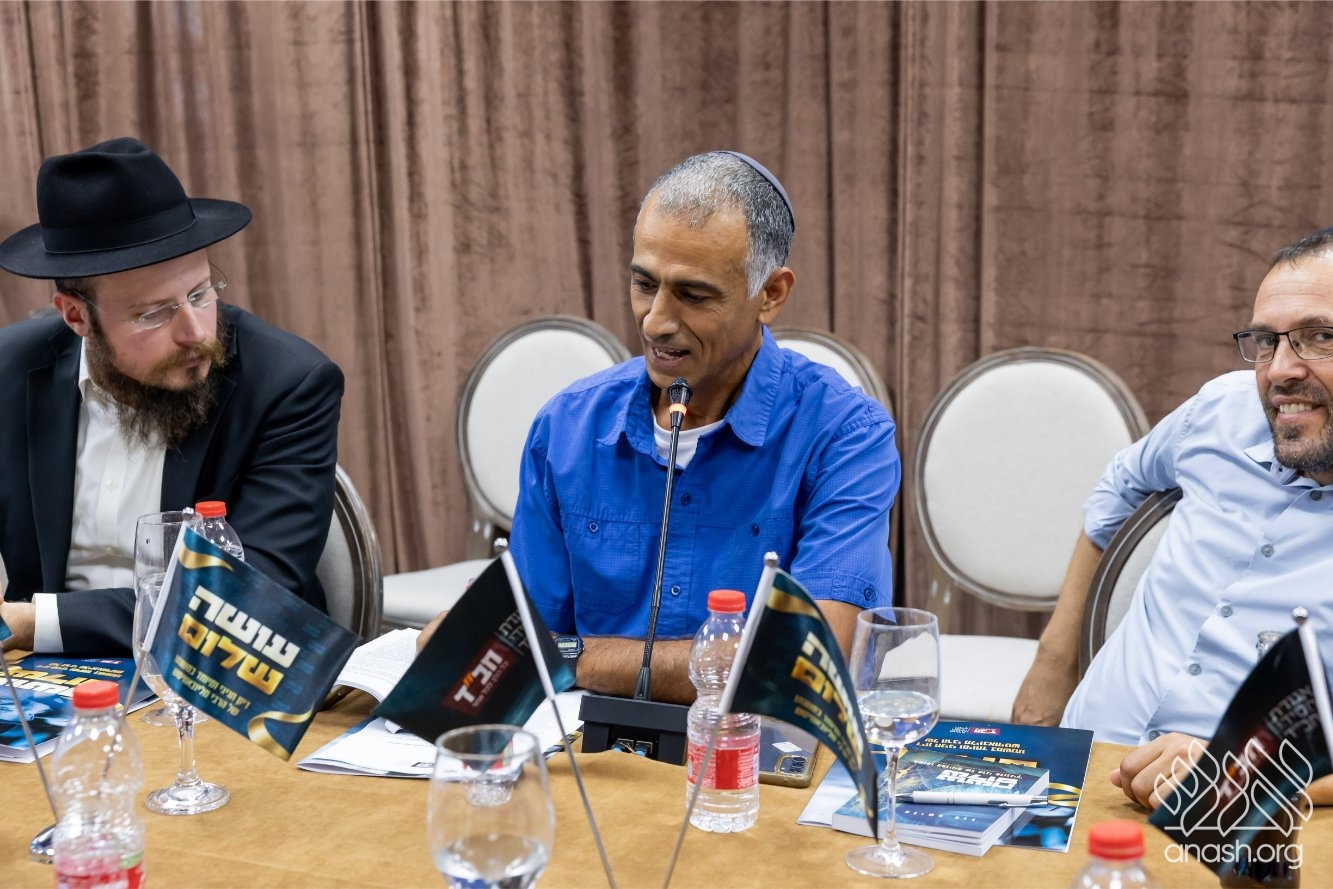
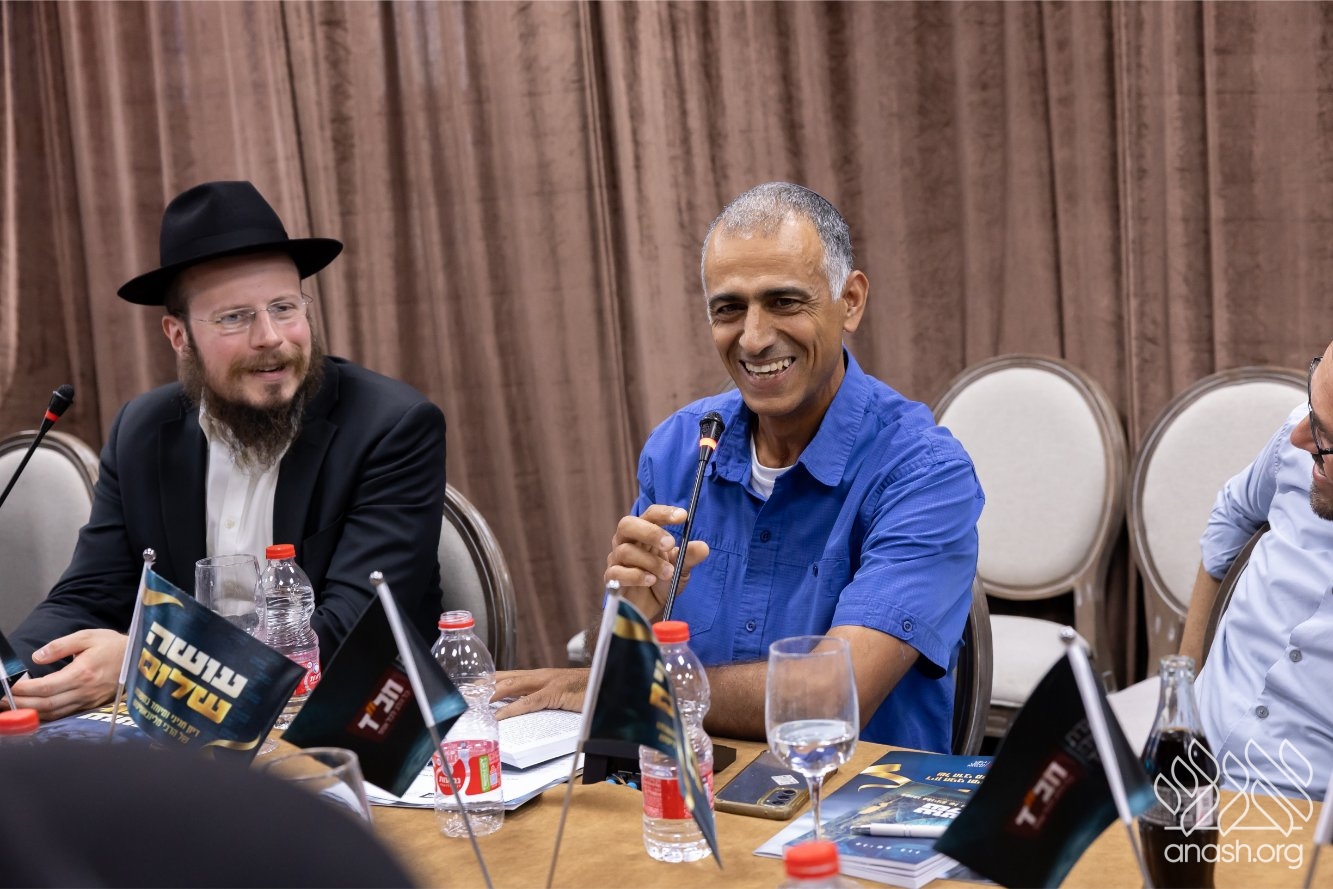
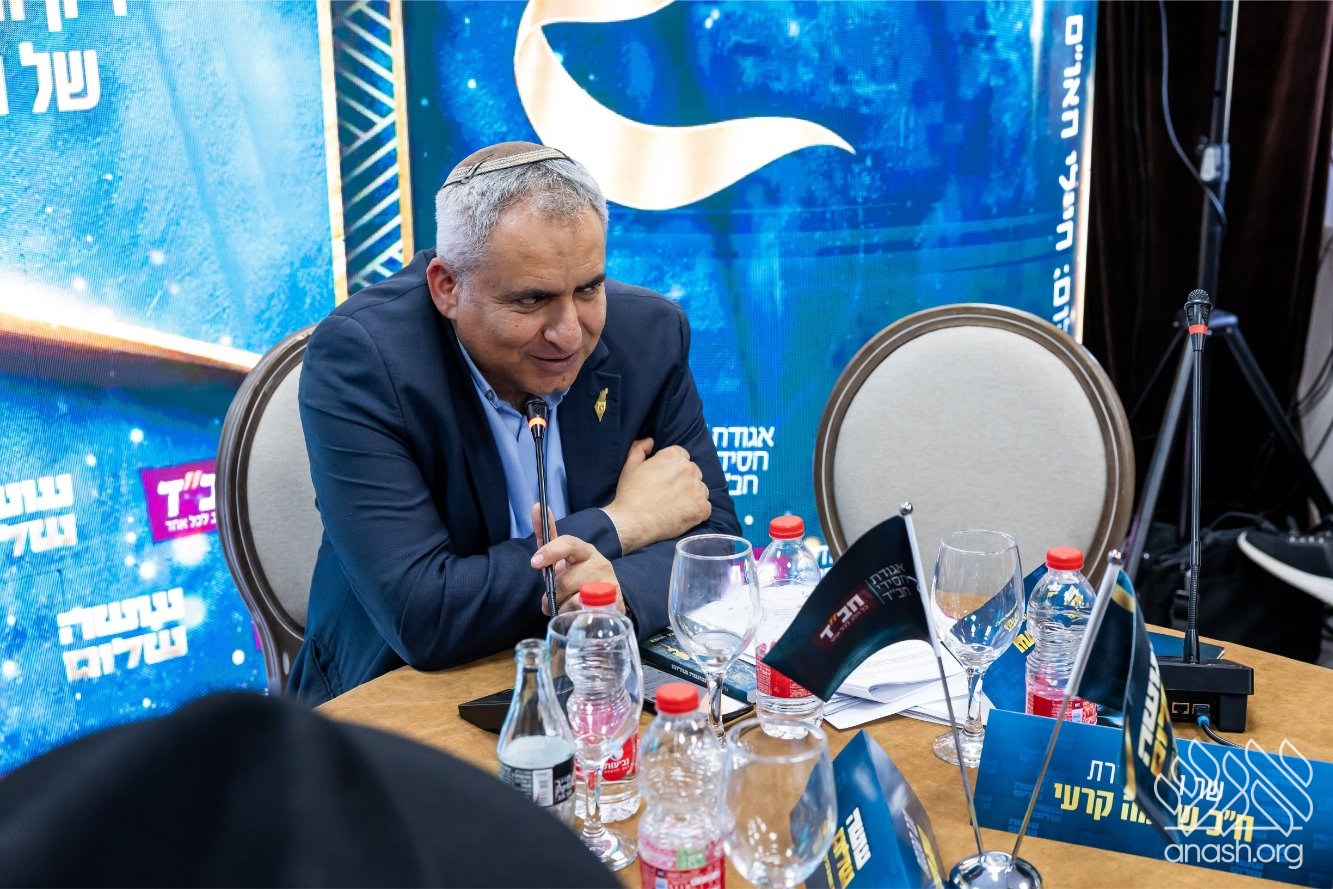
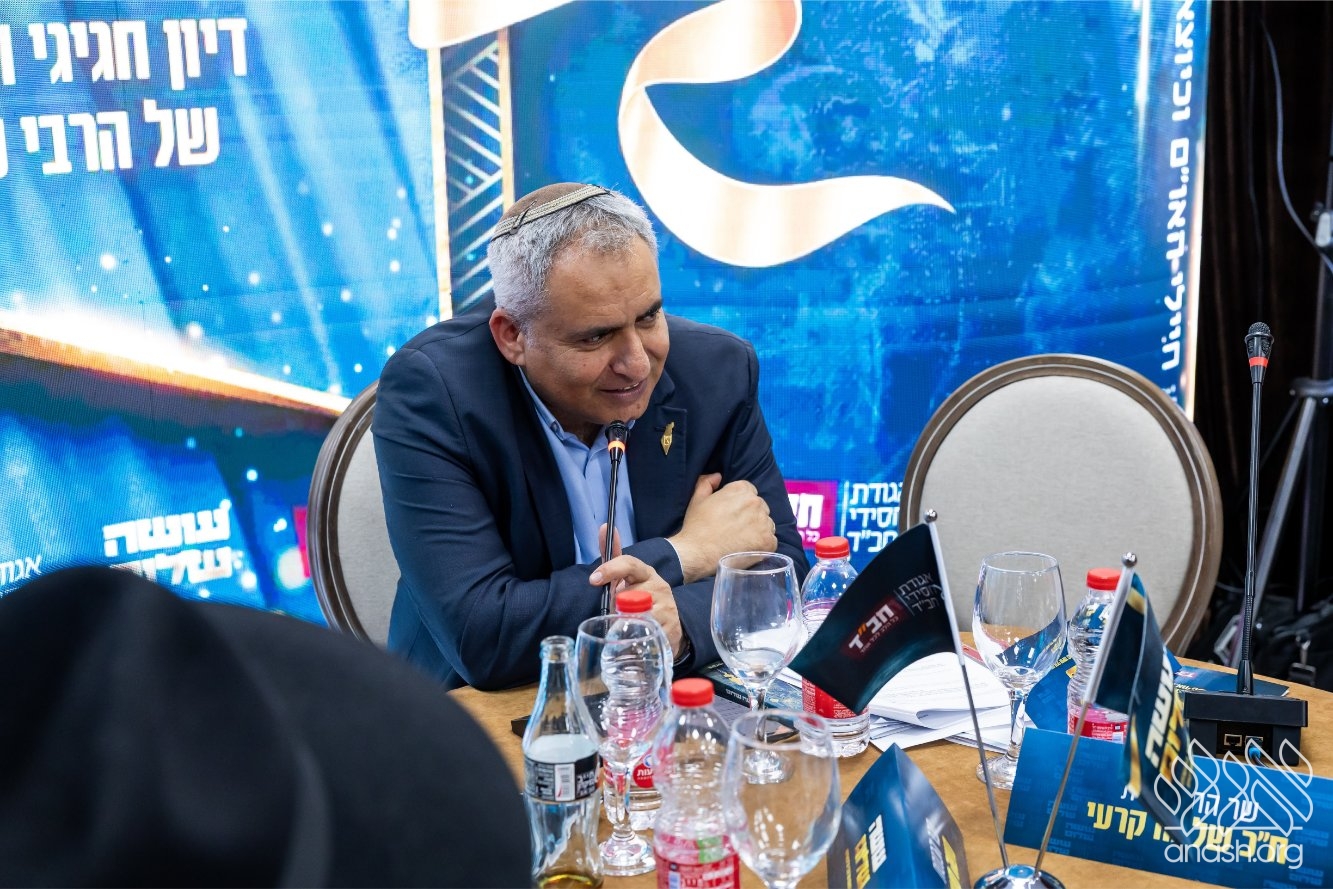
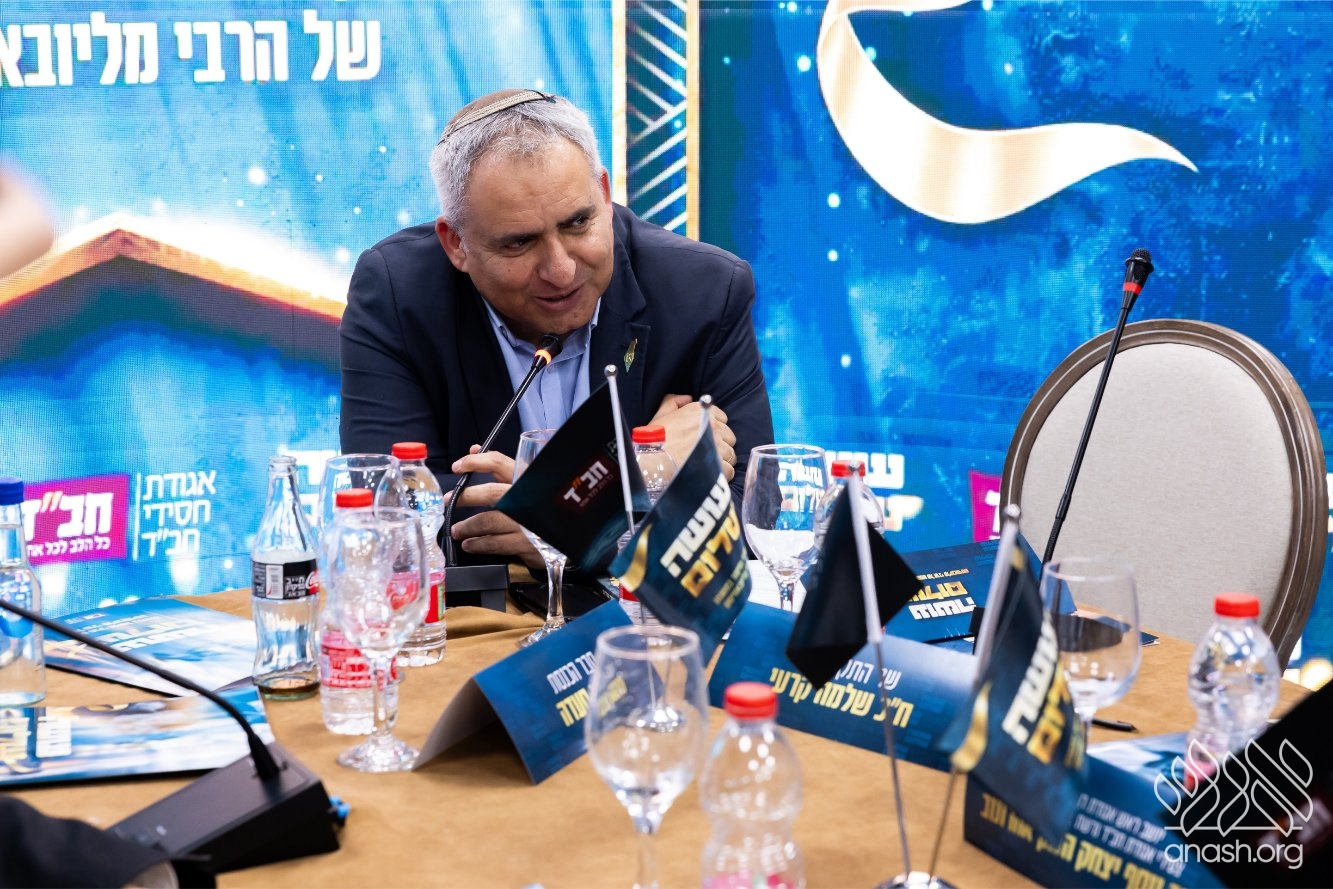
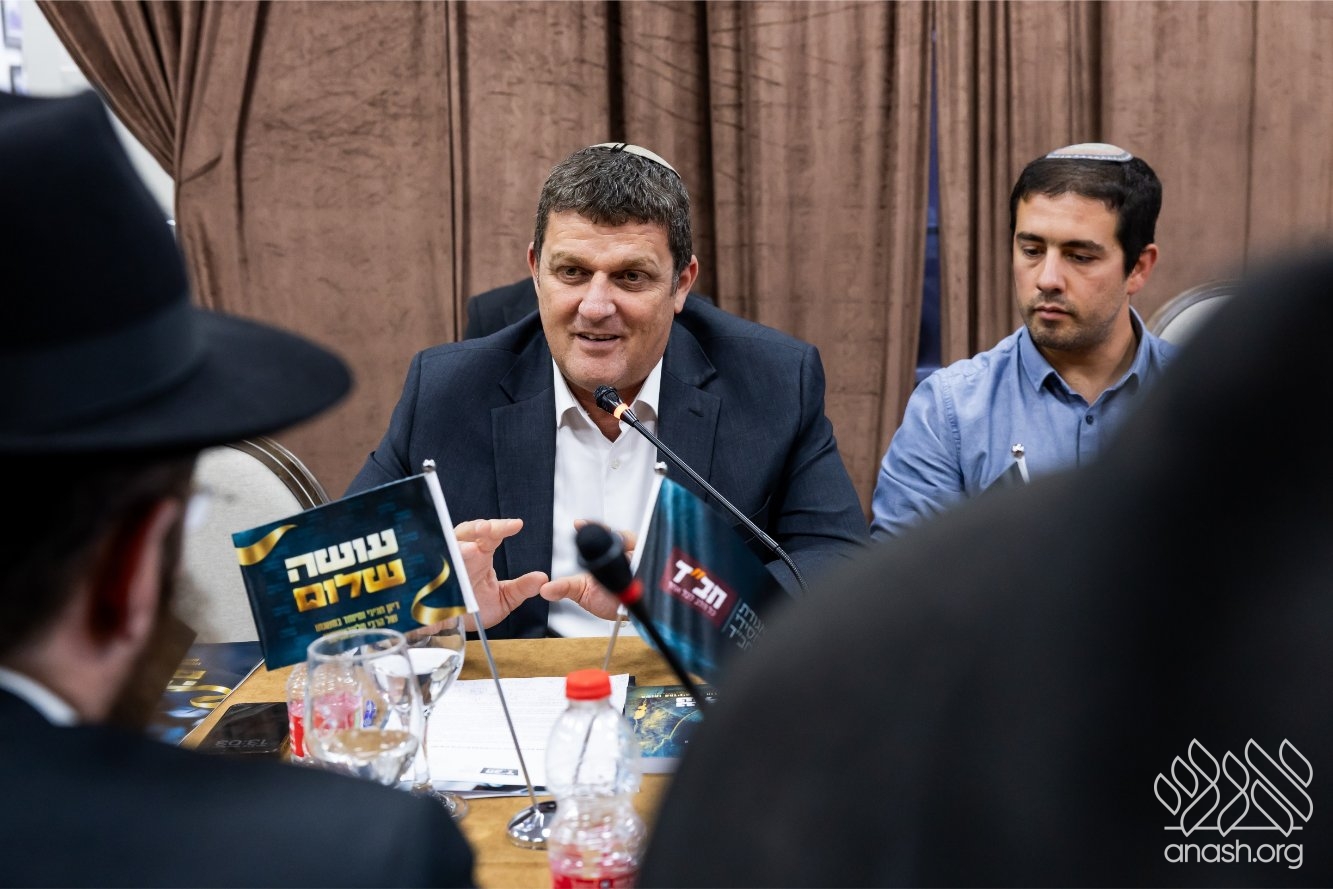
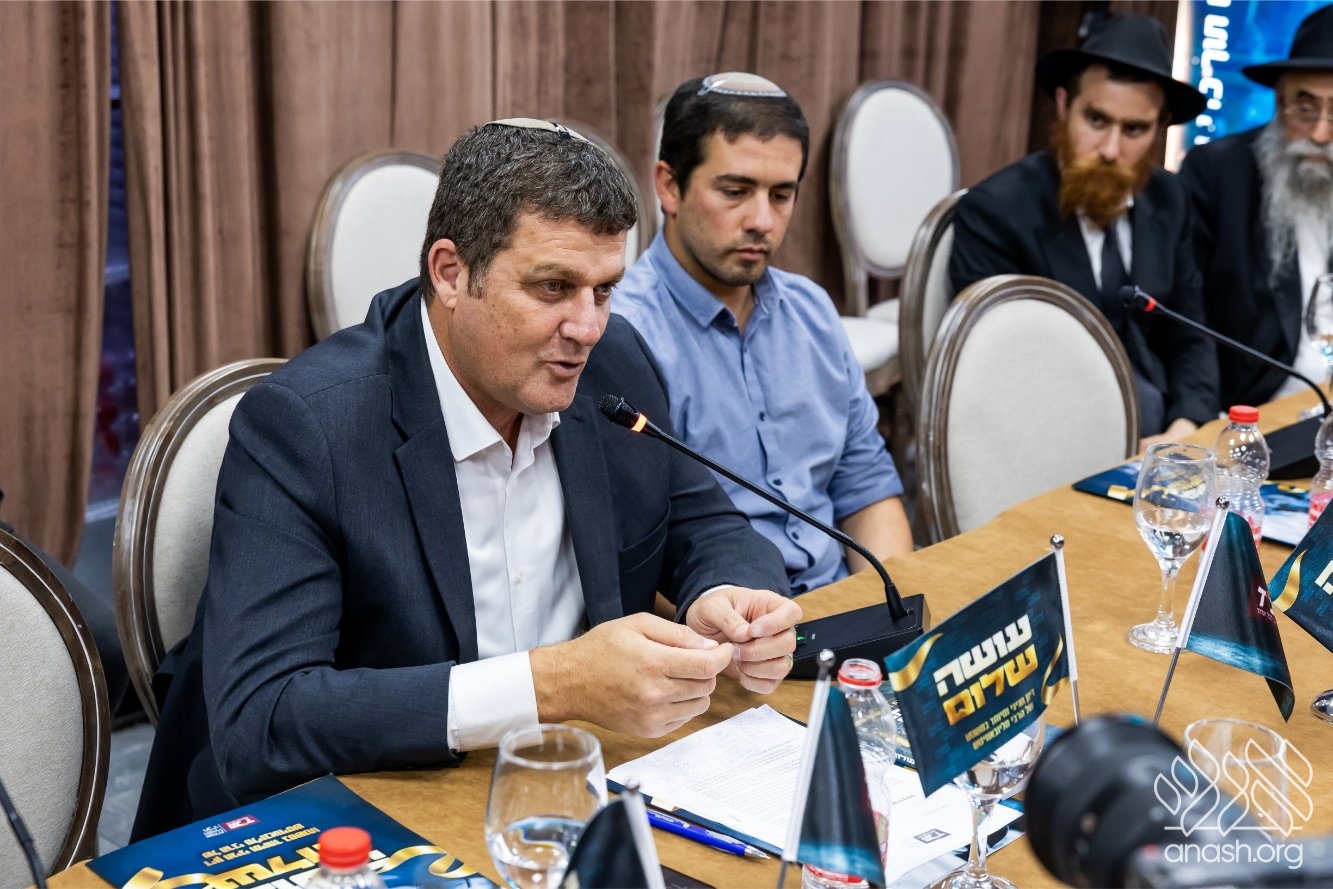
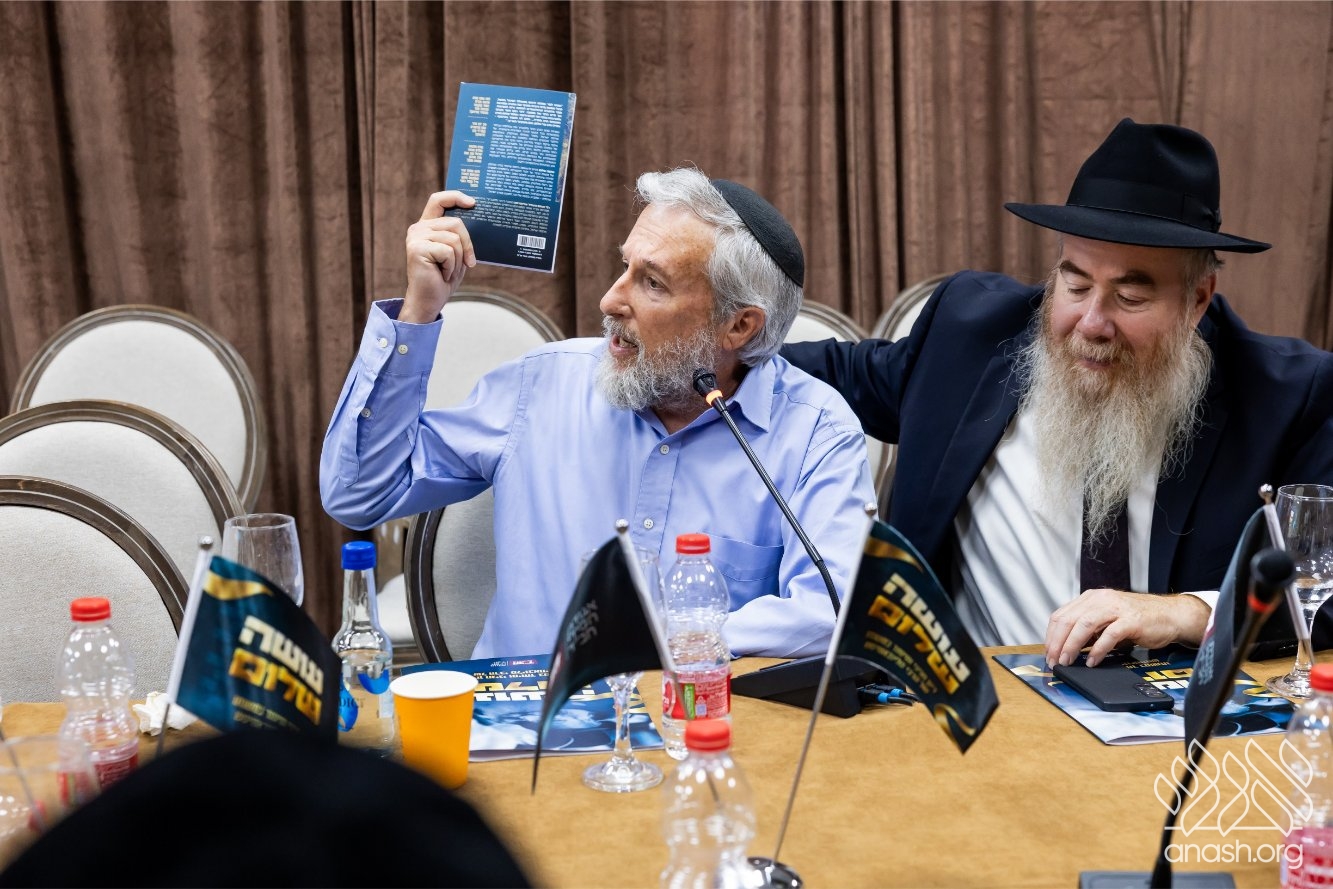
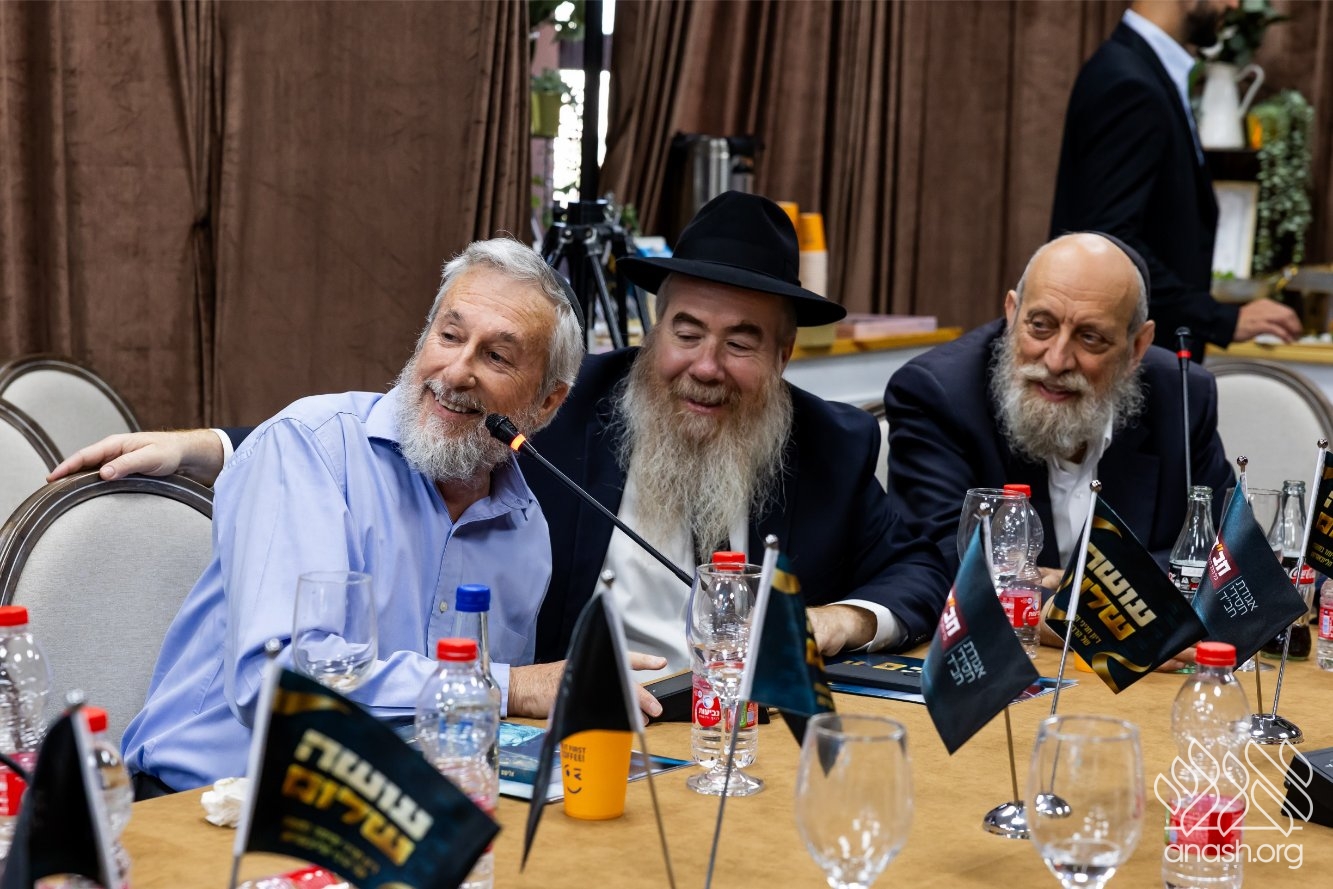
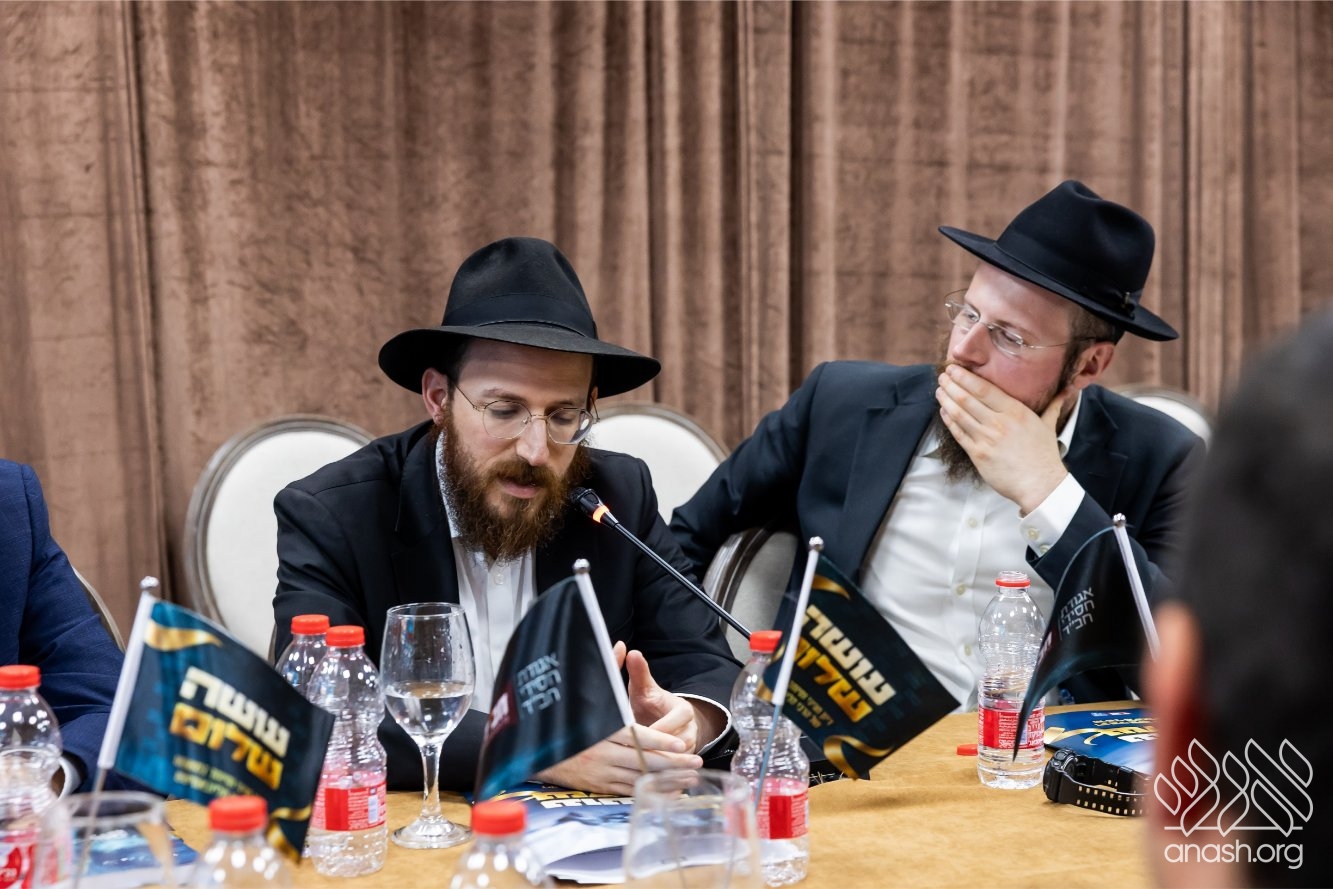
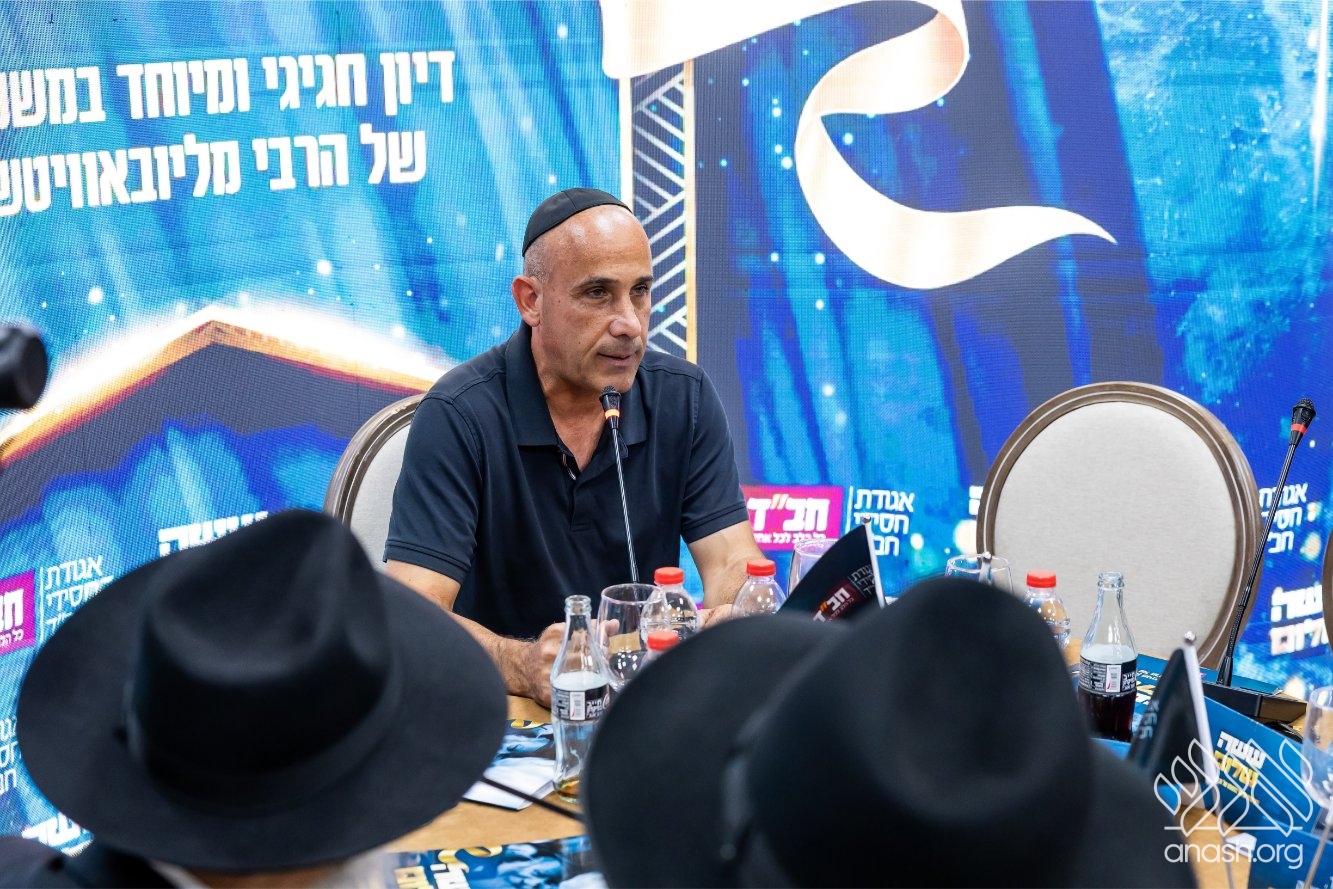
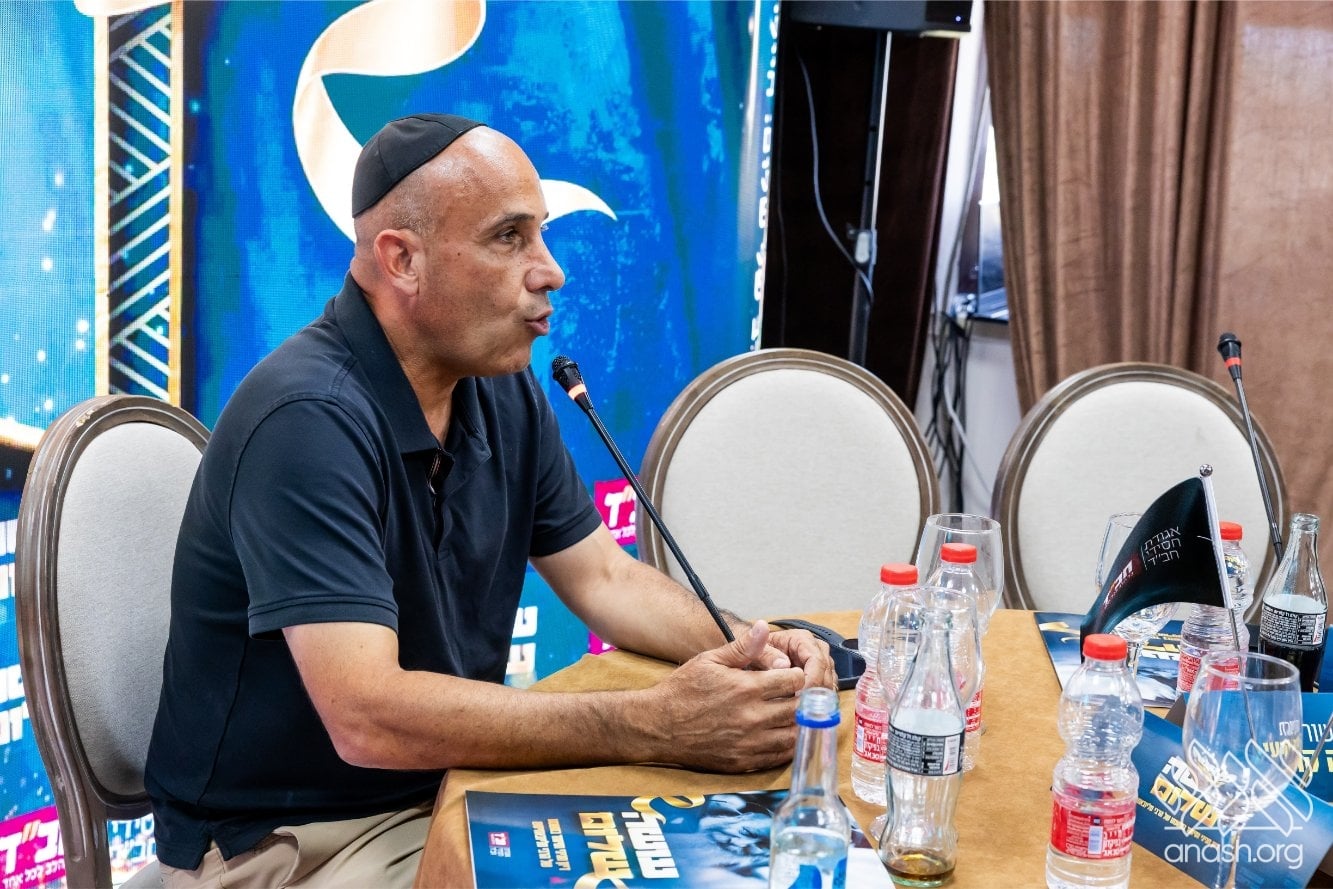
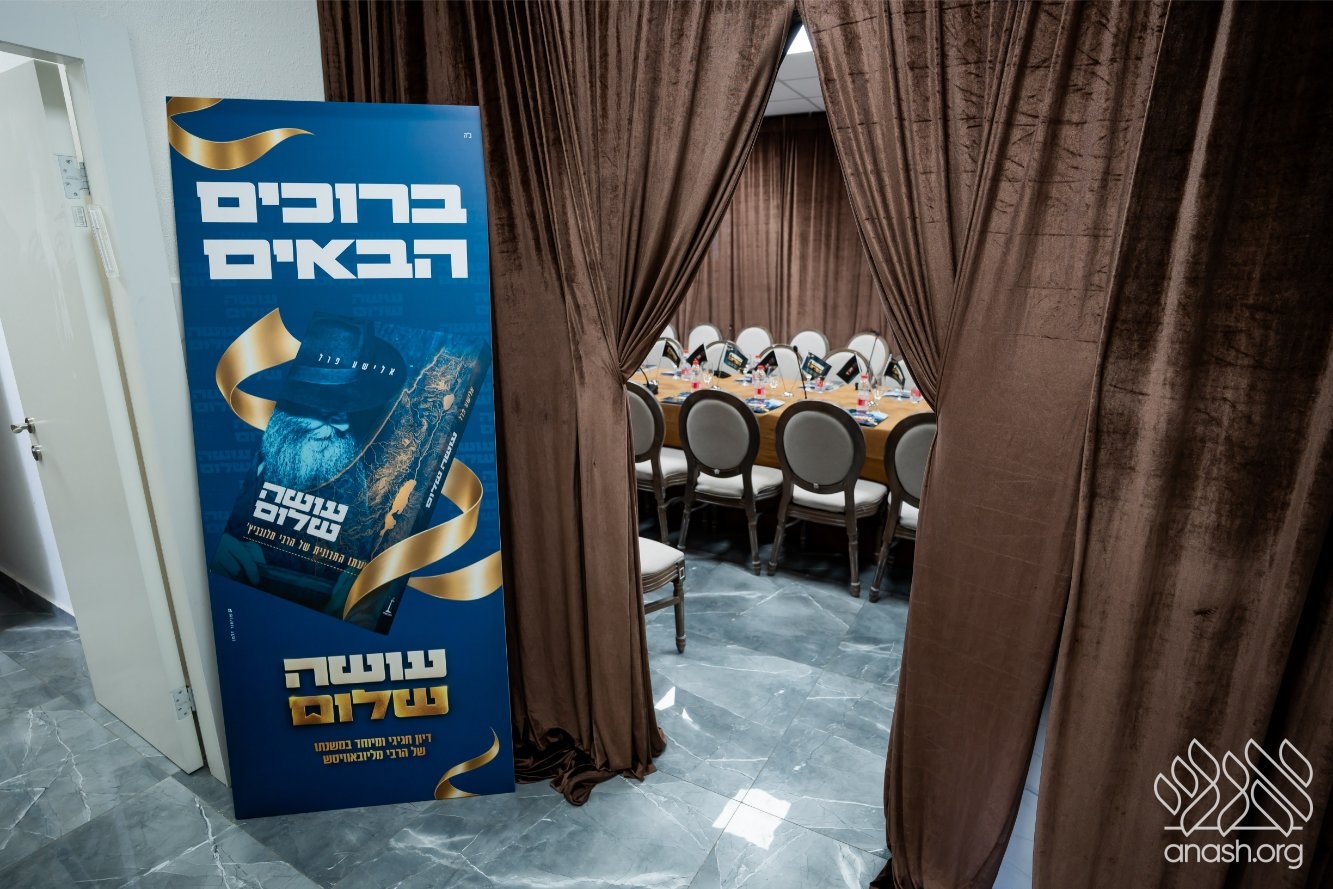
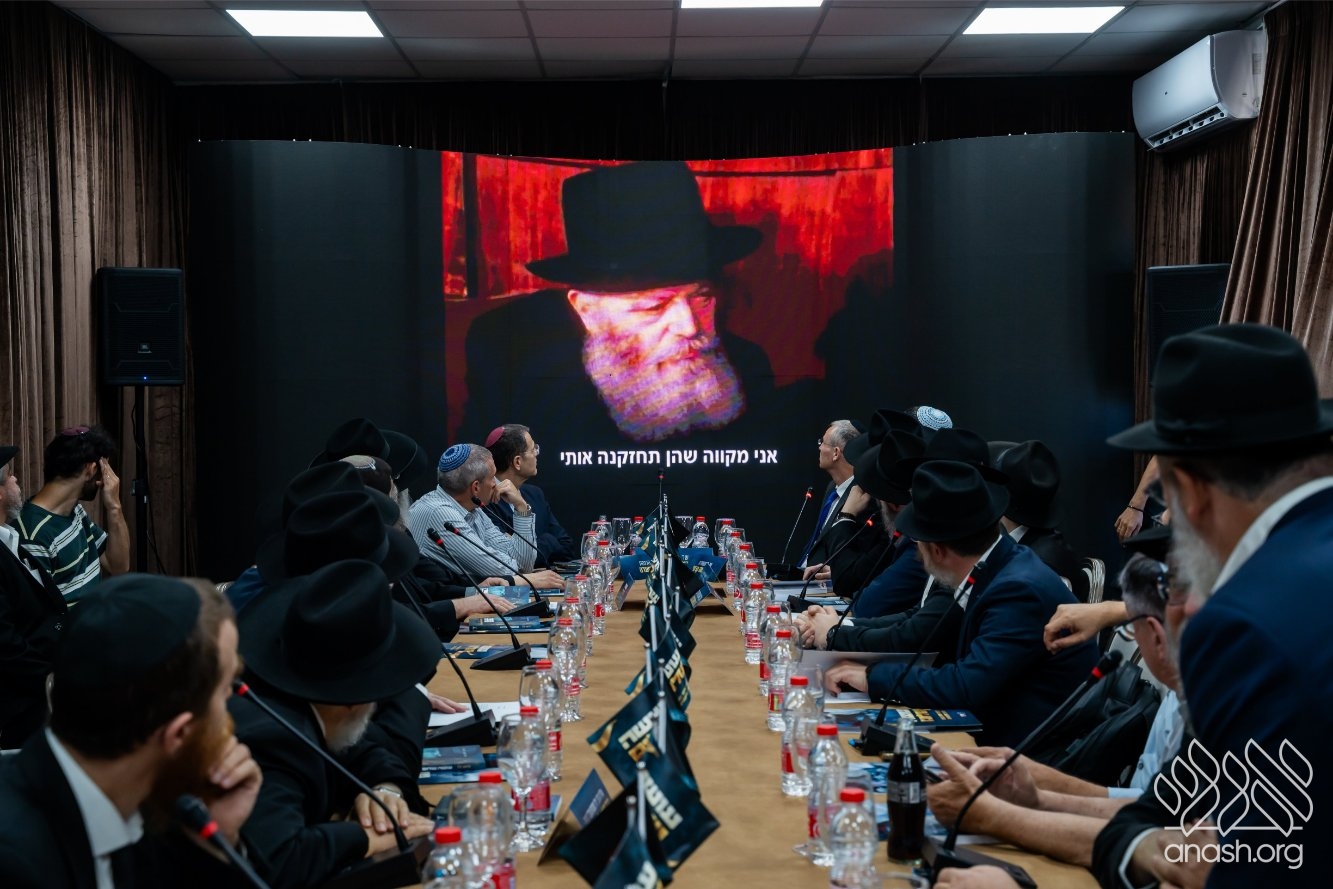
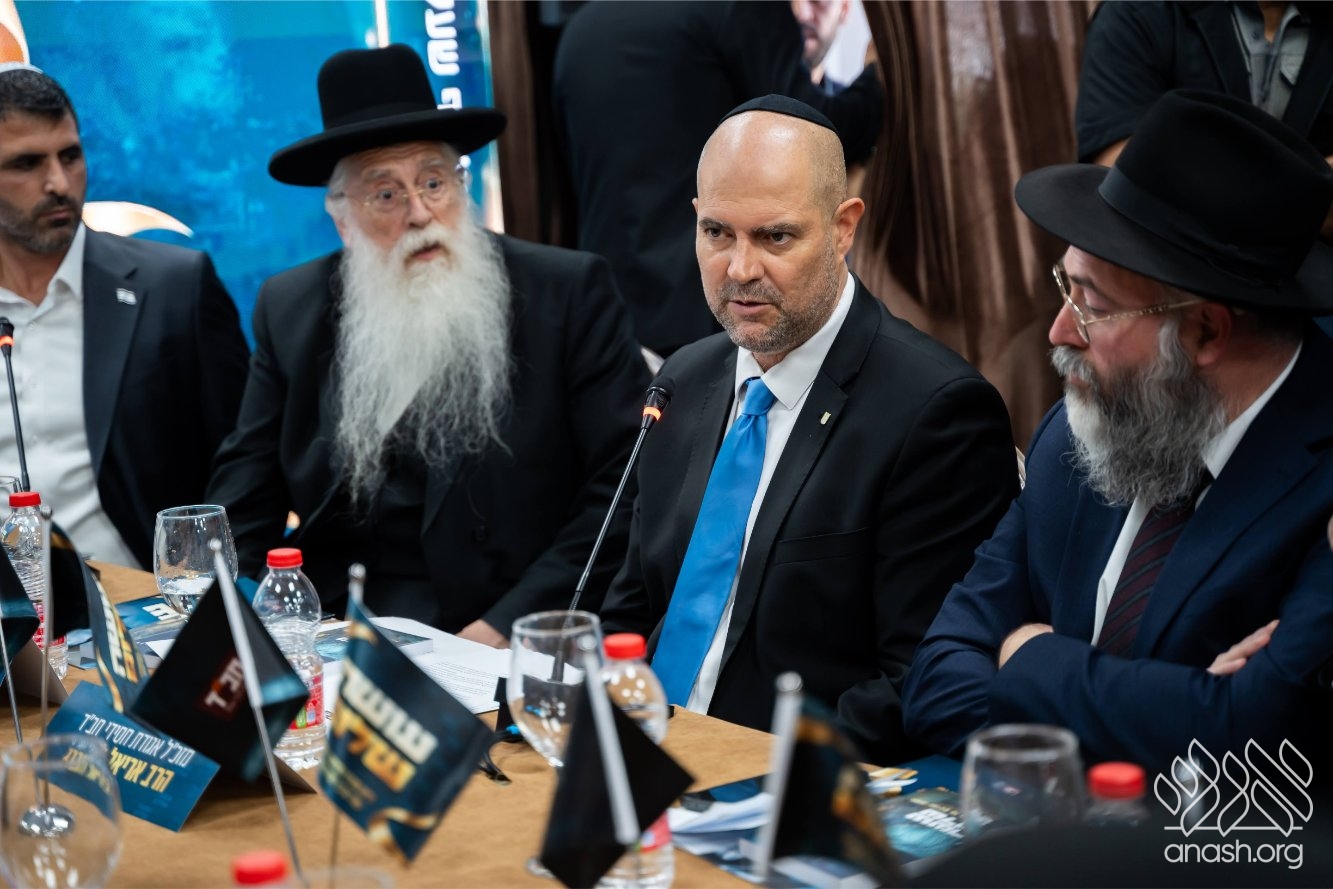
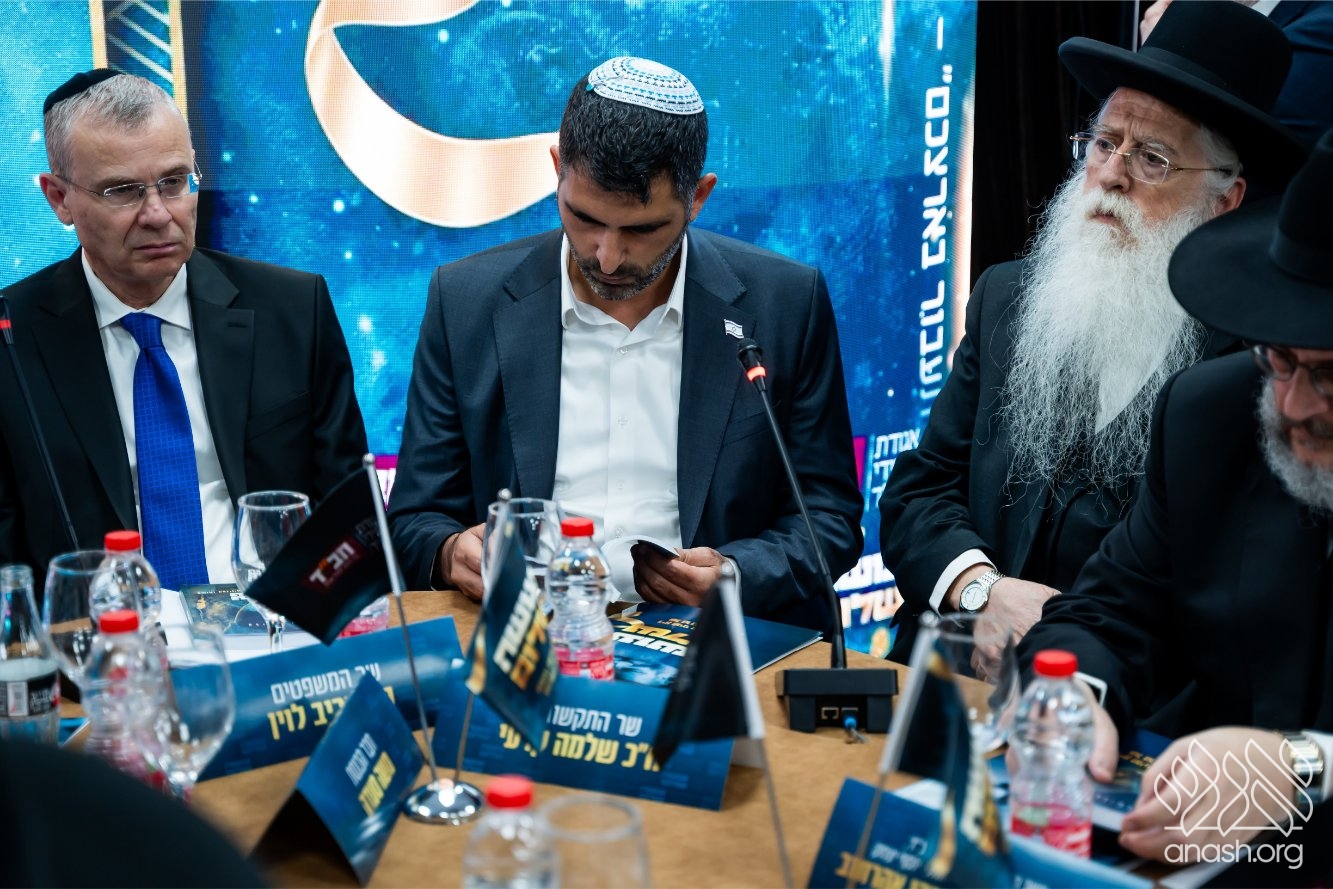
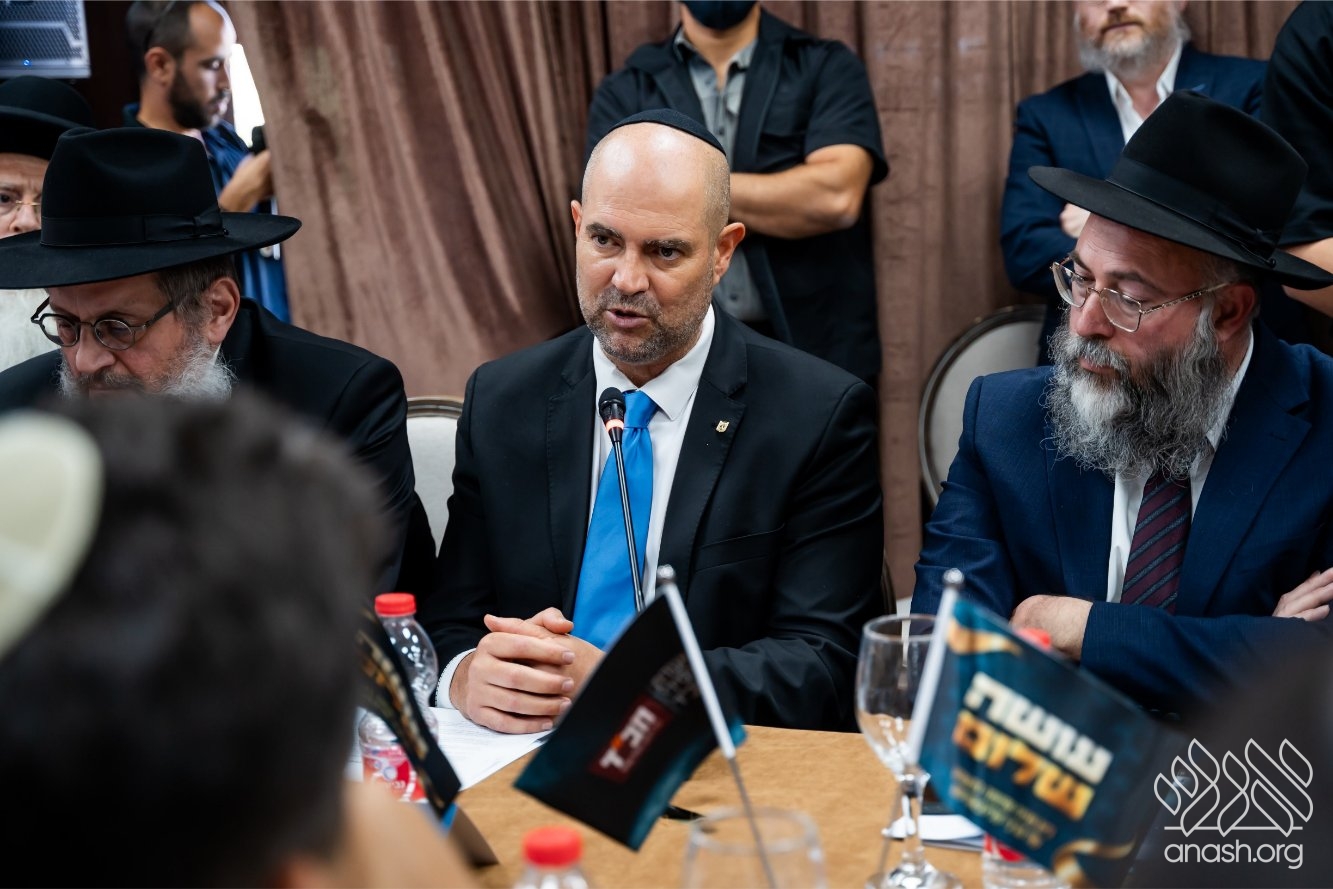
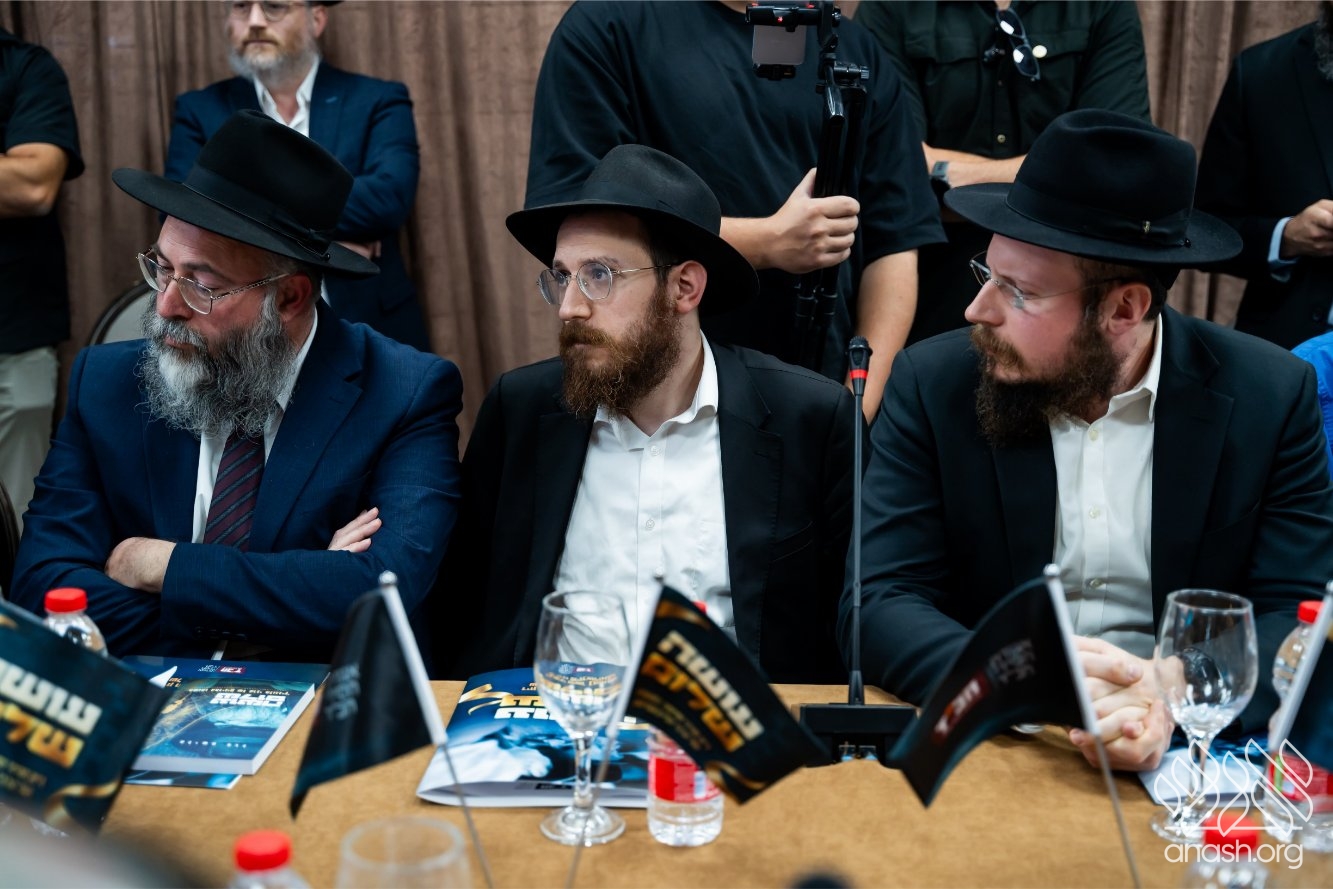
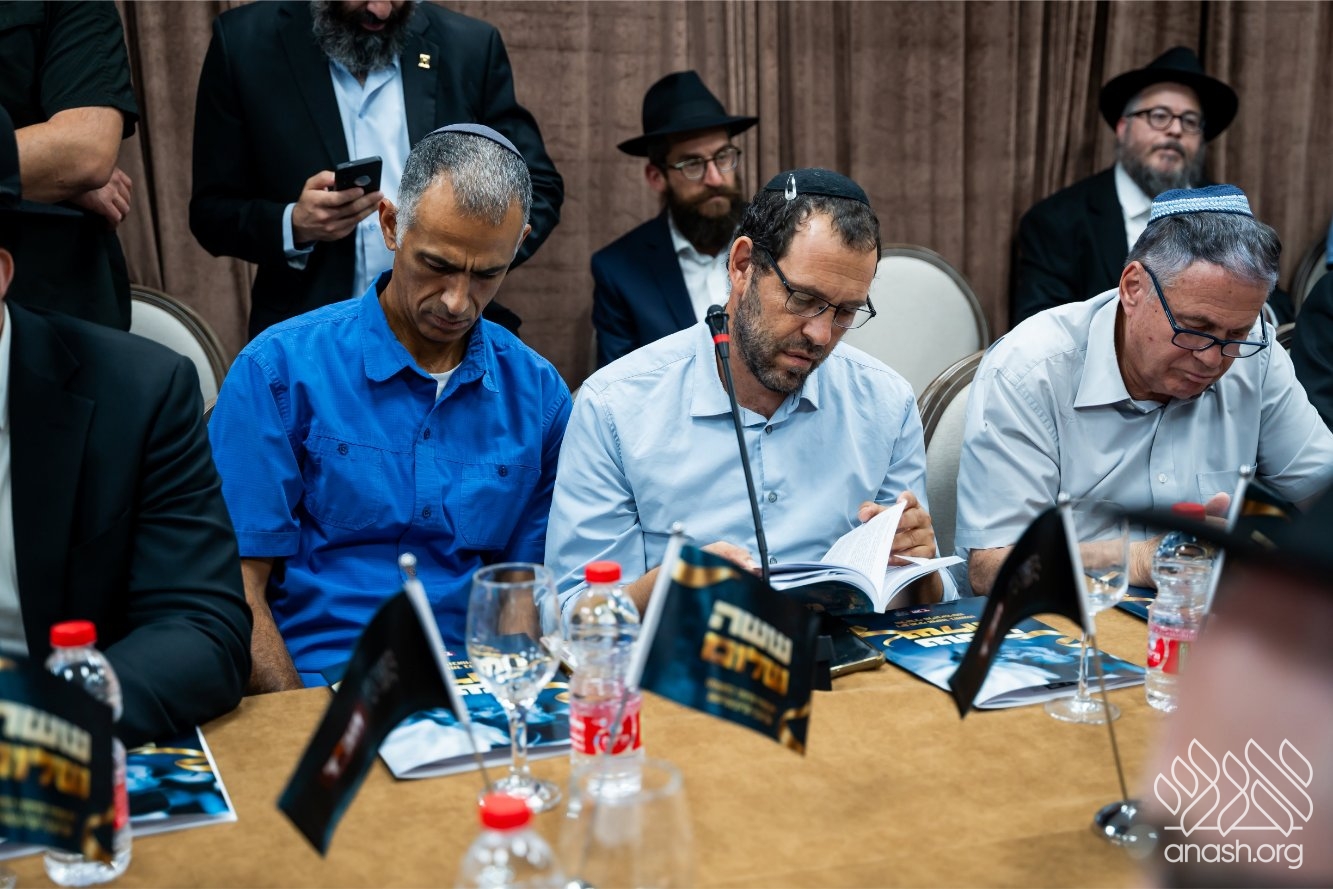
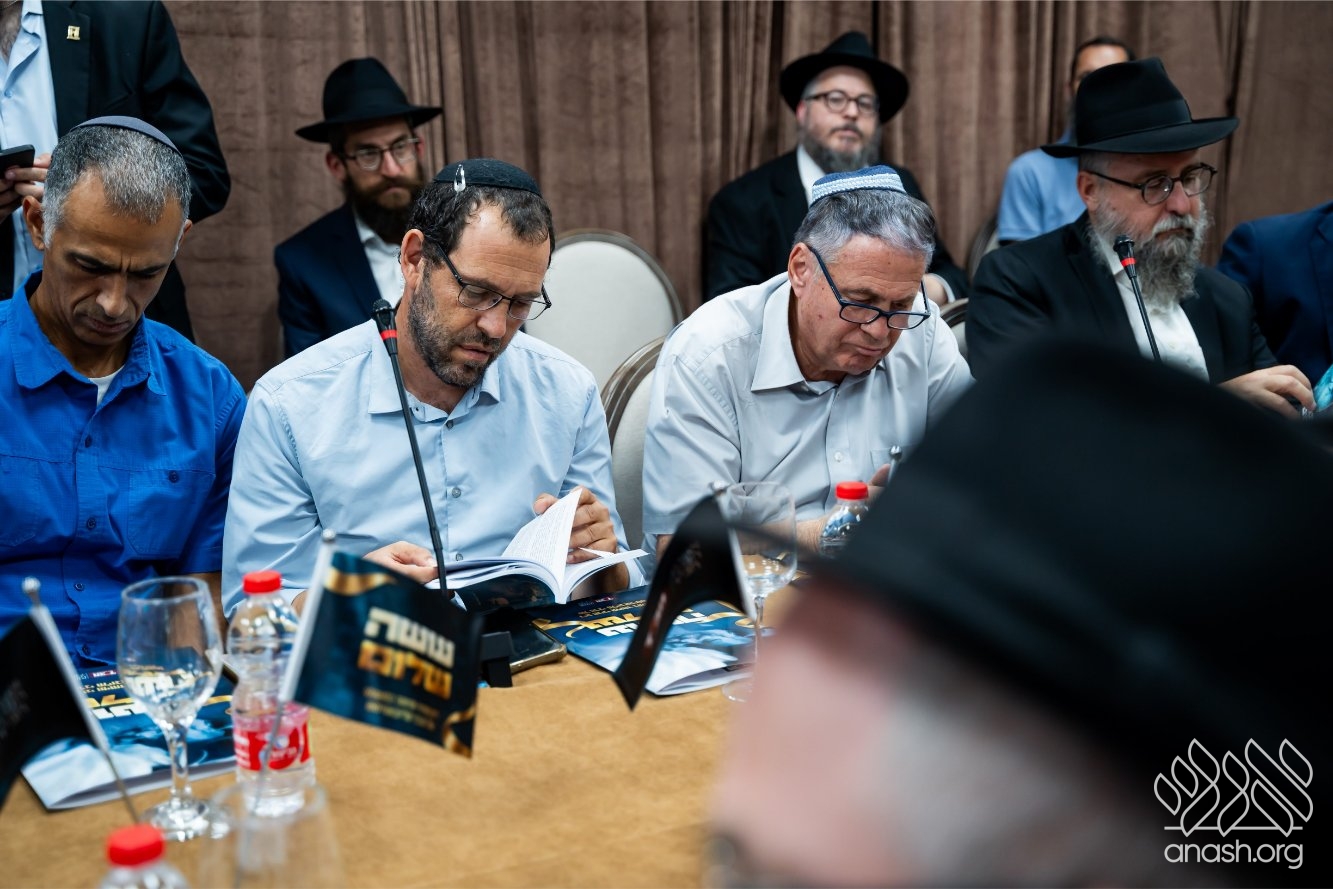
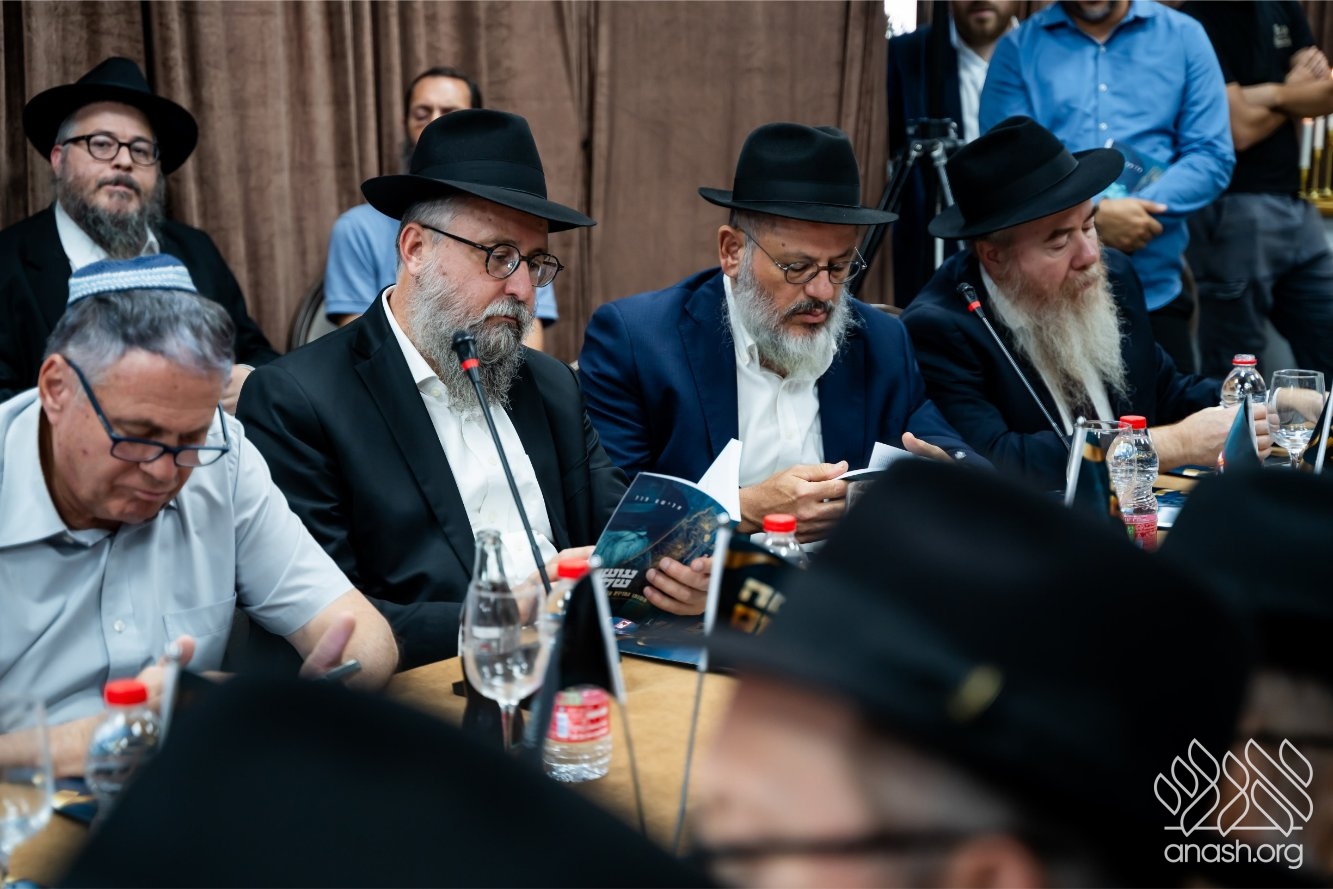
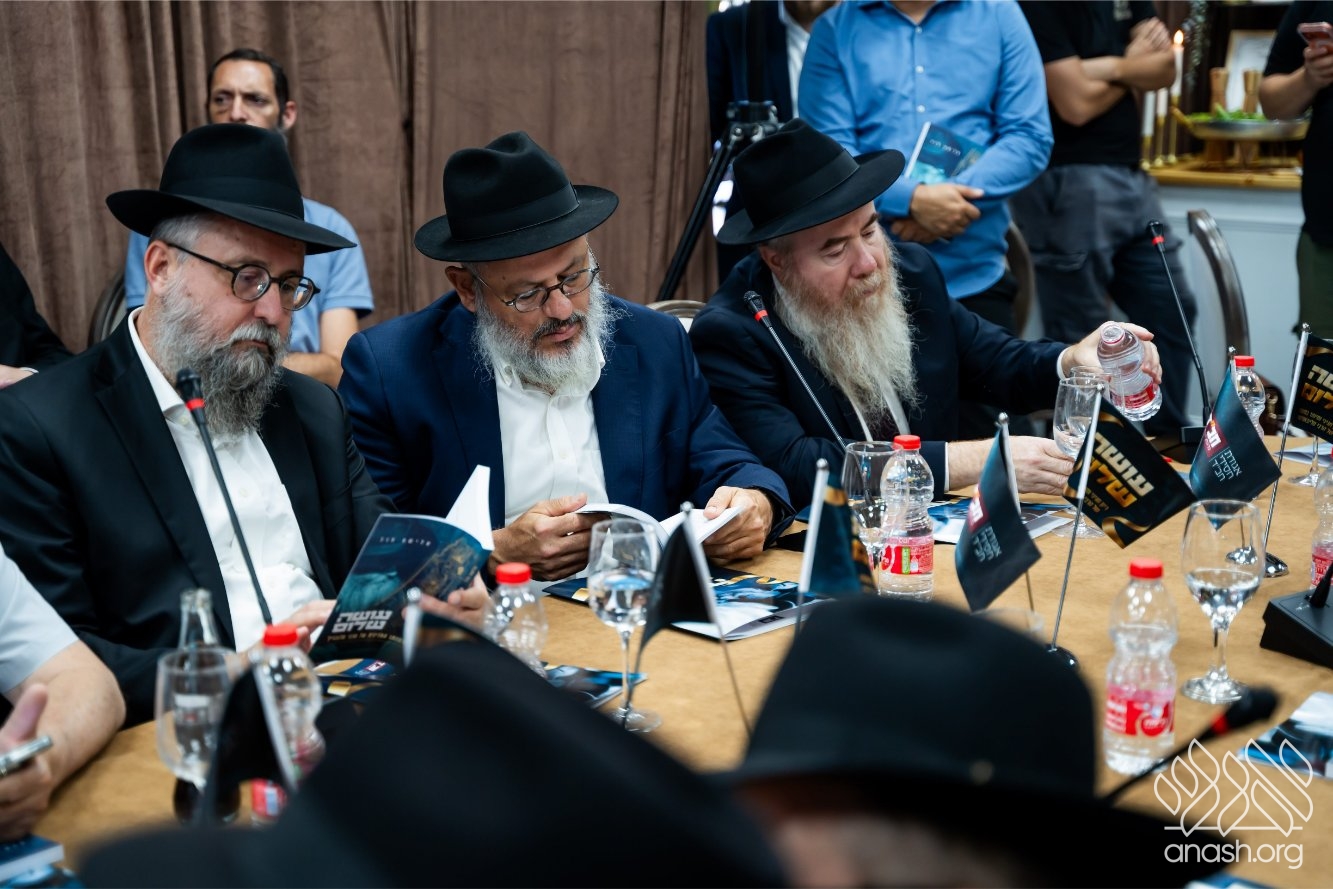
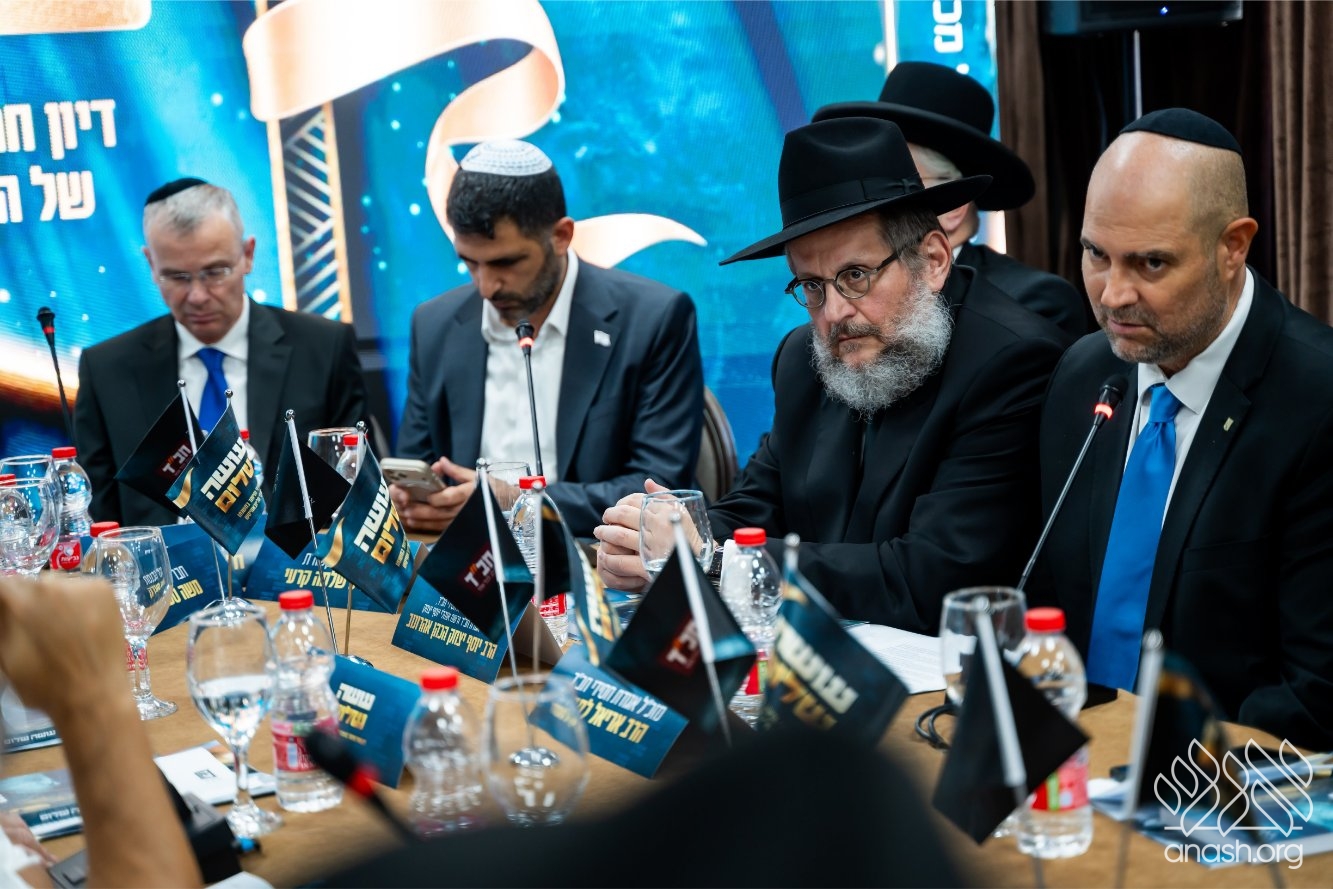
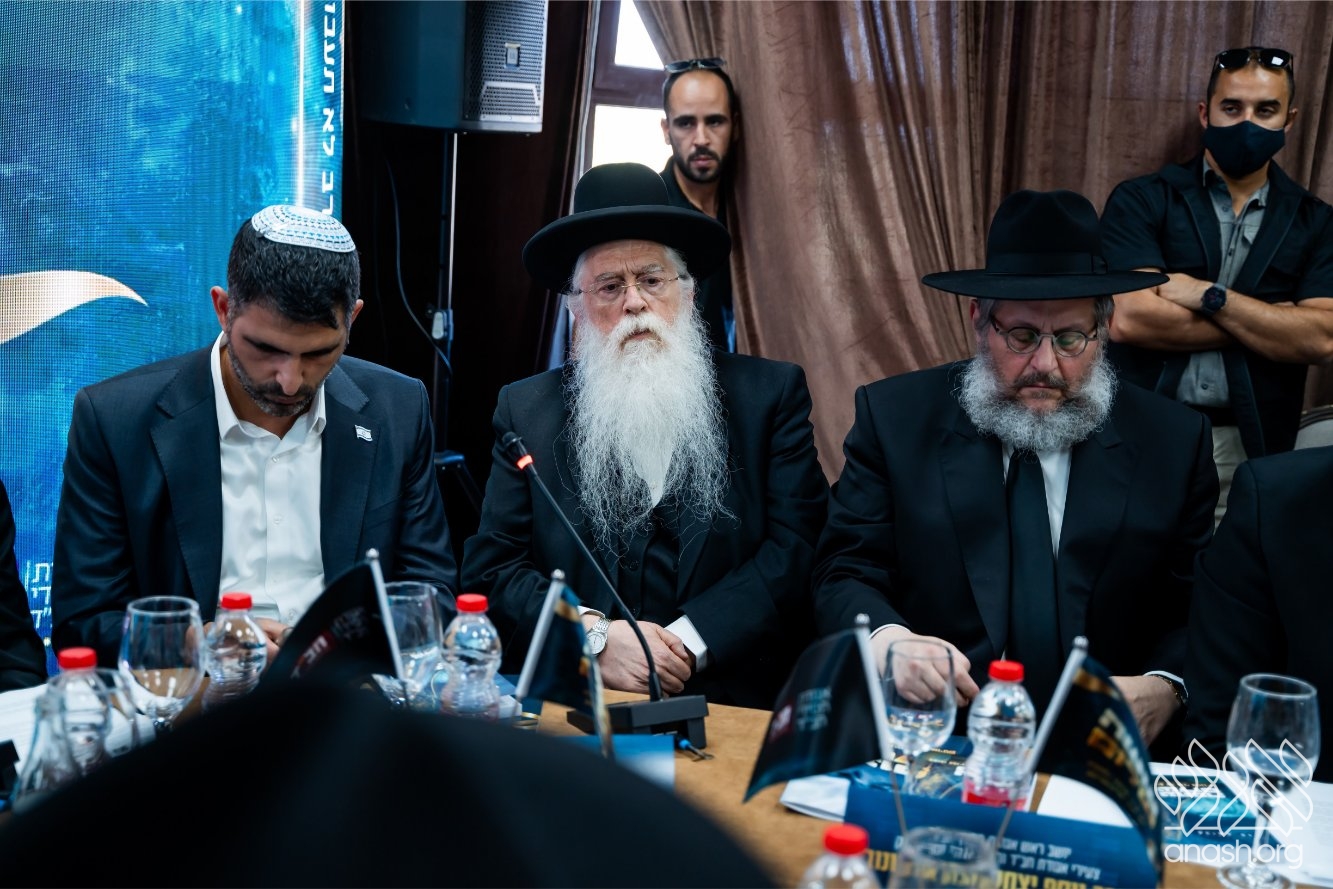
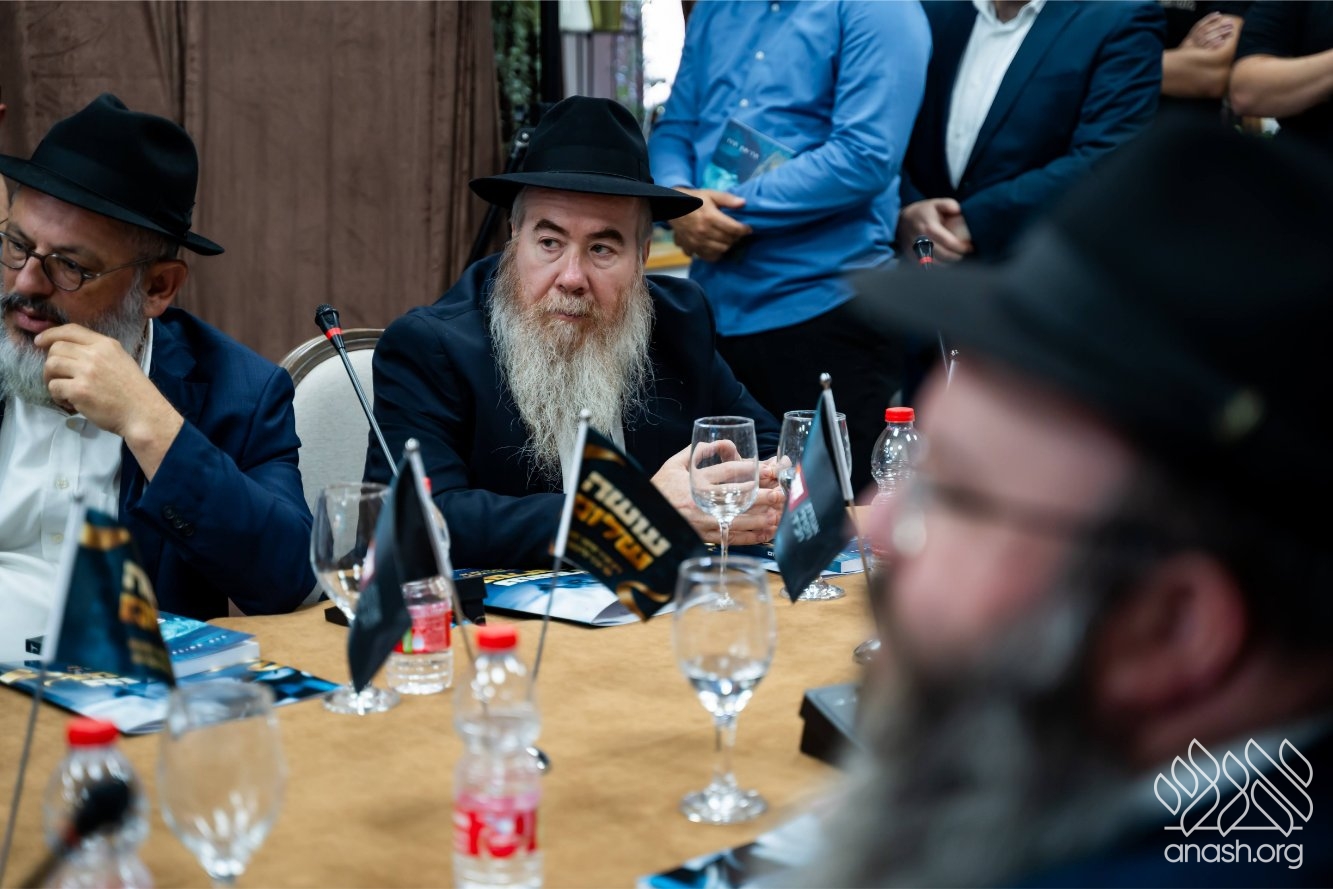
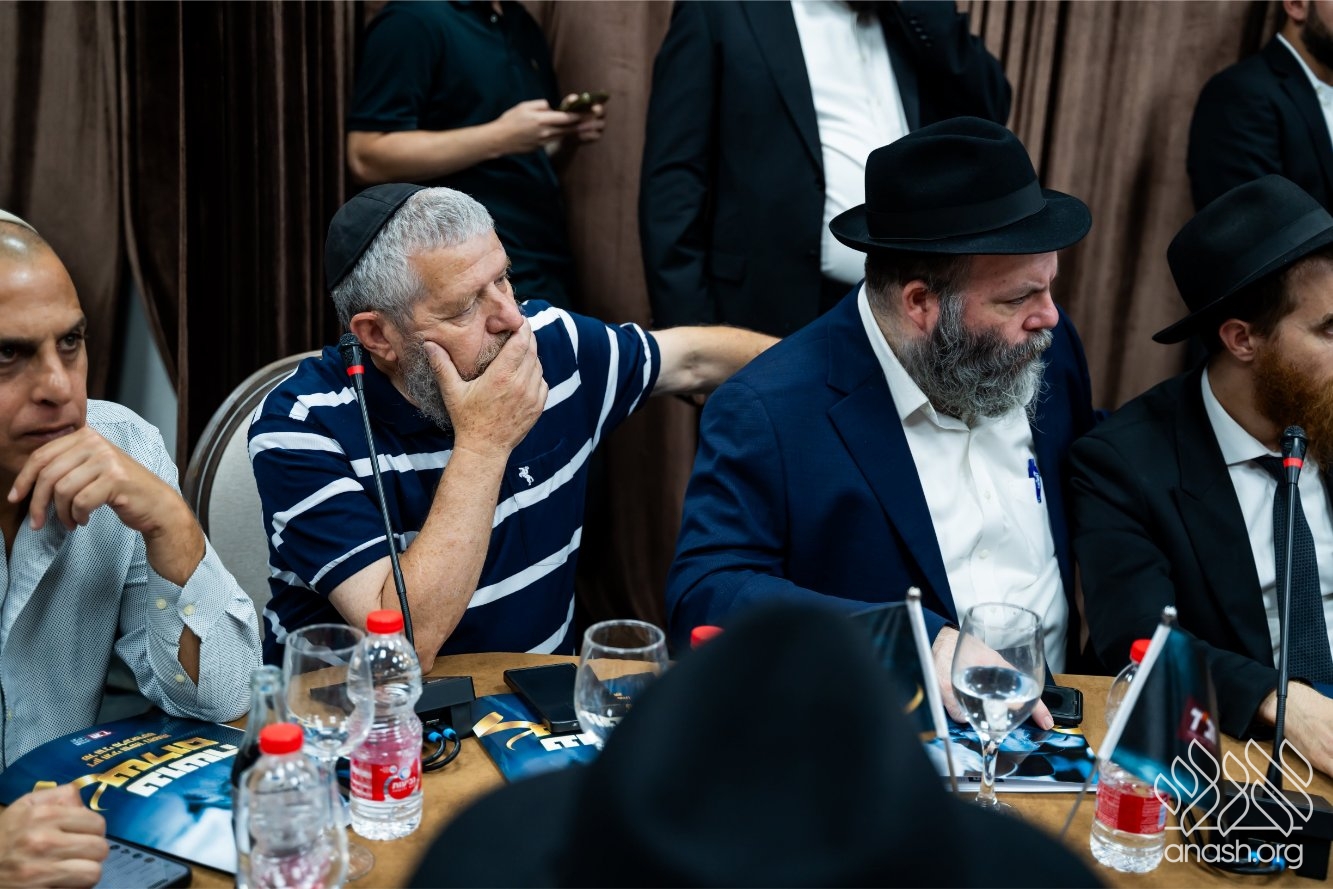
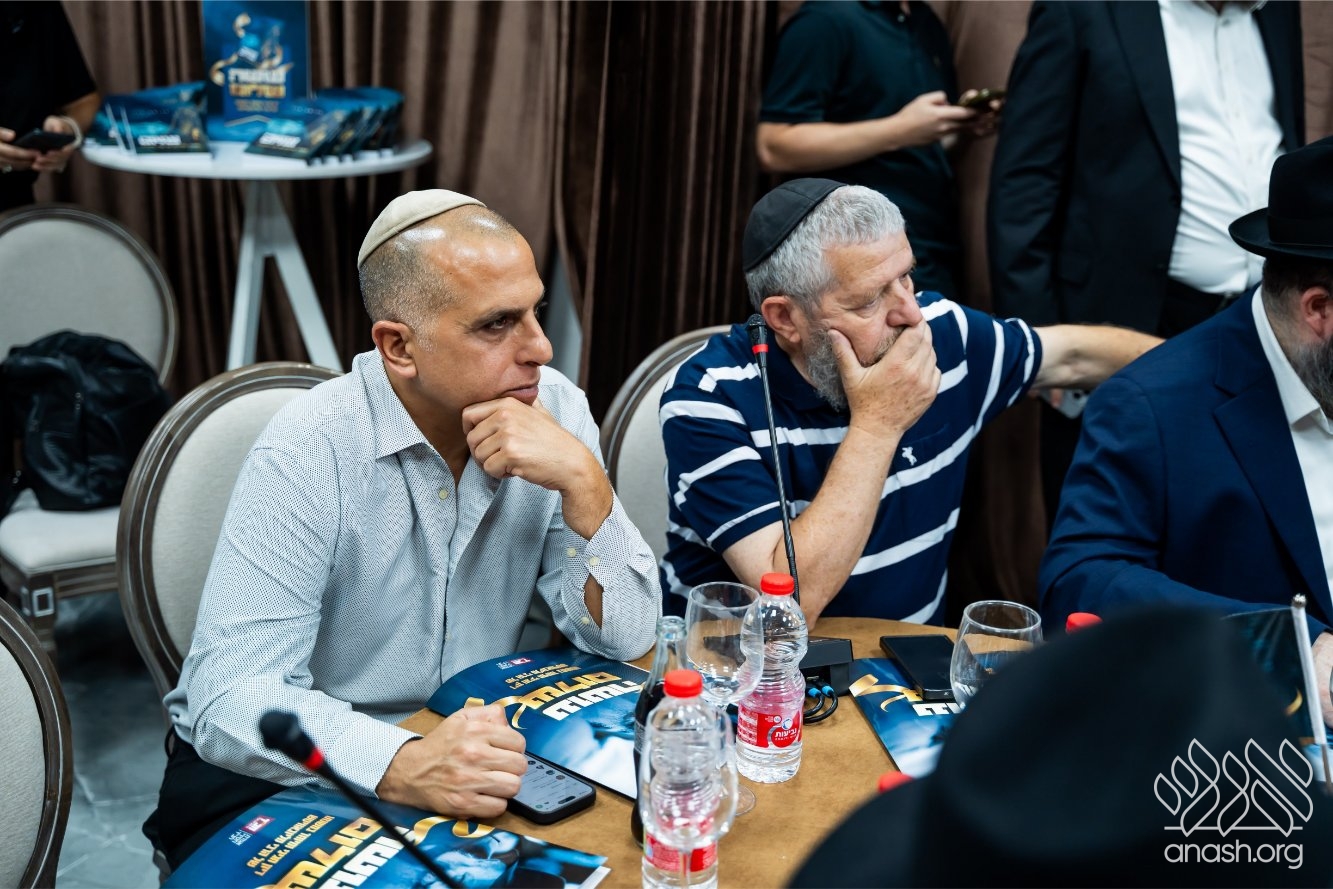
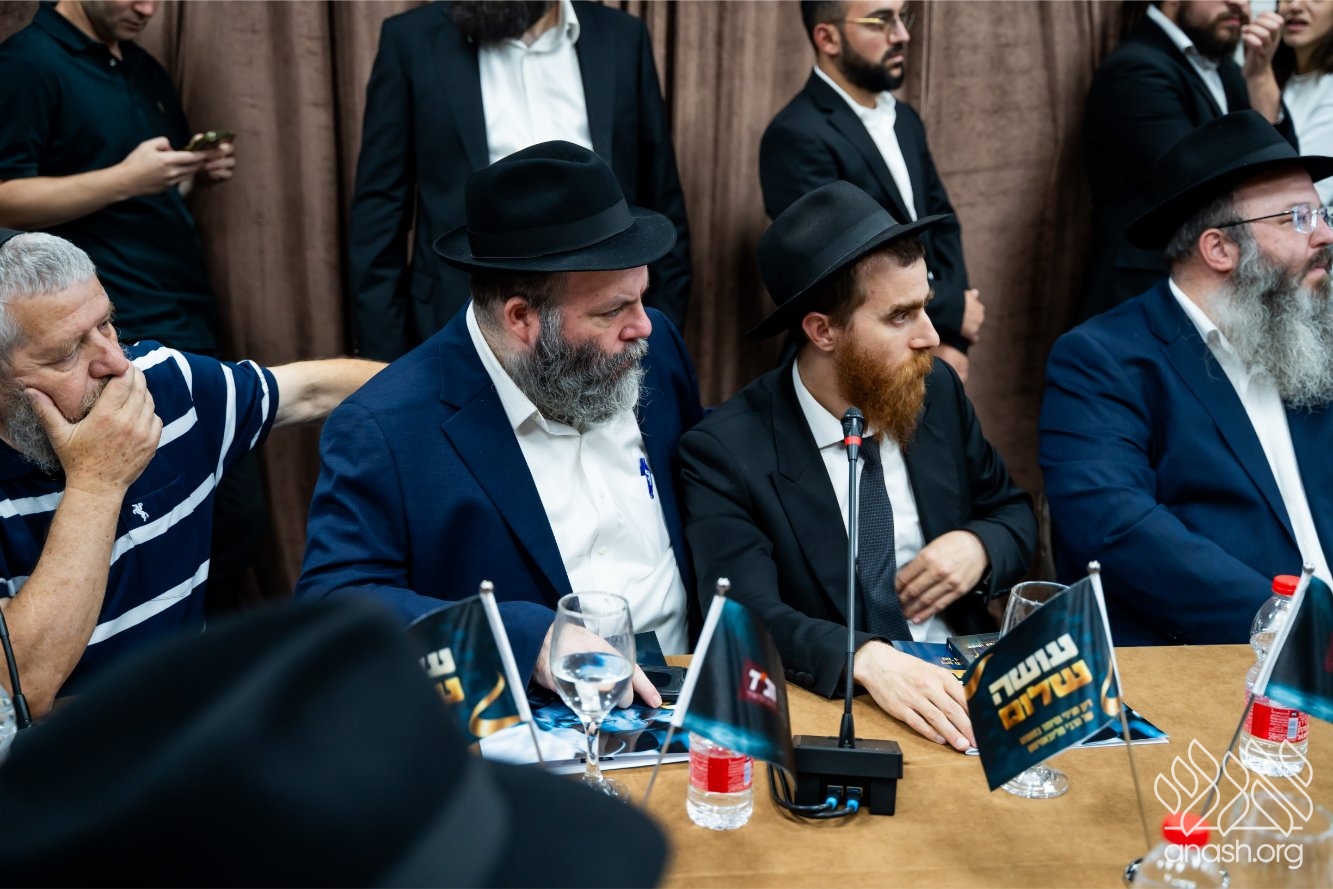
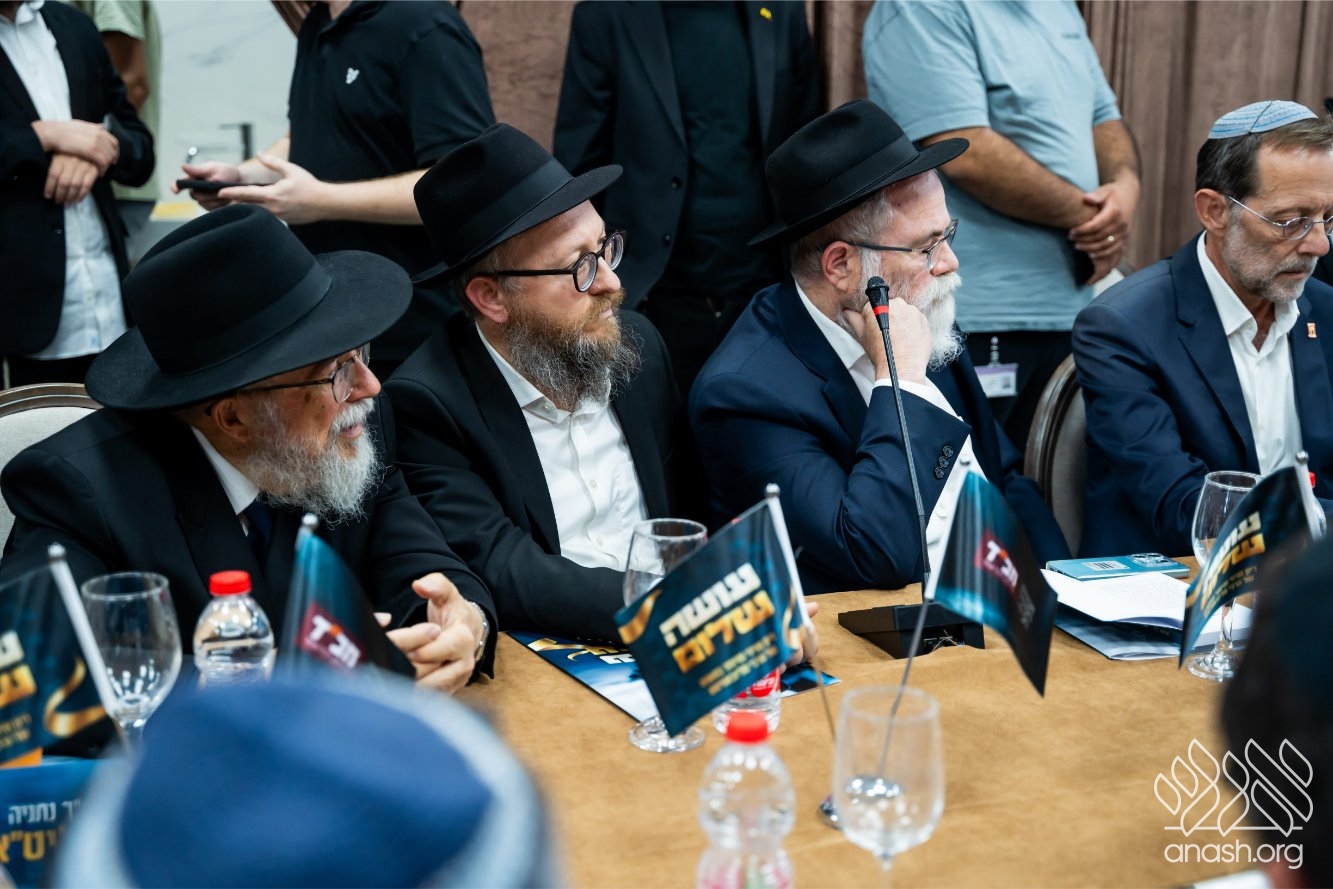
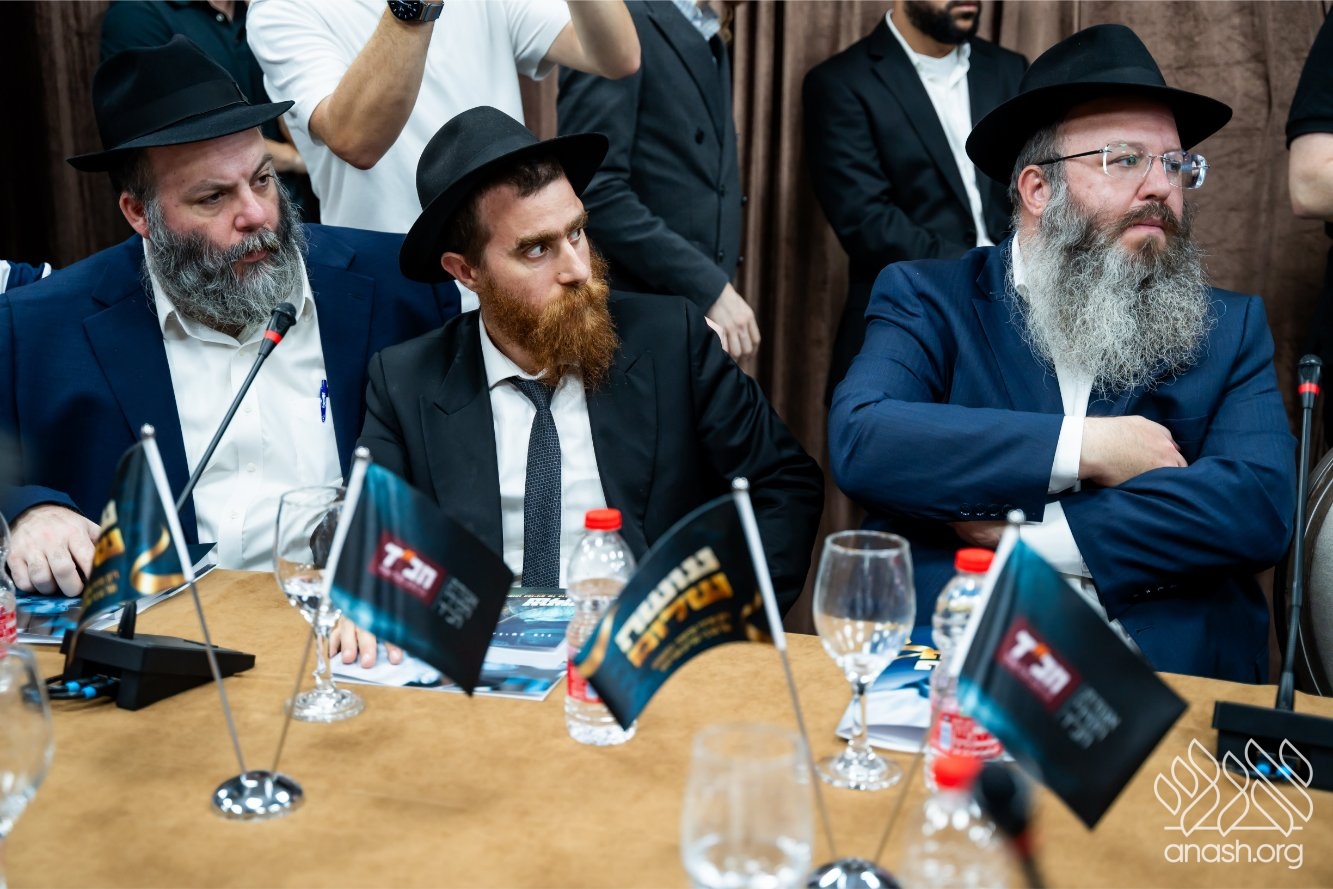
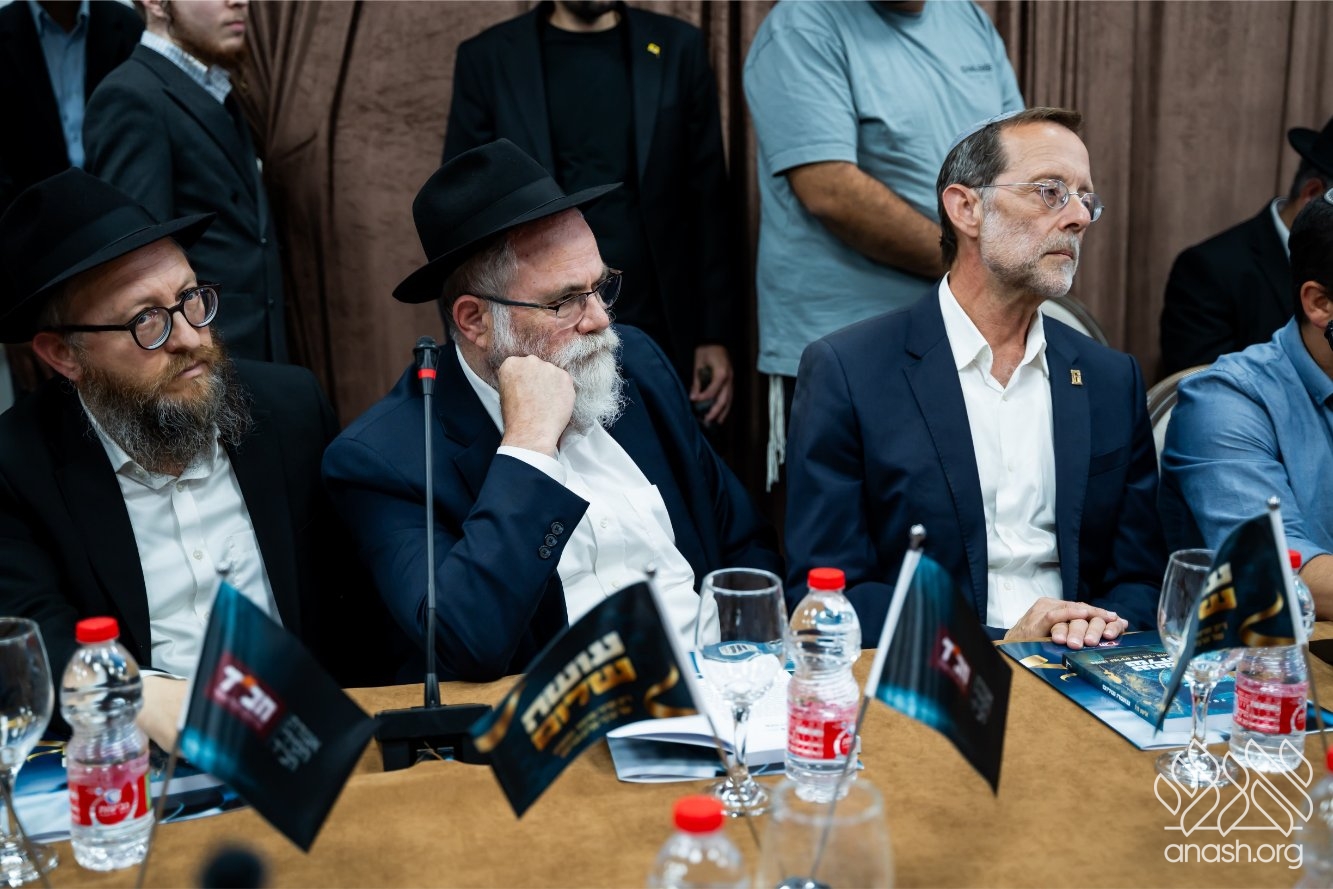
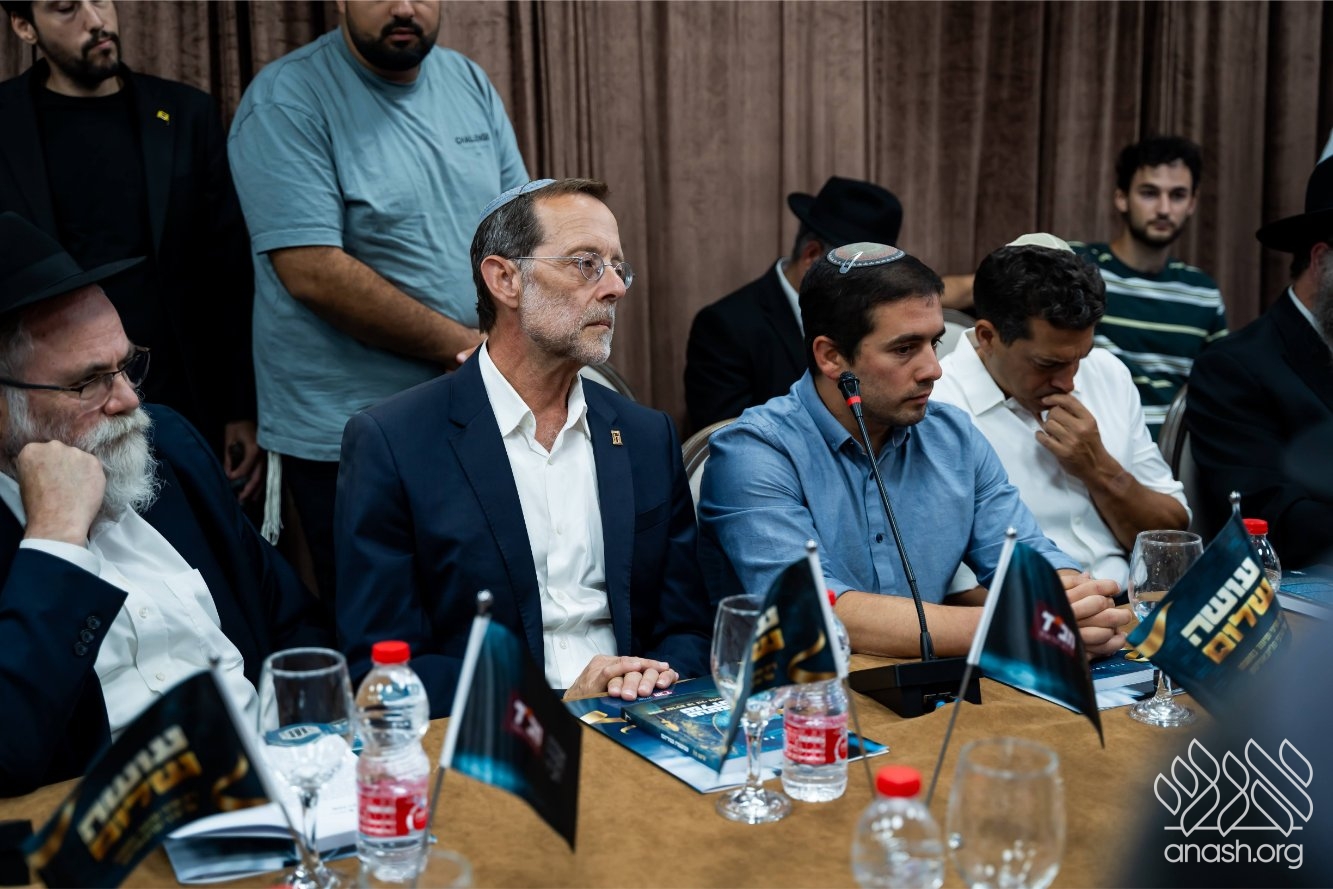
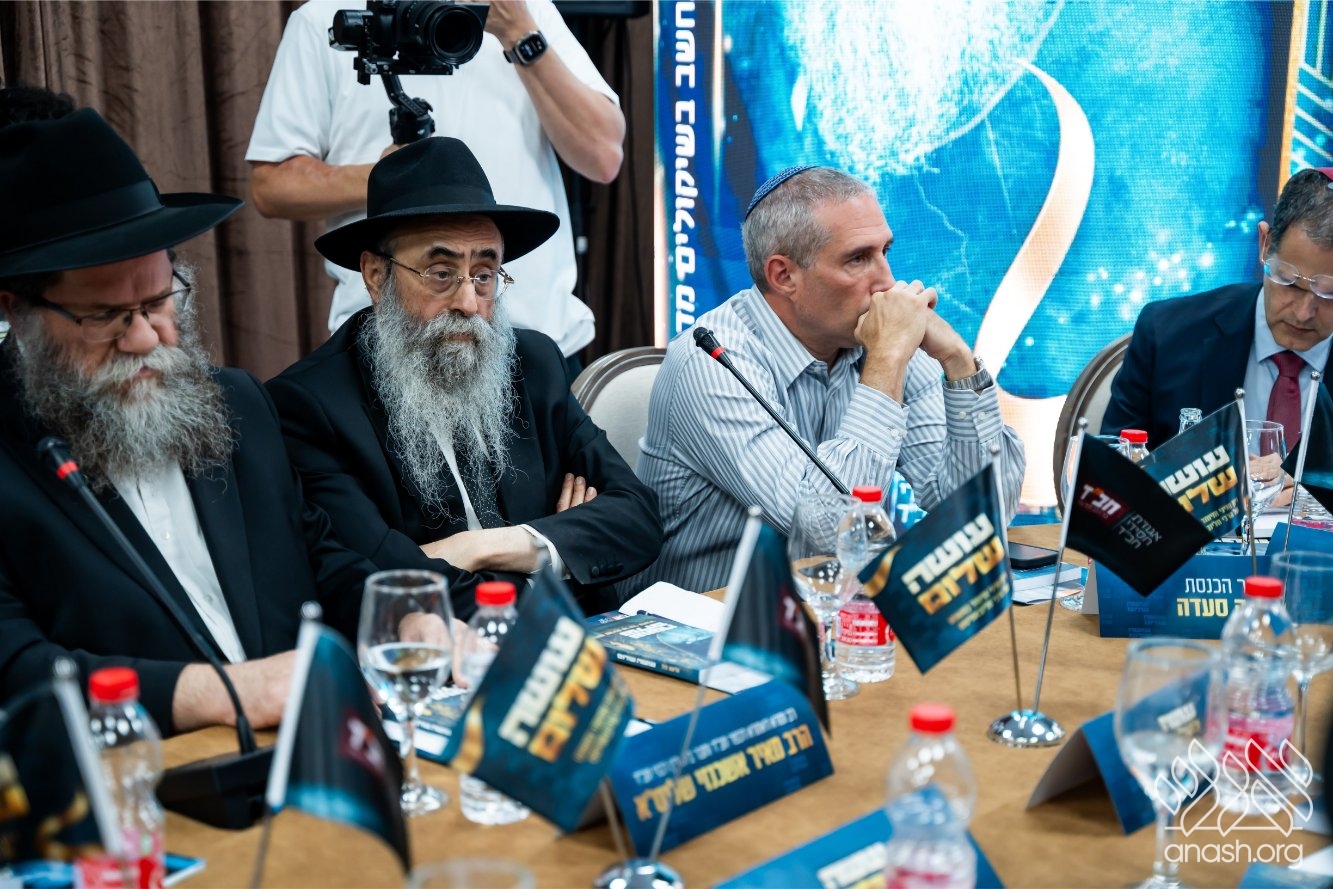
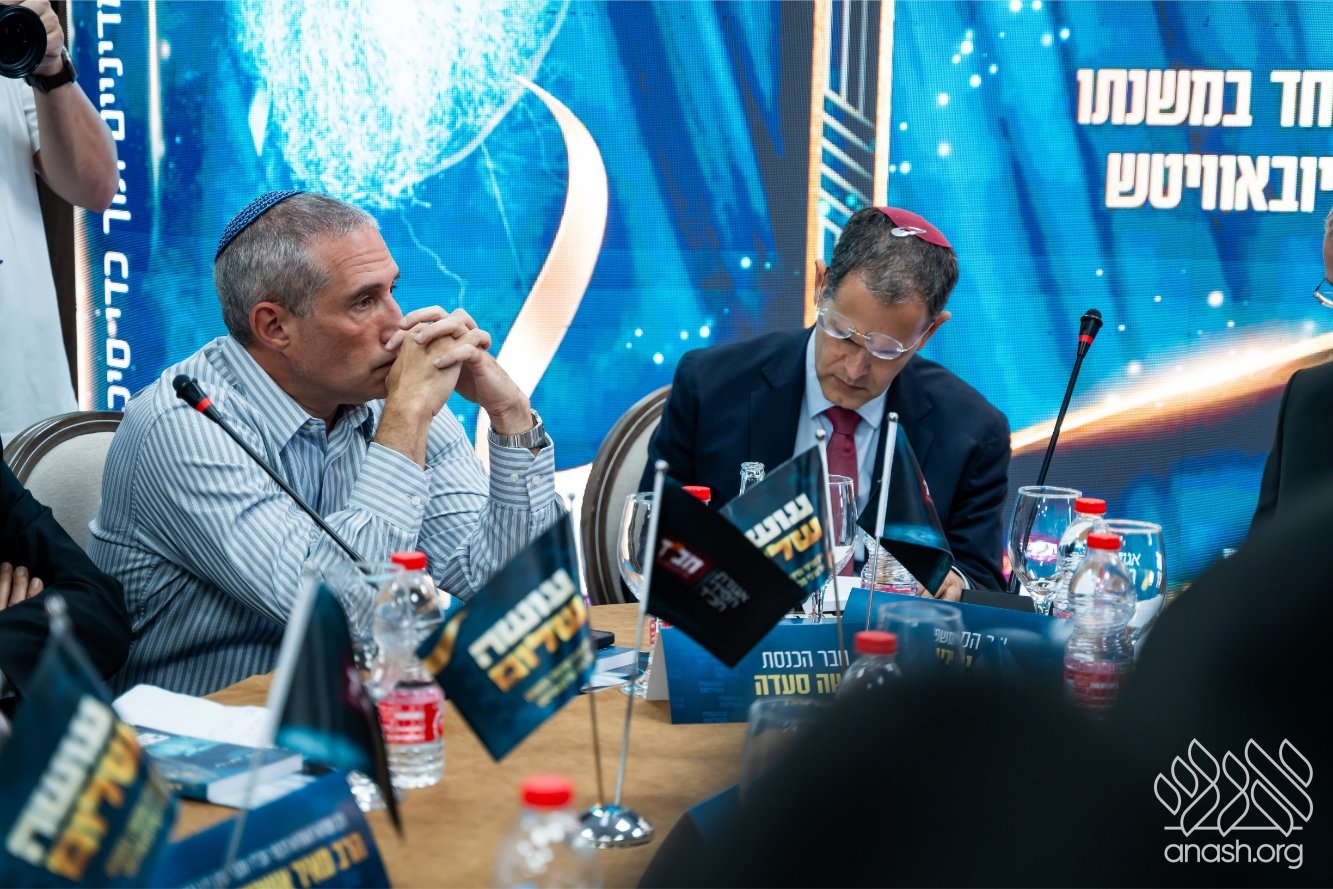
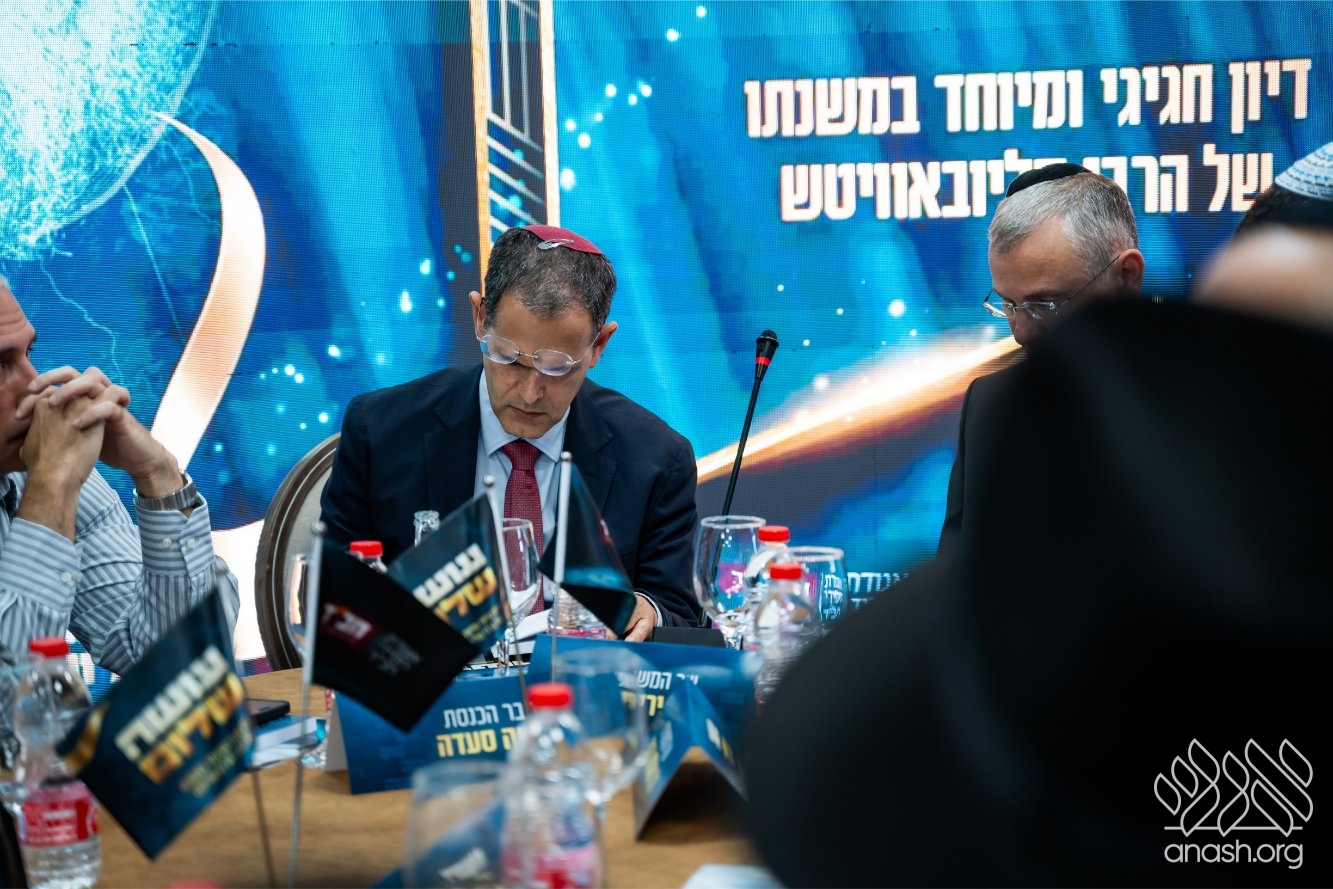
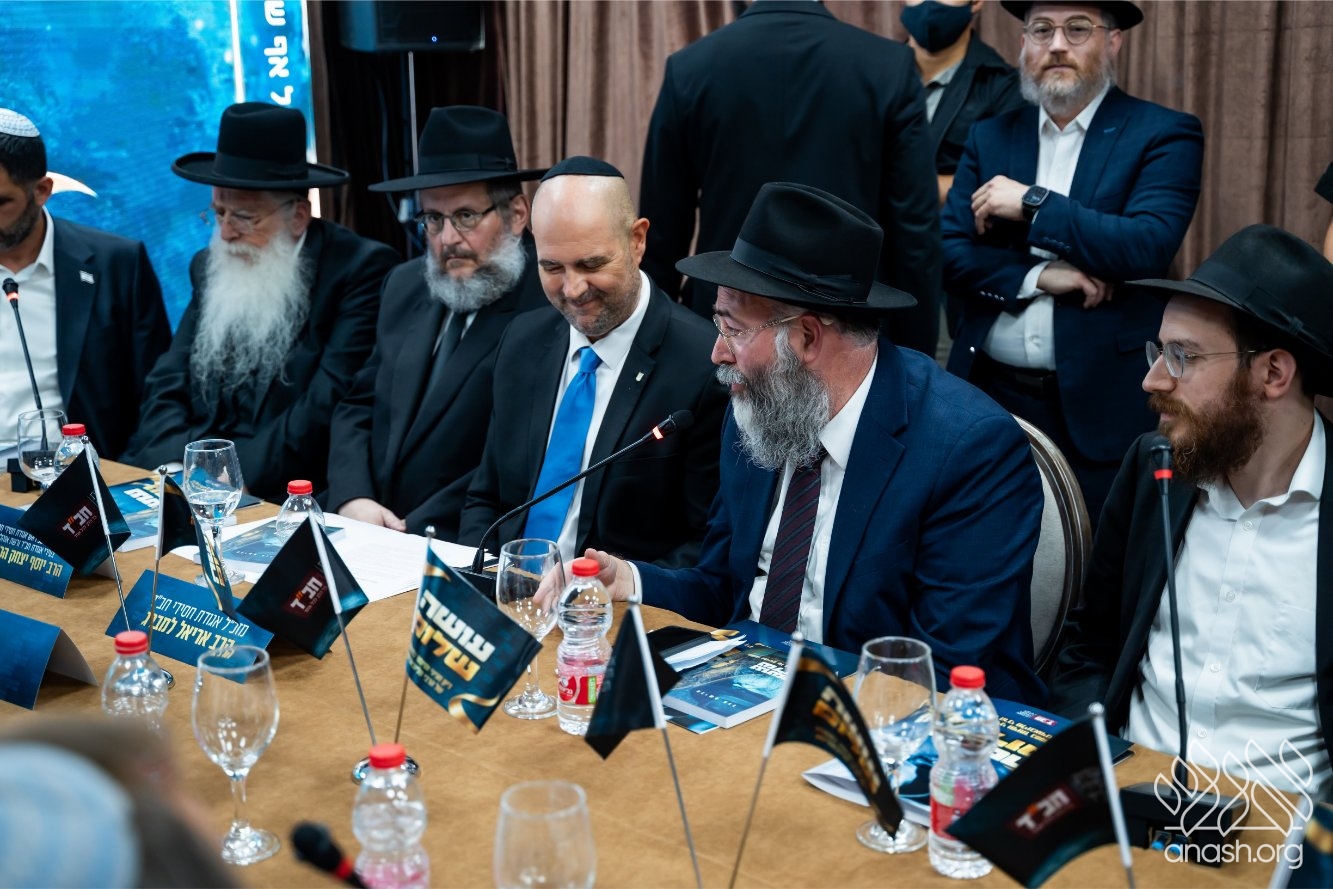
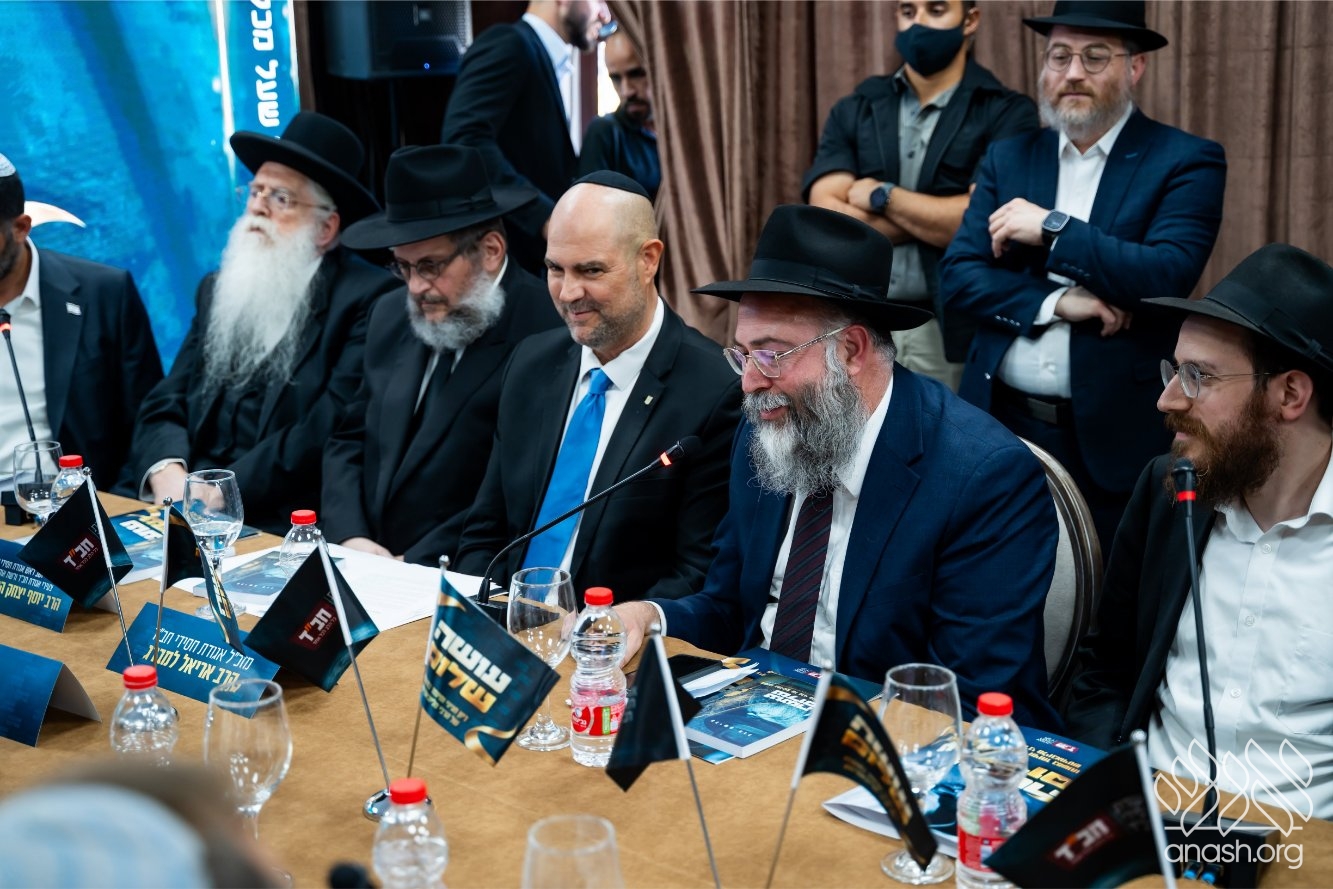
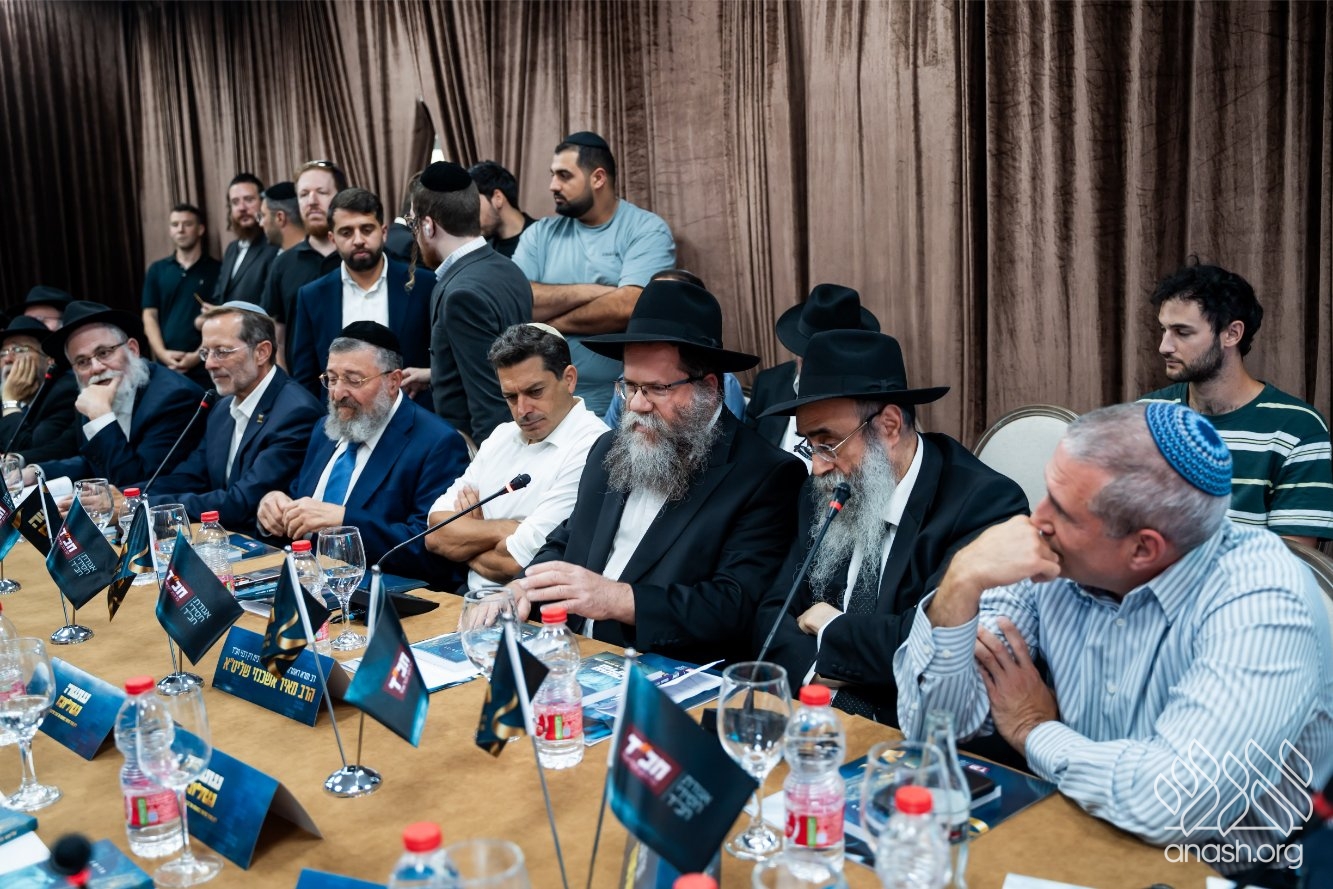
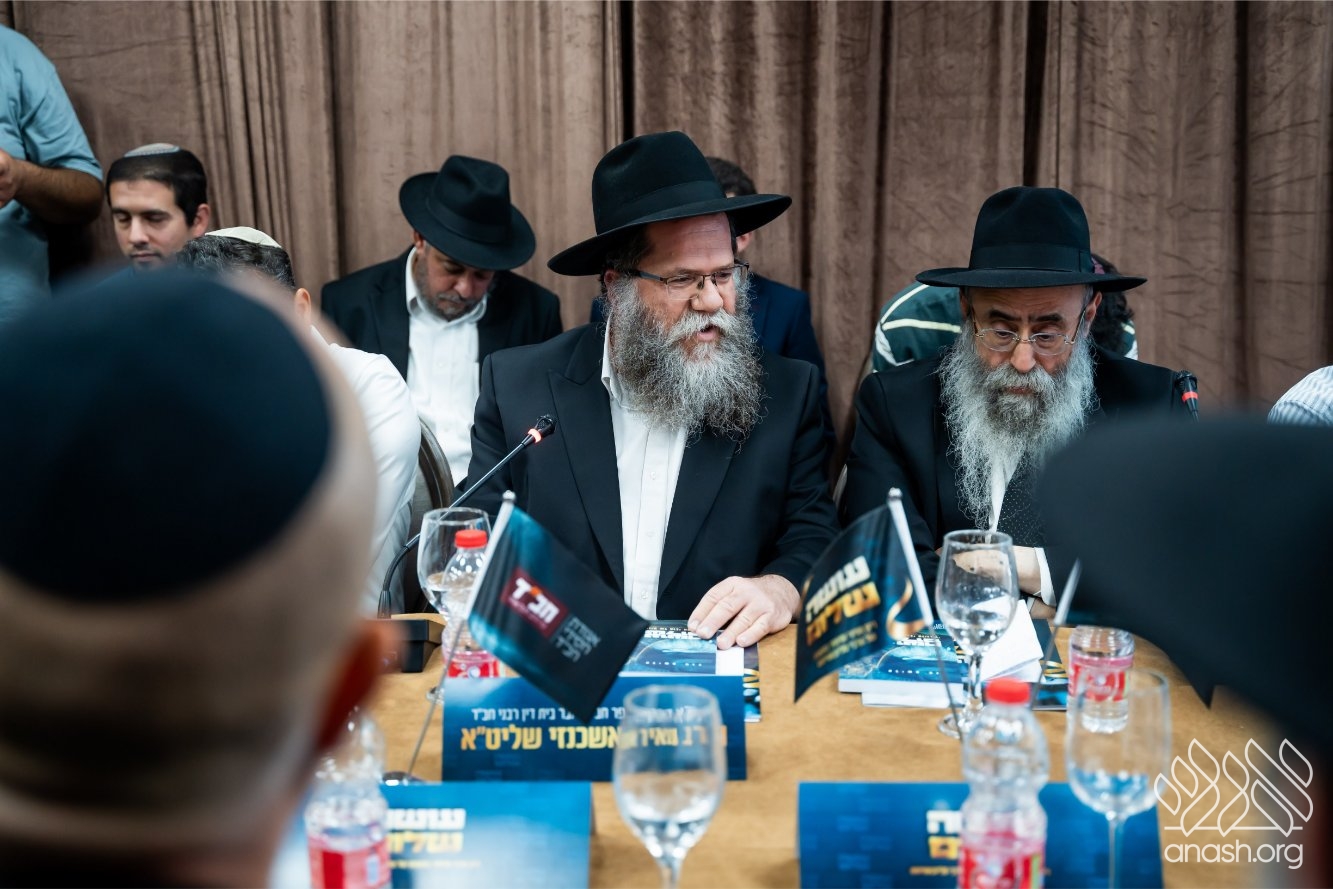
Knesset members from across the political spectrum, generals, and senior reserve officers gathered at a festive launch event of “Oseh Shalom,” a new Hebrew work presenting a systematic and comprehensive overview of the Rebbe’s teachings on Shleimus Ha’aretz.

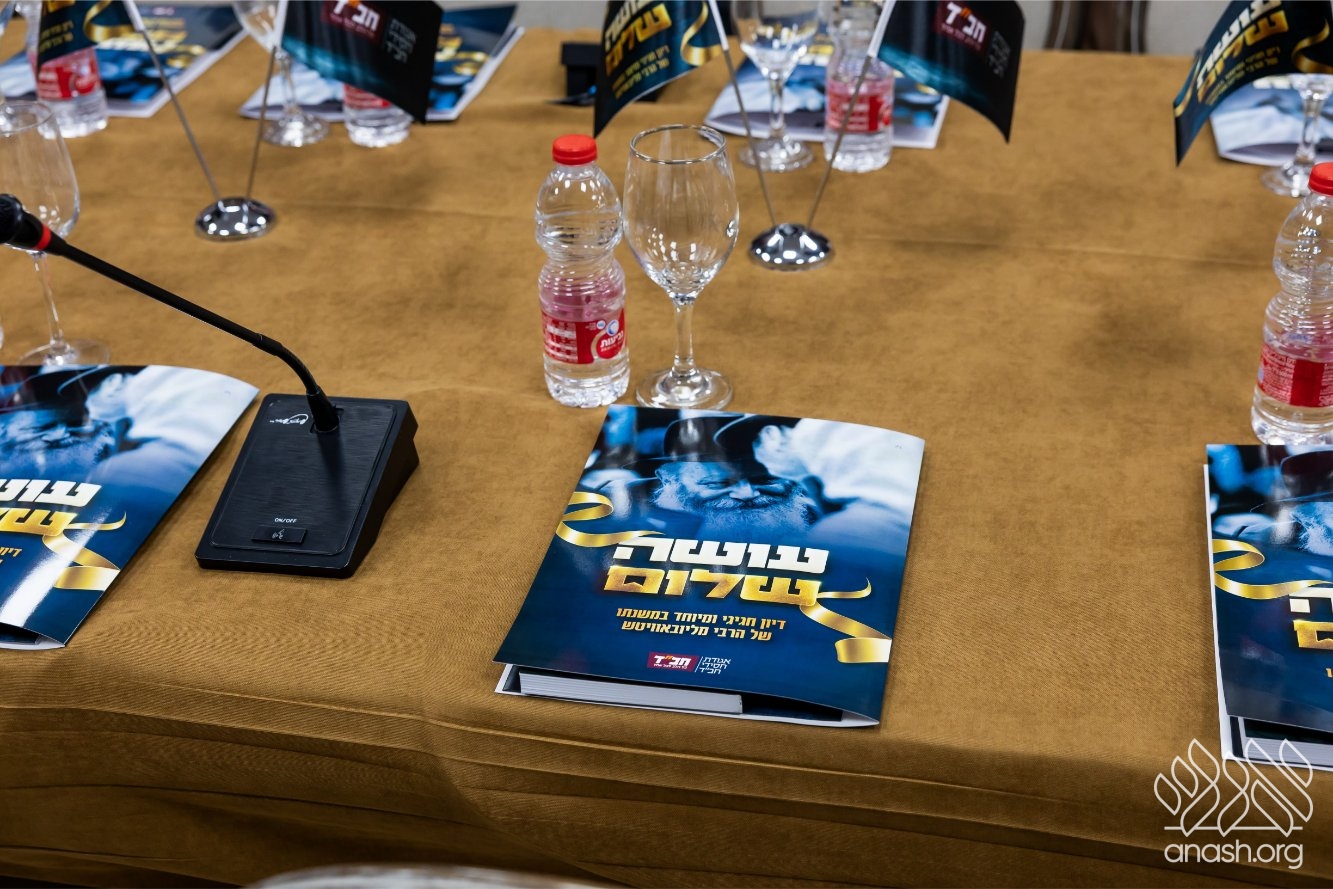
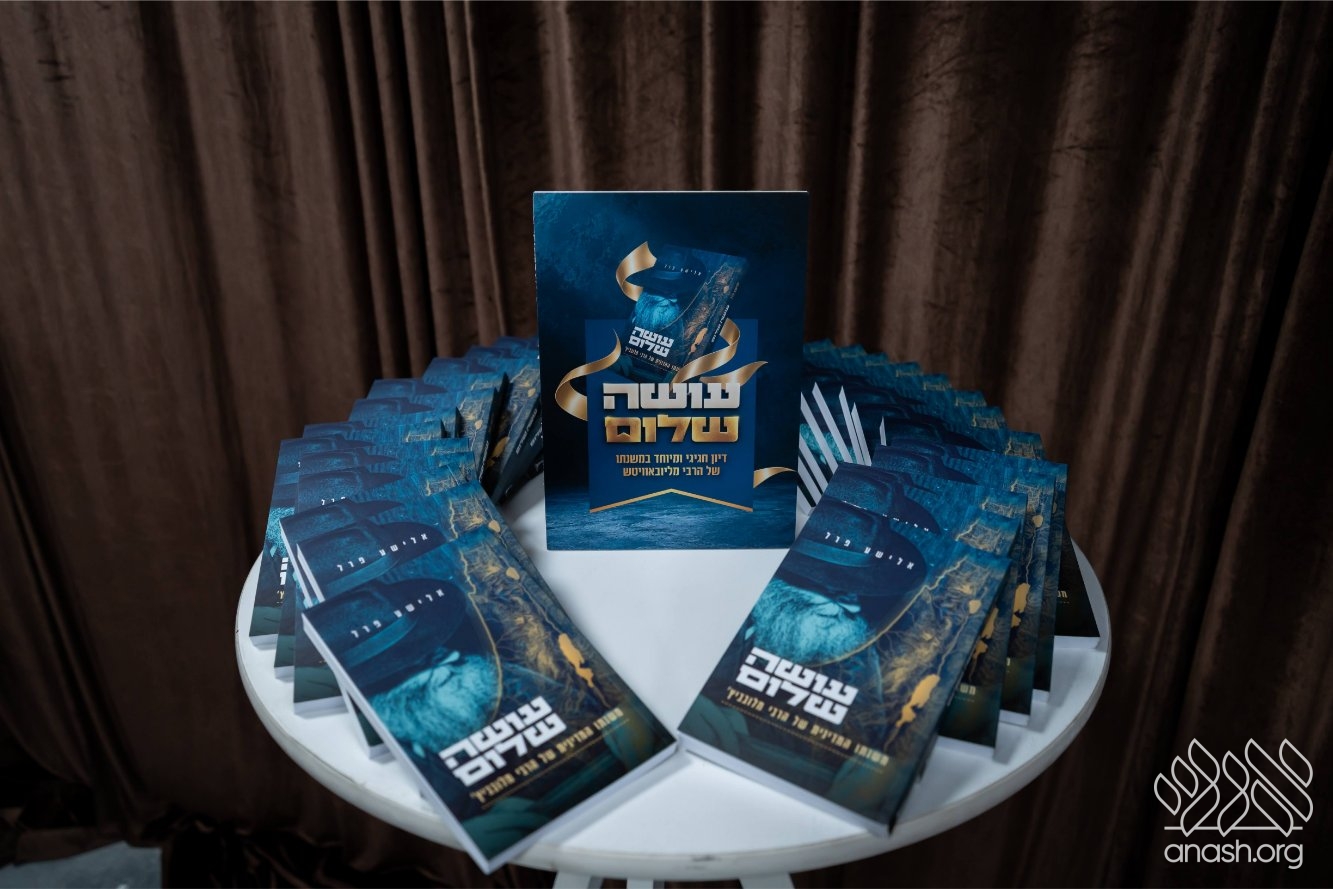
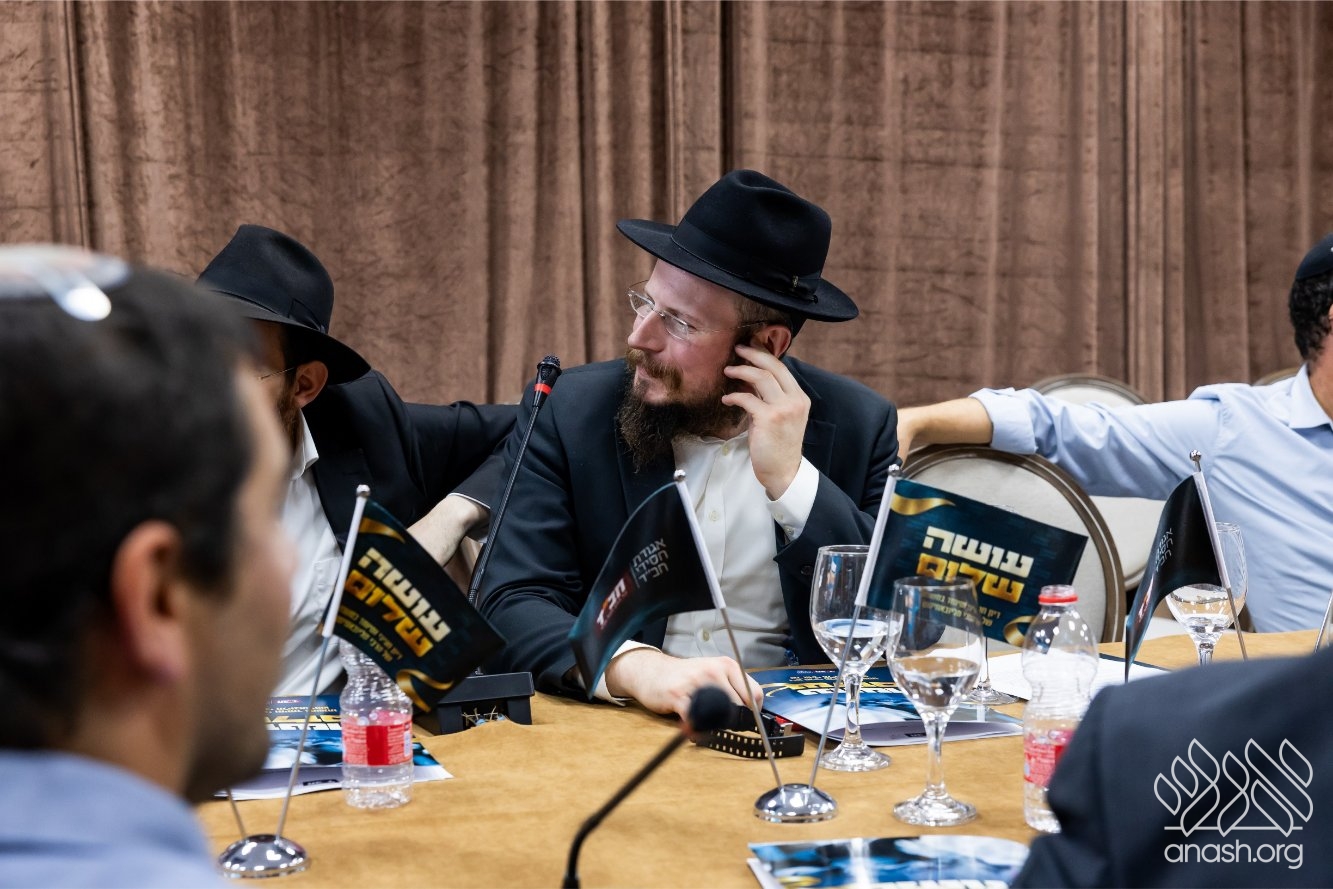
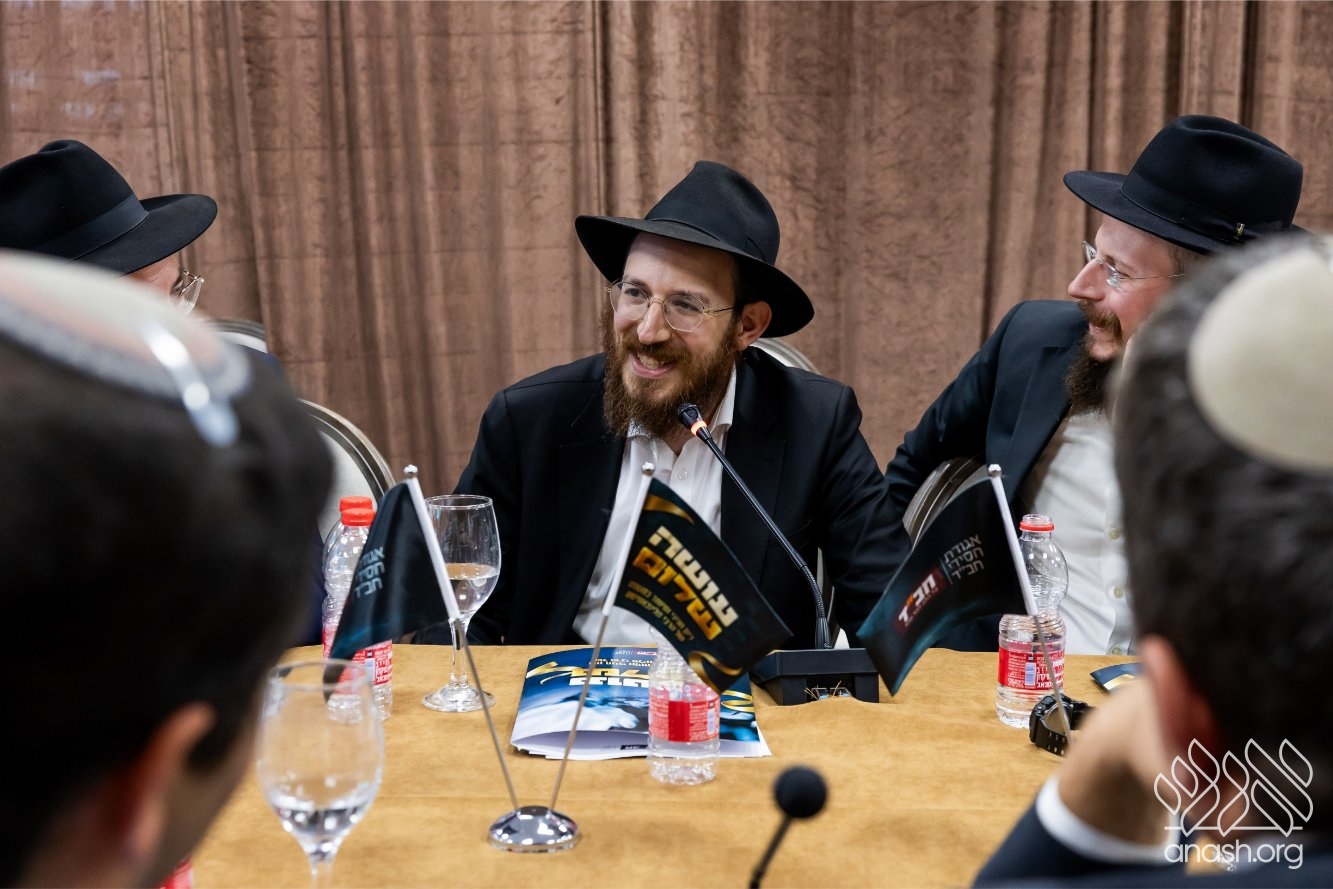
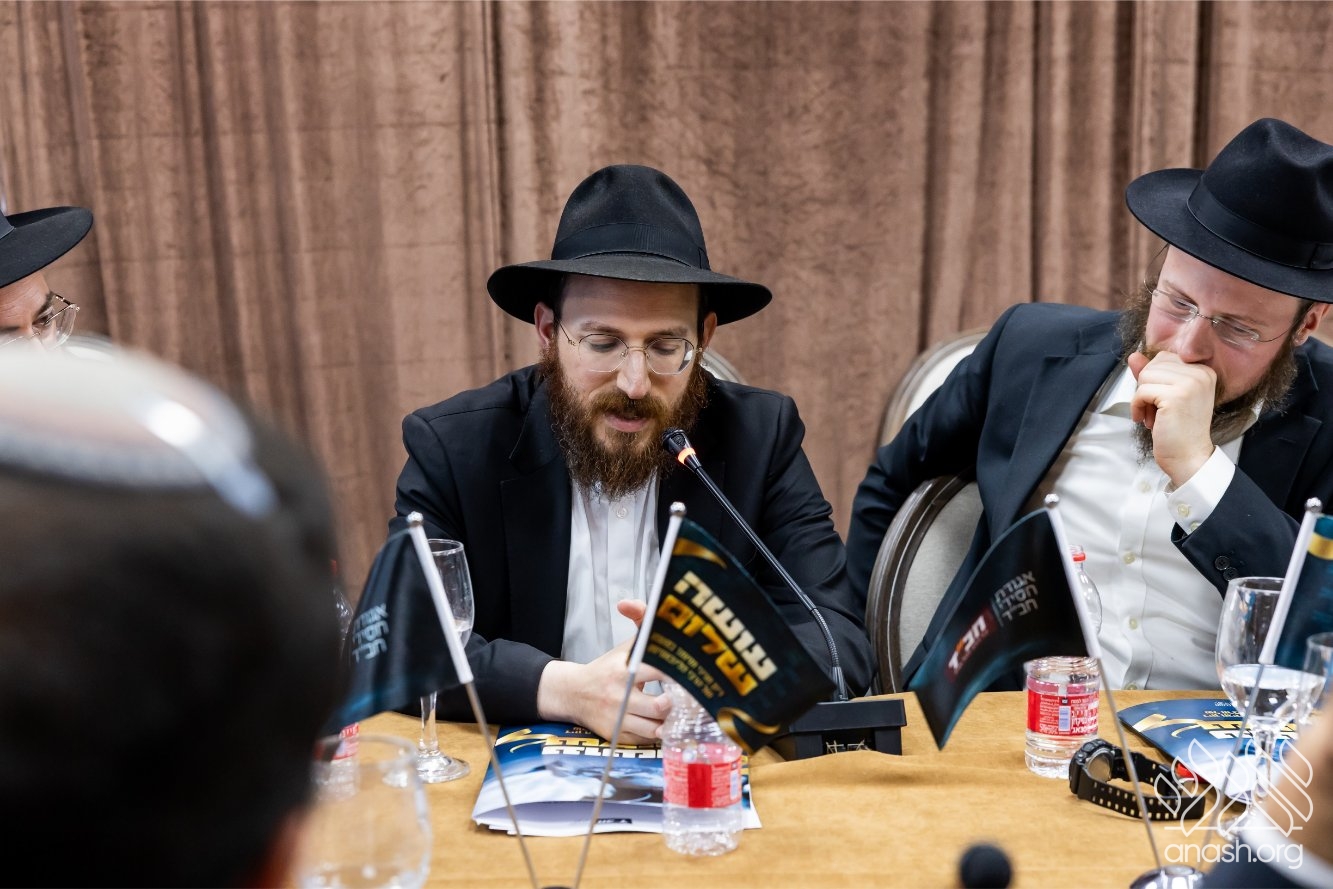
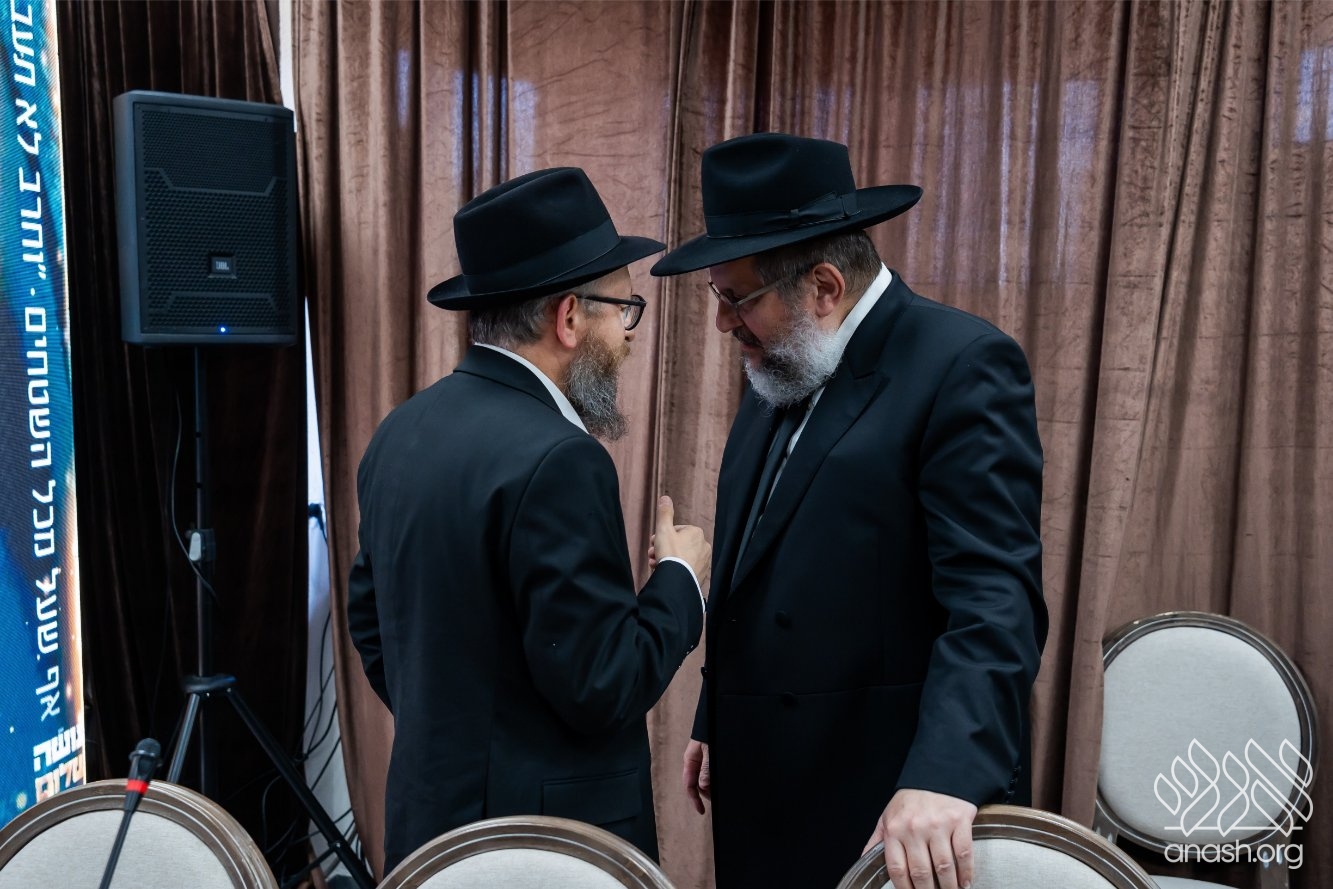
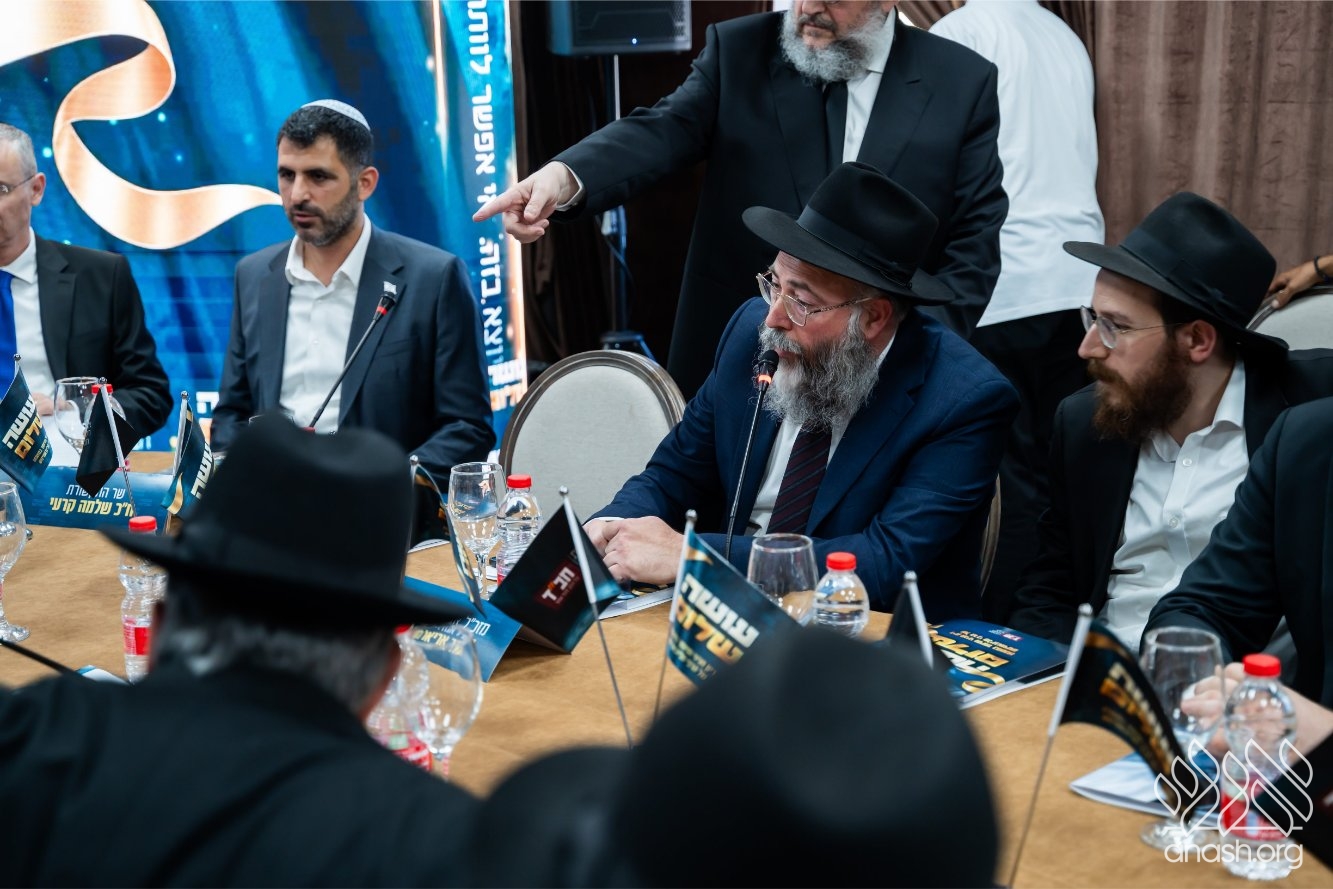
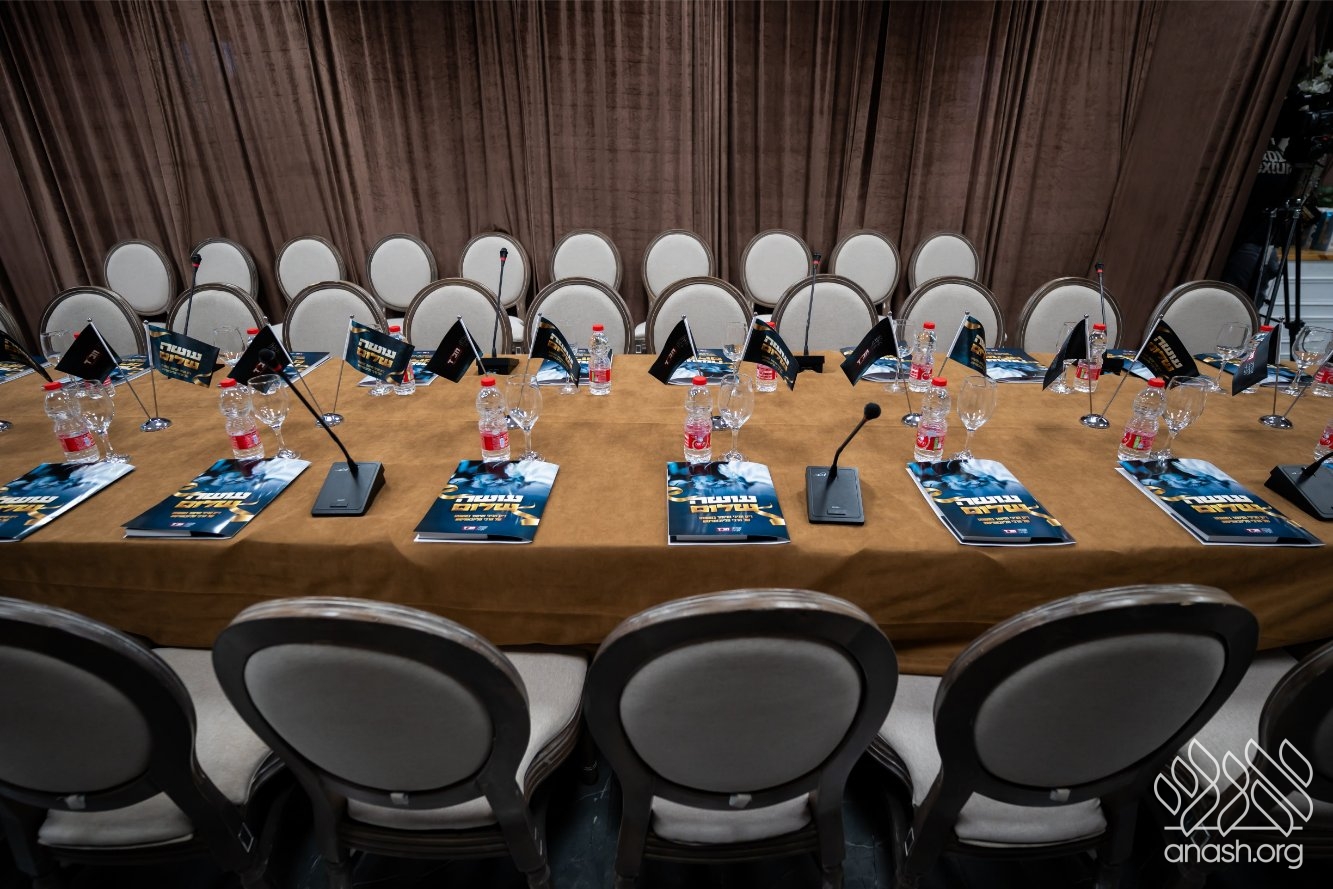
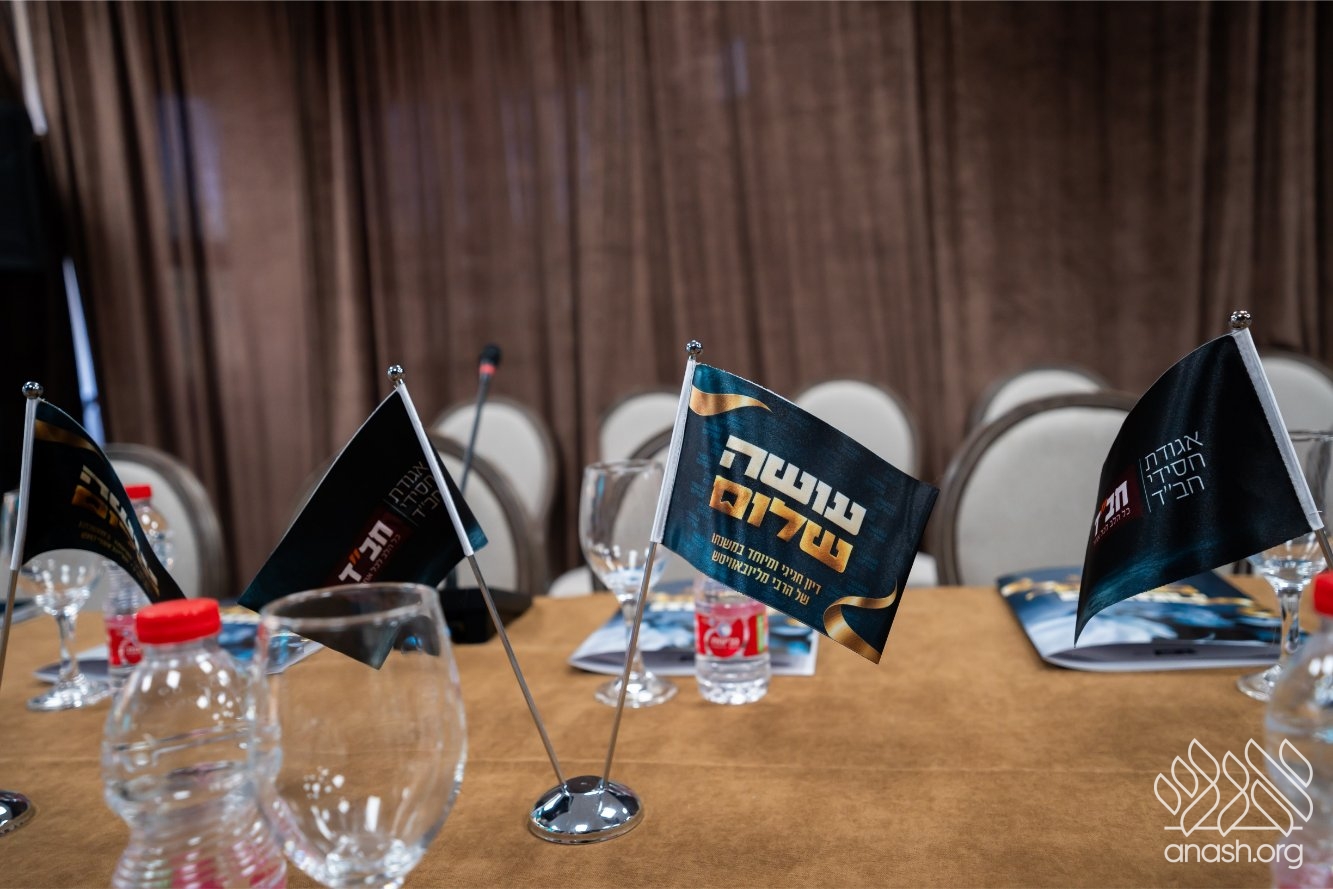
A festive and prominent launch event was held at 770 in Kfar Chabad, marking the publication of Oseh Shalom, a new work by Rabbi Elisha Perl that presents, for the first time, a systematic and comprehensive overview of the Rebbe’s teachings on protecting Eretz Yisroel, safeguarding the Jewish people, and Israel’s security and political policy.
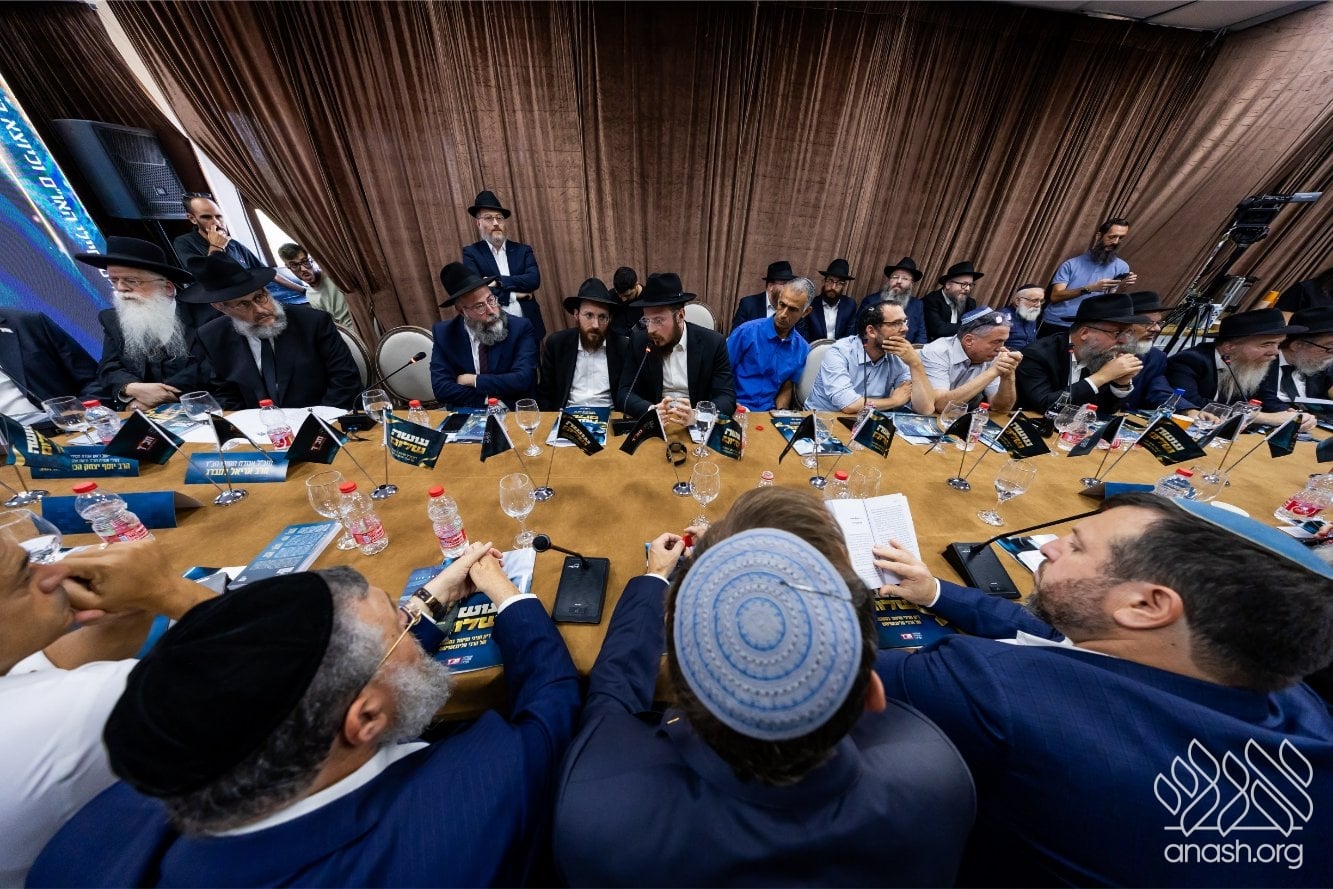
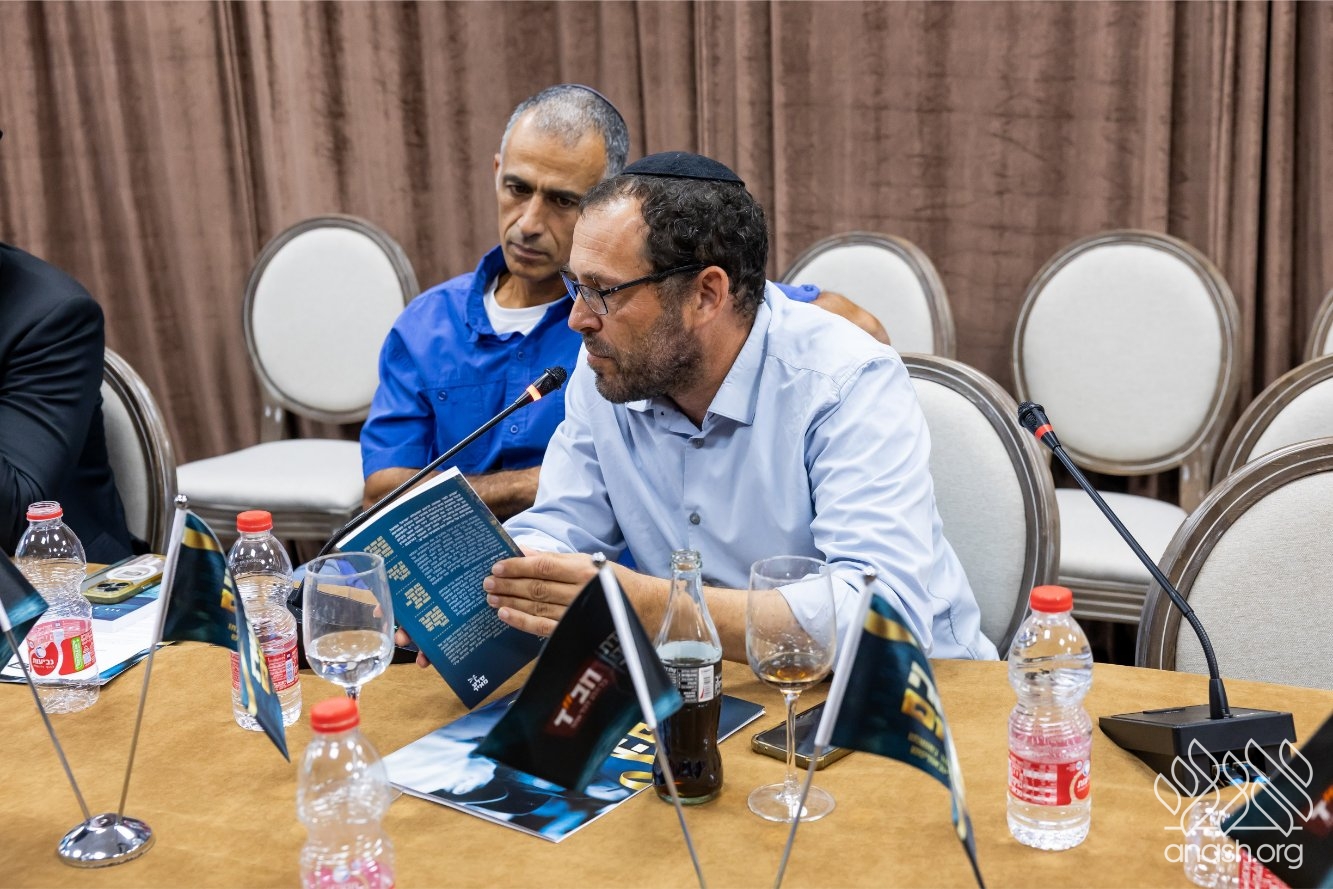
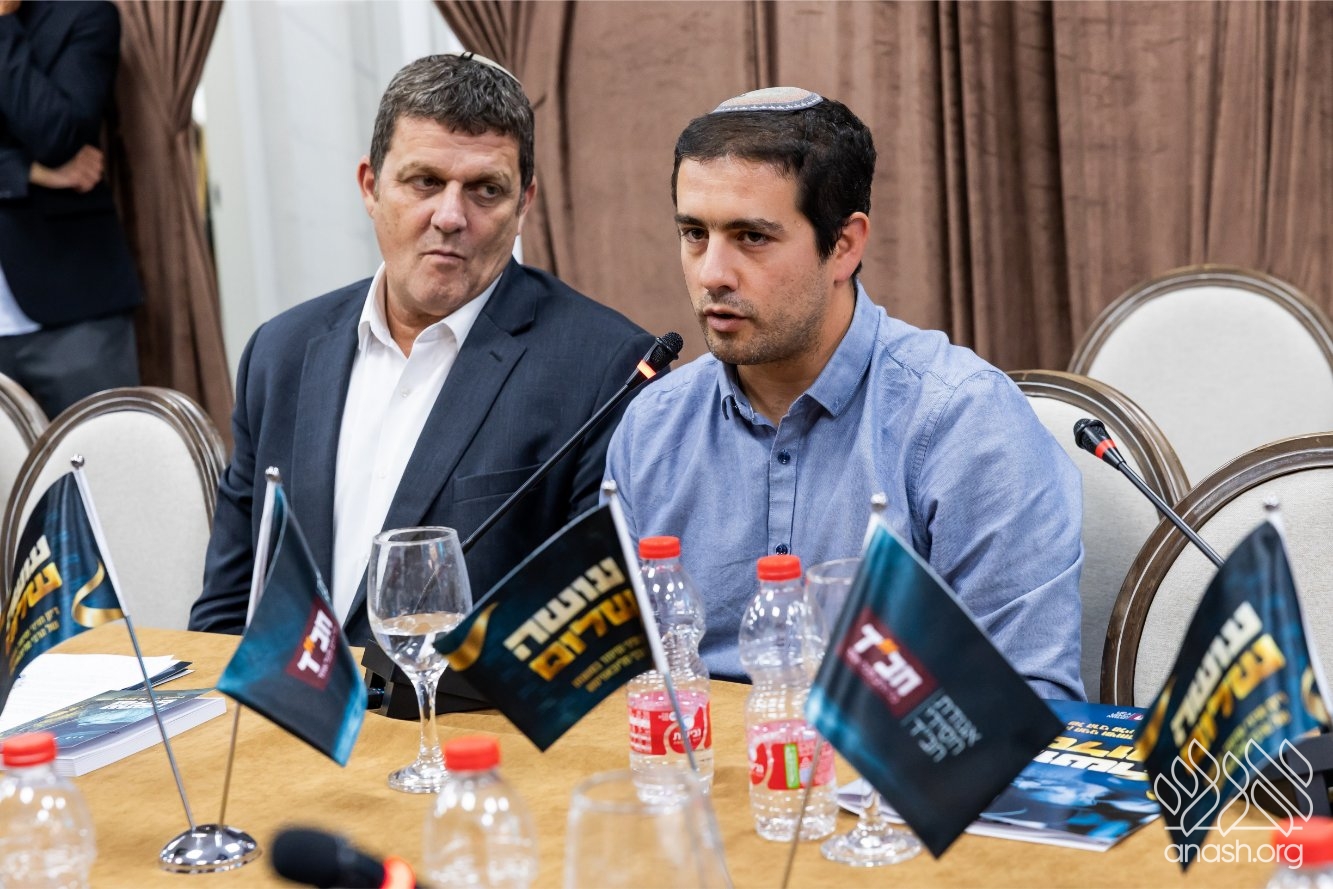
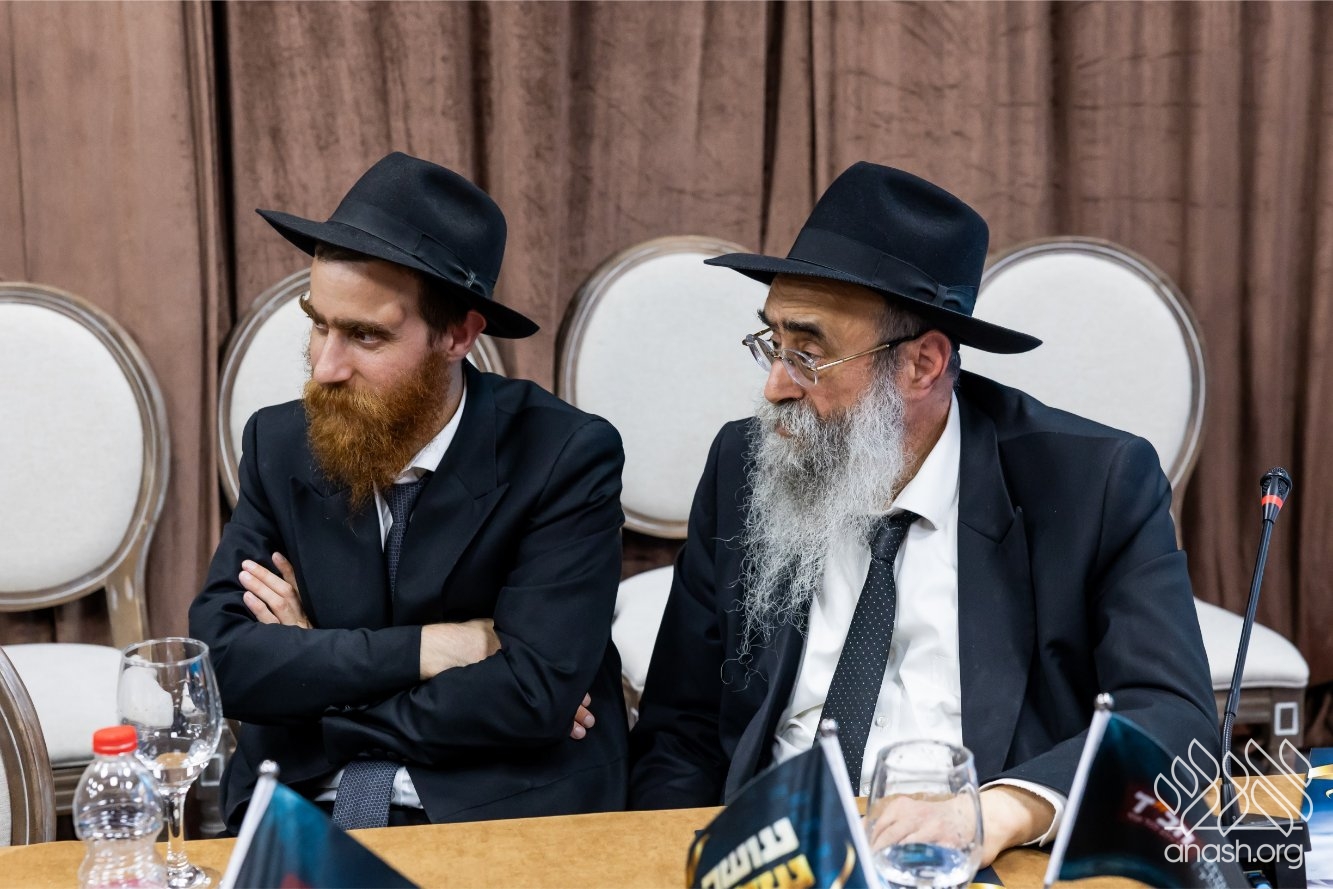
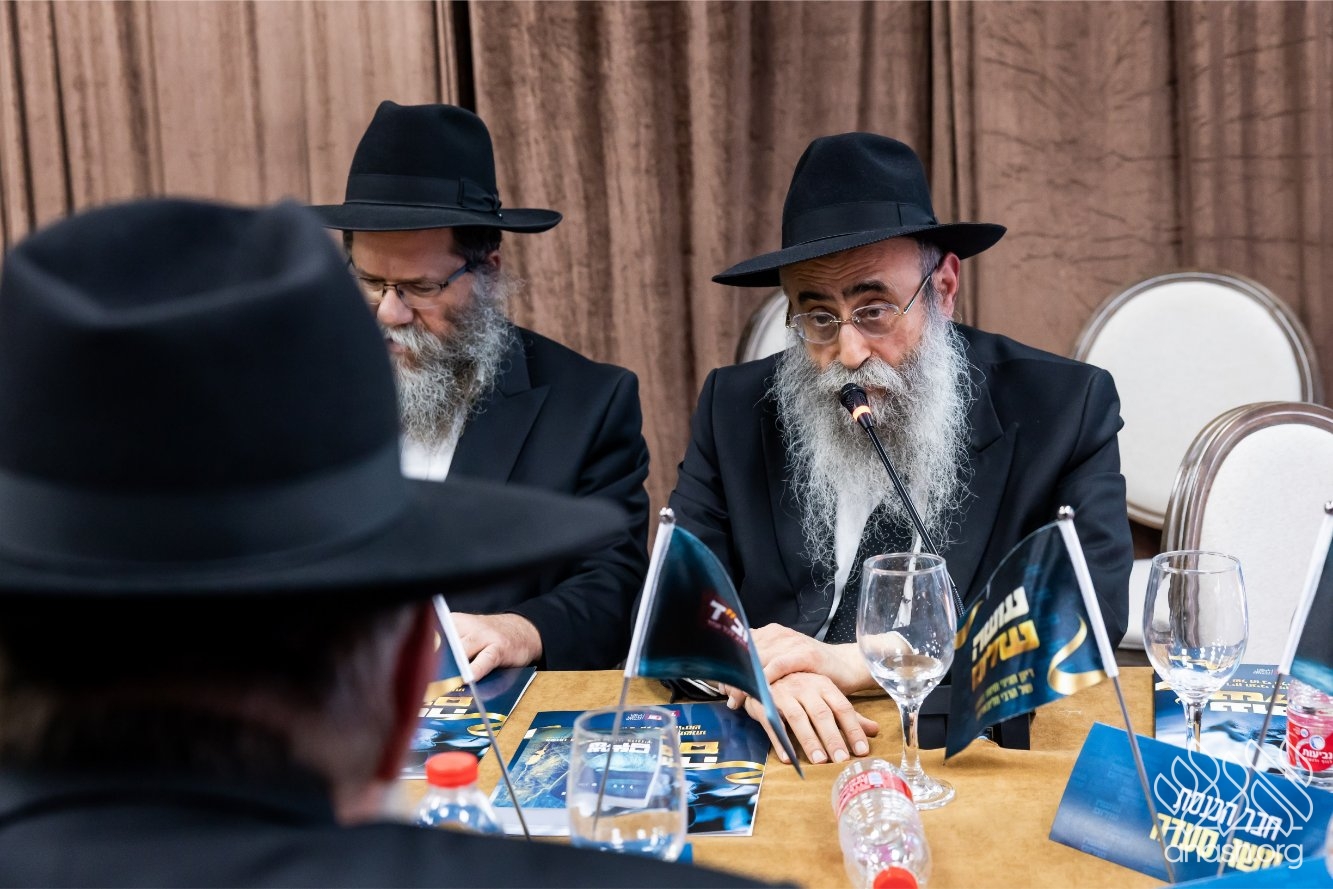
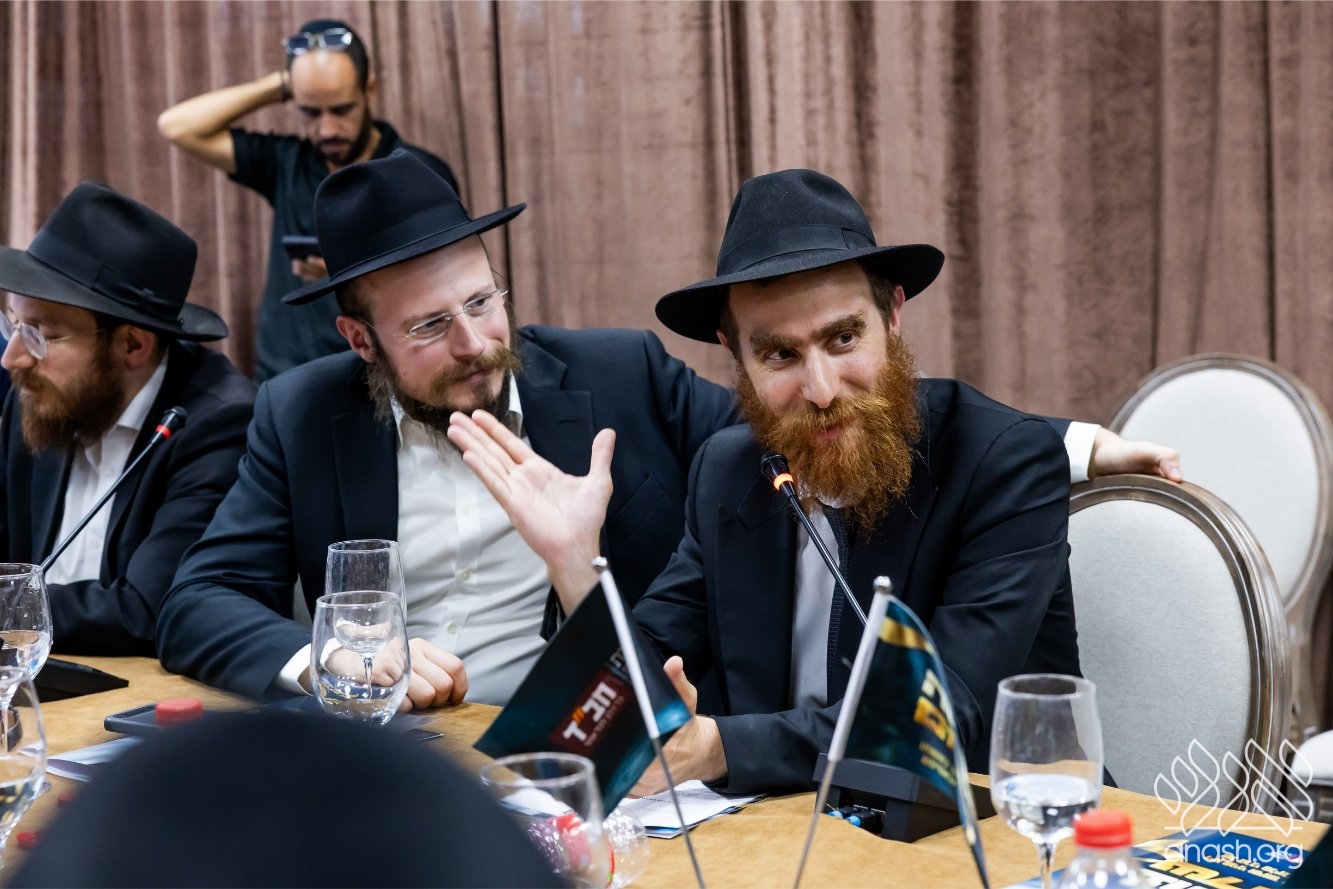
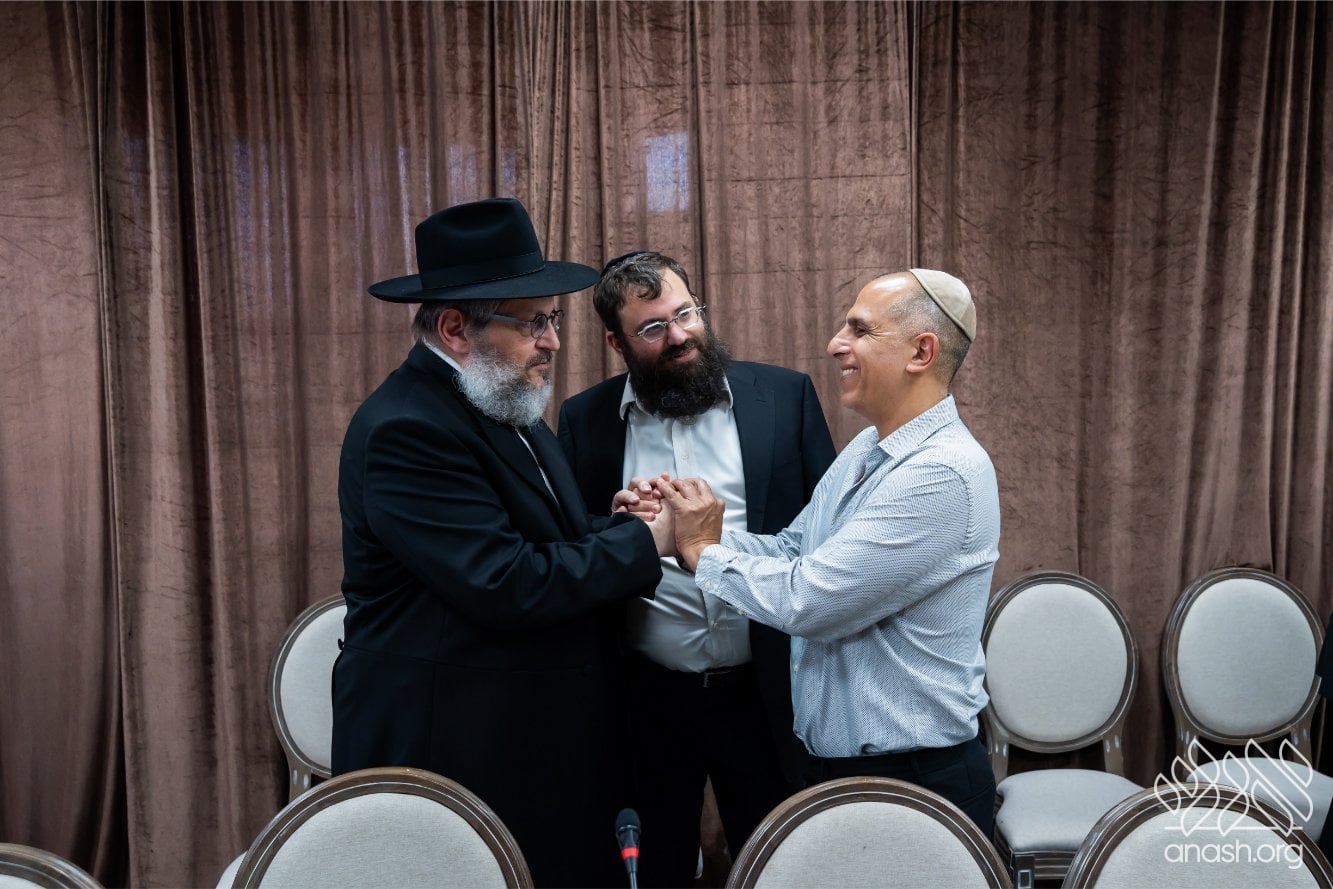
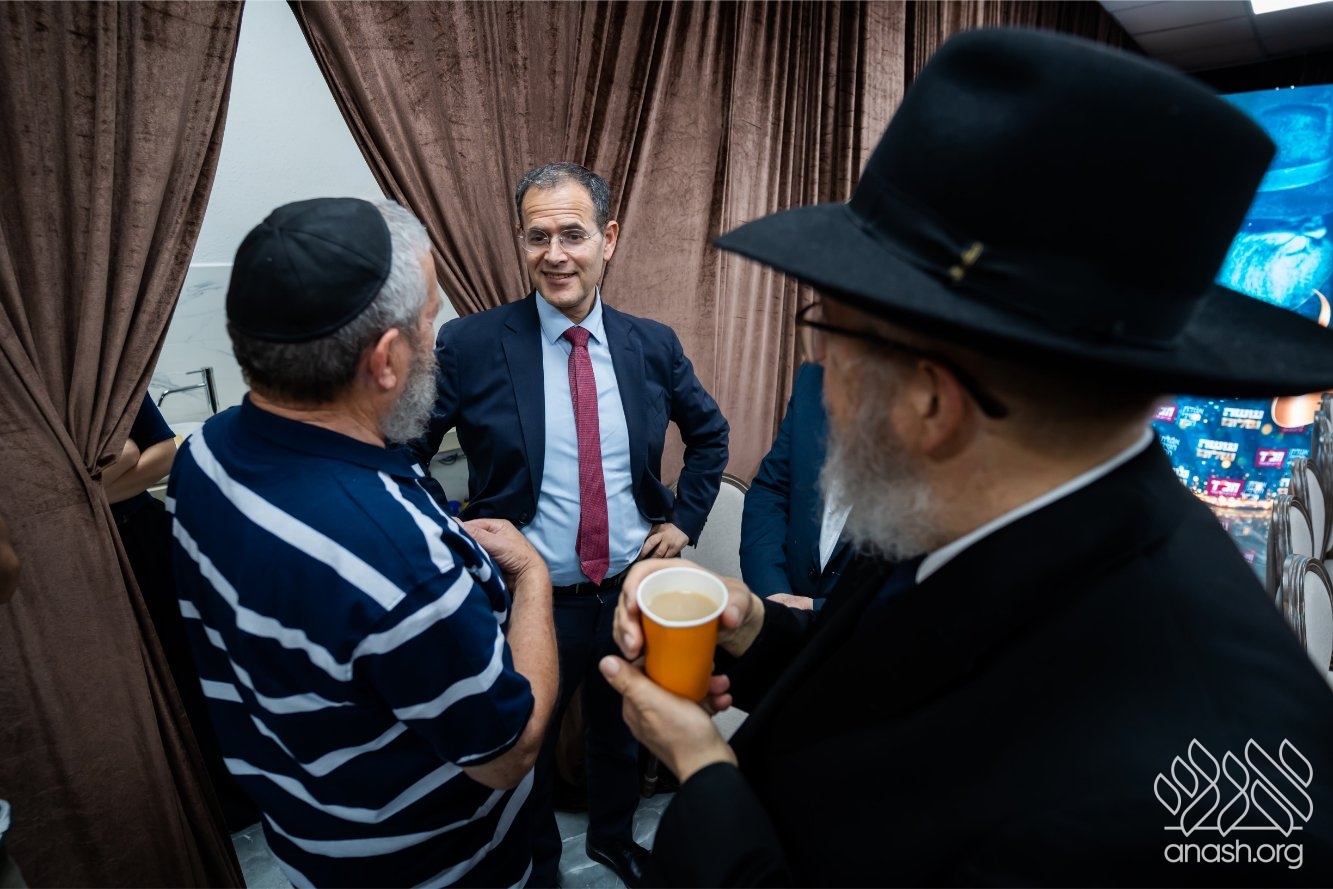
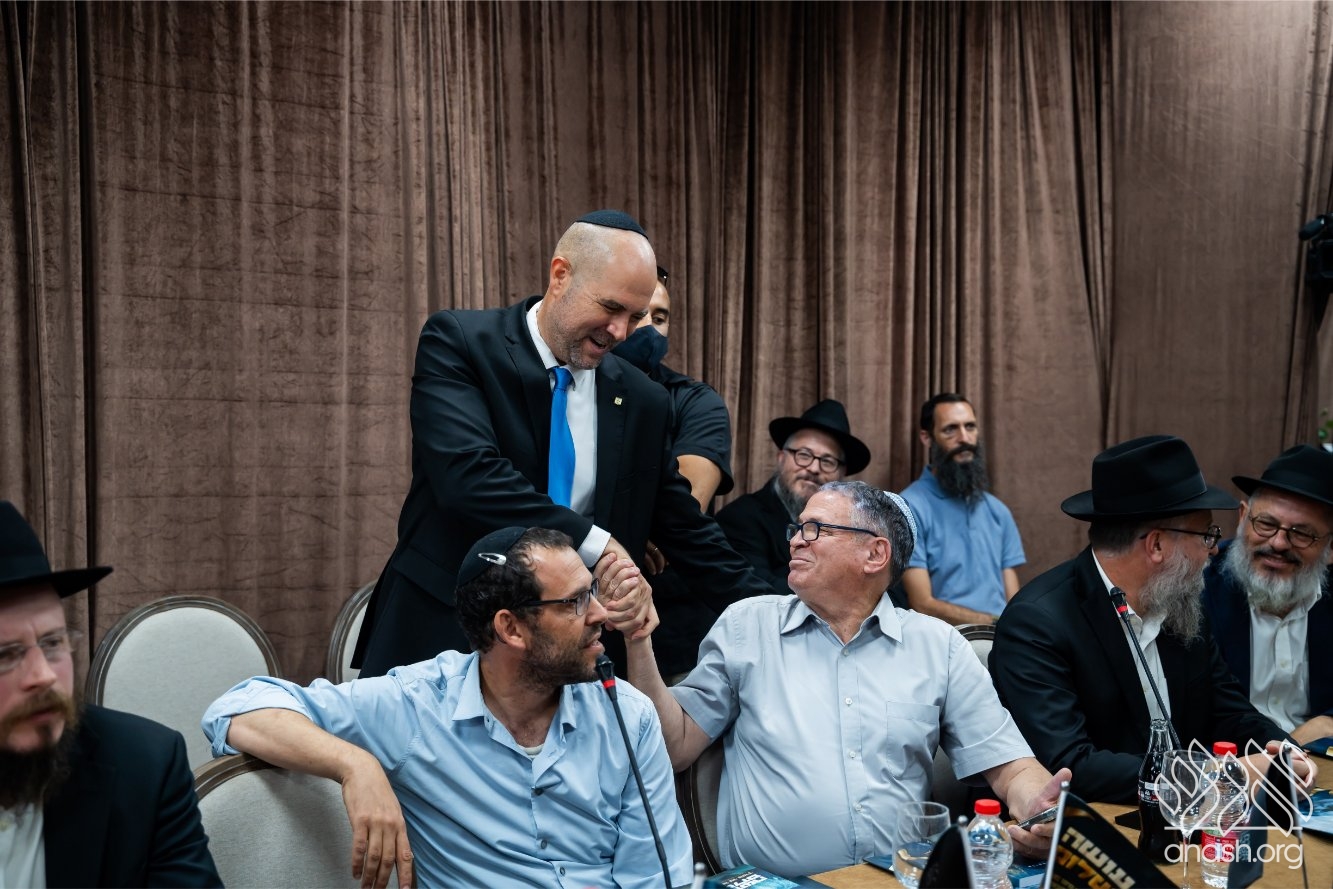
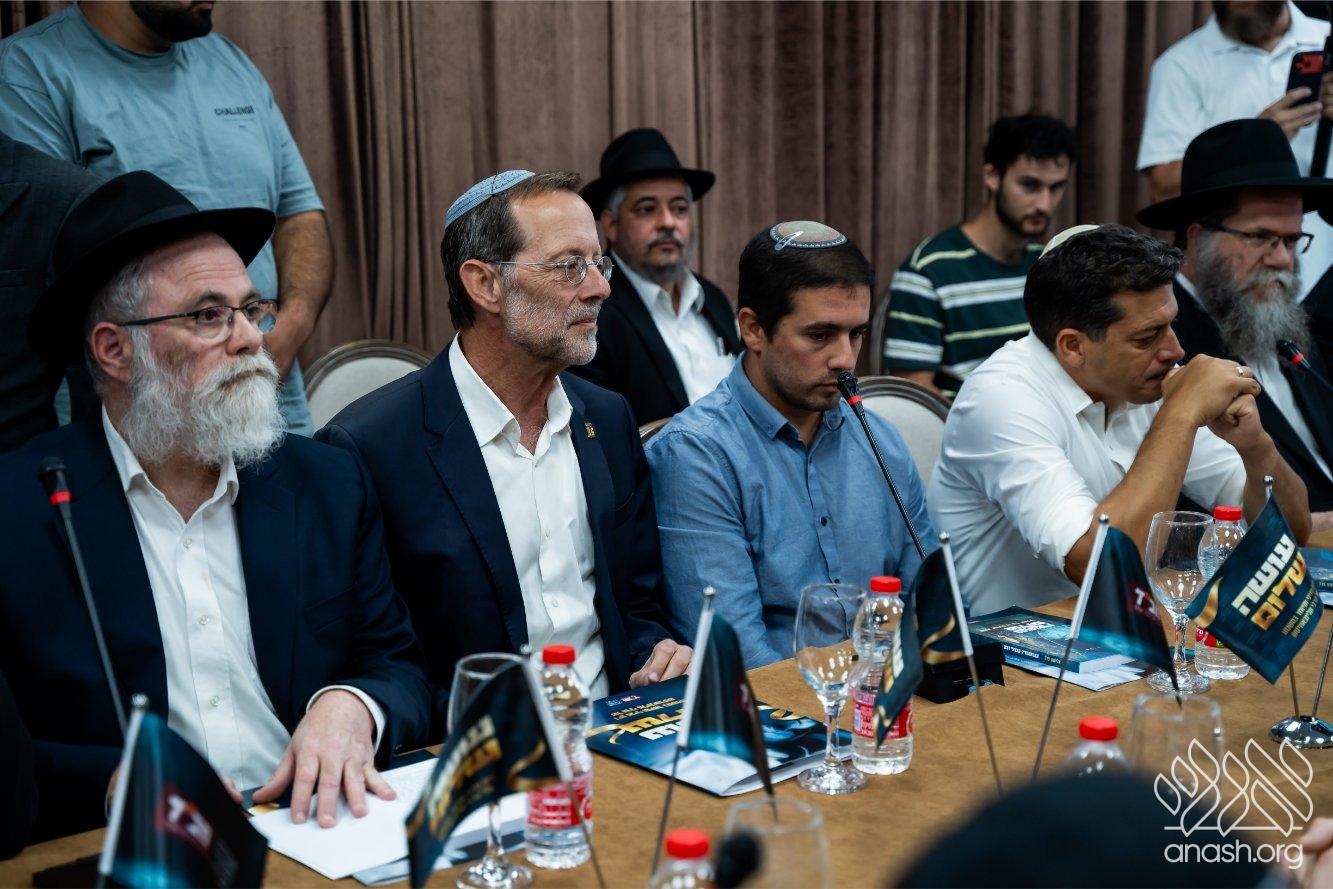
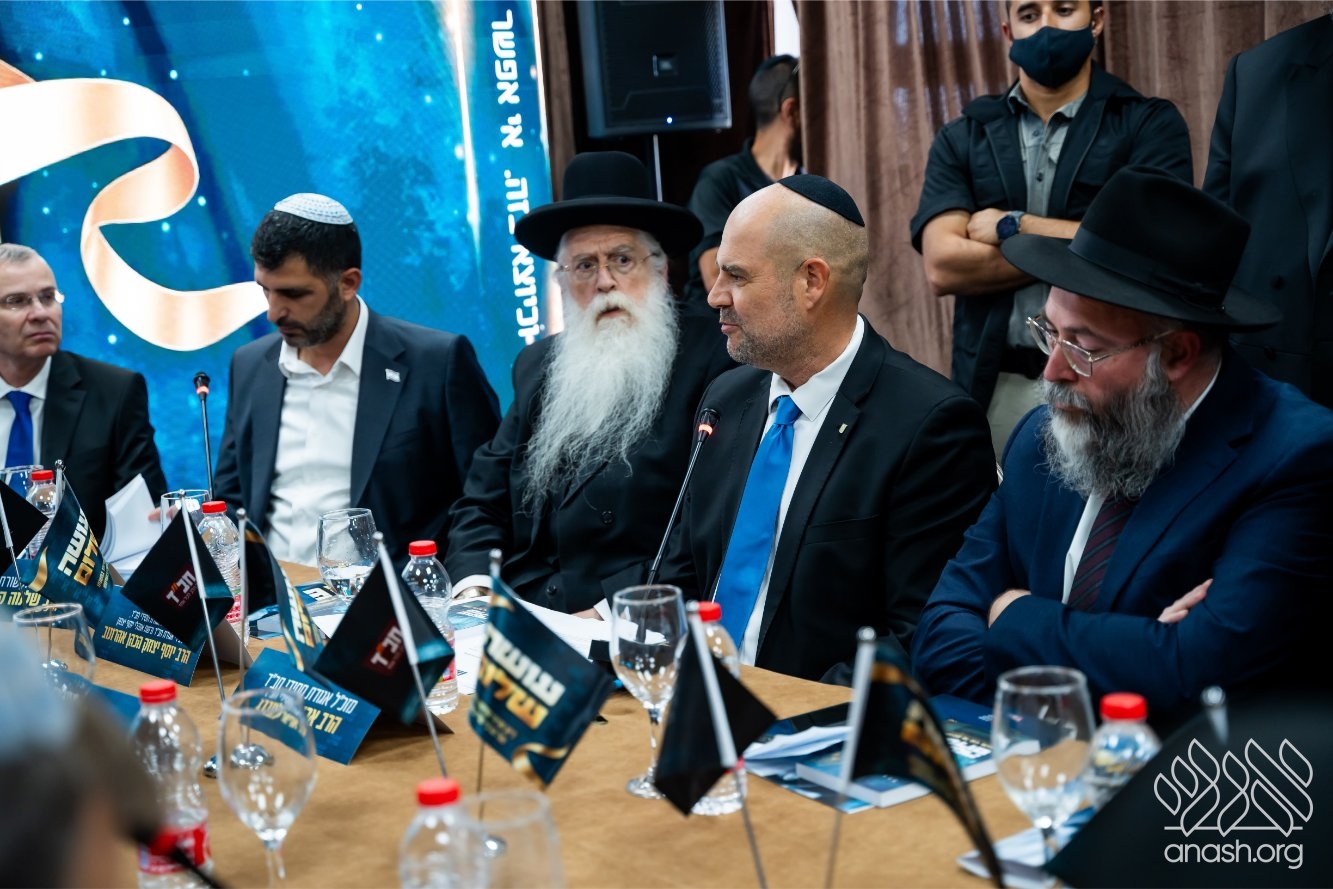
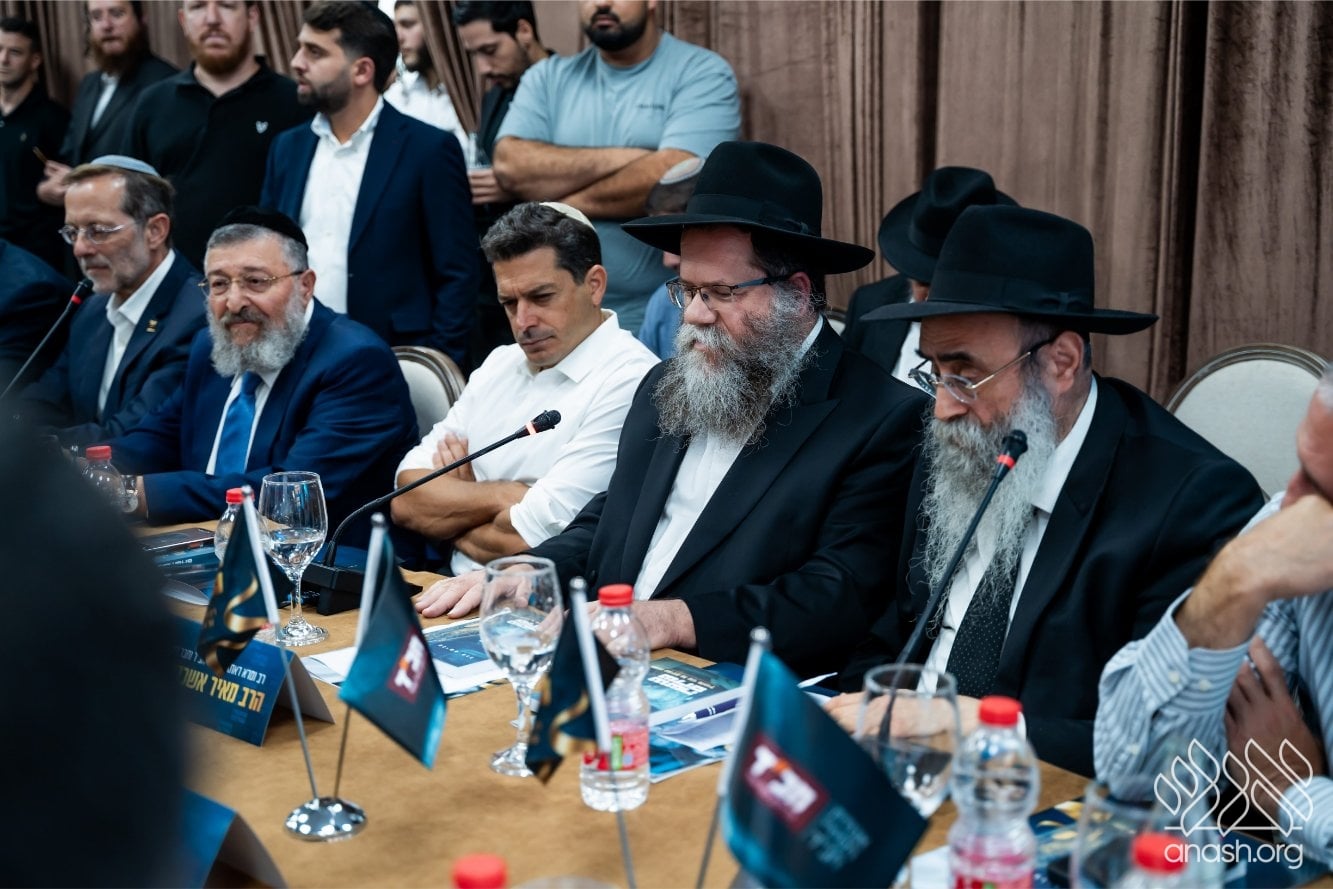
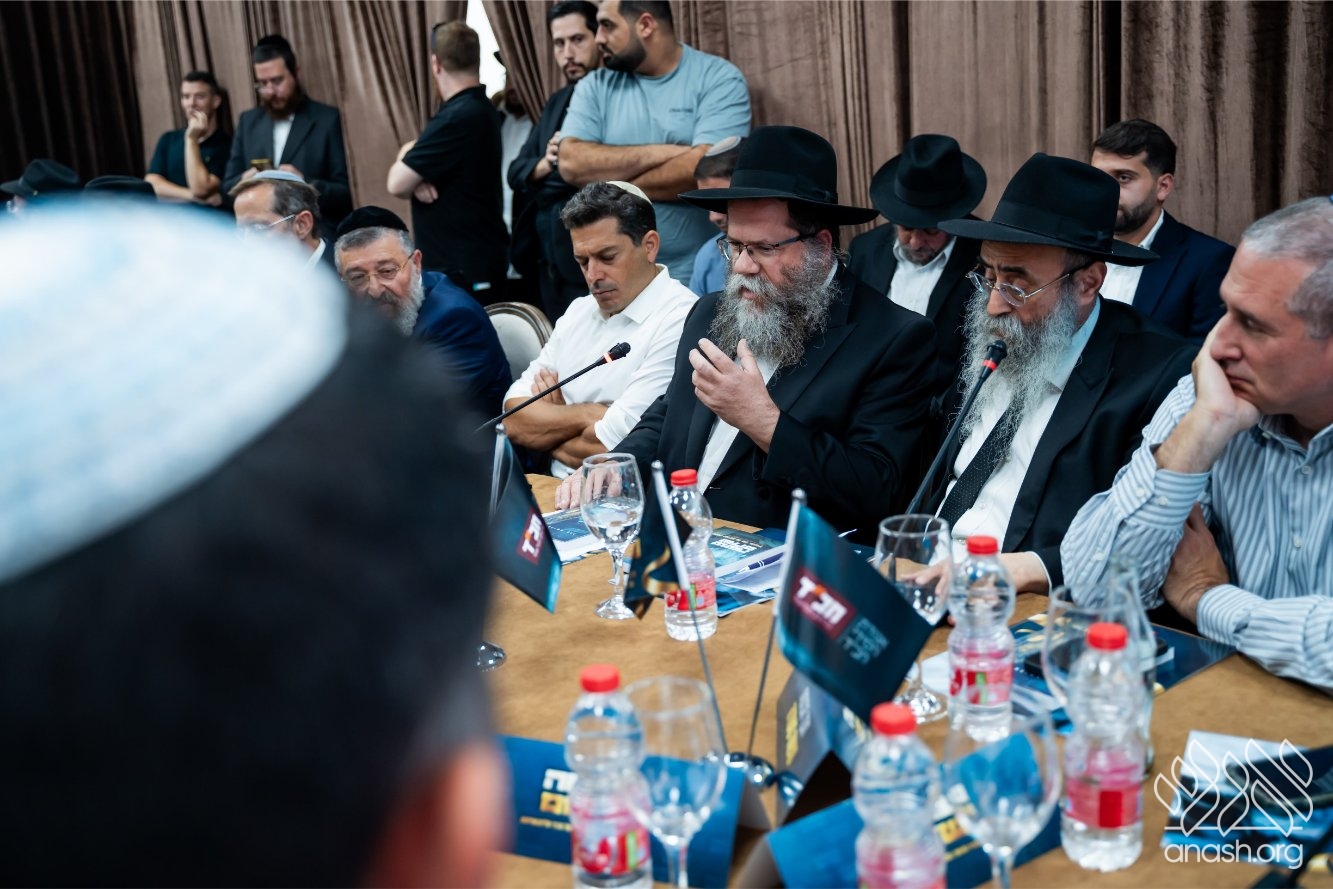
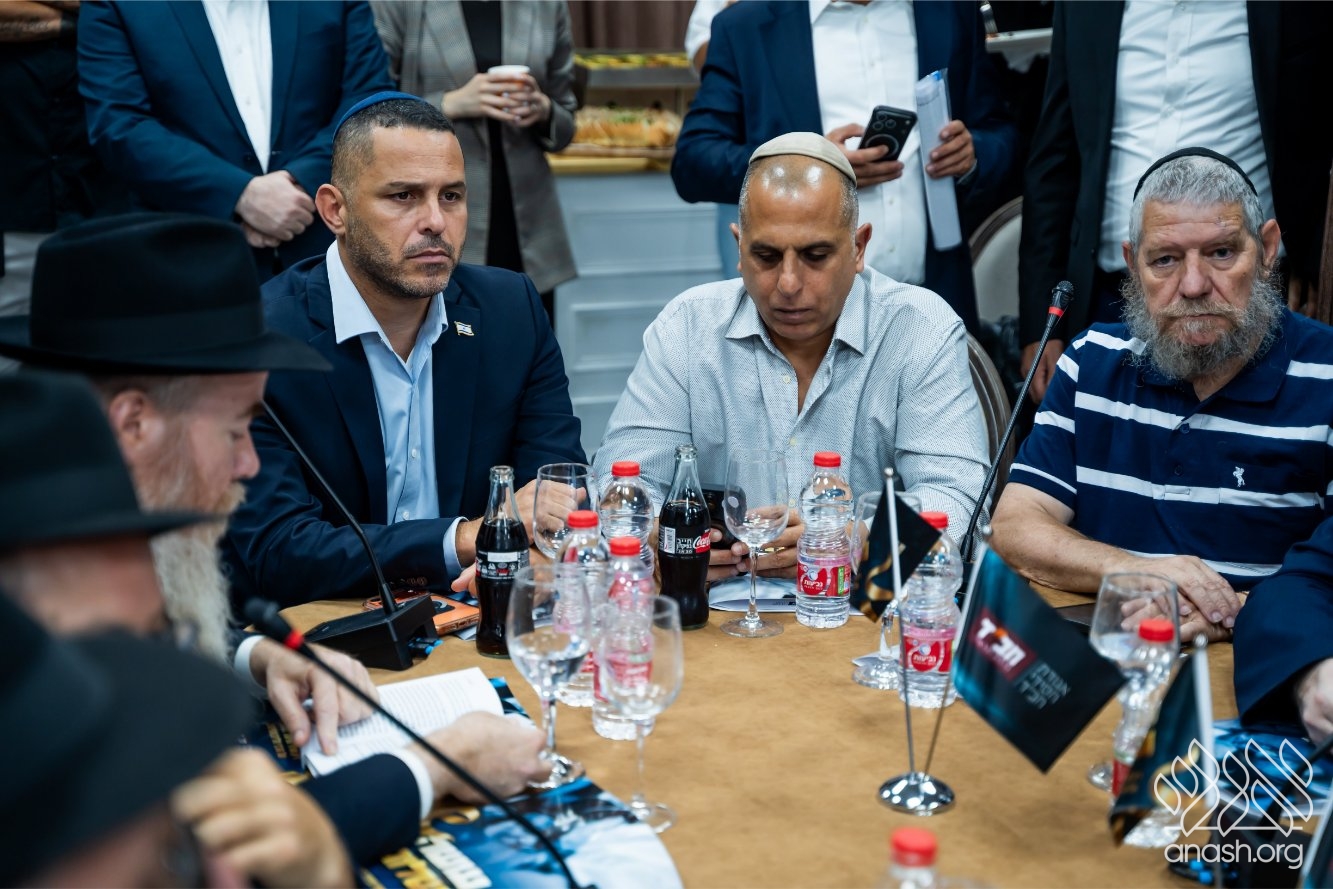
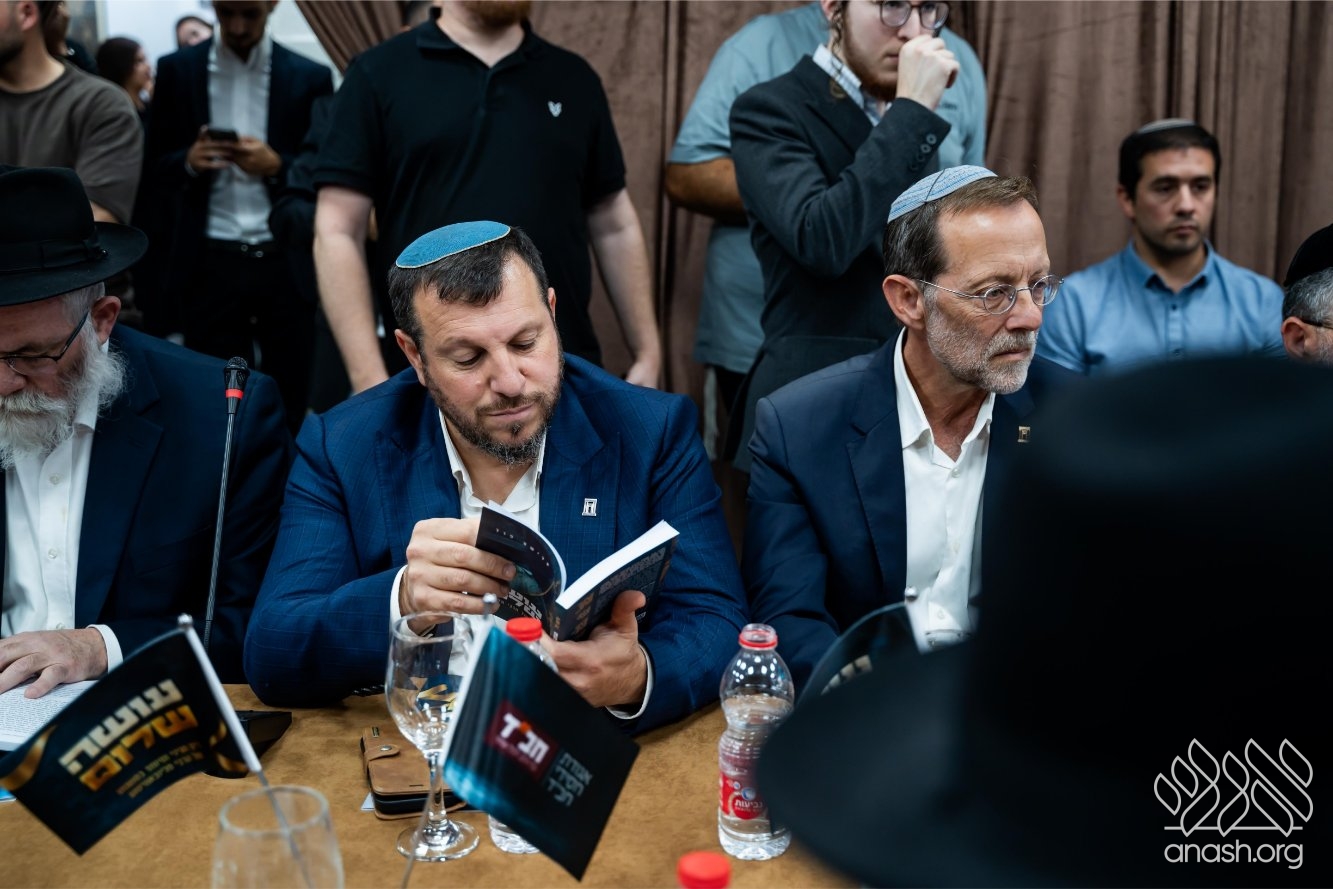
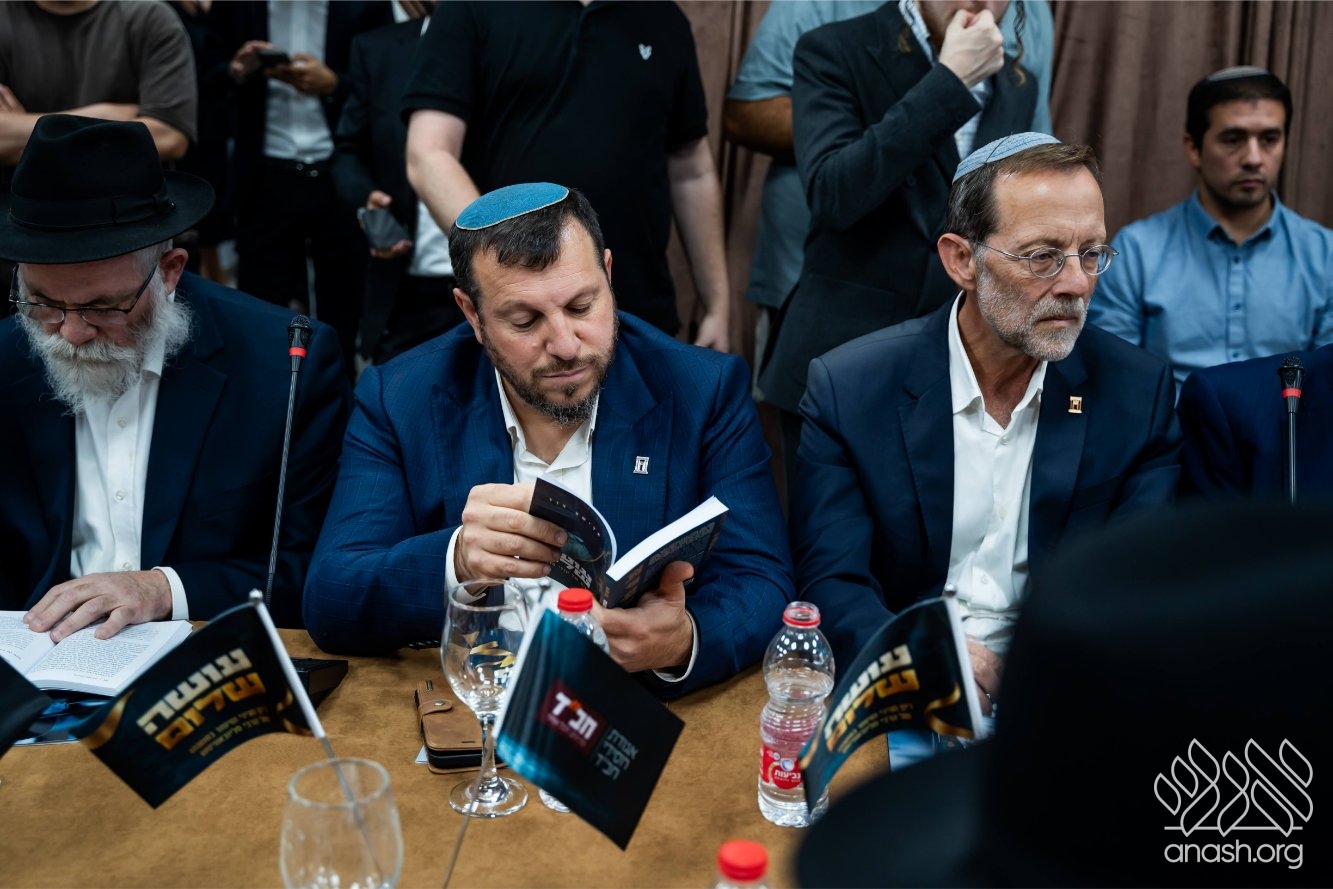
The event was attended by rabbanim, ministers, Knesset members from across the political spectrum, generals, and senior reserve officers. Each speaker addressed the relevance of the Rebbe’s words to the current situation and the need to reshape Israel’s security doctrine in accordance with the Rebbe’s teachings.
Published by Sela Meir, the book is the Hebrew edition of a work first published in English, Make Peace, which was received with great interest and made the Rebbe’s approach accessible to a wider audience.
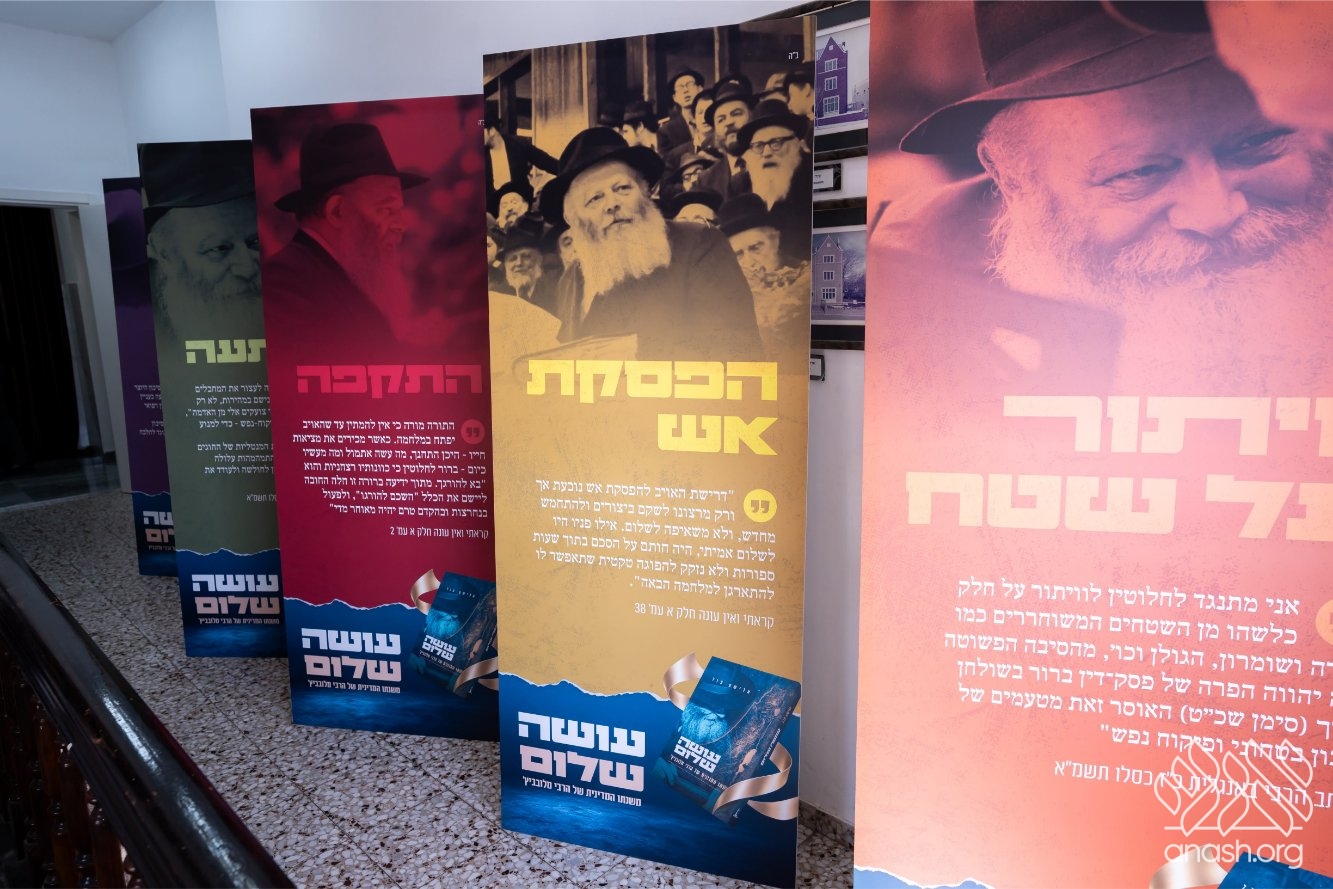
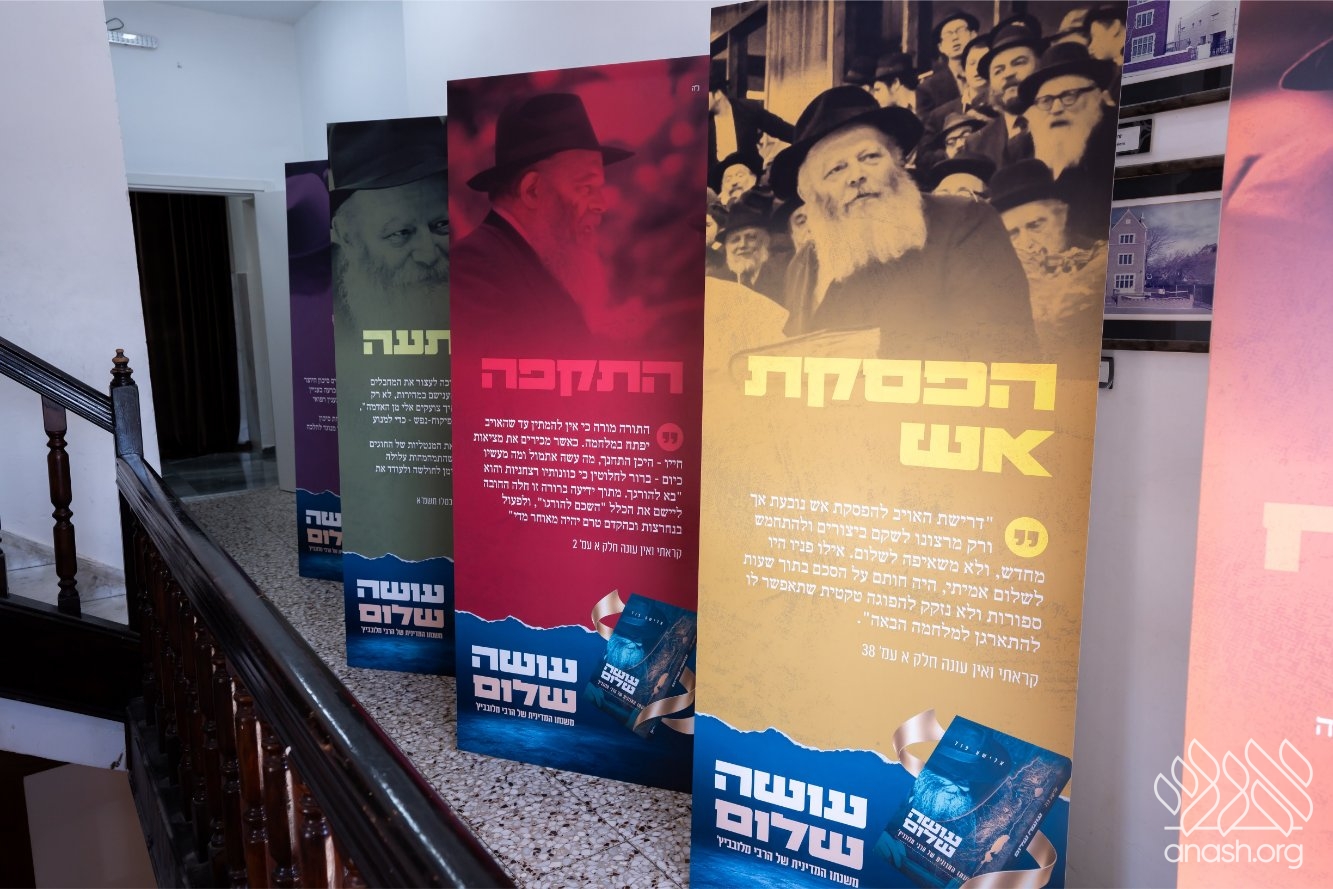
It contains thirteen chapters covering the Rebbe’s position on the ceasefire with Egypt, the price of territorial concessions, the obligation to establish immediate deterrence, the need for complete victory, the Jewish people’s right to Eretz Yisroel, and criticism of attempts to obscure the foundations of halachah in public discourse.
It also discusses foreign relations with world powers, the preference for military expertise over political considerations, and the concept of Palestinian autonomy, which the Rebbe called a “Trojan horse.”
The book traces how, over the course of decades and in conversations with numerous prime ministers, the Rebbe repeatedly maintained that territorial concessions not based on purely security considerations invite further aggression rather than preventing it, and that international guarantees and UN forces cannot replace an actual Israeli security presence on the ground.
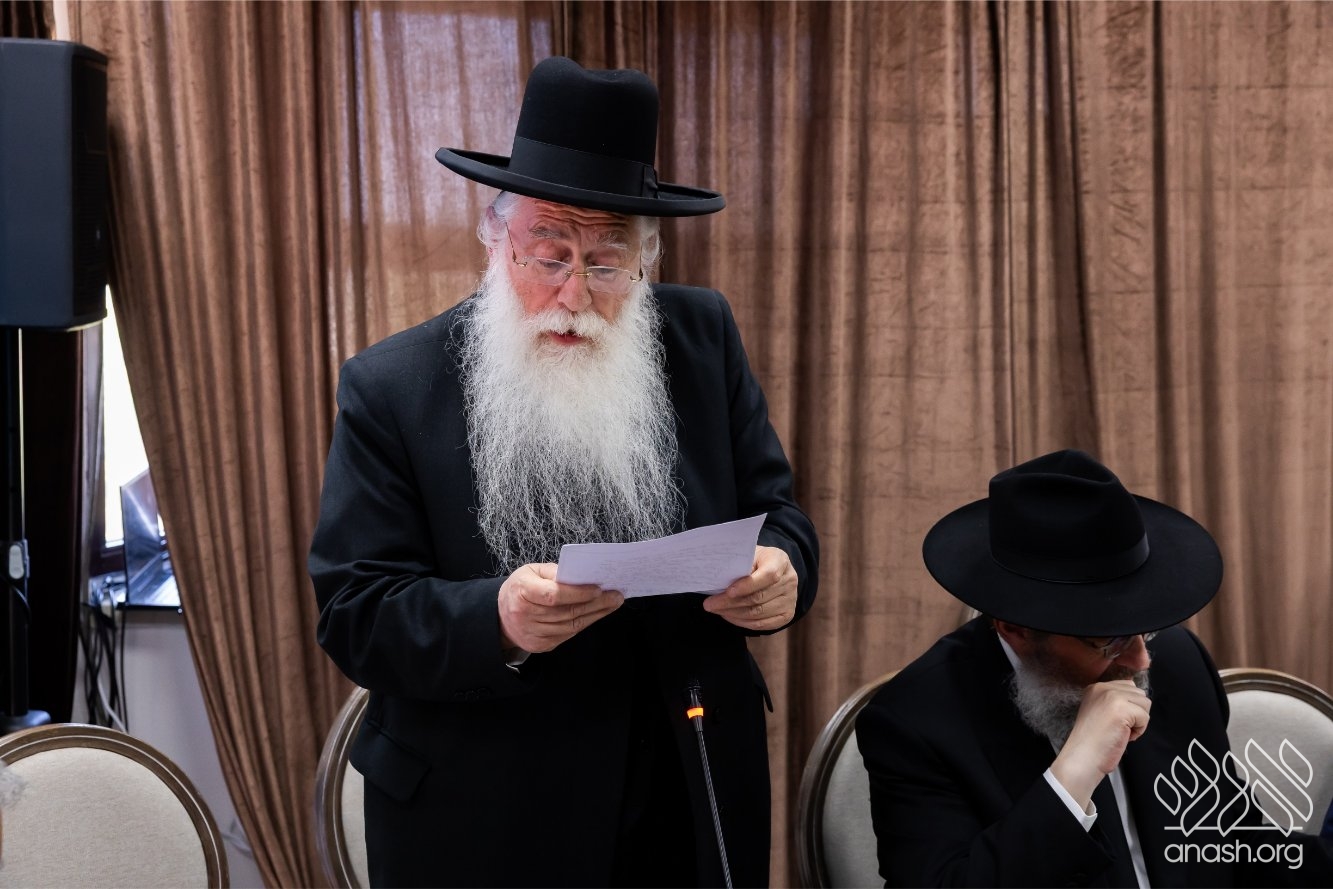
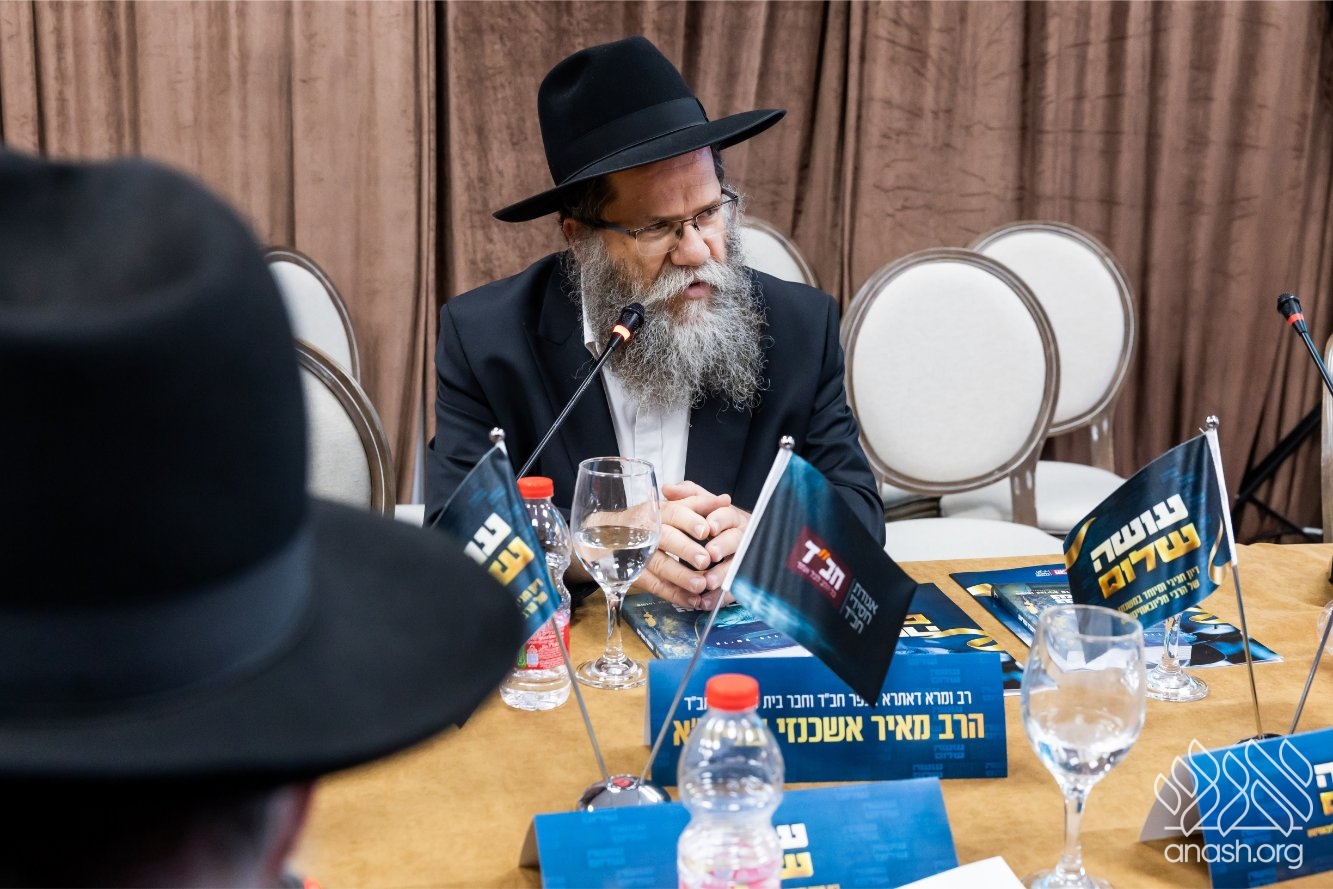
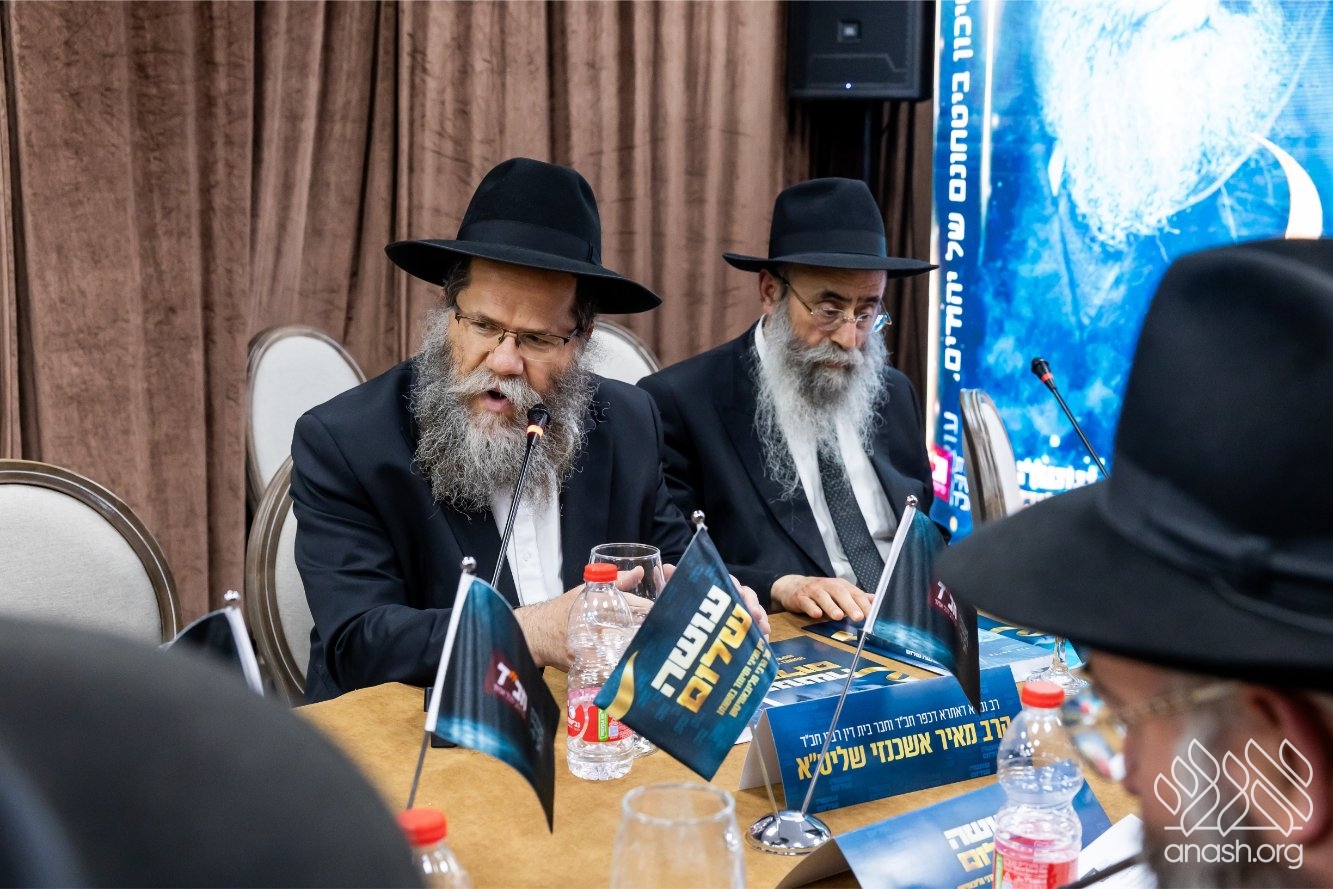
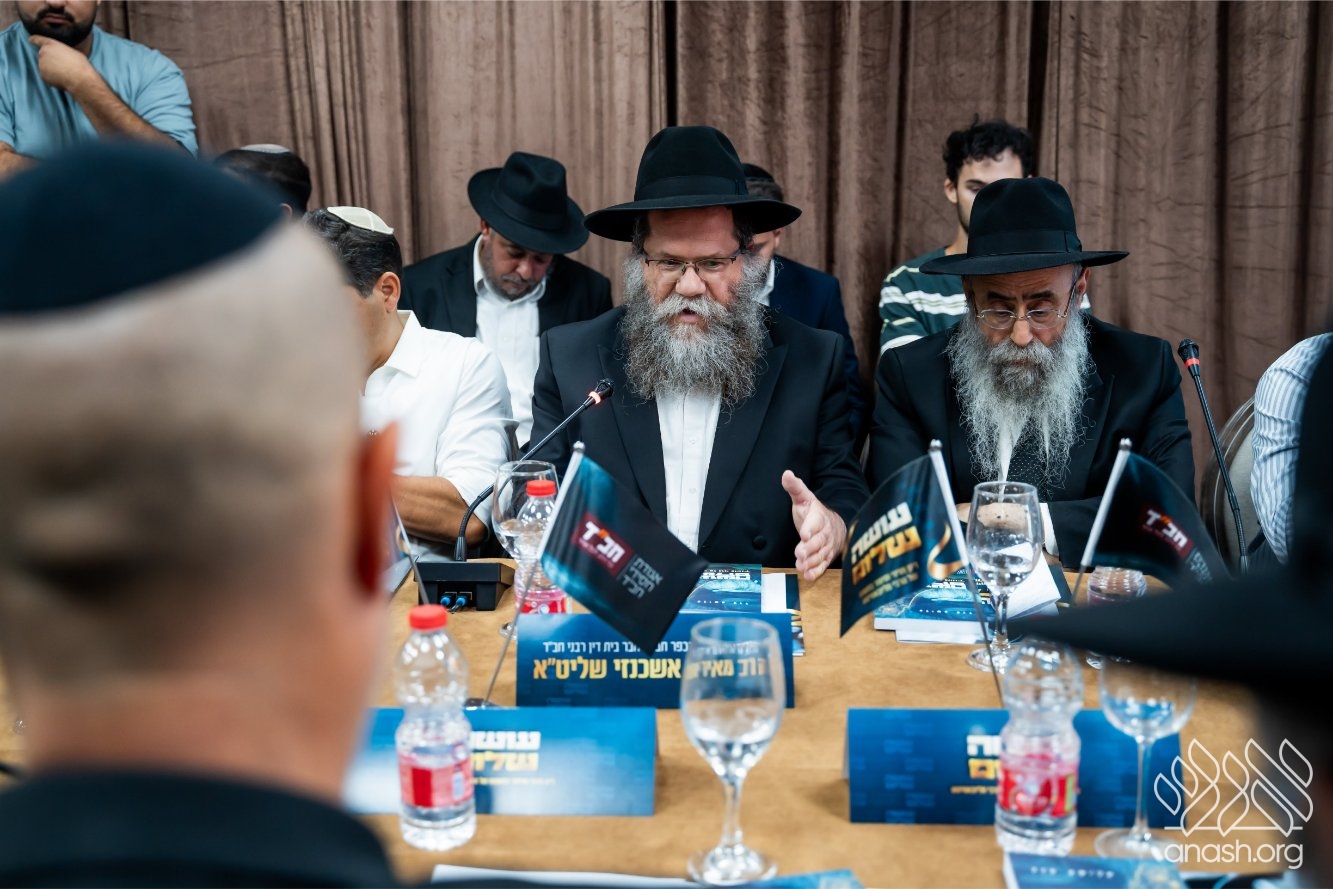
The rav of Kfar Chabad, Rabbi Meir Ashkenazi, said that the current period is a “time of introspection and a new beginning.”
He shared how, on the one hand, the Rebbe encouraged and instilled the hope that there is nothing to fear from wars and that the Jewish people will be victorious. But at the same time, in accordance with halachah, the Rebbe opposed every diplomatic process.
“Today, we see much more clearly the truth of the Rebbe’s path, and how forbidden it is to give them recognition or give up parts of Eretz Yisroel,” he said.
Rabbi Mendel Gluckowsky, vice secretary of the Beis Din of Rabbinhei Chabad, shared that he was privileged to hear many sichos from the Rebbe, but that the sichos on matters concerning Eretz Yisroel were said in a different tone.
“You could see that it touched his heart,” he said.
He related that former Prime Minister Yitzchak Shamir once told him, “The Rebbe is mistaken in opposing the Madrid Conference, as nothing will come of it.” Rabbi Gluckowsky responded that the Rebbe was not mistaken.
“Several years later, after the Oslo Accords, I met Shamir at a Chanukah event in Kfar Chabad, and he admitted to me, ‘I was wrong. The Rebbe was not wrong.’”
Rabbi Gluckowsky also recalled that Prime Minister Binyamin Netanyahu once told him, before the Hebron Agreement, that “the Rebbe spoke about utopia, but we are practical people.”
He also related that Prime Minister Ariel Sharon told him that he wanted to apologize for bringing Chabad into the “Netanyahu is good for the Jews” campaign because of the Hebron agreements, “but in the end he joined it.”
Rabbi Gluckowsky concluded by recalling the Rebbe’s warning to Yitzchak Rabin to “remember that we are a nation that dwells alone,” as well as Rabin’s own words in the Knesset following the signing of the Oslo Accords: “The era of a nation that dwells alone has ended.” What happened since then, he said, “we all know.”
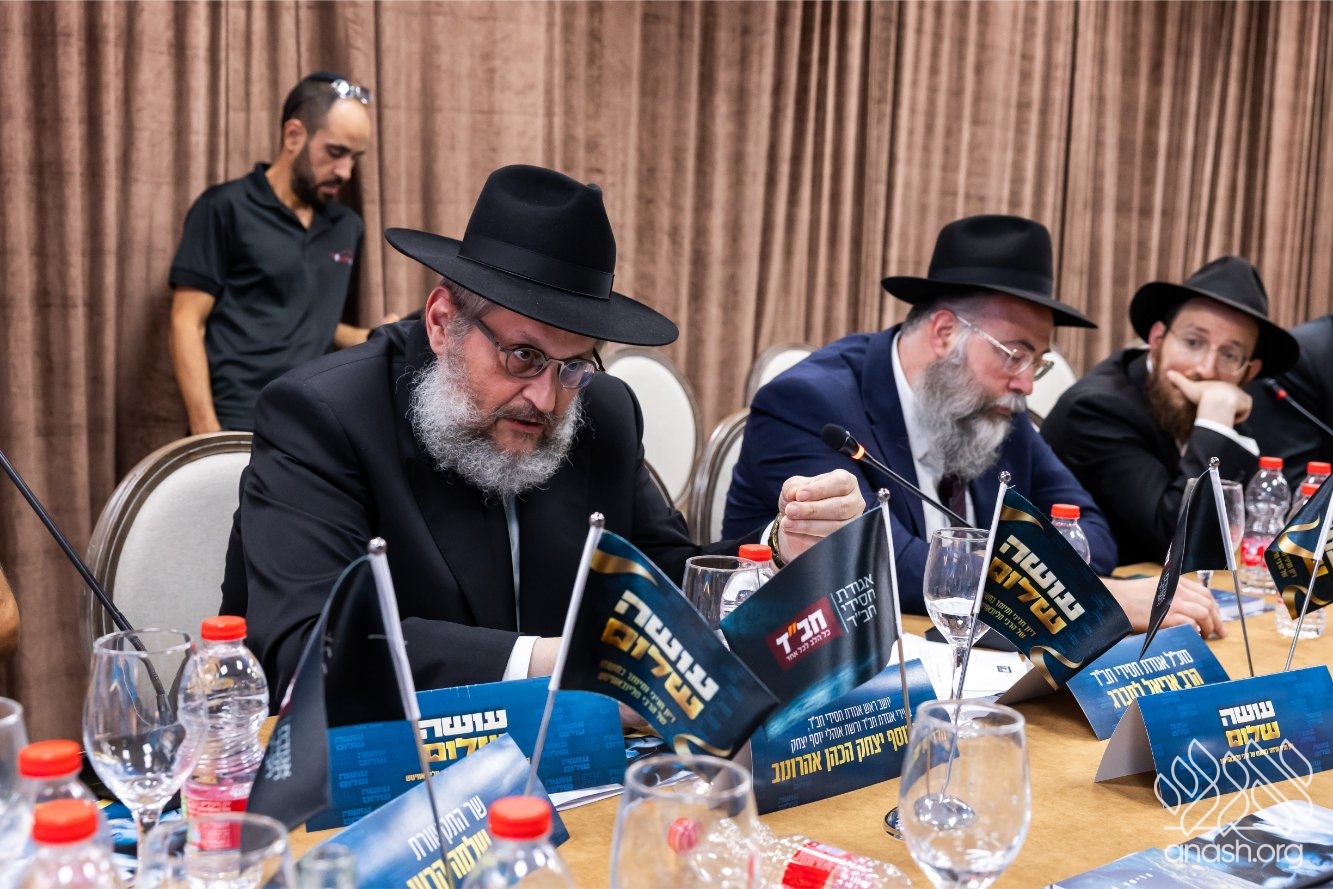
Rabbi Yosef Yitzchok Aharonov, director of Tzach in Eretz Yisroel, spoke about how the Rebbe’s words reflected an extraordinary ability to see far into the future, and how statements made decades ago were ultimately proven true with their full force.
“We should not view these things merely as ruach hakodesh or an extraordinary prediction of the future,” he said. “The Rebbe himself repeatedly demonstrated that the source of these teachings was not political forecasting, but the Torah and the Shulchan Aruch.”
When ideas are rooted in Torah, he explained, they are not dependent on time. “Reality changes, countries change, and circumstances change, but the words of Torah stand forever. There is no need to update the Rebbe’s words every time reality changes. On the contrary, reality is what reveals anew the depth and truth of what the Rebbe said at the time,” Rabbi Aharonov added.
Knesset Speaker Amir Ohana said that the Rebbe had a very sophisticated security doctrine and spoke in a very relevant way about collateral damage.
“He wanted to prevent harm to innocent people, but believed that one may not refrain from taking the necessary actions to defend the Jewish people,” he said.
He expressed hope that the Rebbe’s view would continue to guide the security doctrine of the State of Israel, including the boldness reflected in the Rebbe’s question as to why the conquest had not been completed as far as Damascus.
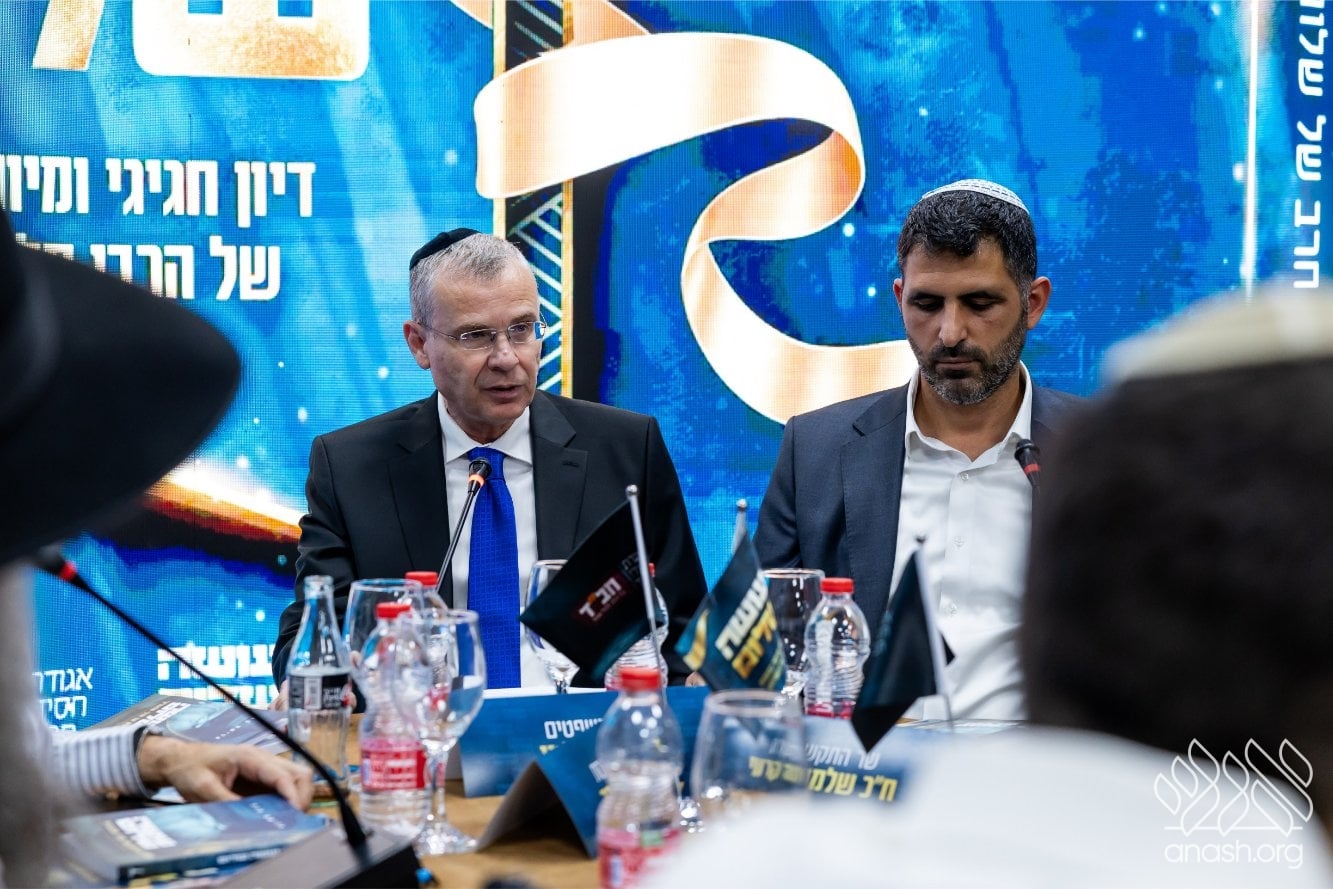
Justice Minister Yariv Levin said that the Rebbe viewed protecting the Jewish people and Eretz Yisroel as supreme values that could not be compromised. These words were said already during the years of “Peace Now,” when many believed that giving up territory in exchange for a piece of paper would bring peace.
“The Rebbe saw reality clearly and knew that the papers were worth nothing, and that if we retreat and hand over territory, we will endanger our security,” Levin said.
He added that today, more than ever, it has become clear how correct the Rebbe was, including in his opposition to the withdrawal from Sinai, as was demonstrated by the October 7 massacre, which was launched in part because of Gaza’s connection to Egypt.
“This book is not merely a summary of what was philosophically correct in the past. It has great significance for the present and the future,” the minister concluded.
Communications Minister Shlomo Karhi said: “Today everyone knows that we should have adhered from the outset to the Rebbe’s positions and not been prisoners of the prevailing conception, until we came to our senses three years ago in the terrible massacre.”
He added that Chabad is increasingly known among the broader Israeli public through Chabad Houses in Israel and around the world, while its political view is less familiar. “That is why this book is so important,” he said.
Diaspora Affairs Minister Amichai Chikli said: “We have heard a lot about the Rebbe’s approach, but not in an organized manner and with sources, so this book is a tremendous contribution.”
“The Rebbe never blinked when it came to Eretz Yisroel,” he added. He expressed hope that the book would serve as a guide for many “so that they will not blink, because this approach led to the greatest catastrophes suffered by the Jewish people.”
Heritage Minister Amichai Eliyahu mentioned the famous relationship between his grandfather, the Rishon LeTzion and Sephardic Chief Rabbi Harav Mordechai Eliyahu, and the Rebbe. He recounted meeting students at a high school in Tel Aviv and realizing that “what they are missing is a little more Chabadniks.”
He said that the Rebbe’s views on the Jewish people, Torah, and Eretz Yisroel must be spread: “We need everyone to be Chabadniks.”
Minister Zeev Elkin quoted Ehud Olmert, who said that only after sitting in the prime minister’s chair did he understand how complicated the position was. In every previous position, he had someone he could call, but as prime minister he “turns around” and sees only himself.
“We need to know not to turn around, but to raise our heads upward and know that there is Someone to speak to,” Elkin said. He added that “the Rebbe’s words, which once sounded like utopia disconnected from reality, are proving to be the correct reality.”
MK Meir Porush read a letter from the Rebbe in which he called on people not to vote for parties that conduct negotiations to return parts of Eretz Yisroel to the enemy, thereby creating a danger of pikuach nefesh for the Jewish people.
MK Yoav Ben Tzur said that this is an important book that should be read from beginning to end “in order to internalize the importance of the Rebbe’s teachings.”
Knesset Finance Committee chairman MK Chanoch Milwidsky said that Eretz Yisroel was given to the Jewish people, and that the Rebbe, who spoke in this world about matters as they exist in the higher worlds, gave the Jewish people the path to protect Eretz Yisroel “without taking into consideration the opinions of various foreign politicians.”
MK Amit Halevi said that correcting the deep failure that led to the October 7 attack can only come through addressing the deep roots of the problem, “including by spreading the Rebbe’s teachings through this book.”
MK Moshe Saada said that the Rebbe was ahead of his time.
“At first, we did not understand either the issue of shluchim, that there is no existence for the Jewish people without shluchim, or the issue of protecting Eretz Yisroel, that if we had listened to the Rebbe, we would not have reached the terrible events of October 7. That is why this book is important, so that we can learn the lessons for the future.”
Former MK Moshe Feiglin asked what the Rebbe would say about the fact that even today, after the massacre, “Israel is selling its security to the United States, allowing it to establish bases here and control Gaza,” a move that he believes will lead to the same outcome that brought about the current situation.
“That is what this book is about. It is about the cry that needs to be heard,” he said.
Maj. Gen. (res.) Uzi Dayan related that as a commander, after studying the Rebbe’s teachings, he came to understand that “beneath every operational activity there is a layer of emunah, the need to preserve the existence of the Jewish people.”
Brig. Gen. (res.) Amir Avivi, chairman of the “Bitchonistim” movement, said: “In recent years it has been proven that without spirit and without emunah, there is no foundation. This is what the Rebbe understood decades ago, and now everyone understands what happens when activity is merely technical, without emunah and without the Jewish spirit.”
Col. (res.) Chezi Nechama, chairman of the “Commanders and Fighters Forum,” said: “The Rebbe wrote in a few lines the plan that the generals among us wrote at length two years ago: to encircle the terrorists from the outside.”
He added that “in places where there is no Jewish identity, troubling things develop,” and that through the shluchim network in Israel and around the world, the Rebbe “prepared a cure for the progressive plague by strengthening Jewish identity.”
Oren Henig, CEO of Yachin Center, said: “This book, with the Rebbe’s teachings, is exactly the IDF’s ethical code, but in reverse. Our work now is to make it the ethical code of the IDF, in order to change the code that officers are taught, so that we do not return to the situation we were in.”
The book’s author, Rabbi Elisha Perl, summarized the essence of the work in one sentence: “There is one point that runs through all of the Rebbe’s teachings: the fascinating combination of strategic vision and the directives of Torah.”
Rabbi Shmuel Avtzon, director of “Sichos in English,” related that on Simchas Torah, when the first reports of the terrible massacre reached the United States, after the initial heartbreak came the question of how Chabad Chassidim had allowed such a tragedy to happen.
“I told Rabbi Elisha Perl that he had to stop everything and change the conversation,” he said. “The book was first published in English and brought about the desired result, baruch Hashem.”
He recalled a sichah of the Rebbe during Chanukah in which the Rebbe spoke about Yosef Hatzaddik being in prison while at the same time dreaming, referring to him as “the master of dreams.”
The Rebbe said that every Jew is a master of dreams.
“The Rebbe’s dream is that, through the sichos and the demand to preserve the integrity of the land, one less Jew should be killed in Eretz Yisroel. That is the purpose of this book: to fulfill that dream.”
Rabbi Ariel Lemberg, secretary-general of Agudas Chassidei Chabad, who served as master of ceremonies, noted that “we saw how even non-Jews respected the Rebbe’s firm position and awarded him their highest honor, the Gold Medal, despite his firm stance that foreign considerations must not be taken into account when determining policy for protecting Israel’s security.”
Prof. Moshe Koppel, founder of the Kohelet Forum, said: “The Rebbe is the leader of the generation, and everything written in this book is absolute truth. We need to follow the Rebbe’s path and listen to his voice.”
Dvir Schwartz of Sela Meir Publishers said that the purpose of publishing the book is “for every person in Israel to be exposed to this book, which is the tikkun for the terrible tragedy that befell us.”
The evening brought together political leaders, rabbanim, military figures, and public figures around a shared call to revisit the Rebbe’s teachings on security, Eretz Yisroel, and the responsibility to protect the Jewish people, with the new book serving as a comprehensive resource for bringing those teachings to a wider audience.
Photos: Mendy Tuito
VIDEO




















 COMMENTS


I only see those on the right of the political spectrum (a great accomplishment in of itself). Why use exaggerated language?