




ט׳ מרחשון ה׳תשפ״ז | October 20, 2026
Historic Budapest Shul Reopens as First Teen-Run Shul
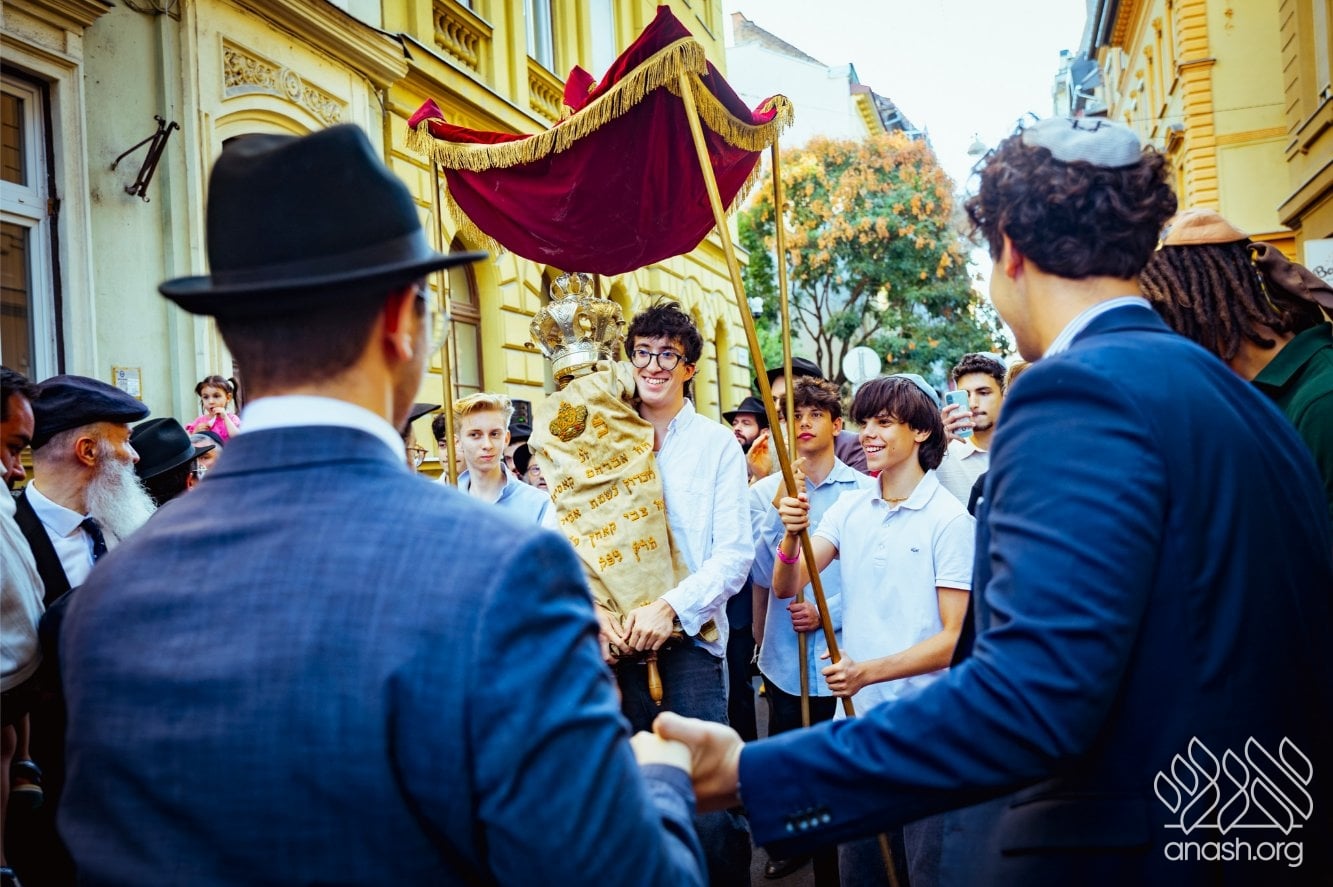
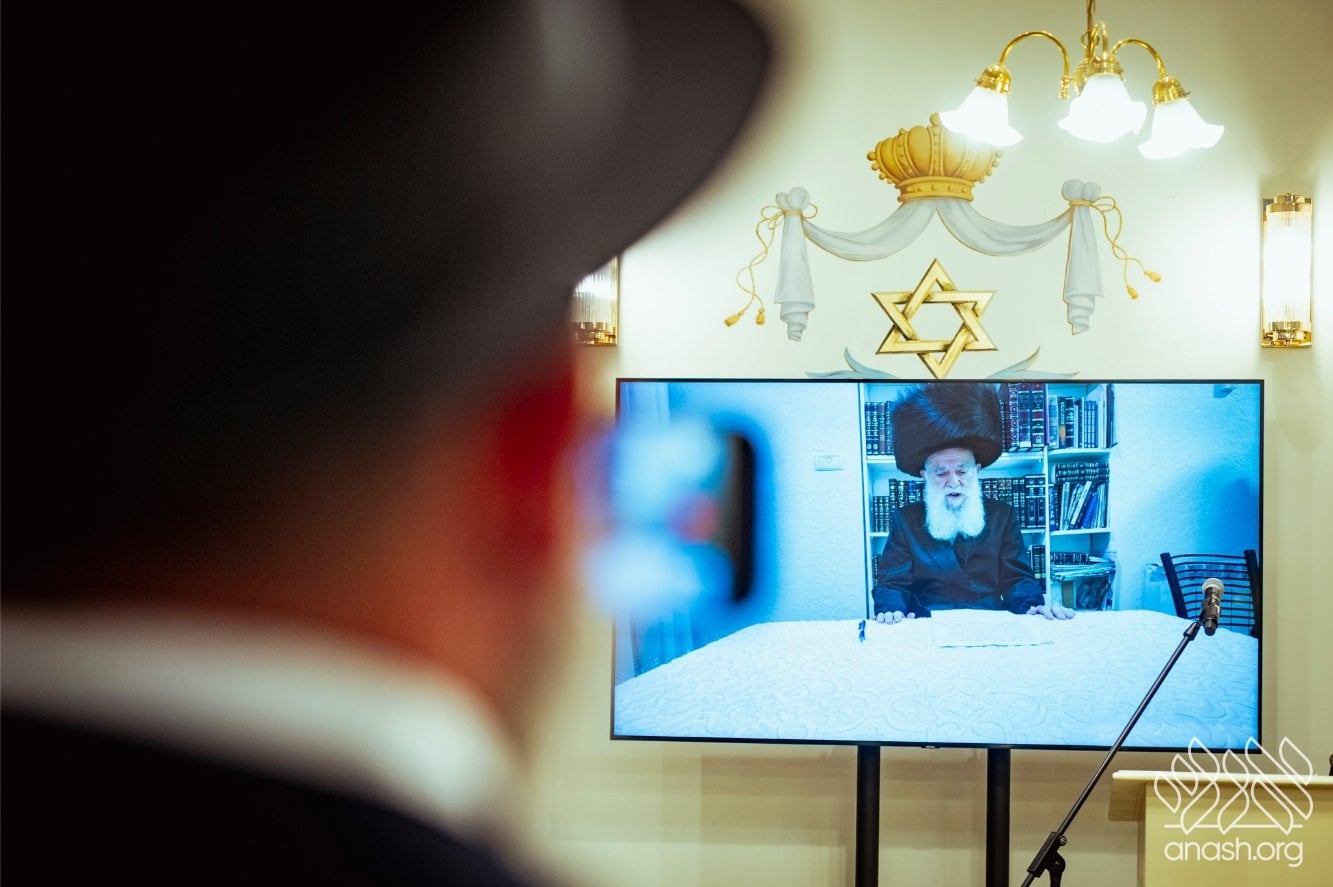
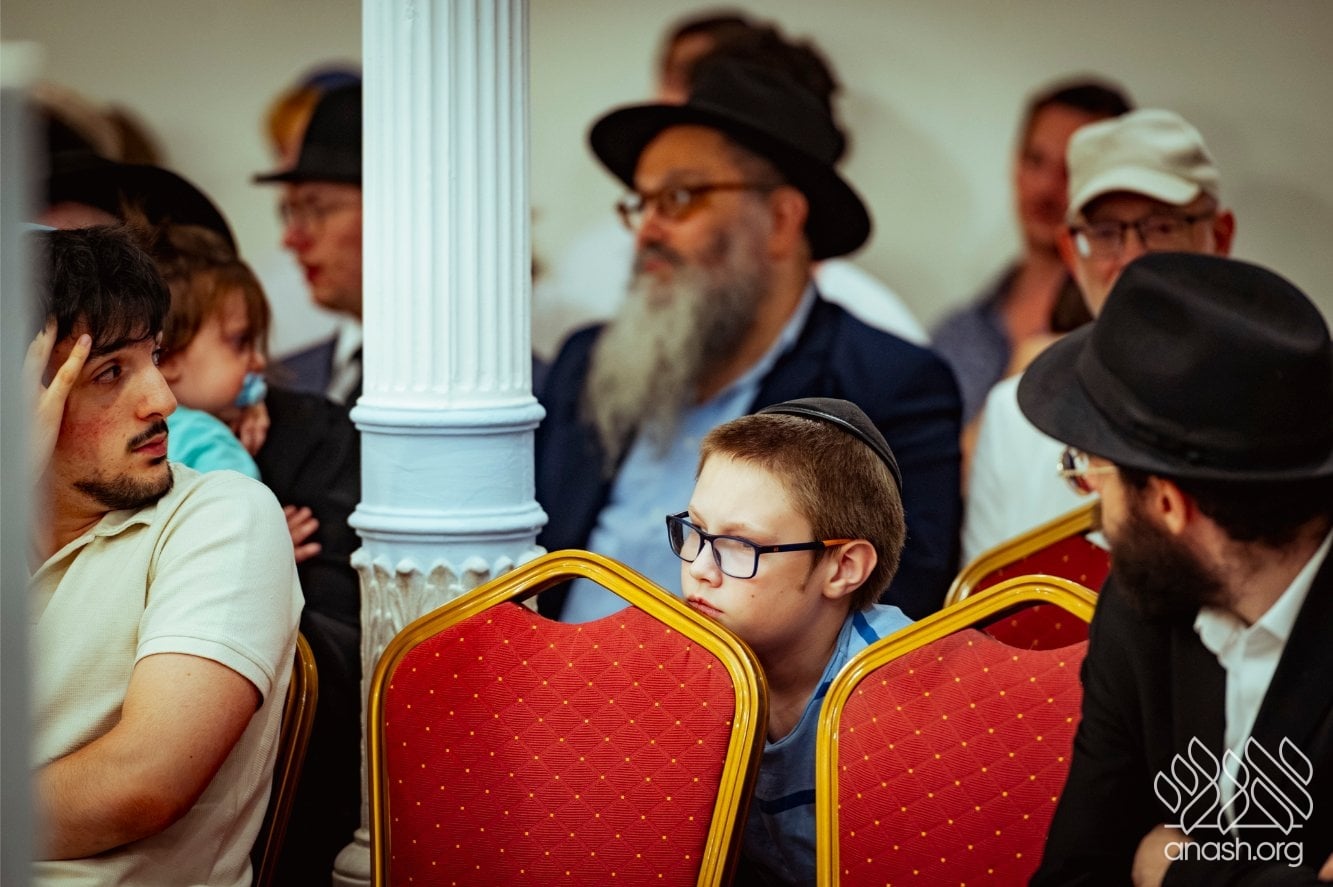
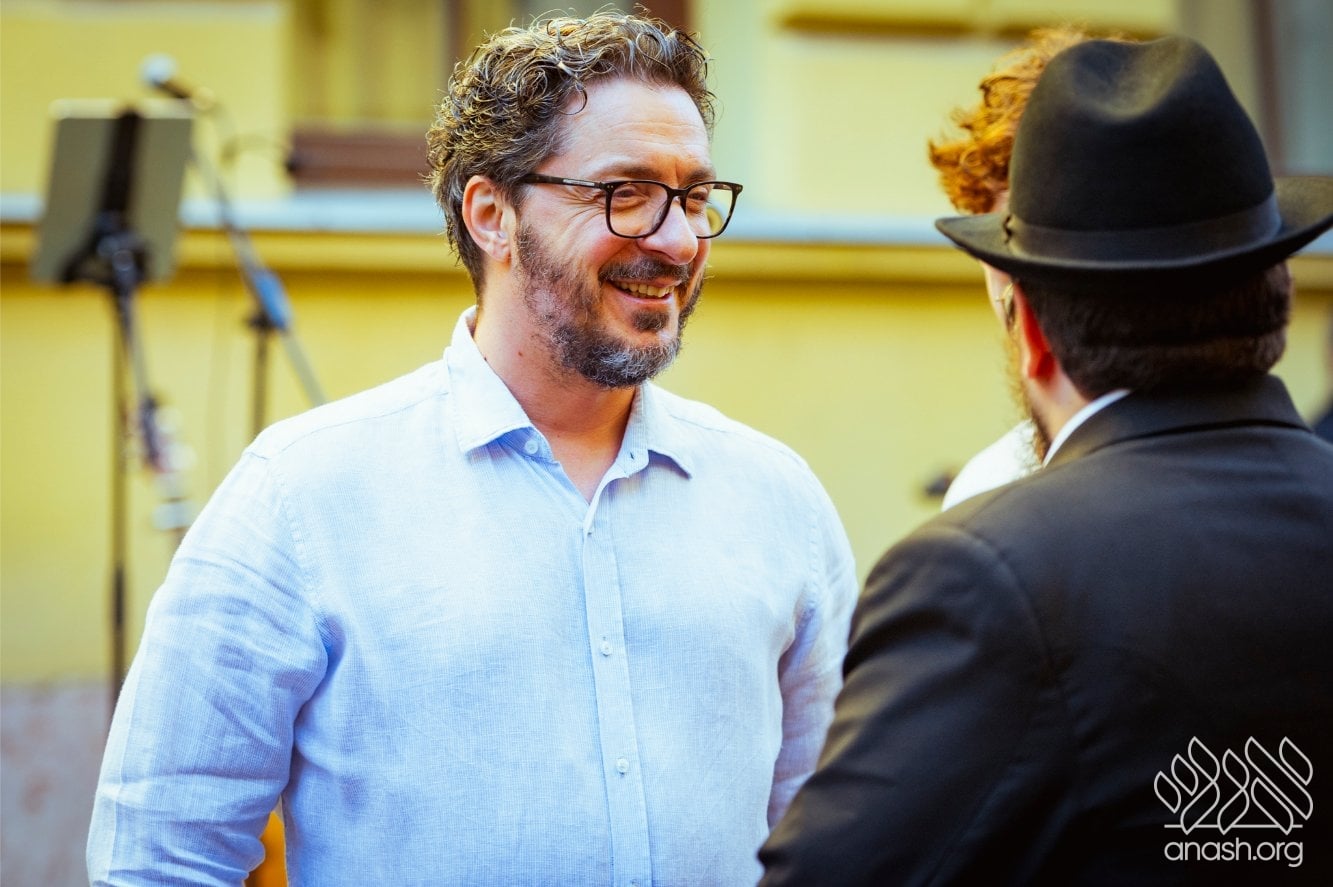
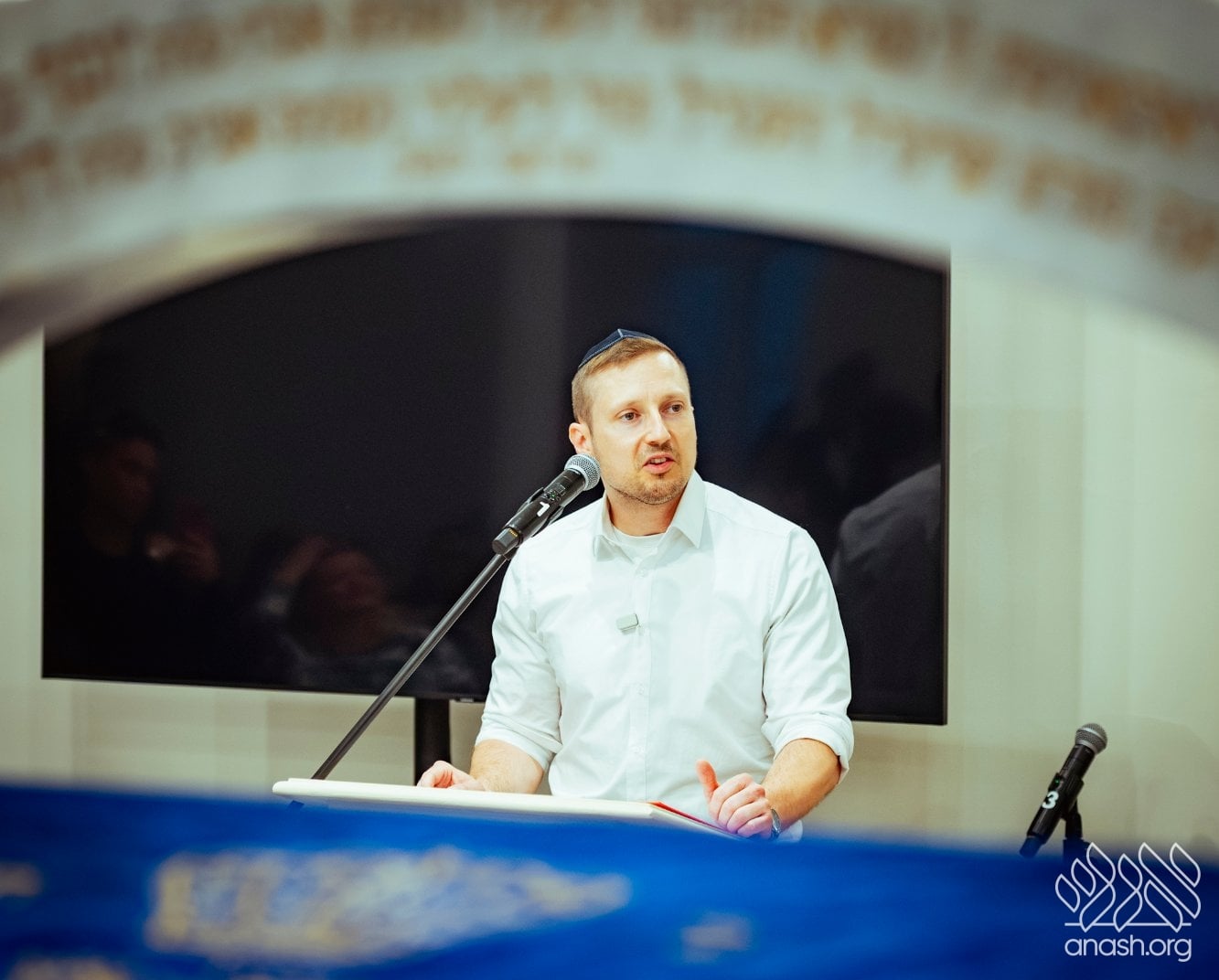
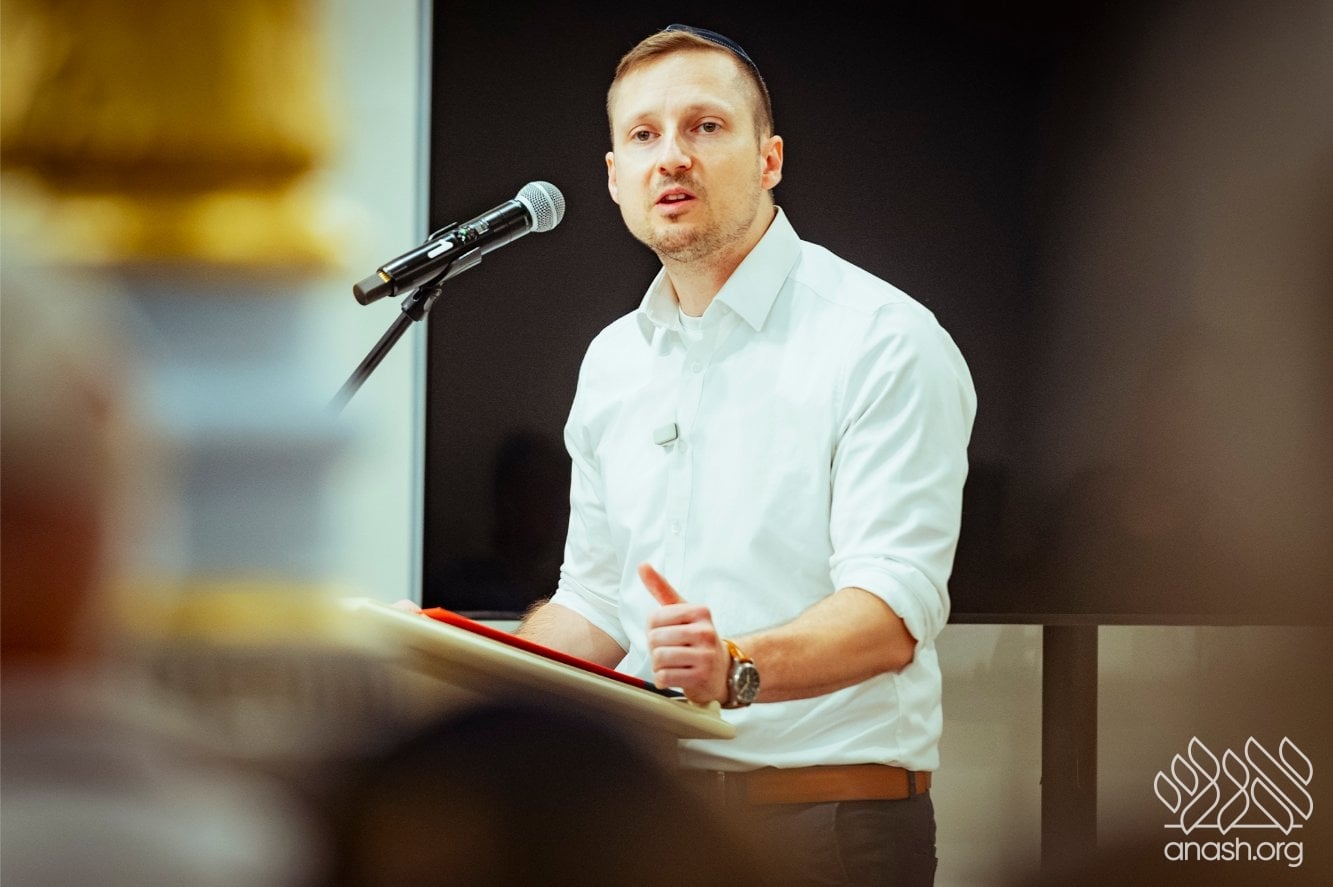
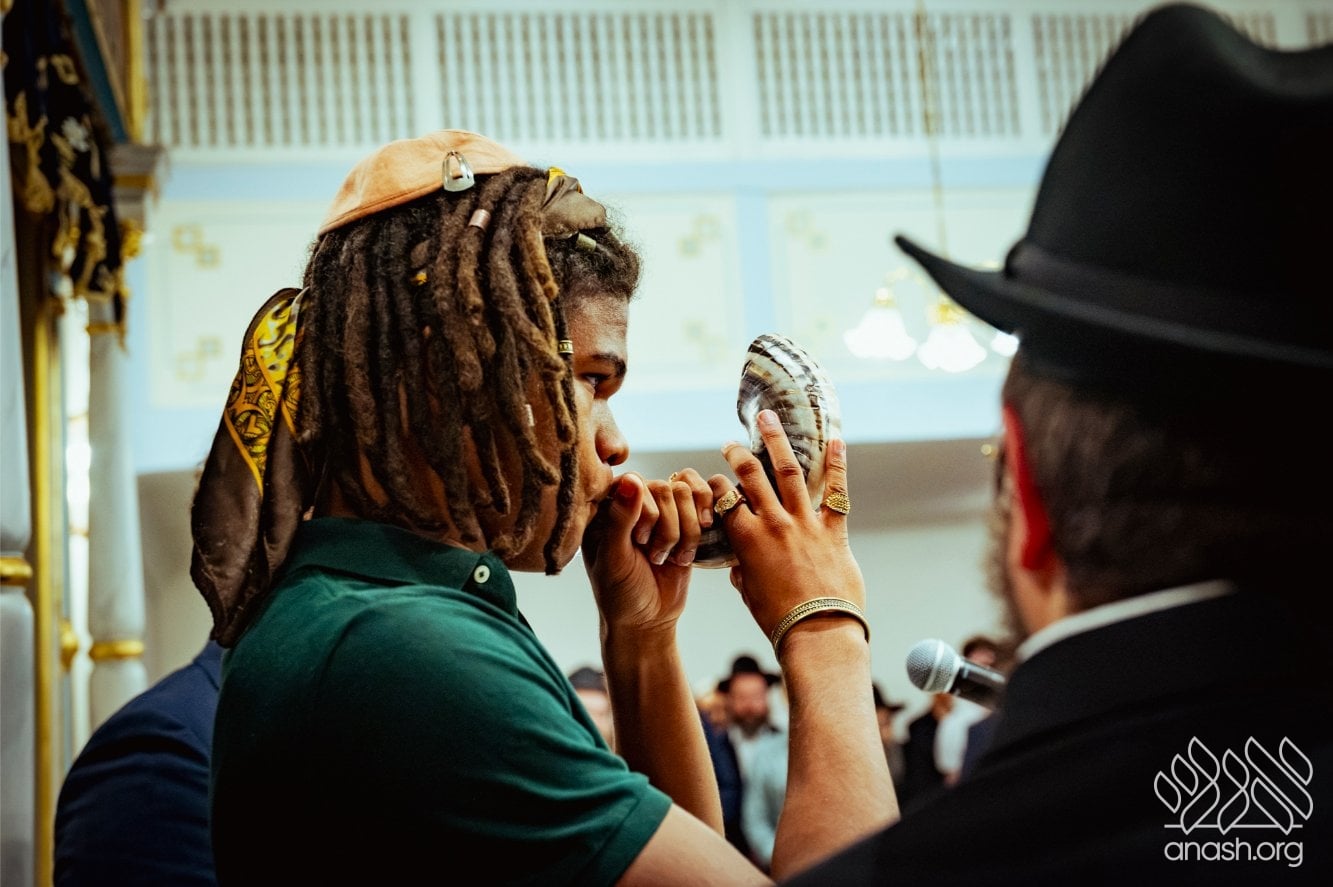
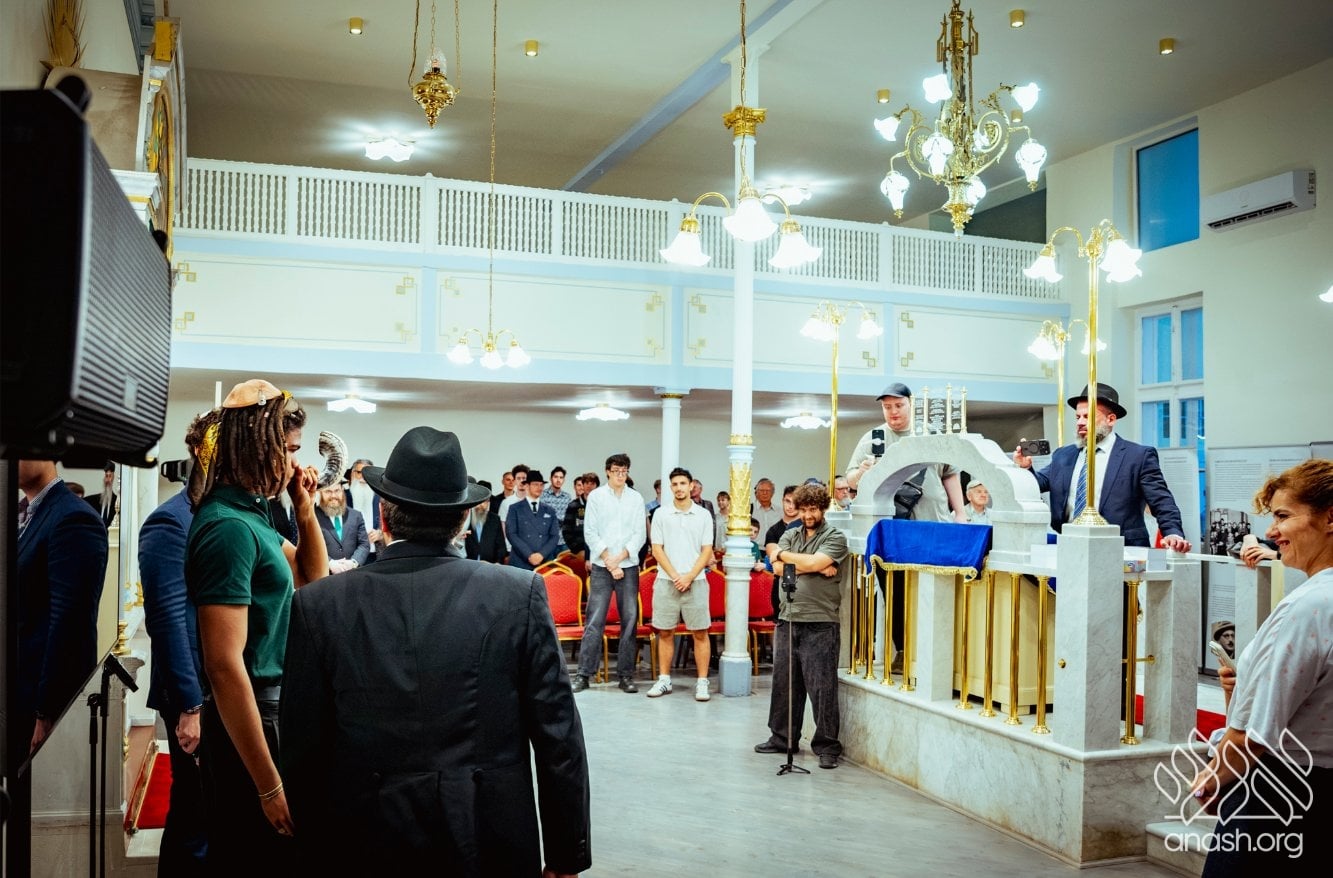
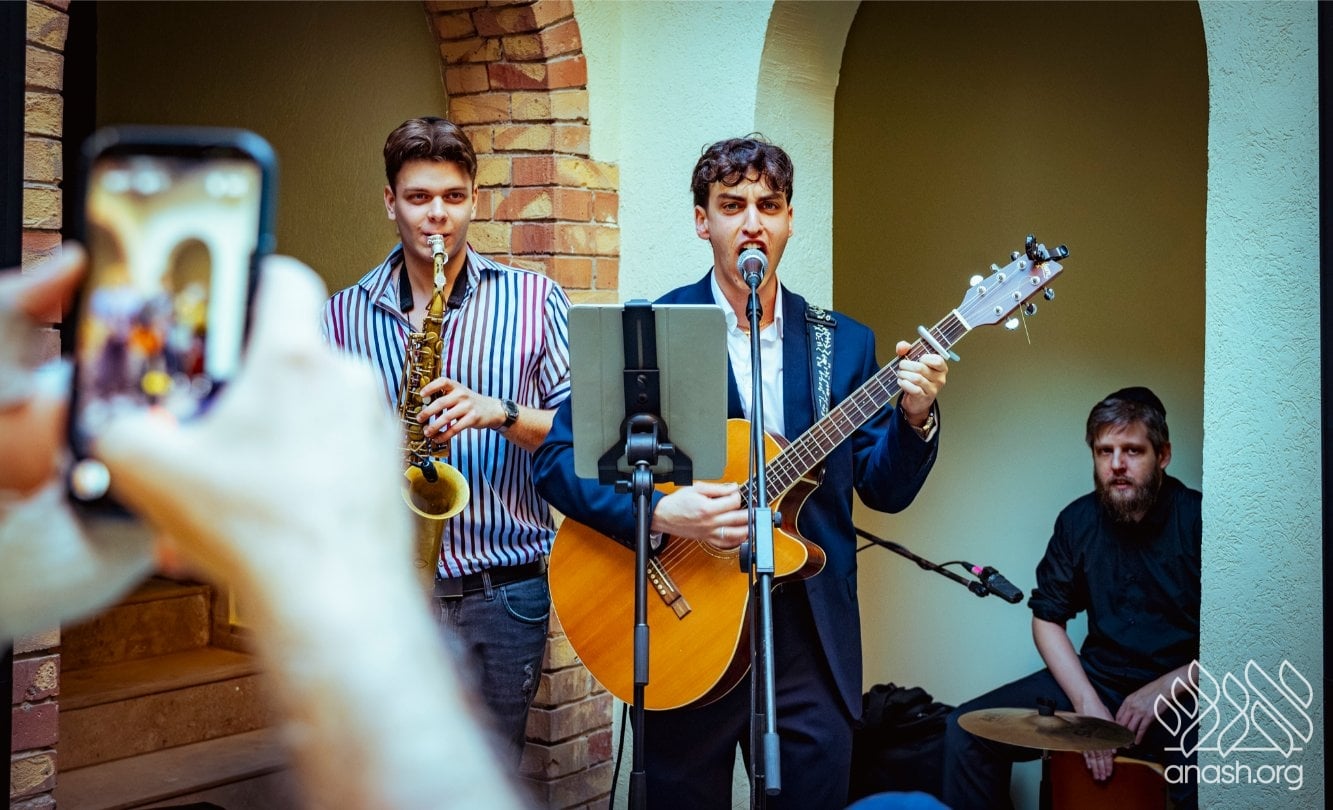
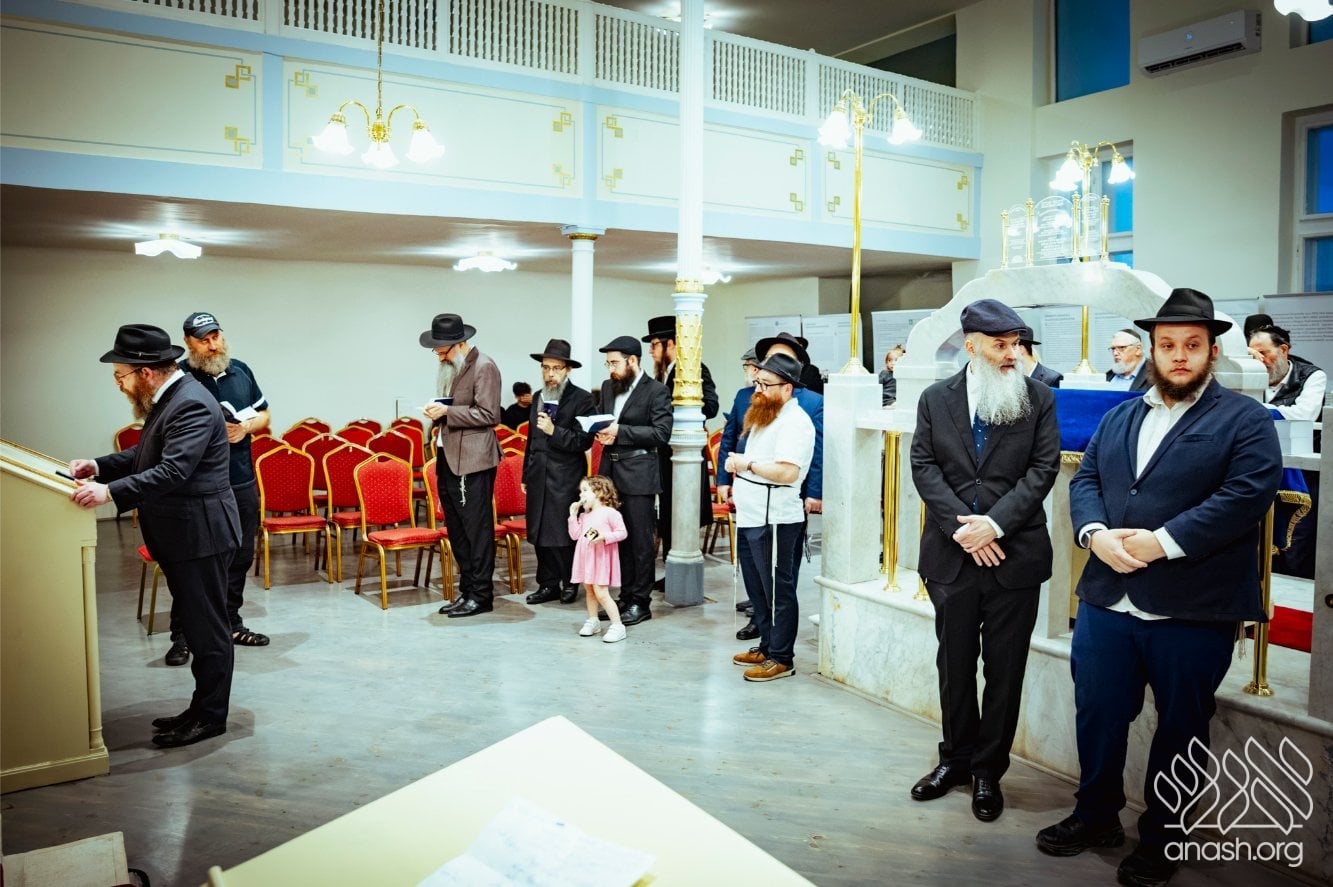
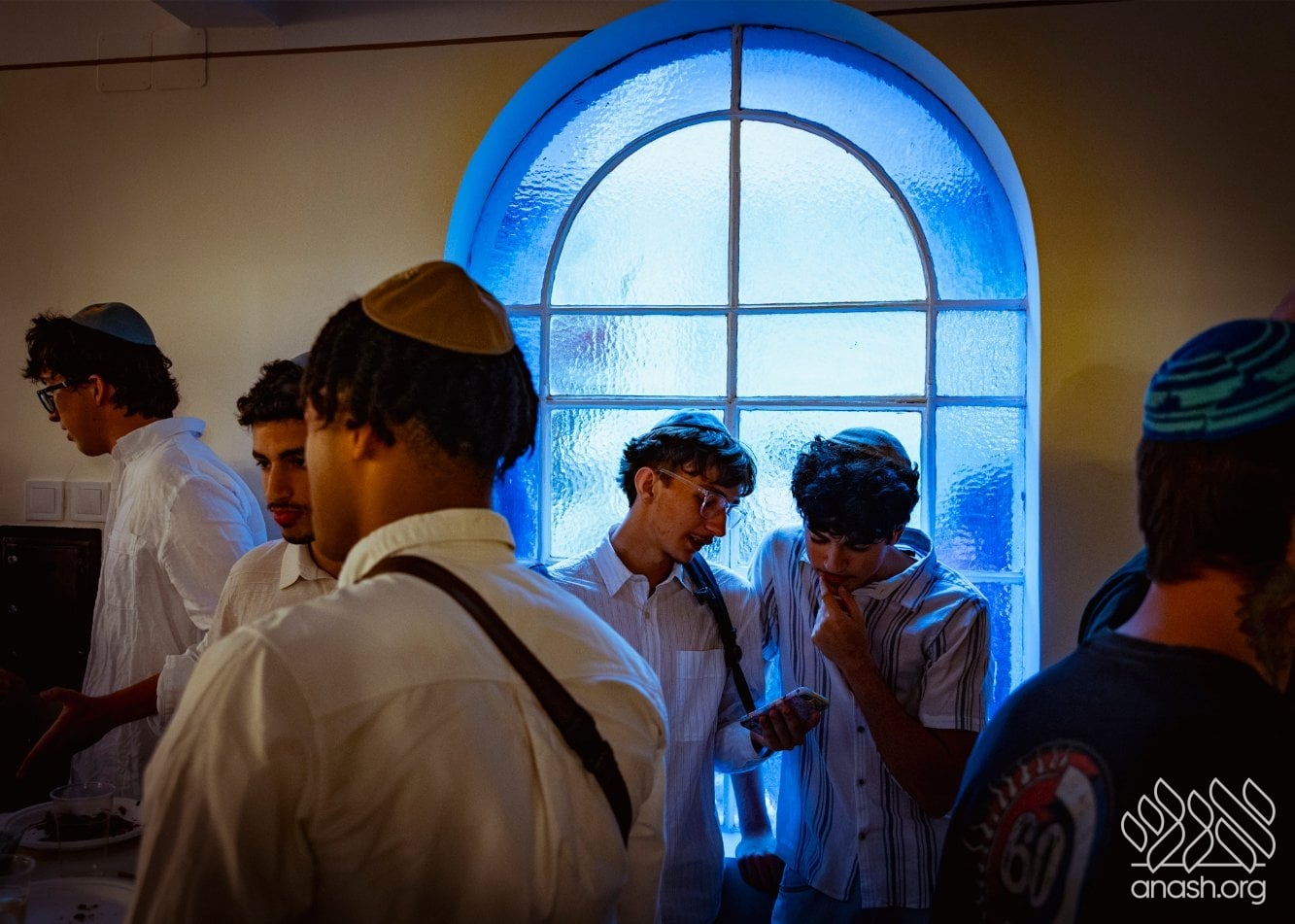
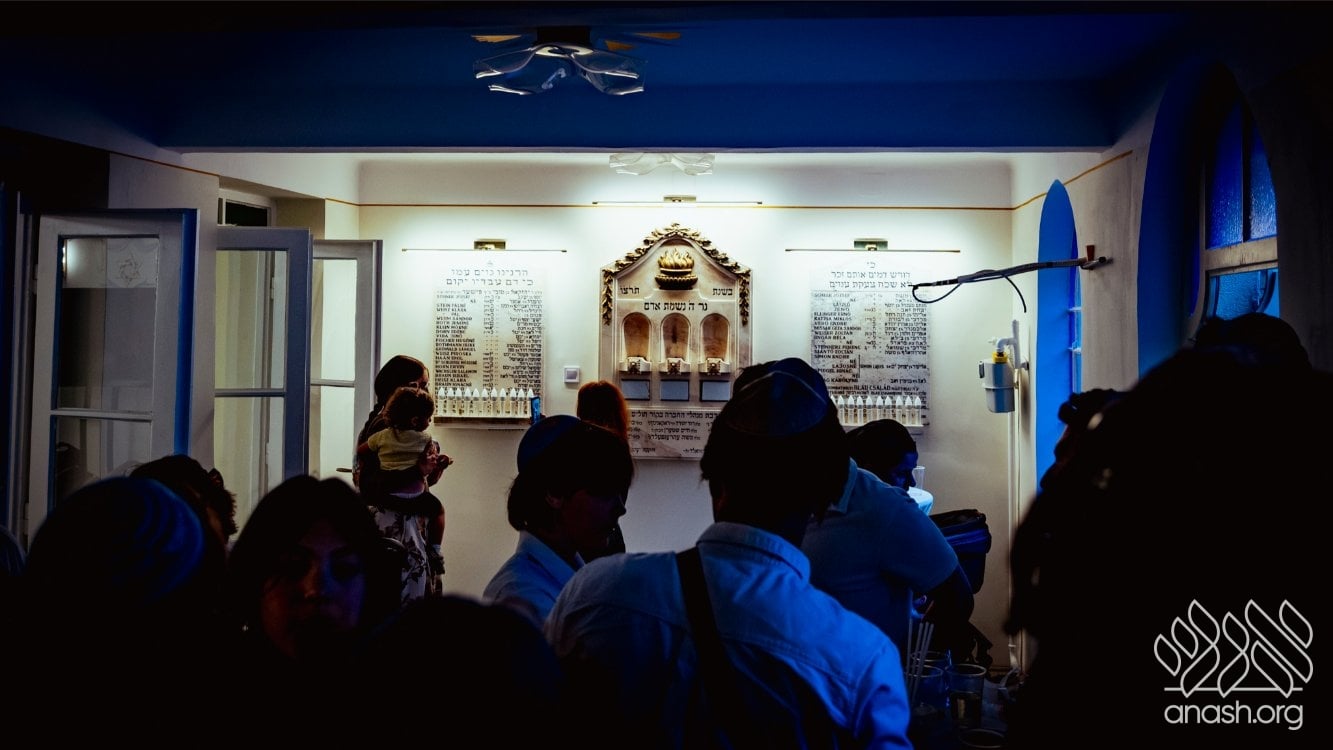
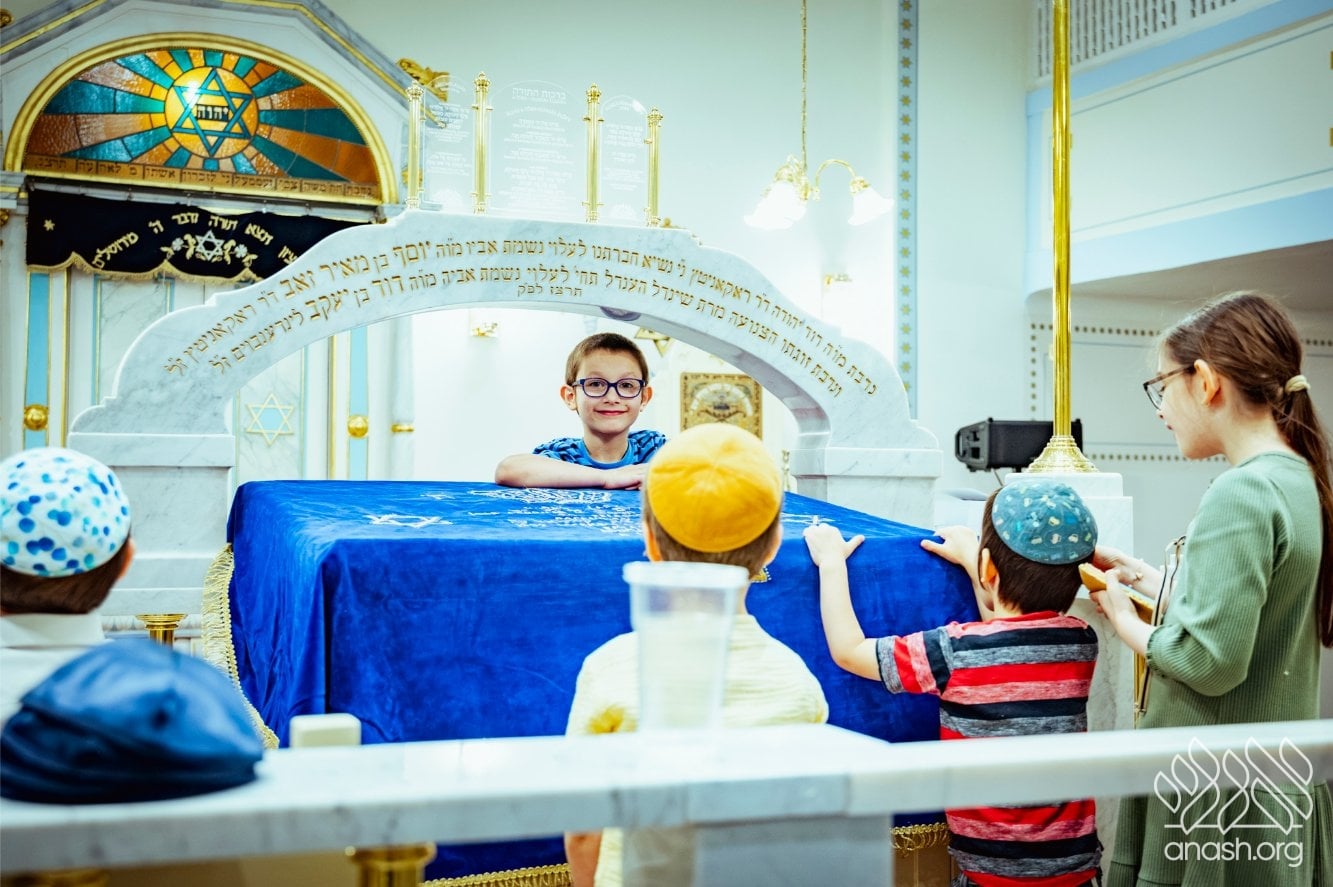
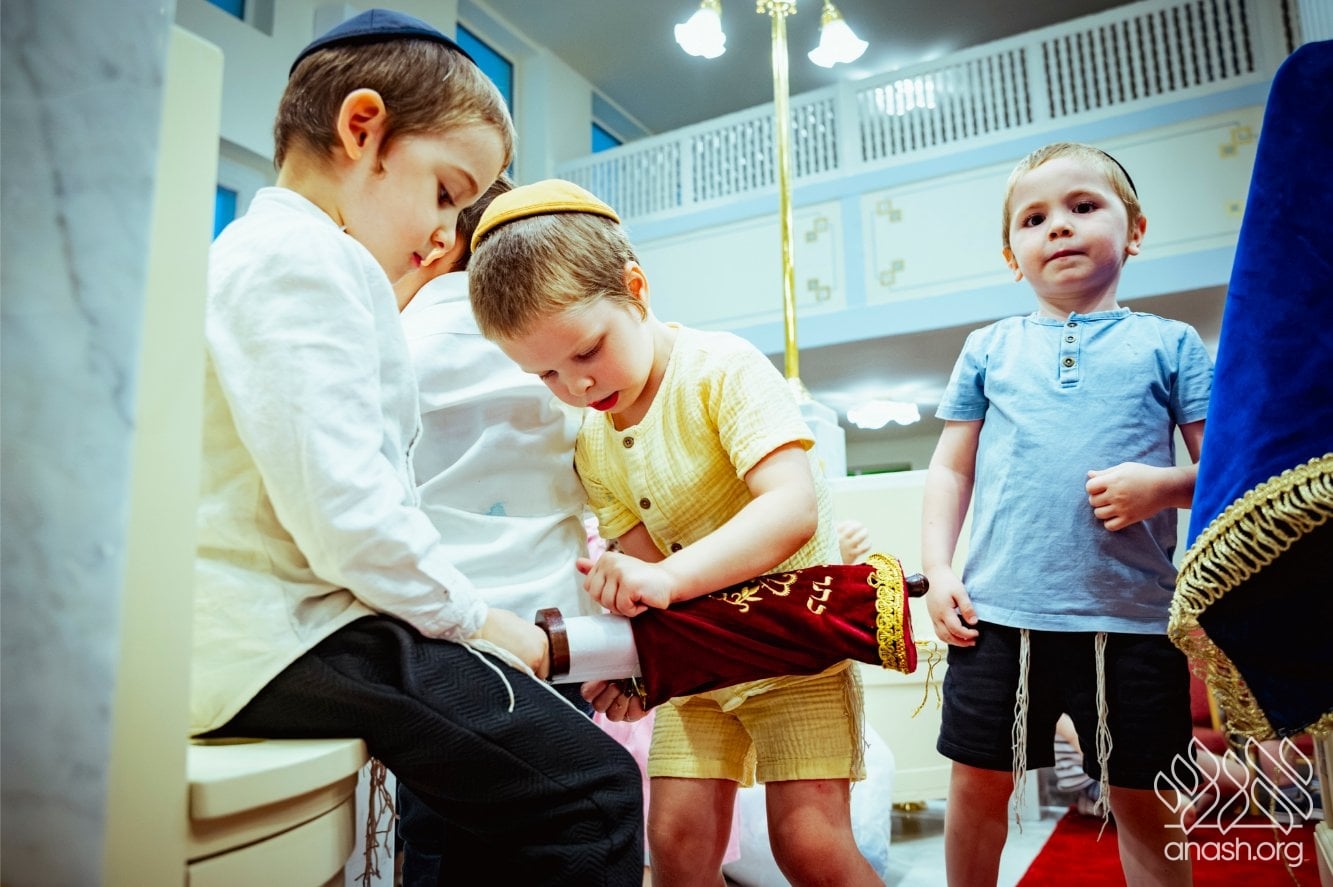
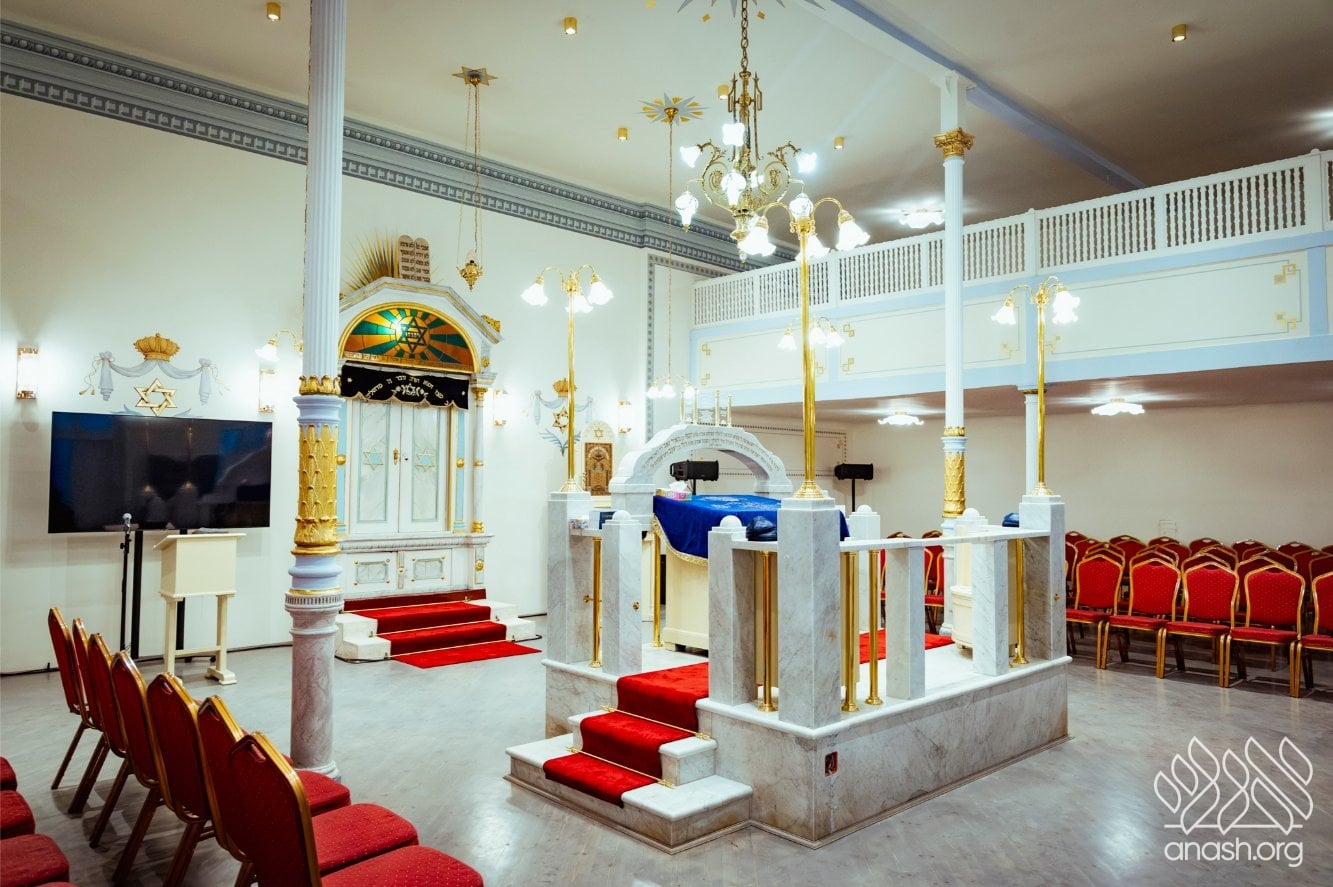
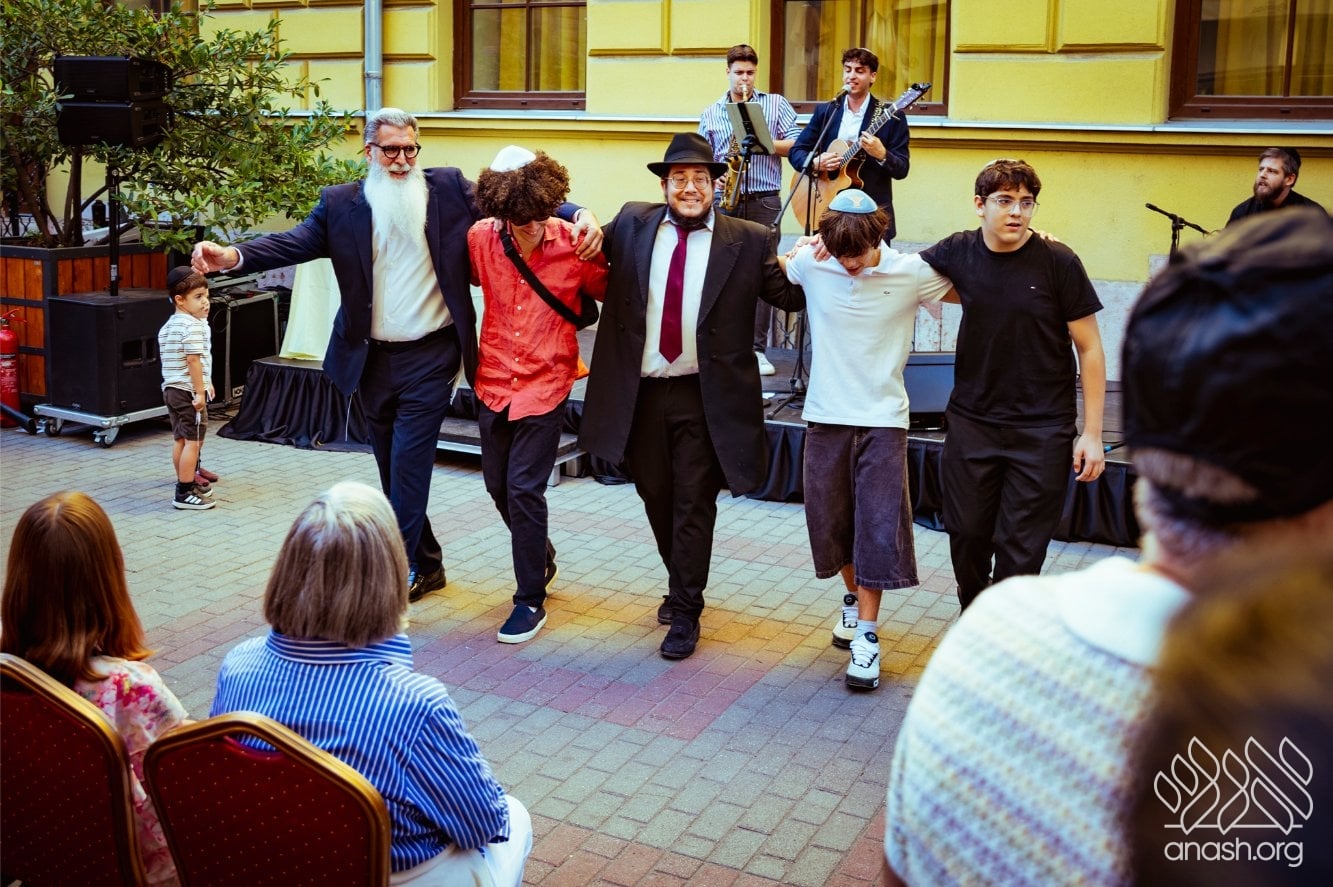
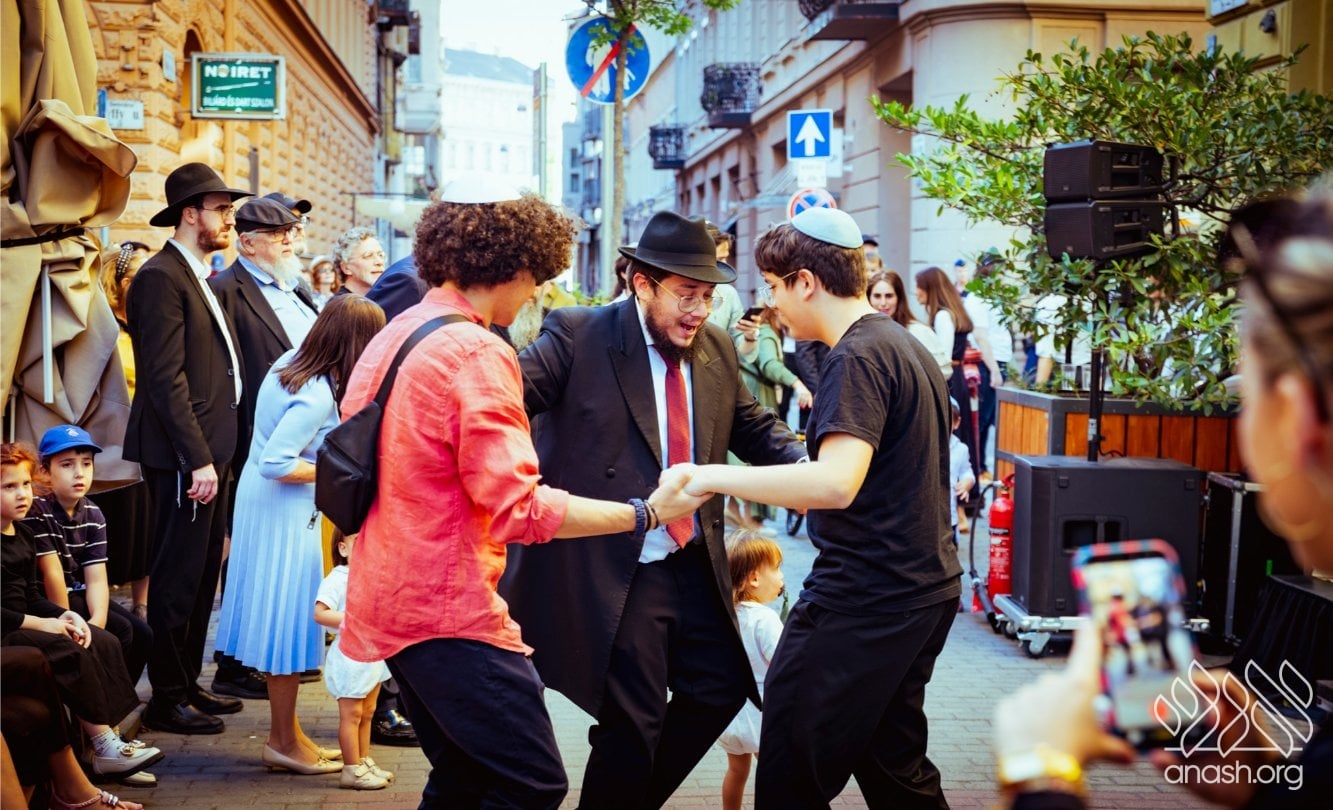
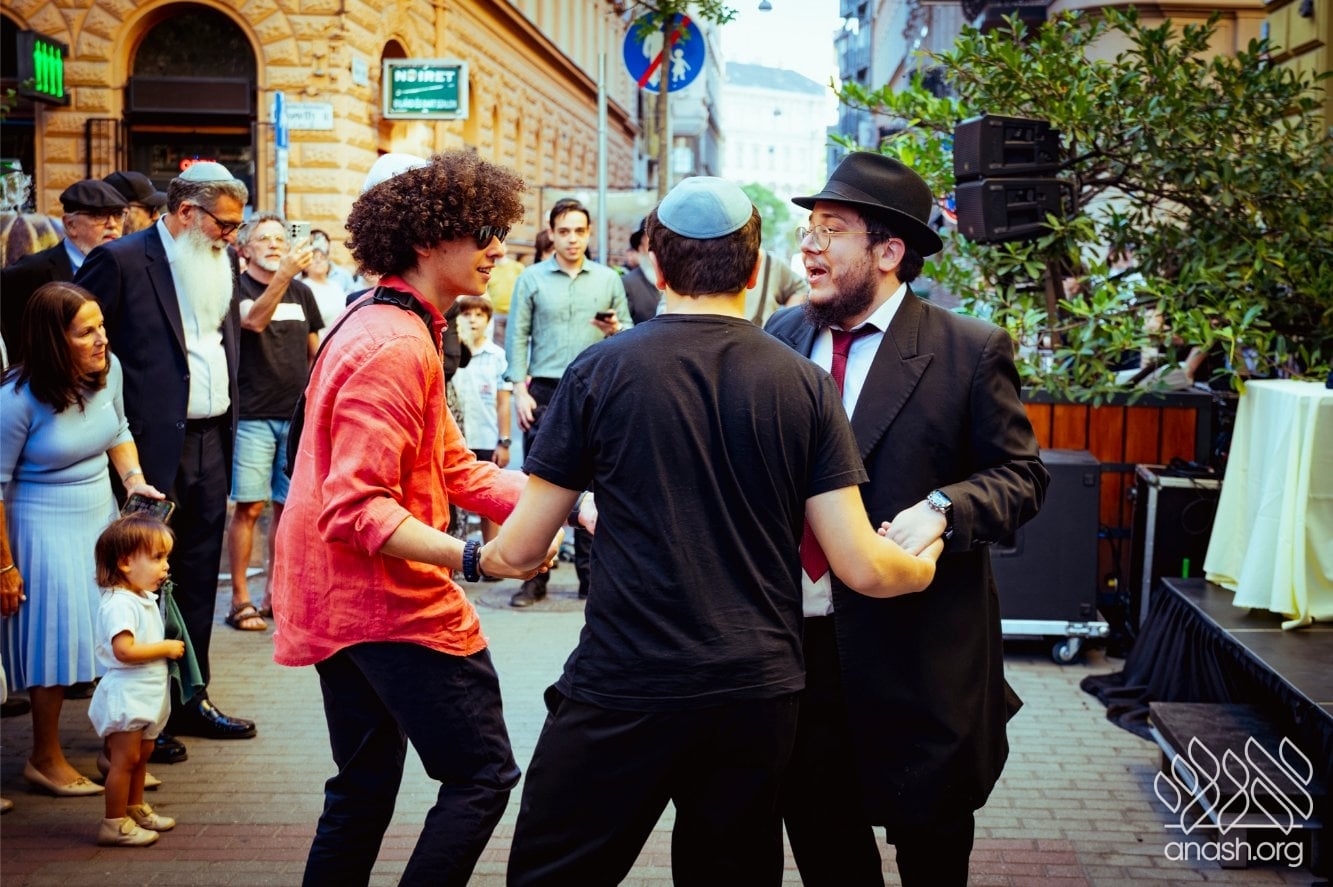
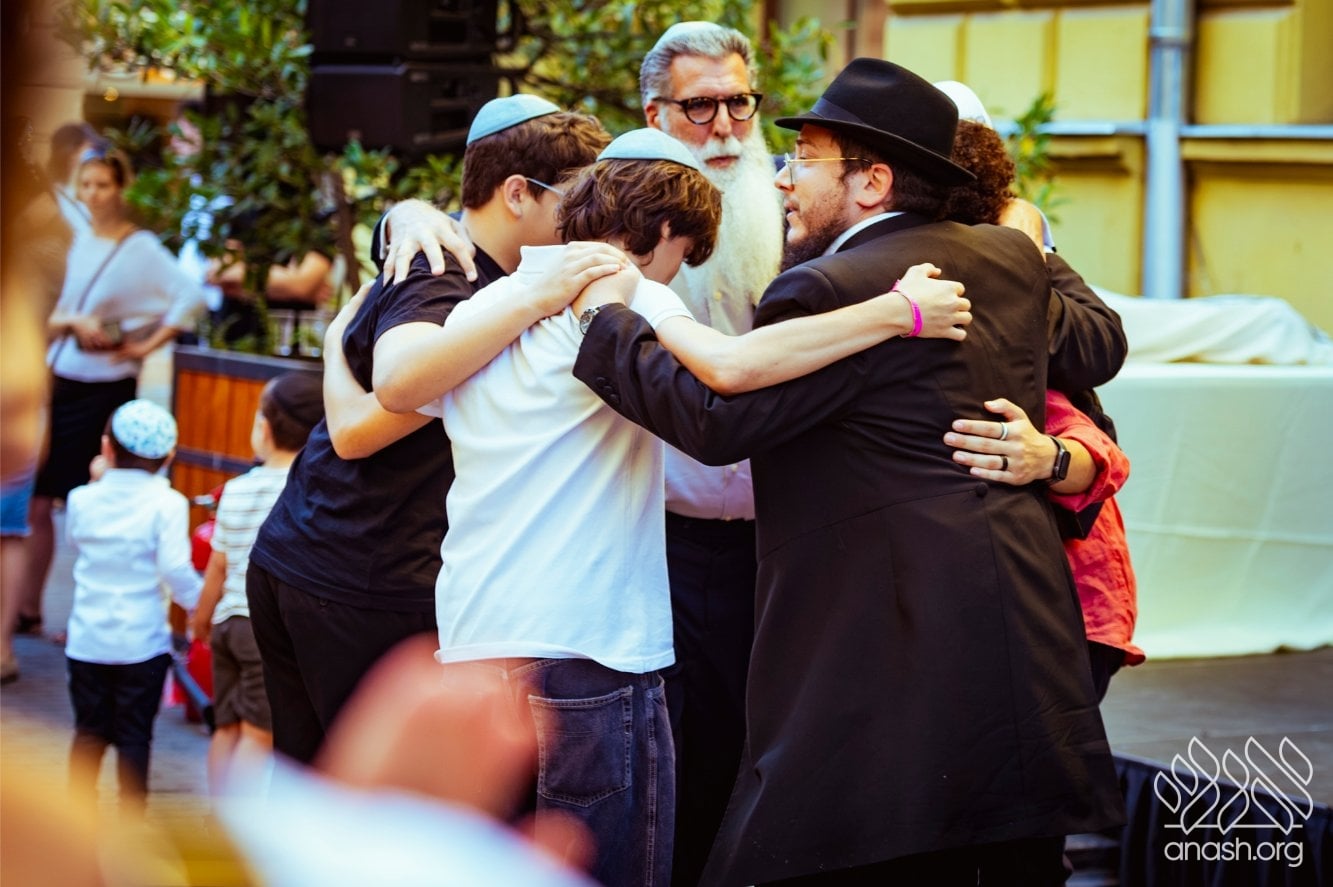
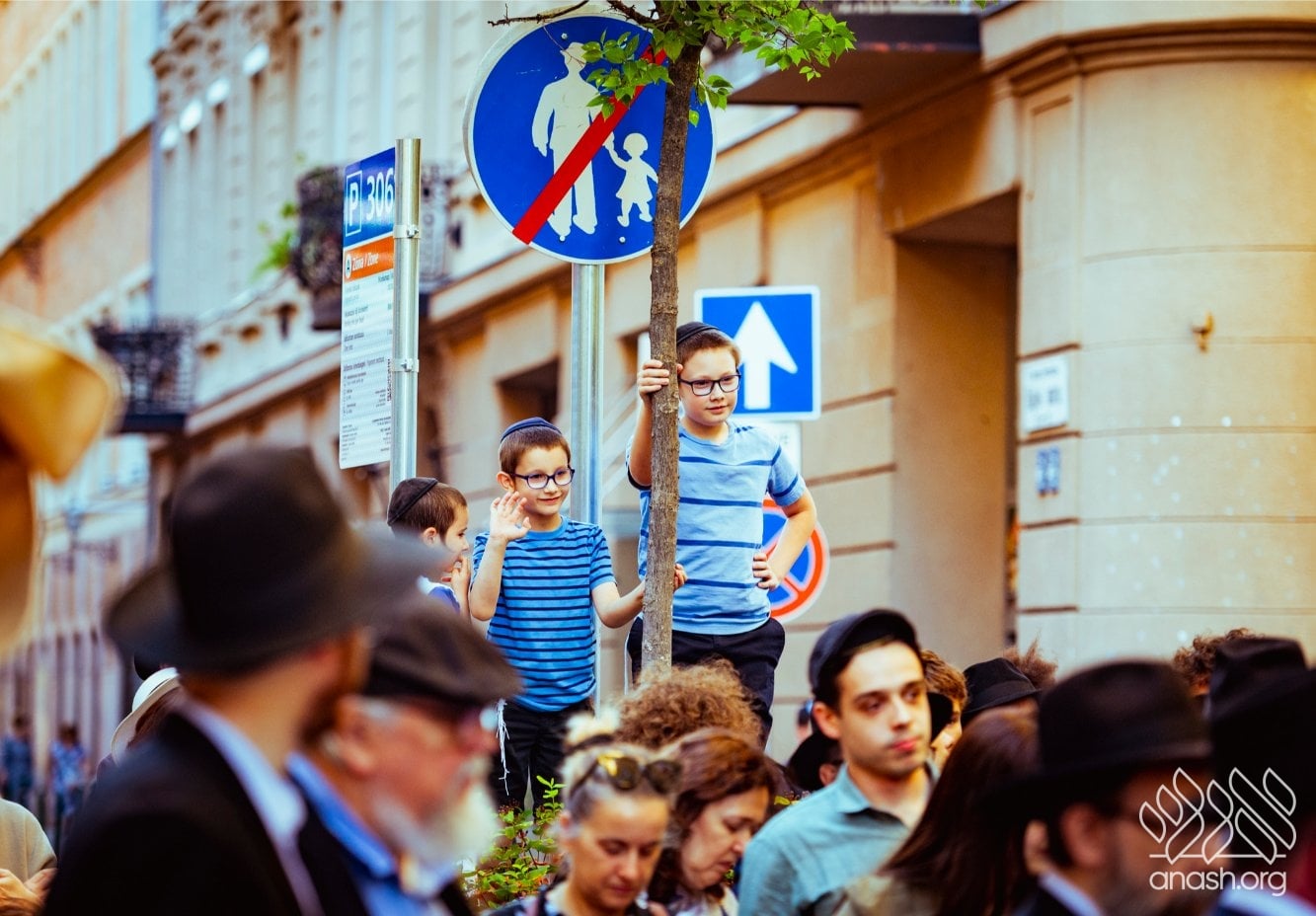
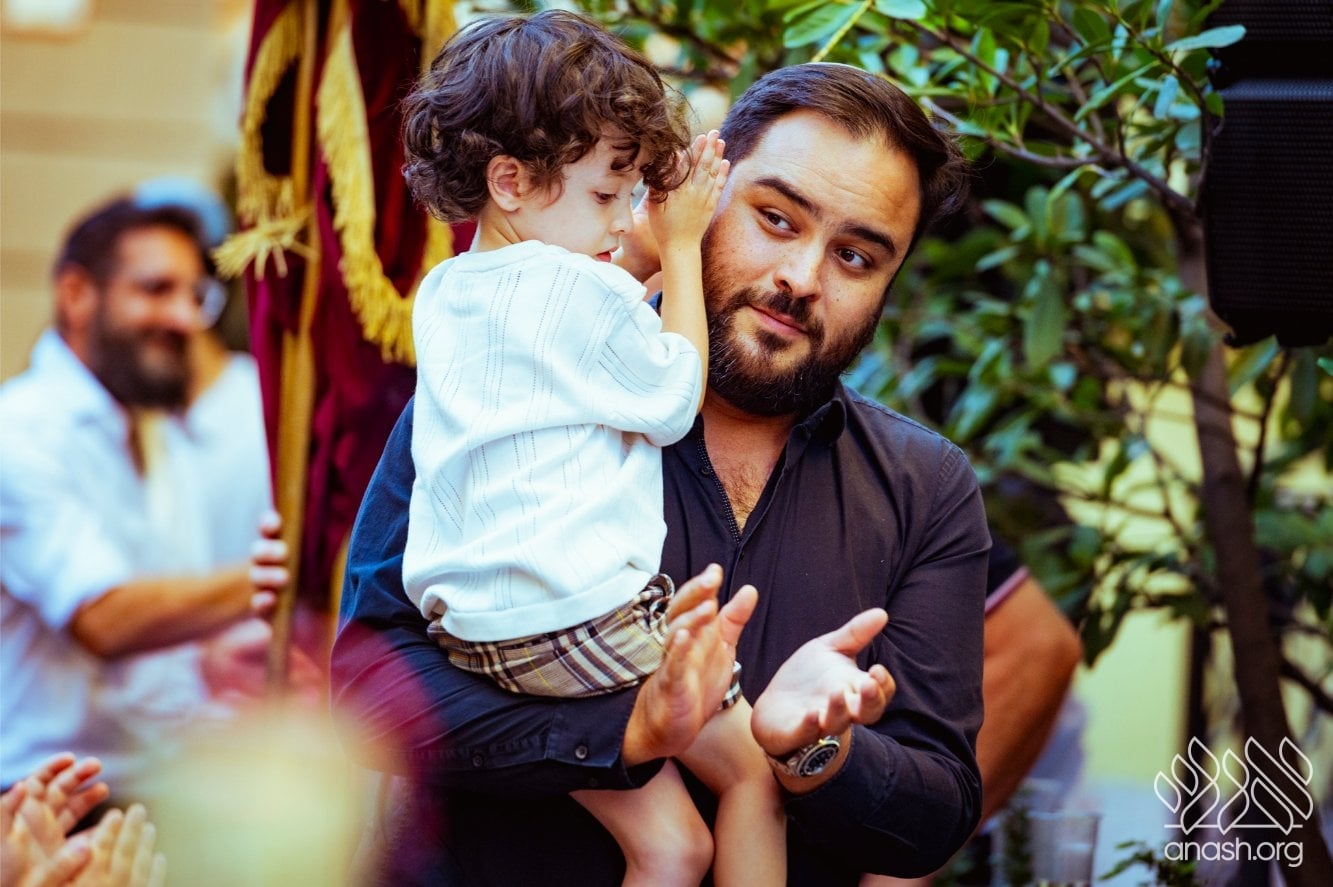
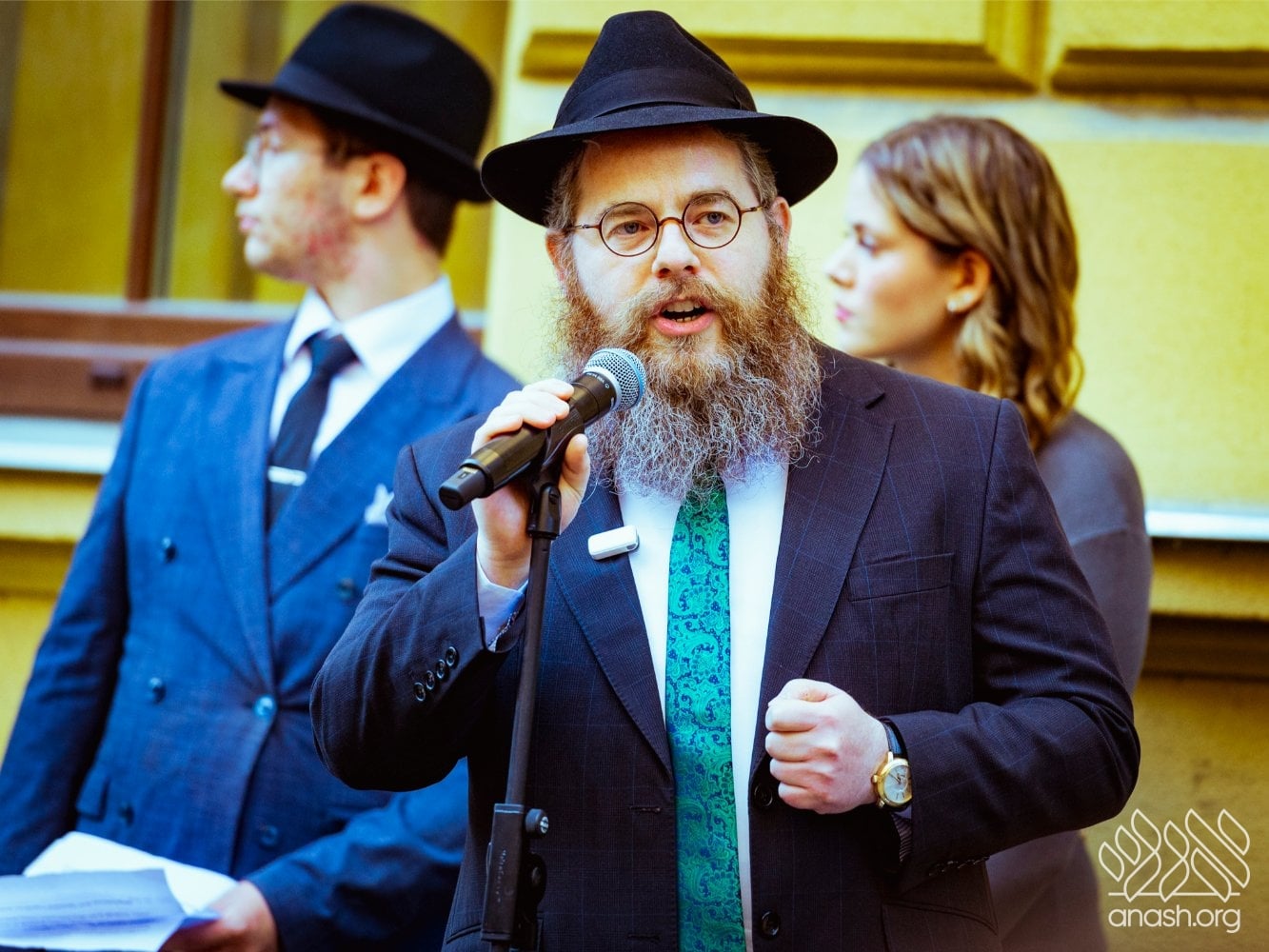
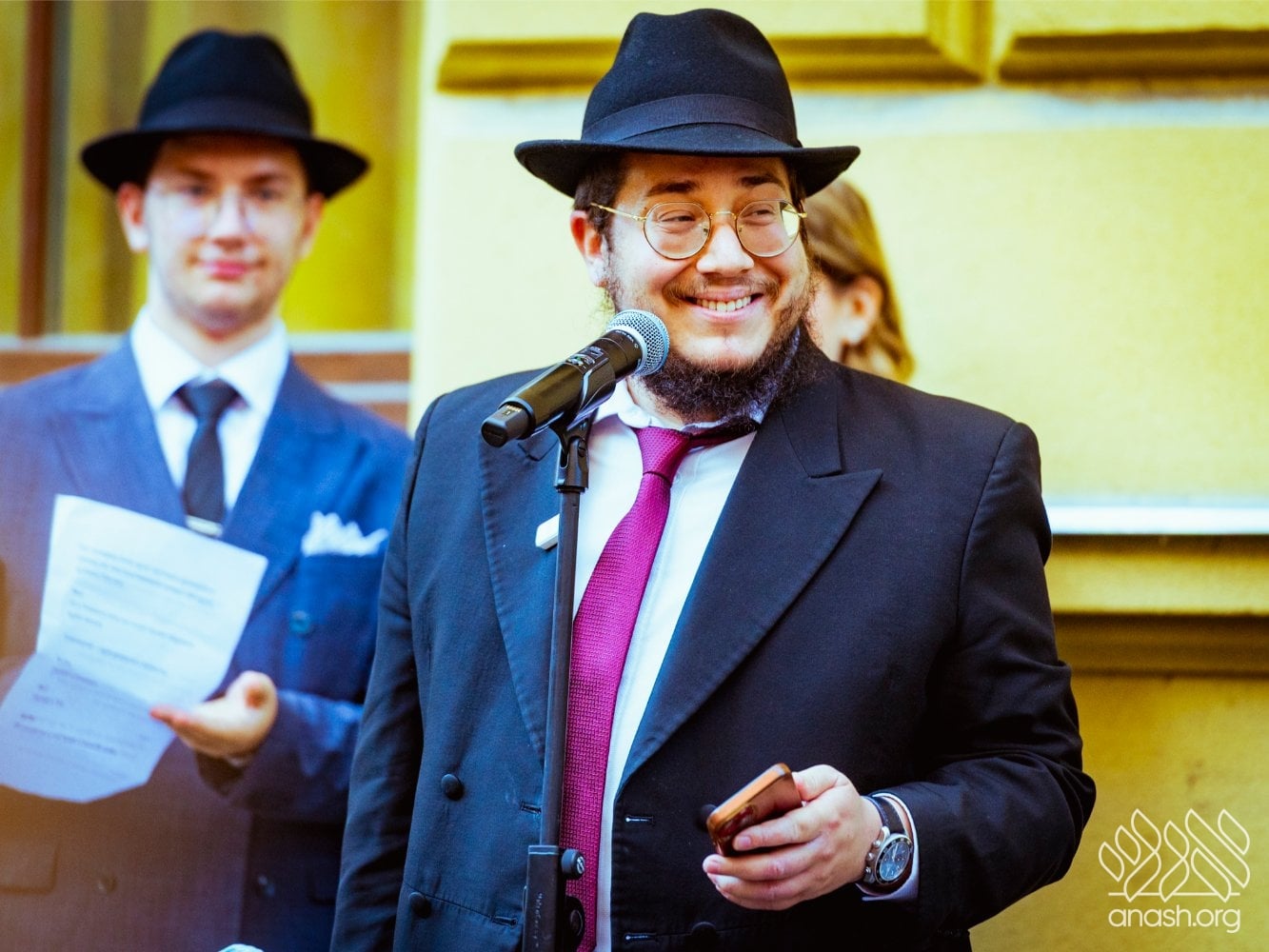
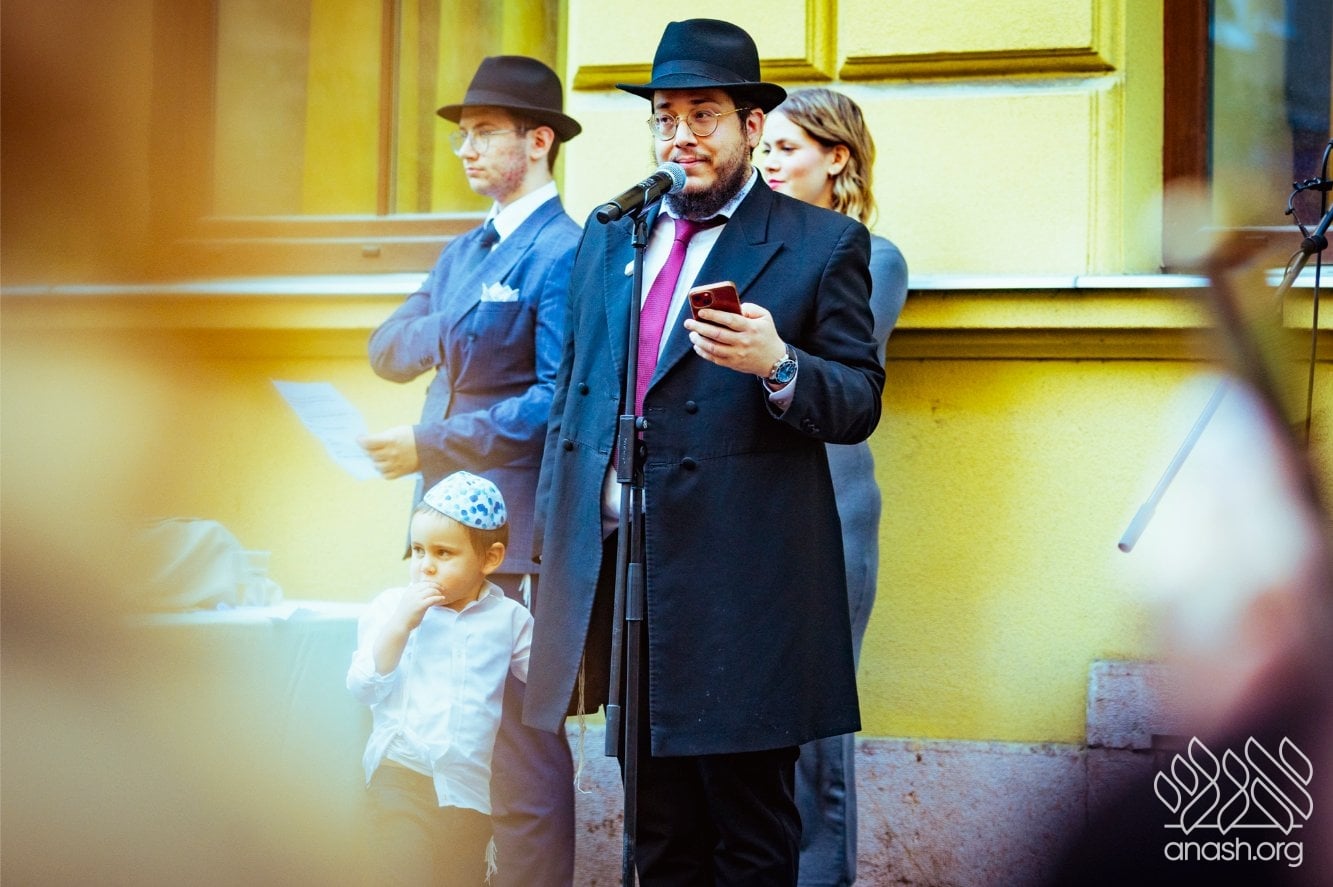
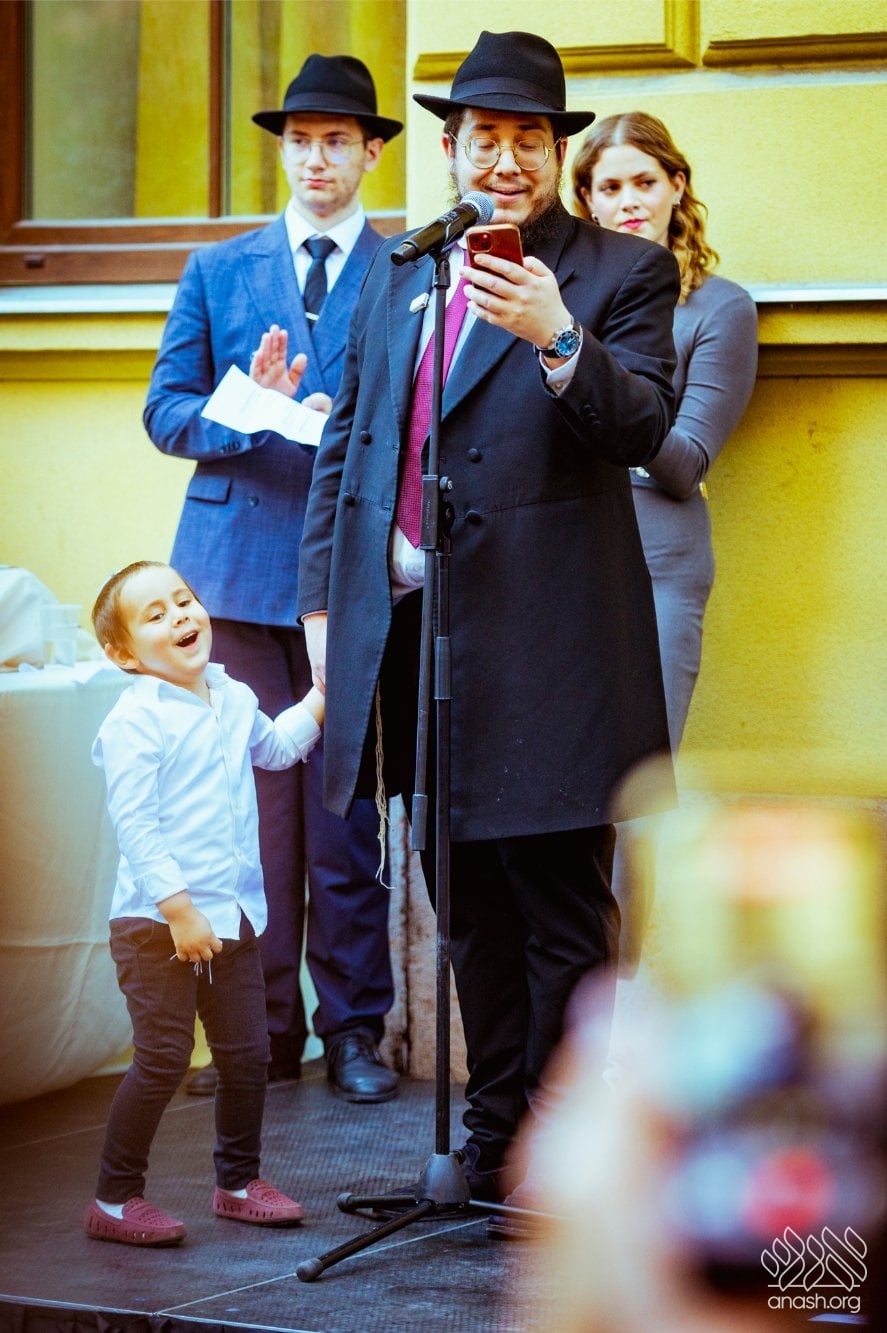
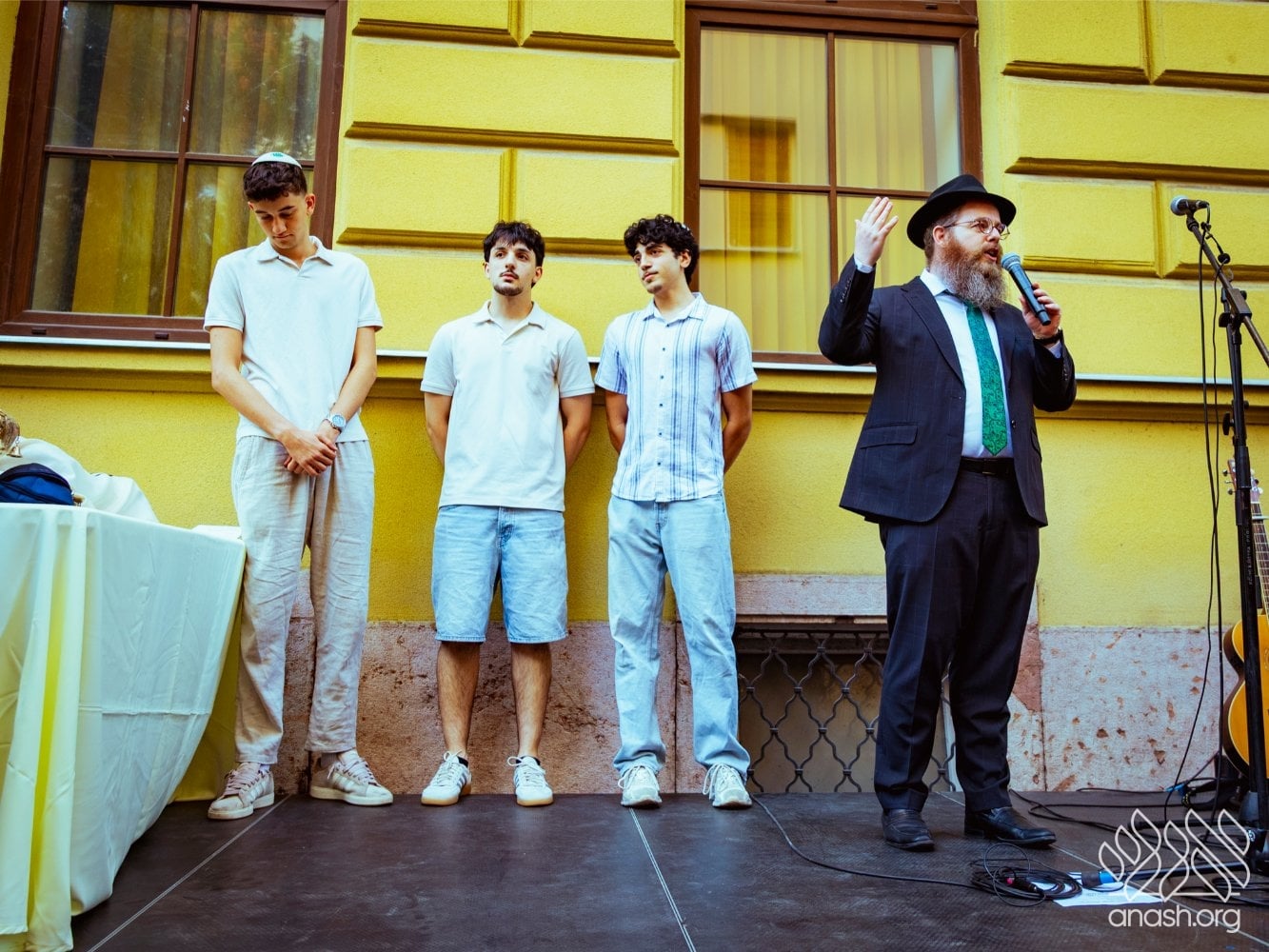
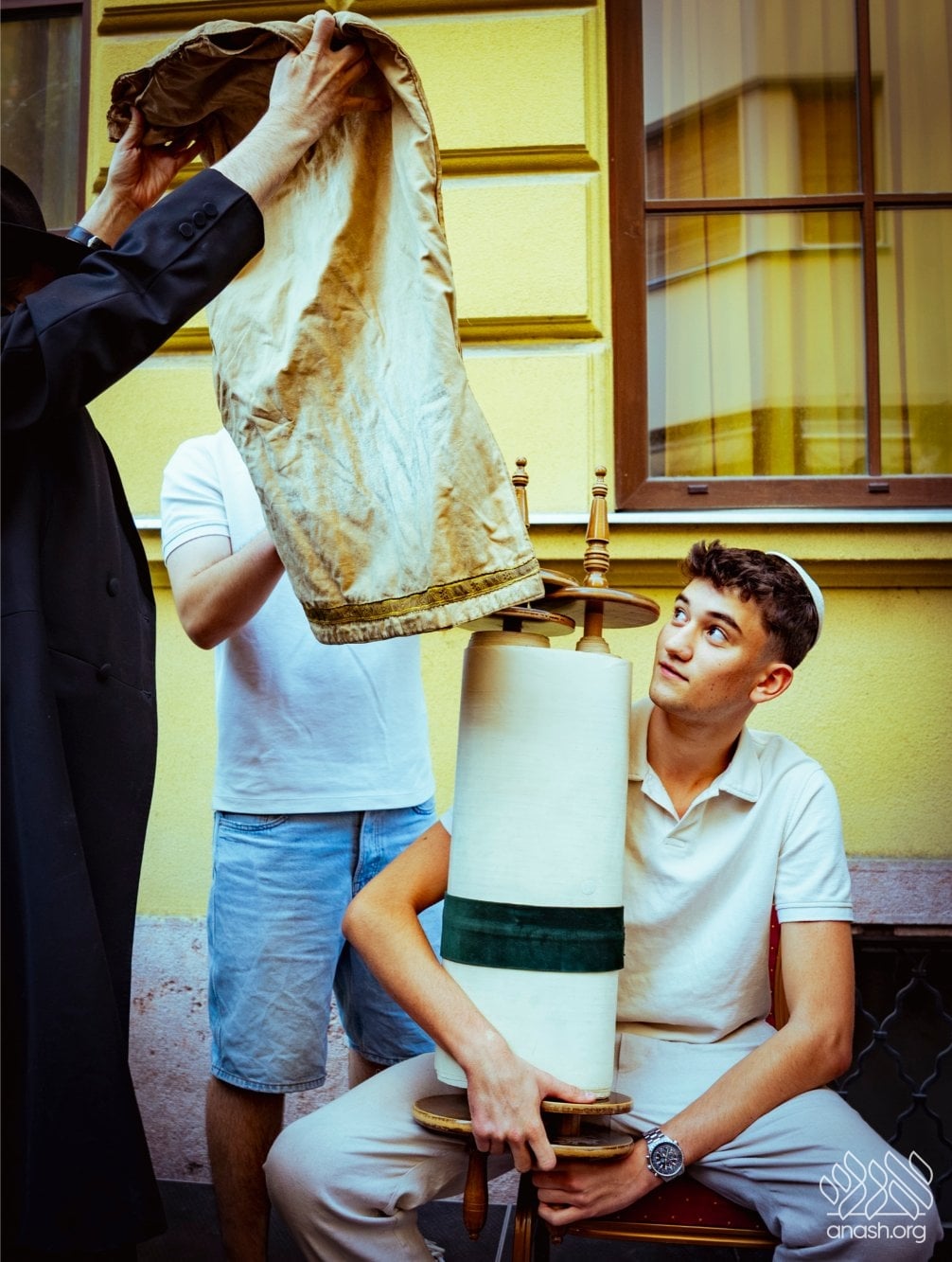
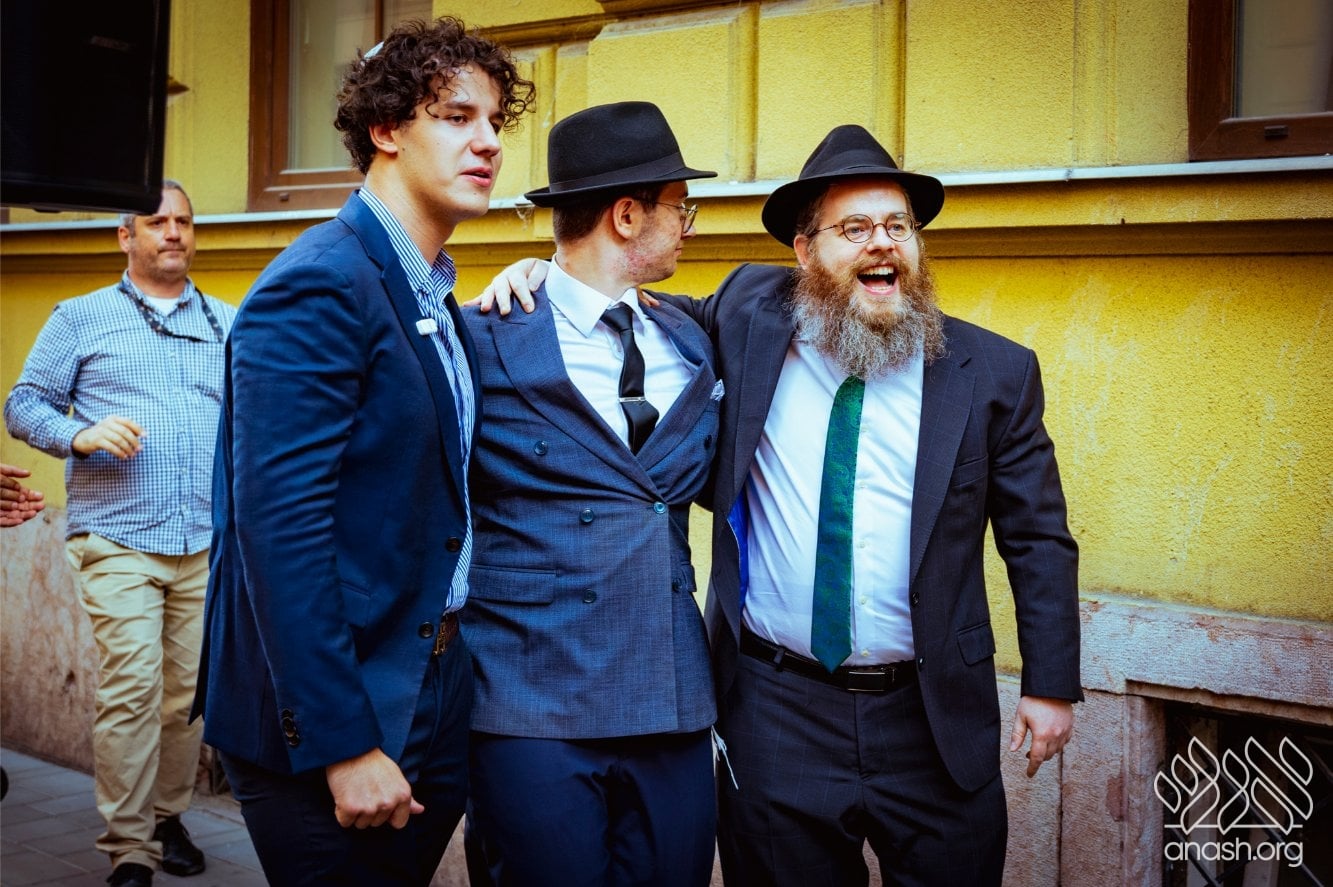
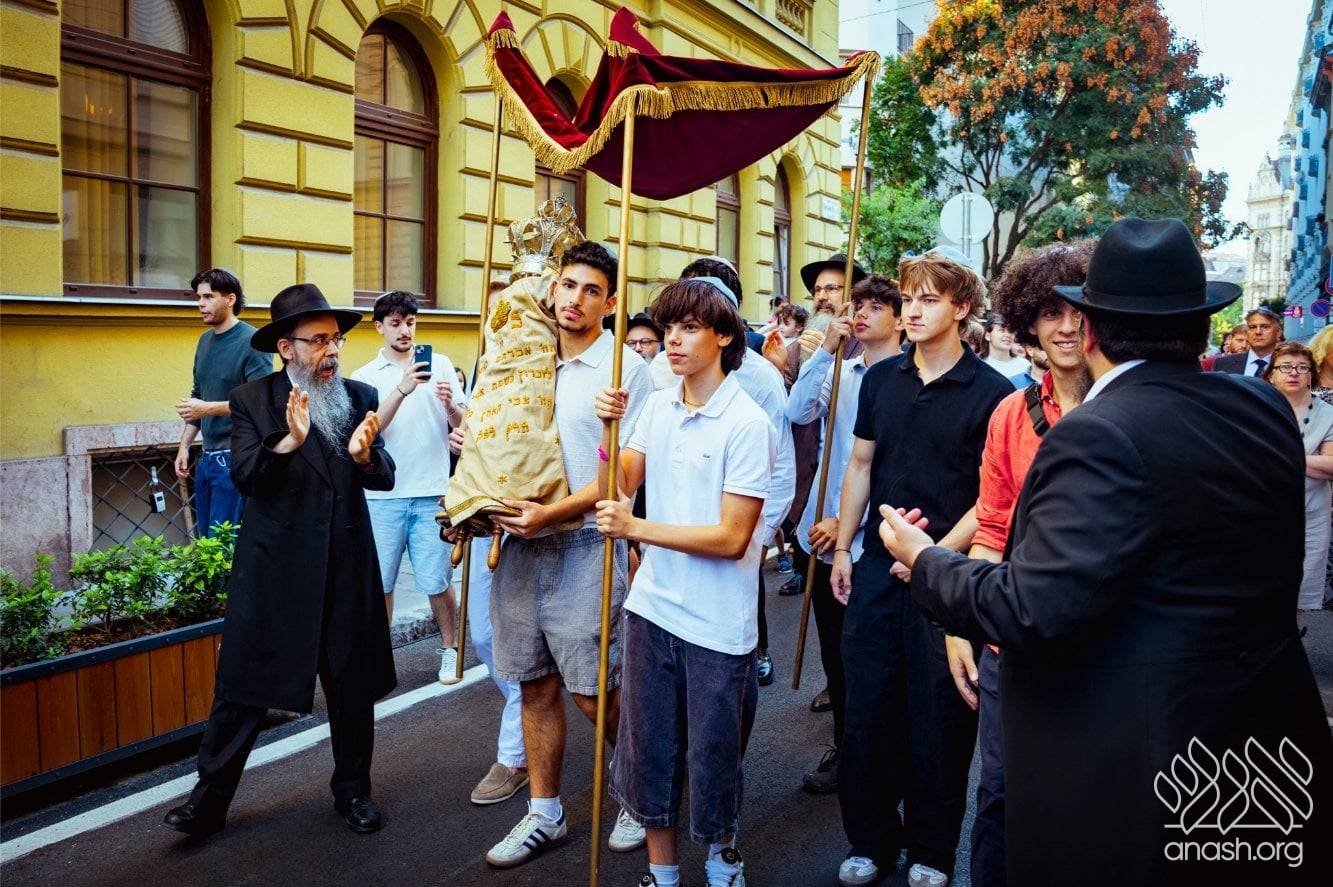
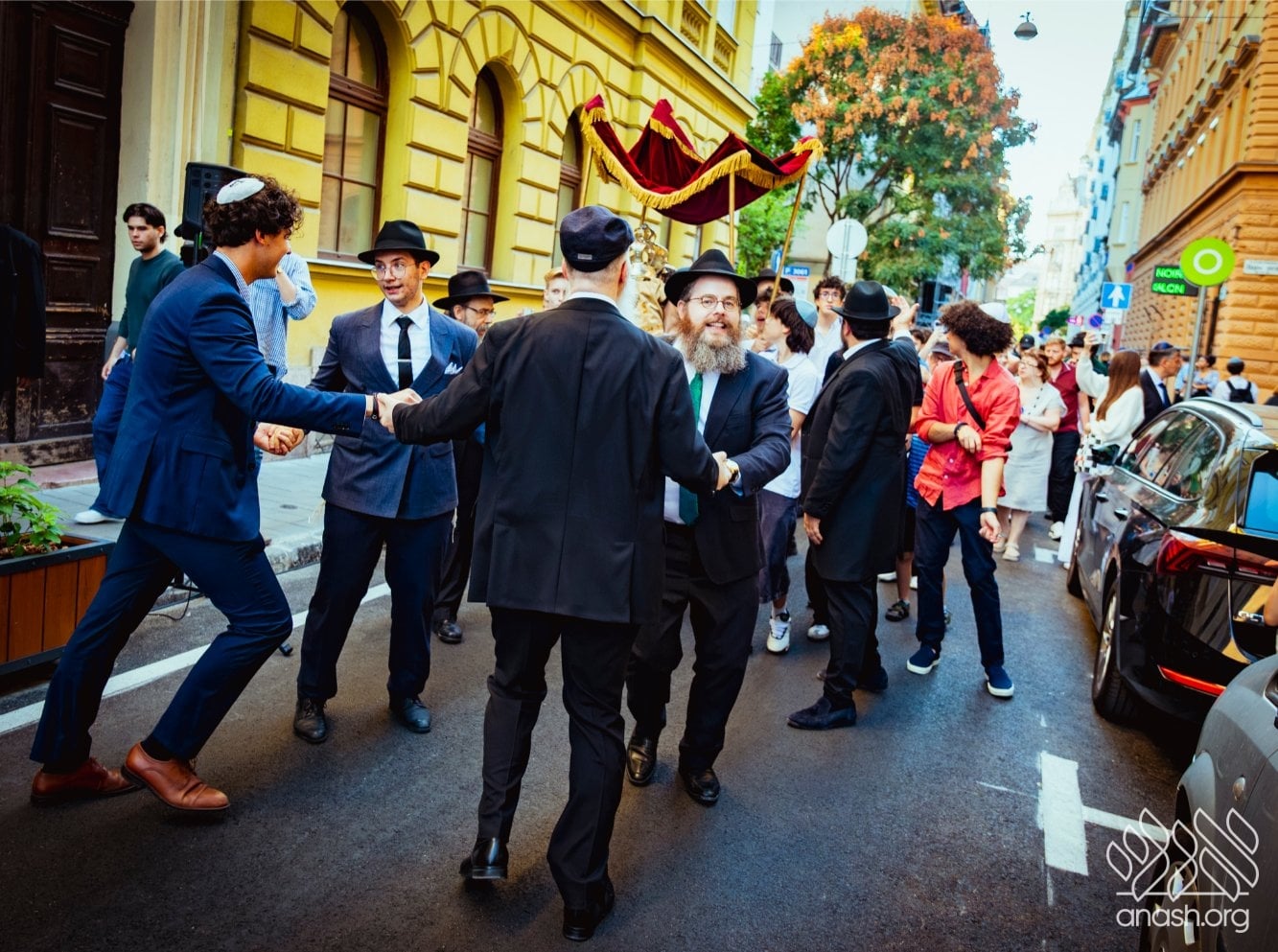
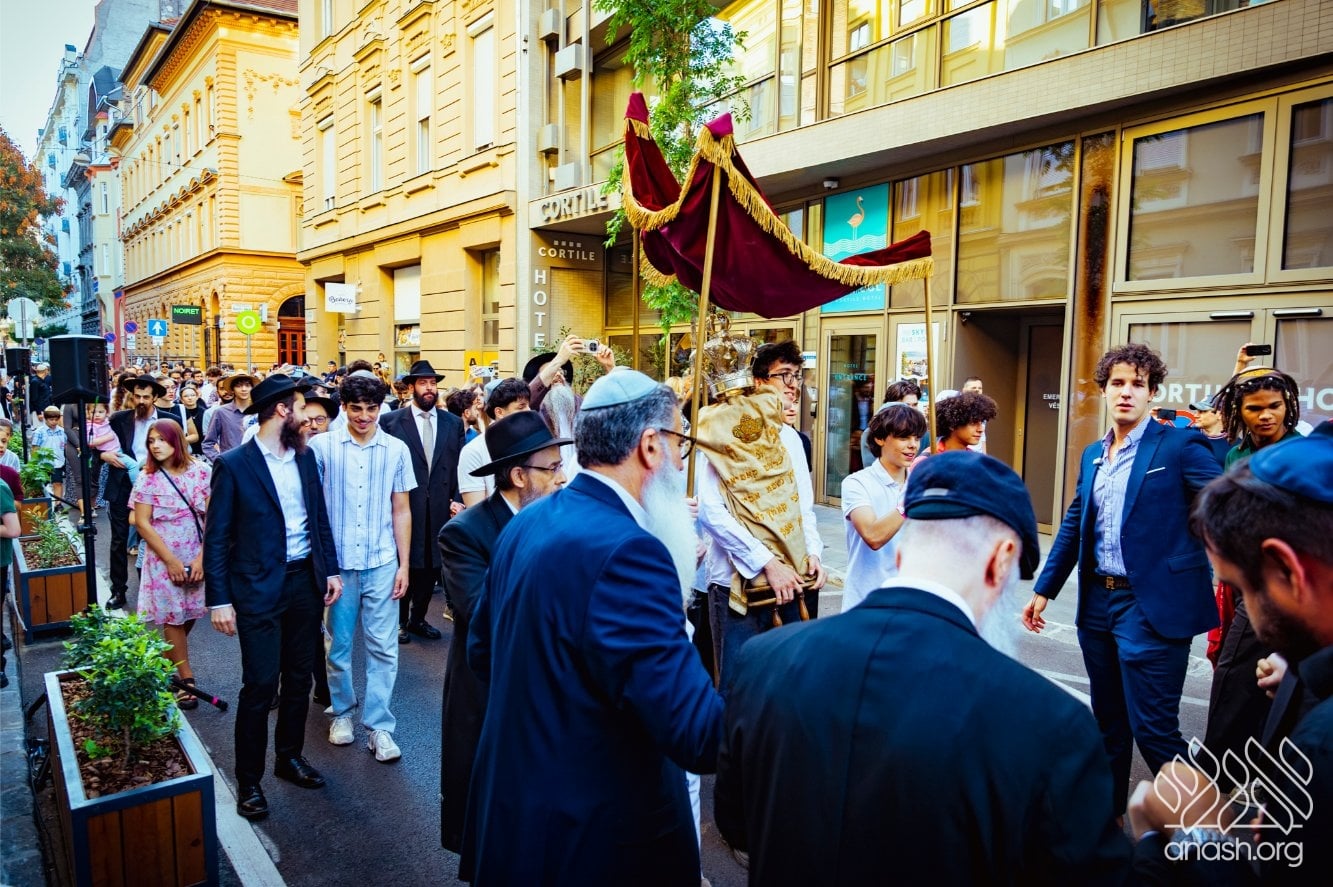
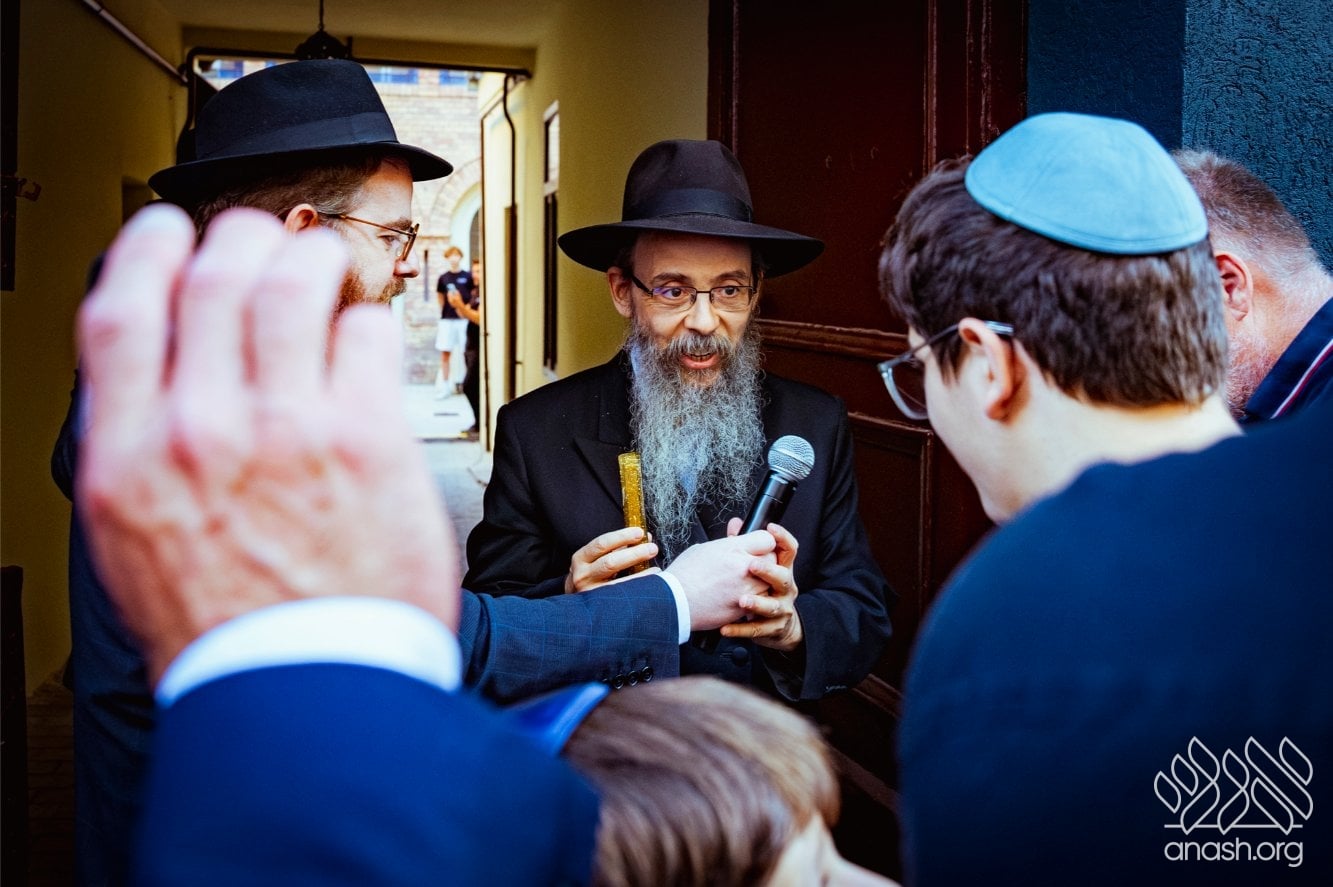
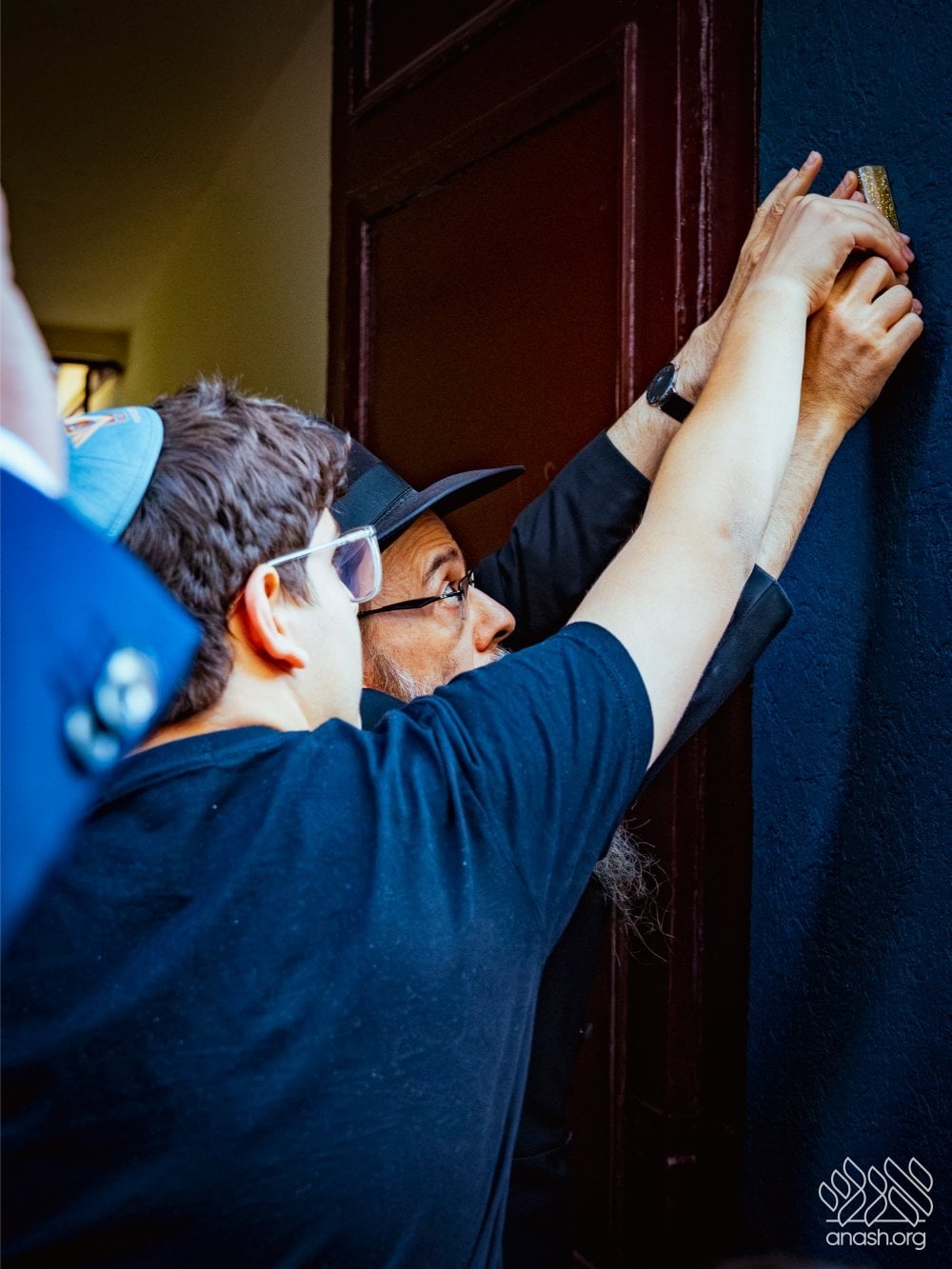
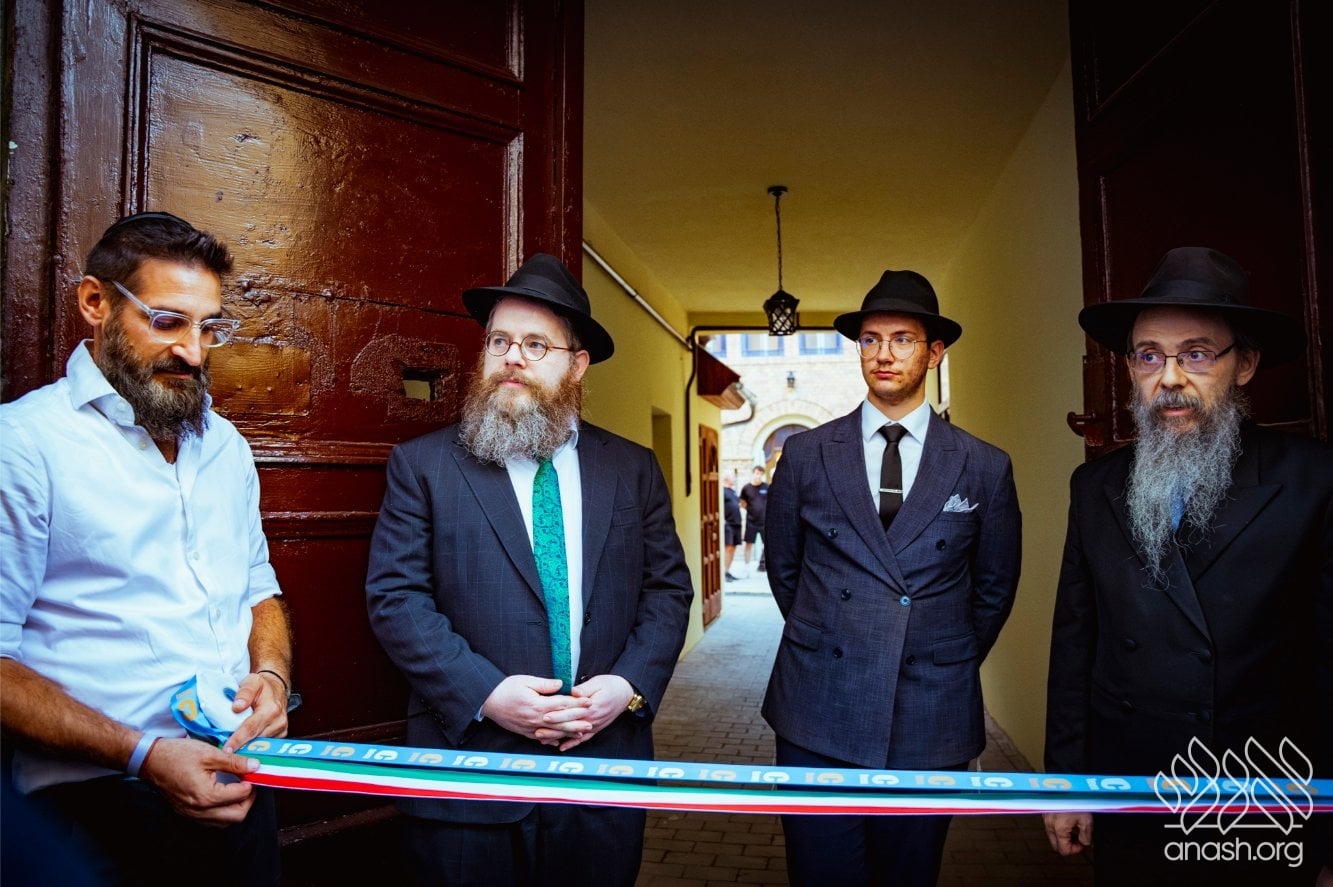
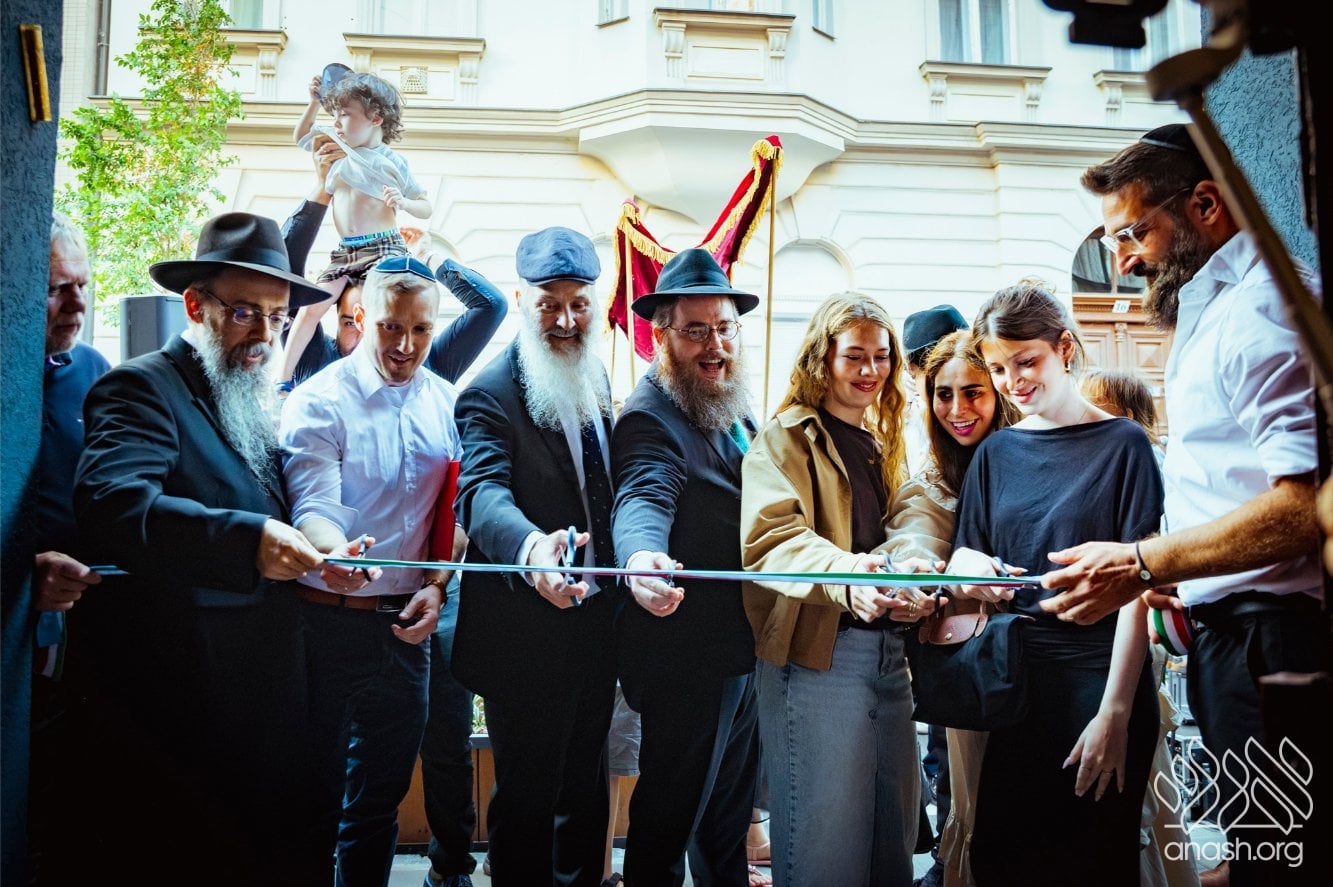
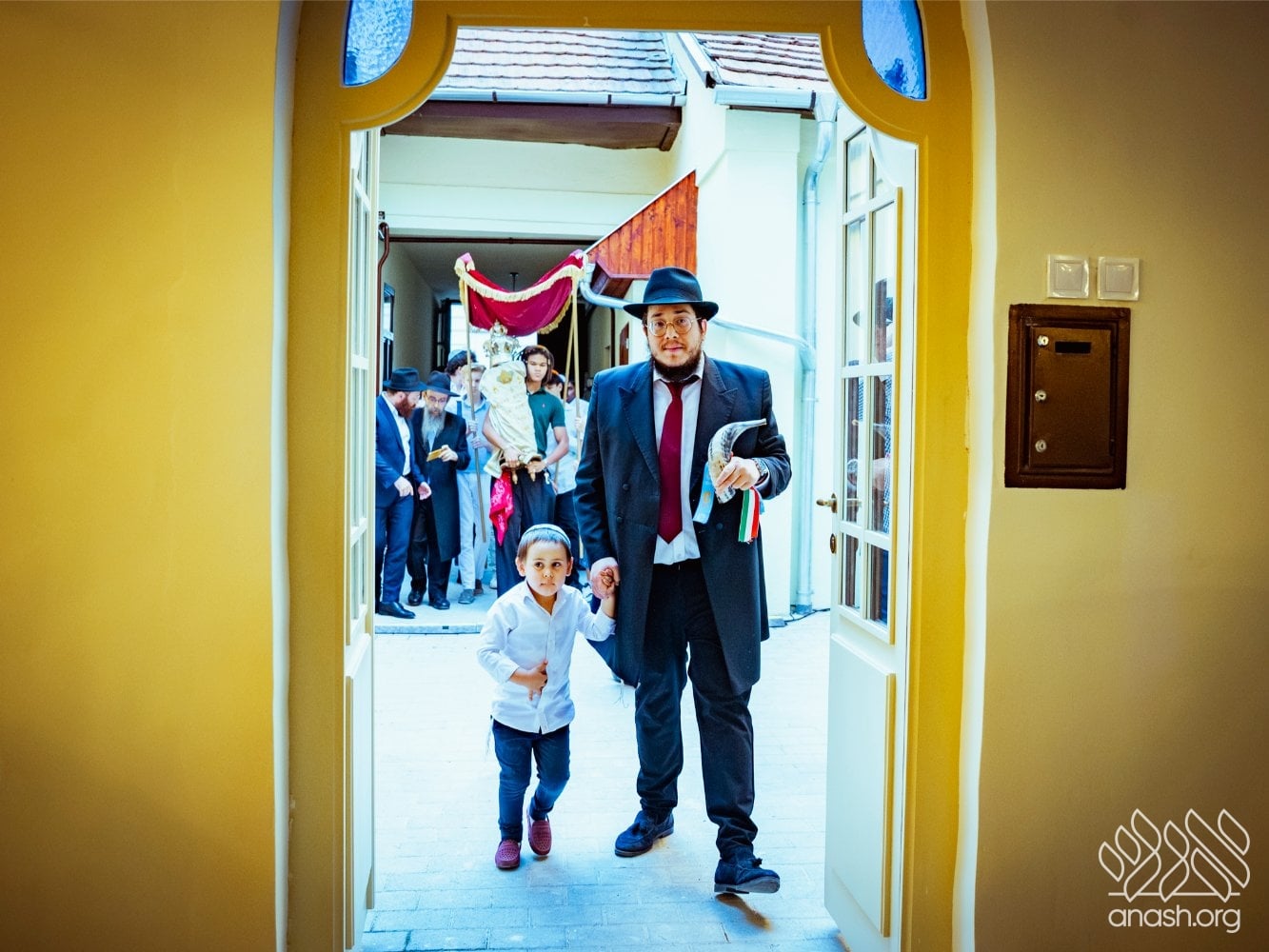
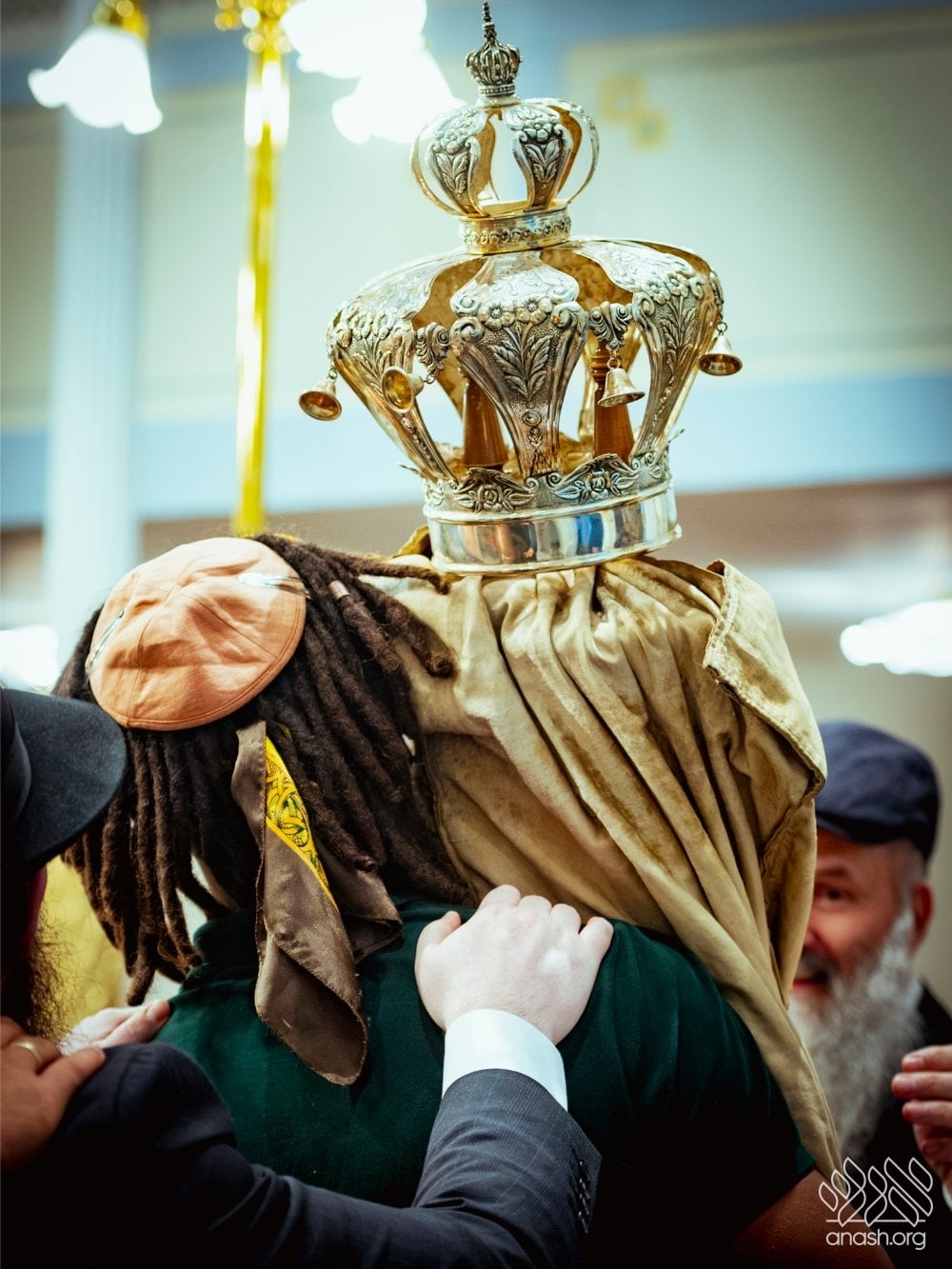
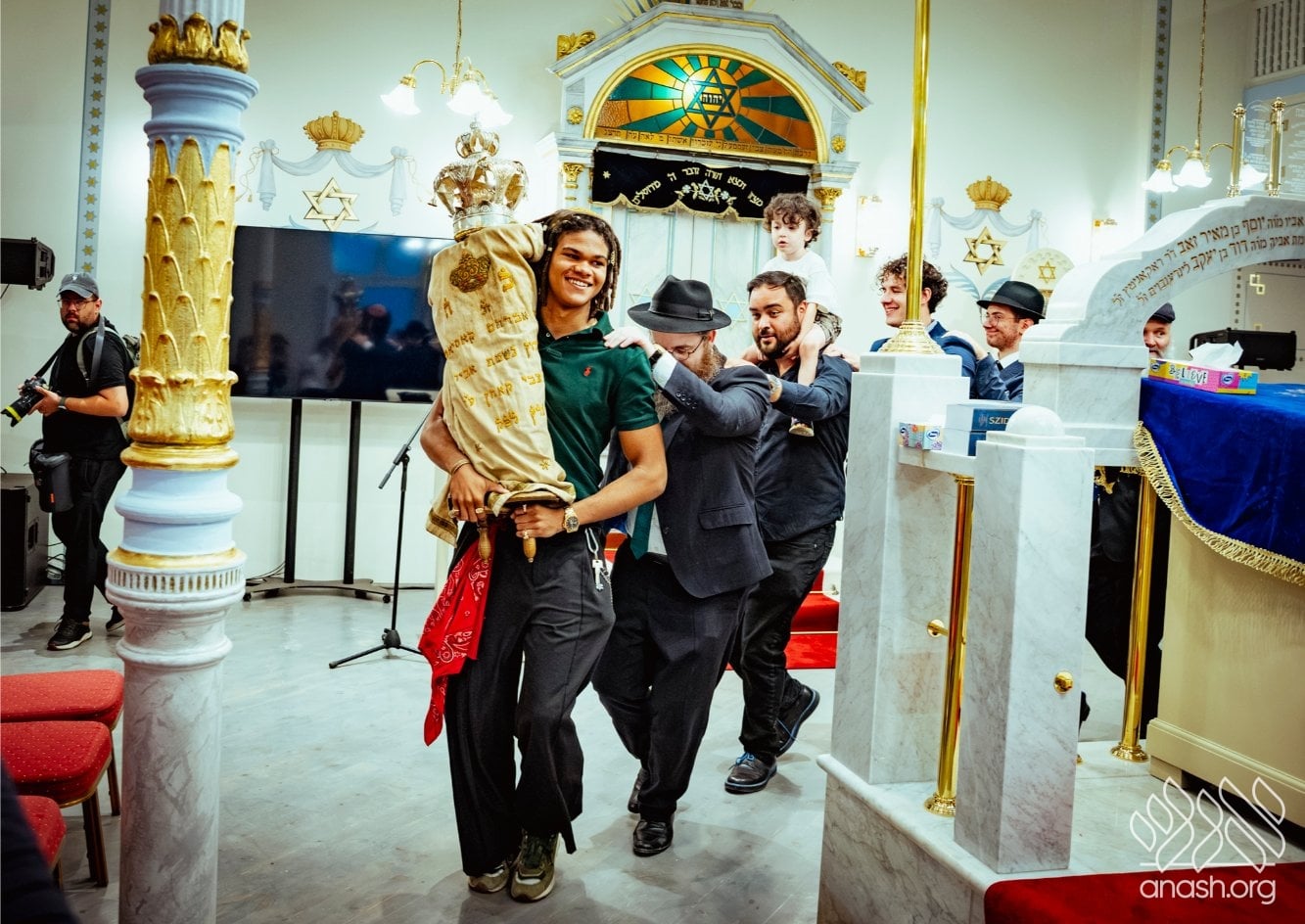
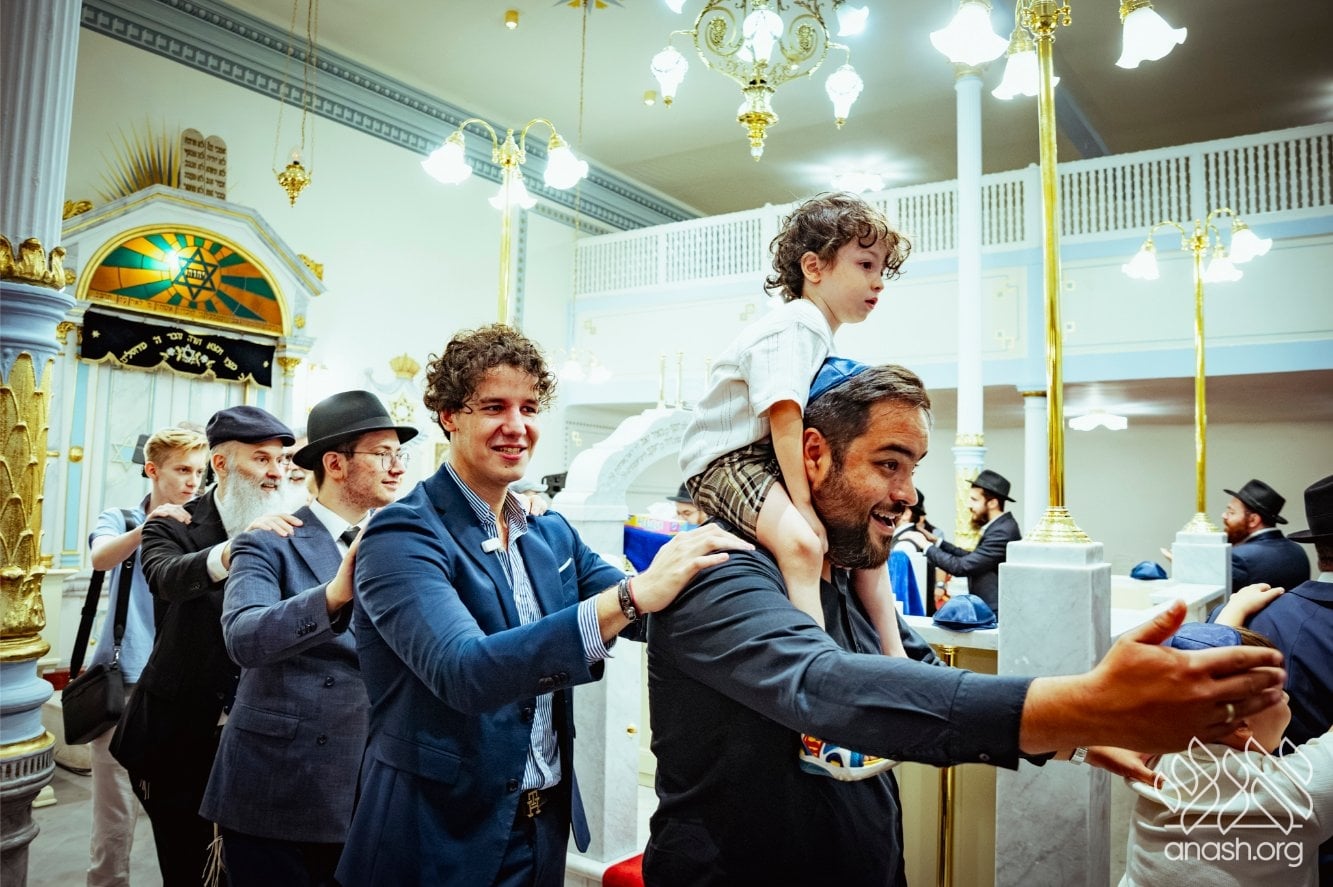
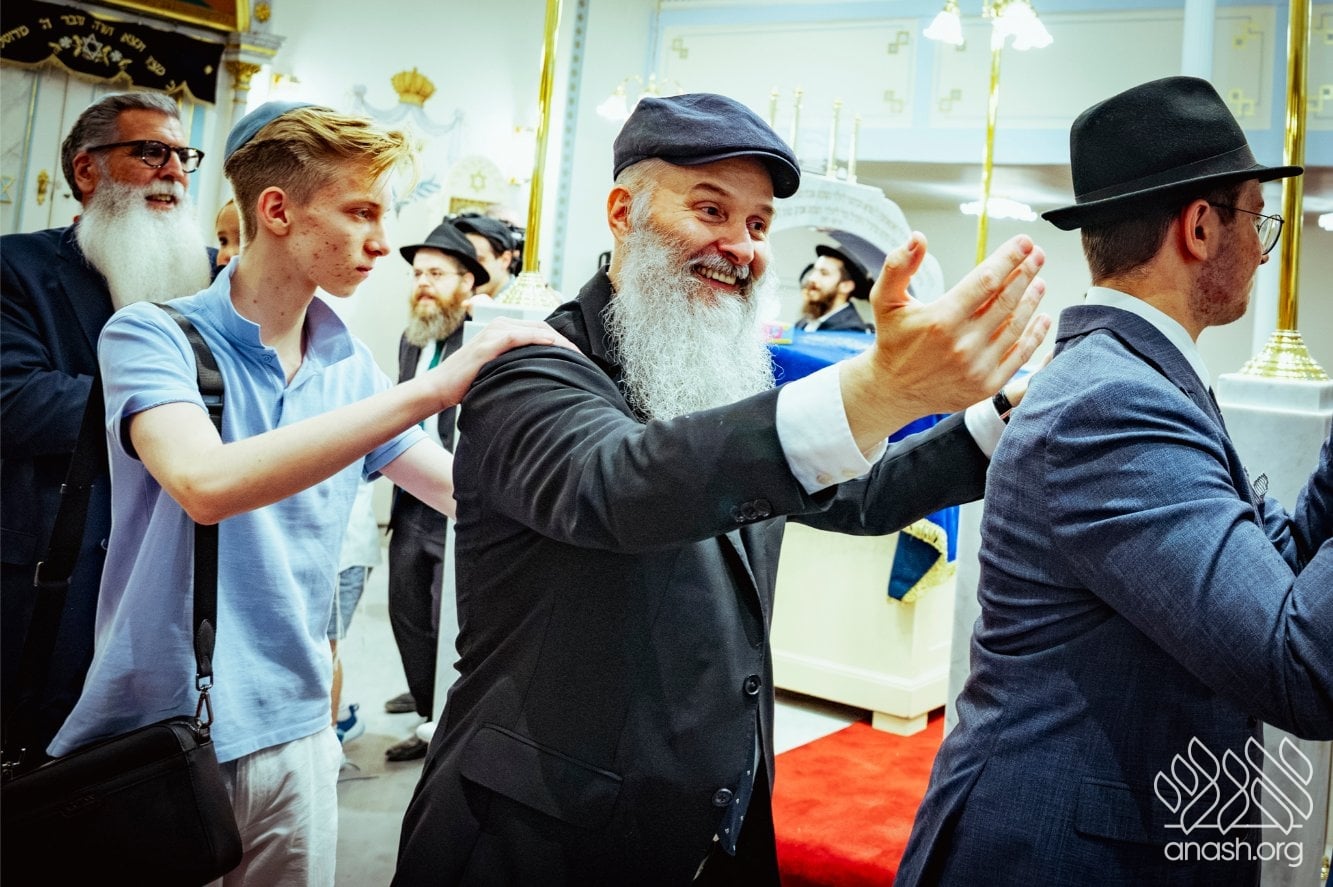
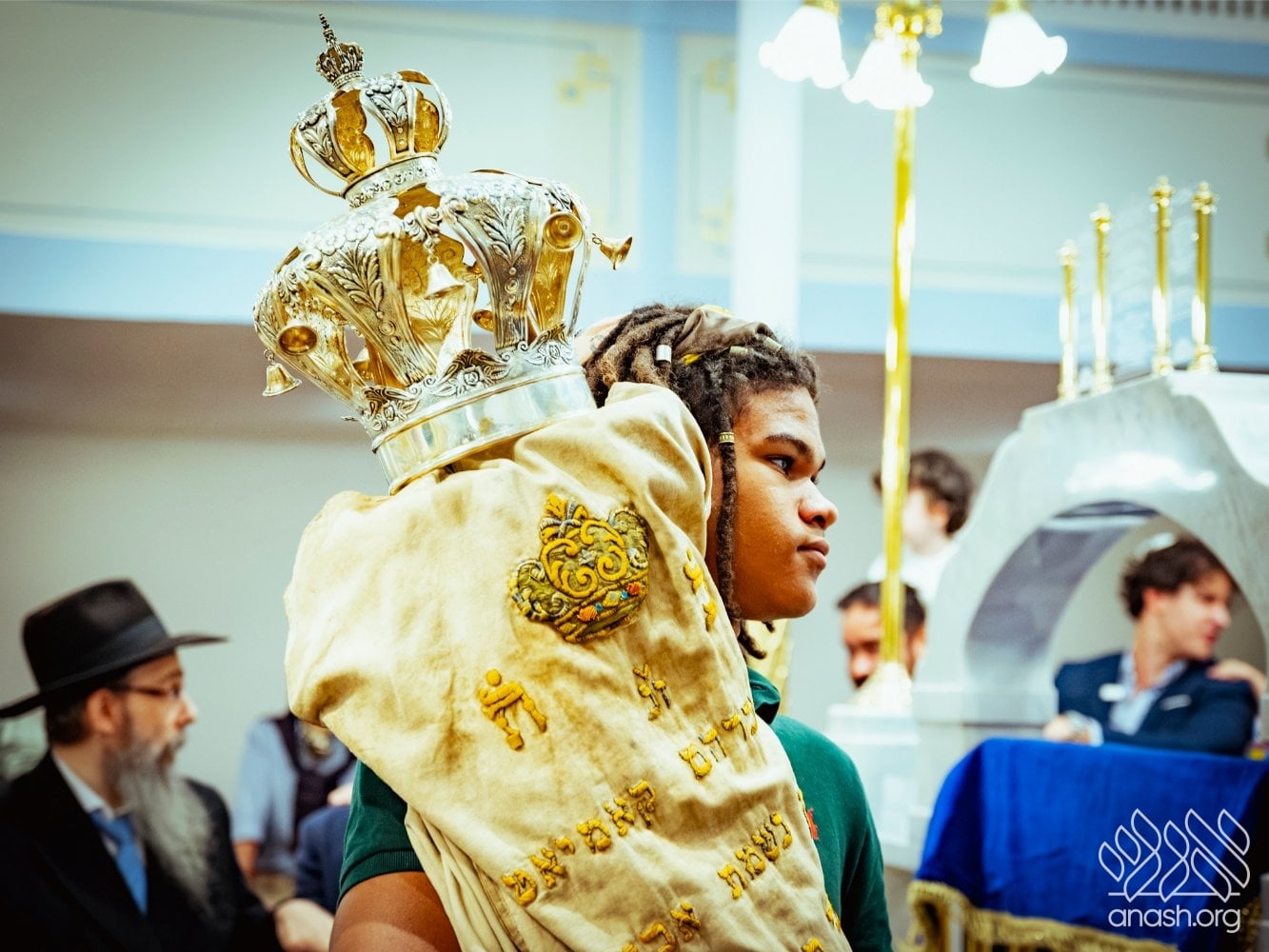
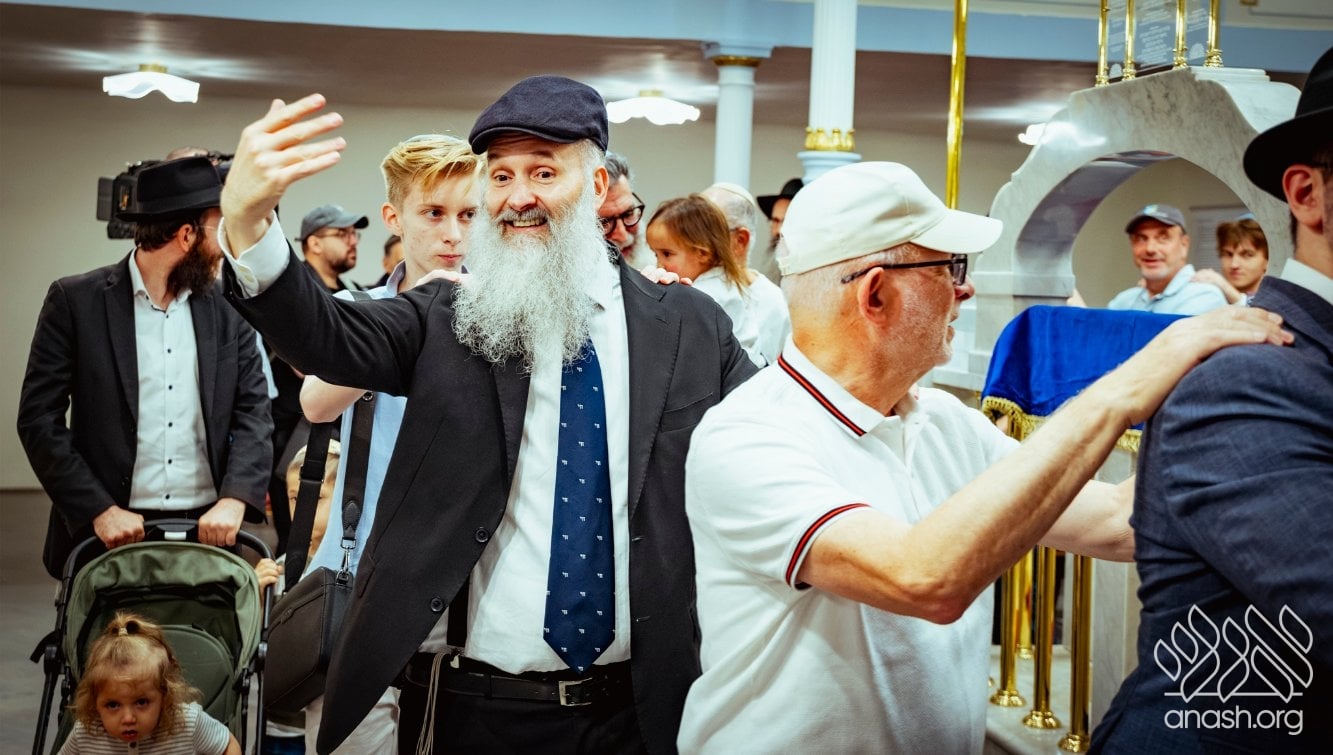
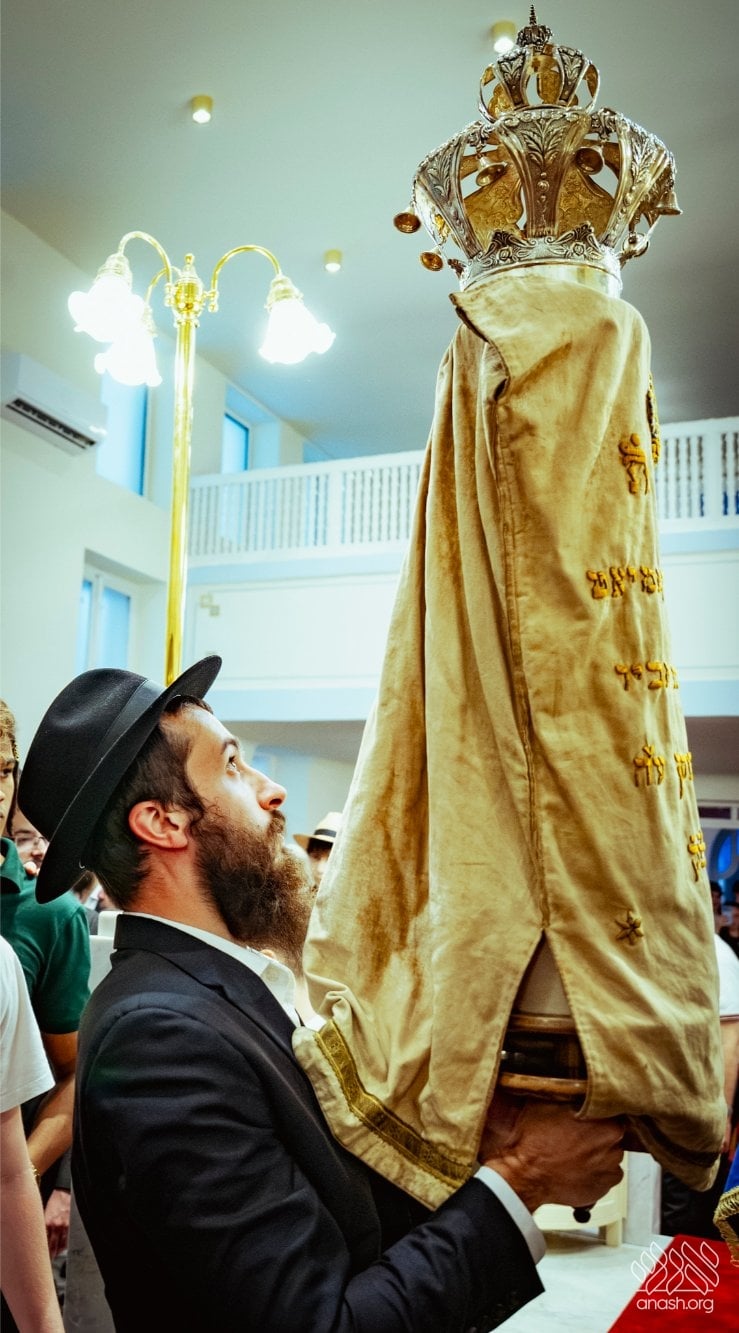
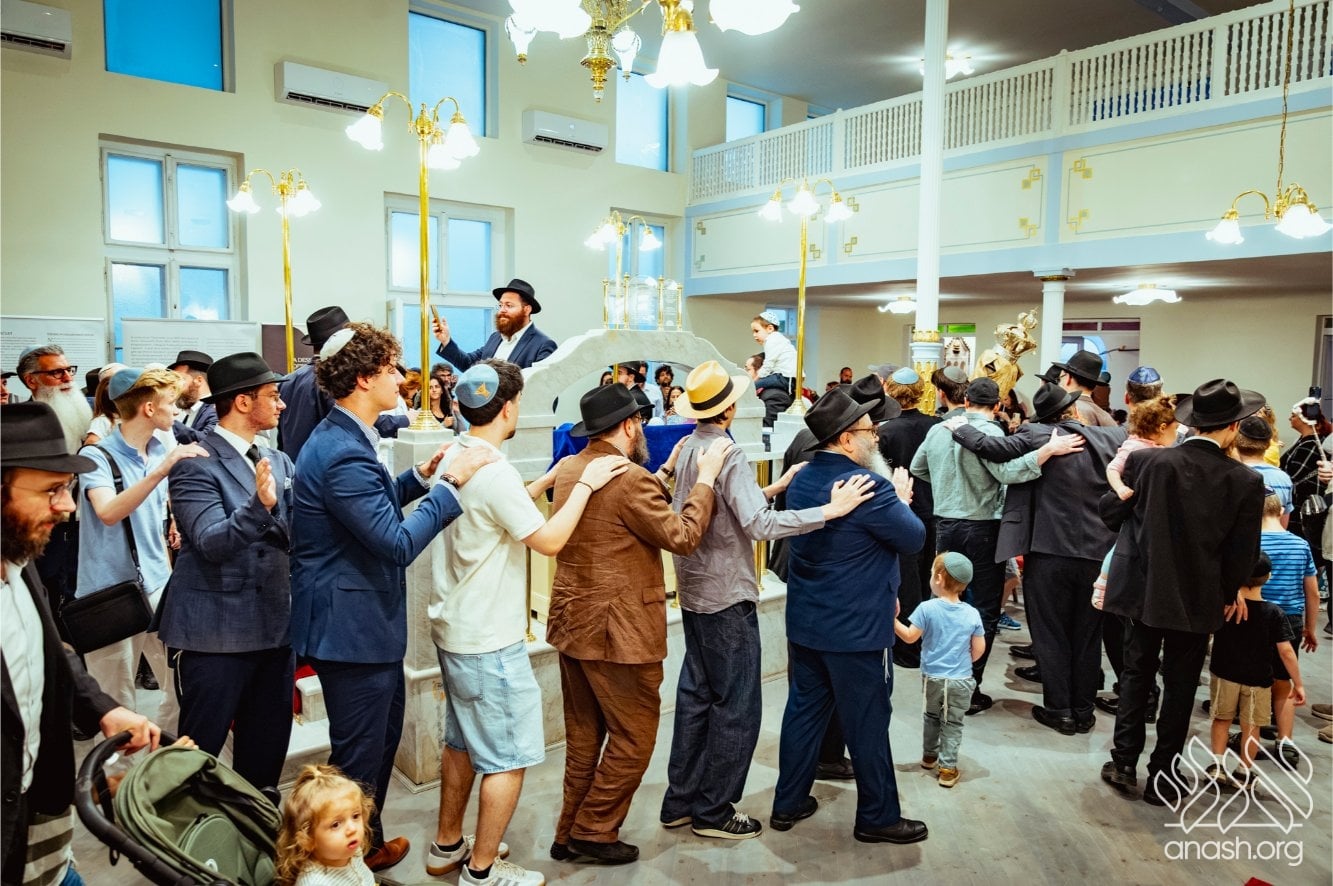
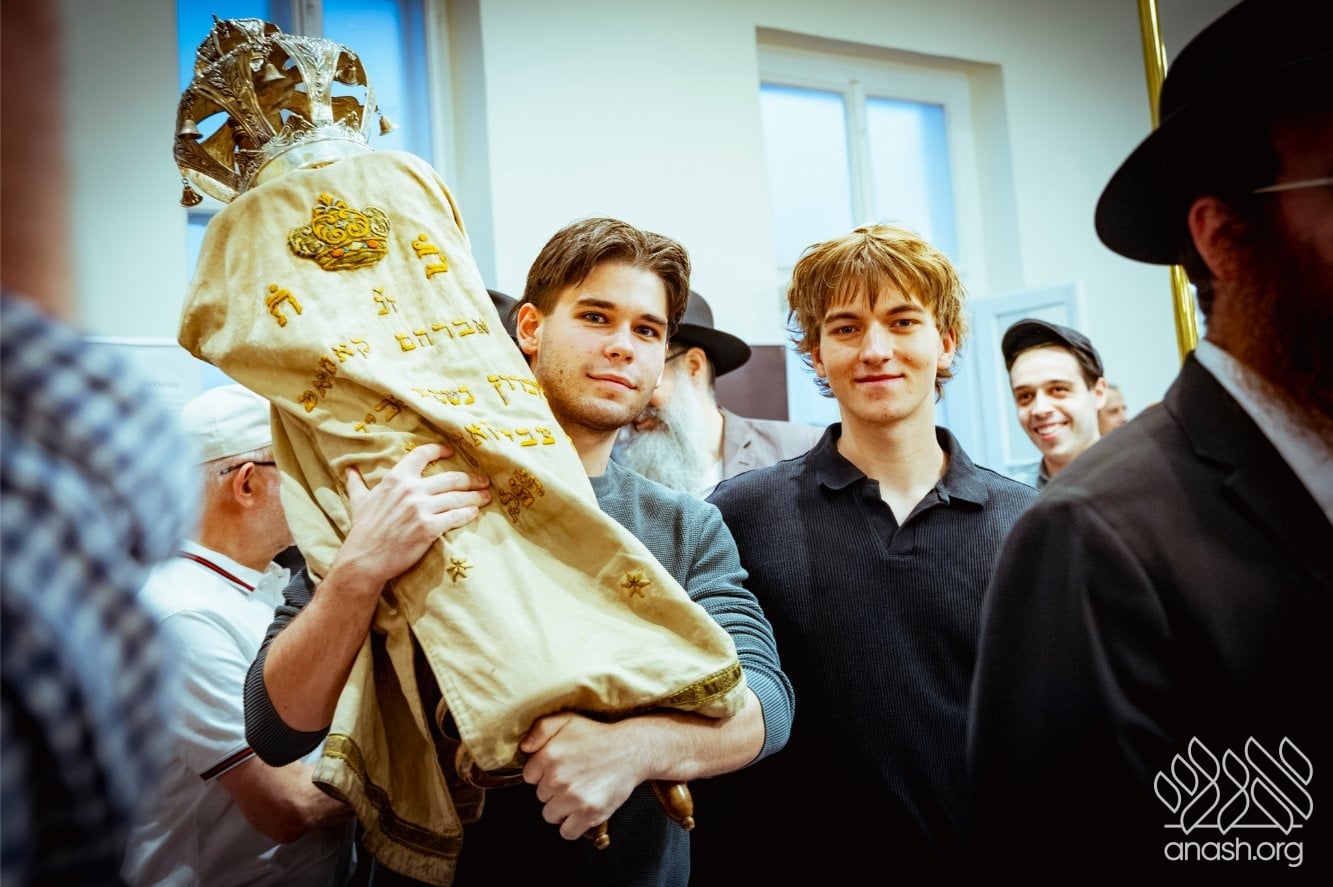
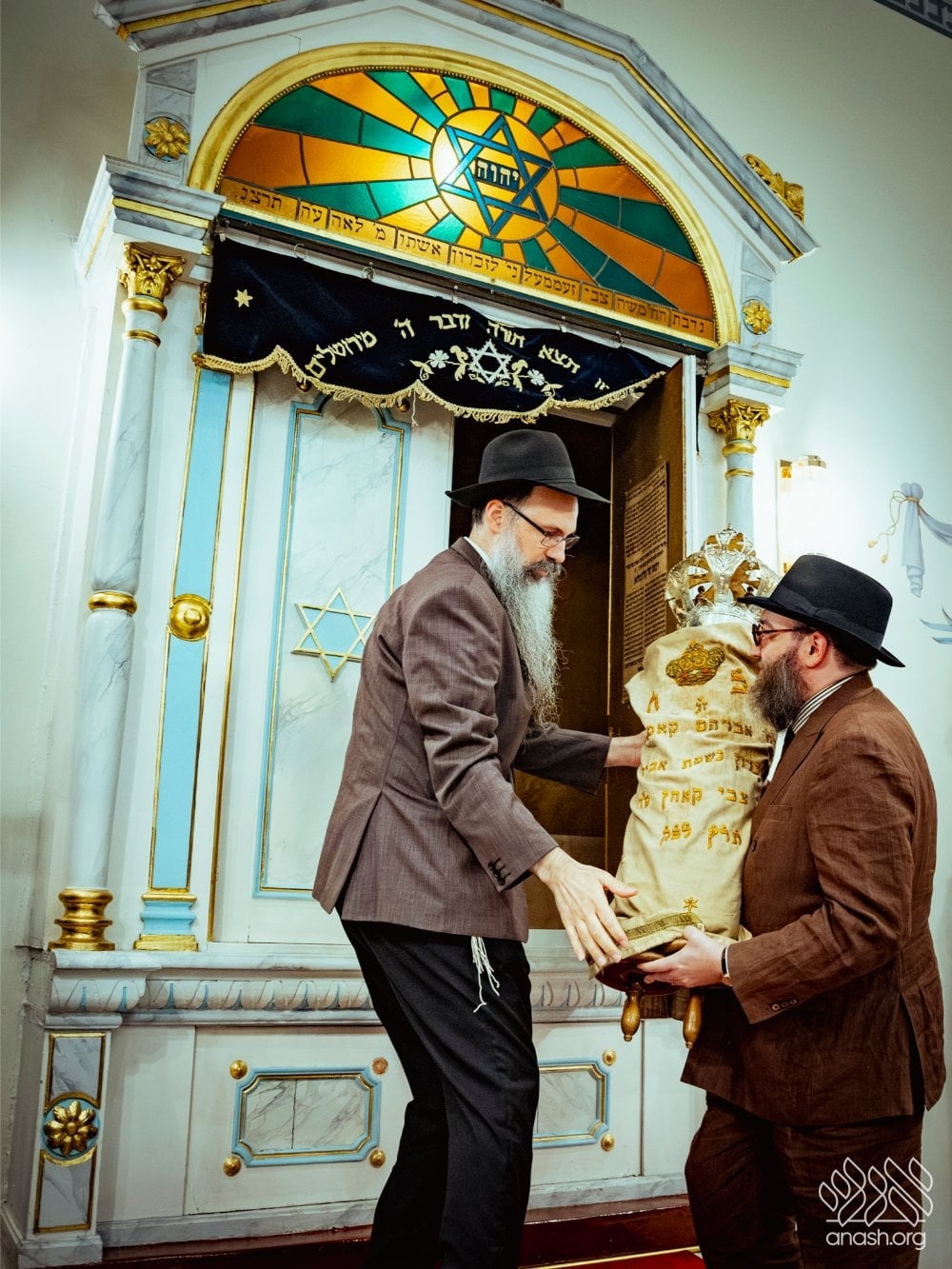
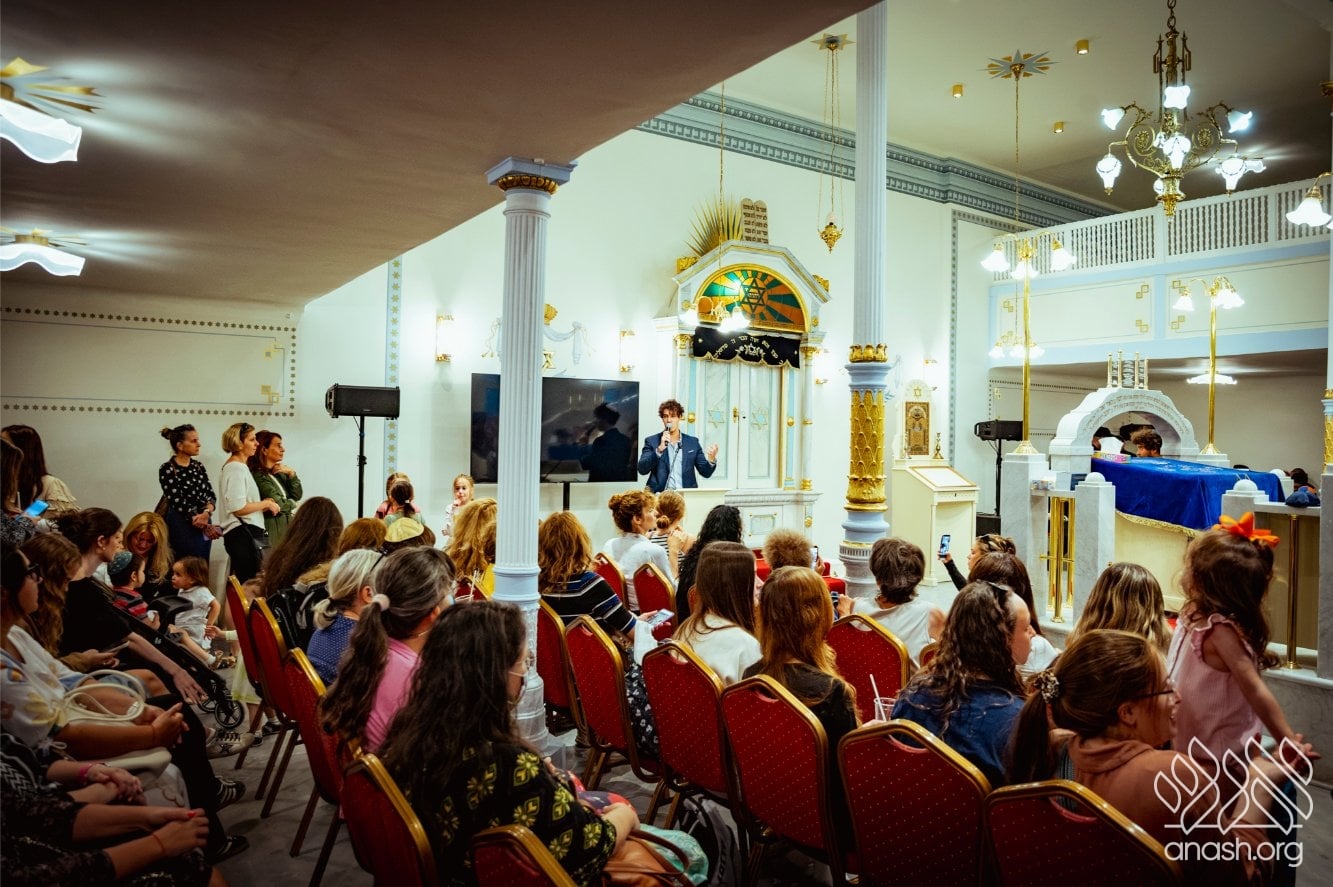
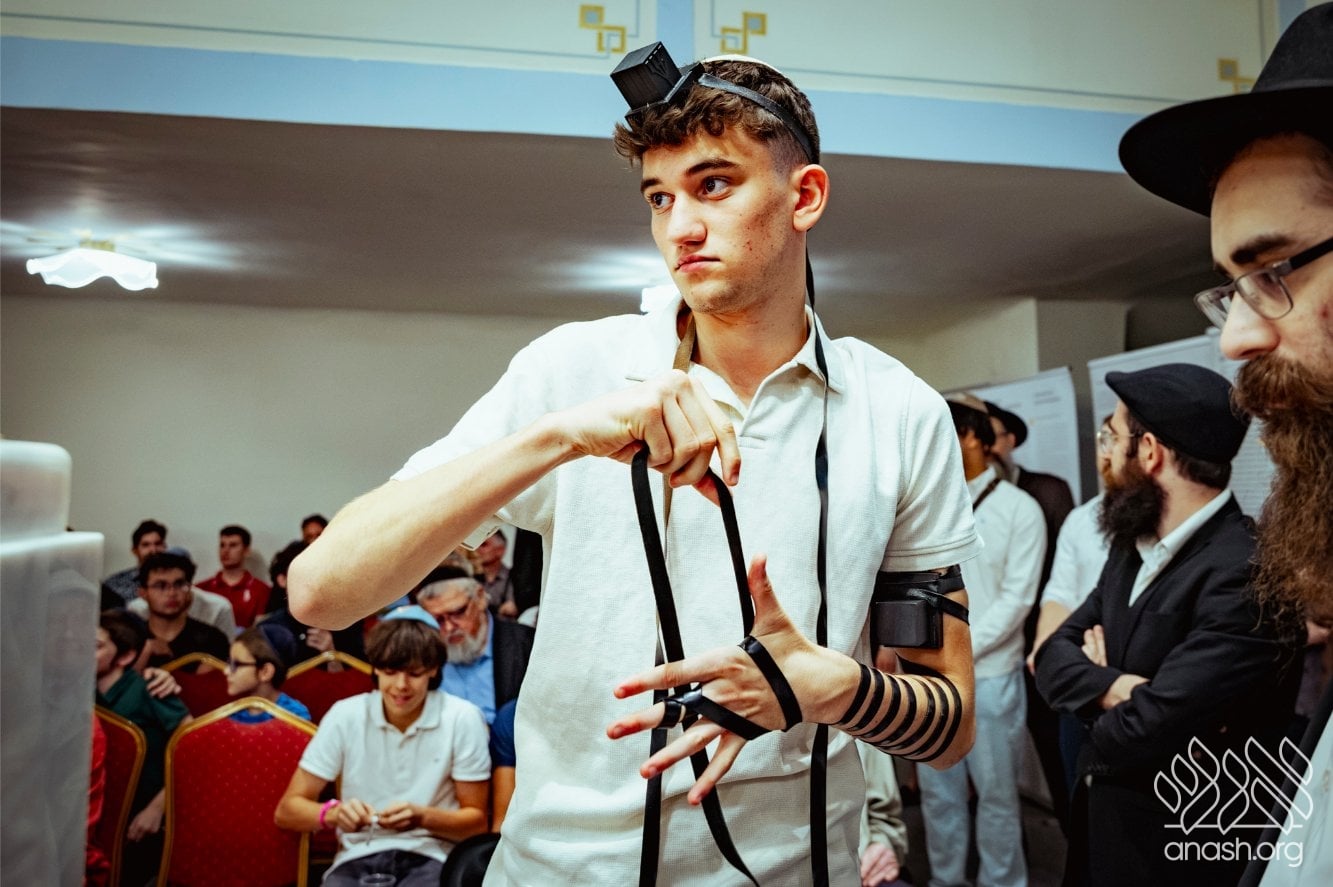
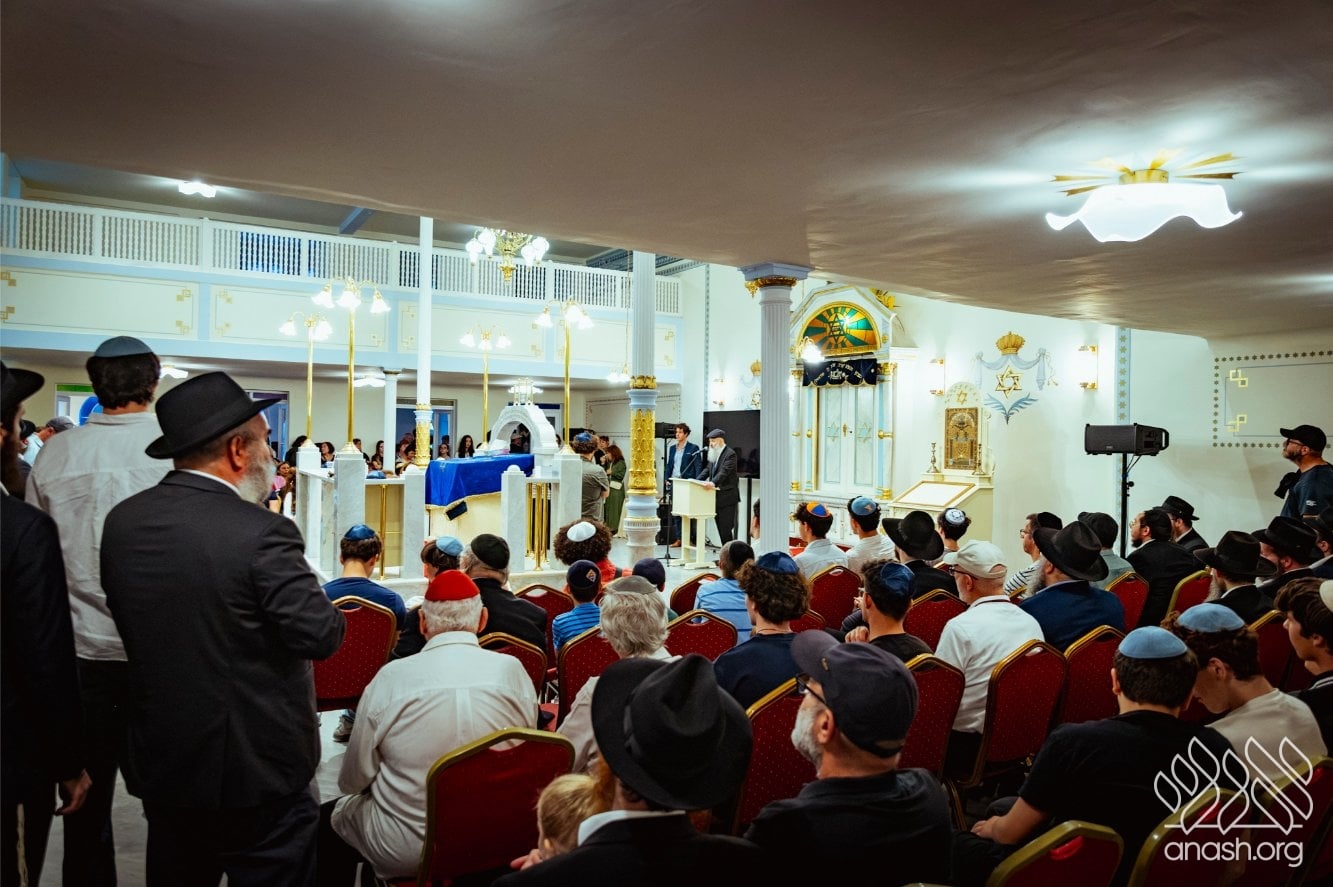
A large crowd gathered on the streets of Budapest, Hungary, to celebrate the reopening of a historic shul with a unique new mission. Located on Dessewffy Street in the city’s Sixth District, the shul will become the first of its kind in the world, serving young Jews under the age of 18 and placing its leadership and daily operations directly in their hands.

A large crowd gathered on the streets of Budapest, Hungary, to celebrate the reopening of a historic shul with a unique new mission. Located on Dessewffy Street in the city’s Sixth District, the shul will become the first of its kind in the world, serving young Jews under the age of 18 and placing its leadership and daily operations directly in their hands.
The initiative is being led by CTeen Budapest, under the direction of Rabbi Tzemi Bassman, with the support and funding of the Association of Hungarian Jewish Communities (EMIH). The goal is to create more than a place to daven, establishing a vibrant Jewish community where teenagers take responsibility for their own Yiddishkeit and play an active role in shaping its future.
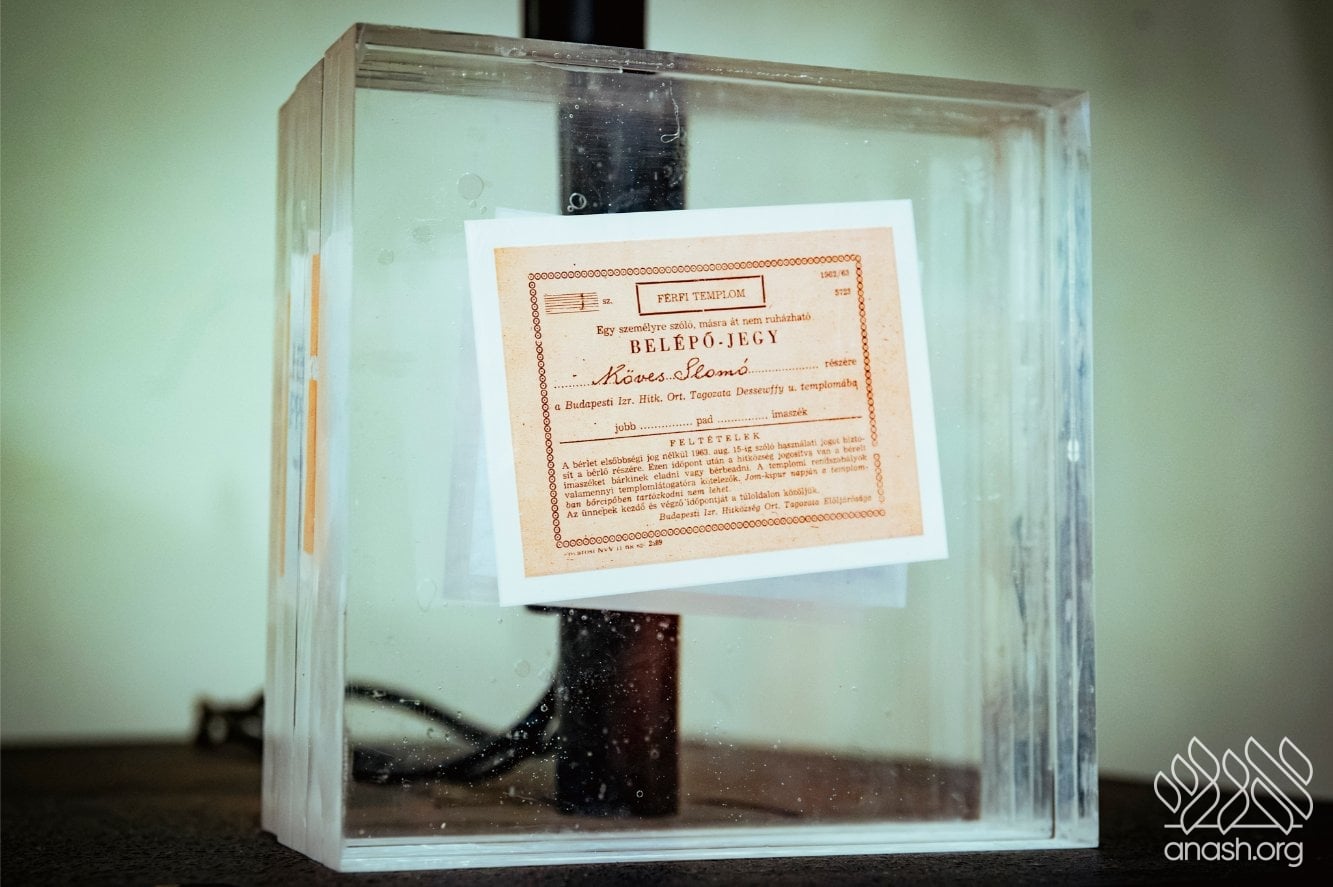
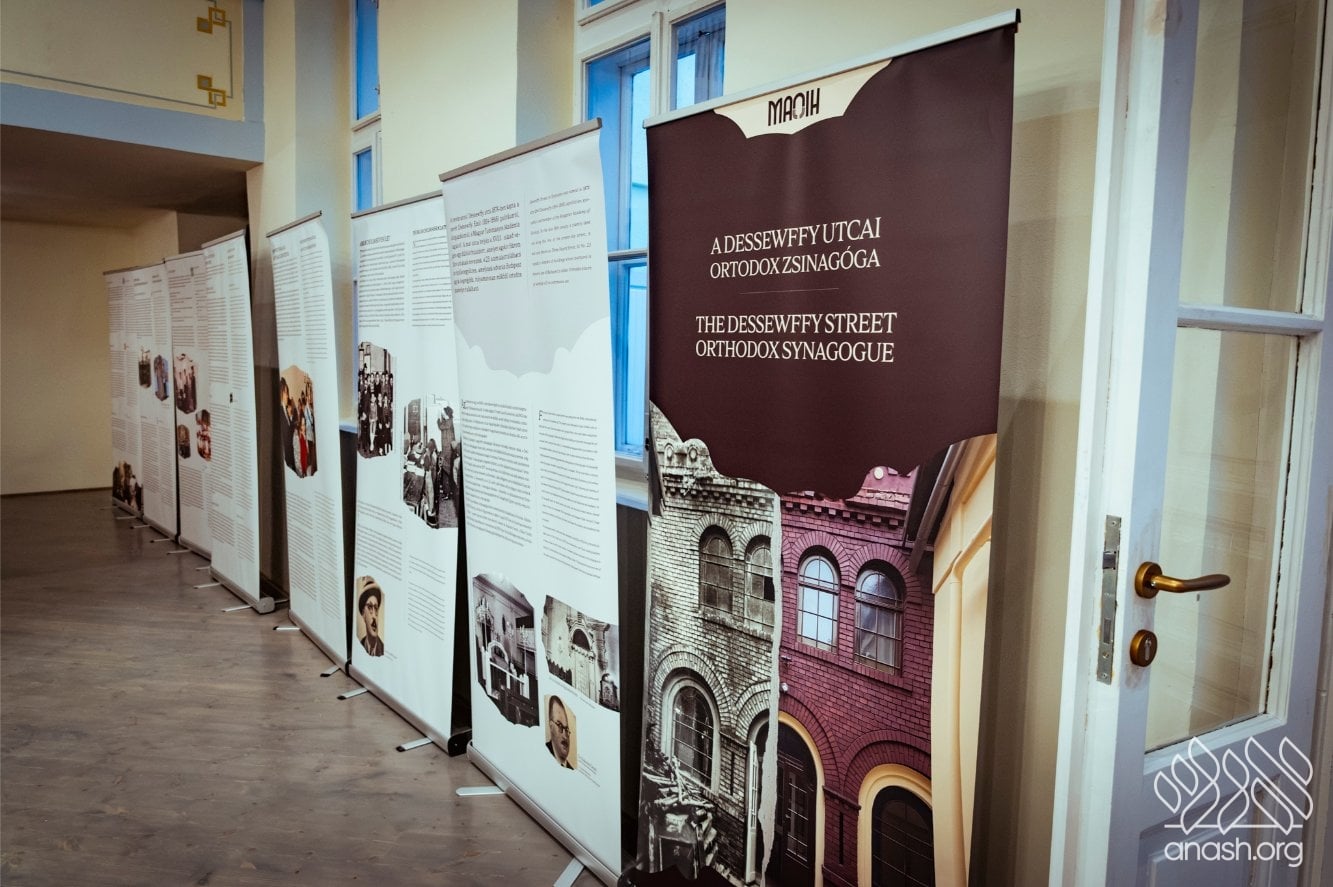
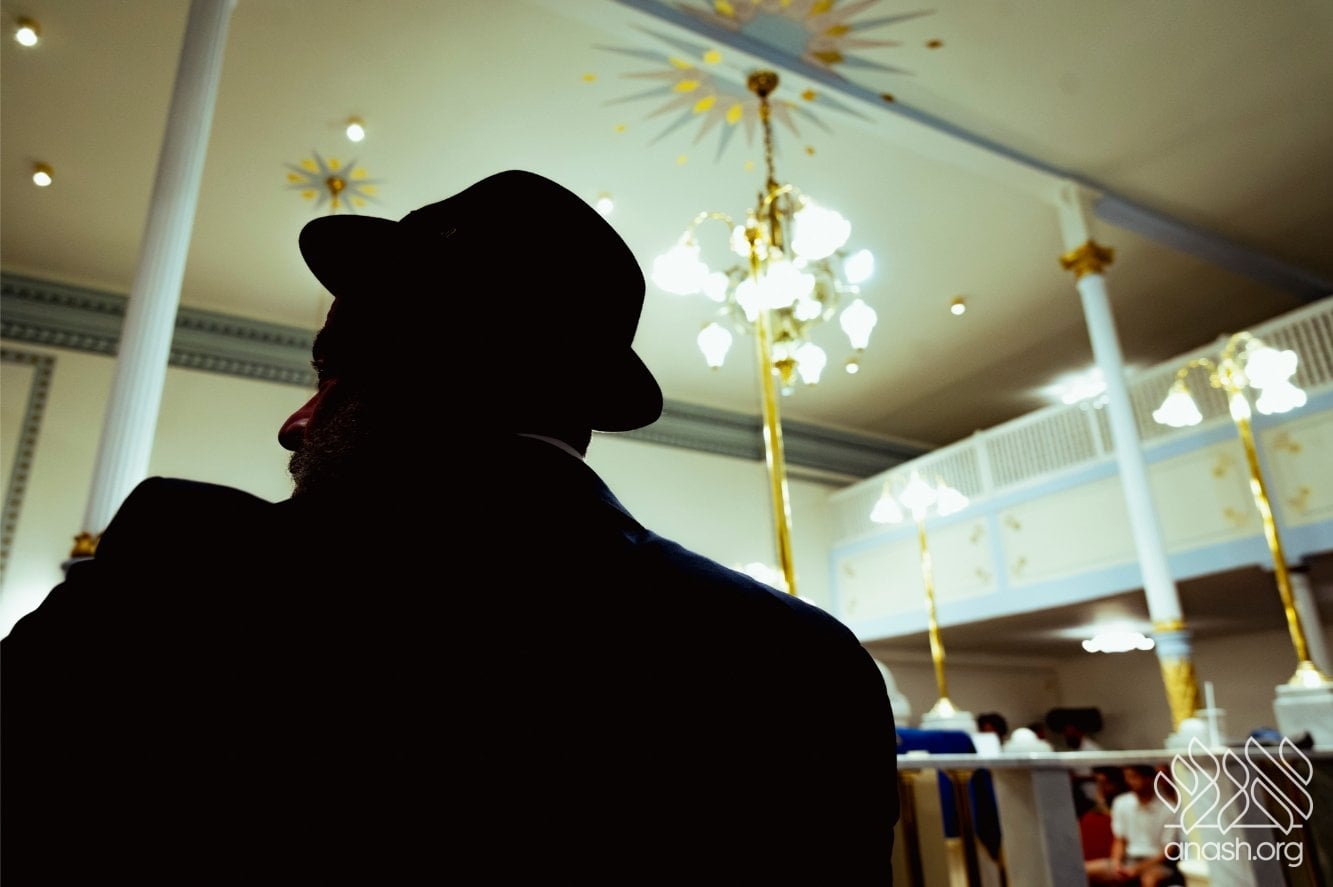
The shul’s history dates back to 1870, when it was established in a former stable and served a community of Jewish coachmen, transport workers and porters known as the “Red Hatters.” Over the generations, it also housed a cheder and various Jewish educational and youth programs, remaining an important center of Orthodox Jewish life in Budapest.
In the decades following World War II, the shul became closely associated with Laszlo Herzog (1950–2014), who served as its chazzan, baal korei and teacher. Following his passing and the gradual decline of the longtime congregation, regular activities eventually ceased more than a decade ago.
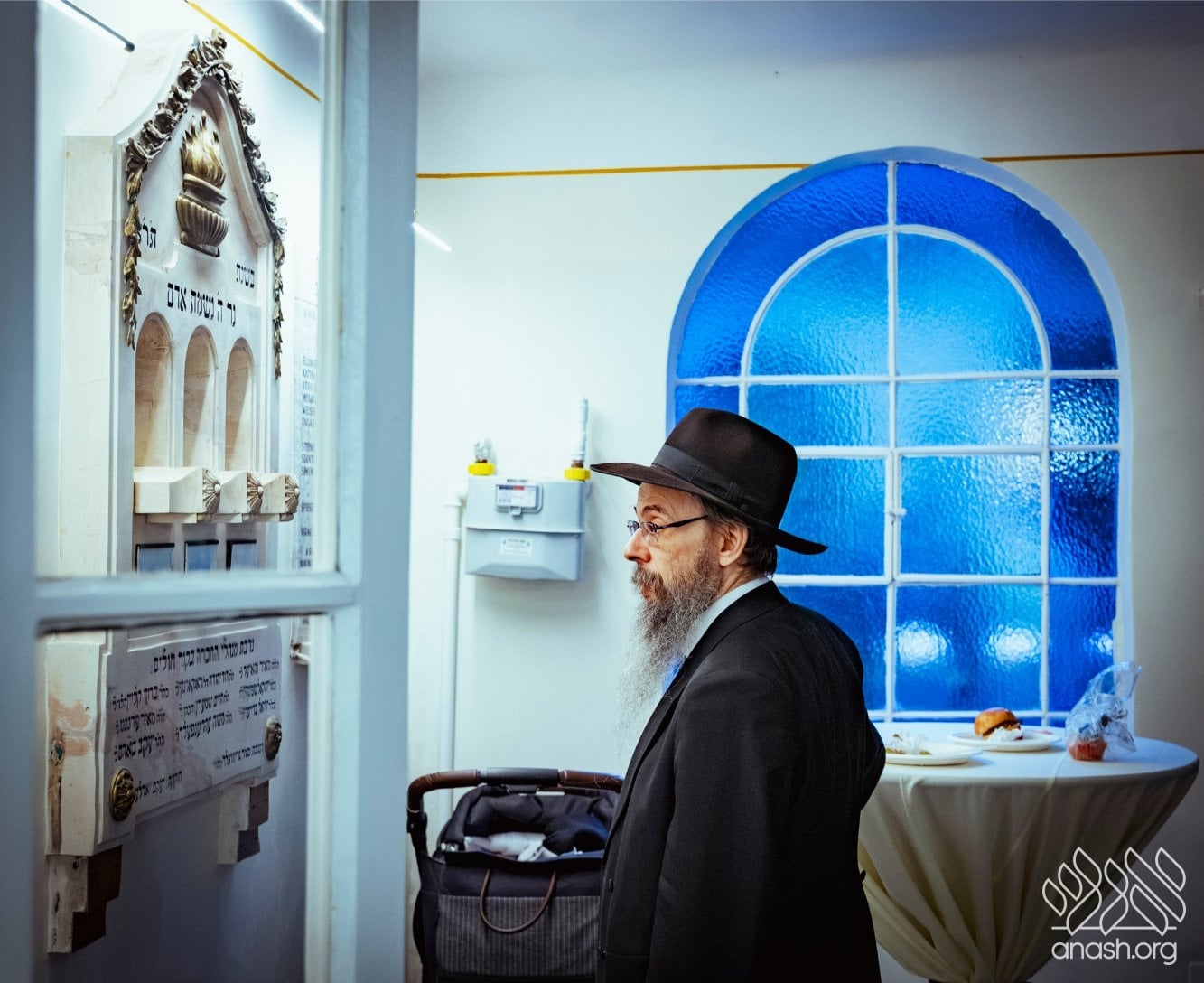
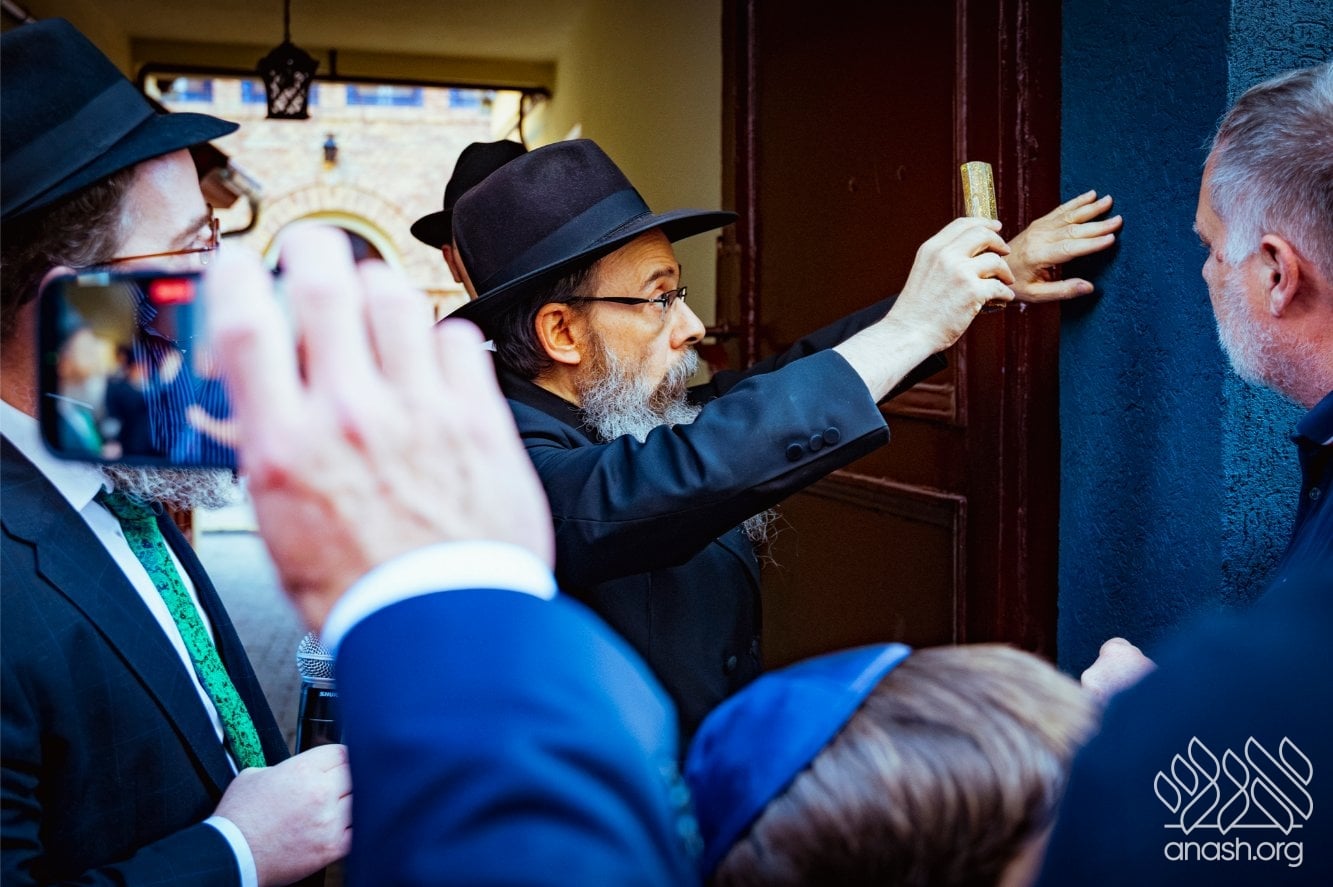
Now, with EMIH’s support, the historic building has been restored to Jewish communal life. The organization has worked for years to reclaim and reopen historic shuls across Hungary, most recently rededicating the historic shul in Rakospalota last month.
“The young people are the future of Hungarian Jewry,” said Rabbi Baruch Oberlander, head Shliach to Hungary. “It is very encouraging to see that they are not content simply with wanting to learn and participate in Jewish life, but are also willing to take responsibility for it.”
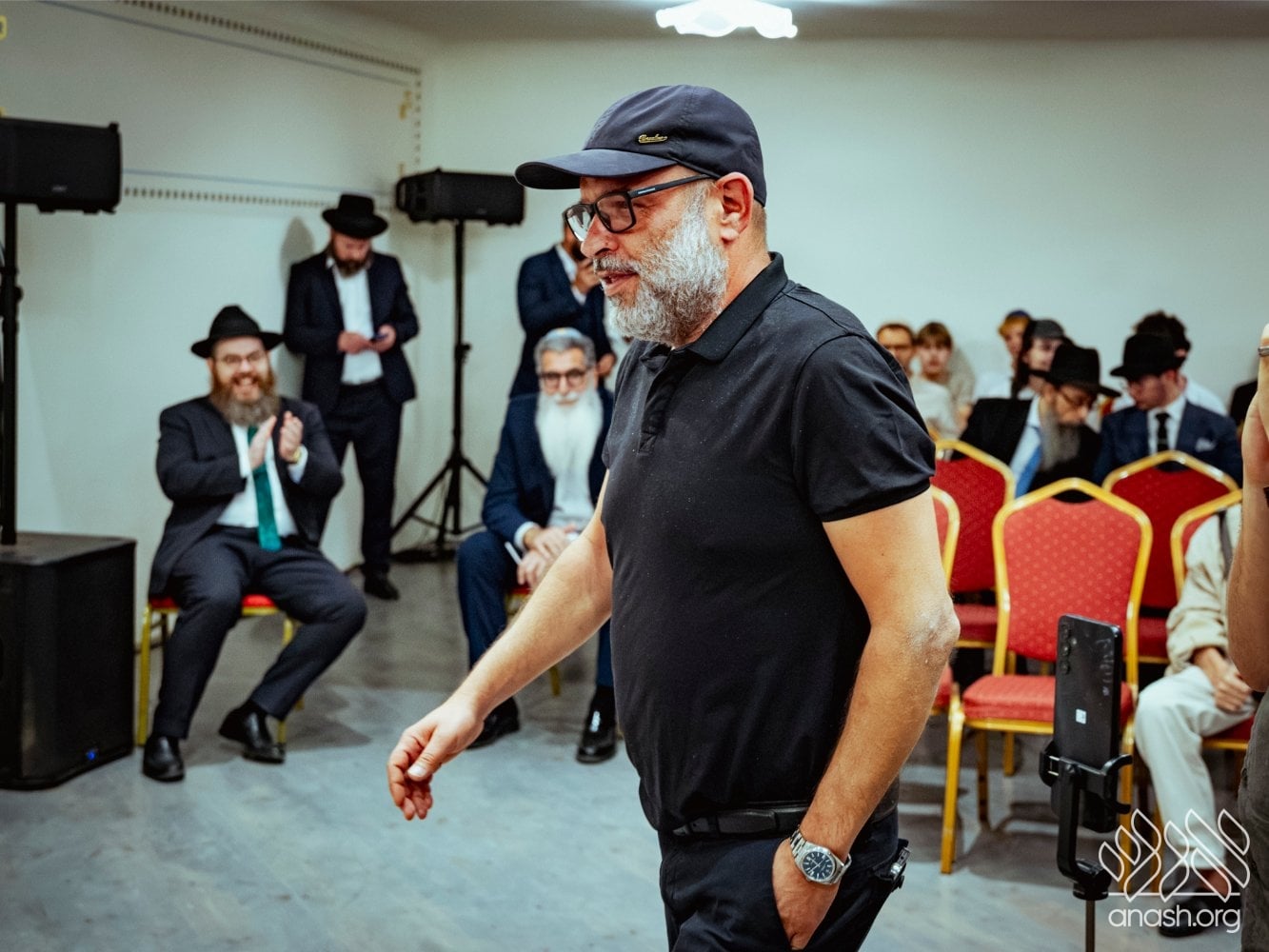
“We are continuing our determined efforts to restore Jewish life to shuls that have been abandoned or closed, wherever there is a community need and it is possible to do so,” said Rabbi Shlomo Koves, chief rabbi of EMIH. “We are especially proud that this time we are reopening a shul that will be filled with life by the CTeen youth community, which has become a successful and rapidly growing community, and where the young people themselves will take on a central role in its management and operation.”
“A shul is truly alive when its doors are open, when people daven there, learn there and build a community there,” said Gabor Keszler, president of the Orthodox community MAOIH. “It is as if these old shuls are breathing again when, after many years of silence, they are once more filled with people and Jewish life. We are very happy that this is exactly what is now happening on Dessewffy Street.”
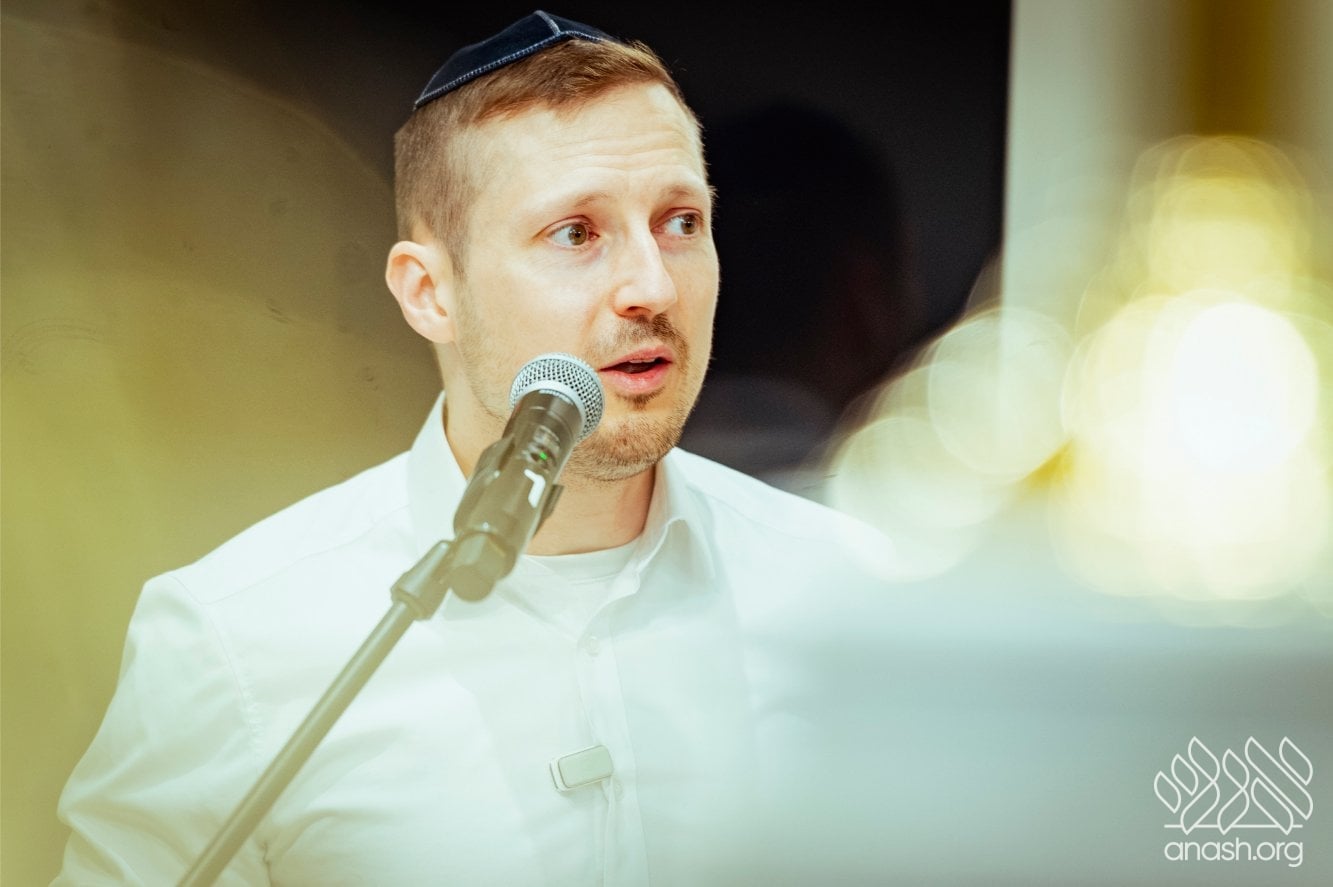
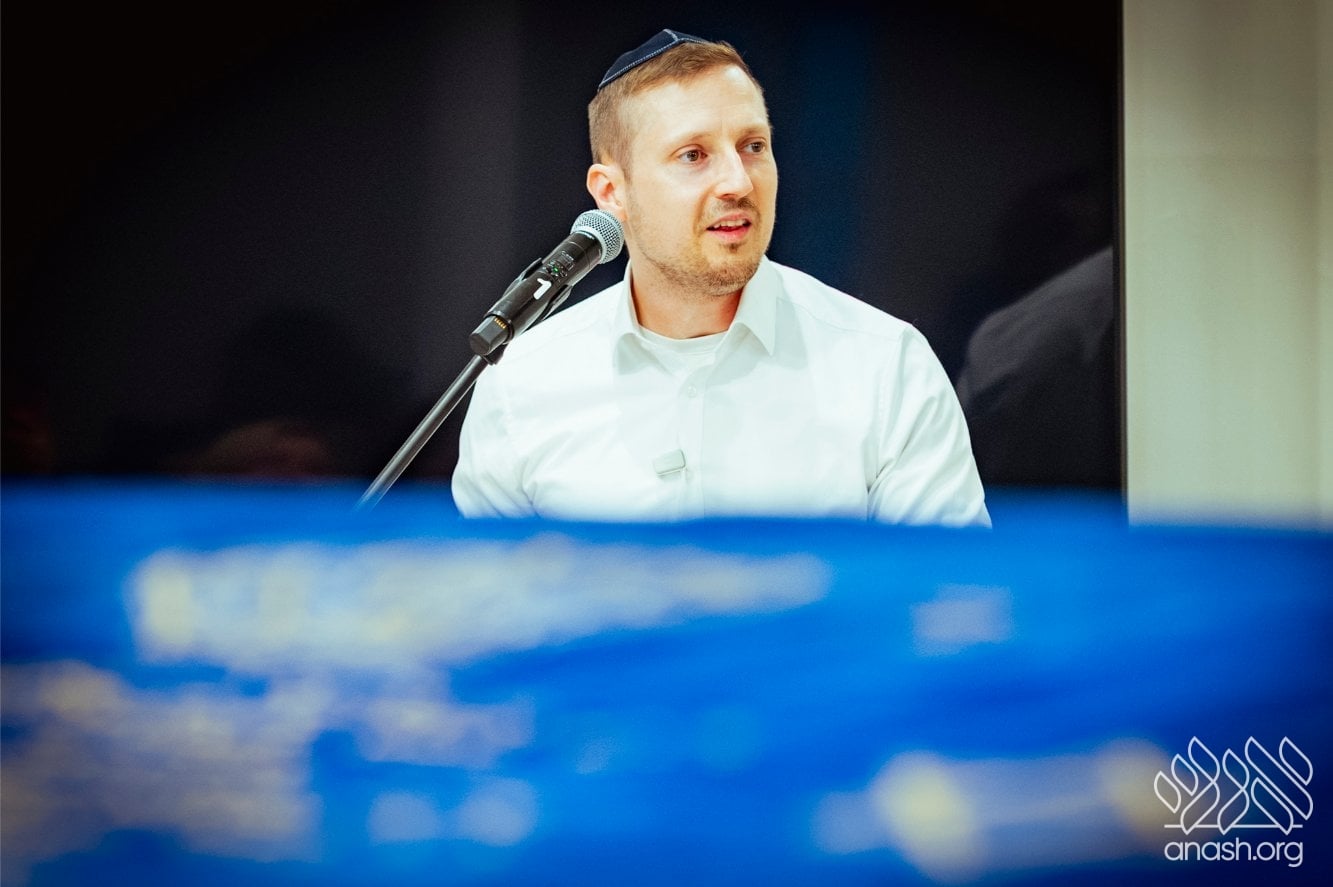
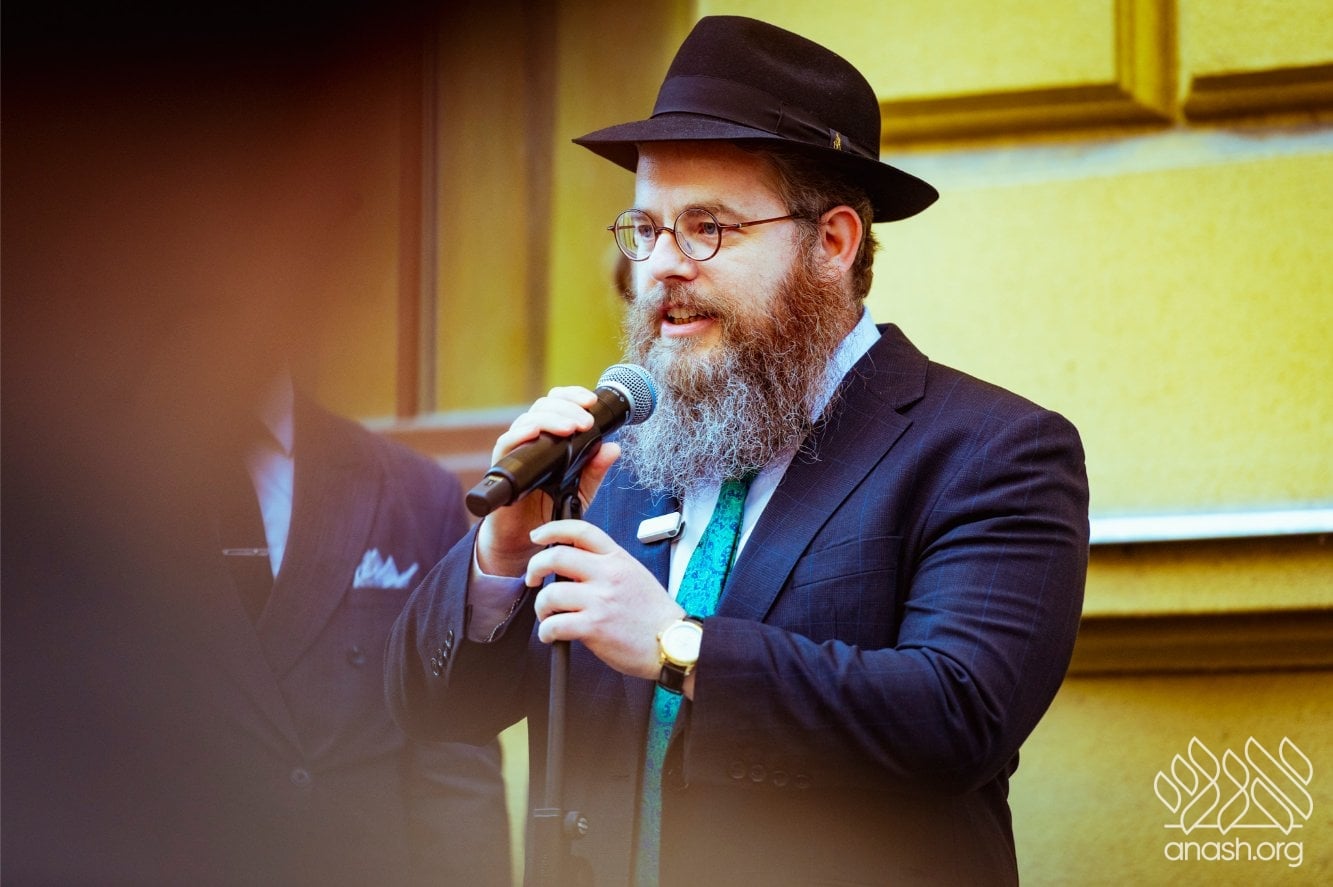
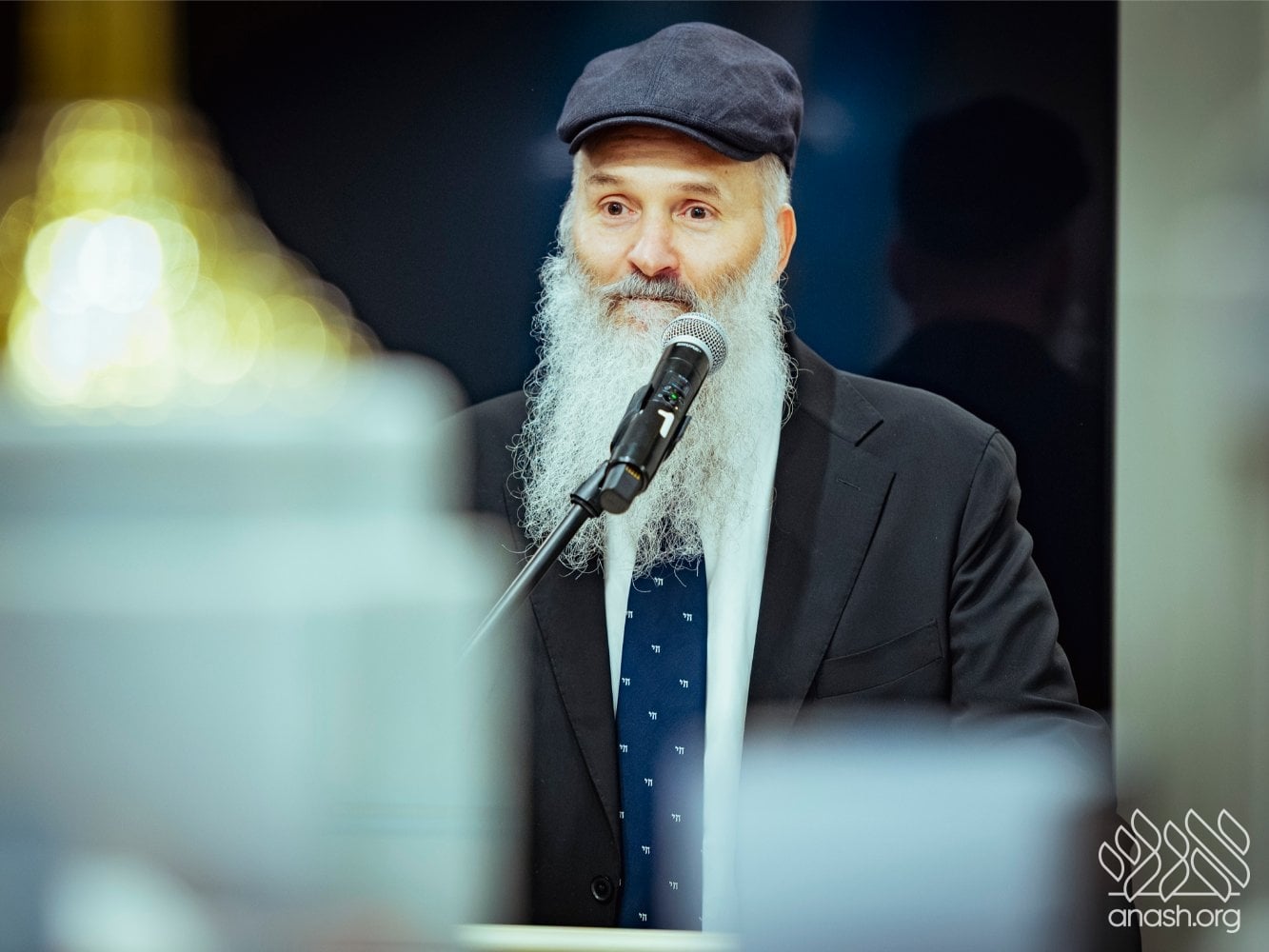
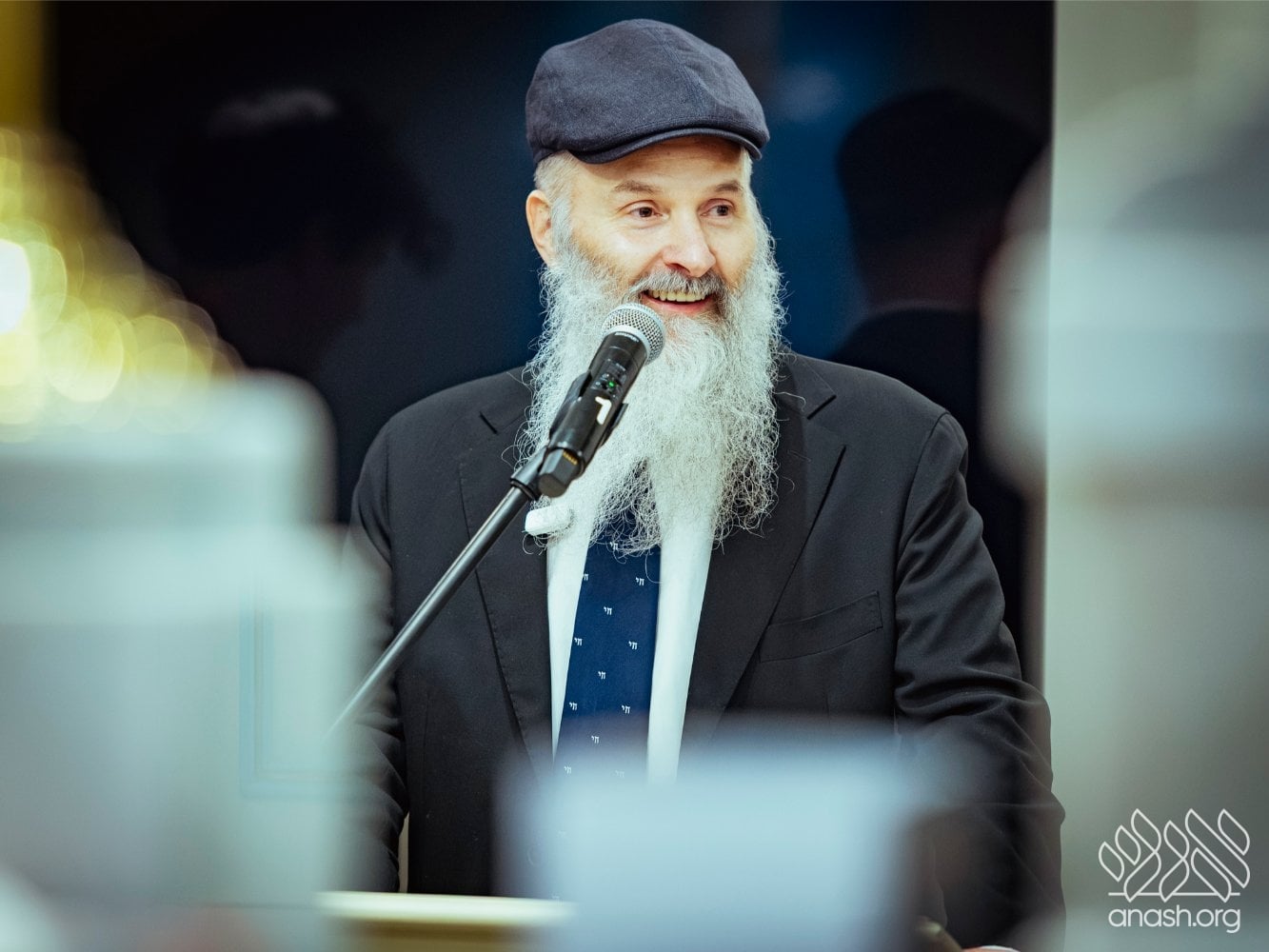
Rabbi Tzemi Bassman, rav of the new youth community, described the vision behind the initiative.
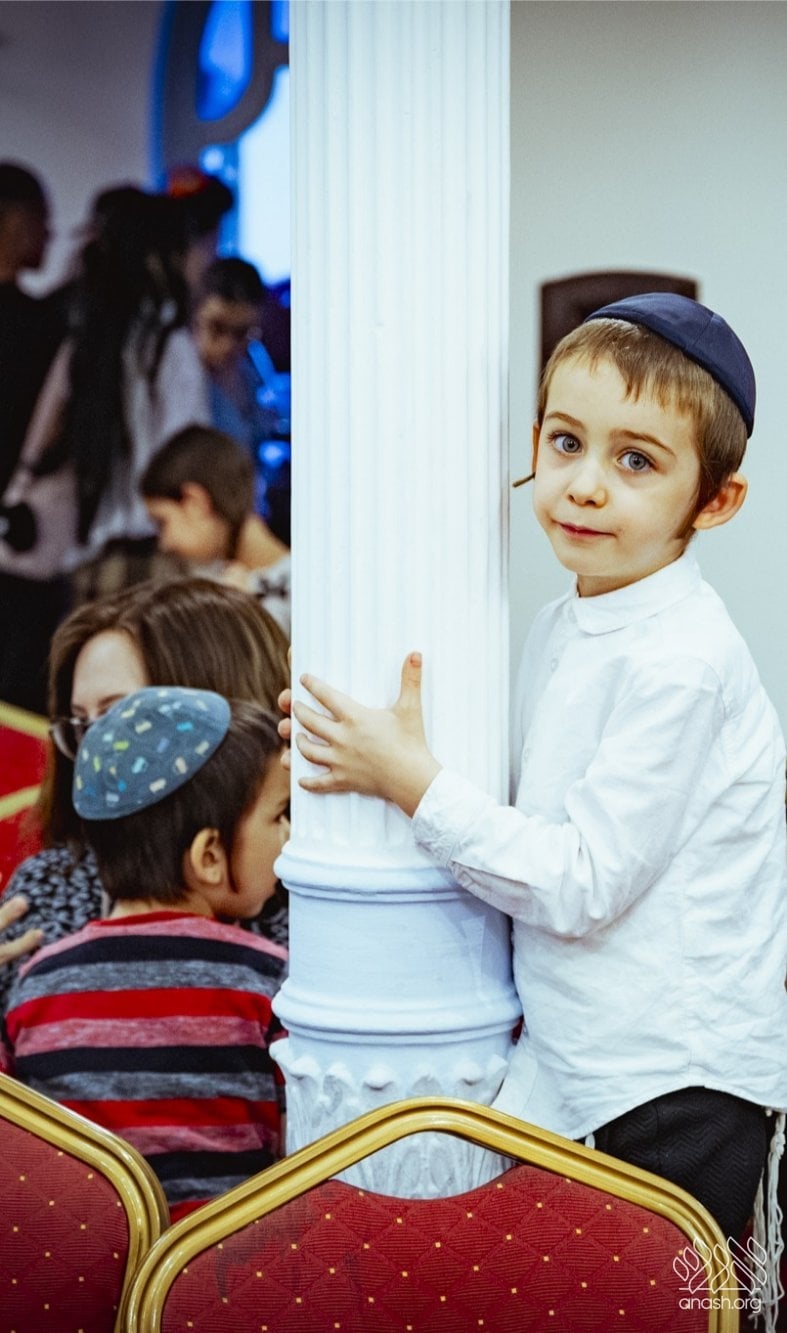
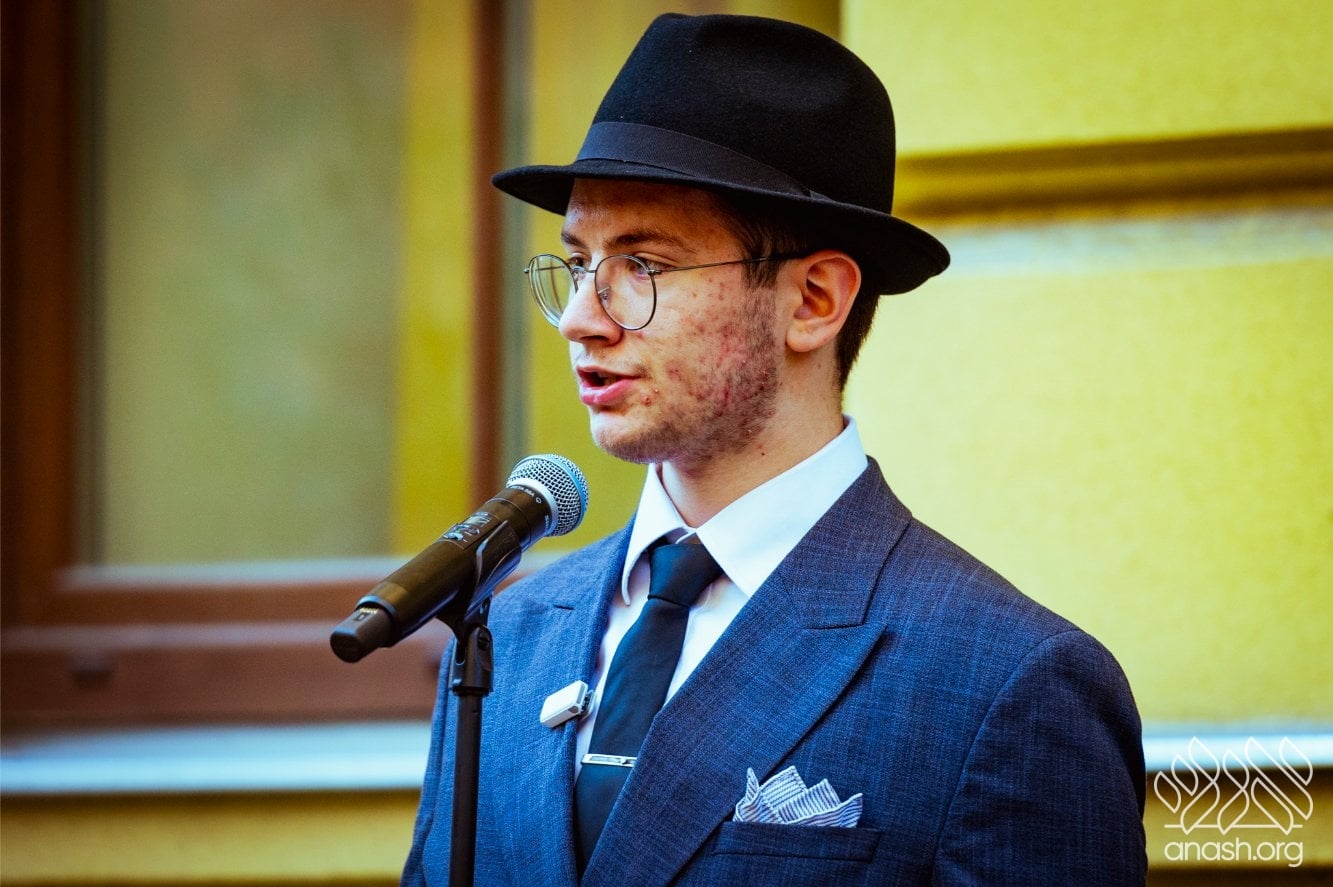
“Our clear goal is to fill this shul with life, joy and the pride that Yiddishkeit can give a young person,” he said. “We want everyone who walks in here to feel at home, find a community, learn, daven and live their Yiddishkeit with pride.”
The dedication was also attended by Tamas Soproni, mayor of Terézváros, the district where the shul is located. He welcomed the return of Jewish life, describing the reopening as a continuation of the district’s longstanding Jewish heritage.
“The fact that the renovated shul is now once again becoming a home for young people is therefore not a break with the past, but the natural continuation of a tradition spanning generations,” he said.
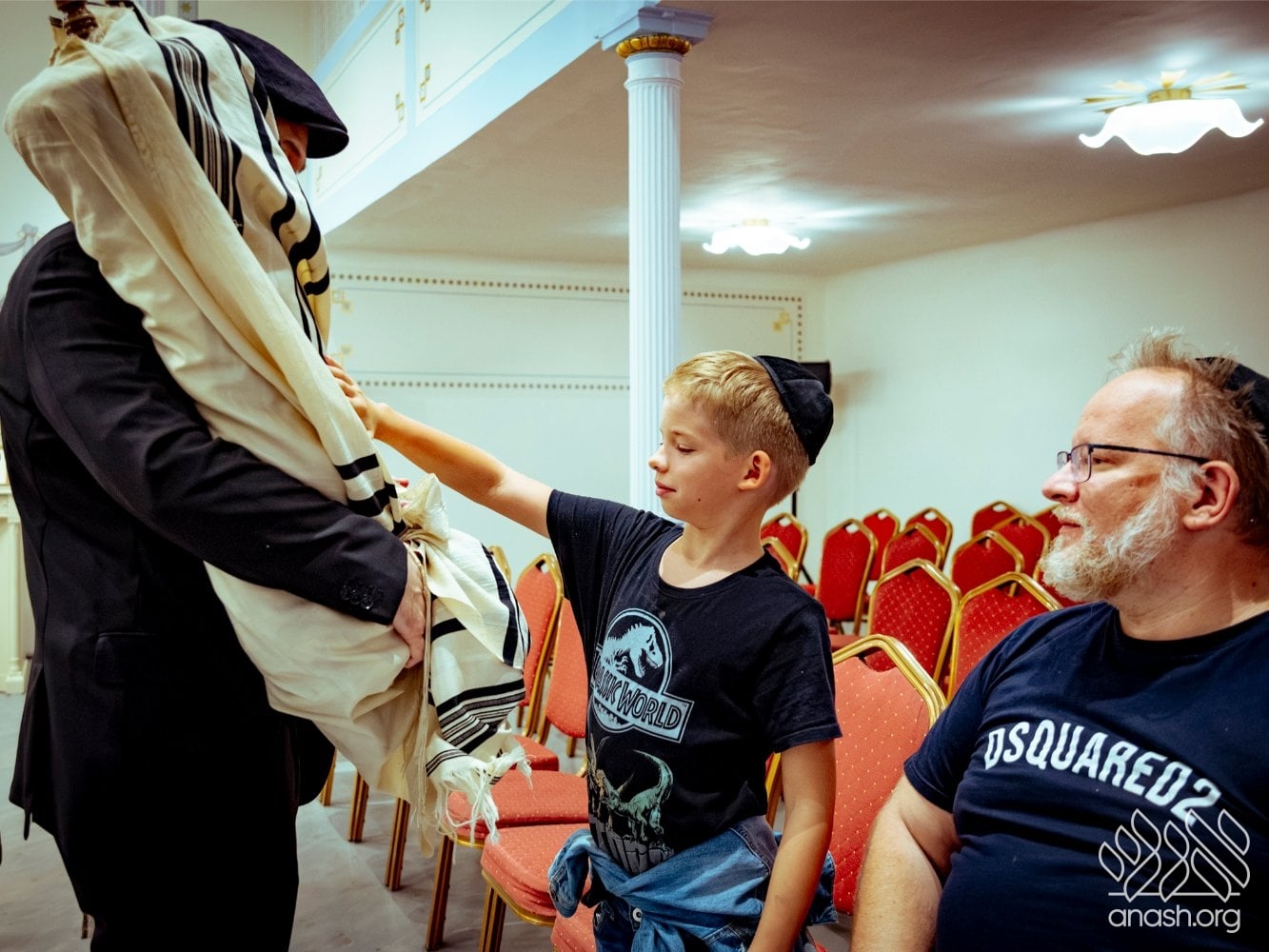
With the historic shul once again opening its doors, a new generation of Hungarian Jewish teenagers will have the opportunity not only to daven and learn there, but also to build and lead a community of their own.














































 COMMENTS


We appreciate your feedback. If you have any additional information to contribute to this article, it will be added below.