




ט׳ מרחשון ה׳תשפ״ז | October 20, 2026
Chassidus and Academia Collaborate at Stanford University
Co-sponsored by Stanford University and IJSS, the conference brought together Chassidic scholars, academics, and prison reform practitioners to explore the Rebbe’s vision of human dignity and transformation.
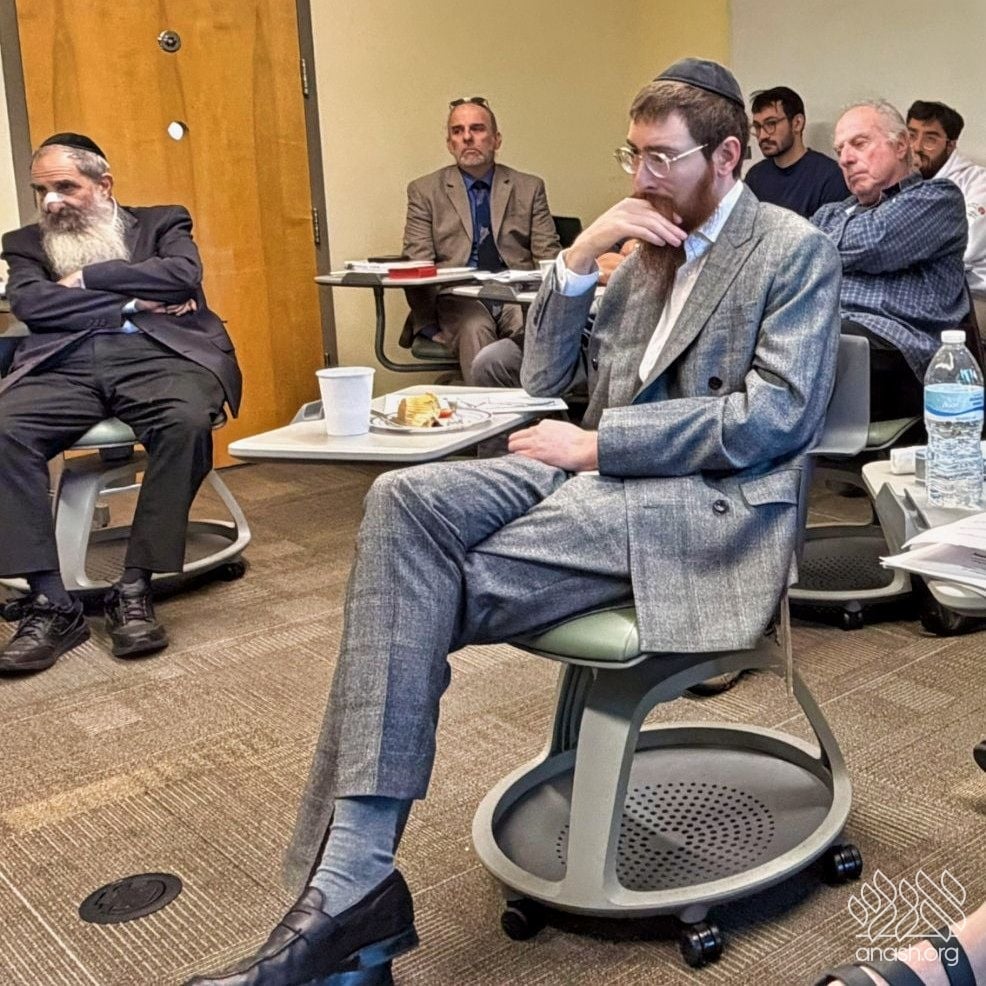
What can the teachings of the Rebbe contribute to contemporary conversations about criminal justice, rehabilitation, and the inherent worth of every individual?
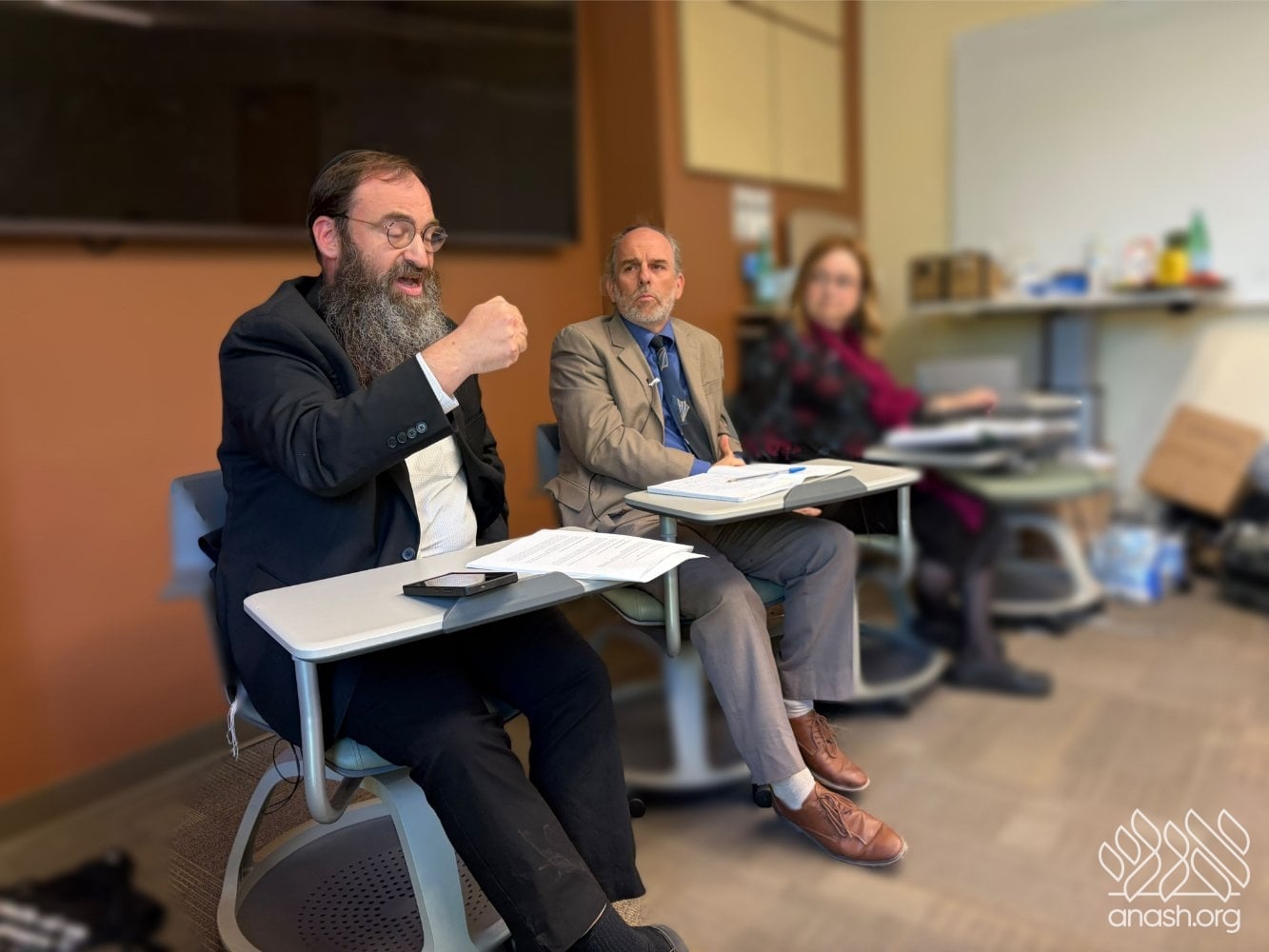
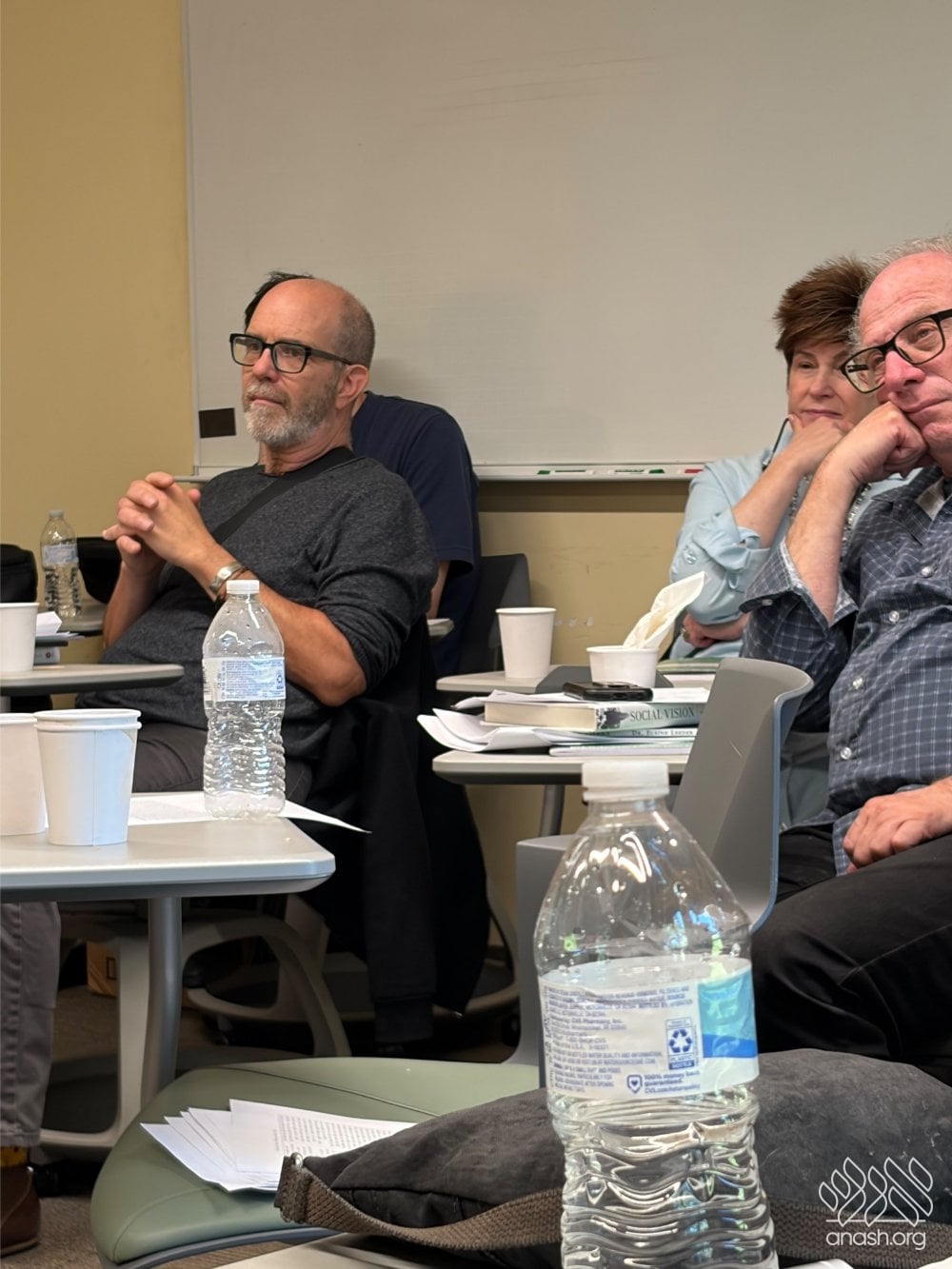
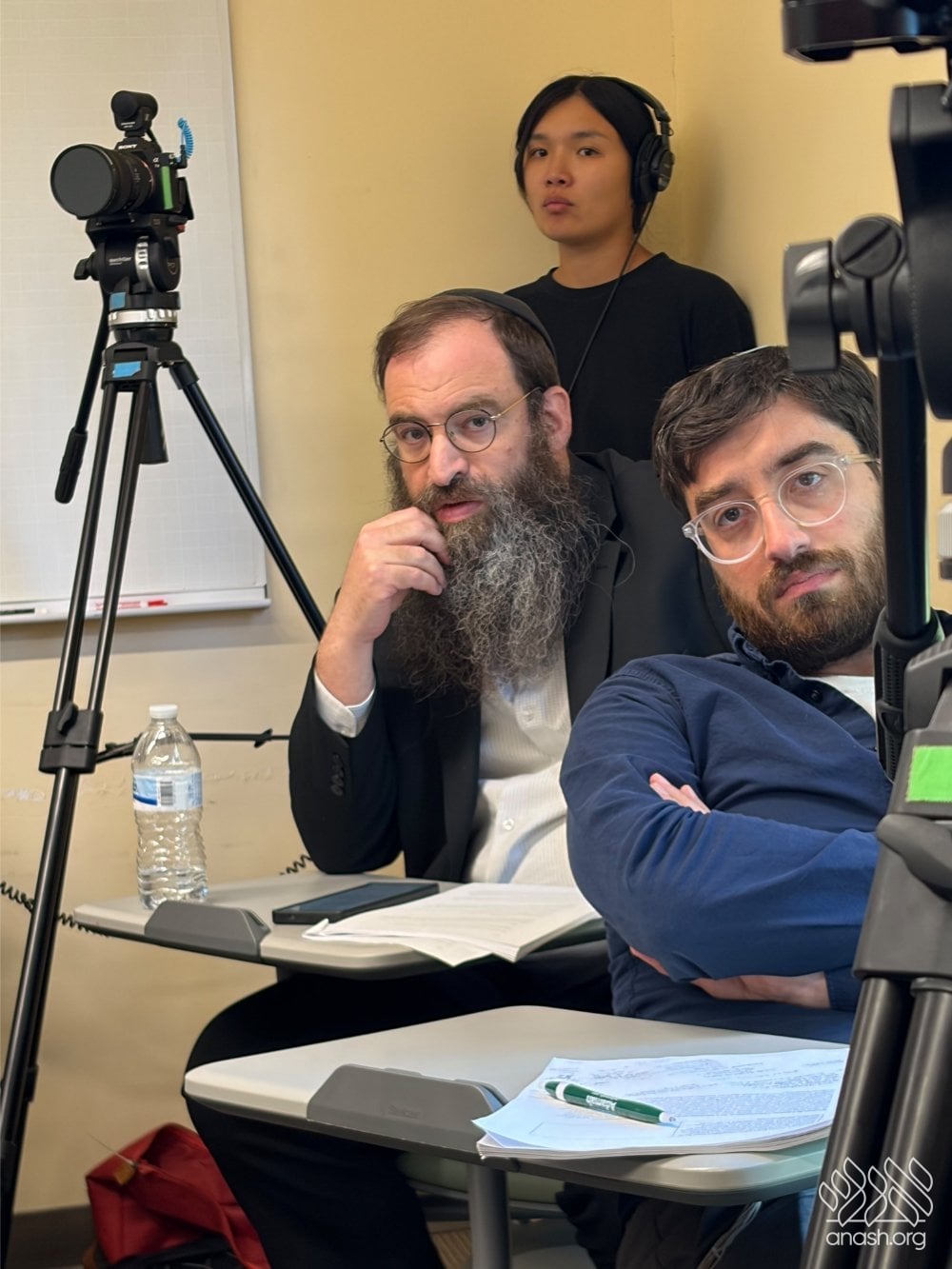
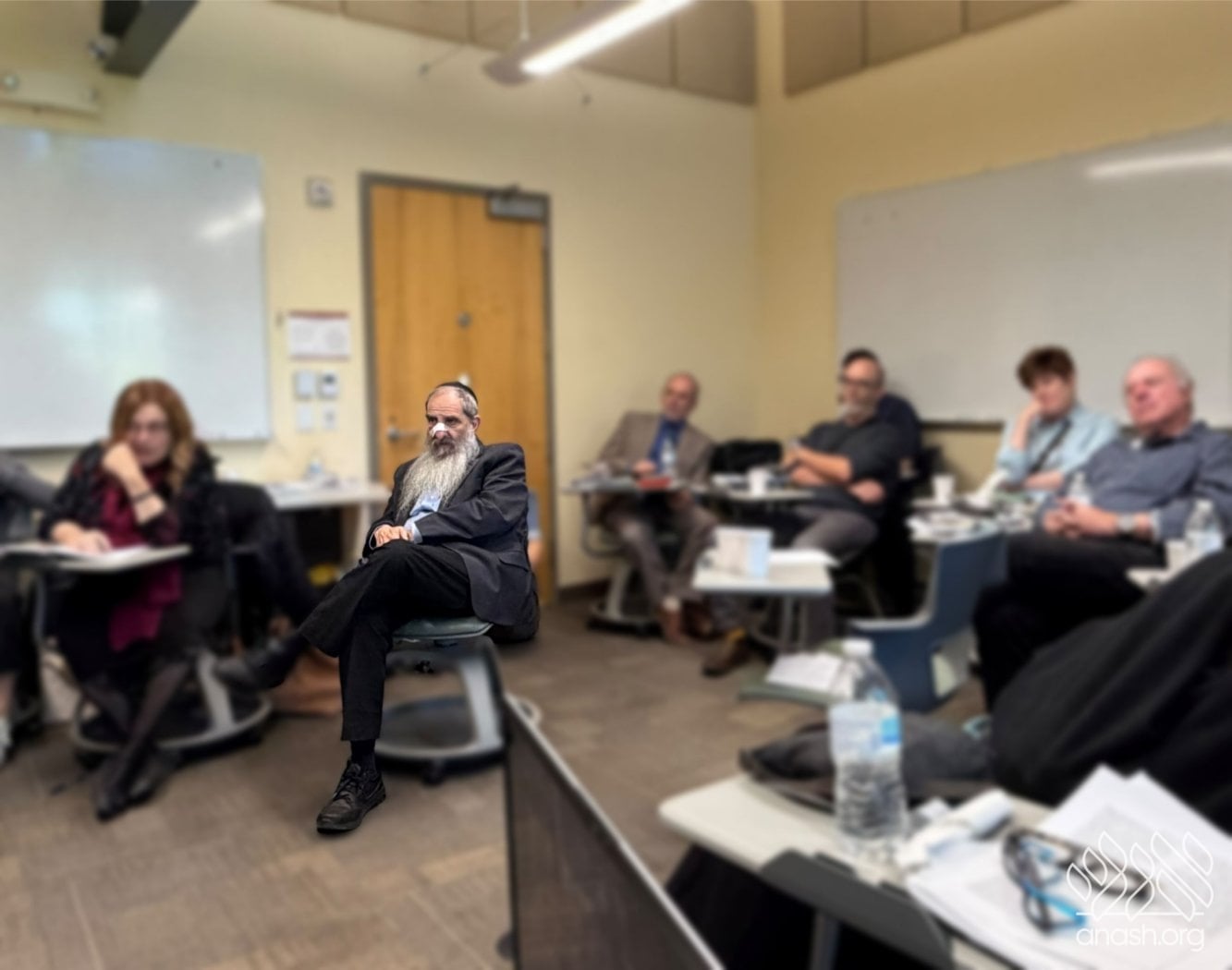
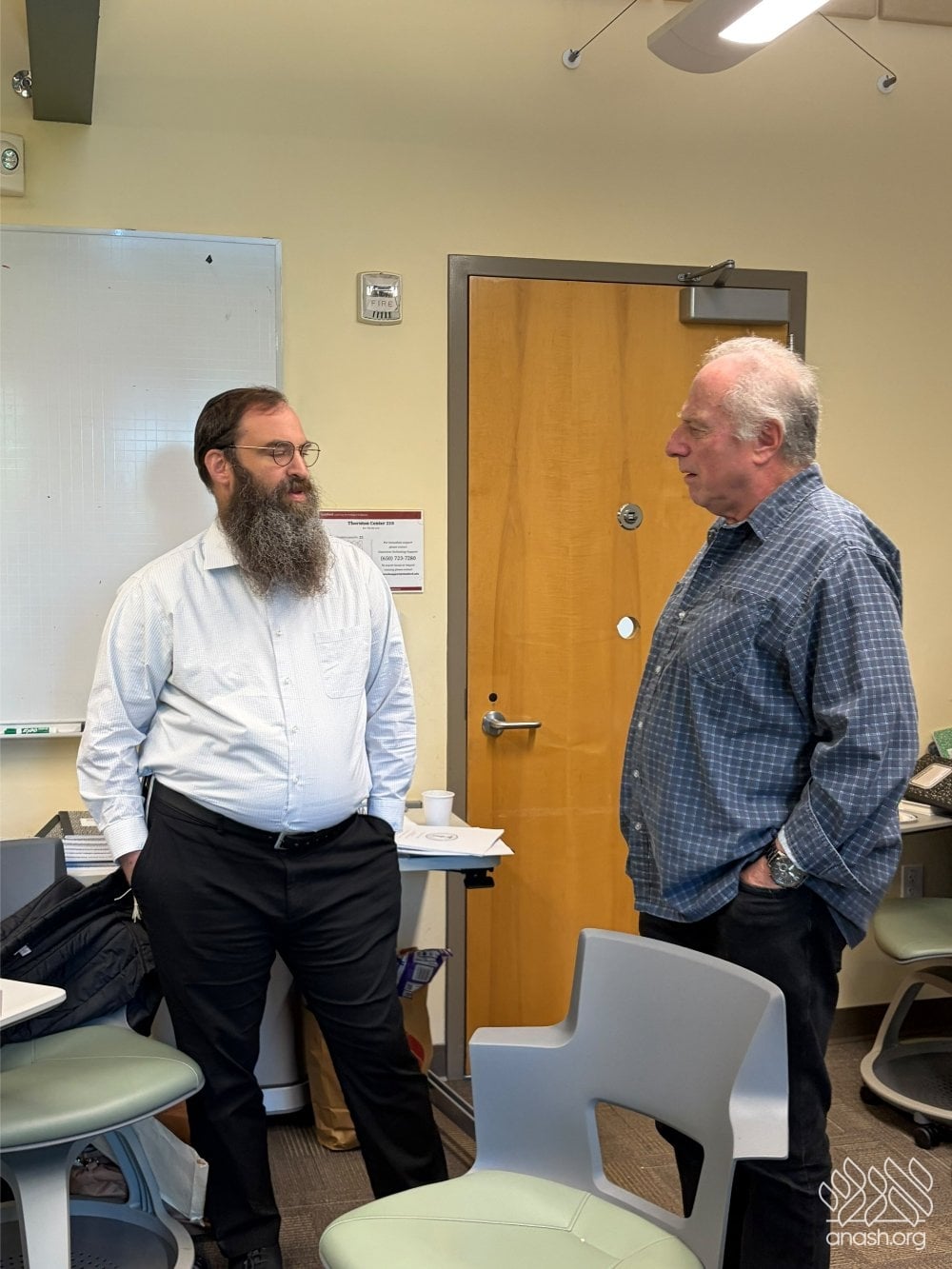
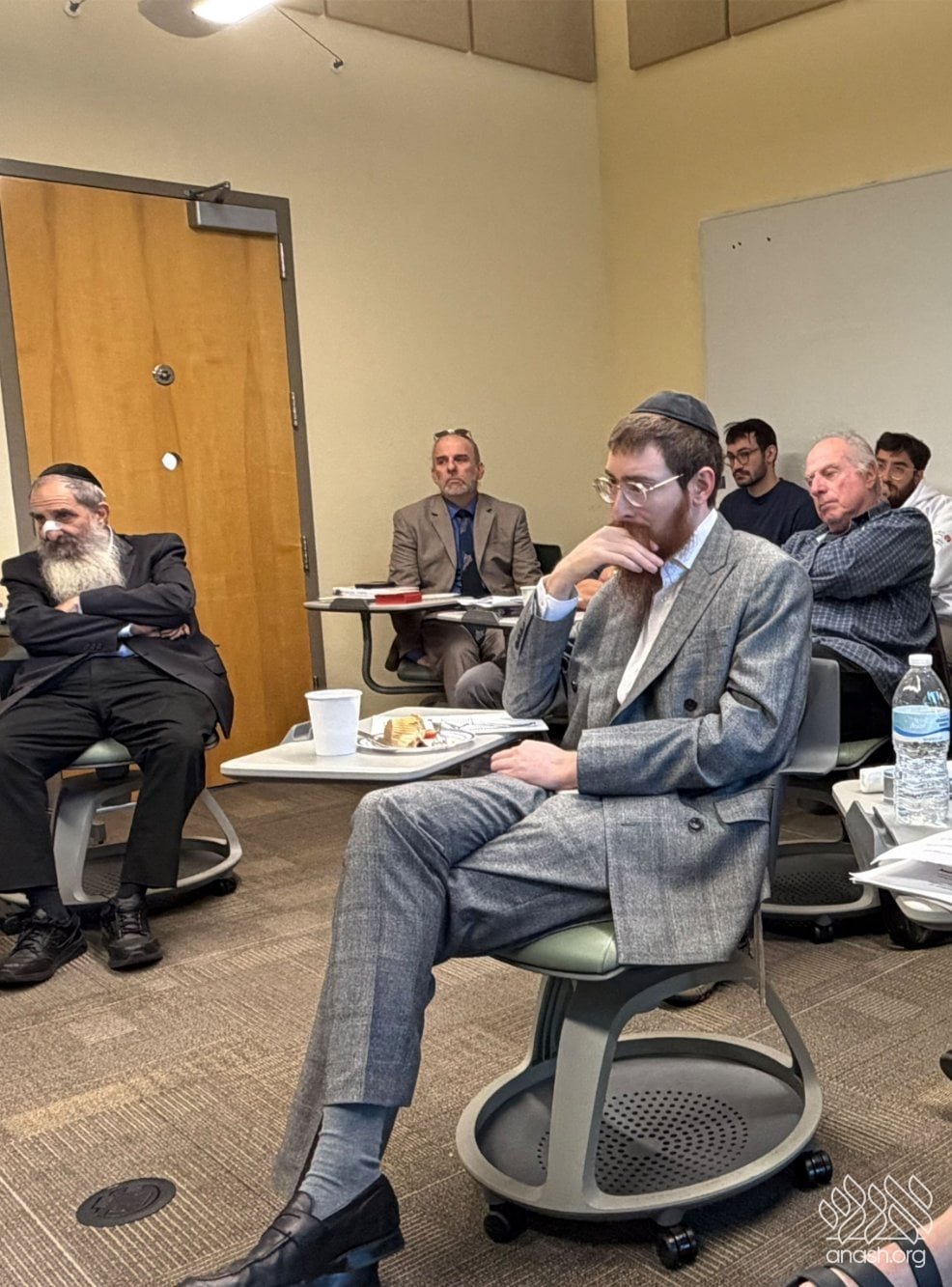
That question was at the heart of a two-day conference held October 11–12 at Stanford University, co-sponsored by Stanford University and the Institute for Jewish Spirituality and Society (IJSS). The sessions were also livestreamed, extending the conversations to a wider audience.
Participants included Rabbi Yossi Bryski of the Aleph Institute; Rabbi Ruven Barkan, an Arizona prison chaplain; Abigail Rabinowitz of the Hinda Institute; Stanford researcher Michaela Hulstyn; Professor Elaine Leeder; Professor Ziva Hassenfeld of Brandeis University; Rabbi Eli Rubin; Rivky Slonim; Professor Ariel Evan Mayse; and Rabbi Eli Weinbach.
The Rebbe’s Vision of Human Dignity
A central theme was the Rebbe’s emphasis on the inherent goodness and value of every individual, including those who have committed serious wrongdoing, and the possibility of teshuvah and transformation.
Discussions explored the Torah’s model of Arei Miklat (Cities of Refuge), alternatives to incarceration, restorative justice, and the importance of supporting incarcerated individuals and their families through rehabilitation and reentry.
Rivky Slonim shared the Rebbe’s teachings and stories demonstrating his sensitivity toward prisoners. Professor Elaine Leeder explored restorative justice, accountability, and healing through victim-offender dialogue. Rabbi Yossi Bryski discussed alternative sentencing and the importance of considering each individual’s circumstances and potential for rehabilitation.
Rabbi Ruven Barkan and Abigail Rabinowitz contributed firsthand perspectives on prison chaplaincy, family support, and reentry.
The conference also explored education, literacy, and intellectual humility. Professor Ziva Hassenfeld discussed how engaging seriously with texts and unfamiliar perspectives can challenge assumptions and cultivate openness.
When Different Worlds Learn From One Another
What made the gathering particularly powerful was the exchange between Chassidic thinkers, university scholars, and practitioners working directly in the criminal justice system. Each brought a different perspective, enriching the conversations and discovering opportunities to work together.
Rabbi Eli Weinbach reflected:
“It was amazing to gather with Jewish practitioners and writers from multiple viewpoints and perspectives to share and network around critical issues in criminal justice. I was so honoured to participate with such an empathetic spiritual group of people.”
From Conversation to Collaboration
By the conference’s conclusion, participants were already exploring joint articles, podcasts, educational initiatives, prison volunteering, and rehabilitation and reentry programs, with plans to continue communicating and developing partnerships.
Rabbi Yossi Bryski of the Aleph Institute shared:
“The IJSS is the driving force in the realm of prison reform. It was very important to hear from others in related fields. It gave me lots of ideas to implement in my day-to-day operations.”
Reflecting on the gathering, Rivky Slonim emphasized the importance of IJSS’s broader mission of bringing Torah and Chassidus into the academic world:
“Bringing together academics and practitioners for the purpose of seeding (and ultimately saturating) wider society with the ideas of Torah and Chassidus is exactly what the Rebbe asked for.”
She described the work as difficult but already making a notable difference, adding, “IJSS is an important antidote,” particularly in a world where ideas cultivated in academia can have profound consequences for society.
For IJSS, the conference represents an important step in bringing Pnimiyus HaTorah into serious conversation with the academic world, allowing Chassidus to contribute to scholarship, education, and pressing societal questions.
More than a two-day gathering, Stanford marked the beginning of an emerging community of scholars and practitioners working together to translate the Rebbe’s vision of human dignity and transformation into meaningful action.
 COMMENTS


We appreciate your feedback. If you have any additional information to contribute to this article, it will be added below.