




ל׳ ניסן ה׳תשפ״ו | April 17, 2026
70 Years: Kfar Chabad Massacre and the Rebbe’s Revolution
On Rosh Chodesh Iyar 5716, terrorists attacked the Beit Sefer L’melacha in Kfar Chabad, killing five talmidim and their teacher. The massacre nearly shattered the fledgling village – until the Rebbe responded with a revolutionary shlichus that transformed Chabad in Eretz Yisroel forever.
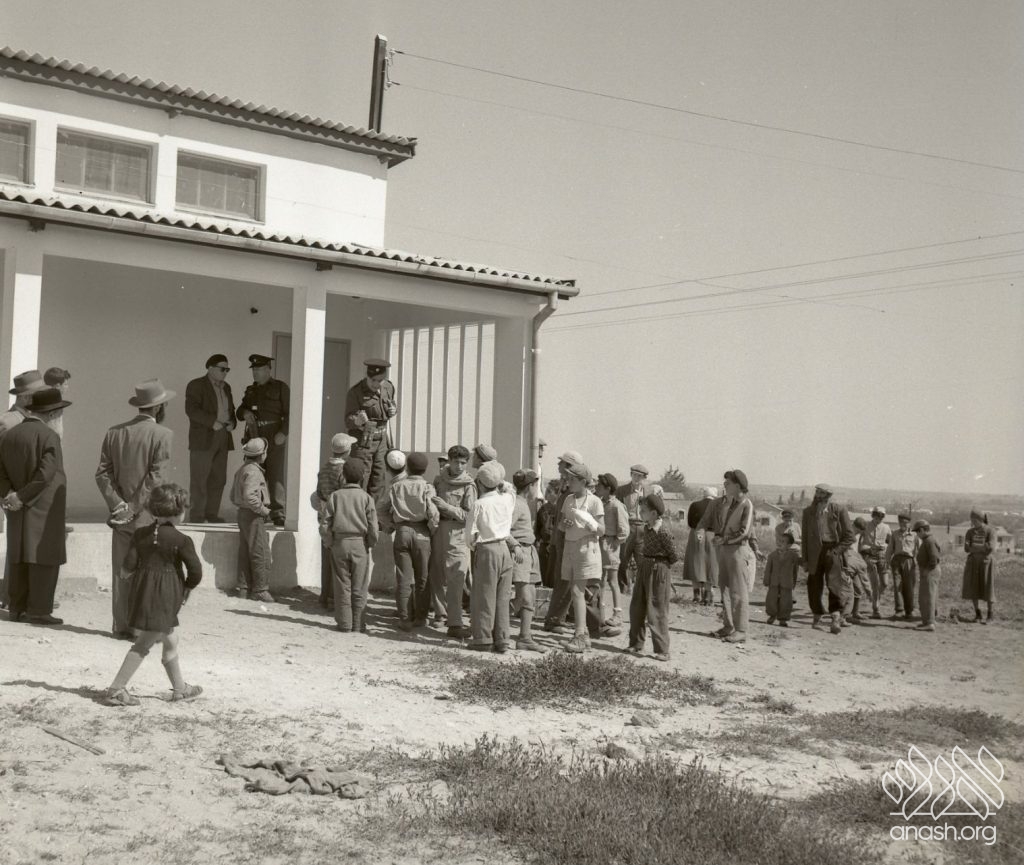
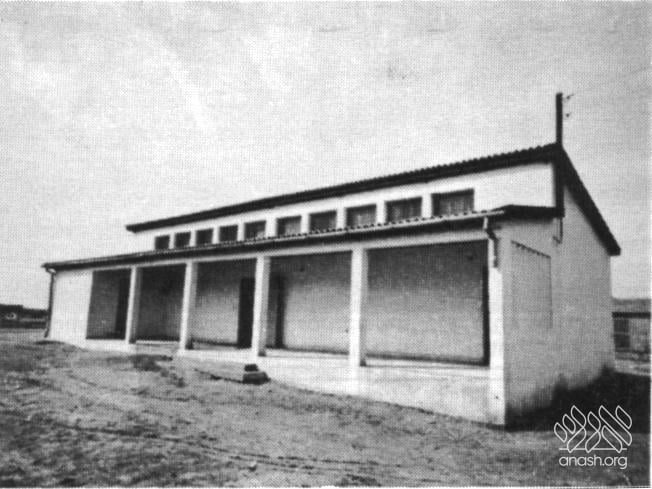
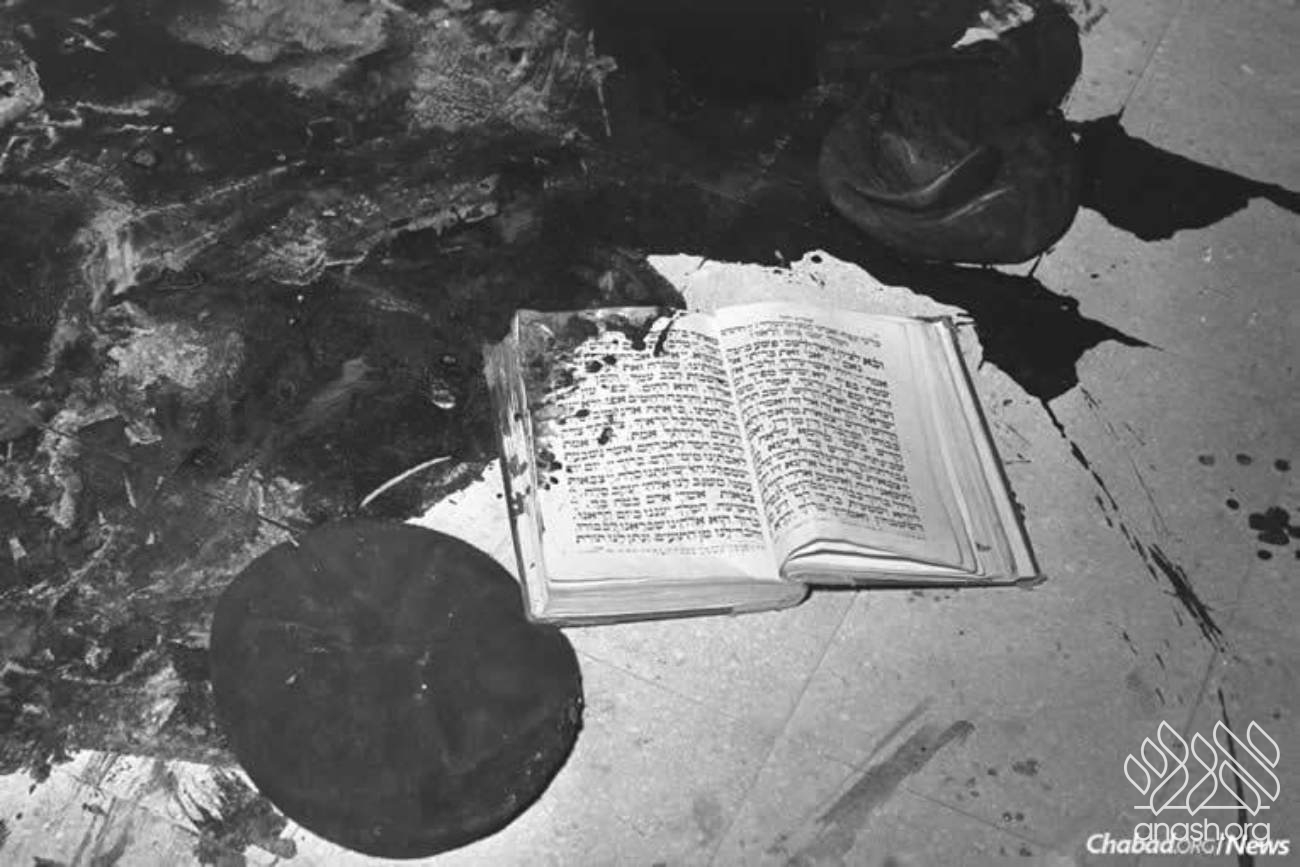
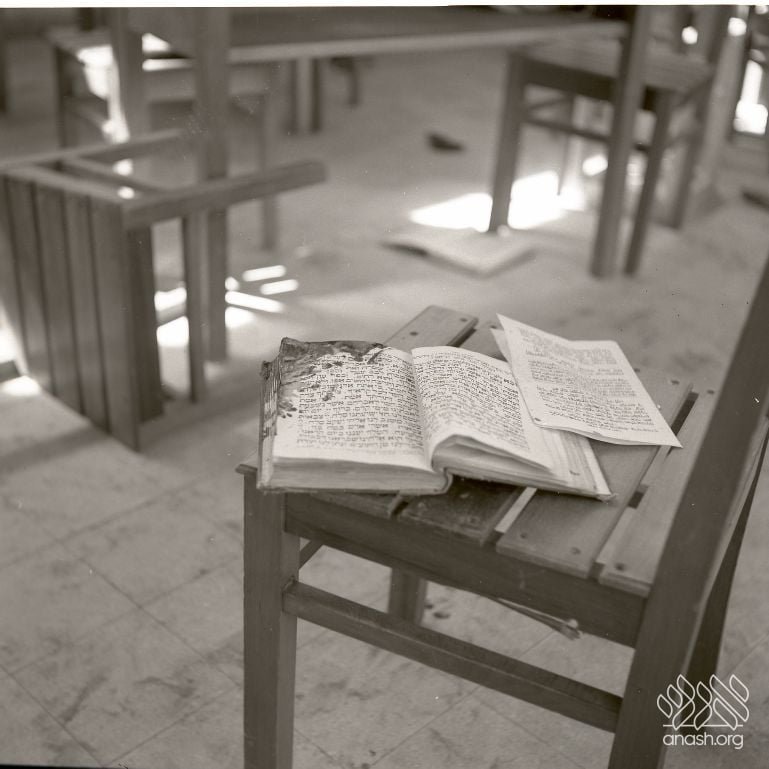
Rosh Chodesh Iyar 5716 changed the face of Kfar Chabad forever. Talmidim of a vocational school established by the Rebbe just two years earlier – Beit Sefer L’melacha, gathered in their Beis Hamedrash to daven Ma’ariv, when disaster struck. A group of terrorists attacked the school, shooting from the doorway.
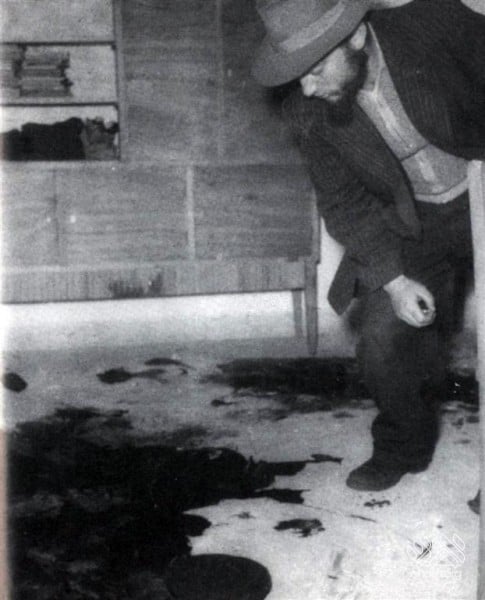
In a matter of minutes, they were finished and made their escape. Screams of terror filled the area, which had also been plunged into darkness because the power had mysteriously gone out. By the light of a match, one of the teachers, Reb Meir Friedman, gazed at the dreadful sight in front of him.
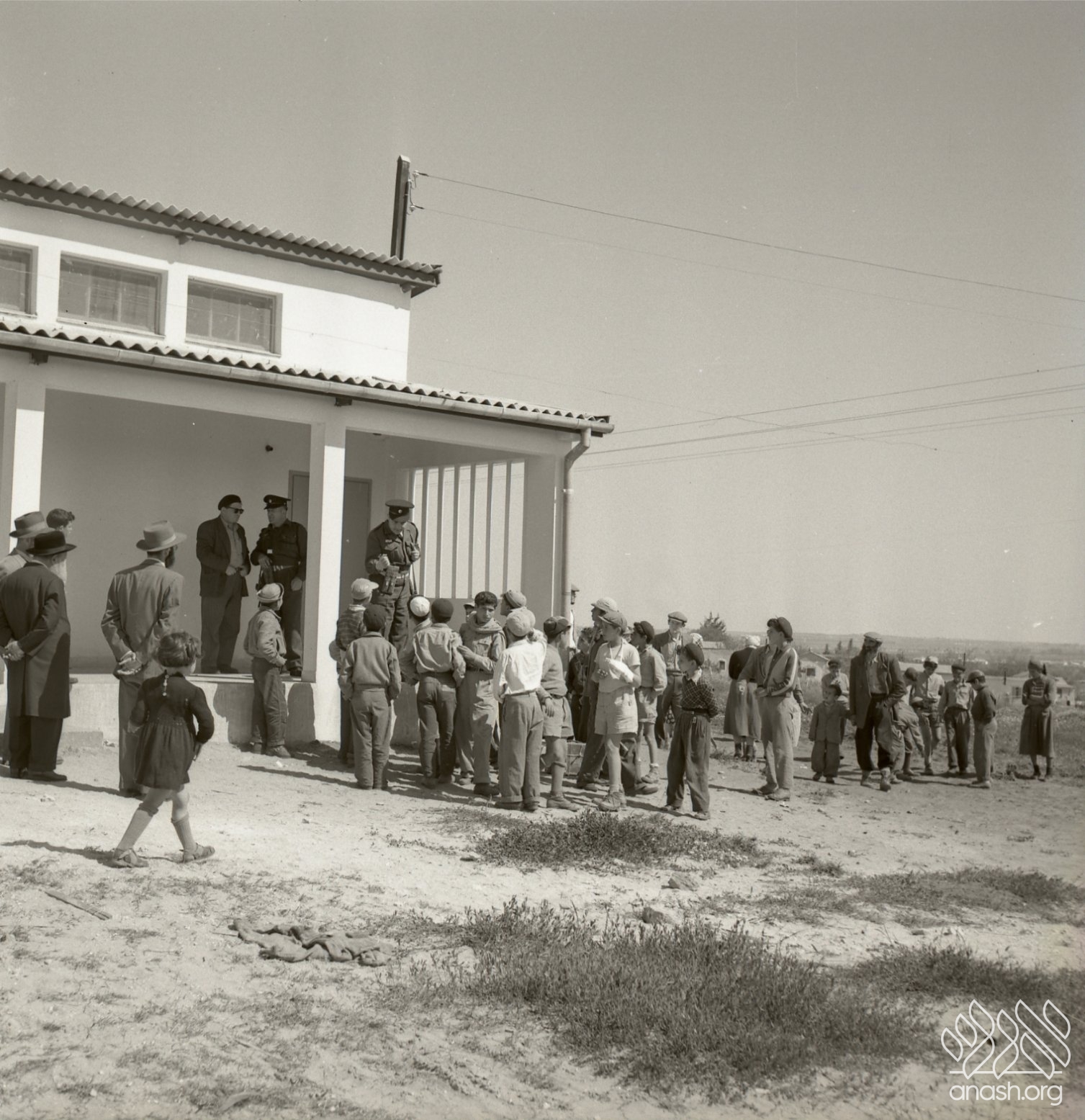
While most of the students had escaped through the windows, those closest to the door were not so fortunate. Four of the students and their teacher, Hatomim Simcha Zilbershtom, lay on the floor, no longer amongst the living. A number of others were wounded, one of whom passed away a few days later.
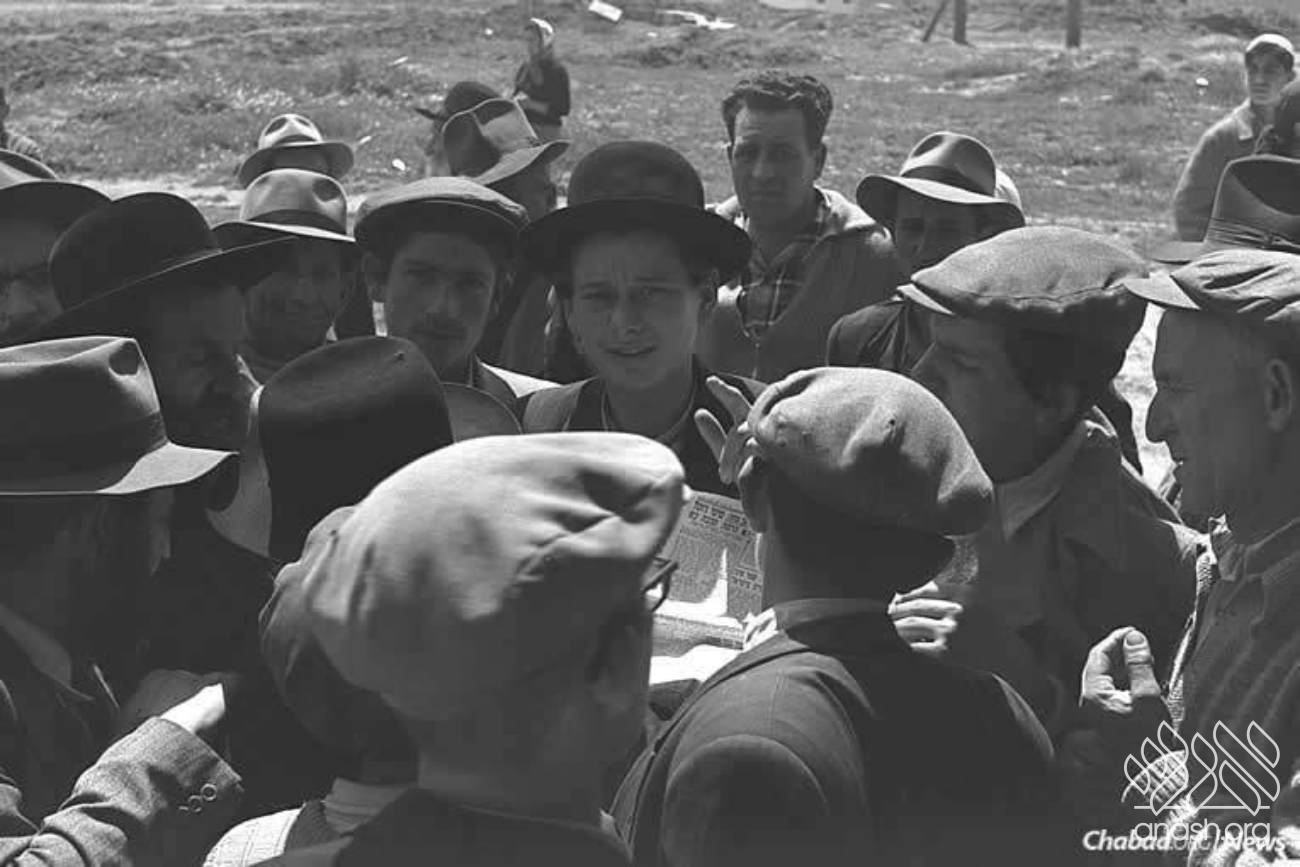
The Chassidim of Kfar Chabad, many of whom had escaped the horrors of Europe just a decade earlier, were shattered. Parents of the students traveled to Kfar Chabad to take their children home. The safety of their children was at stake, they felt, and they no longer wanted their children to remain in the Beit Sefer L’melocha.
A spirit of dejection spread amongst the Chassidim. Some proposed that the fledgling village be disbanded. It was simply too dangerous!
The only comfort was the firm messages of the Rebbe, which came through letters and telegrams in the days following. Immediately following the shiva, the following message from the Rebbe arrived:
“To each of Anash, residents of Kfar Chabad, the organizations there, and in particular Beit Sefer L’melacha, and its students, teachers, principals, activists and parents:
“I strongly hope that with the help of Hashem who guards with a wise eye and oversees with hashgocha protis, you will overcome every obstacle, strengthen both personal and communal affairs, and expand all the organizations in quantity and quality. With peace of mind may the study of our Torah, Toras chayim, divrei Elokim chayim be strengthened and greatened, as well as the fulfillment of its Mitzvos, with joy – v’chai bahem.
“From Kfar Chabad, the wellsprings of Chassidus and the deeds of Rabboseinu Nessieinu Hakdoshim should be spread until they reach chutza, in order to bring all of Bnei Yisroel closer to our father in heaven – b’chesed ub’rachamim – and to speedily bring the complete Geulah through Moshiach Tzidkeinu.
“I take part in their tefilos and fasting, and I am certain that with Hashem’s help that soon in their true, complete, internal joy, b’gashmiyus ub’ruchniyus gam yachad.”
Many other letters and telegrams followed this one, giving solace and encouragement to the Anash of Eretz Hakodesh.
YAD HACHAMISHA
In the winter before the attack, the Rebbe had already encouraged an expansion of the Beit Sefer L’melocha. Following the attack, the Rebbe urged that the expansion materialize quickly. Hastily, a new division dedicated to teaching the skill of printing was opened, and plans were drawn up for a new building.
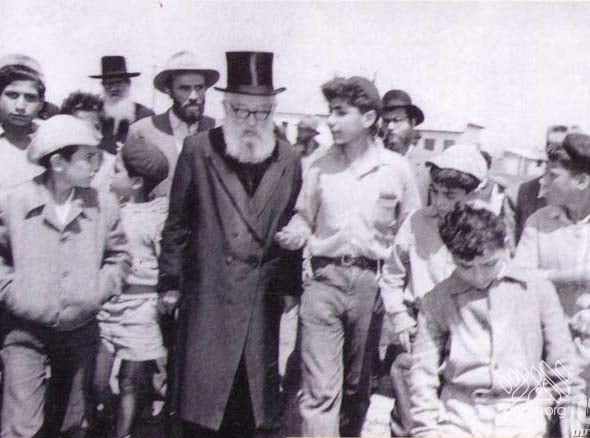
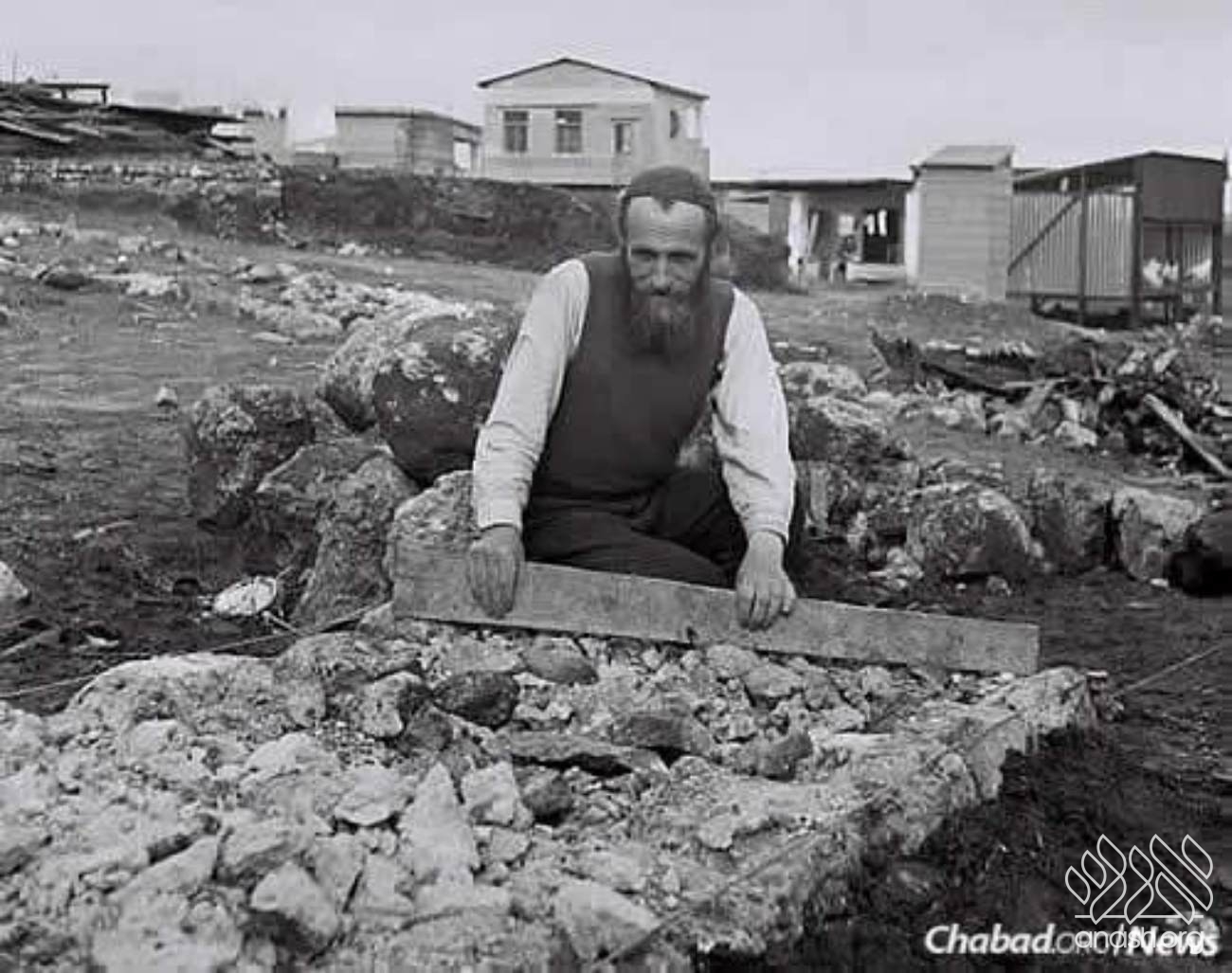
At the siyum hashloshim of the slain talmidim, a groundbreaking was held for the expansion. The Chief Rabbis, distinguished Rabbonim, politicians, and community leaders, joined by an enormous crowd, took part in the event.
The mourning families were honored during the groundbreaking, including the mother of Hatomim Simcha Zilberstrom. Days later, in a letter from the Rebbe to her dated Yud Beis Sivan, the Rebbe expressed pleasure that she had taken part in the ceremony, explaining that through it they had achieved an eternal victory against death. By establishing an organization in their memory that would bring spiritual growth to future generations, the neshamos of those who had been killed would be connected to an eternal legacy.
GLOBAL SHLICHUS
A novel idea, of proportions not previously envisioned by Chassidim, was introduced by the Rebbe at the Farbrengen of Shavuos 5716. Here is a small excerpt from that Farbrengen:
“…Those which find themselves outside Eretz Yisroel should also participate in strengthening Kfar Chabad… Not only financially, but also with their body and soul.
“One way to accomplish this is by ten or twelve representatives traveling to Eretz Yisroel. They should mainly spend time in Kfar Chabad and the Yeshivas Tomchei Temimim in Lod… And they should also visit the holy sites… This will bring a new energy to the Yeshiva and in the whole area.”
During the farbrengen, the Rebbe explained that every Chossid had an obligation to help Kfar Chabad at this time, in addition to those who were traveling in person. In continuation of this, the Rebbe surprised the Chassidim by delivering two maamorim, explaining that the second one was his participation in helping Kfar Chabad!
The next day, the bochurim in 770 beheld a new sign hanging in the hallway leading to Zal, signed by the Mazkirus. The sign announced that, in connection with the Rebbe’s announcement at the Farbrengen the day before, any bochurim who would like to take part in this trip should be in contact with Mazkirus, and should ensure that their passport would allow them to travel to Eretz Yisroel and that their parents had agreed to their going.
Many bochurim quickly made the necessary inquiries to find out whether they would be able to travel, and then registered with the Mazkirus.
Rabbi Yosef Rosenfeld recalls:
“When I saw the sign, my initial thoughts were that I would much rather remain in 770 for the summer and learn. Taking trips abroad were not something I was excited about. Being that my birthday was on 15 Sivan, I had a Yechidus with the Rebbe just days after the Shlichus was announced. The Rebbe asked me if I had submitted my name to the mazkirus, to which I replied that I hadn’t. To my surprise, the Rebbe then instructed me to join the list of bochurim who were registered for the Shluchim! Naturally, I made sure to do so immedi- ately following the Yechidus.”
In a similar sequence of events, Rabbi Shlomo Kirsh, a bochur who traveled from South Africa to New York to learn in 770, had a Yechidus then in connection with his birthday. Reb Shlomo fondly relates how the Rebbe personally instructed him to join the group of Shluchim during that Yechidus.
All the bochurim who had registered waited anxiously, in anticipation of the outcome.
Rabbi Yehuda Krinsky recalls how they were informed about their Shlichus. On the morning of Gimmel Tammuz, nine bochurim were summoned to the office of Rabbi Hodakov and were informed that they were chosen to be the Rebbe’s Shluchim on this unique mission.
Momentum increased throughout the day, especially when they found out that they would be having a Yechidus as a group that night.
“We later heard,” relates Rabbi Berel Shemtov, “that the Rebbe mentioned that the Shluchim were chosen while at the Ohel of the Frierdiker Rebbe.”
OUTLINING THE MISSION
“That night we were privileged for a unique Yechidus,” recalled Rabbi Shalom Ber Butman, “and we received a collection of horaos from the Rebbe pertaining to all aspects of the trip. To mention a few of them:
• You will be stopping in five countries on the way to Eretz Yisroel – England, Belgium, France, Switzerland, and Italy. In each one, you should make a point of visiting the mekomos hatorah and particularly the Lubavitch stronghold in that area.
• From today forward until you return here, establish a seder Chassidus before Davening and a seder nigla afterward. Each day, another person should give a shiur, and everyone else should join in discussing whatever is being learned. The topics that you learn can be different each day, as long as it is organized in advance so everyone knows what to expect.
• When in Kfar Chabad, spend your extra time learning in the Shul. Through learning your shiurim in Nigla and Chassidus there, people will realize that this is the place where you can be reached. On Shabbos, however, you should only learn Chassidus, as is the practice in Eretz Yisroel.
• When encountering speaking engagements, do not shy away or be reserved. In each place, speak some words of Nigla and some of Chassi- dus. It would be ideal to set up one primary speaker for Nigla and one for Chassidus.
• Your main base should be in Kfar Chabad, and to visit the other Lubavitcher Yeshivos. Be in touch with the Chassidim of Eretz Yisroel in regards to visiting the other Yeshivos.
• Make sure to be well-versed in the halachos pertaining to Eretz Yisroel, so that whenever a quandary should arise, you will know clearly how to behave.
• Pay special attention that your clothing look proper for someone in that stature.
The Rebbe ended off by confirming that we had permission from our parents to participate and with a brocha that the trip be with Hatzlocha Rabo. The Rebbe concluded that this will accomplish great things for yourselves as well, perhaps even more than schar.”
Shortly after the Yechidus, Rabbi Faivel Rimler submitted a list of questions regarding some of the halachic requirements they would encounter in Eretz Yisroel. The following was the Rebbe’s response:
Anash community leaders at the stops along their trip, it became clear that the Rebbe desired representatives from all regions of the world. Nine of the Shluchim were talmidim of Yeshivas Tomchei Temimim Hamerkozis in 770, one from the Lubavitch Yeshiva in Brunoy, France, and one bochur from Australia met up with the rest of the group, when they arrived in Eretz Yisroel.
The final Shliach to be chosen was Reb Zusha Posner, who was learning in Yeshivas Tomchei Temimim Lubavitch in Montreal.
Reb Zusha relates the unique events that led to him being chosen as a Shliach:
“A day before Yud Beis Tammuz, I felt a strong urge to be at the Rebbe’s farbrengen that would be held the next day. Procuring a ticket at that point was very difficult, let alone receiving reshus from Hanhola. Luckily, another bochur who had made all the necessary arrangements to travel to New York the following day, was unable to fly at the last minute because of problems with his legal papers.
“After strenuous efforts, I bought his ticket, received reshus, and was soon off to New York.
“While in New York, I heard about the unfolding saga of the Shlichus to Eretz Yisroel. My father who deeply desired that I be part of this Shlichus, wrote to the Rebbe, begging that I be able to join.
“To our delight, the Rebbe agreed, with the stipulation that all my legal papers were in order and that a Doctor would agree that I was healthy enough for this trip.
“Hastily I went to visit Dr. Seligson, who assured me a clean bill of health, so long as I eat butter to strengthen my bones. Arranging the necessary legal documentation was not as simple; it would take over a week to receive the required papers.
“Thus, instead of traveling together with the Shluchim, I flew on my own as soon as I was able to, and therefore met them when they were in Italy.”
In a letter to Reb Nissan Nemanov dated 19 Tammuz 5716, the Rebbe requests him to choose a seasoned talmid to join the delegation headed to Eretz Yisroel.
The final group of Shluchim amounted to a total of 12 and included the following individuals:
Representatives from the USA – Rabbi Avraham Korf, Rabbi Dovid Shochet, Rabbi Yehuda Krinsky, Rabbi Yosef Rosenfeld, Rabbi Faivel Rimler, Rabbi Shalom Ber Shemtov, Rabbi Shalom Ber Butman, Rabbi Shlomo Kirsh, and Rabbi Shmuel Fogelman.
Representative from Canada – Rabbi Zusha Posner.
Representative from Europe – Rabbi Sholom Eidelman.
Representative from Australia – Rabbi Shraga Herzog.
TAKE OFF
At the farbrengen on the Shabbos before they were to depart, the Rebbe addressed the upcoming trip and taught the niggun of Asader Lesudasa. Later on, the Shluchim taught the niggun numerous times throughout the trip.
Rabbi Shmuel Fogelman remembers clearly the day they set out:
“On the morning of 18 Tammuz, we were called into the Rebbe’s room one last time before the trip. While there, the Rebbe presented each of us with a pocket Siddur and Tanya that the Rebbe had asked to be published in connection with our trip. To me the Rebbe gave an extra Tanya to give to Reb Nissan Nemanov, the Mashpiya in Brunoy, France.”
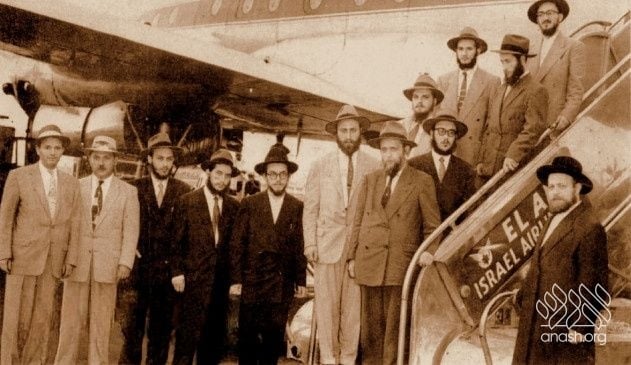
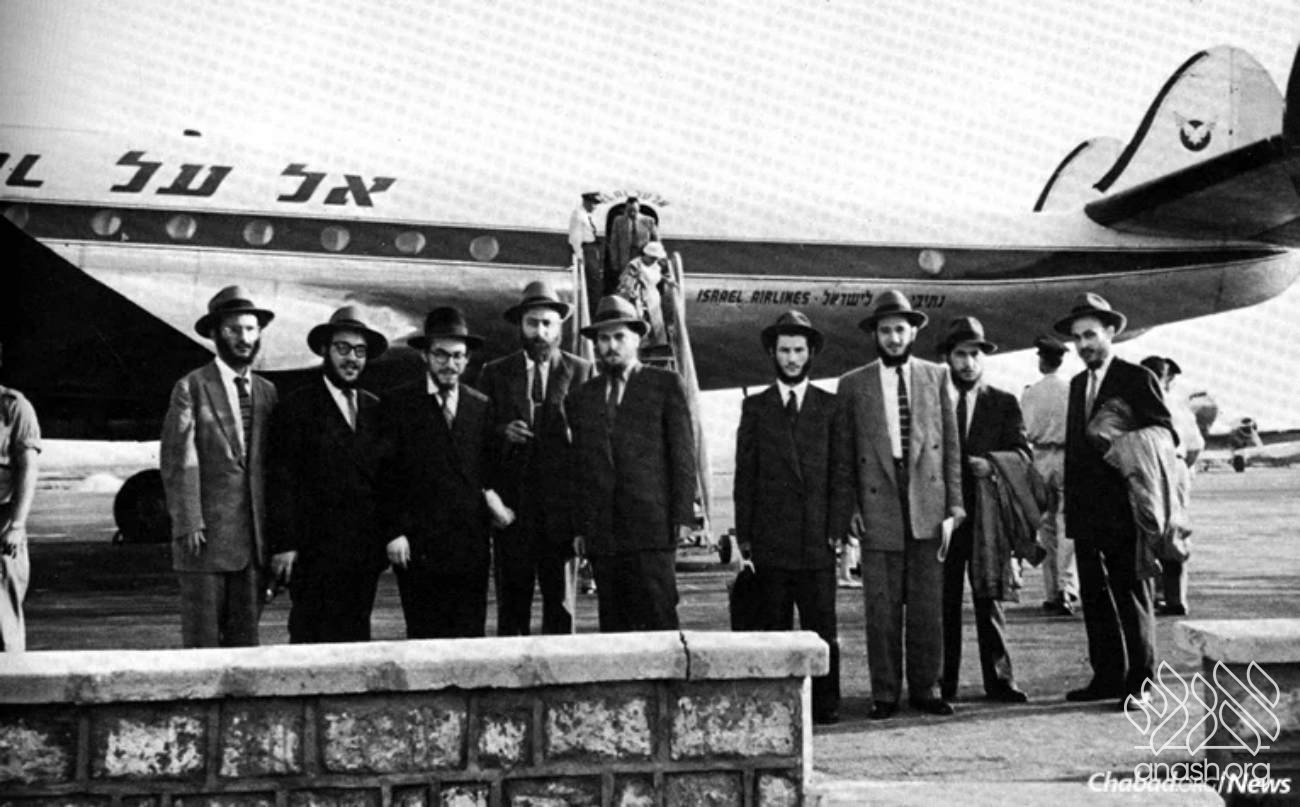
The Shluchim were seen off by Rabbi Hodakov, Rabbi Nissan Mindel, and a number of others, and stopped to pose for a picture in front of the airplane. To this very day, the Shluchim distinctly recall the sense of pride and excitement that filled the air as they embarked on their Shlichus.
They spent the hours in flight very carefully, and learned from the new Tanya’s they had just received from the Rebbe.
As soon as their flight departed, the Mazkirus sent a telegram to the Anash in England:
“The Shluchim have set out by plane on Wednesday, 18 Tammuz at 6:00 pm with El-Al flight number 204. They will be arriving tomorrow in London at 3:00 in the afternoon. The Shluchim will remain in England until the coming Tuesday, and will visit London and Manchester. Surely, you will do whatever is necessary in order to help the Shluchim fulfill their Shlichus in the best possible way.”
THE FIRST STOP
The excitement the Chassidim in England experienced with the arrival of the Shluchim is vividly expressed in a letter written by Reb Meir Gurkov to the Rebbe, describing the visit:
“All of Anash traveled to the airport to greet our honored guests at the airport. At 6:30 we all welcomed the Shluchim with love and affection. Soon after arriv- ing Hatomim Reb Shalom Dov Ber Shemtov delivered a Maamer which they had just heard from the Rebbe… A complete Kabolas Ponim was held the next day, during which Hatmimim Reb Shmuel Fogelman and Reb Yehuda Krinsky addressed the crowd.
“We arranged that they should speak in four shuls in the area, and their drash- os were received with tremendous Hatzlocha, and leaving a powerful effect on the listeners. Those that heard them could not stop praising them.
“After Seudas Shabbos on Shabbos afternoon, a farbrengen was held in the Chabad shul. Many community mem- bers and Yeshiva bochurim from all factions attended the farbrengen. Reb Yehuda Krinsky and Reb Dovid Shochet spoke, as did the other Shluchim.
“It was a great pleasure to behold the sight and to hear them relate gems from the Sichos of the Rebbe Shlit”a. The farbrengen continued until Mincha. They sang many songs and everyone danced together.”
The Shluchim split up into a number of groups in order to visit a number of other cities in England. The smaller groups traveled to Manchester, Sunderland, and Gateshead, spending a large amount of time at the Yeshivos in each place.
Rabbi Avrohom Korf was responsible for nigla, and tells over his memories from these encounters:
“The Yeshivos we visited were geared toward litvishe bochurim. The bochurim tried to ‘stump’ us with asking difficult questions on a large range of subjects. They were so impressed with the clarity of thought they received in return, that their attitude changed completely.”
Later on, one of these non-Lubavitch Yeshivos insisted on escorting the Shluchim to the airport, bringing busloads of bochurim to the airport.
FROM LAND TO LAND
In an itinerary dictated clearly by the Rebbe and detailed through the Mazkirus, the Shluchim set out to their next destinations.
First they traveled to Belgium, visiting the Chassidim and Torah communities in Brussels and Antwerp. They continued on to France, where they again split into a number of groups. Rabbi Shalom Ber Butman was the only one who spoke a bit of French and spoke often throughout their visit. Some of the Shluchim went to visit the Yeshiva in Brunoy, where a Kabolas Ponim was held in their honor.
The trip continued from France to Switzerland, and from Switzerland to Italy.
In each of these stops, they spoke before huge crowds of Chassidim and Yidden of all backgrounds. For the residents of these countries, the Shluchim brought a powerful energy with them. They listened attentively to the sichos and maamorim the Shluchim taught, and reveled in the atmosphere of their farbrengens. This was a fresh regards from the Rebbe!
The Shluchim also made sure to meet with community leaders and Rabbonim in each place. The Shluchim impressed these figures greatly, and listened raptly to the teachings of the Rebbe they brought.
Rabbi Yehuda Krinsky served as mazkir of the group and kept a detailed diary of everything that took place and sent these to the Rebbe. In a letter to Rabbi Hodakov written on Beis Av from Zurich, Switzerland, Rabbi Krinsky explains why they had been delayed in sending updates:
“My sincerest apologies on the lack of updates, because writing is very time- consuming and the time is very limited. Especially because of the many journeys in the last two weeks. Almost each day we travel to another city! In each place we visit the mekomos haTorah, and the Rabbonim…”
When departing from Italy to Eretz Yisroel, they were delayed on the way to the airport. They arrived at the airplane just a few minutes before the flight. Despite their lateness, the airline authorities held the plane for the large group, as would befit the Rebbe’s shluchim.
UPLIFTED!
One who didn’t witness the scene at the airport on Friday, Hei Av at seven in the morning, has missed an incredible sight.
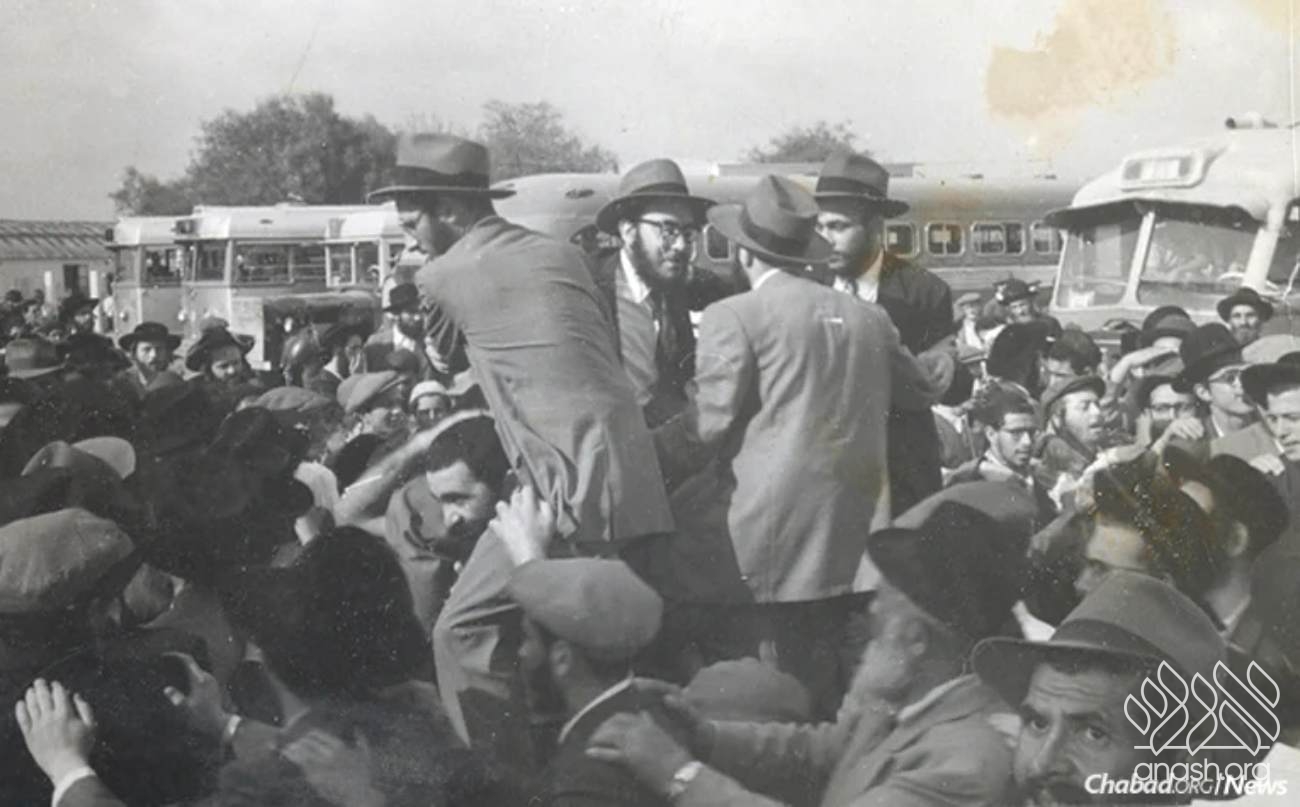
The field near the tarmac was covered in a sea of people, with barely an inch to move. Talmidim of every Lubavitch Yeshiva in Eretz Yisroel, Anash, men, women, and children, young and old, have gathered together. Buses unload their passengers and turn back to bring still more people.
Suddenly, the plane could be sighted! The crowds craned their necks as the plane finally landed, as everyone strove to get the first glimpse of the Shluchim. Three venerable Chassidim – Reb Shaul Ber Zislin, Reb Pinye Althaus, and Reb Chanoch Glitzenstein were the only ones who were permitted to stand on the runway and be the first to greet the Shluchim.
The passengers began to deplane, and finally the Shluchim emerged. Bruchim Haboim emitted from everyone’s lips, and joyous singing and dancing broke out. The Rebbe’s Shluchim have arrived!
“Darkecho Elokeinu…” the niggun the Rebbe had taught just the Tishrei before was jubilantly sung, as the Shluchim were hoisted upon the shoulders of the eager Chassidim. Shalom Aleichem, a handshake, a question, a hug, everyone present yearned to interact with the Shluchim.
Quite unexpected, a telegram from the Rebbe arrived at the airport just minutes after the Shluchim had arrived:
“Shluchim of Chabad-Lubavitch – May your visit to Eretz Yisroel be with peace and Hatzlocha muflaga in fulfilling your shlichus, which its true objective is to spread the wellsprings of Chassidus to the outside. May we soon go to Geulah, and much regards to all Anash.”
“The excitement was so strong,” described Rabbi Butman, “you could almost touch it. Even the airport personnel and other guests were swept into the simcha. The crowd grew silent as my colleague Rabbi Yosef Rosenfeld arose to give regards from the Rebbe, and set out the objective of our Shlichus in Eretz Yisroel.
“Rabbi Leibel Zalmanov translated his passionate words from Yiddish into Hebrew so that everyone could understand. When he finished speaking, dancing erupted yet again; it was the only way to express their uncontrollable joy. Amidst joy and strong emotions, the Shluchim were escorted to Kfar Chabad.”
SPIRITS INVIGORATED
In order to fully appreciate the impact the Shlichus had on the Chassidim in Eretz Yisroel, one must first realize the situation that prevailed at that time. As Rabbi Chanoch Glitzenstein explained:
“One must understand that there was very little connection between the Chassidim in Eretz Yisroel and the Anash in the United States of America. Travel between was very sparse because travel was so expensive and the necessary paperwork was hard to obtain. Therefore when they received the news that the Rebbe would be sending a group of Shluchim to Eretz Yisroel they were ecstatic.”
Furthermore, it had only been six years since the Rebbe had accepted the nesius, and few Chassidim from Eretz Yisroel had heard the Rebbe’s voice, let alone see the Rebbe in person! Even having the Rebbe’s Sichos transported to Eretz Yisroel was very difficult. Sadly, this resulted in a certain lack of passion in the Hiskashrus of Anash in Eretz Yisroel.
The delegation of Shluchim that arrived in Eretz Yisroel broke through these barriers. The precious atmosphere that existed around the Rebbe in 770 had been transported to Eretz Yisroel.
SHABBOS HAGADOL
During the 28 days that the Shluchim were in Eretz Yisroel, they visited every Lubavitch Institution and community, refugee camps, addressed large events, and visited the leaders and Rabbonim of Eretz Yisroel. Often, a Kabolas Ponim was held in the Lubavitcher Shul in the area they were visiting, following which they would break into small groups to visit each particular venue. Wherever they went, they confidently spoke about the Rebbe’s mission for this generation – to bring Moshiach.
The limitations of space do not allow every detail of their trip to be documented here. Instead, we present a collection of highlights from this stage in their Shlichus.
Being that the Shluchim arrived on Friday, their first major peula began on Shabbos. It was Shabbos Chazon, but it felt like Simchas Torah. Hundreds of Yidden spent Shabbos in Kfar Chabad in order to spend Shabbos with the Shluchim. Young and old listened raptly as the Shluchim spoke.
Rabbi Shalom Ber Shemtov shared an emotion that ran through his mind at the time:
“The people of Eretz Yisroel looked at the Shluchim as an extension of the Rebbe. The members of the group were not necessarily perfect. However a sincere sense of being totally dedicated to the Rebbe shone forth from them.”
Late into the night, and for many hours on Shabbos day, the Shluchim farbrenged with the masses. Mashke flowed in abundance, and spirits soared. Many elderly Chassidim were in attendance, yet on this Shabbos, the visiting Bochurim were the ones who set the tone of the farbrengen. The Chassidim were parched, yearning for “just one more,” sicha, maamor, nigun from the Rebbe.
The lively farbrenging and energetic words of the Shluchim continued through Sunday morning.
BEYOND KFAR CHABAD
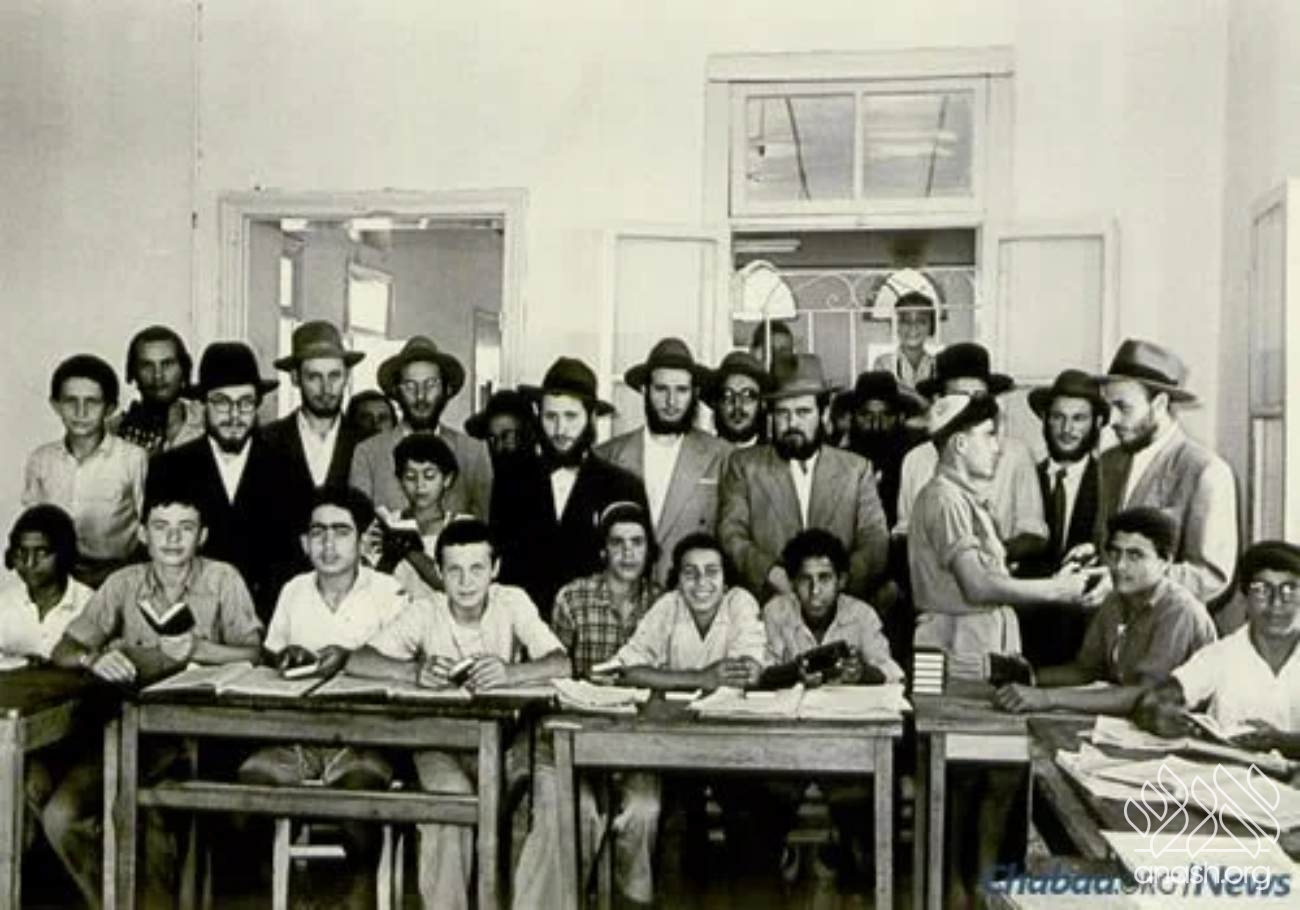
As per the Rebbes hora’a, during the first week, the Shluchim were based in Kfar Chabad. During the mornings and any free minute, they could be found learning in the zal of the Yeshivas Tomchei Temimim in Kfar Chabad.
The Shluchim also spent much time strengthening and encouraging the communities around them.
On Sunday, Zayin Av, they visited the summer camp in Kfar Chabad and held a farbrengen with the campers. They then headed to the site where the five students had been killed, in the Beit Sefer L’melocha. Many hours were spent there, lifting the spirits of the talmidim and teachers.
During the two days that followed, they met with the vaad haruchni of Kfar Chabad, hanholas Tzeirei Chabad, and hanholas N’shei U’bnos Chabad of Kfar Chabad.
On Yud Av, a large kinus for women and girls was held in Kfar Chabad. Rabbi Dovid Shochet addressed them and was joined by the Rov of Kfar Chabad, Reb Shneur Zalman Garelik, and Reb Abba Levin.
Kfar Chabad was surrounded by many farms and fields. The Shluchim spent almost a full day visiting each of the farmers and surveying what needed improvement. They later held a meeting with the vaad that oversaw all matters of Kfar Chabad, followed by a meeting with all the residents of Kfar Chabad. When the meeting concluded, a farbrengen formed. Until the early hours of the morning, the masses of Kfar Chabad residents farbrenged with the Shluchim.
In accordance with the Rebbe’s instructions, on Friday, the Shluchim traveled to Lod, where they would spend their second week.
INFLUENCING THE MASSES
Yeshiva Bochurim from across Eretz Yisroel joined the Yeshiva in Lod for Shabbos Parshas Vo’eschanan, looking to be invigorated by the Shluchim.
Throughout Shabbos, the Shluchim taught Sichos and Mammorim, and farbrenged. Additional farbrengens were led by Rabbi Dovid Shochet and Rabbi Yosef Rosenfeld in Hebrew to cater to the many bochurim who only understood Hebrew. The shluchim also addressed the Anash and N’shei Chabad in Lod.
In the days that followed, the Shluchim visited dozens of towns and villages in that area, bringing regards from the Rebbe and energizing the populace.
On Monday, they also visited numerous mekomos hakedoshim in Tzfas, Tverya, and Meron. Rabbi Avrohom Korf chazzered a maamor at the kever of the Rashbi, as well as while they visited the caves of the Idra Kadisha.
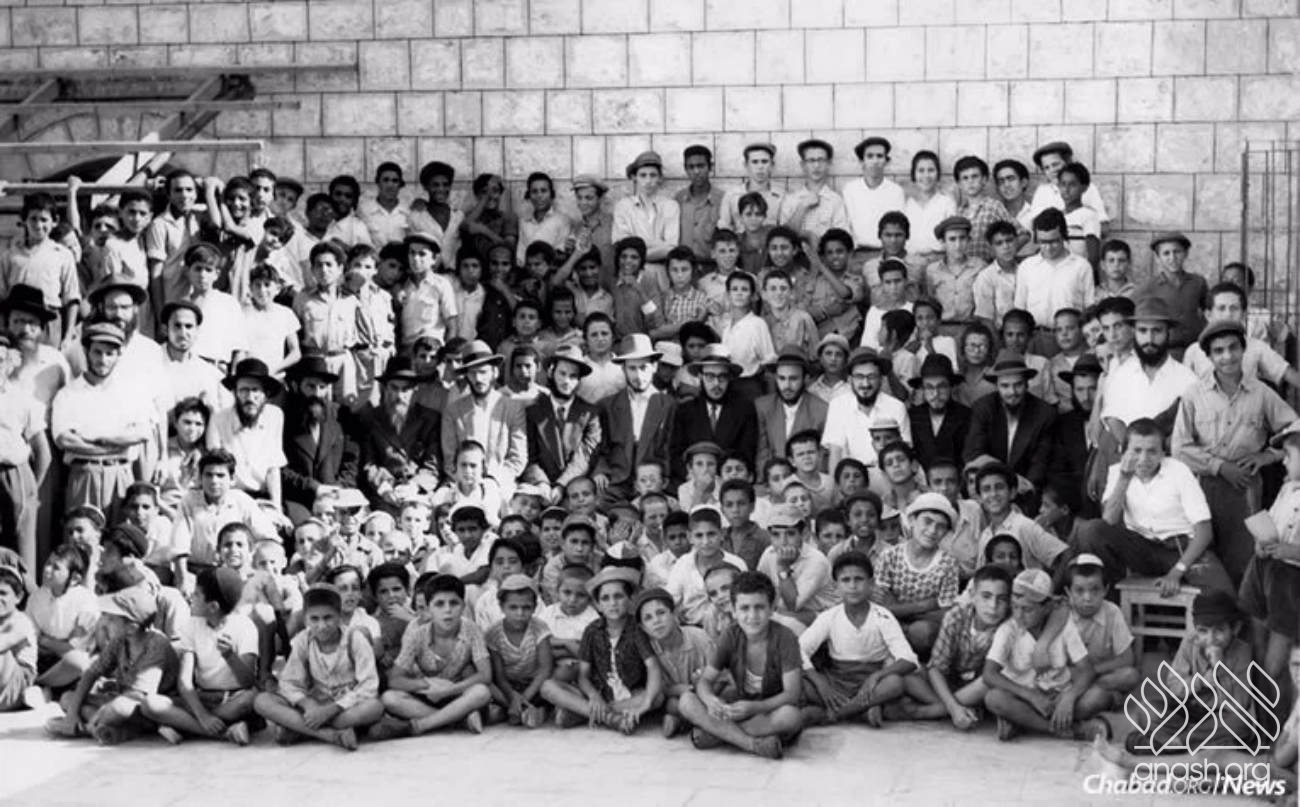
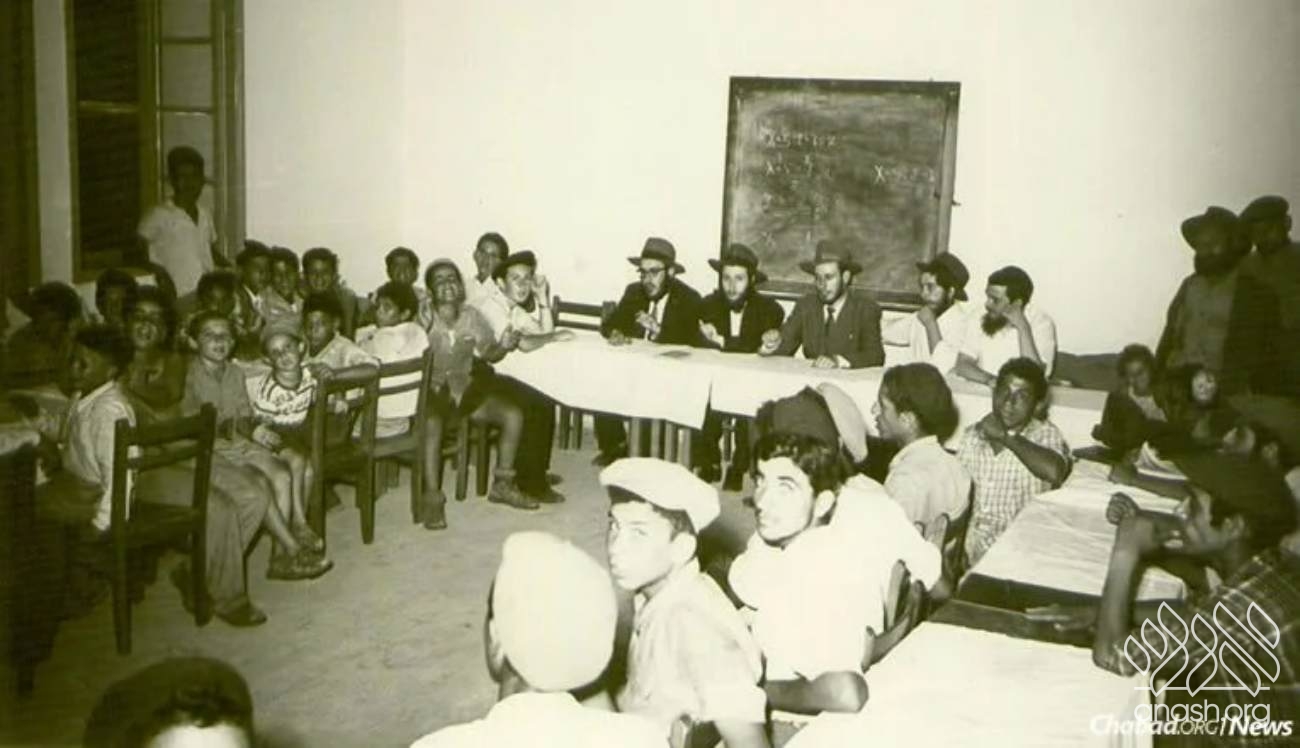
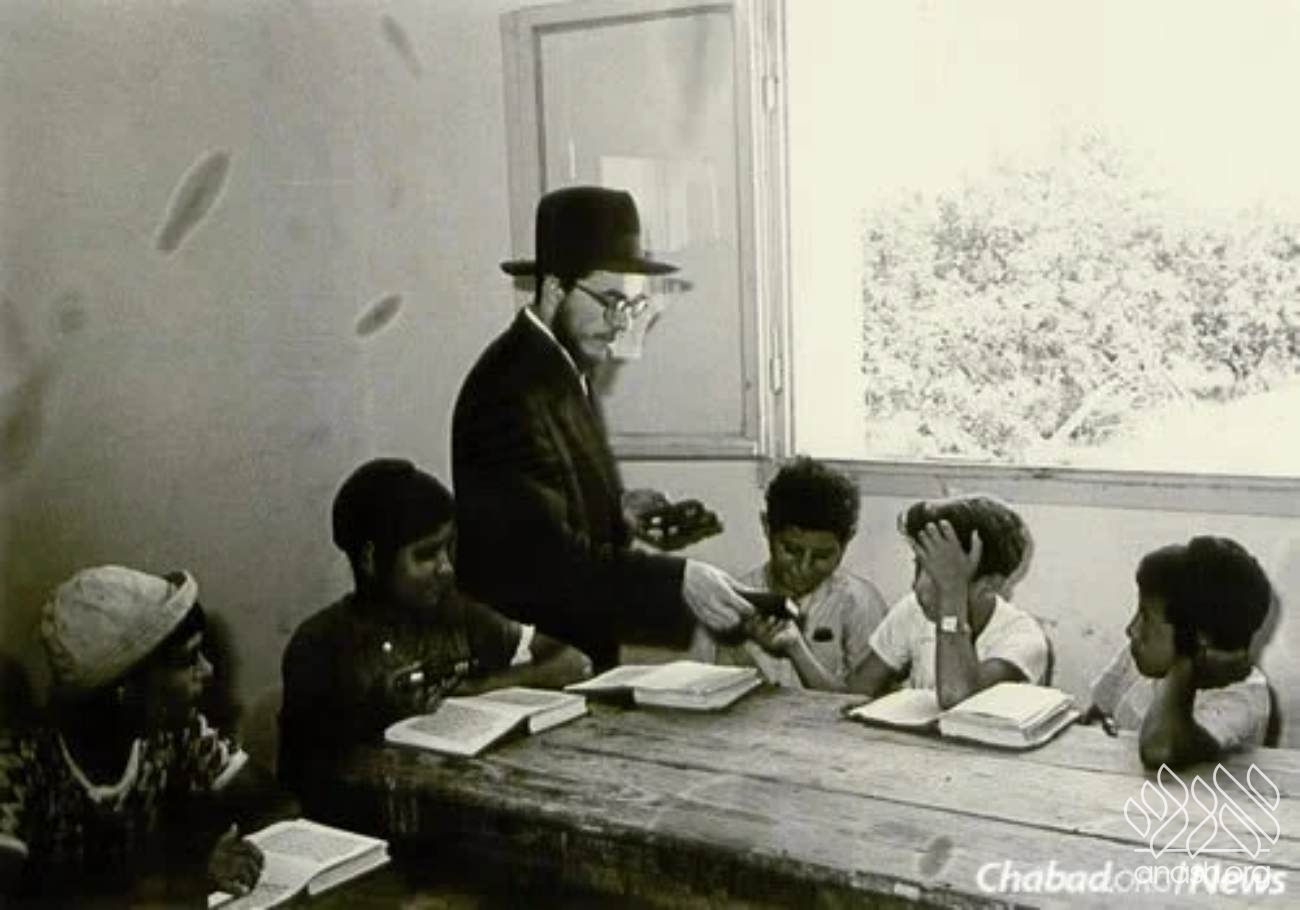
The Cheder in Lod had over 300 students, and they all gathered together for a special assembly with the Shluchim on Tuesday, Tes Zayin Av. Rabbis Butman, Shemtov, and Korf spoke and farbrenged with the children. At the conclusion of the farbrengen, one of the young students stood up and asked the Shluchim to relay regards from all the children to the Rebbe. Without hesitation, the Shluchim agreed.
Another school boy asked the Shluchim to please ask the Rebbe to allow a Sicha to be recorded, because they had never heard the Rebbe’s voice!
Later that week, the Shluchim presented each child with a pocket-sized Tanya.
Rabbi Shmuel Fogelman traveled the next day, together with the secretary of Tzach, Rabbi Leib Kahan, to a remote village called Moshav Taoz, where the recently arrived immigrants from India were residing.
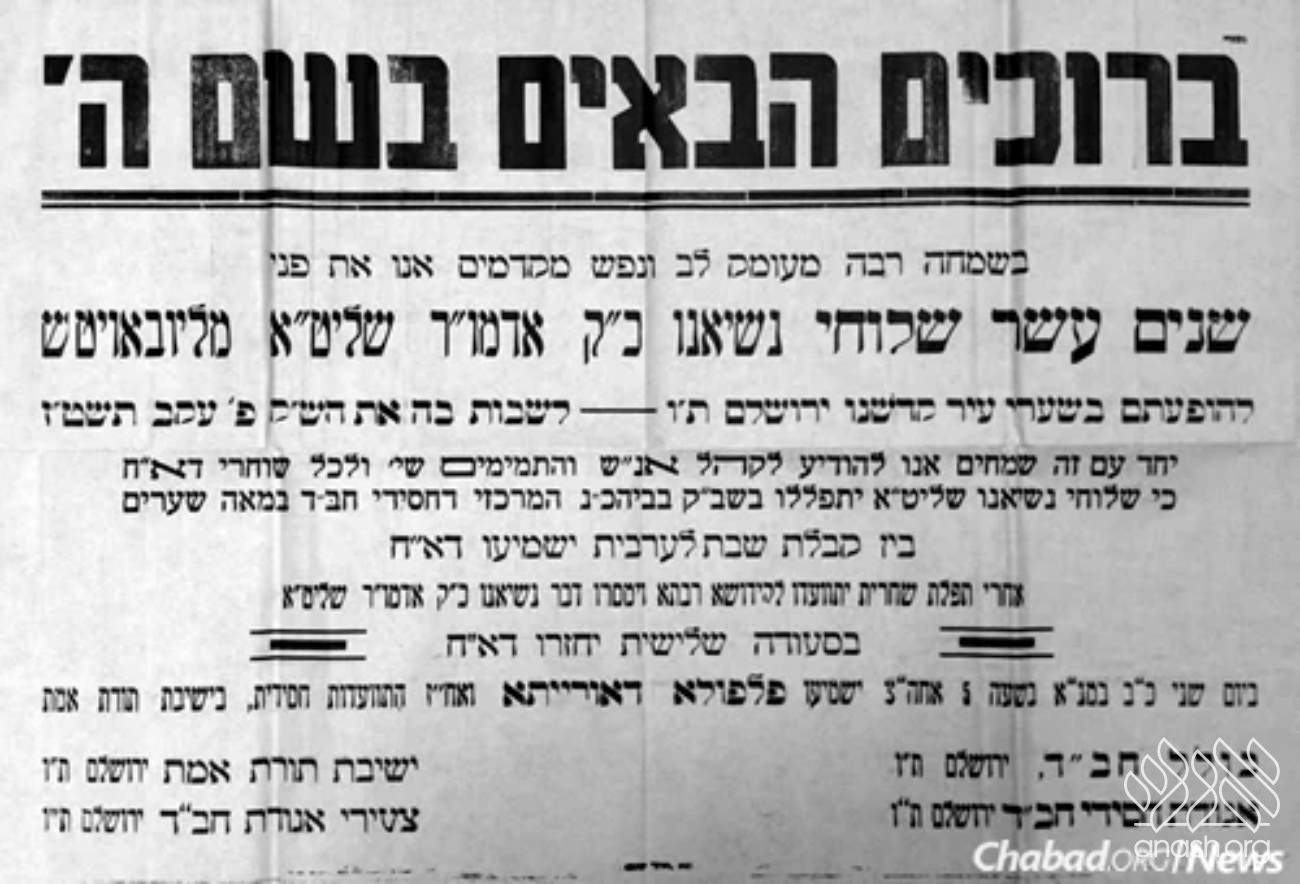
The Chief Rabbinate of Petach Tikva organized a huge Kabolas Ponim for the Shluchim in the largest Shul in Petach Tikva on Thursday night. The Shul was filled from wall-to-wall, and the crowds were addressed by the Rabbonim and local dignitaries. The first Shliach to speak was Rabbi Avrohom Korf, who delivered a pilpul in Gemora. Rabbi Shalom Dovber Shemtov brought regards from American Jewry, and Rabbi Faivel Rimler explained a concept in Chassidus.
The impact upon the residents could be seen openly, and the gathering was followed by a farbrengen led by Rabbi Yosef Rosenfeld and Rabbi Yehuda Krinsky.
SHABBOS IN YERUSHALAYIM
Many fond memories remained in the minds of the Shluchim after this unique Shabbos.
Rabbi Shalom Ber Butman recalled the unexpected turn of events that Shabbos:
“We were warned by many, that the Yidden who resided in Yerushalayim are very punctual with their schedule. It was impossible that they would remain after Davening to farbreng. They were meticulous to consume their seudas Shabbos right after Davening.
Just the opposite ended up occurring. After hearing the Shluchim speak on Friday night, and teach Chassidus in the morning, the crowds were riveted. The Shul teemed with Chassidim and non-Chassidim. Many members of Neturei Karta were in attendance as well.
No one wanted to leave, and they begged the Shluchim to share more. After Shacharis, the shul remained filled to capacity, resulting in a lively farbrengen. For hours on end we farbrenged, told stories and sang niggunim, completely out of line with the usual Yerushalmi conduct.”
Rabbi Shalom Ber Shemtov remembered fondly how Reb Zushe Partizan announced after the Farbrengen had ended:
“היינט, האט מען איינגענומען ירושלים!”
“Today, we have conquered Yerushalayim!”
In somewhat of a whirlwind, right after Shabbos, a group of the Shluchim headed to the Kol Yisroel radio station, where they were interviewed by Mr. Shmuel Avidor. Their words resonated throughout Eretz Yisroel, impacting Yidden of all kinds. Later in the week, they received many other interviews, including one with a station called Kol Tziyon Lagoleh, which was being heard across the world, even in Soviet Russia.
Throughout the next few days, the Shluchim learned in Yeshivas Toras Emes and also visited other Yeshivos in the area, many of which were not Lubavitch.
In Yerushalayim as well, a grand kabolas ponim was held, and hundreds of Yeshiva bochurim from Yerushalayim joined. Many of the Shluchim spoke, sharing ideas in Nigla, Chassidus, and about strengthening one’s Hiskashrus.
Shul after Shul and community after community wished for their presence. The Shluchim crisscrossed Eretz Yisroel, leaving light and hope in their wake.
With hundreds of onlookers and with emotio,n they bid the Shluchim farewell, and asked them to bring regards to the Rebbe from the Chassidim in Eretz Yisroel. On everyone’s lips remained one tefila – retzoneinu liros es malkeinu!
After some delays, the Shluchim departed Eretz Yisroel, making a number of brief stops in Europe on the way to New York.
Upon arrival in New York, the Shluchim returned to 770, ready to report on their trip. They received a message from the Rebbe that they should first rest, and they would be able to enter Yechidus the next day.
On Friday at 4:15, the group of Shluchim entered their Yechidus with the Rebbe. The Rebbe addressed their Shlichus, encouraging them to write down all the details of their Shlichus while it was still fresh in their minds.
The Rebbe gave them a brocha that everything they endeavored during their Shlichus should materialize in a revealed way, and bring brocha to the Shluchim as well.
To the surprise of the Shluchim, the Rebbe concluded by giving each of the Shluchim a copy of the maamorim that had been said during the weeks they had been abroad.
“These maamorim,” continued the Rebbe, “should render it as if you had actually heard the Maamorim in person.”
The revolutionary Shlichus did not stop here. On the contrary, the aftereffect of the Shlichus grew stronger in the years following the Shlichus, as the Chassidim in Eretz Yisroel grew stronger in their Hiskashrus and dedication to the Rebbe.
In the Farbrengen of Parshas Nitzavim -Vayelech 5716, the Rebbe mentioned the group of guests who had arrived in New York for Tishrei for the first time, explaining that this was because of the impact the Shluchim left in Eretz Yisroel.
It is remarkable to mention that the delegation of Chassidim that arrived for Tishrei in New York for the first time in Tishrei 5717, consisting of twelve individuals, perhaps an equivalent of the twelve Shluchim.
CREATOR: gd-jpeg v1.0 (using IJG JPEG v62), quality = 99
 COMMENTS


We appreciate your feedback. If you have any additional information to contribute to this article, it will be added below.