




כ״ד מרחשון ה׳תשפ״ז | November 3, 2026
The Rebbe Explained the Dream That Changed My Life
In a podcast interview, Reb Shimon Kroll of Pomona, NY, recalls growing up in Brooklyn and being scouted for the major leagues, his path to Lubavitch, and the seven yechidus’n he merited with the Rebbe, including the Rebbe’s interpretation of a dream.
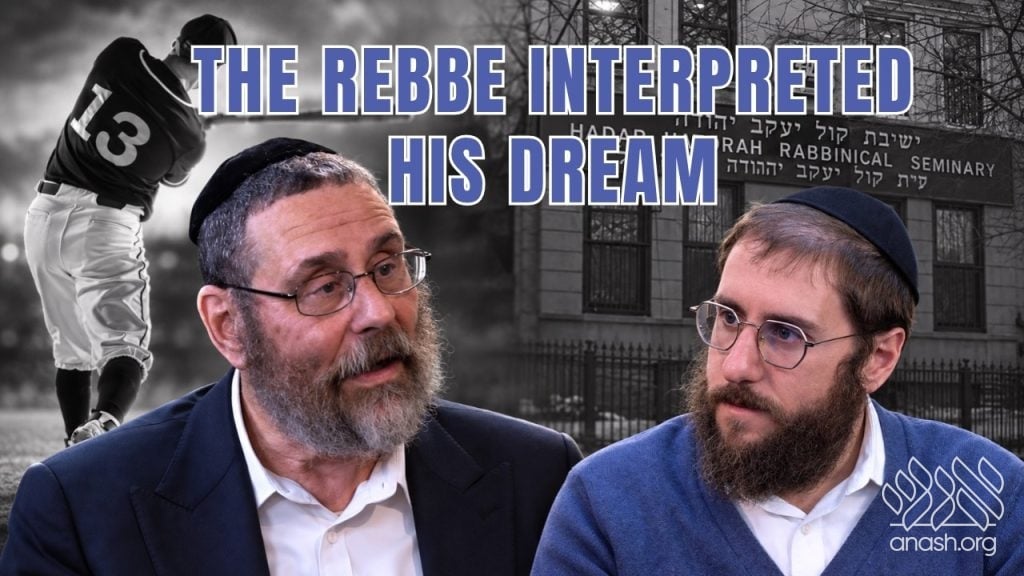
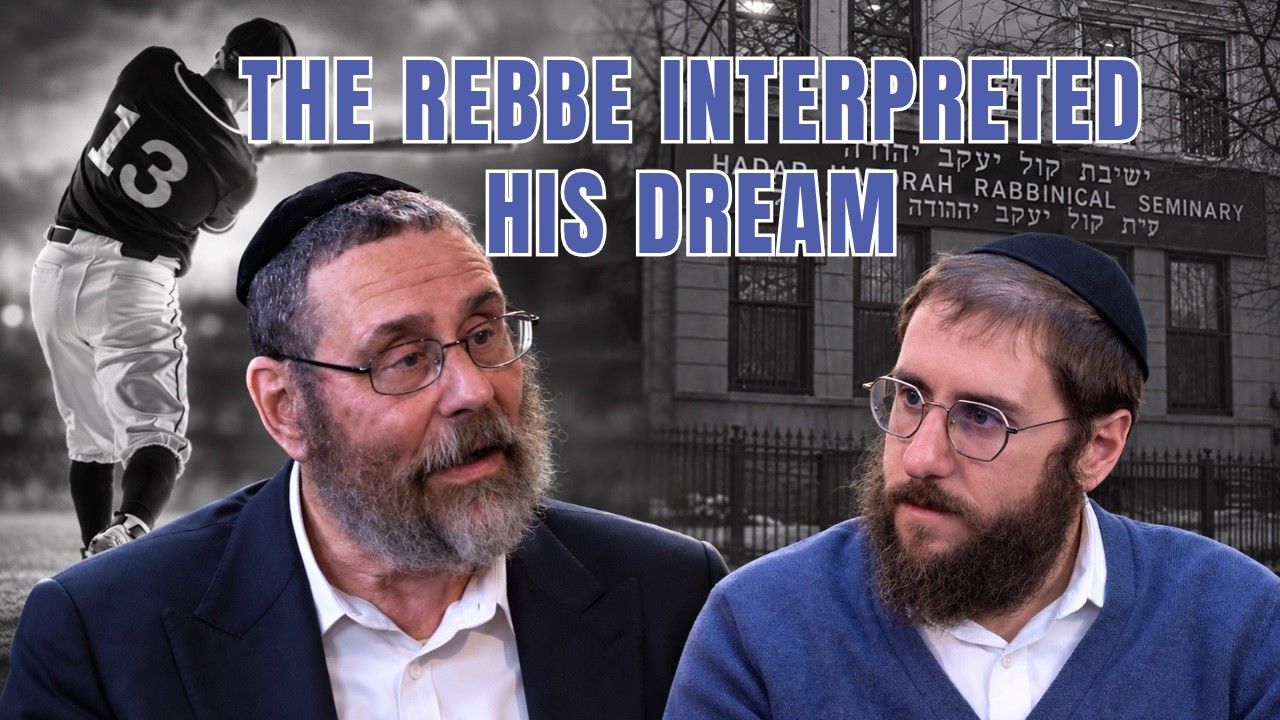
In a podcast interview, Reb Shimon Kroll of Pomona, NY, shares fascinating stories and memories spanning his Brooklyn childhood, a promising baseball career, his search for truth, and seven yechidus’n with the Rebbe. He recounts the Rebbe’s explanation of a dream that changed his life, the brachos and answers that followed over the decades, and remarkable experiences in the years after Gimmel Tammuz.
Reb Shimon grew up in the 1950s on Rockaway Parkway in East Flatbush, in a proud but not frum home, just a short ride from Crown Heights. He recalls meeting Lubavitcher bochurim on Wilmore Street who put on tefillin with him when he was 13.
At the time, his focus was baseball. He played organized ball for ten years, building up a promising career, until friends who had become hippies told him they were looking for the truth. “I respected these people, and I decided I also want to find the truth,” he says. He left the team and began searching.
That search eventually led him and five friends to Hecht’s Hebrew Bookstore on Coney Island Avenue, where they went to buy tzitzis. There, Shalom Hecht asked if they had ever heard of the Lubavitcher Rebbe. They hadn’t. A short time later, before Pesach 5731 (1971), Hecht took Reb Shimon and his friends to receive matzah from the Rebbe, where he met the Rebbe for the first time.
Around that time, he had a dream in which he was digging in a field, a book flew into his hands, and a voice from above spoke of the resurrection of the dead. He went to learn at Hadar Hatorah, where Reb Yisroel Jacobson encouraged him to include the dream in the letter he prepared for his first yechidus that summer.
He recalls how the Rebbe spoke to him in English, without an accent. “When the Rebbe started speaking, I started involuntarily trembling. My heart was not only beating fiercely, it was shaking,” he recalls.
The Rebbe began by saying that the Gemara teaches how there is truth in dreams, and explained the field as his own life, and told him that a field must be cultivated to bear fruit. The Rebbe then said the voice was one calling the neshama back from the dead to awaken him in his life, and added, “Every Jew has his own Moshiach.”
Reb Shimon understood this to mean that after being awakened from the dead, the Rebbe was telling him that he now had to lift himself out of his own personal galus. The Rebbe blessed him that he would have influence over his family and friends. After thanking the Rebbe twice on his way out, the Rebbe answered, “You’re welcome,” each time.
Other yechidusen followed. In his second, the Rebbe told him that help for his hearing would come from above, which he understood decades later when hearing aids developed, and added, “Don’t be so moody.” The Rebbe then asked if there was anything else bothering him. In the third, in 5733 (1973), the Rebbe once again discussed his dreams with him.
His fourth yechidus took place before his wedding, with both families present. His father put on tefillin afterward and remarked about the Rebbe’s eyes, “They don’t look at you, they look through you.”
His business life brought its own answers. In 5739 (1979), the Rebbe replied to his letter about an opportunity in life insurance, writing, “I advise you to take up this opportunity.” In the late 1980s, a major account was held up by a dispute, and Reb Shimon stood at an Achai Elul farbrengen with his hand stretched out toward the Rebbe all night.
Only at the very end, as the closing niggun began, did the Rebbe turn all the way to face him and call out, “L’chaim, l’chaim!” The following Monday morning, the client called and said the business would go through.
In 5745 (1985), he wrote to the Rebbe about buying a house despite having no savings, listing what he would need to borrow and asking whether he should wait. The Rebbe crossed out the question about waiting and wrote, “Follow the above.” The house turned out to be directly behind the Rebbe’s home.
He also describes Tishrei in 770. Standing on a banister behind the bimah on Rosh Hashanah in 5734 (1973), the year of the Yom Kippur War, he found himself looking down at the Rebbe, who stopped and gave him a stern look.
He also shares personal stories from the years after Gimmel Tammuz, describing how he continued to experience the Rebbe’s clear brachos.
He closes with a story of a friend whose yechidus came after a delay. “A father shouldn’t have to be made to wait to see his children,” the Rebbe told him.
Among Chassidim is a podcast by Derher, hosted by Rabbi Yossi Kamman, director of A Chassidisher Derher. The podcast captures the vibrancy of Dor Hashvi’i through immersive, in-depth conversations. To view all episodes, visit the Among Chassidim YouTube channel.
WATCH
 COMMENTS


We appreciate your feedback. If you have any additional information to contribute to this article, it will be added below.