




כ׳ תשרי ה׳תשפ״ז | October 1, 2026
Photos: Jewish Life and Wartime History in Grenoble
A visit to Grenoble brought Lubavitch photographer Mordechai Lubecki to the city’s Chabad institutions, Alpine heights, and sites tied to a remarkable chapter of French Jewish history during World War II.
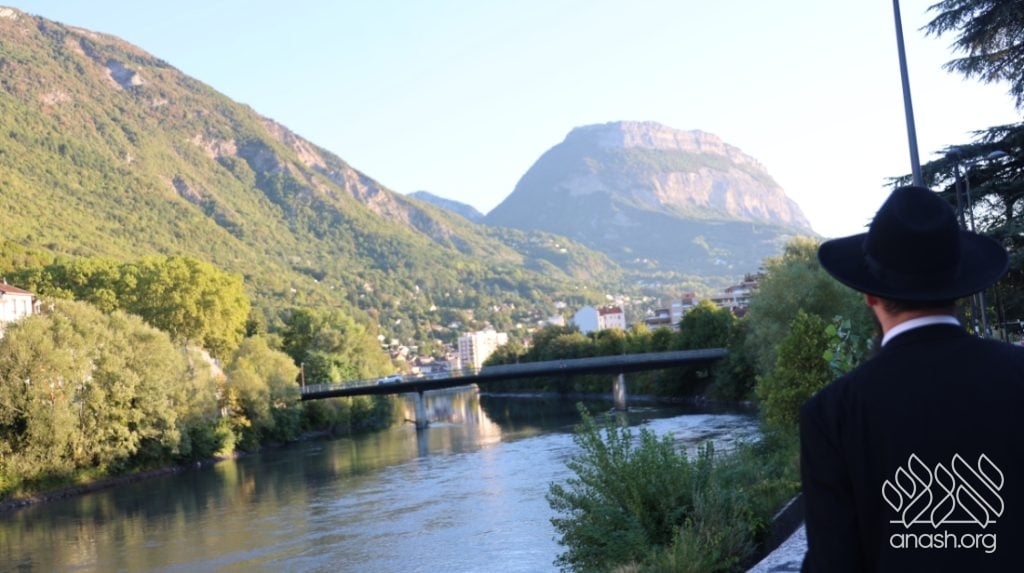
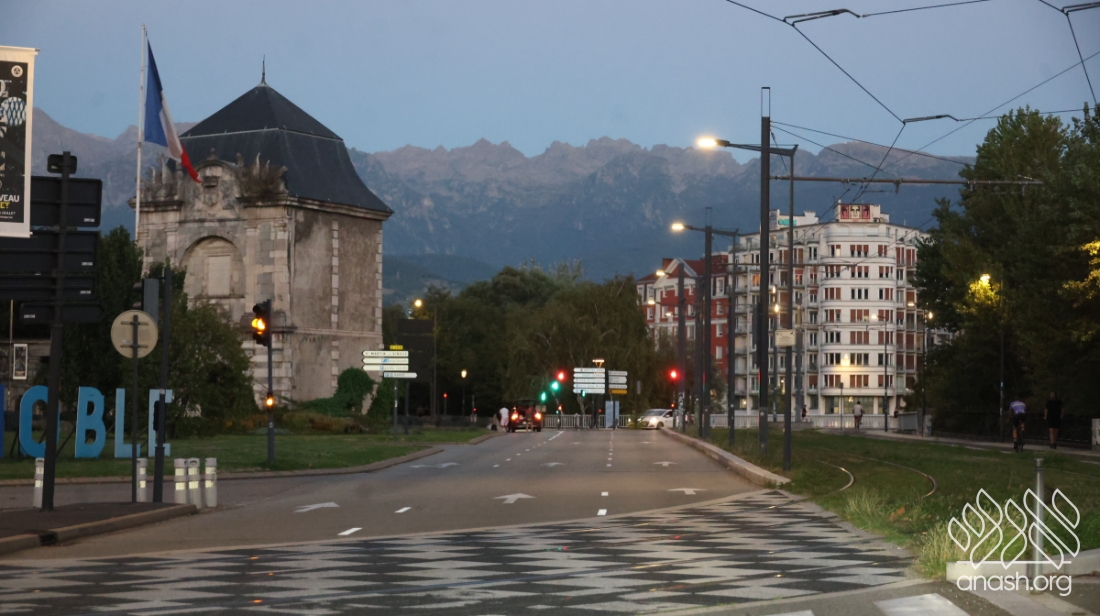
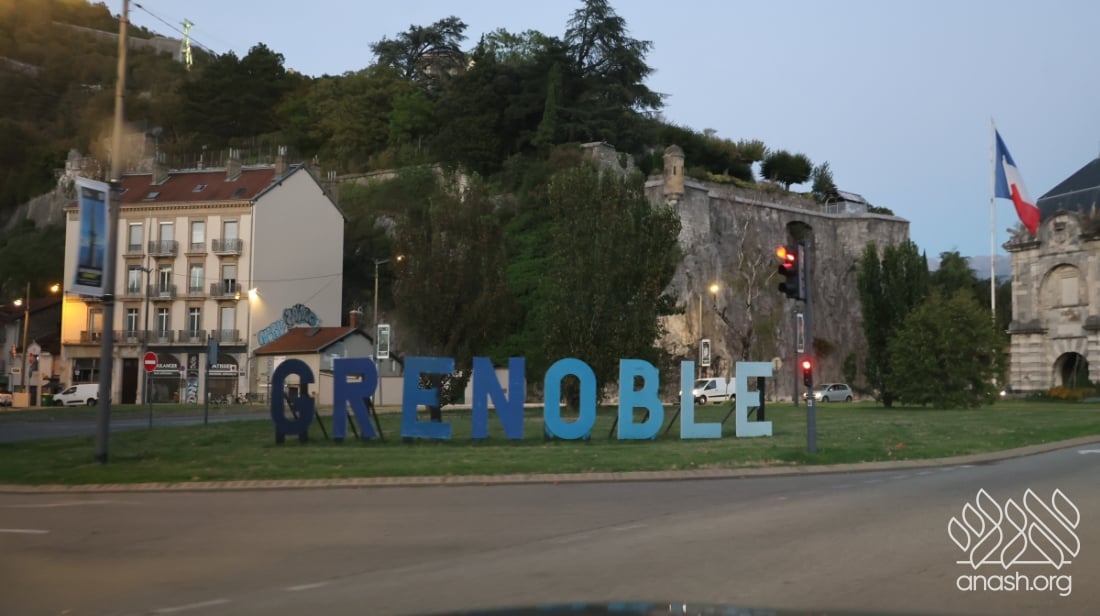
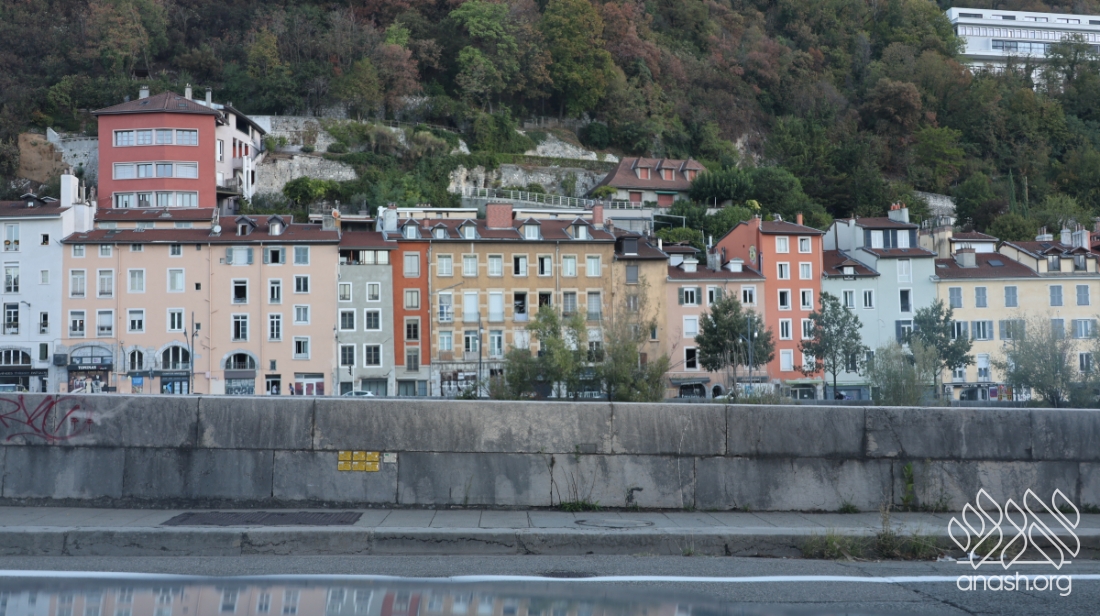
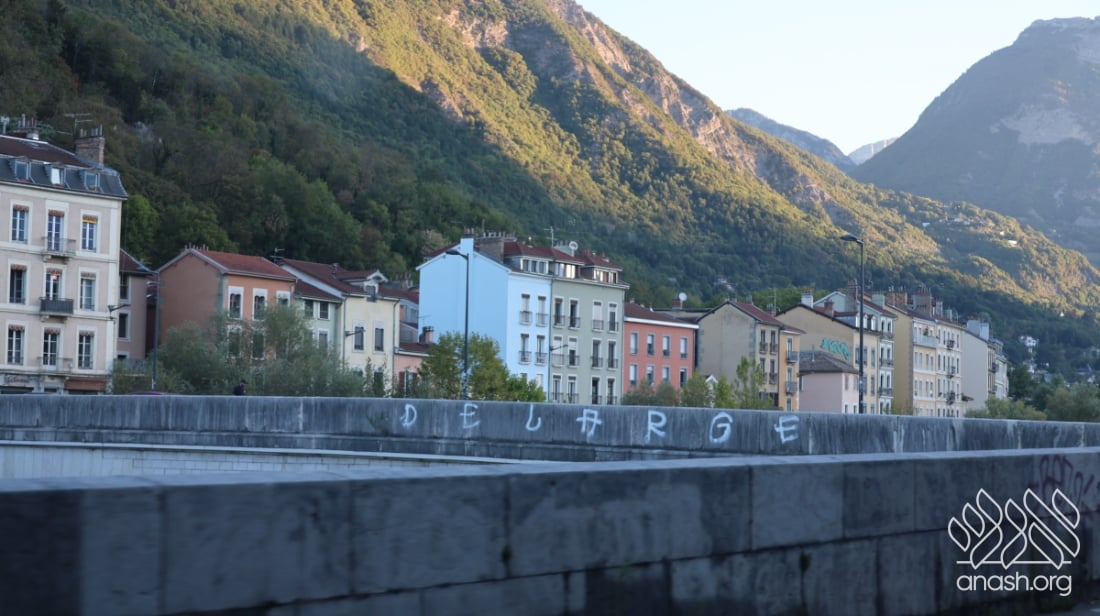
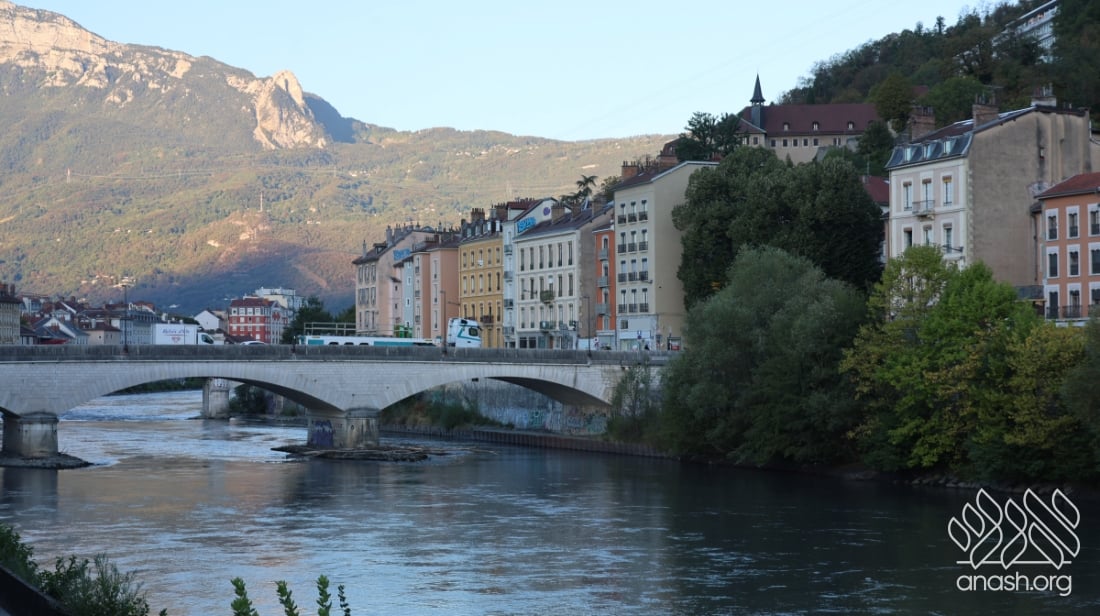
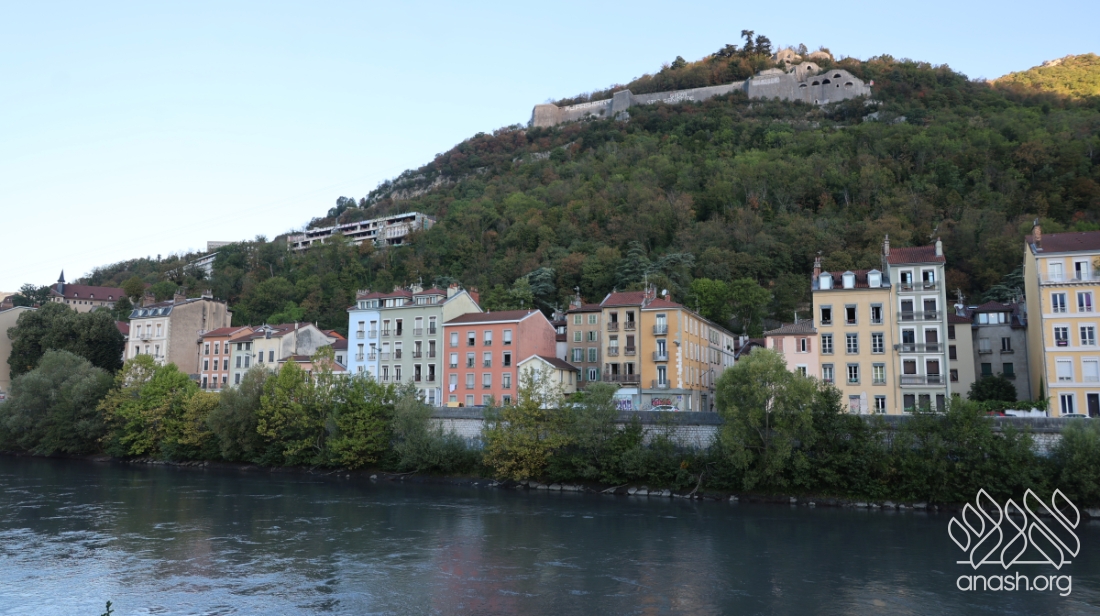
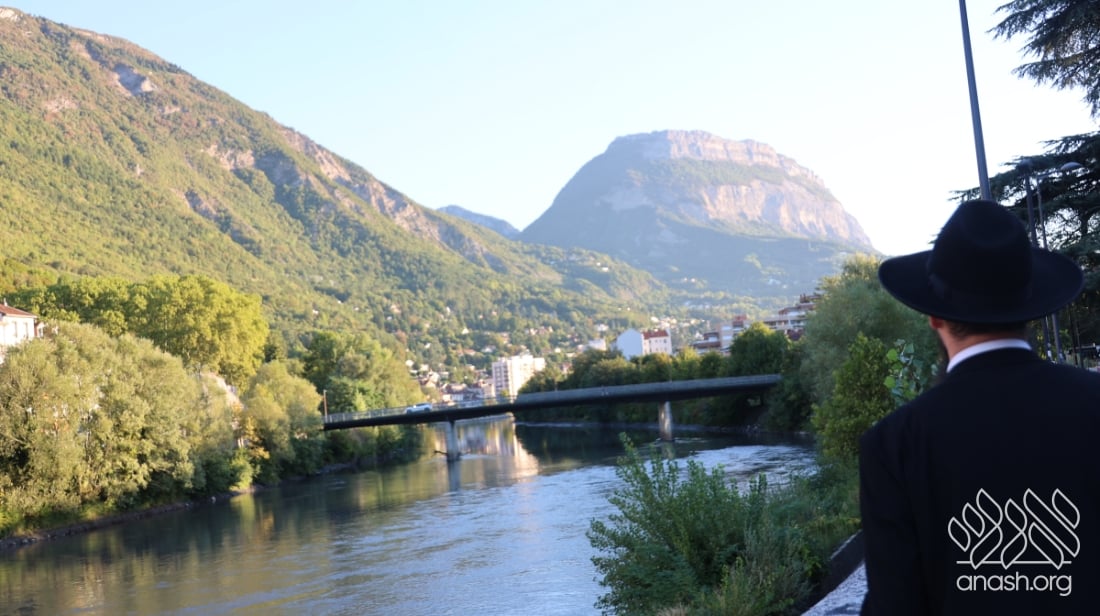
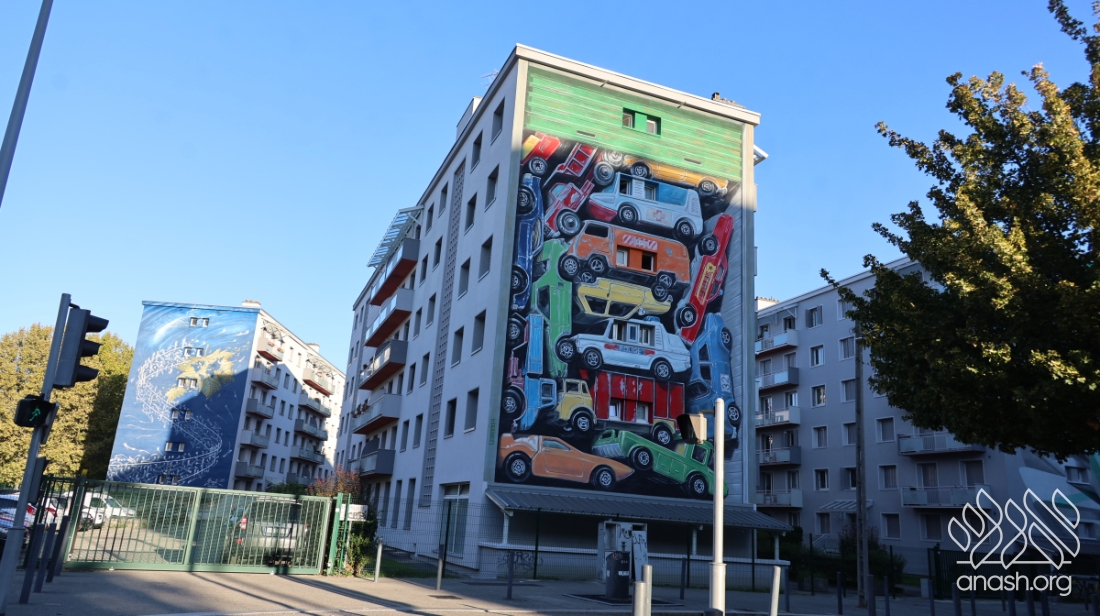
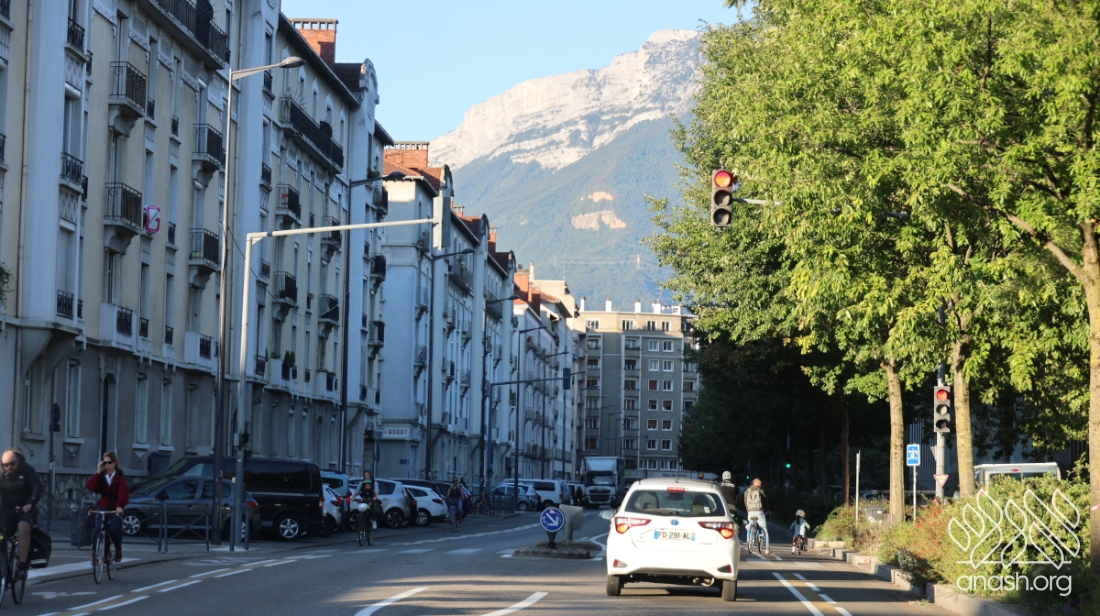
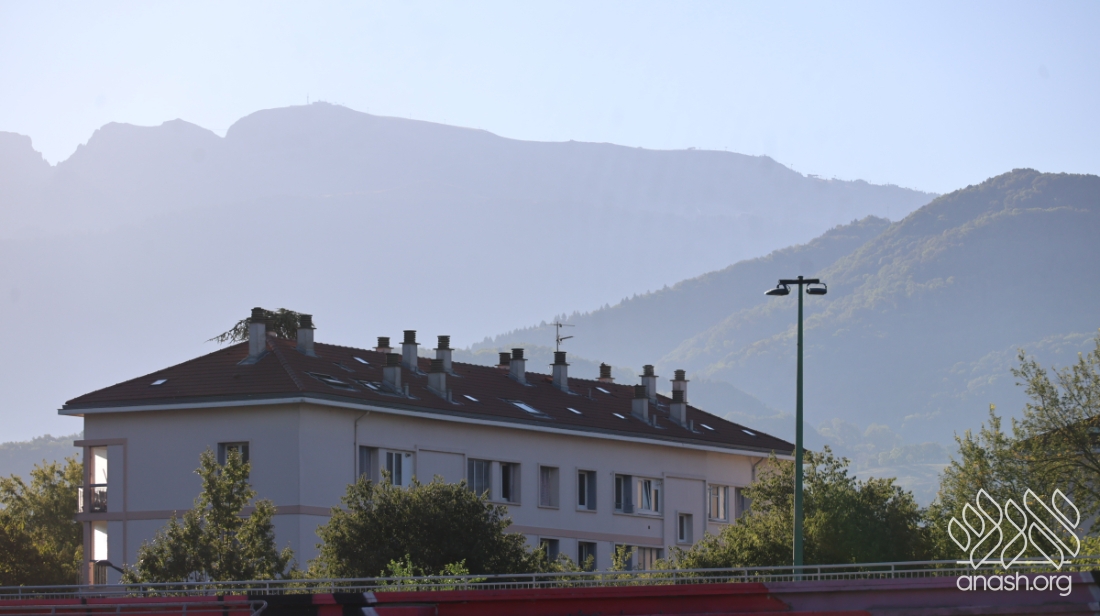
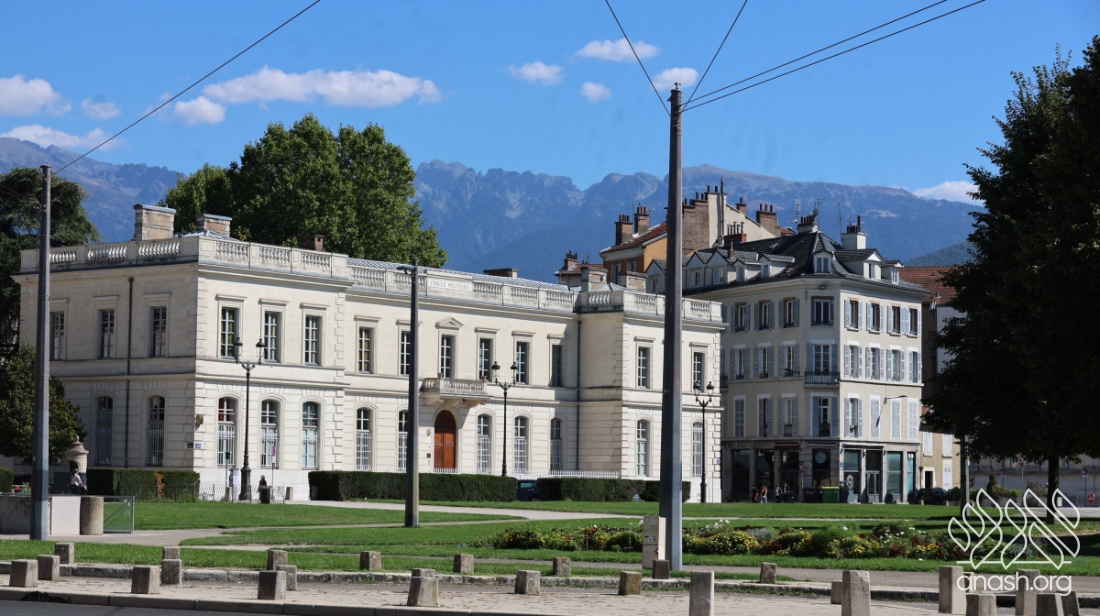
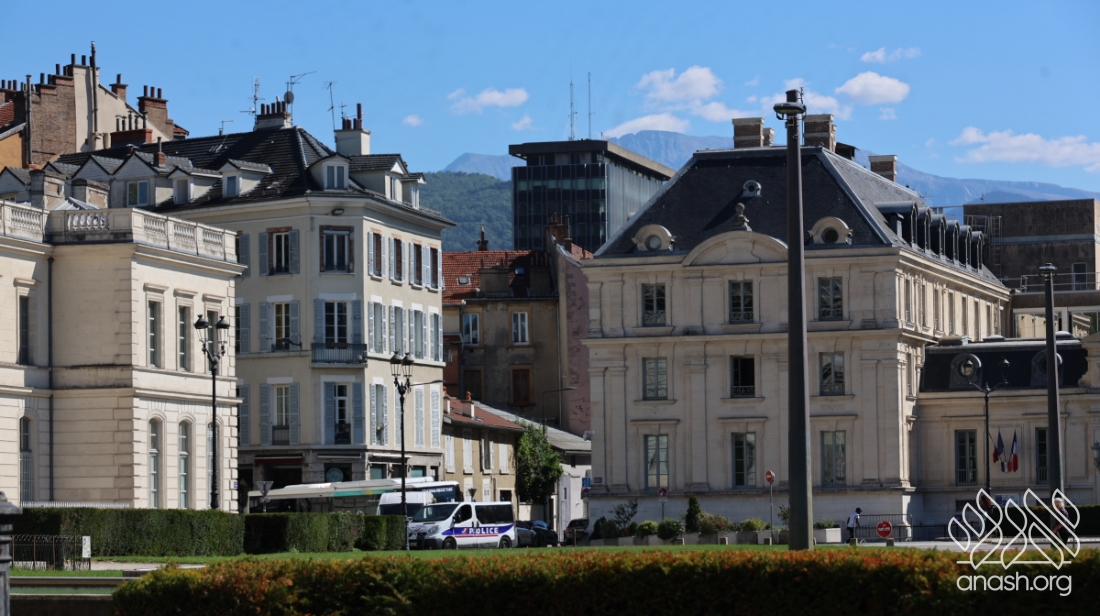
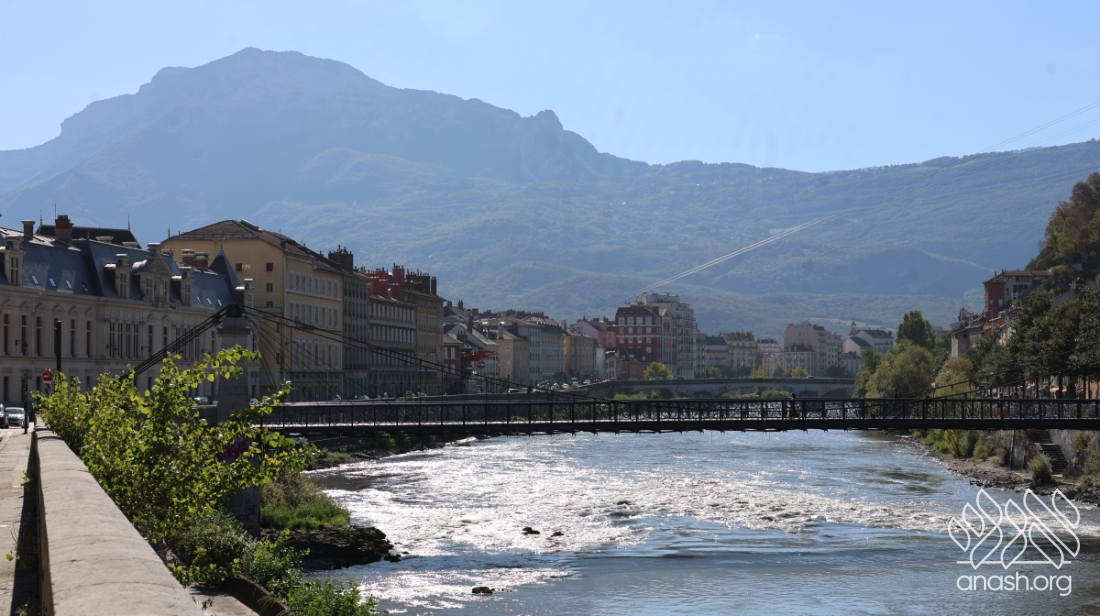
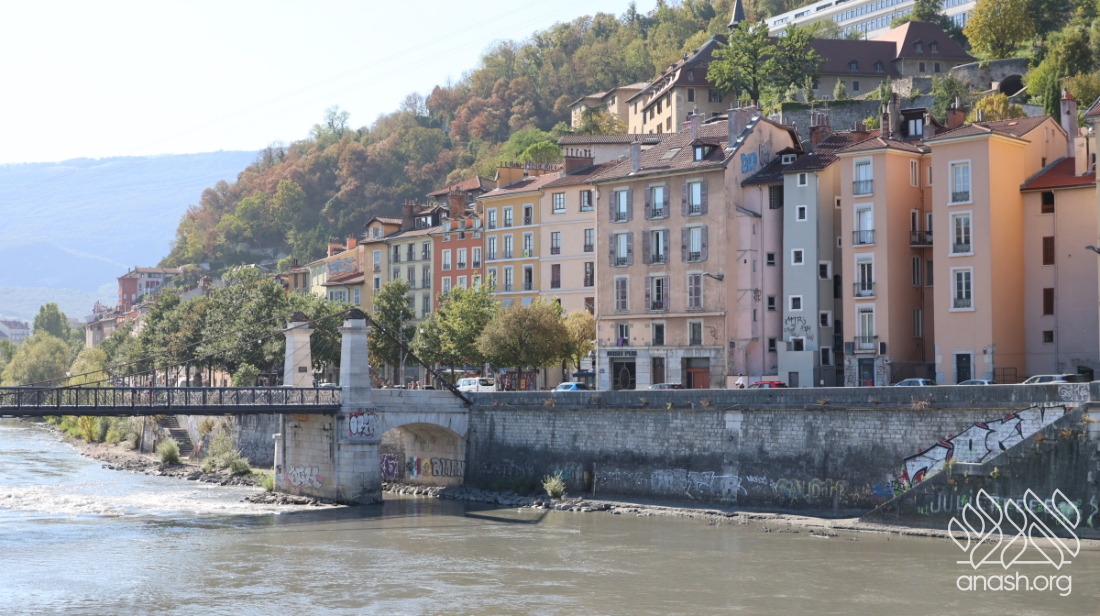
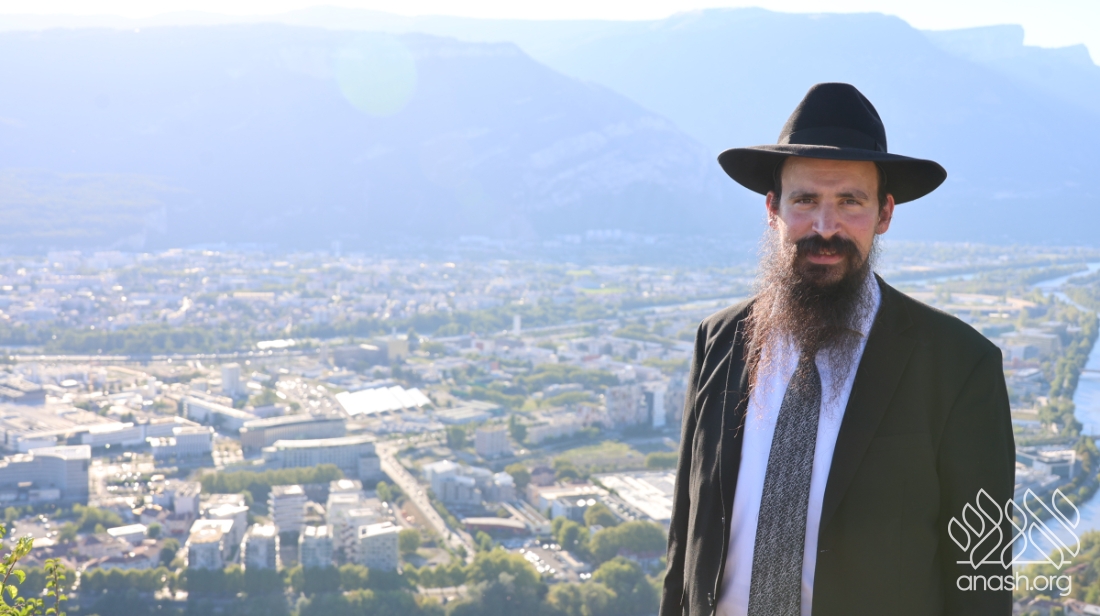
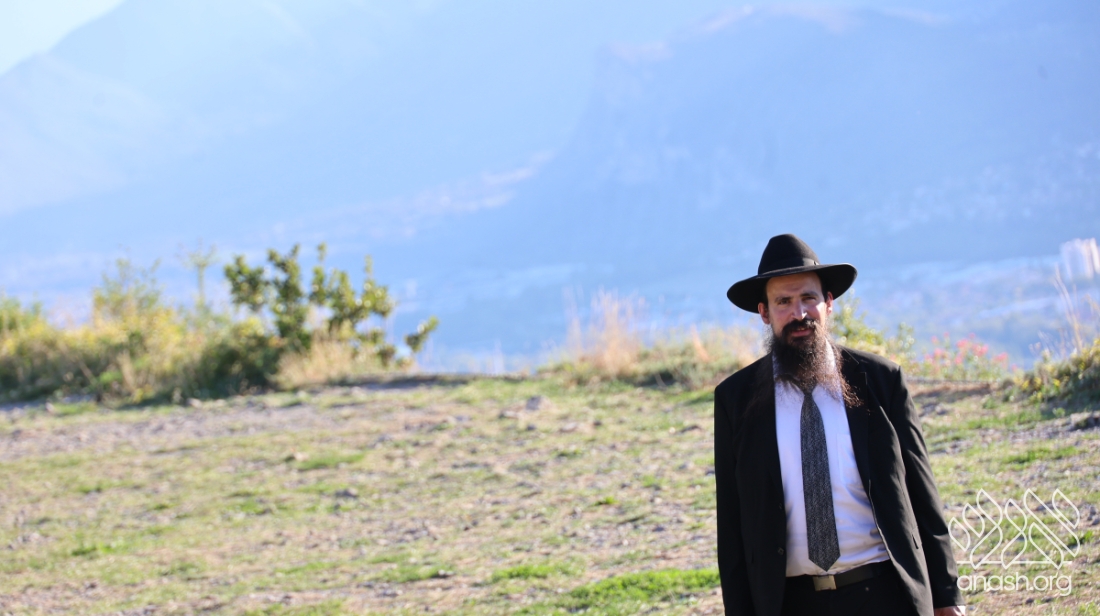
Lubavitch photographer Mordechai Lubecki continued his travels through France with a visit to Grenoble, a city surrounded by the French Alps with a Jewish history stretching through some of the darkest years of World War II.
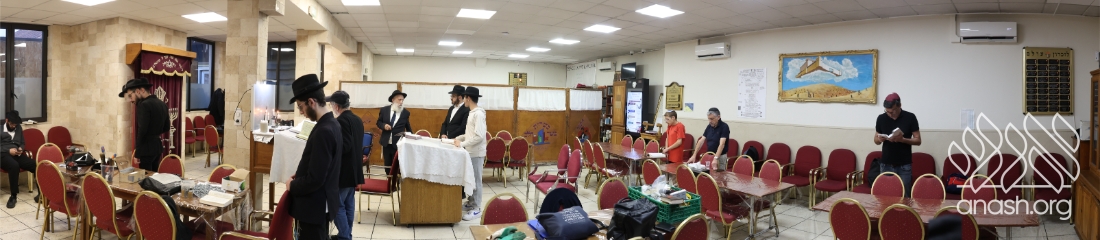
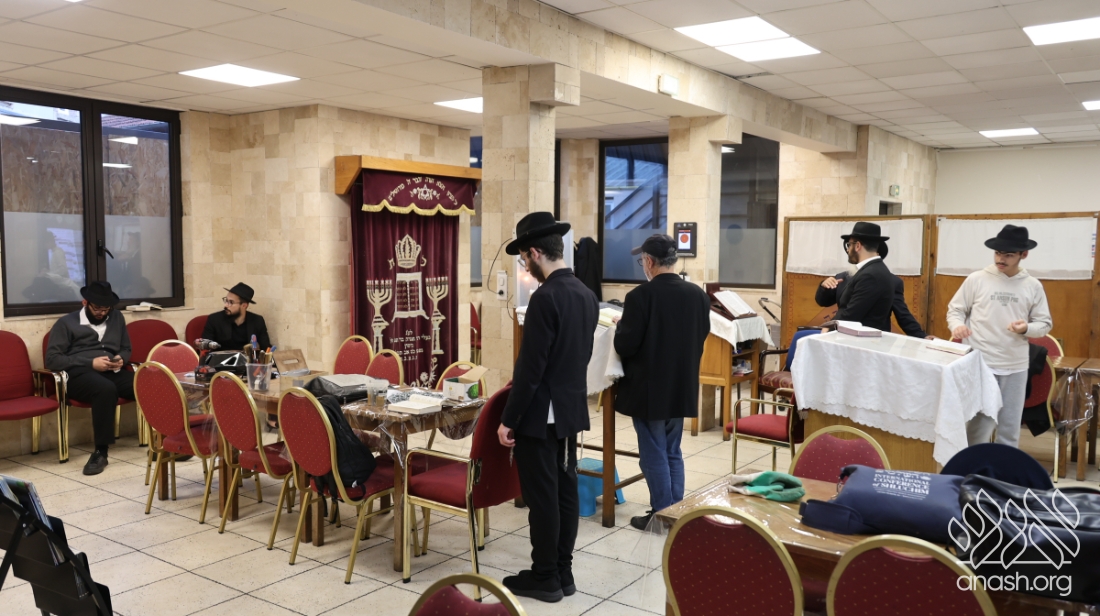
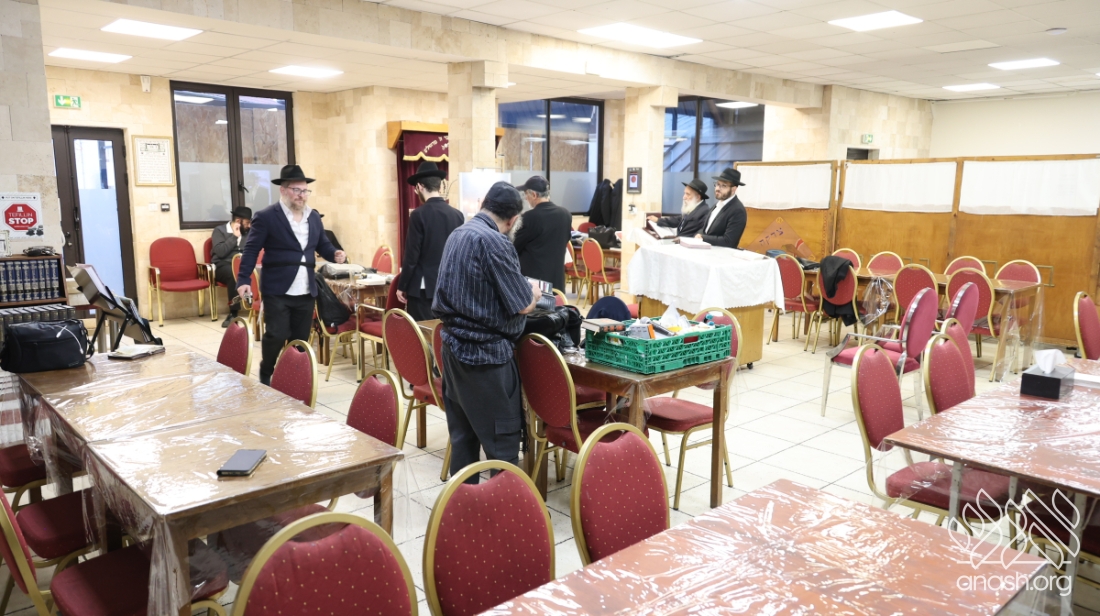
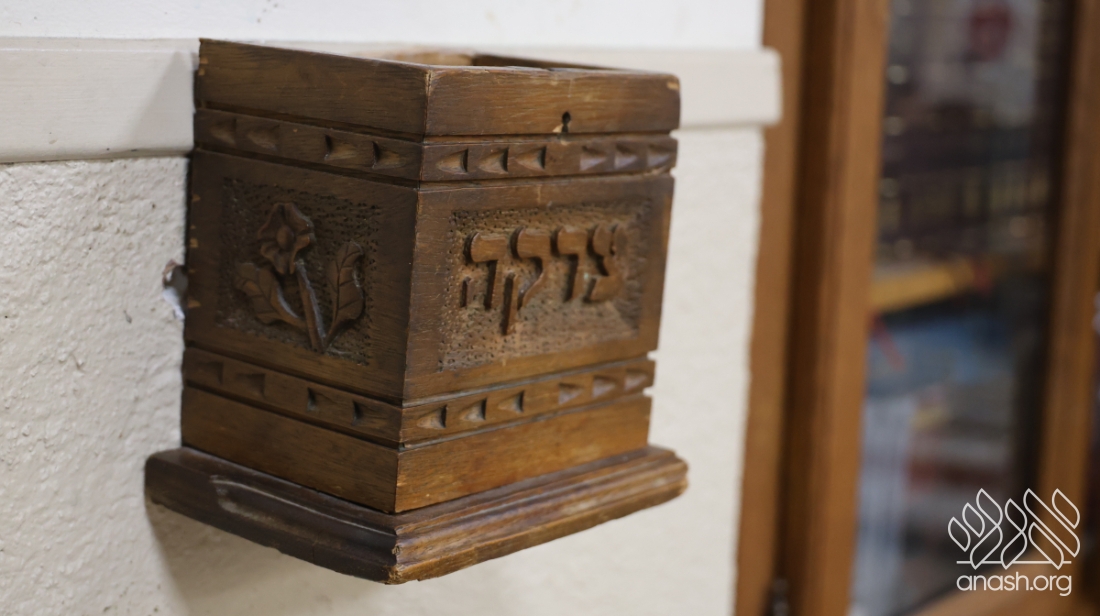
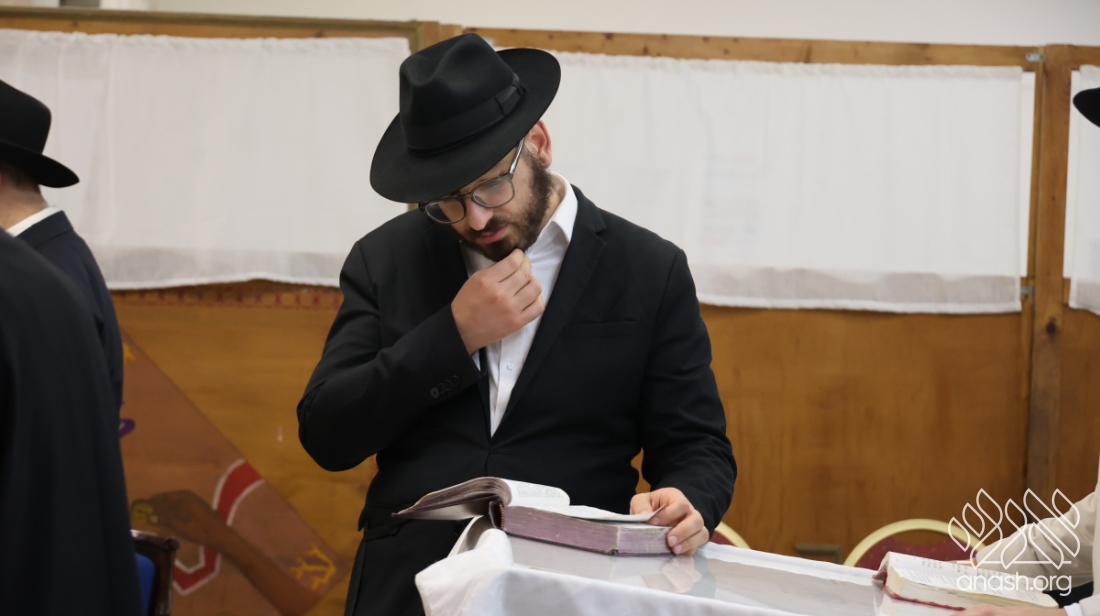
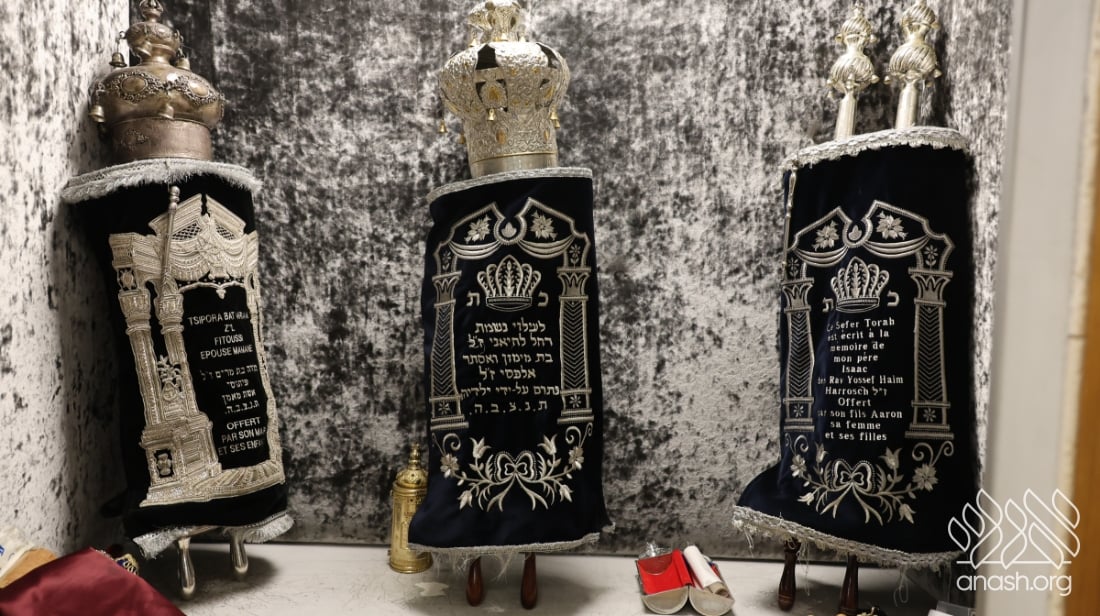
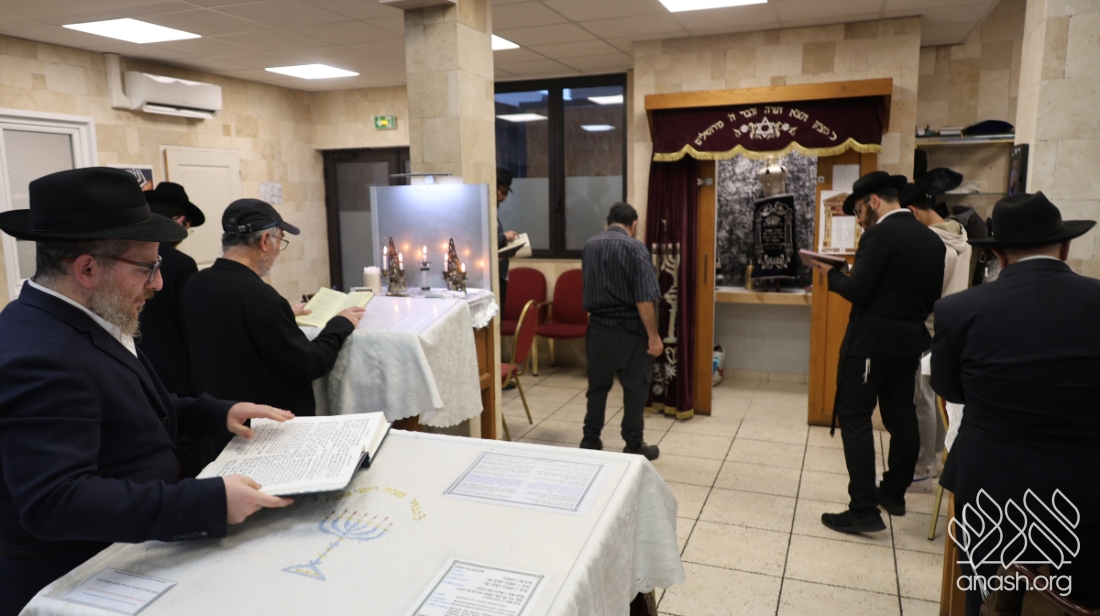
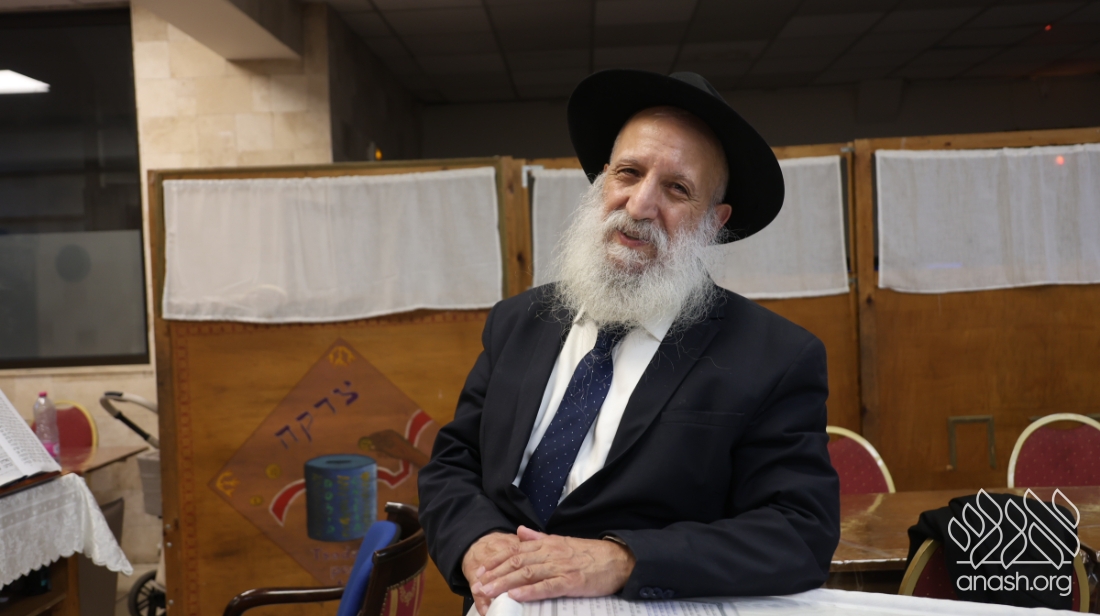
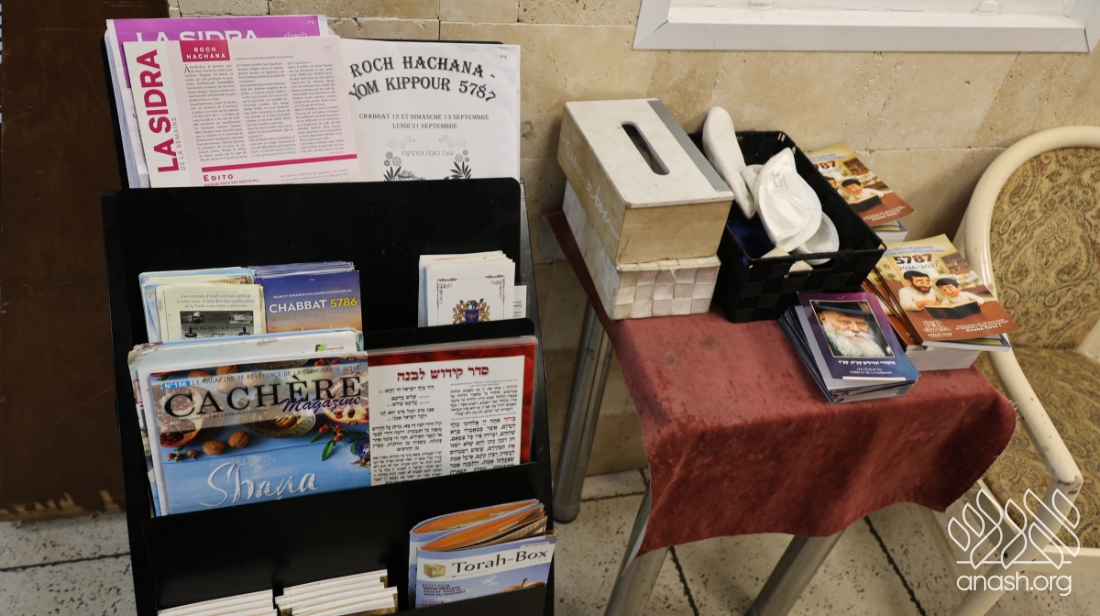
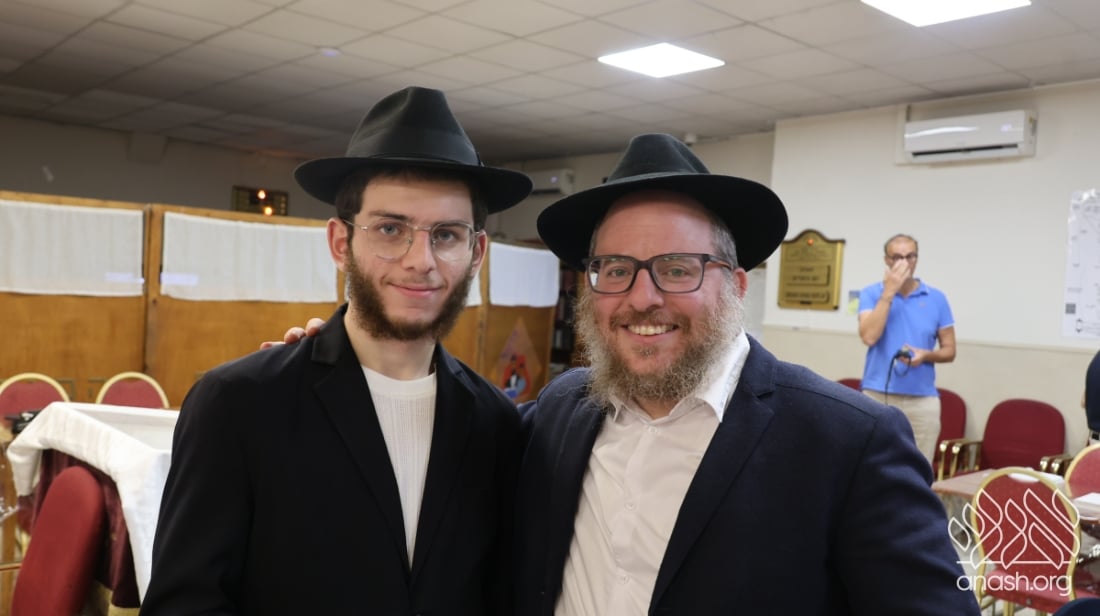
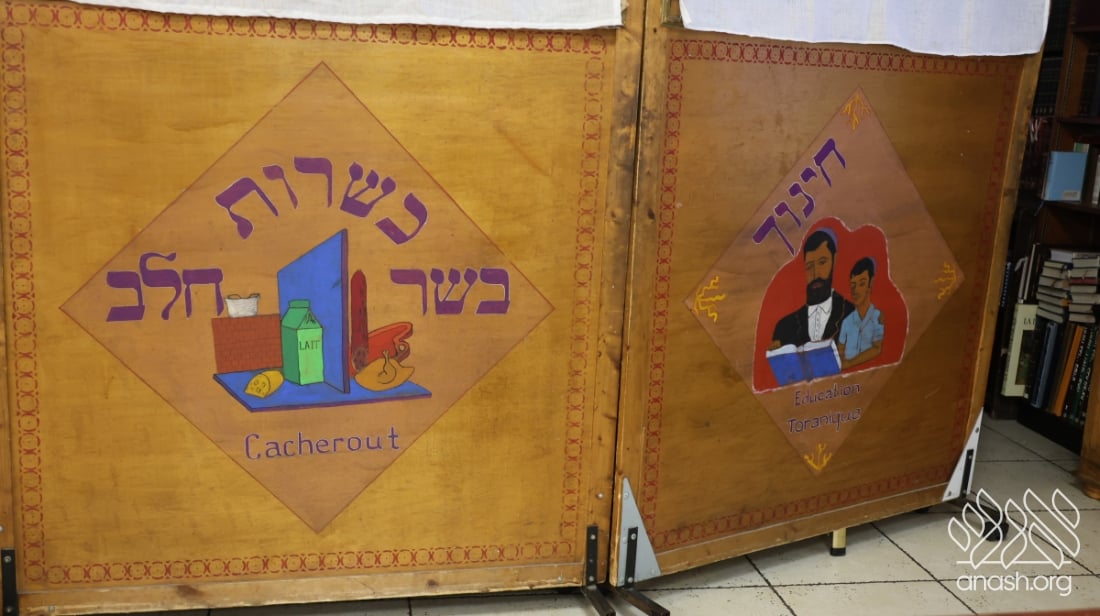
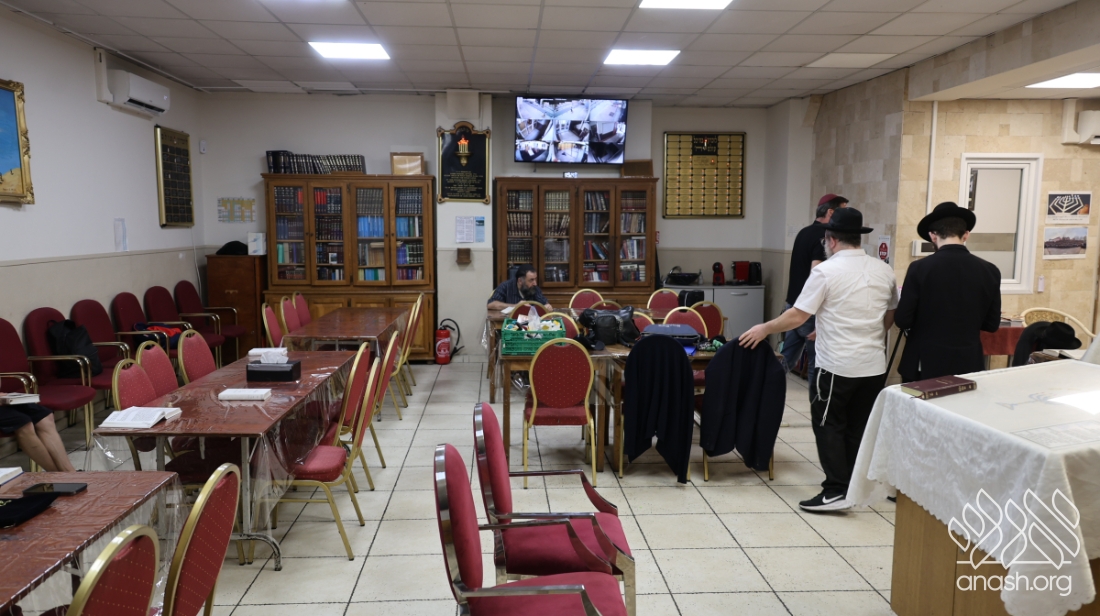
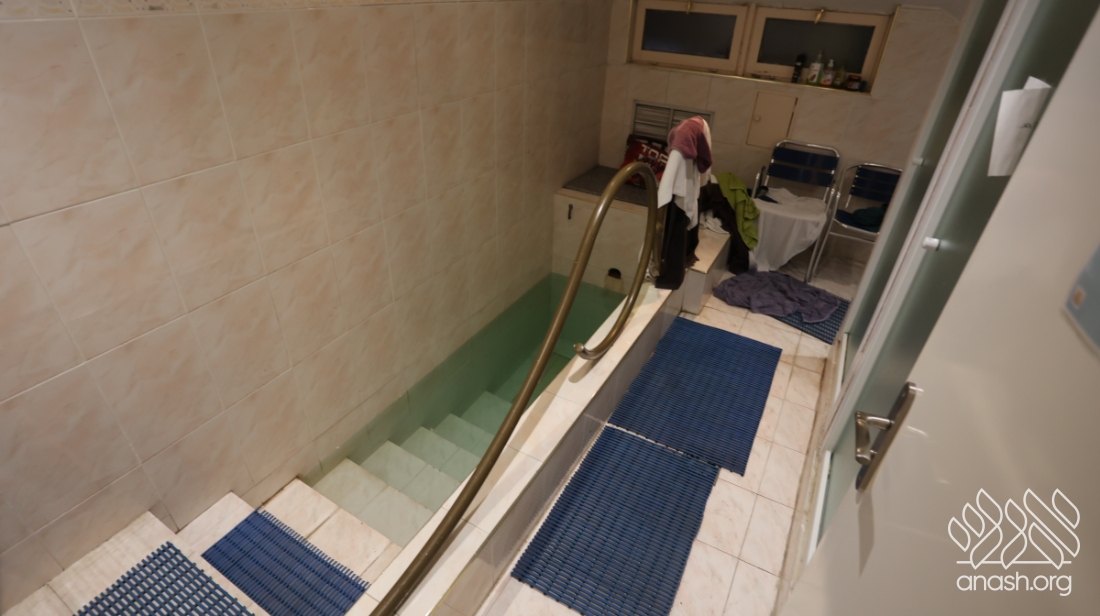
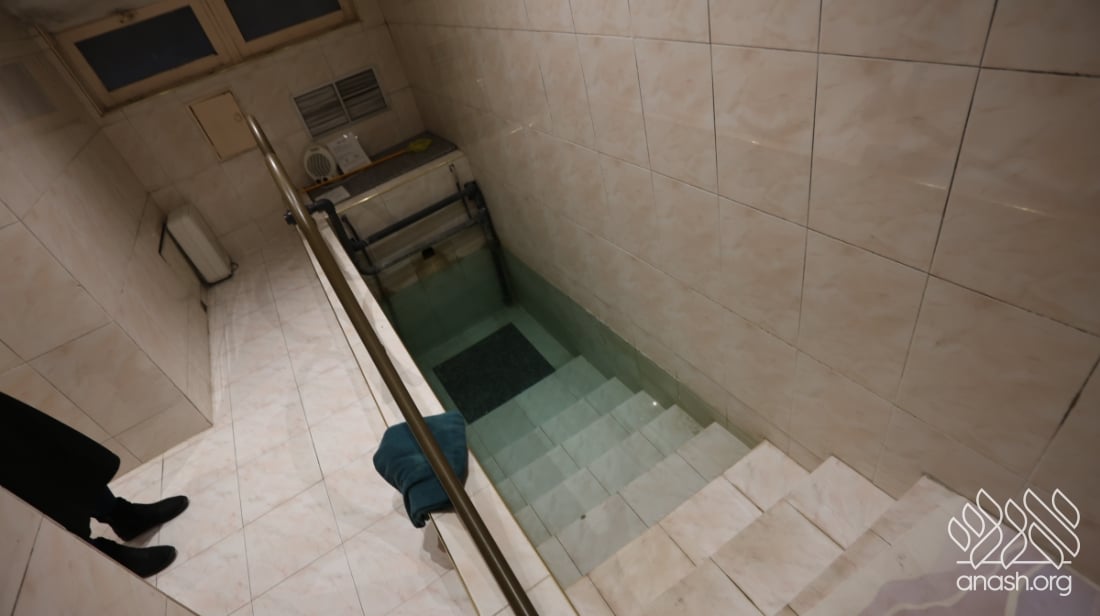
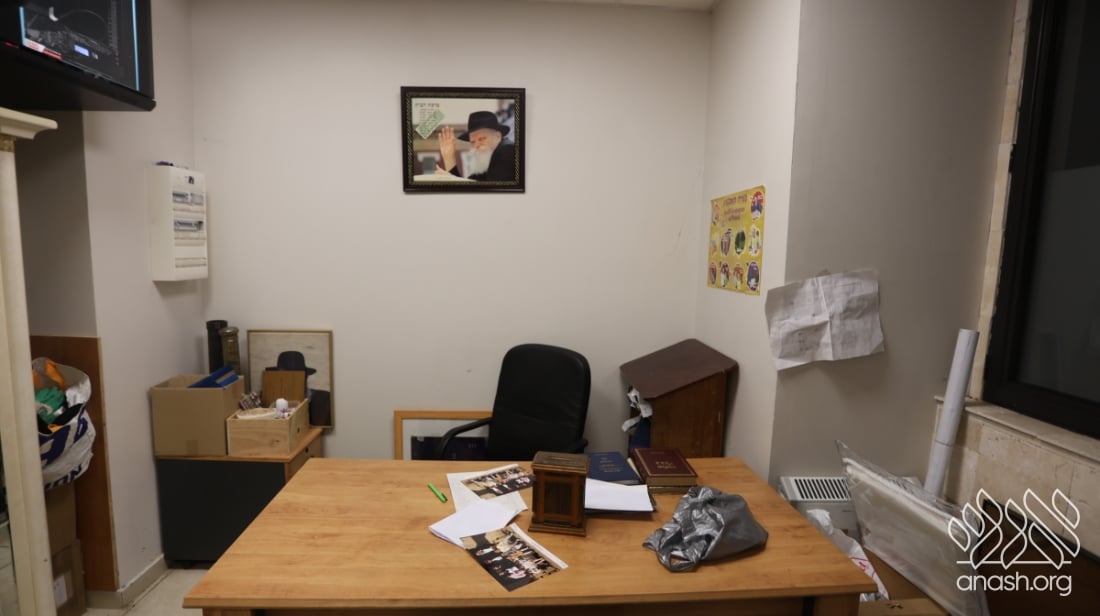
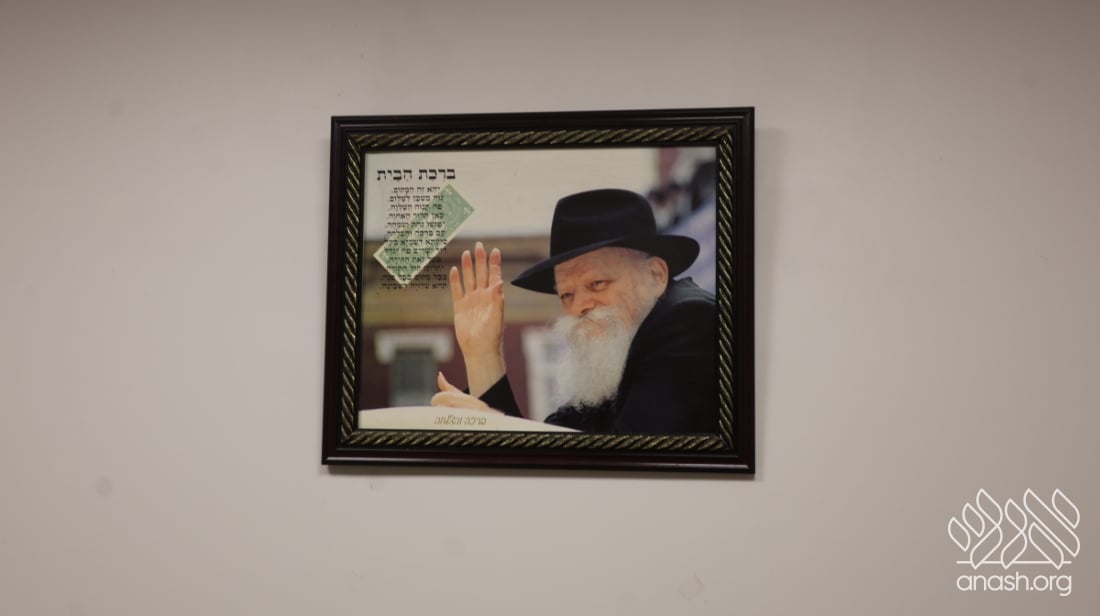
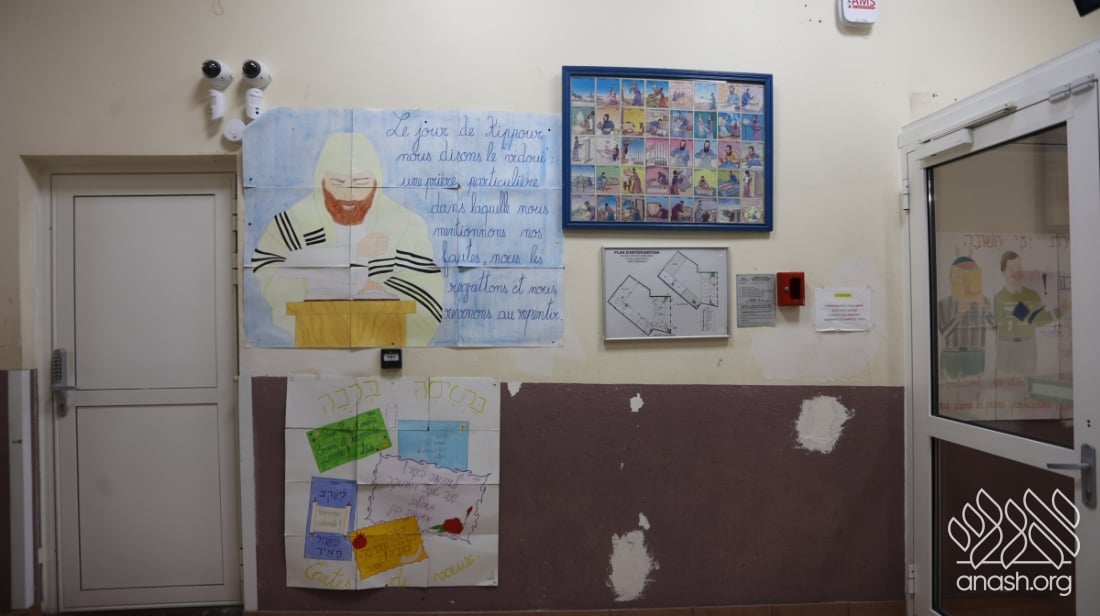
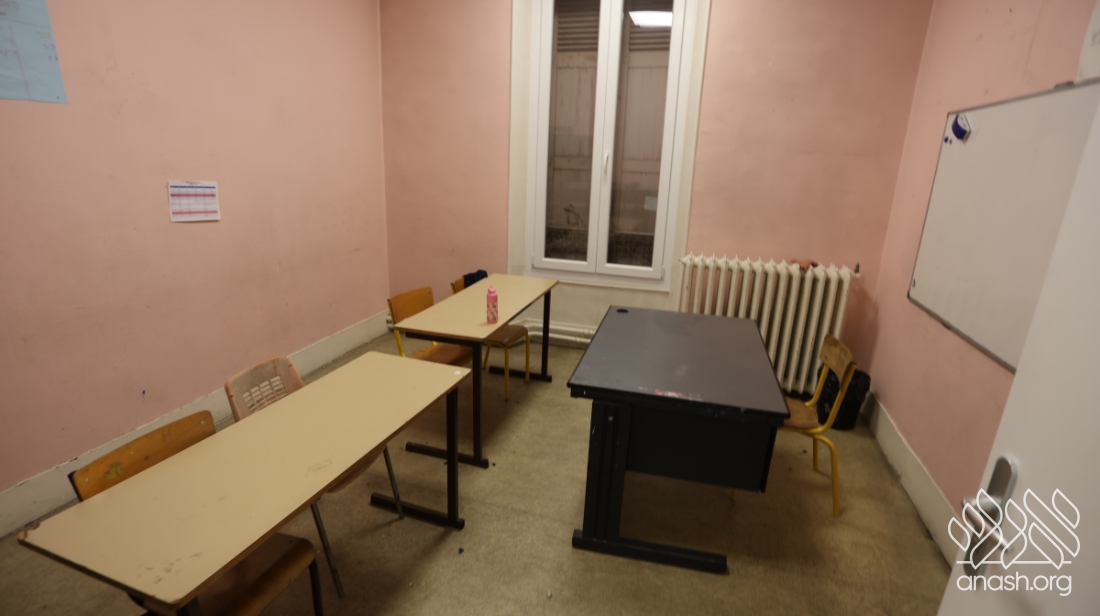
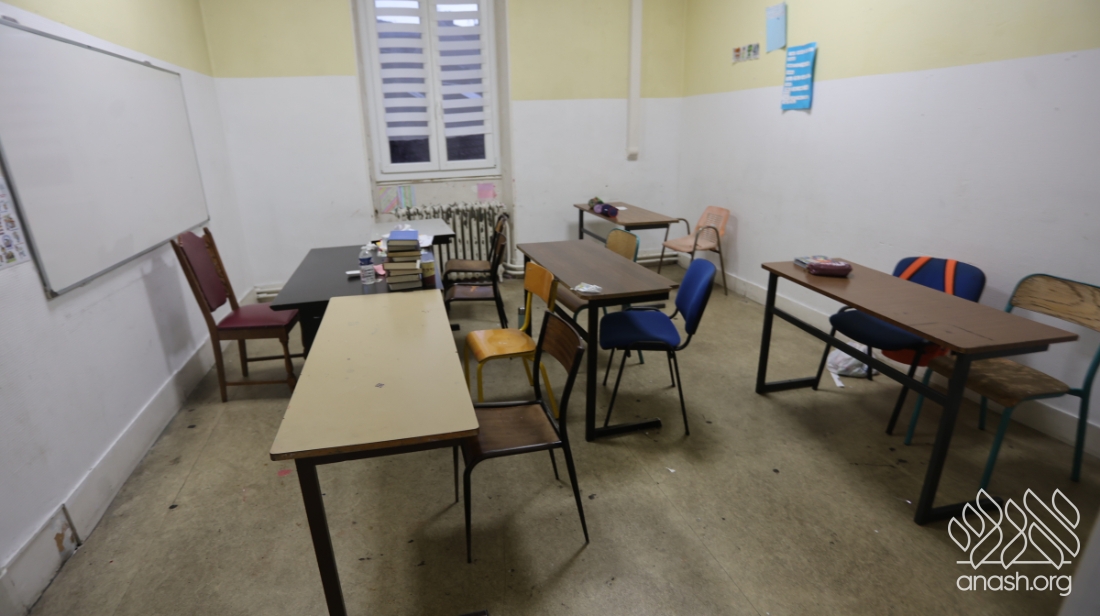
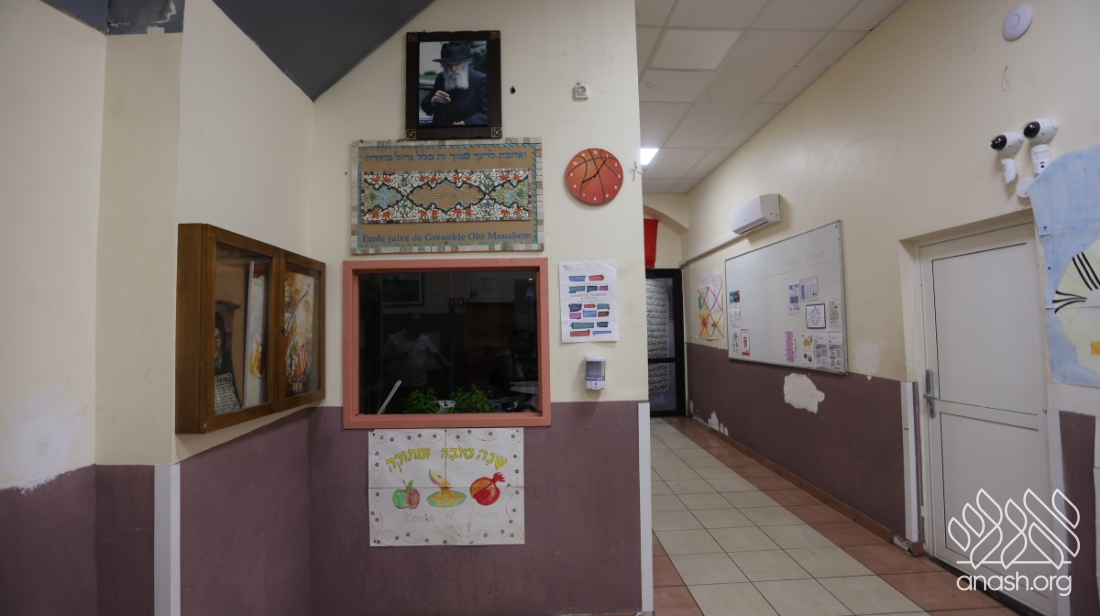
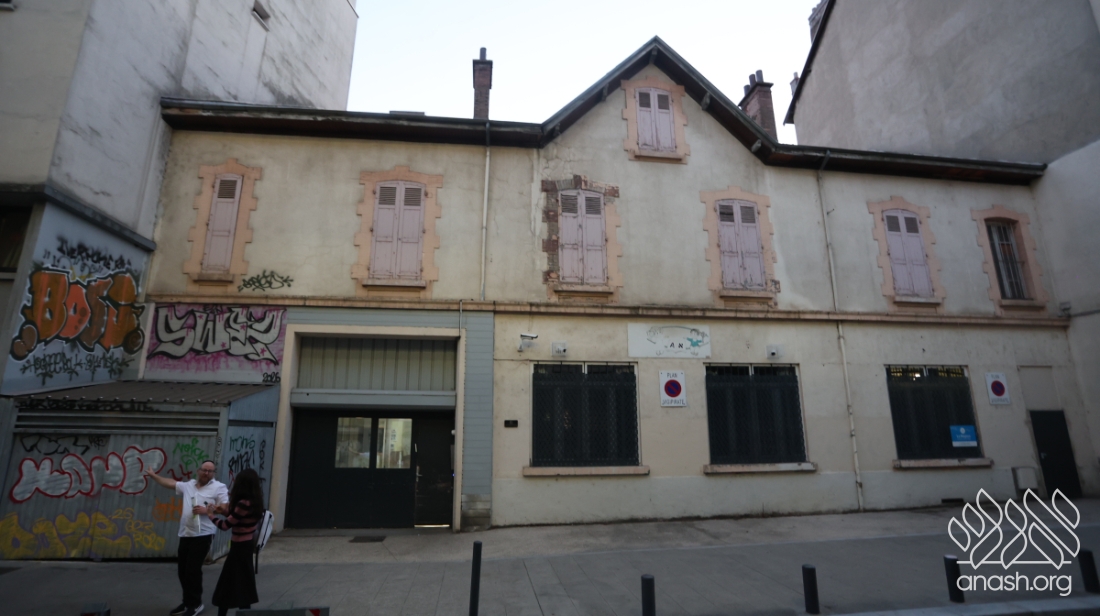
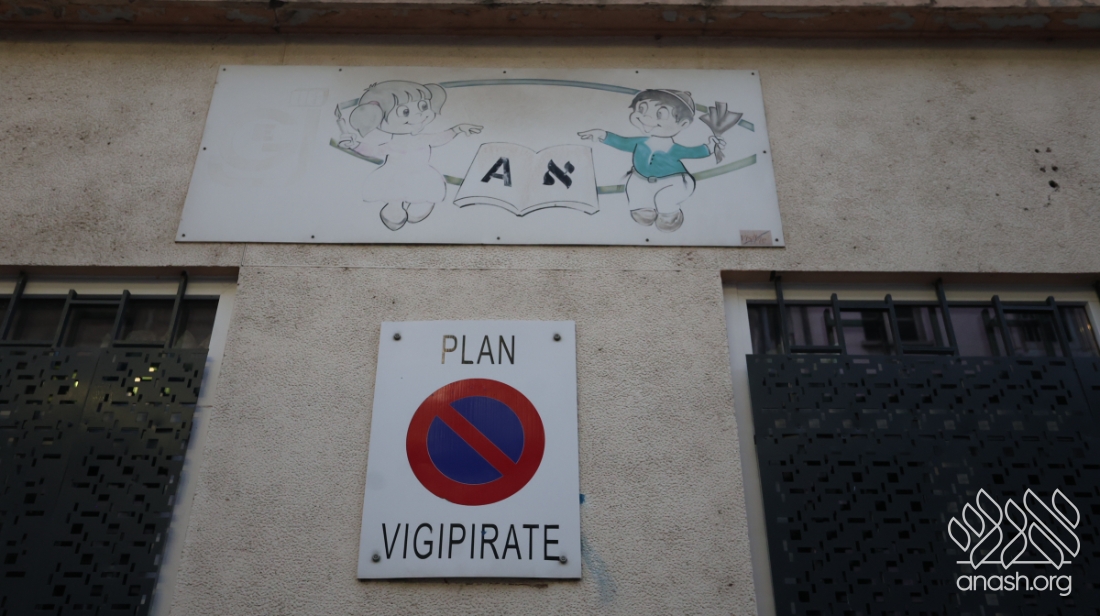
Lubecki visited Grenoble’s Chabad community, including the shul and Chabad center, its mikvaos for men and women, and the local Jewish school. The community is led by Rabbi Yhia Lahiany, together with Rabbi David Lahiany and Rabbi Alter Yehoshua Goldstein.
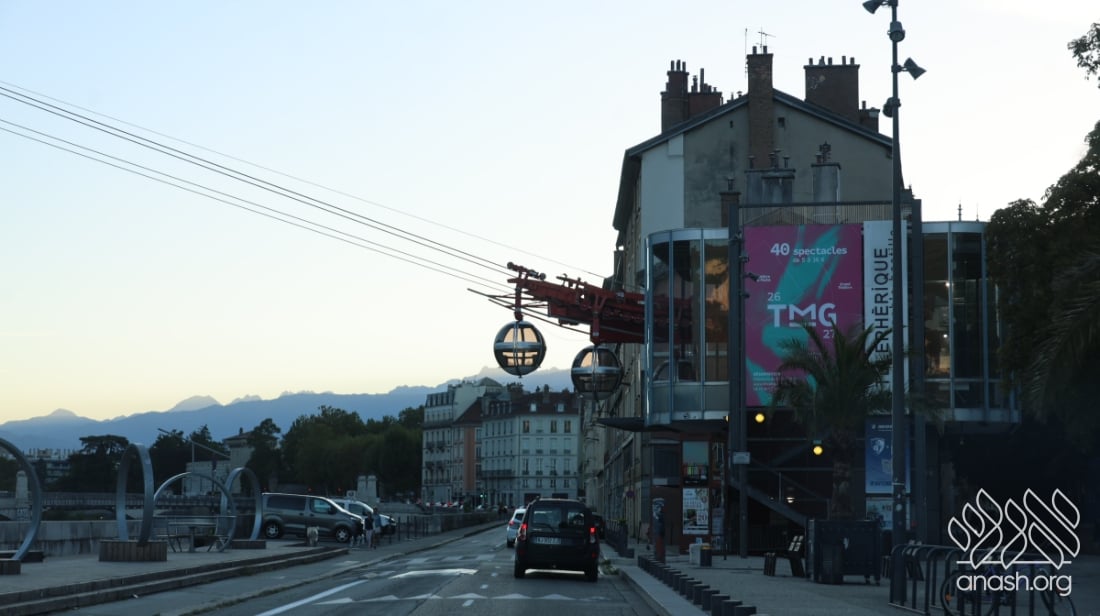
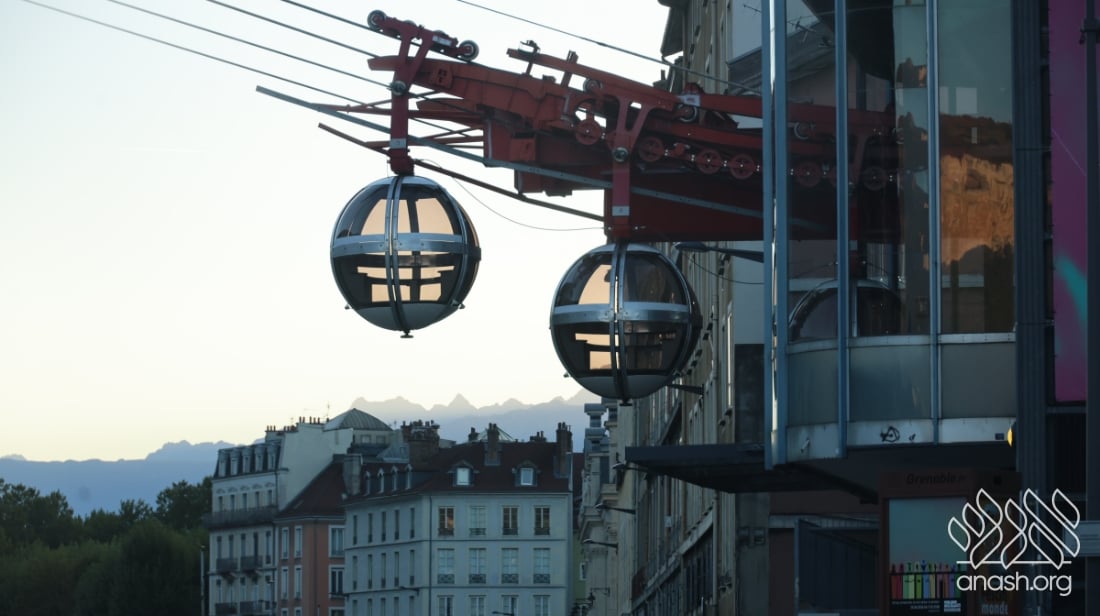
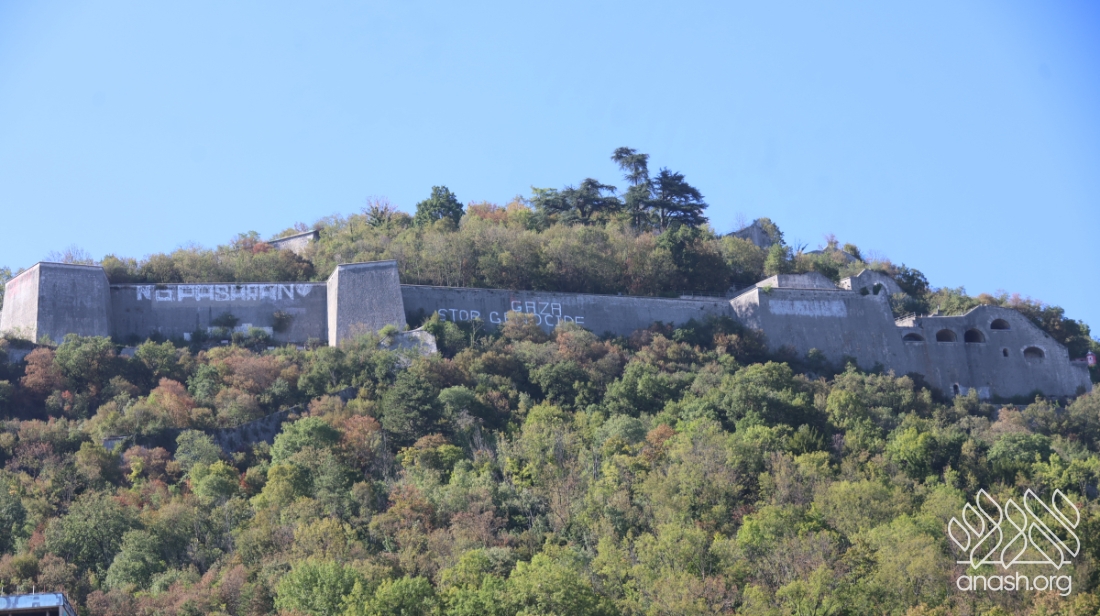
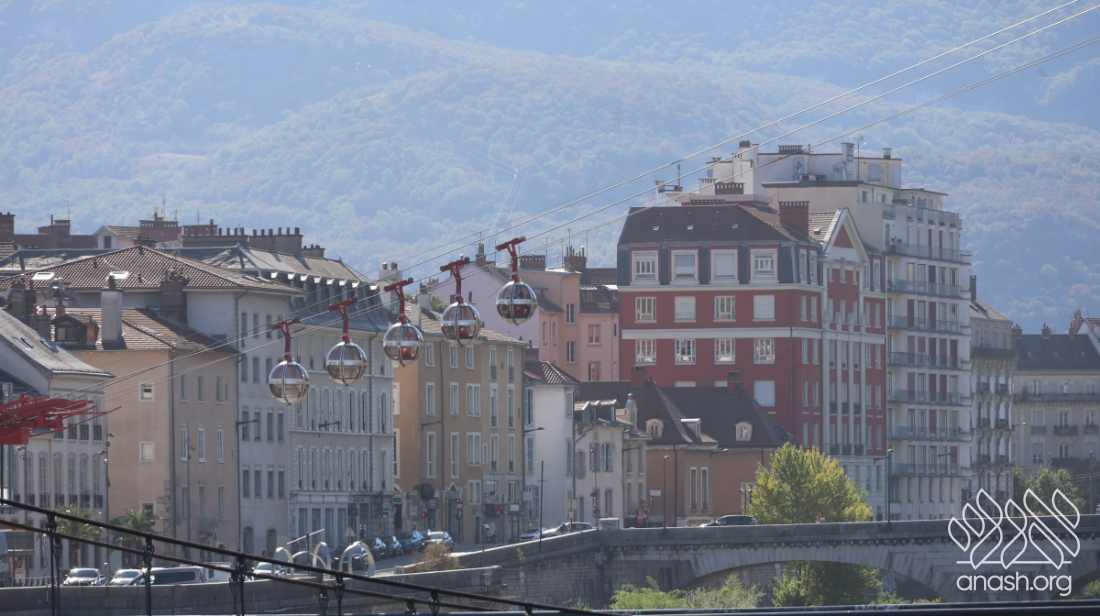
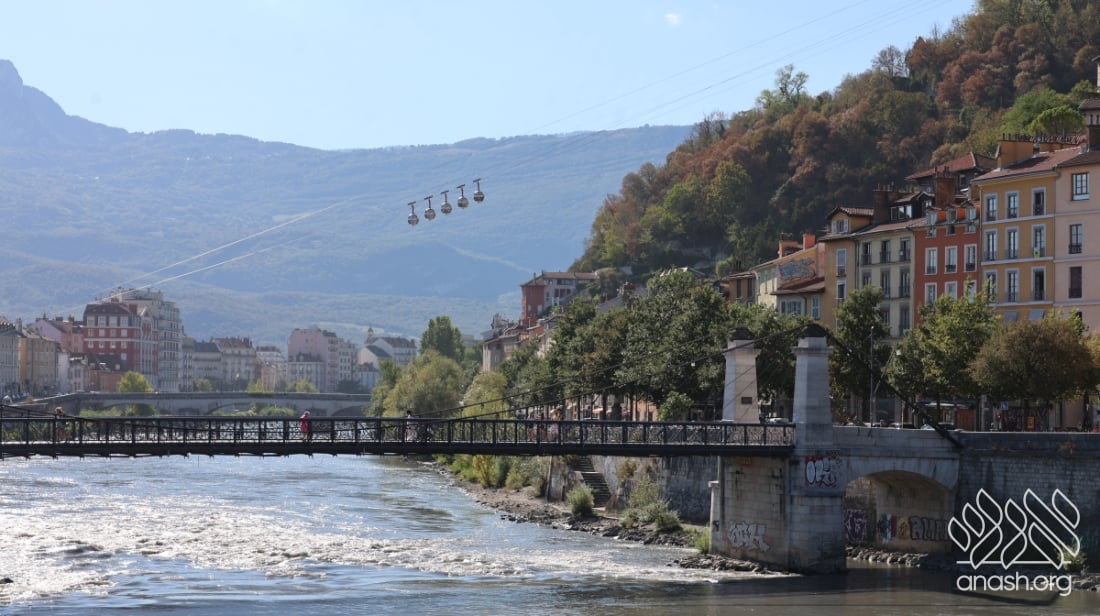
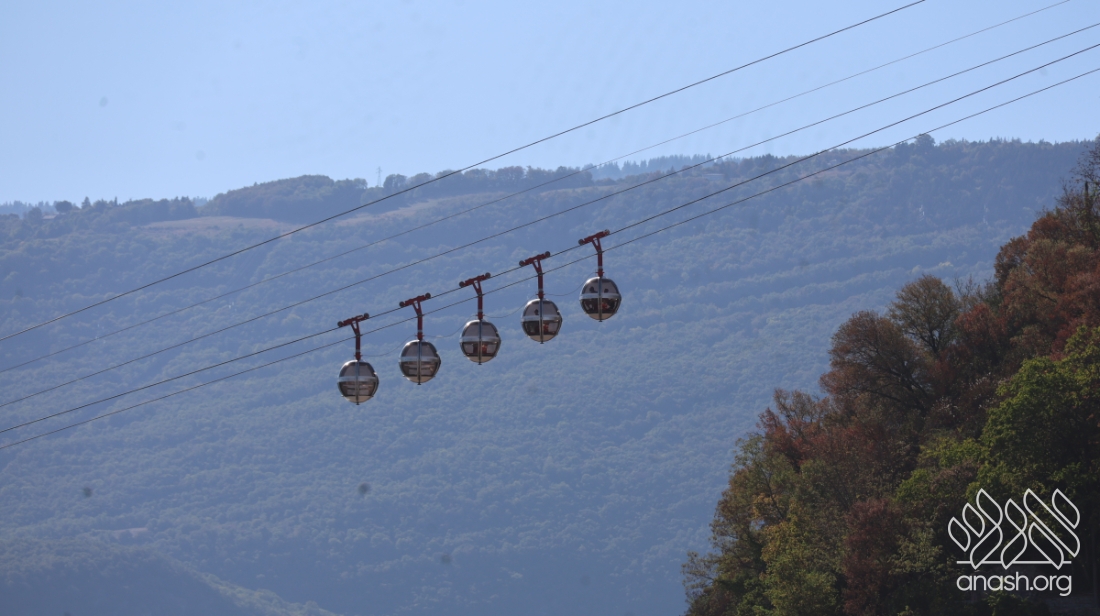
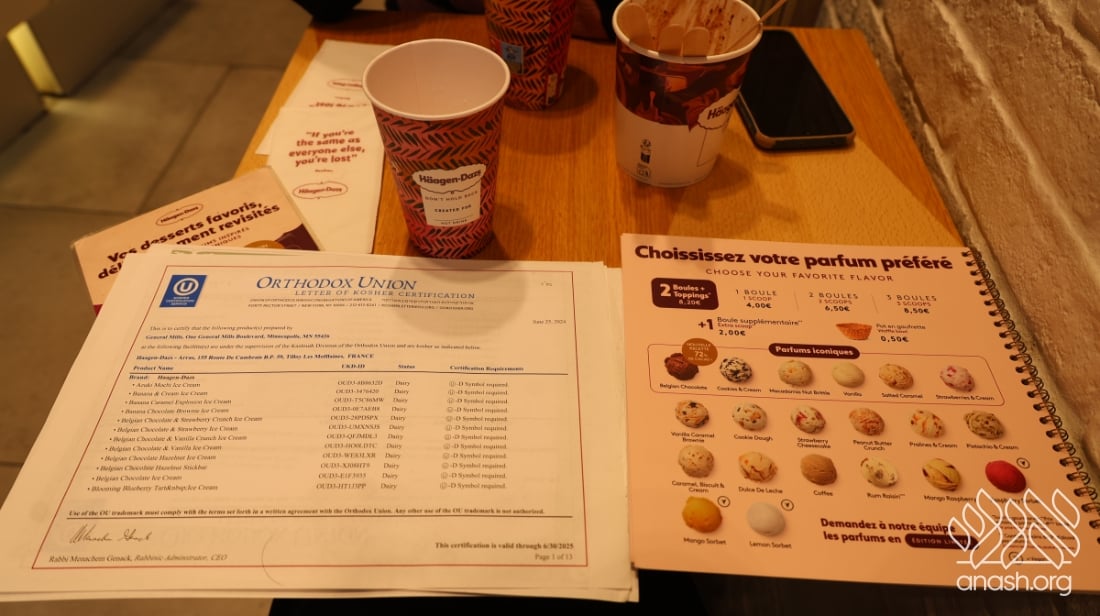
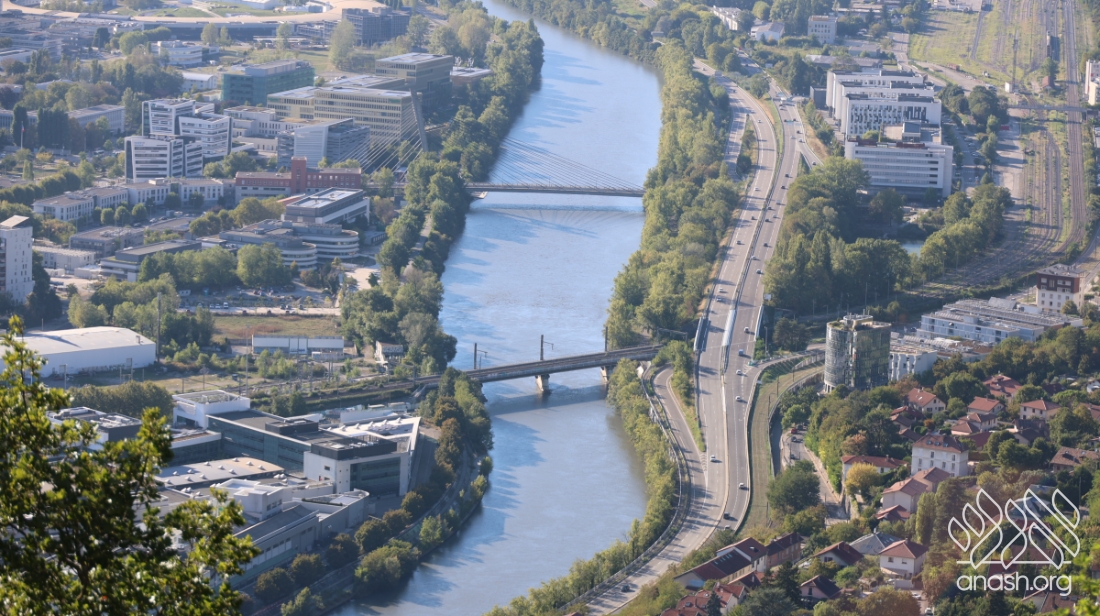
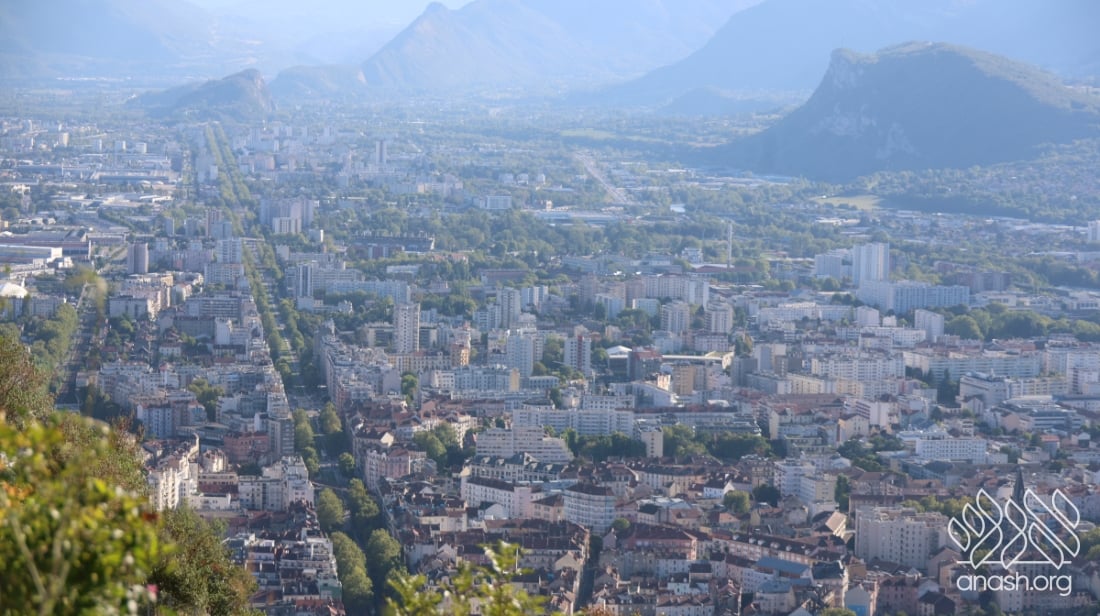
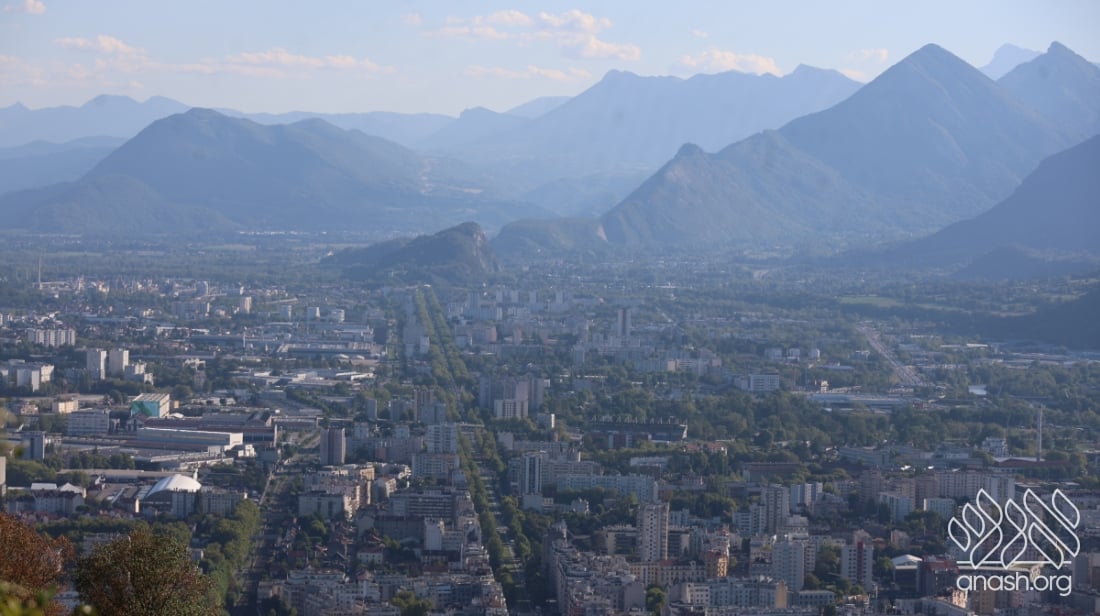
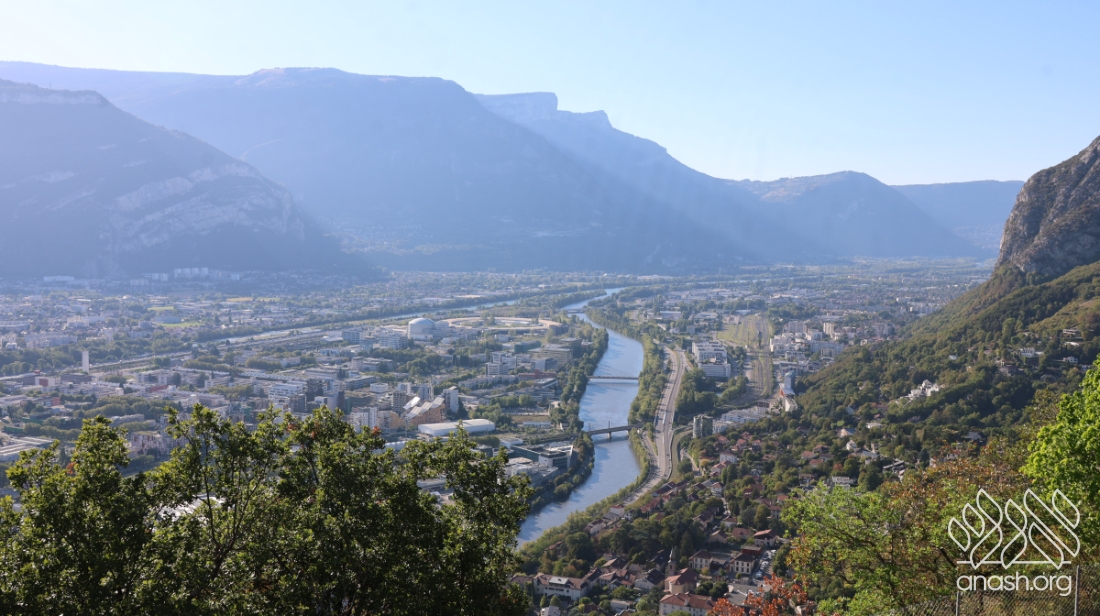
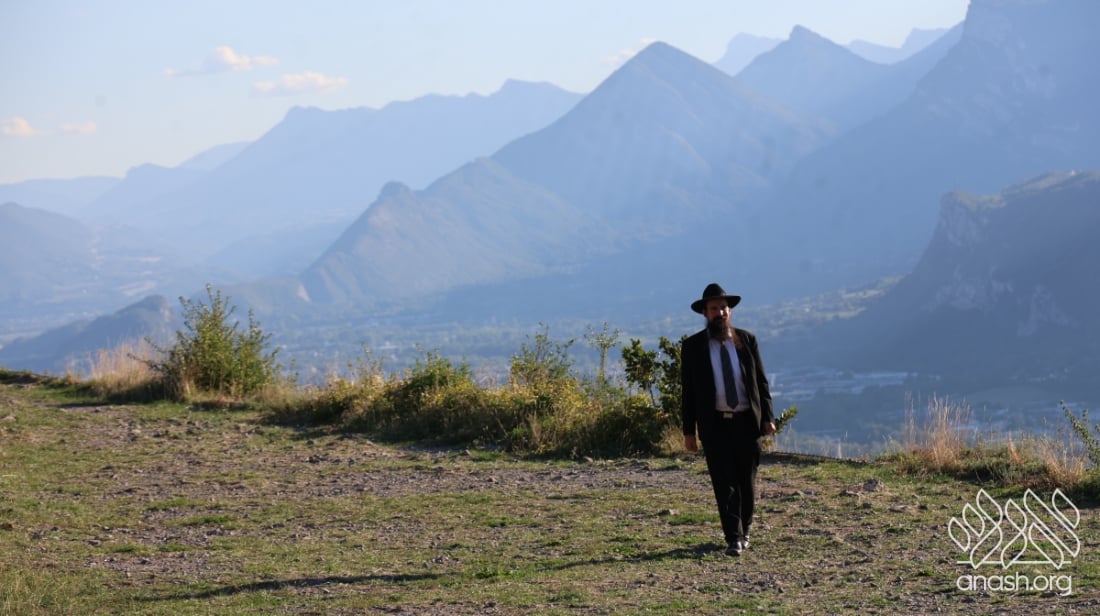
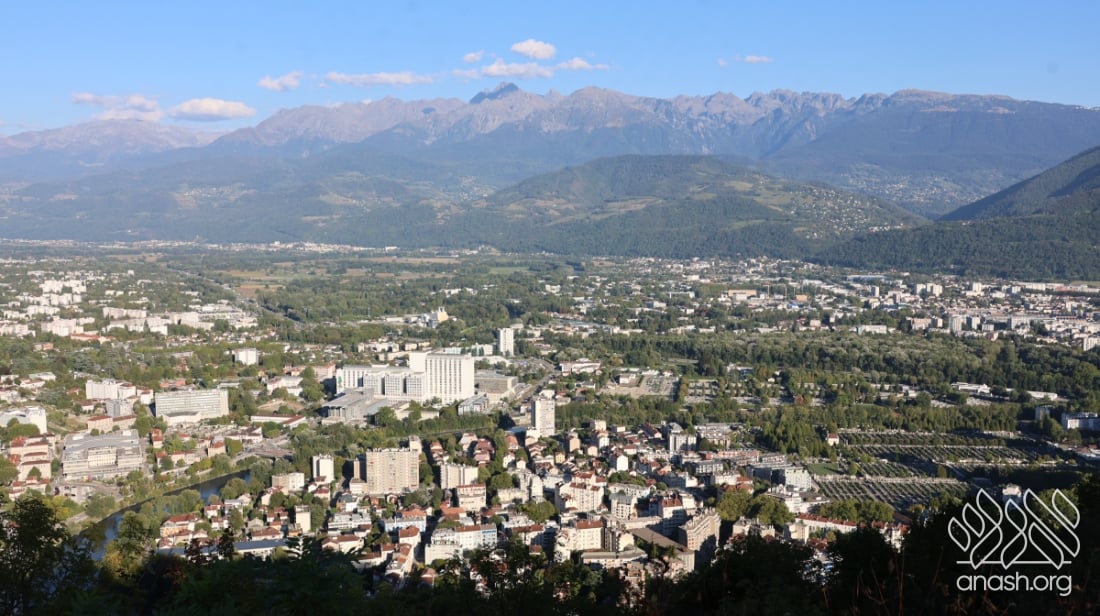
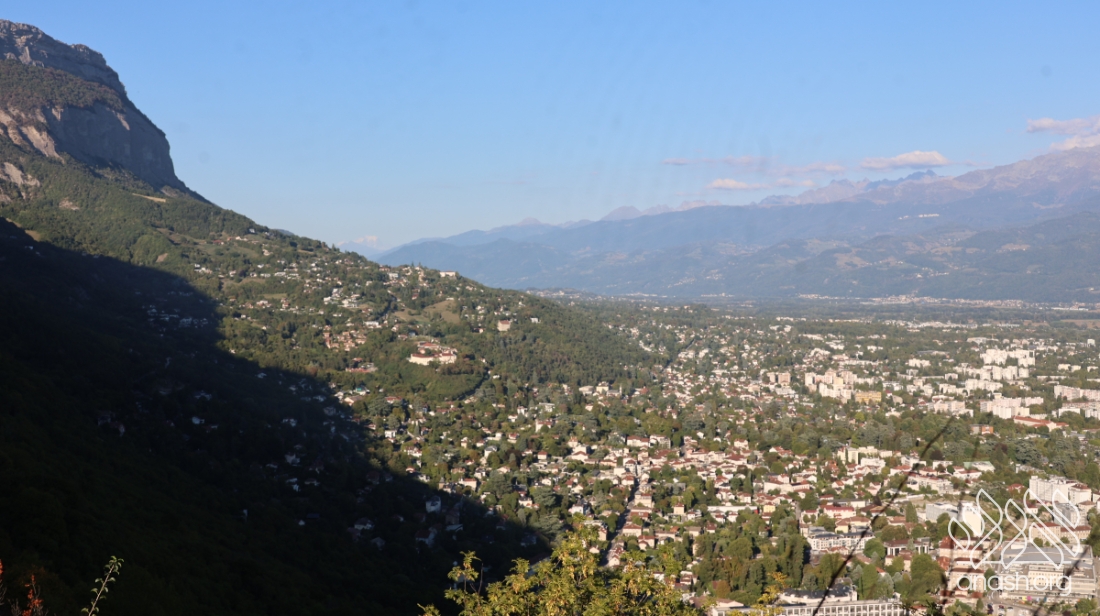
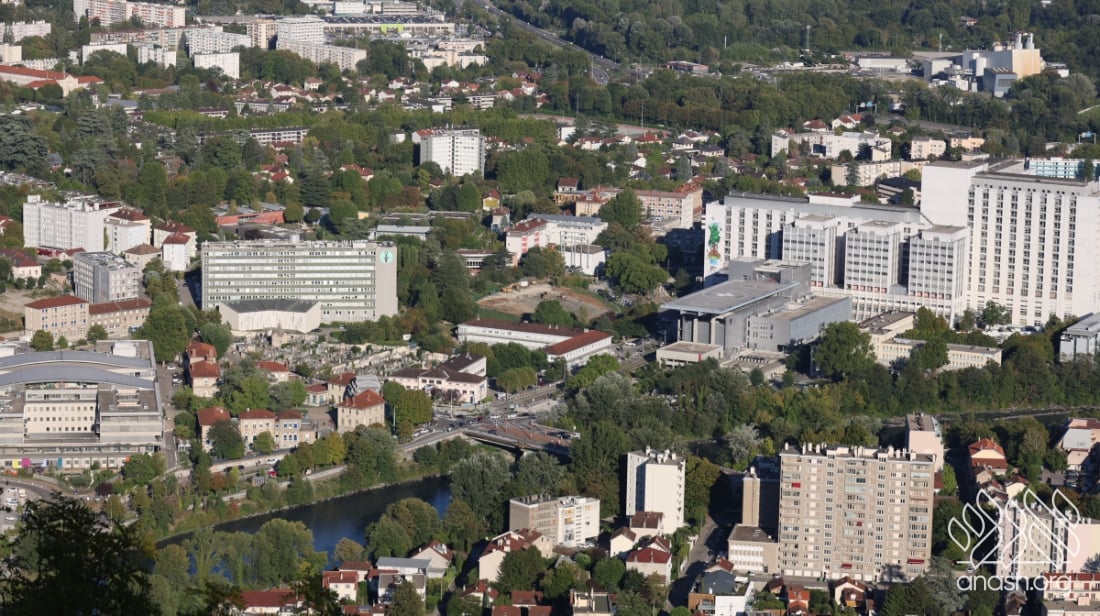
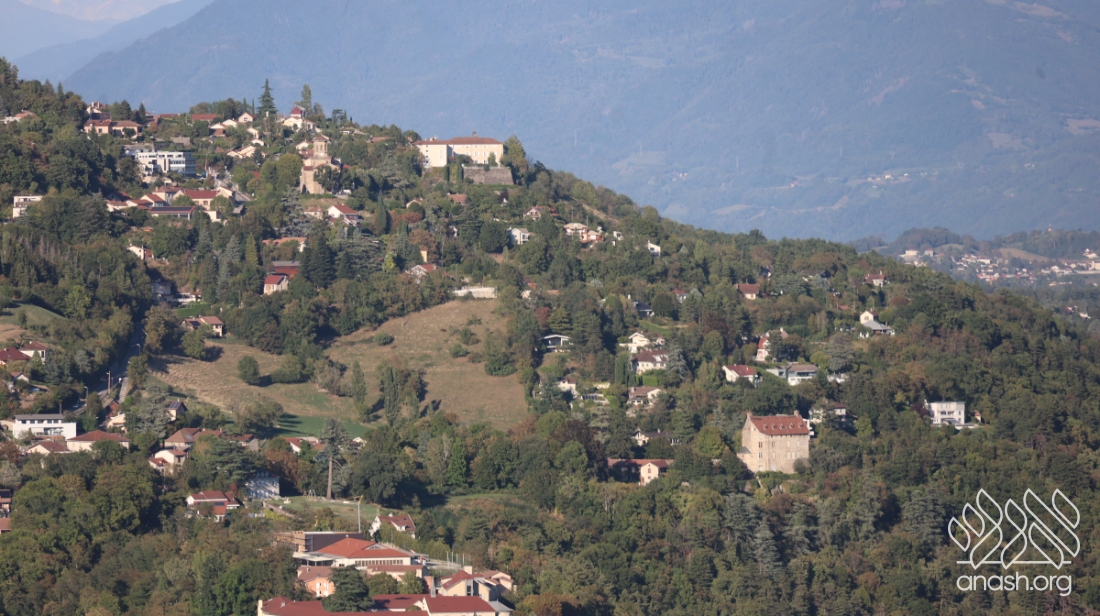
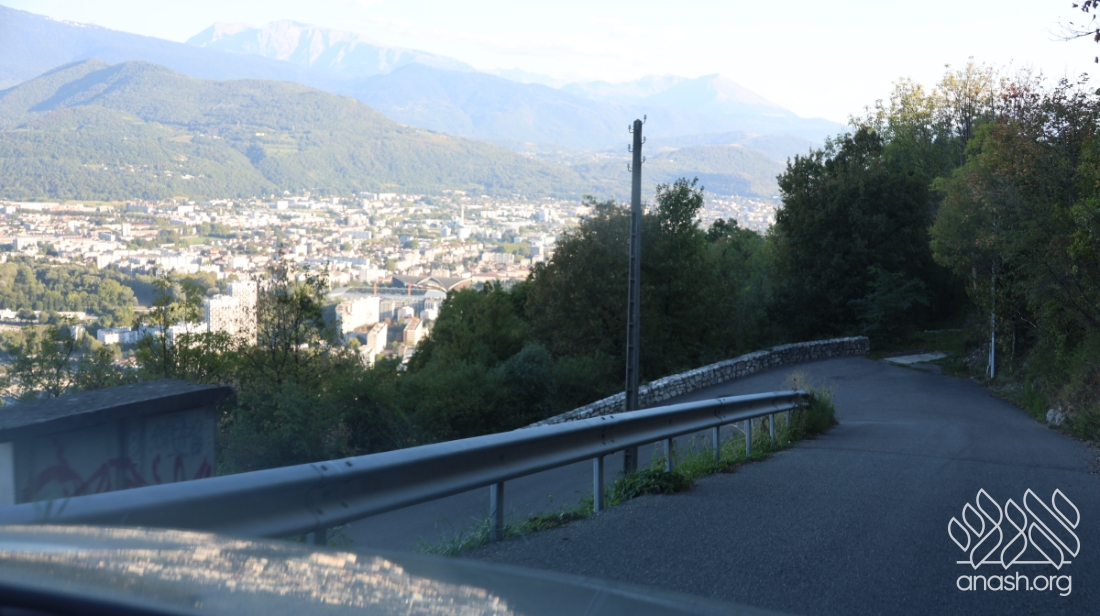
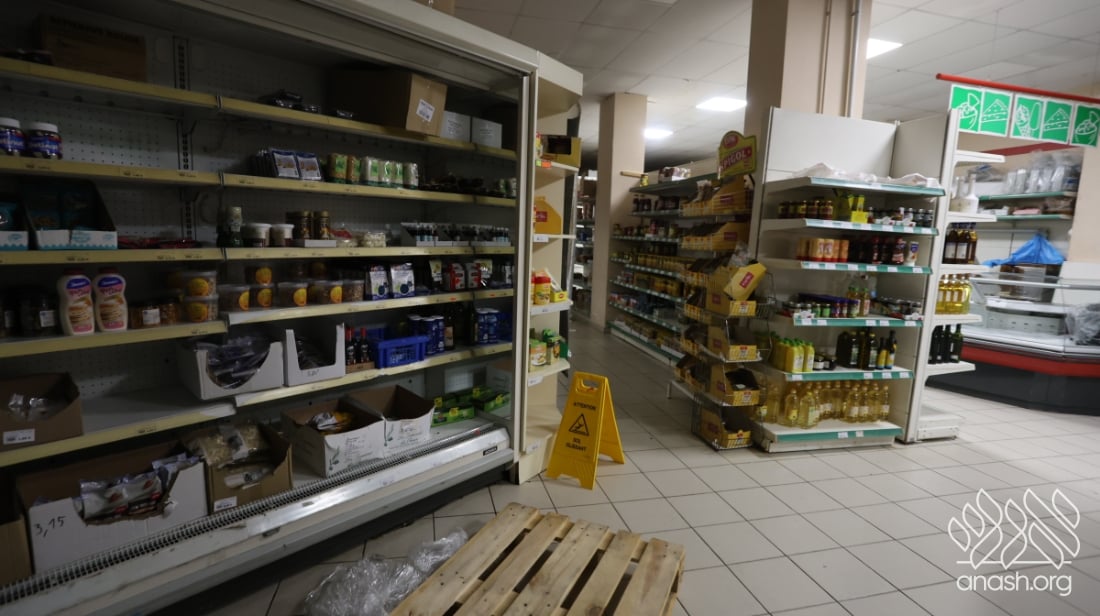
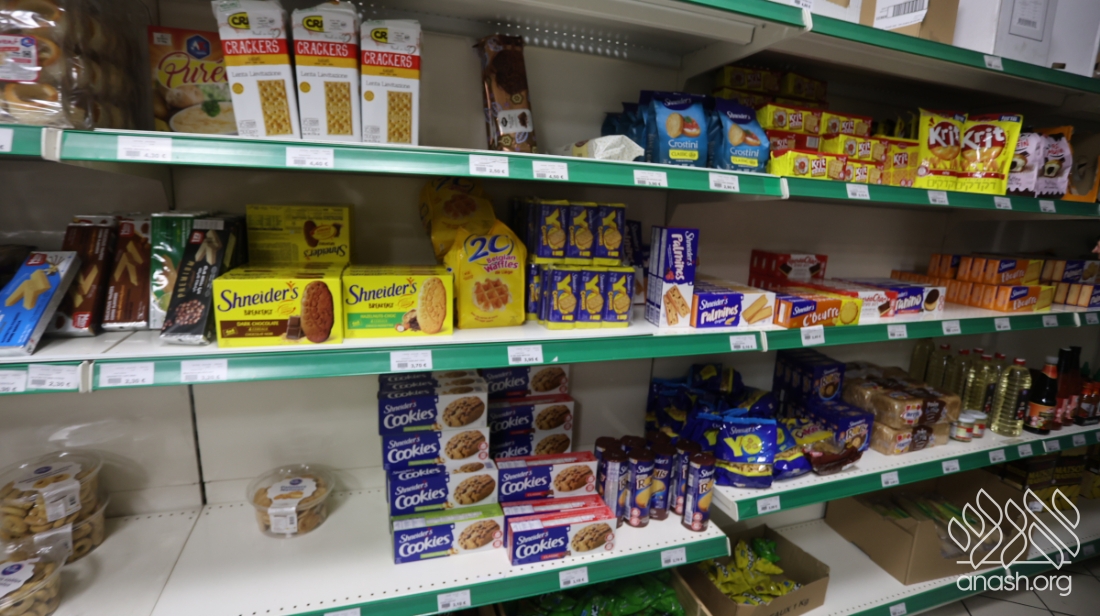
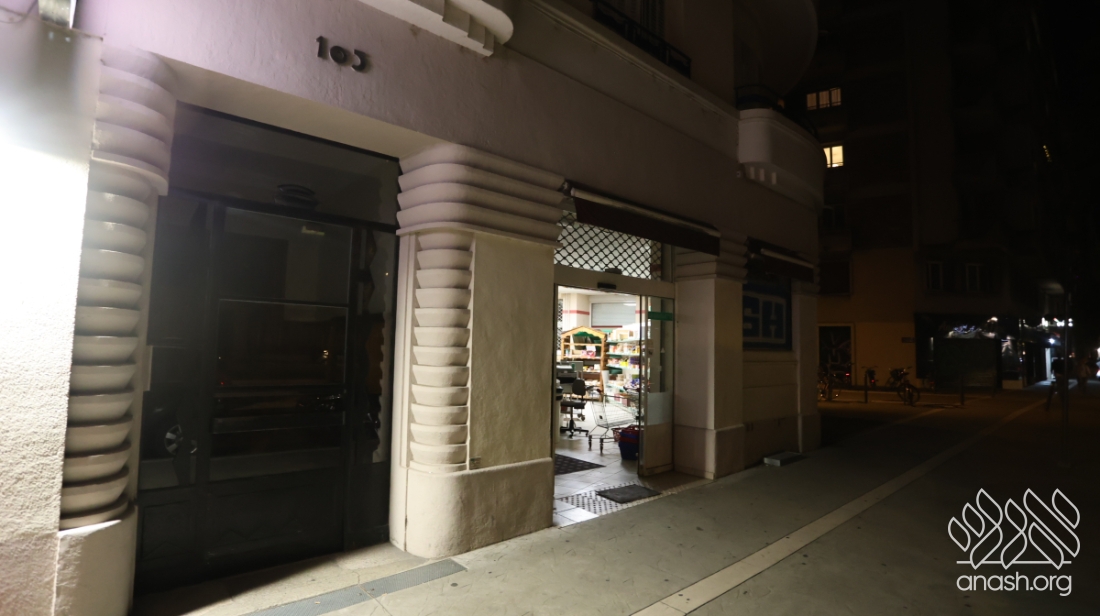
He also stopped at La Makolette, a local kosher grocery, before heading up Grenoble’s famous cable car to the Bastille, the historic fortress overlooking the city. From the mountaintop, the cable car offers sweeping views of Grenoble and the surrounding Alpine ranges.
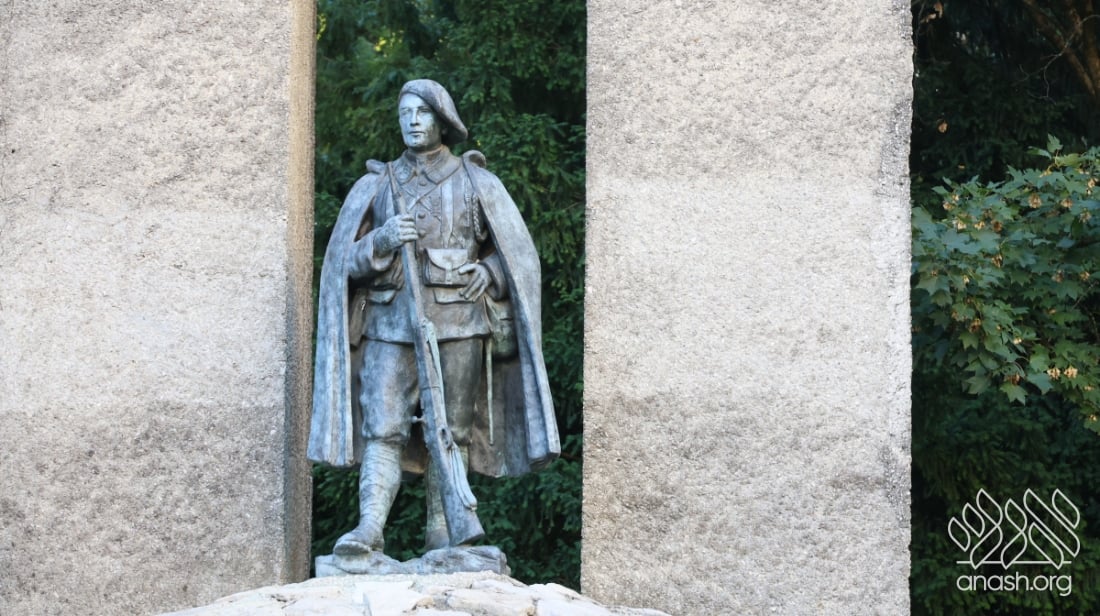
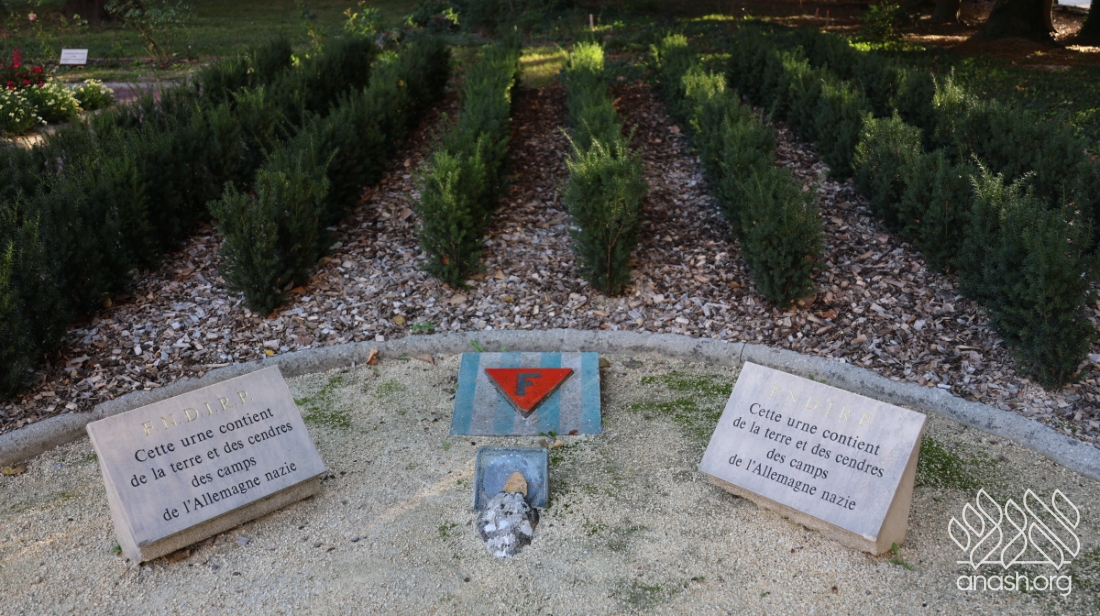
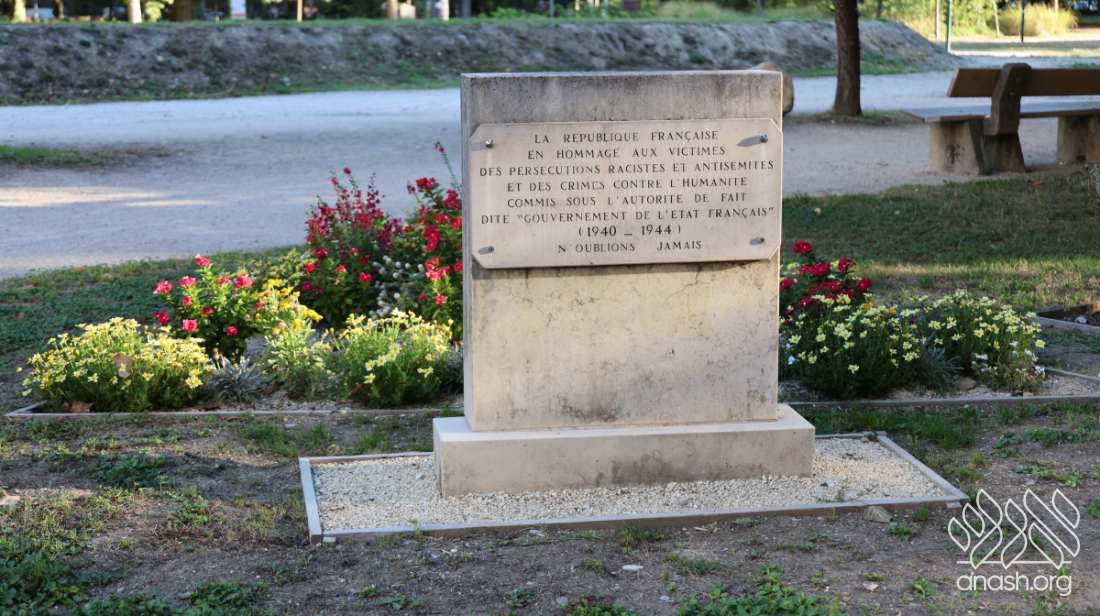
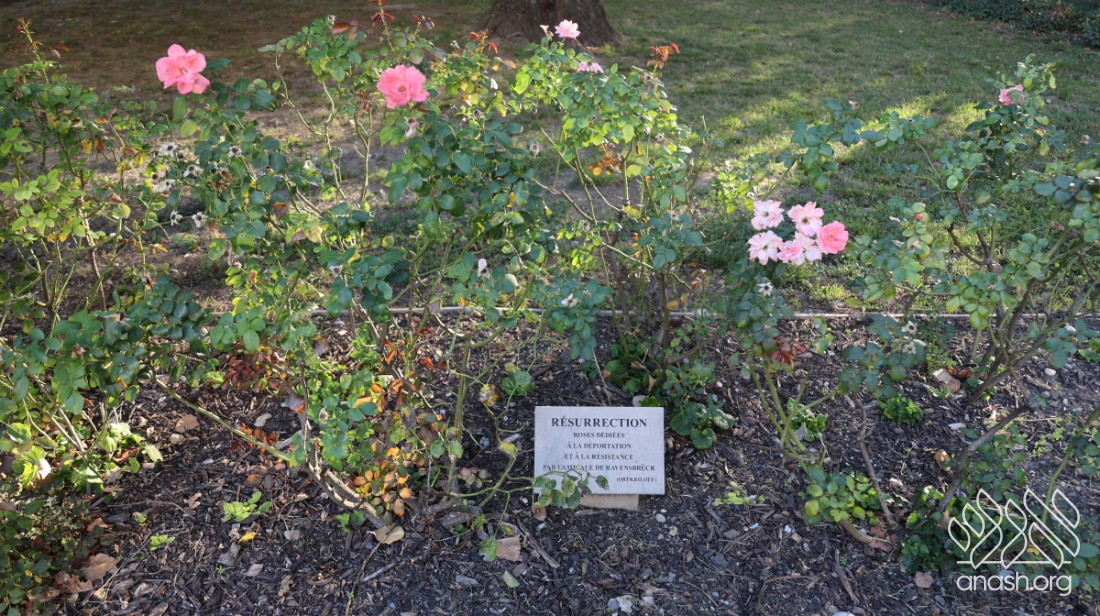
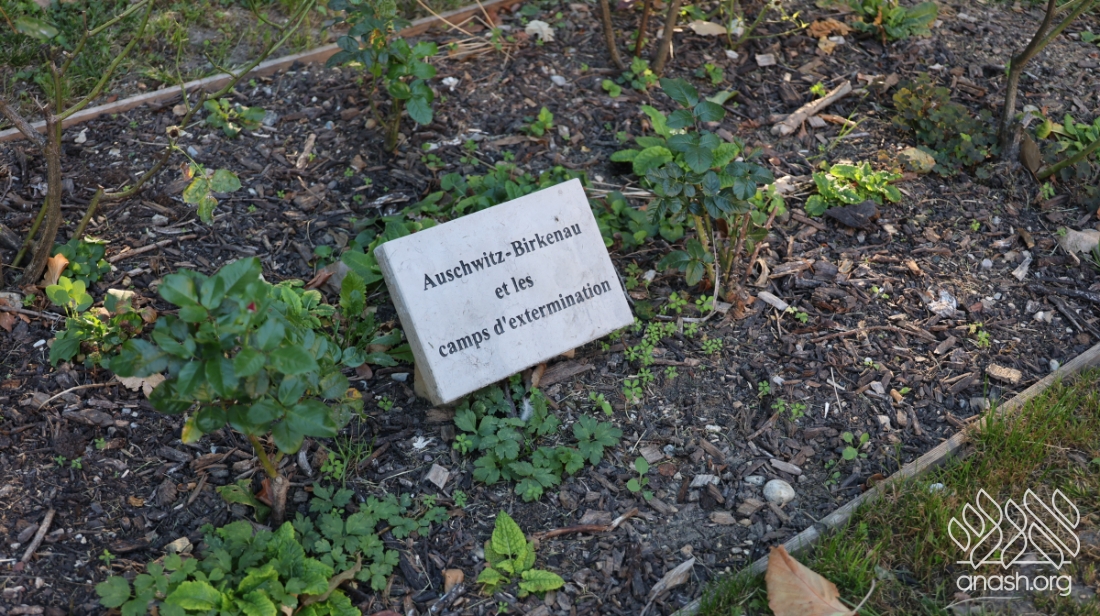
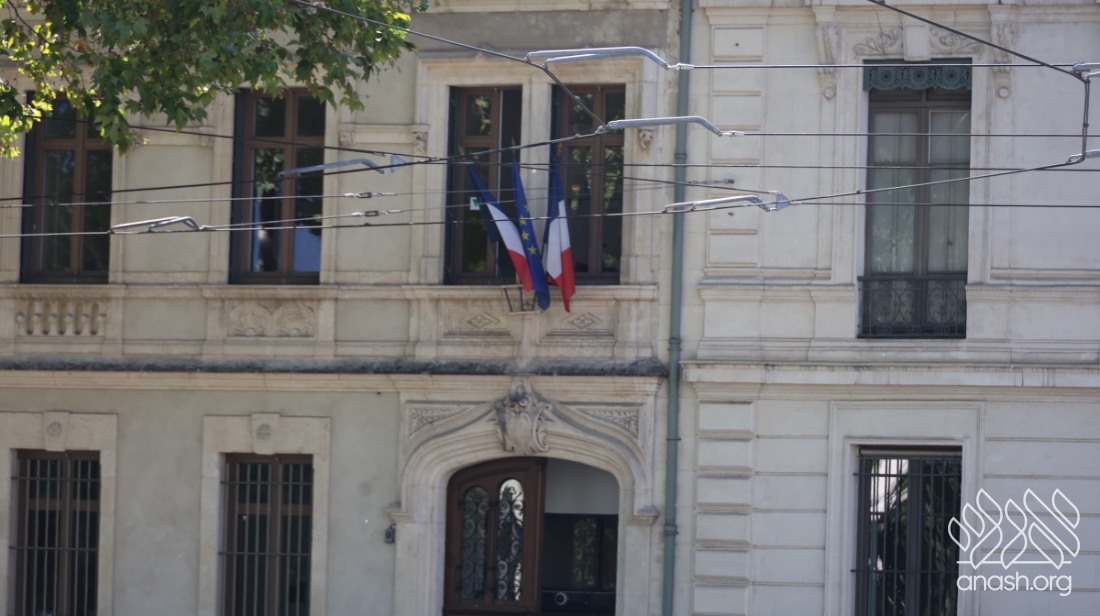
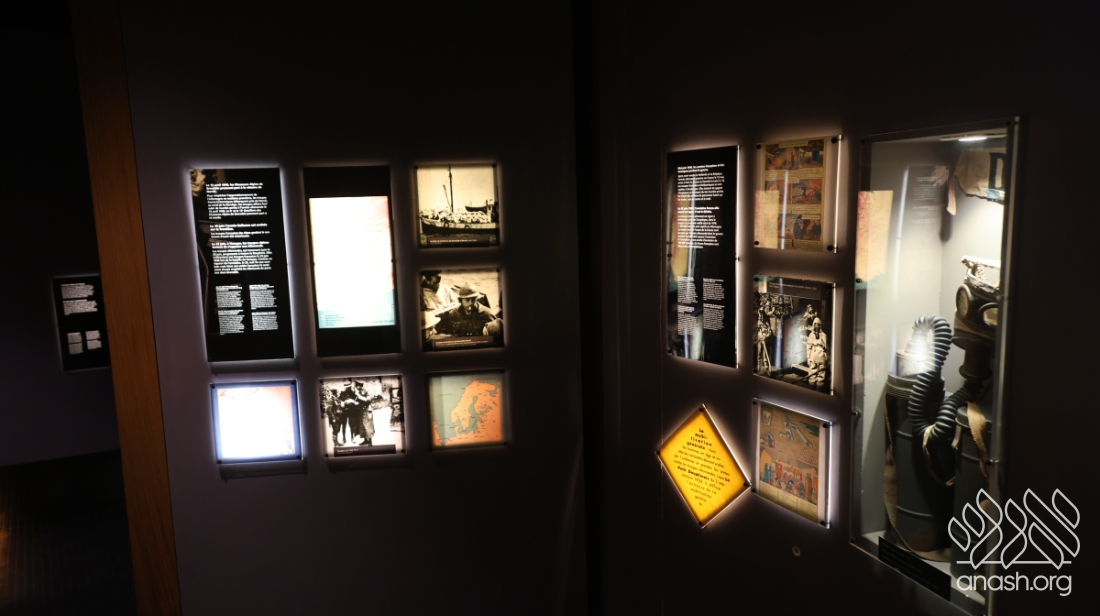
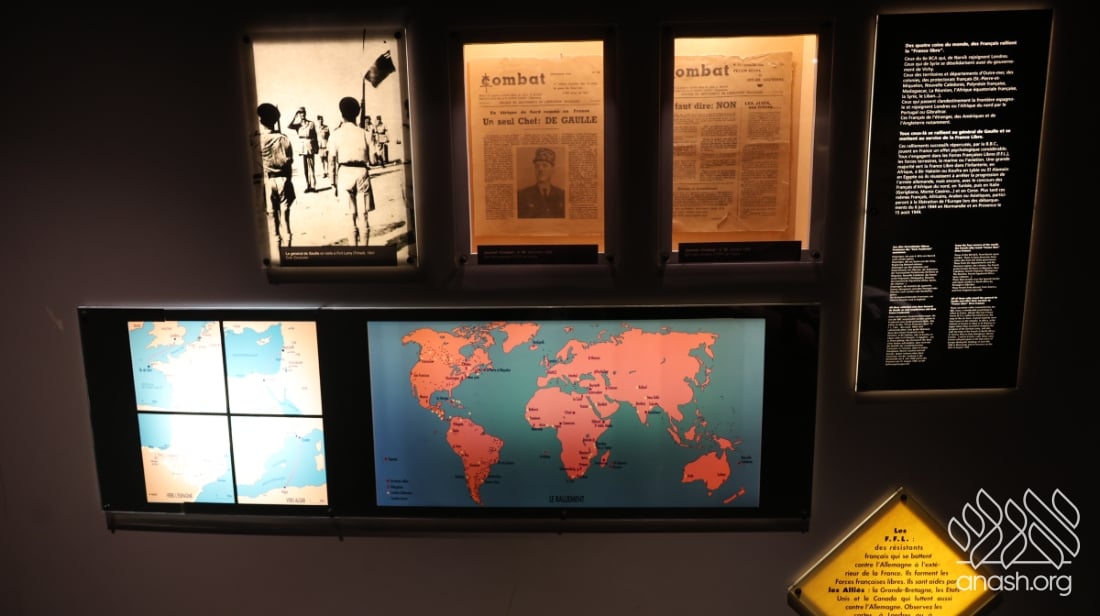
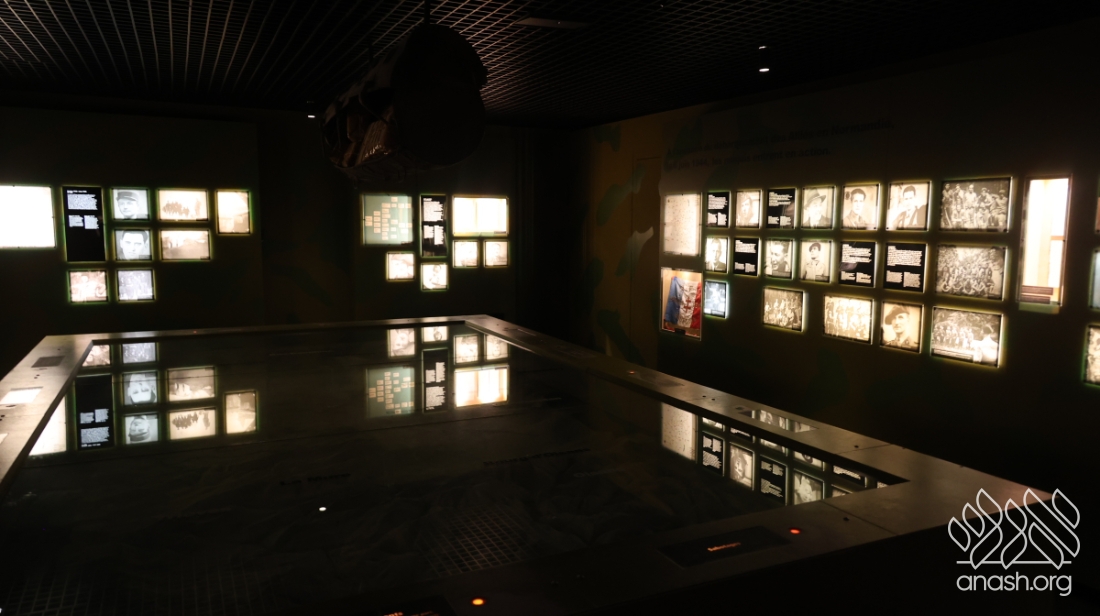
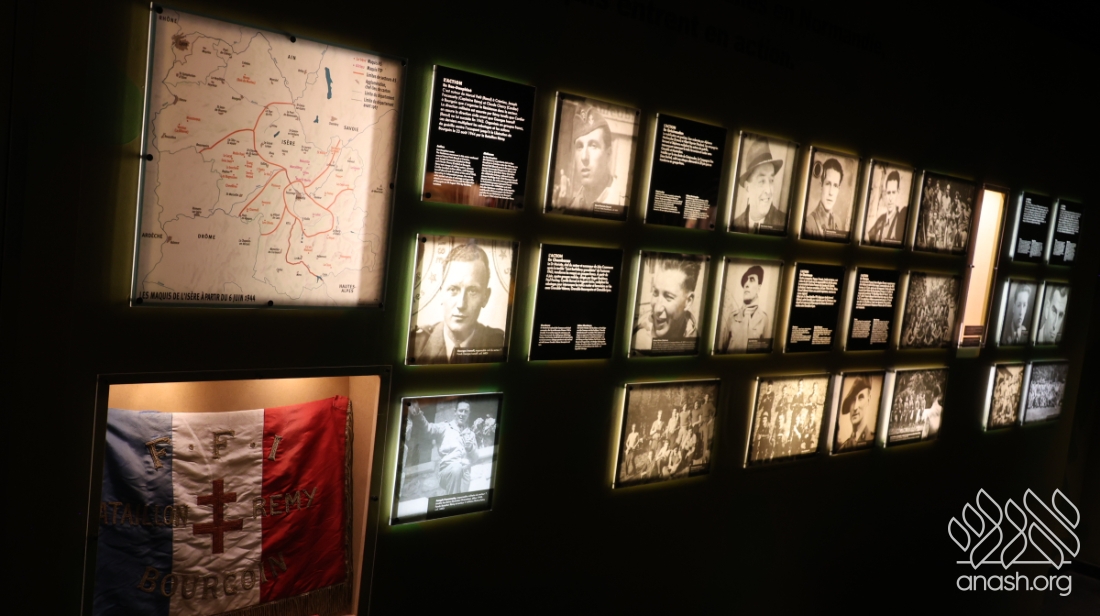
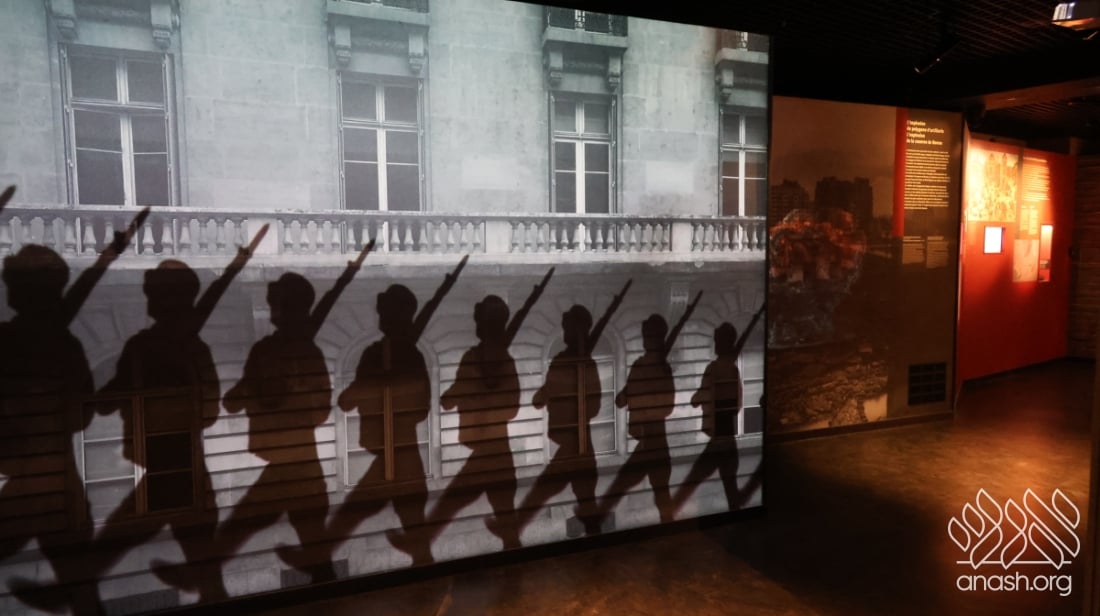
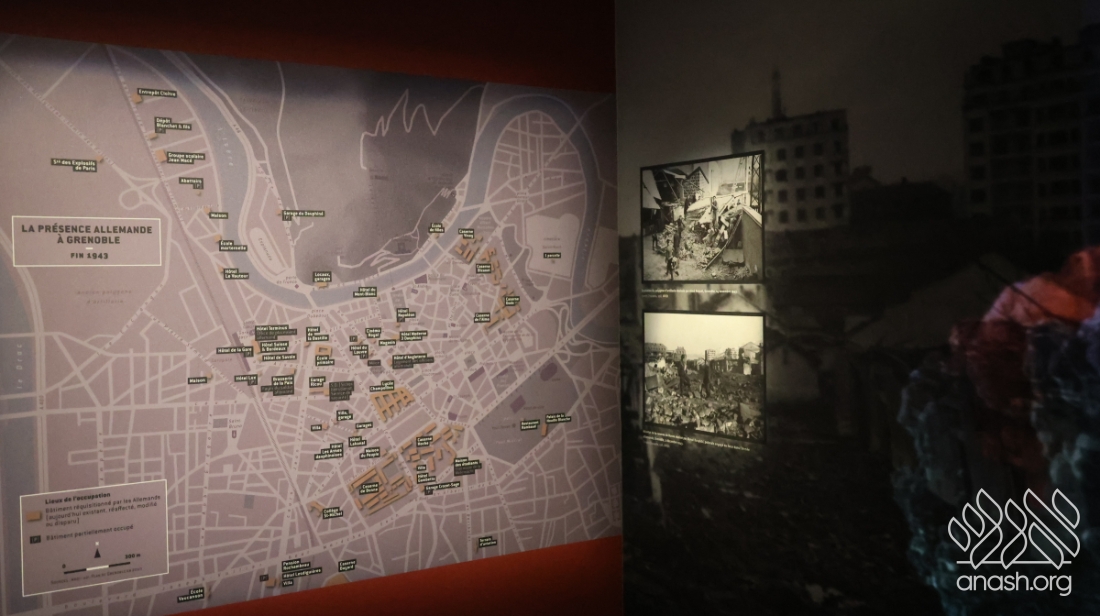
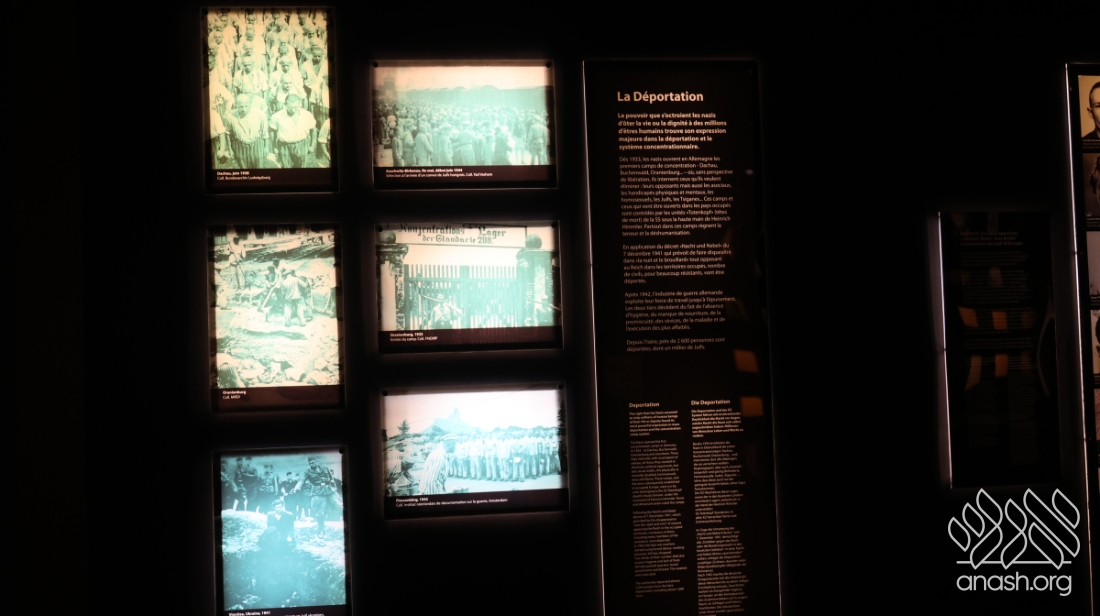
A significant part of the visit focused on Grenoble’s Jewish history during World War II, including a stop at the Museum of the Resistance and Deportation of Isère.
Grenoble was initially located in the Italian-occupied zone of France, which provided a measure of protection for Jews fleeing Nazi persecution. That changed dramatically when German forces occupied the area in September 1943, bringing intensified arrests and deportations.
On August 26, 1942, during a large roundup carried out by French police, foreign Jews in Grenoble and throughout the Isère region were arrested. Many were taken through the Bizanet barracks and Vénissieux before being transferred to Drancy and deported.
Grenoble also became the birthplace of an institution that would play an important role in preserving the record of the Holocaust. On April 28, 1943, Isaac Schneersohn secretly brought together some 40 Jewish activists and communal leaders in his apartment on Rue Bizanet.
There, they laid the foundations for the Centre de Documentation Juive Contemporaine, or CDJC, created to gather evidence of the persecution of French Jewry while the events were still unfolding. The institution later became a central component of the Mémorial de la Shoah in Paris.
Following the German takeover, persecution intensified further. On December 23, 1943, Grenoble’s synagogue on Rue Dominique-Villars was ransacked and set ablaze by the Nazis and French Militia.
In 1944, Alois Brunner and his unit operated in Grenoble and carried out numerous arrests of Jews throughout the city and surrounding region. Grenoble was liberated on August 22, 1944.
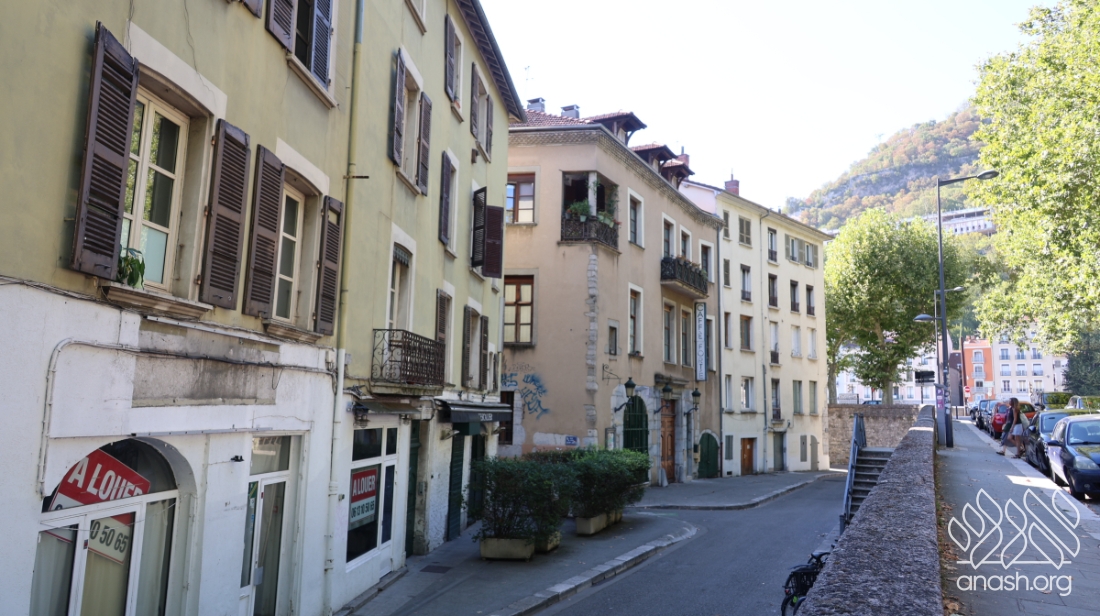
Today, Jewish life continues in Grenoble through its shul, Chabad center, school, mikvaos and other communal institutions, against the backdrop of a city whose streets preserve both a painful wartime history and the story of Jewish rebuilding.
Photos: Mordechai Lubecki



 COMMENTS


We appreciate your feedback. If you have any additional information to contribute to this article, it will be added below.