




כ״ג תמוז ה׳תשפ״ו | July 8, 2026
New Framework Puts Talmidim Hashluchim’s Learning First
A new program will give talmidim hashluchim a structured framework of serious learning, hadracha, and accountability in Gemara, Halacha, and Chassidus, ensuring that the year they spend giving to younger bochurim also becomes a year of real growth in their own learning.
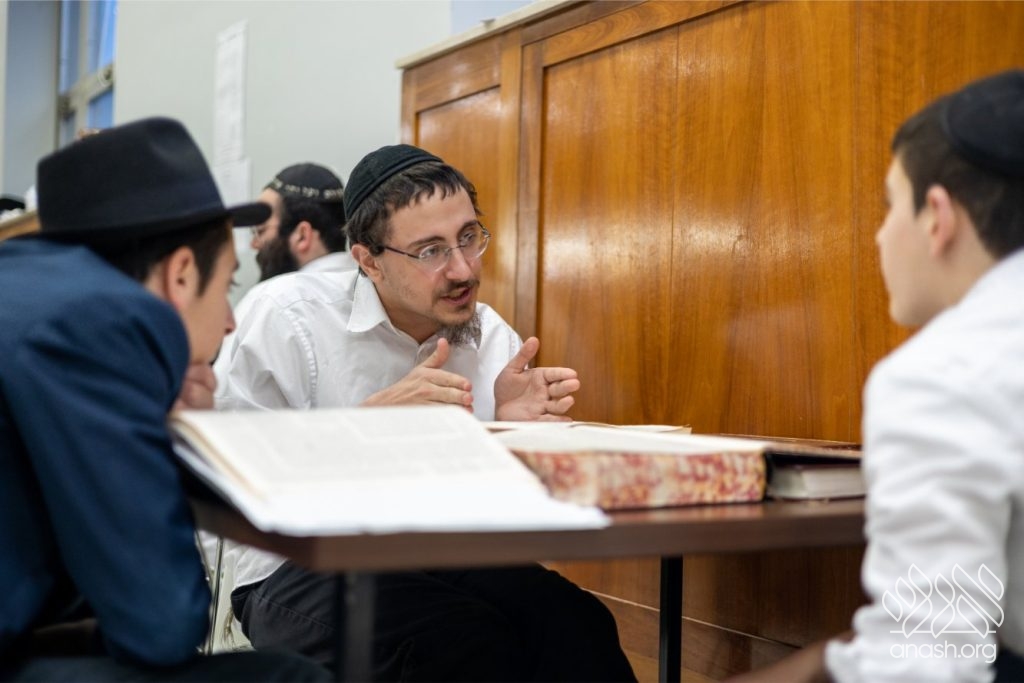
A talmid hashliach’s year is a busy one. He learns and farbrengs with the bochurim late into the night, runs programs and mivtzoim, and becomes the older brother a younger talmid turns to. Between it all, his own seder and growth are often the first to slip. Yeshiva L’Talmidim Hashluchim was created to change that, turning the year of shlichus into a transformative year of structured learning and growth.
That goal is not new. When the Rebbe began sending talmidim hashluchim, he was emphatic that they were going first and foremost as talmidim. In a letter from 5731, the Rebbe wrote that their purpose was to learn b’shkida v’hasmada and to serve as a living example to the bochurim around them.
The Rebbe guarded that learning closely. When the first group of talmidim hashluchim reached Australia in 5727 and a shliach proposed they give a weekly baalei batim shiur, the Rebbe refused in his own handwriting, permitting it only if it would not cut into their seder at all. Their own time to learn came first.
This Elul, Yeshiva L’Talmidim Hashluchim opens to give that principle a real structure. A new program from Merkos 302’s Merkos Torah, offers talmidim hashluchim a framework of serious learning, hadracha, and accountability across Gemara, Halacha, and Chassidus, so the year they give to others becomes a year of their own growth.
“The Rebbe sent talmidim hashluchim to be a role model, and a bochur learns the most from an older bochur who is himself invested in his own sedarim,” said Rabbi Mendy Kotlarsky, Executive Director of Merkos 302. “The yeshiva ensures that while these shluchim are giving everything to the bochurim around them, their own learning gets the same attention.”
The program grew out of conversations with yeshiva hanhalos, mashpiim, and talmidim hashluchim themselves, who kept naming the same gap: the shlichus year offers enormous opportunity, but few have a structured, measurable way to keep their own learning on track.
“We’ve put together a top-tier hanhala and built out a full curriculum across Gemara, Halacha, and Chassidus, with mentors who follow each talmid through the year,” said Rabbi Mendel Chaiton, director of Merkos Torah. “Everything is in place for these bochurim to have a serious, successful year of their own growth.”
Rather than imposing one model, Yeshiva L’Talmidim Hashluchim works in partnership with each yeshiva’s hanhalah, shaping the tracks and benchmarks together so the program fits the institution’s chinuch. Every participant starts with a personal intake interview that sets his goals and places him on the right track, then receives weekly follow-ups, monthly progress reviews, and ongoing mentorship through the year.
The learning runs on three tracks. Gemara L’Iyun preserves serious iyun at a foundational or advanced level, with Rabbi Dov Popack and Rabbi Moshe Wolberg leading the shiurim and a weekly lomdus shiur from Rabbi Mendel Krasnjanski. The Halacha track takes participants through Hilchos Shabbos b’iyun, tracing each halacha from Gemara through Tur, Beis Yosef, and Shulchan Aruch to practical application, as the first stage of a longer semicha curriculum. Chassidus b’iyun anchors the week with structured study of foundational Chassidishe sugyos, shiurim, and farbrengens.
The program draws on a roster of well-respected mashpiim and rabbonim: Rabbi Yosef Klyne, Rabbi Osher Farkash, and Rabbi Yitzchok Kaufman in Chassidus; Rabbi Chaim Hillel Raskin, Rabbi Tuvia Kasimov, Rabbi Ehud Kvin, and Rabbi Berel Polityko in Halacha; with Rabbi Mendel Prescott on halacha from the sugya, alongside guest mashpiim and maggidei shiur.
For the rabbonim building it, the need is clear from both sides. Rabbi Shmuel Wagner, recently appointed Rosh Mesivta of the new Tomchei Temimim mesivta at Lubavitcher Yeshiva Ocean Parkway, helped develop the program and sits on its hanhala.
“As a mechanech, I see what a talmid hashliach gives our bochurim, and I see how much he can gain himself if someone helps him use the time right,” said Rabbi Wagner. “Building this means the talmidim hashluchim finish the year stronger in their own learning, not just busier.”
Through the year, each participant’s progress is shared with his yeshiva. A report also goes to the Rebbe, summing up the talmid’s learning and growth, framing the year’s work as something brought back to the one who first sent talmidim hashluchim out.
Registration is open now and closes Rosh Chodesh Elul. Talmidim and yeshivos can sign up or learn more at Yeshivath.com, or text 773-971-1342.
Download the Yeshiva brochure HERE
—-
Hanhala & Faculty:
Program Leadership:
- Rabbi Mendy Kotlarsky, Executive Director, Merkos 302
- Rabbi Mendel Chaiton, Menahel, Merkos Torah
- Rabbi Betzalel Bassman, Menahel, Yeshiva L’Talmidim Hashluchim
- Rabbi Shmuel Wagner, Program Development
- Rabbi Dov Popack, Curriculum Development
- Rabbi Levi Paltiel, Director, Kollel L’Lomdei Dach
Gemara L’Iyun:
- Rabbi Dov Popack, Foundational Track
- Rabbi Moshe Wolberg, Advanced Iyun Track
- Rabbi Mendel Krasnjanski, Lomdus Shiur
- Rabbi Mendel Prescott, Halacha from the Sugya
Halacha:
- Rabbi Chaim Hillel Raskin
- Rabbi Tuvia Kasimov
- Rabbi Ehud Kvin
- Rabbi Berel Polityko
Chassidus B’Iyun:
- Rabbi Yosef Klyne
- Rabbi Osher Farkash
- Rabbi Yitzchok Kaufman, also Dedicated Mentor and Shoel U’Meishiv
- Rabbi Levi Paltiel
Yeshiva L’Talmidim Hashluchim is a program of Merkos Torah from Merkos 302, in partnership with Igud Hamesivtos V’Yeshivos Lubavitch.

 COMMENTS


In most yeshivas, shluchim have basically become de facto extra curriculum program directors
Its like on the plane, you have to put your oxygen mask on first before saving others. Will this also be for bochurim on community shlichus? on campus shlichus? the mentorship component sounds incredible.
I don’t understand what’s happening here. If they are sent to a Yeshiva, most likely the Yeshiva has its own structure both in terms of learning and in terms of hanhalahstaff. What is this changing?
If the Yeshivas they are being sent to do not have that, which is a serious discussion in itself , how is this going to help?
Are our children being sent to be Shluchim in a Yeshiva with a remote set up? That sounds insane.
agree. but i guess better than nothing.
there are some people that i do not envy them on the day of judgment.
One of the major advantages of this program is the sense of community it builds.
A powerful motivator for learning is feeling like you’re part of something bigger. Because most groups of talmidim hashluchim consist of ten bochurim or fewer, their immediate “class” is very small. Furthermore, those stationed in Mesivtos are essentially learning in an environment where the other bochurim aren’t their peers or age group.
Having a unified program featuring top-notch Maggidei Shiur and Mashpi’im—shared with their peers serving in other yeshivos—is a massive plus, perfectly complementing whatever seder already exists in their local yeshiva.
Fill out the form at yeshivath.com
This is a beautiful and well intended idea which will serve the benefit of many “Shluchim”
however If you want Shluchim to sit and learn PROPERLY the way the Rebbe envisioned it must be in a proper מסגרת not online come whenever you want style then it just falls back to square one
Again thank you for taking a serious issue facing many older Bachurim seriously and trying to fix it very much needed and appreciated
They don’t mention that this amazing program includes also an amazing payment that no Shliach would like to pay (most of them don’t get paychecks from hanhala) and let’s see how many hanhalos will pay for them….
I don’t get who this is for.
Mah nafshach:
Serious talmidim hashluchim SHOULD, and WILL , follow seder hayeshiva. So they’re not gonna sign up
And non serious bochurim are no way interested in all this. So they’re not gonna sign up either.
So this is not actually solving anyone’s problem.
Why not have them do Smicha?
At least that they will actually do !
It’s very possible that this was your Kvutzas experience, and kudos to you for being able to maintain your consistency in the things that matter most, but I don’t think this is the case for most Kutzas. I just finished my first year of Shlichus in a Mesivta, and I can tell you that although we came into the year with an interest to keep our strong involvement in learning, that soon became seemingly impossible and we were struggling to keep any serious level of consistency with any of our personal Sedarim. While the responsibilities that the Yeshiva placed on us, and the ones we placed on ourselves played a large role in the slow collapse of any sort of functionality, it would be illogical to deny the impact that a lack of guidance and structure can cause. After six years of being led through your learning journey, many first year Shluchim simply don’t know which Hemshech to learn, which Sugya to focus on, and where to find the next Meforash. In addition to this lack of direction, there isn’t anyone to turn to with questions, no one to push you to grow more in your learning, and nobody there for you to build a Kesher with. They just don’t have enough Hanhalla for that.
I completely agree that if someone is 21 years old and doesn’t have an interest in learning, then giving him an online program will be even less helpful than Zoom Yeshiva during Covid. I do think however, that there is a very large percentage of Shluchim who are frustrated with their own performance, and would really benefit from a sense of structure. Even something as simple as being pointed in the right direction can help lift the veil of confusion and uncertainty, and empower them to take control of their day.
Think of it this way. How hard would it be to get up early in the morning not knowing what you will learn, knowing that any question you have will go unanswered, and never having a Shiur to give you a deeper level of understanding. I think this is an incredible initiative, which will help many Shluchim walk out of their year with a sense of accomplishment, and allow them to be a true Dugama Chaya.