




ל׳ מרחשון ה׳תשפ״ז | November 9, 2026
Kinus Banquet Charts Bold New Initiatives for Shlichus Worldwide
At the Kinus Hashluchim banquet, attended by nearly 7,000 shluchim and guests from 110 countries, twelve major initiatives were unveiled, including a $50 million Jewish education fund, new overnight camps, grants for 100 new shluchim, a kolel network for seniors, and a project of 7 mitzvos for non-Jews.

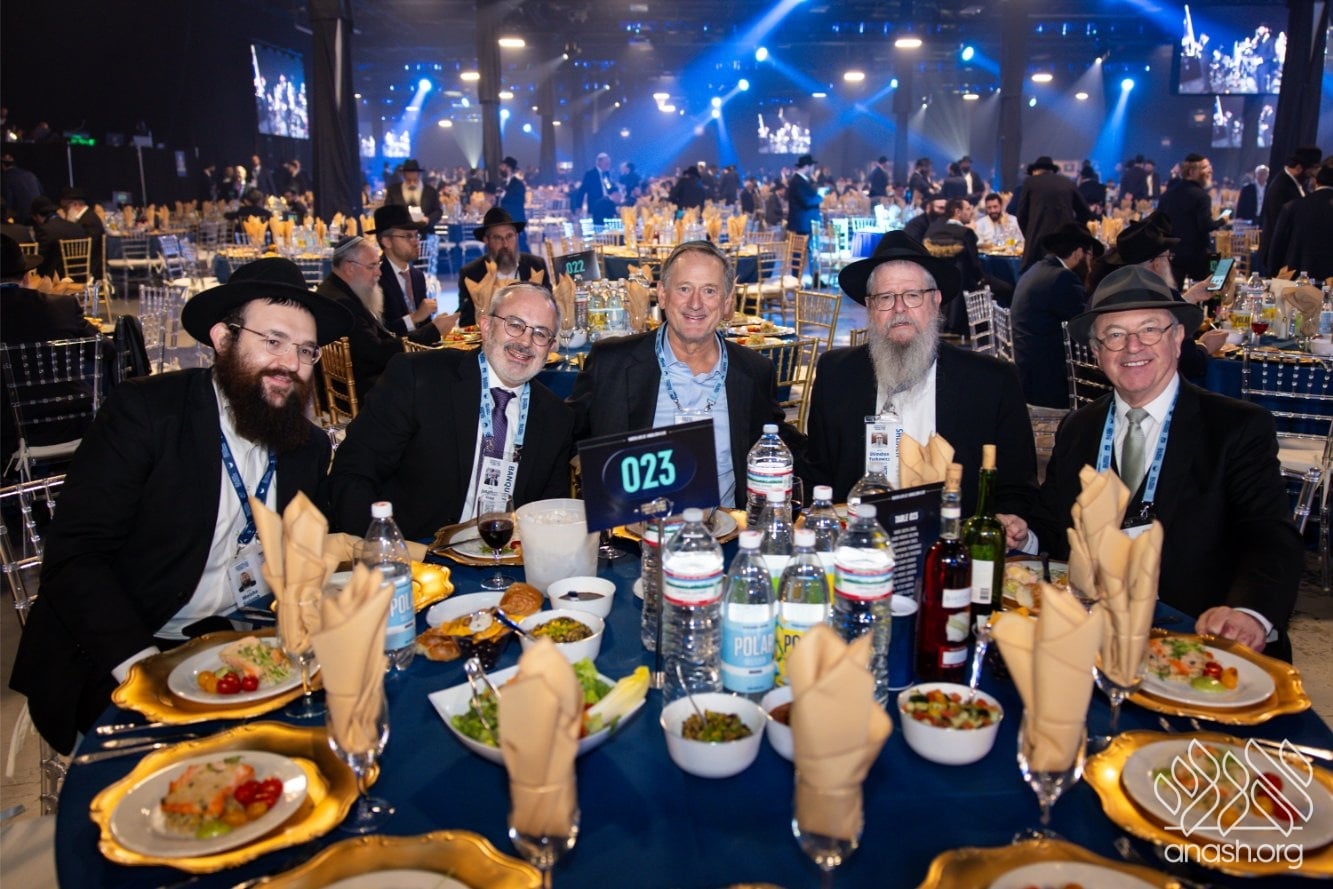
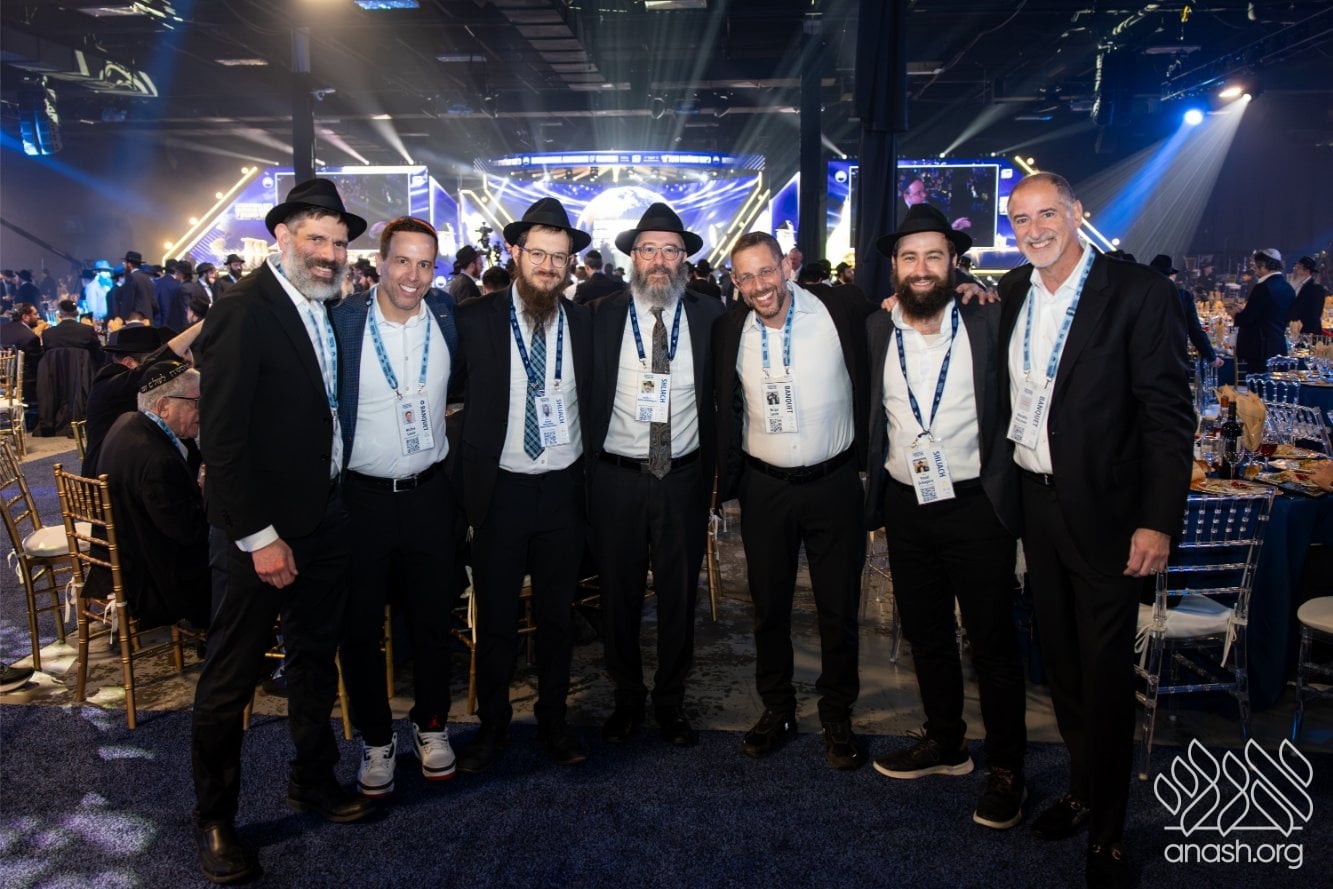
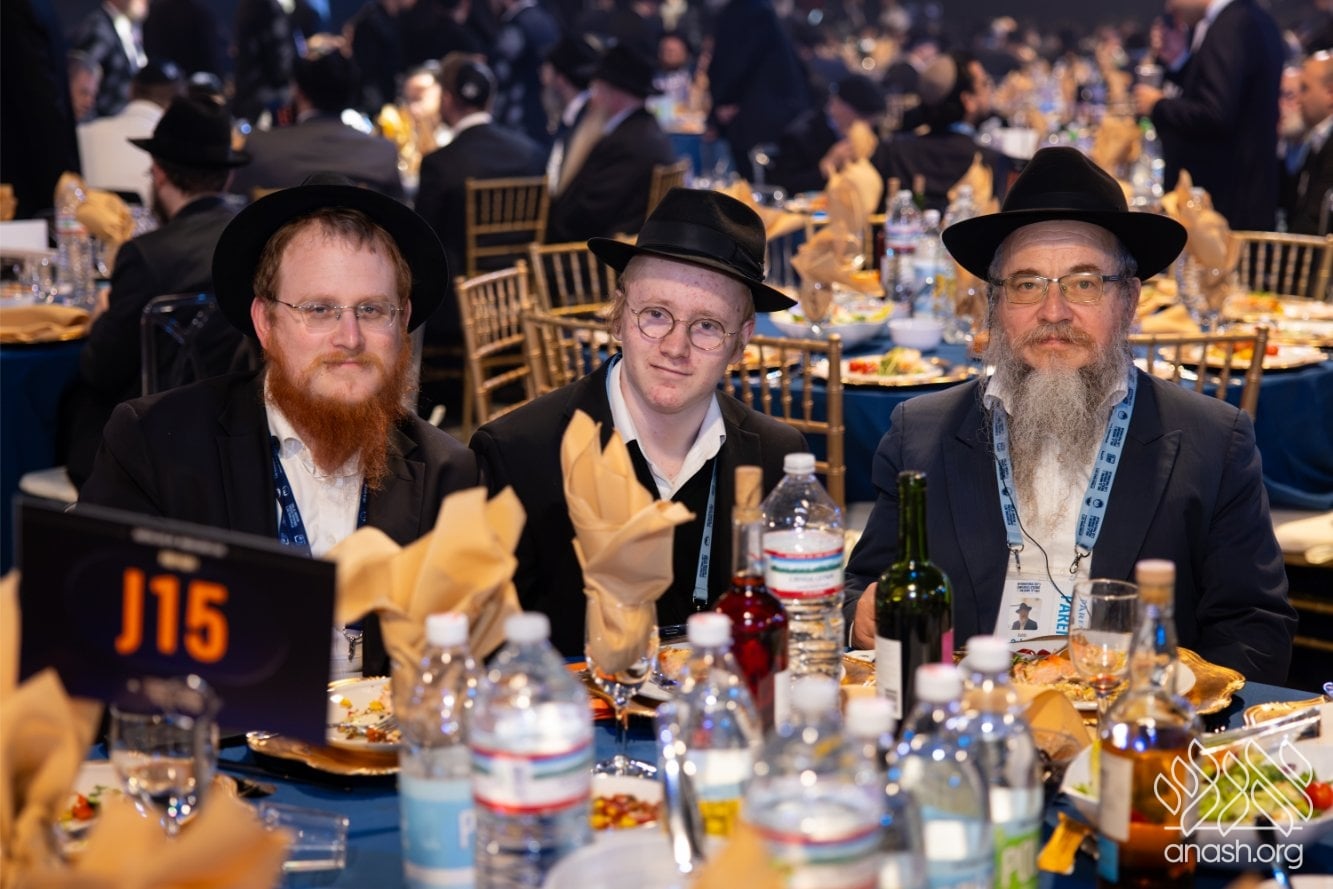
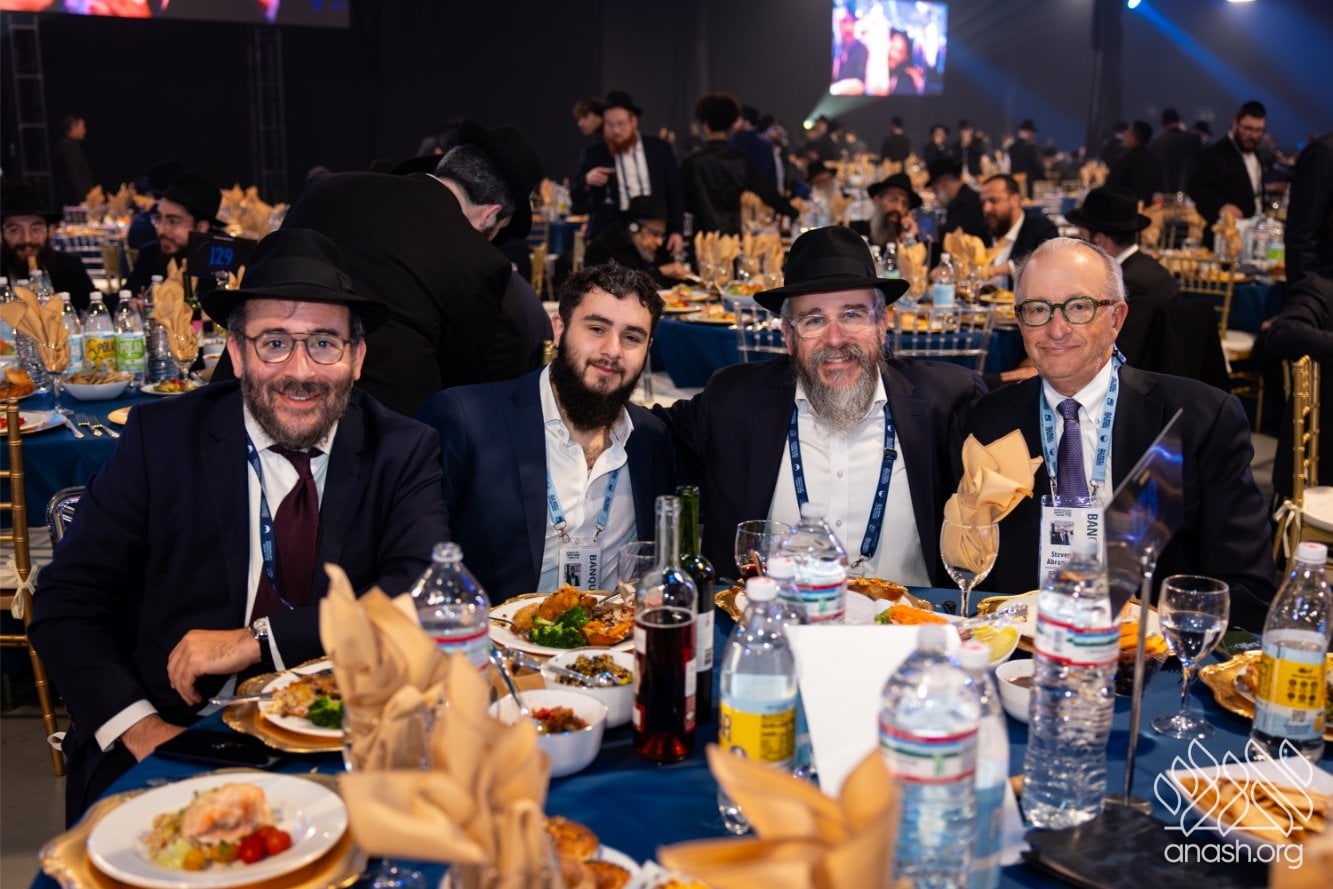
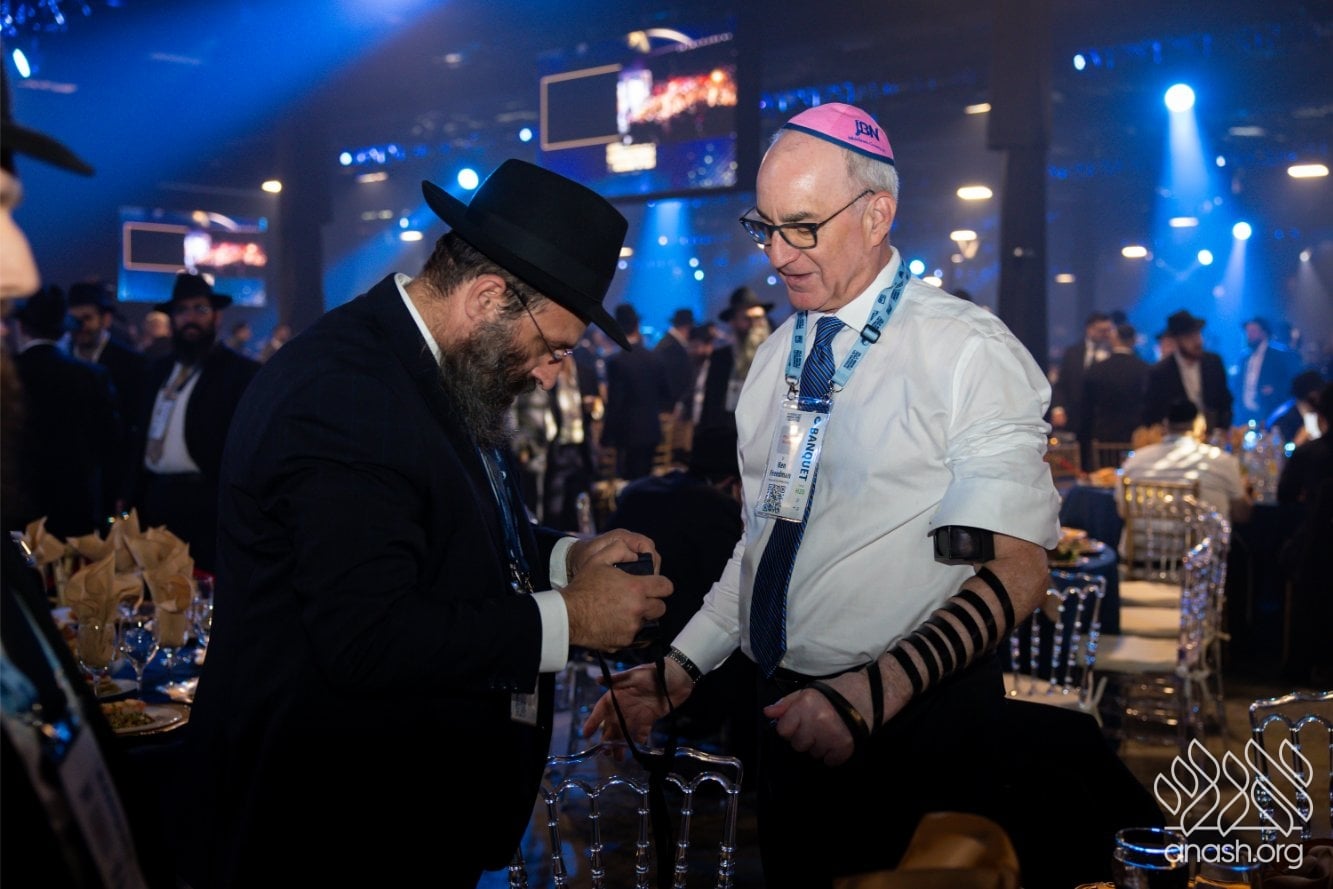
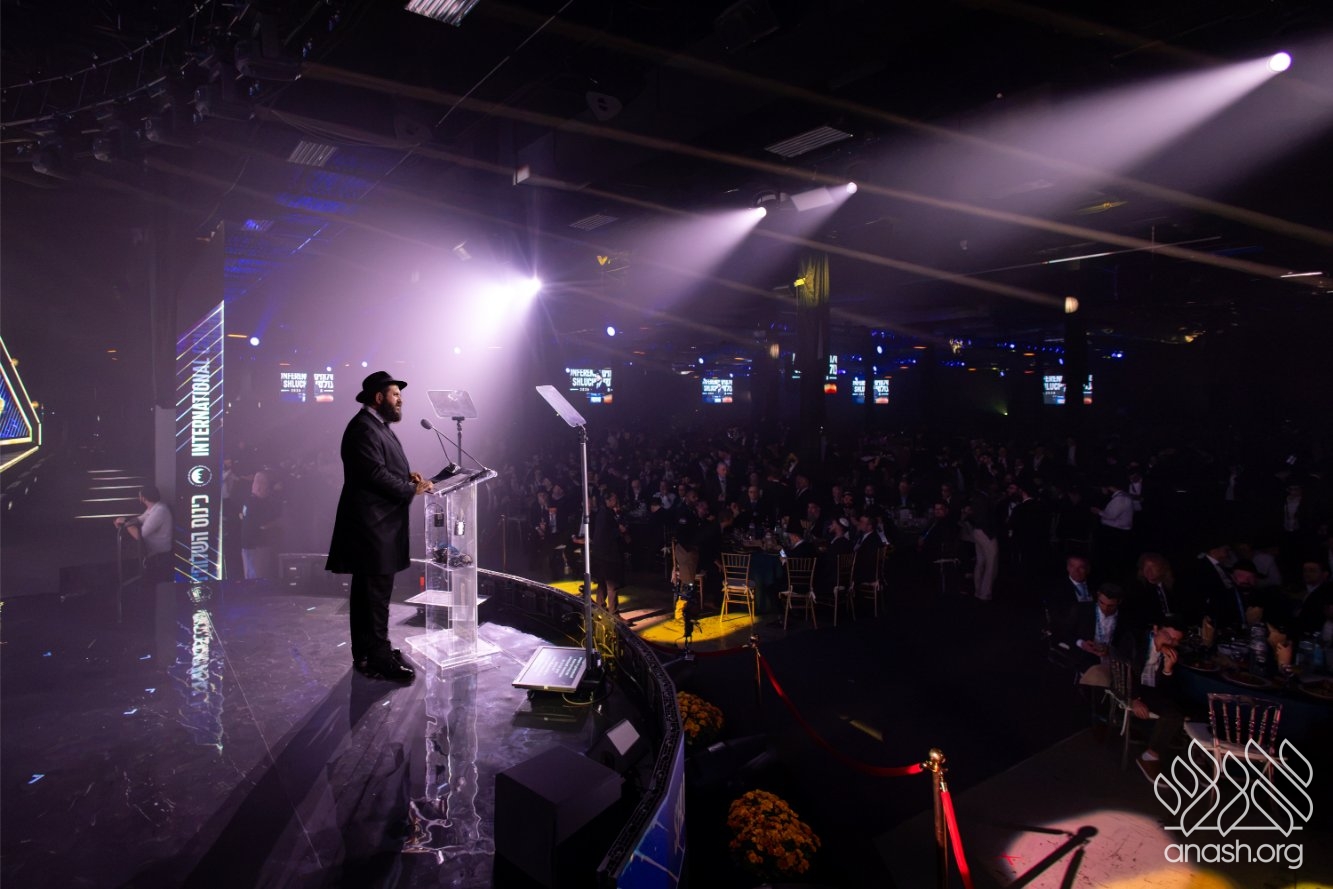
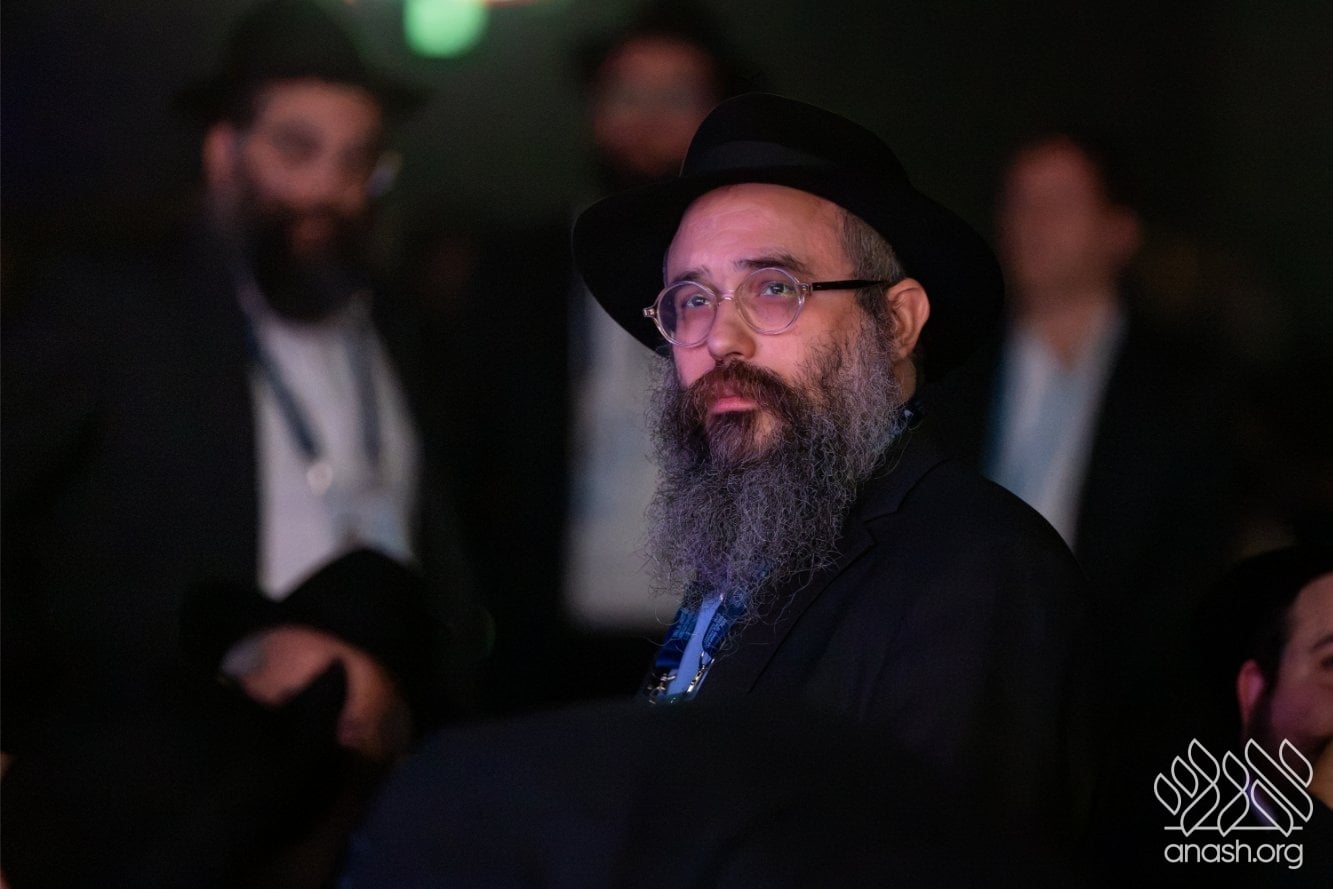
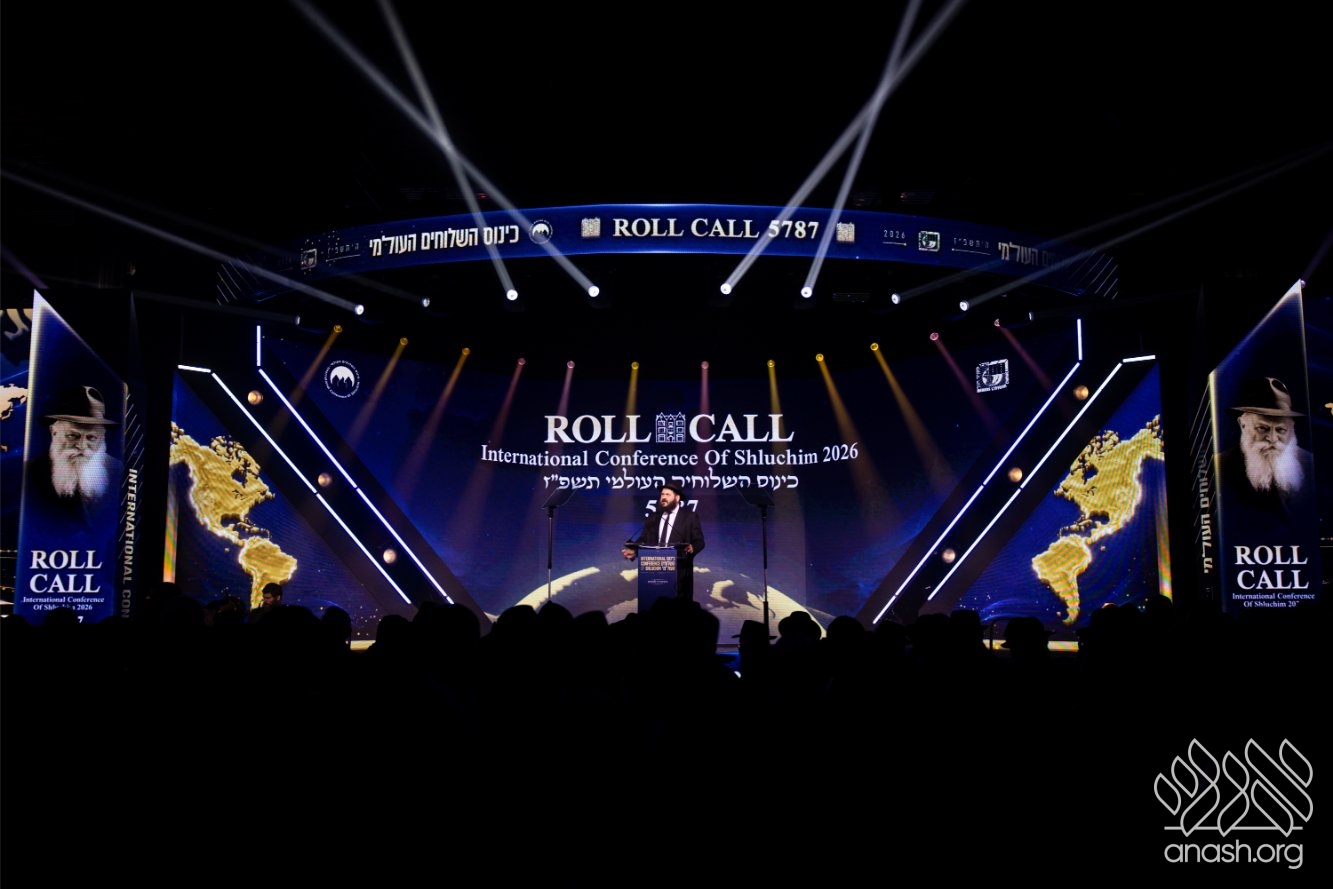
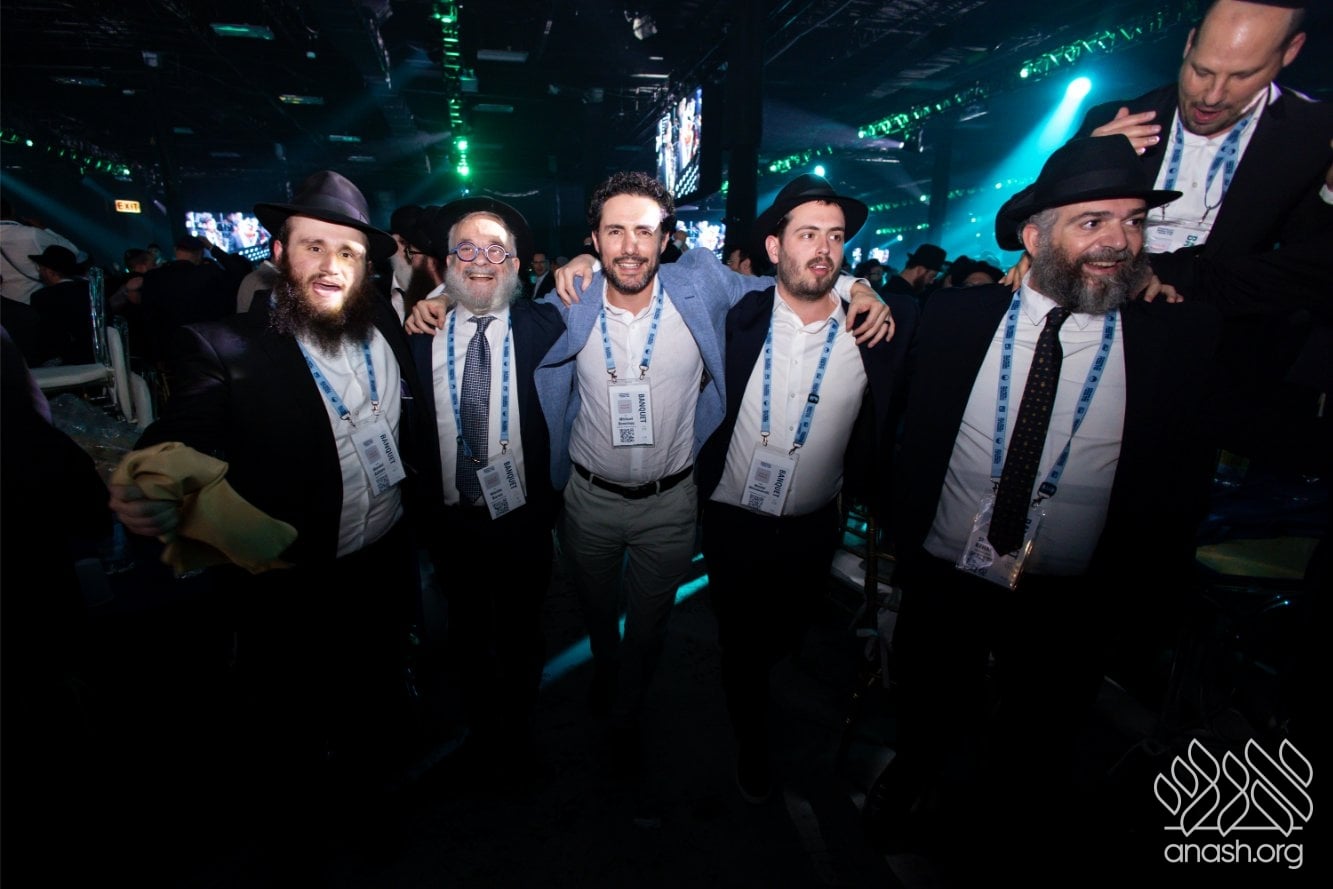
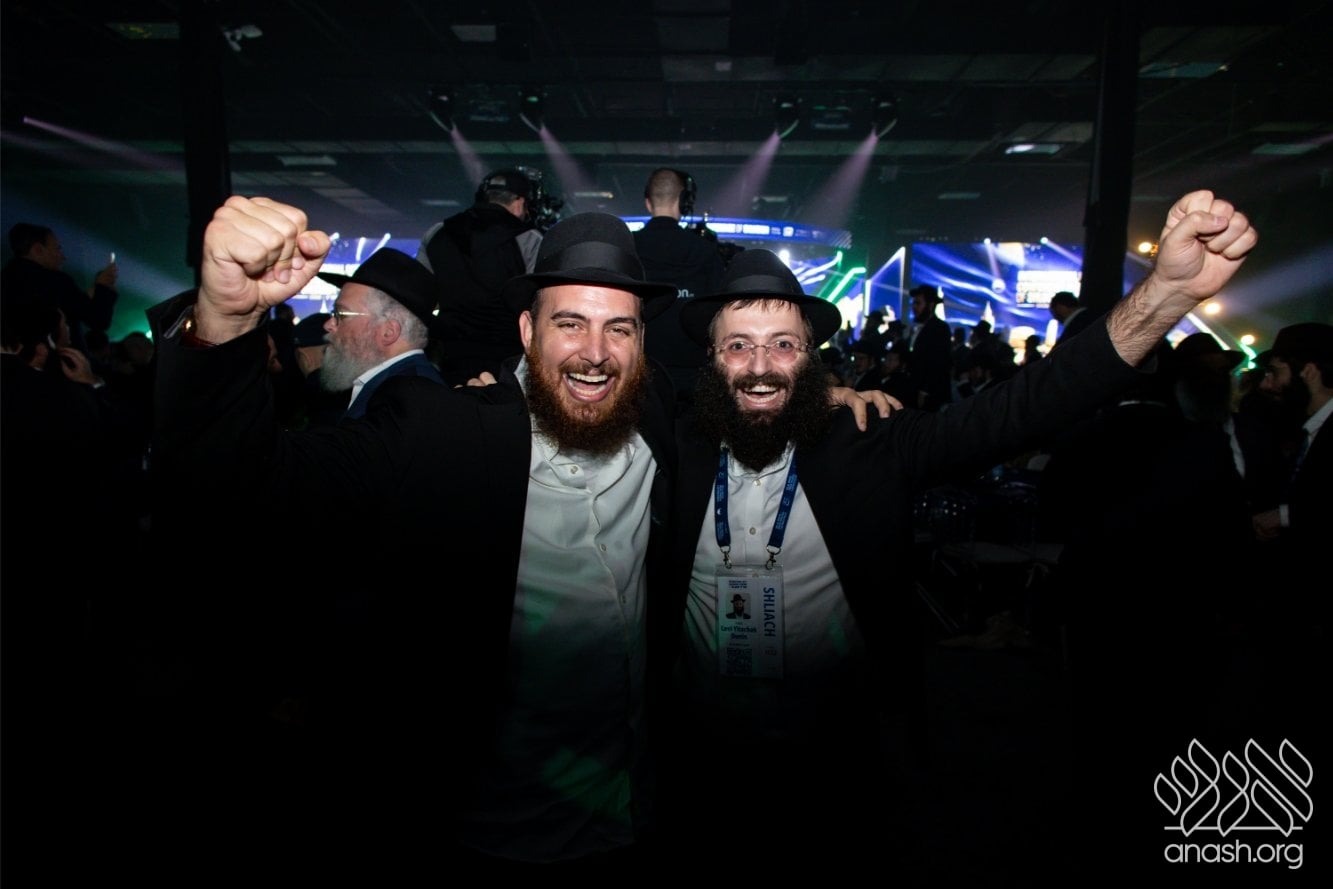
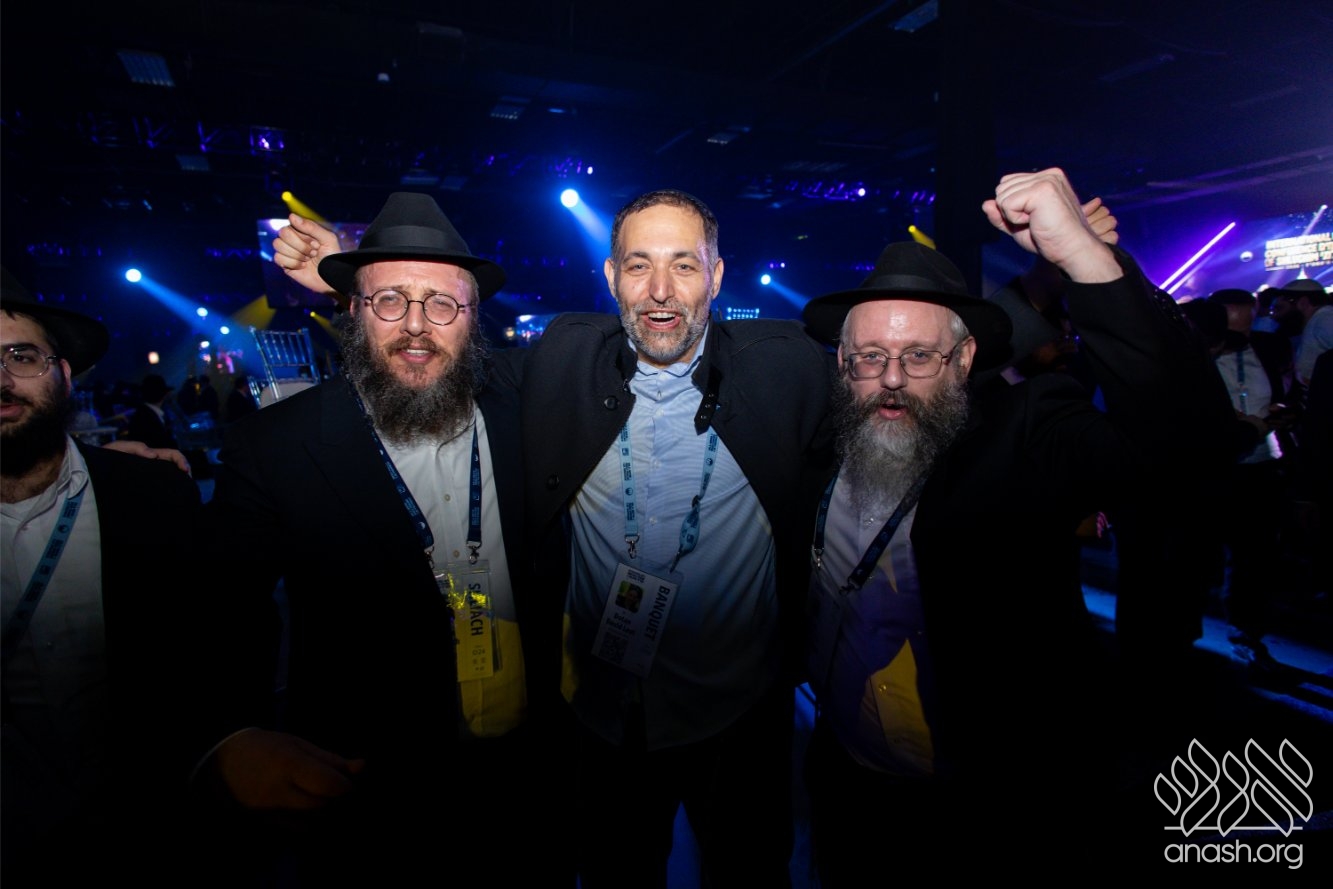
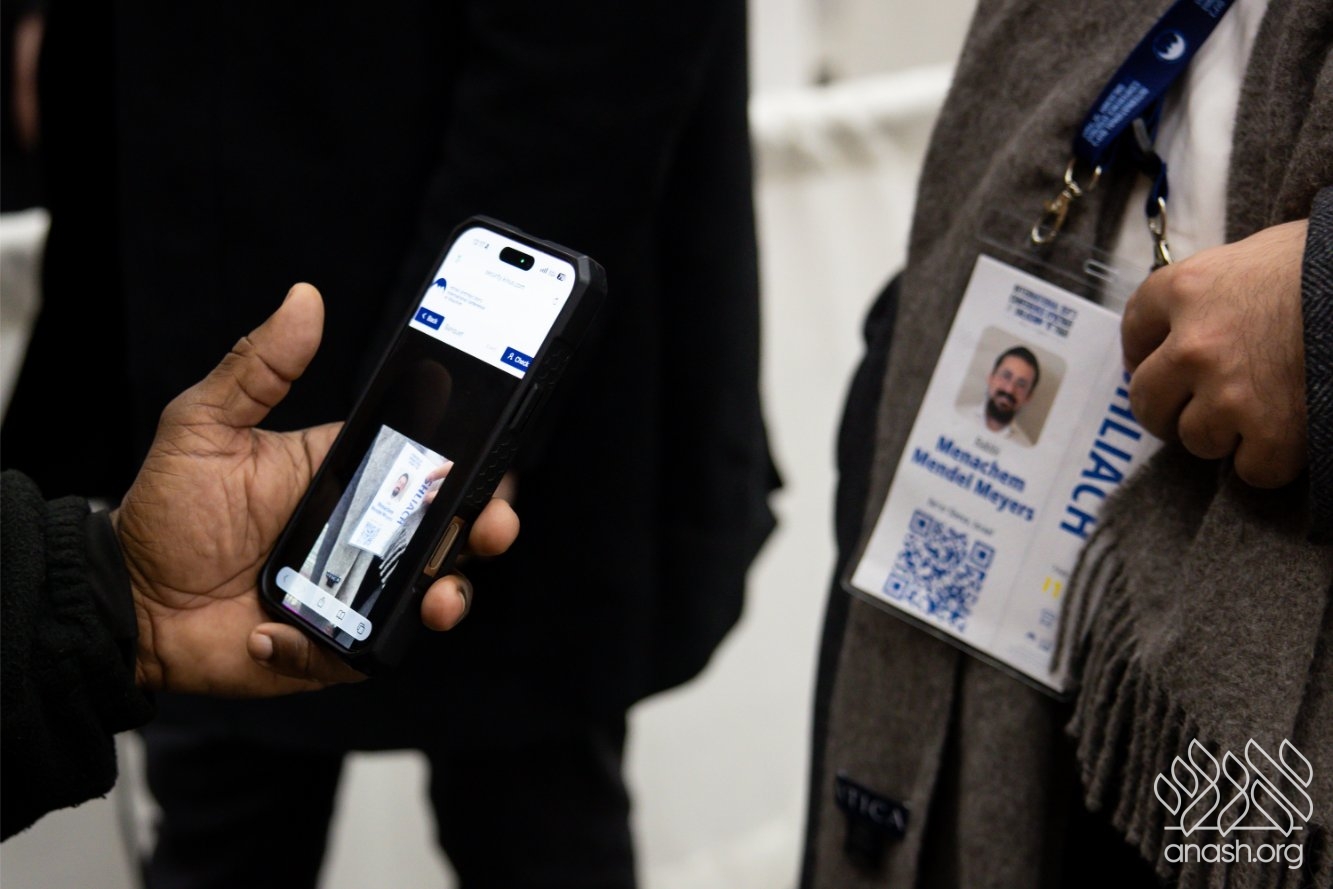
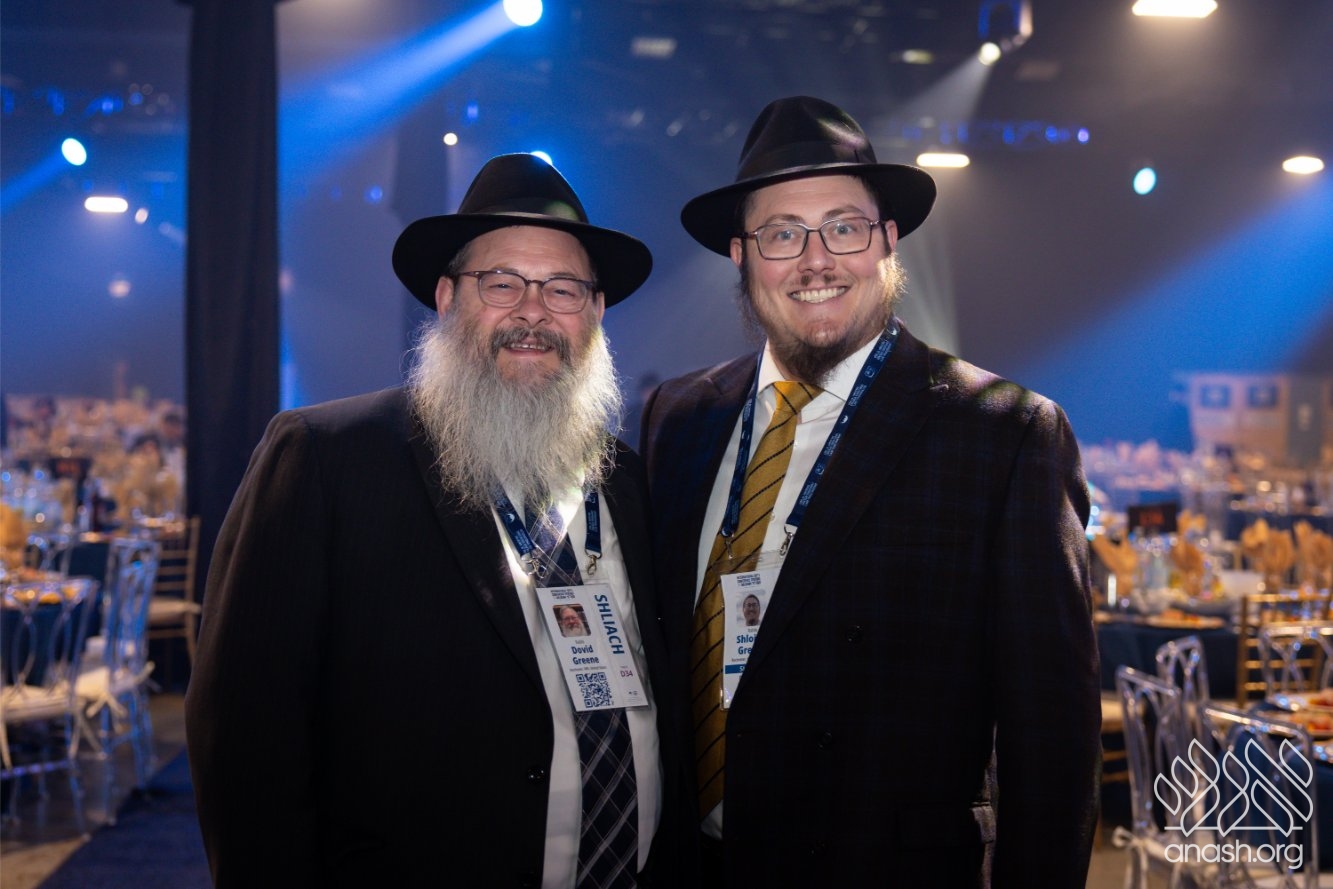
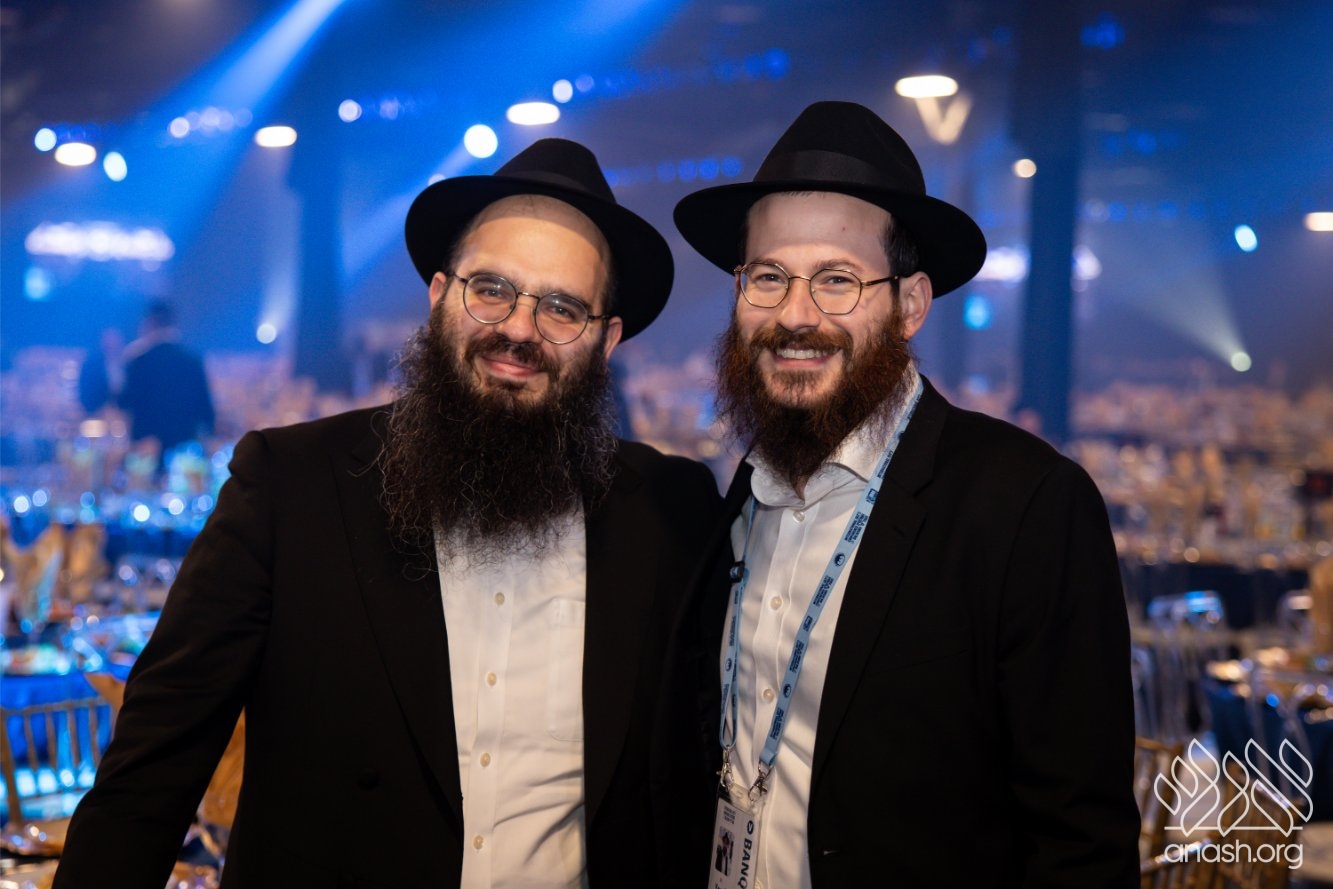
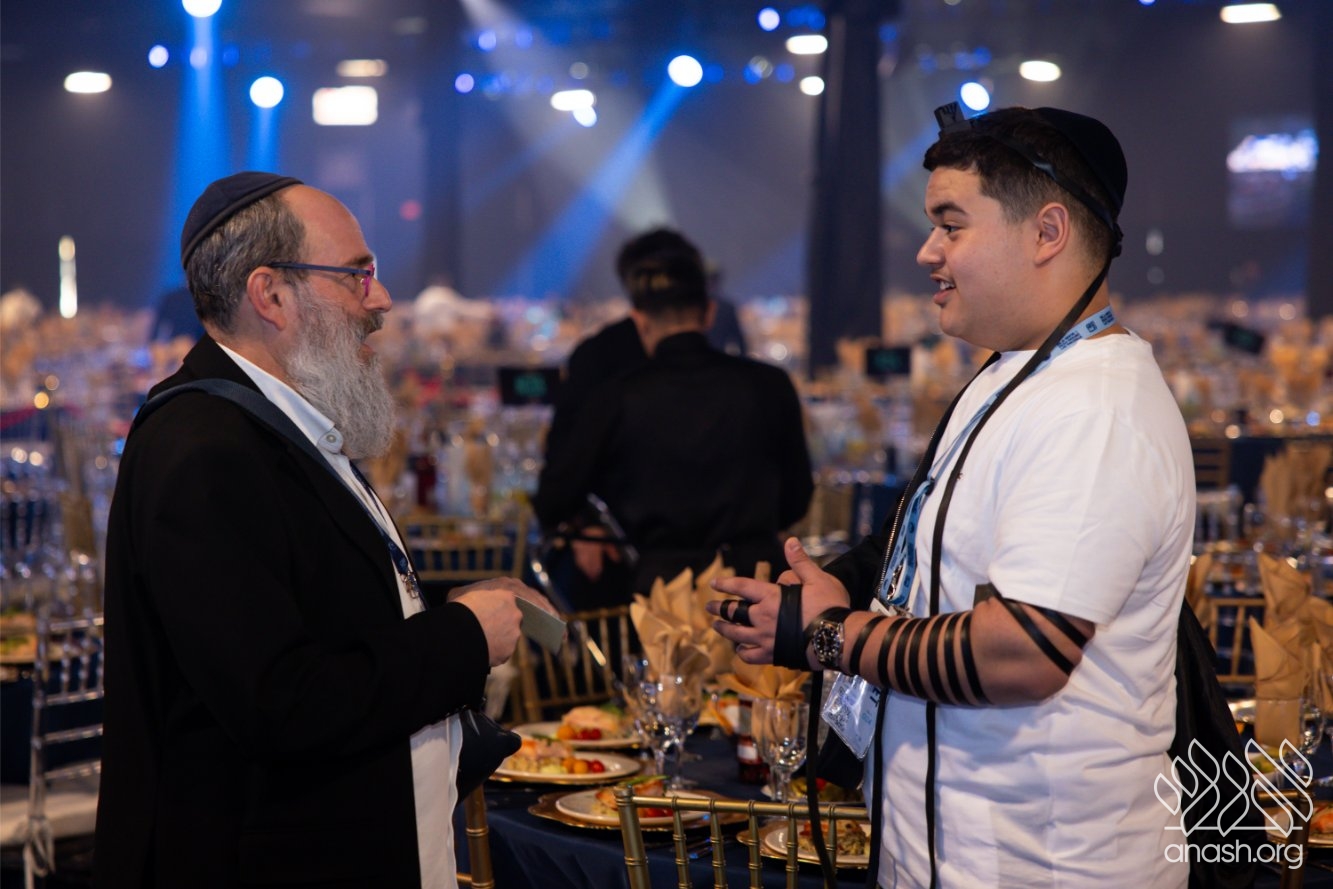
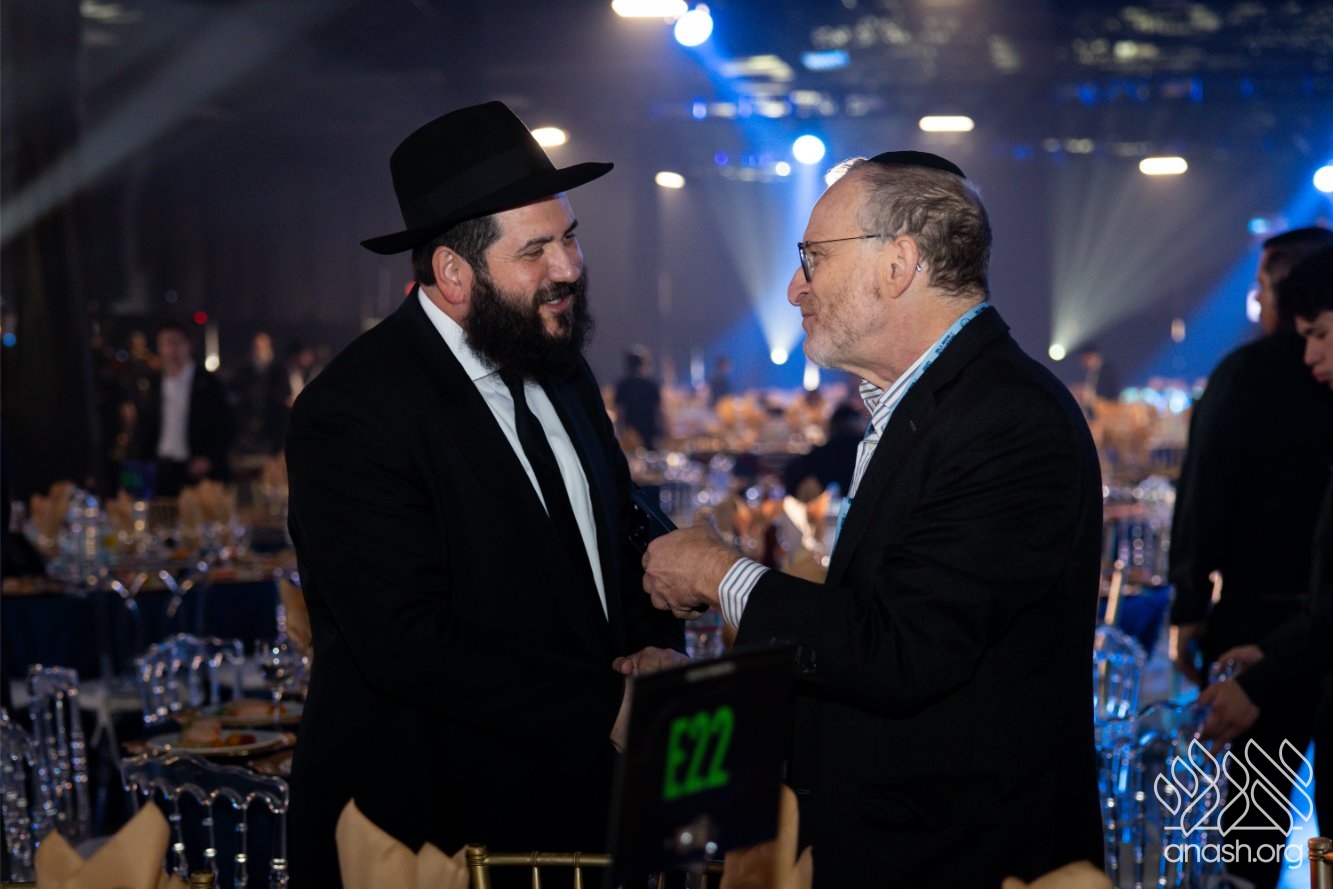
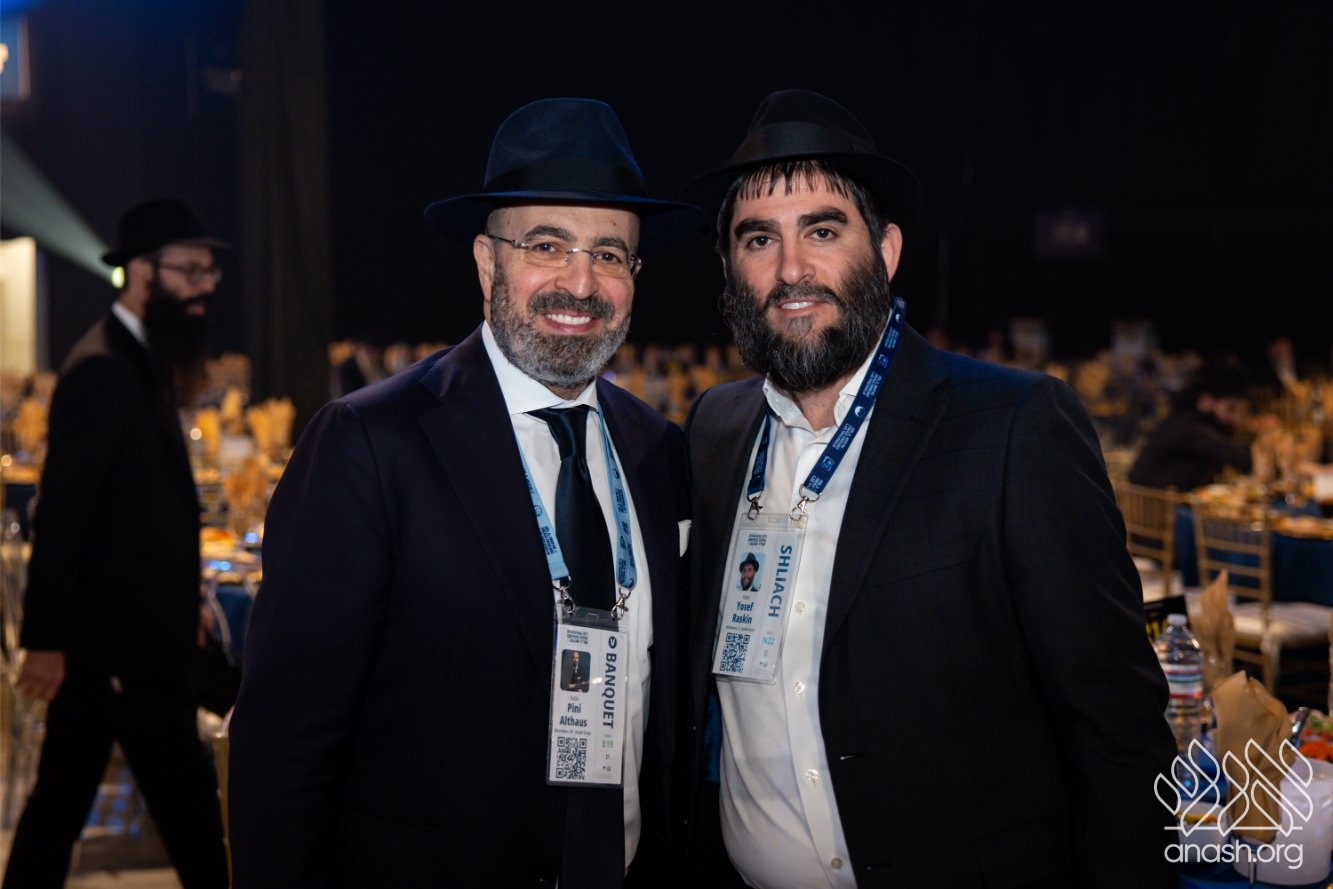
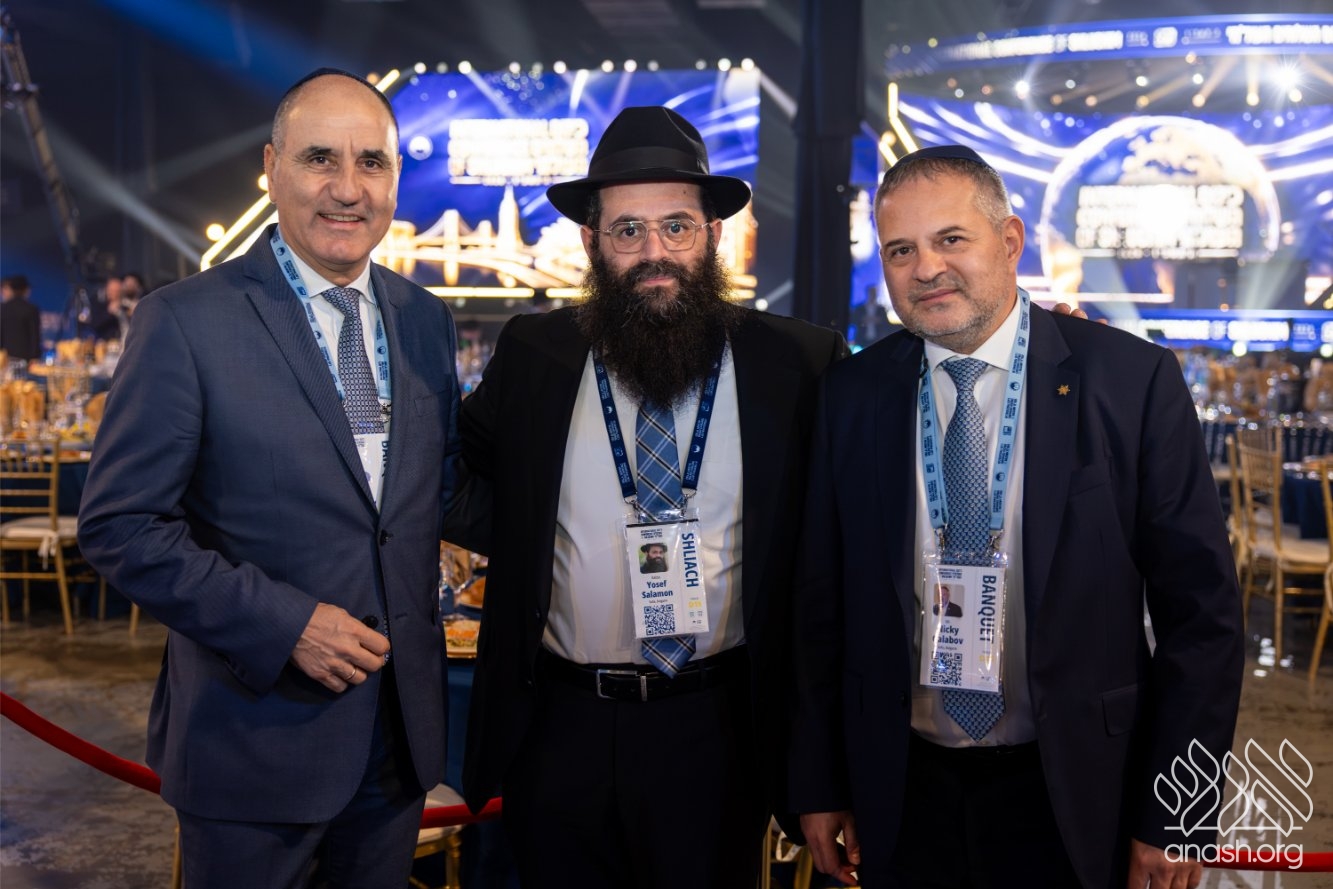
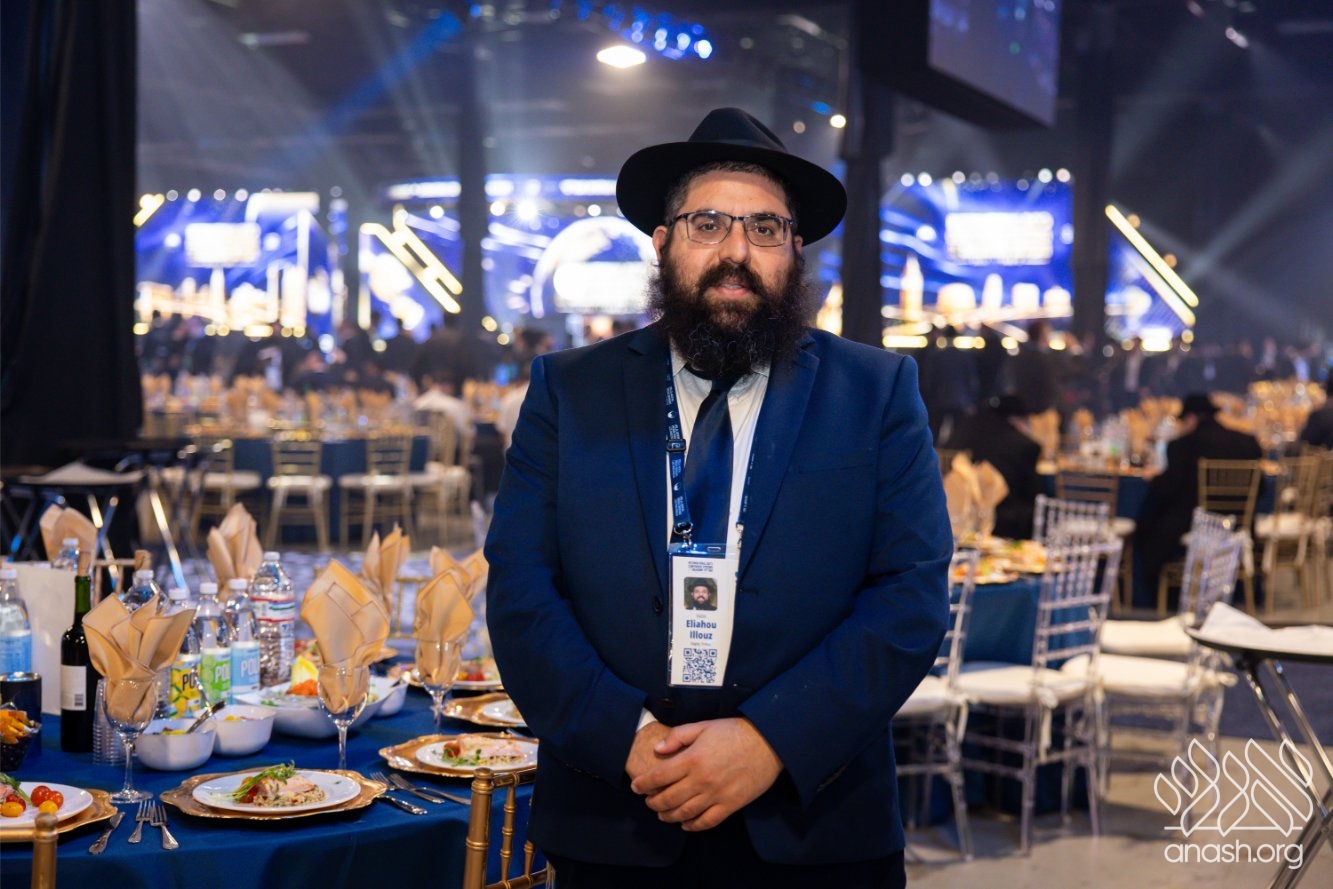
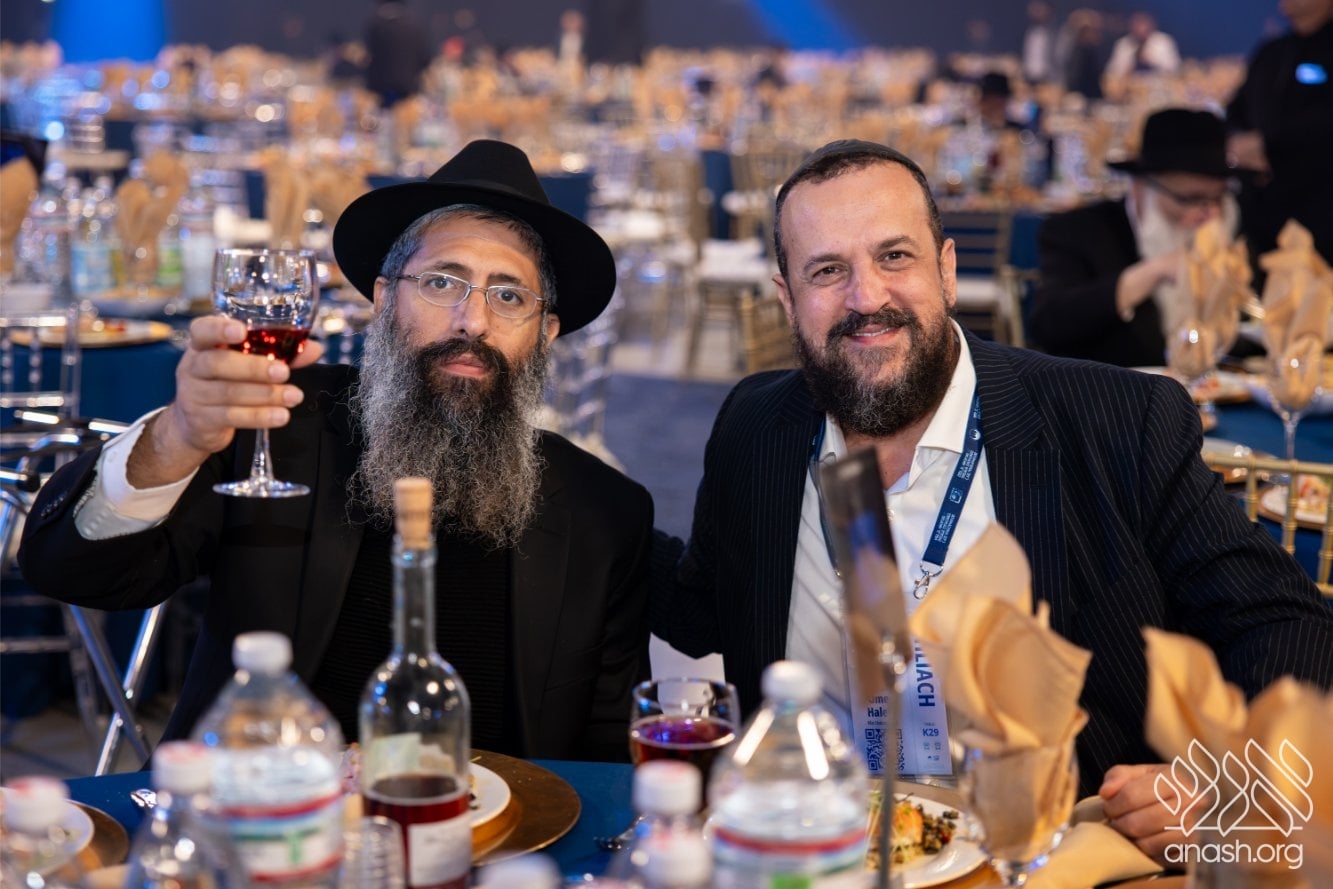
Nearly 7,000 shluchim and guests from 110 countries and every U.S. state filled the banquet hall on Sunday, bringing the front lines of Jewish life into one room.
The Shluchim, Chabad emissaries, spend the year serving as a support system for the Jewish people and seeing firsthand what communities are asking for and where support is still missing.
Some serve parents struggling to afford Jewish education. Others work with teenagers looking for a place to belong, retirees searching for meaningful ways to contribute, or growing communities still without a permanent Chabad center, Torah scroll, or nearby mikvah.
The Gala Dinner culminates five days of workshops, study and conversation at the International Conference of Chabad-Lubavitch Shluchim, the world’s largest gathering of Jewish leaders. Shluchim come in from communities around the world to compare what they are seeing on the ground and develop ways to respond together.
The Rebbe envisioned the gathering as a springboard for action, calling for each year to close with a new resolution. For years, Rabbi Moshe Kotlarsky AH, beloved chairman of the conference, announced many of those initiatives from the banquet stage. Today, the annual resolutions are presented in his memory.
At a time of rising antisemitism and uncertainty, the theme running through this year’s gathering was clear: tremendous darkness demands tremendous light.
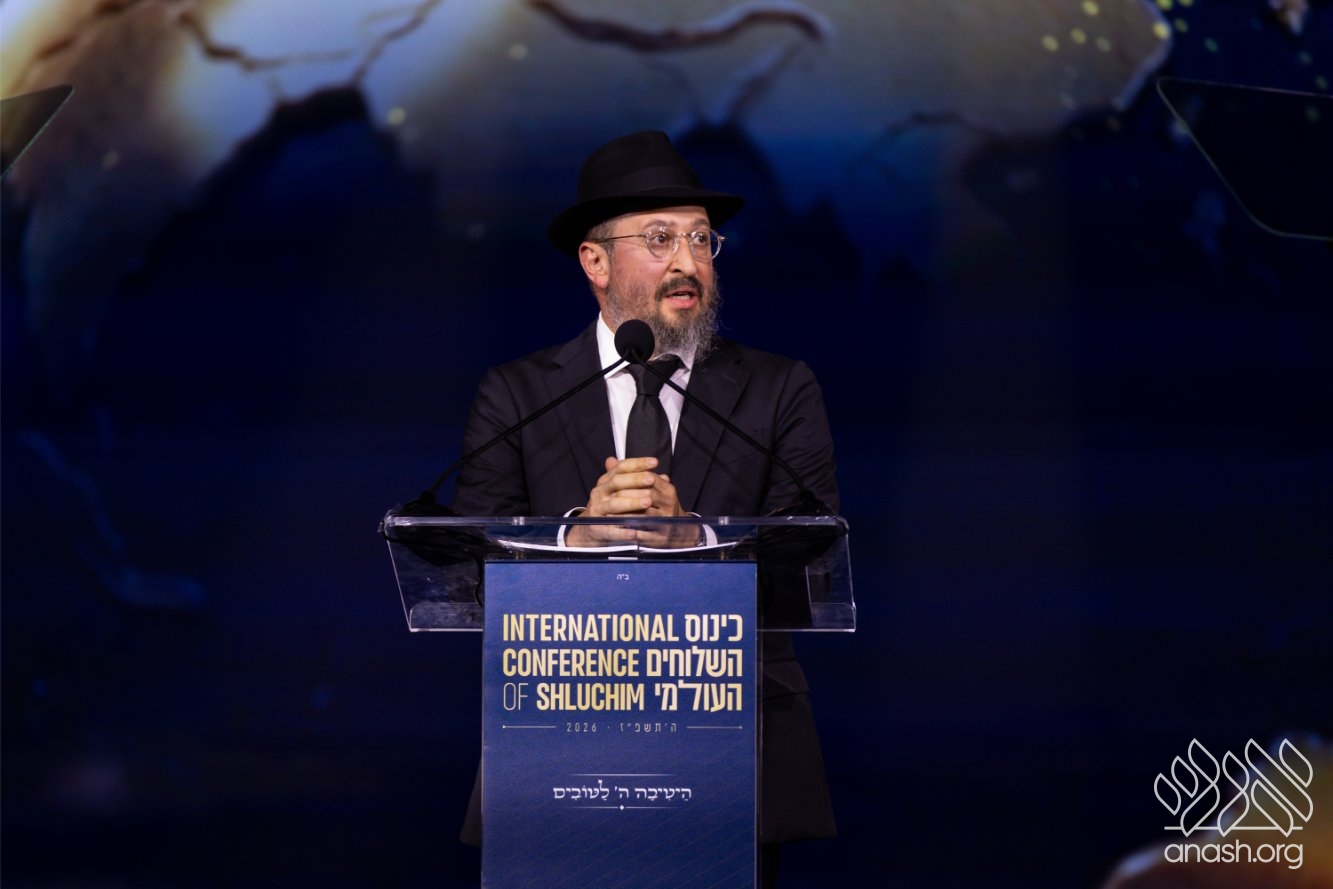
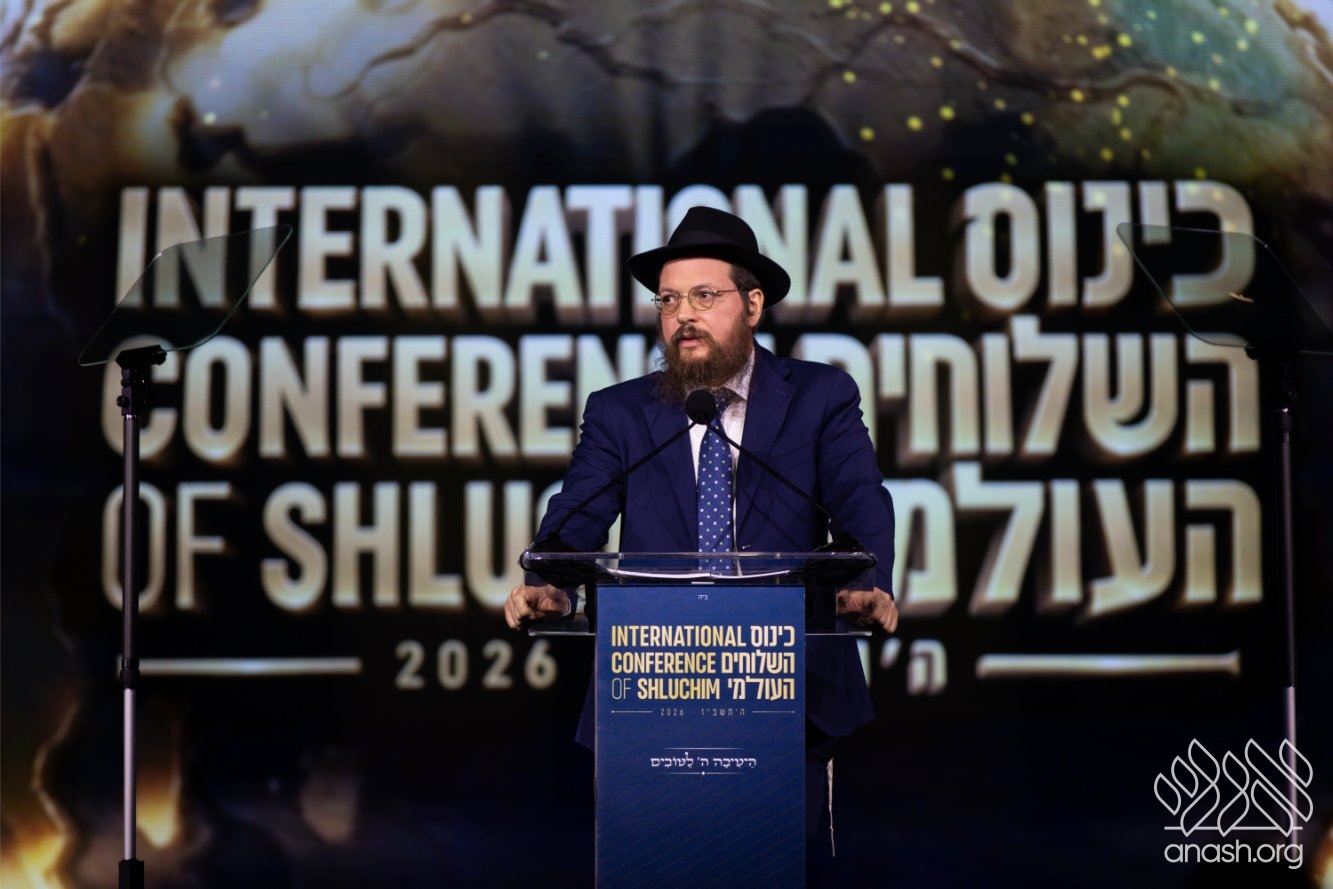
“My Dear friends, adding more is what we do,” opened Rabbi Mendy Kotlarsky, executive director of the International Conference of Shluchim, as he launched twelve initiatives and commitments aimed at pressing needs facing Jewish communities, from the classroom to the Chabad House to the family home.
For teenagers, Rabbi Kotlarsky reported that 60 CTeen Lounges are already open and another 60 are being developed. Chabad has now built the first CTeen House, a dedicated JCC-like space where Jewish teens can gather, learn, build confidence and know they have a safe space of their own.
CKids will also open two additional Gan Israel overnight camps, bringing the total to six across the country.
A Mitzvah Journey, the first project selected through the Rabbi Moshe Kotlarsky Shlichus Innovation Award, will build on the One Mitzvah campaign. After a Jew chooses a mitzvah, the program will guide them through it with reminders, milestones and step-by-step instructions.
A new effort to bring Torah and Kedusha into every Jewish home will place shelves of essential Jewish books in 10,000 homes and equip 40,000 Jewish children’s bedrooms with a Chitas, used for daily Torah study, and a tzedakah box. A new marketplace will also make Jewish books, tefillin, mezuzahs and other Jewish essentials easier to access and more affordable.
The new Chabad Education Fund aims to provide $50 million in tuition scholarships, helping families give their children a Jewish education. Chabad will also establish the first Education Center, where Jewish educators can prepare lessons, collaborate with colleagues, and access educational resources.
For older Jews, the new Chabad Senior Network will create opportunities for learning, volunteering and friendship, with the goal of expanding into communities worldwide.
“Retirement from a career must never mean retirement from mission,” Rabbi Kotlarsky said.
The announcements also addressed the physical foundations that allow Jewish communities to grow.
The new Chabad Building Fund will provide seed grants to Shluchim buying, building or expanding permanent Chabad centers. Rabbi Kotlarsky said requests connected to Chabad building campaigns over the past year totaled over half a billion dollars. The fund will begin with targeted grants designed to help projects move forward and grow with the support of additional partners.
Chabad will also provide grants for 100 newly appointed Shluchim building Chabad Houses and establishing new Jewish infrastructure in their communities.
That expansion is reaching another country as well. During the conference, Rabbi Yosef and Rochele Krinsky were announced as the first dedicated Chabad emissary couple to Slovenia, where they will establish Chabad in Ljubljana.
Mikvah access will continue expanding. At a previous conference, Rabbi Moshe Kotlarsky pledged support for 120 mikvahs worldwide. Rabbi Mendy Kotlarsky said Chabad is on pace to complete that commitment this year and committed to expanding the effort by another 15 percent.
He also introduced the Foundational Mikvah, a turnkey model designed to help communities build a mikvah in months instead of years and at a fraction of the traditional cost.
The Beis Yisroel Torah Gemach, which provides Torah scrolls to communities that do not have one of their own, will expand its collection from 300 Torahs to 350.
Project Noah will expand the tools and resources available to Shluchim sharing the Seven Noahide Laws, Judaism’s universal moral principles, with people around the world. The project carries forward the vision of its founder, Rabbi Eli Schlanger, HY”D, who was murdered in the Bondi Beach Chanukah massacre and whose traditional Jewish period of mourning concluded as this year’s conference began.
Rabbi Kotlarsky also renewed the Simcha Grants, which support Shluchim and their families as they celebrate milestones births, bris, bar mitzvahs and weddings.
“We are deeply grateful to the visionary partners whose generosity is making these initiatives possible,” said Rabbi Kotlarsky, who leads Chabad’s Keren Hashluchim, The Shluchim Foundation that funds these projects.
Those who wish to help bring these initiatives to communities around the world can visit vision.kerenhashluchim.org.
The initiatives range from schools and summer camps to mikvahs, books, buildings and new countries, but they emerge from the same process: Shluchim identify what Jewish life needs locally, bring those experiences together at the conference and turn them into practical support that can reach communities worldwide.
“The success of the conference is not measured by what happens here,” said Rabbi Shneur Wolfman, who leads the Chabad in Moon Valley, AZ, together with his wife Esther, “but by what we take home.”
Photos: Itzik Belenitzki – Kinus.com

FULL REPLAY












































































 COMMENTS


We appreciate your feedback. If you have any additional information to contribute to this article, it will be added below.