




י״ז תמוז ה׳תשפ״ה | July 12, 2025
The Frierdiker Rebbe in America: New Sicha and Yechidus
In honor of 12–13 Tammuz and the 95th anniversary of the Frierdiker Rebbe’s visit to America, From the Margins of Chabad History presents an unknown sicha and yechidus with the Frierdiker Rebbe in America. Bonus: Pictures of the homes and shuls in New York where the Frierdiker Rebbe stayed and said chasidus.
In honor of 12–13 Tammuz and the 95th anniversary of the Frierdiker Rebbe’s visit to America, From the Margins of Chabad History presents an unknown sicha and yechidus with the Frierdiker Rebbe in America. Bonus: Pictures of the homes and shuls in New York where the Frierdiker Rebbe stayed and said chasidus.
By Shmuel Super
Ninety-five years ago, on 21 Tammuz 5690, the Frierdiker Rebbe departed the United States after a 10-month visit.
The Frierdiker Rebbe arrived in America on 12 Elul 5689 and stayed in New York until 13 Kislev. Over the next few months, the Frierdiker Rebbe traveled across the United States, returning to New York between some of his stops. The last few weeks of the visit were spent primarily in New York.
In this article, we present an unknown sichah and yechidus with the Frierdiker Rebbe. The sichah is from a farbrengen held on the third night of Chol Hamoed Sukkos, the eve of 19 Tishrei, and the yechidus was held shortly thereafter. Both the sichah and yechidus were recorded by Dovid Leib Meckler and published in the New York Yiddish-language Morgen Zhurnal newspaper.
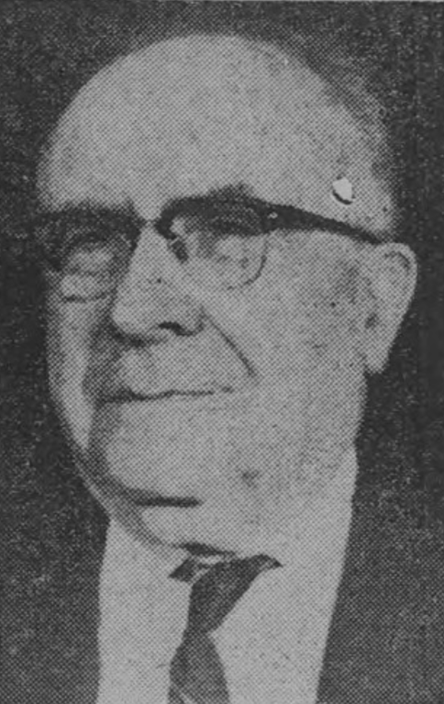
Born in Lithuania in 5651, Meckler received a traditional frum education before immigrating to the United States at age 16. He became a journalist with the Morgen Zhurnal and was appointed the newspaper’s editor-in-chief in 5698, a position he held until the paper closed in 5731. Meckler was a member of the Mizrachi in America and a prominent activist on behalf of religious Jewish education. He passed away in 5736, at the age of 85.
In Lubavitch circles, Dovid Meckler is known as the editor of the Frierdiker Rebbe’s Sefer Hazichronos. His connection with Lubavitch began when the Frierdiker Rebbe visited America in 5690.
Long interested in chasidishe history, Meckler asked the Frierdiker Rebbe to provide him with material for a series in the newspaper about Chabad history. The Frierdiker Rebbe agreed, and Meckler wrote a series titled Fun Lubavitcher Rebbens Hoif, based on written material provided by the Frierdiker Rebbe and oral conversations with him. These articles were recently published as a book by Kehos.
The Frierdiker Rebbe was clearly pleased with Meckler’s work, because when he settled in America permanently, he entrusted him with editing his Sefer Hazichronos for publication.
The articles we will be quoting from here, from Tishrei 5690, represent Meckler’s first impressions of the Frierdiker Rebbe and Lubavitch. Meckler wrote a series of four articles at this time: The first two articles, from 20 and 21 Tishrei, describe a farbrengen with the Frierdiker Rebbe on the eve of 19 Tishrei; the third, from 25 Tishrei, describes his yechidus with the Frierdiker Rebbe; and the fourth, from 26 Tishrei, describes Shemini Atzeres and Simchas Torah with the Frierdiker Rebbe.
R. Shalom Ber Levine was in possession of these articles and drew on them in Toldos Chabad Beartzos Habris (chapter 12) to tell the story of Tishrei 5690 with the Frierdiker Rebbe in America. However, R. Levine’s focus was on the history, so he only quoted from Meckler’s description of the “arum”—the setting and atmosphere of these events.
In the present article, we will quote from the material R. Levine omitted—the content of the Frierdiker Rebbe’s Sukkos farbrengen and Meckler’s yechidus.
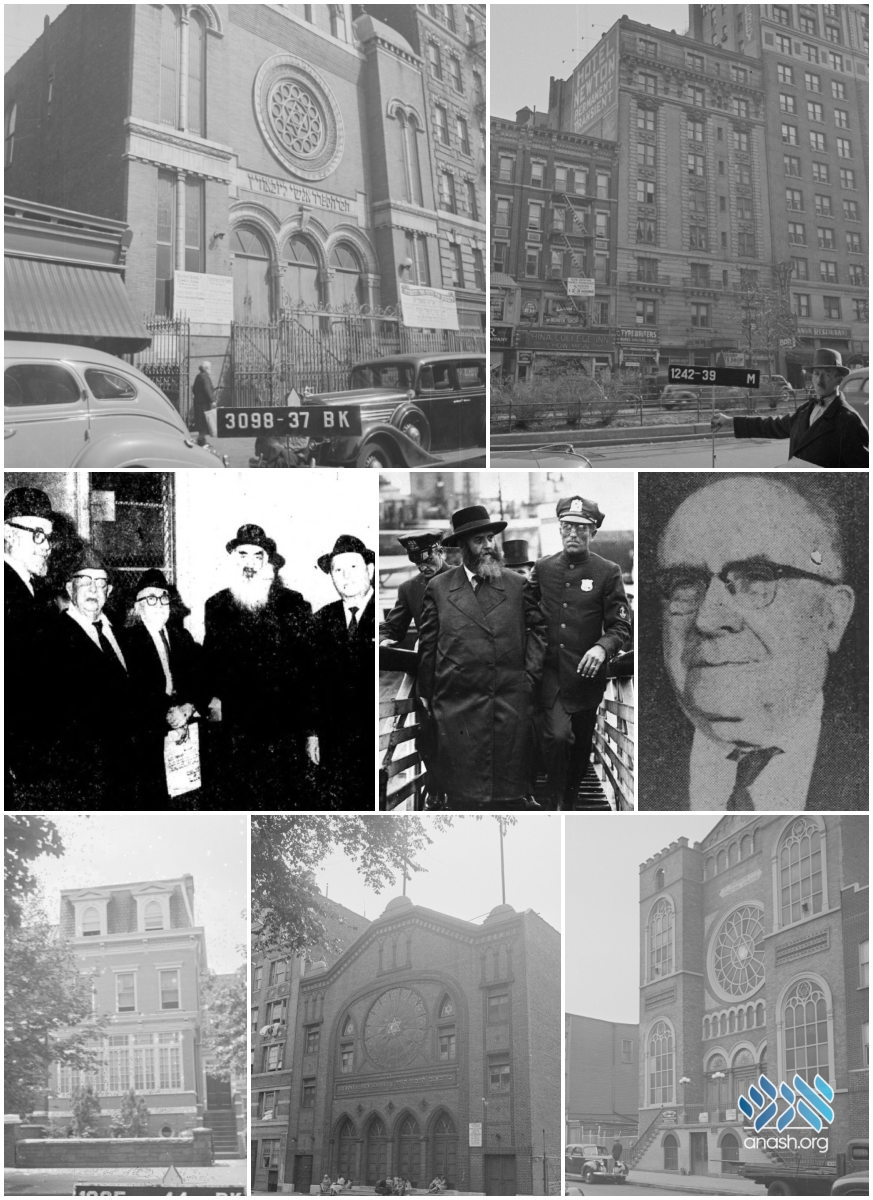
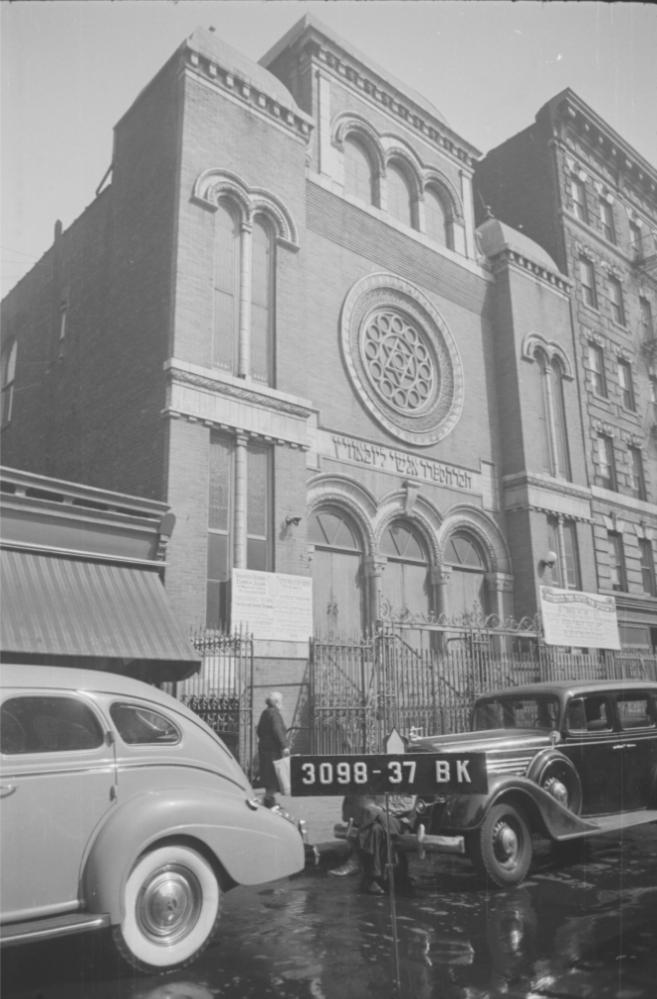
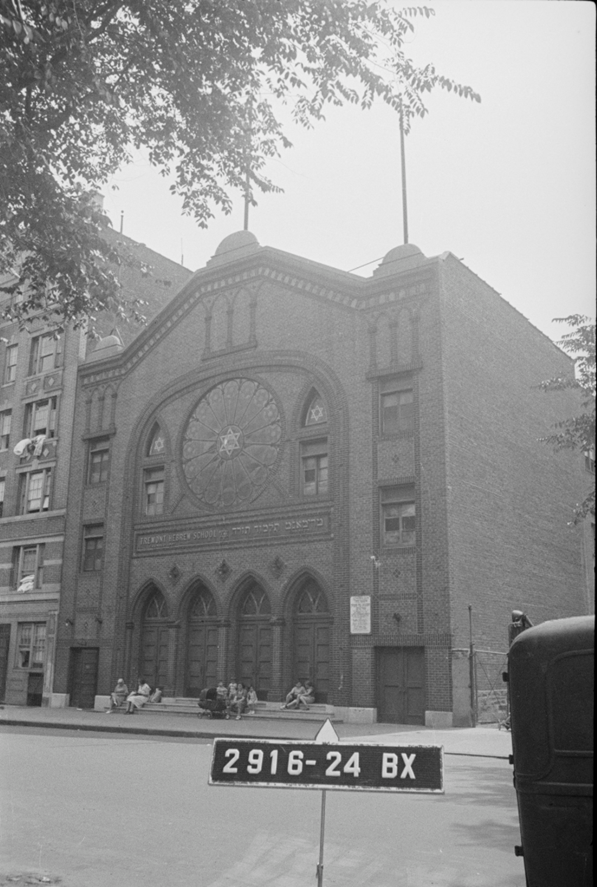
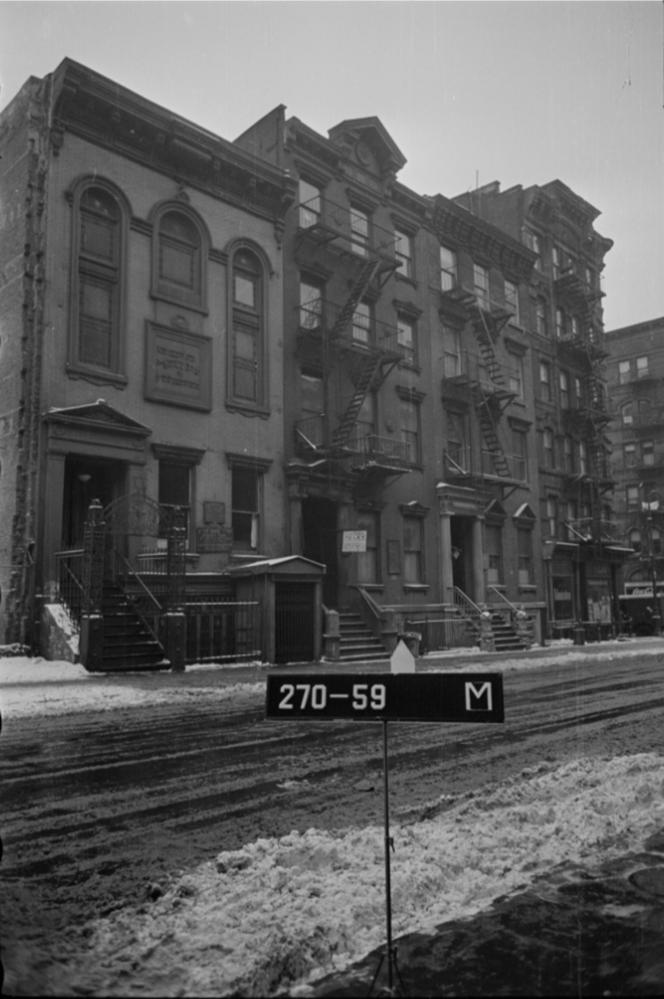
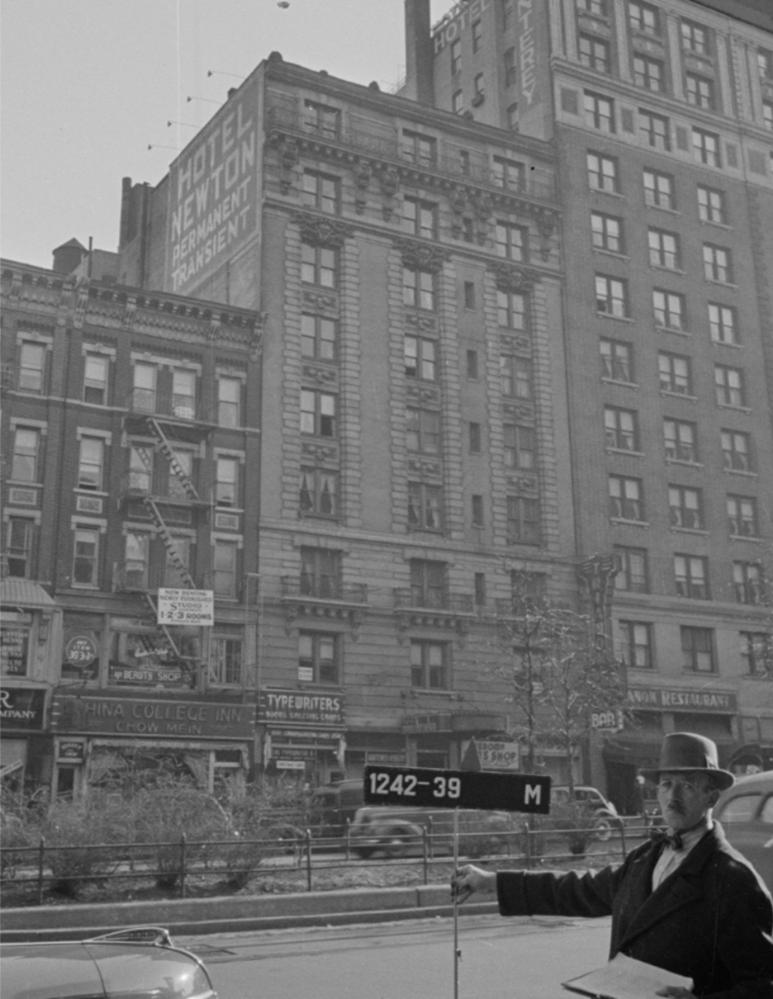
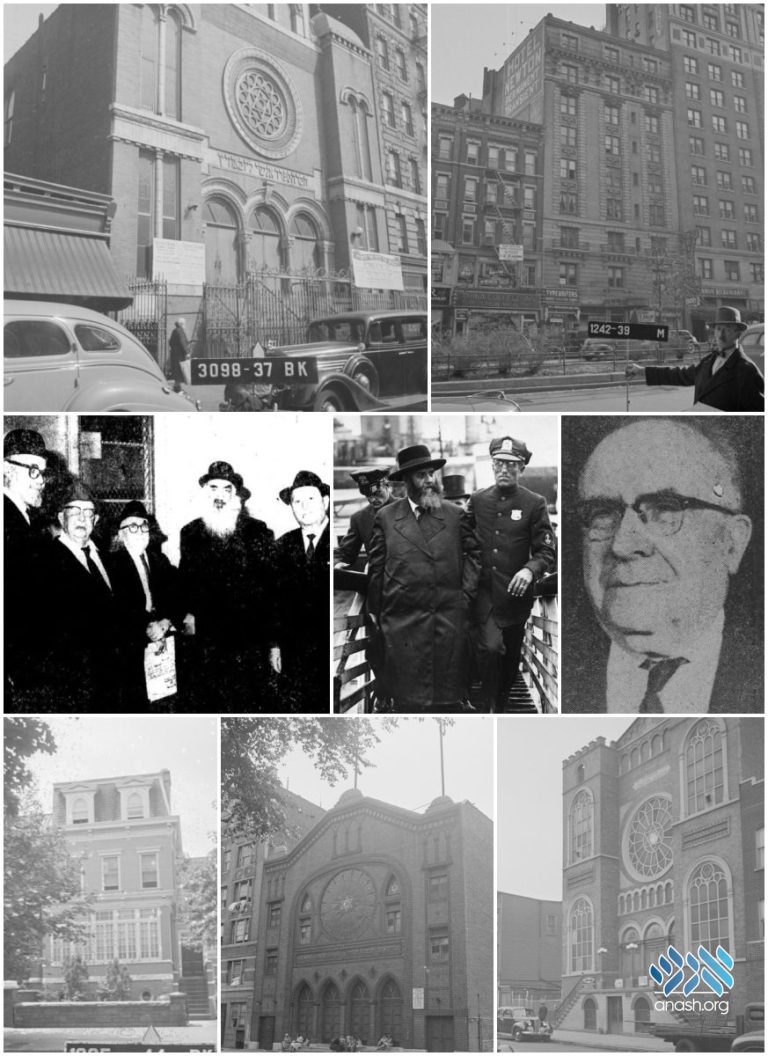
Throughout the article, we will also provide pictures of all of the known homes and shuls in which the Frierdiker Rebbe stayed and said chasidus during his time in New York. Most of these buildings no longer stand, but we have images of them from 5700 thanks to the 1940 Tax Department Survey, which photographed virtually every building in New York City.
The Farbrengen of 19 Tishrei
Very few of the Frierdiker Rebbe’s sichos from his time in America have been preserved. With the exception of the sichah of Simchas Torah, which the Frierdiker Rebbe wrote up at great length, the Sefer Hasichos for this year only has a few brief paragraphs for various farbrengens, drawn from the Frierdiker Rebbe’s private diary. In fact, even the maamarim of 5690 have not yet been published in an organized form.
The farbrengen of 19 Tishrei, the third night of Chol Hamoed Sukkos, is not recorded in Sefer HaSichos 5690. Meckler’s newspaper article allows us to reconstruct what is probably a small portion of the sichos from this farbrengen.
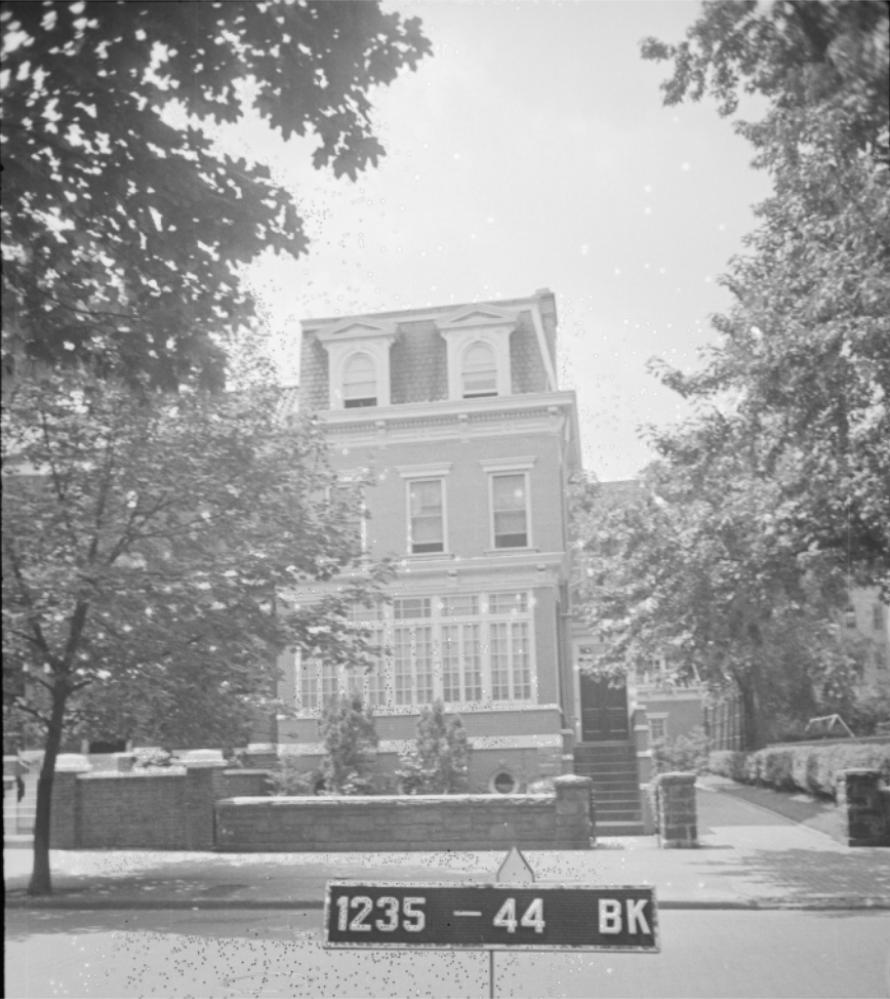
It is interesting to note that this farbrengen was held in Crown Heights, where the Frierdiker Rebbe resided for the first months of his visit to America. A picture of the home at 184 Brooklyn Avenue appears below.
Meckler wrote in an article style, combining a record of the sichah with a description of the general scene and the writer’s personal observations. Here is the section of the article that is relevant to the content of the Frierdiker Rebbe’s words:
The Rebbe’s heart bleeds for Yiddishkeit across the entire world—in Russia, in other countries, and even for the lowly state of Yiddishkeit in America itself.
For the Rebbe, who arrived with the great mission of awakening American Jews to the urgent need to create the means to uplift the spiritual condition of Jews in Russia and elsewhere, has, in the short time he has spent in America, not failed to notice how far Jews here are from the path of Torah—and this pains him. It causes him deep sorrow.
His sorrow is even greater because, after all, American Jews possess the very same Yiddishe neshamos as Jews anywhere else in the world.
Yiddishe neshamos are Hashem’s lights, the Rebbe explains. They have been scattered across the world—but no matter where they are, and no matter the circumstances under which they find themselves, they must not be extinguished; they must not be dimmed.
The Rebbe speaks with deep sorrow about the fact that American Jews have become negligent in preserving Yiddishkeit.
Had they at least been sinners, there would still be the potential to become baalei teshuvah. But they’ve stopped thinking altogether. They’ve become passive followers, just going along with whatever others do. And that, says the Rebbe, is a great spiritual decline for the Jews of this country.
If only, says the Rebbe, they had at least surrendered their great treasures intentionally—with malice. But instead, they cast them aside carelessly, letting them be trampled underfoot without so much as a second thought. And for this, his heart bleeds.
The Rebbe is so deeply moved by the low state of Yiddishkeit in America that one feels he has American Jews in mind when he moves on to the topic of tzedakah.
Tzedakah is a lofty thing. But it’s not enough just to give tzedakah. One must be fully devoted to its cause—and, in fact, “give oneself over,” beyond what one’s abilities allow.
When speaking at a tish, the Rebbe often uses humor. But for him, this is simply another means of achieving a specific goal: to convey a musar haskel.
Just as a nigun is for him only a tool to stir the soul, so too an amusing story is simply a way to bring out a musar haskel.
And so, the Rebbe begins to tell a story.
The Rebbe tells this story in reference to what might seem like a trivial moment.
Rabbi Rivkin, the official server at the table, shares a light comment with Rabbi Shmaryahu Gurary—the Rebbe’s son-in-law, confidant, and partner in his great work on behalf of Russian Jewry—regarding the matter of tikun [farbaisen]. Should they bring a little more or not?
A comment is made that this question should be brought to the Rebbe.
The Rebbe responds with a story:
Reb Shmuel Munkes was one of the most renowned chasidim of the Alter Rebbe, Reb Shneur Zalman.
As is known, Reb Shneur Zalman had seven chadorim of chasidim, and Reb Shmuel Munkes belonged to the first cheder. It goes without saying that he was no ordinary person.
Reb Shmuel was once sitting at a chasidishe gathering. They pooled money together and brought in mashkeh. A butcher who was present brought in stuffed necks, liver, and other roasted delicacies.
They placed the food on a plate and handed it to Reb Shmuel to distribute it.
The crowd made a lechaim and turned to Reb Shmuel, waiting for him to hand out something from the plate. But he didn’t give. He held the plate to the side and told everyone to make another lechaim. They turned to him again to pass around something from the plate.
But instead of distributing the food, Reb Shmuel took the plate with all the roasted food and flung it into the garbage.
The crowd erupted in an uproar. Had he lost his mind? Why would he do such a thing?
But just as the crowd is getting all worked up, a breathless shochet rushes in and announces that the animal from which the roasted food had come had a serious shaylah—and was just ruled treif.
It all becomes clear: Reb Shmuel had known all along, and that’s why he didn’t allow Yidden to eat treif.
But now the chasidim are even more shaken. If that’s the case, then this was ruach hakodesh! But how does a chasid come to possess ruach hakodesh, just like that? Something must be going on!
They lift Reb Shmuel onto a bench and threaten to give him thirty-nine malkos unless he reveals where this insight came from.
Reb Shmuel then explained:
Before a chasid goes into the Rebbe for yechidus, he said, he must make a hachlatah. He, Reb Shmuel, had made the hachlatah never to do something simply because he felt like it.
And he had always held fast to that resolution.
That time, sitting at the table with the plate of roasted meat in hand, he felt a powerful urge to distribute it to everyone—and to take some for himself as well. The urge grew stronger and stronger until he sensed it was no longer just a desire—it was already turning into an aveirah.
And so, he made the decision to overcome his desire and throw the entire plate into the garbage.
And in the end, it became clear that it had been for a good reason after all… so that no Yid would be nichshal through him.
“And now,” the Lubavitcher [Rebbe] concluded, “perhaps this is exactly why you so strongly want to bring the farbaisen—because you’re not meant to bring it. One must overcome the desire…”
With this story, drawn from what seemed like a trivial moment, the Rebbe delivered a musar haskel…
And no doubt, he had many people in mind—not just American Yidden, but Yidden the world over.
This is the Lubavitcher’s way of giving musar.
*
Note: The story about R. Shmuel Munkes appears in other sichos of the Frierdiker Rebbe as well: see Sefer Hasichos 5691, p. 259; and Sefer Hasichos 5703, pp. 175–176.
***
Yechidus
Our next article is Dovid Meckler’s description of his yechidus with the Frierdiker Rebbe. This article wasn’t quoted at all in Toldos Chabad, so we will provide it here in its entirety, including all of the lengthy introduction.
Once you’ve seen the Lubavitcher Rebbe lead a farbrengen, heard him say Torah and conduct a talk at his table, you develop a desire to meet him in private—in his own room—and to speak with him about general world affairs.
You are curious: will the Rebbe make the same deep impression when he looks at you face to face as he did when you saw him at the chasidishe gathering, when the atmosphere was filled with characteristic chasidishe warmth and passion?
But now, when the Rebbe’s gabbai informs you that the Rebbe is ready to receive you, and you find yourself standing before the frosted glass door to the Rebbe’s room, your mind begins to race: What should I speak to the Rebbe about? As a journalist, you’d want to interview him—after all, he’s just arrived on a major mission on behalf of the Jews of Russia and other lands, and he’s just come to America after visiting Eretz Yisrael. He’s been through so much in Russia, and Providence has given him such an important role as the protector of Torah in the place where attempts are being made to uproot it completely.
But you already know that the Rebbe does not grant interviews. All official information about his extensive work is delivered by his capable and respected son-in-law, Rabbi Shmaryahu Gurary.
Rabbi Gurary is as worldly-wise as he is chasidically deep. He understands exactly the great duty that Jews bear—or ought to bear—in this current crisis, and he possesses both the will and the ability to carry out that duty in practice.
He is the de facto leader of the Lubavitcher chasidic “kingdom” and the mind behind the Rebbe’s broad activities to strengthen and uphold Yiddishkeit in Russia and elsewhere. When you need to understand something, he’ll clarify it for you; when something needs to be carried out, that’s his task.
This was the case recently, when matzah had to be provided for the Russian Jews for Pesach, and it was also the case when many other needs of the Jews in Russia had to be addressed. It was Rabbi Gurary who, with the Rebbe’s approval, carried it all out.
If it’s interviews you’re after, then he’s the one you need to speak to. He is the source of information and holds the key to the Rebbe’s extensive activities for strengthening Judaism.
You can also conduct interviews about the Rebbe’s activities with Mordechai Dubin, the Jewish member of the Latvian Sejm. Mr. Dubin, who arrived here accompanying the Lubavitcher Rebbe, is an impressive figure. He knows exactly what can and cannot be spoken about, what should be said, and what should not be said. He is a true statesman with genuine parliamentary skills.
Having spoken with these two fascinating individuals—Rabbi Gurary and Mr. Dubin—it’s already quite clear to you what the Lubavitcher represents. So much so that you wonder whether you even have anything left to ask the Rebbe himself.
But the yearning to see the Rebbe is so strong that you quickly realize it’s not just about gaining more information from him or hearing what he has to say about his work—it’s something deeper.
It must be an inner yearning for fulfillment. You want to be back in the presence of a magnetic personality. You want to draw closer and soak in more of the Rebbe’s atmosphere, which you feel you’ll only truly grasp when you’re face to face with him.
You also want to hear not just what the Rebbe says about topics you already know, but how he says it.
And once you are actually sitting with the Rebbe and listening to him, you immediately realize that the “how” is indeed very important. He captures you—each word seems simple, yet behind it lies a world of unspoken thought. And it’s that unspoken depth—that subtle implication—that has the greatest impact and leaves an enormous impression.
In a private room, the Rebbe’s face shines just as brightly as it does when he sits at the tish—perhaps even more. He is sitting by himself, deeply absorbed within himself.
With his back to the window, the sunlight of a bright afternoon pours in, surrounding him in a kind of luminous crown. Beneath that glow, his deeply contemplative and pain-tinged face takes on a striking, almost otherworldly beauty.
His eyes are distant, contemplative. His blond beard, streaked with silver, shimmers like gold framed in silver.
The Rebbe has been expecting you. He looks at you gently and kindly. He gives you a pleasant, warm, shalom aleichem.
You can’t take your eyes off his face—it speaks volumes even in silence.
You could sit there for hours, just gazing at his face. But you need to say something, to explain why you’ve come.
You search for the right words with which to express yourself to the Rebbe.
You speak: “Russia. Eretz Yisrael. America.”
You merely name the places, and the Rebbe already understands what you want from him. These are three major matters—themes, you could call them.
The Rebbe speaks, and you listen. He speaks in the same pleasant tone as at the tish. He speaks in short, distinct phrases—each word a thought, and each thought a lightning bolt, branching out and spreading in different directions, twisting, overlapping—almost too much to take in.
The state of Yiddishkeit in Russia is heartbreaking. It is an eis tzarah. A strong, mighty current is sweeping through. Jews are struggling against the current.
Can one speak of total destruction? G-d forbid.
The Lubavitcher’s unwavering faith, his immense bitachon, isn’t clouded for even a moment by doubt or despair.
His heart aches. He cannot stand by idly, arms folded, while Jews are caught in a raging current pulling against them. They must be helped. They must be encouraged. And that encouragement must come not only from within, but also from the outside—from America.
Jews in Russia come alive when they hear even a single kind word from their brothers on the other side of the ocean. It’s not just a question of money—it’s about comfort, about a kind word. Even a letter from abroad brings great encouragement.
People are cut off from the world. People are struggling, both materially and spiritually. And when someone is drowning in the river, those standing on the shore must extend themselves—it’s their responsibility.
But to say they will drown? Chalilah—that is impossible. It cannot be and will not be.
The Rebbe doesn’t have even the slightest doubt about this.
All the troubles that have occurred in Jewish history are temporary. The Jewish people have endured great misfortunes and catastrophes throughout their history. They are now going through a new hardship. But this is no different from earlier times. Everything passes. Only the Jewish people and the Torah endure forever.
Yiddishkeit in America?
There is much that gives cause for concern. But it is nothing more than a temporary phenomenon.
The Jewish soul will not be extinguished. The pure Jewish heart will wash away and wipe off the impurity that has clung to it.
And the Rebbe’s faith in the present and future of the Jewish people and of Yiddishkeit is so strong that it draws you in completely.
Eretz Yisrael? That’s a whole subject in itself—a “sealed book.”
The Rebbe does not wish to speak about what drew him to the Holy Land, what he saw there, or what he thinks about the entire matter. There’s too much to say, and in such a case, it’s sometimes better not to speak at all.
But not to speak? Can one really stay silent? The topic is so vast and gripping.
He technically traveled there as a private individual. But a private individual is also a klal, a representative of the whole. And Eretz Yisrael is something that touches the klal, that reaches into the very depths of a Jew’s heart.
His intention had only been to daven at the holy kevarim there, to pour out his heart at the Kosel HaMa’aravi.
It was impossible to visit the graves of his own ancestors in Russia, so he traveled to Eretz Yisrael instead. But of course, it was something more than that.
After all, Lubavitch has its own yeshivah there, and he intends to establish more yeshivos and Torah centers. Eretz Yisrael is, in fact, one of the main Torah centers for the Lubavitcher Rebbe.
His father, alav hashalom, had already founded a yeshivah in Eretz Yisrael, and he [the Rebbe] had renewed and strengthened that yeshivah.
He longed to see those very mosdos haTorah—and, indeed, everything the Holy Land represents.
But, as is often the case with the Rebbe’s words, one senses that also in Eretz Yisrael, something deeper is at work. It’s also a matter of establishing a foothold in the Land. And perhaps the Rebbe had already recognized that the stronger that foothold becomes in general, the stronger Torah will be there—and vice versa. In his view, the two go hand in hand.
In any case, the Rebbe has great hopes for Eretz Yisrael.
***
Conclusion
American newspapers—both Jewish and non-Jewish—are filled with reports and information about the Frierdiker Rebbe’s 5690 visit to America. Over the course of these 10 months, the Frierdiker Rebbe infused American Jewry with new vitality, changing the lives of so many people across the country.
There are some chapters written about this visit in Toldos Chabad, and various publications and articles explore specific stops or incidents. But the full story of this historic trip has yet to be told. There is a wealth of eyewitness accounts, newspaper reports, maamarim, sichos, and pictures that, when finally woven together, will form a fascinating and meaningful narrative.
Hopefully someone will take upon themselves the task of telling this story in a full-length book, in time for the 100th anniversary in 5790.
To view all installments of From the Margins of Chabad History, click here.
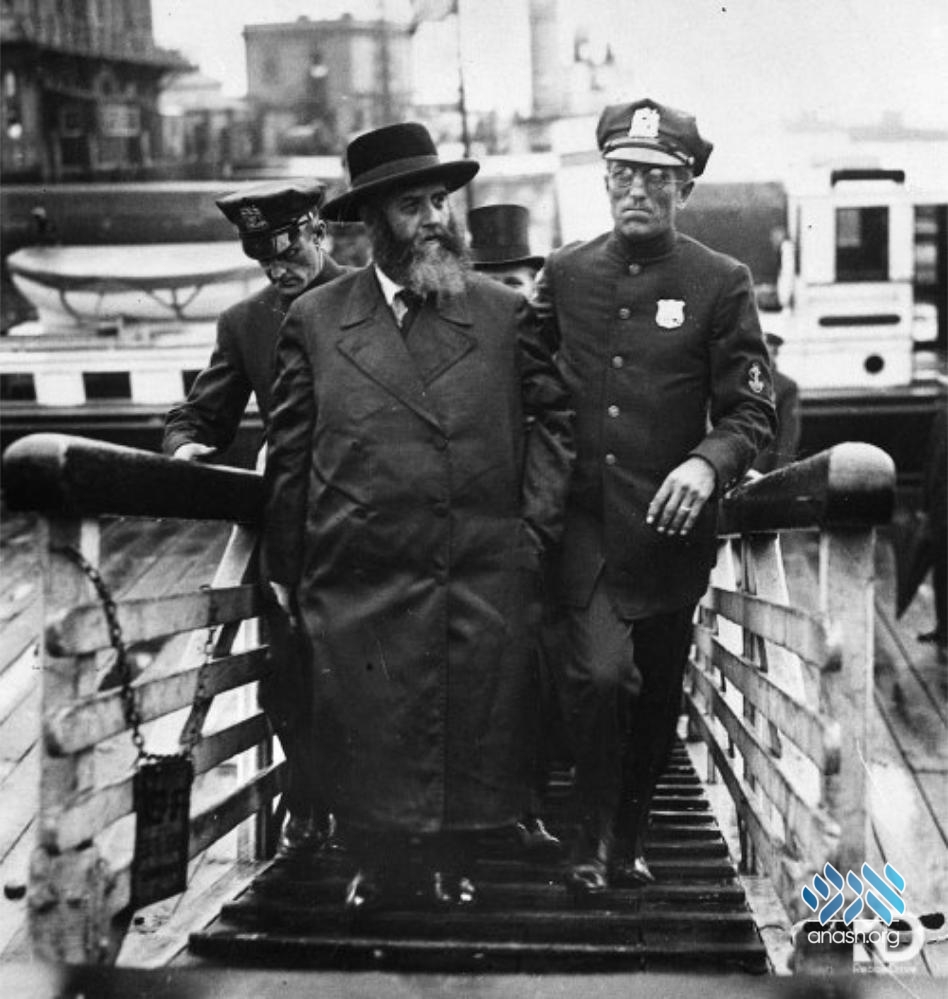
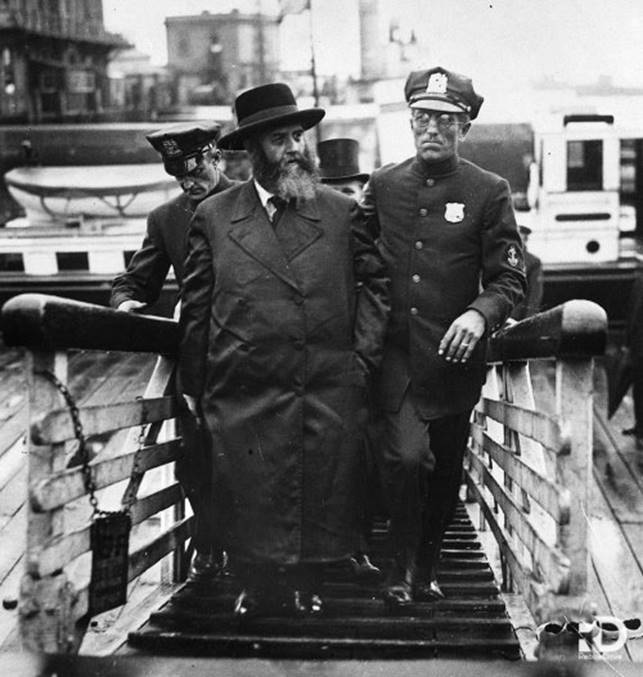
The Frierdiker Rebbe disembarks from the boat upon his arrival in America, 12 Elul 5689. Courtesy of RebbeDrive.
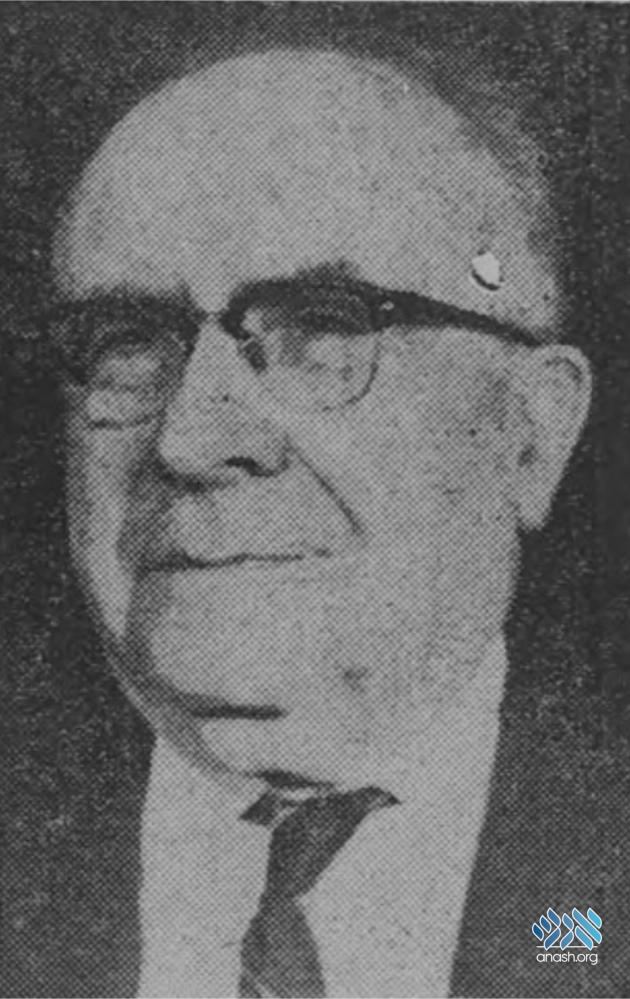
Dovid Leib Meckler. This image appeared in The Tog Morgen Zhurnal, January 9, 1966.
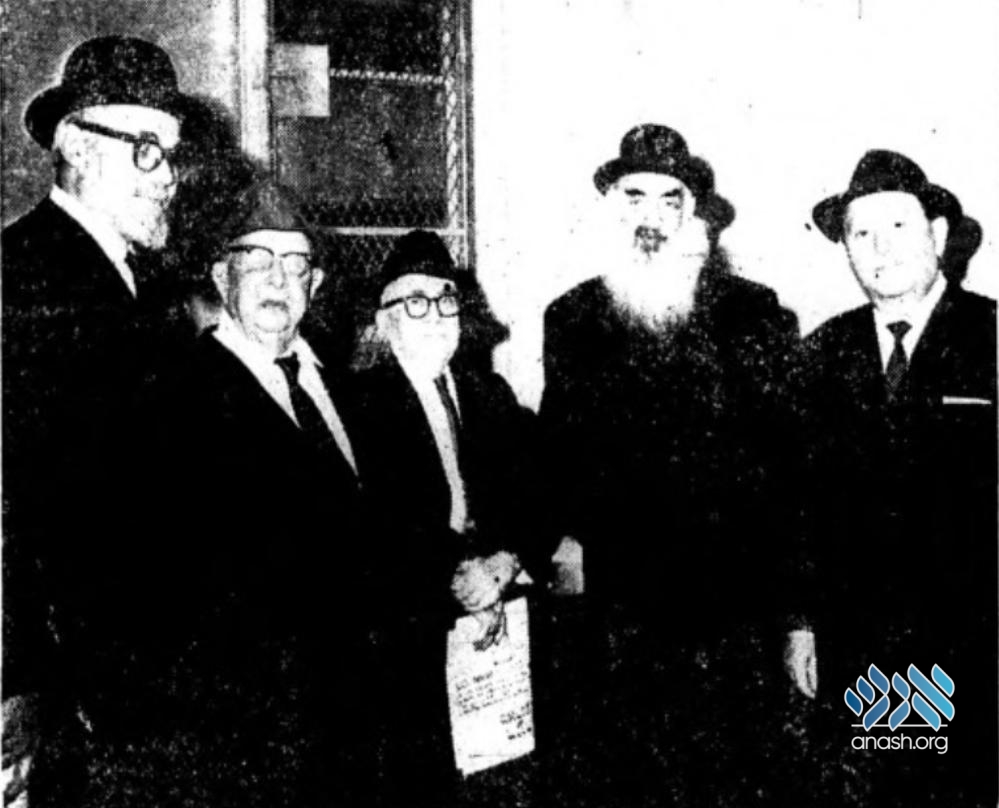
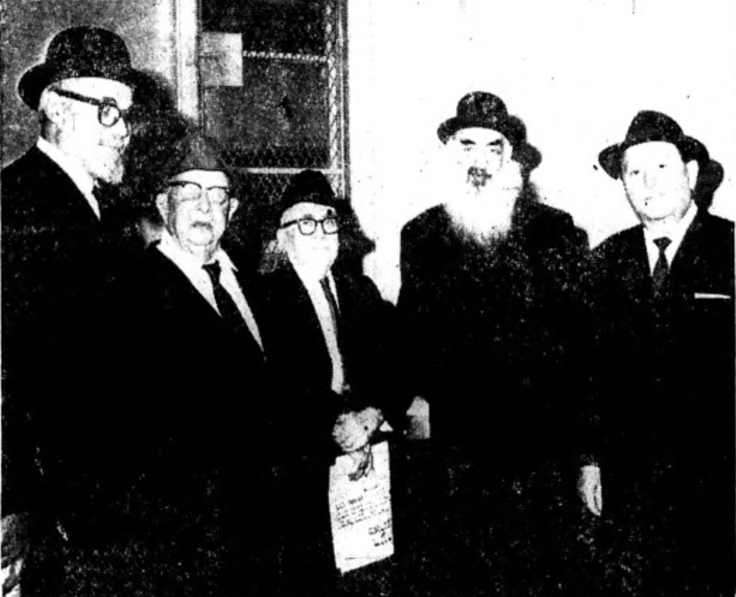
Dovid Meckler (center), with the chief rabbi of Moscow, Rabbi Yehudah Leib Levin, during the latter’s visit to the United States. Rabbi Pinchas Teitz is seen on the far left. This image appeared in The Tog Morgen Zhurnal, June 21, 1968.
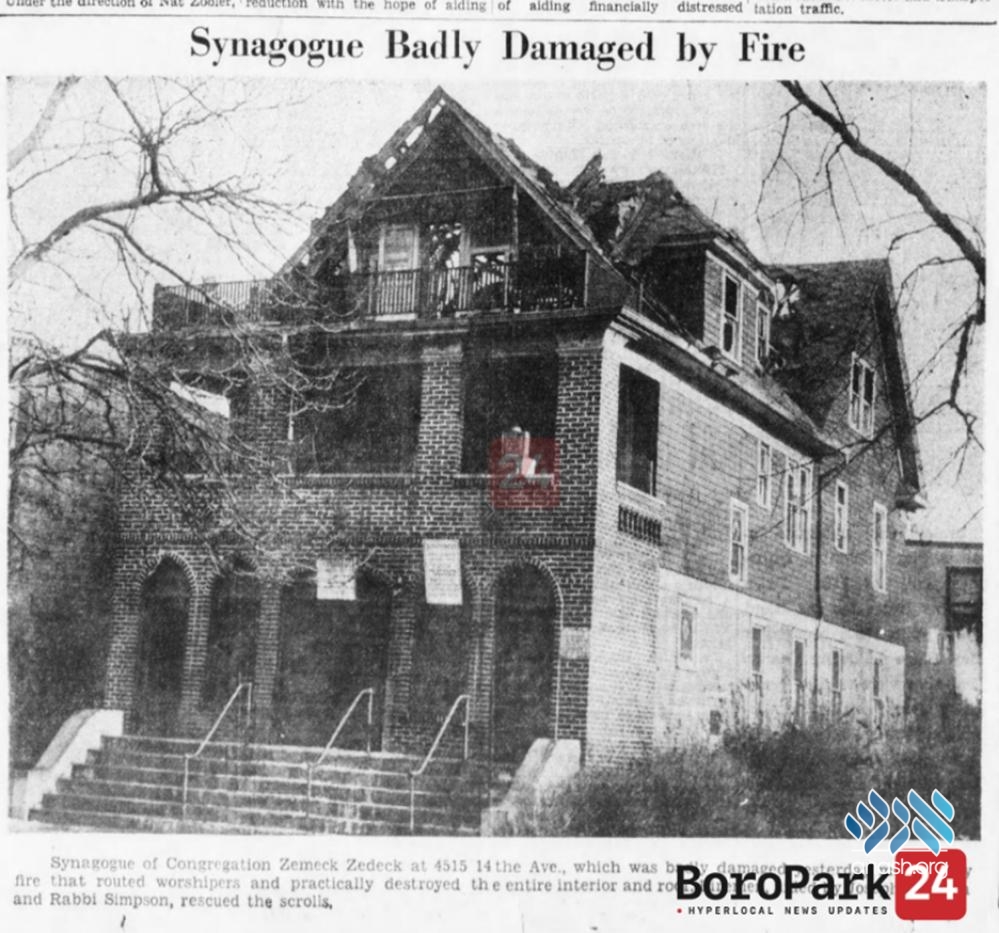
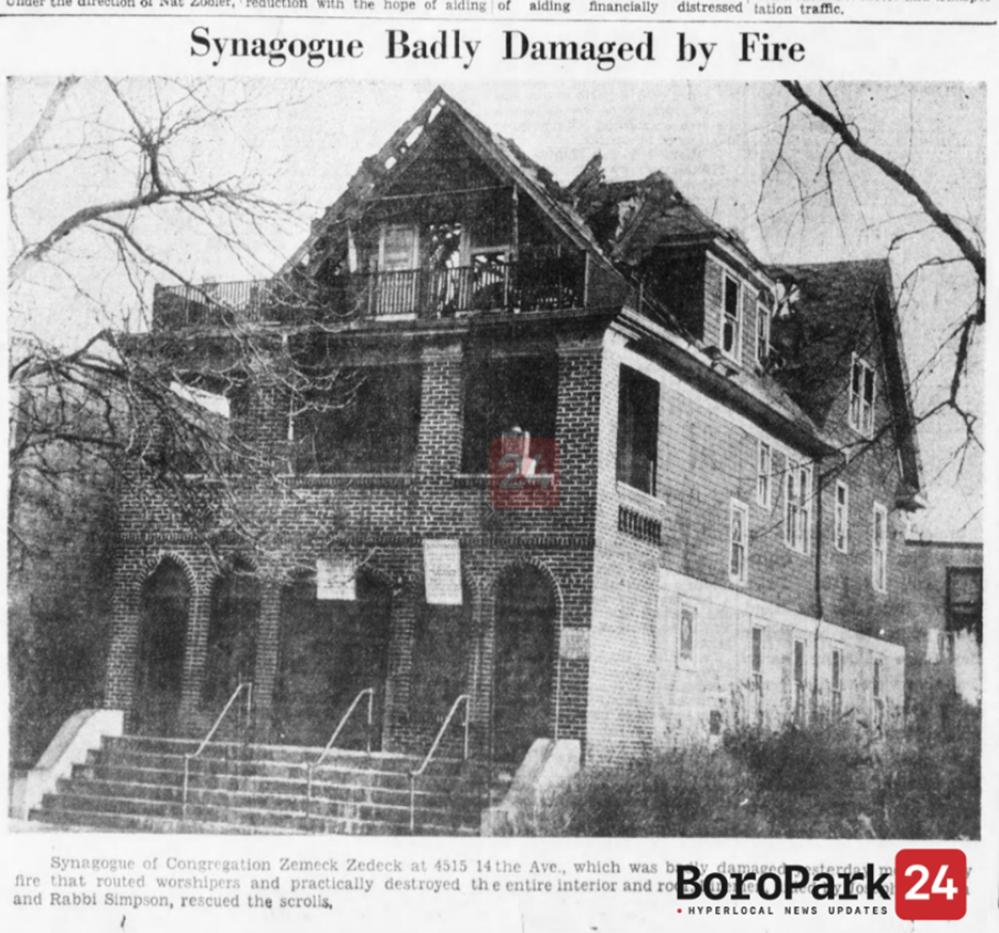
Upon arriving in America, the Frierdiker Rebbe stayed at the home of R. Eliyahu Yaichel Simpson, on the second floor of the Tzemach Tzedek shul on 4515 14th Avenue, Borough Park. Video footage in JEM’s America is Nisht Anderesh shows the Frierdiker Rebbe addressing a crowd from the second-floor balcony. This building was destroyed after it was damaged by a fire in 5694. Image courtesy of boropark24.com.
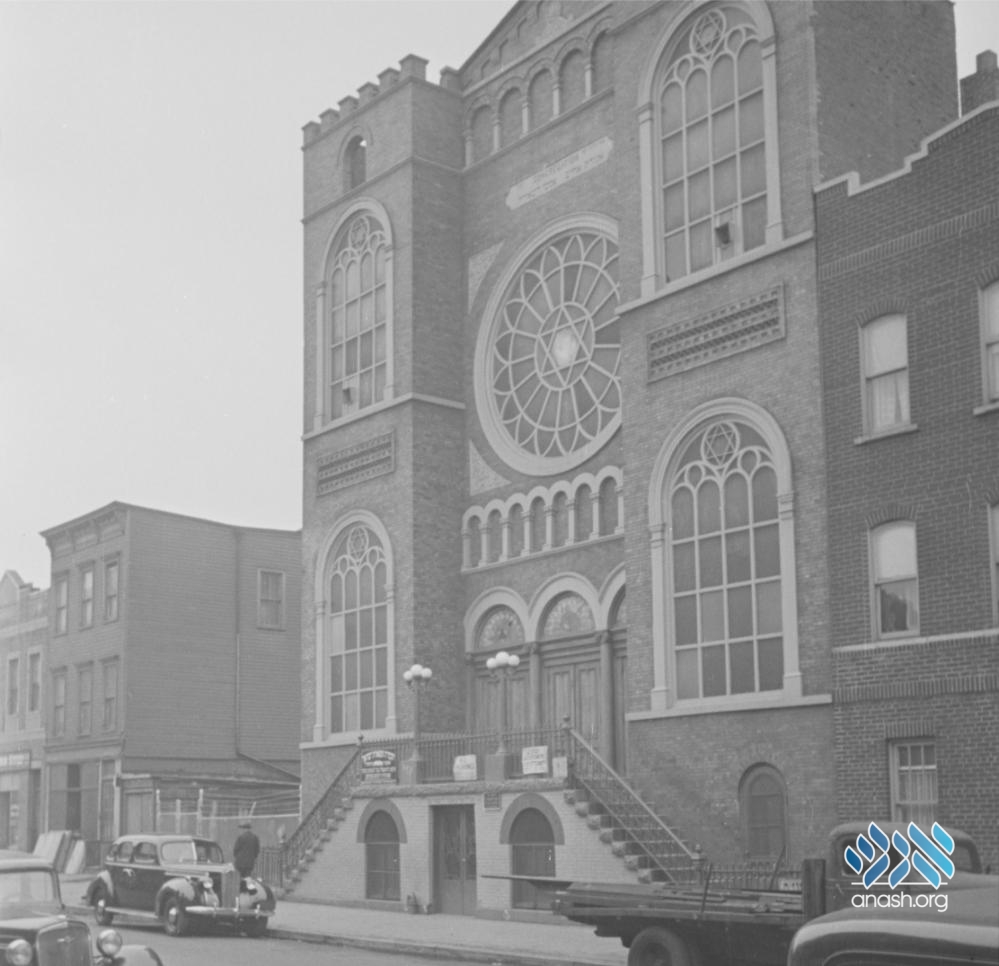
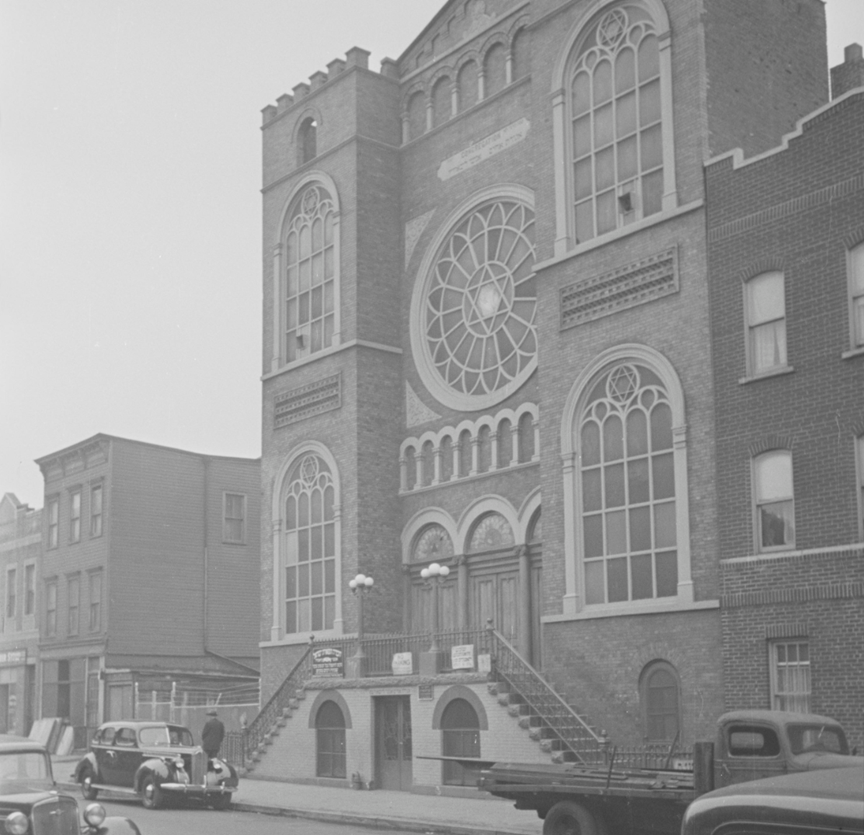
For the Yamim Noraim of 5690, the Frierdiker Rebbe davened and said chasidus at Agudas Achim Anshei Lubavitch, 195 Watkins Street, Brownsville. Image courtesy of the New York City Municipal Archives.
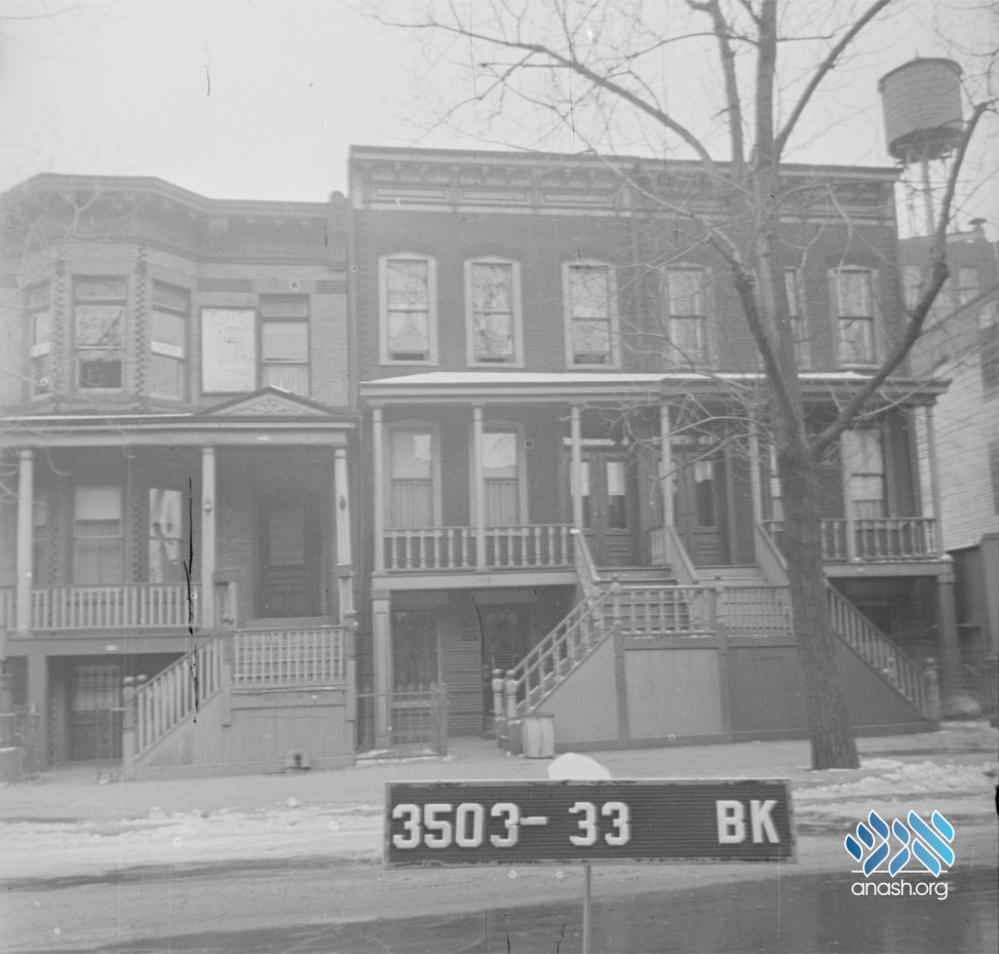
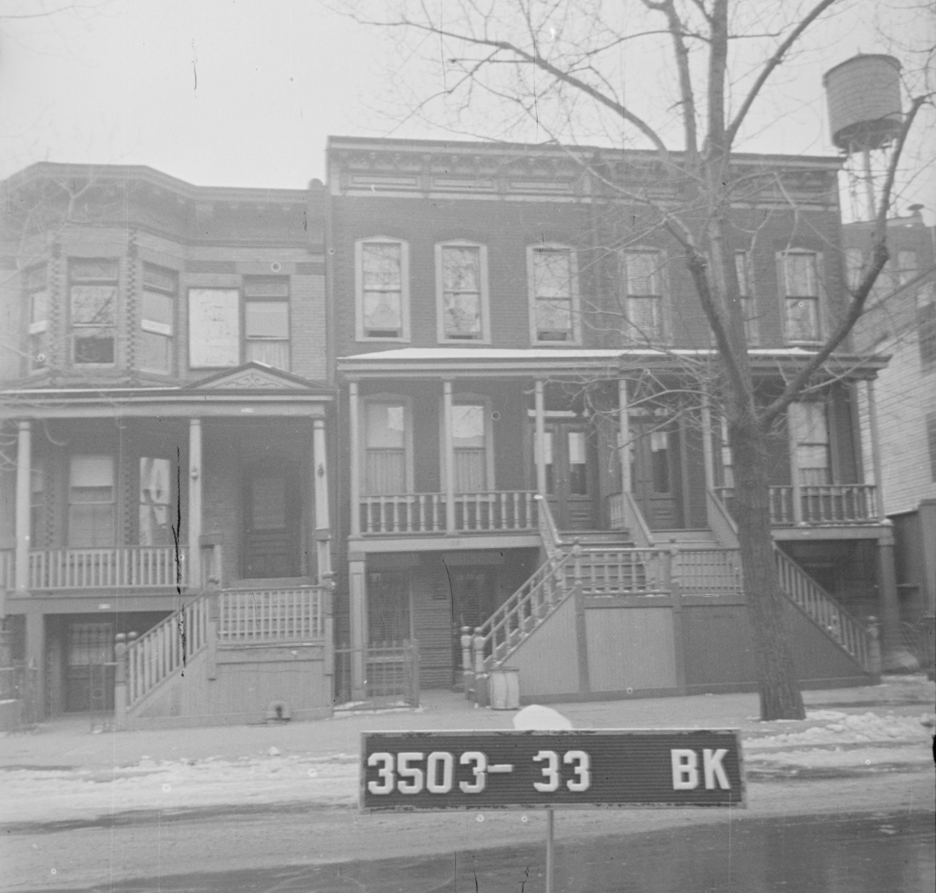
While in Brownsville for the Yamim Noraim, the Frierdiker Rebbe stayed at the home of Dr. Okun, at 332 Stone Avenue (now Mother Gaston Boulevard). Image courtesy of the New York City Municipal Archives.
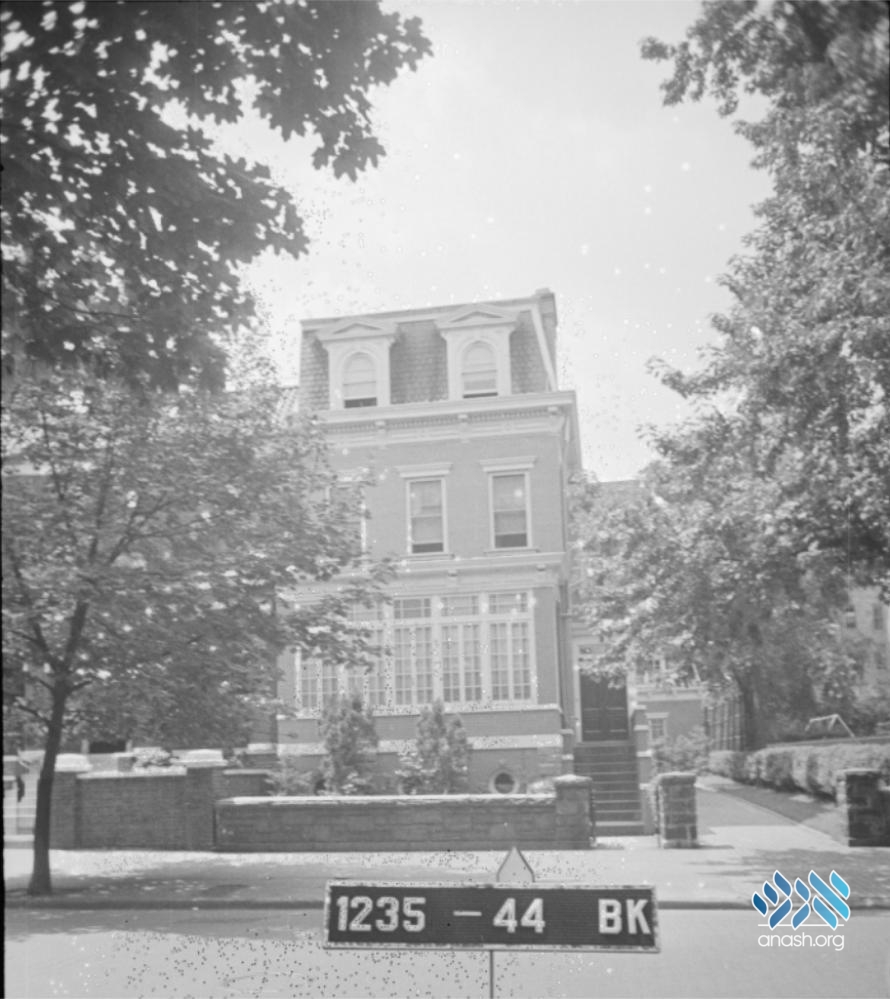
On 4 Tishrei, the Frierdiker Rebbe moved into a house at 184 Brooklyn Avenue in Crown Heights. The Frierdiker Rebbe held farbrengens, delivered maamarim, and received people for yechidus here until 13 Kislev, the end of his first stay in New York. The sichah published in this article was said at a farbrengen in the sukkah of this house. Interestingly, this house was later the home of the Bobover Rebbe, R. Shlomo Halbershtam. Image courtesy of the New York City Municipal Archives.
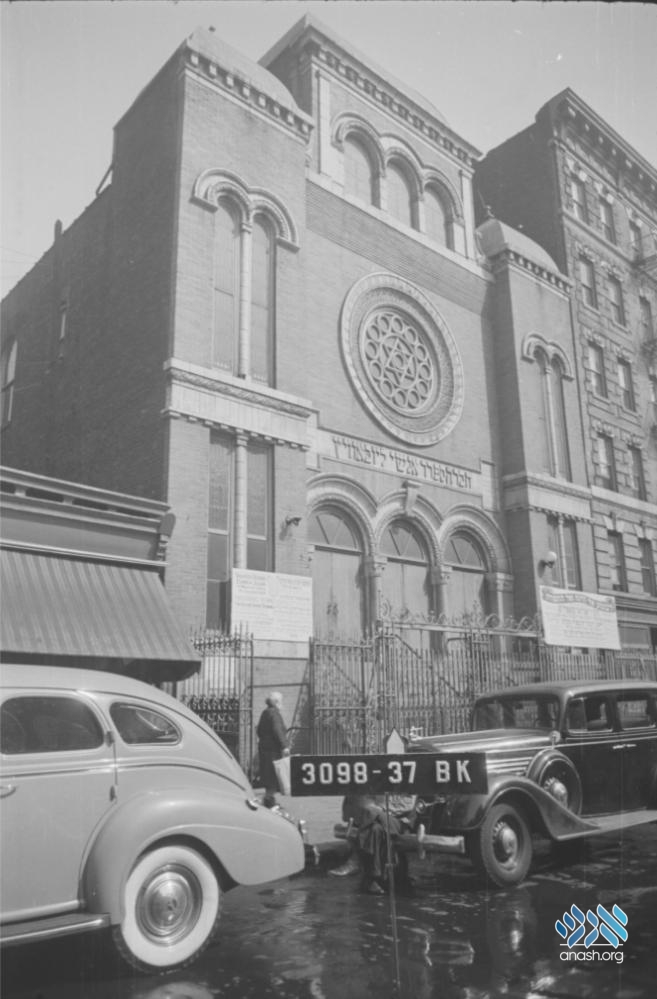
Tzemach Tzedek Lubavitcher Shul, 125 Moore Street, Williamsburg. The Frierdiker Rebbe said a maamar in this shul on 1 Kislev, with over 5,000 people reported to have been in attendance. See Toldos Chabad, p. 59. Image courtesy of the New York City Municipal Archives.
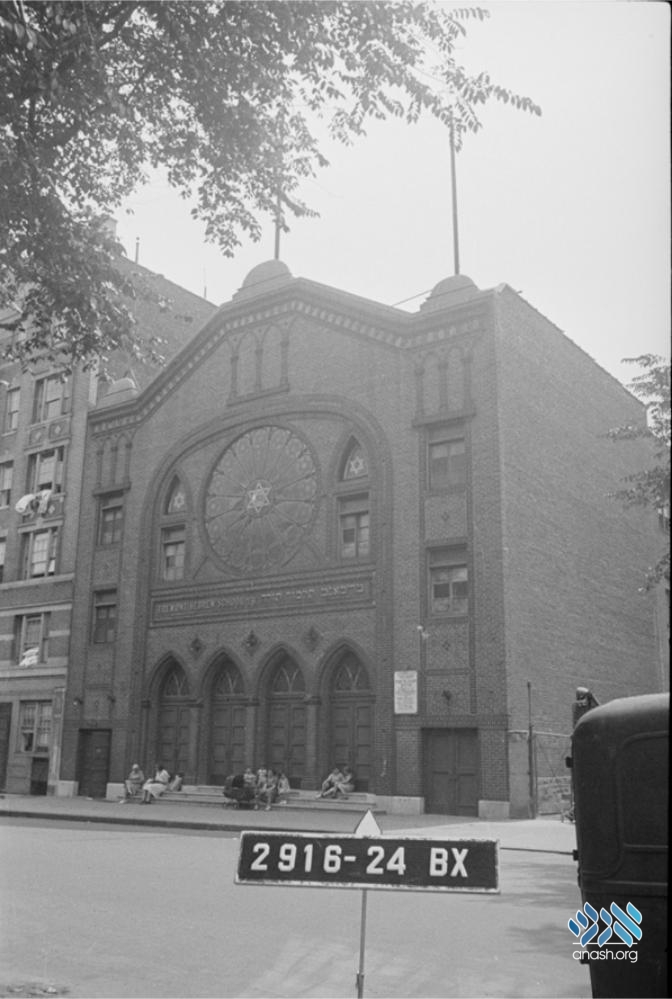
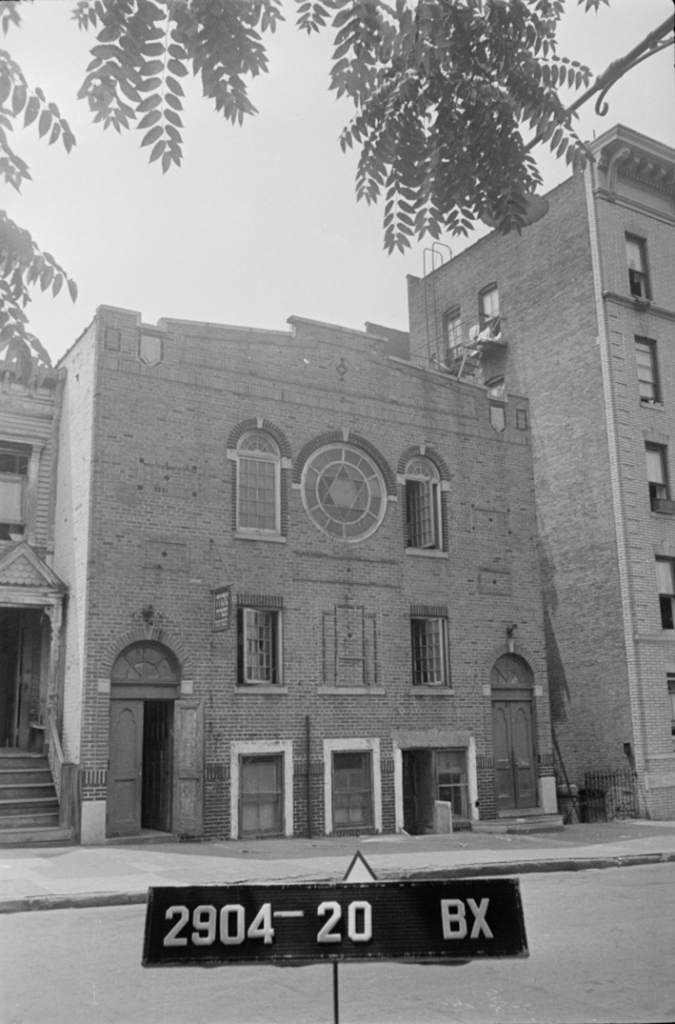
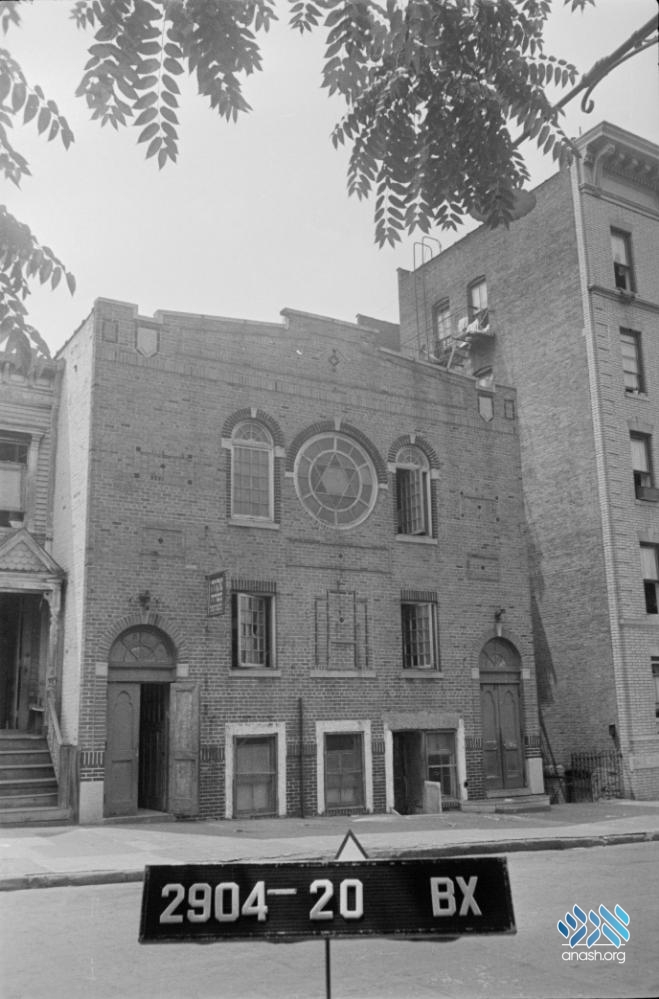
On 10 Kislev, the Frierdiker Rebbe held a farbrengen and said chasidus at the Bronx Tremont Hebrew School Shul at 1786 Washington Avenue. 2,000 people are reported to have attended. See Toldos Chabad, pp. 59–60. Image courtesy of the New York City Municipal Archives.
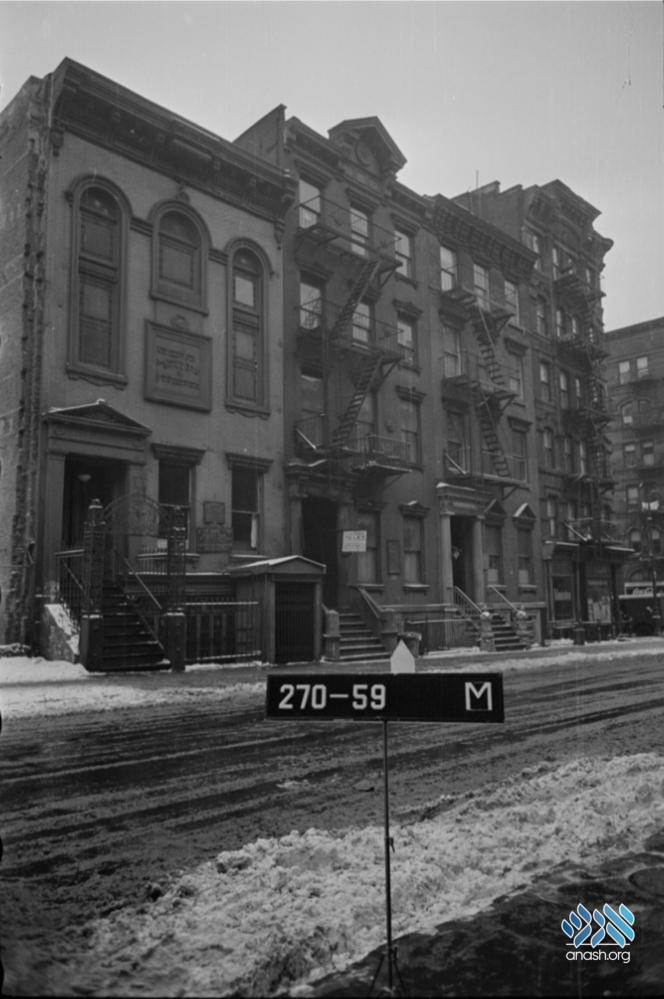
Anshei Bobruisk Shul, 184 Henry Street on the Lower East Side of Manhattan. R. Yisrael Jacobson writes that the Frierdiker Rebbe said a maamar in this shul, though no date is given. Image courtesy of the New York City Municipal Archives.
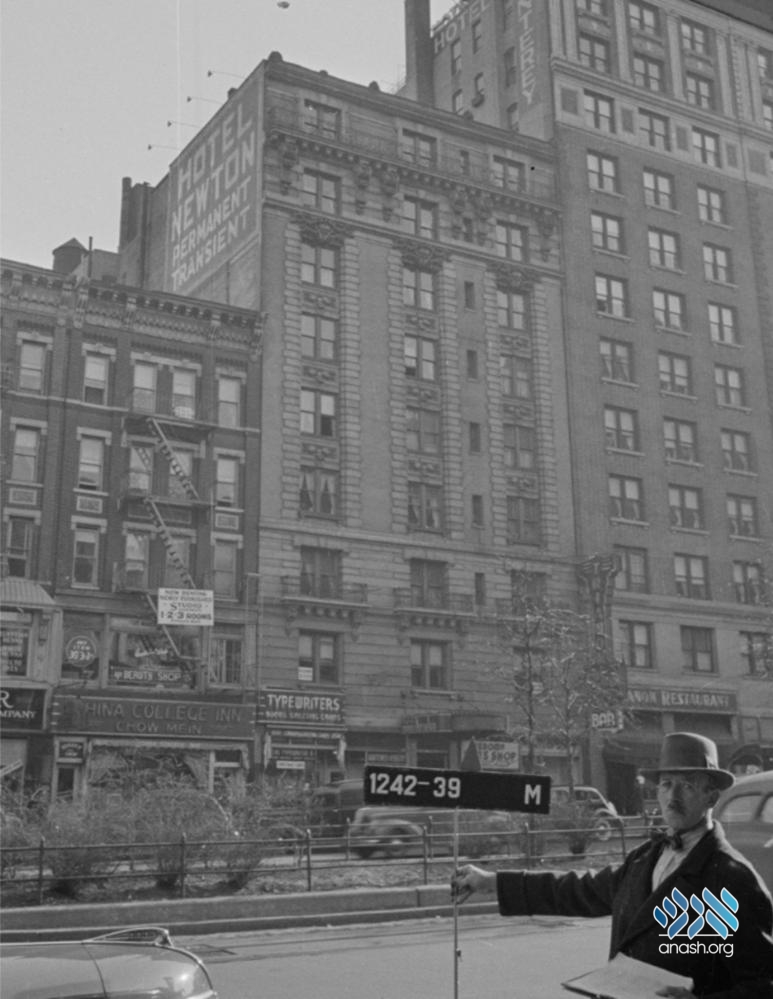
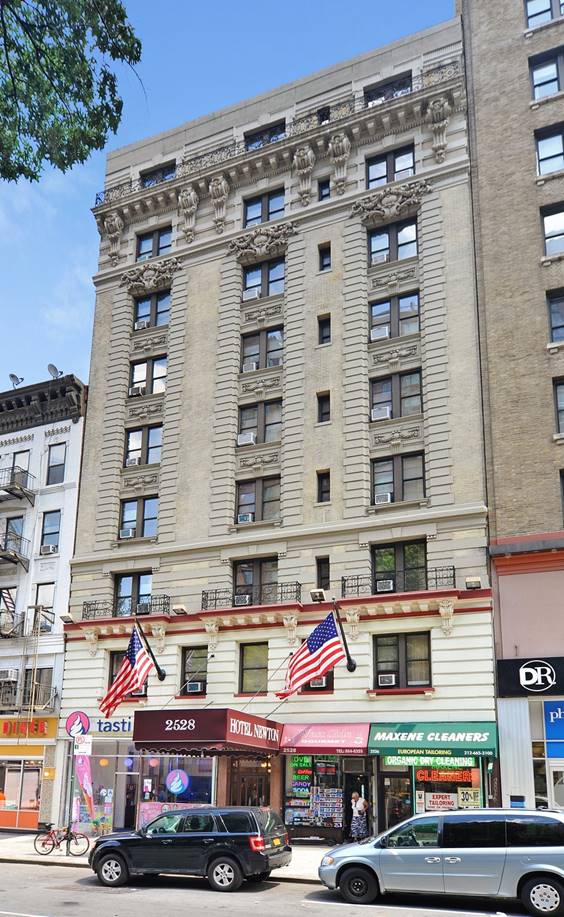
After returning to New York in the summer, the Frierdiker Rebbe stayed at the Newton Hotel on 2528 Broadway in Manhattan. Farbrengens, maamarim, and yechidus were held here. Image courtesy of the New York City Municipal Archives.
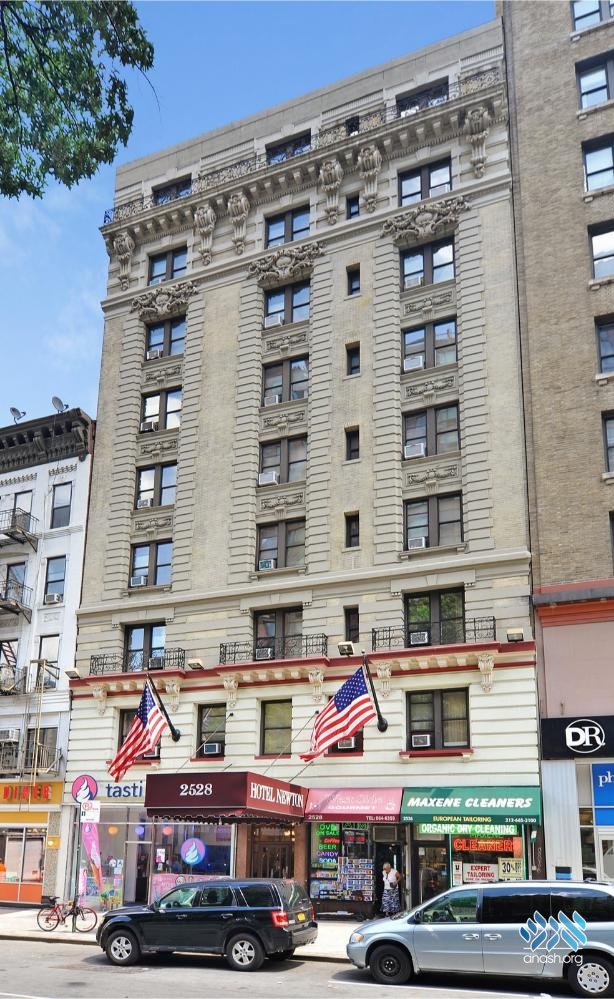
The Newton Hotel building still stands today, and the hotel continues to operate.
The Frierdiker Rebbe spent Shavuos in the Bronx, davening and saying chasidus at the Beth Hamedrash Hagadol Nusach Sphard on 450 East 172nd Street. This building still stands today, and part of the original façade is visible, but it is unfortunately home to a non-Jewish place of worship. Image courtesy of the New York City Municipal Archives.
 COMMENTS


Fascinating! The Friedeker Rebbe’s visit to Chicago has been researched and published recently:
https://www.amazon.com/dp/B0DSGDWNYF
Here are some interesting articles on the Frierdiker Rebbe’s trip:
BALTIMORE
https://anash.org/newspaper-records-historic-visit-to-baltimore/
DETROIT
https://anash.org/commemorating-ninety-years-since-detroit-visit/
https://anash.org/if-the-rebbe-comes-to-america-america-will-come-to-him/
https://anash.org/campers-follow-the-friediker-rebbes-footsteps/
ST. LOUIS
https://www.chabad.org/library/article_cdo/aid/3715920/jewish/The-Historic-Visit-by-the-Sixth-Rebbe-of-Chabad-to-St-Louis.htm
We don’t know the reasons for the Frierdike Rebbe continuing to work with Meckler on the articles that became Sefer Hazichronos, and we do know that the Rebbe said that the articles he wrote beforehand – recently published by Kehos, and that decision should be questioned – needed to be carefully reviewed to make sure they are fit to have the Frierdike Rebbe’s name on them, and the Rebbe ultimately did not review them or allow their publishing before 27 Adar 5752.
In this article itself, you quote extensively how Rashag portrayed himself to Meckler – inaccurately – and Meckler himself said, as you note, that those original articles were based on conversations including that person, not on any documents he was given.
BH
I tried to read this comment, however It is not clear to me as what is the writers intention.
I get it that the writer decided that the Rabbeim were lav Davke happy with meckler.
However the writer also claims that Rashag lied about himself to Meckler. However the comment is totally unclear as to what it is referring to, and to be quite frank, it is a bit jarring to read.
If you want clarity, no problem.
Its obvious the frierdike rebbe was happy with the articles that became sefer hazichronos. We also know they were based on the frierdike rebbes own kisvei yad.
It tells us nothing about his first set of articles accuracy, or the opinion of the rebbeim, as they were written when our rebbekm were not in the usa, and it isn’t clear how many of those article got to them in Europe. The rebbe later said in USA that he did not have those articles in the usa. They were not found until shortly before 27 adar.
The article has meckler quoting Rashag taking credit for things we know were done by others. He ran the yeshiva, and nothing else. Veda”l.
The articles were printed in 5690 while the Frierdiker Rebbe was in America. It is hard to believe that Frierdiker Rebbe didn’t read at least some of the articles that he devoted so much time to transmit.
We know that the Rebbe received copies of many of these articles from the estate of R. Leib Horowitz of Boston who passed away in 5724 (Teshurah Kinus Torah France, Pesach 5656, p. 51). It would seem that these are the copies that the Rebbe gave to R. Chitrik a few years later for publication purposes.
B”H.
So first of all, it is not clear which part with regards to the Rashag is a wrong interpretation. The article does not “quote extensively how Rashag portrayed himself to Meckler”. It is merely a word for word translation of a article published at the time by Meckler.
Secondly, the Rashag did not run any Yeshiva at the time.
Thirdly, you are wrong on the facts.
The Rashag of course worked day and night on all aspects of the Frierdikers askonus.
By the way, a year before the Frierdiker Rebbe came to America to fundraise for Russian Jewry, the Rashag traveled to various western countries in Europe pleading the Freirdiker Rebbe’s cause.
[By the way, I should note that on the very first day that the Frierdiker Rebbe came to America for the second time, the 9th of Adar 5740, the Rashag was already sending out letters trying to set up meetings with various officials to help out Chassidim in Europe and Russia. He did not rest. But rather was on his feet running the very day he got off the boat.]
This comment—and your follow-up—is highly disrespectful, in addition to being wrong on every count.
Rashag was deeply involved in literally every single matter of askonus the Freirdiker Rebbe worked on during these years. Anyone who has skimmed through the pages of Toldos Chabad Berussia Hasovietis knows this. For you to dismiss the mesiras nefesh mamash he poured into the Frierdiker Rebbe’s holy work and call him a liar is disgraceful. You should ask mechilah at his kever for this libel.
You are also factually wrong about the articles title Fun Lubavitcher Rebbens Hoif. R. Aharon Chitrik related the story behind the publication of these articles as follows (Teshurah Gross 5760, p. 56-58):
In 5726-5727 R. Chodakov instructed him, in the name of the Rebbe, to collect the Meckler articles from 5690 for publication., He was instructed to contact Meckler and ask him to edit the articles for style, so that they would be suitable for publication in a book bearing the Frierdiker Rebbe’s name. This was stylistic editing, and it was to be entrusted to Meckler himself.
Meckler told R. Chitrik that the newspaper archive is disorganized and advised him to look in the public library’s archive. After weeks of searching R. Chitrik was only able to find some of the articles, and the copies he made were of low quality. A few days later the Rebbe brought from his house a folder with many of the articles in them.
R. Chitrik brought the articles to Meckler and he started to work on them but then he took ill and later passed away. R. Chitrik asked the family what happened to the papers and they didn’t know. Years later he found out that Meckler’s papers had ended up in the YIVO library and was able to obtain the articles. They were prepared for print, but some editors at Kehos after 27 Adar 5752 decided not to print it at that time. R. Chitrik was very critical of this decision. A few years ago Kehos decided to re-edit that articles with footnotes and print them.
As to Rashag’s involvement in the original preparation of these articles. When the articles were published Meckler wrote they were based on oral conversations with the Frierdiker Rebbe and “original material received through his son-in-law R. Gurary.” Obviously this is referring to written material from the Frierdiker Rebbe that Rashag was the middleman to hand over. Rashag had no involvement in the content of these articles.
Of course, there are some mistakes in these articles, as much of it is based on Meckler’s understanding of oral conversations. Sometimes it is even evident how Meckler confused the names of places that sound similar in speech. Like manichim of sichos, he was human and made mistakes occasionally.