




ל׳ אב ה׳תשפ״ה | August 23, 2025
Elul in Chabad’s Heartland: Firsthand Accounts from Liadi
As the Elul month of teshuvah begins, ‘From the Margins of Chabad History’ presents two first-person accounts of the solemn and joyful atmosphere of the month in the chasidishe shtetl of Liadi.
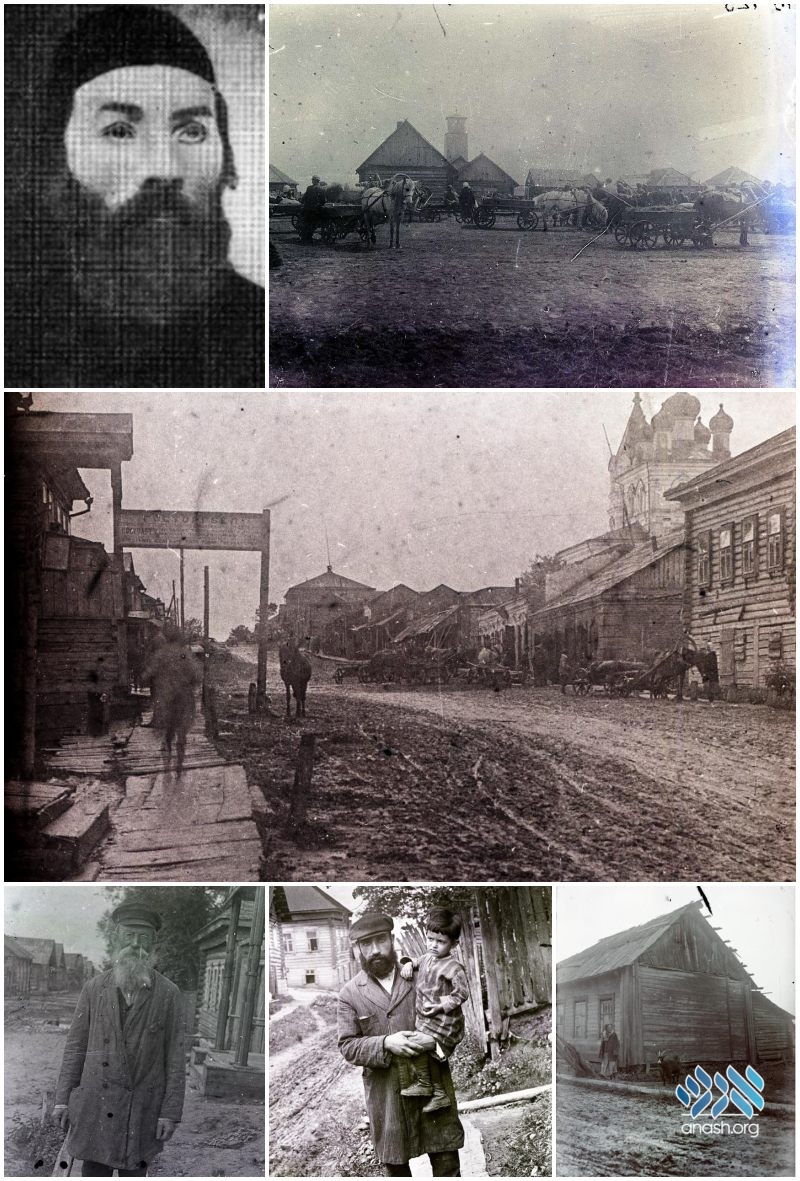
As the Elul month of teshuvah begins, From the Margins of Chabad History presents two first-person accounts of the solemn and joyful atmosphere of the month in the chasidishe shtetl of Liadi.
By Shmuel Super
The Winds of Elul
In a famous moving passage in Likutei Diburim (vol. 1, p. 115b–116a), the Frierdiker Rebbe describes the solemn atmosphere of teshuvah that swept the shtetl of Lubavitch as Elul dawned:
Although the day still shone with the clear brilliance of the summer sun, by the time Shabbos Mevarchim Elul arrived, a change could already be felt in the air. One could already smell the scent of Elul; a teshuvah-wind was blowing. Everyone grew more deliberate, more thoughtful, with their weekday concerns fading into the background. . .
Everyone eagerly anticipated the first recitation of ledovid Hashem ori veyishi; the first blast of the shofar—that single tekiah announcing that the gates of the month of mercy had been flung open.
The chasidus of Shabbos Mevarchim Elul, with the familiar beginning of ani ledodi vedodi li—roshei teivos Elul, hashamayim kis’i, or re’eh anochi nosein lifneichem hayom, conveyed the unmistakable spirit of Elul. For an Elul day is unlike any other day in the year.
Lying in bed at six in the morning, one can already hear that the first vasikin minyan in the beis midrash had finished davening. The shofar is blowing. Its call rouses your soul—Elul has arrived in the world. You hurry to get dressed with an uneasy feeling, “Why have I slept in so late?” The thought of Moshe Rabeinu up on the mountain during the yemei ratzon flashes through your mind. These are days of a different nature, when you can accomplish so much more. “Be a mentsch,” your heart whispers, “don’t sleep through this time.”
Entering the beis midrash, you would find a crowd. Some are saying Tehillim, others are learning Chasidus, others reciting Tikunei Zohar. Some are engrossed in davening, whether sitting or standing.
***
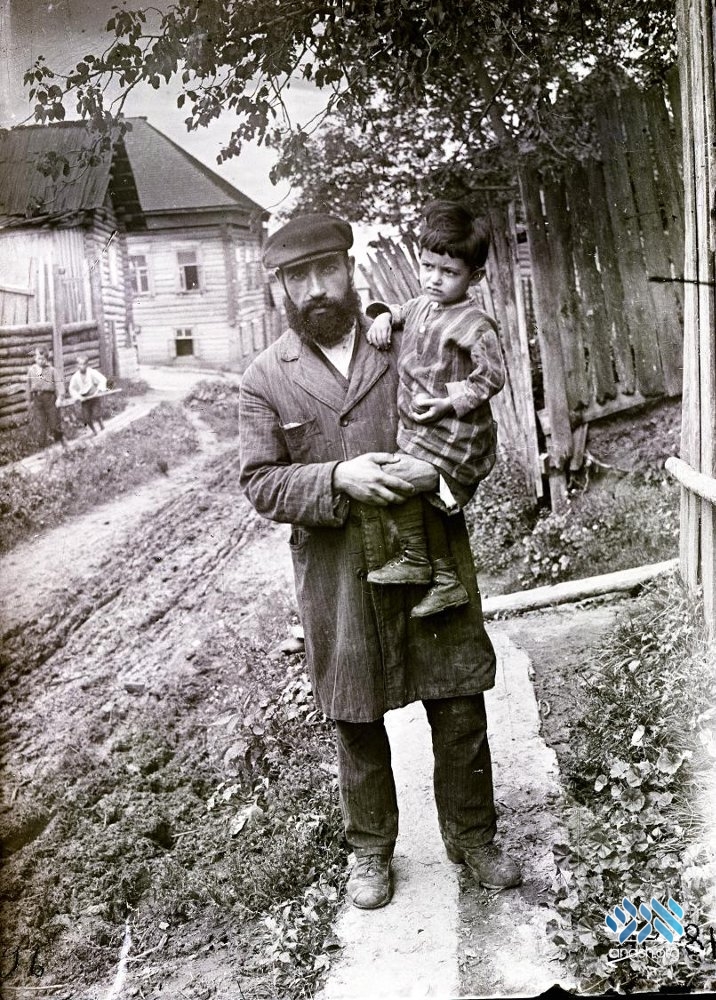
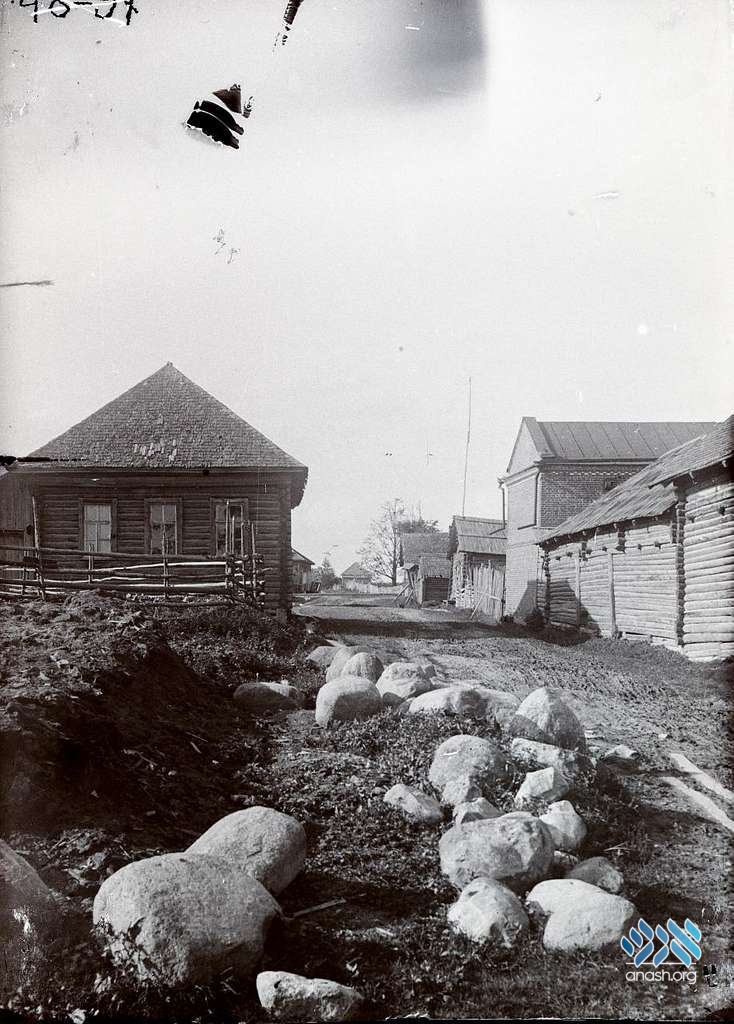
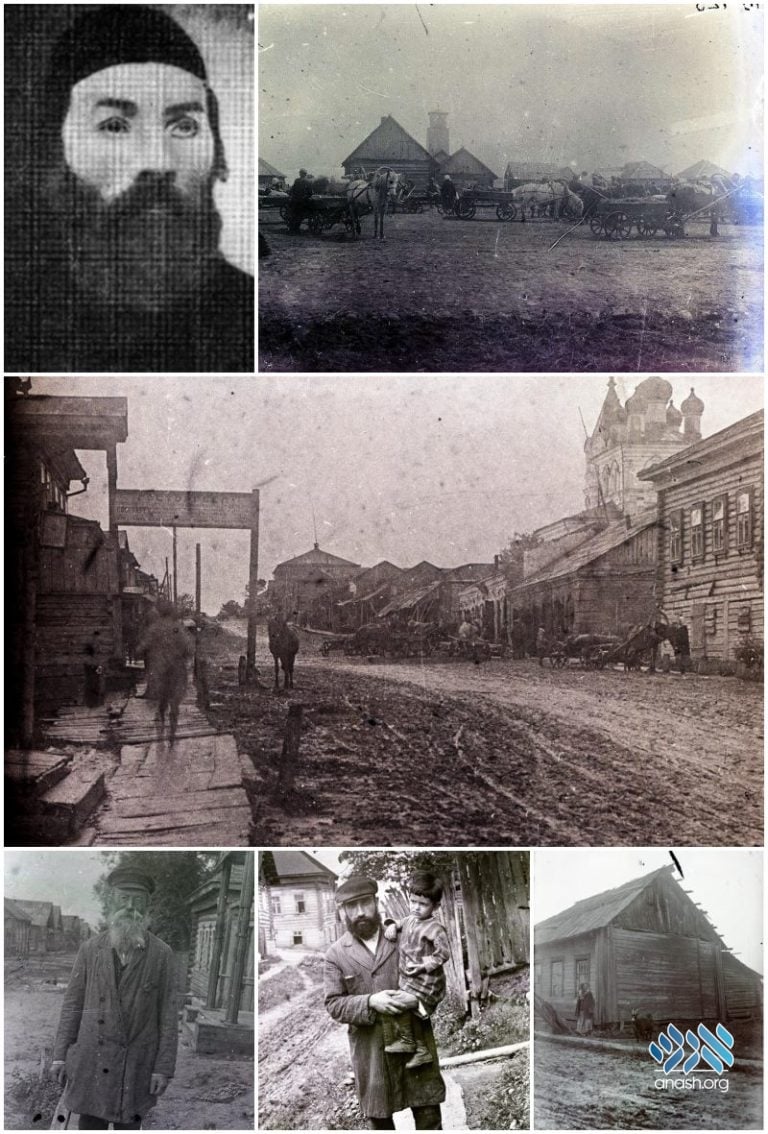
The teshuvah-wind of Elul blew through all the Jewish shtetlach of Eastern Europe, taking on a unique flavor in each community. In this article, we present two pieces written by residents of the chasidishe shtetl of Liadi, describing the unique scent of Elul they experienced in their childhood.
These descriptions are from two different generations: one from the 5620s and 30s during the lifetime of Harav Chaim Shneur Zalman Schneerson, the son of the Tzemach Tzedek who served as rebbe in Liadi (5573–5640), and the second from the 5640s and 50s, during the lifetime of Harav Yitzchak Dov Ber Schneersohn (Maharid), Harav Chaim Shneur Zalman’s son and successor (5593–5670).
These accounts reflect dual currents that coursed through Liadi as Elul arrived: a solemn feeling of awe as the days of judgment approached, coupled with the joy of chasidim meeting each other as they converged on the chatzer of their Rebbe, and the confident faith that with the Rebbe’s help they would merit a kesivah vachasimah tovah.
Elul in the Chatzer of Maharid
We begin with the chronologically later description of Elul in the chatzer of Maharid of Liadi. This account is from the memoir of Shneur Zalman Osipov, Mayn Lebn: Derinerungen un Iberlebungen fun a Yidishn Sotsialist, from which we have had the opportunity to cite in an earlier installment of this column.
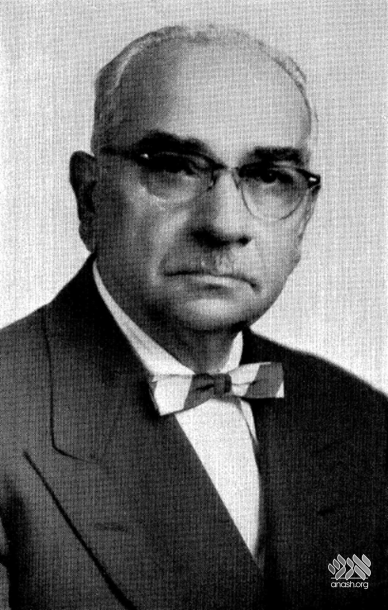
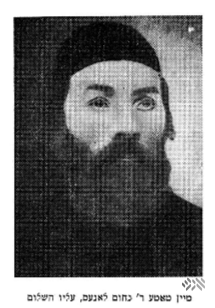
Born in Liadi in 5643, Osipov was the son of R. Nochum Lannes, the gabai and chozer of Maharid of Liadi. Zalman Osipov strayed far from his chasidishe upbringing and became a radical socialist, living in London, Boston, and Miami. Nevertheless, he always retained a deep respect for his parents and the rebbe of Liadi, and describes them warmly and intimately in his memoir.
Excerpts from this book describing Maharid of Liadi and his chatzer were published by R. Amram Bloi in Benei Hatzemach Tzedek—the following piece regarding Elul in Liadi is not among them.
Here is the account, in English translation (p. 91–92):
Yamim Noraim in Liadi
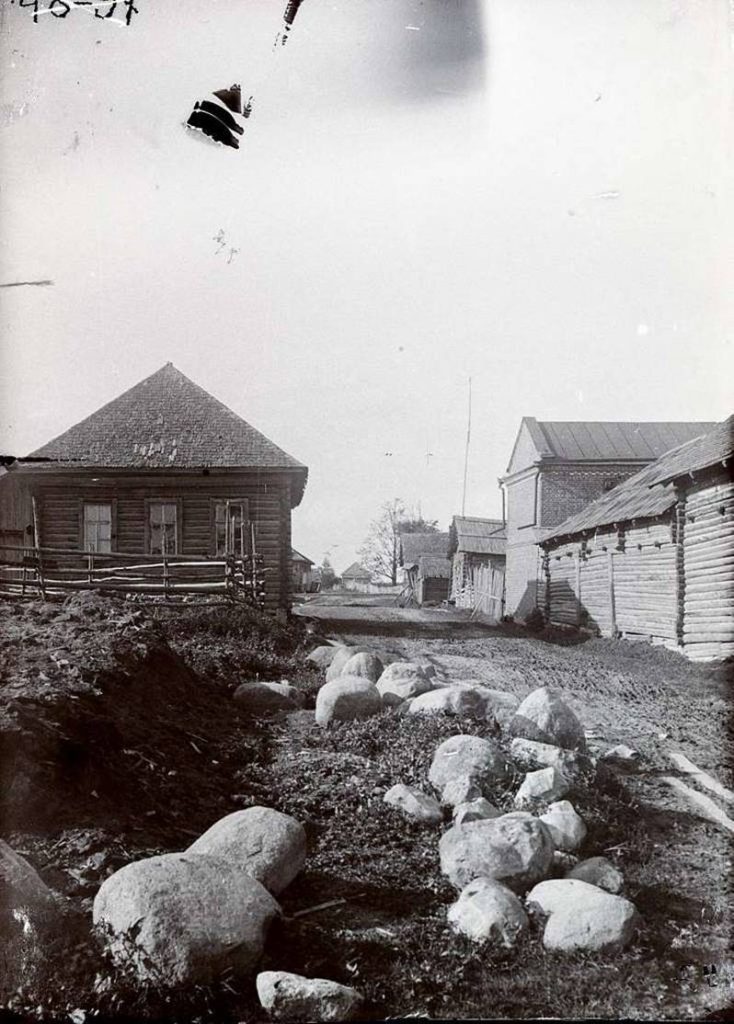
The Yamim Noraim, the awesome days, would begin in our shtetl with the arrival of Rosh Chodesh Elul. When the first blast of the shofar was sounded, a new atmosphere was immediately felt throughout the shtetl.
As I remember it, you could even feel in the air that the Yamim Noraim had arrived. People became quieter, more reserved, and everyone lived with a trembling in their hearts, thinking about the great Yom Hadin that was quickly approaching. People became more refined in their interpersonal conduct because they felt with all their senses that during these awesome days, more attention was being paid from Above to everyone’s deeds, and one had to make amends during these days for all the things they hadn’t been particularly careful about throughout the year.
Even the shtetl horse thieves would stay at home from Rosh Chodesh Elul and wouldn’t do any work. If they were told that a certain landowner had gotten a pair of horses, horses as swift as eagles that were practically begging to be taken away, they would have only one answer: “From Rosh Chodesh Elul we don’t work… They’ll wait until after yom tov, with Hashem’s help…” This could mean waiting who-knows-how-long, because soon after yom tov, fresh snow might fall, and then they wouldn’t be able to “work.”
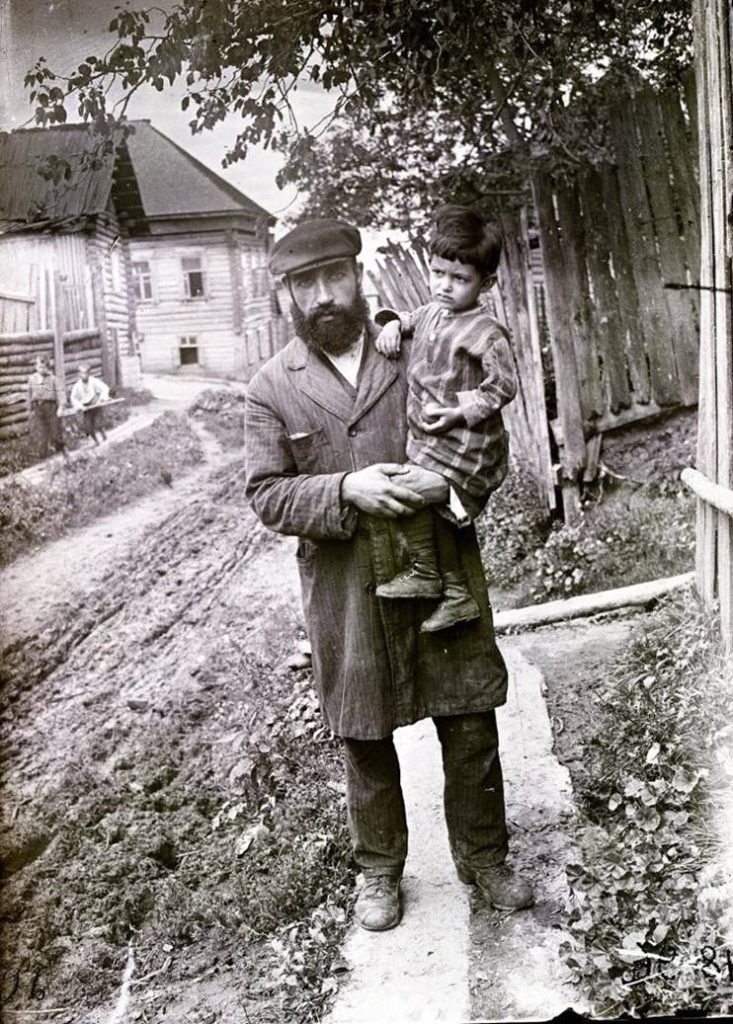
In our house, the change was literally palpable—everyone spoke quietly, walked around silently as if there was a terribly sick person in the house, chas veshalom, and until Hashem would help, one had to be very restrained. Even our neighbor “Fradeh the Goose”—she was called Fradeh the Goose because, first, she had an unusually long neck, and second, she was always honking like a goose—also fell quiet on Rosh Chodesh Elul and did her work silently, without any commentary.
On the day of the first selichos, my father would liven up a bit. Every year on that same night, Shlomo Chaim the shochet would come, a very fervent chasid of the Rebbe, Reb Dov Ber. He was the first chasid who would come for the Yamim Noraim, and he would come and stay with us over the yamim tovim.
If it had rained more than usual at this time and the mud had become so thick that the wagon driver was a little delayed, my mother would say: “Nu, Nachum, wash for dinner, Shlomo Chaim won’t be coming today.” But my father would absolutely not give in. He would answer: “He will come, he will come, the wagon driver is just a bit delayed because of the mud.”
A little later, we would hear someone arriving. You couldn’t even see an arm’s length in front of you; it was as dark as the plague of darkness in Egypt. You would only hear a horse plodding very slowly, “tiyap, tiyap, tiyap” in the deep, deep mud, and then, “t-prrr!”… Then my father would exclaim with great joy: “Nu, I told you he would come!”
During the meal, my father would have to tell him in full detail everything that was happening by the Rebbe, and everything that had transpired throughout the entire year (he would come to the Rebbe only once a year). Which chasidim had come for Shavuos, who had married off a son or daughter, etc.
During their conversation, their faces would shine with great joy. My father, who was always sparing with words and could normally dismiss a conversation with a single syllable, like “eh!” or “beh!”, would become very talkative as soon as Shlomo Chaim arrived. During each meal, they talked a great deal. They spoke about the Rebbe, about Chasidus, and divrei Torah.
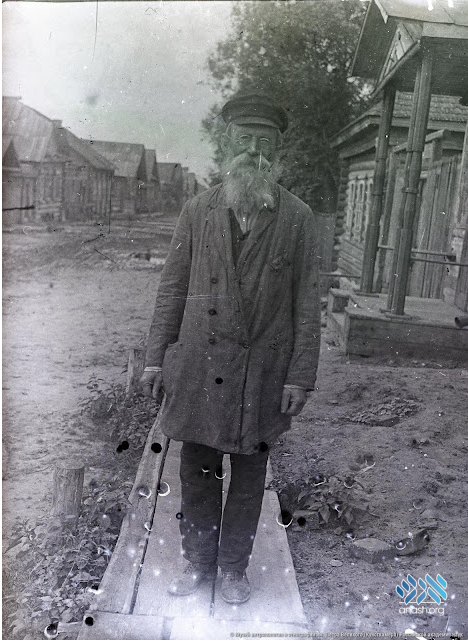
I wouldn’t be allowed to leave the table until the meal was finished, and then we would bentch with a mezuman. One time, my father would lead the bentching, another time Reb Shlomo Chaim, and a third time they would honor me with leading the bentching, and I would do my father proud.
Shlomo Chaim never missed out on testing me on a blatt Gemara. When I recited for him a blatt with all its nuances and expressions, he would pinch my cheek and say: “Nachum, your son is following in your path.” This made both my father and mother very pleased.
***
Elul in the Chatzer of Harav Chaim Shneur Zalman
Our next Elul description is from an earlier period, during the lifetime of Harav Chaim Shneur Zalman. The author of this piece is Reuven Breinin, who was born in Liadi in 5622. Breinin’s father was a chasid of the Tzermach Tzedek and the Rebbe Maharash, but Reuven abandoned shemiras Torah umitzvos in his youth, and became a famous Yiddish and Hebrew writer. He lived his final decades in New York, where he wrote for various Yiddish and Hebrew newspapers.
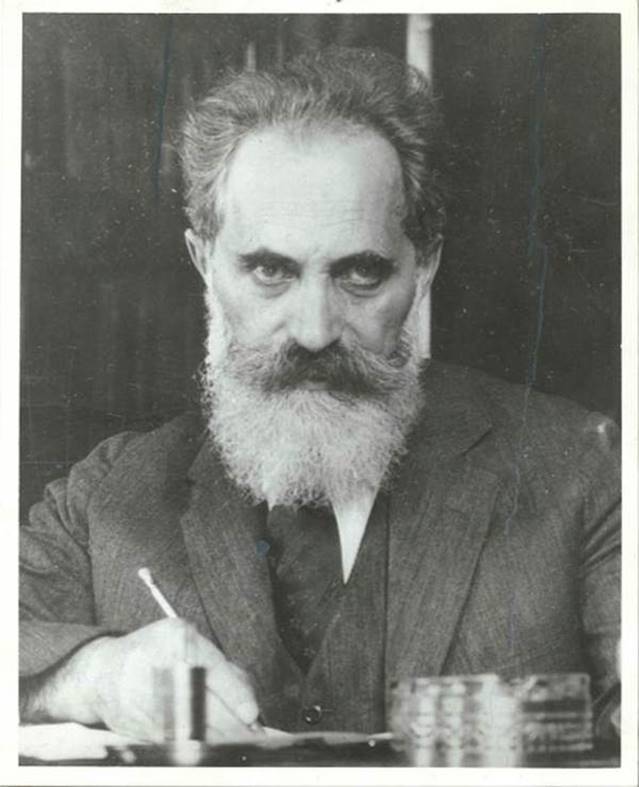
Breinin wrote a memoir of his life, but this book is very self-centered and contains minimal information about the Rebbe and chasidim of Liadi. However, over the years, he also wrote articles about his childhood memories that were published in various Yiddish newspapers. Several of these articles revolve around the yamim tovim in the chatzer of Harav Chaim Schneur Zalman, and we will have occasion to publish some of them in the future.
Breinin’s descriptions of the Rebbe and chasidim are generally positive, and we will only quote the parts that we like. The present article, published in the Lodzer Togblat, 29 Elul 5692 (September 20, 1932), describes the sights and scenes of the month of Elul, as chasidim from across the region flock to Liadi to spend the Yamim Noraim with the Rebbe.
Ahead of the Yamim Noraim in Liadi
The month of Elul was the peak season for the guests, the chasidim, who would travel from “all over the world” for the Yamim Noraim to the Rebbe in Liadi, R. Zalman Shneersohn (the son of R. Mendele Lubavitcher and the grandson of the Alter Rebbe, the founder of Chabad).
“From all over the world” means, in this context, from three regions: Mohilev, Vitebsk, and Minsk—primarily from the smaller towns.
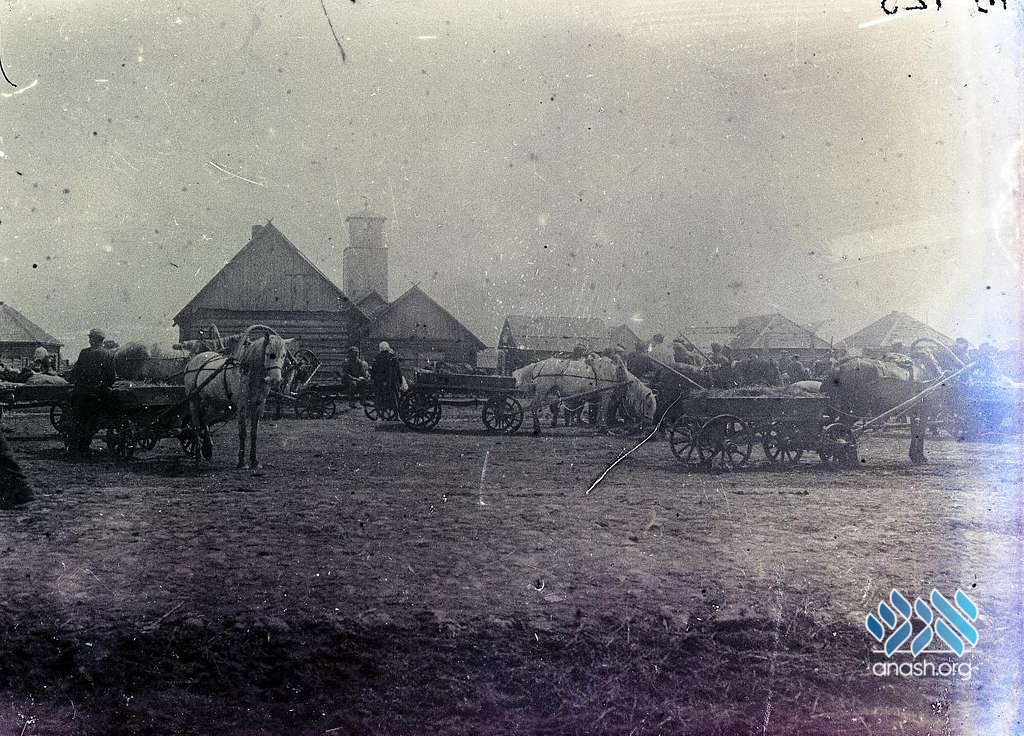
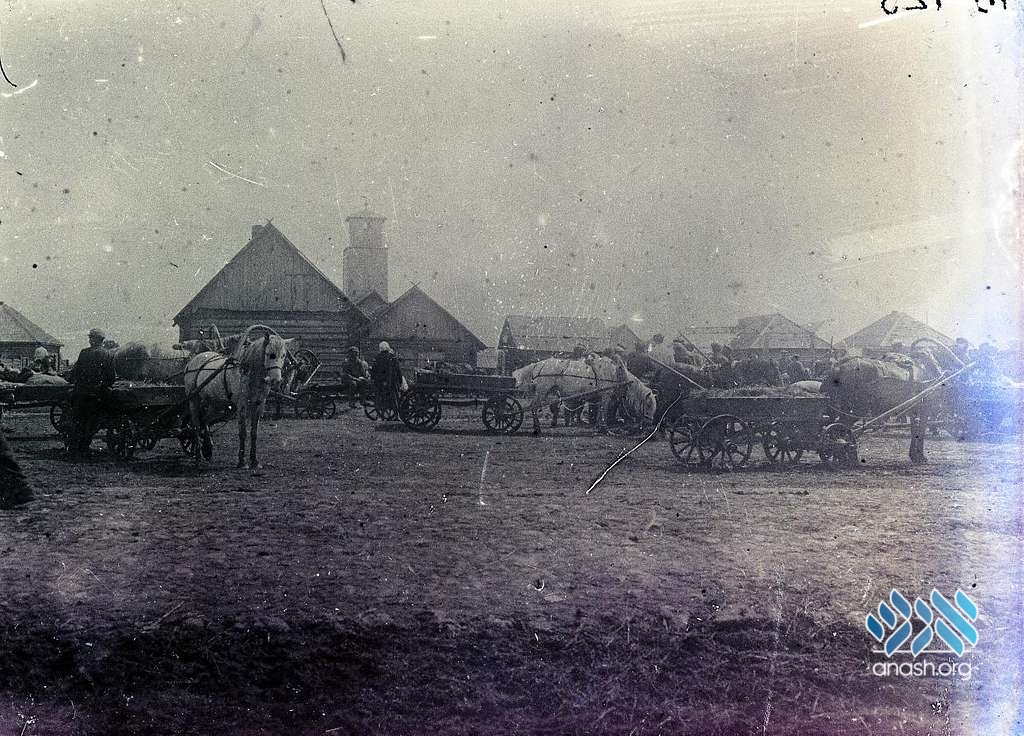
The wagon drivers would travel to the nearest train station, Krasnoye (fourteen versts from Liadi), once in the morning and once in the evening.
Twice daily, they would bring wagonloads full of Chasidim, both poor and rich. Throughout the entire month of Elul, our wagon drivers would never lie down in a bed to catch a nap. At night, they would sleep in their wagons.
The horses already knew the way to the station and back. If they would make a mistake and drive the chasidim into the mud, or flip the wagon over and send the people flying into a ditch, the chasidim would accept their suffering with love, comforting themselves with the words: “The greater the pain along the way, the greater the zechus; the mitzvah of seeing the Rebbe, the holy angel, during the Yamim Noraim, when he fights a battle of life and death against the Satan, to thwart his kitrug against the Jewish people before the kisei hakavod.”
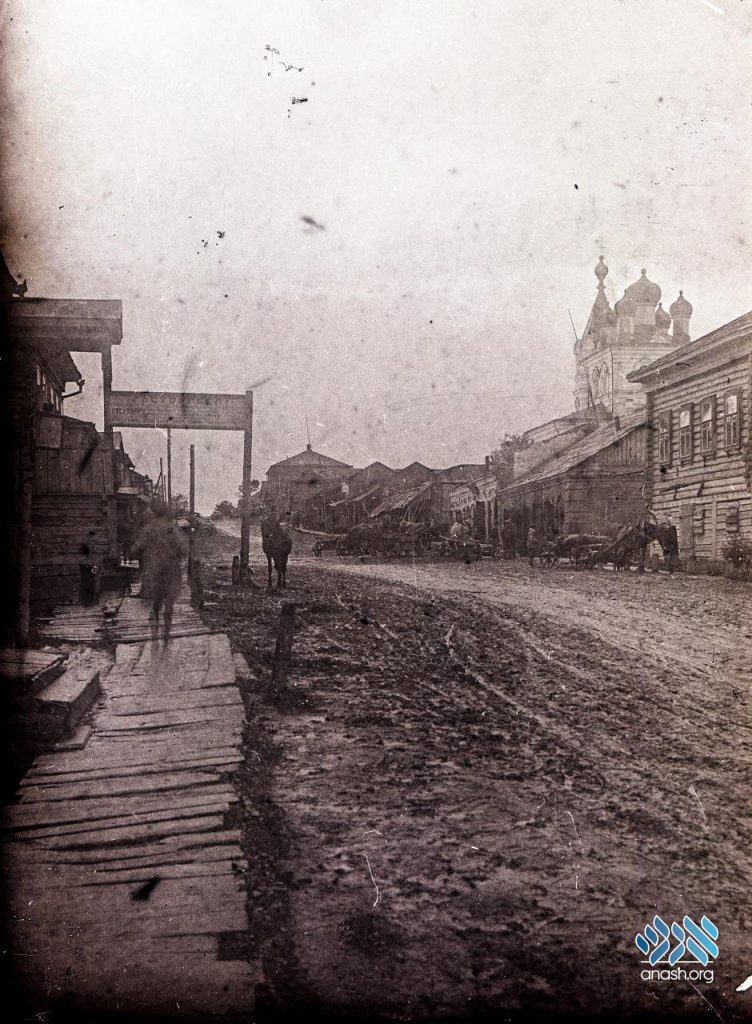
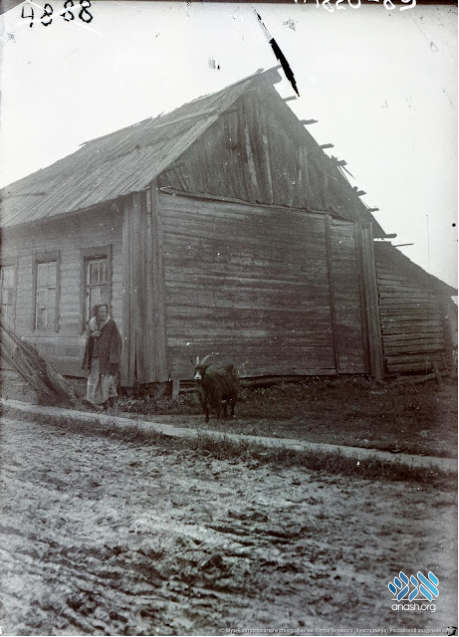
Not only the inns, but also most private homes would fill up with chasidishe guests. All the guesthouses and all the private homes in the shtetl were cramped and crowded. The dilapidated rooms in the inns were muddy and dirty. It was the Rebbe’s greatest miracle, a Divine wonder, that no plague broke out in the town. In our shtetl at this time, no attention was paid to hygiene and sanitation.
The Chasidim who used to travel to my hometown of Liadi either knew each other from before or would get to know each other and bond like brothers upon their first meeting, when they would make their first lechaim. Young and old, poor and rich, there were no honorific formalities between them.
These gathered Chasidim were a happy group, despite the proximity of the Yamim Noraim. They were certain that the Rebbe was taking the right steps and employing the appropriate strategies against the Satan, and that he, the Rebbe, would fight for them in the Heavens and secure them a good year.
The Chasidim were always in an elevated mood. Coming to Liadi to the Rebbe for yom tov, they would forget all their worries and troubles from home. . . .
In the evening, all the chasidim would head to the Rebbe’s large, spacious hoyf to watch the Rebbe take a ride in his carriage.
For an hour, the chasidim would stand on their feet, their eyes fixed on the door to the wide porch, from where the Rebbe would emerge to board the carriage. Every noise would make them stir with excitement.
When the Rebbe came out, pushing and shoving broke out among the chasidim. Everyone rushed forward to catch a glimpse of the Rebbe’s holy face and bask in the radiance of the Shechinah.
The Rebbe emerged wearing a white silk shtreimel and a white silk robe, under a long black silk coat, holding a large walking stick with a silver handle. Accompanied by Yisrael the meshares, he would walk between the tightly packed rows of chasidim with his eyes lowered and sit down in the enclosed carriage.
As the Rebbe passed by, he would occasionally throw a friendly, satisfied glance, and the chasidim would feel electrified by it.
In their great excitement, the chasidim would begin singing “the Rebbe’s niggun,” and when the carriage had reached the other side of the gate, the chasidim would grab each other and begin dancing in a circle.
It was a wild, primitive religious dance.
They would dance in the open air until the Rebbe would return back from his ride. The chasidim would then surround the carriage with deep reverence and awe.
The Rebbe would pass through the rows of chasidim slowly, with great humility, and enter his rooms. The chasidim would then go into the Rebbe’s shul to daven Maariv.
In my youth in cheder, the month of Elul was the most beloved and pleasant of all the months.
In the month of Elul, we learned only half a day. The other half of the day, we, the cheder boys, had free time to ourselves.
Already as a young boy, I loved to listen to song and music.
When the month of Elul would come, I would go during my free hours from cheder to listen to Yisrael the chazan, as he prepared with his choir for the tefilos of the Yamim Noraim. From the chazan, I would go to Chaim the klezmer musician, to absorb the melody he passionately played on his violin, in that uniquely Jewish way.
In the evening, I would go to the Rebbe’s room or to the large chasidishe shul to hear the older chasidim tell stories, pipes in hand, of the wondrous works of the rebbes, spiced with authentic chasidishe vertelach. . . .
The month of Elul in Liadi was part of the history of Chabad. It is also a chapter in the story of my childhood years.
To view all installments of From the Margins of Chabad History, click here.
 COMMENTS


We appreciate your feedback. If you have any additional information to contribute to this article, it will be added below.