




י״א אלול ה׳תשפ״ב | September 7, 2022
There Was Only One ‘Reb Shmuel’
11 Elul is the yahrzeit of Harav Shmuel Halevi Levitin, a devoted chossid, rov, and mashpia who served as the Rebbe Rashab and Frierdiker Rebbe’s shliach. He oversaw Tomchei Tmimim across Russia until his arrest and exile to Siberia. The Rebbe showed him great kiruvim and dedicated a sicha after his passing.
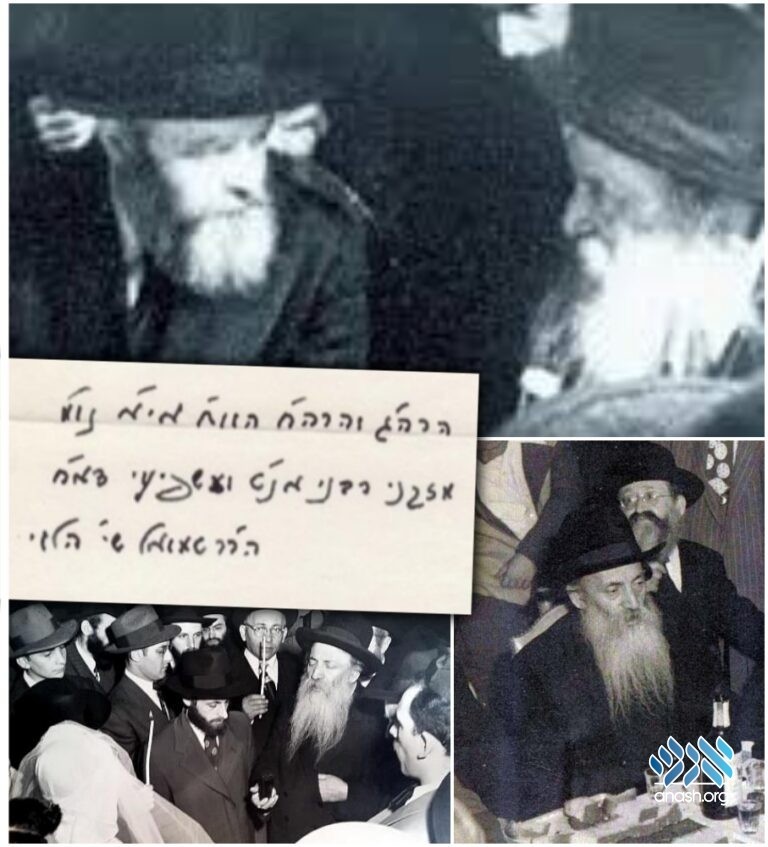
11 Elul is the yahrzeit of Harav Shmuel Halevi Levitin, a devoted chossid, rov, and mashpia who served as the Rebbe Rashab and Frierdiker Rebbe’s shliach. He oversaw Tomchei Tmimim across Russia until his arrest and exile to Siberia. The Rebbe showed him great kiruvim and dedicated a sicha after his passing.
By Rabbi Michoel Seligson
Harav Hachossid Reb Shmuel Levitin was born in Cheshvan 5643 (1883) to Reb Zev Volf, a chossid of the Rebbe Maharash. He was the first child to be named after the Rebbe Maharash, born within the shloshim of the Rebbe Maharash’s histalkus on the 13th of Tishrei.
Although Reb Zev Volf could not afford tuition for his son, one of the melamdim in the cheder allowed young Shmuel into his class – on condition that he remain silent and not ask questions, so as not to detract from the children whose parents were paying.
A Tomchei Tmimim Student at 16
The family’s financial situation improved in 5657 (1897) when Yeshivas Tomchei Tmimim was founded and Reb Volf was appointed mashgiach. At age 16, Shmuel came to Lubavitch for Shavuos (1899). The Rebbe Rashab instructed that he stay and learn in the yeshiva.
It was highly unusual for someone his age to be accepted into the main yeshiva in Lubavitch; typically, younger bochurim learned in separate divisions located in other towns. It seemed that Reb Shmuel, the youngest to ever study in the central yeshiva, was accepted in the merit of his grandfather, Hachossid Reb Gershon of Pahar.
Soon after his arrival, the mashpia Reb Shmuel Gronem asked him to read a maamar from Likkutei Torah. Impressed by his grasp and clarity, Reb Gronem told him, “When you go out into the world – don’t lose the well of Chassidus.”
A Shidduch in Rokshik
Reb Shmuel once came to Rokshik, Latvia, where the rav, Reb Osher Margolis, was a chossid of the Liadi Rebbe. His wife was the daughter of Reb Eliyahu Abeler, a Lubavitcher chossid.
The Rebbe records a story in Hayom Yom (16 Iyar) about Reb Eliyahu: Once, during a yechidus, the Rebbe Maharash said to him, “Elyeh, I envy you. You travel to fairs and meet people. Sometimes, in the middle of business, you share a Jewish thought or saying, sparking an interest in Torah and Chassidus. This causes joy Above, and Hashem rewards such ‘trade’ with brachos – children, health, and livelihood. The larger the fair, the greater the reward.”
A shidduch was suggested between Reb Shmuel and Reb Osher’s daughter. Reb Volf agreed – on condition that Reb Osher appoint Reb Shmuel to succeed him as rav. Reb Osher was hesitant, and the matter was dropped.
Some time later, on a Shabbos, Reb Shmuel reviewed a deep maamar from the Rebbe Rashab’s hemshech samech vov series. His delivery was so clear and compelling that the entire community was amazed. Word reached the rav’s home, and he immediately agreed to finalize the shidduch. Reb Shmuel became engaged to Shaina Margolis.
Rav in Rokshik
Shortly after the wedding, Reb Osher was niftar, and as agreed, Reb Shmuel succeeded him as rav. The Rebbe Rashab made great efforts to secure government recognition of his position.
This wasn’t simple. Another candidate, fluent in Russian (a key requirement for registering births and marriages), vied for the role. Nonetheless, the Rebbe Rashab’s efforts prevailed, and Reb Shmuel officially served as the rav of Rokshik for nine years, until 5675 (1915). He was responsible for the city’s frum life.
Making Peace in the Community
Reb Shmuel was known for his wisdom and diplomacy. One woman came to him upset that her husband, the renowned chossid Reb Yankel Zecharia Maskalik, was constantly involved in communal affairs, making kosher chupahs for unaffiliated Jews in Moscow.
She described how her husband would perform five to ten chupahs each night, then return home as if it were Simchas Torah, only to sit and study Derech Chaim (a sobering sefer), and begin to cry. “Simchas Torah and Tisha B’Av together?!” she exclaimed.
Reb Shmuel reassured her: her husband was fighting Stalin’s effort to erase Jewish identity and succeeding. She left feeling proud and at peace.
Expelled from Rokshik
During World War I, the Russian government accused Jews of supporting Germany. Cossacks drove Jews from border cities like Rokshik. On Tisha B’Av 5675 (1915), the Jews were expelled.
Reb Shmuel and his family fled deep into Russia. Asking the Rebbe Rashab where to go, he was told to take a temporary post in Kirasnov. Though most of the locals were modern professionals, the refugees needed a rav. Reb Shmuel served them for a year.
The Rebbe’s Shliach to Georgia
In 5676 (1916), a delegation from Georgia requested a shliach to strengthen Torah and chinuch in their community. The Rebbe Rashab chose Reb Shmuel. He based himself in Kutaisi and established chadorim, yeshivos, and mikvaos across the region.
Later, the Rebbe Rashab sent four more temimim to aid his mission. Hundreds of boys became connected to Torah and Chassidus, and many were niskarev to Lubavitch.
When Reb Shmuel told the Rebbe Rashab that Georgian Jews had difficulty integrating Chassidus into their lives, the Rebbe replied: “One who sees the shliach of the Rebbe can already picture the meshale’ach.”
A Miraculous Reunion
Years later, in 5727 (1967), at the Simchas Torah farbrengen, the Rebbe told Reb Shmuel, “Next year, the Jews from Georgia will be here.”
Indeed, in 5728 (1968), a group of Georgian Jews arrived in 770. Rabbi Hodakov told them: “The Rebbe gave three dollars for each of you, plus a bottle of mashkeh, and gave it all to Reb Shmuel on your behalf.”
Reb Shmuel was overjoyed. At the Rosh Hashanah farbrengen, the Rebbe turned to him and said with a smile, “Nu, they came from Gruzia?”
Escape to Leningrad
Georgia had remained free of communist rule until 5684 (1924). But when the Soviets arrived, religious life became nearly impossible. In 5685 (1925), authorities planned to arrest Reb Shmuel. He quickly appointed Reb Avrohom Slavin in his place and escaped to Leningrad.
There, he briefly served as a shadar, then was appointed by the Frierdiker Rebbe to head a Beis Medrash in Nevel, training rabbanim and shochtim. He welcomed bochurim from outside Lubavitch and was mekarev them to Chassidus.
In Tishrei 5688 (1927), shortly after being released from prison, the Frierdiker Rebbe prepared to leave Russia and gave Reb Shmuel responsibility over the remaining Tomchei Tmimim yeshivos.
Arrest and Exile
Reb Shmuel remained in Nevel, overseeing all Tomchei Tmimim branches in Russia. In Kislev 5689 (1929), the KGB shut down the yeshiva and arrested him.
He was imprisoned first in Valiki Luki, then transferred to Moscow’s notorious Butyrka Prison. After 13 months of interrogation and torture, he was sentenced to three years in Siberia.
After completing his sentence, he resumed teaching Torah underground. By 5697 (1937), after immense lobbying, he was allowed to leave the USSR. He returned to Rokshik briefly.
Mission to the U.S.
In Elul 5698 (1938), the Frierdiker Rebbe sent Reb Shmuel to America as a shadar. The plan was for him to return to Europe by Pesach, but the Frierdiker Rebbe warned him that war was imminent. He stayed in America.
Tragically, his wife and part of his family, HY”D, were killed in Riga.
In the U.S., Reb Shmuel became a key figure in building Chassidus. His maamarim were known for their clarity. He was appointed mashpia in the newly founded Tomchei Tmimim in 770, where his presence brought warmth, supervision, and guidance.
A Legendary Mashpia
Reb Moshe Gurary once said, “You need to listen to what Reb Shmuel said between the lines.” A student remarked, “After his farbrengen, you felt hollow. You knew you had to change.”
He was known for his sharp intellect and practical wisdom. When faced with complex questions, people would say, “What does Reb Shmuel say?” His opinion was considered final.
After the histalkus of the Frierdiker Rebbe, Reb Shmuel played a central role in supporting the Rebbe’s takinh over the nesius. The Rebbe showed him deep respect and wrote him a personal shanah tovah each year.
When he passed away on the 11th of Elul, 5734 (1974), the Rebbe personally accompanied the levaya, something he rarely did.
“Layoef or Laoyef?”
At the Chai Elul sicha following his shiva (see below), the Rebbe shared:
“Reb Shmuel once told me that while imprisoned in Siberia, without access to seforim, he was unsure whether the correct wording of the bracha was Hanosen layoef koach or laoyef koach.
“After ten or twenty years of exile and suffering, what bothered him wasn’t the pain – it was his doubt in Avodas Hashem. That’s the power of a mekushar to the Rebbe. His body may be in exile, but his soul is focused only on the Eibershter.”
AUDIO: The Rebbe’s Sicha
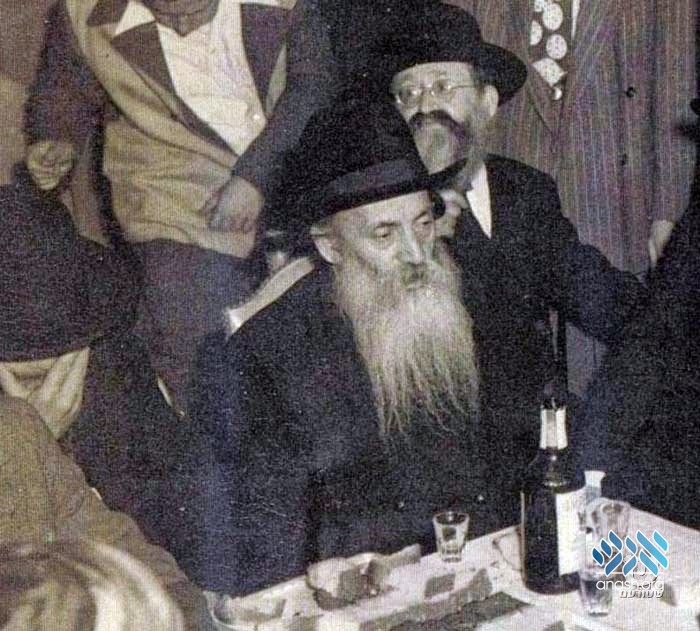
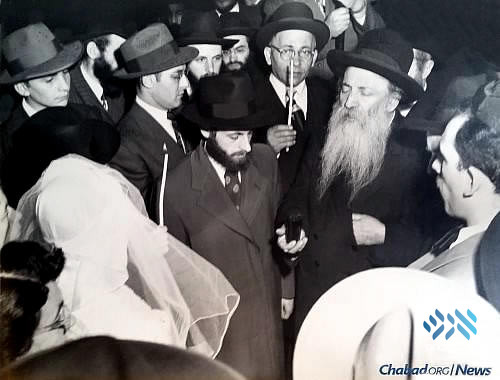
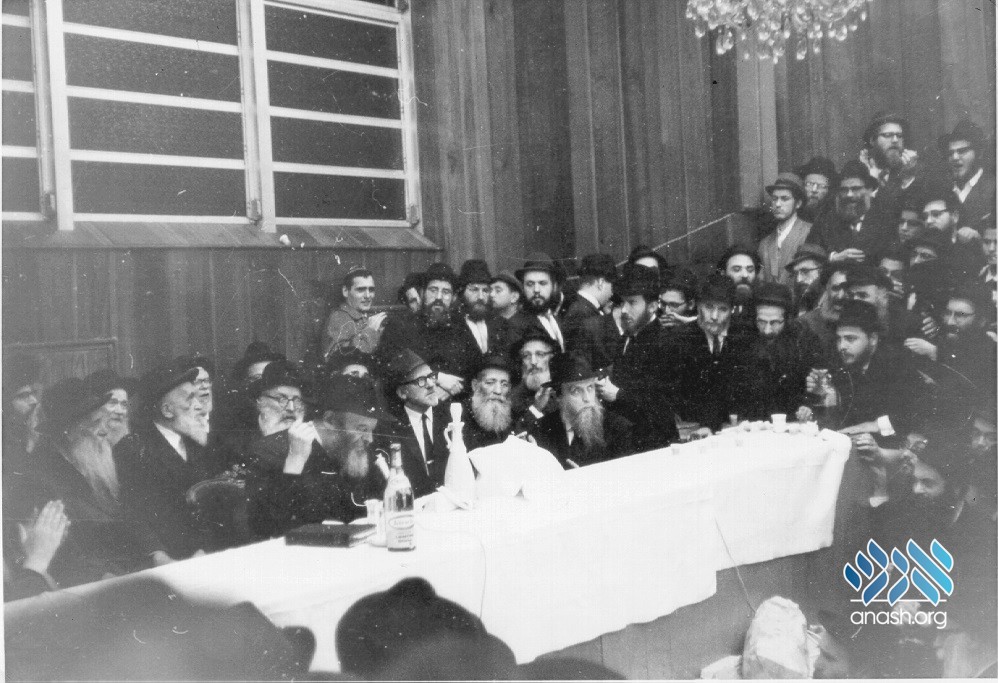
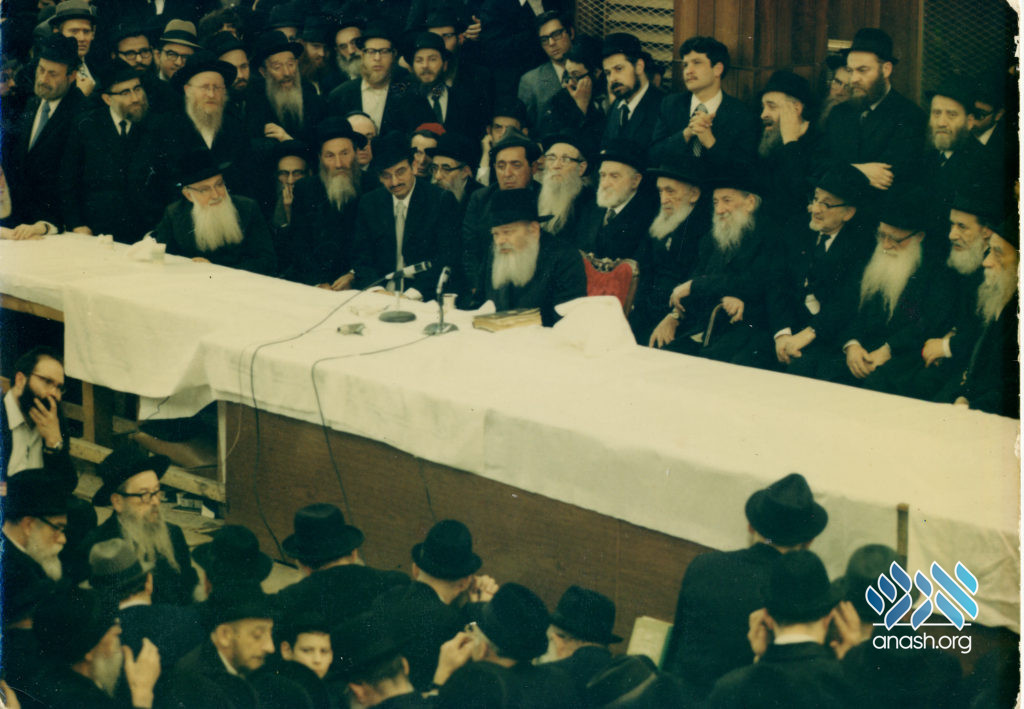
At the wedding of Reb Hershel Feigelstock
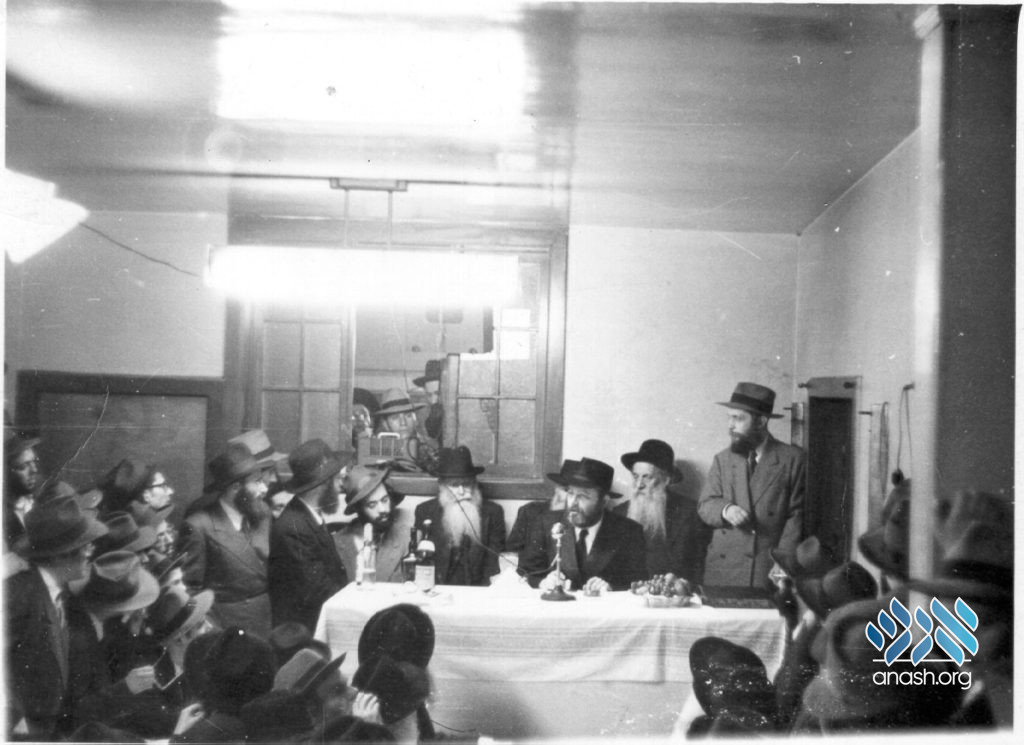
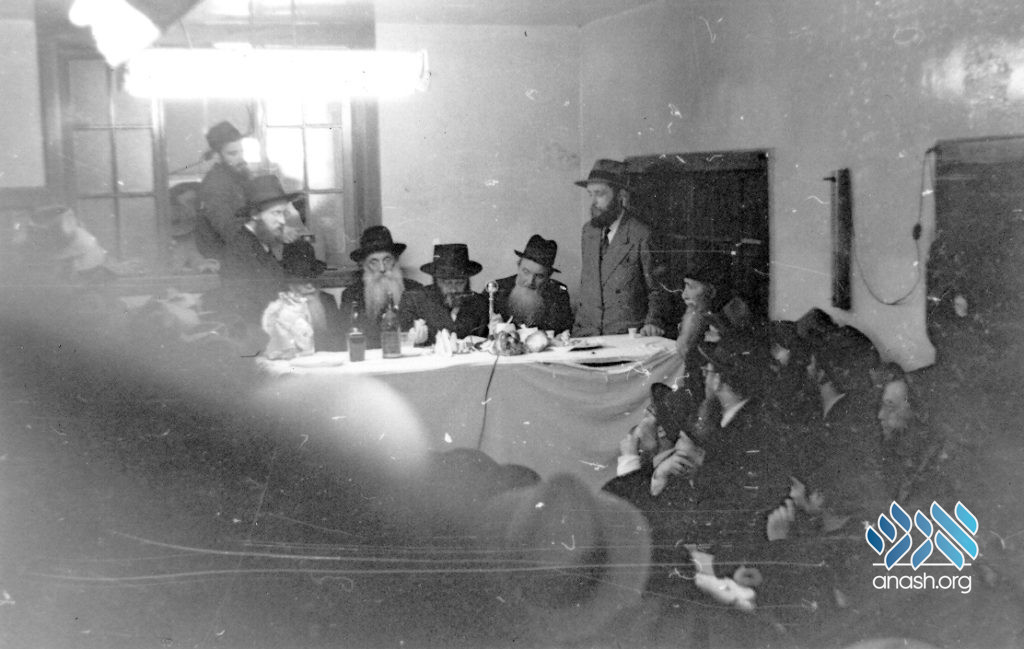

19 Kislev, 5714/1953.
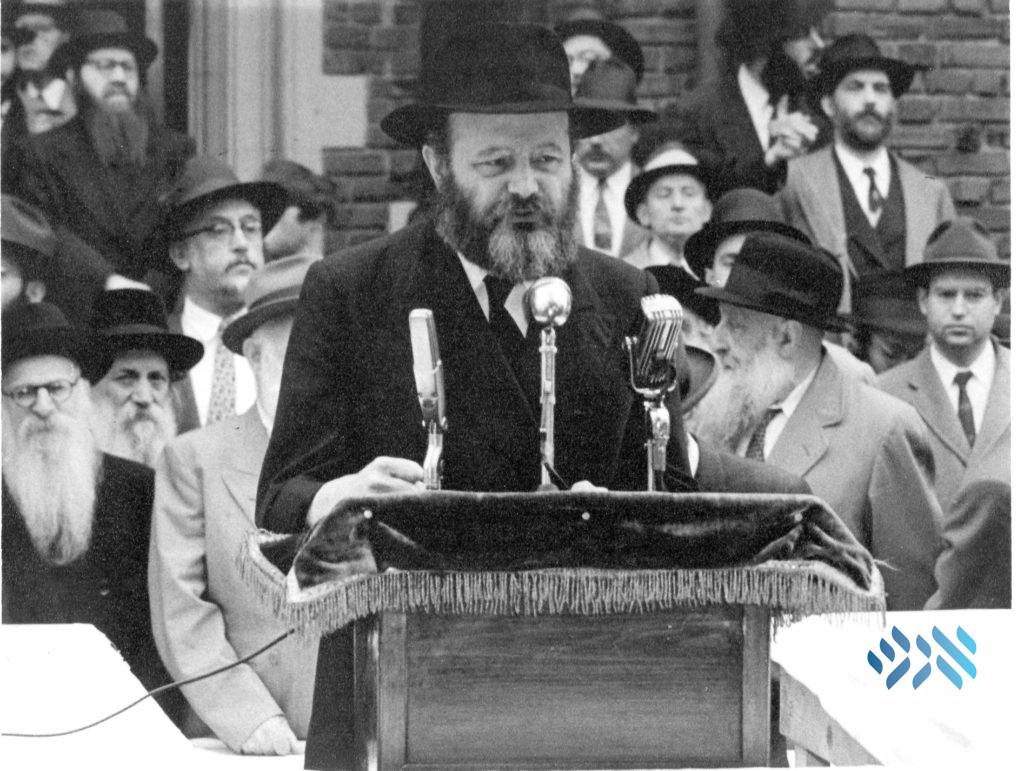
Lag BaOmer 5717/1957.
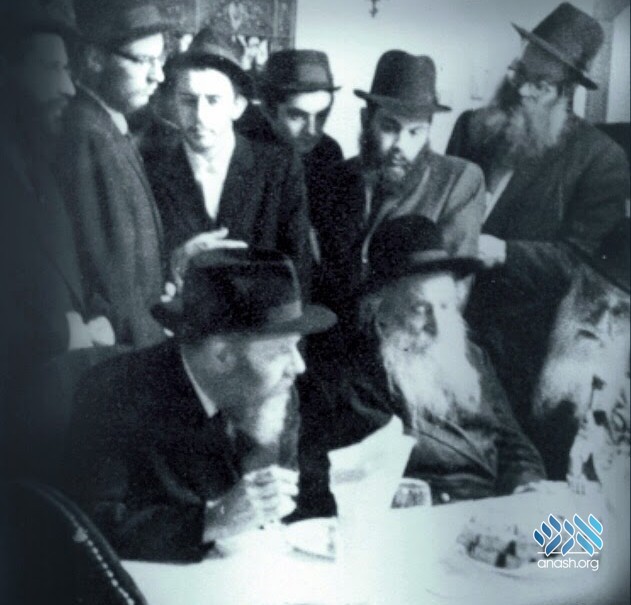
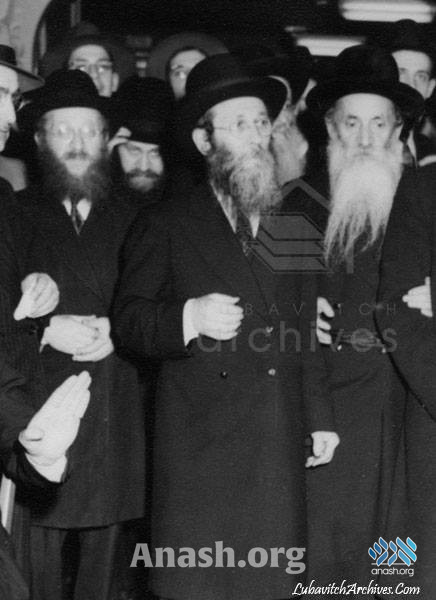
From right to left: Rabbis Shmuel Levitin, Yisroel Jacobson, ? and Elya Nachum Sklar, 1946 at the Levitin wedding.
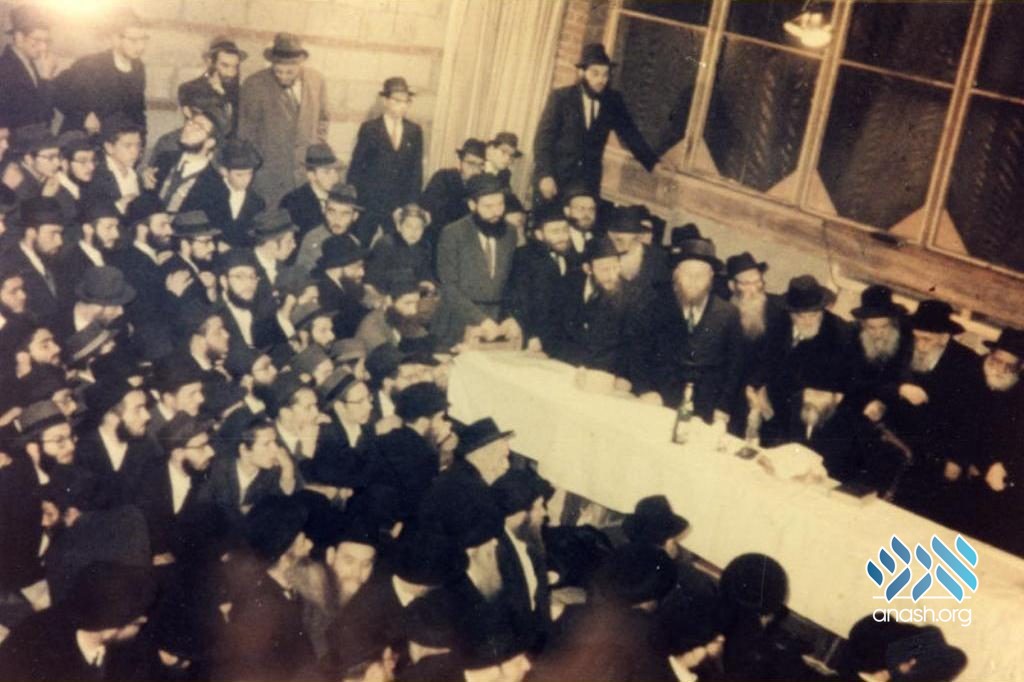

Purim 5724/1964.
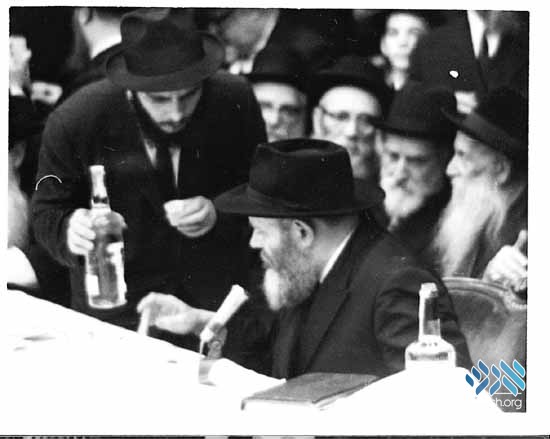

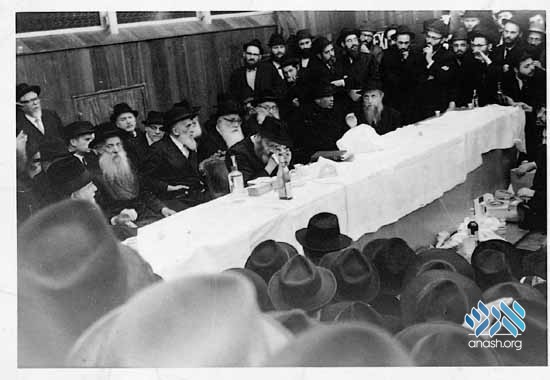

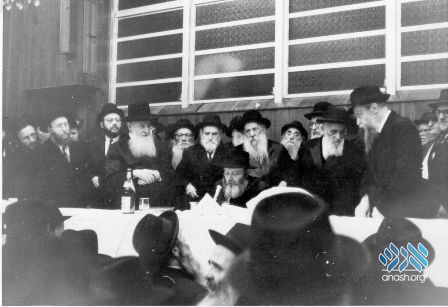


 COMMENTS


The special thing about this is that the brocho of hanosen layoeif koach was added in the times of the geonim, it is the newest brocho which we have.